Social & External
Himself, Physicist
Himself, Physicist University of Calgary
Himself, IBM Thomas J. Watson Research Center
Himself, CERN Junior Professor
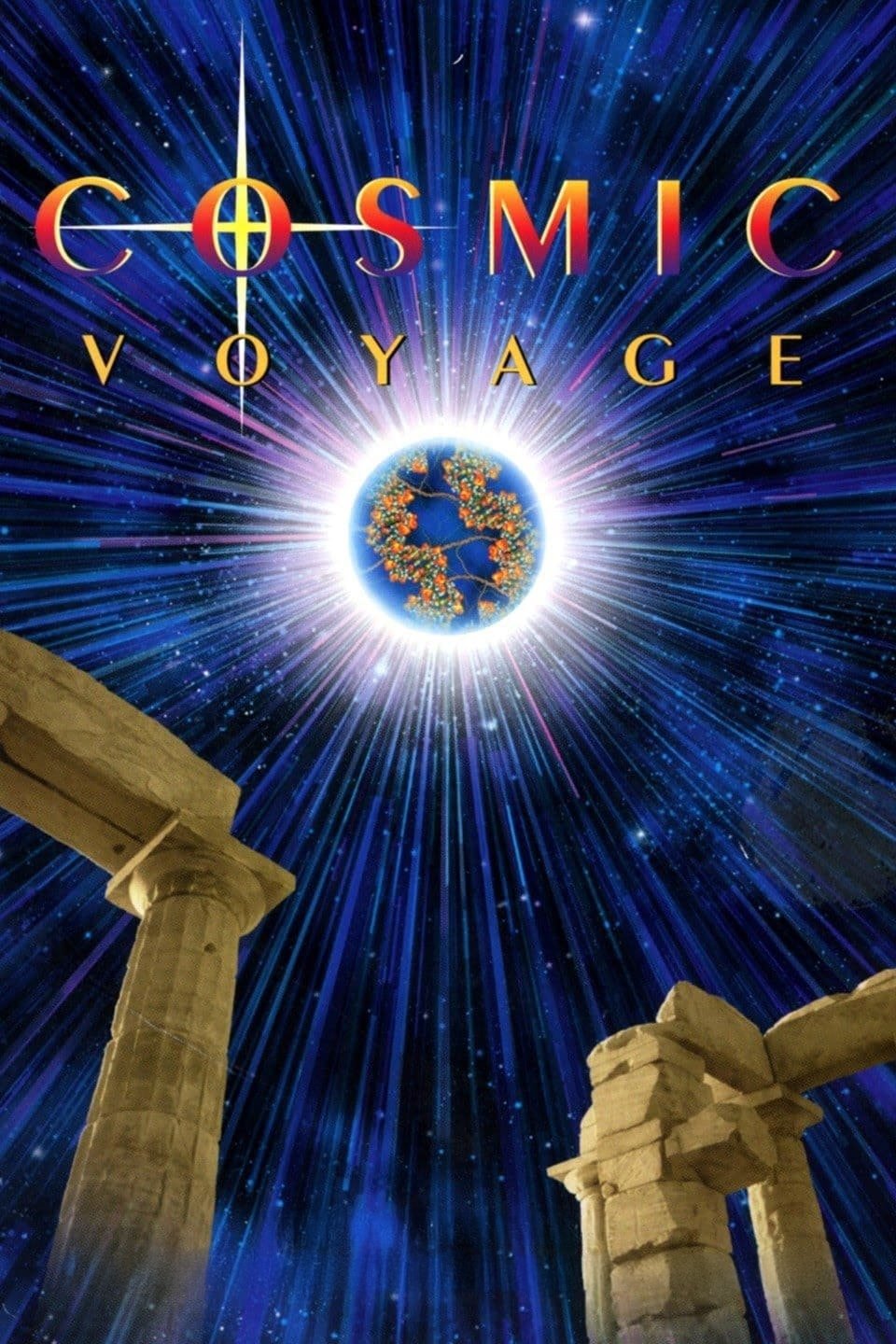
The Academy Award® nominee Cosmic Voyage combines live action with state-of-the-art computer-generated imagery to pinpoint where humans fit in our ever-expanding universe. Highlighting this journey is a "cosmic zoom" based on the powers of 10, extending from the Earth to the largest observable structures in the universe, and then back to the subnuclear realm.
In 1973 Yorkshire public television made a short film of the Nobel laureate while he was there. The resulting film, Take the World from Another Point of View, was broadcast in America as part of the PBS Nova series. The documentary features a fascinating interview, but what sets it apart from other films on Feynman is the inclusion of a lively conversation he had with the eminent British astrophysicist Fred Hoyle.
A poetic exploration of three subterranean telescopes in remote regions of Canada, Japan, and Antarctica that reveal a new way of perceiving the universe from within. Underground, we are dreaming into the earth.
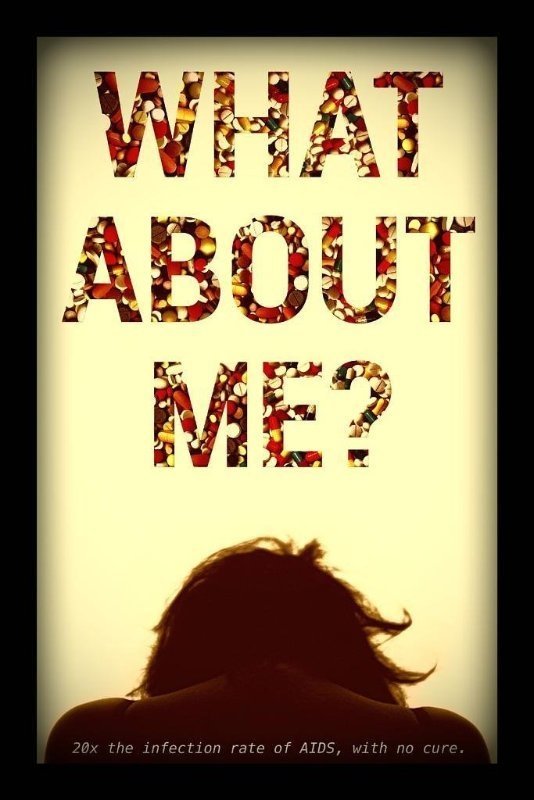
Inside the dramatic search for a cure to ME/CFS (Myalgic Encephalomyelitis/Chronic Fatigue Syndrome). 17 million people around the world suffer from what ME/CFS has been known as a mystery illness, delegated to the psychological realm, until now. A scientist in the only neuro immune institute in the world may have come up with the answer. An important human drama, plays out on the quest for the truth.
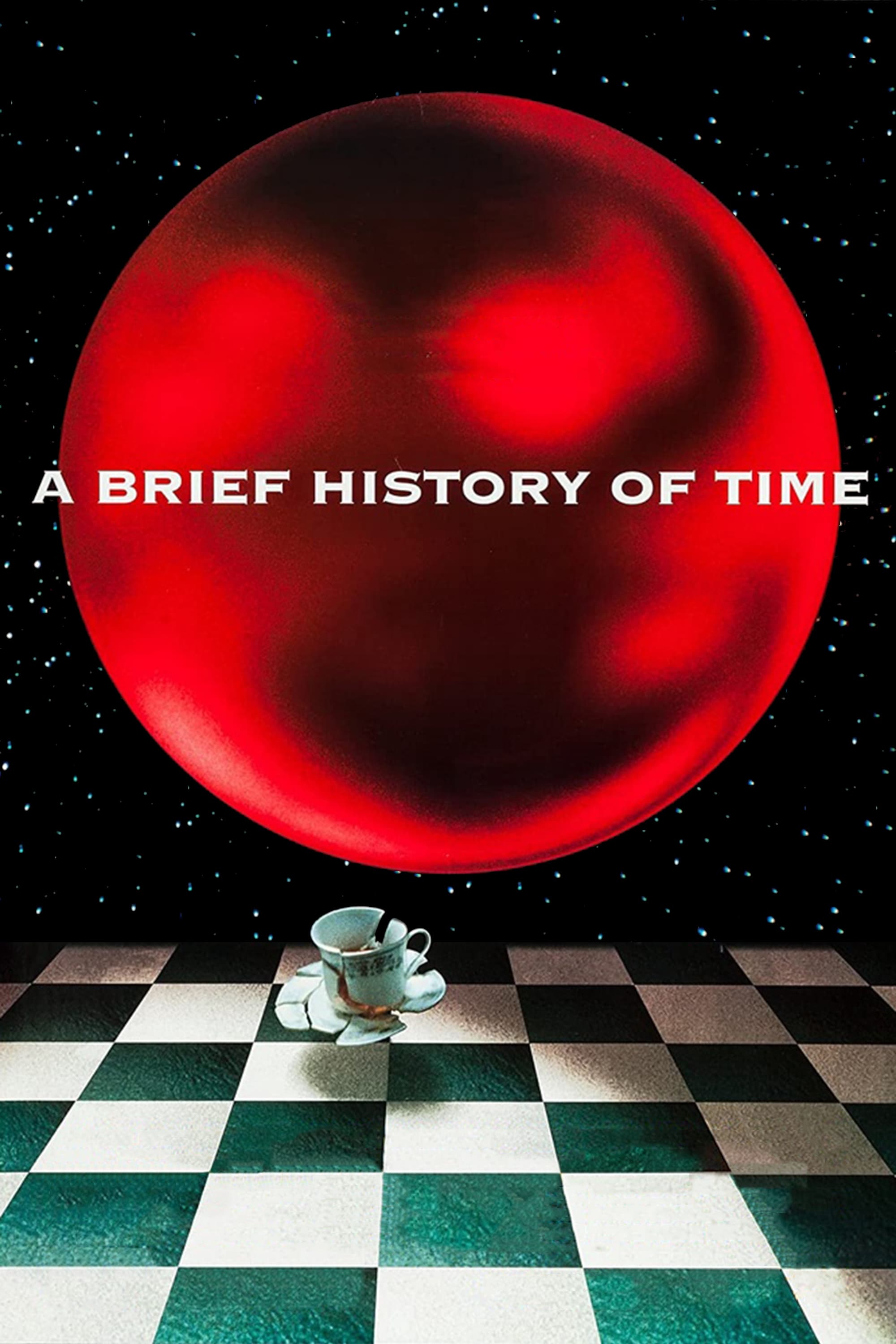
Twenty years after A Brief History of Time flummoxed the world with its big numbers and black holes, its author, Stephen Hawking, concedes that the "ultimate theory" he'd believed to be imminent - which would conclusively explain the origins of life, the universe and everything - remains frustratingly elusive. Yet despite his failing health and the seeming impossibility of the task, Hawking is still devoted to his work; an extraordinary drive that's captured here in fleeting interview snippets and footage of the scientist sharing a microwave dinner with some fawning PhD students. Though the pop-science tutorials that dapple the first of this two-part biography are winningly perky, Hawking, alas, remains as tricky to fathom as his boggling quantum whatnots
An in-depth investigation featuring world renowned philosophers and scientists into the most profound philosophical debate of all time: Do we have free will?
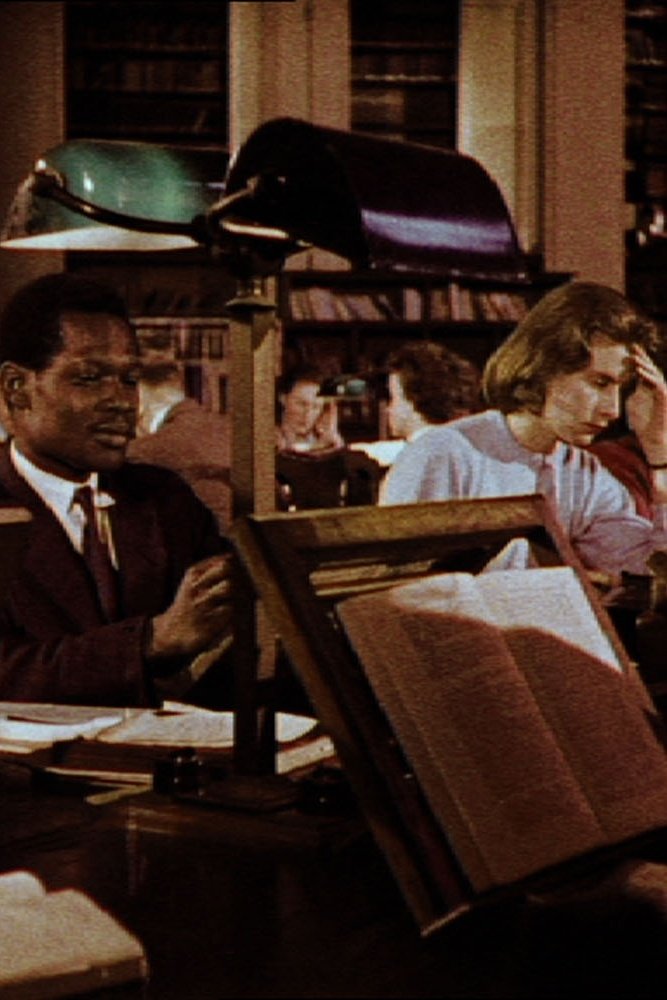
Though commissioned by Trinity College Dublin as a fundraiser for the Berkeley Library and with extensive discussion of the history, architecture and collections of the Old Library, this film also provides a rare insight into student life in Dublin in the 1950s – at work and at play – and lauds the arrival of women and students from many lands.
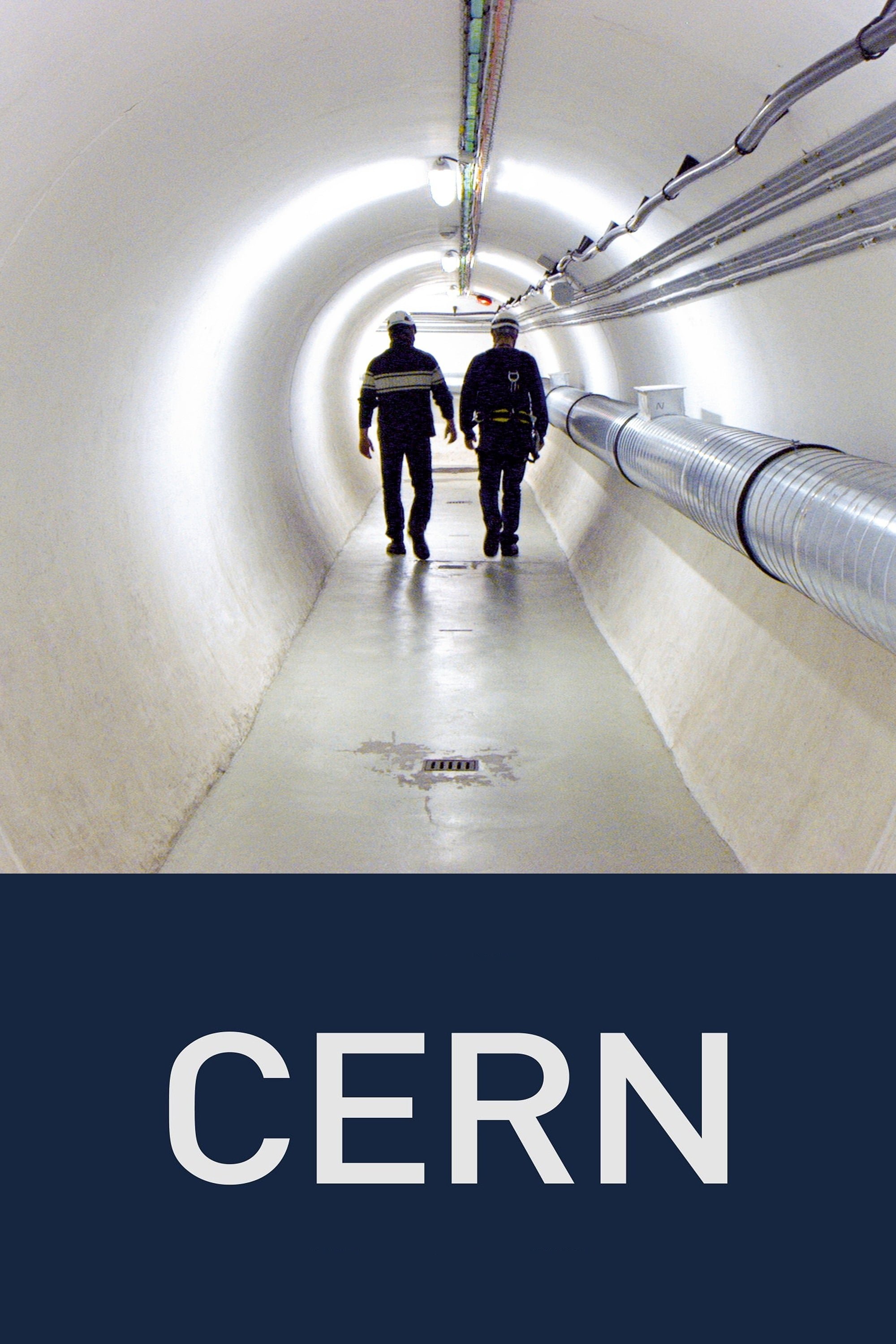
An exploration of the link between science and beauty through the work of scientists at CERN, in Geneva.
A documentary telling the remarkable human story of Stephen Hawking. For the first time, the personal archives and the testimonies of his closest family reveal both the scale of Hawking's triumphs and the real cost of his disability and success.
This shows physicist Stephen Hawking's life as he deals with the ALS that renders him immobile and unable to speak without the use of a computer. Hawking's friends, family, classmates, and peers are interviewed not only about his theories but the man himself.
STRATA INCOGNITA, is a trans-scalar and trans-temporal journey across the geographies that articulate soil as an agro-industrial infrastructure, but also as an ecosystem and a somatic archive of crimes, memories and myths.
Documentary about the lifelong project of Troy Hurtubise, a man who has been obsessed with researching the Canadian grizzly bear up close, ever since surviving an early encounter with such a bear. The film documents Hurtubise's diligent work to improve his homemade "grizzly-proof" suit of armour, his efforts to test its resilience, and his forays into the Rockies to track down the grizzlies he dreams of meeting. The film manages to capture the humor of the project as well as its sincerity.
Since before time, humankind has pondered one central question...who are we, and why are we here? Many theories have been put forth by religious leaders, scientists, philosophers, writers, artists, and countless others. None of the theories have held the test of time because there is a central fact, a hidden truth so powerful it almost transcends comprehension. It is so shocking, few dare imagine it. To keep this secret question hidden countless people throughout the centuries have been misled, manipulated, lied to, and even slaughtered, their lives ruined to benefit the ruling class. The most powerful and successful people on earth do not want you to know these truths, because it would undermine their control over the earth's population of sheeple. Once this incredible truth sweeps the world, nothing will be the same. Don't be left behind on this one. Watch for...The Endless Question.
Exploring the murky and fast-paced world of the hackers out to steal money and identities and wreak havoc with people's online lives, and the scientists who are joining forces to help defeat them.
The region of Lake Turkana, located in Kenya and Ethiopia, is considered to be “the Cradle of Humankind”. Among other finds, primate fossils from millions of years ago have been discovered in the region. But what about the region’s modern inhabitants and their relationship to their environment? Iiris Härmä, whose previous work includes the award-winning Leaving Africa, had the chance of joining Helsinki University’s researchers, Álvaro Fernández-Llamazares and Mar Cabeza, on their pre-pandemic trip to study the Daasanach people’s relationship to their environment through traditional animal tales. The researchers hope that storytelling would help to bridge the gap between people’s everyday lives and conservation efforts.
In our terrestrial view of things, the speed of light seems incredibly fast. But as soon as you view it against the vast distances of the universe, it's unfortunately very slow. This animation illustrates, in realtime, the journey of a photon of light emitted from the surface of the sun and traveling across a portion of the solar system, from a human perspective. Liberties were taken with certain things like the alignment of planets and asteroids, as well as ignoring the laws of relativity concerning what a photon actually "sees" or how time is experienced at the speed of light, but overall the size and distances of all the objects were kept as accurate as possible. It was also decided to end the animation just past Jupiter to keep the running length below an hour.