Social & External
Commentary (voice)
Self
TWO OR THREE THINGS I KNOW ABOUT EDWARD HOPPER is an immersive experience in 3D, that takes its viewers on a journey into the world of Hopper, sharpening their senses for some aspects of his unique work.
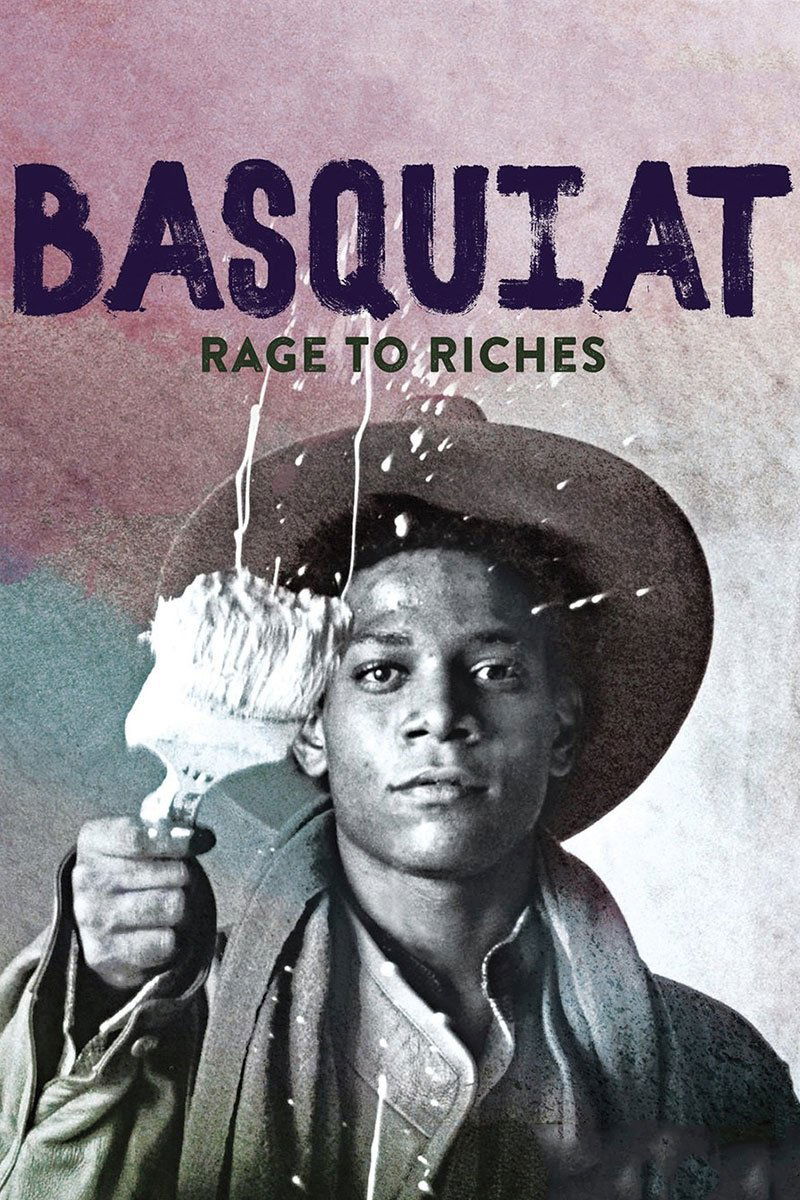
This film tells Jean-Michel's story through exclusive interviews with his two sisters Lisane and Jeanine, who have never before agreed to be interviewed for a TV documentary. With striking candour, Basquiat's art dealers - including Larry Gagosian, Mary Boone and Bruno Bischofberger - as well as his most intimate friends, lovers and fellow artists, expose the cash, the drugs and the pernicious racism which Basquiat confronted on a daily basis. As historical tableaux, visual diaries of defiance or surfaces covered with hidden meanings, Basquiat's art remains the beating heart of this story.
Newfoundland painter Gerald Squires has referred to his portraits as "confrontations," though not intending the hostility that word can convey. This film shows a meeting between the artist and Edythe Goodridge, art curator and critic. Through a combination of Squires's reflections on his life and work and the good-natured banter of these two friends, an intimate portrait evolves of the artist and his subject.
April 15, 1874, boulevard des Capucines, Paris: a group of young feverish painters shunned by the official Salon and mocked by the classical masters, chose to come together to exhibit their paintings freely, in the studio of photographer Nadar. At the end of a teeming century, when modernity was emerging, this group of rebellious artists, revolutionized the world of art.
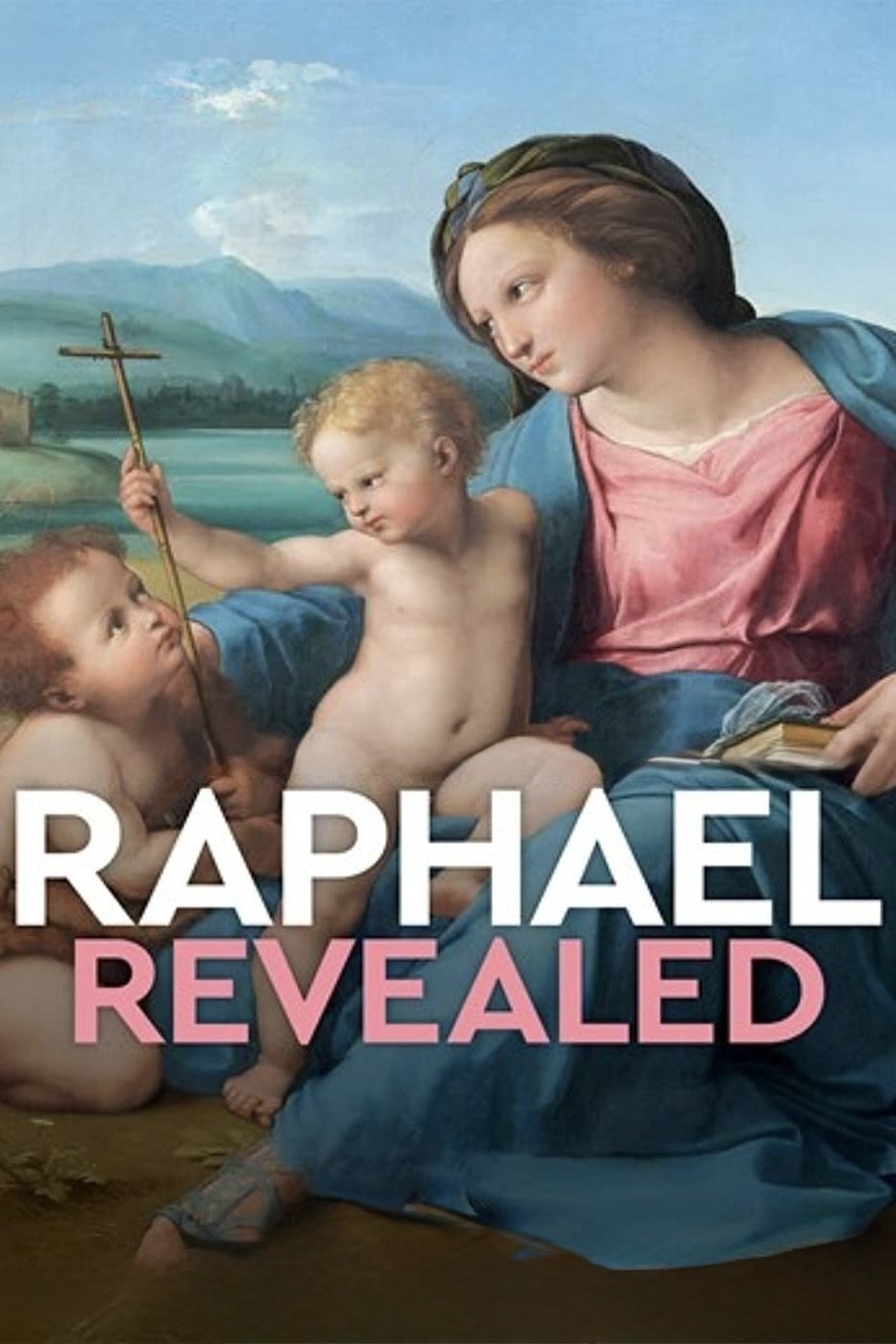
Marking the 500th anniversary of Raphael’s death, the greatest exhibition ever held of his works took place in Rome. Exhibition on Screen was granted exclusive access to this once-in-a-lifetime show. With over two hundred masterpieces, including paintings and drawings – over a hundred of which have been brought together for the first time – this major exhibition celebrates the life and work of Raffaello Sanzio da Urbino.
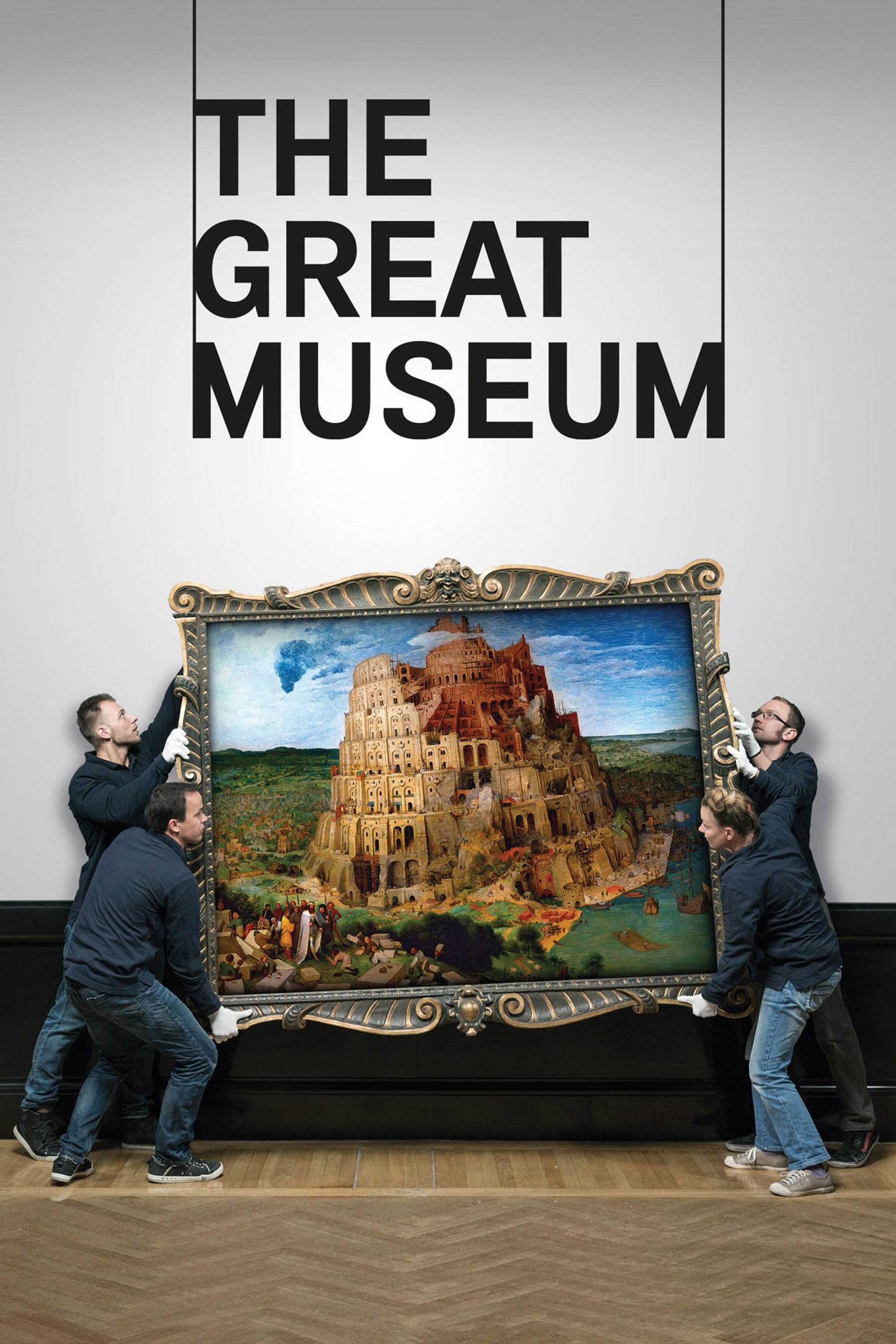
This feature documentary portrays one of the most important museums in the world, the Kunsthistorisches Museum Wien. It presents a unique look behind the scenes of this fascinating institution and encounters a number of charismatic protagonists and their working fields unfolding the museum’s special world – as an art institution as well a vehicle for state representation.
The film offers exclusive and intimate insights into how and why the classically trained artist risked rejection to revolutionize the traditional Chinese ink art form in Singapore.
"The prevailing stigmatization of the 'villero' universe is fed back by the images. In order to dismantle this stigmatization, other images must be presented or we need to reveal what the existing ones seek to cover up. The slum is usually represented from a limited and deceitful visual panorama. This representation has an intention. Cinema and television are two image-producing devices that strengthen the stereotypes that we have about the people who inhabit these spaces. And what happens in the field of painting? Do clichés reign there too? This visual essay seeks to confront various works by national painters and sculptors, belonging to the Palais collection, with the kinetic images of current cinema and television, to reflect on both the differences and the similarities in the meanings and discourses that both regimes of images can produce." César González
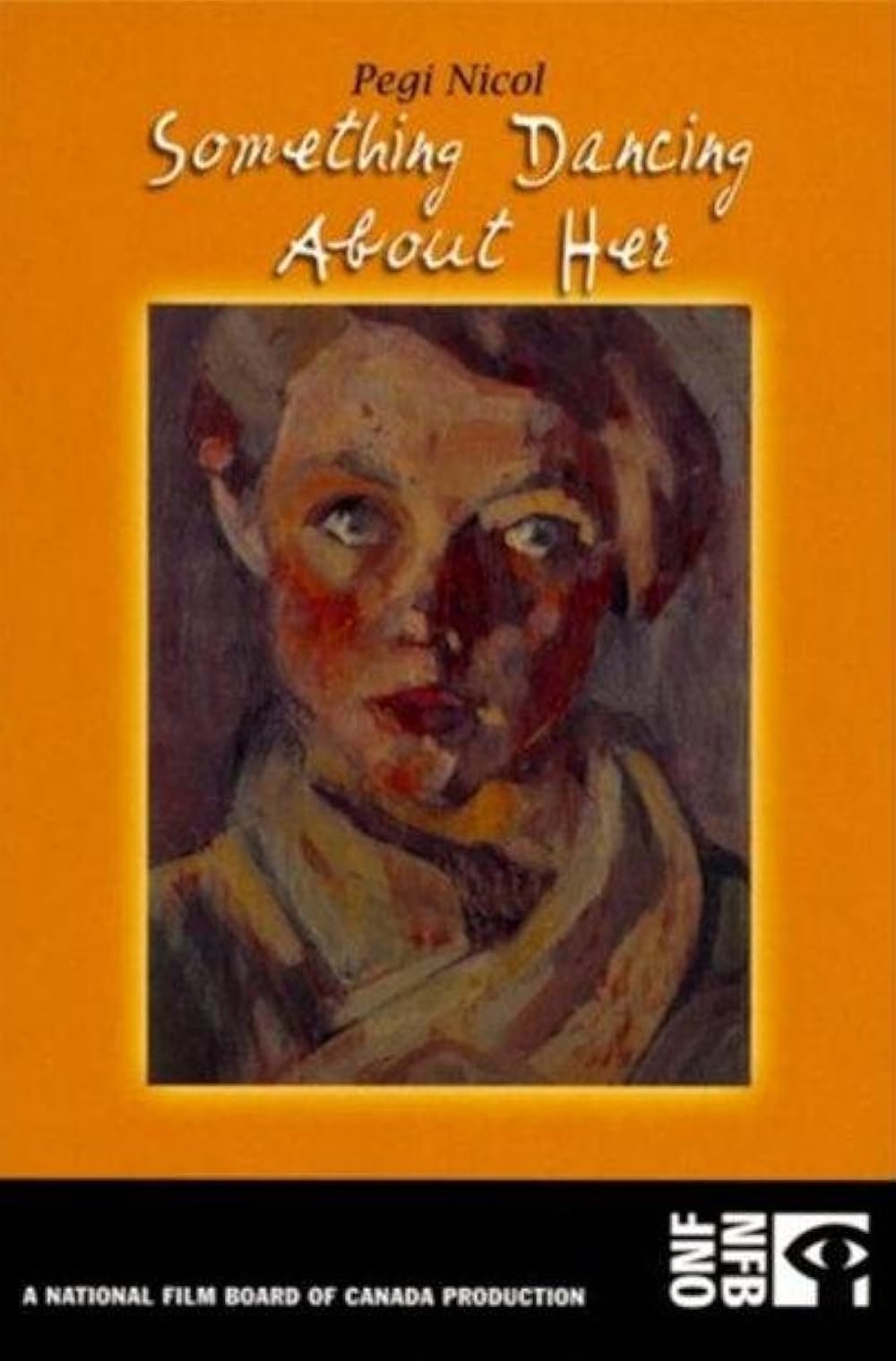
Something Dancing About Her is an affectionate portrait of Pegi Nicol MacLeod, a charismatic yet relatively unknown painter. Shedding fresh light on her place in Canadian art history, director Michael Ostroff chronicles the life of this remarkable creative spirit who threw herself into painting, left-wing politics and love affairs with equal enthusiasm.
A docudrama about art and creativity; based on modern art gallery in Tehran and its founder Jazeh Tabatabai.
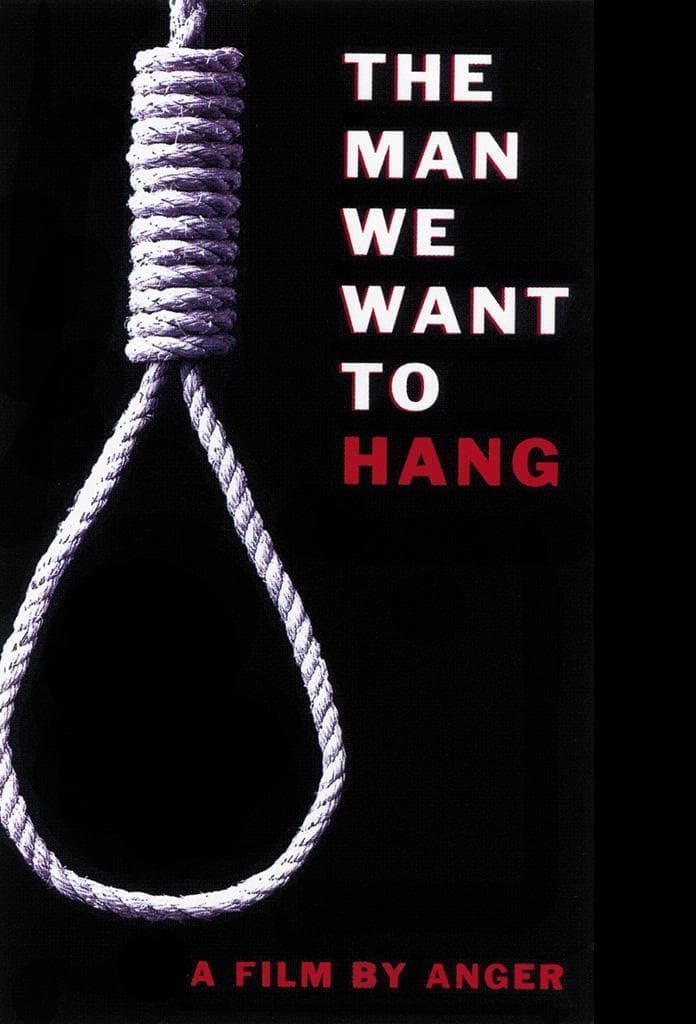
"The Man We Want to Hang" is a 12-minute short, consisting of Anger filming borrowed paintings done by legendary and controversial occultist Aleister Crowley.
We follow a project spearheaded by the Prince of Wales, who has commissioned seven leading artists to paint seven survivors of the Holocaust. Throughout the programme, we hear the testimonies of the remarkable men and women who were children when they witnessed one of the greatest atrocities in human history, as well as meeting the artists as they grapple with their paintings.
A documentary about young people with autism, and how arts and creative therapies help them to lead fuller lives.
Banksy is a graffiti artist with a global reputation whose work can be seen on walls from post-hurricane New Orleans to the separation barrier on the Palestinian West Bank. Fiercely guarding his anonymity to avoid prosecution, Banksy has so far resisted all attempts to be captured on film. Exit Through the Gift Shop tells the incredible true story of how an eccentric French shop keeper turned documentary maker attempted to locate and befriend Banksy, only to have the artist turn the camera back on its owner.
Wilhelm Hansen was a visionary businessman who lived in Denmark in the 19th century. He was one of the few collectors to take an interest in Impressionist painters at a time when they were attacked and denigrated. The film takes us to Hansen's summer house on the outskirts of Copenhagen and takes us on a tour of the extraordinary exhibition at the Royal Academy in London dedicated to his collection.
As the only work in this medium by Richter, the film was created for the exhibition Volker Bradke that took place on 13th December 1966 at Galerie Schmela in Düsseldorf. For the purpose of this exhibition, Gerhard Richter addressed the person Volker Bradke in different mediums. In addition to photographs, a banner and a large-scale painting Volker Bradke [CR: 133], the film had been screened. Richter transferred one of the stylistic features of his paintings of that time into film: the blurring.
A documentary about autism and sensory perception that features live-action and animated segments.
A sick man discovers empathetic wisdom on how to cope with his deadly autoimmune disease within the colorful expressive works of the late Swiss-German modern artist, Paul Klee.