Social & External
A core group of architects embraced the West Coast from Vancouver to LA with its particular geography and values and left behind a legacy of inspired dwellings. Today, architects celebrate the influence established by their predecessors.
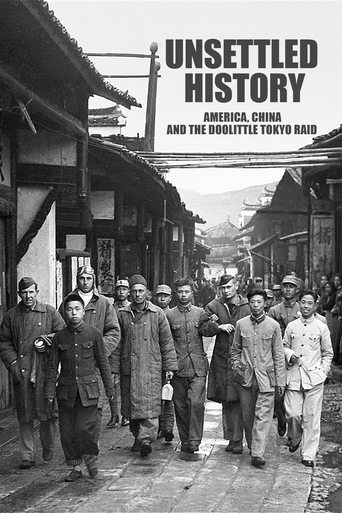
Doolittle's Raiders pull off a one-way bombing run over Tokyo and ditch their planes in and along the coast of China, where they are rescued by Chinese villagers, guerrillas, and missionaries. That generosity triggers horrific retaliation by the Japanese that claims an estimated quarter-million lives and prompts comparisons to the 1937-38 Rape of Nanking. The memory of the Raiders and their rescuers is kept alive by their children and grandchildren.
Documentary about the architecture of the Swedish housing boom in the 1960s and how it's viewed today.
The Sacred City of Caral or Caral-Supe is the capital of the Norte Chico Civilization of Supe located in the Supe Valley, 200 km (124 miles) north of Lima. The Sacred City of Caral is the earliest known civilization in the Americas, it dates to the Late Archaic period. Radiocarbon analysis performed by the Caral-Supe Special Archaeological Project (PEACS) dates its development between 3000 to 1800 B.C.. It is believed that this civilization started by the merging of small villages based on trade of agricultural and fishing products. Its importance rests on the success of techniques of domestication of cotton, beans, potatoes, chilis, squash among other products. Success in agriculture was due to the development of water canals, reservoirs and terraces. They used guano, bird excrement, and anchovies as fertilizer.
A historical documentary documenting the rise, function, and abandonment of a 17 story building that once housed The Rochester Psychiatric Center. This film tells the story of the building through historical footage, interviews of former staff and patients who recount their memories of the behemoth facility while also exploring the abandoned building as it is today.
The first American space station Skylab is found in pieces scattered in Western Australia. Putting these pieces back together and re-tracing the Skylab program back to its very conception reveals the cornerstone of human space exploration.
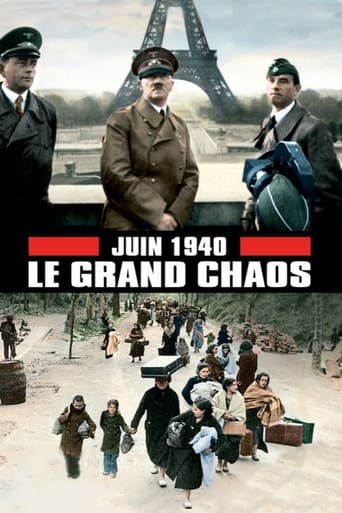
From May 10, 1940, France is living one of the worst tragedies of it history. In a few weeks, the country folds, and then collapsed in facing the attack of the Nazi Germany. On June 1940, each day is a tragedy. For the first time, thanks to historic revelations, and to numerous never seen before images and documents and reenacted situations of the time, this film recounts the incredible stories of those men and women trapped in the torment of this great chaos.
Secluded from view by nine-meter-high walls and composed of 980 buildings, the Forbidden City in Beijing is the largest imperial palace ever built in the world. Three majestic structures form its center and host the city's ceremonies, each of which is considered an architectural masterpiece. In 1406, construction of the Forbidden City was launched at the initiative of one of China's most powerful sovereigns and founder of the Ming dynasty: Yongle. Endowed with divine power, the construction has already resisted more than 200 earthquakes.
Mike Brewer sets off on a journey of discovery to find out the story of one of the most remarkable aircraft in the British Armed Forces: a Chinook helicopter code named Bravo November. By doing so he examines the invaluable contribution that these helicopters have made to campaigns from the Falklands War to modern day British Military service over the past thirty years.
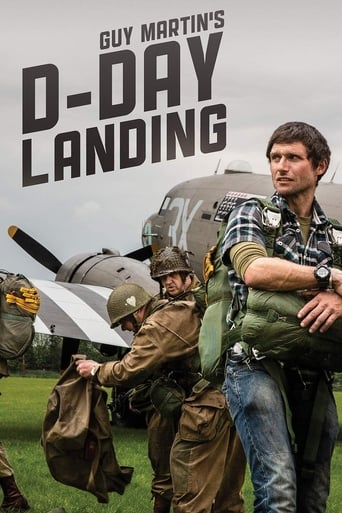
Guy Martin undertakes a challenge to restore a plane from the Second World War, and recreate a parachute jump into Normandy, as thousands of Allied soldiers did during D-Day.
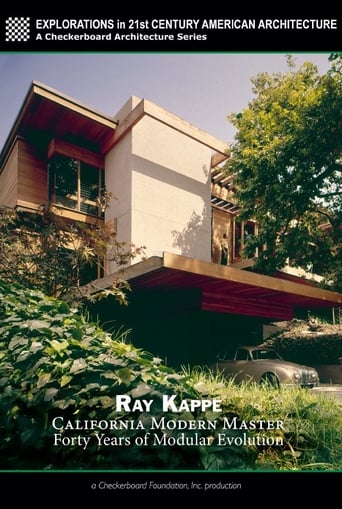
Explorations in 21st Century American Architecture Series: Ray Kappe has long been a cult figure in the architectural scene in and around Los Angeles. In 1972, he founded the influential, avant garde Southern California Institute of Architecture (SCI-ARC), where many of the younger-generation architects have studied or taught.
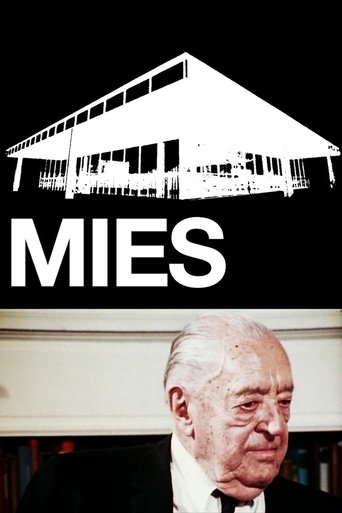
No understanding of the modern movement in architecture is possible without knowledge of its master builder, Mies van der Rohe. Together with documentation of his life, this film shows all his major buildings, as well as rare film footage of Mies explaining his philosophy. Phyllis Lambert relates her choice of Mies as the architect for the Seagram building. Mies's achievements and continuing influence are debated by architects Robert A.M. Stern, Robert Venturi, and Philip Johnson, by former students and by architectural historians. Mies is seen in rare documentary footage.