A documentary about the problems of post-war reconstruction and the beginnings of socialism in Bulgaria, Czechoslovakia and Poland.
Social & External
The people behind it
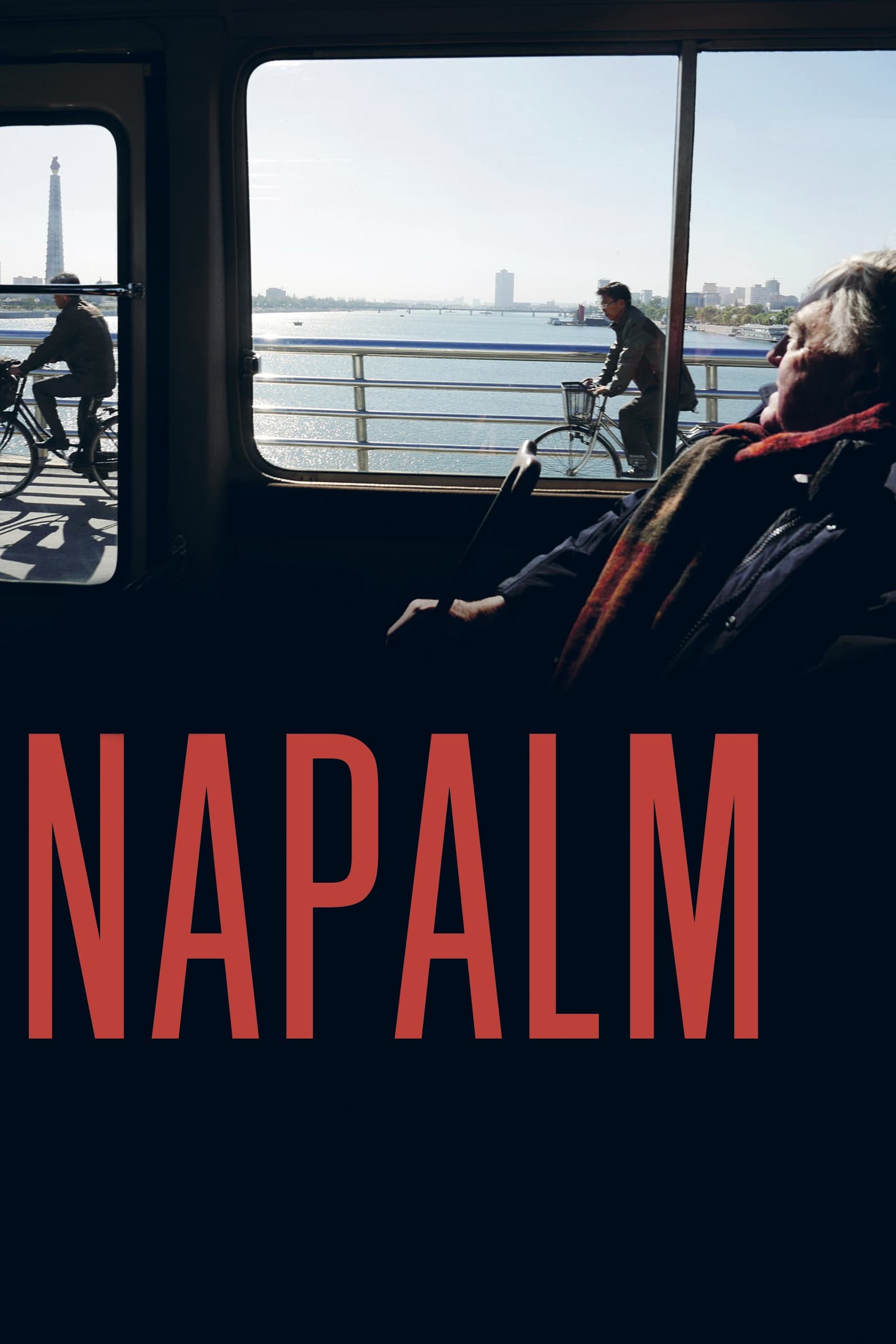
Napalm is the story of the breathtaking and brief encounter, in 1958, between a French member of the first Western European delegation officially invited to North Korea after the devastating Korean war and a nurse working for the Korean Red Cross hospital, in Pyongyang, capital of the Democratic People’s Republic of Korea.
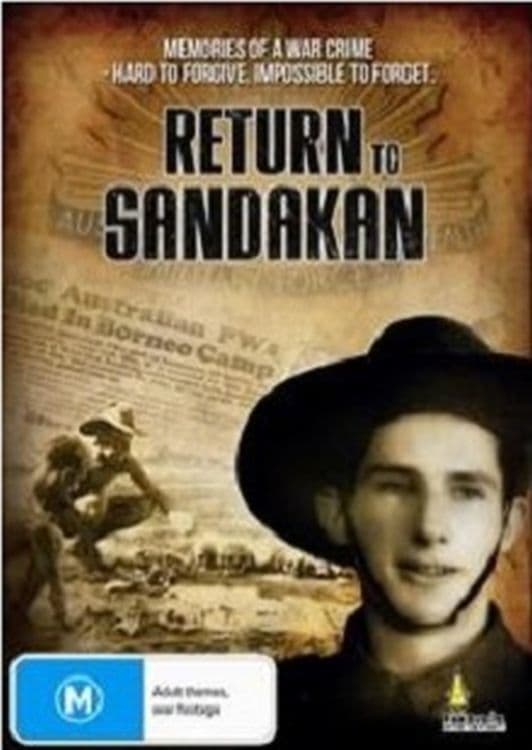
During World War II there were nearly 2,500 Allied prisoners held in Sandakan POW camp in British North Borneo. Along with the ravages of war and the struggle to survive abject conditions, only six of these POW's were found alive when the war finally ended. In the years that followed, the horror stories of human depravity and the atrocities committed by the Japanese at Sandakan POW camp would come to light, considered by many as one of the most devastating chapters of the Pacific War.
Based on an agreement with the USSR from July 1946 on the mutual resettlement of citizens, around 40,000 Volhynian Czechs moved to Czechoslovakia in 1947. The large-scale repatriation operation was not without complications. The short film also addresses these, but they remain overshadowed by the post-war optimism, with which the resettlers were sent to the depopulated borderlands.
Documenting the rebuilding of Potsdam one year after the war under Soviet supervision.
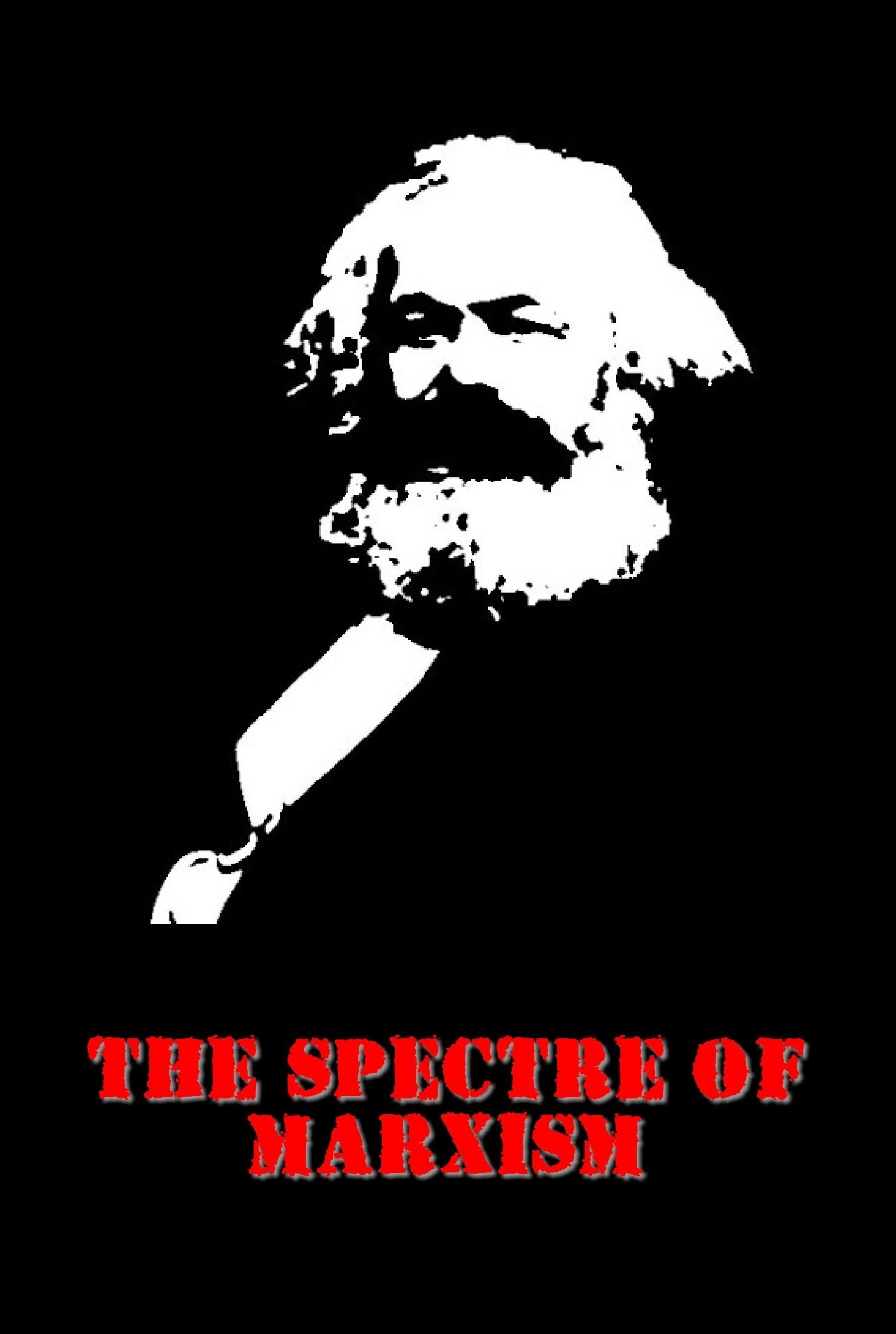
The impact of Marx on the 20th century has been all-pervasive and world-wide. This program looks at the man, at the roots of his philosophy, at the causes and explanations of his philosophical development, and at its most direct outcome: the failed Soviet Union.
Documentary short about the Leipzig Tradefair in 1946.
A film about Dresden - before, during, and after the war.
An innovative and charismatic influencer is suddenly exiled from her community of creative partners and colleagues when she states an opinion that she did not know was “unacceptable” in their eyes.
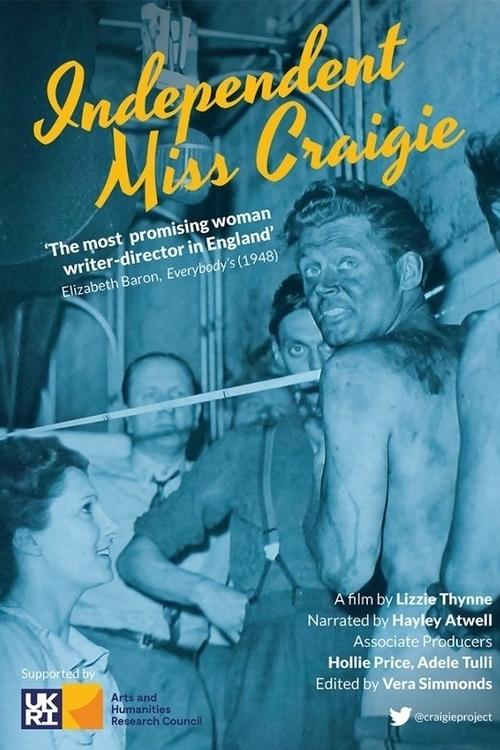
Some time after her death, film director Jill Craigie (1911- 99), re-opens an old suitcase, prompting memories of the extraordinary life and loves of this forceful, charismatic woman, whose work has been long neglected. Craigie was one of the first women to direct documentaries. Working outside the British Documentary Movement in the 1940s and early 1950s, her films such as To Be Woman (1951), on equal pay, and Out of Chaos (1944), the first film about artists at work, featuring Henry Moore and Paul Nash, tackled new subjects for the cinema through a unique blend of drama, polemic and humour. Independent Miss Craigie uses the director’s unseen papers, and her films, to reveal her energetic struggles to get her radical projects made and distributed, including her last one, on the Yugoslav conflict, made when she was 83, with her husband, former Labour leader, Michael Foot.
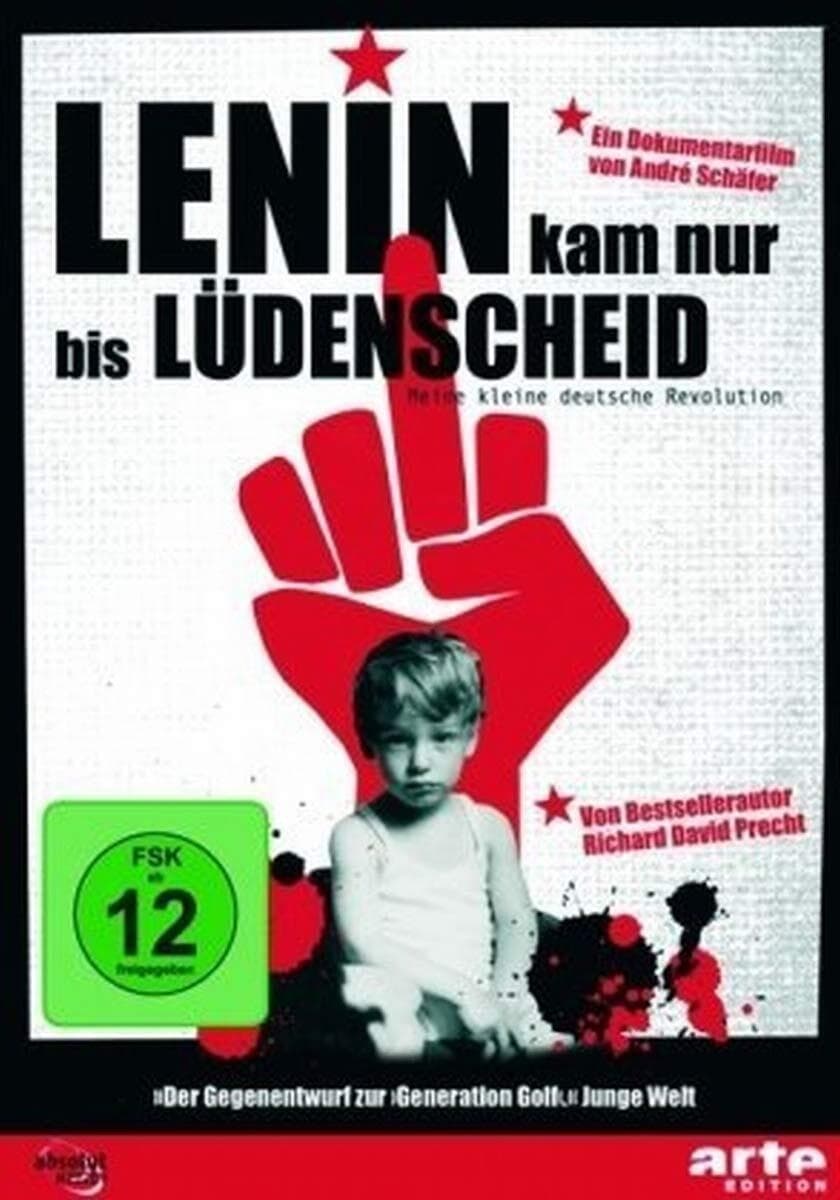
The free, almost naive view from the perspective of a child puts the "68ers" in a new, illuminating light in the anniversary year 2008. The film is a provocative reckoning with the ideological upbringing that seemed so progressive and yet was suffocated by the children's desire to finally grow up. With an ironic eye and a feuilletonistic style, author Richard David Precht and Cologne documentary film director André Schäfer trace a childhood in the West German provinces - and place the major events of those years in completely different, smaller and very private contexts.
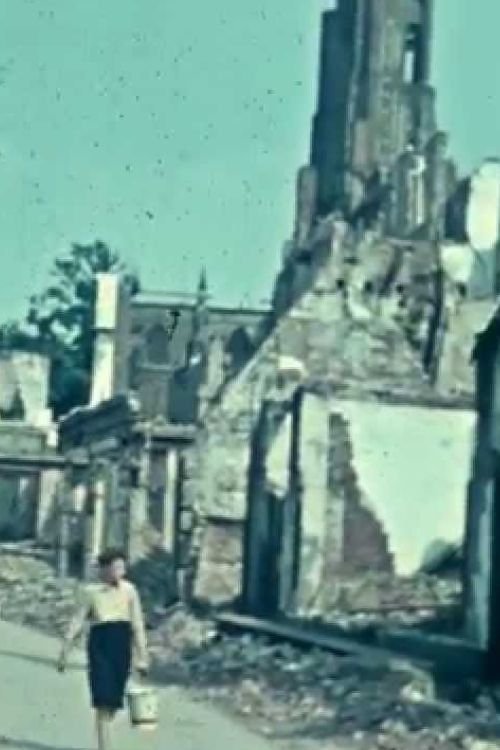
The silent film To Regain by Work is a remarkable filmed colour portrait of the Netherlands just after World War II. Immediately after the liberation of Deventer in April 1945, Alex Roosdorp and his wife Marie Roosdorp-van den Berg began filming the devastation around them: wrecked towns, destroyed infrastructure and flooded landscapes. Roosdorp and his wife travelled hundreds of kilometres by bike to record everything. They filmed extensively in the region around Deventer, but the film also includes footage of Arnhem, Scheveningen, Walcheren and the Wieringermeer polder. The couple had an eye for the small ways in which everyday life continued in the liberated Netherlands.
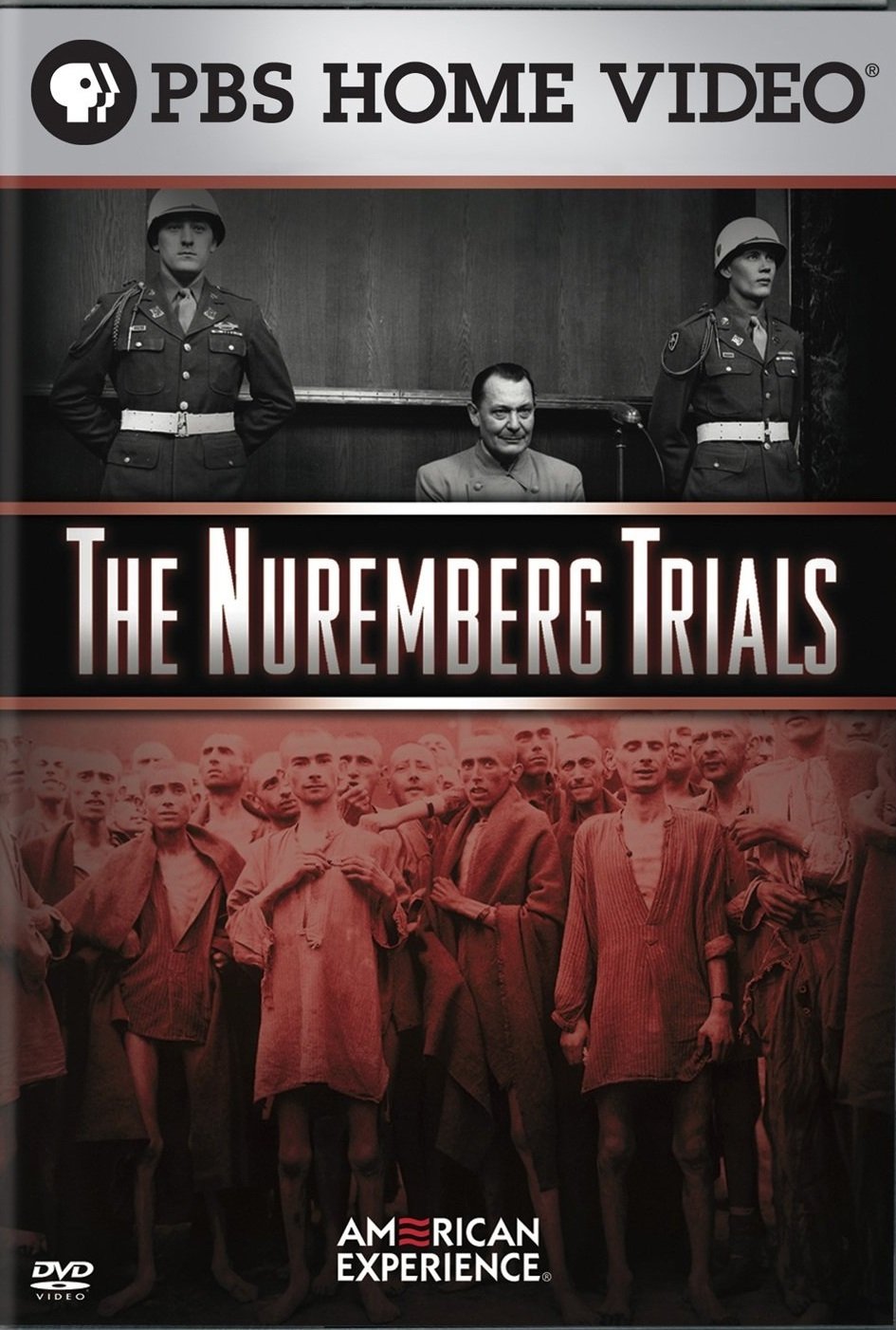
One journalist described it as a chance "to see justice catch up with evil." On November 20, 1945, the twenty-two surviving representatives of the Nazi elite stood before an international military tribunal at the Palace of Justice in Nuremberg, Germany; they were charged with the systematic murder of millions of people. The ensuing trial pitted U.S. chief prosecutor and Supreme Court judge Robert Jackson against Hermann Göring, the former head of the Nazi air force, whom Adolf Hitler had once named to be his successor. Jackson hoped that the trial would make a statement that crimes against humanity would never again go unpunished. Proving the guilt of the defendants, however, was more difficult than Jackson anticipated. This American Experience production draws upon rare archival material and eyewitness accounts to recreate the dramatic tribunal that defines trial procedure for state criminals to this day.
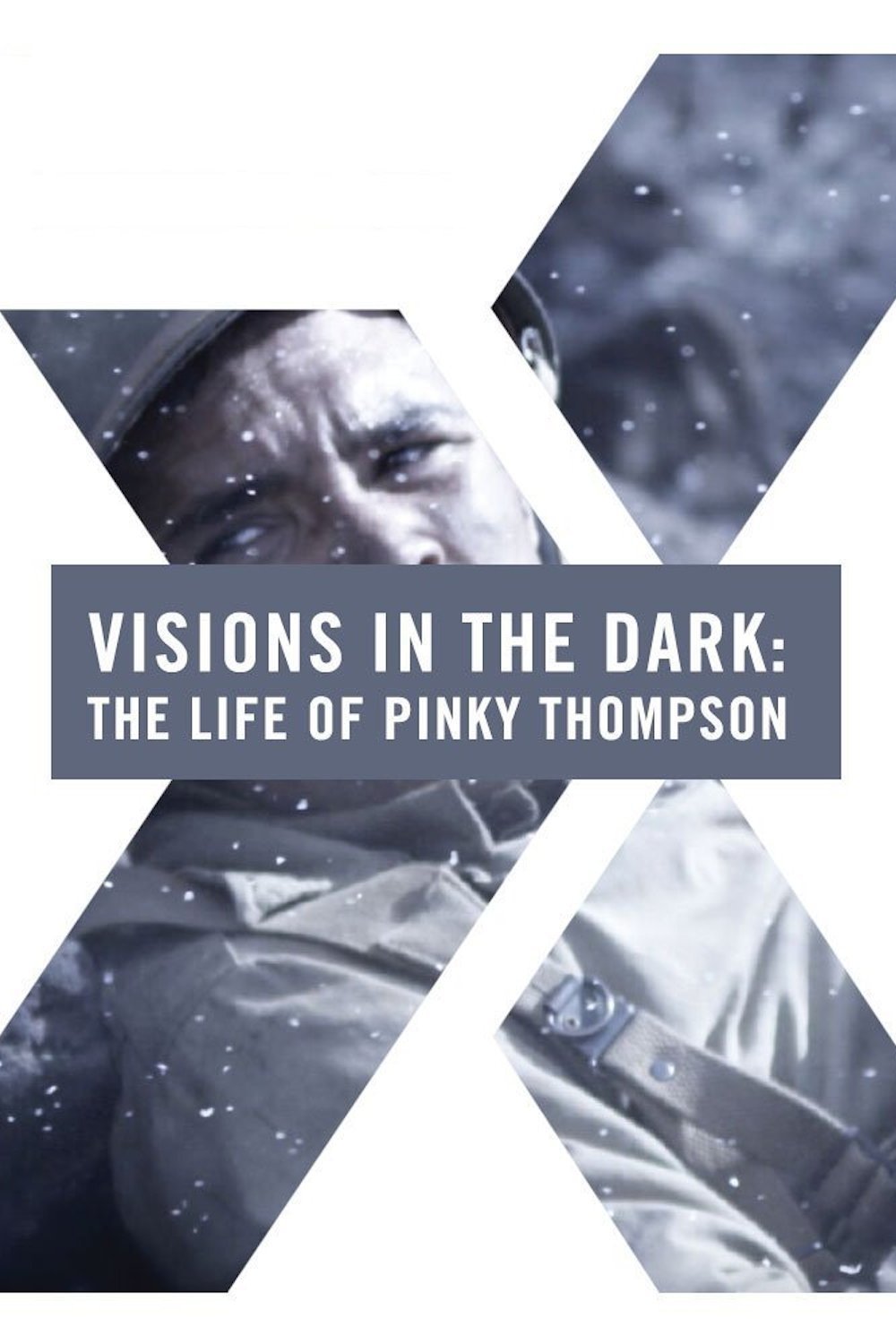
Pinky Thompson grew up in Hawaii during a time when one was punished for being Native Hawaiian. After almost losing his life in the battlefields of Normandy in World War II, Pinky brought his fierce energy to the arena of social service whre he championed a health care system, created invaluable educational programs and strengthened the pride of Native Hawaiians. Pinky fostered new methods of policy collaboration and community testimony. He elevated a new generation of Hawaiian leaders to represent the vibrant cultural identity and value system of the Hawaiian people.
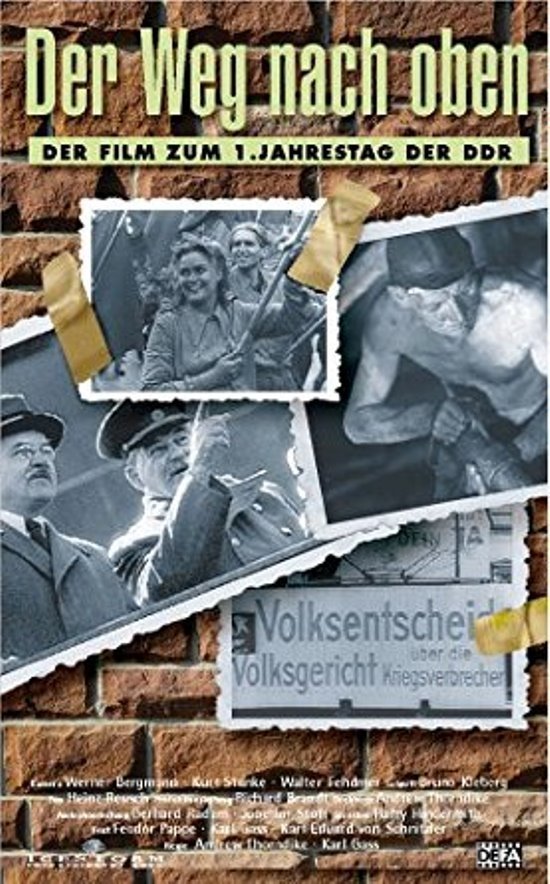
The economic and cultural improvements of the Soviet Occupied Sector are documented with scenes from the years 1945 to 1950. The film deals with the land reform, the founding of the Socialist Unity Party, the expropriation of war criminals, the founding of the GDR and the first Five Year Plan in July 1950. Special attention is dedicated to the setup of the steel industry. All this is shown in contrast to the new Federal Republic of Germany, where unemployment, slums and the West Berlin airlift prevail. The Cold War of those years is reflected in the film as well as a part of the development of post-war Germany.
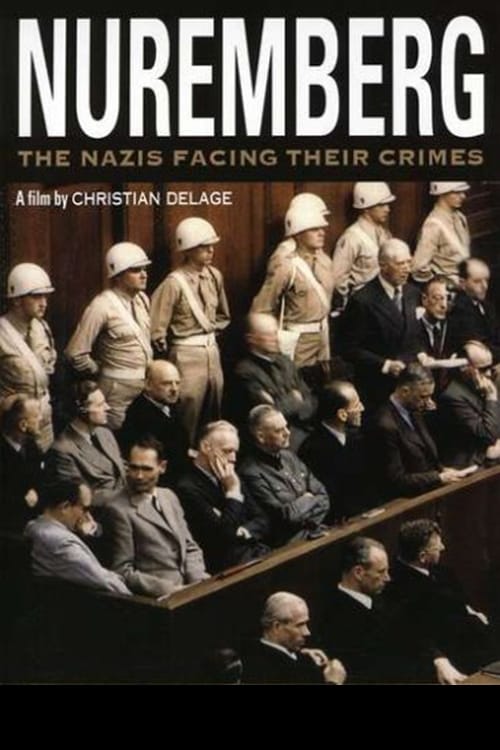
The documentary of the Nuremberg War Trials of 21 Nazi dignitaries held after World War II.
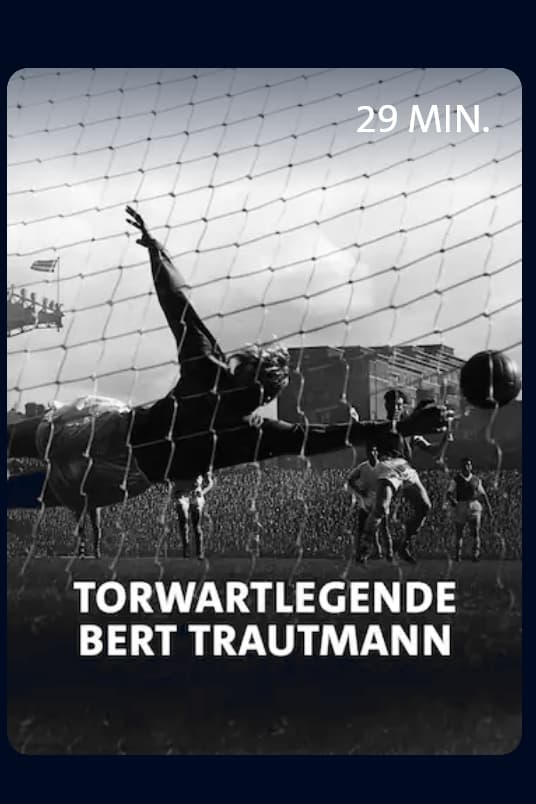
How could a German Wehrmacht soldier become a celebrated soccer idol of the Britons in the post-war period? The documentary by Radio Bremen shows the moving life story of the soccer star of the 1950s in a torn Europe and how an enemy became a friend. With his legendary appearance in the English Cup Final 1956, in which he played until the end despite a broken neck, Bert Trautmann set up a memorial for himself in the history of sport. Already in the same year, he is chosen as England’s footballer of the year, and by his club Manchester City even as best player of all times. Bernhard “Bert” Trautmann is one of the most popular and best-known soccer players in England.
A documentary on the expletive's origin, why it offends some people so deeply, and what can be gained from its use.
When Allied forces liberated the Nazi concentration camps in 1944-45, their terrible discoveries were recorded by army and newsreel cameramen, revealing for the first time the full horror of what had happened. Making use of British, Soviet and American footage, the Ministry of Information’s Sidney Bernstein (later founder of Granada Television) aimed to create a documentary that would provide lasting, undeniable evidence of the Nazis’ unspeakable crimes. He commissioned a wealth of British talent, including editor Stewart McAllister, writer and future cabinet minister Richard Crossman – and, as treatment advisor, his friend Alfred Hitchcock. Yet, despite initial support from the British and US Governments, the film was shelved, and only now, 70 years on, has it been restored and completed by Imperial War Museums under its original title "German Concentration Camps Factual Survey".
Through deeply personal interviews with her siblings and an examination of the photographs, letters, and belongings left behind, Mariska assembles a new portrait of her mother Jayne Mansfield, an extraordinary and complex woman.
“The Soviet Story” is a story of an Allied power, which helped the Nazis to fight Jews and which slaughtered its own people on an industrial scale. Assisted by the West, this power triumphed on May 9th, 1945. Its crimes were made taboo, and the complete story of Europe’s most murderous regime has never been told. Until now...
A documentary about the life and films of director John Ford.
Over 35 years after Bob Lazar's revelations, this documentary exposes secrets of a facility the government still denies. Featuring Lazar's testimony, recreations, and new evidence, it reopens a case that continues to spark global curiosity
Musician and performance artist Laurie Anderson reflects on the deaths of her husband Lou Reed, her mother and her beloved dog.
A documentary on the life of John Lennon, with a focus on the time in his life when he transformed from a musician into an antiwar activist.
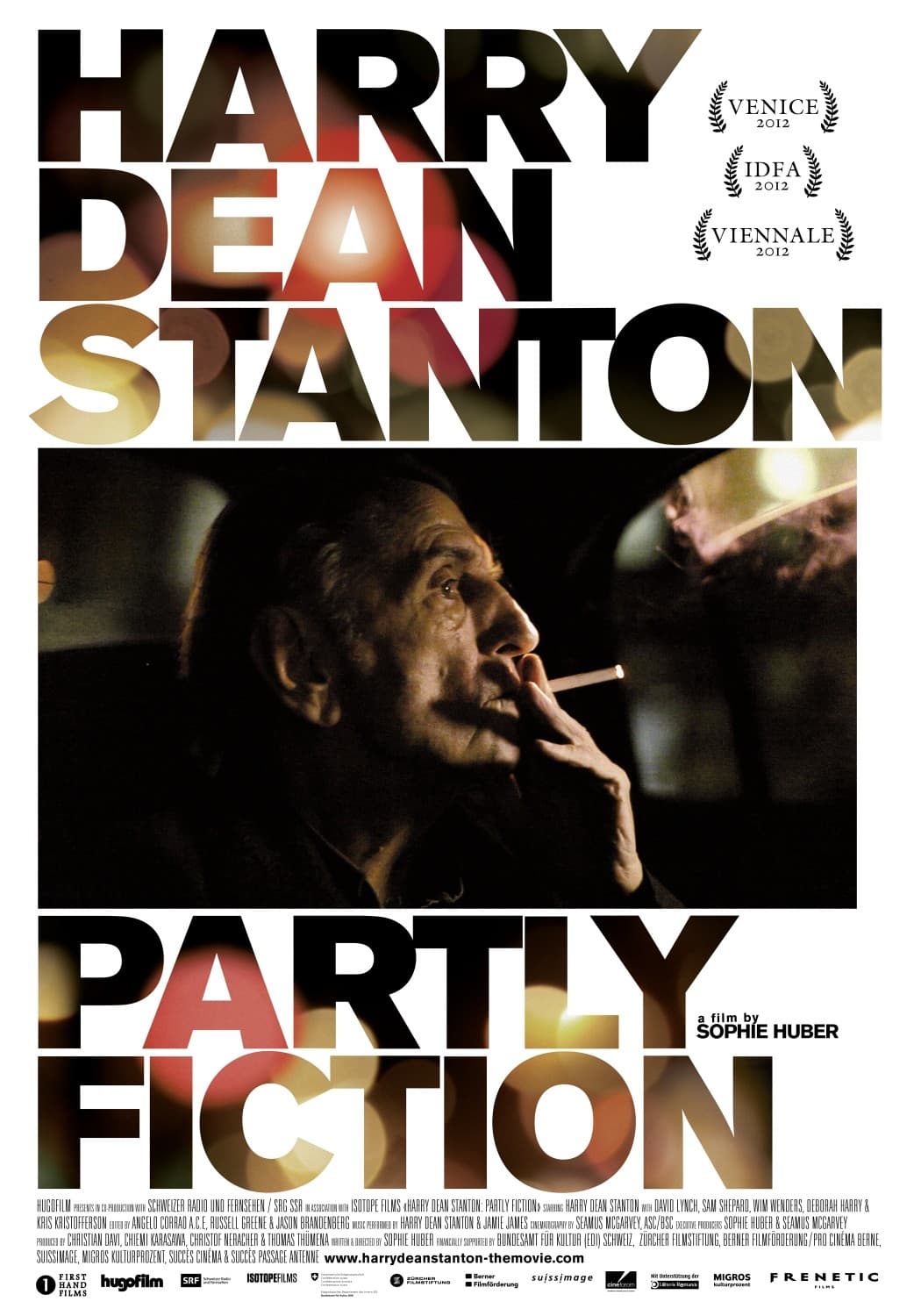
An impressionistic portrait of the iconic actor Harry Dean Stanton comprised of intimate moments, film clips from some of his 250 films and his renditions of American folk songs.
In an intimate and joyful story of love in the face of loss, celebrated poets Andrea Gibson and Megan Falley find strength—and unexpected hilarity—in what might be their final year together.
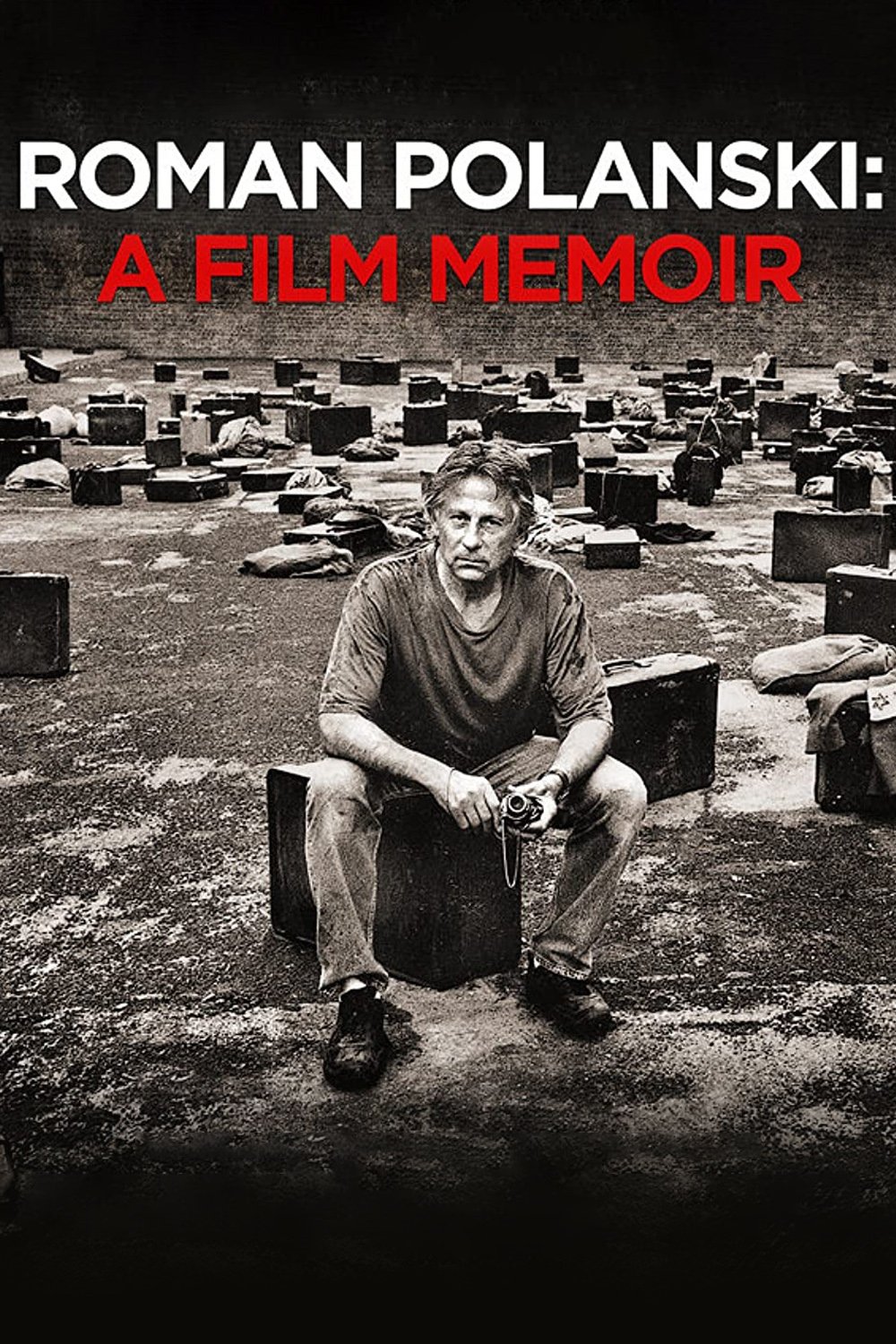
An interview with film director Roman Polanski conducted during his period of house arrest, discussing his life and work.
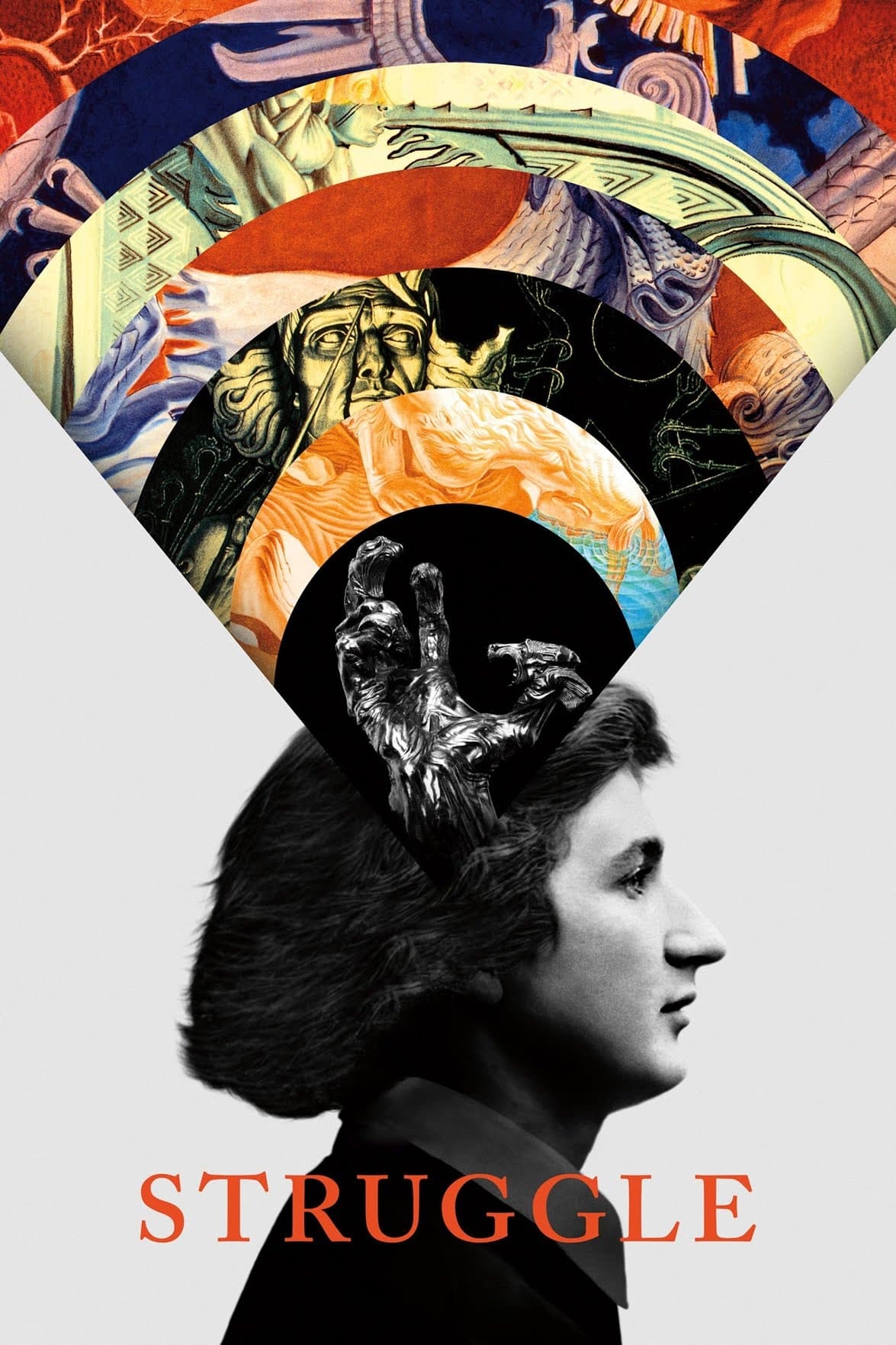
Artists in LA discover the work of forgotten Polish sculptor Stanislav Szukalski, a mad genius whose true story unfolds chapter by astounding chapter.
A detailing of the rise to prominence and global sporting superstardom of six supremely talented young Manchester United football players (David Beckham, Nicky Butt, Ryan Giggs, Paul Scholes, Phil and Gary Neville). The film covers the period 1992-1999, culminating in Manchester United's European Cup triumph.
Herbert Ponting travelled to Antarctica with Captain Scott’s ill-fated South Pole expedition and filmed the stunning images that make up this extraordinary documentary. (Originally released in 1912 as With Captain Scott in the Antarctic, the material was re-edited and re-issued by Ponting in 1924 as The Great White Silence.)
A documentary about how a dominant cultural and demographic institution both sustains their traditional activities and adapts to the digital revolution.
Alexander McQueen's rags-to-riches story is a modern-day fairy tale, laced with the gothic. Mirroring the savage beauty, boldness and vivacity of his design, this documentary is an intimate revelation of McQueen's own world, both tortured and inspired, which celebrates a radical and mesmerizing genius of profound influence.
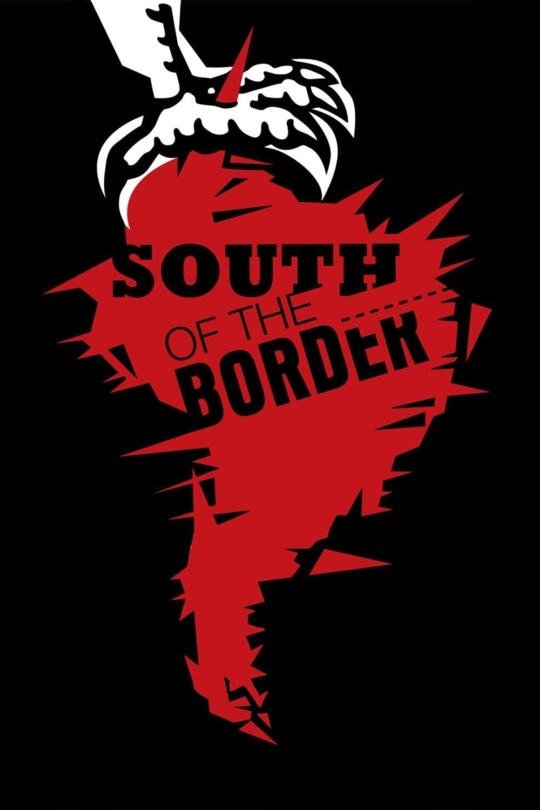
A road trip across five countries to explore the social and political movements as well as the mainstream media's misperception of South America while interviewing seven of its elected presidents.
In 1977, a book of photographs captured an awakening - women shedding the cultural restrictions of their childhoods and embracing their full humanity. This documentary revisits those photos, those women and those times and takes aim at our culture today that alarmingly shows the need for continued change.
In the Realms of the Unreal is a documentary about the reclusive Chicago-based artist Henry Darger. Henry Darger was so reclusive that when he died his neighbors were surprised to find a 15,145-page manuscript along with hundreds of paintings depicting The Story of the Vivian Girls, in What is Known as the Realms of the Unreal, of the Glodeco-Angelinnian War Storm, Cased by the Child Slave Rebellion.
A documentary about the making of season five of the acclaimed AMC series Breaking Bad.