Social & External
The people behind it
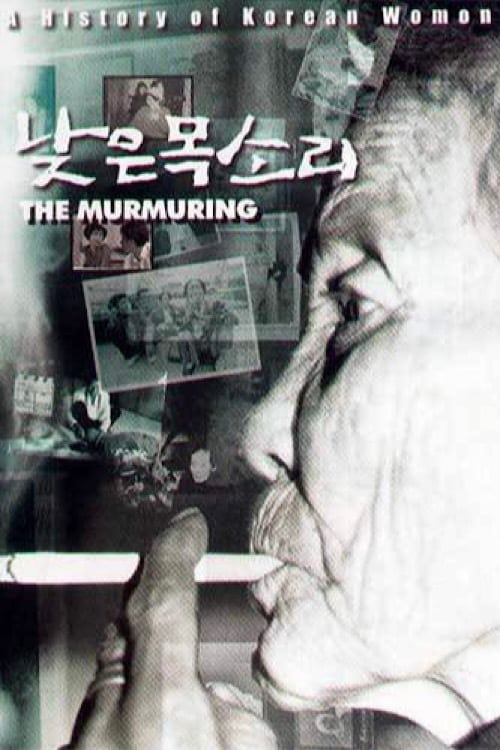
Every Wednesday at noon, women who were kidnapped for sexual purpose by the Japanese army during its imperialism and their supporters demonstrate against Japanese government to request official apology and indemnity for their crimes. This documentary portrays sexually abused old women's suppressed story of overcoming of their shame and forced silence.
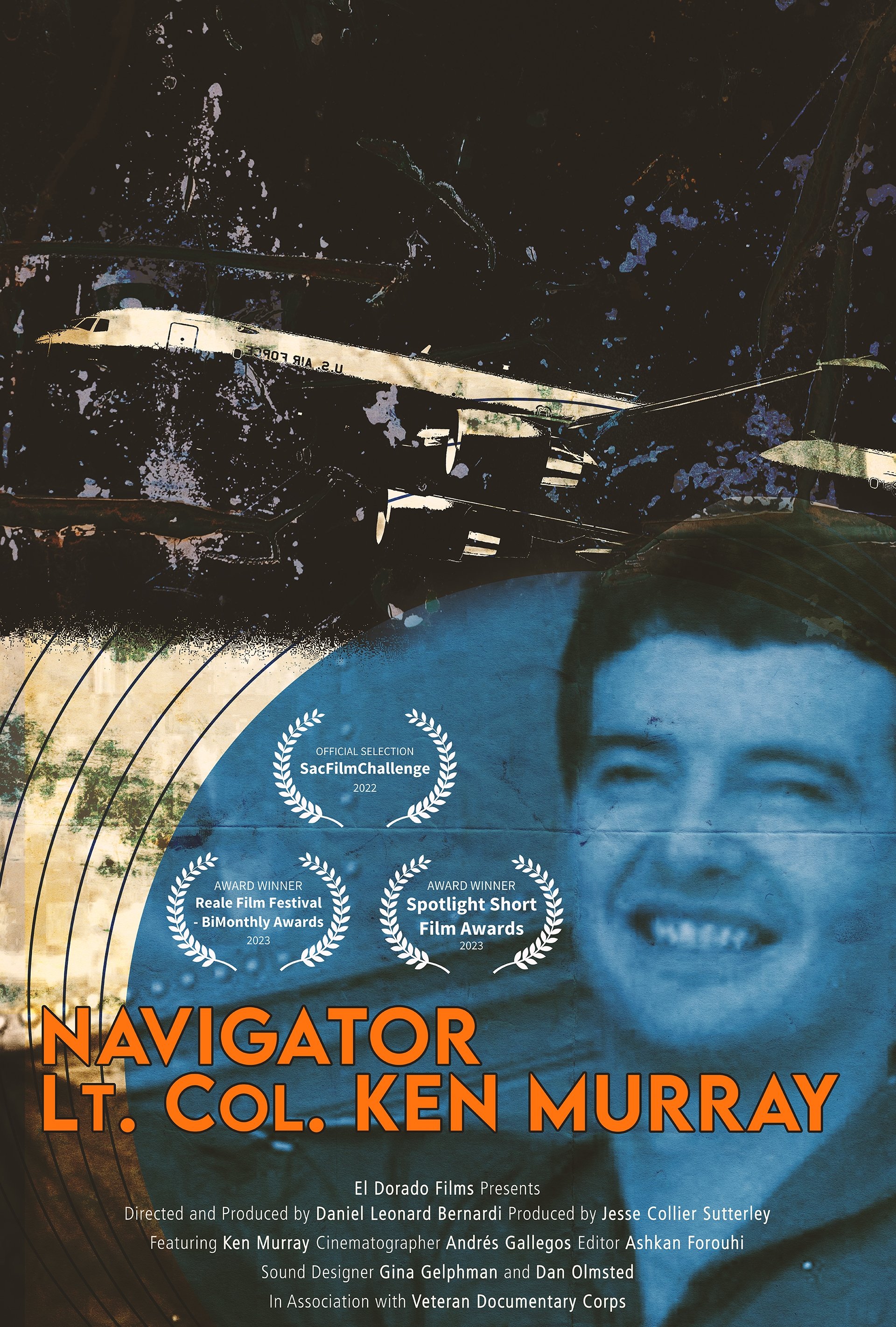
A former U.S. Air Force air tanker navigator, Lt. Col. Ken Murray’s career takes us from the horrific accident that killed 70 people at an airshow demonstration to Operation Just Cause in Panama and to the Iraq War. Through it all, we experience air operations, post-deployment divorce, a new career as a famed sports photographer and new loves.
Korengal picks up where Restrepo left off; the same men, the same valley, the same commanders, but a very different look at the experience of war.
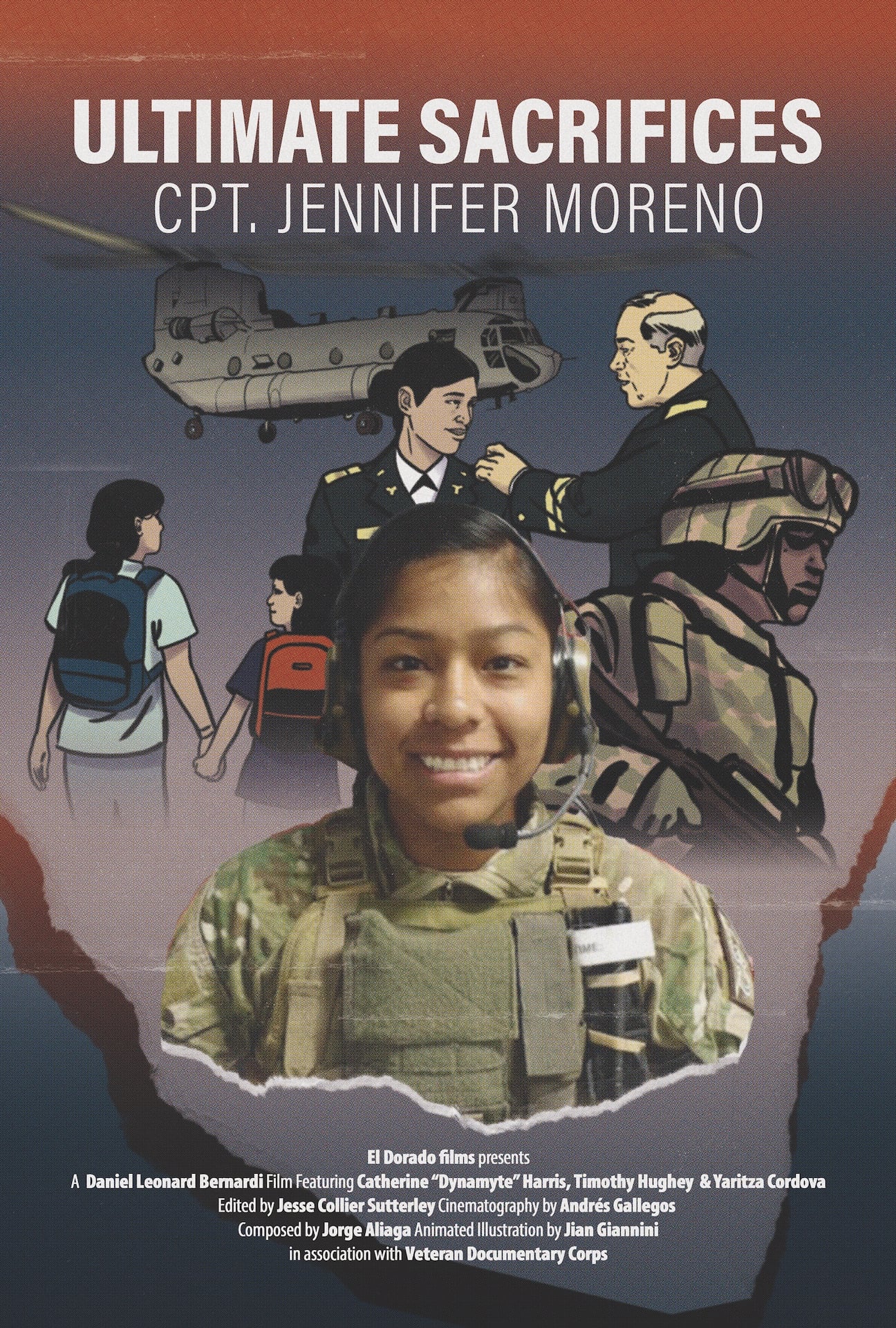
"Ultimate Sacrifices" tells the inspiring and tragic story of Captain Jennifer Moreno, a U.S. Army nurse and member of the elite Cultural Support Team in Afghanistan. A top marksman and leader in San Diego High School's JROTC program, Moreno rose to prominence as a warrior, bridging cultural divides during dangerous combat missions. Her bravery and sacrifice during a 2013 raid, where she lost her life while aiding a fallen Army Ranger, highlight her extraordinary courage and dedication to service. This film honors her life, from her humble beginnings to her enduring legacy, showcasing the valor of Mexican immigrants.
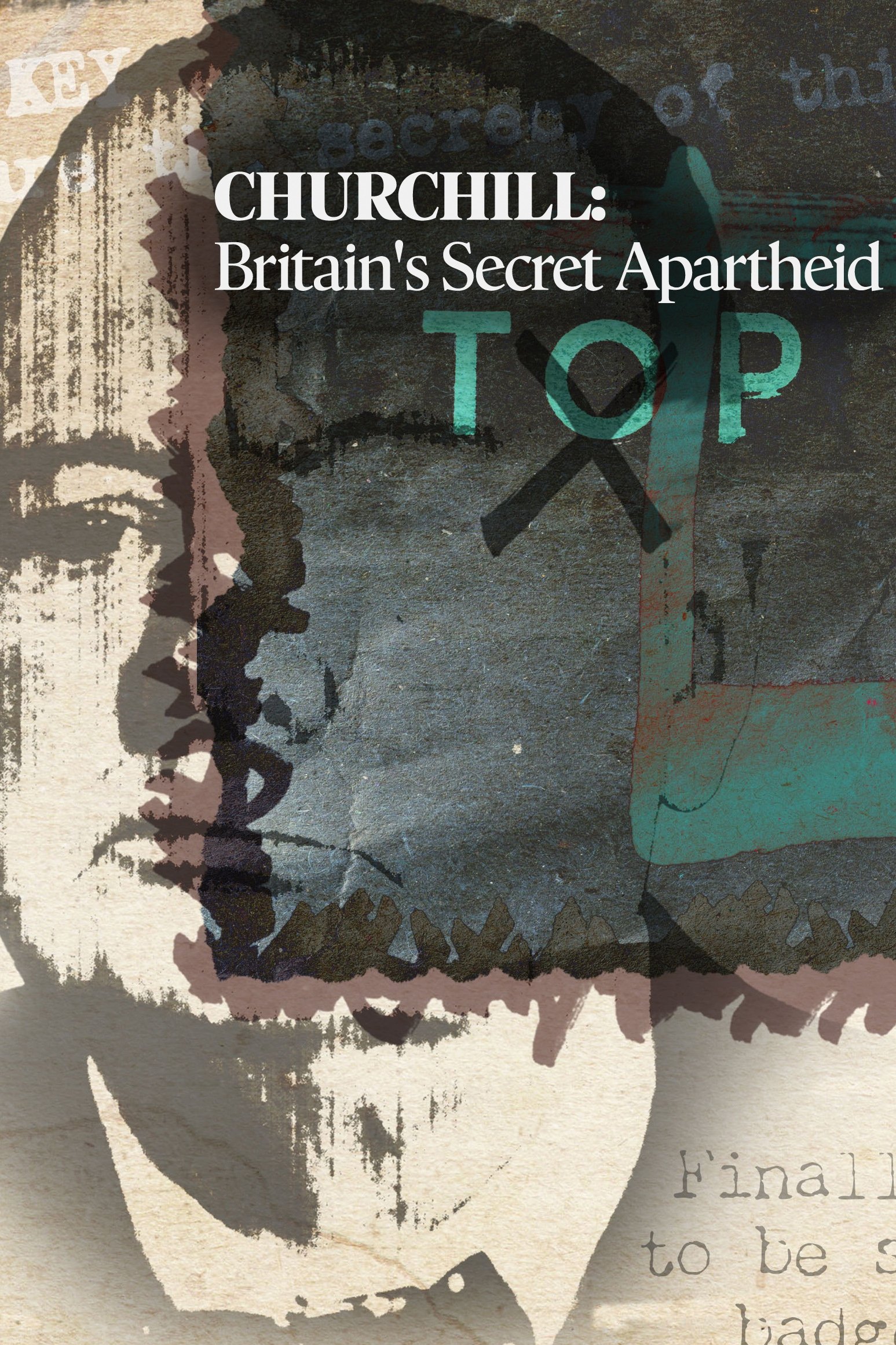
When Winston Churchill needed the help of the US Army to defeat Hitler, he made a controversial decision to allow America to bring its segregated Army to the UK. Racial tension between black and white American soldiers spilled out onto the streets of Britain, resulting in shoot-outs, riots and murders. Searching for people alive today directly impacted by the violence, the program examines its lingering impact.
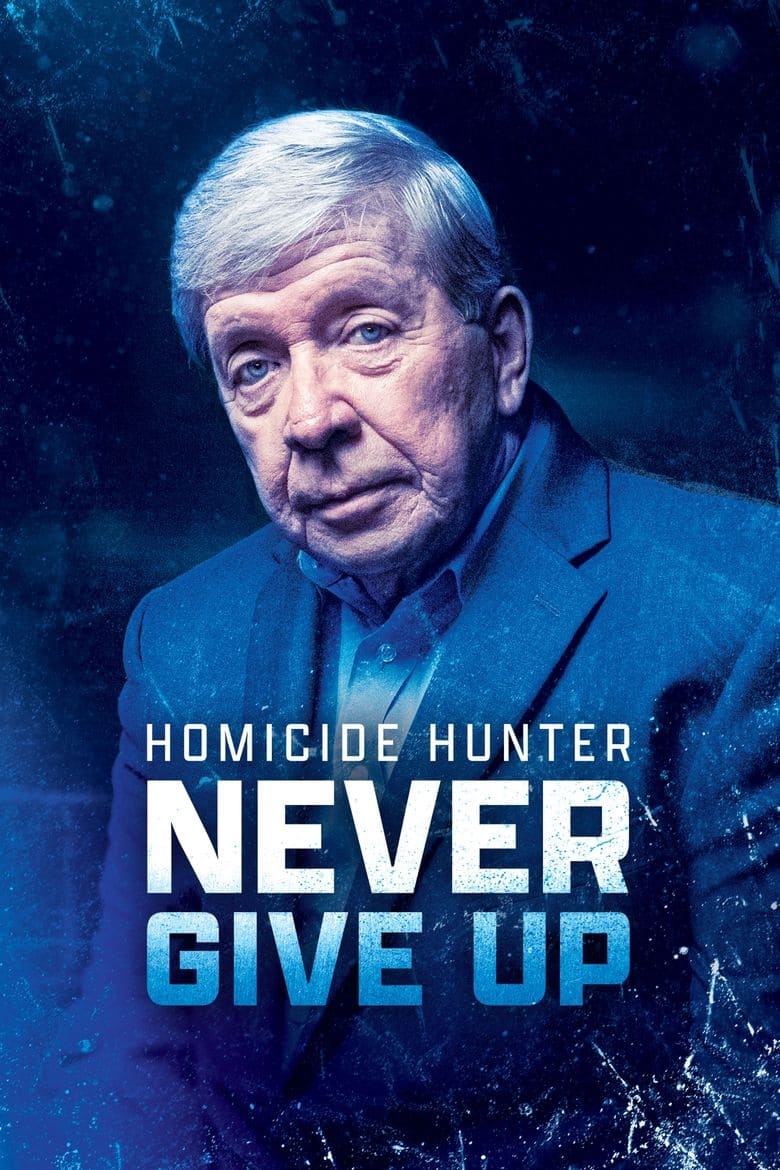
The unsolved rape, mutilation and murder of young G.I. Darlene Krashoc has haunted Joe Kenda in the years since he turned in his gun and badge. Until a crack team of cold case cops uses Kenda’s groundwork to set a trap for a monster hiding in plain sight.
The story of the last months of the 20-year war in Afghanistan through the intimate relationship between American Green Berets and the Afghan officers they trained.
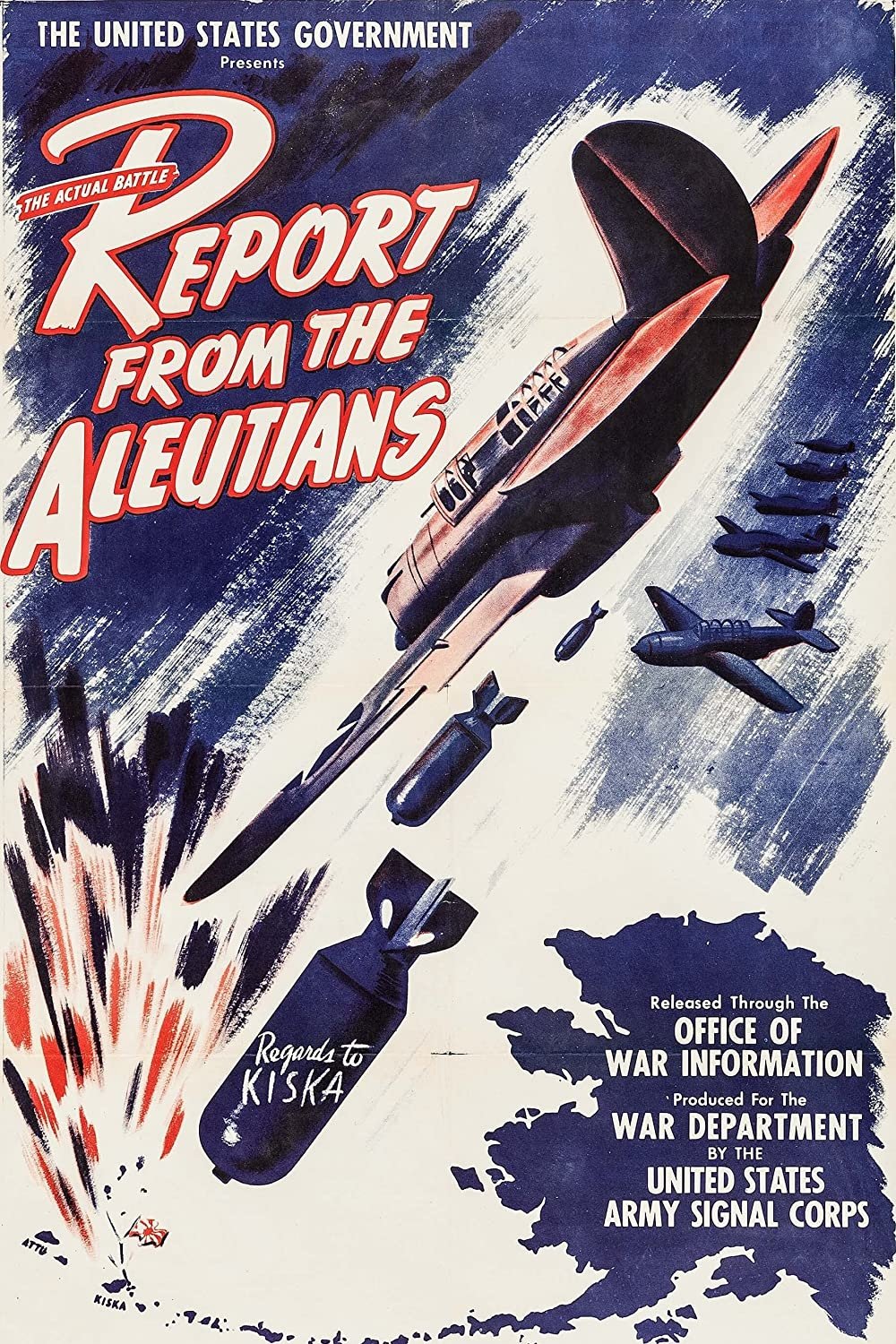
A documentary propaganda film produced by the U.S. Army Signal Corps about the Aleutian Islands Campaign during World War II. The film opens with a map showing the strategic importance of the island, and the thrust of the 1942 Japanese offensive into Midway and Dutch Harbor. Nominated for the Academy Award for Best Documentary Feature.
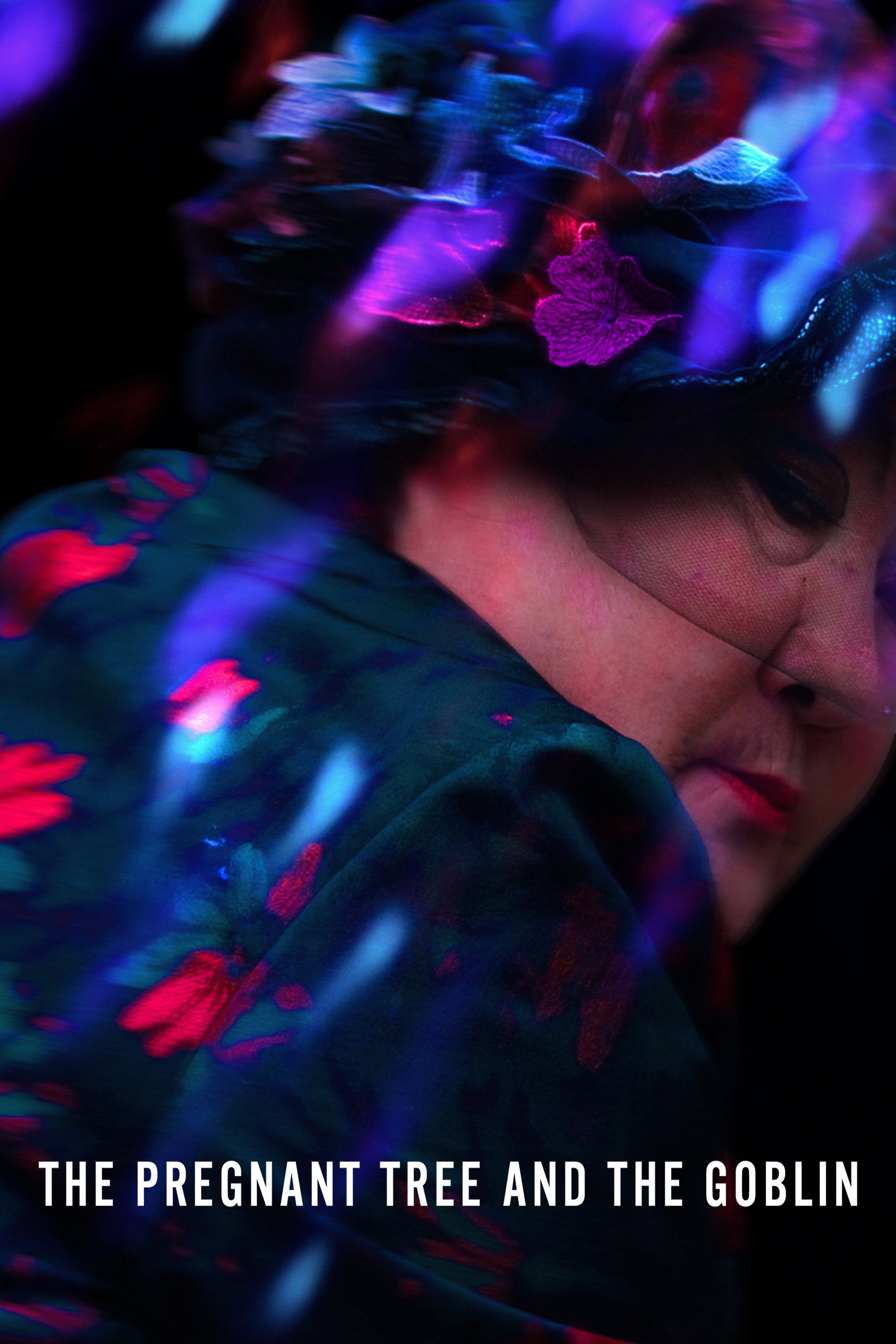
The movie, which seemed likely to be a video study by a local researcher on comfort women in the military camp town, is becoming an increasingly fictional world, including visits by the dead, resulting in historical, fantastic and allegorical results.
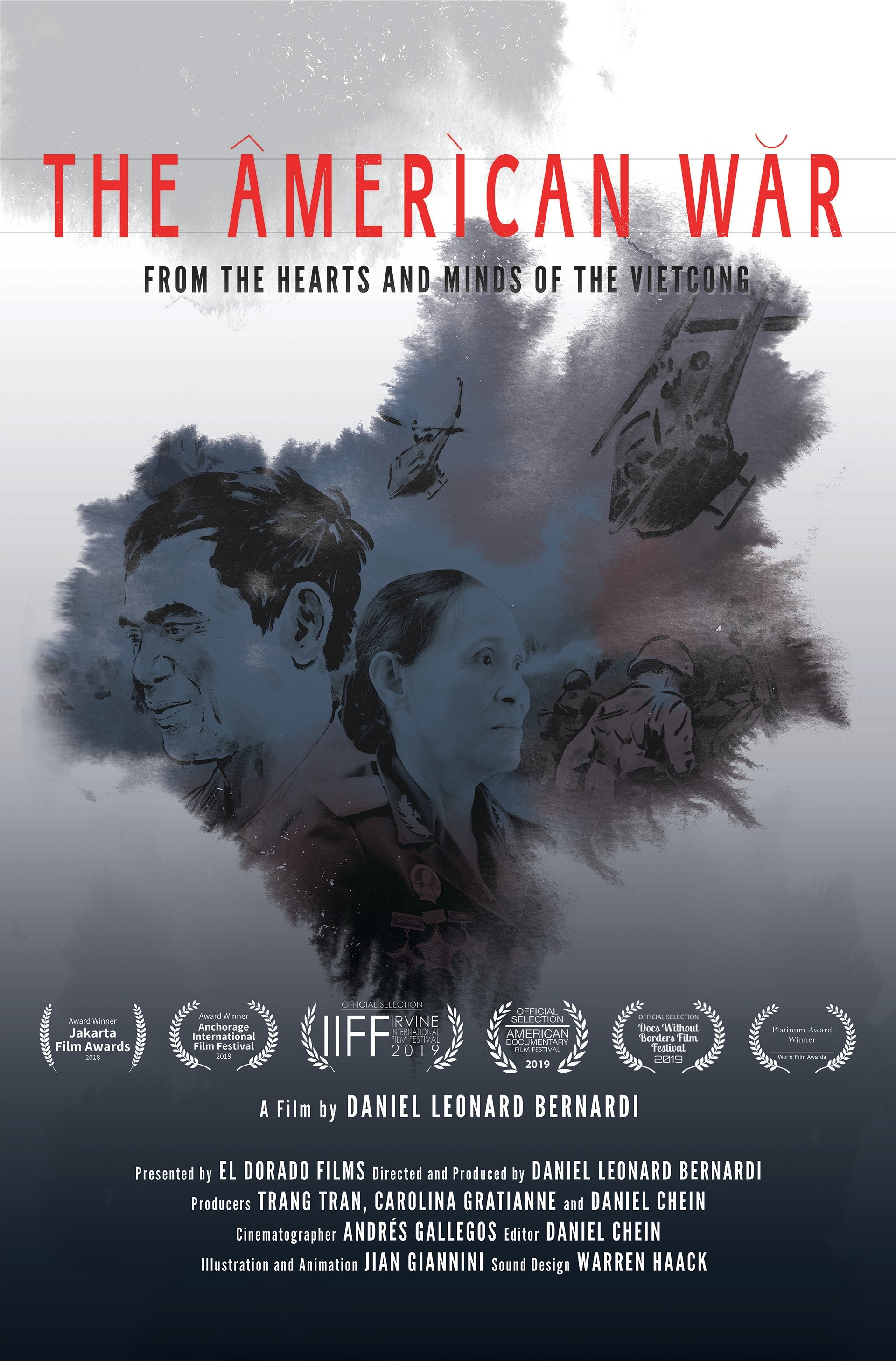
Using obscure archival footage, animated illustrations and interviews, this film tells the story of the Vietnam War from the perspective of five Vietcong veterans: a soldier, an officer, an informant, a guerilla, a My Lai survivor, and the leader of the Long Hair army.
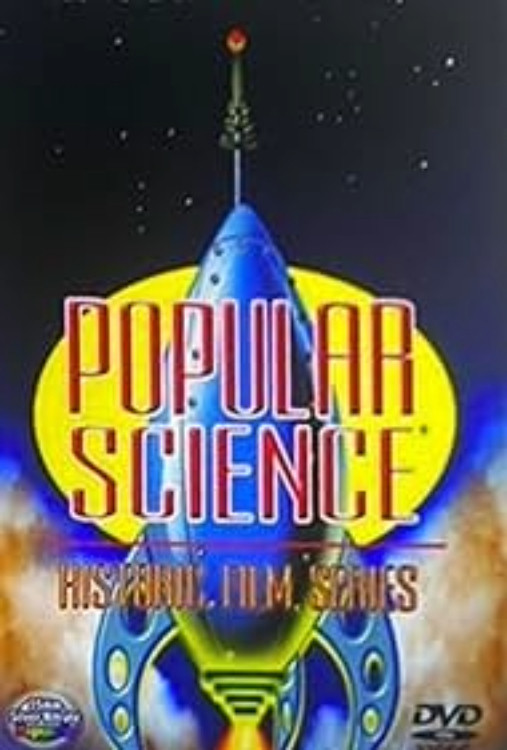
A variety of scientific subjects, including the laboratory of a plastic surgeon in London, and his method for applying permanent makeup; a new school for kiddies employing finger paint so they can express their urge to put things on paper; Army aviation, showing the latest development in blind landing. Produced in Cinecolor.
Senso Daughters focuses on the legacy of the Japanese occupation of Papua New Guinea during the Second World War. It is a legacy that arises from rape, starvation and terror. Sekiguchi's documentary lets the residents of Papua New Guinea, especially the women, tell the story of their three years under Japanese Army rule.
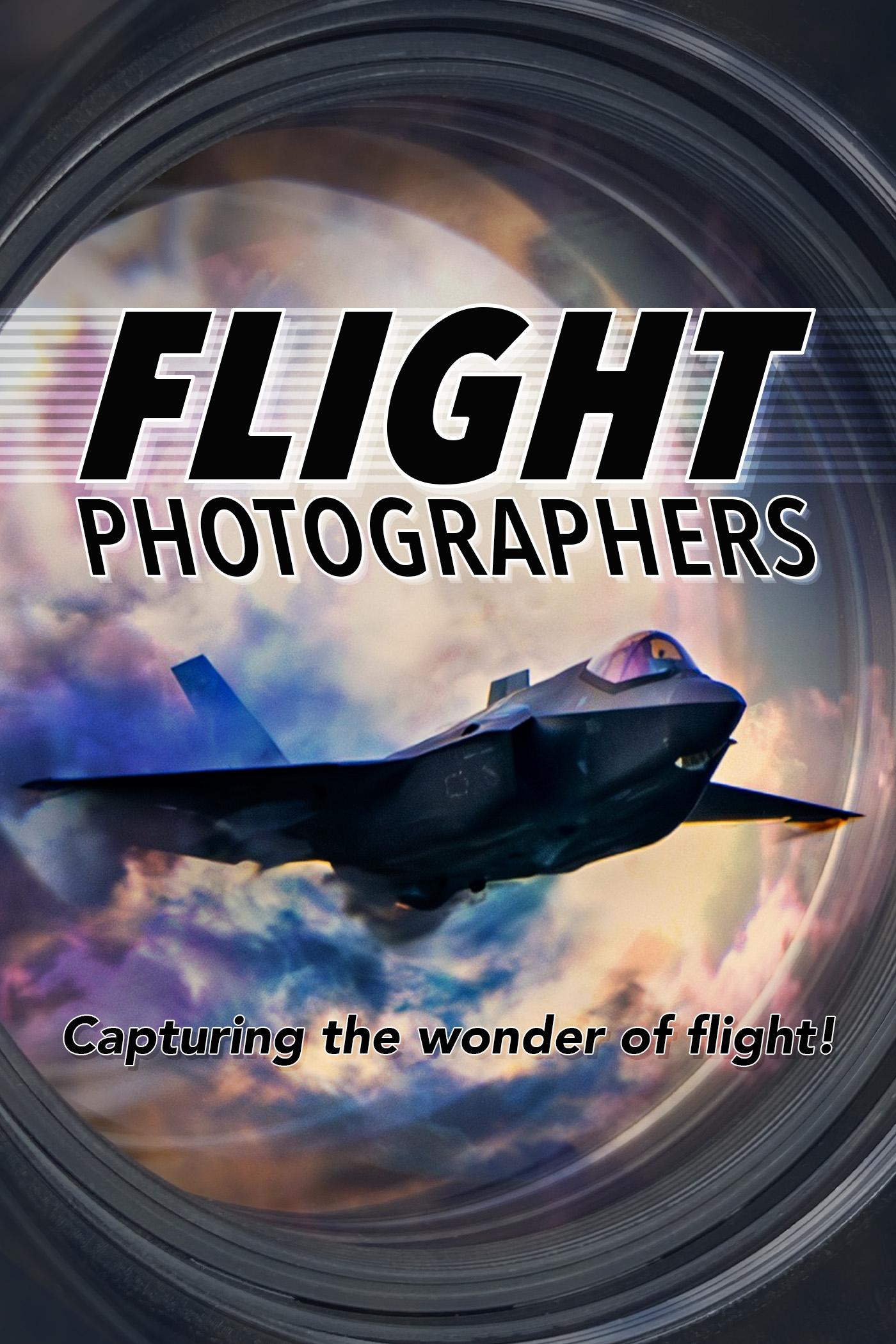
"Flight Photographers" is an engaging look at the dynamic world of aviation photography, showcasing the passion and skill of both enthusiasts and professionals. Exciting stories and breathtaking images, highlight the art and adventure of capturing the beauty of flight.
Vanessa Guillen was 20 years old when she was found murdered at a US Army base. Rather than submit to silence, her family fought for justice and change.
Meet Aunt Yang-hee, who has lived as a woman in a camp village. Several voices are heard around the base village, which is serving as a warehouse for American men by the ROK-U.S. alliance. But buried in those voices, it was difficult to hear the voices of the women in the camp village.
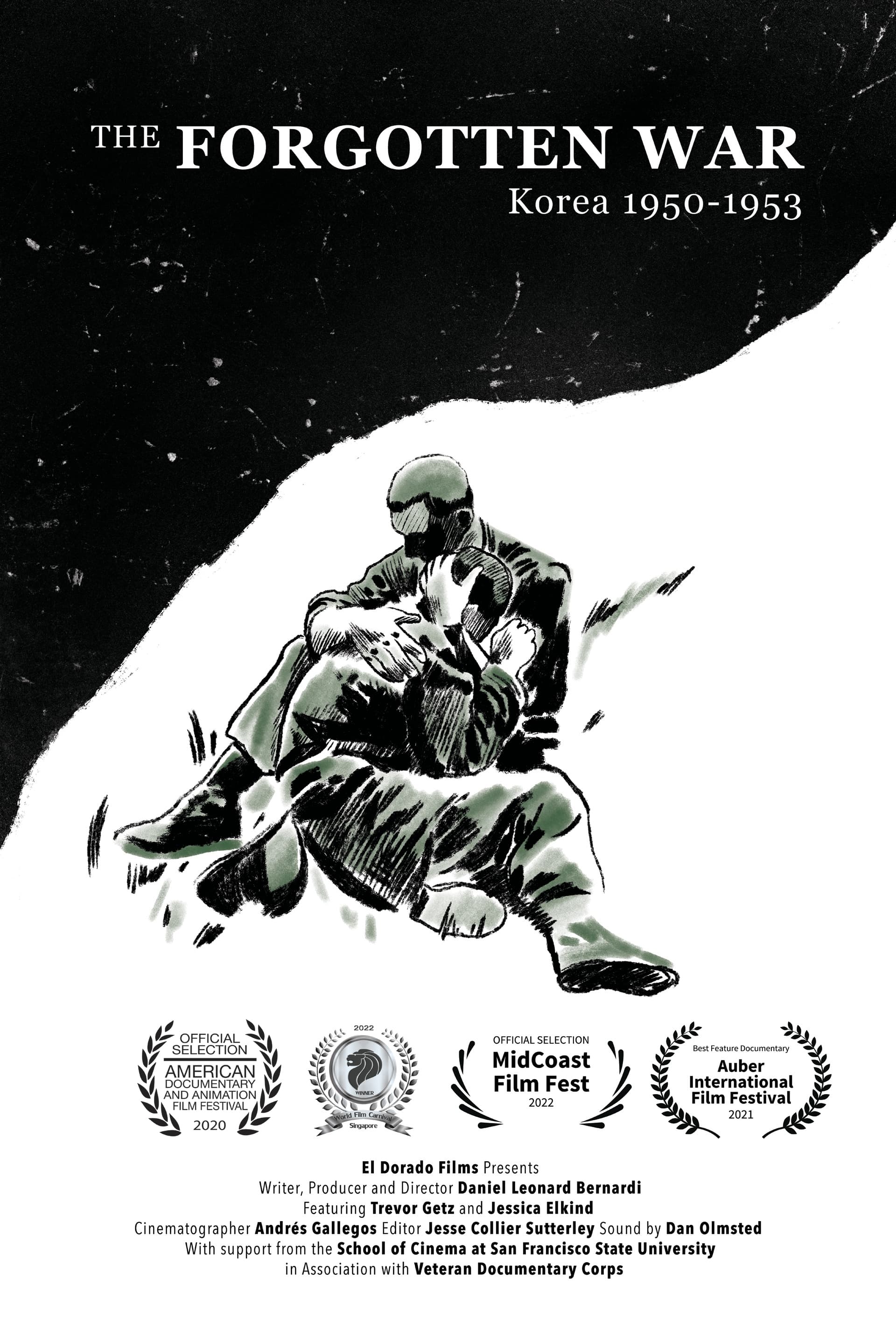
The Korean War saw three years of heavy combat take place on the small Korean peninsula, ending in a stalemate that remains contested to this day. This documentary tells the story of the Forgotten War from the point of view of the veterans that were sent to fight it.
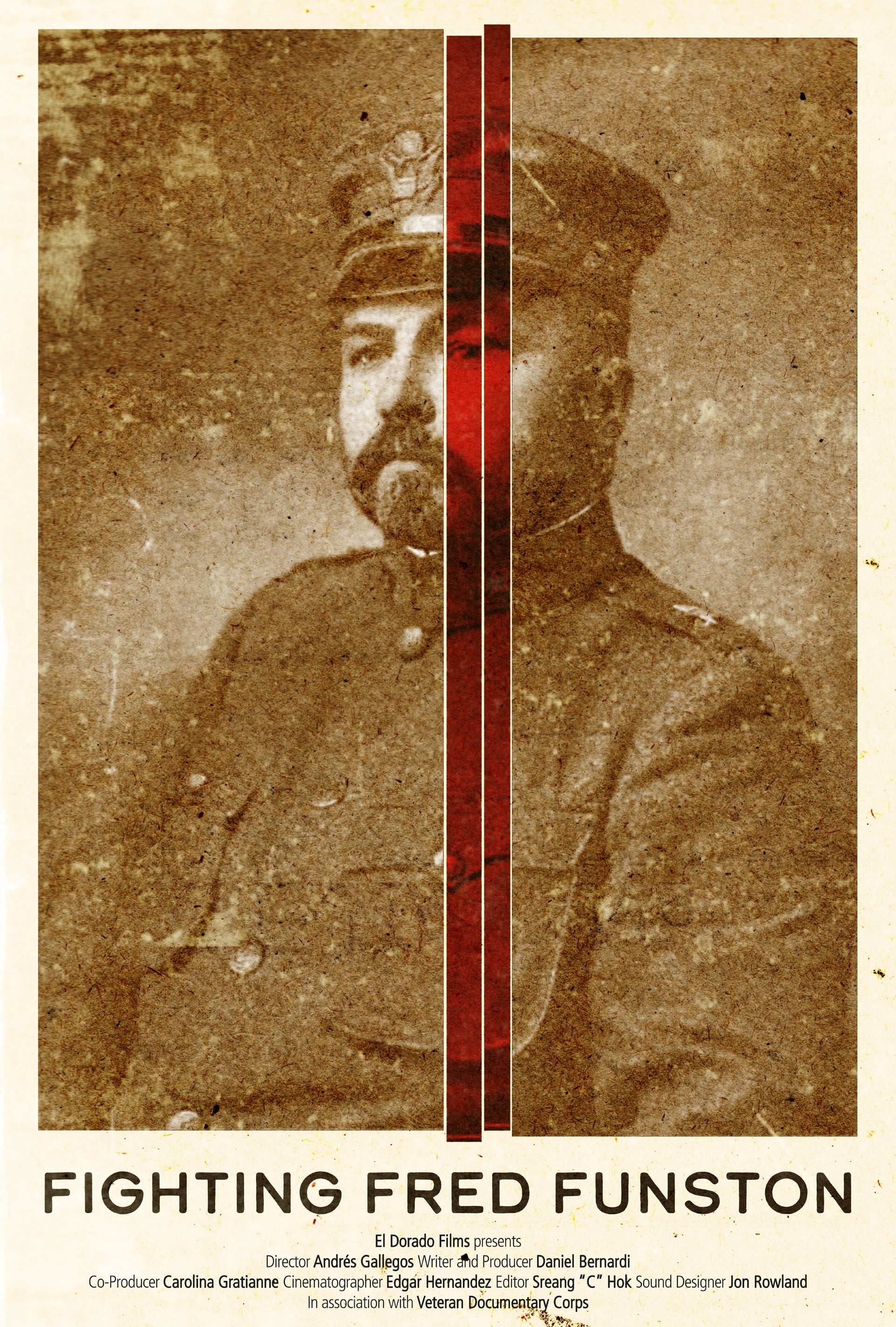
On April 18th, 1906, San Francisco witnessed its most devastating natural disaster – an earthquake that initiated a city-wide fire. The commanding officer of the U.S. Army base at the Presidio, Fred Funston, gathered citizens to fight the fire, patrol the streets, and rebuild the city – all without authorization.
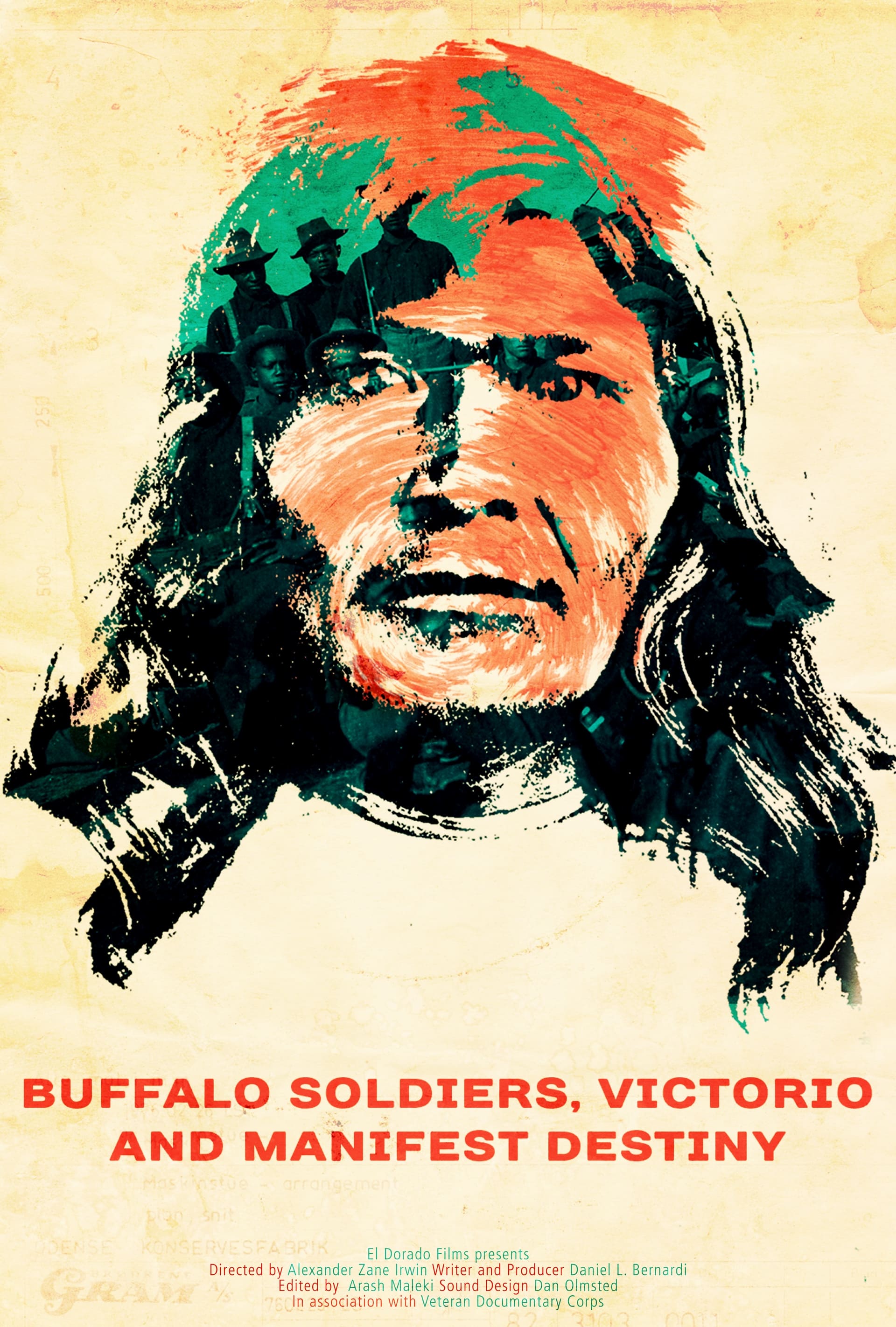
A look into the 19th century American-Indian Wars, Manifest Destiny, and the conflicts between Apache tribes and the African-American Buffalo soldier regiments.
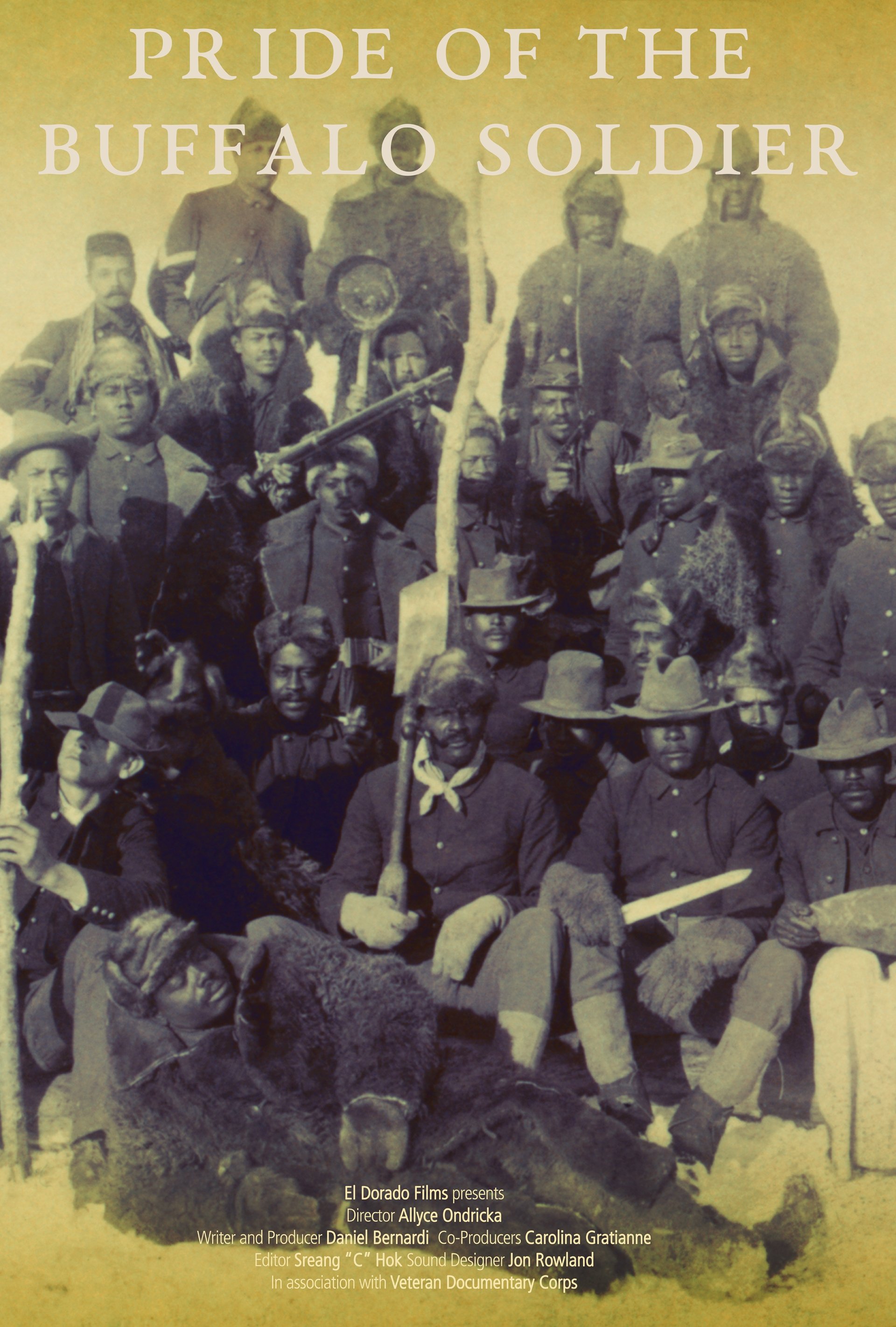
African American soldiers throughout the 19th and 20th Centuries faced discrimination and segregation, yet many still chose to fight for their country.
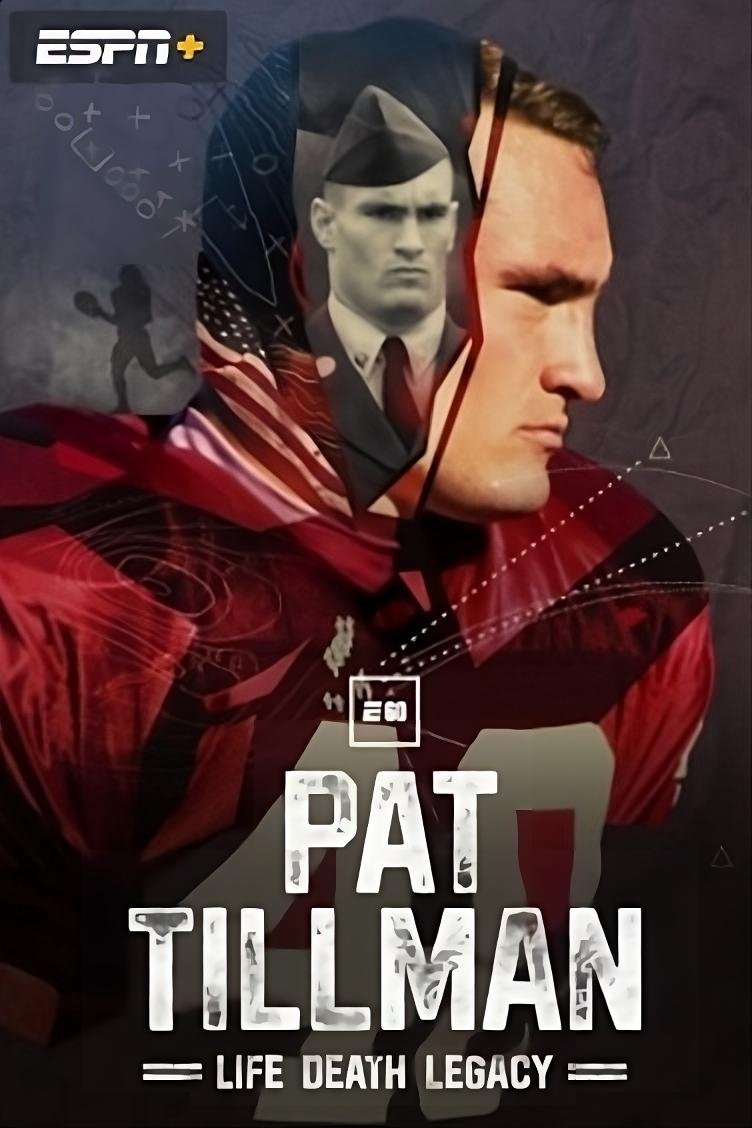
Twenty years after Pat Tillman died from friendly fire in Afghanistan, E60 presents new reporting and interviews that shed light on the captivating story of one of the most famous soldiers in U.S. history, whose decision to turn down a multimillion-dollar football contract and enlist in the military drew major national news coverage during the War on Terror.
Amber Heard and Nicole Kidman discuss their characters Mera and Atlanna.
With unprecedented access to the official archives and intimate recollections from the band, both current and past, Iron Maiden: Burning Ambition invites fans to experience one of the most iconic journeys in music history. Spanning five decades, this electrifying documentary charts the band’s rise from the pubs of East London to the world’s biggest stadiums. Featuring exclusive interviews with band members and contributors such as Javier Bardem, Lars Ulrich and Chuck D, as well as all-new animated sequences of the band's legendary mascot, Eddie, the film offers a rare and intimate look at Iron Maiden’s uncompromising vision and unwavering connection with their truly global army of fans.
Through deeply personal interviews with her siblings and an examination of the photographs, letters, and belongings left behind, Mariska assembles a new portrait of her mother Jayne Mansfield, an extraordinary and complex woman.
Stars of "The Walking Dead," Andrew Lincoln and Danai Gurira, walk down memory lane and visit iconic locations where pivotal moments between their characters, Rick and Michonne, were filmed.
Director Michael Apted revisits the same group of British-born adults after a 7 year wait. The subjects are interviewed as to the changes that have occurred in their lives during the last seven years.
In the Realms of the Unreal is a documentary about the reclusive Chicago-based artist Henry Darger. Henry Darger was so reclusive that when he died his neighbors were surprised to find a 15,145-page manuscript along with hundreds of paintings depicting The Story of the Vivian Girls, in What is Known as the Realms of the Unreal, of the Glodeco-Angelinnian War Storm, Cased by the Child Slave Rebellion.
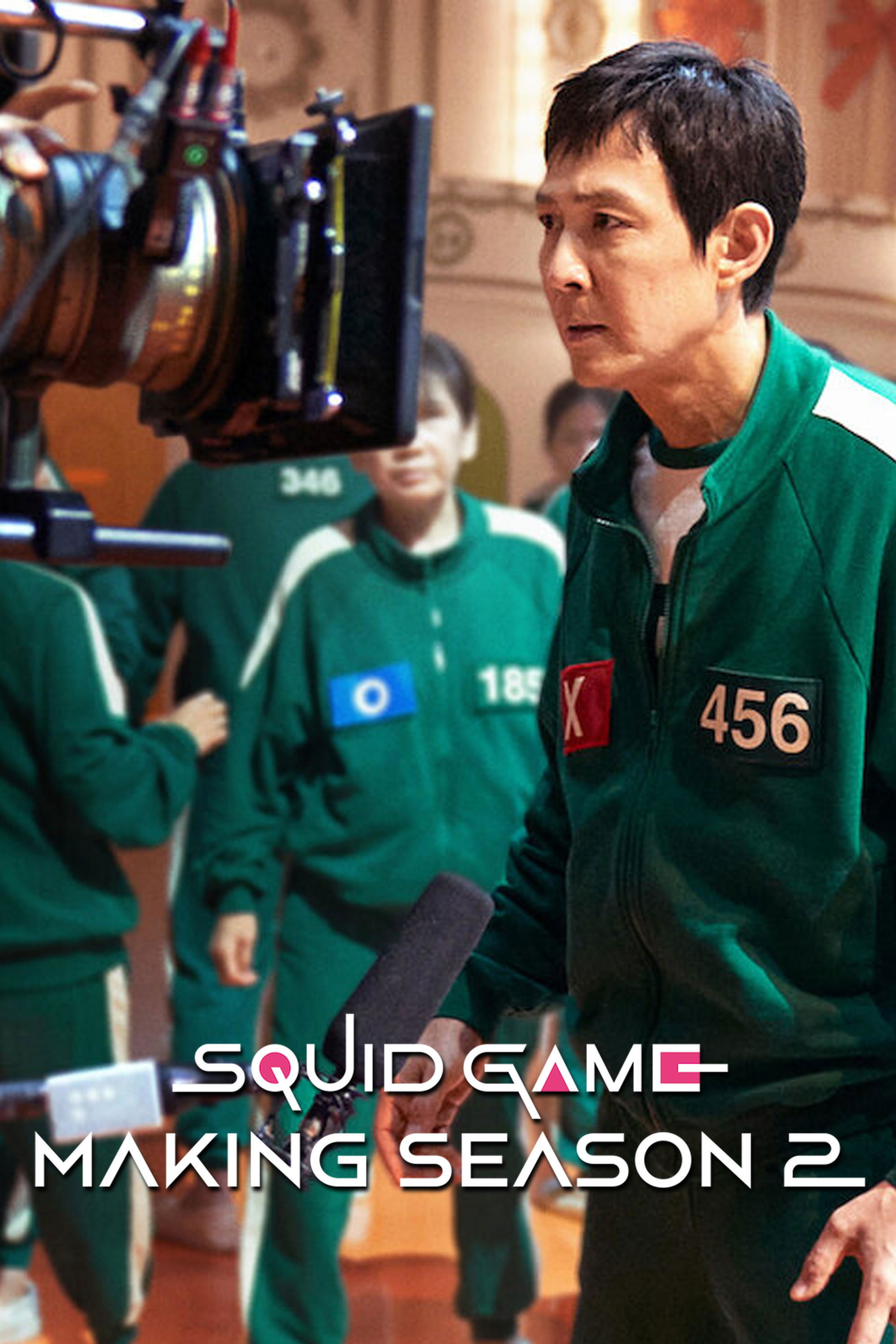
From set designs to character arcs, get exclusive cast and director interviews on how Season 2 of the globally most-watched series was brought to life.
A homemade flying saucer lifts off, and a 6-year-old boy might be inside. National panic ensues — but what truly happened? This documentary investigates.
Vulgar, taunting texts blow up the phones of a teen and her boyfriend. Who's sending them — and why? This twisty documentary reveals the shocking answer.
Giving fans unprecedented access to the real life of the music sensation, Katy Perry: Part of Me exposes the hard work, dedication and phenomenal talent of a girl who remained true to herself and her vision in order to achieve her dreams. Featuring rare behind-the-scenes interviews, personal moments between Katy and her friends, and all-access footage of rehearsals, choreography, Katy’s signature style and more, Katy Perry: Part of Me reveals the singer’s unwavering belief that if you can be yourself, then you can be anything.
Unravel the case of Utah therapist Jodi Hildebrandt, whose child abuse arrest with parenting YouTuber Ruby Franke exposed a twisted tale of manipulation.
SEDUCED AND ABANDONED combines acting legend Alec Baldwin with director James Toback as they lead us on a troublesome and often hilarious journey of raising financing for their next feature film. Moving from director to financier to star actor, the two players provide us with a unique look behind the curtain at the world's biggest and most glamourous film festival, shining a light on the bitter-sweet relationship filmmakers have with Cannes and the film business. Featuring insights from directors Martin Scorsese, 'Bernando Bertolucci' and Roman Polanski; actors Ryan Gosling and Jessica Chastain and a host of film distribution luminaries.
Interviews with leading authors, philosophers and scientists, with an in-depth discussion of the Law of Attraction. The audience is shown how they can learn and use 'The Secret' in their everyday lives.
Those who knew iconic funnyman John Candy best share his story, in their own words, through never-before-seen archival footage, imagery, and interviews.
This special explores the return of Obi-Wan Kenobi and Anakin Skywalker to the screen, as well as Ewan McGregor and Hayden Christensen to their classic roles. Director Deborah Chow leads the cast and crew as they create new heroes and villains that live alongside new incarnations of beloved Star Wars characters, and an epic story that dramatically bridges the saga films.
Al Pacino's deeply-felt rumination on Shakespeare's significance and relevance to the modern world through interviews and an in-depth analysis of "Richard III."
The film follows adventurer Jeff Johnson as he retraces the epic 1968 journey of his heroes Yvon Chouinard and Doug Tompkins to Patagonia.
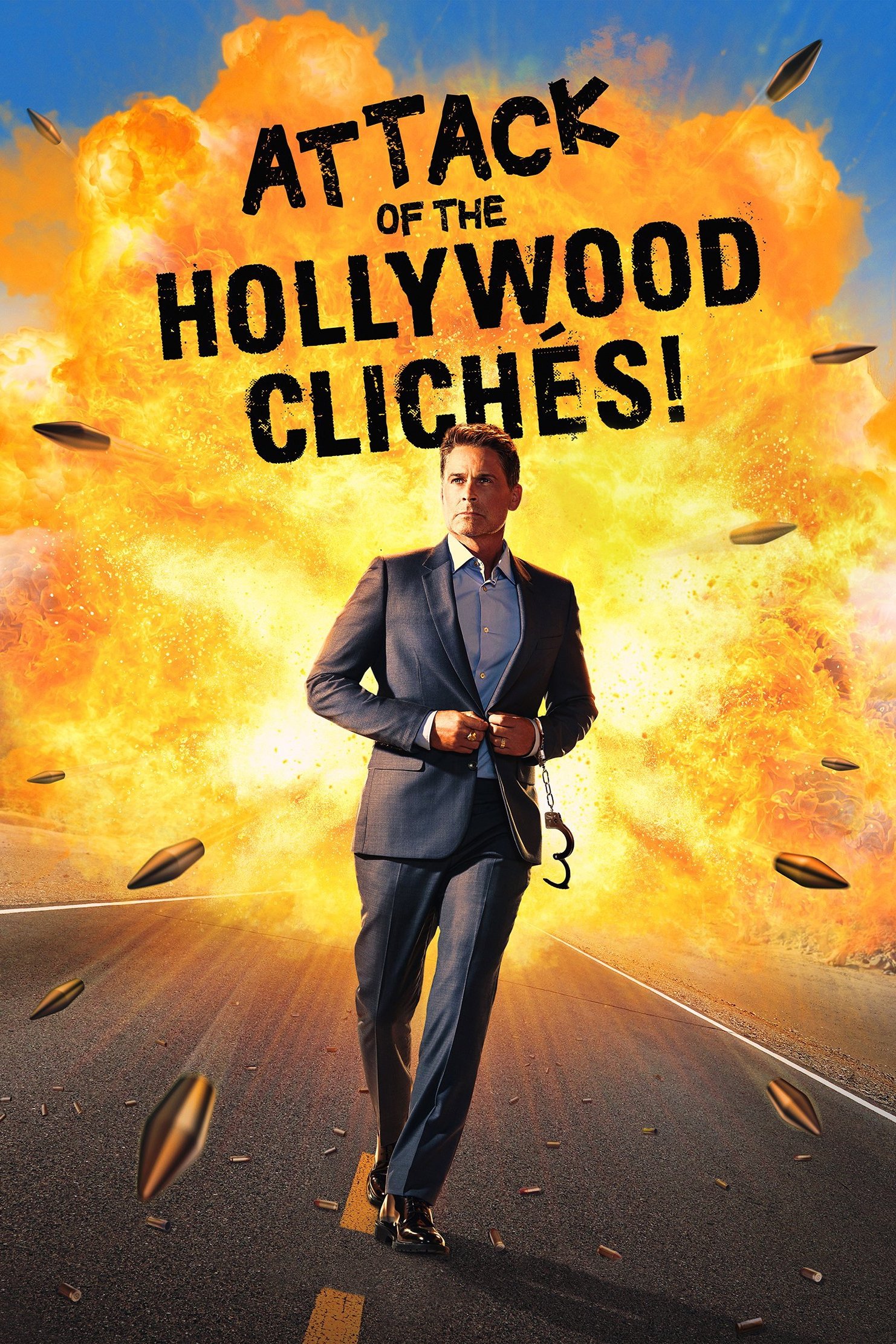
One-man armies, meet-cutes, casual strolls away from huge explosions — stars and industry insiders toast and roast these cinematic chestnuts and more.