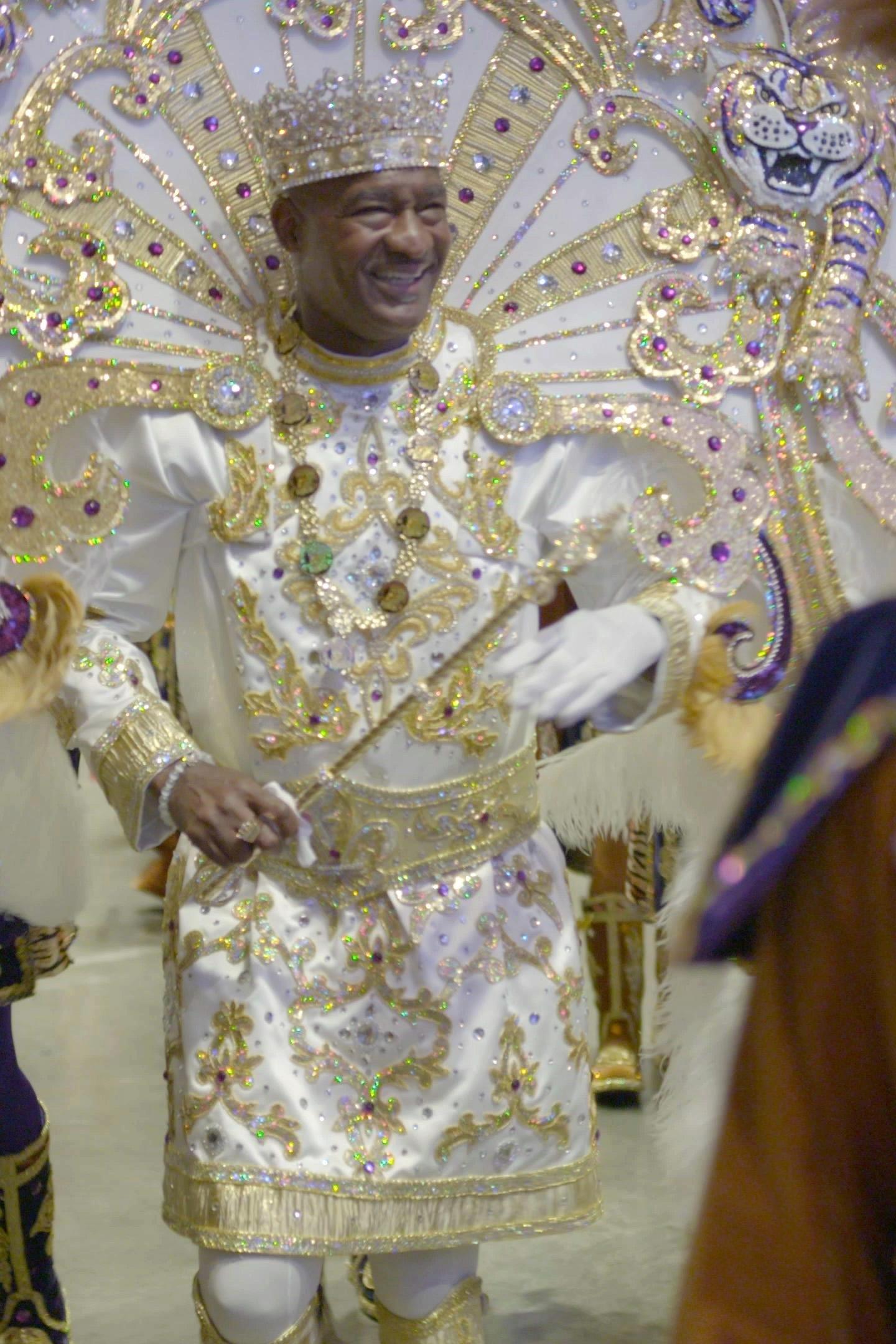
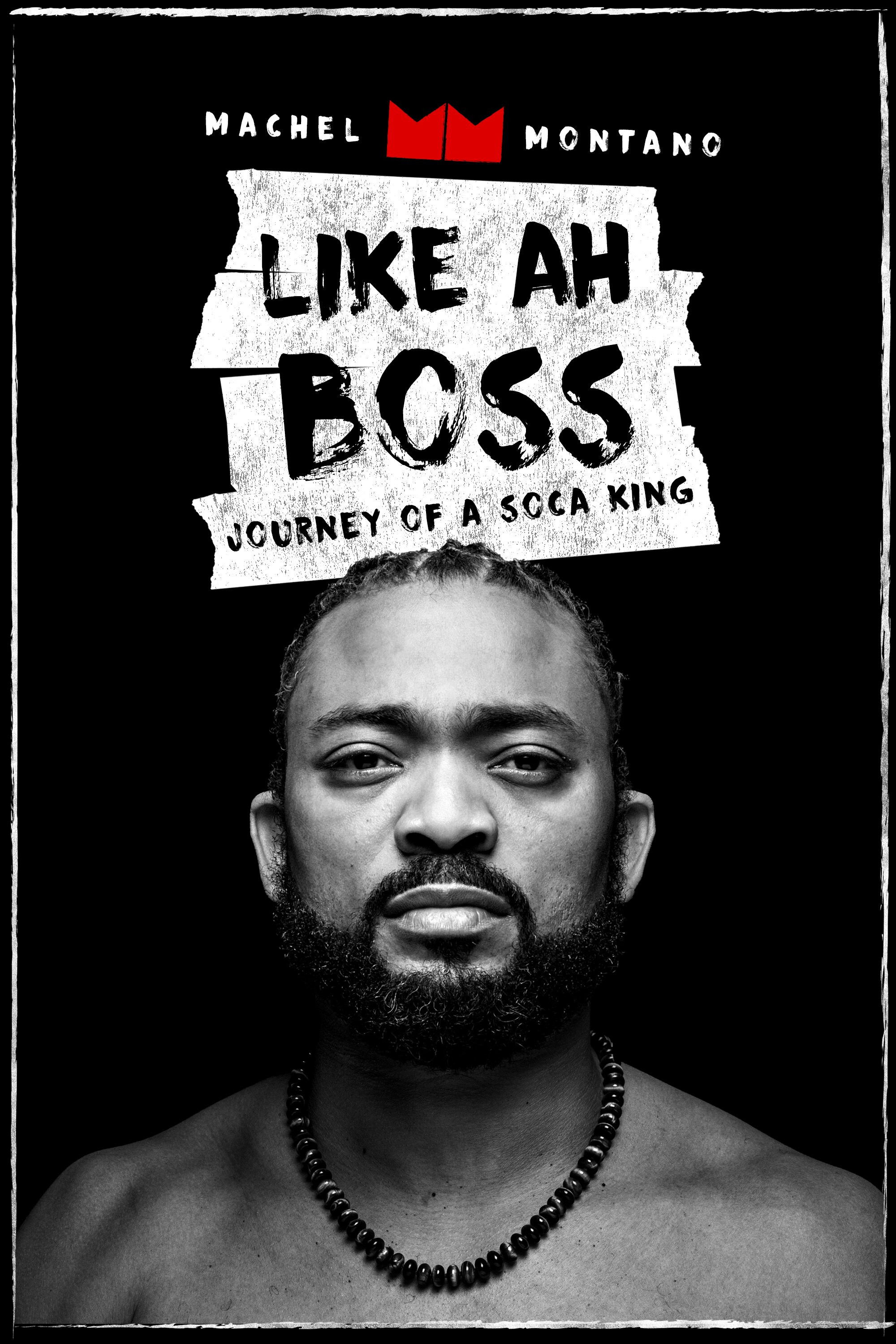
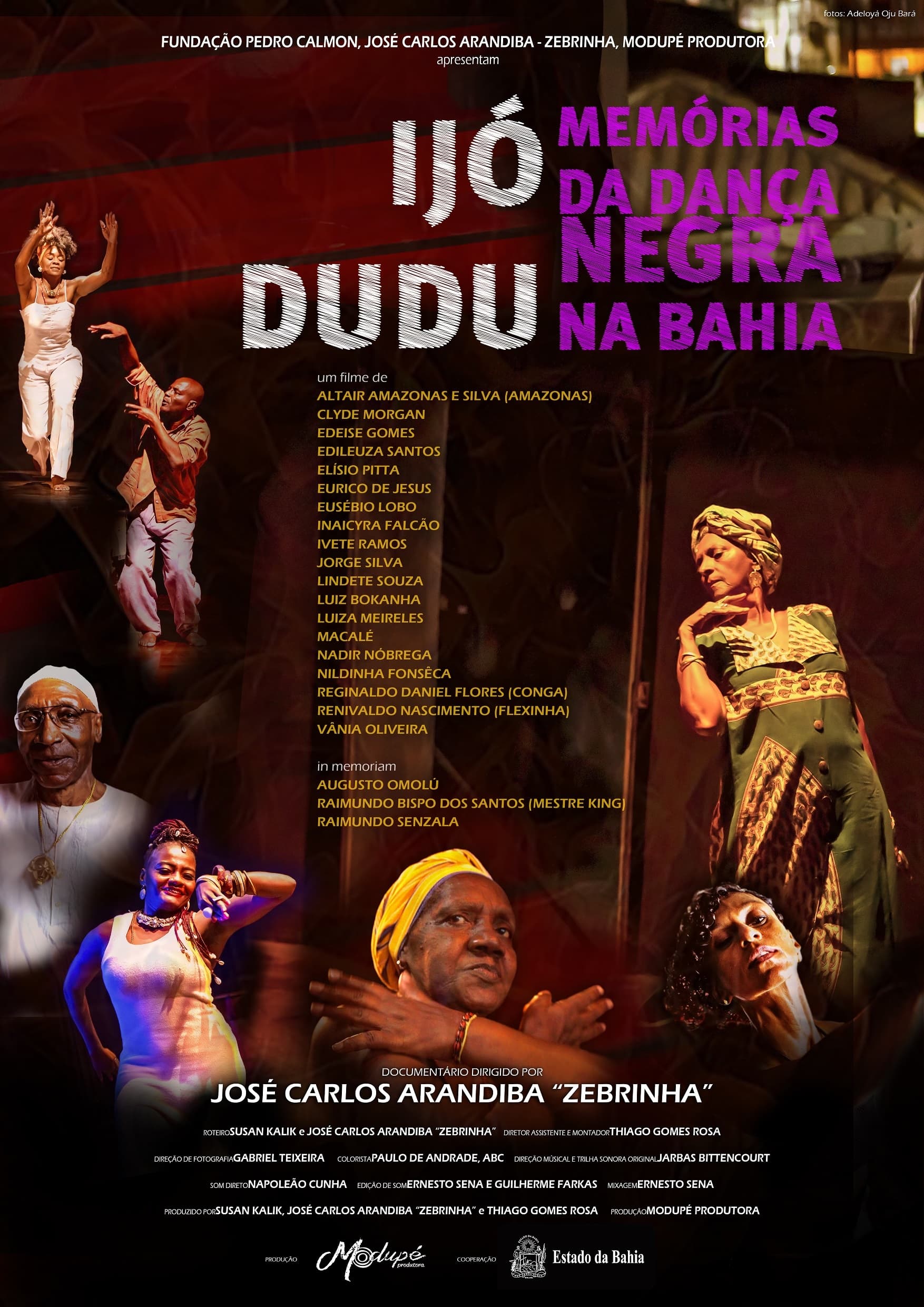
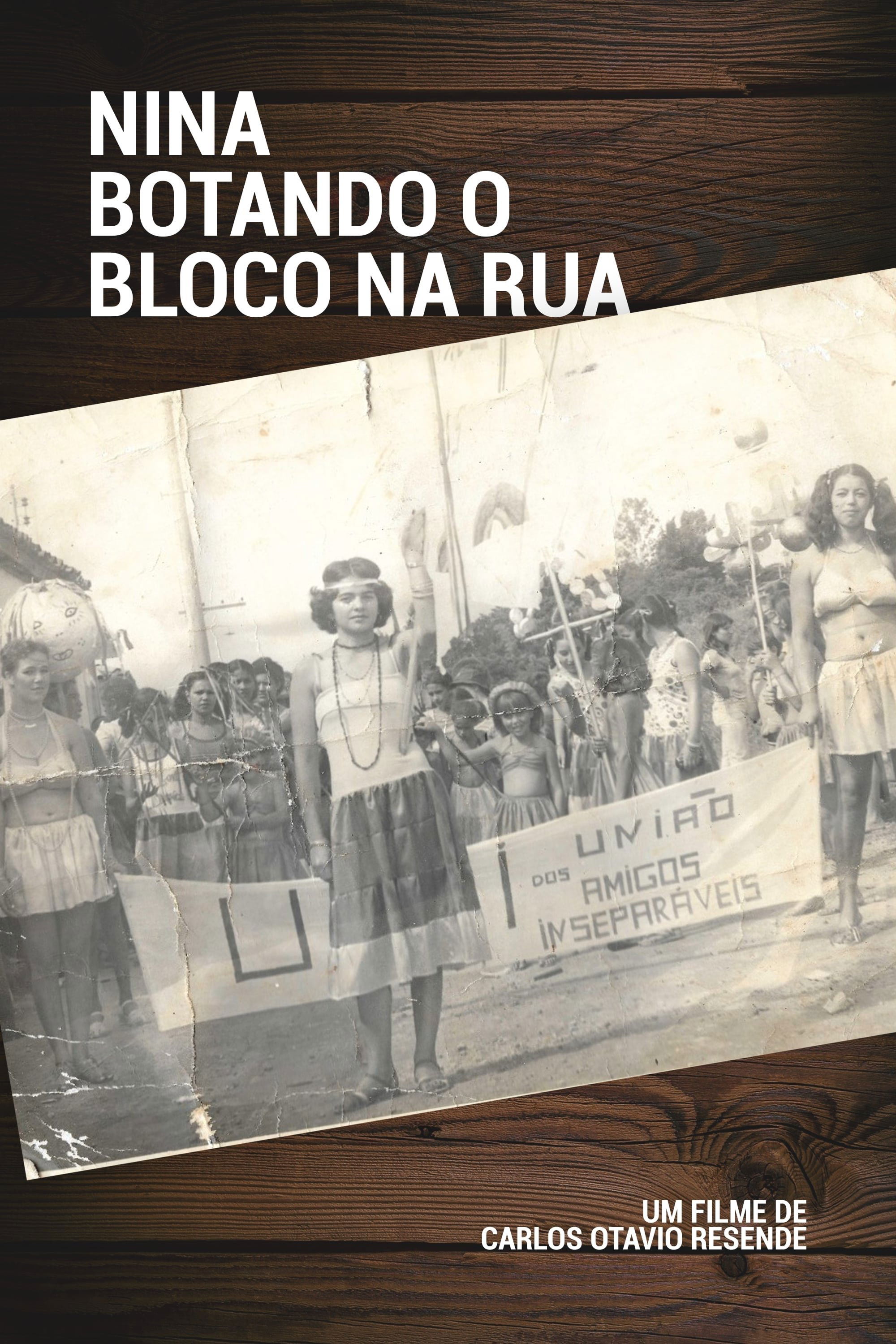
Documentary short that explores the meaning of the locals’ African identity through the Carnival festivities.
Social & External
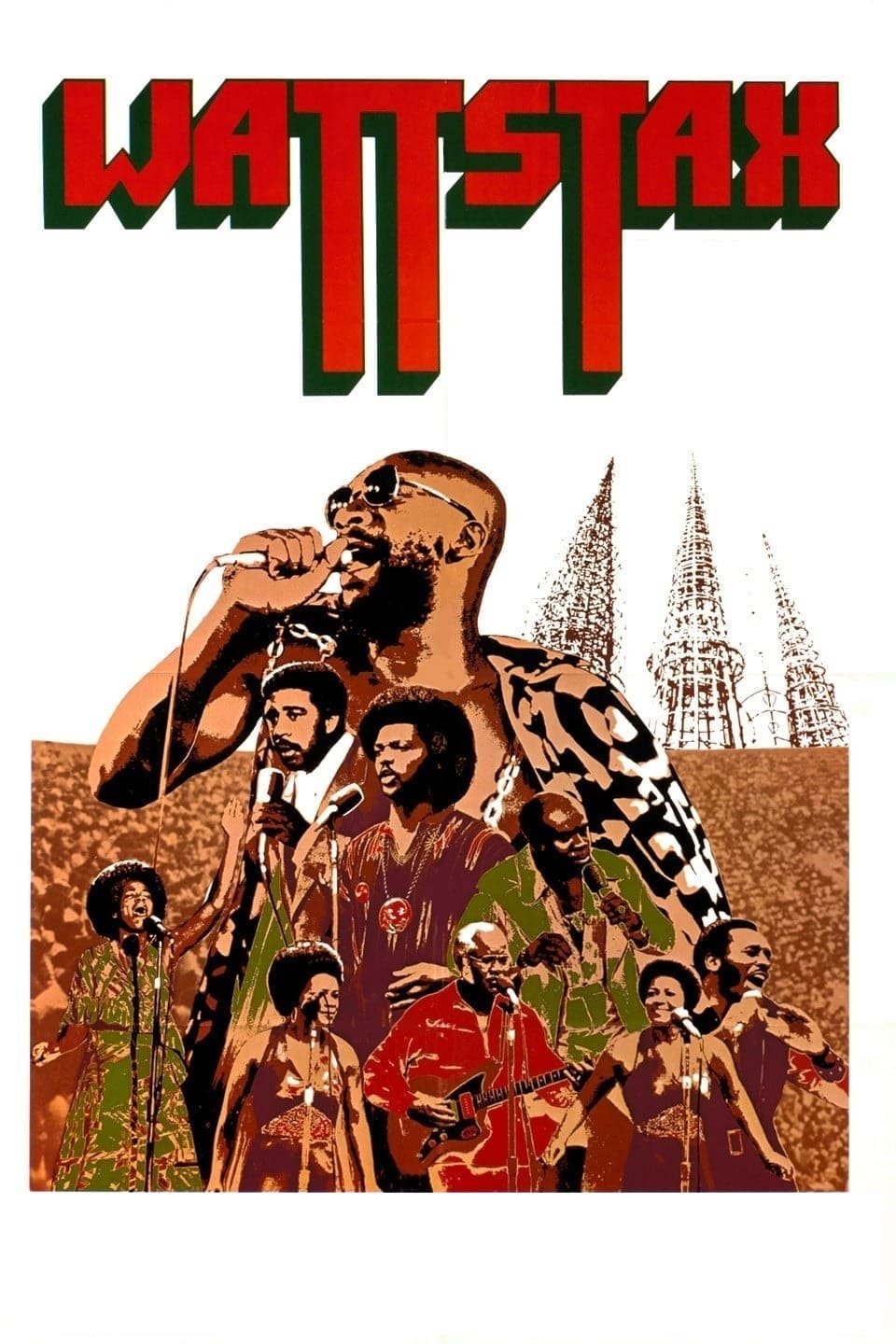
A documentary film about the Afro-American Woodstock concert held in Los Angeles seven years after the Watts riots. Director Mel Stuart mixes footage from the concert with footage of the living conditions in the current-day Watts neighborhood.
Boogie Man is a comprehensive look at political strategist, racist, and former Republican National Convention Committee chairman, Lee Atwater, who reinvigorated the Republican Party’s Southern Strategy to increase political support among white voters in the South by appealing to racism against African Americans. He mentored Karl Rove and George W. Bush and played a key role in the elections of Reagan and George H.W. Bush.
Early 90s London gets a vibrant dose of African culture in this mini odyssey fusing dance, music and fashion.
200 years of Cologne Carnival! The most colourful and loudest festival in Cologne celebrates a big birthday. In February 1823, a few men from Cologne's upper class founded the so-called 'Festordnende Komitee' - the forerunner of today's 'Festkomitee Kölner Karneval'. This 'big bang' was a reaction to the old festival getting out of hand in orgies and violence. Carnival was in danger. A ban by the Prussian rulers was imminent. The new committee wanted to control the wild goings-on, establish rules and organise the celebrations.
Stephen Dwoskin brings together members of the Ballet Negres dance company, founded in London in 1946.
Chevrolet presents this tribute to the American woman and her thrifty ways with money. The film also salutes the individuality of the Amerian citizen and the variety of choices we have in the marketplace.
French actors Lucien Jean-Baptiste, Aïssa Maïga, Sonia Rolland, Deborah Lukumuena, Marie-France Malonga, Gary Dourdan and others speak up on the reality of black actors in the French movie industry.
Peter Blackman, founder of Steel 'n' Skin, talks about this pan-African group, which takes African culture to British schools. The film follows the group during a ten day workshop in Liverpool.
Jonathan and Romario are two Afro-Ecuadorian children from the Chota Valley, one of the poorest regions of Ecuador. Their fate can be one of two: to become world-class footballers like Ulises de la Cruz, Chucho Benitez and Antonio Valencia, or farmers like Darwin. This documentary reveals the lack of opportunities, discrimination, and economic and social segregation that black communities face in Ecuador.
A short documentary film that delves into the life of Eleggua Luna, a karmairi-mokana-motilona Afro-Caribbean trans woman born in Cartagena de Indias, Colombia, to delve into the constant struggle that black, trans and indigenous people live in Abya Yala as a result of colonization.
A 2008 short made in accompaniment with Our Beloved Month of August, documenting Gomes's and his crew's hapless search, during 2007's carnival, for one of Arganil's most storied and elusive characters (who does, in fact, ultimately appear as an interviewee/player in the finished film). Paulo "Miller" is known for taking a dangerous jump into the Alva from a bridge each year during carnival, but what this film is about is, in keeping with the free-roving feature, much less the subject himself than Gomes and co.'s inability to pin him down; not only does he not do his famous jump during this year's carnival, but an ostensible technical/audio failure (as with the feature, it's very difficult to say how much of this film is "fact," how much invented) during Gomes's initial on-camera meeting with Paulo "Miller" leads to five minutes of lip-readers attempting to decipher their conversation.
Although it was actually an impersonal commissioned film, the director's style is clearly recognizable. Once again he manages to make something that is normal very strange: the dancing people in costumes are filmed in such a way that they look bizarre and absurd. Jan de Bont's camerawork shows a series of color images of dancing people, edited to the rhythm of the music. Halfway through the film, a lonely clown can be seen among the dancing crowd, accompanied by sad music. This clown is played by Ditvoorst himself.
This documentary traces the deep-rooted stereotypes which have fueled anti-black prejudice.
In 1810, 20 year old Sara Baartman got on a boat from Cape Town to London, unaware that she would never see her home again, or that she would become the icon of racial inferiority and black female sexuality for the next 100 years. Four years later, she became the object of scientific research that formed the bedrock of European ideas about BFS. She died the next year, but even after her death, Sara remained an object of imperialist scientific investigation. In the name of Science, her sexual organs and brain were preserved and displayed in the Musee de l'Homme in Paris until as recently as 1985. Using historical drawings, cartoons, legal documents, and interviews with noted cultural historians and anthropologists, this documentary deconstructs the social, political, scientific, and philosophical assumptions that transformed one young woman into a representation of savage sexuality and racial inferiority.
A man that is a stranger, is an incredibly easy man to hate. However, walking in a stranger’s shoes, even for a short while, can transform a perceived adversary into an ally. Power is found in coming to know our neighbor’s hearts. For in the darkness of ignorance, enemies are made and wars are waged, but in the light of understanding, family extends beyond blood lines and legacies of hatred crumble.
How did a poor little black girl from Missouri become the Queen of Paris, before joining the French Resistance and finally creating her dream family “The Rainbow Tribe”, adopting twelve children from four corners of the world? This is the fabulous story of the first black superstar, Josephine Baker.
The story of black and mixed race people in Nazi Germany who were sterilised, experimented upon, tortured and exterminated in the Nazi concentration camps. It also explores the history of German racism and examines the treatment of Black prisoners-of-war. The film uses interviews with survivors and their families as well as archival material to document the Black German Holocaust experience.
Conjoined twins Daisy and Violet Hilton were once the cream of the sideshow crop. Taught to sing and dance at an early age, the winsome duo ascended through the early 20th-century vaudeville circuit as a side attraction (working alongside Bob Hope and Charlie Chaplin as well as a memorable turn in the Tod Browning classic "Freaks") before a cascade of unscrupulous management and harsh mistreatment brought their careers (and lives) tumbling down. This engrossing glimpse into a bygone era is filled with fascinating interviews and rare archival footage.
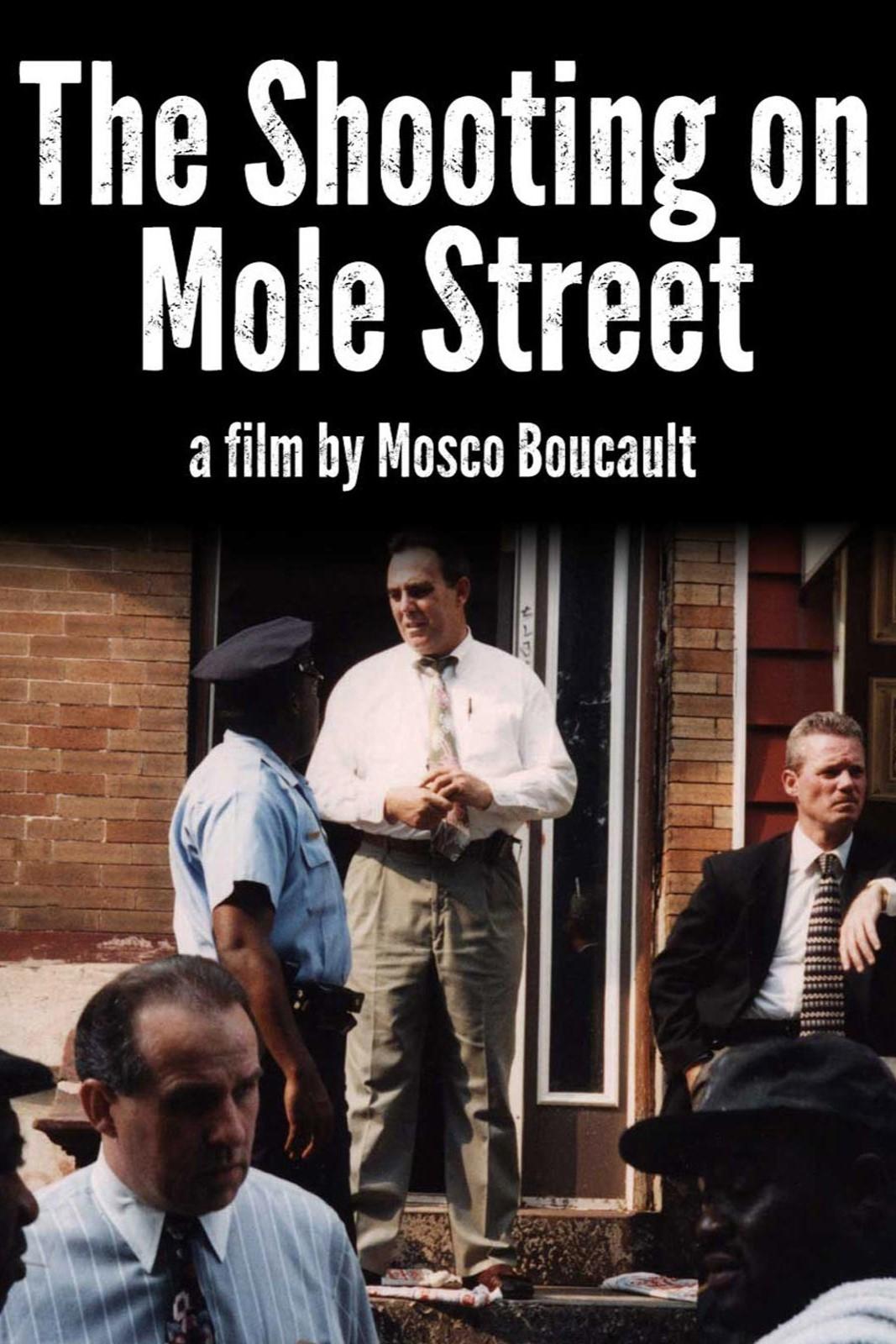
On March 1, 1996, 15-year-old Shafeeq Murrel was killed on the street in South Philadelphia — innocently caught in the crossfire between rival pairs of crack dealers out for revenge. Shafeeq’s murder was one of 435 in Philadelphia that year, and it was soon shelved as a cold case. Then, detectives David Baker and Julie Hill took it on— two middle-aged white cops working a Black neighborhood in their battered Plymouth Gran Fury. Filmed like a taut police procedural, THE SHOOTING ON MOLE STREET chronicles the investigation, as Baker and Hill knock on doors, shake down dealers, and beg, threaten and cajole residents in an effort to get someone — anyone — to talk. Baker rejects any accusation of police racism in the unsolved murders of young Black men. Isn’t he out here trying to close the case? But racism is more complicated than intent.