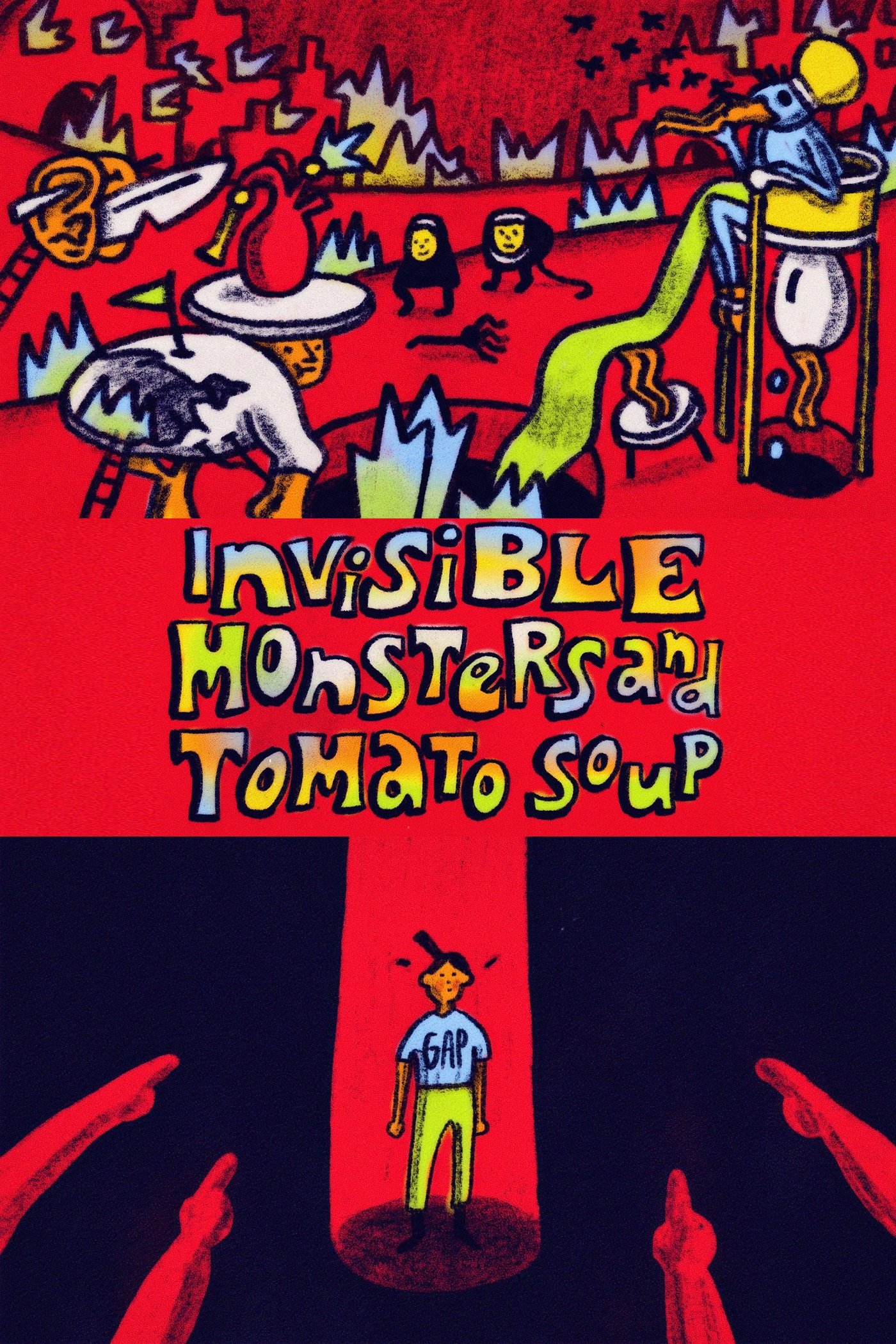
After getting caught in a fight, Vahid needs to sell one of his kidneys to avoid a prison sentence of many years. While waiting for the liberating call from a buyer, a wish for a better life starts to grow within him.

Social & External
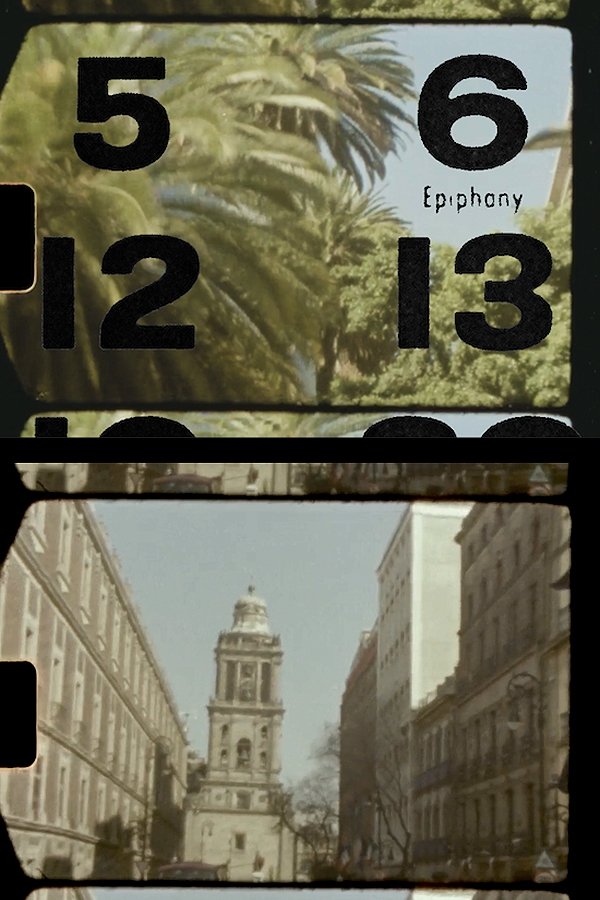
An exploration —manipulated and staged— of life in Las Hurdes, in the province of Cáceres, in Extremadura, Spain, as it was in 1932. Insalubrity, misery and lack of opportunities provoke the emigration of young people and the solitude of those who remain in the desolation of one of the poorest and least developed Spanish regions at that time.

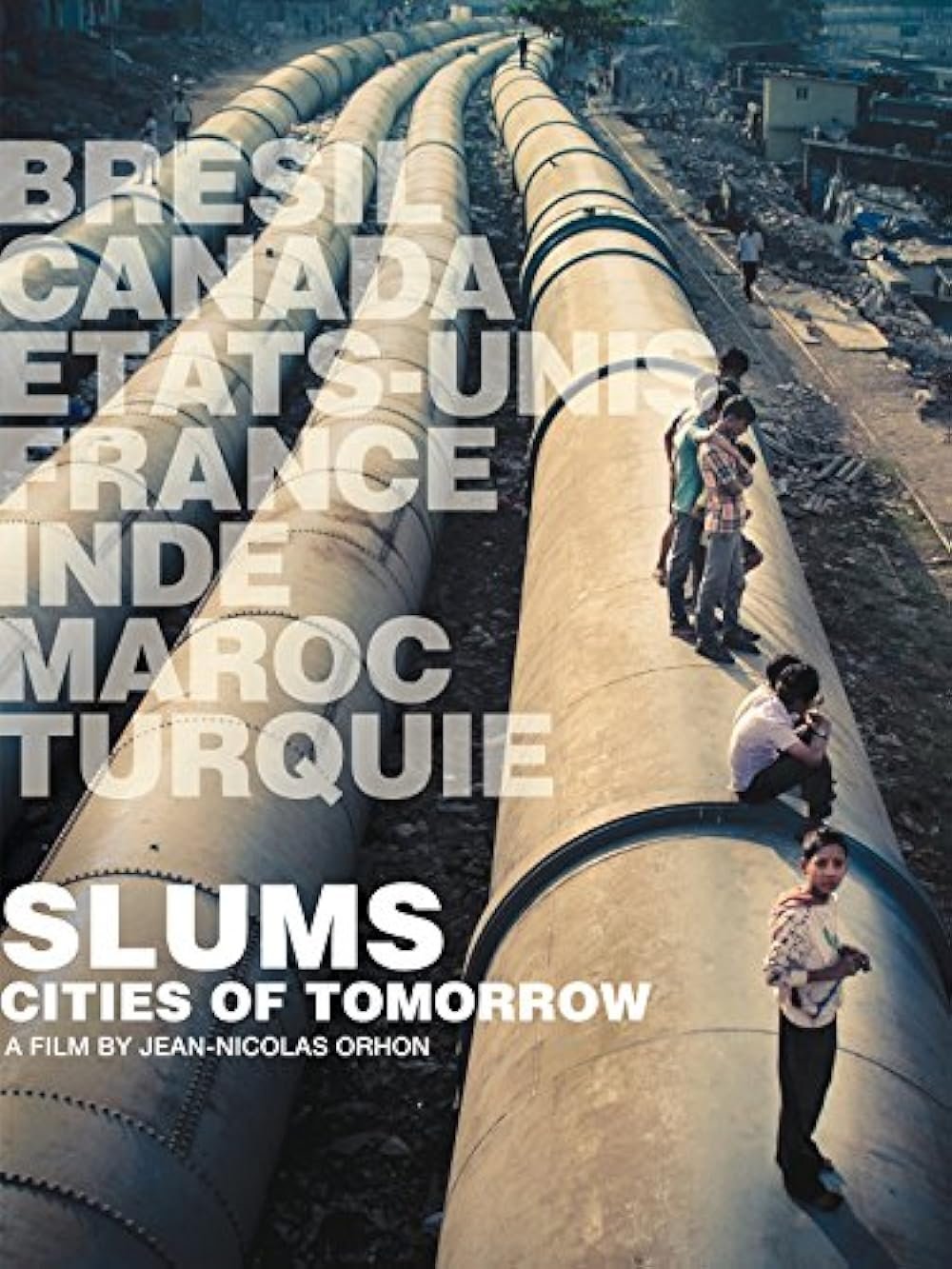
Megacities is a documentary about the slums of five different metropolitan cities.
Workplace is a documentary made by Gary Hustwit, in association with R/GA, for the 2016 Venice Architecture Biennale.Workplace is about the past, present, and future of the office. It looks at the thinking, innovation, and experimentation involved in trying to create the next evolution of what the office could be. The film follows the design and construction of the New York headquarters of digital agency R/GA (in collaboration with architects Foster + Partners) who have been experimenting with how physical and digital space can better interact. Digital technology has radically changed how and where most of us work, but the physical spaces we work in haven’t kept up with that transformation.
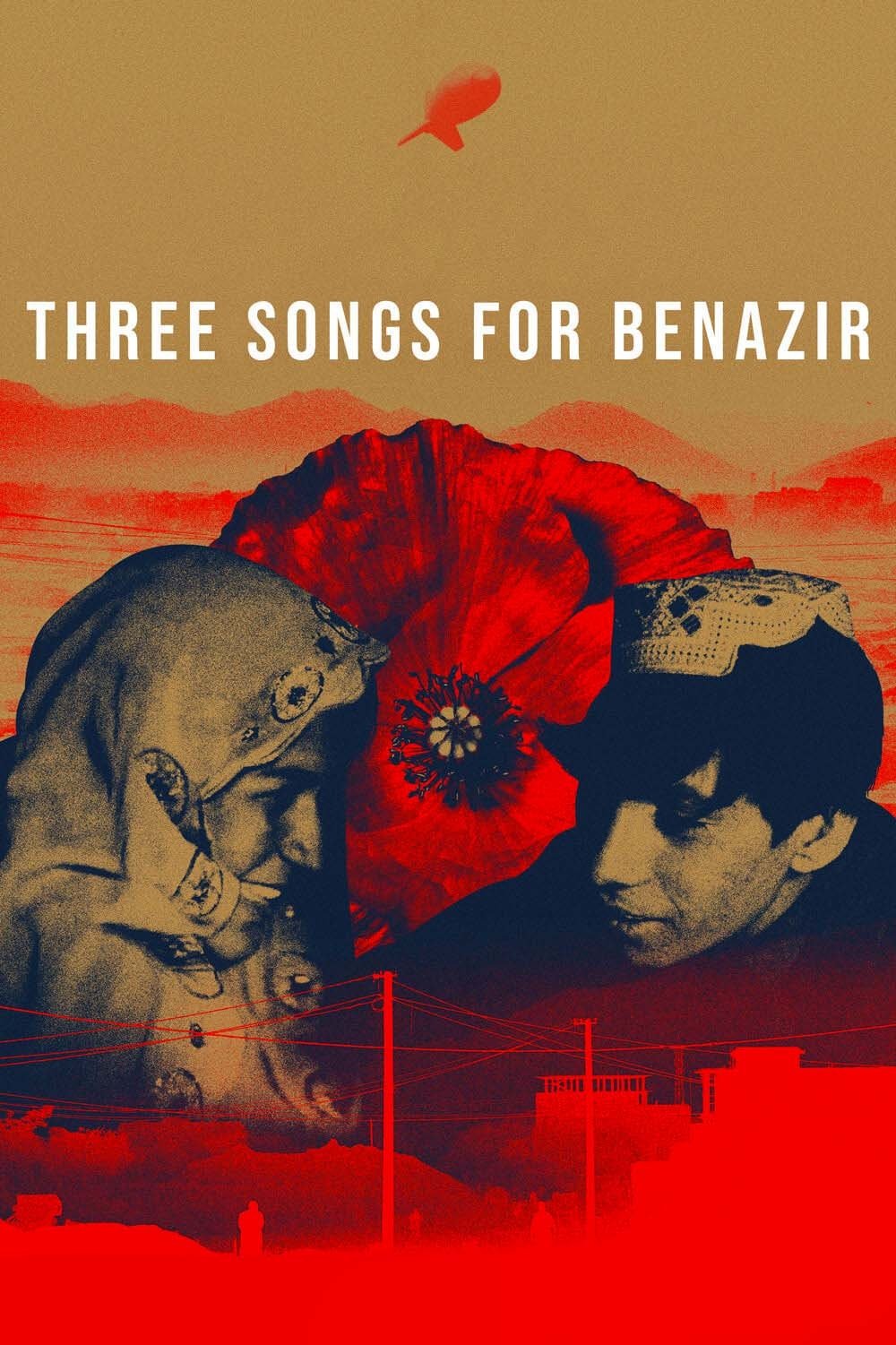
The film follows five people who lost their sight in armed conflicts, gathering fragments of their present-day lives. Through an enveloping sound composition, veiled archival material, footage shot by the protagonists themselves, and a sensitive visual approach, the film explores memory, perception, and our relationship to the visible. Steering away from spectacle, it invites us to hear what often goes unheard, and to feel differently. In an age saturated with images, this documentary offers a sensory experience where listening becomes a gesture of resistance and human reconnection.
The viewpoints of women from a country that no longer exists preserved on low-band U-matic tape. GDR-FRG. Courageous, self-confident and emancipated: female industry workers talk about gaining autonomy.
In a candid and unflinching portrait of Palestinian prisoners, Shimon Dotan takes viewers inside the highest security prisons in Israel where thousands of Palestinians fill these detention facilities.
What is possible when we have guaranteed money to meet our basic needs? No requirements. No stipulations. No paybacks. We look to the village of Busibi to discover what’s possible when we give money directly to people. No strings attached. The answer lies in the residents’ personal stories. Their successes and tribulations illustrate the impact of one of the most daring projects in contemporary development cooperation. Their life stories unexpectedly prove to be all too familiar. They make us laugh. They move us. Blending in together, they create a colorful and poetic reality portrait, illustrating the big consequences of a small sum of money …
Iran, January 16th, 1979. Shah Mohammad Reza Pahlavi flees after being overthrown. Ayatollah Khomeini returns to Tehran and proclaims the Islamic Republic on April 1st, 1979. In the same year, Saddam Hussein seizes power in Iraq and, after several border skirmishes, attacks Iran on September 22nd, 1980, initiating a cruel war that will last eight years. Since its outbreak, correspondent Saeid Sadeghi documented it from its beginning to its bitter end.
A film about the Tibetan Freedom Concert in San Francisco in 1996.
Beginning at the industrial revolution of the ‘great north’, Jenn Nkiru draws lines between peoples, cities, countries, buildings, movements, bodies and spaces(s) using a mixture of archive materials and new footage. There is little stillness as we are pushed and pulled through Black histories and communities across the city of Manchester and beyond. Nkiru has termed this filmmaking process “cosmic archeology”, and it is grounded in Afro-surrealism, experimental film and the Black arts movement.
A playwright Iran tries to confront a creative crisis while political clashes erupt during her country's 2009 election.
It is a fetish, a mantra, a secret religion to modern man: work. In times of the financial crisis and massive job reductions, this documentary movie questions work as our 'hallow' sense in life in a way that both humors and pains us.
At the beginning of the 70s, Sahia Studio produced a number of social investigations commissioned by the Central Committee of the Romanian Communist Party, intended to expose the so-called "social parasitism". The decision was taken after the theses of July 1971, which provide that "one of the main objectives of political work, especially among the youth, is the firm fight against the tendencies of parasitism, of an easy life, without work, the cultivation of responsibility and the duty to work , in the service of the country, the people, the socialist society". The most famous films, made with the competition of the Ministry of the Interior and the Ministry of Justice, are Să treacă vara and Iarna unor pierde vară
Jesus 'Chuy' Aceves and a dozen living members of his extended family suffer from the very rare condition of congenital hypertrichosis, meaning they were born with excessive hair on their faces and bodies. Due to their appearance, they suffer from discrimination in all areas of their lives: the children are made fun of at school and abandoned by their 'non-hairy' parents, and the adults cannot find work unless they choose to exhibit themselves as freaks in circuses. This moving and visually arresting documentary is a portrait of Chuy and his family members. It examines their day-to-day lives and their struggle to find love, acceptance and employment.
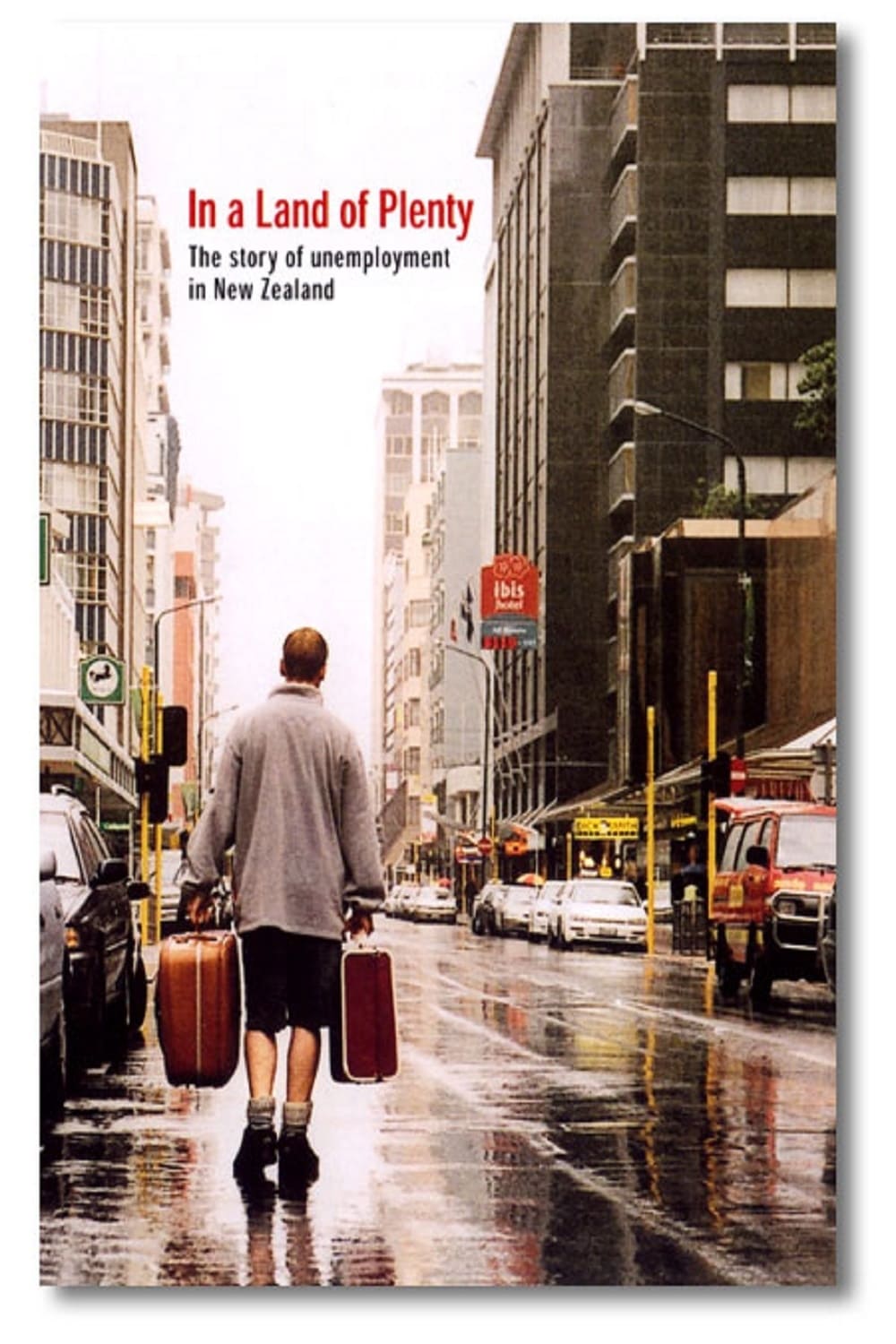
The story of unemployment in New Zealand and In A Land of Plenty is an exploration of just that; it takes as its starting point the consensus from The Depression onwards that Godzone economic policy should focus on achieving full employment, and explores how this was radically shifted by the 1984 Labour government. Director Alister Barry's perspective is clear, as he trains a humanist lens on ‘Rogernomics' to argue for the policy's negative effects on society, as a new poverty-stricken underclass developed.
How does a machine learn to read the world? Testimonies and screen recordings introduce the experience of online micro-workers from the Global South: their job is to teach the AI of self-driving cars to navigate the streets of the Global North.
AMERICAN COUP tells the story of the first coup ever carried out by the CIA - Iran, 1953. Explores the blowback from this seminal event, as well as the coup's lingering effects on the present US-Iranian relationship. Includes a segment on the 1979 Iranian Hostage Crisis and its relation to the 1953 coup. Concludes with a section on the recent Iranian presidential election. Contains interviews with noted Middle East experts and historians and prominent public figures such as Stephen Kinzer (author, All The Shah's Men), Prof. Ervand Abrahamian, Trita Parsi, Col. Lawrence Wilkerson, Ted Koppel and Rep. Ron Paul of Texas. With Iranian cinematography by James Longley.
A tale of how the great vision and epic failure of General Magic, the "greatest dead company in Silicon Valley", changed the lives of billions.
For more than forty years, Belela Herrera has dedicated her life to saving that of others. The politically persecuted, those displaced by civil wars, and the world's refugees are her concern and vocation. Her story is also that of a woman who defined herself and twisted the destiny reserved for girls of her social class: marrying to a man from high society, having a large family and a comfortable and elegant existence . And it is also the story of a female legacy that is part and consequence of the invisible resistance of thousands of women.
September 1st, 1939. Nazi Germany invades Poland. The campaign is fast, cruel and ruthless. In these circumstances, how is it that ordinary German soldiers suddenly became vicious killers, terrorizing the local population? Did everyone turn into something worse than wild animals? The true story of the first World War II offensive that marks in the history of infamy the beginning of a carnage and a historical tragedy.