Social & External
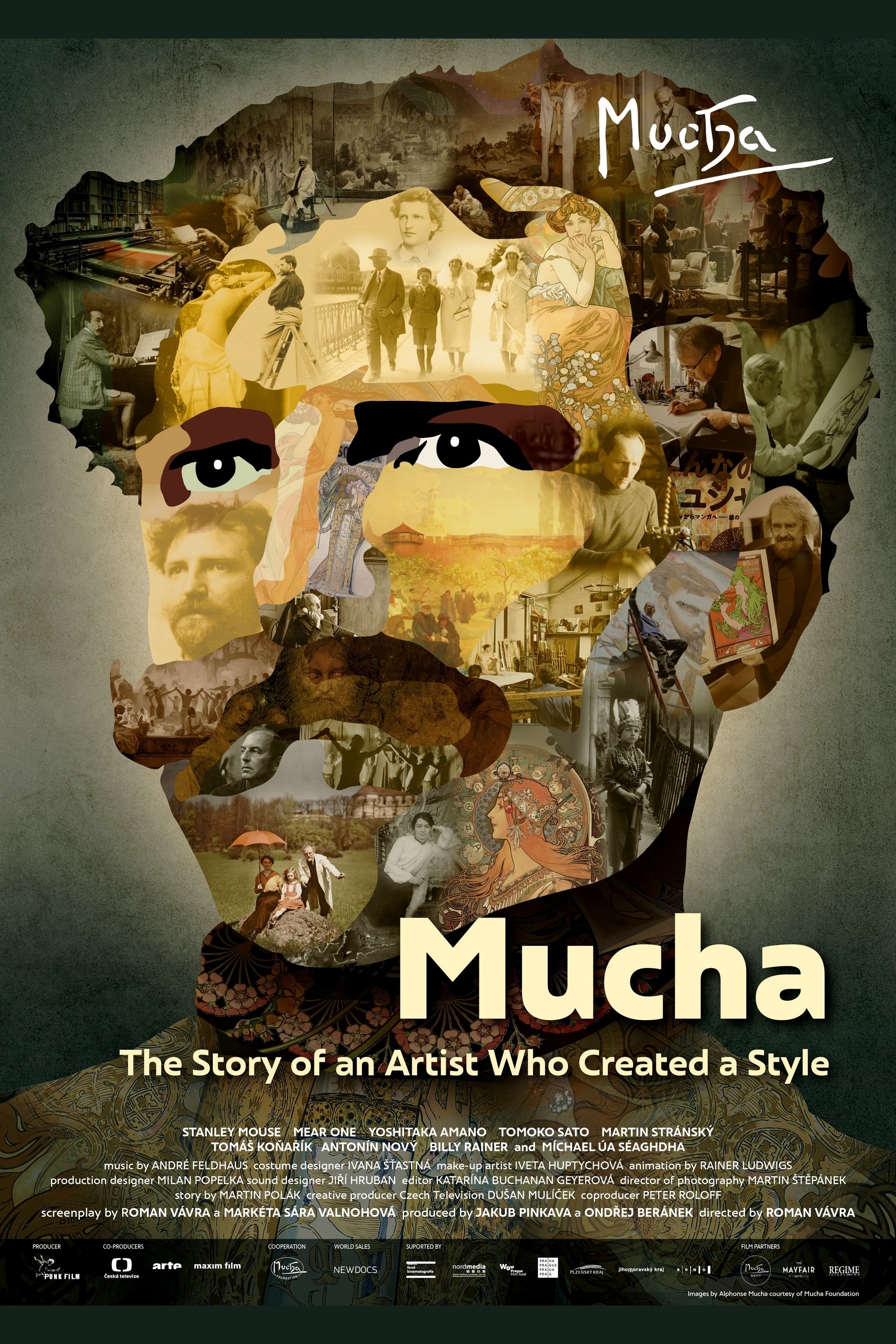
Czech painter and illustrator Alphonse Mucha (1860-1939) ranks among the pioneers of the Art Nouveau movement at the end of the 19th century. Virtually overnight, he becomes famous in Paris thanks to the posters that he designs to announce actress Sarah Bernhardt’s plays. But at the height of his fame, Mucha decides to leave Paris to realize his lifetime project.
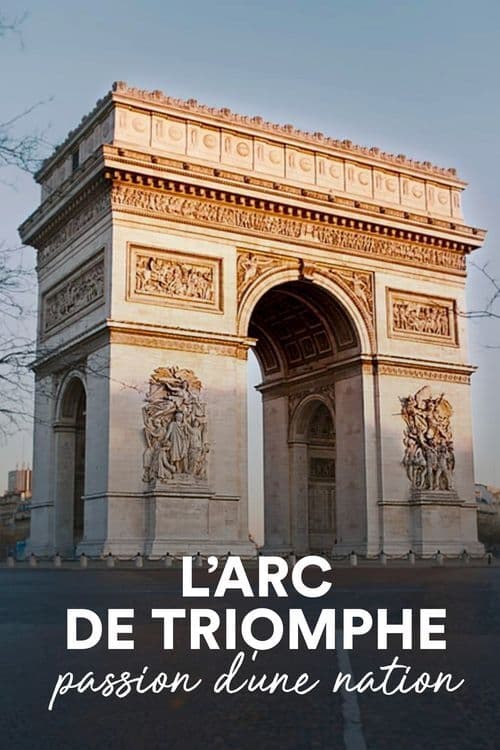
The pride of Napoleon's victories, the Arc de Triomphe, whose first stone was laid in 1806 at the top of the Champs-Élysées, is, along with the Eiffel Tower, one of the most visited monuments in the French capital. Wanted by an emperor, inaugurated under the reign of a king (Louis-Philippe) and sanctuarized by the Republic, this patriotic temple polarizes the passions of a whole nation. A historical portrait before "packaging", which teems with anecdotes and unsuspected details.
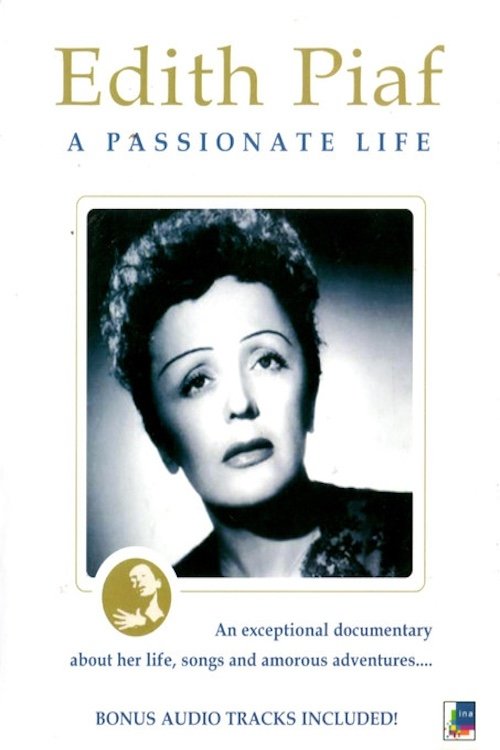
This documentary about legendary French chanteuse Edith Piaf begins at her birth (which was helped along by a cop), travels through her turbulent romantic history, follows her to the pinnacle of her success and reports on her death. Piaf was queen of the torch song, her plaintive wail speaking volumes of the tragedy and joy she'd faced. Hers wasn't exactly, in the words of one of her famous songs, "La Vie En Rose," but it was quite a life.
In this documentary about the exile of two famous French actors in Argentina during and after World War II, the director Cozarinsky returns to Argentina after many years in France and recalls places and events from his childhood, particularly the celebration of the liberation of Paris on in August of 1944, in Buenos Aires's Plaza Francia. Featuring testimony from various authors and acquaintances of Maria (Renee) Falconetti and Robert Le Vigan, the film explores their lives and final years in Argentina.
The film tells of the radical life-search by the Swiss writer Paul Nizon, born 1929 in Bern, Switzerland, who became what “he was meant to be” in Paris. Now 90-year-old, Paul Nizon grants insights into his life and work in a self-ironic, direct manner. The intimate portrait of a great literary outsider emerges, for whom the risk of life and the risk of writing merge into one and the same work of art.
Three single friends travel to Paris for ten days for the journey of a lifetime and in search of true love. From 'meet cutes' at the Luxembourg Gardens, to strolls down the tree-lined Champs-Élysées, will first dates lead to happily ever after or heartbreak?
Through the experiences of two women in Paris and London, Ghost Dance offers an analysis of the complexity of our conceptions of ghosts, memory and the past. The film focuses on the French philosopher Jacques Derrida, who observes, 'I think cinema, when it's not boring, is the art of letting ghosts come back.' He also says that 'memory is the past that has never had the form of the present.'
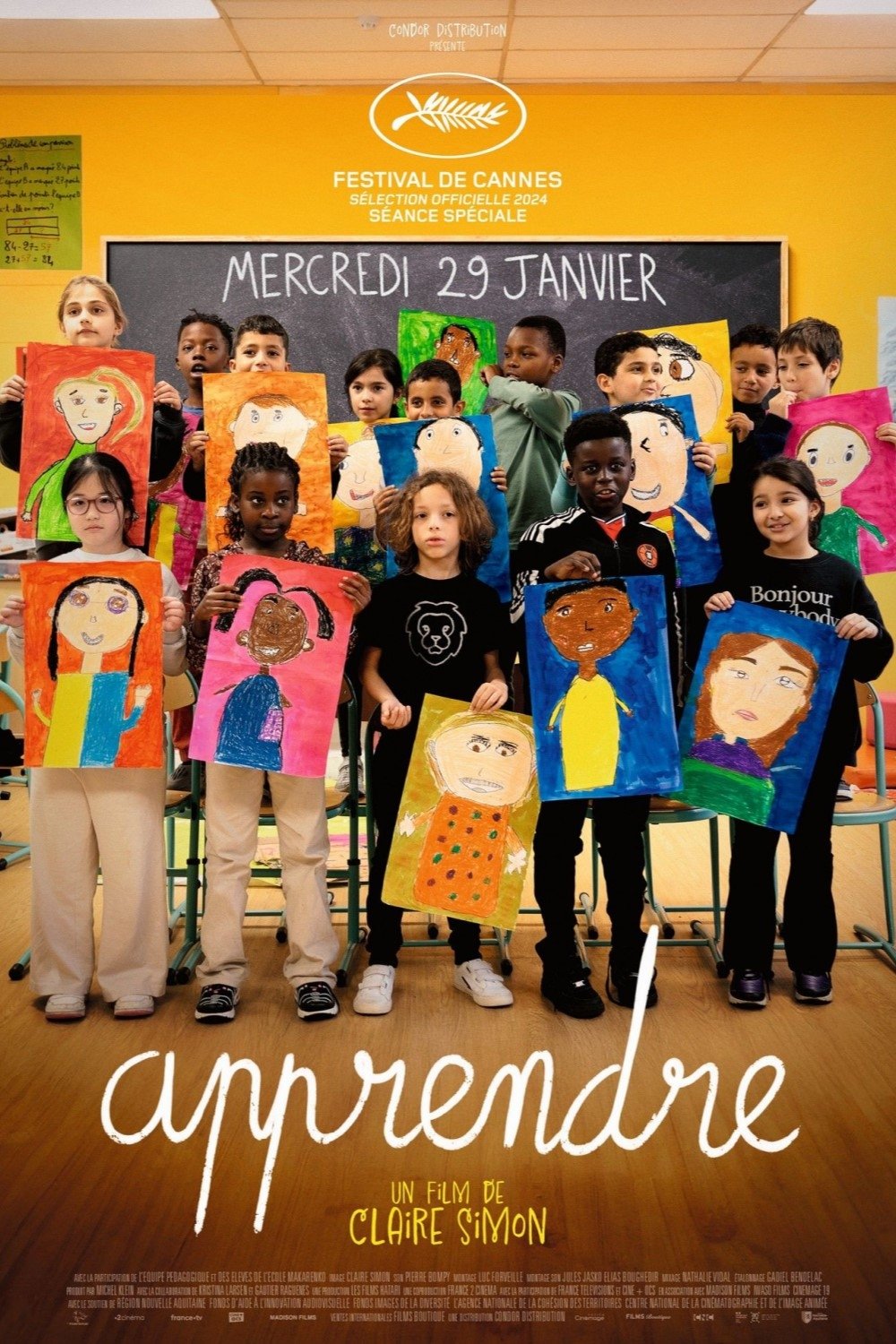
In the Makarenko public elementary school in the Paris outskirts, children want to learn and to be cheered while teachers know they do not only teach, they also educate. With care, tenacity and efforts, children are trained to become not only responsible citizens but also human beings.
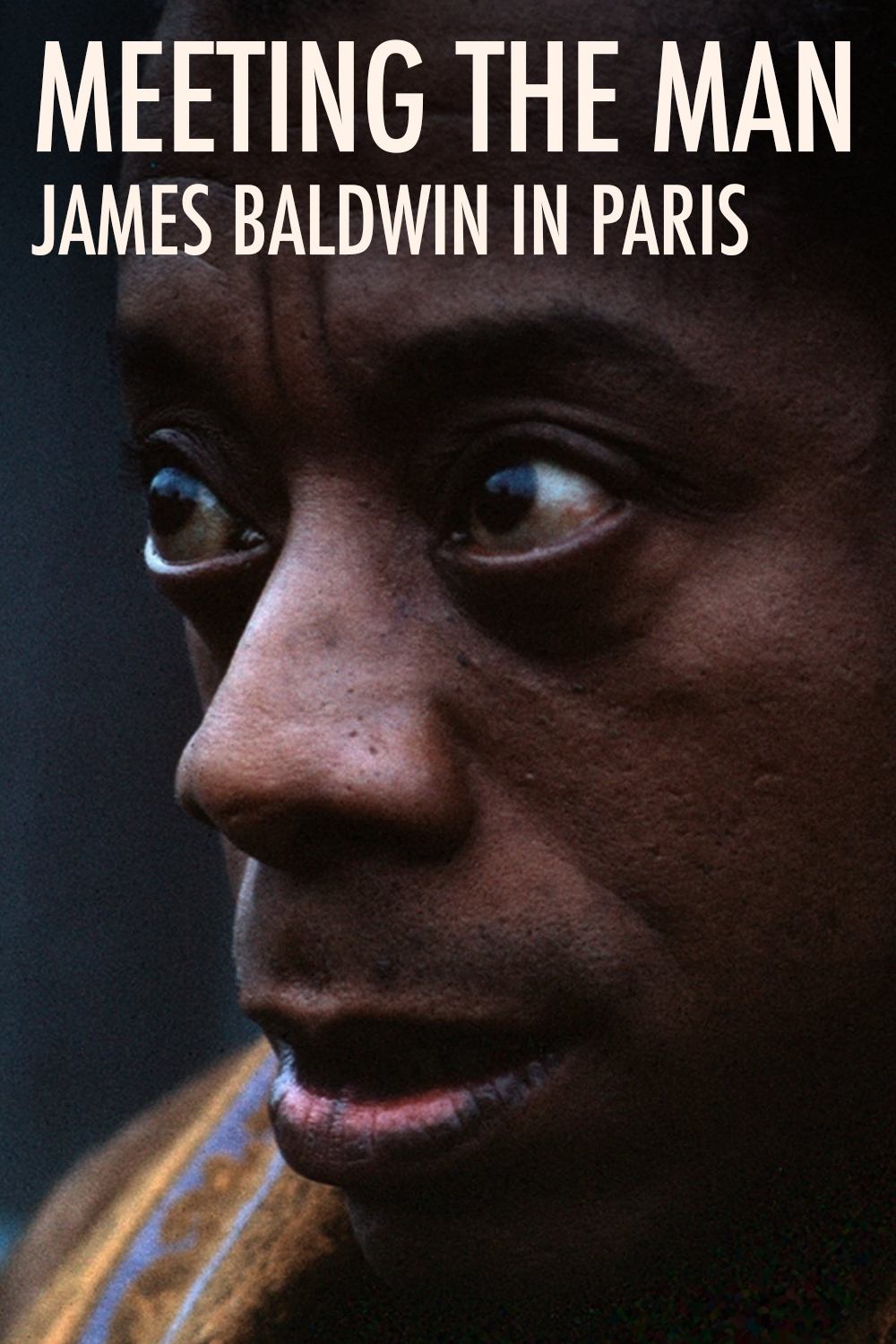
In 1970, a British film crew set out to make a straightforward literary portrait of James Baldwin set in Paris, insisting on setting aside his political activism. Baldwin bristled at their questions, and the result is a fascinating, confrontational, often uncomfortable butting of heads between the filmmakers and their subject, in which the author visits the Bastille and other Parisian landmarks and reflects on revolution, colonialism, and what it means to be a Black expatriate in Europe.
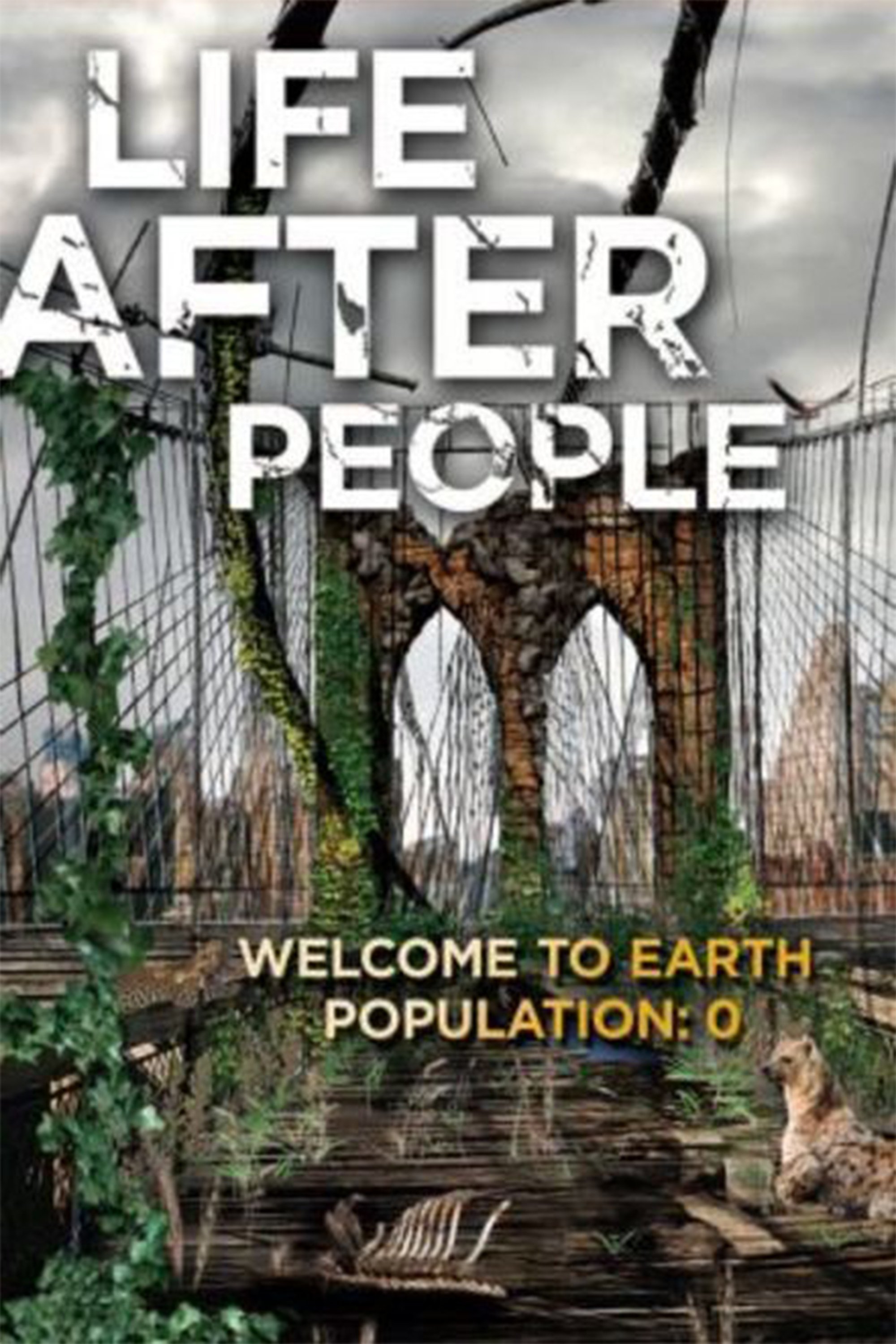
In this special documentary that inspired a two-season television series, scientists and other experts speculate about what the Earth, animal life, and plant life might be like if, suddenly, humanity no longer existed, as well as the effect humanity's disappearance might have on the artificial aspects of civilization.
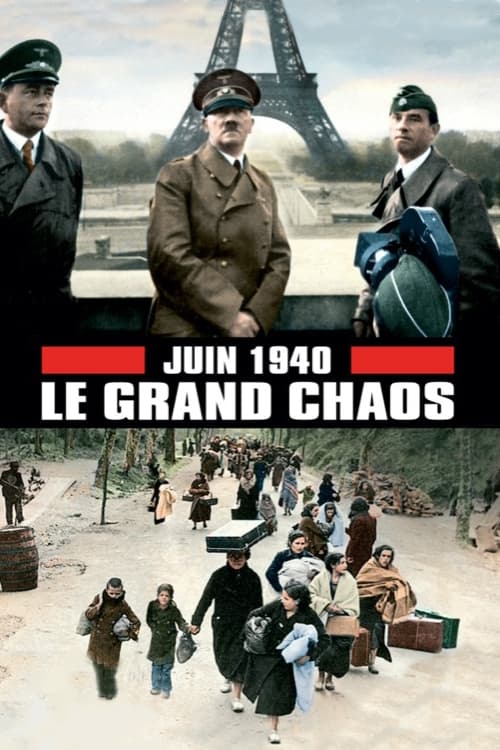
From May 10, 1940, France is living one of the worst tragedies of it history. In a few weeks, the country folds, and then collapsed in facing the attack of the Nazi Germany. On June 1940, each day is a tragedy. For the first time, thanks to historic revelations, and to numerous never seen before images and documents and reenacted situations of the time, this film recounts the incredible stories of those men and women trapped in the torment of this great chaos.
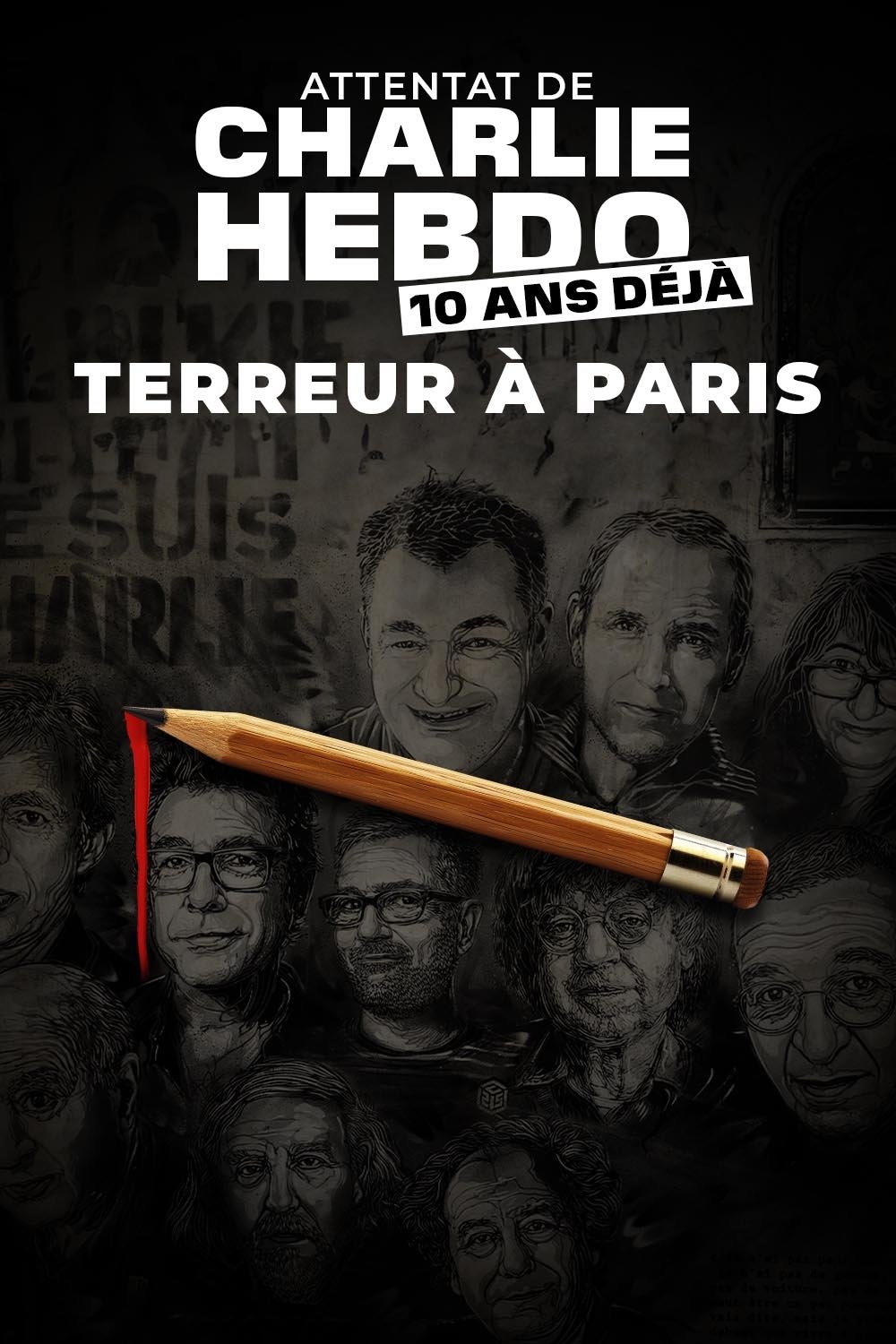
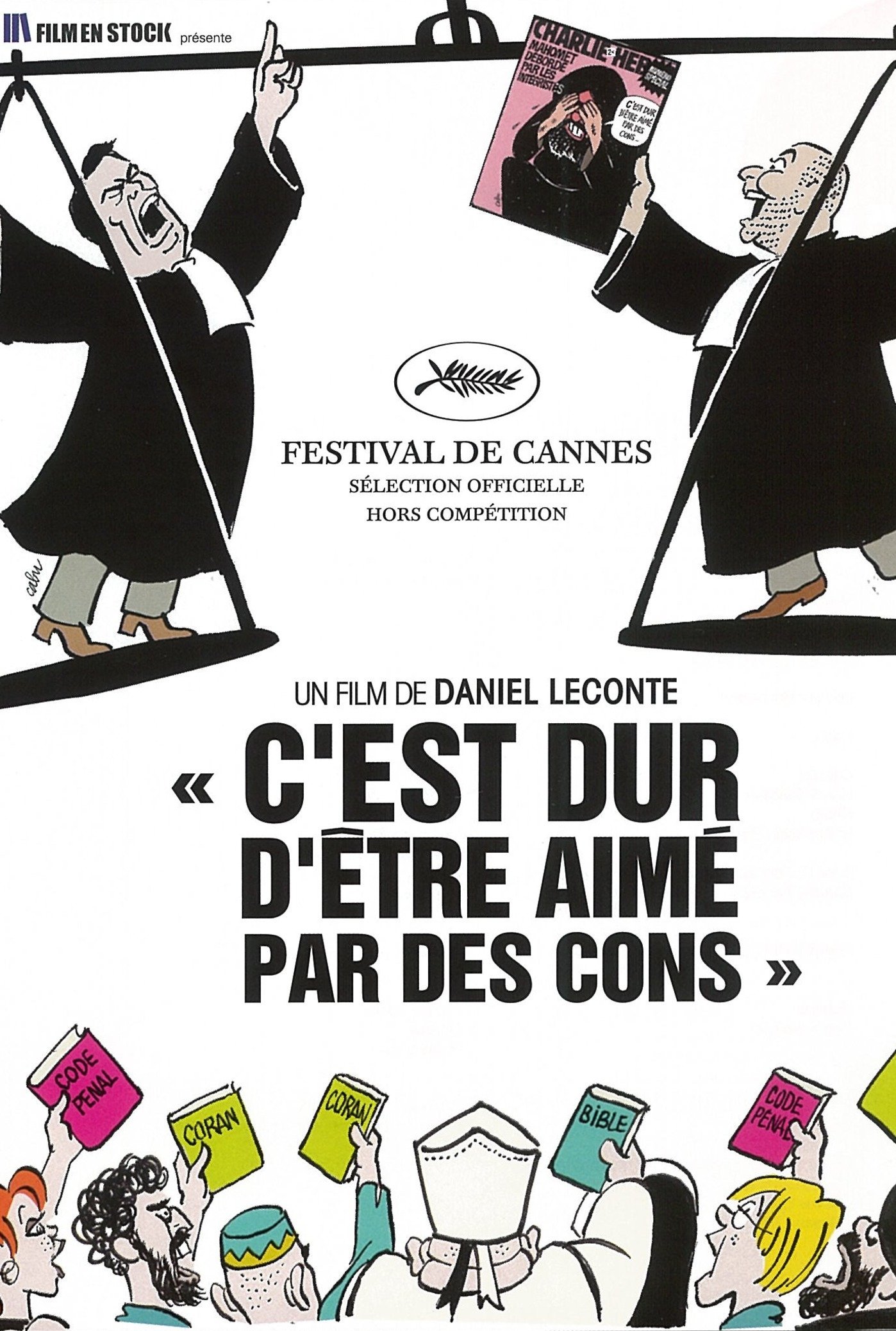
The murder of Dutch filmmaker Theo van Gogh by an Islamic extremist in 2004, followed by the publishing of twelve satirical cartoons depicting the prophet Mohammed that was commissioned for the Danish newspaper Jyllands-Posten, provides the incendiary framework for Daniel Leconte's provocative documentary, It's Hard Being Loved by Jerks.
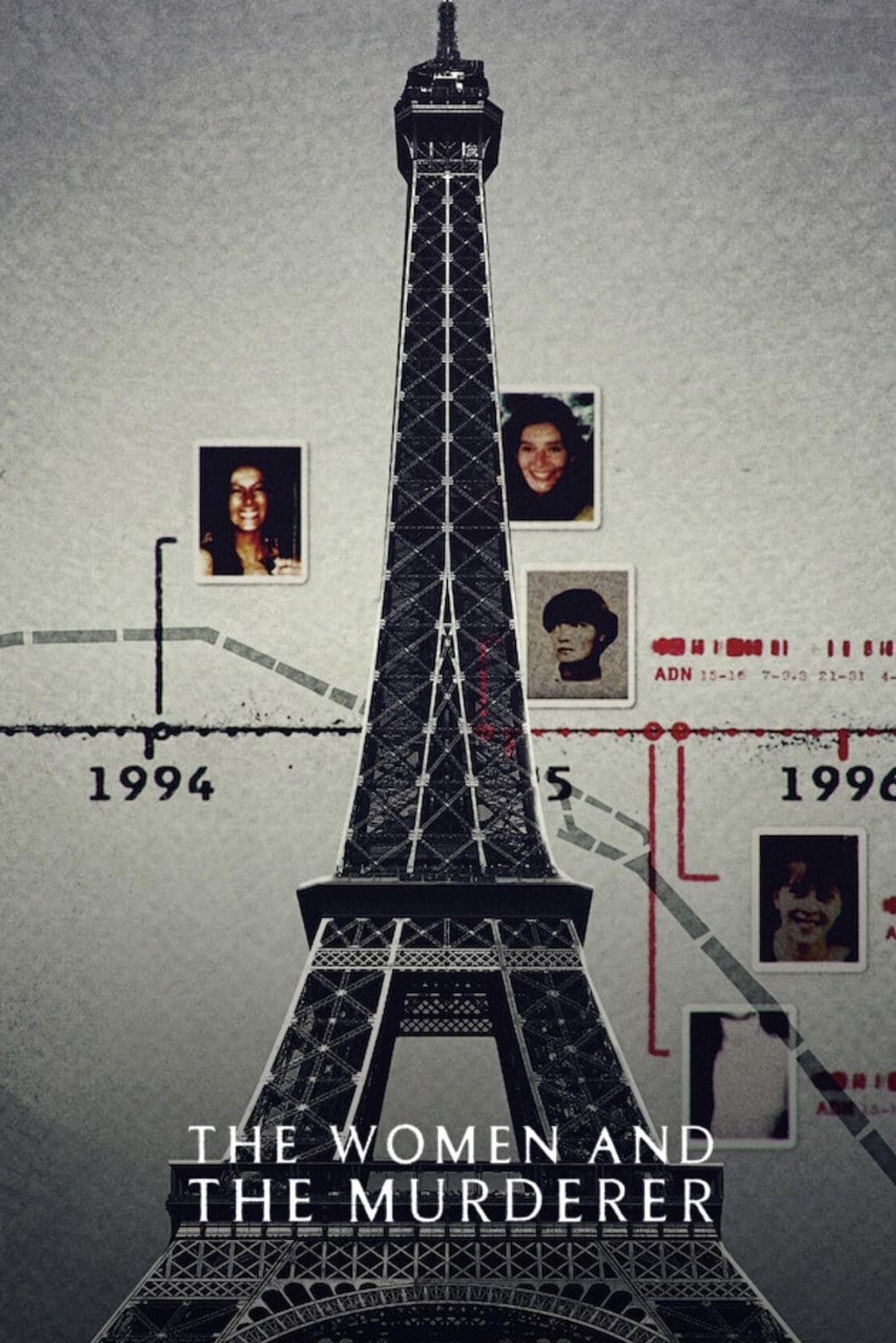
This documentary traces the capture of serial killer Guy Georges through the tireless work of two women: a police chief and a victim's mother.
This illuminating documentary examines the aftermath of Princess Diana's tragic death and the tense, dramatic week leading up to her funeral
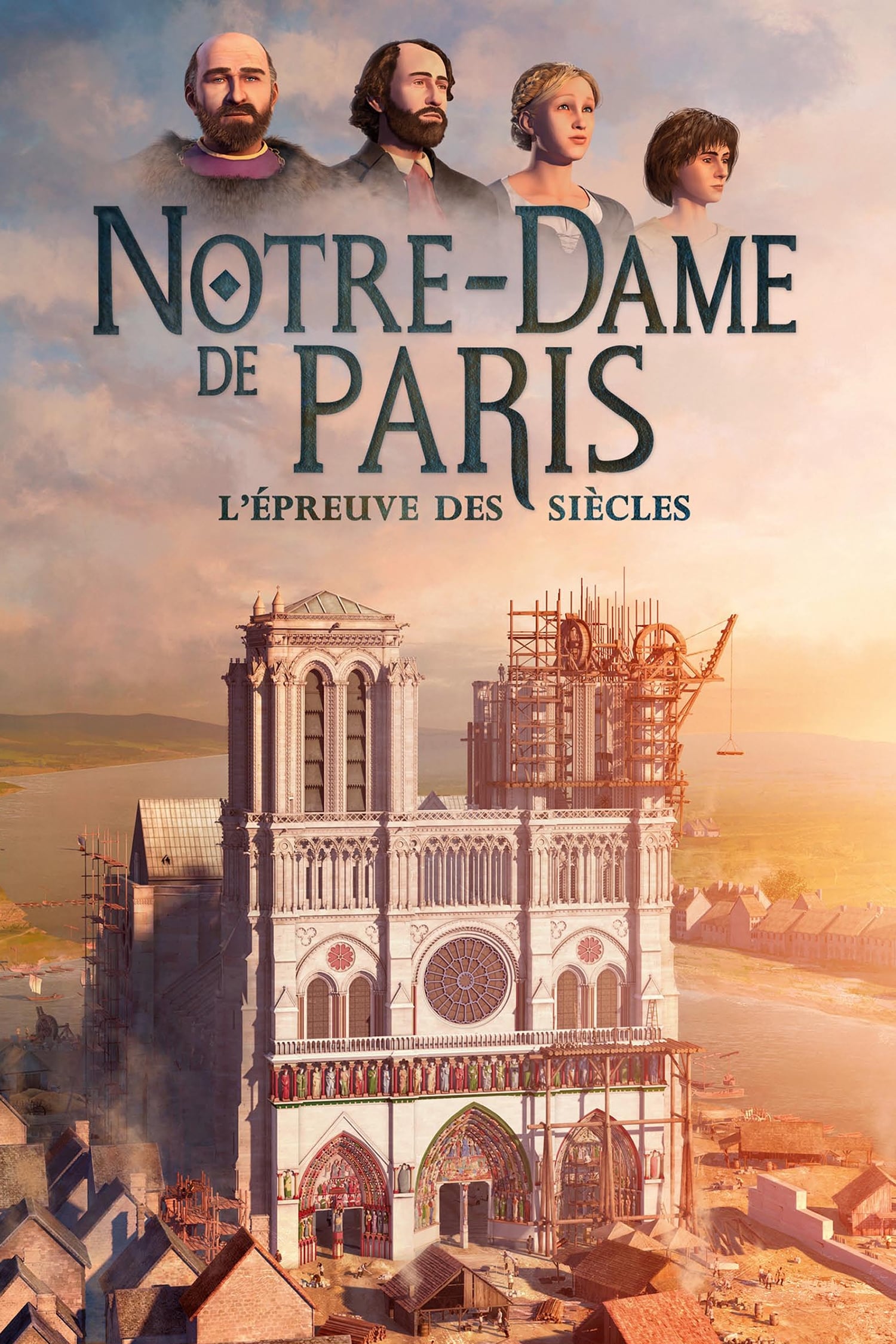
A fictional documentary on Notre Dame de Paris, produced in 2019.
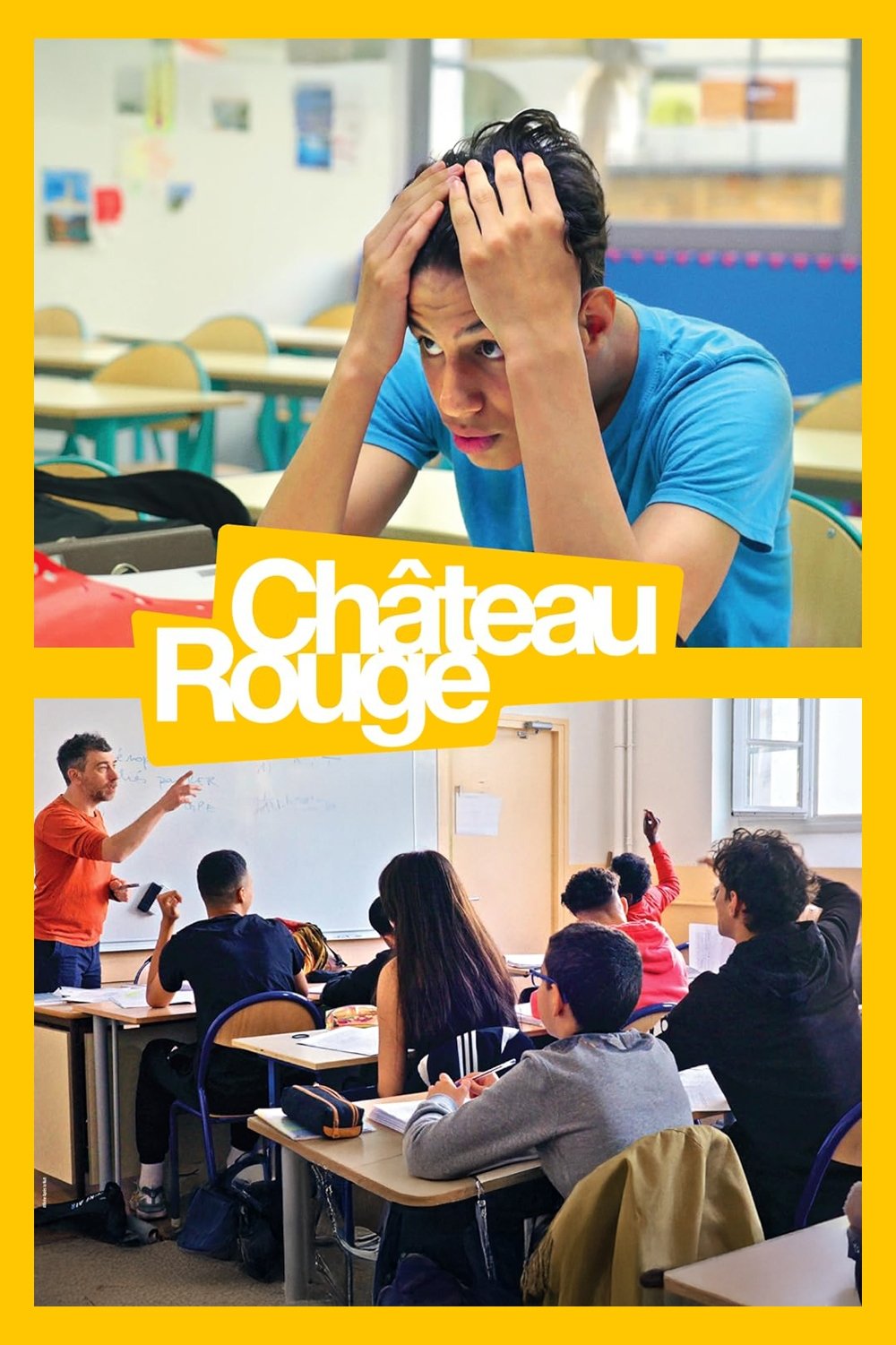
Goutte d'Or district, Paris, Château Rouge metro station, Georges Clemenceau secondary school. Teenagers, burdened with their carelessness and their wounds, have to grow up. They are shaping their personalities, losing their way, searching for themselves. Adults try to guide them despite the violence of the system.
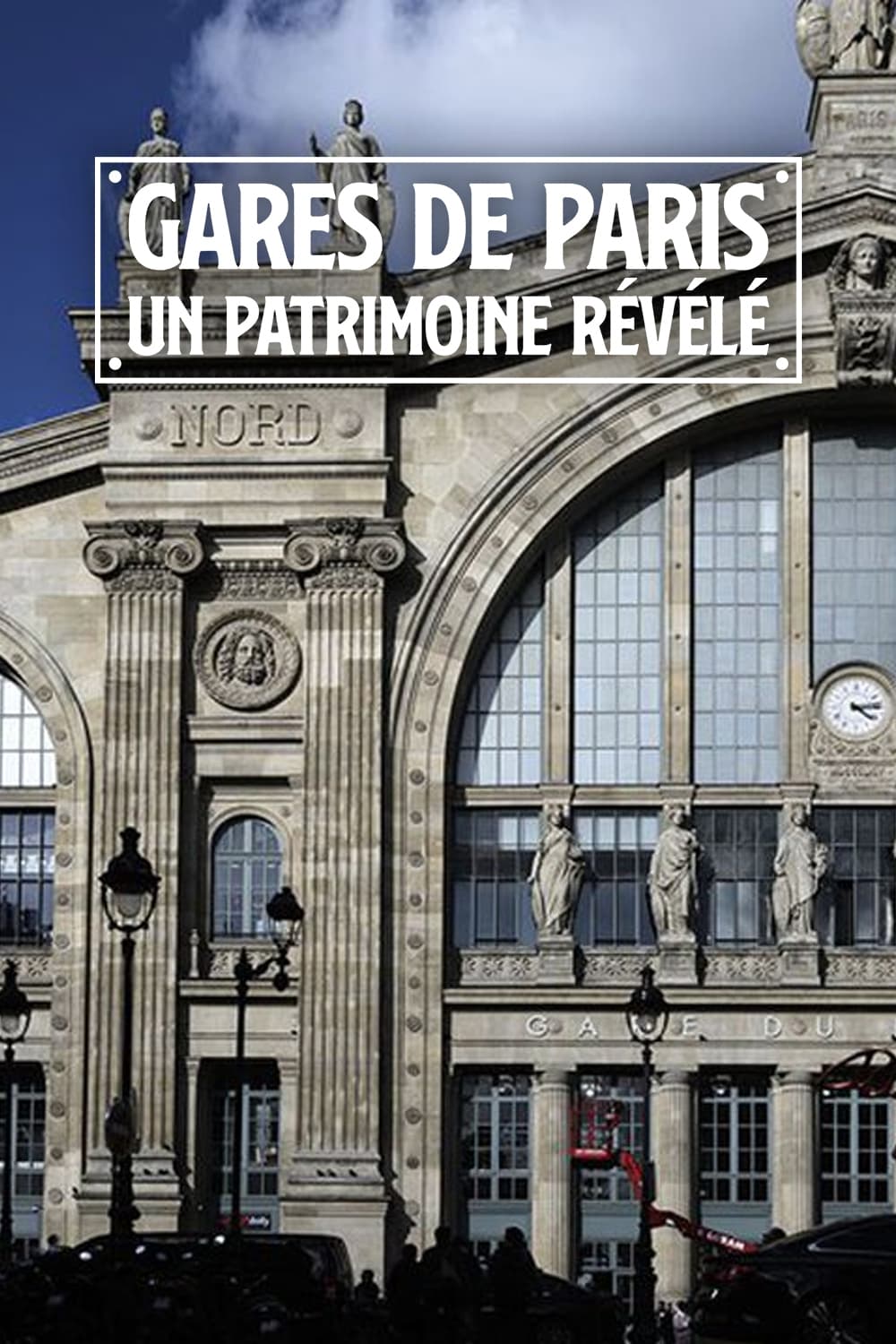
Every day, Paris’ six railway stations welcome over 3,000 trains and more than a million travelers coming from France and all over Europe. The stations’ sizes are impressive: Gare du Nord is bigger than the Louvre or Notre-Dame de Paris. These railway stations are architectural landmarks and a model of urban planning despite the radical changes they’ve undergone since their construction in the middle of the 19th century. How did the railway stations manage to absorb the boom of travelers in just a few decades? What colossal works were necessary to erect and then modify these now essential buildings? From the monumental glass walls of Gare du Nord to the iconic tower of Gare de Lyon, to the first-ever all-electric train station, each has its own story, technical characteristics, and well-defined urban image.
Documentary about the Parisian locations for the film by Louis Malle.
A photoshoot on the roofs and in the streets of Paris, under the astonished eyes of the inhabitants.
A woman’s lover and her ex-boyfriend take justice into their own hands after she becomes the victim of a rapist. Because some acts can’t be undone. Because man is an animal. Because the desire for vengeance is a natural impulse. Because most crimes remain unpunished.
A vampire relates his epic life story of love, betrayal, loneliness, and dark hunger to an over-curious reporter.
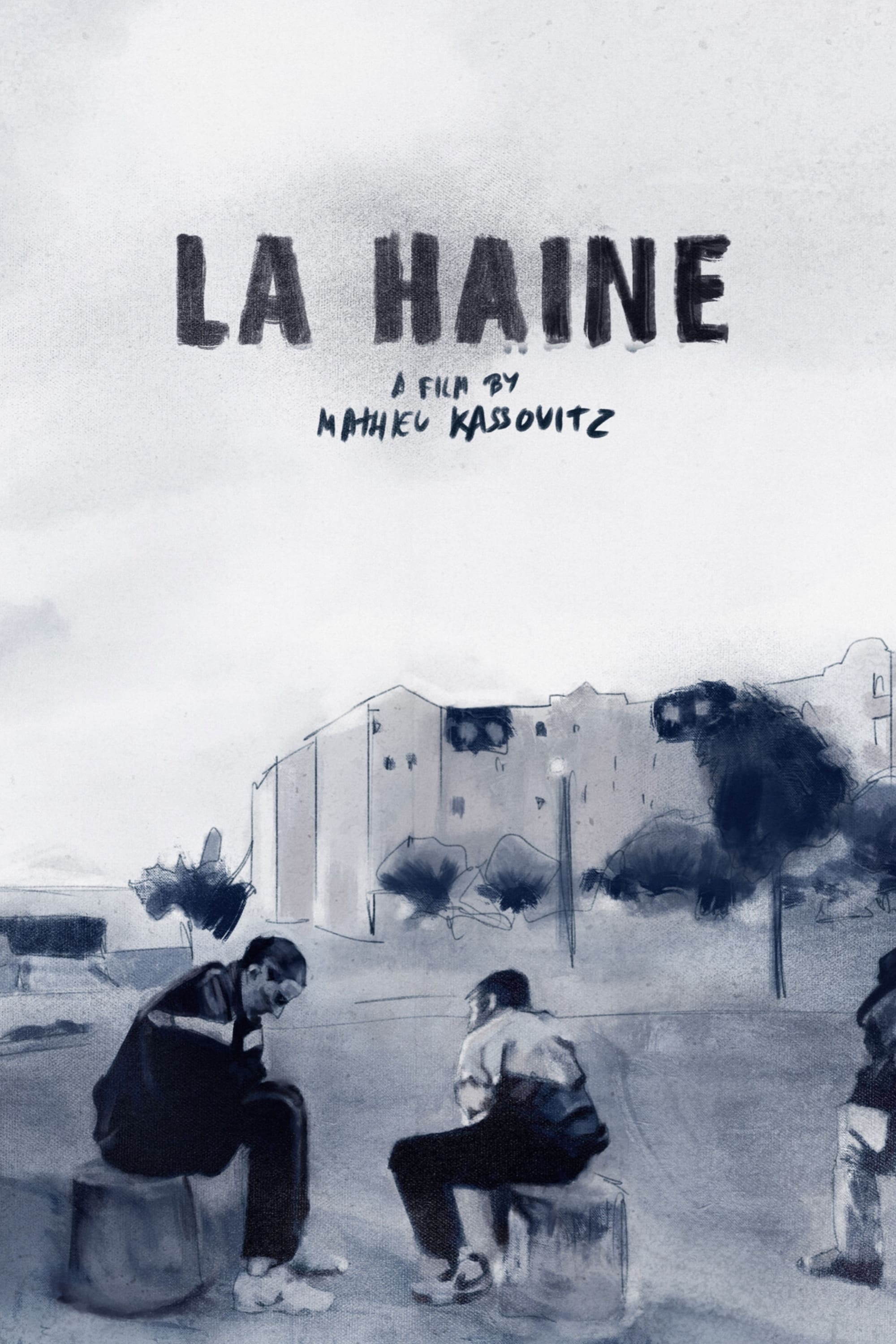
After a chaotic night of rioting in a marginal suburb of Paris, three young friends, Vinz, Hubert and Saïd, wander around unoccupied waiting for news about the state of health of a mutual friend who has been seriously injured when confronting the police.
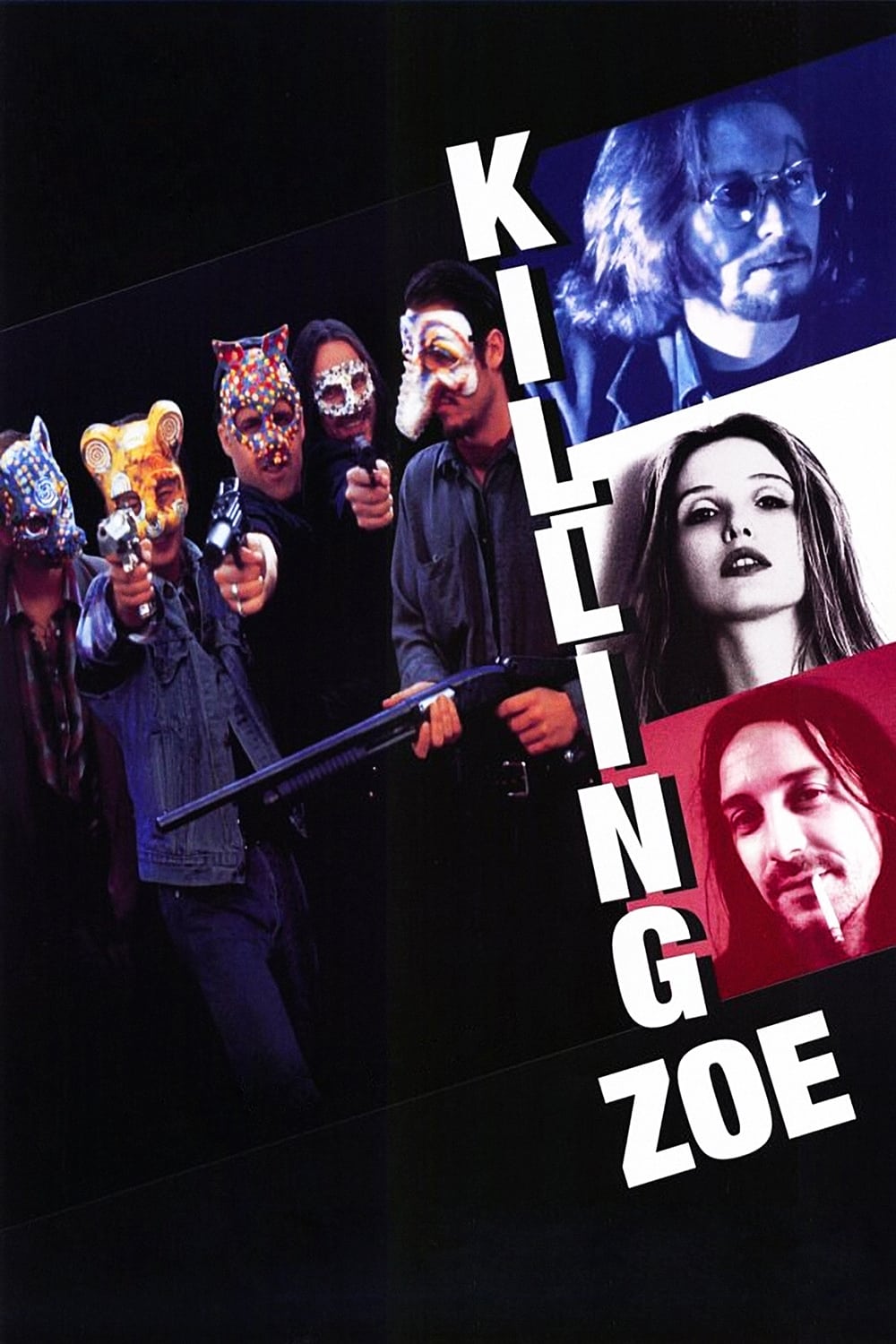
Zed is an American vault-cracker who travels to Paris to meet up with his old friend Eric. Eric and his gang have planned to raid the only bank in the city which is open on Bastille day. After offering his services, Zed soon finds himself trapped in a situation beyond his control when heroin abuse, poor planning and a call-girl named Zoe all conspire to turn the robbery into a very bloody siege.
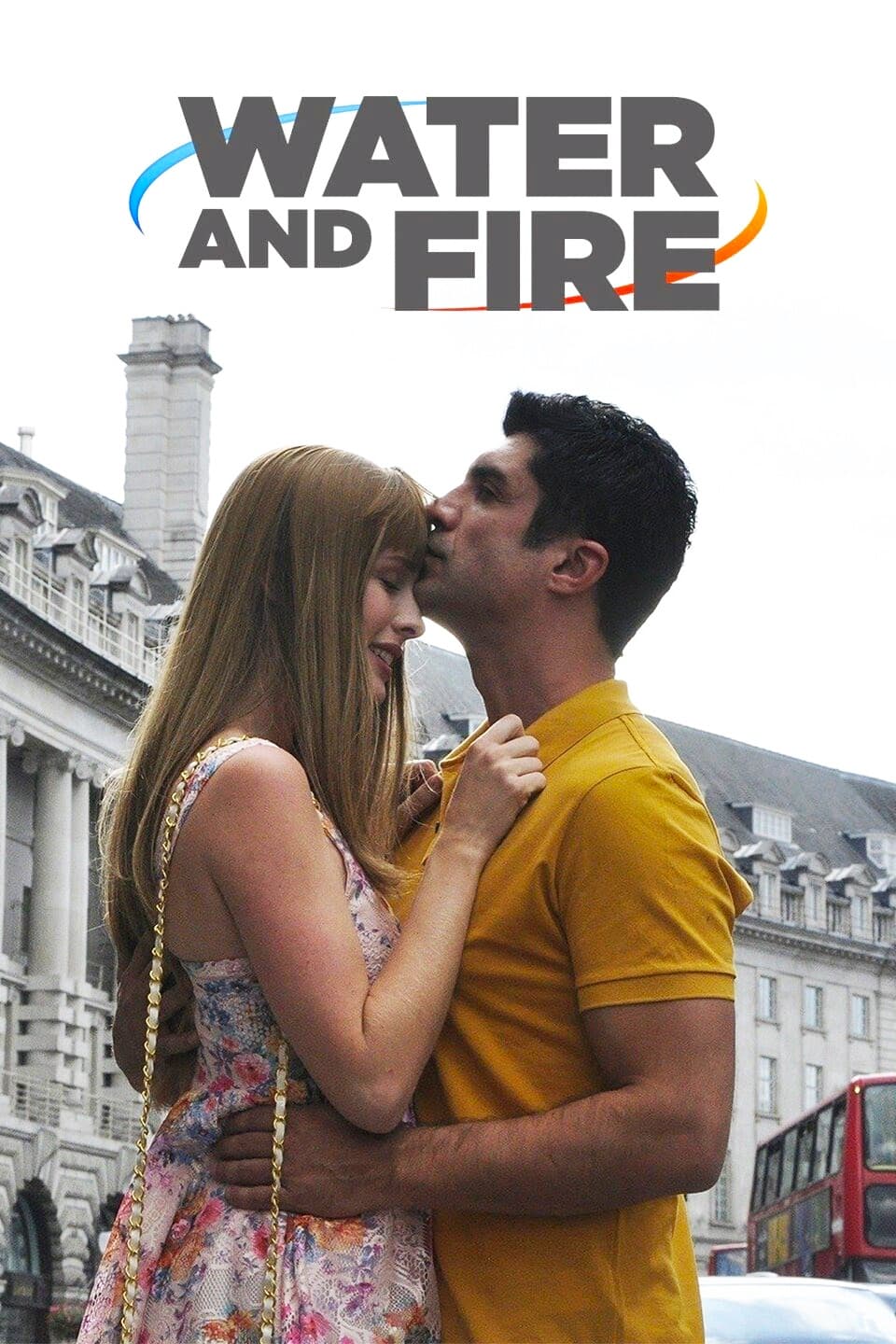
A pretty young girl falls for an enigmatic, shy man who sweeps her off her feet. She becomes pregnant but is not allowed to tell him. His advisers are adamant. Back home, they have set up a wedding with the daughter of an antagonistic family and marriage will put an end to the blood feud between them.
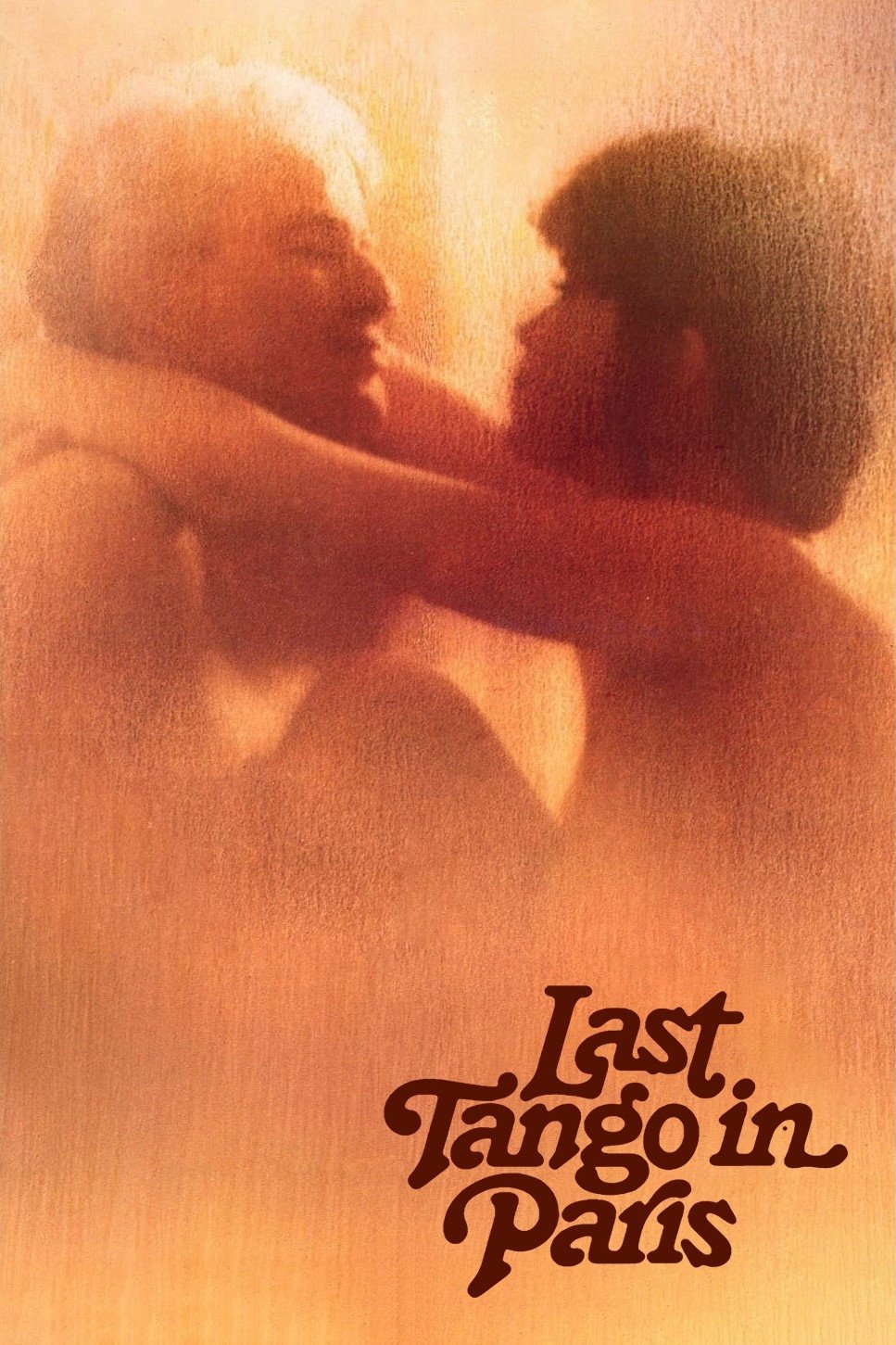
A recently widowed American begins an anonymous sexual relationship with a young Parisian woman.
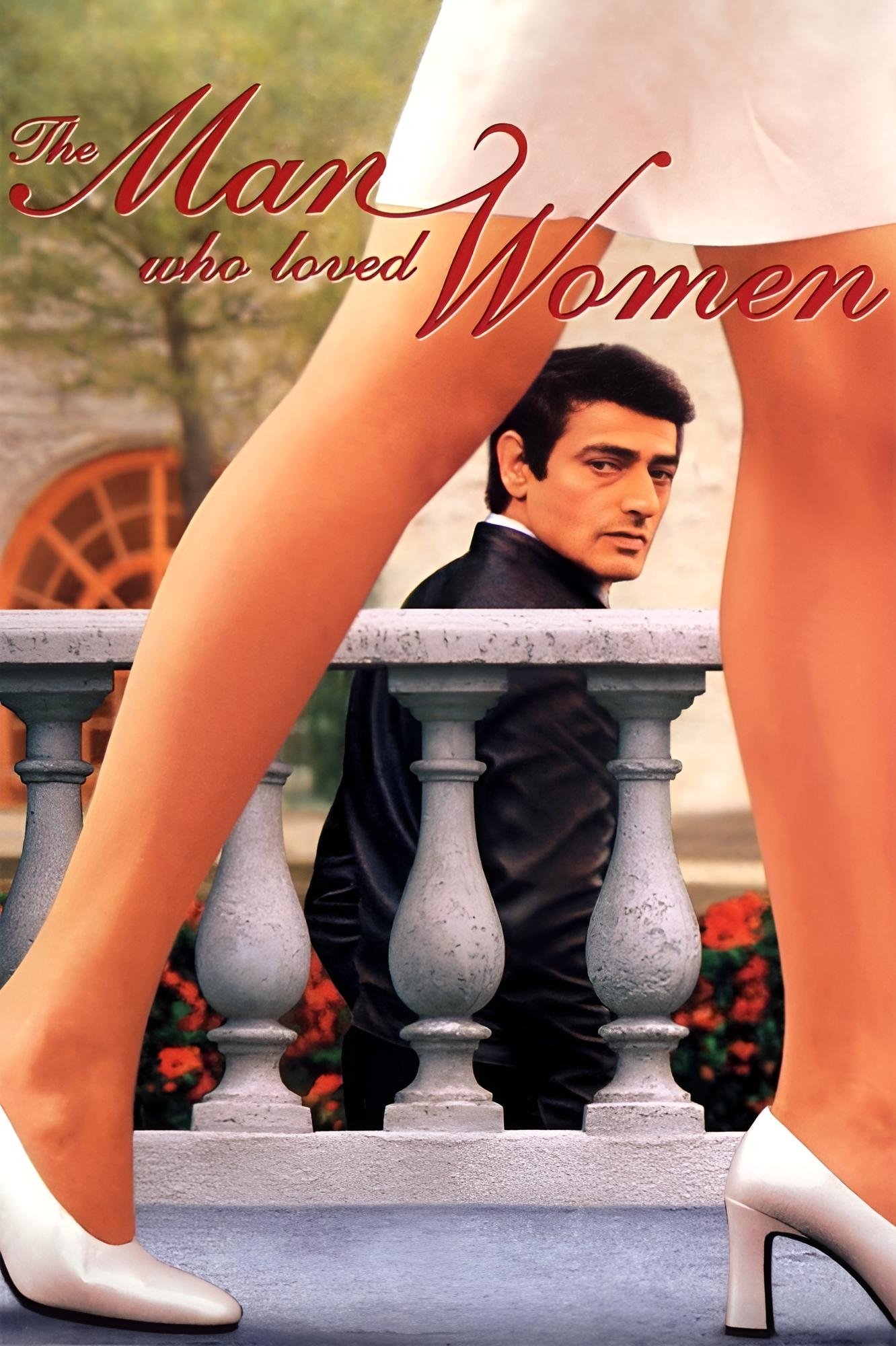
At Bertrand Morane's burial there are many of the women that the 40-year-old engineer loved. In flashback Bertrand's life and love affairs are told by himself while writing an autobiographical novel.
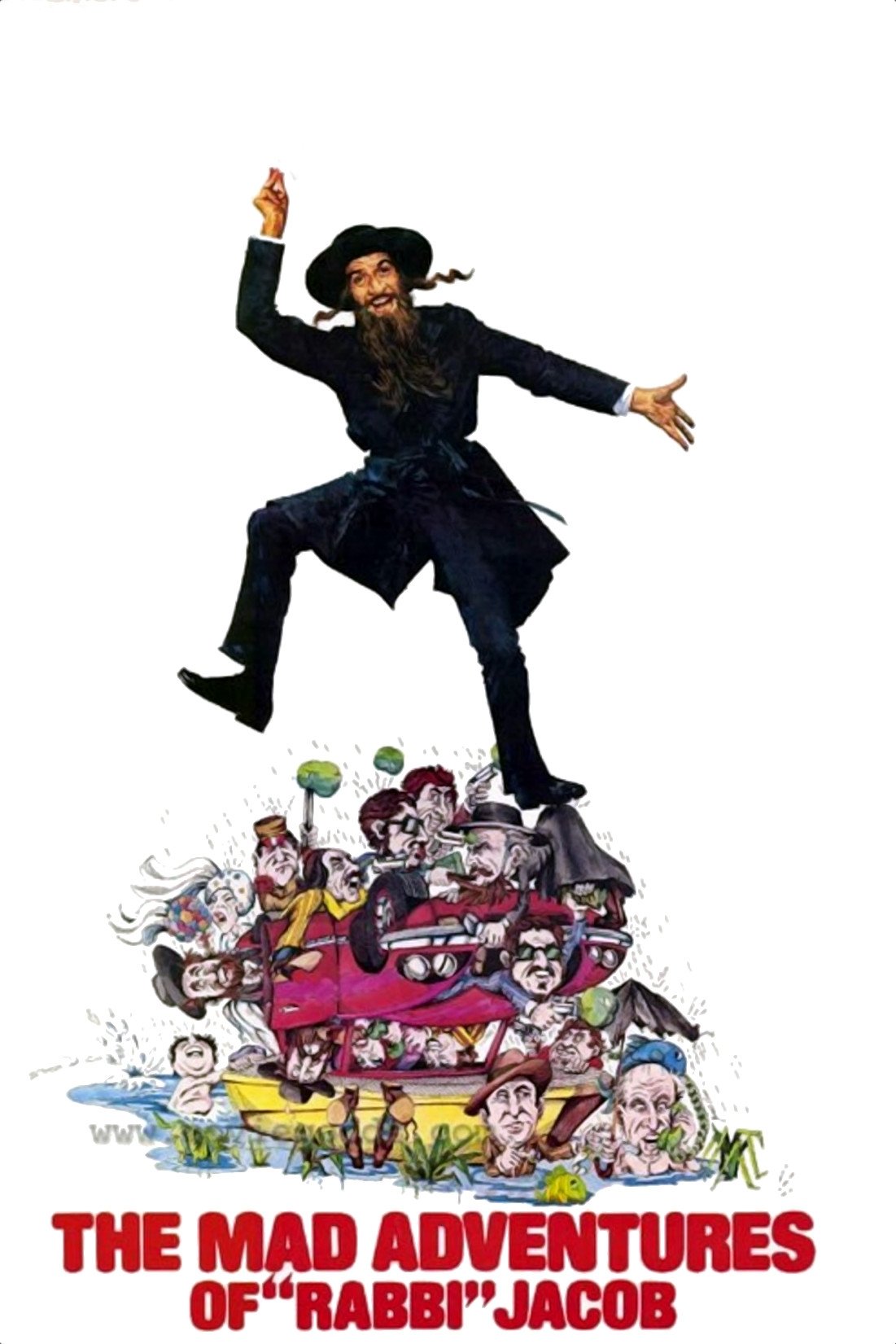
In this riot of frantic disguises and mistaken identities, Victor Pivert, a blustering, bigoted French factory owner, finds himself taken hostage by Slimane, an Arab rebel leader. The two dress up as rabbis as they try to elude not only assasins from Slimane's country, but also the police, who think Pivert is a murderer. Pivert ends up posing as Rabbi Jacob, a beloved figure who's returned to France for his first visit after 30 years in the United States. Adding to the confusion are Pivert's dentist-wife, who thinks her husband is leaving her for another woman, their daughter, who's about to get married, and a Parisian neighborhood filled with people eager to celebrate the return of Rabbi Jacob.
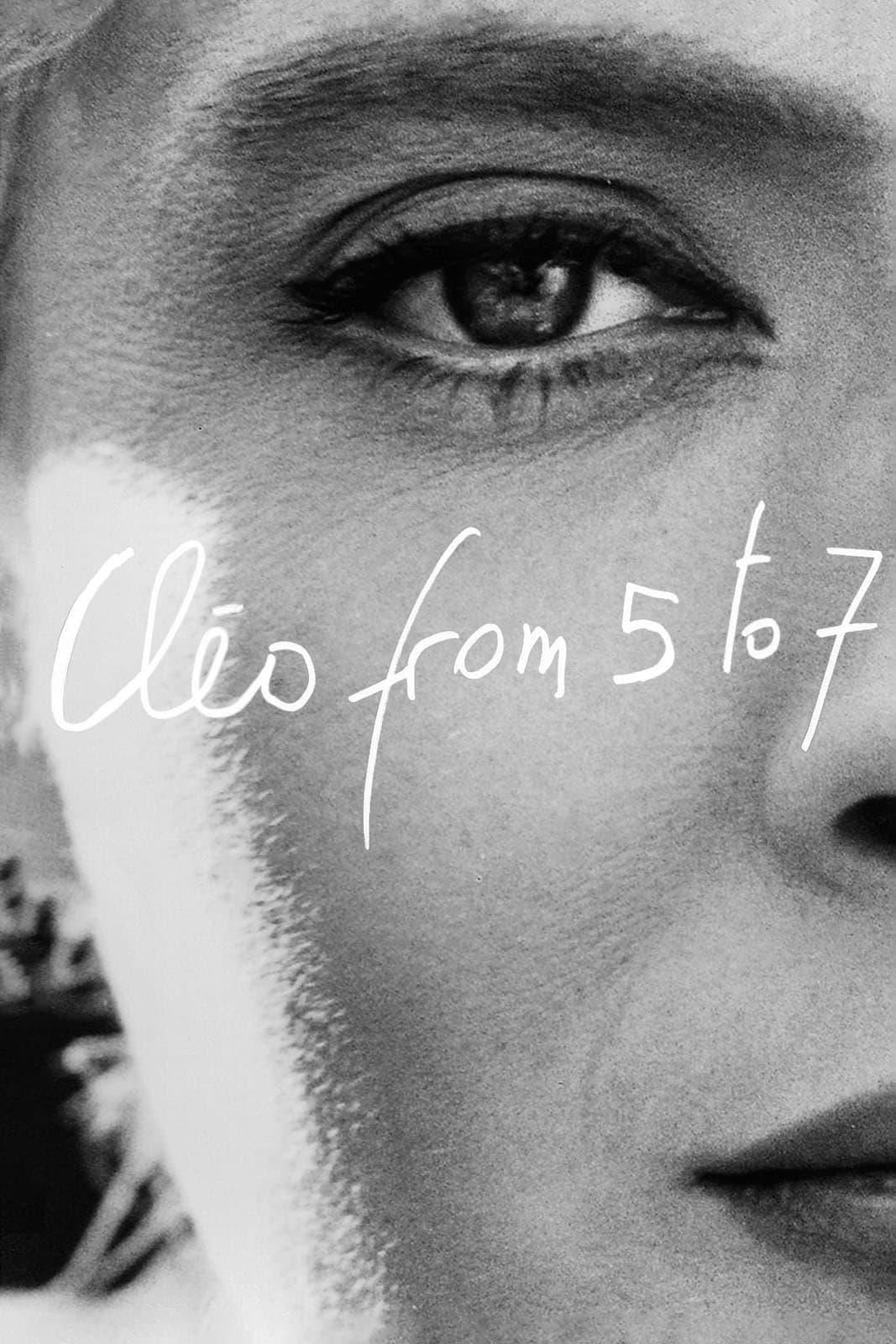
Agnès Varda eloquently captures Paris in the sixties with this real-time portrait of a singer set adrift in the city as she awaits test results of a biopsy. A chronicle of the minutes of one woman’s life, Cléo from 5 to 7 is a spirited mix of vivid vérité and melodrama, featuring a score by Michel Legrand and cameos by Jean-Luc Godard and Anna Karina.
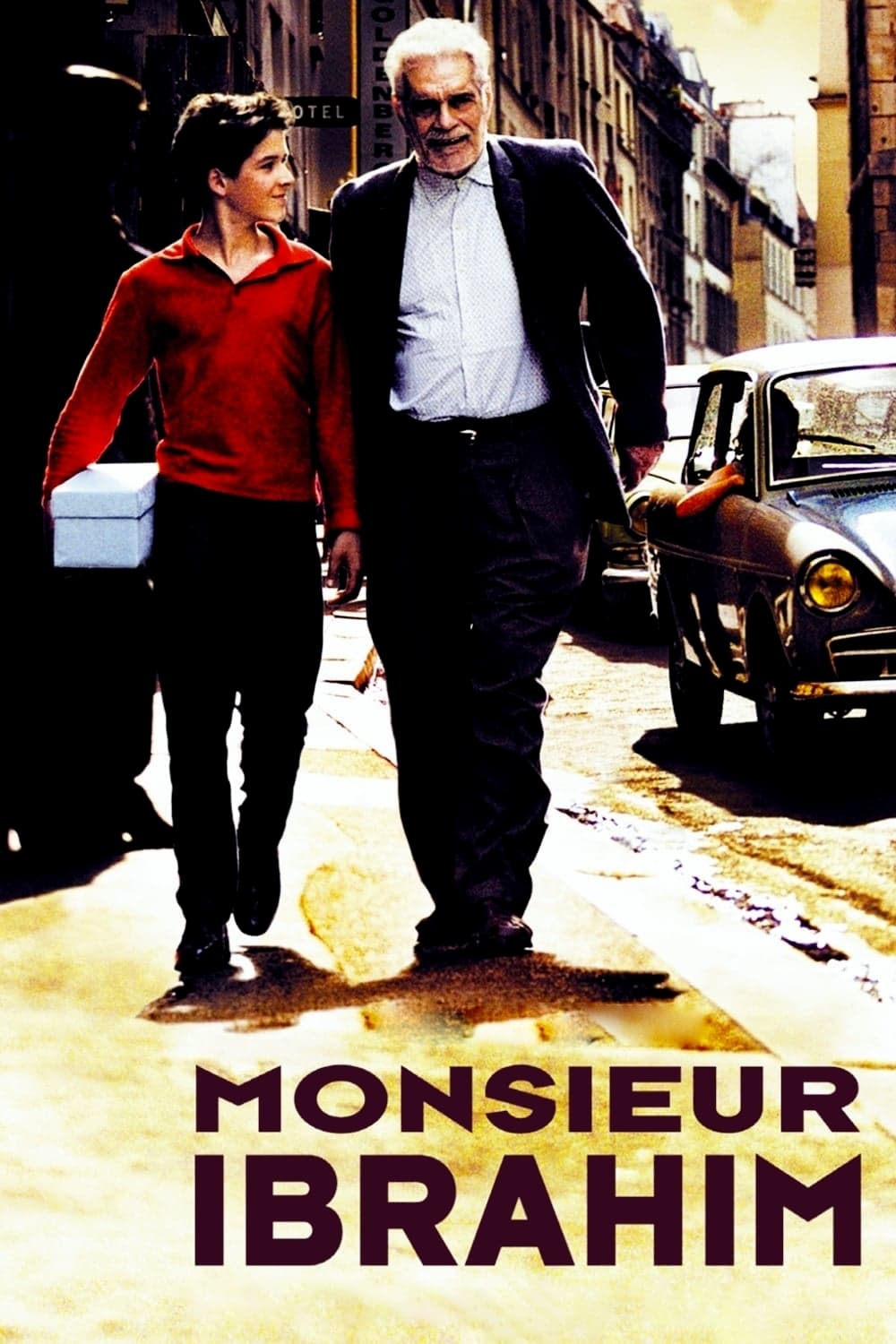
Paris, 1960s. Momo, a resolute and independent Jewish teenager who lives with his father, a sullen and depressed man, in a working-class neighborhood, develops a close friendship with Monsieur Ibrahim, an elderly Muslim who owns a small grocery store.
Filmmaker Jonathan Caouette's documentary on growing up with his schizophrenic mother -- a mixture of snapshots, Super-8, answering machine messages, video diaries, early short films, and more -- culled from 19 years of his life.
John Shepherd spent 30 years trying to contact extraterrestrials by broadcasting music millions of miles into space. After giving up the search, he makes a different connection here on earth.
Sam, a freelance journalist, decides to investigate the growing phenomenon of disaffected youth joining extremist groups. He infiltrates a group of four young people who have been tasked with the creation of a jihadist cell and whose mission is to destabilise the city centre of Paris.
Arriving from all over the Eastern Bloc, the men who loiter around the Gare du Nord train station in Paris are scraping by however they can, forming gangs for support and protection, ever fearful of being caught by the police and deported. When the middle-aged, bourgeois Daniel approaches a boyishly handsome Ukrainian who calls himself Marek for a date, he learns the young man is willing to do anything for some cash.
A serial killer stalks a woman he befriended after her car broke down.
Some young folks, tired of the society they're living in, plan a bomb attack over Paris before taking shelter for a night in a shopping center.
Paris, 1482. Today is the festival of the fools, taking place like each year in the square outside Cathedral Notre Dame. Among jugglers and other entertainers, Esmeralda, a sensuous gypsy, performs a bewitching dance in front of delighted spectators. From up in a tower of the cathedral, Frollo, an alchemist, gazes at her lustfully. Later in the night, Frollo orders Quasimodo, the deformed bell ringer and his faithful servant, to kidnap Esmeralda. But when the ugly freak comes close to her is touched by the young woman's beauty...
Fred, a raffish safe blower, takes refuge in the Paris Metro after being chased by the henchmen of a shady businessman from whom he has just stolen some documents. While hiding out in the back rooms and conduits of the Metro, Fred encounters a subterranean society of eccentric characters and petty criminals.
A detailing of the rise to prominence and global sporting superstardom of six supremely talented young Manchester United football players (David Beckham, Nicky Butt, Ryan Giggs, Paul Scholes, Phil and Gary Neville). The film covers the period 1992-1999, culminating in Manchester United's European Cup triumph.
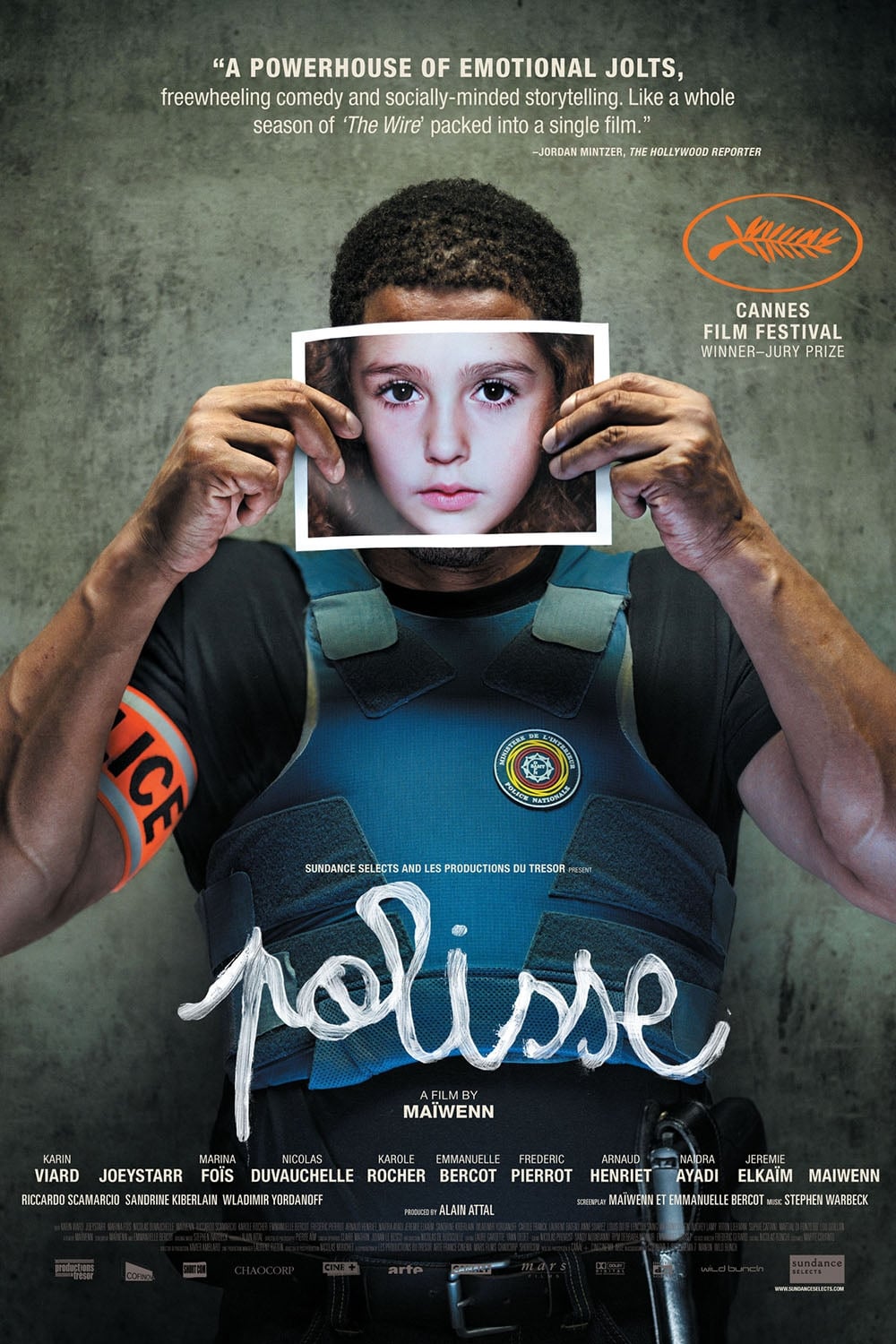
Paris, France. Fred and his colleagues, members of the BPM, the Police Child Protection Unit, dedicated to pursuing all sorts of offenses committed against the weakest, must endure the scrutiny of Melissa, a photographer commissioned to graphically document the daily routine of the team.