The story behind the technical prowess deployed to light up the Jacques-Cartier Bridge.
Social & External
This feature documentary studies the different faces of Montreal’s Greek community in 1969. Instead of giving voice to the businessmen and well-integrated few, the film highlights the cultural and economic problems encountered by new immigrants and their families.
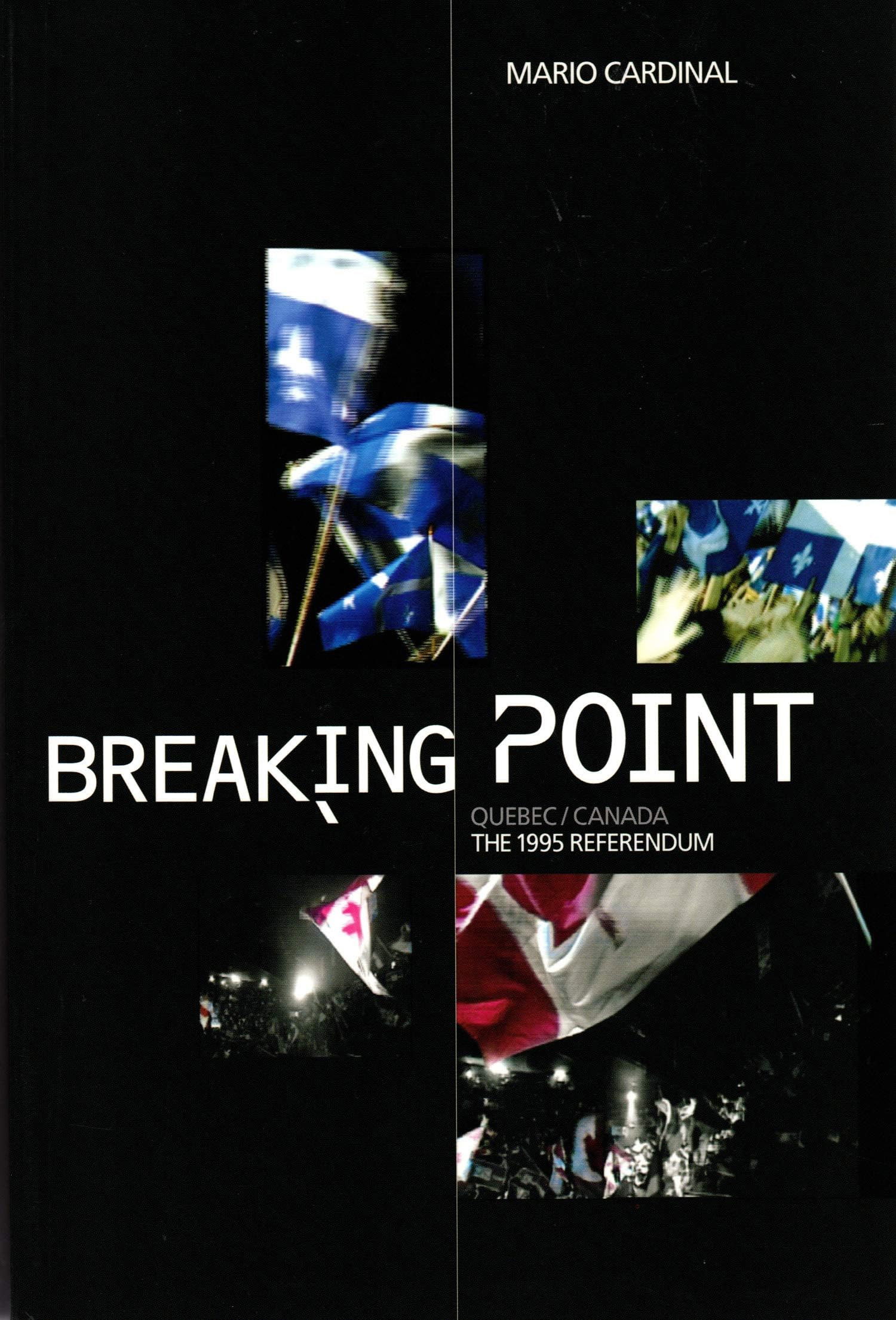
BREAKING POINT brings viewers back to those tense, critical moments when Canada's future as a country was at stake.
Gilles Groulx's first film shot in 1955 with a camera borrowed from his brother and edited during his spare time when he worked as an editor at the Radio-Canada news service a few years before he joined the NFB. Silent film, presented as its author left it, where the soil and the dialectic of Groulx's work are already there: documentary realism, the social space to be explored, daily life, the relationship between individual and society, social disparities, the consumer society, seduction and happiness.
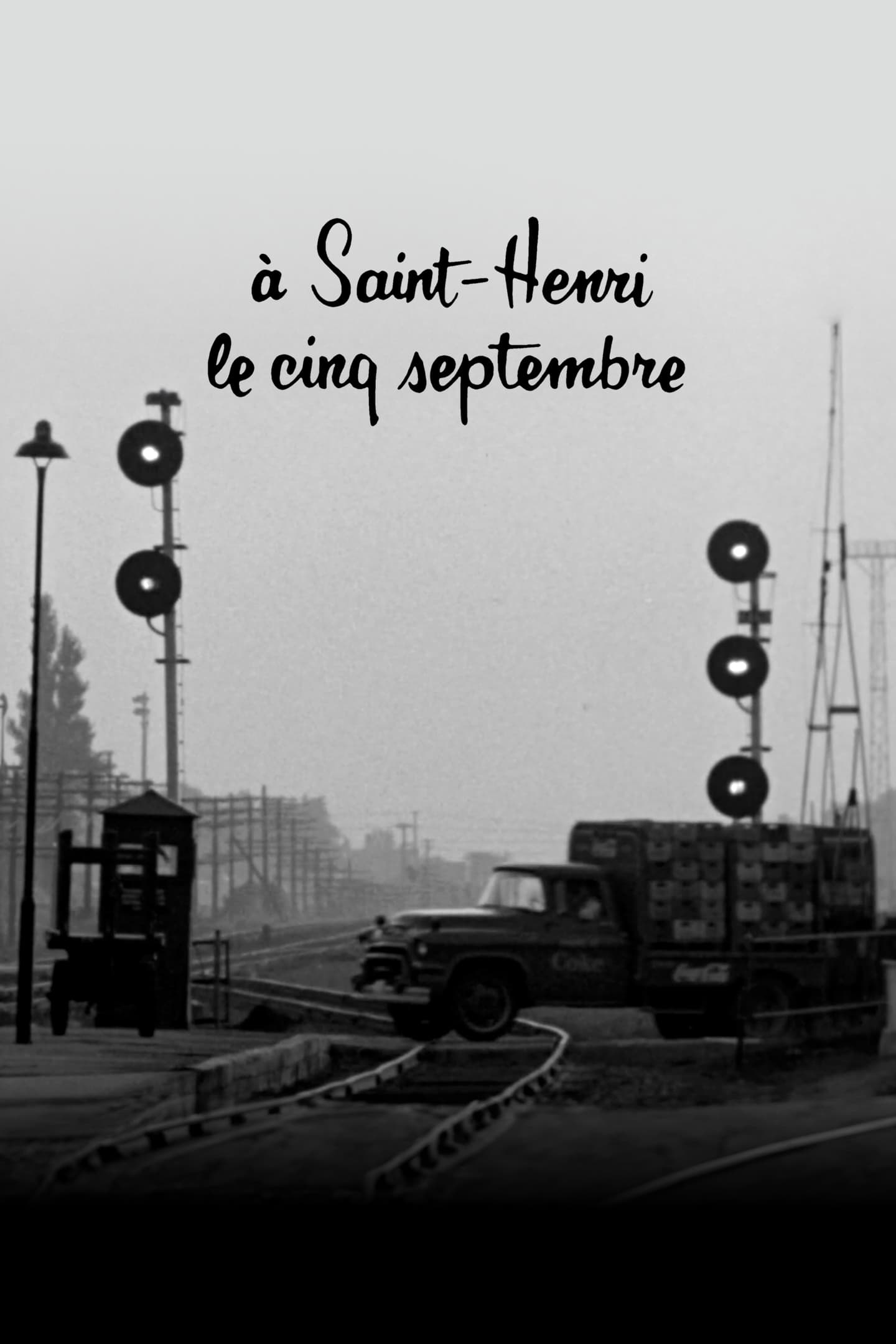
This short film is a series of vignettes of life in Saint-Henri, a Montreal working-class district, on the first day of school. From dawn to midnight, we take in the neighbourhood’s pulse: a mother fussing over children, a father's enforced idleness, teenage boys clowning, young lovers dallying - the unposed quality of daily life.
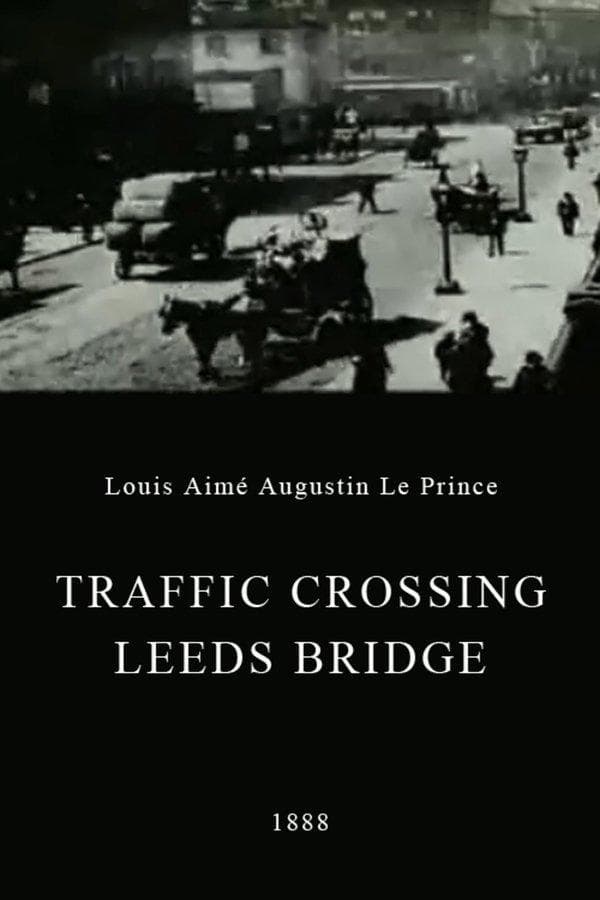
A film by Louis Aimé Augustin Le Prince, shot in late October 1888, showing pedestrians and carriages crossing Leeds Bridge.
This documentary focuses on immigrant teens between the ages of 12 and 17 who share the story of their migration and their adaption to life in Canada through theatre. Young but wise, these children describe their experiences with emotion and authenticity.
Extraordinary pictures of an accident with a royal audience at Middlesbroughs magnificent Transporter Bridge.
Fleeing their war-torn homeland, forty thousand Algerians come to Montreal, Quebec in the 1990’s. Many are refused refugee status and are not allowed to study or work normally. Years go by, children are born and Canada becomes home. Then comes 911. Deportations begin.
In 1994, the Montreal Expos held the best record in baseball until the mid-August strike and the entire post-season was cancelled. The team never found success again, and in 2004, the franchise was forced to leave Montreal and move to Washington. This film provides access to powerful behind-the-scenes footage – ranging from the players’ bus ride to the stadium, to their emotional reactions stepping onto the field, to the Montreal fans who have never forgotten baseball’s best team in 1994. Interviews with media who followed the team’s season and discussions with former coaches and players will paint both a thrilling and heartbreaking picture of the influential ‘94 Montreal Expos – a groundbreaking squad whose legacy lives on in Montreal
Filmmaker Albert Kish revisits Montreal's St Lawrence Boulevard in the '70s. The street, also known as "The Main," is a little Europe with many languages, foods and small courtesies that make a stranger feel at home.
On March 15, 2020, Montreal sees appearing on a wall, written in black letters on white paper "Stop feminicides". It is at this moment that the Collages Feminicides Montreal collective sees the light for the first time. Now the streets of the city are carpeted with their words. Today, after the 17th feminicide, they will continue to fight and stick, until this violence stops.
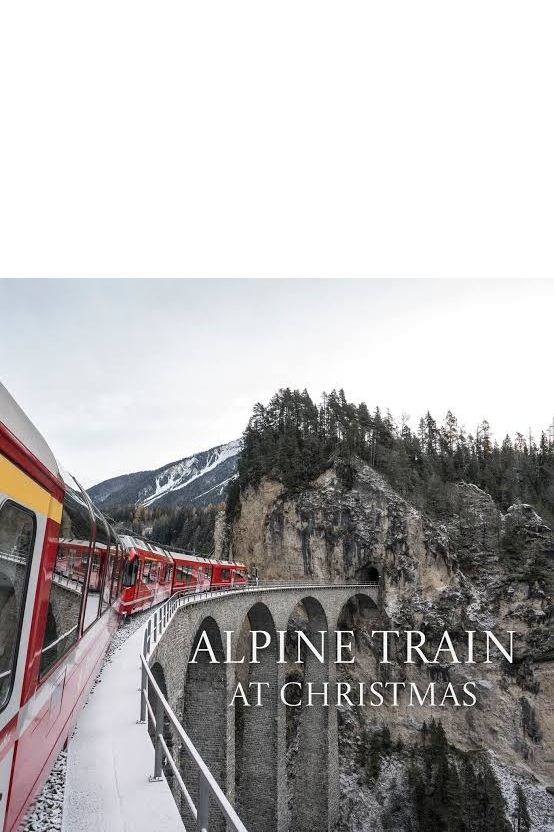
This short documentary shows the reactions of European immigrants as they land in Halifax at the beginning of the 1960s. From the port, we follow them on a snowy journey by train to Montreal.
A film that uses literary, structural, autobiographical, and performance metaphors to construct a series of tableaux that evoke the act of vision, the limits of perception, and the rapture of space.
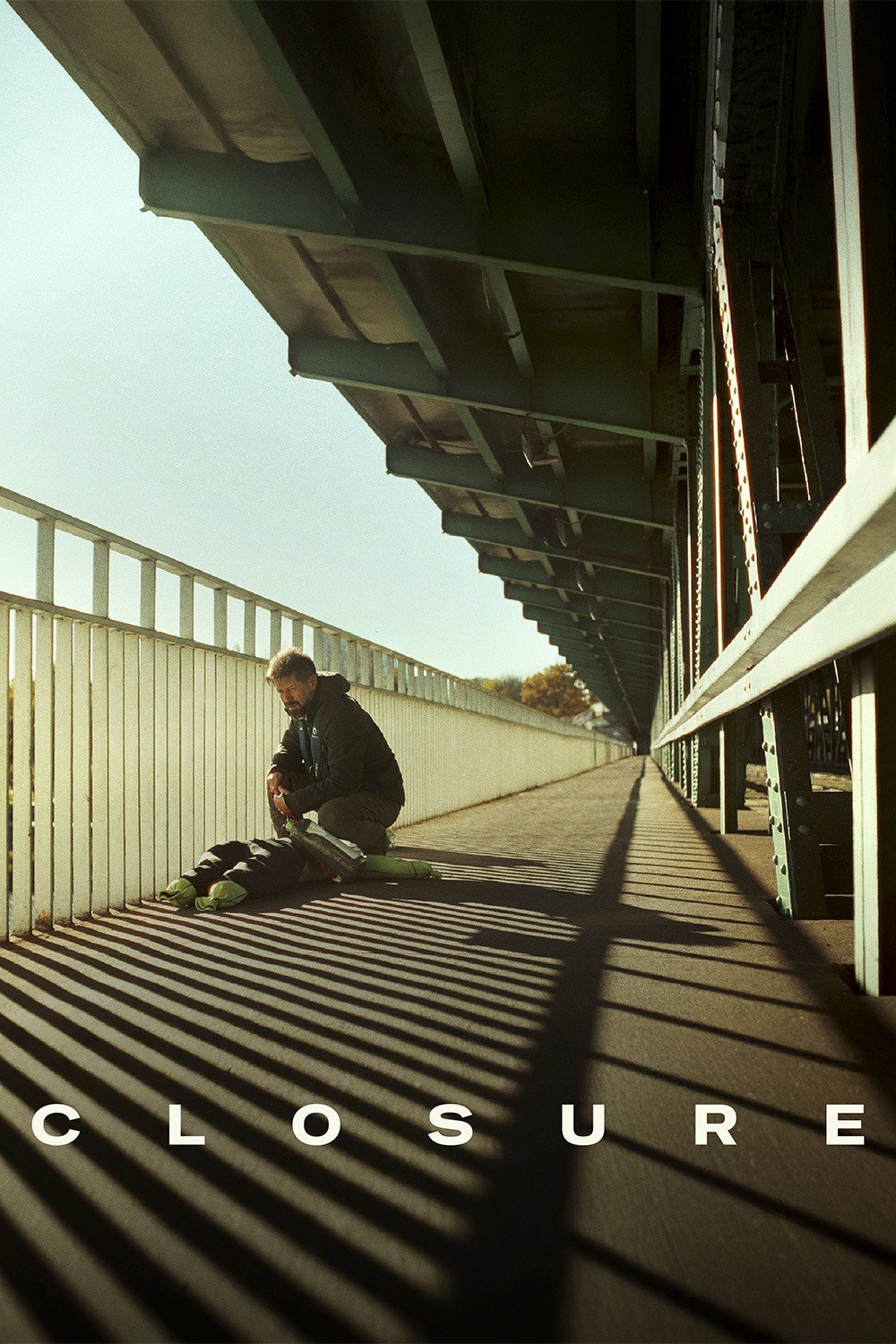
The Yangtze River Bridge in Nanjing is one of the most famous bridges in China. It is also the most popular place in the world to commit suicide. For the past 11 years Chen Si has been patrolling this bridge, looking to provide aid for those who've gone there to end their lives. Incredibly, he has saved over 300 people since he began - nearly one every two weeks.