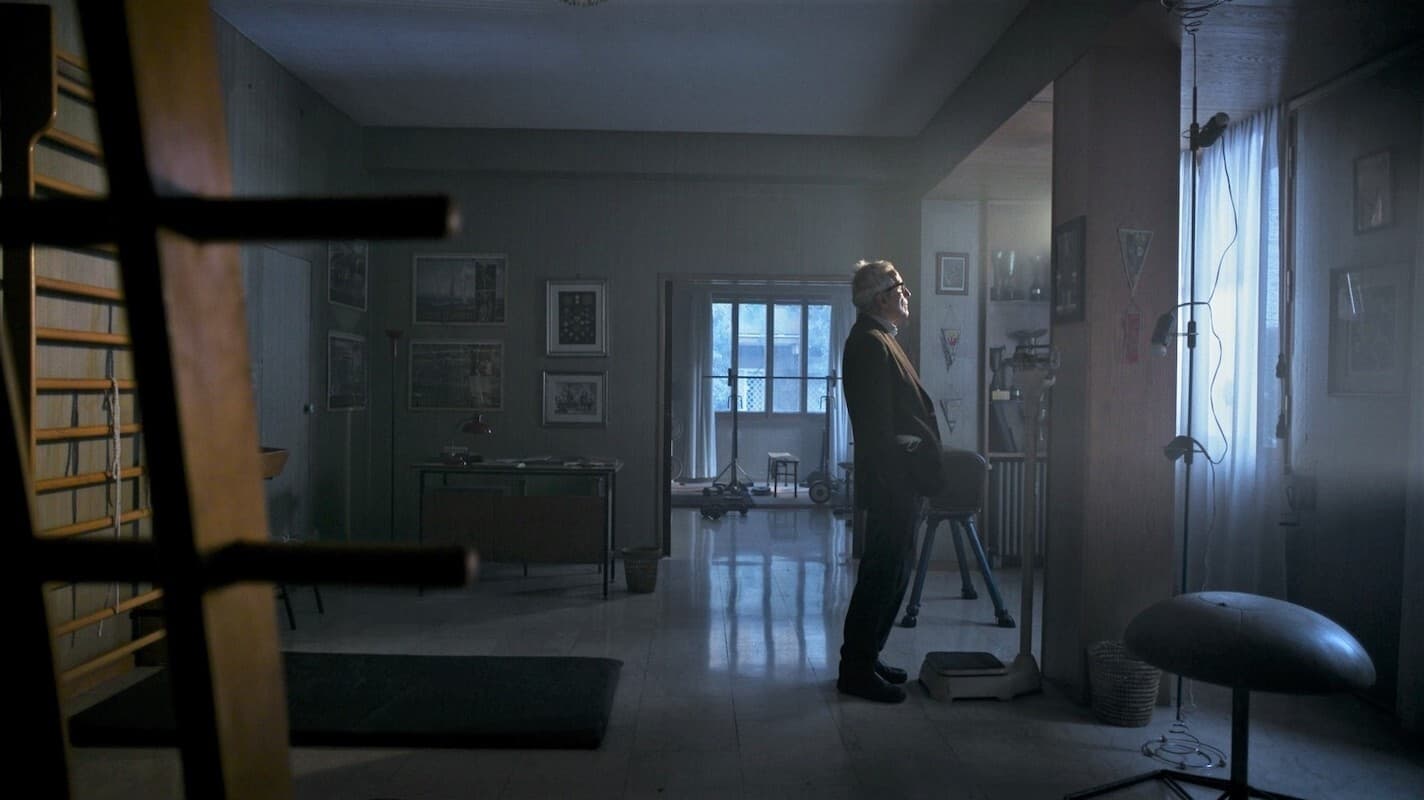
"Marx can wait" was something Camillo Bellocchio said to his twin Marco the last time they met before the former died at a young age in the heated days of 1968. This documentary is dedicated to his memory.
Social & External
The people behind it
Alberto Bellocchio
Self
Letizia Bellocchio
Marco Bellocchio
Maria Luisa Bellocchio
Pia Bareggi
Elena Bellocchio
Pier Giorgio Bellocchio
Francesco Bellocchio
Gianni Schicchi
Giovanna Capra
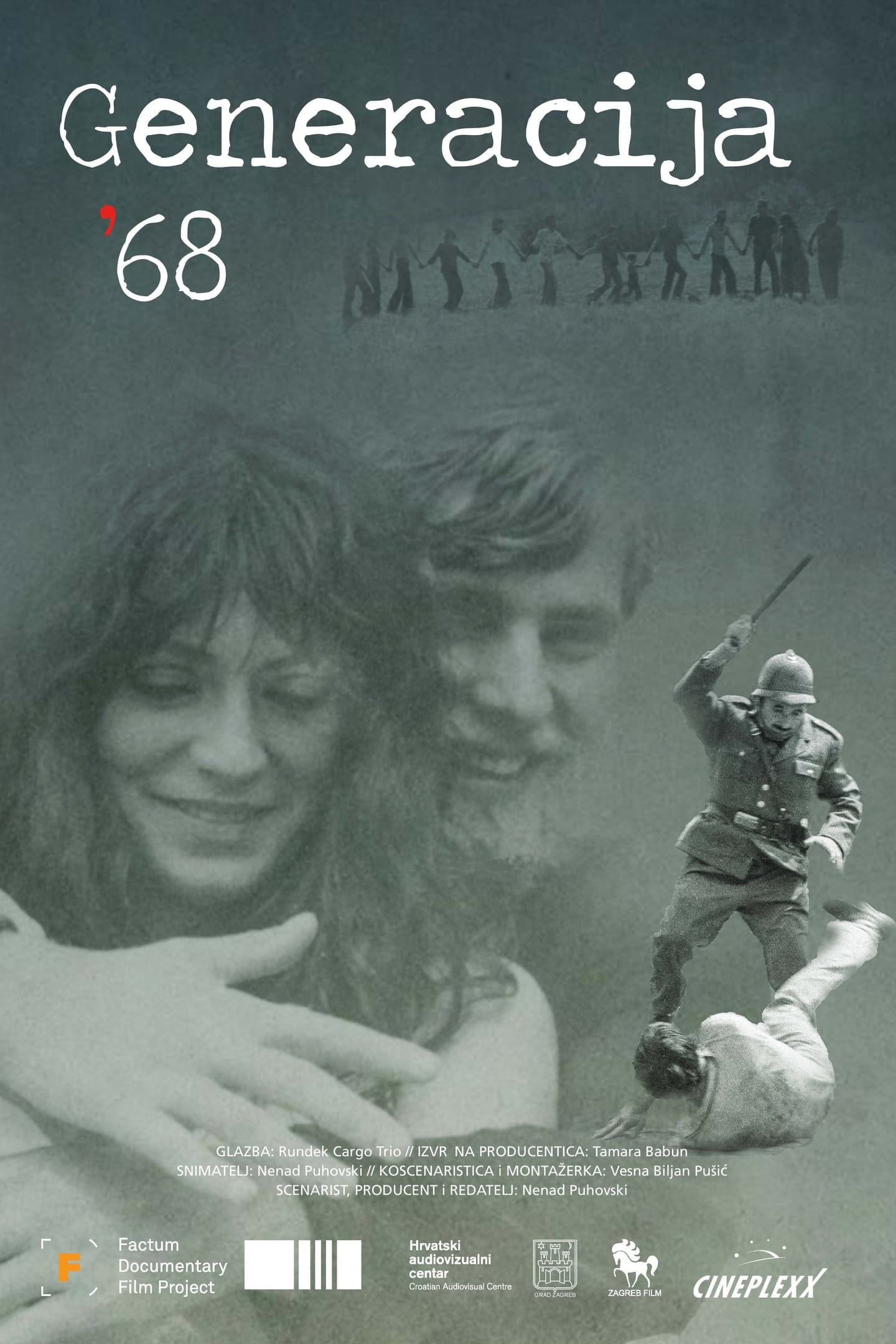
With his film Generation '68, the author makes a homage to the generation with which he shares his youthful enthusiasm and the idea about a revolution that will change the world, while being "realistic and demanding the impossible". At the same time he questions the true impact of these changes on social and - probably more important - private level. Having ideas is easy; making them look credible to the generations that follow is somewhat more difficult. By rejecting the ideals of the 1968 as unworkable, the new generations are coming up with some of their own, maybe even more unrealistic ones...
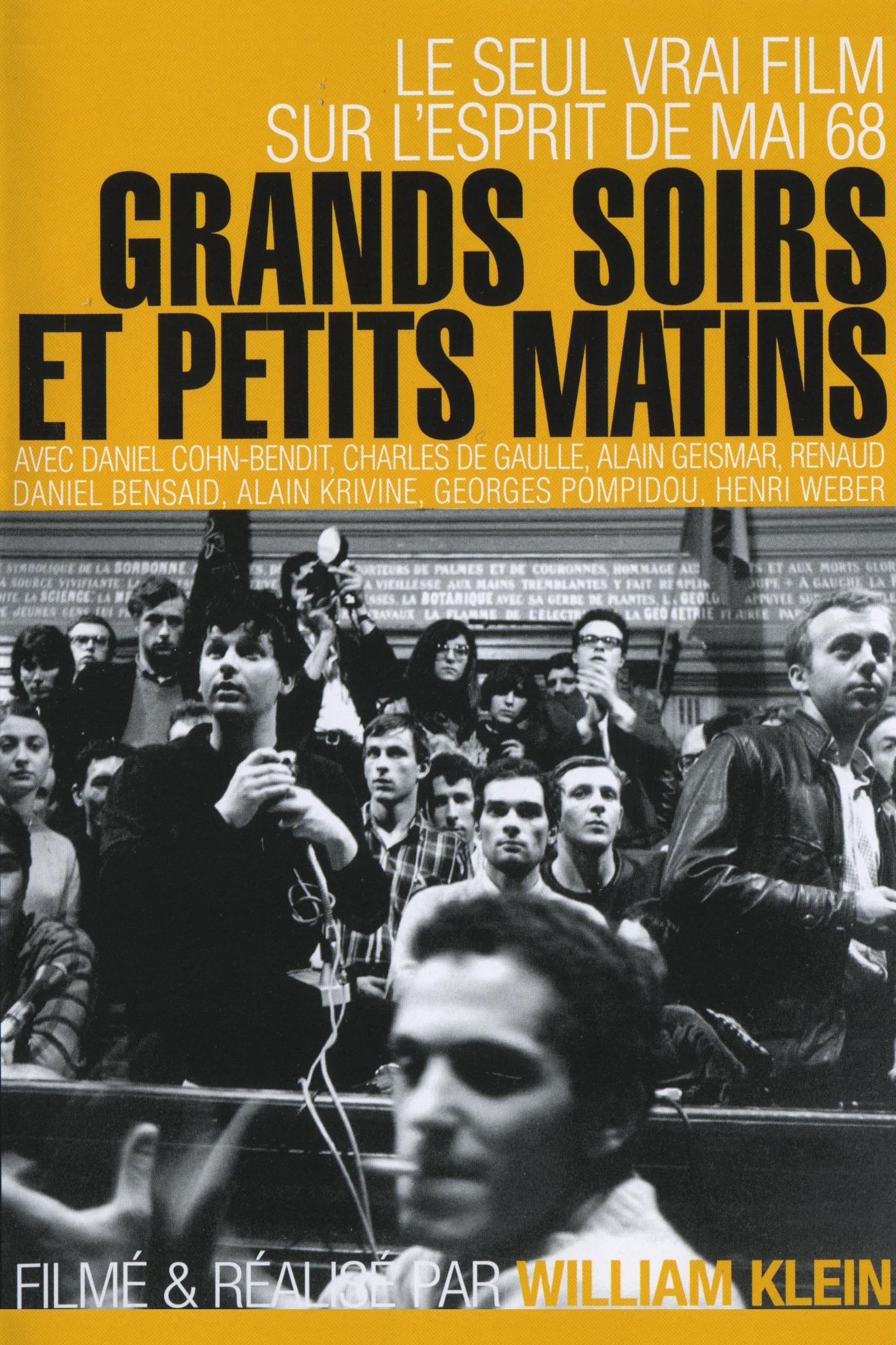
Filmmaker William Klein documents the Paris student riots that occurred in May of 1968.
Archival film maestro Göran Hugo Olsson has assembled—from a vast catalogue of footage in the vaults of Sweden’s national television service SVT—accounts of the Israeli-Palestinian conflict as witnessed and represented by Swedish journalists. Stories of the beginning of the Israeli state interwoven with the Palestinian struggle for independence. News coverage with Yasser Arafat and interviews with Israeli foreign minister Abba Eban during a visit to Sweden unseen since first broadcast. From the tenth anniversary of Israel’s founding to the First Intifada, perspectives and encounters with statesmen, civilians, revolutionaries, and intellectuals tell the story from myriad angles of an evolving media landscape, revivifying a history of the ongoing conflict.
From Jimi Hendrix to Patrick Hernandez and even Madonna, everybody crossed the path of Jean Vanloo. Who is this mysterious character from Moeskroen in Belgium? From the 60’s to the 80’s, this documentary tells the story of this improbable music producer, creator of the unforgettable hit “Born to be Alive”.
A roller-coaster ride through the history of American exploitation films, ranging from Roger Corman's sci-fi and horror monster movies, 1960s beach movies, H.G. Lewis' gore-fests, William Castle's schlocky theatrical gimmicks, to 1970s blaxploitation, pre-"Deep Throat" sex tease films, Russ Meyer's bosom-heavy masterpieces, etc, etc. Over 25 interviews of the greatest purveyors of weird films of all kind from 1940 to 1975. Illustrated with dozens of films clips, trailers, extra footage, etc. This documentary as a shorter companion piece focusing on exploitation king David F. Friedman.
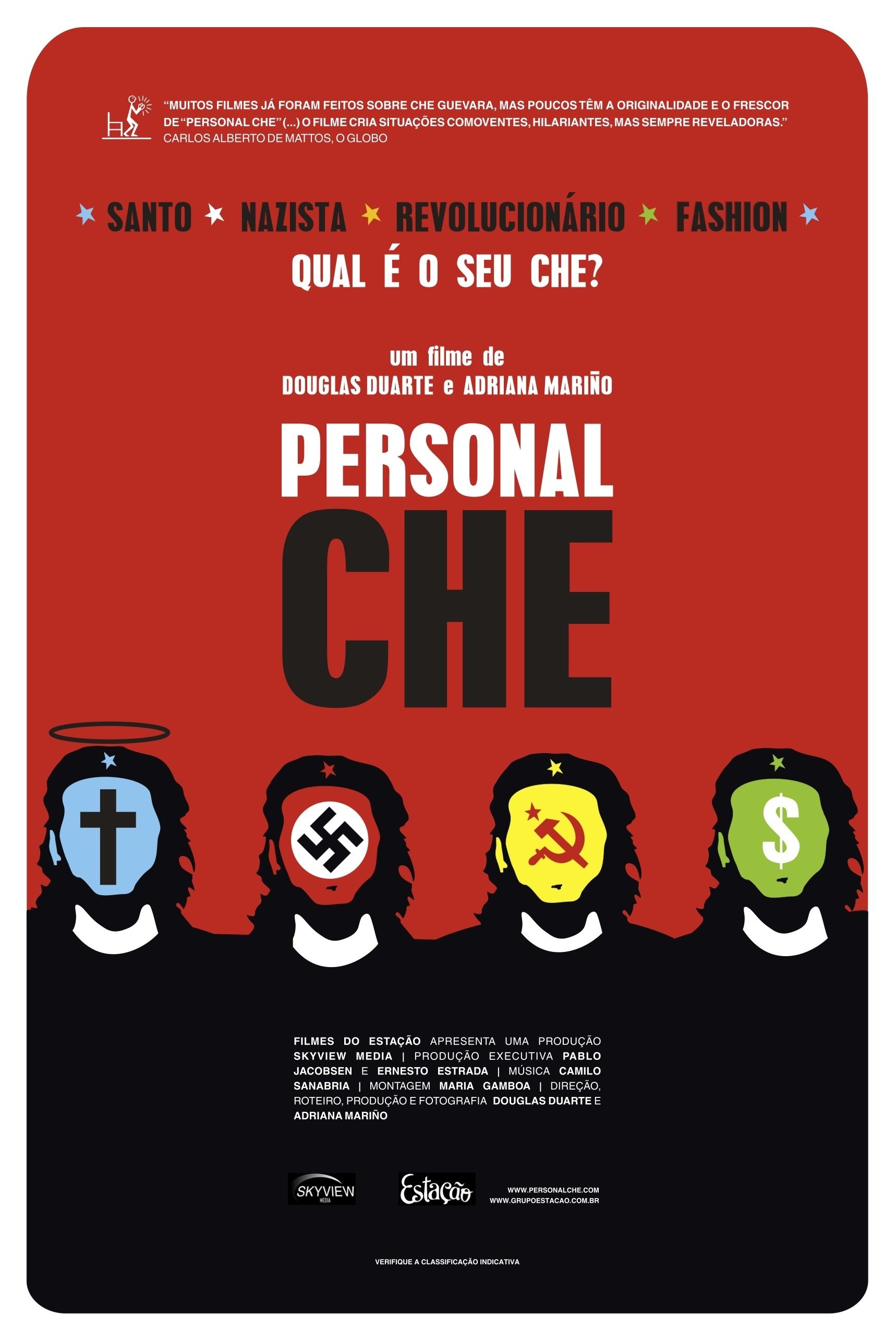
A documentary that explores the myth behind the truth. Different people around the globe reinterpret the legend of Che Guevara at will: from the rebel living in Hong Kong fighting Chinese domination, to the German neonazi preaching revolution and the Castro-hating Cuban. Their testimonies prove that the Argentinian revolutionary's historical impact reverberates still. But like with all legends, each sees what he will, in often contradictory perspectives.
In 1971, Bahrain, Qatar and the UAE ceased to be part of Britain’s empire in the Middle East and became fully independent states. BBC News Persia and BBC Arabic collaborate in this gripping film, to uncover the secrets and shady deals that underpinned the decolonization process. From eye-witness accounts of a British-organised coup to Iran being left in control of disputed islands, it's a fascinating insight to a murky history.
The bleached palette and home-movie aesthetics of Super 8 footage provide the image track for this testimonial about an illegal abortion in Mexico City in the 1960s, delivered in voiceover by the filmmaker’s mother. In its account of this intimate and disorienting memory, Lesser Choices summons a time of profound uncertainty—a moment from an era without rights—and offers a warning to the present.
In 1972, officer Frank Serpico exposes the corruption which poisons the roots of the NYPD and becomes famous in 1973 when director Sidney Lumet tells his story in the classic film “Serpico,” starring Al Pacino.
Spain, 1968. An analysis of the political and social situation of the country, suffocated by the boot of General Franco's tyrannical regime. (Filmed clandestinely in Madrid and Barcelona during the spring of 1968.)
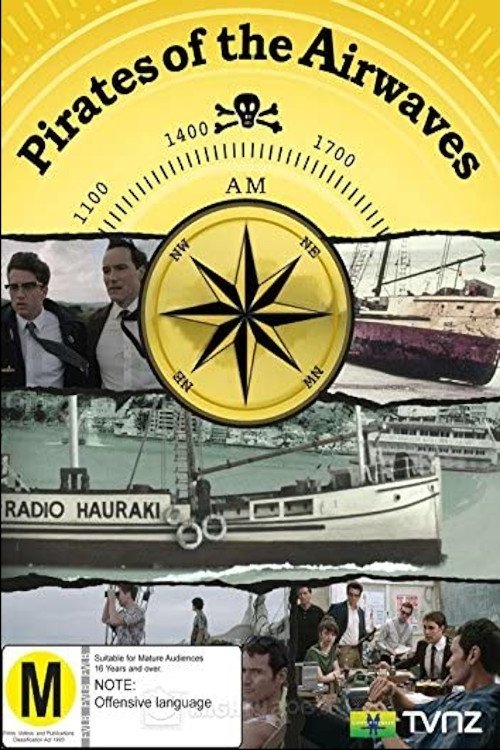
In 1966 a group of determined young men defied the New Zealand government and launched a pirate radio station aboard a ship in the Hauraki Gulf.
A walk through the golden age of Spanish exploitation cinema, from the sixties to the eighties; a low-budget cinema and great popular acceptance that exploited cinematographic fashions: westerns, horror movies, erotic comedies and thrillers about petty criminals.
A short documentary exploring the reason behind the return of analog media, specifically vinyl. The documentary focuses on Gabriella, the main participant, and her experiences and personal viewpoints.
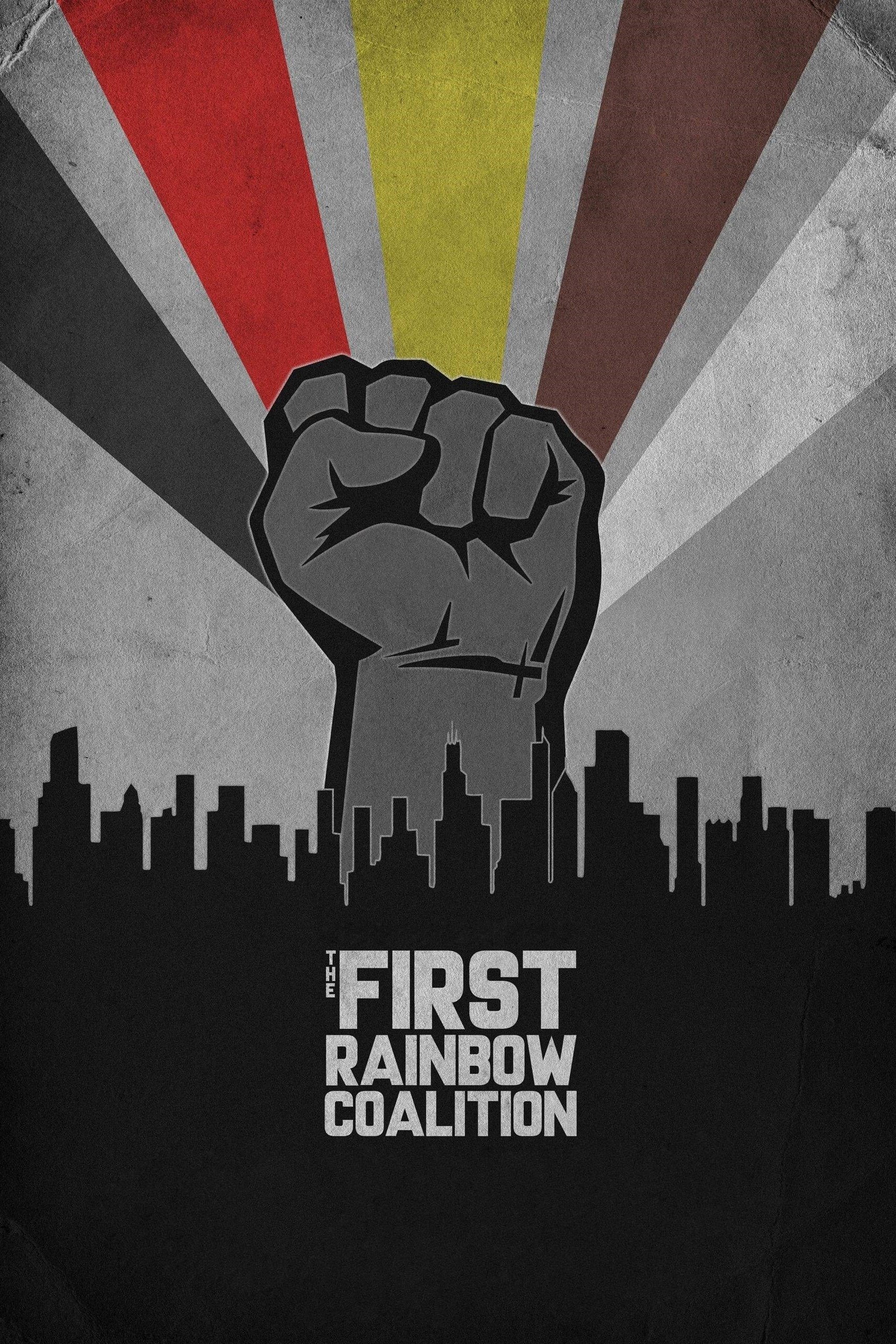
Chicago 1969: Activists from the Black Panthers, Young Lords, and Young Patriots united African Americans, Latinos, and poor whites to confront police brutality and unfair housing practices in one of America’s most segregated cities. A timely story of collective action, The First Rainbow Coalition tells this little-known chronicle of political struggle with insight and urgency using archival footage and interviews with those who lived it.
During the 1960s there was a group of writers in Buenos Aires who, influenced by the North American Beatnik movement, called themselves Opium. Anarchists, rebels with a cause, populated Buenos Aires nights in bars like El Moderno, promoting a different movement for a different time. This film addresses not only Opium, but the sixties itself, and its collateral protagonists.
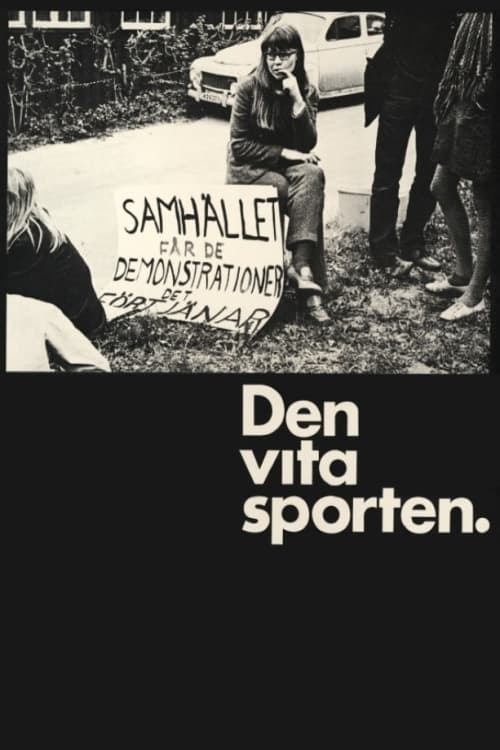
Documentary film about the protests against the 1968 Davis Cup tennis match between Sweden and Rhodesia, in Båstad, Sweden. In a series of interviews, demonstrators and members of the Swedish government give their views on sport, politics and civil disobedience.
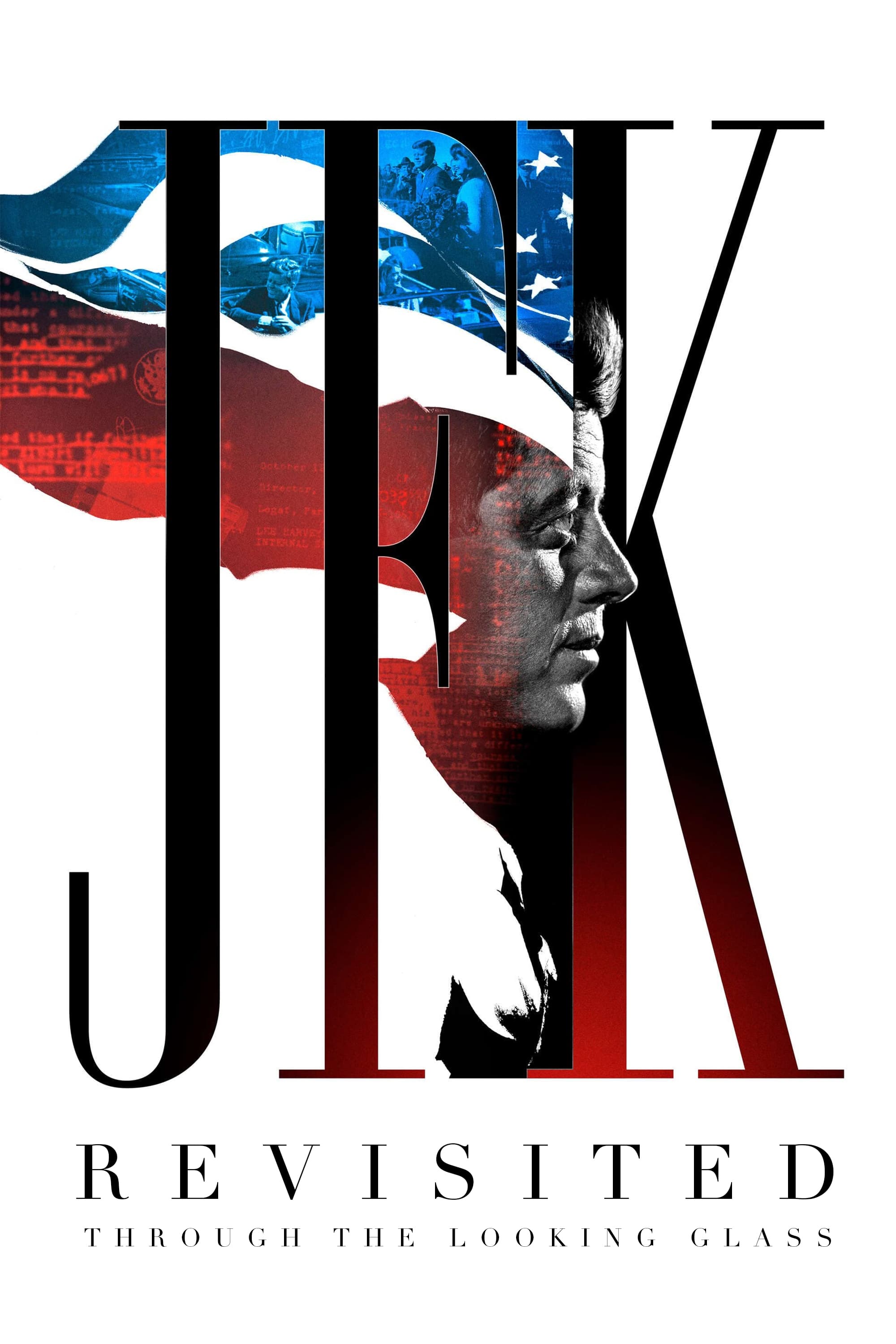
Thirty years after the release of his film JFK (1991), filmmaker Oliver Stone reviews recently declassified evidence related to the assassination of President John F. Kennedy, which took place in Dallas on November 22, 1963.
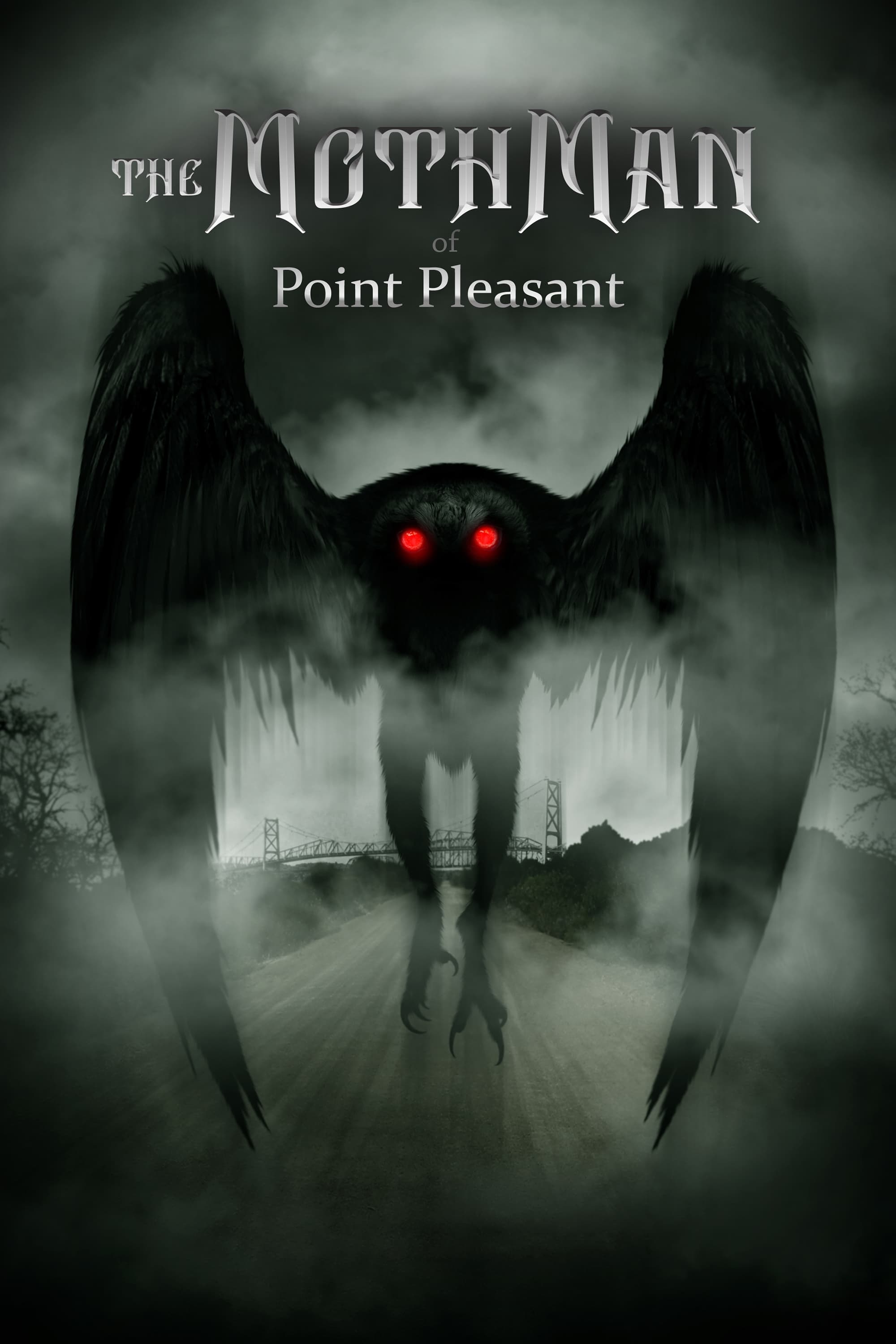
Learn the terrifying, true story about thirteen months that changed history! In November of 1966 a car full of kids encountered a creature unlike anything they'd ever seen before. In the weeks and months to follow, the monster – now known as The Mothman – was sighted again and again on country roads and around the state of West Virginia.
Al Pacino's deeply-felt rumination on Shakespeare's significance and relevance to the modern world through interviews and an in-depth analysis of "Richard III."
Musician and performance artist Laurie Anderson reflects on the deaths of her husband Lou Reed, her mother and her beloved dog.
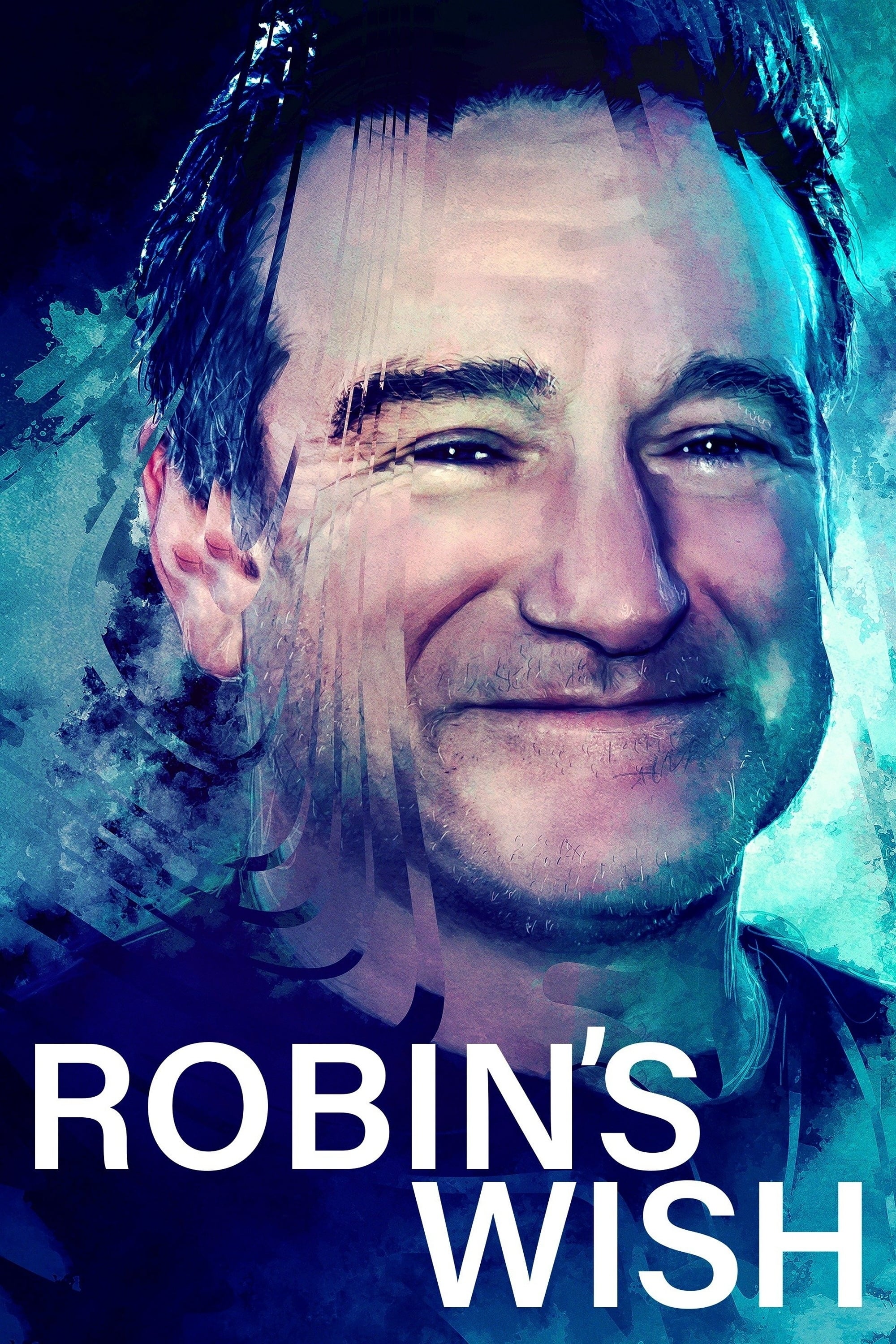
The final word in the story of what really happened to Robin Williams at the end of his life, focusing on his fight against a deadly neurodegenerative disorder known as Lewy body dementia.
The life and career of an actor, artist, and icon. His own journey through his own camera.
Daniel Craig candidly reflects on his 15 year adventure as James Bond. Including never-before-seen archival footage from Casino Royale to the upcoming 25th film No Time To Die, Craig shares his personal memories in conversation with 007 producers, Michael G Wilson and Barbara Broccoli.
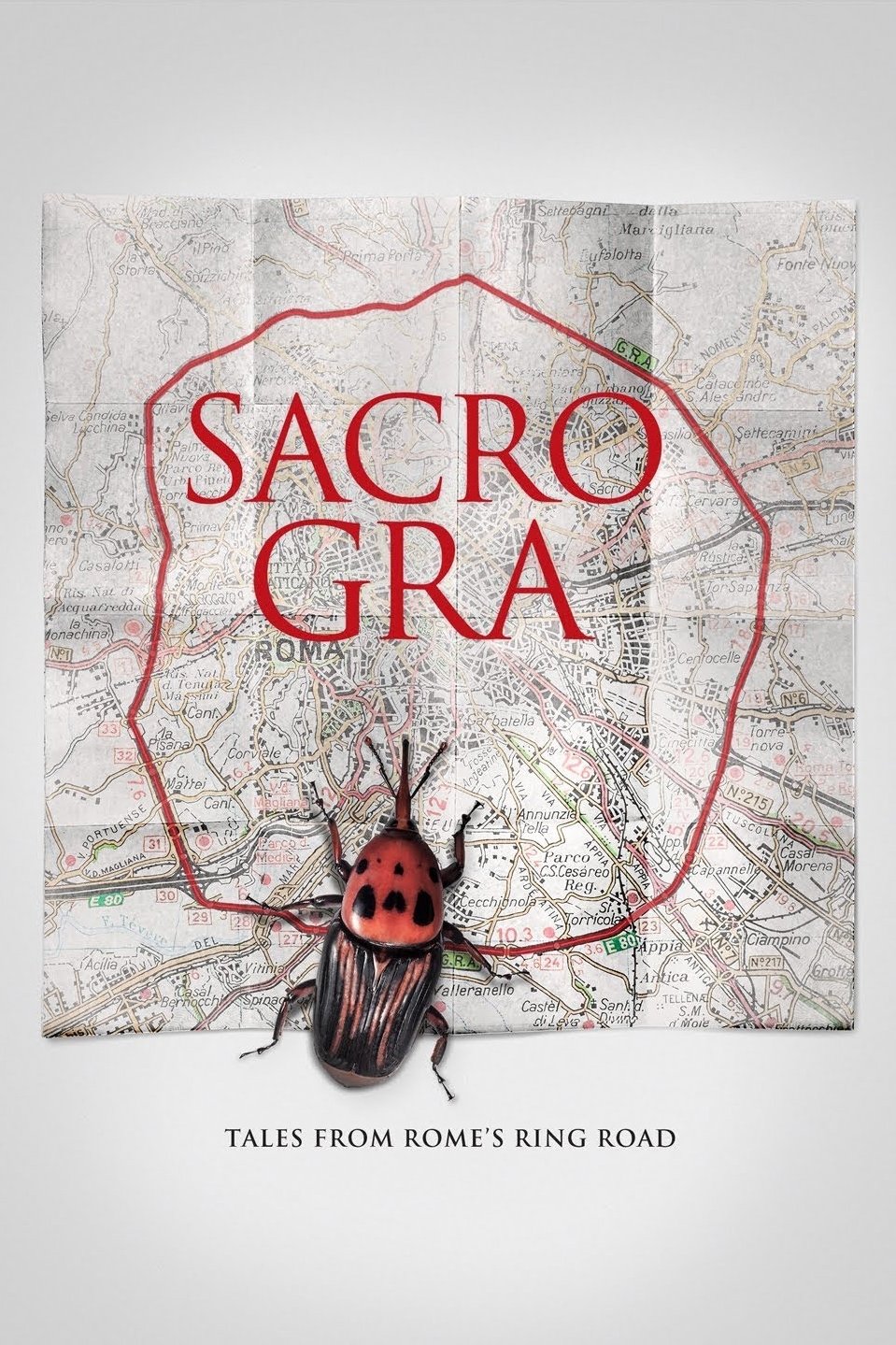
After the India of Varanasi’s boatmen, the American desert of the dropouts, and the Mexico of the killers of drugtrade, Gianfranco Rosi has decided to tell the tale of a part of his own country, roaming and filming for over two years in a minivan on Rome’s giant ring road—the Grande Raccordo Anulare, or GRA—to discover the invisible worlds and possible futures harbored in this area of constant turmoil. Elusive characters and fleeting apparitions emerge from the background of the winding zone: a nobleman from the Piemonte region and his college student daughter sharing a one-room efficiency in a modern apartment building along the GRA.
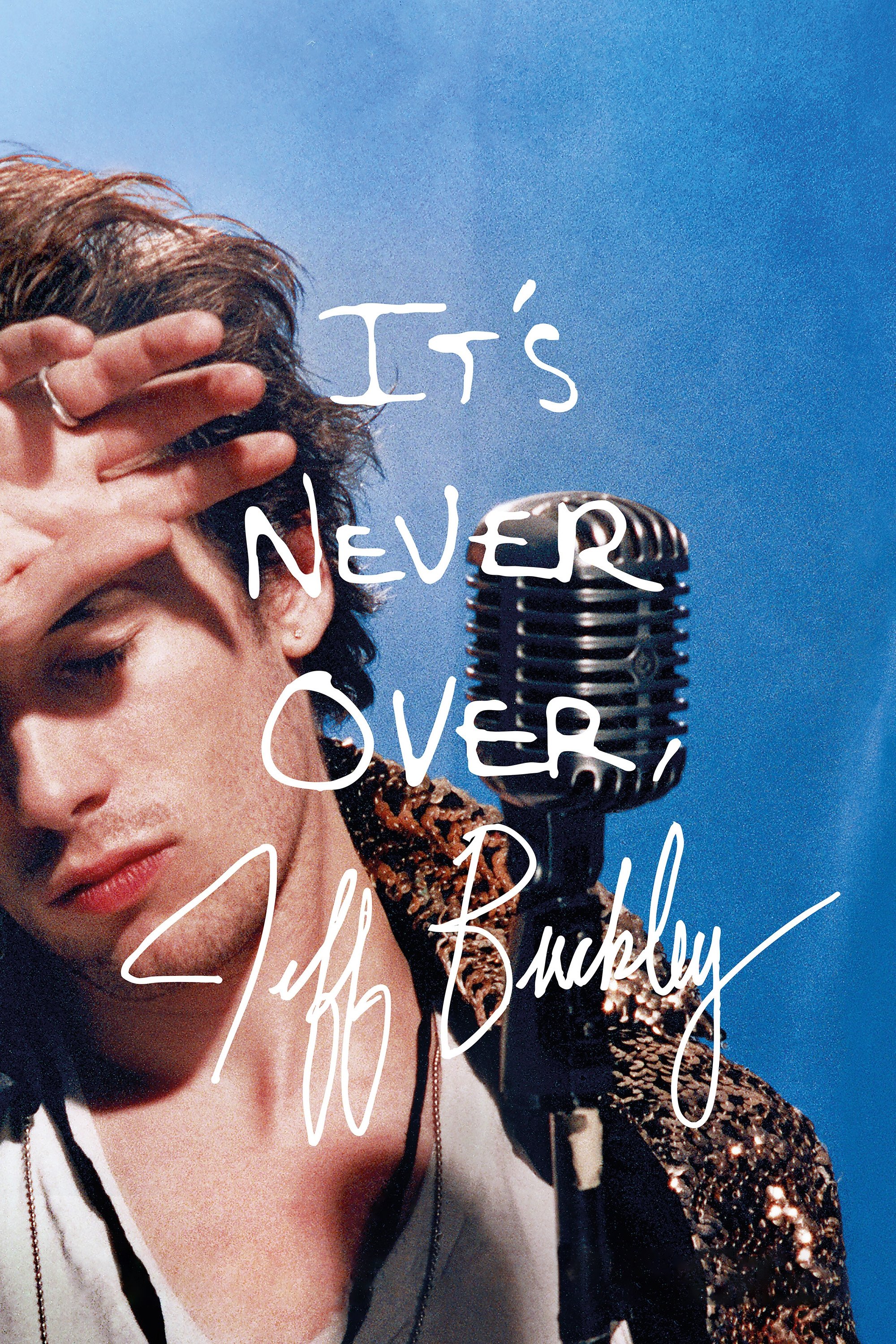
Rising musician Jeff Buckley had only released one album when he died suddenly in 1997. Now, never-before-seen footage, exclusive voice messages, and accounts from those closest to him offer a portrait of the captivating singer.
The life of Mr. Spock, as well as that of Leonard Nimoy, the actor who played him for almost fifty years, written and directed by his son: Adam.
As a visually radical memoir, CAMERAPERSON draws on the remarkable footage that filmmaker Kirsten Johnson has shot and reframes it in ways that illuminate moments and situations that have personally affected her. What emerges is an elegant meditation on the relationship between truth and the camera frame, as Johnson transforms scenes that have been presented on Festival screens as one kind of truth into another kind of story—one about personal journey, craft, and direct human connection.
The film follows adventurer Jeff Johnson as he retraces the epic 1968 journey of his heroes Yvon Chouinard and Doug Tompkins to Patagonia.
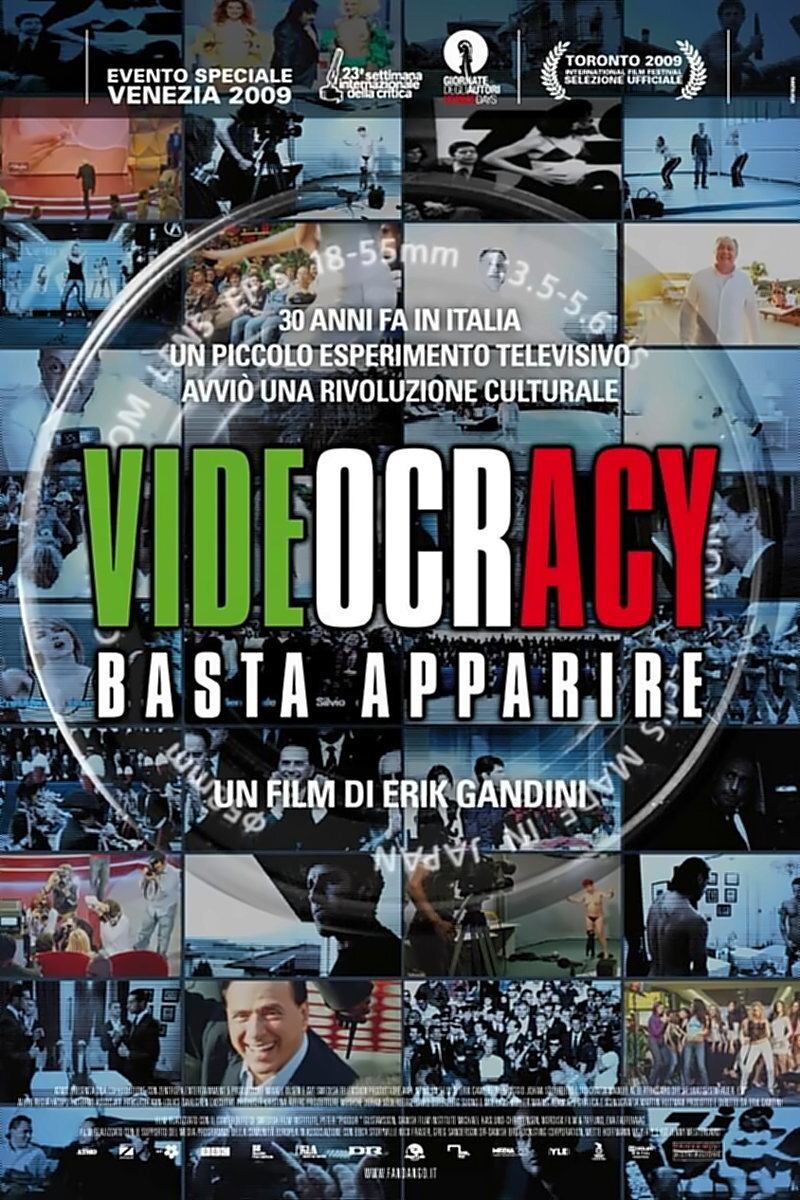
In a country where bella figura is a national pastime, Prime Minister Silvio Berlusconi is the maestro of media manipulation. Having risen to political primacy with the aid of his Mediaset empire, he now controls 90% of the bel paese’s television channels including the state-run RAI network. Quantity, it seems, does not equal quality. Fed on a diet of semi-naked dancing girls, inane competitions and rickety reality shows built around the most ridiculous of premises, is it any wonder that Italians are becoming a nation of fame-hungry wannabes?

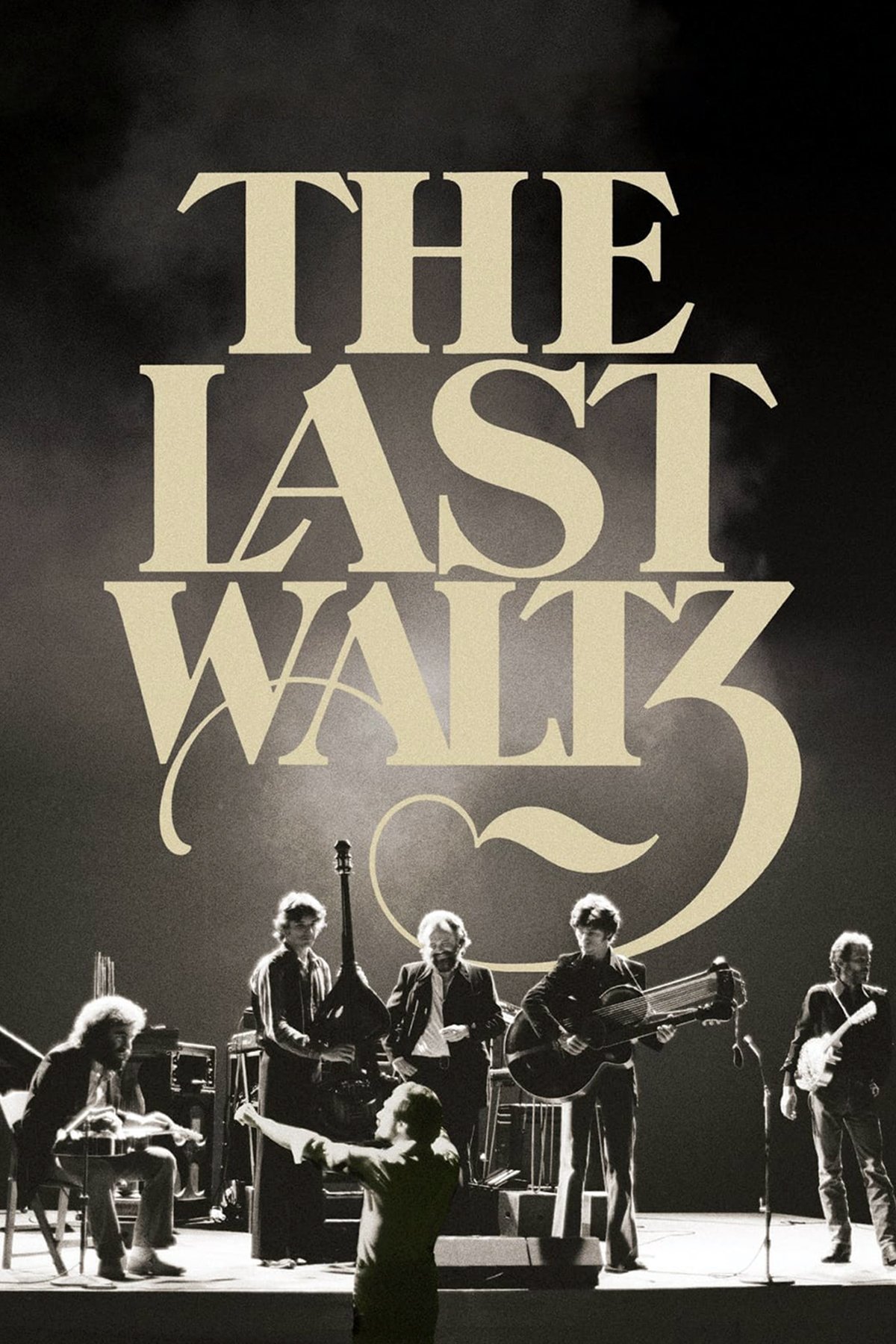
Martin Scorsese's documentary intertwines footage from The Band's incredible farewell tour with probing backstage interviews and featured performances by Eric Clapton, Bob Dylan, Joni Mitchell, Van Morrison, and other rock legends.
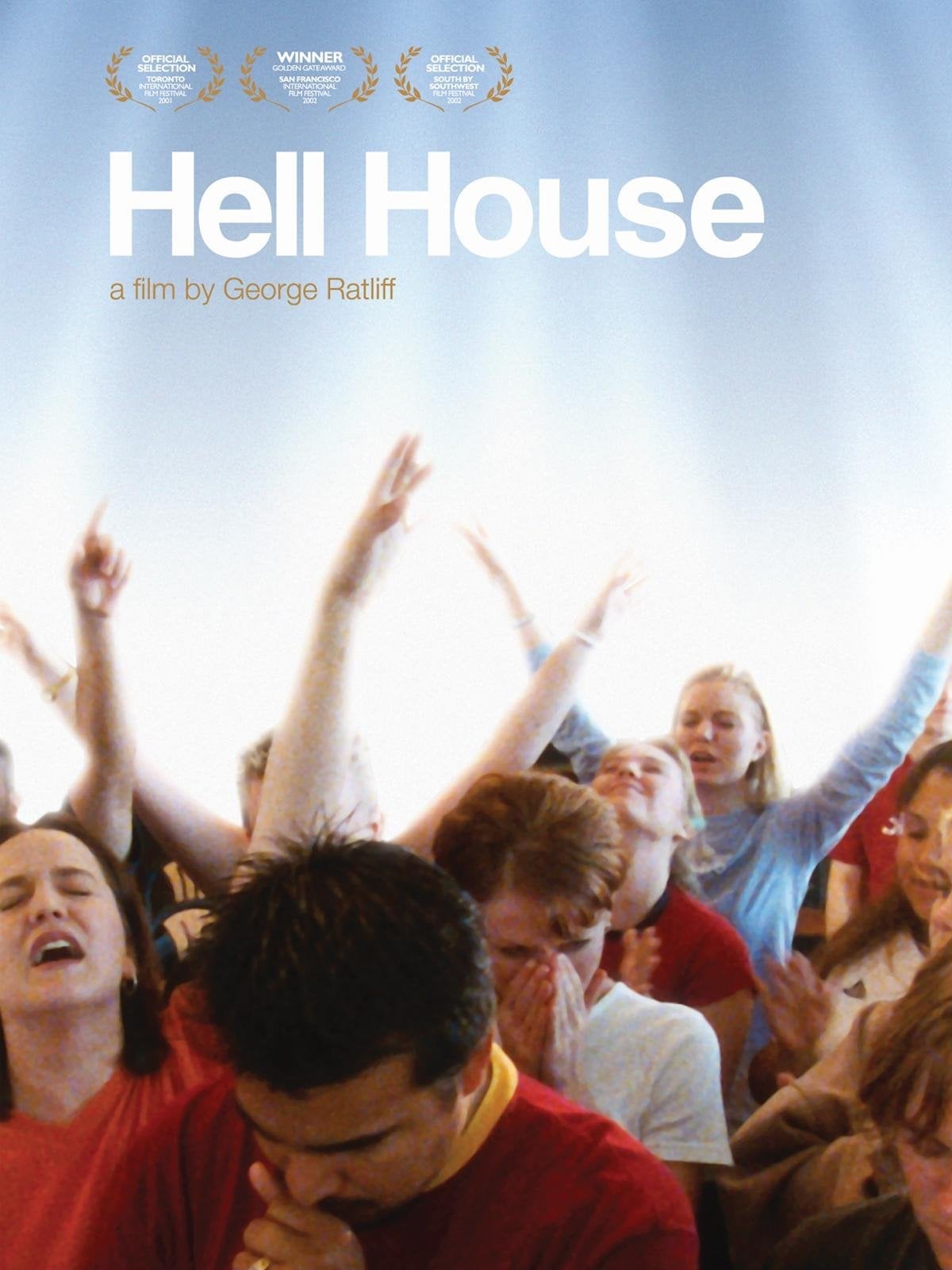
A look at the "Hell House" performed annually in October by the youth members of Trinity Church (Assemblies of God) in Cedar Hill, Texas (a Dallas suburb) — seen by over 10,000 visitors each year.
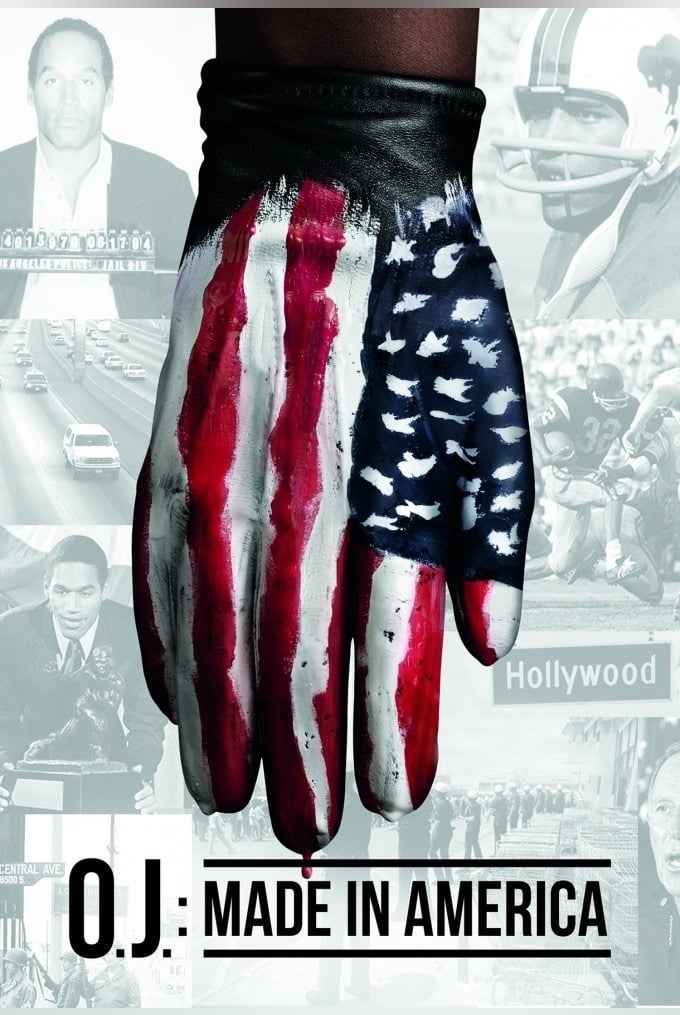
A chronicle of the rise and fall of O.J. Simpson, whose high-profile murder trial exposed the extent of American racial tensions, revealing a fractured and divided nation.
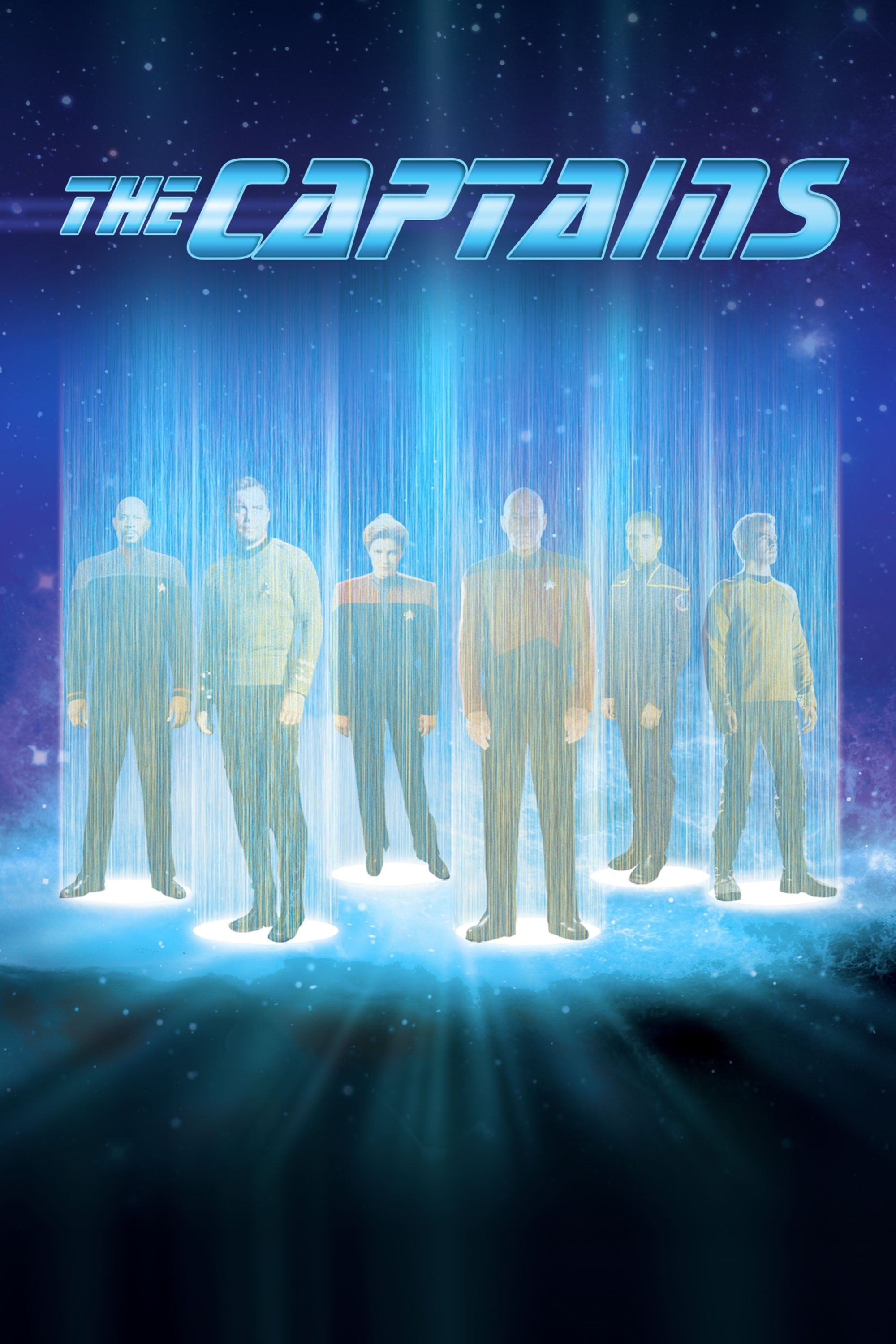
The Captains is a feature-length documentary film written and directed by William Shatner. The film follows Shatner as he interviews the other actors who have portrayed starship captains in the Star Trek franchise.
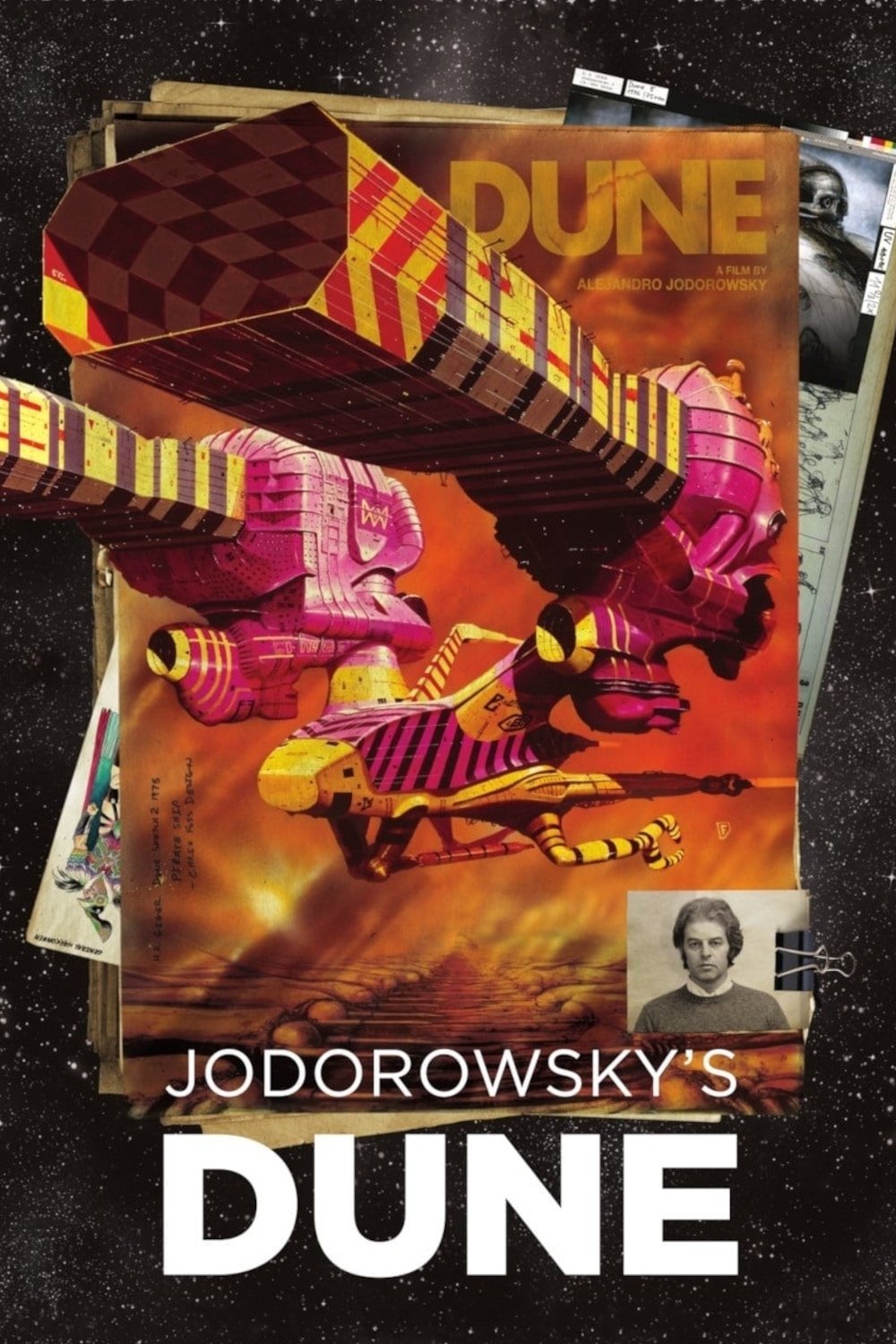
In 1974, Chilean-French director Alejandro Jodorowsky embarked on the quixotic project of adapting Frank Herbert's influential novel Dune (1969) for the big screen. After investing two years, and millions of dollars, the gigantic project ended in failure; but the artists Jodorowsky brought together to carry it out continued to work together, and ended up laying the foundations for modern science fiction cinema.
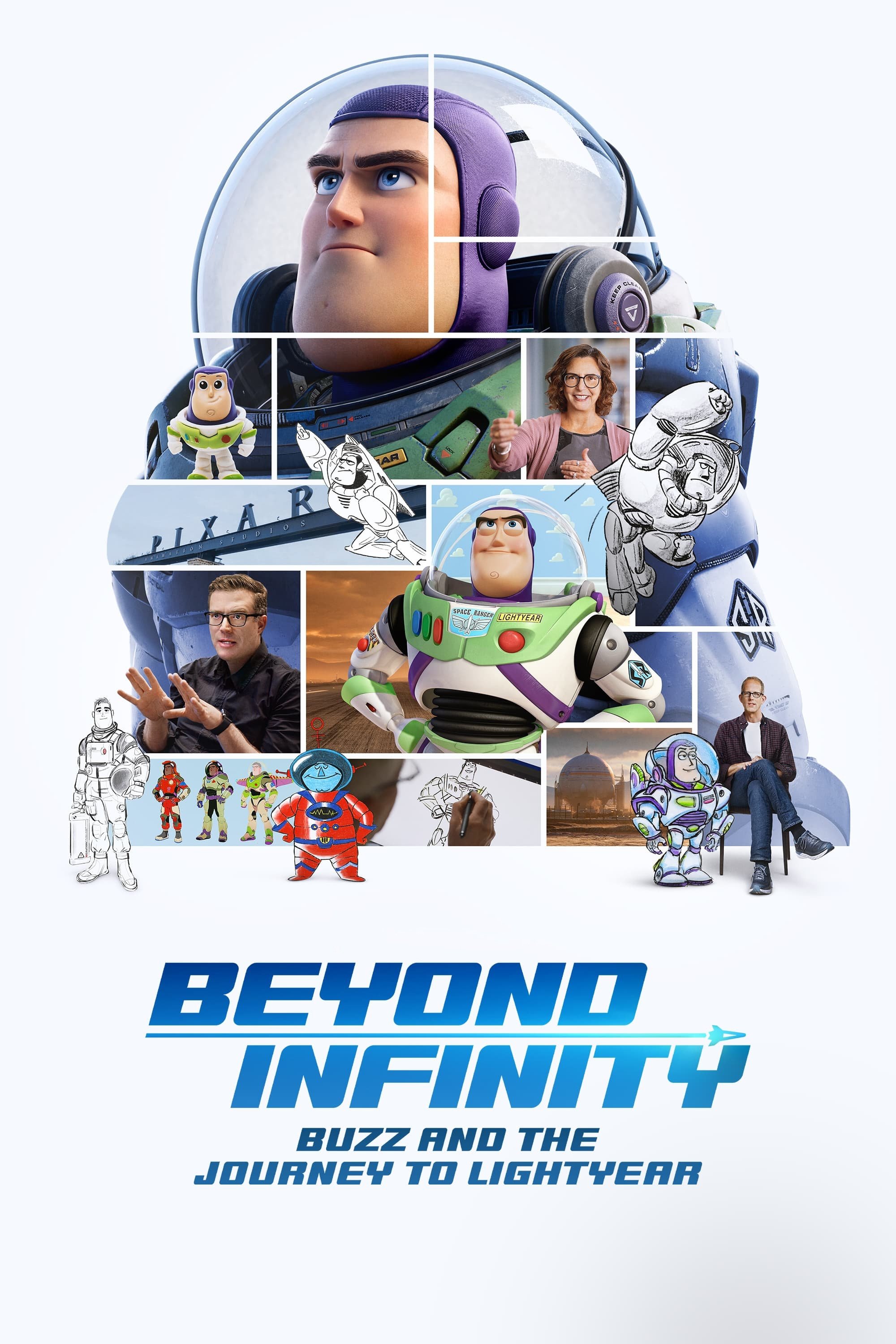
Explore the evolution of Buzz Lightyear from toy to human in the making of Pixar’s Lightyear. Dive into the origin and cultural impact of everyone’s favorite Space Ranger, the art of designing a new “human Buzz,” and the challenges faced by the Lightyear crew along the way.
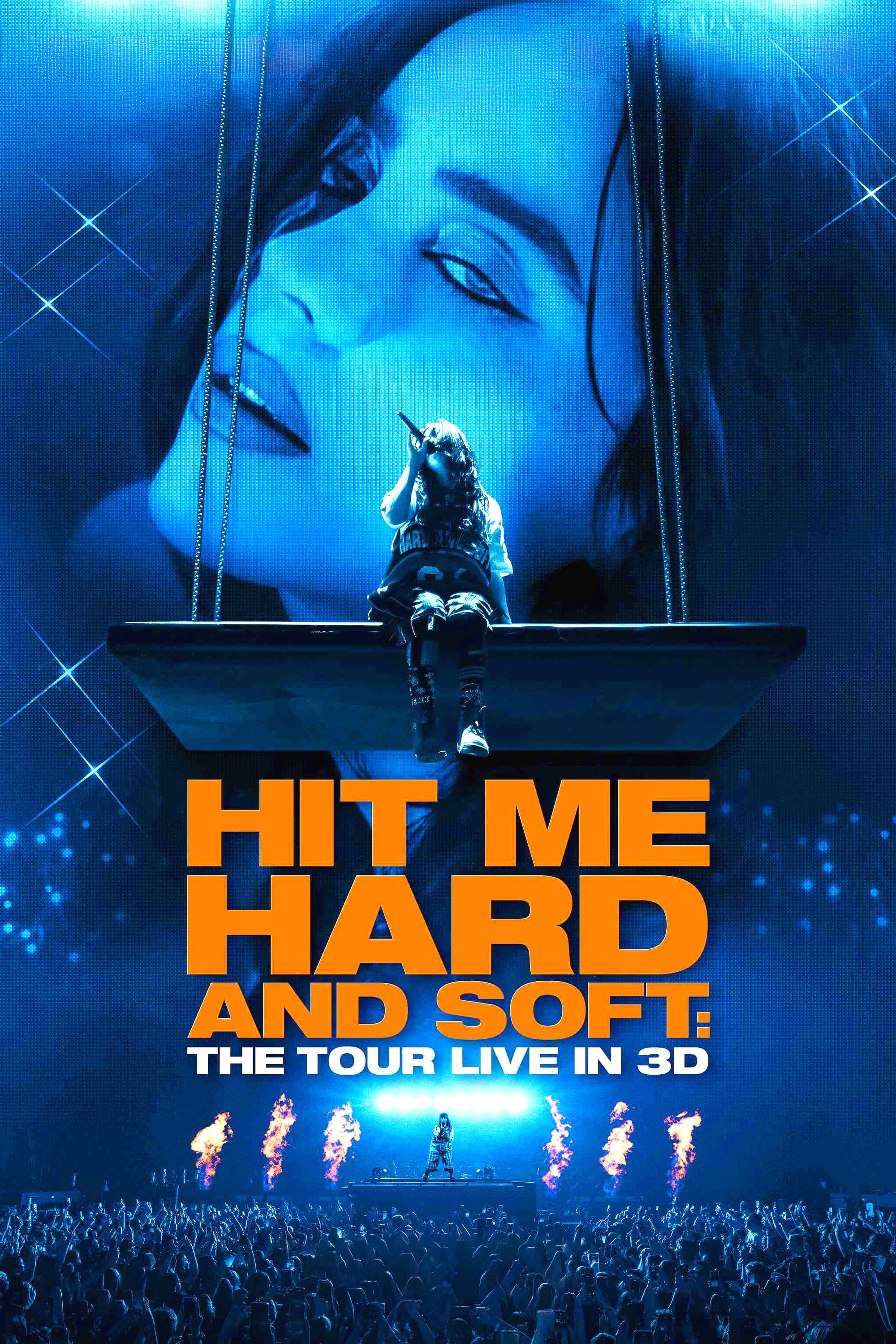
Captured during Billie Eilish's sold-out world tour, a concert experience from one of the most celebrated and successful artists of her generation, presented in immersive 3D.
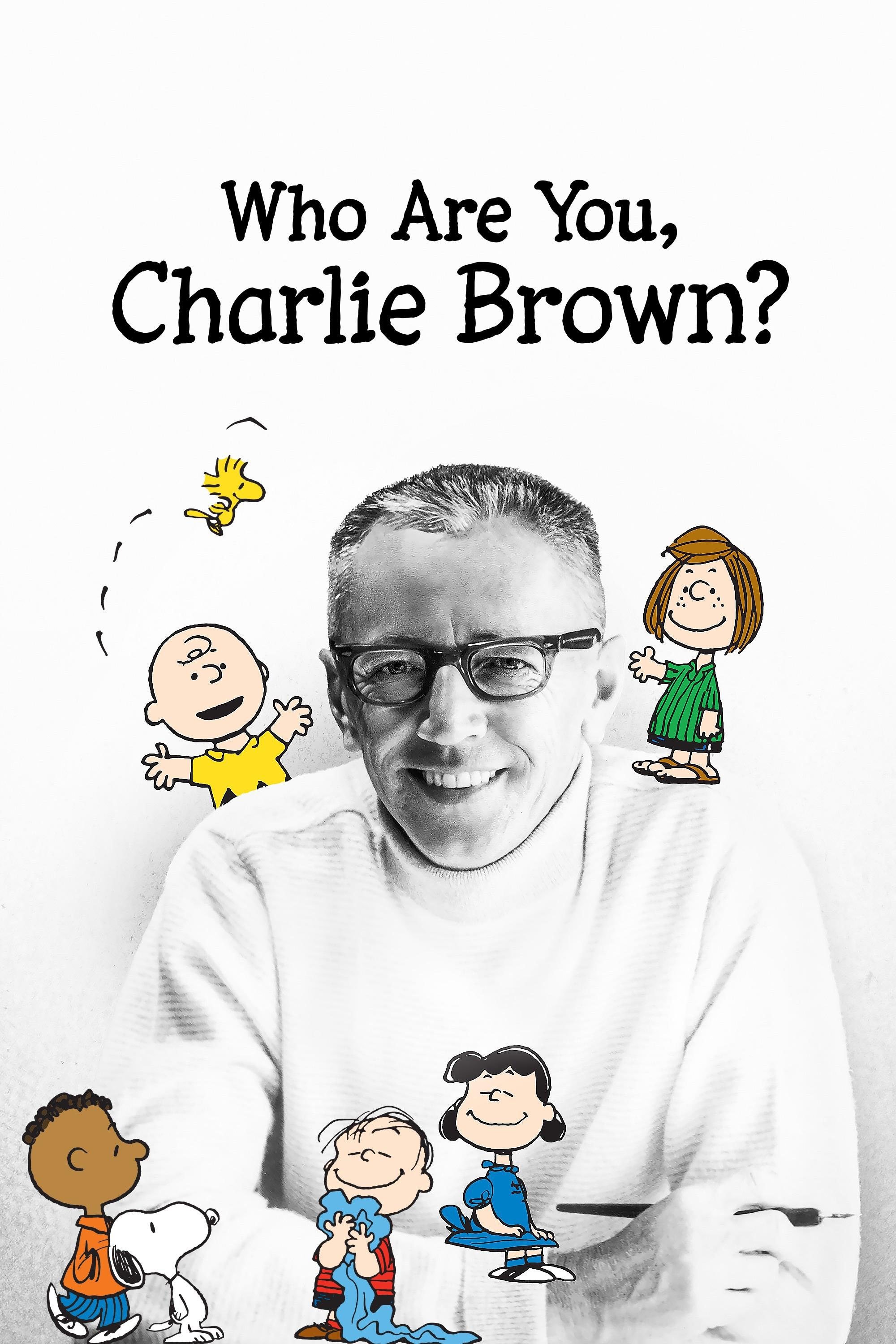
Lupita Nyong'o narrates a documentary about Peanuts and its creator, Charles M. Schulz. Famous fans—including Drew Barrymore, Kevin Smith, and Al Roker—share its influence on them, and a new animated story finds Charlie Brown on a quest.
Using the book 'Fragments', which collects Marilyn Monroe's poems, notes and letters, and with participation from the Arthur Miller and Truman Capote estates who have contributed more material, each of the actresses will embody the legend at various stages in her life.