Revisiting the achievements of Sacheen Littlefeather, the first woman of color to utilize the Academy Awards to make a political statement.
Social & External
The people behind it
Sacheen Littlefeather
Self
Marlon Brando
Self (archive footage)
Gene Hackman
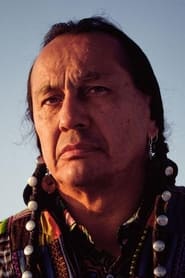
Russell Means
Lee Vollman
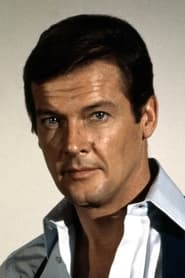
Roger Moore
Documentary that explores the various lives, experiences and stories intertwined within the regional Cidade Industrial de Curitiba
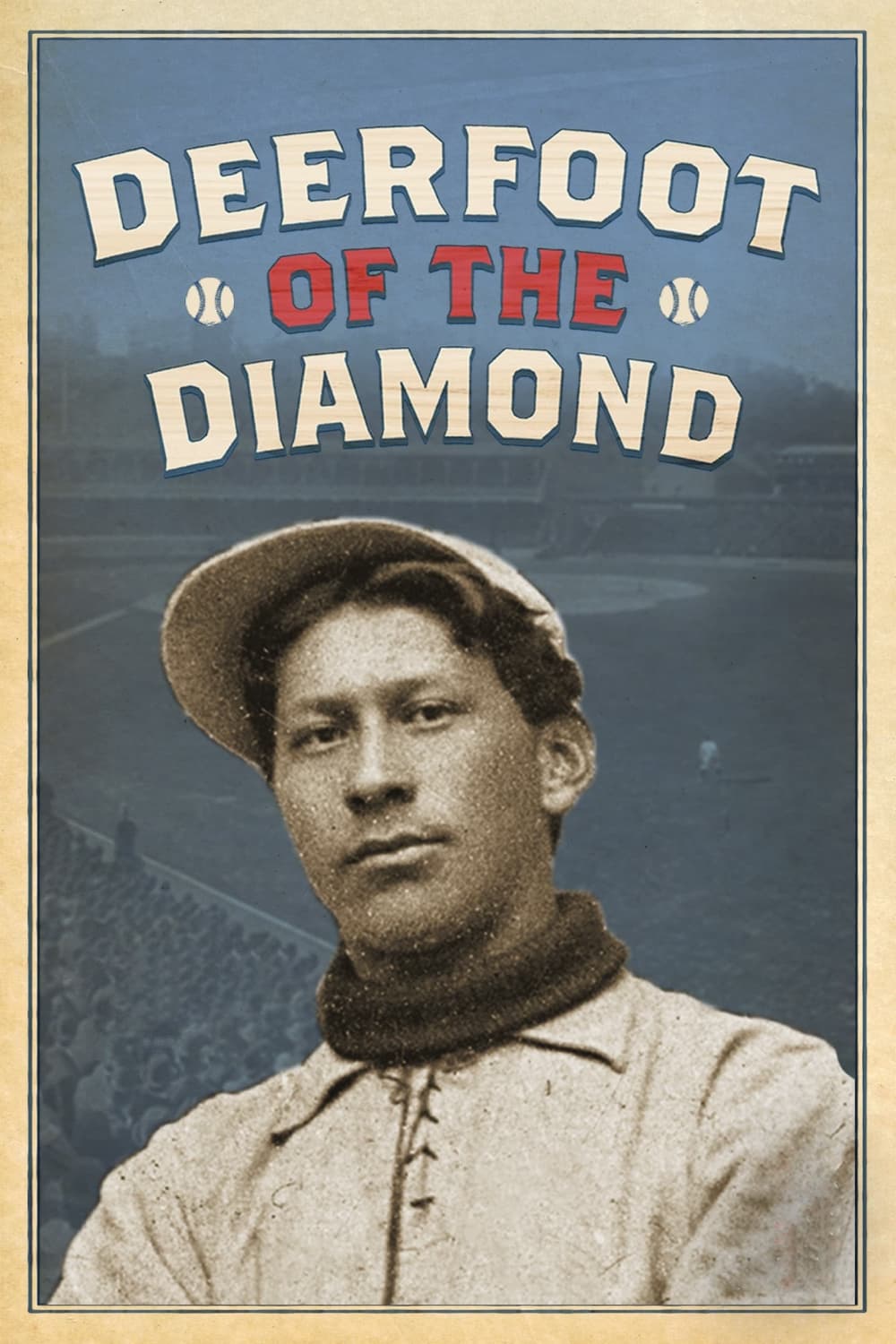
In late 2021, Cleveland’s baseball team was reborn as the Guardians. This documentary, directed by Lance Edmands, chronicles the saga of that name change, which has its roots in a forgotten legend named Louis Sockalexis, and the tragedy that enveloped his story more than a century ago.
This short documentary tells the story of the life and legacy of Dr. Susan La Flesche Picotte, an Omaha woman who became the first Native American physician.
The “Prophecy of the 7th Fire” says a “black snake” will bring destruction to the earth. For Winona LaDuke, the “black snake” is oil trains and pipelines. When she learns that Canadian-owned Enbridge plans to route a new pipeline through her tribe’s 1855 Treaty land, she and her community spring into action to save the sacred wild rice lakes and preserve their traditional indigenous way of life. Launching an annual spiritual horse ride along the proposed pipeline route, speaking at community meetings and regulatory hearings. Winona testifies that the pipeline route follows one of historical and present-day trauma. The tribe participates in the pipeline permitting process, asserting their treaty rights to protect their natural resources. LaDuke joins with her tribe and others to demand that the pipelines’ impact on tribal people’s resources be considered in the permitting process.
Examining the movement that is ending the use of Native American names, logos, and mascots in the world of sports and beyond.
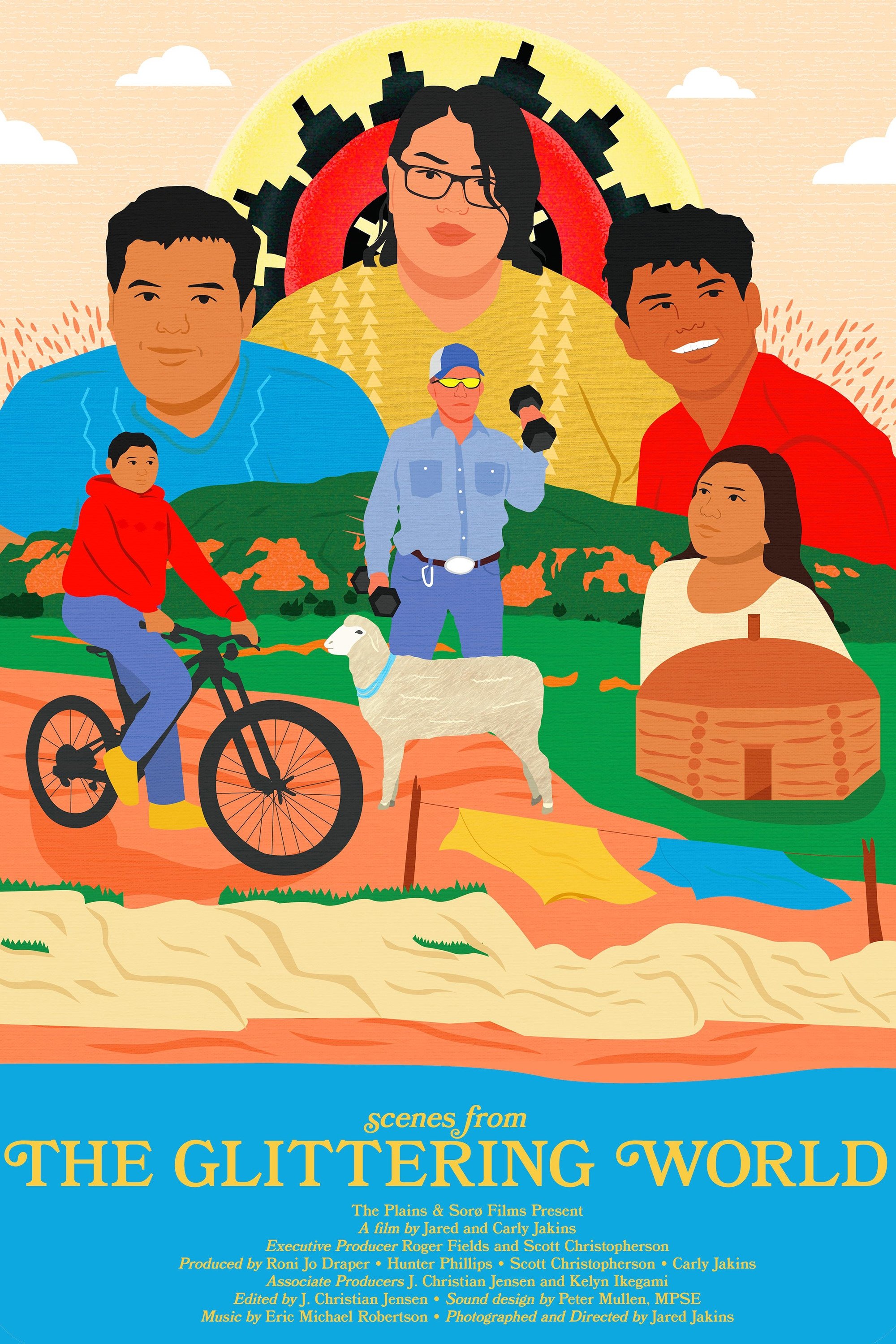
At the farthest edge of the Navajo Nation, the purpose and future of the most remote high school in the continental United States is in question while three Indigenous youth grapple with ambitious dreams, family responsibilities, and the isolated nature of their community.
When the Nuxalk trace the vanished ooligan to a land claim filed the very day smallpox arrived, their radio station becomes courtroom, confessional and conjuring ground; an older law insists: the fish return when the people do.
At 16, Max left with dreams and a GoPro slung over his shoulder for an exchange program at a high school in Oklahoma. Since then, Donald Trump has become president, the Capitol has been stormed, and abortion bans have gained ground. On the eve of Trump’s second term, Max goes back to see his friends to understand what their journeys reveal about the evolution of American society
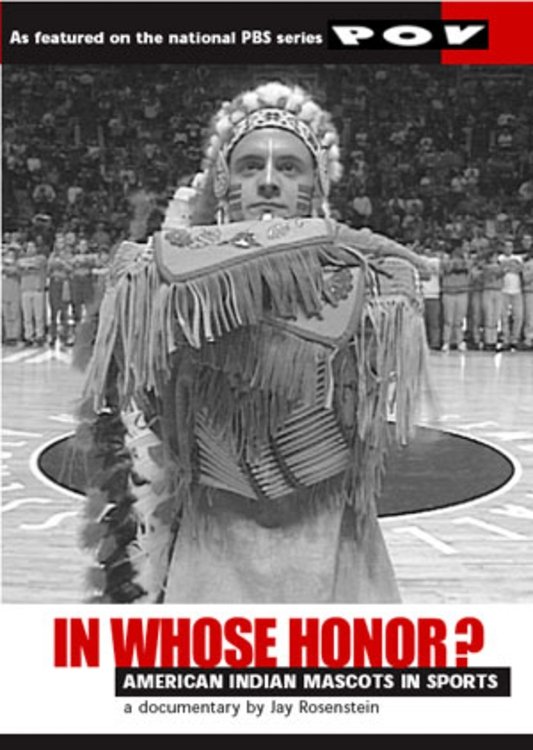
Washington Redskins, Cleveland Indians, Atlanta Braves — Indian mascots and nicknames have historically been first draft picks in American sports. But for Charlene Teters, a Spokane Indian, transplanting cultural rituals onto the field is a symbol of disrespect. Jay Rosenstein follows Teters' evolution from mother and student into a leading voice against the merchandising of Native American symbols — and shows the lengths fans will go to preserve their mascots.
A nuanced portrait of the (Amsterdam) police which portrays not only the police as an institution, but also individual officers. Issues raised include: ethnic profiling, lack of influence by neighbourhood officers, the role of women within the police force and the question of whether the police sometimes use excessive force, for example during the clearance of squats by the ME (Riot Police) in Amsterdam’s Kinkerbuurt neighbourhood, where defenceless locals were beaten by officers with batons.
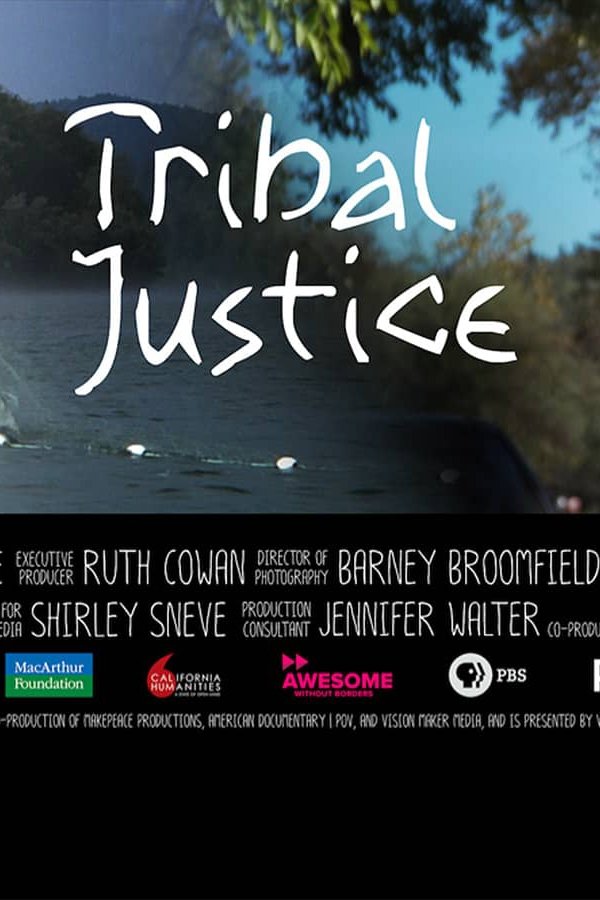
Two formidable Native American women, both chief judges in their tribe's courts, strive to reduce incarceration rates and heal their people by restoring rather than punishing offenders, modeling restorative justice in action.
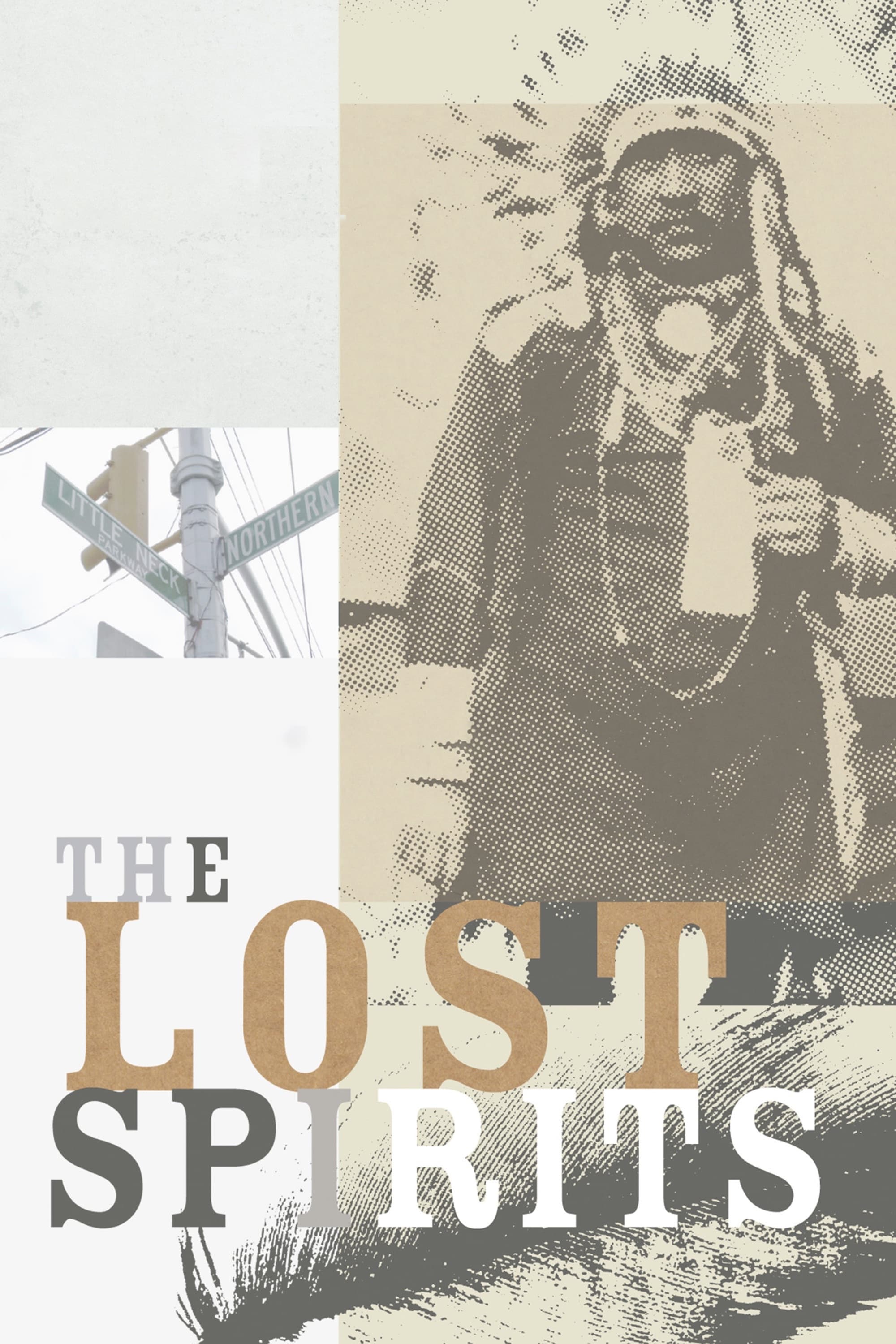
The last surviving Native Americans on Long Island are the focus of The Lost Spirits. The film chronicles their struggles as an indigenous people to maintain their identity amidst relentless modernization and a heartless bureaucracy.
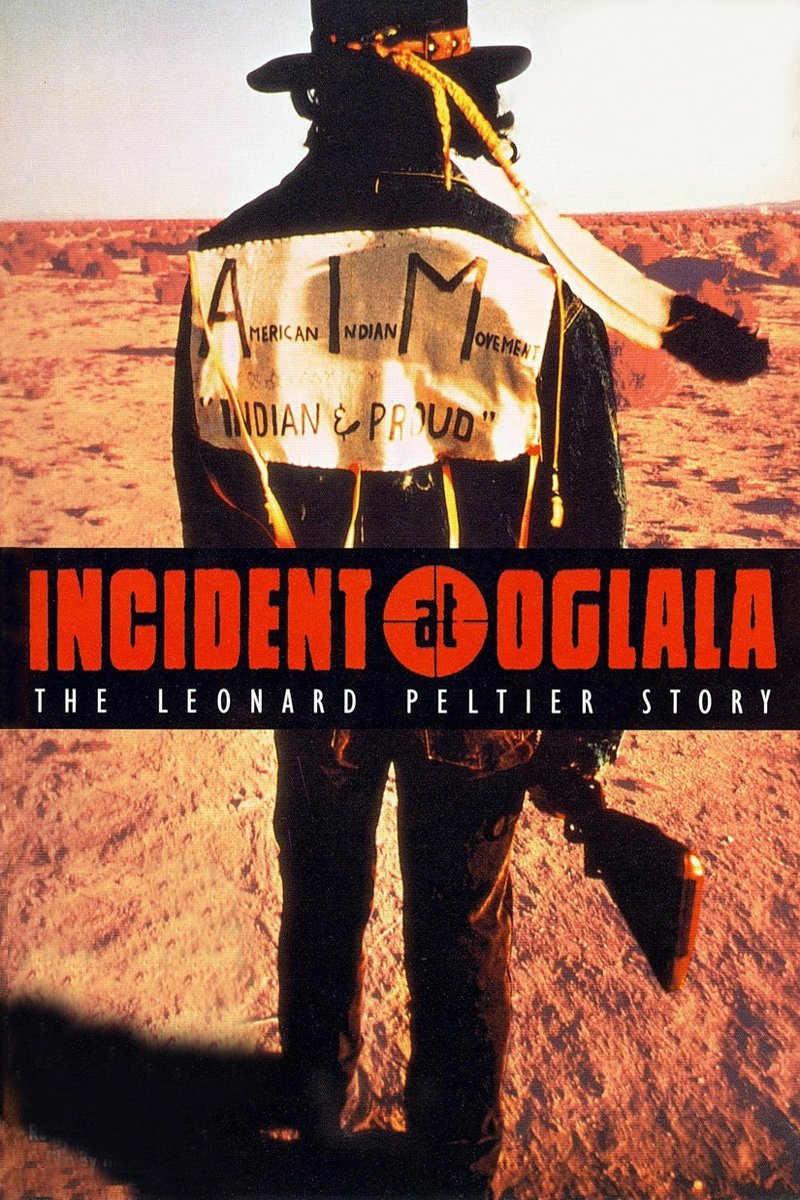
On June 26, 1975, during a period of high tensions on the Pine Ridge reservation in South Dakota, two FBI agents were killed in a shootout with a group of Indians. Although several men were charged with killing the agents, only one, Leonard Peltier, was found guilty. This film describes the events surrounding the shootout and suggests that Peltier was unjustly convicted.
A poetic short film showing a day in the 2019 protests in Santiago, Chile through documentary images.
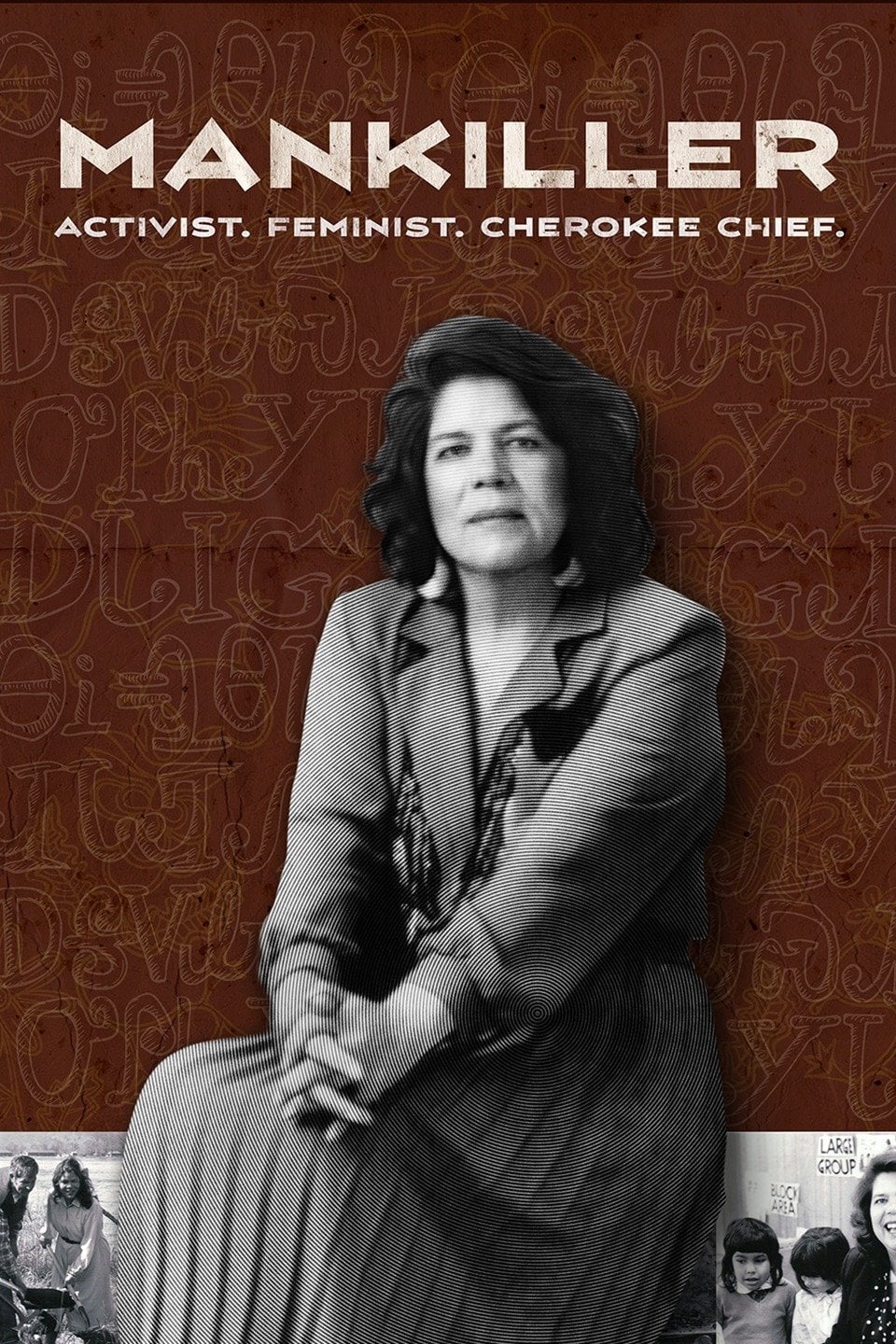
The story of an American hero and the Cherokee Nation's first woman Principal Chief who humbly defied all odds to give a voice to the voiceless.
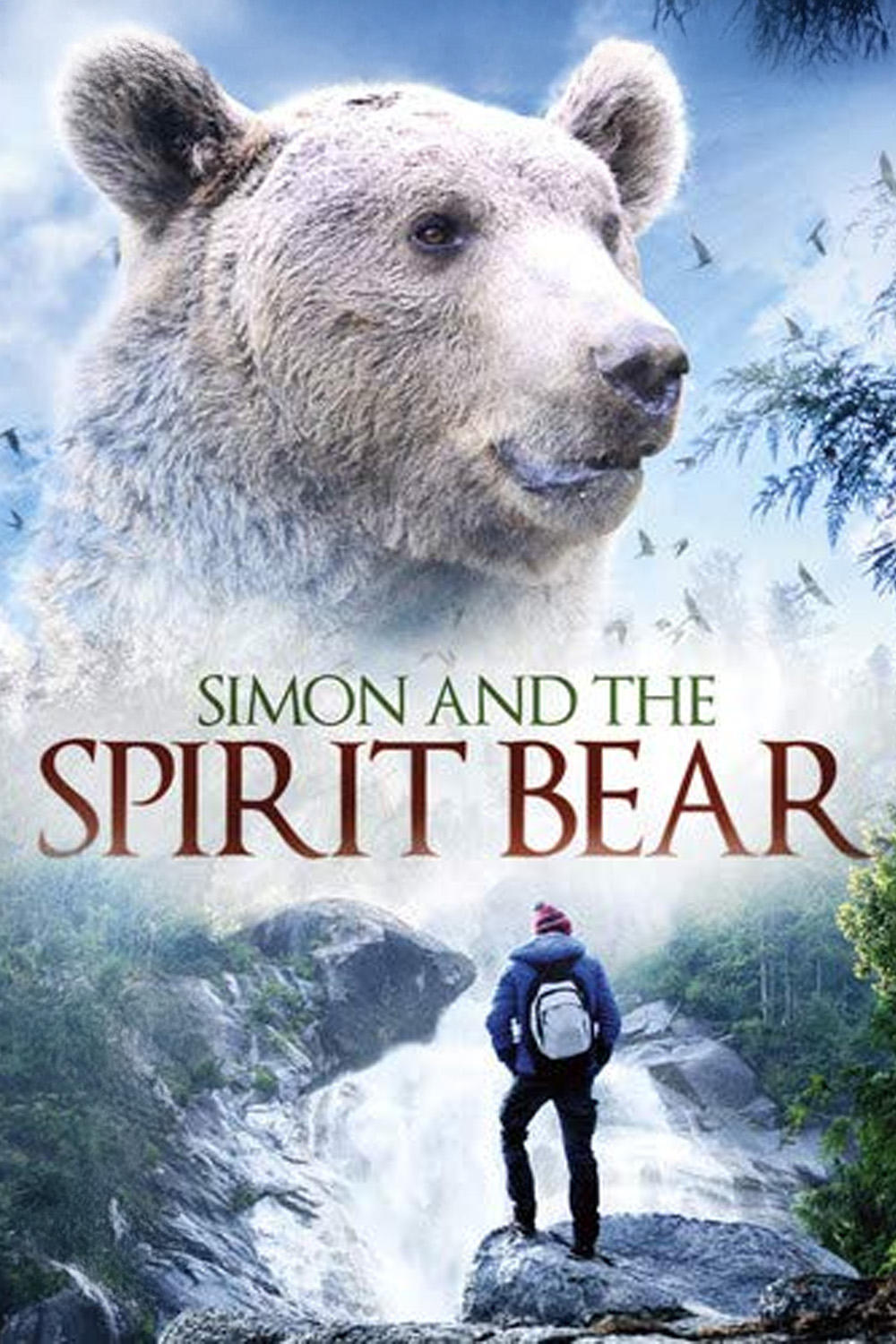
While most teens spend their days in a self-absorbed haze, Simon Jackson was out in the world connecting with anyone who could help him save the spirit bear. For this, Simon became one of Time's Heroes of the Planet. It's a remarkable accomplishment for one so young, and an inspiring story for lovers of wilderness of all ages. But his devotion to the cause made him an outcast amongst his peers.
Sean and Adrian, a Two-Spirit couple, are determined to rewrite the rules of Native American culture through their participation in the “Sweetheart Dance.” This celebratory contest is held at powwows across the country, primarily for heterosexual couples … until now.
A documentary film about Comanche activist LaDonna Harris, who led an extensive life of Native political and social activism, and is now passing on her traditional cultural and leadership values to a new generation of emerging Indigenous leaders.
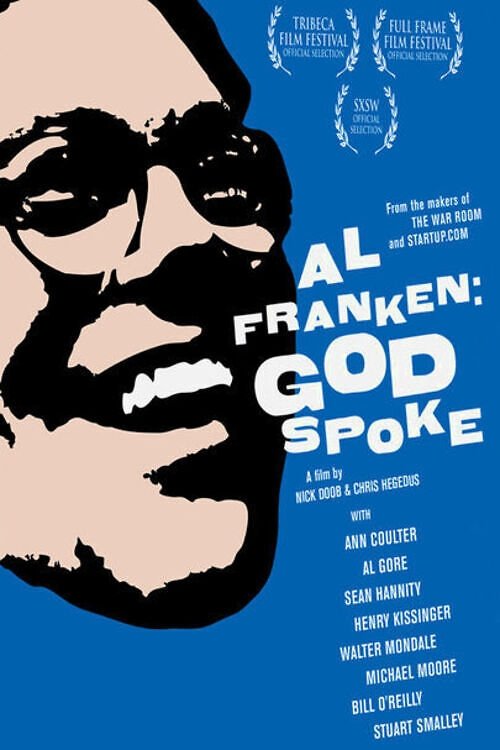
Join filmmaking duo Chris Hegedus and Nick Doob as their cameras follow Franken to book signings, campaign rallies and the launch of Air America Radio, documenting his transformation from irreverent funnyman to political pundit.
In the Realms of the Unreal is a documentary about the reclusive Chicago-based artist Henry Darger. Henry Darger was so reclusive that when he died his neighbors were surprised to find a 15,145-page manuscript along with hundreds of paintings depicting The Story of the Vivian Girls, in What is Known as the Realms of the Unreal, of the Glodeco-Angelinnian War Storm, Cased by the Child Slave Rebellion.
Al Pacino's deeply-felt rumination on Shakespeare's significance and relevance to the modern world through interviews and an in-depth analysis of "Richard III."
Unravel the case of Utah therapist Jodi Hildebrandt, whose child abuse arrest with parenting YouTuber Ruby Franke exposed a twisted tale of manipulation.
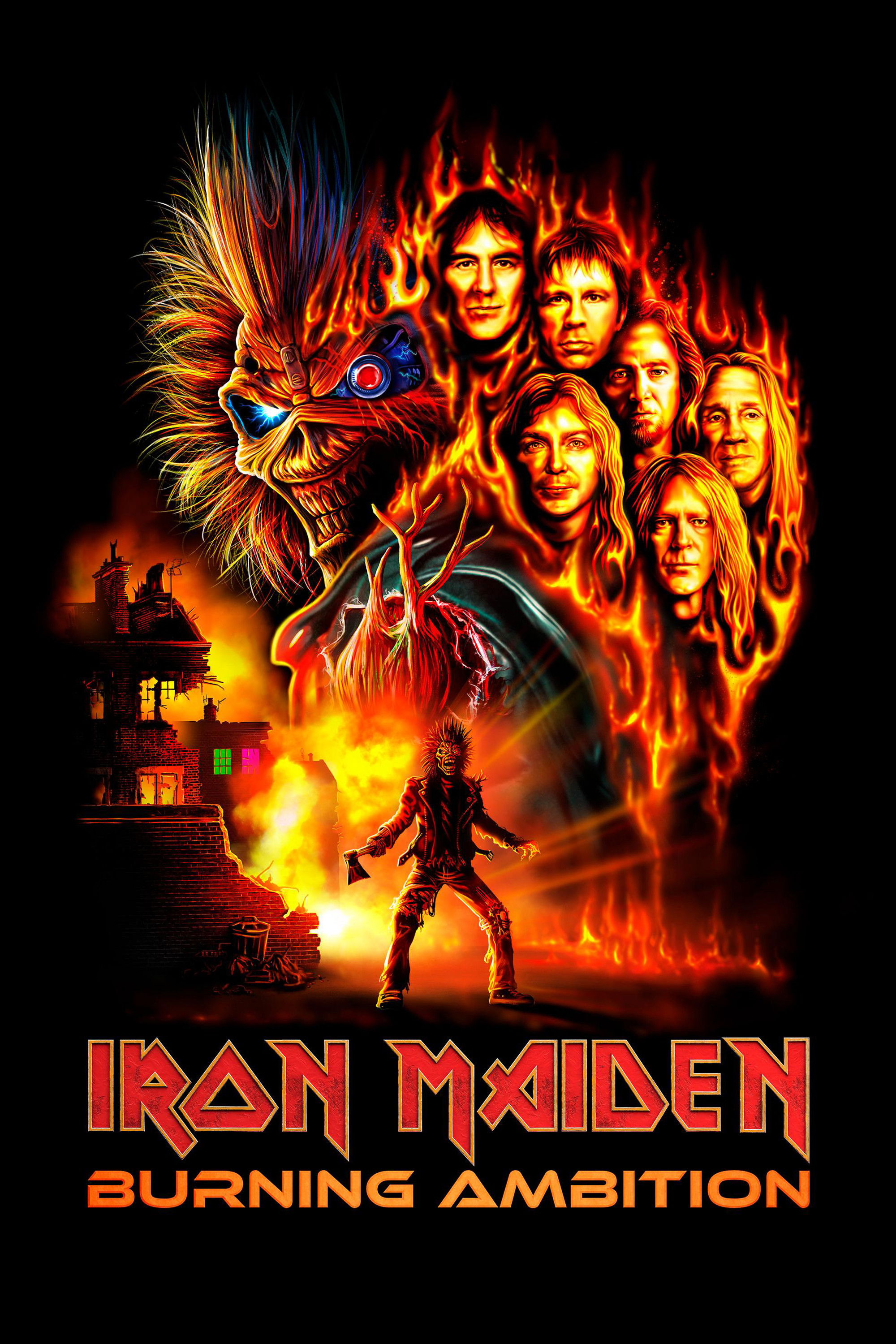
With unprecedented access to the official archives and intimate recollections from the band, both current and past, Iron Maiden: Burning Ambition invites fans to experience one of the most iconic journeys in music history. Spanning five decades, this electrifying documentary charts the band’s rise from the pubs of East London to the world’s biggest stadiums. Featuring exclusive interviews with band members and contributors such as Javier Bardem, Lars Ulrich and Chuck D, as well as all-new animated sequences of the band's legendary mascot, Eddie, the film offers a rare and intimate look at Iron Maiden’s uncompromising vision and unwavering connection with their truly global army of fans.
A purely observational non-fiction film that takes viewers into the ethically murky world of end-of-life decision making in a public hospital.
14-year-old Laura Dekker sets out on a two-year voyage in pursuit of her dream to become the youngest person ever to sail around the world alone.
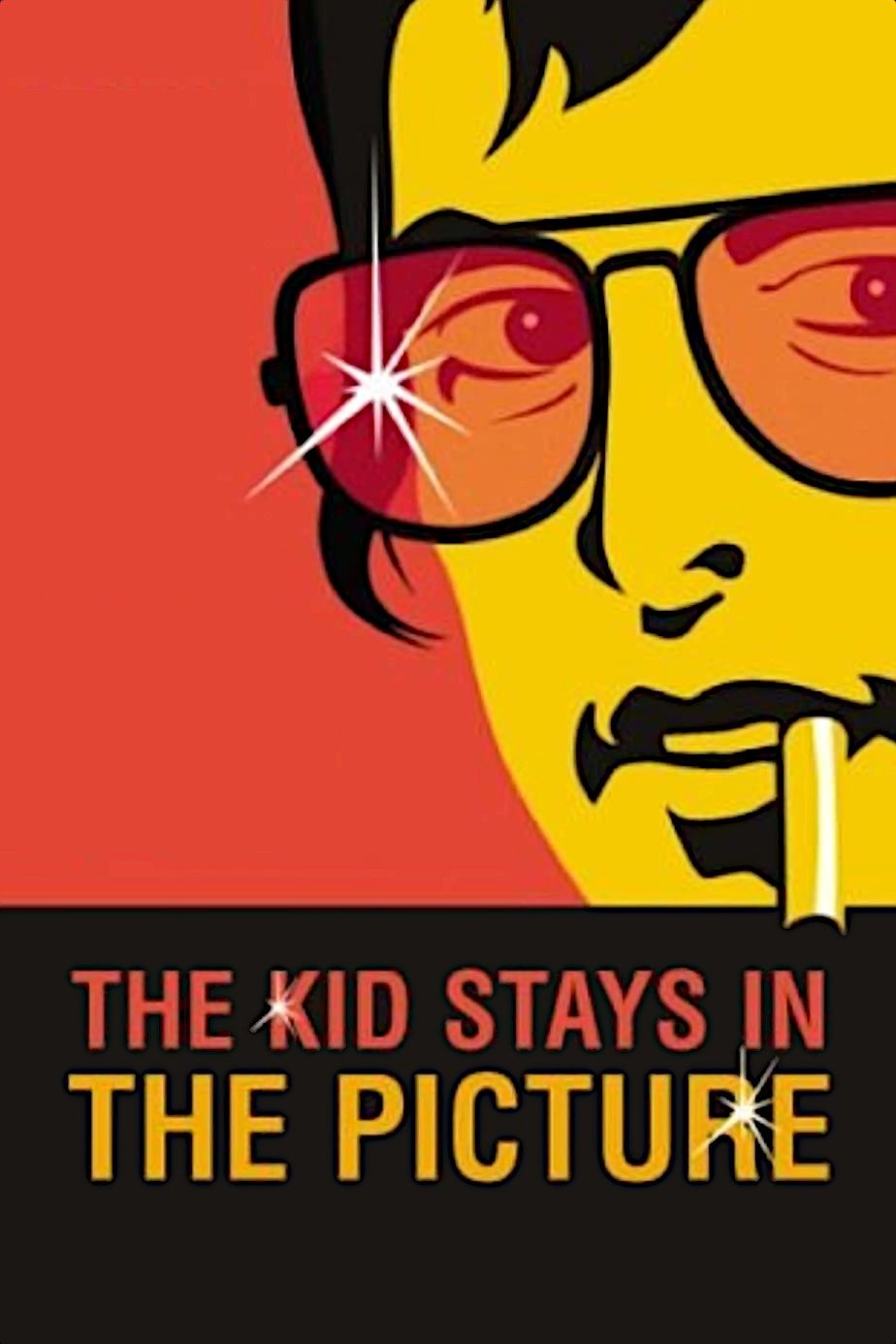
Documentary about legendary Paramount producer Robert Evans, based on his famous 1994 autobiography.
Alexander McQueen's rags-to-riches story is a modern-day fairy tale, laced with the gothic. Mirroring the savage beauty, boldness and vivacity of his design, this documentary is an intimate revelation of McQueen's own world, both tortured and inspired, which celebrates a radical and mesmerizing genius of profound influence.
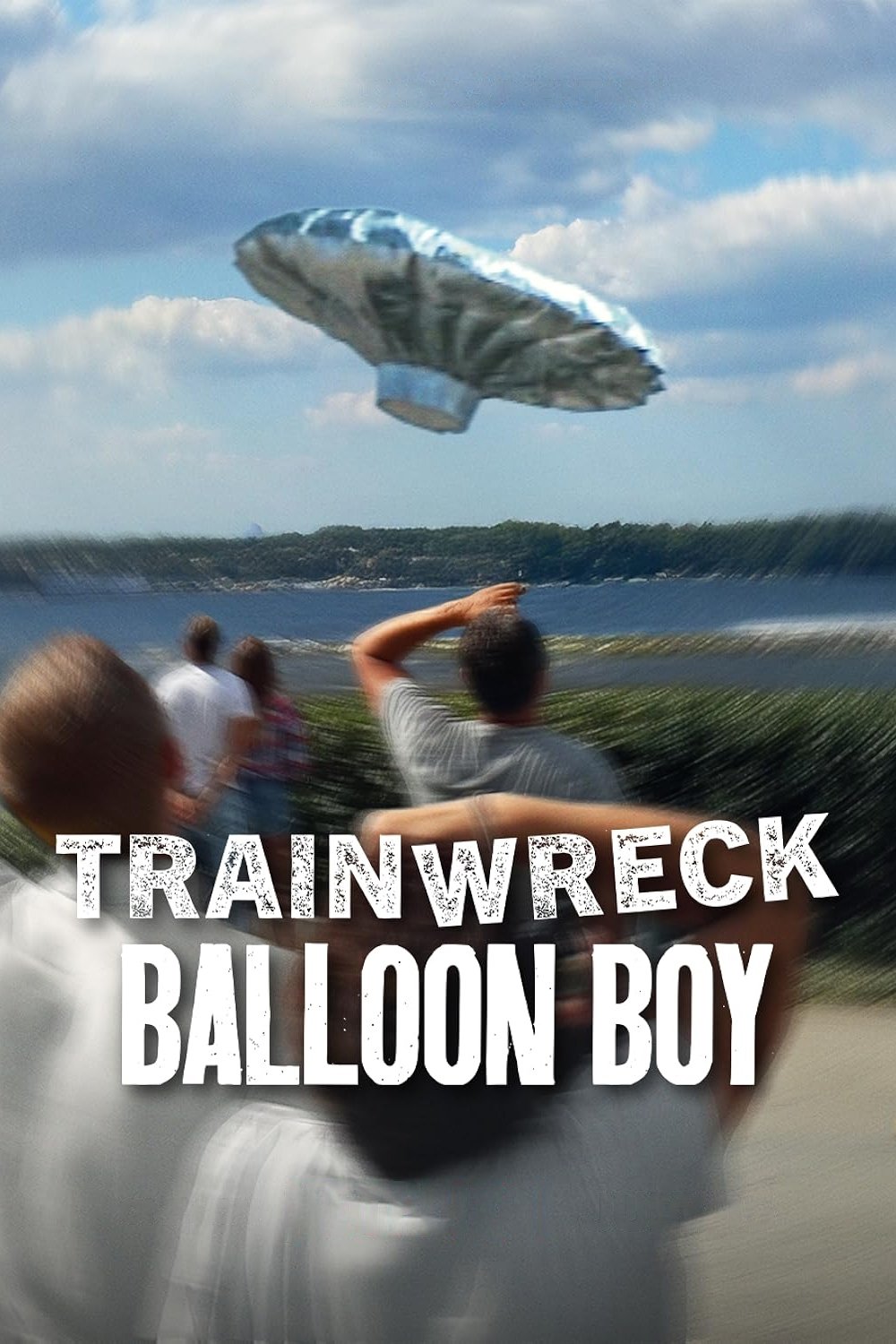
A homemade flying saucer lifts off, and a 6-year-old boy might be inside. National panic ensues — but what truly happened? This documentary investigates.
Those who knew iconic funnyman John Candy best share his story, in their own words, through never-before-seen archival footage, imagery, and interviews.
SEDUCED AND ABANDONED combines acting legend Alec Baldwin with director James Toback as they lead us on a troublesome and often hilarious journey of raising financing for their next feature film. Moving from director to financier to star actor, the two players provide us with a unique look behind the curtain at the world's biggest and most glamourous film festival, shining a light on the bitter-sweet relationship filmmakers have with Cannes and the film business. Featuring insights from directors Martin Scorsese, 'Bernando Bertolucci' and Roman Polanski; actors Ryan Gosling and Jessica Chastain and a host of film distribution luminaries.
Through deeply personal interviews with her siblings and an examination of the photographs, letters, and belongings left behind, Mariska assembles a new portrait of her mother Jayne Mansfield, an extraordinary and complex woman.
Filmmaker Christopher Quinn observes the ordeal of three Sudanese refugees -- Jon Bul Dau, Daniel Abul Pach and Panther Bior -- as they try to come to terms with the horrors they experienced in their homeland, while adjusting to their new lives in the United States.
Daniel Craig candidly reflects on his 15 year adventure as James Bond. Including never-before-seen archival footage from Casino Royale to the upcoming 25th film No Time To Die, Craig shares his personal memories in conversation with 007 producers, Michael G Wilson and Barbara Broccoli.
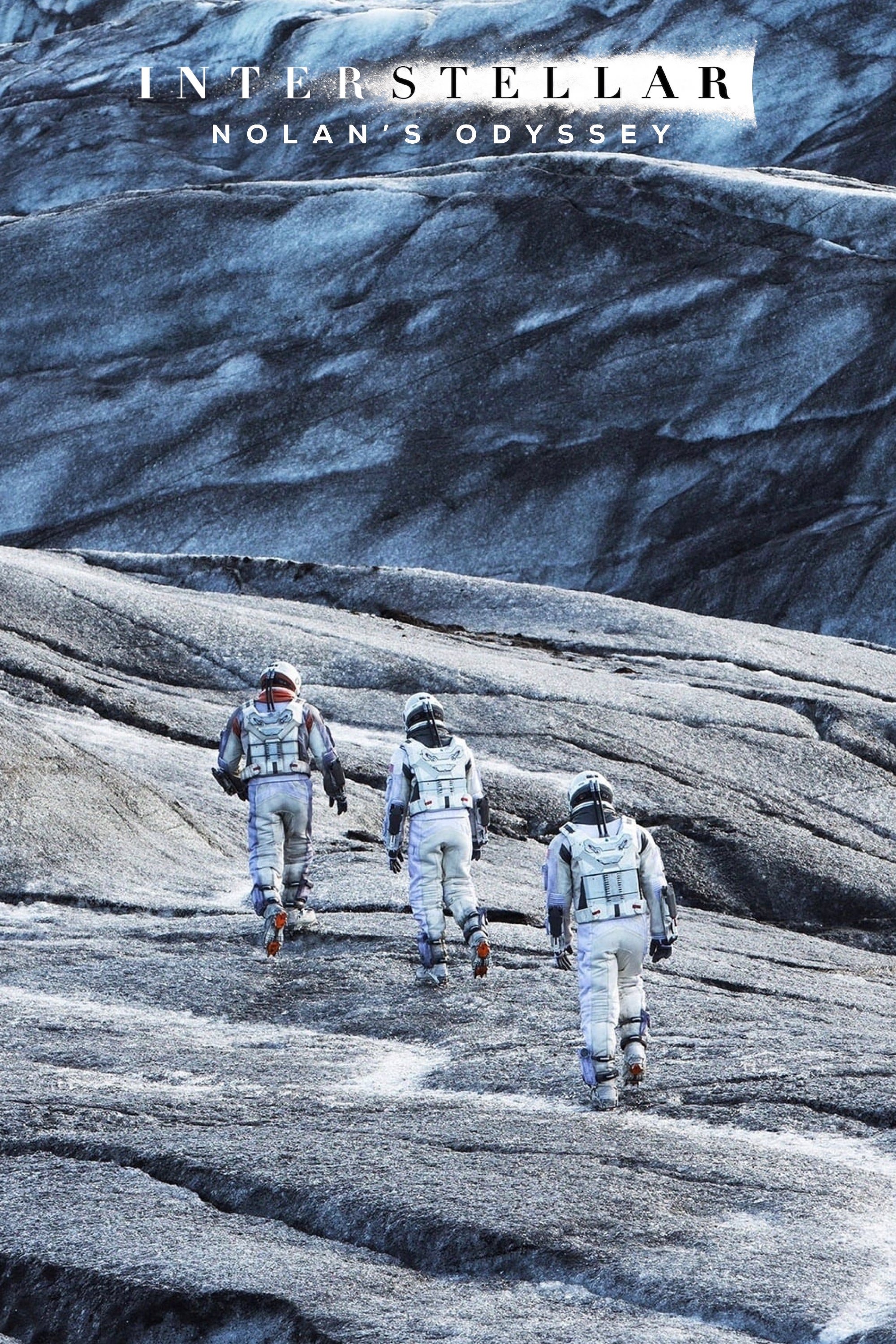
A look behind the lens of Christopher Nolan's space epic.
The life of Mr. Spock, as well as that of Leonard Nimoy, the actor who played him for almost fifty years, written and directed by his son: Adam.
A documentary chronicling Queen and Lambert's incredible journey since they first shared the stage together on "American Idol" in 2009.
A look at the origins, history and conspiracies behind the "Majestic 12", a clandestine group of military and corporate figureheads charged with reverse-engineering extraterrestrial technology.
Behind-the-scenes documentary about how Lionel Messi succeeded in lifting the World Cup – the only trophy to have eluded him in an incredible career.
An inside look at one of the most anticipated movie sequels ever with James Cameron and cast.