Documentary about Japan's Unit 731 of World War II.
Social & External
The people behind it
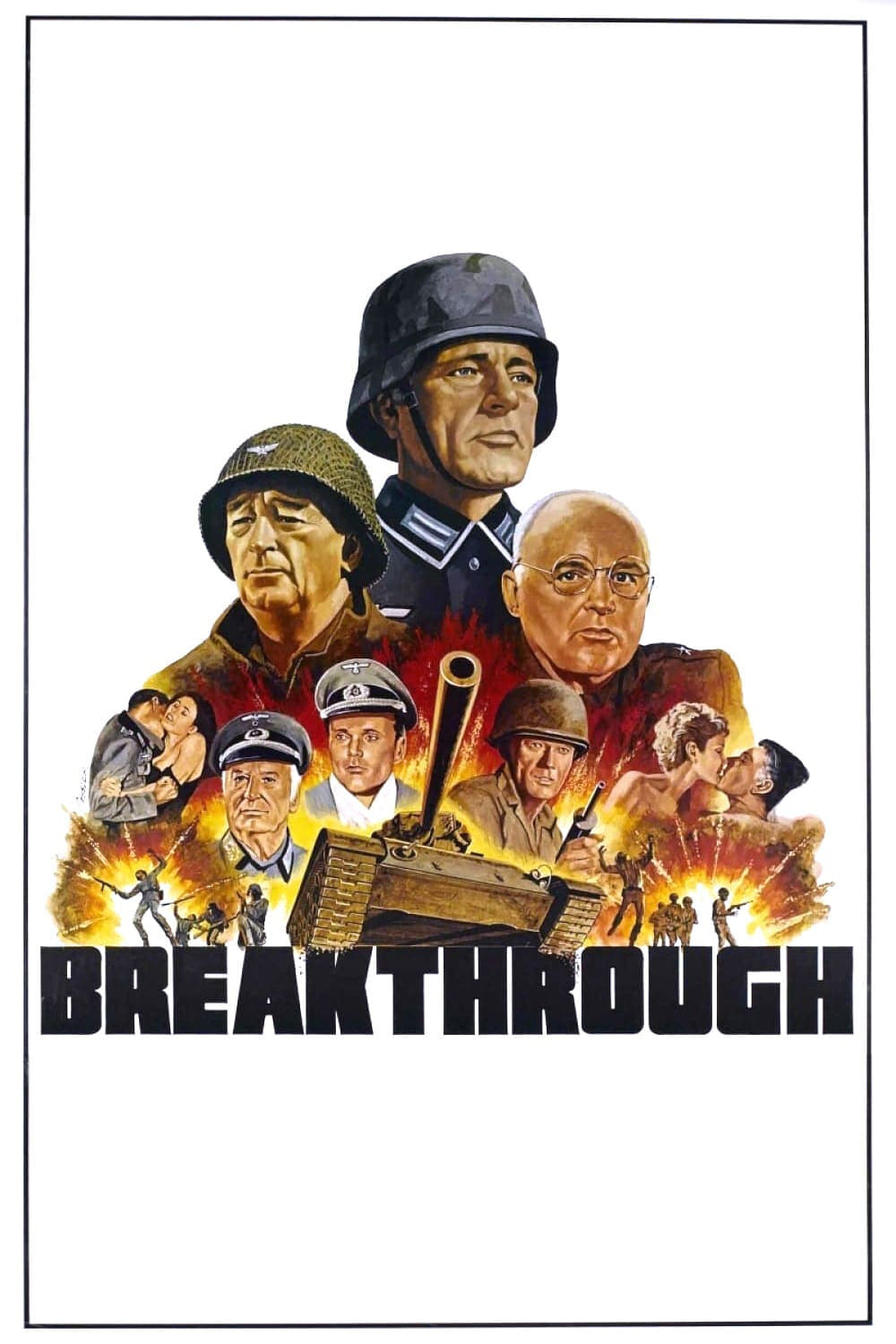
It is 1943, and the German army—ravaged and demoralised—is hastily retreating from the Russian front. In the midst of the madness, conflict brews between the aristocratic yet ultimately pusillanimous Captain Stransky and the courageous Corporal Steiner. Stransky is the only man who believes that the Third Reich is still vastly superior to the Russian army. However, within his pompous persona lies a quivering coward who longs for the Iron Cross so that he can return to Berlin a hero. Steiner, on the other hand is cynical, defiantly non-conformist and more concerned with the safety of his own men rather than the horde of military decorations offered to him by his superiors.
With the help of government-issued pamphlets, an elderly British couple build a shelter and prepare for an impending nuclear attack, unaware that times and the nature of war have changed from their romantic memories of World War II.
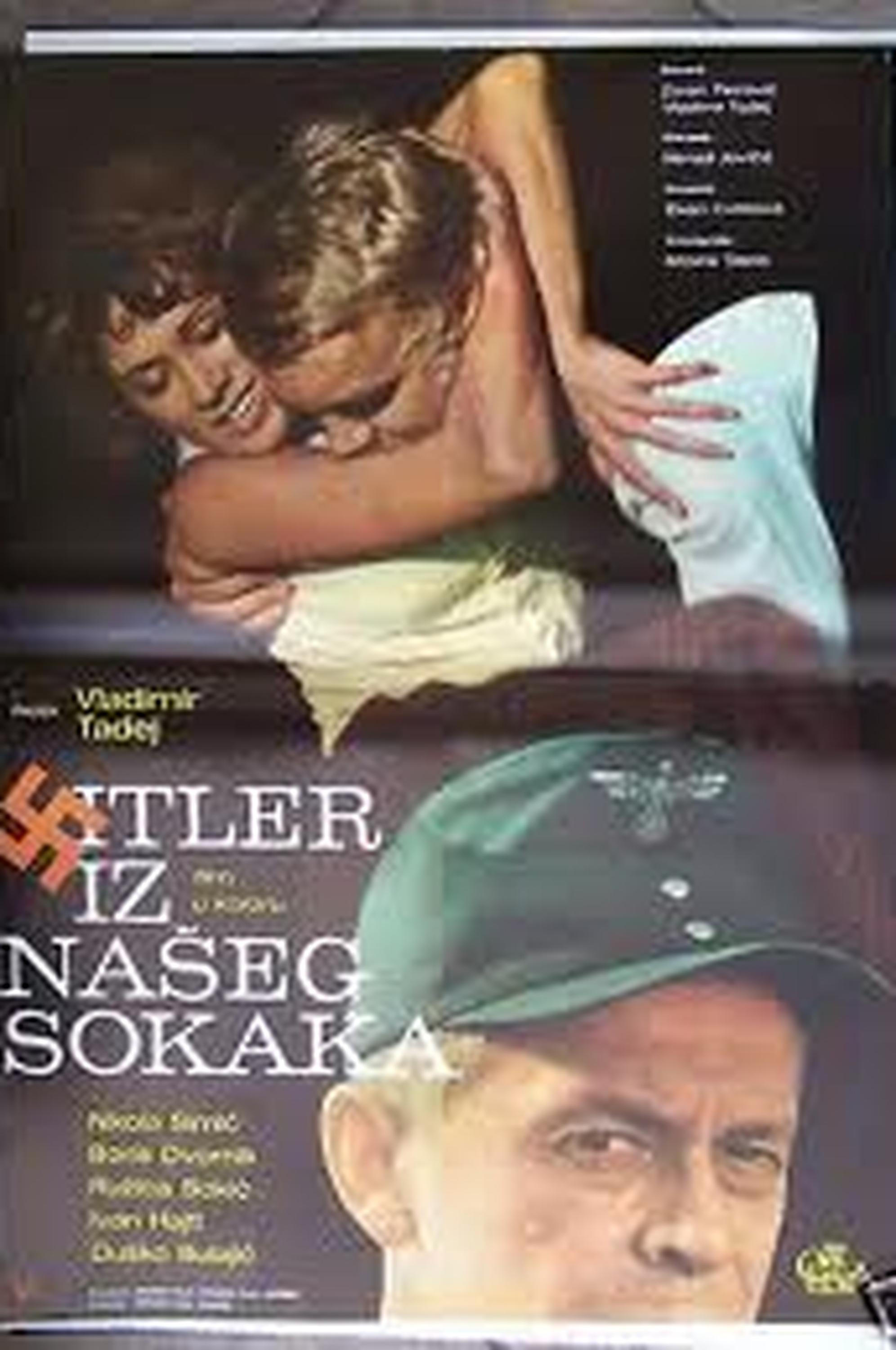
Before and during WW II and the German occupation of Serbia, in a village in Vojvodina, inhabitants are separated based on their nationality. Local Volksdeutschers (ethnic Germans) enlist with the Nazi occupiers. The village bum, Leksi, jumps at the opportunity to put on a uniform and parade around with a gun. Leksi gets into an argument with villagers Marko and Joca, who devise a plan to get rid of him. At the same time, Marko tries to seduce Leksi's wife, Anika.
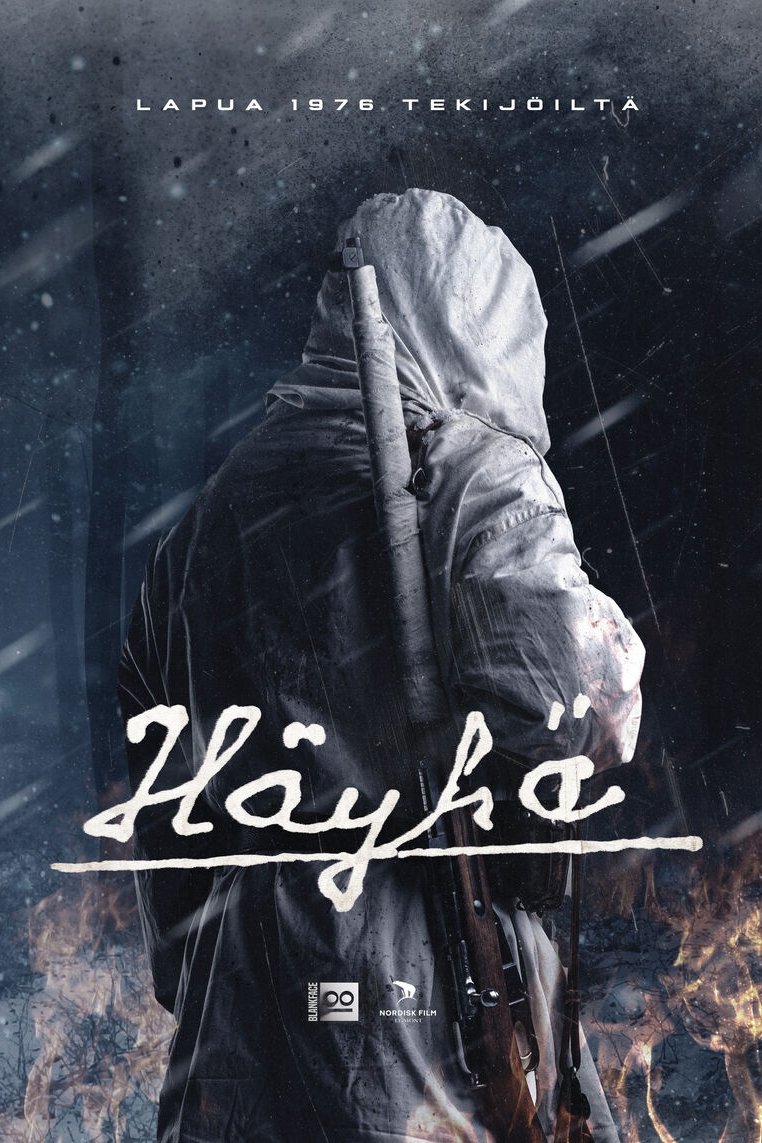
The story of legendary Finnish sniper Simo Häyhä.
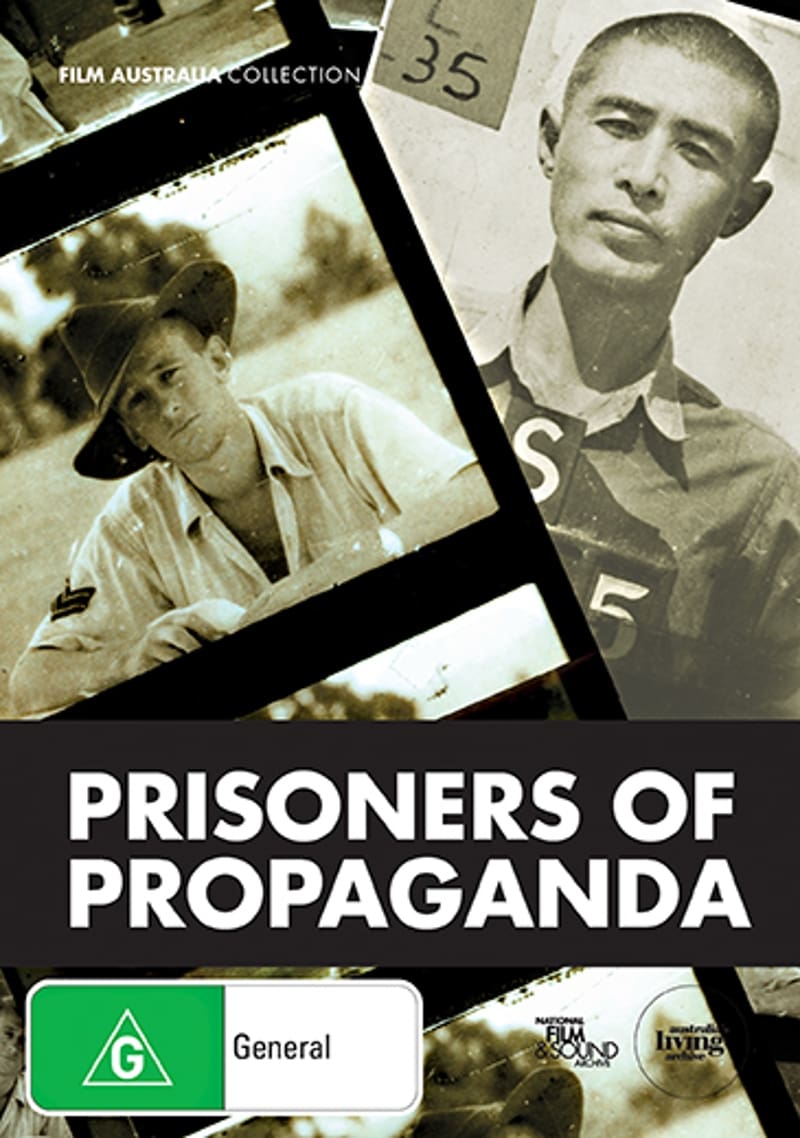
In 1943, the Imperial Japanese Secret Service made a film called Calling Australia! to show the "exemplary conditions" under which prisoners of war were kept, and to "soften up" the Australian public for the anticipated occupation of their country by Japanese forces. Prisoners of Propaganda tells why the film was made, and how it came to be forgotten.
In the world of computer games, there are players earning fight money as a PRO. They are sponsored by digital tool companies or beverage companies, and tour around the world to earn money in tournaments. This film goes over the days of Pro Gamers in Japan, USA, France and Taiwan.
When Col. William McNamara is stripped of his freedom in a German POW camp, he's determined to keep on fighting even from behind enemy lines. Enlisting the help of a young lieutenant in a brilliant plot against his captors, McNamara risks everything on a mission to free his men and change the outcome of the war.
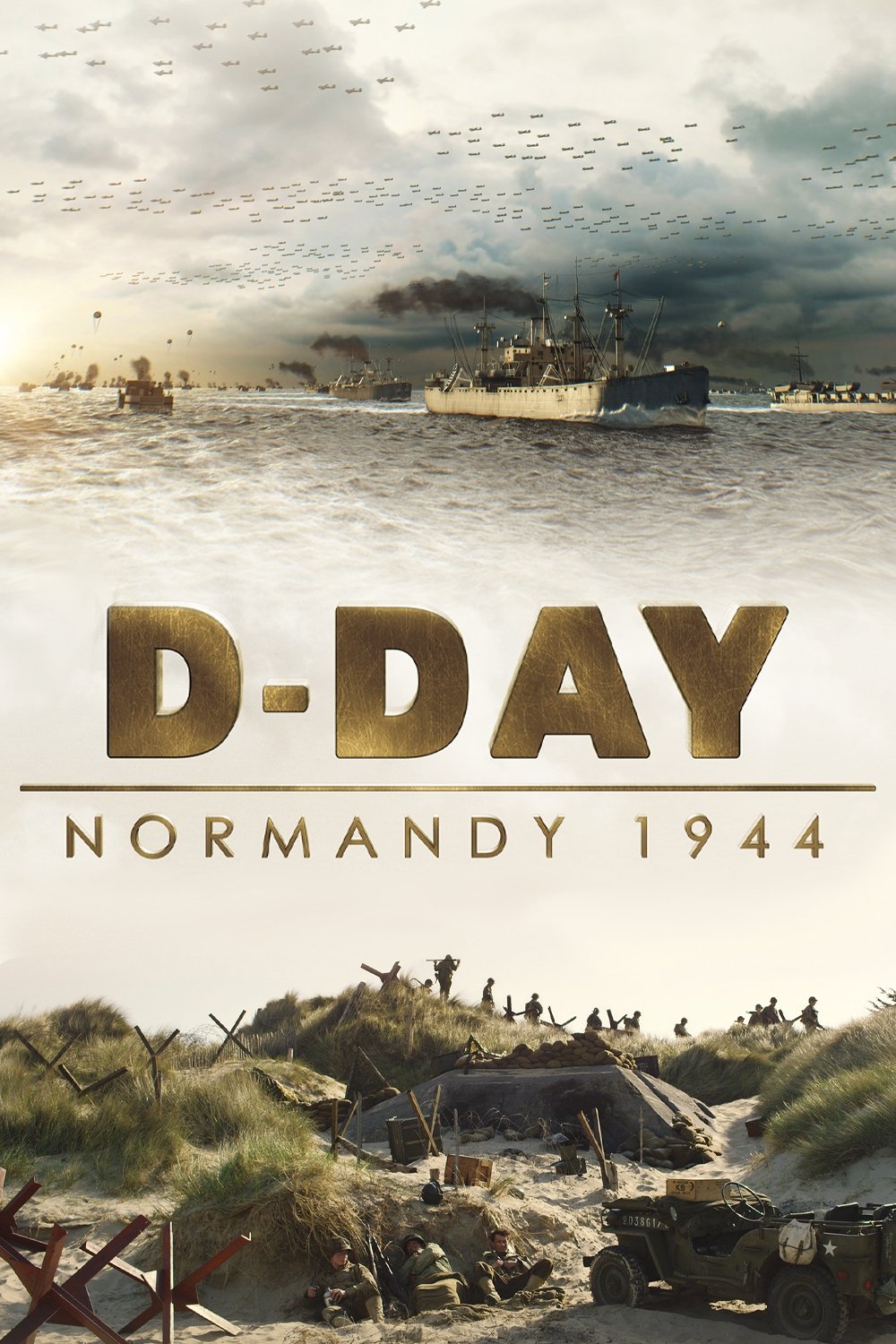
June 6, 1944: The largest Allied operation of World War II began in Normandy, France. Yet, few know in detail exactly why and how, from the end of 1943 through August 1944, this region became the most important location in the world. Blending multiple cinematographic techniques, including animation, CGI and stunning live-action images, “D-Day: Normandy 1944” brings this monumental event to the world’s largest screens for the first time ever. Audiences of all ages, including new generations, will discover from a new perspective how this landing changed the world. Exploring history, military strategy, science, technology and human values, the film will educate and appeal to all. Narrated by Tom Brokaw, “D-Day: Normandy 1944” pays tribute to those who gave their lives for our freedom… A duty of memory, a duty of gratitude.
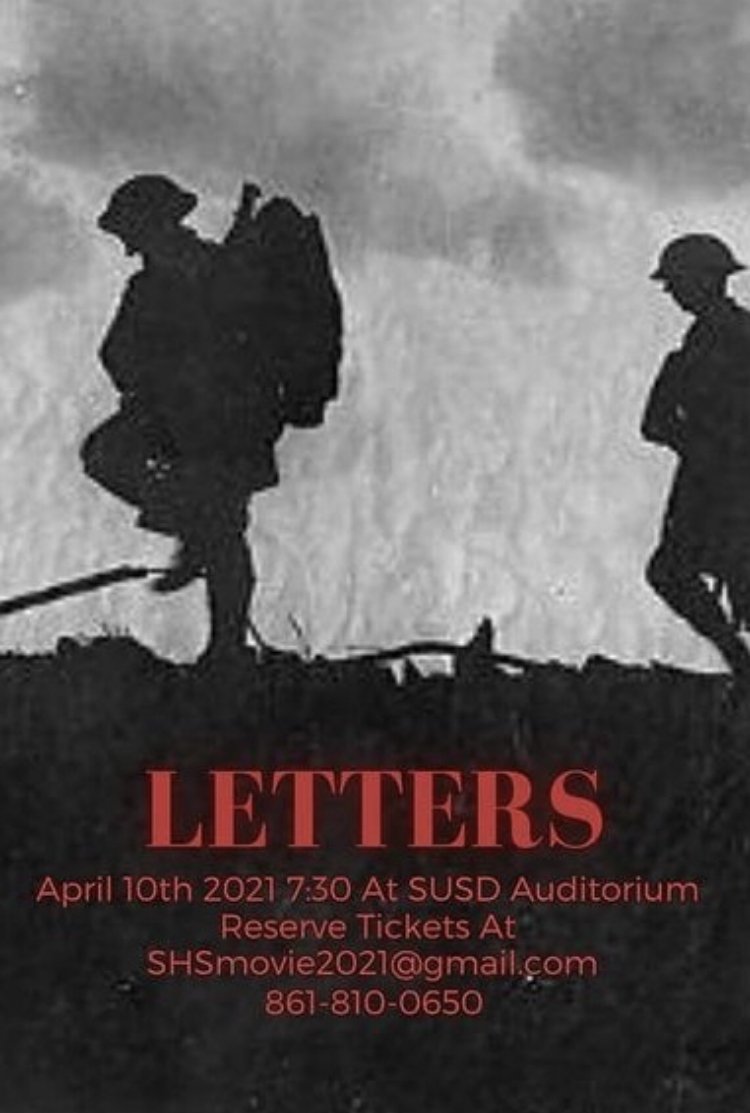
LETTERS, a dramatic historical fiction written by Mrs. Evelyn Merritt in 2010, tells the story of U.S. soldiers and their loved ones through their correspondence beginning with the Civil War and ending with the War in Iraq. Sahuarita High School students adapted the Readers’ Theatre play into a movie, reasoning the student actors would be kept safe from Covid-19 by filming them individually, and afterward the footage could be reassembled into a screenplay following the original dialogue.
Starting in late May 1944, during the German retreat on the Eastern Front, Captain Stransky (Helmut Griem) orders Sergeant Steiner (Richard Burton) to blow up a railway tunnel to prevent Russian forces from using it. Steiner's platoon fails in its mission by coming up against a Russian tank. Steiner then takes a furlough to Paris just as the Allies launch their invasion of Normandy.
The background to, events of and consequences of the Battle of Mers-El-Kebir on 3 July 1940. In that battle, Royal Navy ships fired on the French Fleet in order to prevent it from falling into German hands. A French battleship was sunk and several other ships damaged. Nearly 1,300 French sailors were killed.
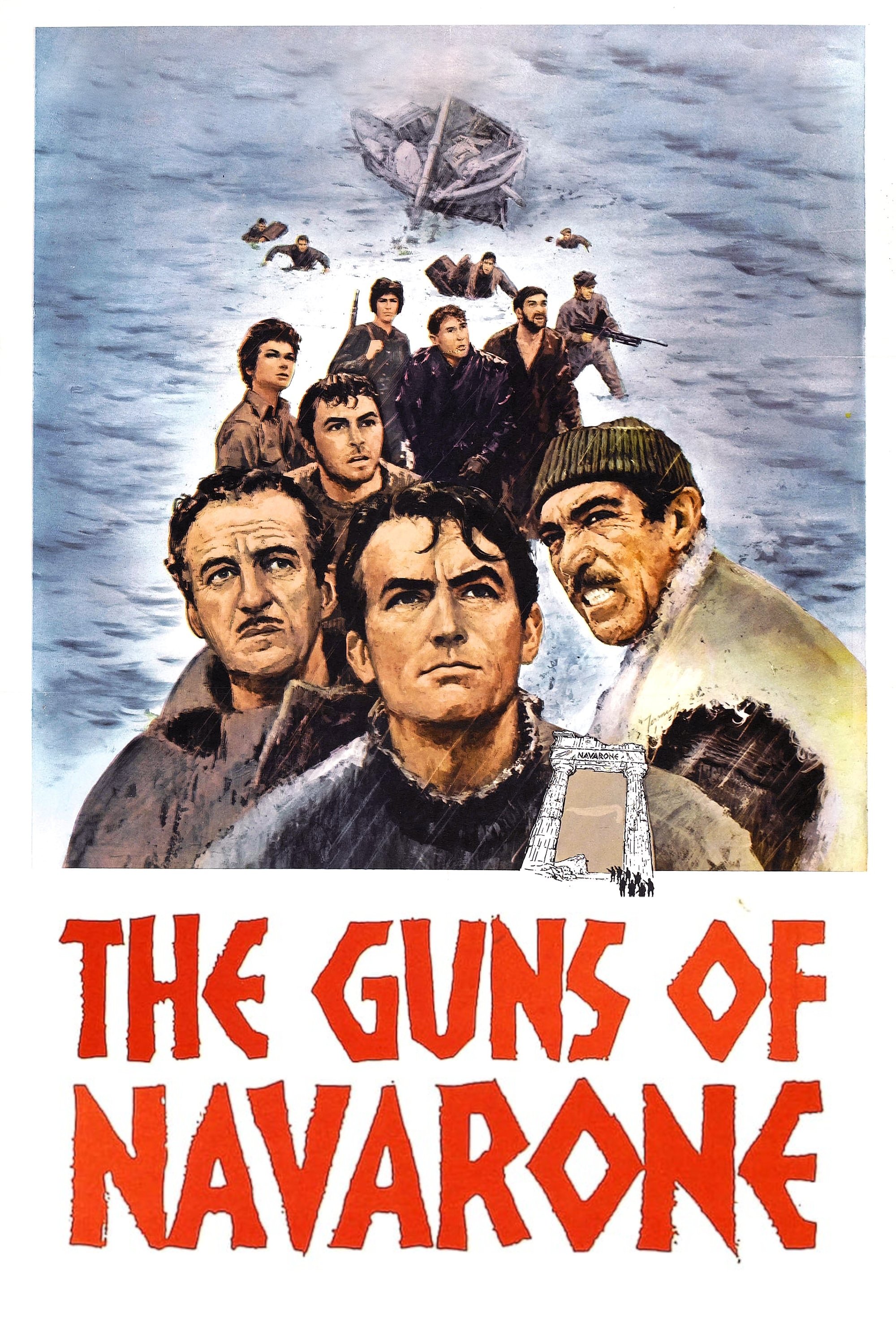
A team of allied saboteurs are assigned an impossible mission: infiltrate an impregnable Nazi-held island and destroy the two enormous long-range field guns that prevent the rescue of 2,000 trapped British soldiers.
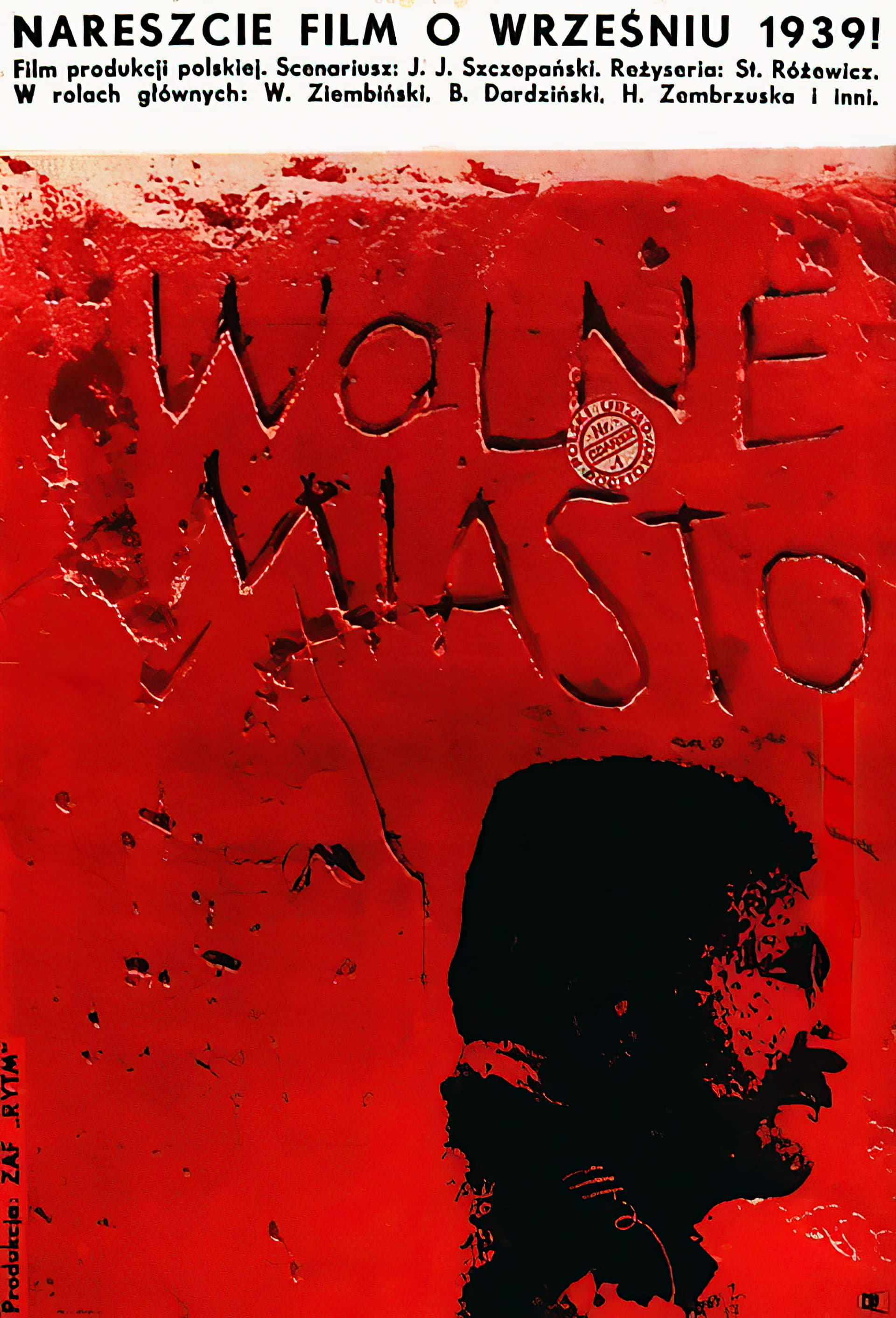
The heroic struggle of Polish post office workers in Gdańsk on the first day of World War II.
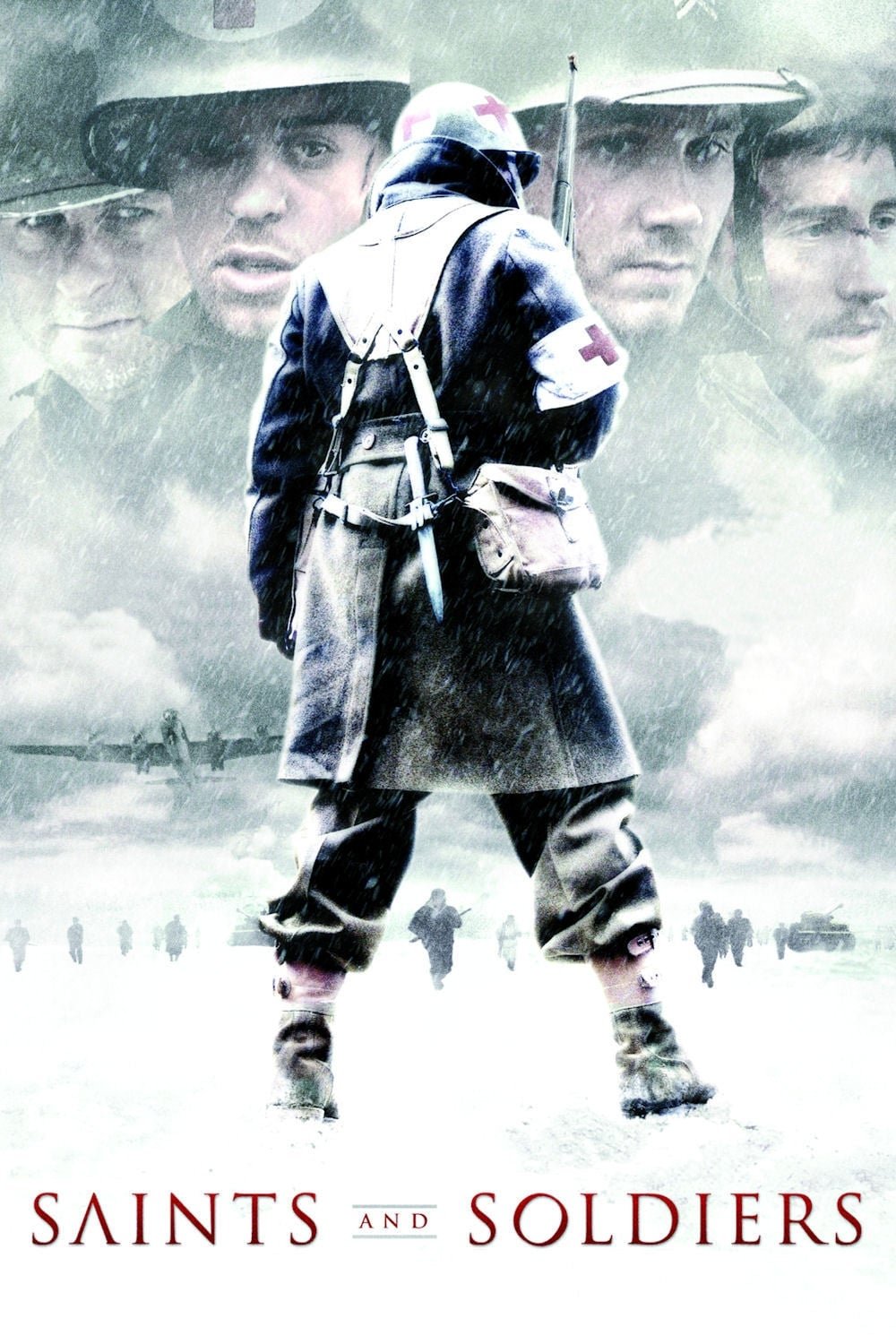
Five American soldiers fighting in Europe during World War II struggle to return to Allied territory after being separated from U.S. forces during the historic Malmedy Massacre.
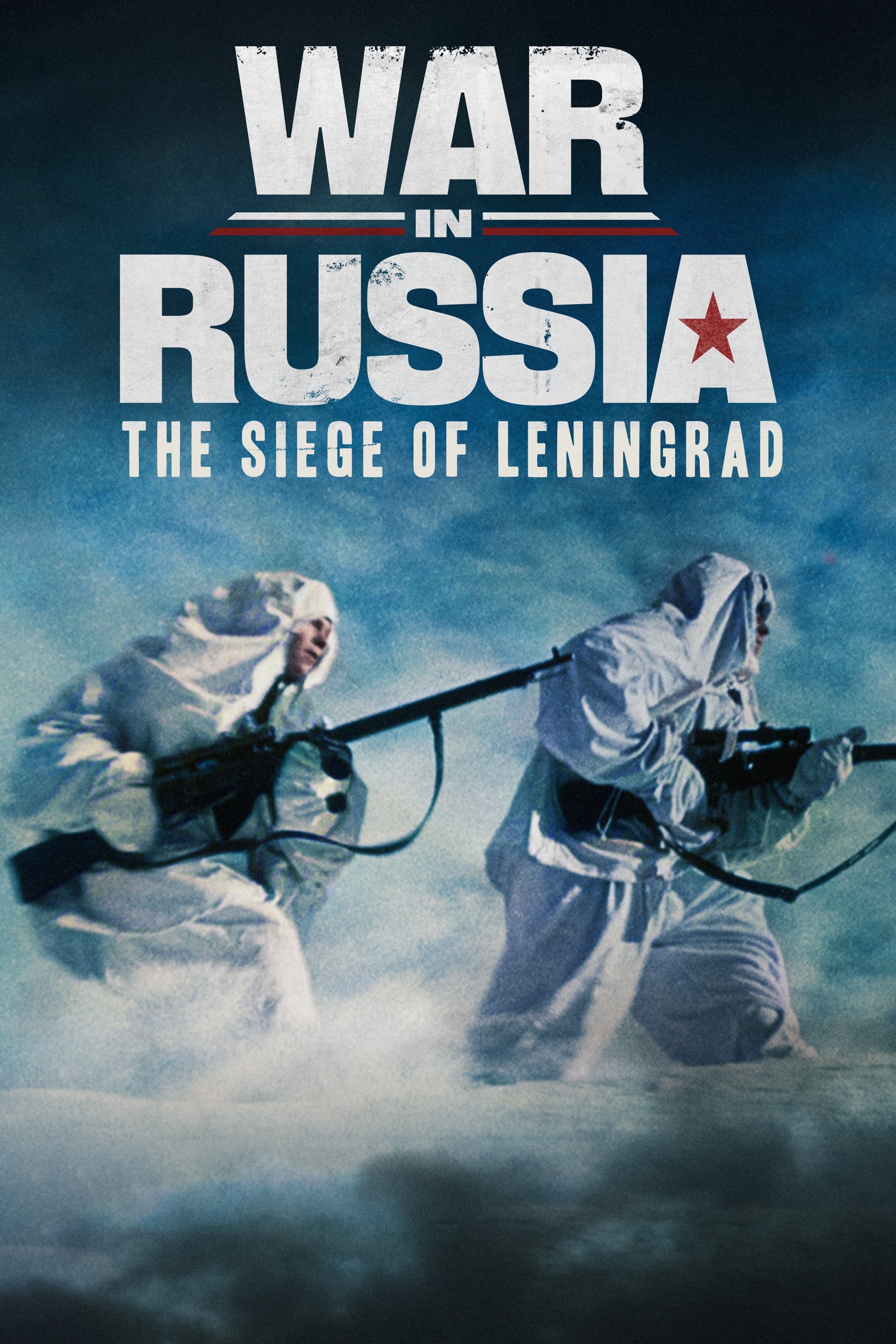
Relive one of the longest and most destructive sieges in history that led to the systematic starvation and destruction of the human population.
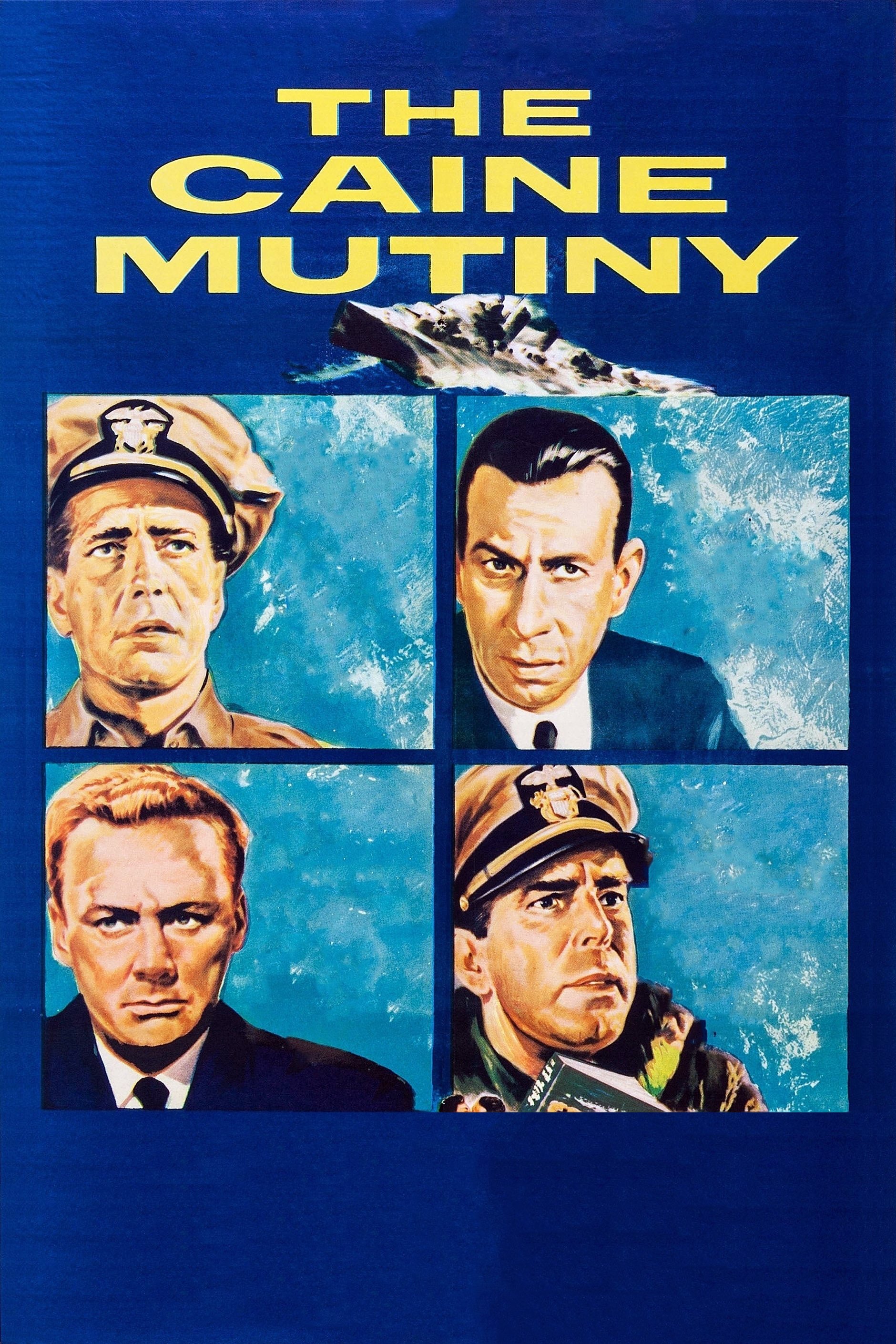
When a US Naval captain shows signs of mental instability that jeopardize his ship, the first officer relieves him of command and faces court martial for mutiny.
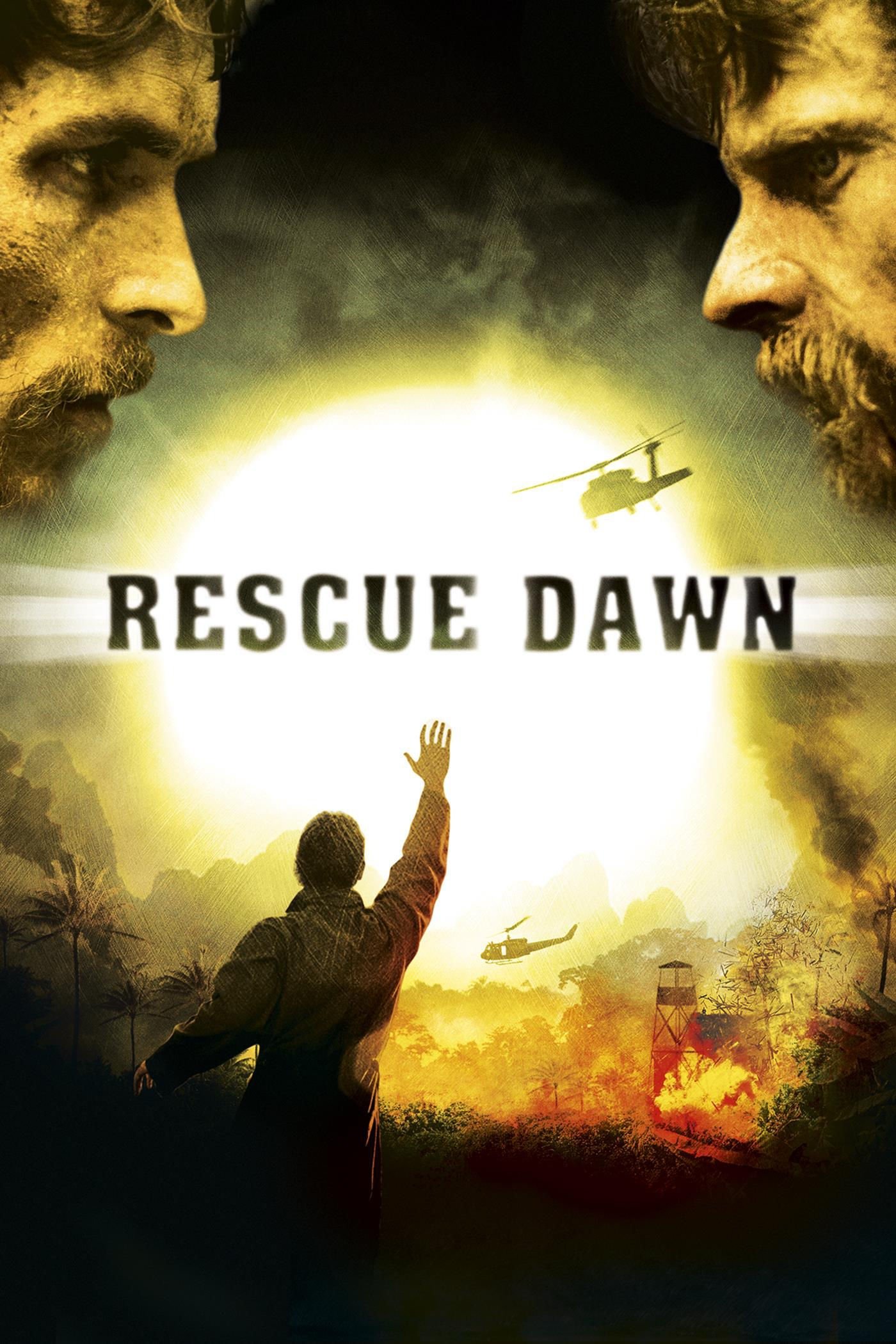
A US Fighter pilot's epic struggle of survival after being shot down on a mission over Laos during the Vietnam War.
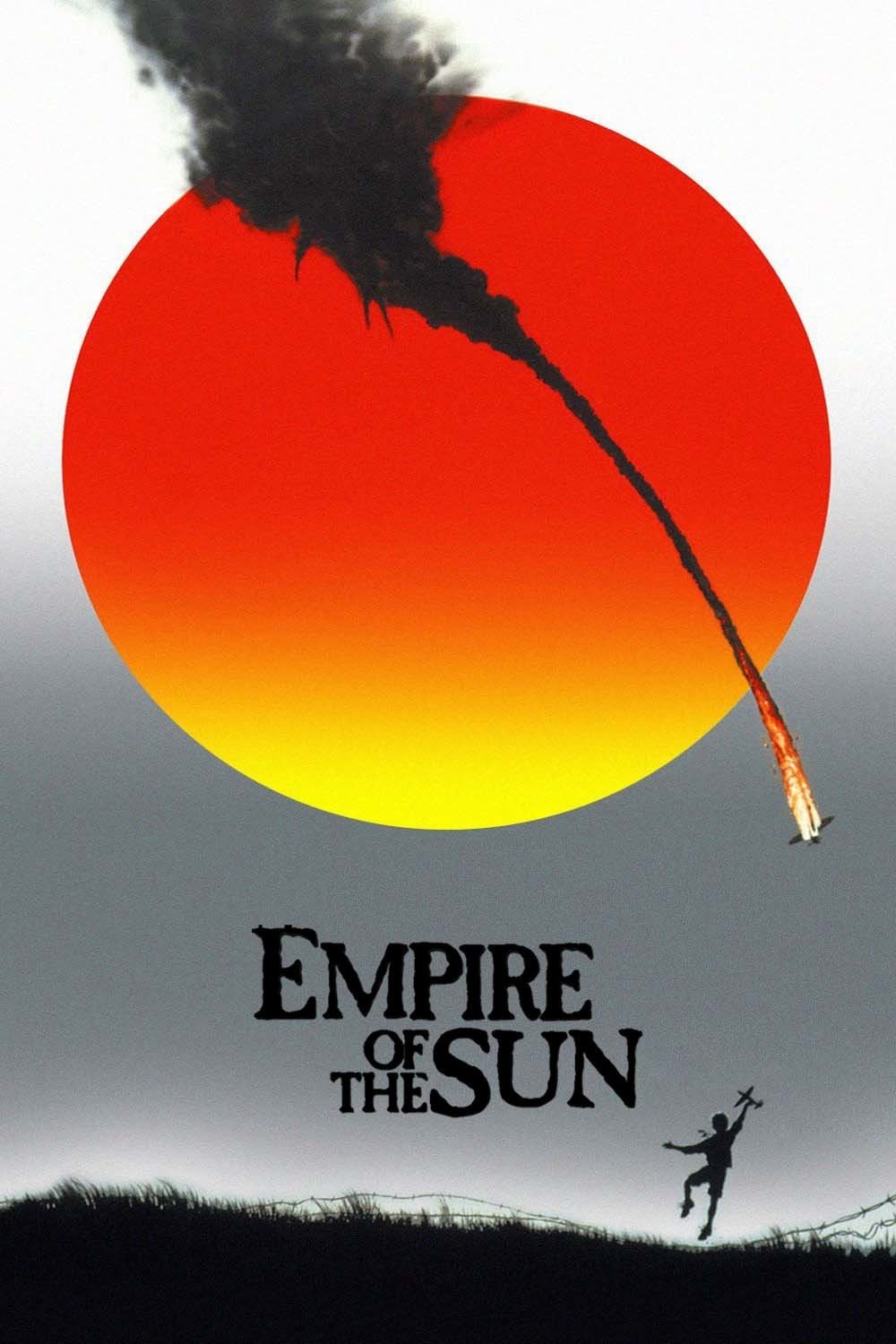
Jamie Graham, a privileged English boy, is living in Shanghai when the Japanese invade and force all foreigners into prison camps. Jamie is captured with an American sailor, who looks out for him while they are in the camp together. Even though he is separated from his parents and in a hostile environment, Jamie maintains his dignity and youthful spirit, providing a beacon of hope for the others held captive with him.
"Heart of the Country" is the story of Shinichi Yasutomo, the extraordinary principal of a rural elementary school in Kanayama, central Hokkaido, Northern Japan. Yasutomo is a man driven by his vision for learning and his passion for educating the heart as well as the mind. The film follows Yasutomo, his teachers and staff, students and their families over the course of one entire school year. The film is also the story of the families of Kanayama. Parents and elders of this once impoverished town embrace Yasutomo's vision, but not without wary glances back to the past. This small community, bound together by love for its children, is also defined by its journey through the cultural upheavals of postwar Japan.
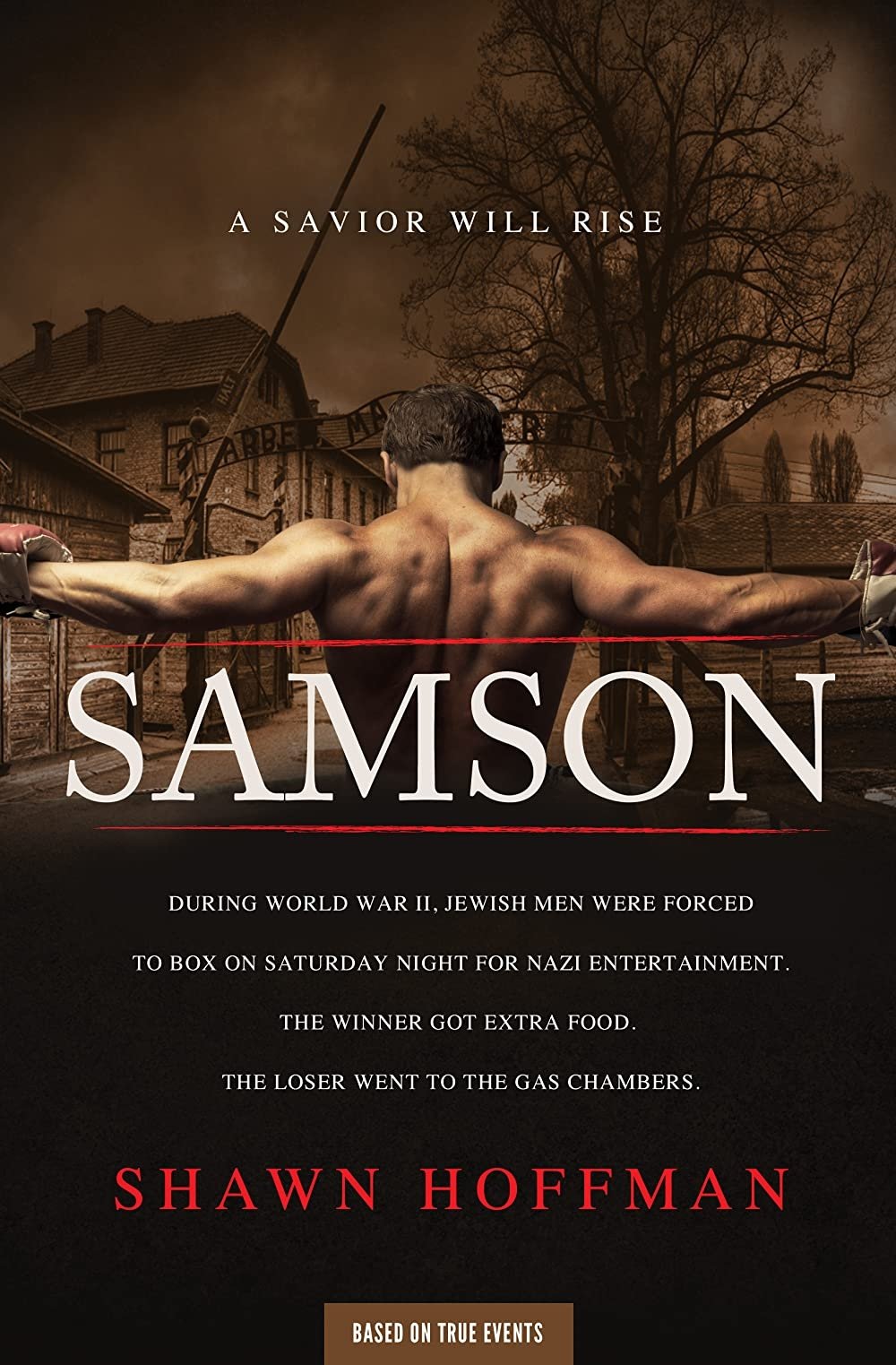
During World War 2, Jewish men were forced to box for Nazi Entertainment. The winner got extra food, the loser went to the gas chambers. Based on true events, a Jewish American Olympian and his family struggle for survival in the midst of the Holocaust.
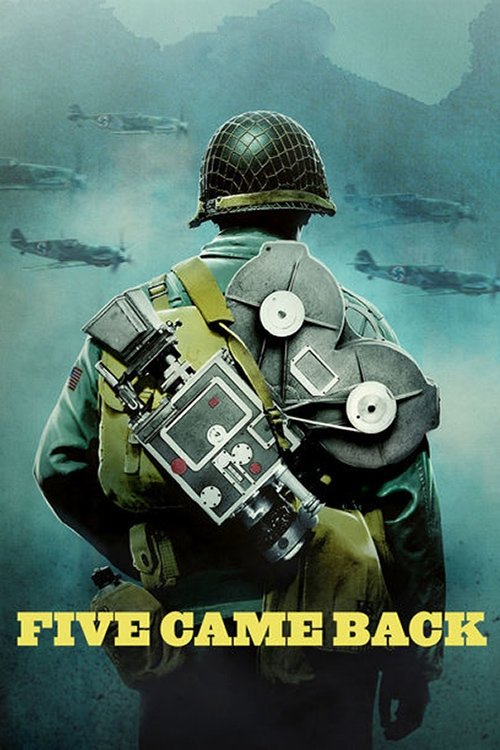
The extraordinary story of how Hollywood changed World War II – and how World War II changed Hollywood, through the interwoven experiences of five legendary filmmakers who went to war to serve their country and bring the truth to the American people: John Ford, William Wyler, John Huston, Frank Capra, and George Stevens. Based on Mark Harris’ best-selling book, “Five Came Back: A Story of Hollywood and the Second World War.”
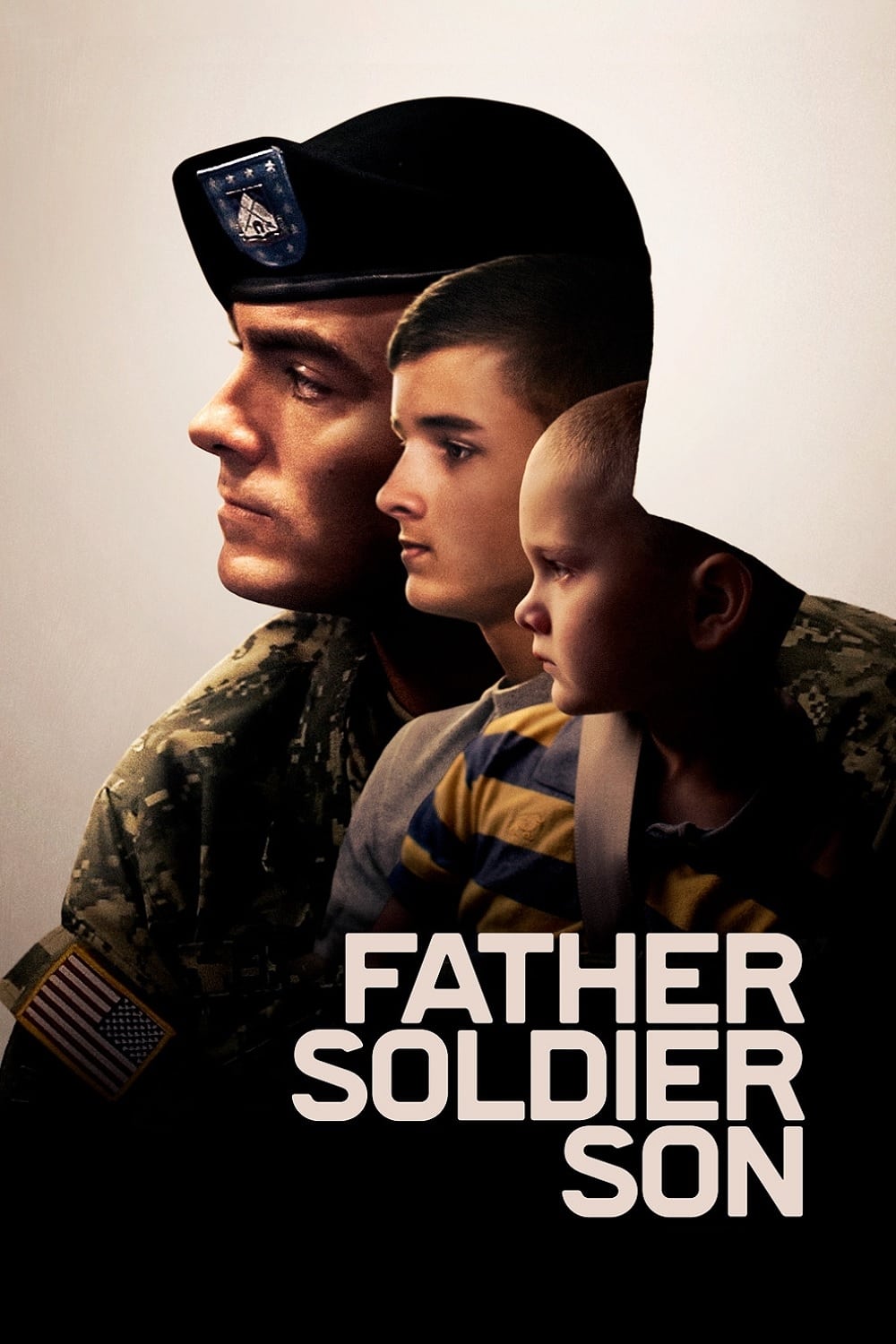
When Sgt. First Class Brian Eisch is critically wounded in Afghanistan, it sets him and his sons on a journey of love, loss, redemption and legacy.
Prelude to War was the first film of Frank Capra's Why We Fight propaganda film series, commissioned by the Pentagon and George C. Marshall. It was made to convince American troops of the necessity of combating the Axis Powers during World War II. This film examines the differences between democratic and fascist states.
"Trinity and Beyond" is an unsettling yet visually fascinating documentary presenting the history of nuclear weapons development and testing between 1945-1963. Narrated by William Shatner and featuring an original score performed by the Moscow Symphony Orchestra, this award-winning documentary reveals previously unreleased and classified government footage from several countries.
Meet the real-life airmen who inspired Masters of the Air as they share the harrowing and transformative events of the 100th Bomb Group.
Amid the failing counteroffensive, a journalist follows a Ukrainian platoon on their mission to traverse one mile of heavily fortified forest and liberate a strategic village from Russian occupation. But the farther they advance through their destroyed homeland, the more they realize that this war may never end.
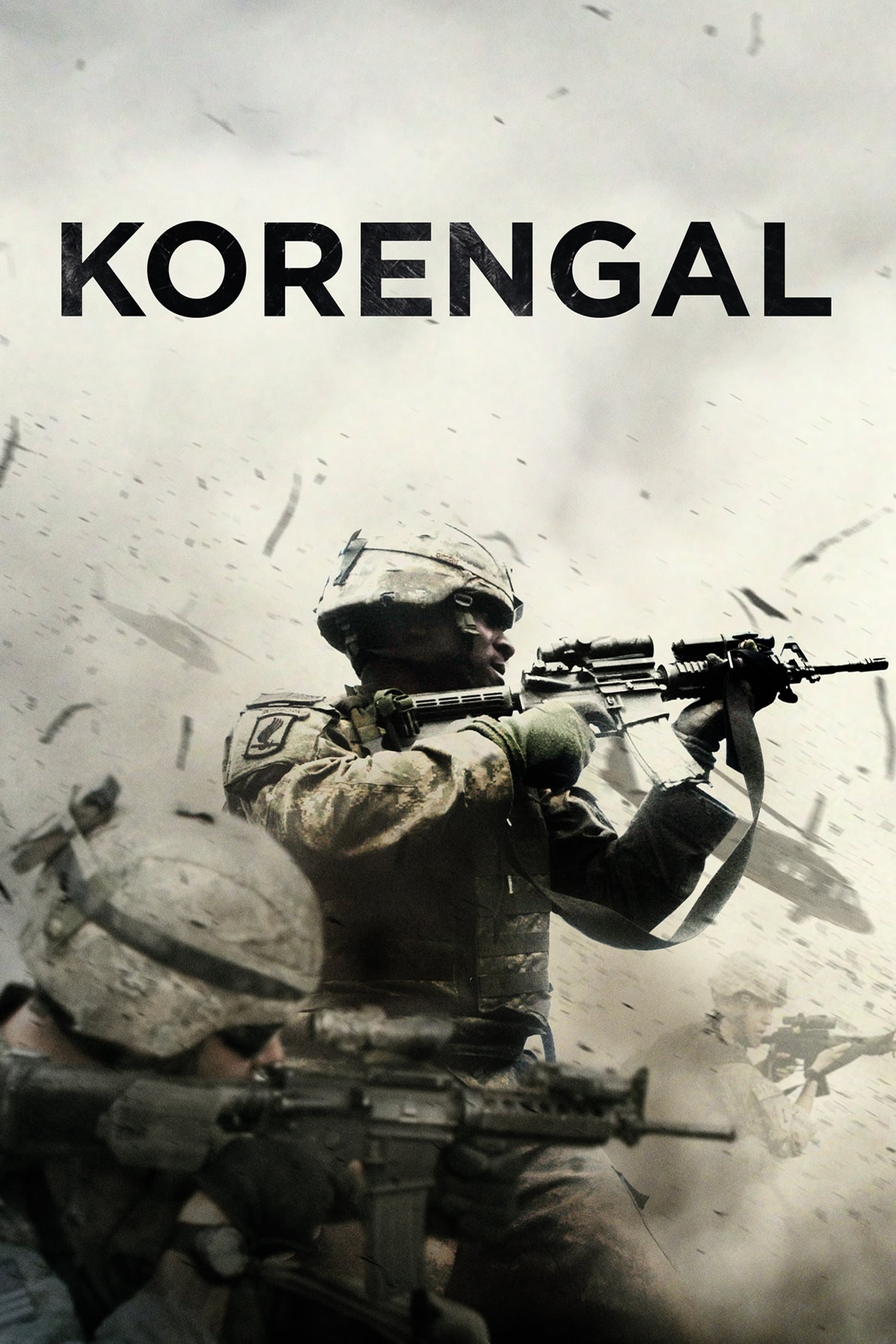
Korengal picks up where Restrepo left off; the same men, the same valley, the same commanders, but a very different look at the experience of war.
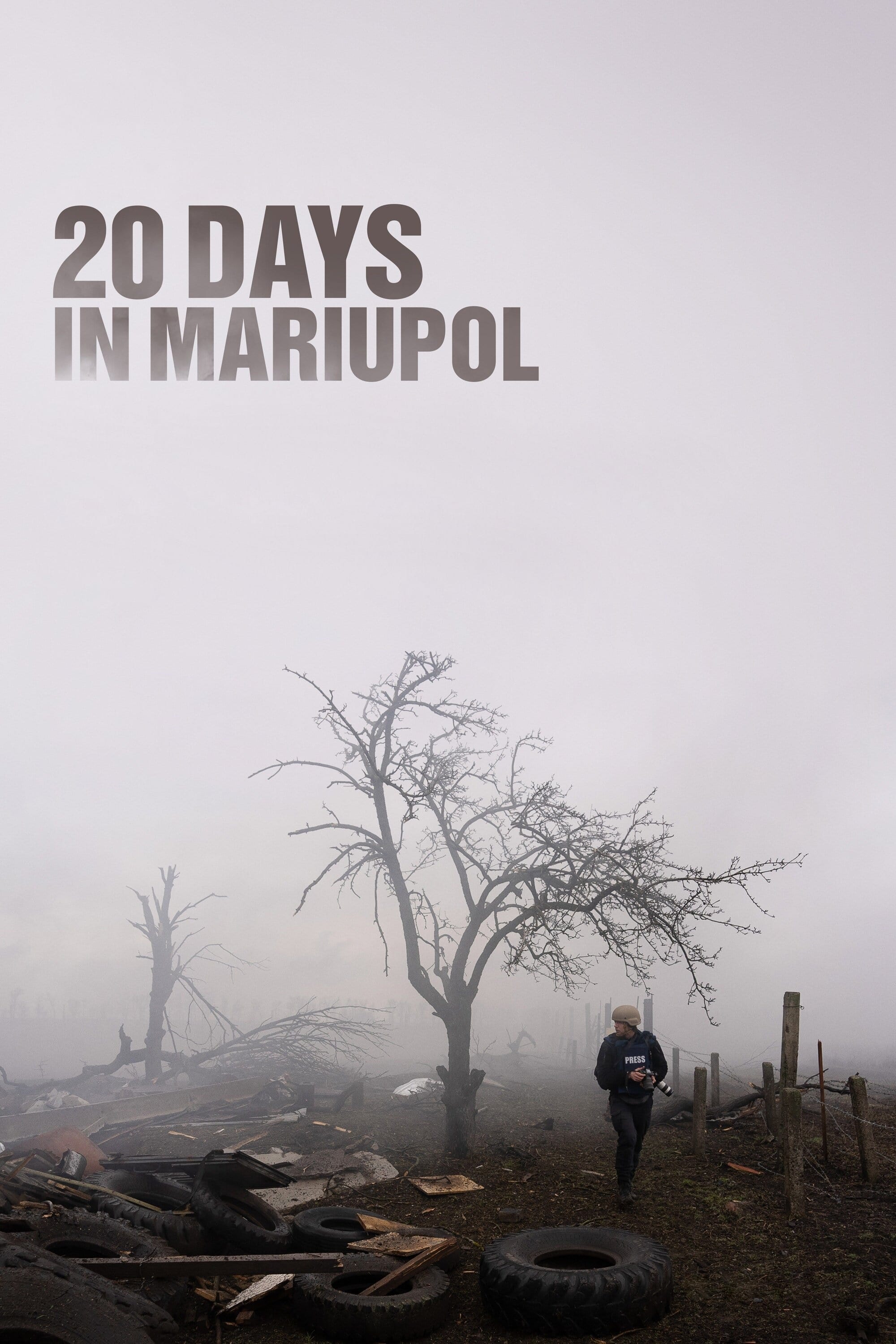
As the Russian invasion begins, a team of Ukrainian journalists trapped in the besieged city of Mariupol struggle to continue their work documenting the war's atrocities.
A documentary about World War I with never-before-seen footage to commemorate the centennial of Armistice Day, and the end of the war.
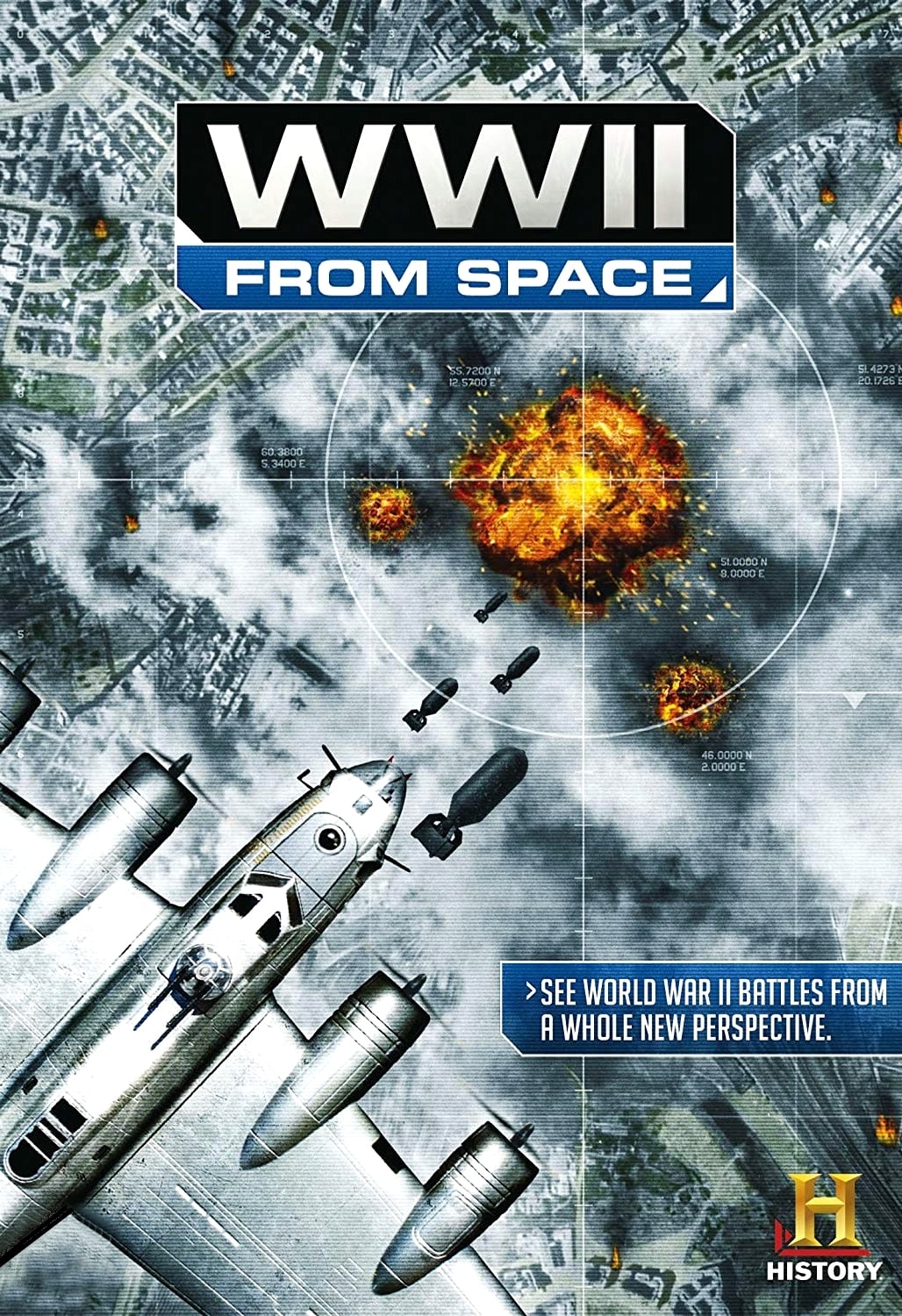
WWII from Space delivers World War II in a way you've never experienced it before. This HISTORY special uses an all-seeing CGI eye that offers a satellite view of the conflict, allowing you to experience it in a way that puts key events and tipping points in a global perspective. By re-creating groundbreaking moments that could never have been captured on camera, and by illustrating the importance of simultaneity and the hidden effects of crucial incidents, HISTORY presents the war's monumental moments in a never-before-seen context. And with new information brought to the forefront, you'll better understand how a nation ranked 19th in the world's militaries in 1939 emerged six years later as the planet's only atomic superpower.
A love letter from a young mother to her daughter, the film tells the story of Waad al-Kateab’s life through five years of the uprising in Aleppo, Syria as she falls in love, gets married and gives birth to Sama, all while cataclysmic conflict rises around her. Her camera captures incredible stories of loss, laughter and survival as Waad wrestles with an impossible choice– whether or not to flee the city to protect her daughter’s life, when leaving means abandoning the struggle for freedom for which she has already sacrificed so much.
“The Soviet Story” is a story of an Allied power, which helped the Nazis to fight Jews and which slaughtered its own people on an industrial scale. Assisted by the West, this power triumphed on May 9th, 1945. Its crimes were made taboo, and the complete story of Europe’s most murderous regime has never been told. Until now...
This documentary movie is about the battle of San Pietro, a small village in Italy. Over 1,100 US soldiers were killed while trying to take this location, that blocked the way for the Allied forces from the Germans. Preserved by the Academy Film Archive in 2005.
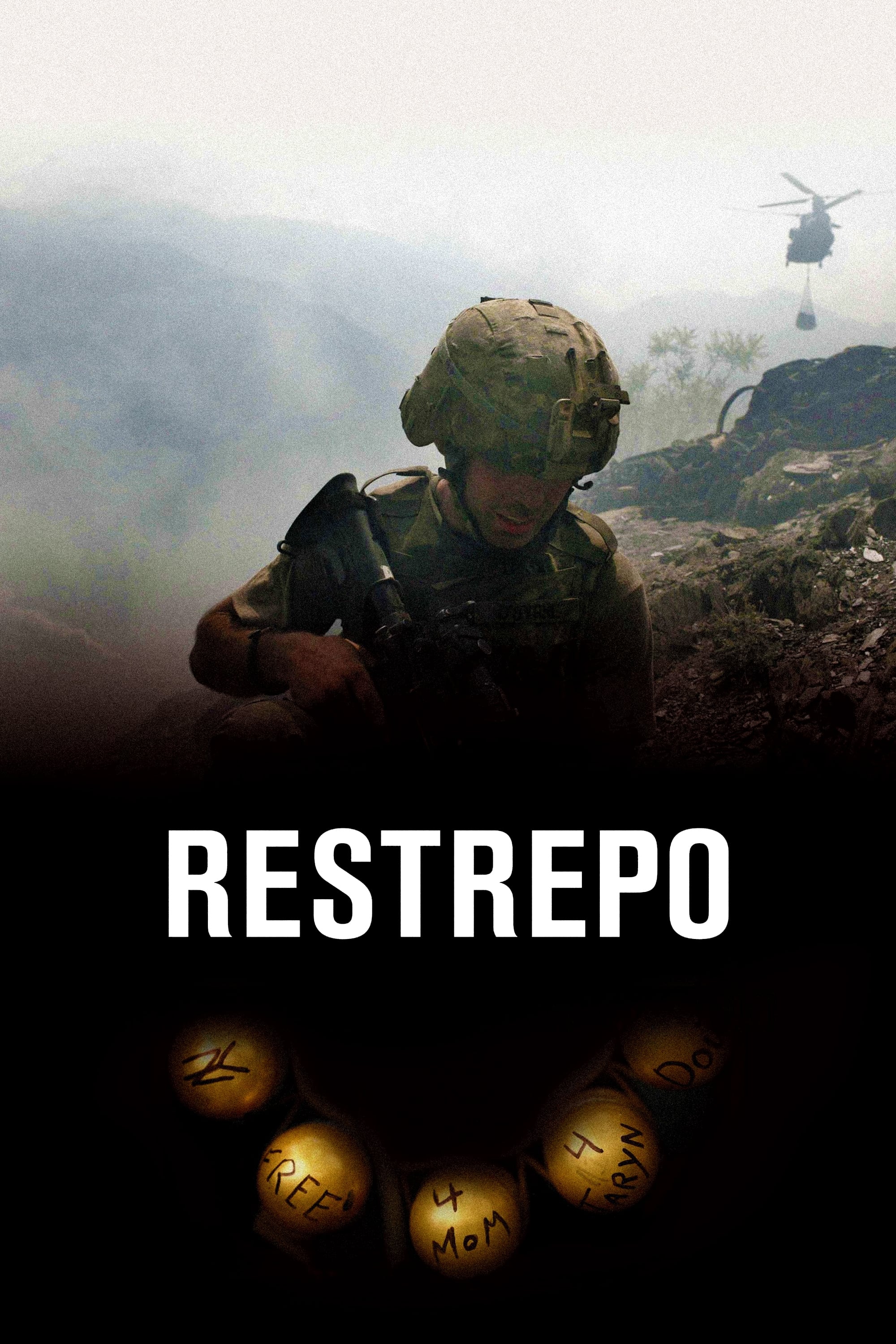
Directors Hetherington and Junger spend a year with the 2nd Battalion of the United States Army located in one of Afghanistan's most dangerous valleys. The documentary provides insight and empathy on how to win the battle through hard work, deadly gunfights and mutual friendships while the unit must push back the Taliban.
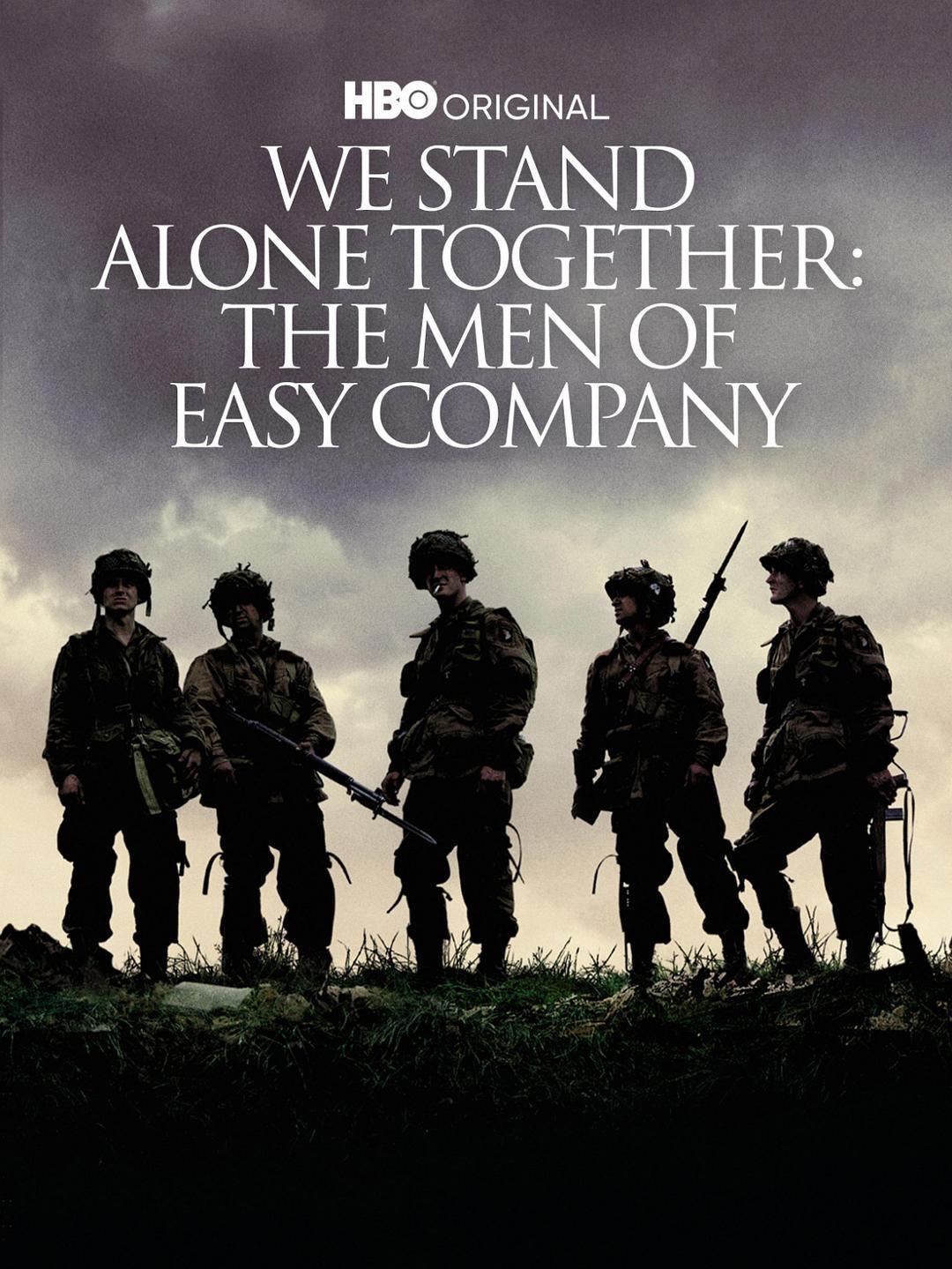
Over a period of two years, Mark Cowen and his crew travelled to thirty U.S. states and ten European cities, to interview the veterans of Easy Company. The stories told by the veterans themselves, create a history of the Second World War from the point of view of this heroic company of men, made famous in the mini-series Band of Brothers.
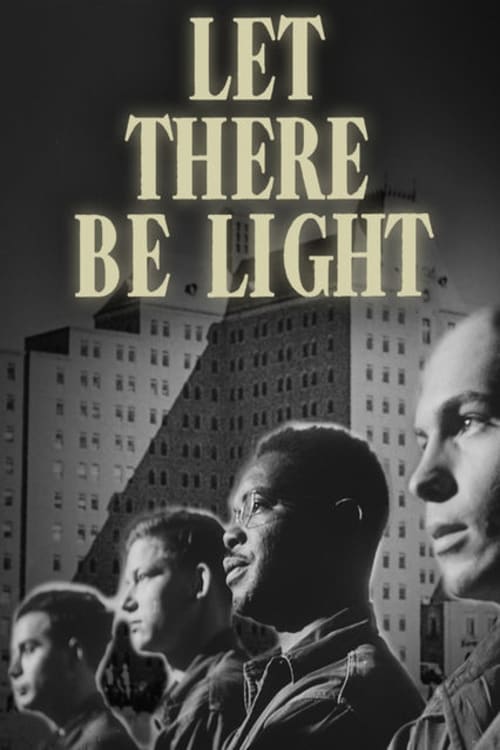
The final entry in a trilogy of films produced for the U.S. government by John Huston. Some returning combat veterans suffer scars that are more psychological than physical. This film follows patients and staff during their treatment. It deals with what would now be called PTSD, but at the time was categorised as psychoneurosis or shell-shock. Government officials deemed this 1946 film counterproductive to postwar efforts; it was not shown publicly until 1981.
Director Peter Joseph examines examples of economic subjugation and offers solutions based on alignment with nature.
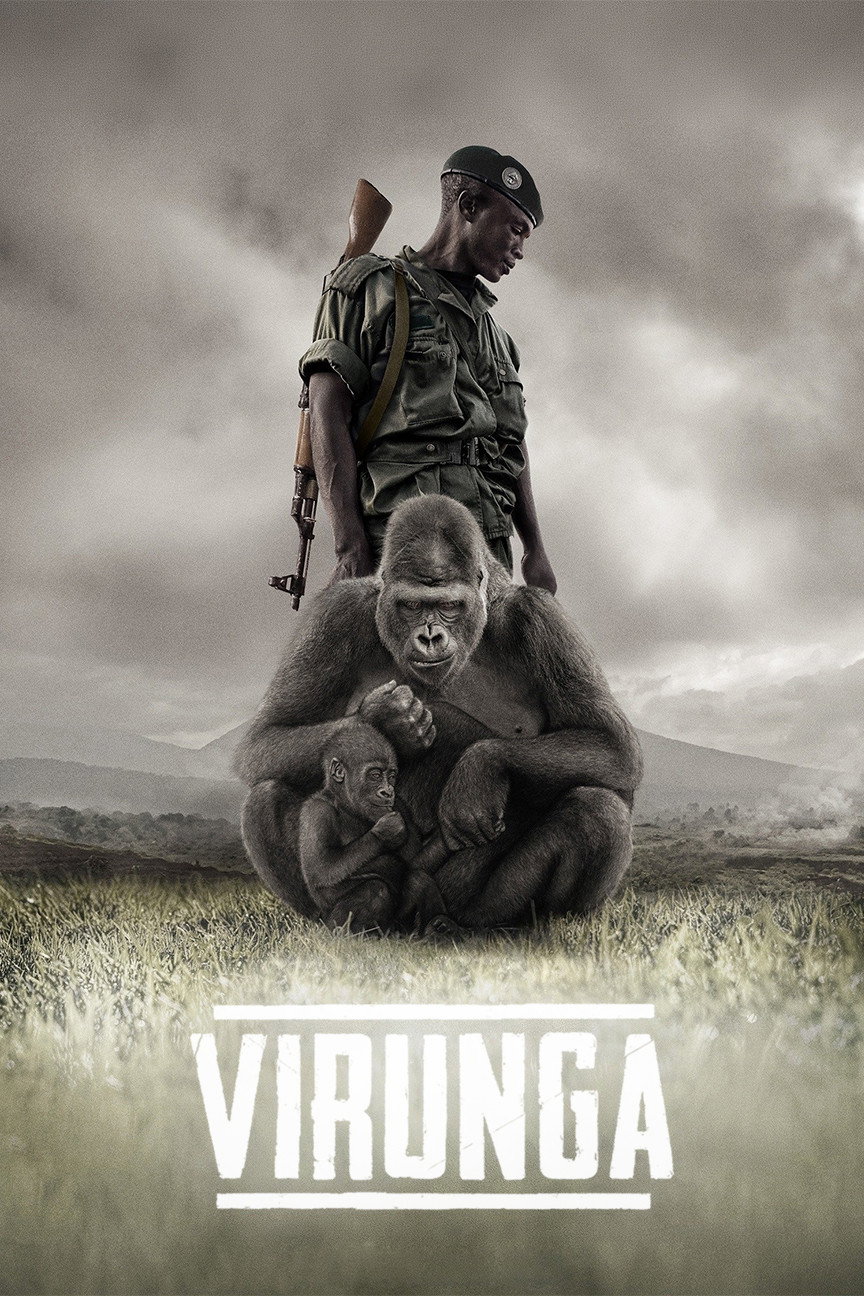
Virunga in the Democratic Republic of the Congo is Africa’s oldest national park, a UNESCO world heritage site, and a contested ground among insurgencies seeking to topple the government that see untold profits in the land. Among this ongoing power struggle, Virunga also happens to be the last natural habitat for the critically endangered mountain gorilla. The only thing standing in the way of the forces closing in around the gorillas: a handful of passionate park rangers and journalists fighting to secure the park’s borders and expose the corruption of its enemies. Filled with shocking footage, and anchored by the surprisingly deep and gentle characters of the gorillas themselves, Virunga is a galvanizing call to action around an ongoing political and environmental crisis in the Congo.
With unprecedented access, this documentary follows the extraordinary journey of “Raqqa is Being Slaughtered Silently”—a group of anonymous citizen journalists who banded together after their homeland was overtaken by ISIS—as they risk their lives to stand up against one of the greatest evils in the world today.
Journey into the extraordinary world of "The Witcher" — from casting the roles to Jaskier's catchy song — in this behind-the-scenes look at the series.