Social & External
The people behind it
Aaron Stielstra
Niccolò Machiavelli
Frank Messina
Francesco Del Giocondo
Roberto Visconti
Ser Piero
Marcello Sbigoli
Agostino Vespucci
Alessio Arzilli
Salaì
Nick Chandler
Francesco Melzi
Rosario Campisi
Cardinal D'Aragon
Sergio Di Pasquale Luci
Secretary De Beatis
Alessandro Demcenko
Leonardo da Vinci
Peter Xifo
Leonardo after 1513
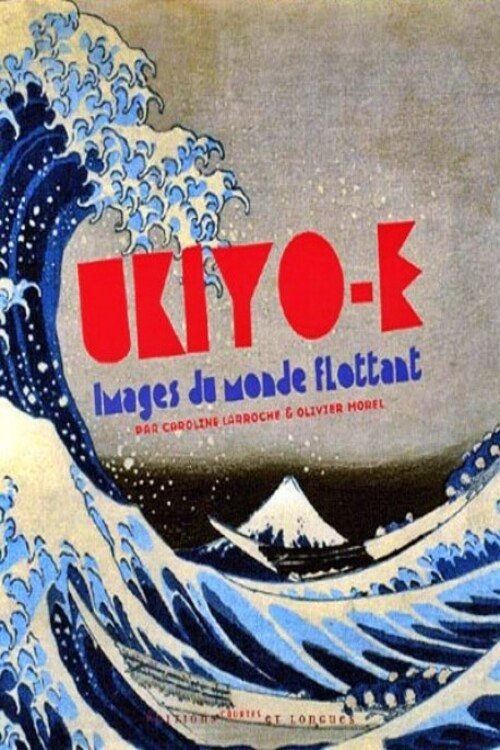
400 years ago, in Japan, a revolutionary art was born and would influence the greatest Western artists of the late nineteenth century, the Ukiyo-E "floating images of the world." A wonderful trip in a world of beauty and discovery. The concept and objectives of this documentary are, on the one hand, to show, teach and discover Japanese art (Japanese stamps and prints) and, on the other hand, to demonstrate the influence of Japanese stamps on Western modern art, showing in comparison some of the Most famous paintings (impressionism or paintings by Van Gogh).
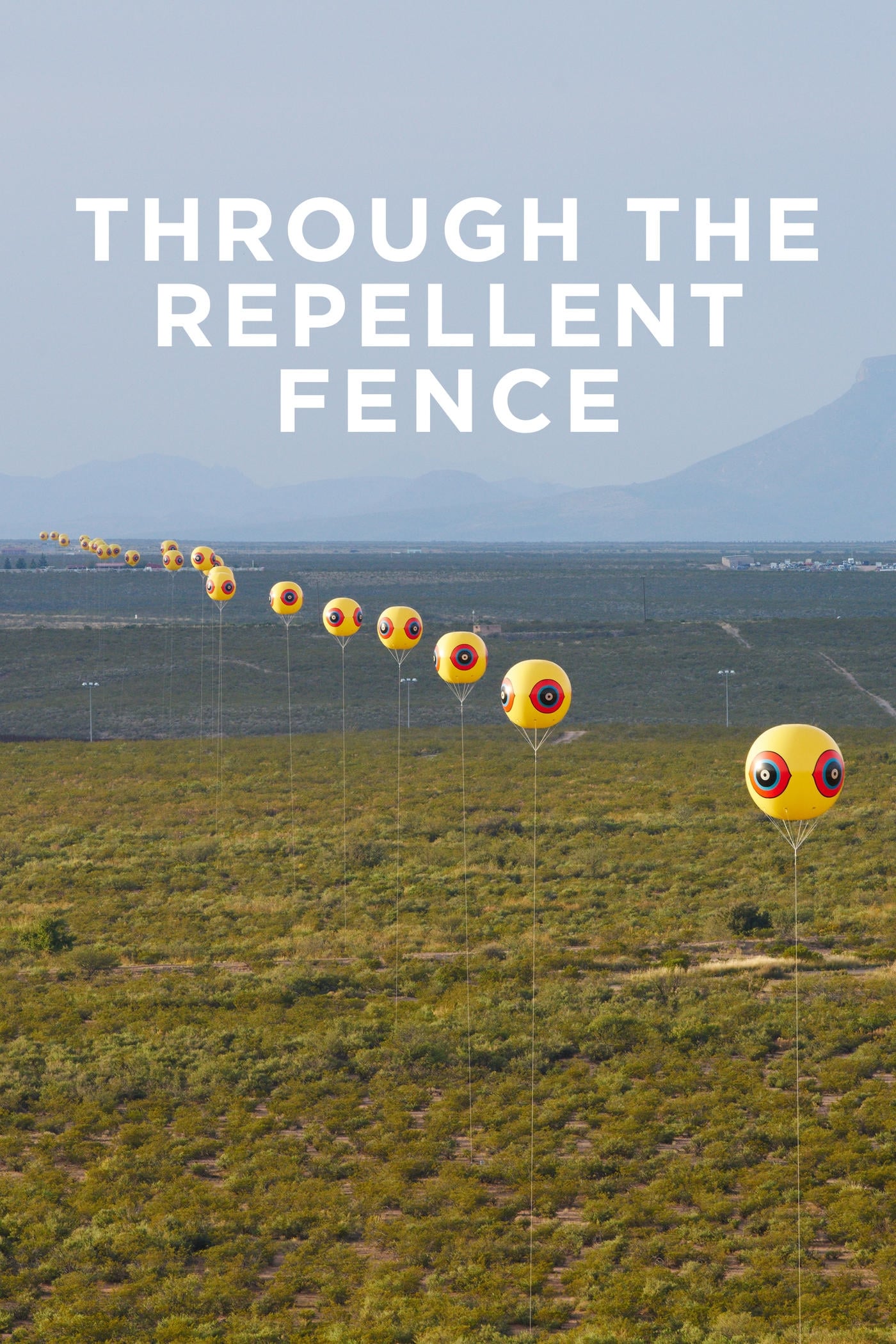
The film follows Postcommodity, an interdisciplinary arts collective comprised of Raven Chacon, Cristóbal Martinez and Kade L. Twist, who put land art in a tribal context. The group bring together a community to construct the Repellent Fence, a two-mile long ephemeral monument “stitching” together the US and Mexico.
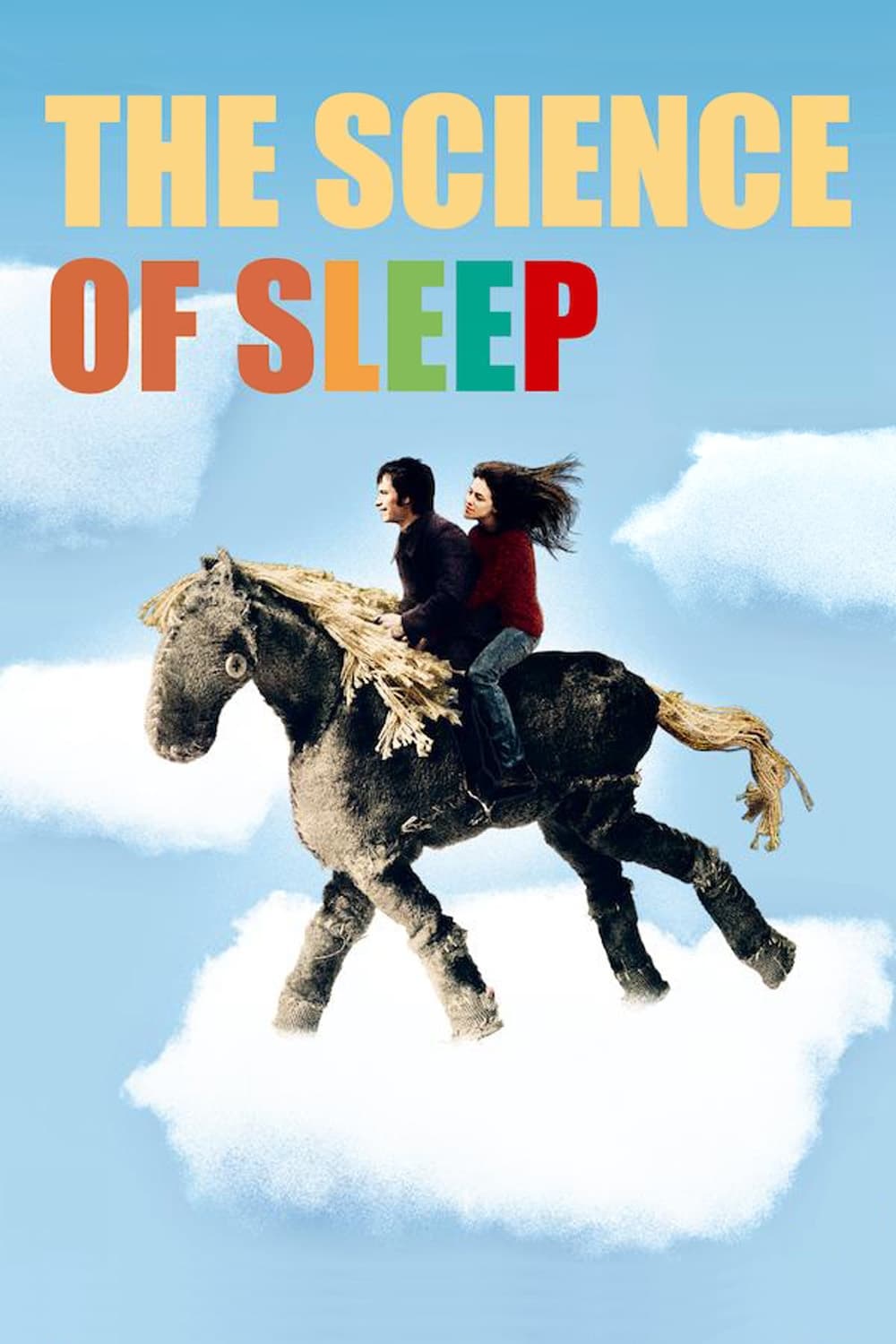
A man entranced by his dreams and imagination is lovestruck with a French woman and feels he can show her his world.
The concrete costs for culture and creativity is here illustrated in punchy images.
Short documentary on the Belgian painter Max Selen.
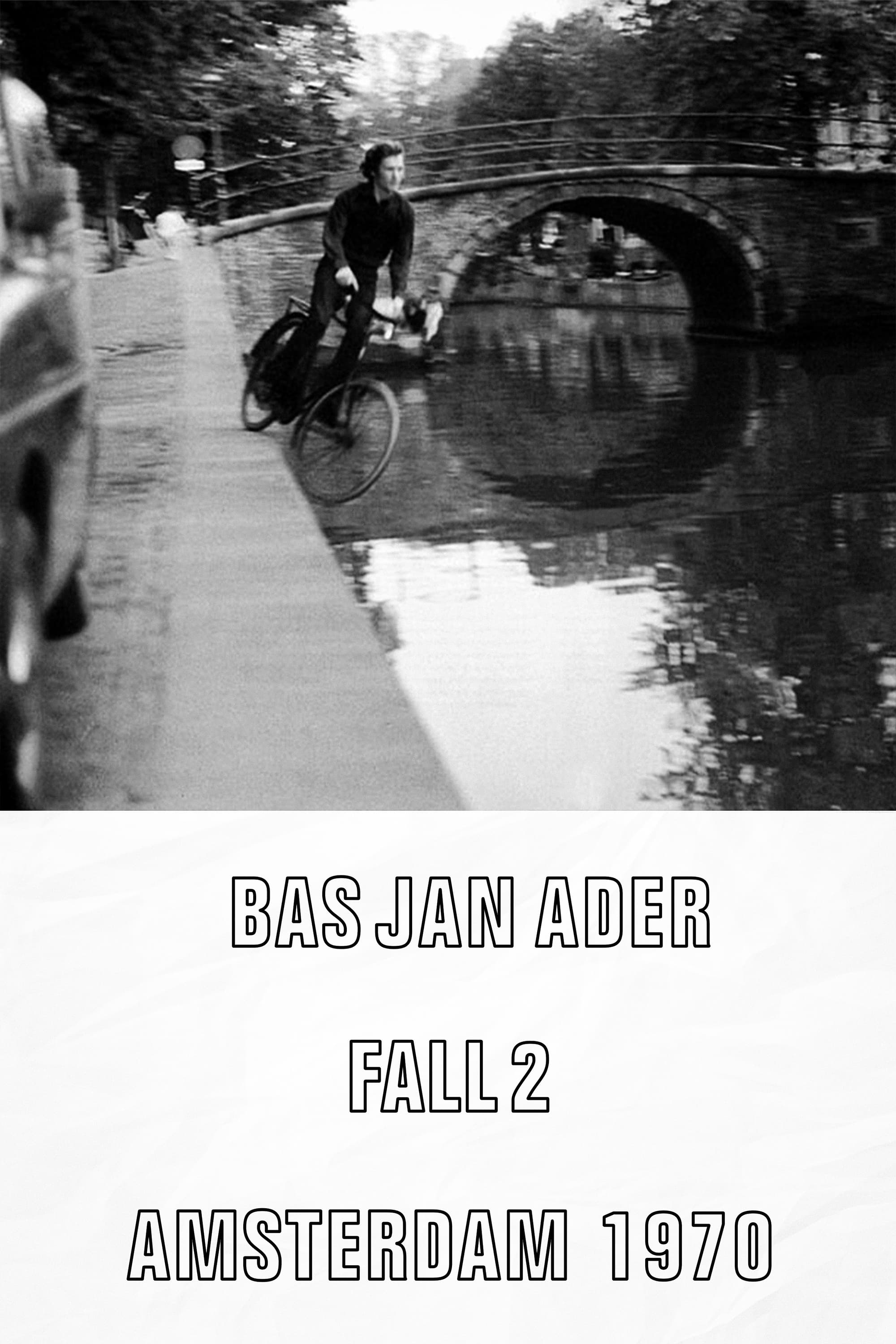
Bas Jan Ader rides his bike into a canal in Amsterdam.
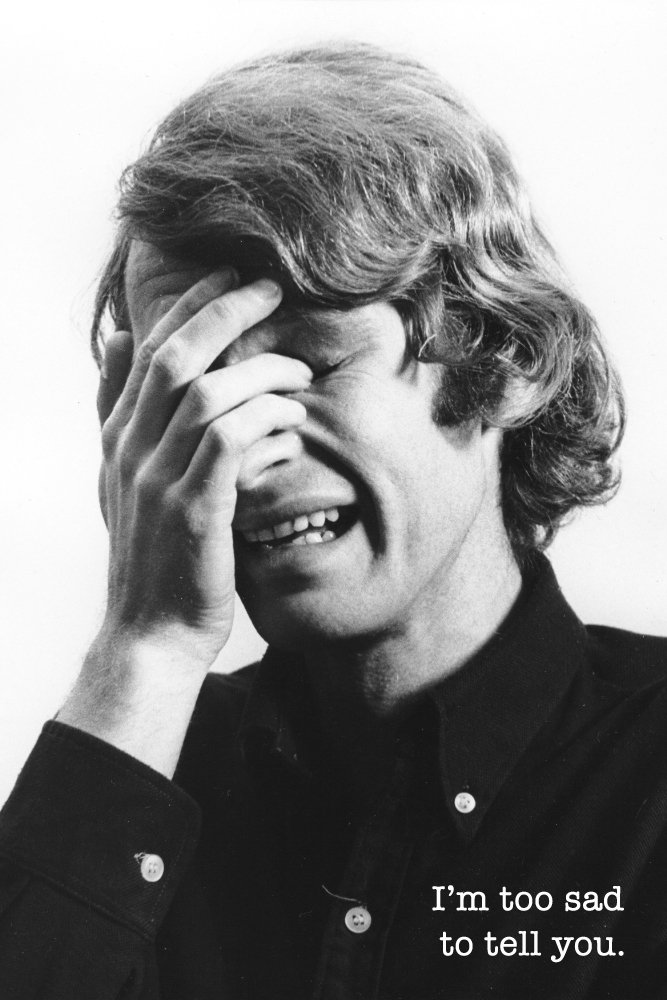
This short film is part of a mixed media artwork of the same name, which also included postcards of Ader crying, sent to friends of his, with the title of the work as a caption. The film was initially ten minutes long, and included Ader rubbing his eyes to produce the tears, but was cut down to three and a half minutes. This shorter version captures Ader at his most anguished. His face is framed closely. There is no introduction or conclusion, no reason given and no relief from the anguish that is presented.
Documentary film based on the artist Akbar Padamsee.
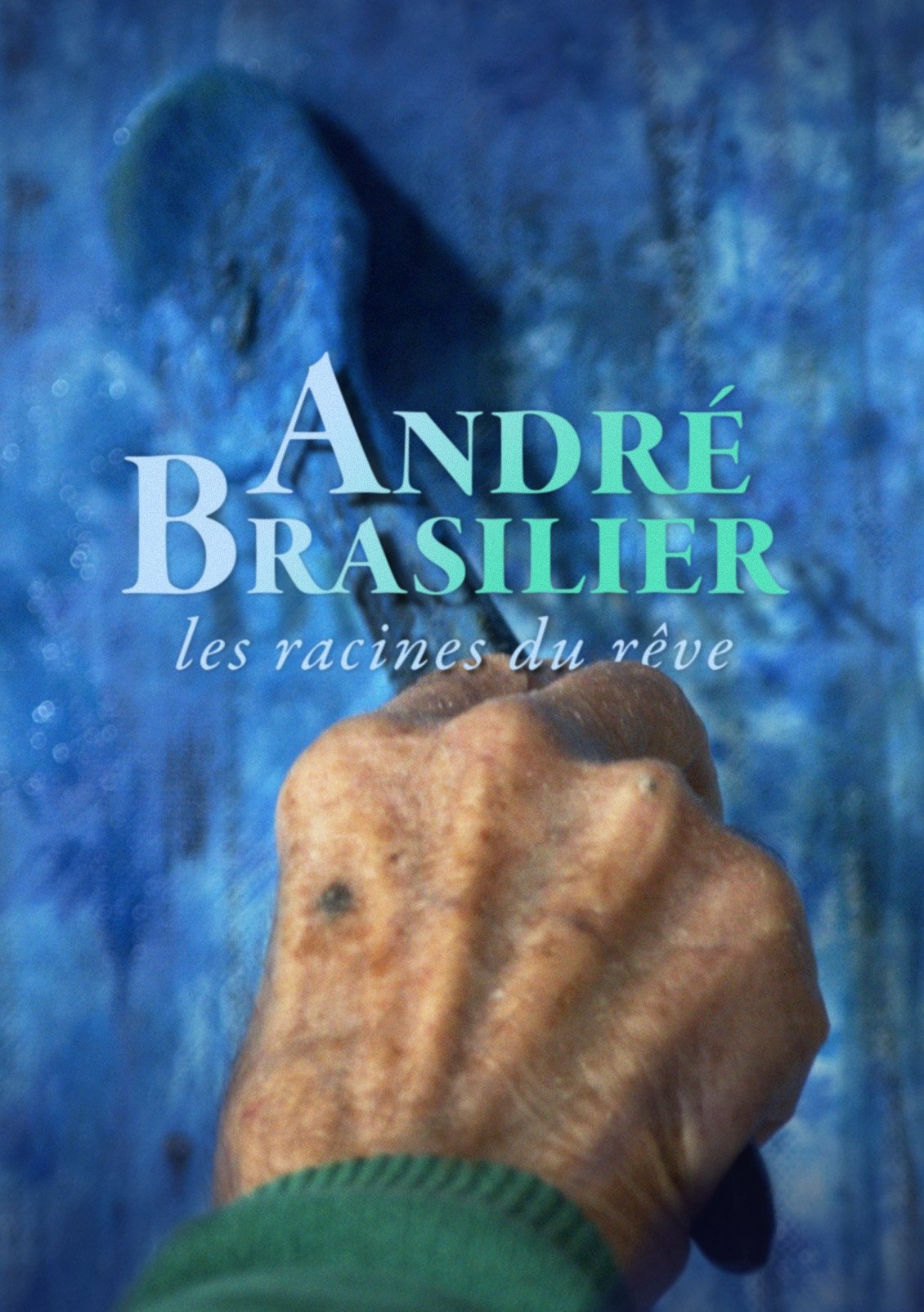
This documentary is a touching and intimate portrait of André Brasilier, both as a man and as an artist. Presented as a testament to his art, the film focuses on two main aspects: André's connection to his youth and early inspirations, and the evolution of his art. The film pays special attention to his wife Chantal, who was André's muse and who appears in many of his paintings.
In the seaside town of Rochefort, twin sisters Delphine and Solange dream of love and artistic fulfillment beyond their quiet lives. As sailors, artists, musicians, and chance visitors pass through town during a weekend fair, a web of near-misses and romantic longing brings ideal partners tantalizingly close—without their realizing it.
Pierrot escapes his boring society and travels from Paris to the Mediterranean Sea with Marianne, a girl chased by hit-men from Algeria. They lead an unorthodox life, always on the run.
Rosalie, an aging art historian, falls in love with a troubled bisexual artist half her age. Their relationship becomes pure torture for them both.
The film documents the life and art of painter Jehangir Sabavala, capturing the intricate relationship between the artist’s vision and his environment. Khopkar describes the challenges of conveying Sabavala’s creative spirit through film, emphasizing the need to engage with the subtleties of colour, light, and composition.
Channel 4 Equinox documentary about the mystery of crop circles, broadcast shortly before Dave Chorley and Doug Bower revealed themselves to have started the craze.
A journey into the hearts, minds and eyes of Georgia O’Keeffe, Emily Carr and Frida Kahlo - three of the 20th century’s most remarkable artists.
Poème Électronique is an 8-minute piece of electronic music by composer Edgard Varèse, written for the Philips Pavilion at the 1958 Brussels World’s Fair. The Philips corporation commissioned Le Corbusier to design the pavilion, which was intended as a showcase of their engineering progress. The pavilion was shaped like a stomach, with a narrow entrance and exit on either side of a large central space. As the audience entered and exited the pavilion, the electronic composition Concret PH by Iannis Xenakis (who also acted as Le Corbusier's architectural assistant for the pavilion's design) was heard. Poème électronique was synchronized to a film of black and white photographs selected by Le Corbusier which touched on vague themes of human existence.
New York based artist, Cindy Sherman, is famous for her photographs of women in which she is not only the photographer, but also the subject. She has contributed her own footage to the programme by recording her studio and herself at work with her Hi-8 video camera. It reveals a range of unexpected sources from visceral horror to medical catalogues and exploitation movies, and explores her real interests and enthusiasms. She shows an intuitive and often humorous approach to her work, and reflects on the themes of her work since the late 1970s. She talks about her pivotal series known as the `Sex Pictures' in which she addresses the theme of sexuality in the light of AIDS and the arts censorship debate in the United States.
This is a 1991 documentary film about the legendary artist and filmmaker, Joseph Cornell, who made those magnificent and strange collage boxes. He was also one of our great experimental filmmakers and once apparently made Salvador Dali extremely jealous at a screening of his masterpiece, Rose Hobart. In this film we get to hear people like Susan Sontag, Stan Brakhage, and Tony Curtis talk about their friendships with the artist. It turns out that Curtis was quite a collector and he seemed to have a very deep understanding of what Cornell was doing in his work.
A young sculptor struggles to finish his masterpiece, a sculpture of a woman, as it inexplicably cracks.
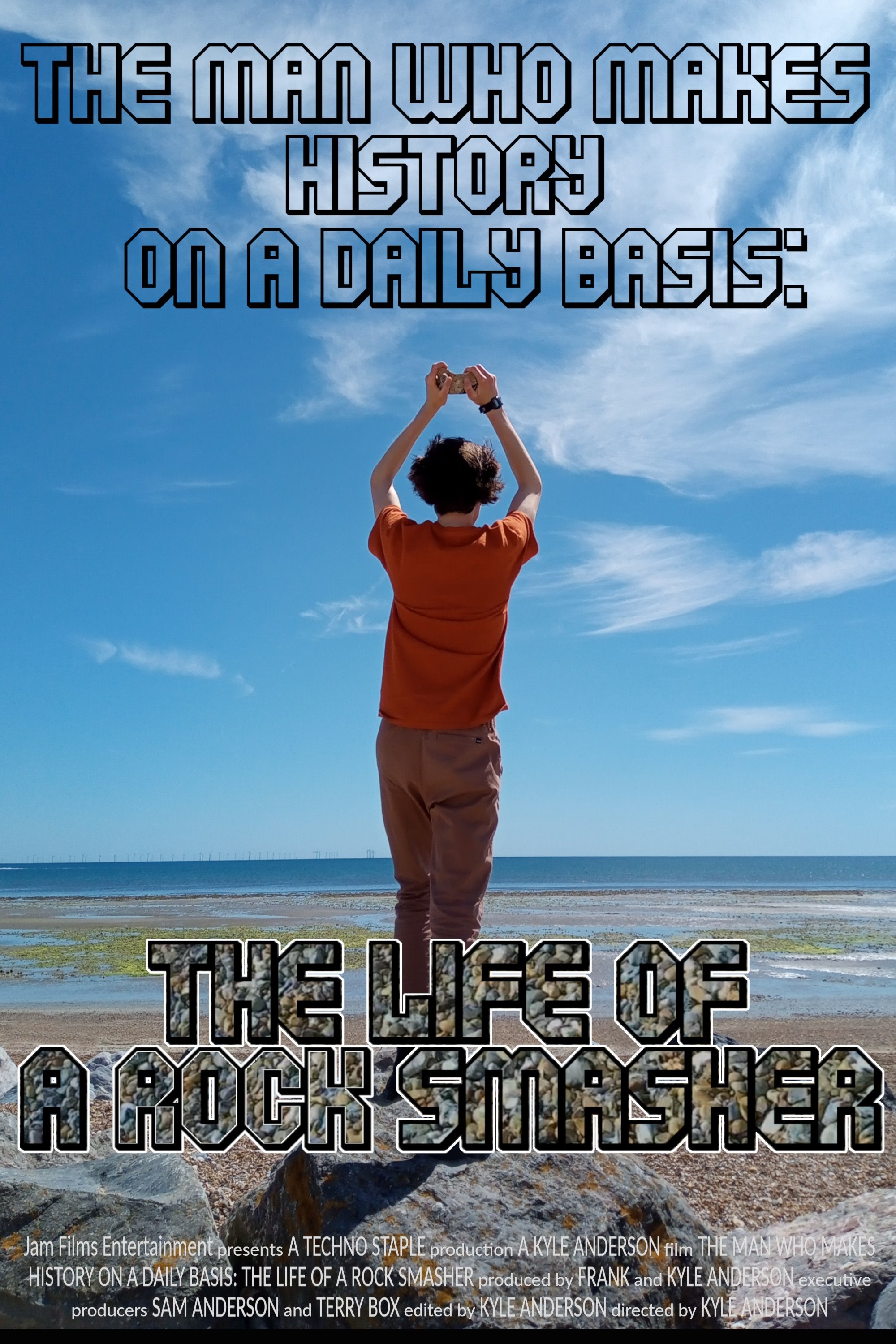
The inspiring story about the professional rock smasher Clive Tapps. A devoted man who plans to fulfill his dream, to smash the biggest rock he has ever faced.
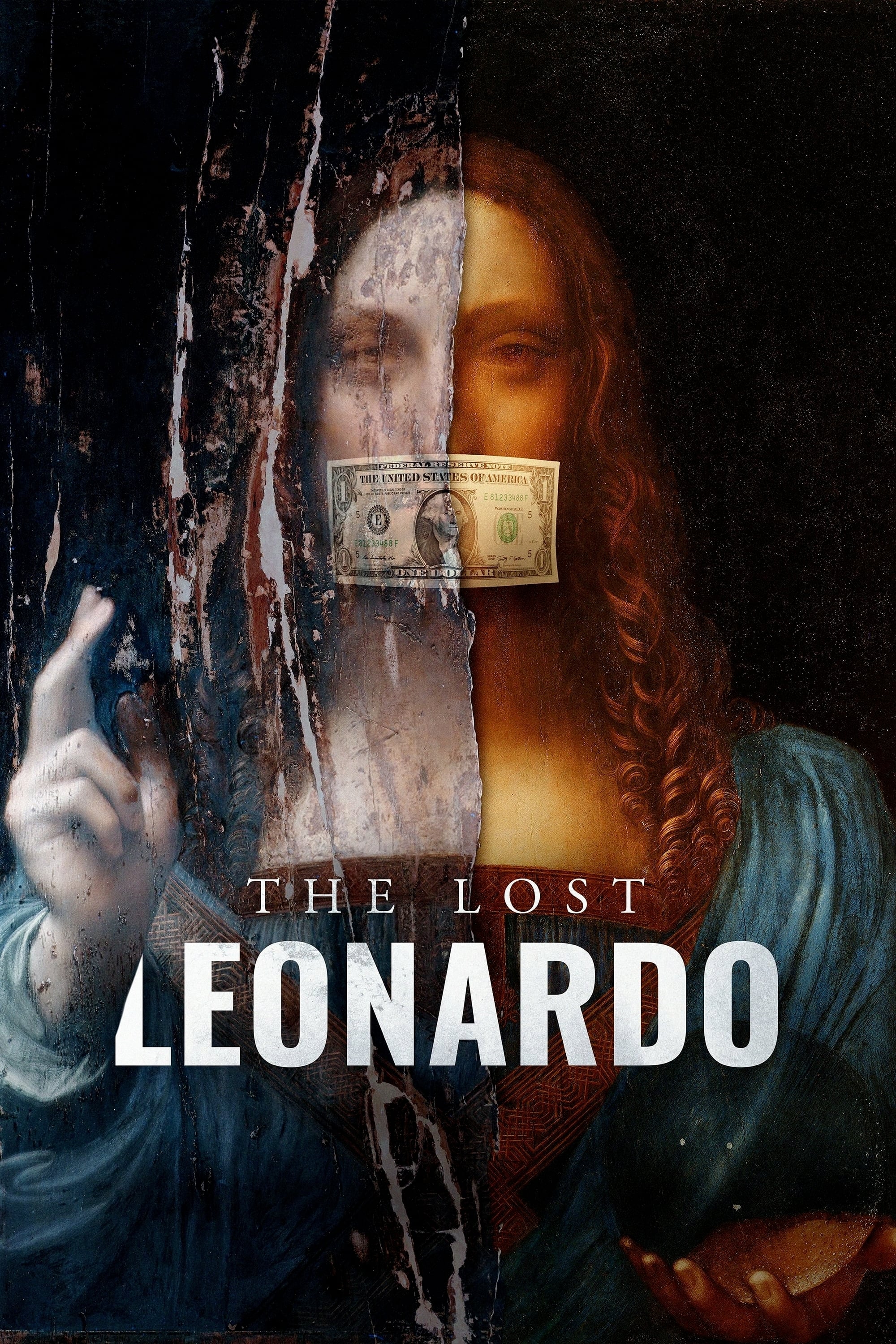
London, England, 2008. Some of the most distinguished experts on the work of Italian artist Leonardo da Vinci (1452-1519) gather at the National Gallery to examine a painting known as Salvator Mundi; an event that turns out to be the first act of one of the most fascinating stories in the history of art.
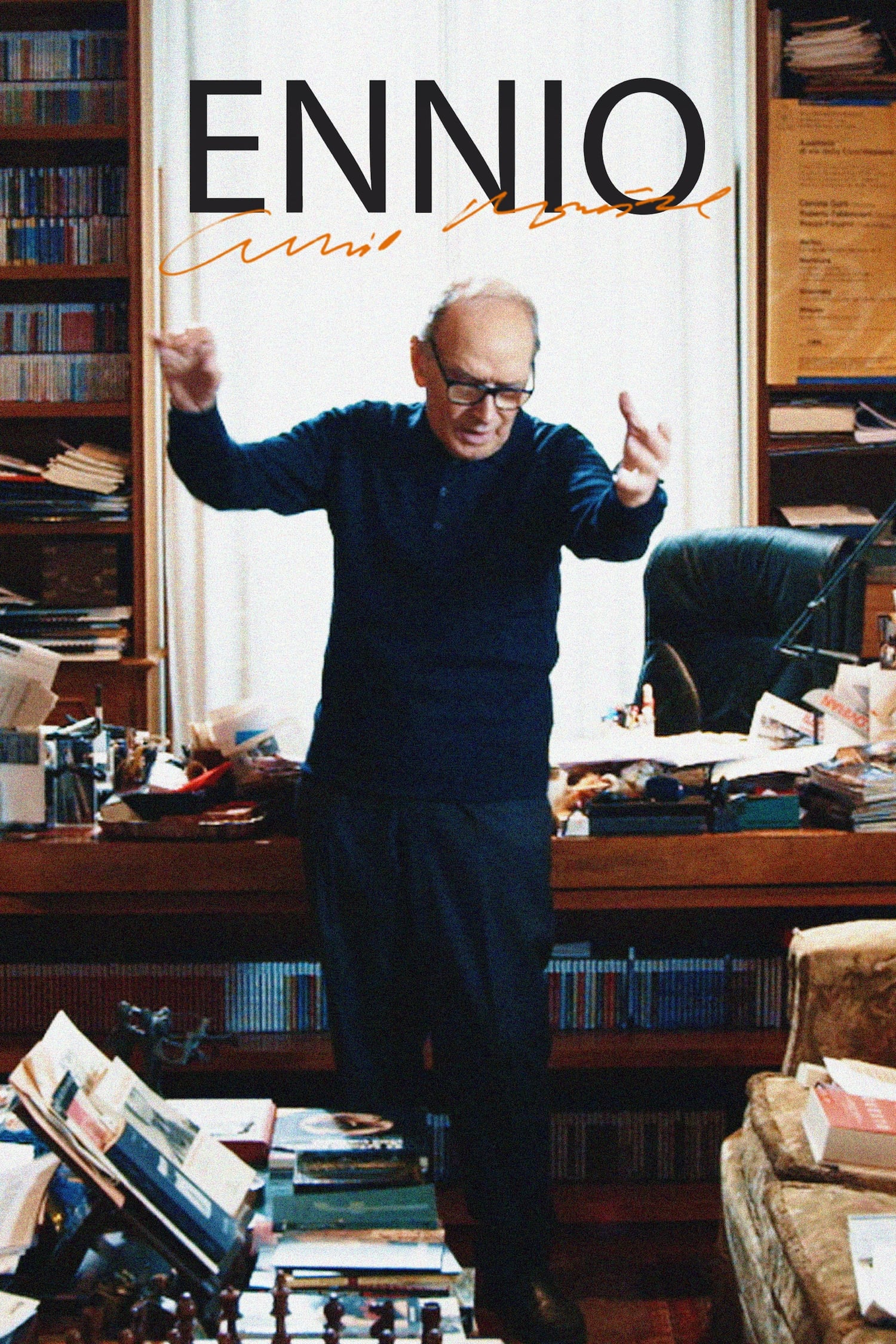
A portrait of Ennio Morricone, the most popular and prolific film composer of the 20th century, the one most loved by the international public, a two-time Oscar winner and the author of over five hundred unforgettable scores.
An unprecedented and intimate look at the life, work and enduring legacy of British actress Audrey Hepburn (1929-1993).
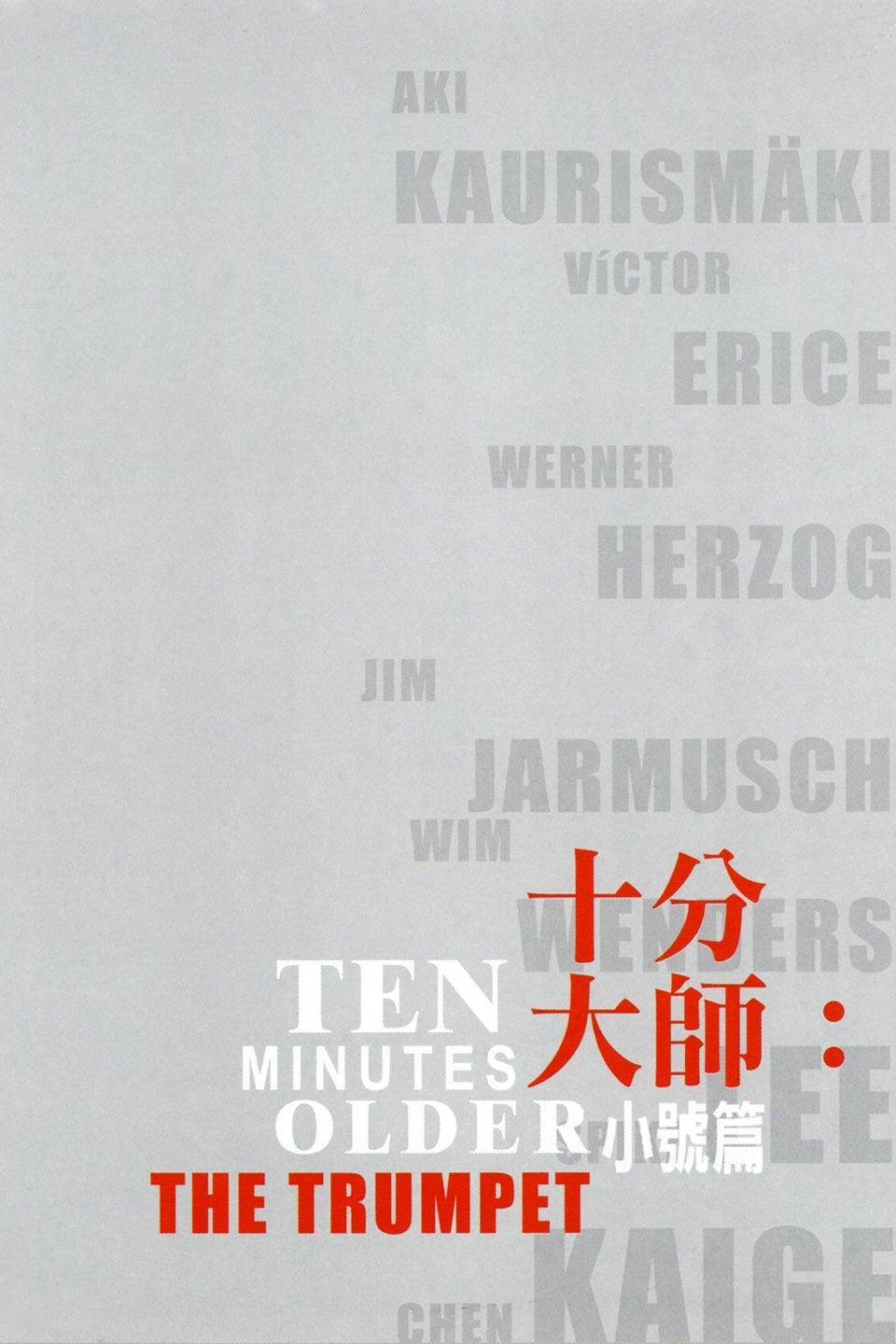
Ten Minutes Older is a 2002 film project consisting of two compilation feature films entitled The Trumpet and The Cello. The project was conceived by the producer Nicolas McClintock as a reflection on the theme of time at the turn of the Millennium. Fifteen celebrated film-makers were invited to create their own vision of what time means in ten minutes of film.
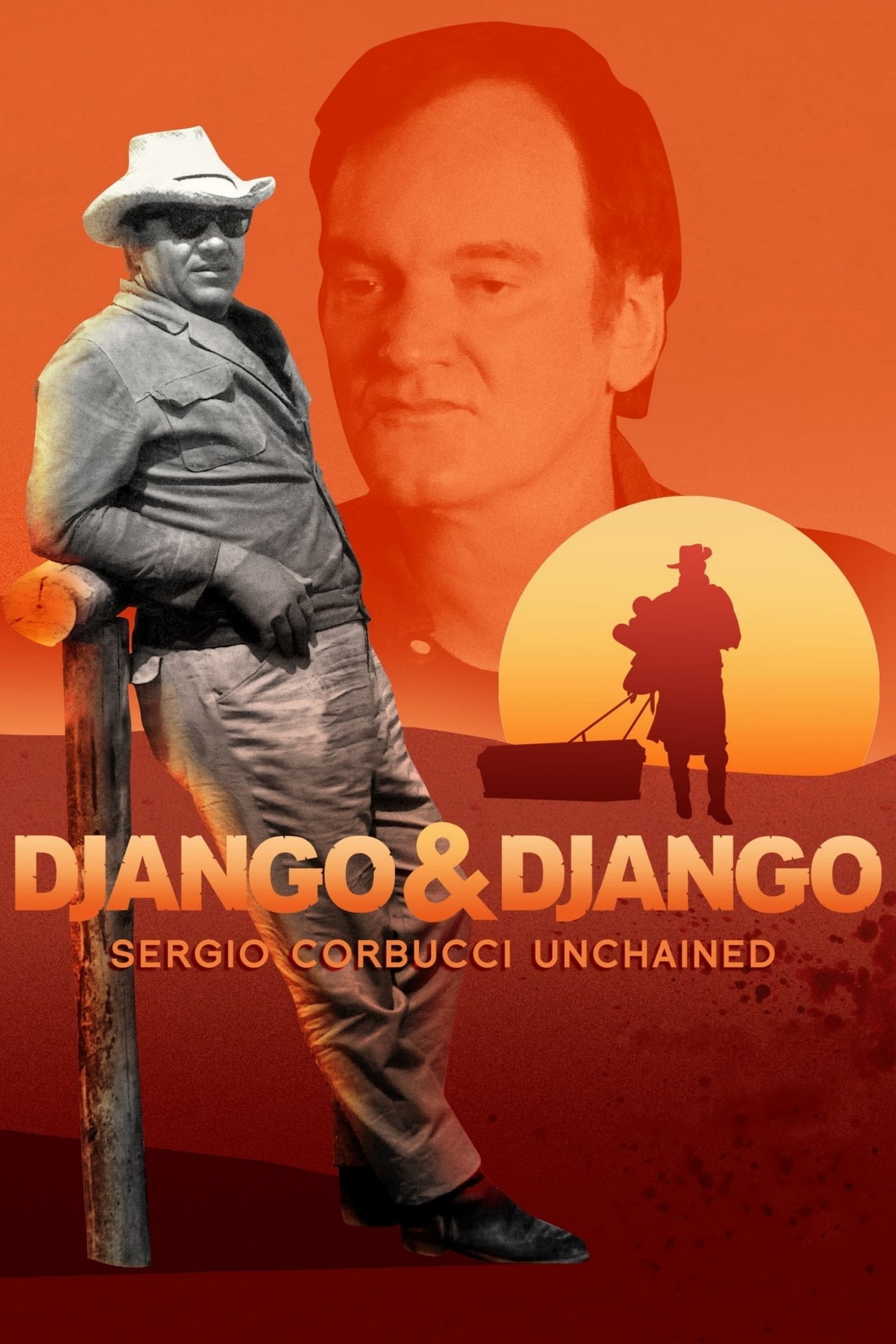
A tribute to Italian filmmaker Sergio Corbucci (1926-90), presented by American filmmaker Quentin Tarantino.
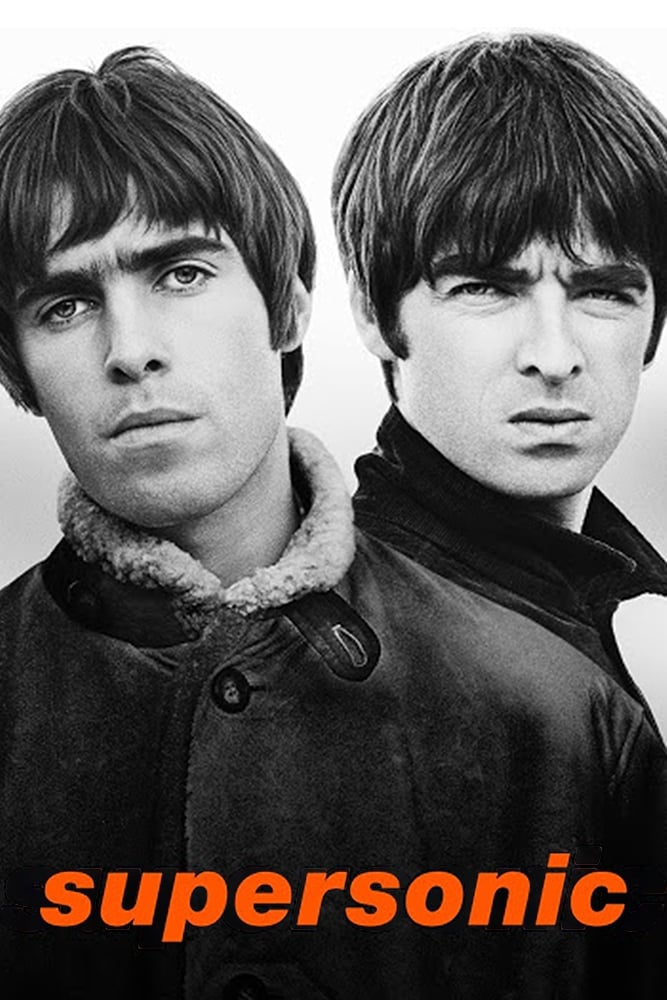
Supersonic charts the meteoric rise of Oasis from the council estates of Manchester to some of the biggest concerts of all time in just three short years. This palpable, raw and moving film shines a light on one of the most genre and generation-defining British bands that has ever existed and features candid new interviews with Noel and Liam Gallagher, their mother, and members of the band and road crew.
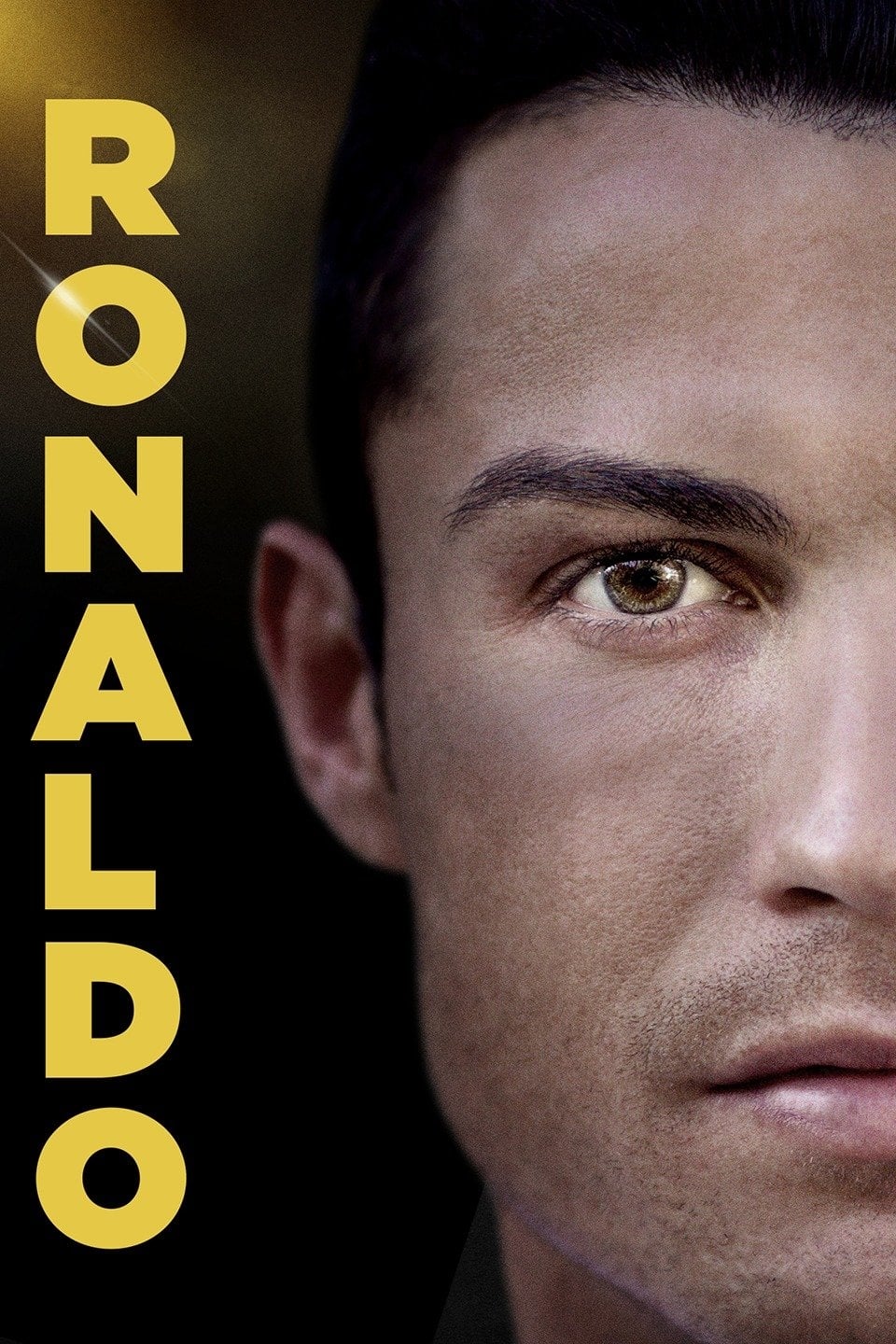
Filmed over 14 months with unprecedented access into the inner circle of the man and the sport, this is the first official and fully authorised film of one of the most celebrated figures in football. For the first time ever, the world gets vividly candid and un-paralleled, behind-closed-doors access to the footballer, father, family-man and friend in this moving & fascinating documentary. Through in-depth conversations, state of the art football footage and never before seen archival footage, the film gives an astonishing insight into the sporting and personal life of triple Ballon D'Or winner Cristiano Ronaldo at the peak of his career. From the makers of ‘Senna’ and ‘Amy’, Ronaldo takes audiences on an intimate and revealing journey of what it’s like to live as an iconic athlete in the eye of the storm.
The history of cinematic sound, told by legendary sound designers and visionary filmmakers.
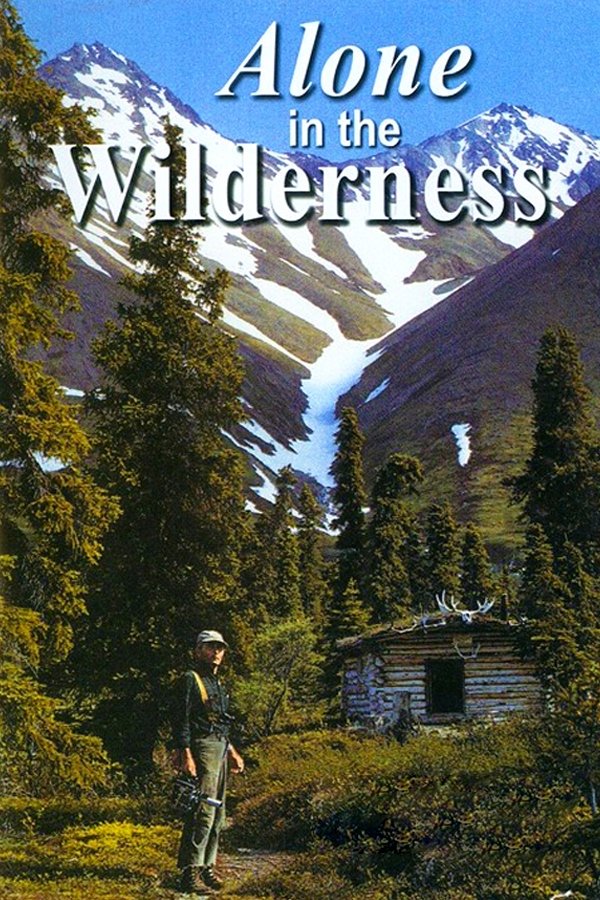
Dick Proenneke retired at age 50 in 1967 and decided to build his own cabin in the wilderness at the base of the Aleutian Peninsula, in what is now Lake Clark National Park. Using color footage he shot himself, Proenneke traces how he came to this remote area, selected a homestead site and built his log cabin completely by himself. The documentary covers his first year in-country, showing his day-to-day activities and the passing of the seasons as he sought to scratch out a living alone in the wilderness.
“The Soviet Story” is a story of an Allied power, which helped the Nazis to fight Jews and which slaughtered its own people on an industrial scale. Assisted by the West, this power triumphed on May 9th, 1945. Its crimes were made taboo, and the complete story of Europe’s most murderous regime has never been told. Until now...
Documentary about the art of film editing. Clips are shown from many groundbreaking films with innovative editing styles.
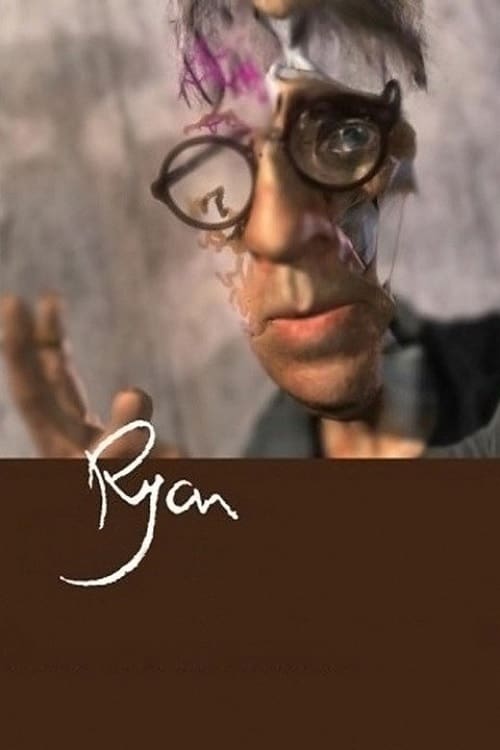
Centres on Canadian animator Ryan Larkin, who in later years lived on skid row in Montreal following a history of drug and alcohol abuse.
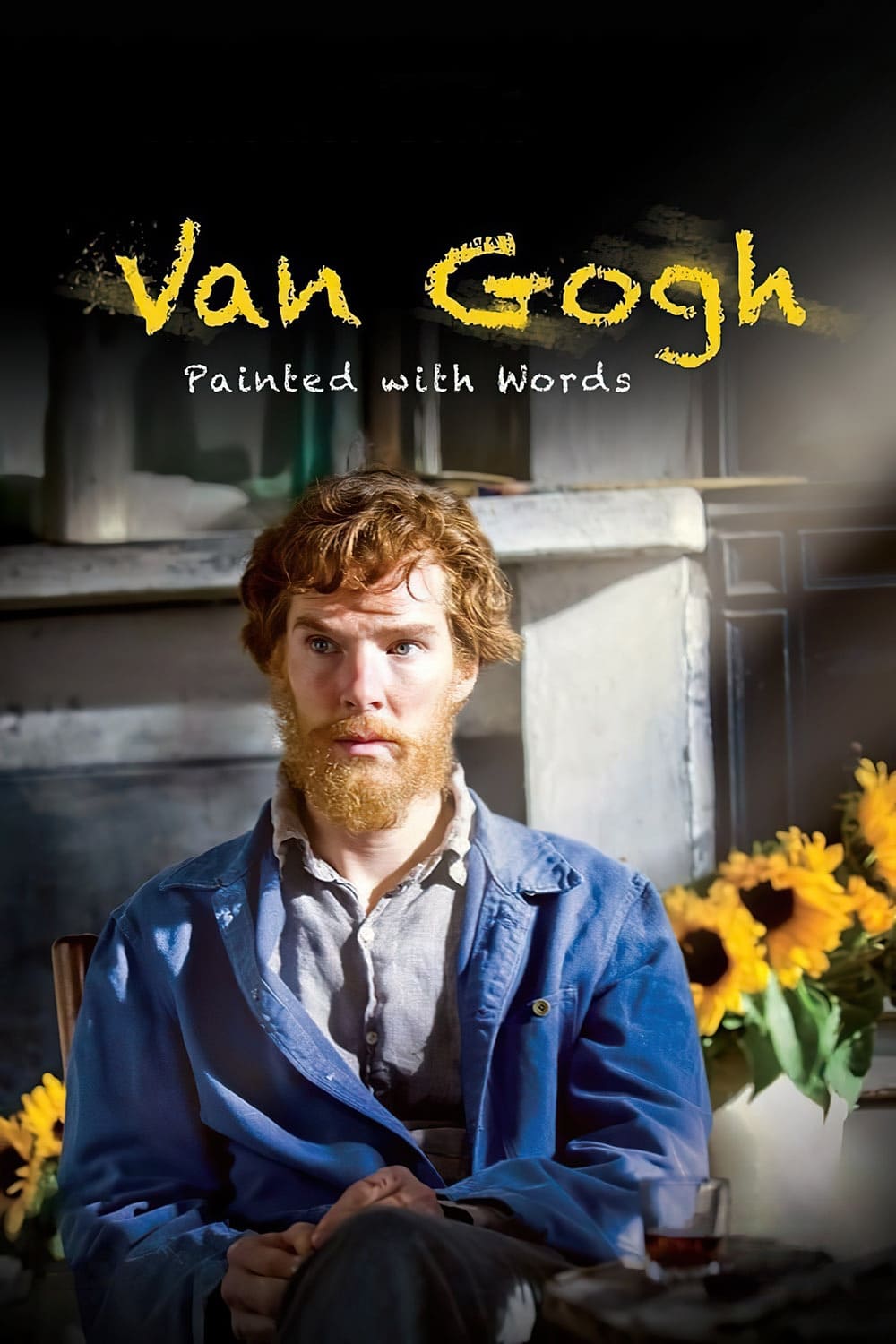
A drama-documentary presented by Alan Yentob, with Benedict Cumberbatch in the lead role. Every word spoken by the actors in this film is sourced from the letters that Van Gogh sent to his younger brother Theo, and of those around him. What emerges is a complex portrait of a sophisticated, civilised and yet tormented man.
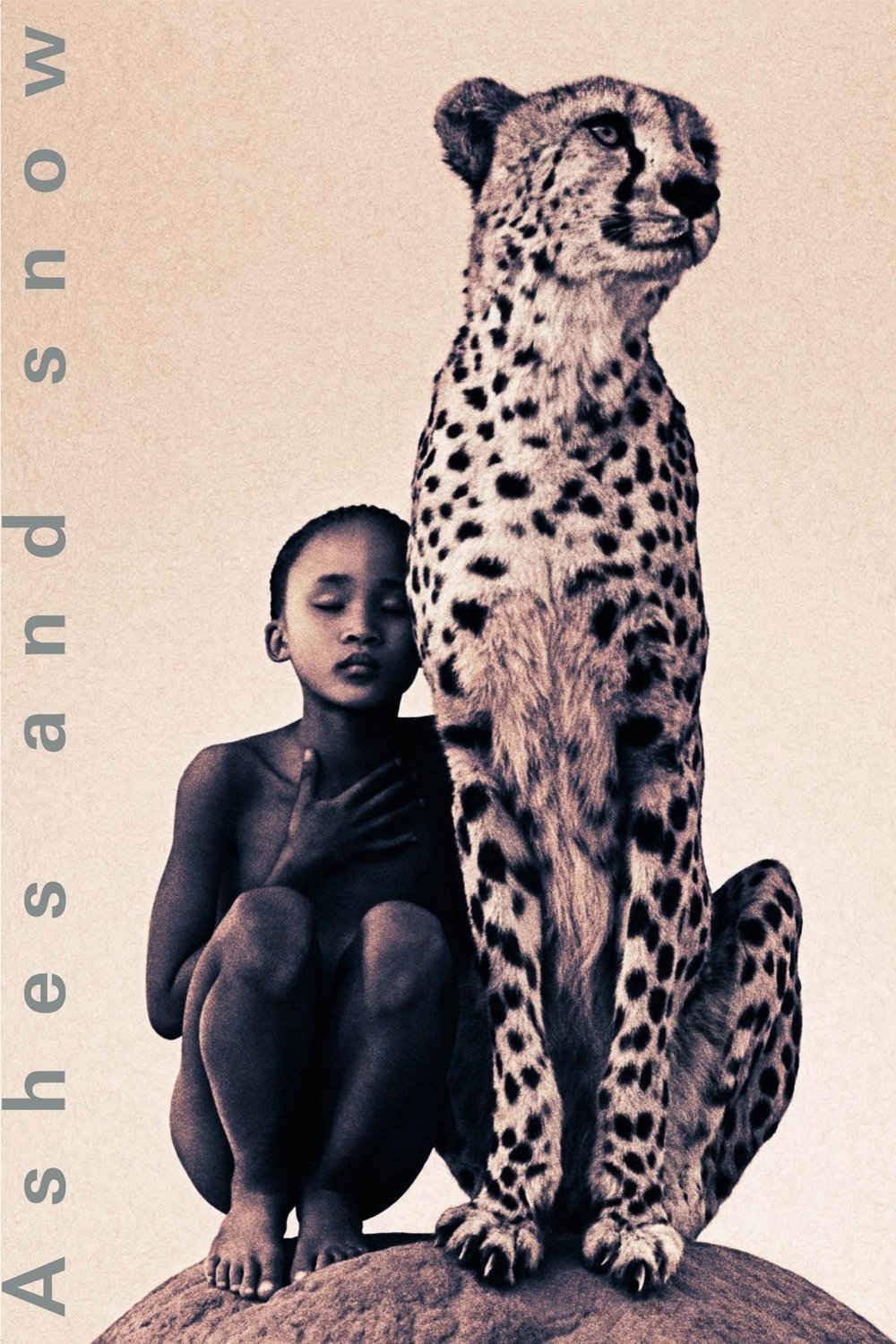
Ashes and Snow, a film by Gregory Colbert, uses both still and movie cameras to explore extraordinary interactions between humans and animals. The 60-minute feature is a poetic narrative rather than a documentary. It aims to lift the natural and artificial barriers between humans and other species, dissolving the distance that exists between them.
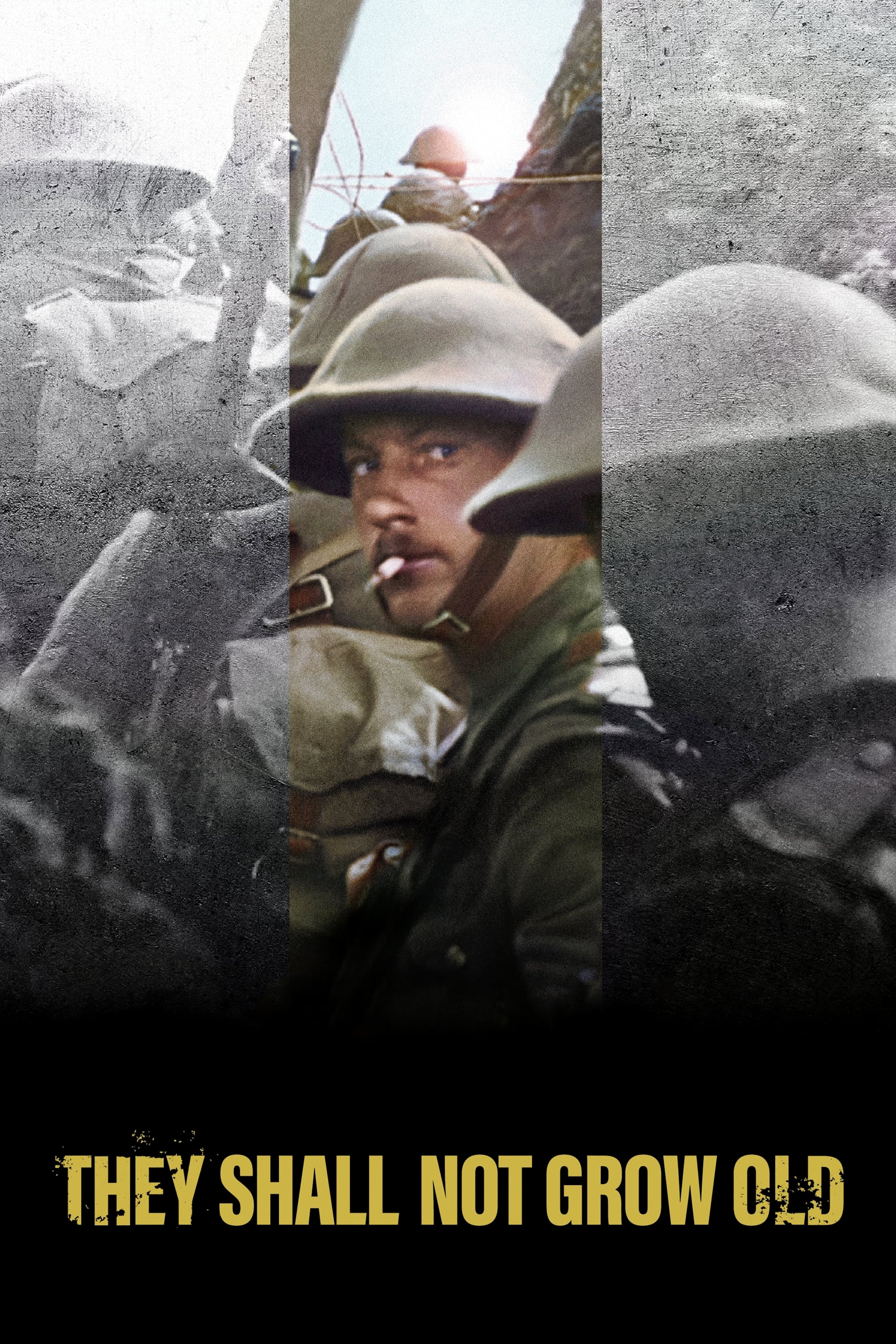
A documentary about World War I with never-before-seen footage to commemorate the centennial of Armistice Day, and the end of the war.
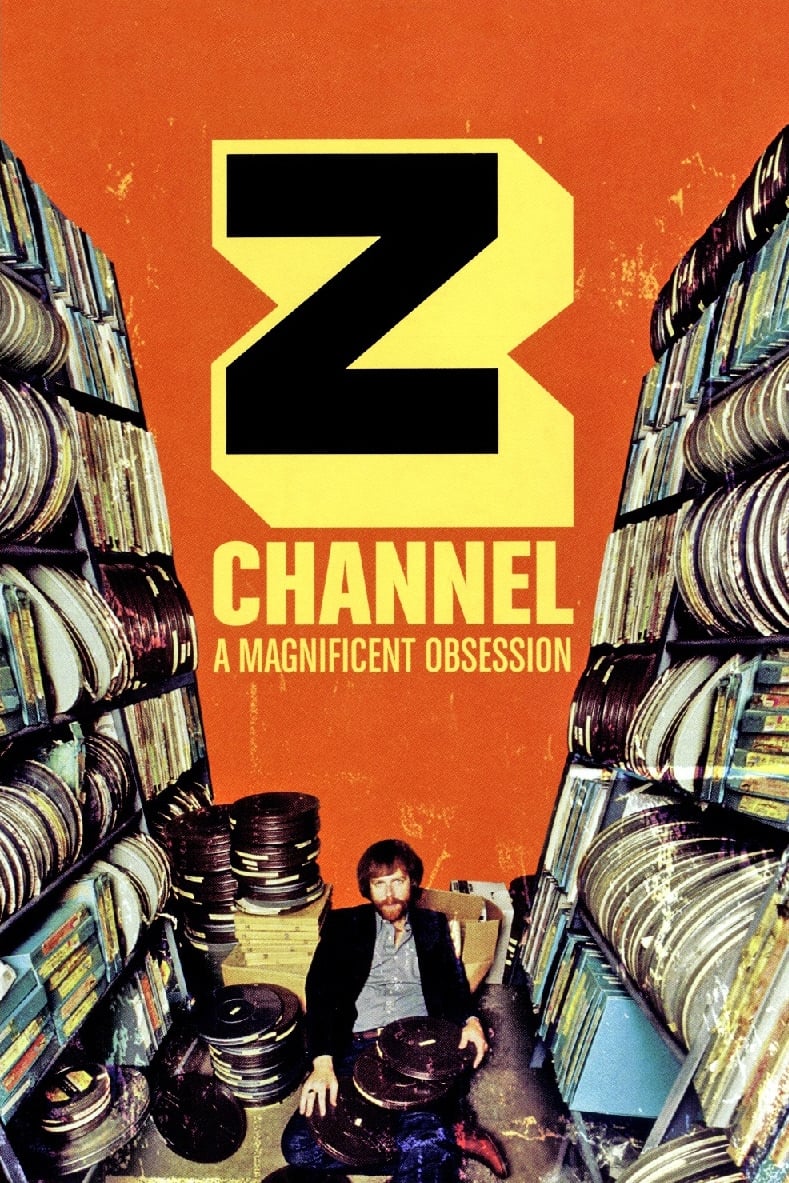
A documentary on the Z Channel, one of the first pay cable stations in the US, and its programming chief, Jerry Harvey. Debuting in 1974, the LA-based channel's eclectic slate of movies became a prime example of the untapped power of cable television.
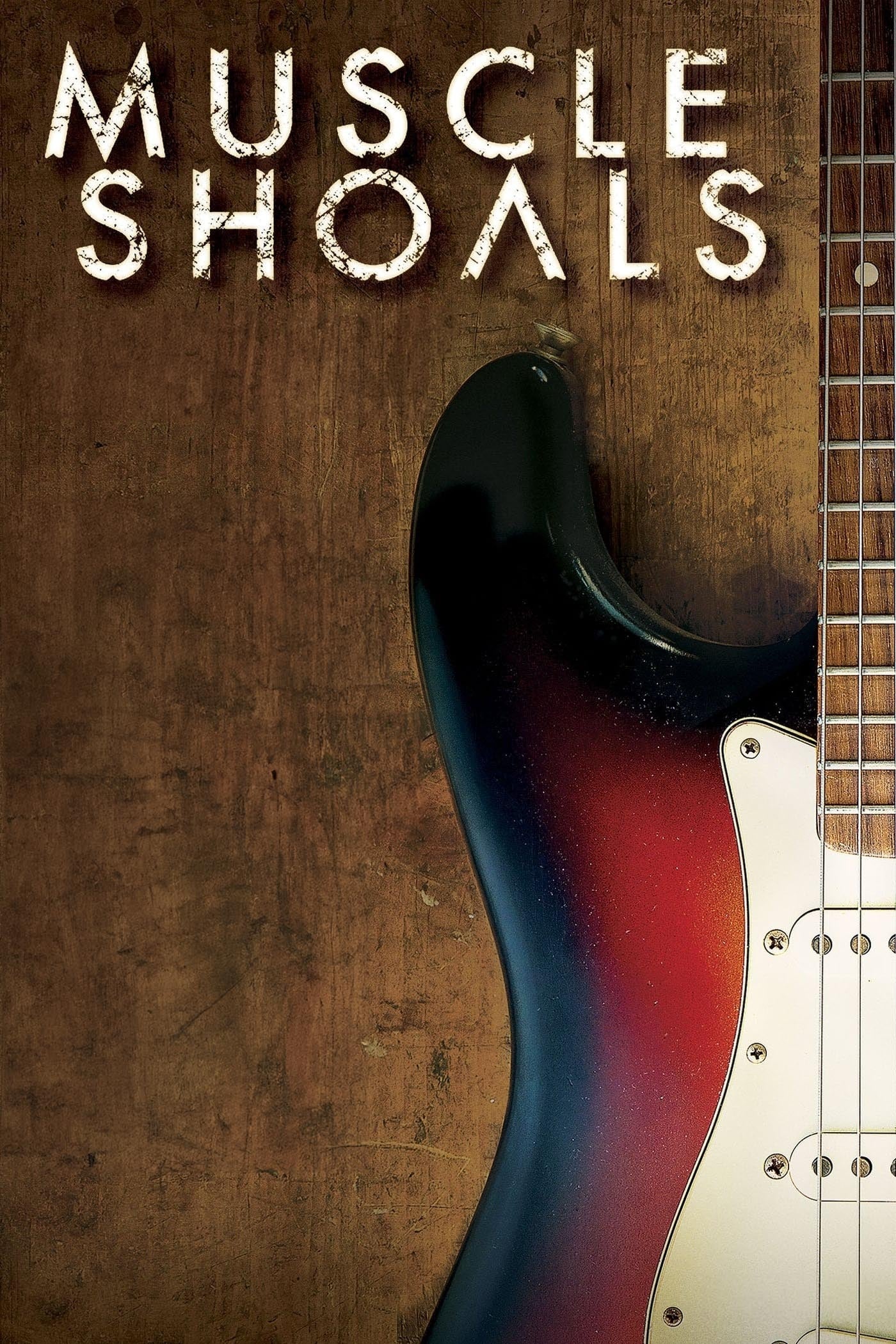
In a tiny Alabama town with the curious name of Muscle Shoals, something miraculous sprang from the mud of the Tennessee River. A group of unassuming, yet incredibly talented, locals came together and spawned some of the greatest music of all time: “Mustang Sally,” “I Never Loved a Man,” “Wild Horses,” and many more. During the most incendiary periods of racial hostility, white folks and black folks came together to create music that would last for generations and gave birth to the incomparable “Muscle Shoals sound.”
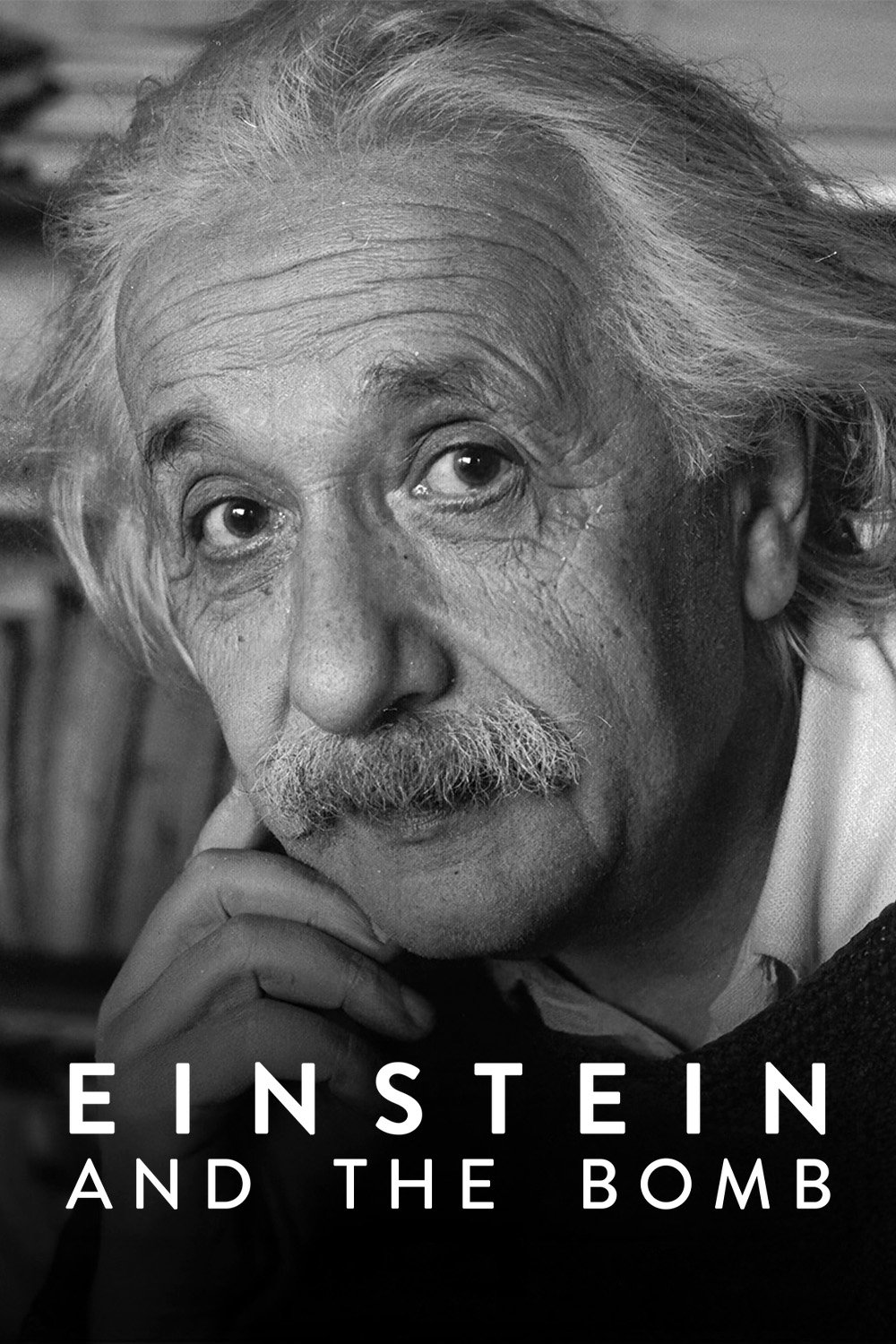
What happened after Einstein fled Nazi Germany? Using archival footage and his own words, this docudrama dives into the mind of a tortured genius.
A documentary about the legendary series of nationally televised debates in 1968 between two great public intellectuals, the liberal Gore Vidal and the conservative William F. Buckley Jr. Intended as commentary on the issues of their day, these vitriolic and explosive encounters came to define the modern era of public discourse in the media, marking the big bang moment of our contemporary media landscape when spectacle trumped content and argument replaced substance. Best of Enemies delves into the entangled biographies of these two great thinkers, and luxuriates in the language and the theater of their debates, begging the question, "What has television done to the way we discuss politics in our democracy today?"
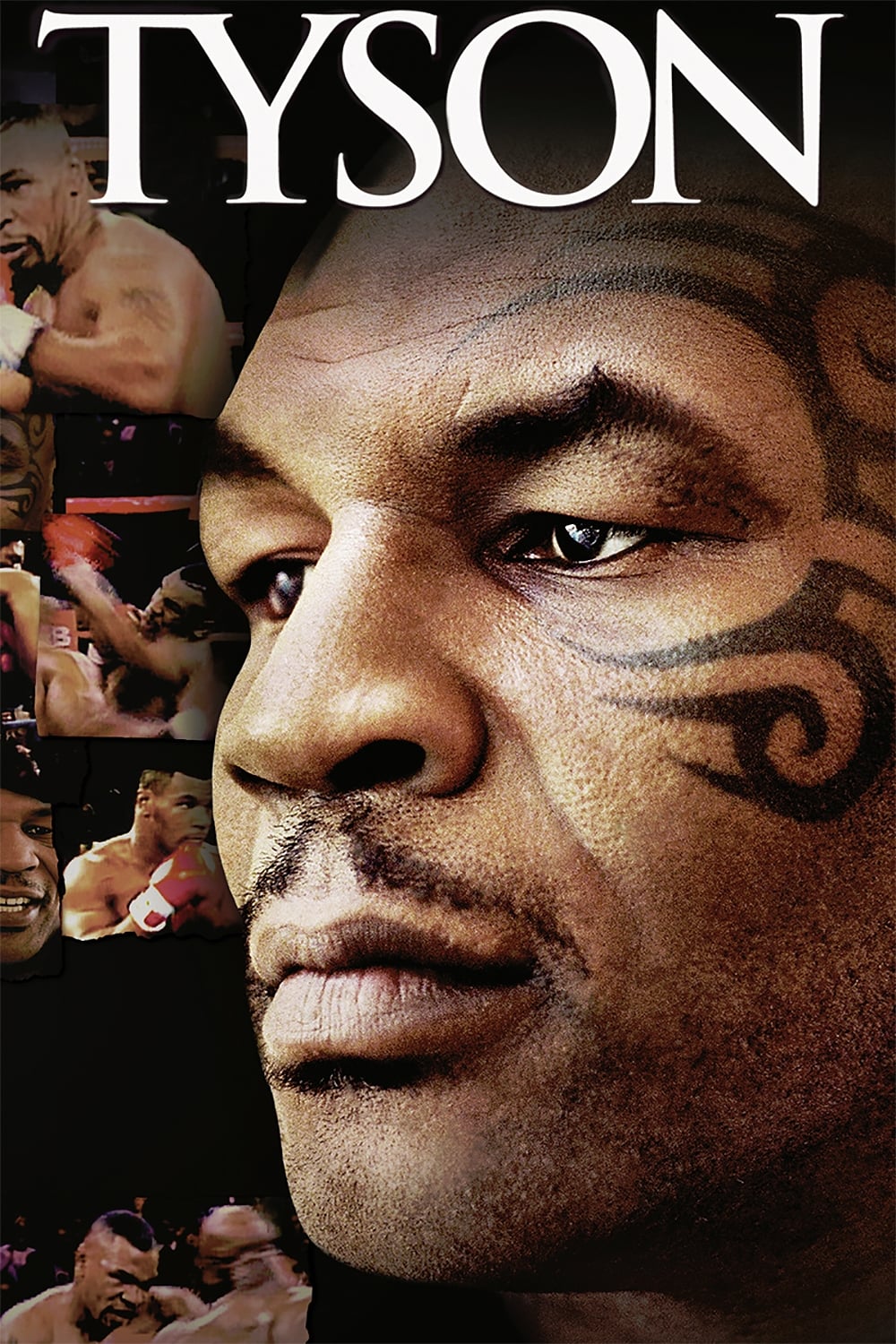
Director James Toback takes an unflinching, uncompromising look at the life of Mike Tyson--almost solely from the perspective of the man himself. TYSON alternates between the controversial boxer addressing the camera and shots of the champion's fights to create an arresting picture of the man.