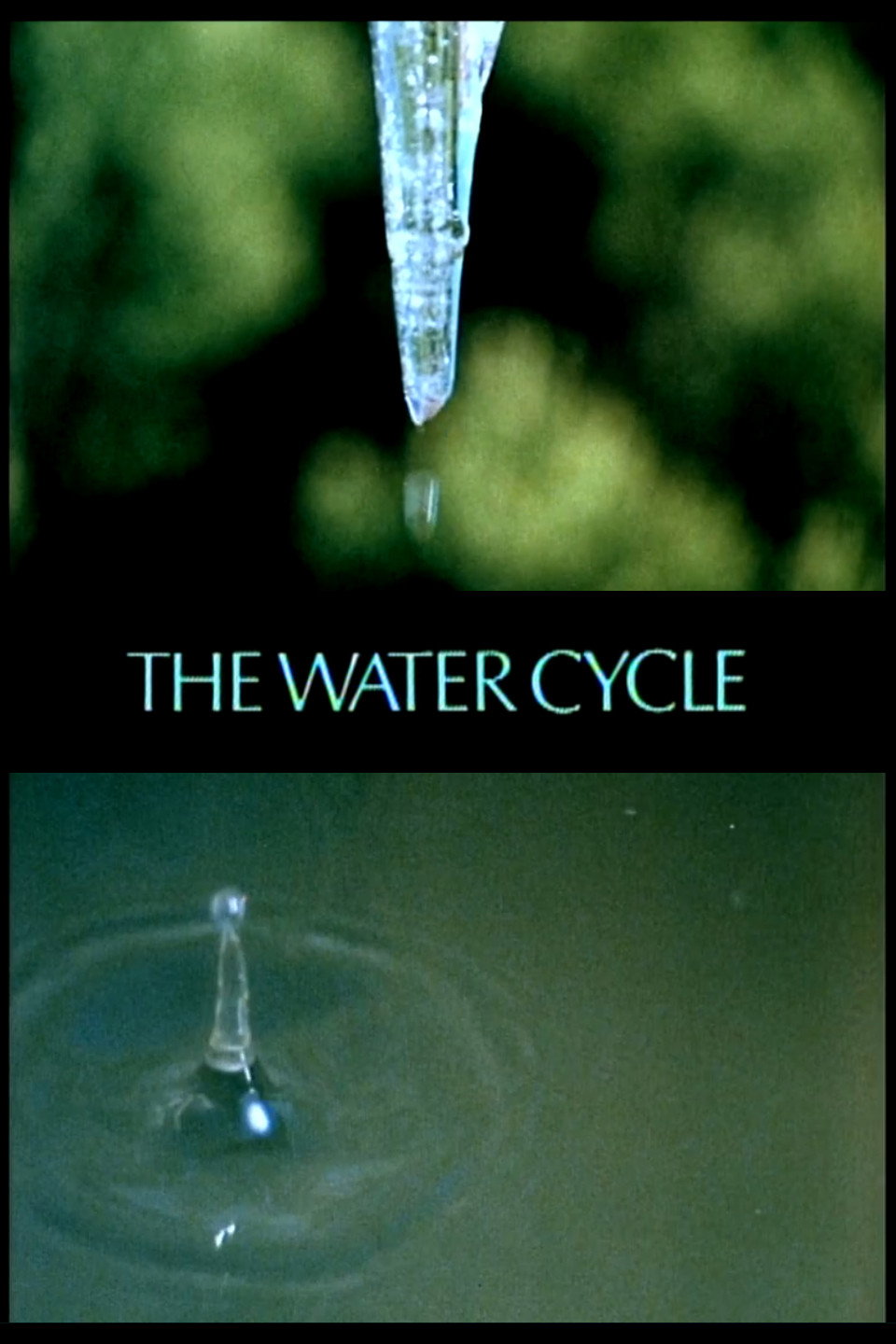
An award-winning short exploring man-made impacts on New Zealand’s water cycle.
Social & External
The people behind it
Sam Neill
Hydro enthusiast
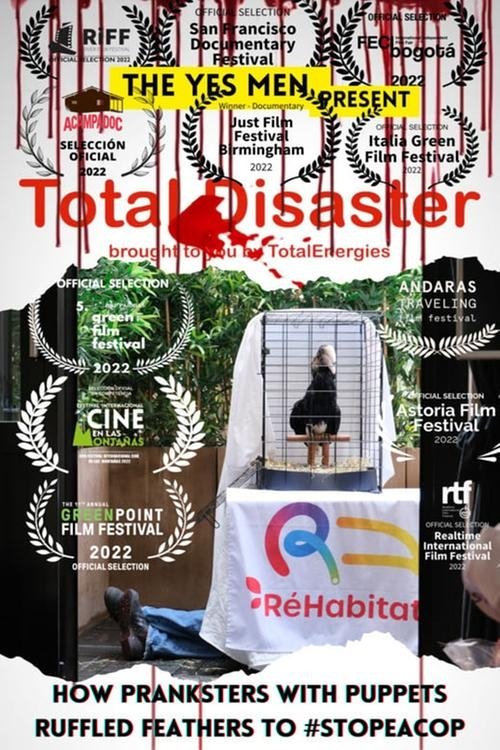
Armed with realistic bird puppets, trickster environmental activists pretend to be oil company Total—staging a satirical press conference to introduce “RéHabitat,” a program to rescue animals from the East African Oil Pipeline by relocating them to “more sustainable” habitats. Using humor and mischief, they expose a deadly ecological disaster in a zany effort to help #StopEACOP.
Our shoes go lots of places, across vast distances, and over many miles. But eventually, no matter how much we care for them, our shoes break down and usually get thrown away. Max Romey wanted to find out what happens to his old shoes, and in his film No Lost Shoes, highlights the full scale of the problem.
Just one of the many far-reaching impacts of the slave trade on human history is on agriculture and horticulture. While the French plantation owners on the Caribbean island of Martinique had their gardens laid out, Versailles-style, their enslaved workers continued their tradition of using medicinal wild herbs. Nowadays these herbs represent one of several resources through which the people of Martinique counter the health and ecological ravage caused by the use of pesticides on the banana plantations. Farmers are reclaiming uncultivated lands to grow indigenous vegetables, without any industrial pesticides; they fight boldly for simple biodiversity.
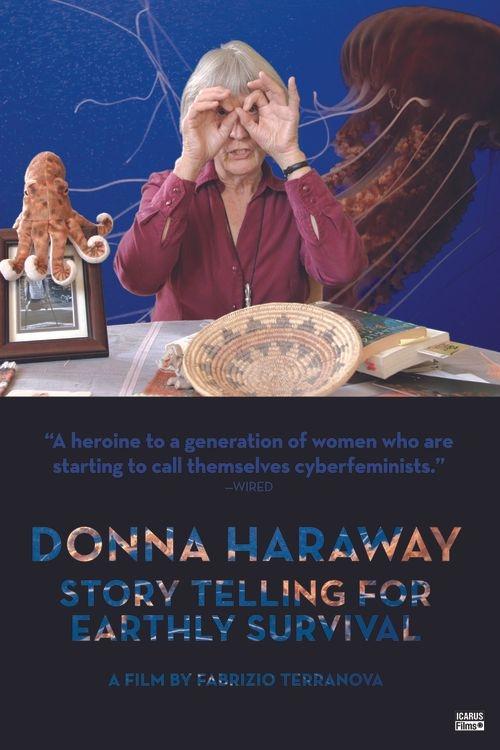
In Fabrizio Terranova’s film, Donna Haraway – an original thinker and activist, one of the founders of cyberfeminism and the author of A Cyborg Manifesto, which proposed a number of innovative theories about the existence of scientific knowledge – calls for the abandonment of the idea of human exceptionalism and for a conception of the world as complex web of interconnections between people, animals and machines. Jellyfish can be seen flying around her home while she discusses the stories that are necessary for Earth’s preservation and reads her fantastic tale of the art of survival on a broken planet, and of fusion and care between the species.
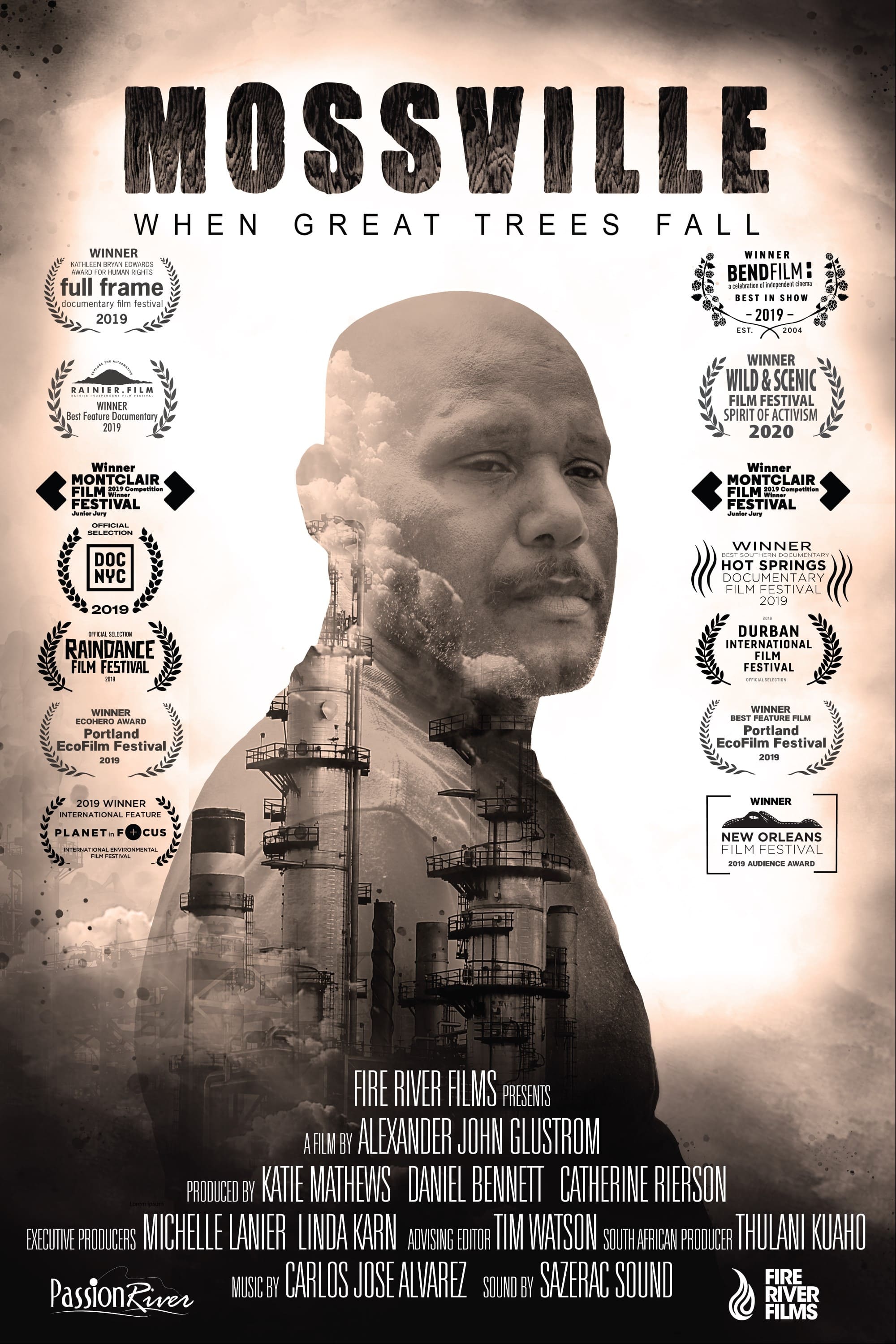
As a centuries-old black community, contaminated and uprooted by petrochemical plants, comes to terms with the loss of its ancestral home, one man standing in the way of a plant's expansion refuses to give up.
A new uranium mill -- the first in the U.S. in 30 years -- would re-connect the economically devastated rural mining community of Naturita, Colorado, to its proud history supplying the material for the first atomic bomb. Some view it as a greener energy source freeing America from its dependence on foreign oil, while others worry about the severe health and environmental consequences of the last uranium boom.
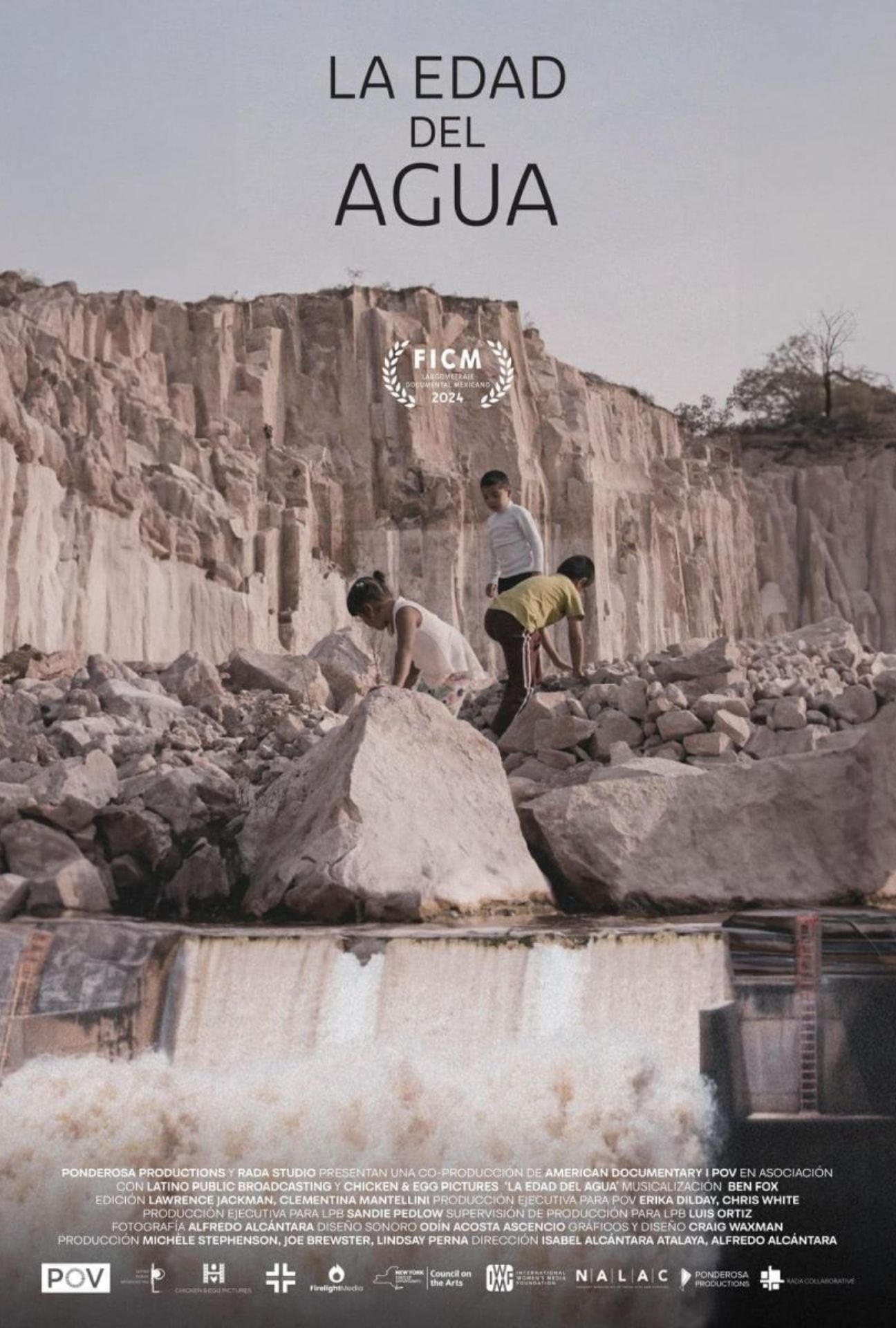
When the water in her small Mexican town proves to be radioactive, a young mom suddenly finds herself leading a local resistance movement. Her life is upended when she has to face a powerful and corrupt government hellbent on burying the truth.
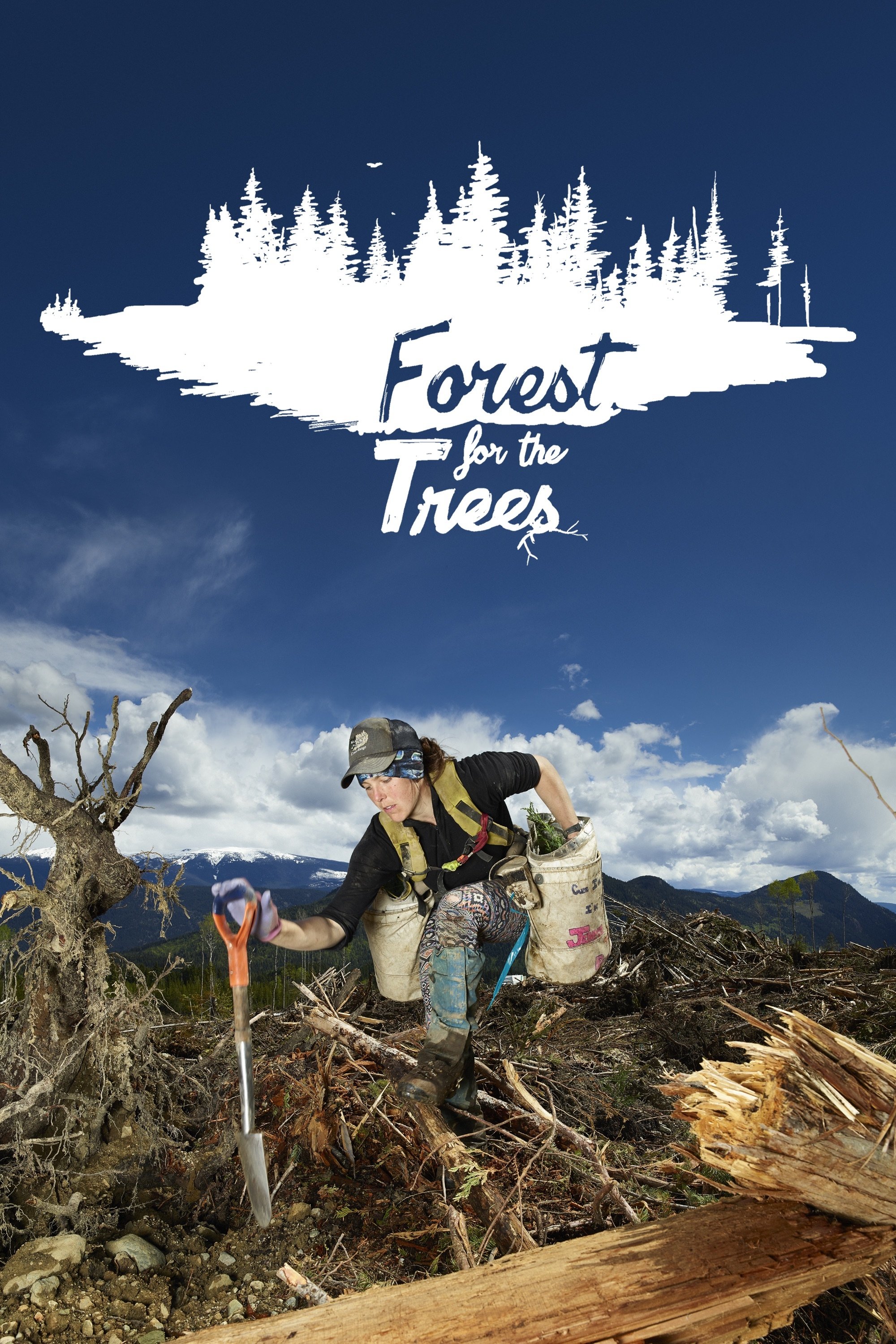
Award-winning war photographer Rita Leistner goes back to her roots as a tree planter in the wilderness of British Columbia, offering an inside take on the grueling, sometimes fun and always life-changing experience of restoring Canada’s forests. Leistner, who has photographed some of the world’s most dangerous places, credits the challenge of tree-planting for her physical and mental endurance. In Forest for the Trees, her first feature film, she revisits her past to share the lessons she learned. The film introduces us to everyday life on the “cut-block” and the brave souls who fight through rough terrains and work endless hours to bring our forests to life. The rugged BC landscape comes to life magically in Leistner’s photography, while the quirky characters and nuggets of wisdom shared around the campfire tell a sincere story of community.
Capturing Americans in communities across the country as they wrestle with the legacy of the coal industry and what its future should be under the Trump Administration. From Appalachia to the West’s Powder River Basin, the film goes beyond the rhetoric of the “war on coal” to present compelling and often heartbreaking stories about what’s at stake for our economy, health, and climate.
The film discusses the various uses of land for producing food, clothing, and shelter. It explains how different types of land are cultivated for growing crops, raising livestock, and sourcing raw materials for clothing like cotton, wool, and leather. The film also covers the extraction of resources for building materials, such as lumber, clay, stone, and iron ore. Additionally, it touches on the production of plastics and synthetic materials from minerals. The film emphasizes the importance of making wise decisions in land use, balancing agricultural, industrial, and recreational needs, and the necessity of conserving land for its natural beauty and environmental value.
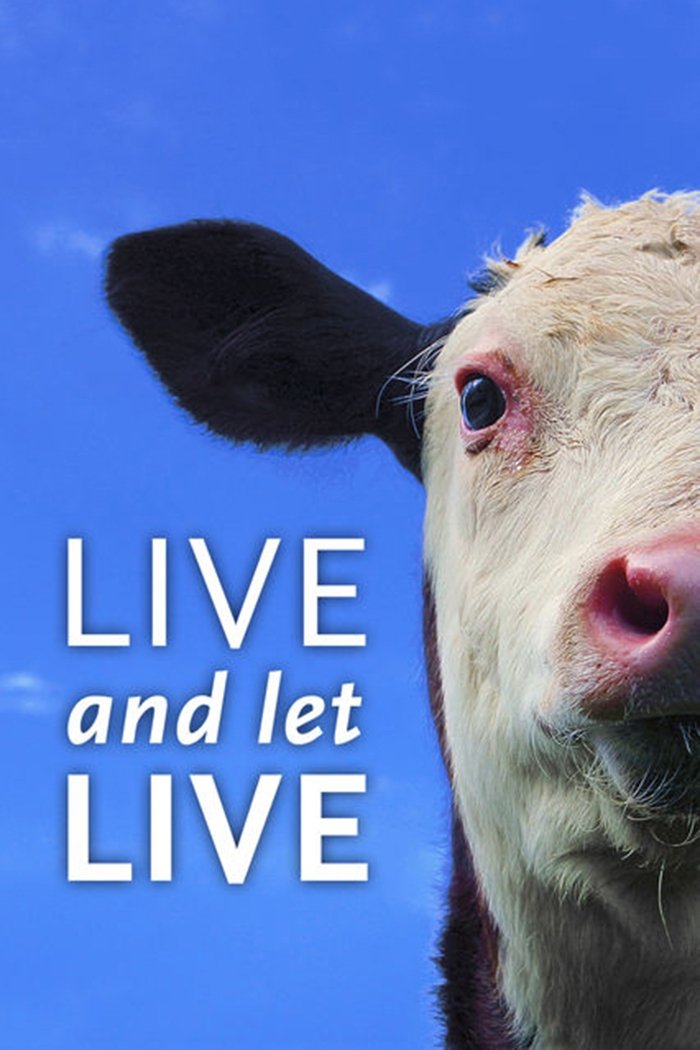
Live and Let Live is a feature documentary examining our relationship with animals, the history of veganism and the ethical, environmental and health reasons that move people to go vegan.
The Salton Sea: An inland ocean of massive fish kills, rotting resorts, and 120 degree nights located just minutes from urban Southern California. This film details the rise and fall of the Salton Sea, from its heyday as the "California Riviera" where boaters and Beach Boys mingled in paradise to its present state of decaying, forgotten ecological disaster.
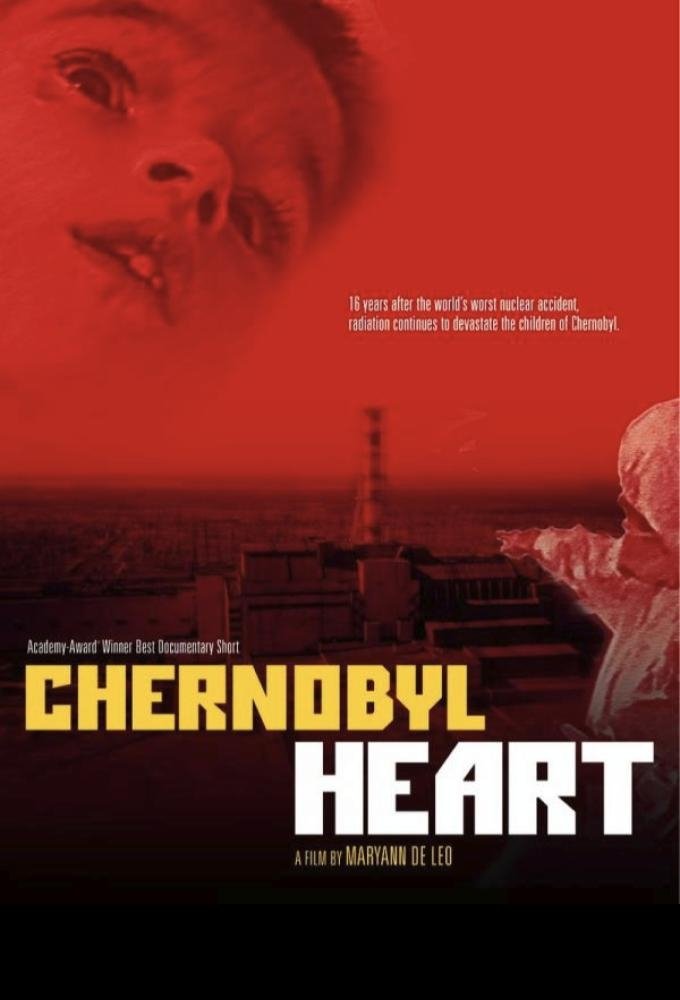
This Academy Award-winning documentary takes a look at children born after the 1986 Chernobyl nuclear plant disaster who have been born with a deteriorated heart condition.
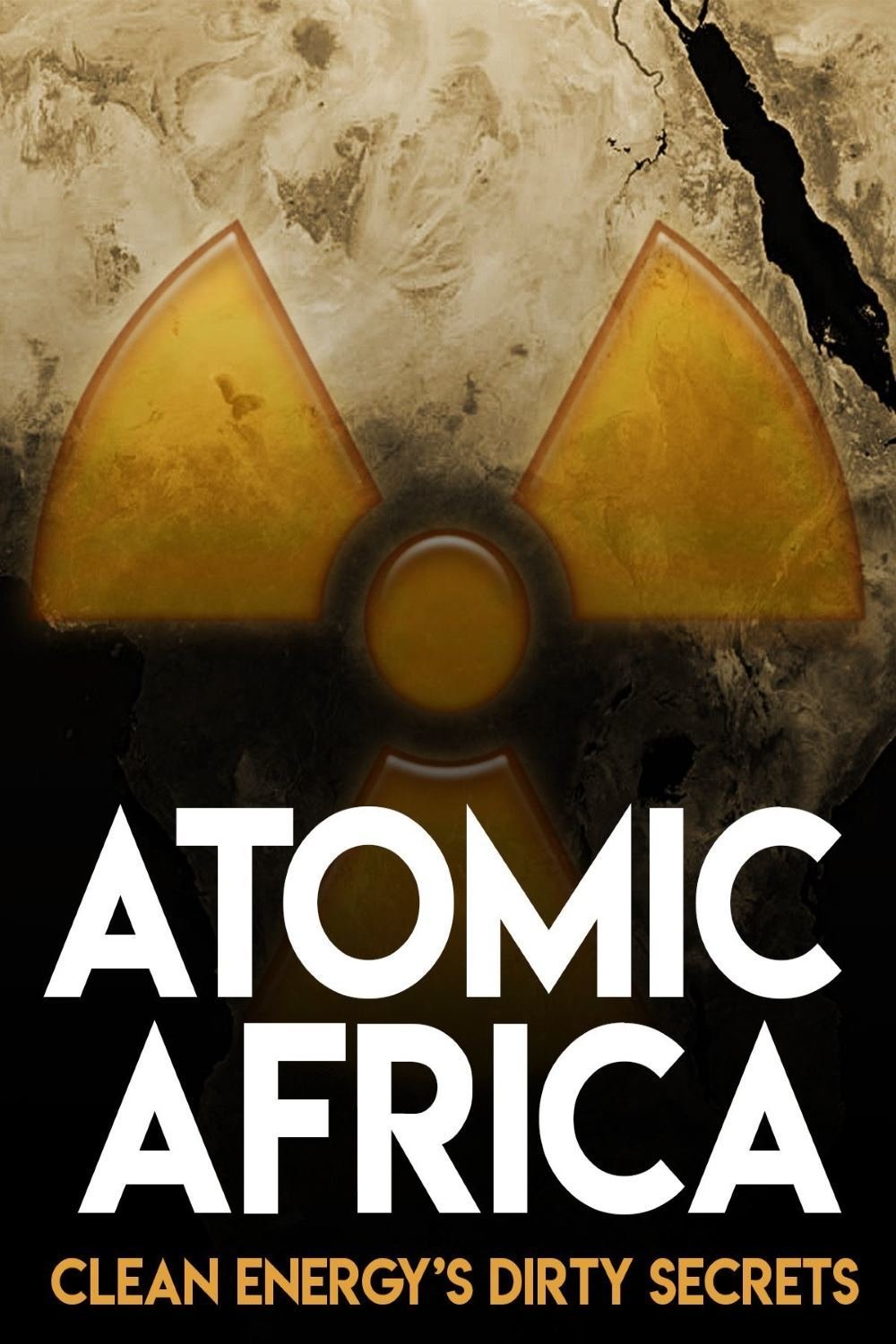
Africa's development is being held back by poor infrastructure and undersized power plants. Countries like Uganda can only produce only 1/4 of the energy needed, leading to daily power cuts with disastrous economic impacts. It's a golden opportunity for nuclear giants who lobby aggressively for more power plants in Africa. But how safe are these new reactors? And what do they mean for the locals?
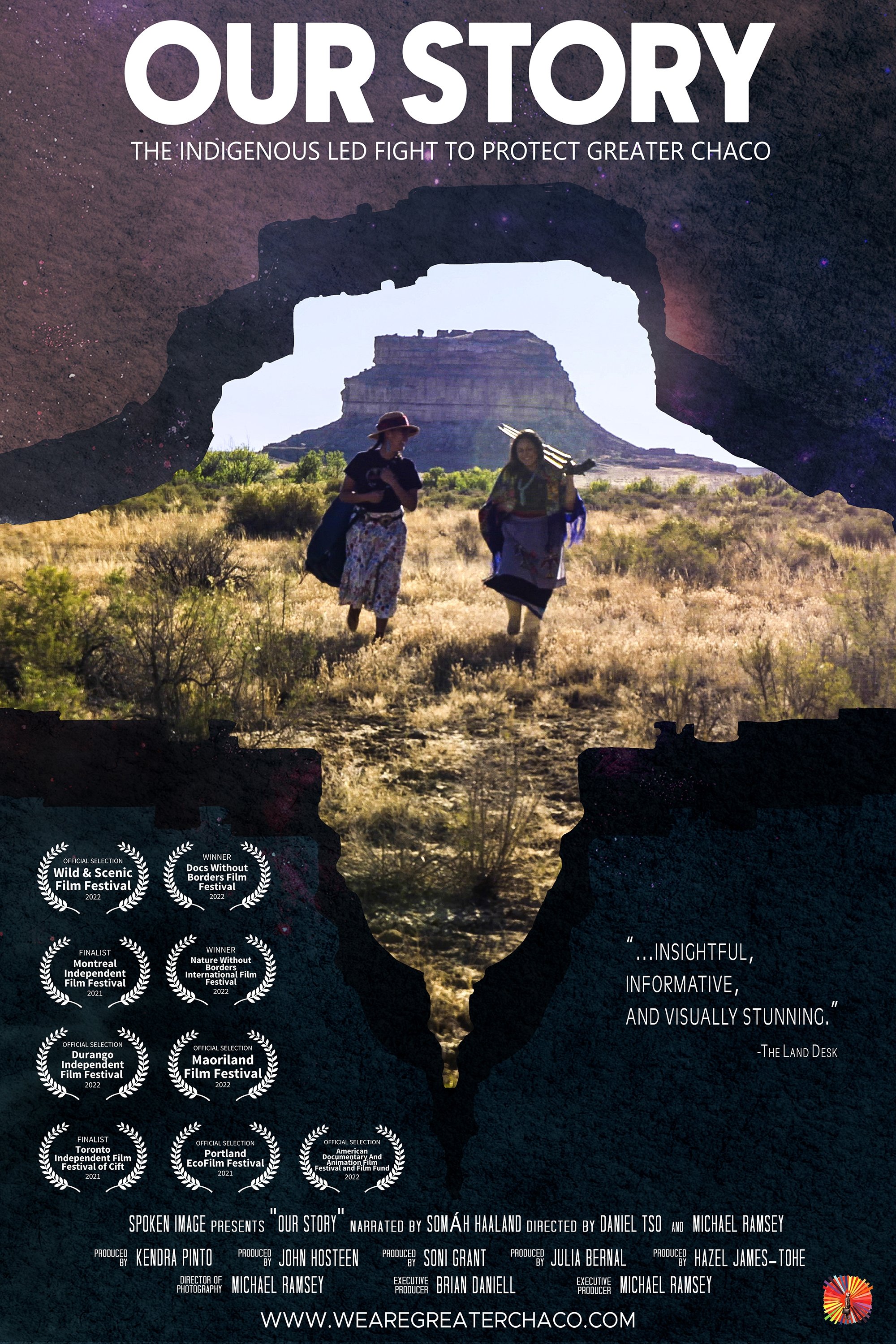
Over 90 percent of the available lands in the Greater Chaco region of the Southwest have already been leased for oil and gas extraction. Witness the Indigenous-led work to protect the remaining lands that are untouched by oil and gas, as well as the health and well-being of communities surrounded by these extractive industries.
Last November, ten of the UK’s leading experts briefed an invited audience of over 1,200 politicians and leaders from business, culture, faith, sport and the media. The briefing set out the implications of climate and nature breakdown for health, food systems, national security and the economy. The People's Emergency Briefing presents the national implications of climate and nature breakdown - along with credible, positive responses - in a single, accessible account. A new film featuring Chris Packham, leading scientists, a former general and Jennifer Saunders - all being far too frank about where things are heading and what can be done about it.
An inside look at one of the most anticipated movie sequels ever with James Cameron and cast.
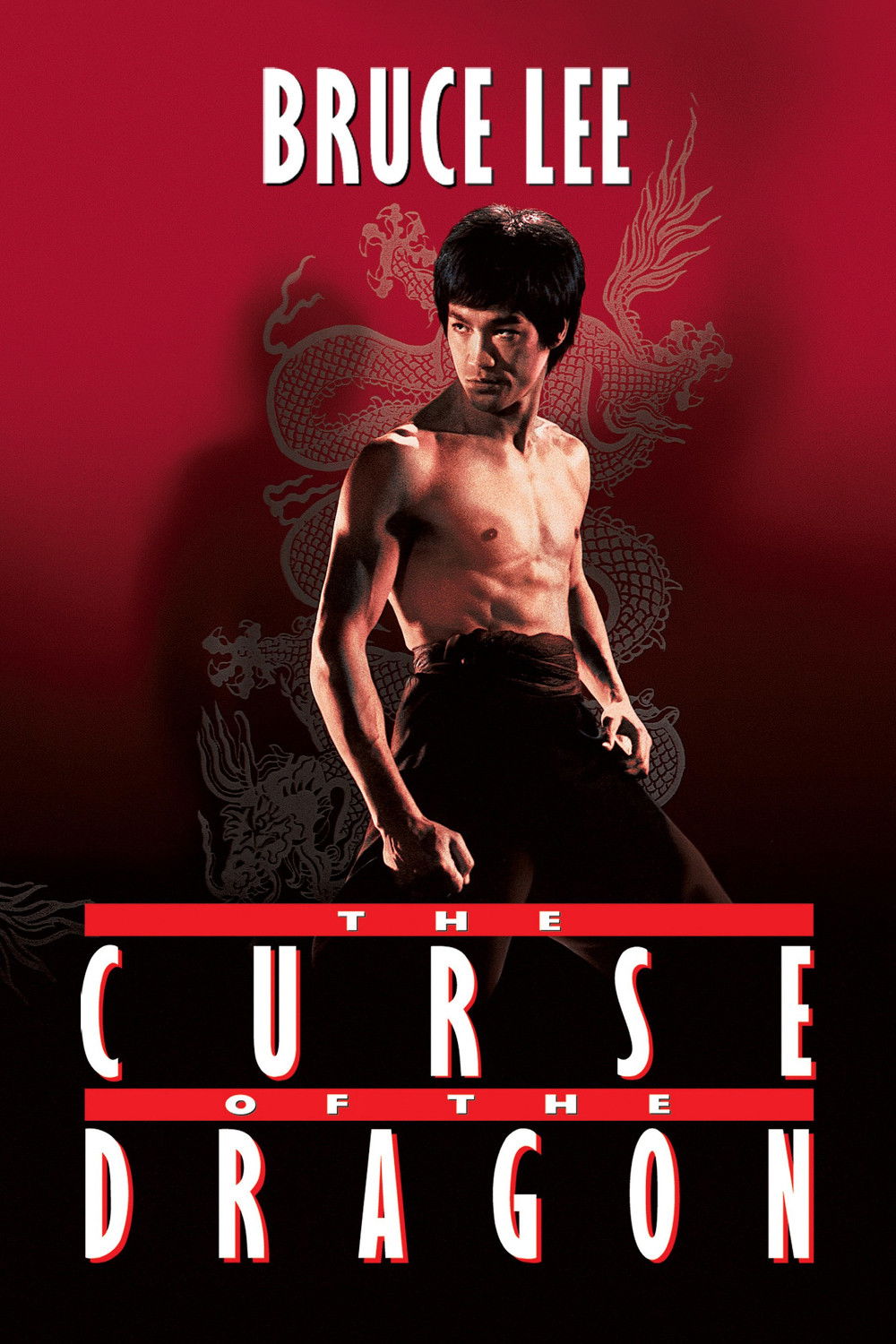
A 1993 documentary film about Bruce Lee. The film includes interviews from some of his fellow students and opponents who worked alongside him in his movies.
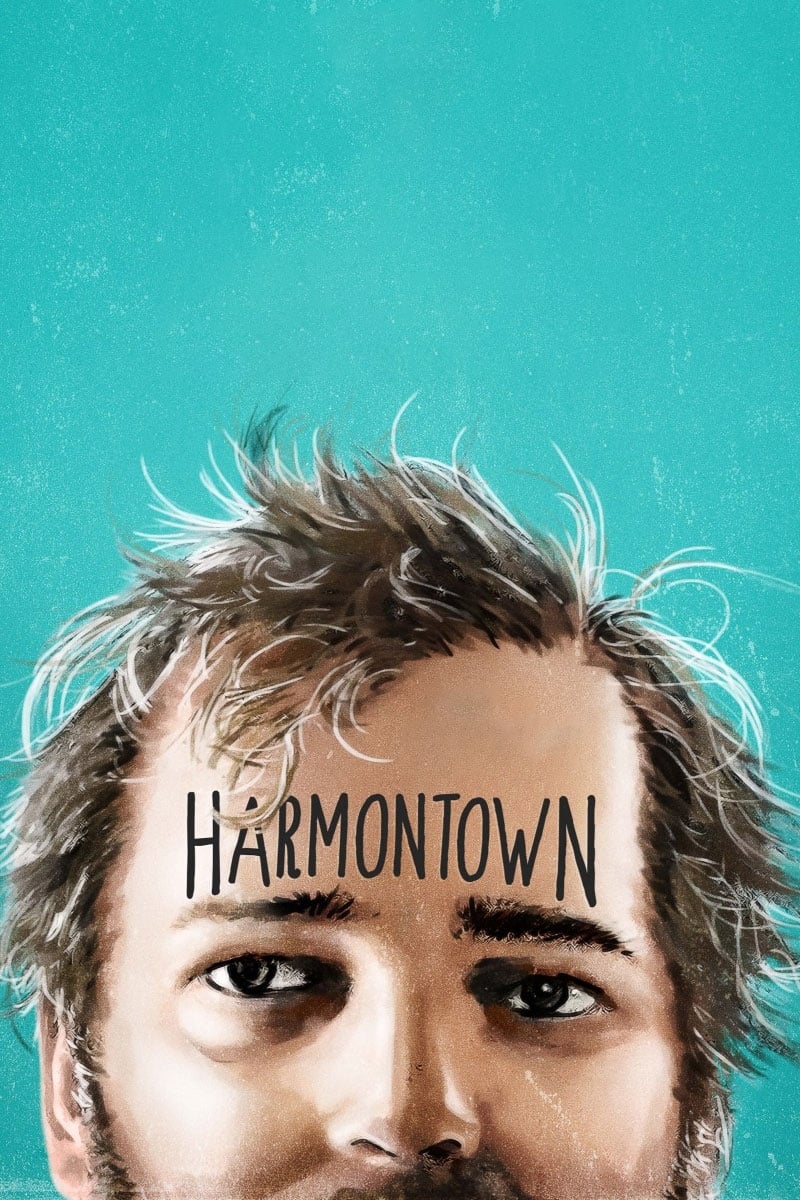
A comedic, brutally honest documentary following self-destructive TV writer Dan Harmon as he takes his live podcast on a national tour.
Go behind the scenes with stars, puppeteers and creators as they bring Jim Henson's magical world of Thra back to life in a sweeping fantasy series.
Daniel Craig candidly reflects on his 15 year adventure as James Bond. Including never-before-seen archival footage from Casino Royale to the upcoming 25th film No Time To Die, Craig shares his personal memories in conversation with 007 producers, Michael G Wilson and Barbara Broccoli.
In an intimate and joyful story of love in the face of loss, celebrated poets Andrea Gibson and Megan Falley find strength—and unexpected hilarity—in what might be their final year together.
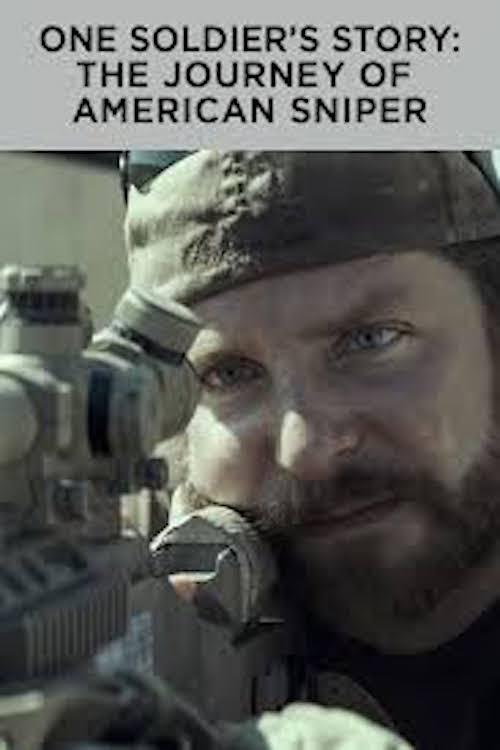
Join director Clint Eastwood and his creative team, along with Bradley Cooper and Sienna Miller, as they overcome enormous creative and logistic obstacles to make a film that brings the truth of Navy SEAL Chris Kyle's story to the screen.
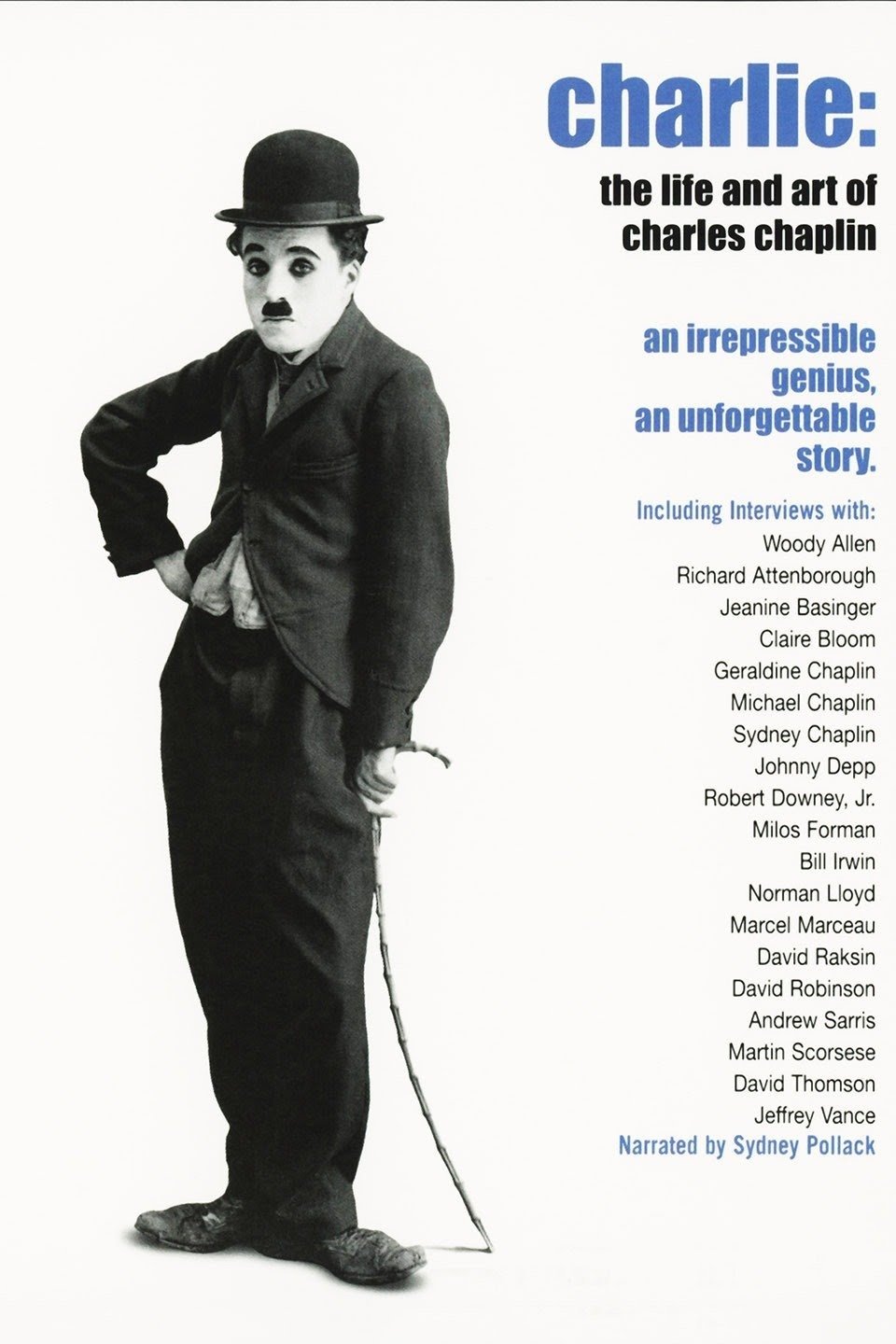
Brilliant, long in-the-works story of the life and art of the world's greatest comedian and the cinema's first genius, Charlie Chaplin. Produced, written and directed by renowned film critic Richard Schickel.
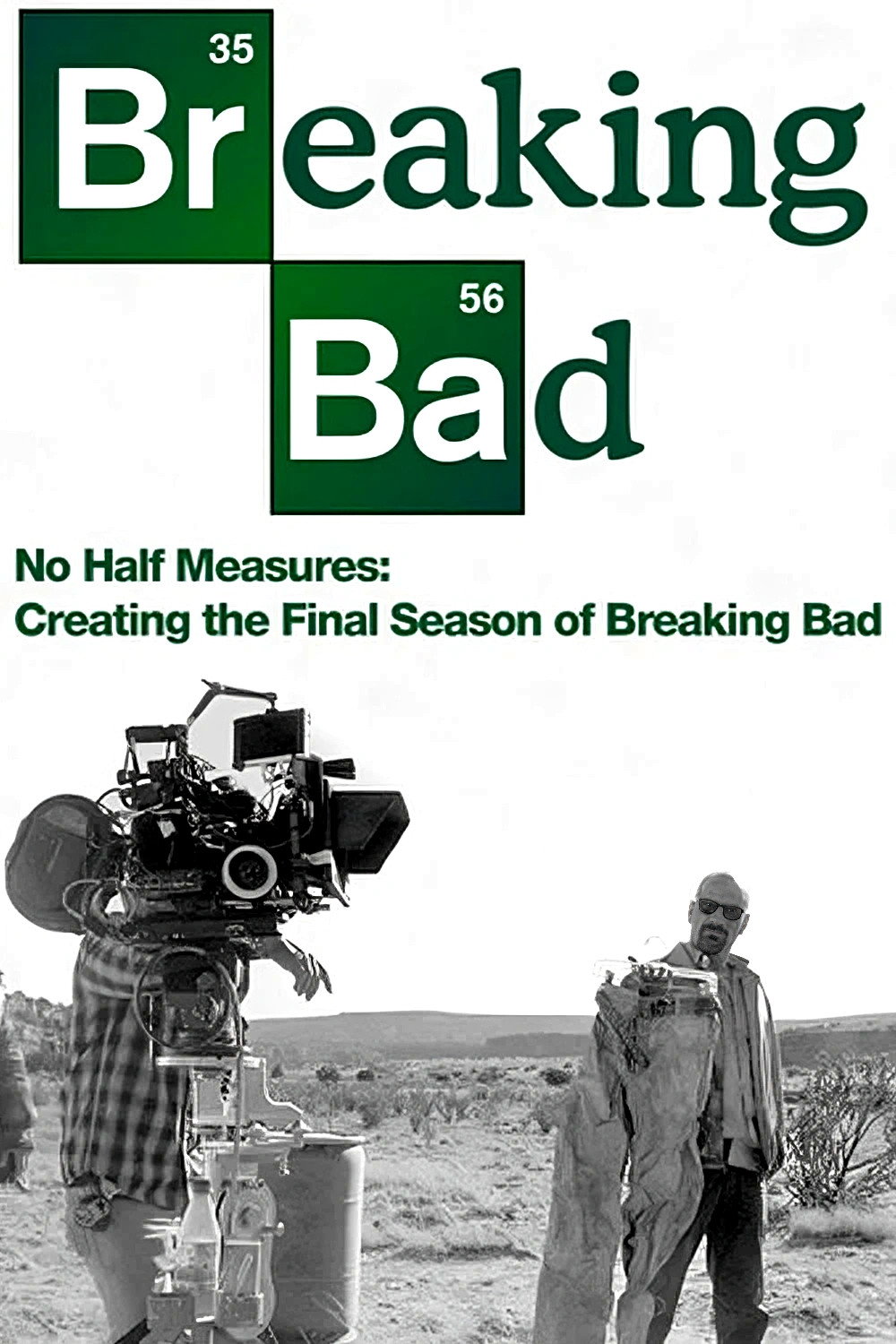
A documentary about the making of season five of the acclaimed AMC series Breaking Bad.
A documentary about how a dominant cultural and demographic institution both sustains their traditional activities and adapts to the digital revolution.
A purely observational non-fiction film that takes viewers into the ethically murky world of end-of-life decision making in a public hospital.
A visual montage portrait of our contemporary world dominated by globalized technology and violence.
The life and career of an actor, artist, and icon. His own journey through his own camera.
A feature length documentary about the all-women team at the helm of Pixar's original feature, Turning Red. With unprecedented behind-the-scenes access to Director Domee Shi and her core leadership crew, this story shines a light on the powerful professional and personal journeys that brought this incredibly comical, utterly relatable, and deeply heartfelt story to the screen.
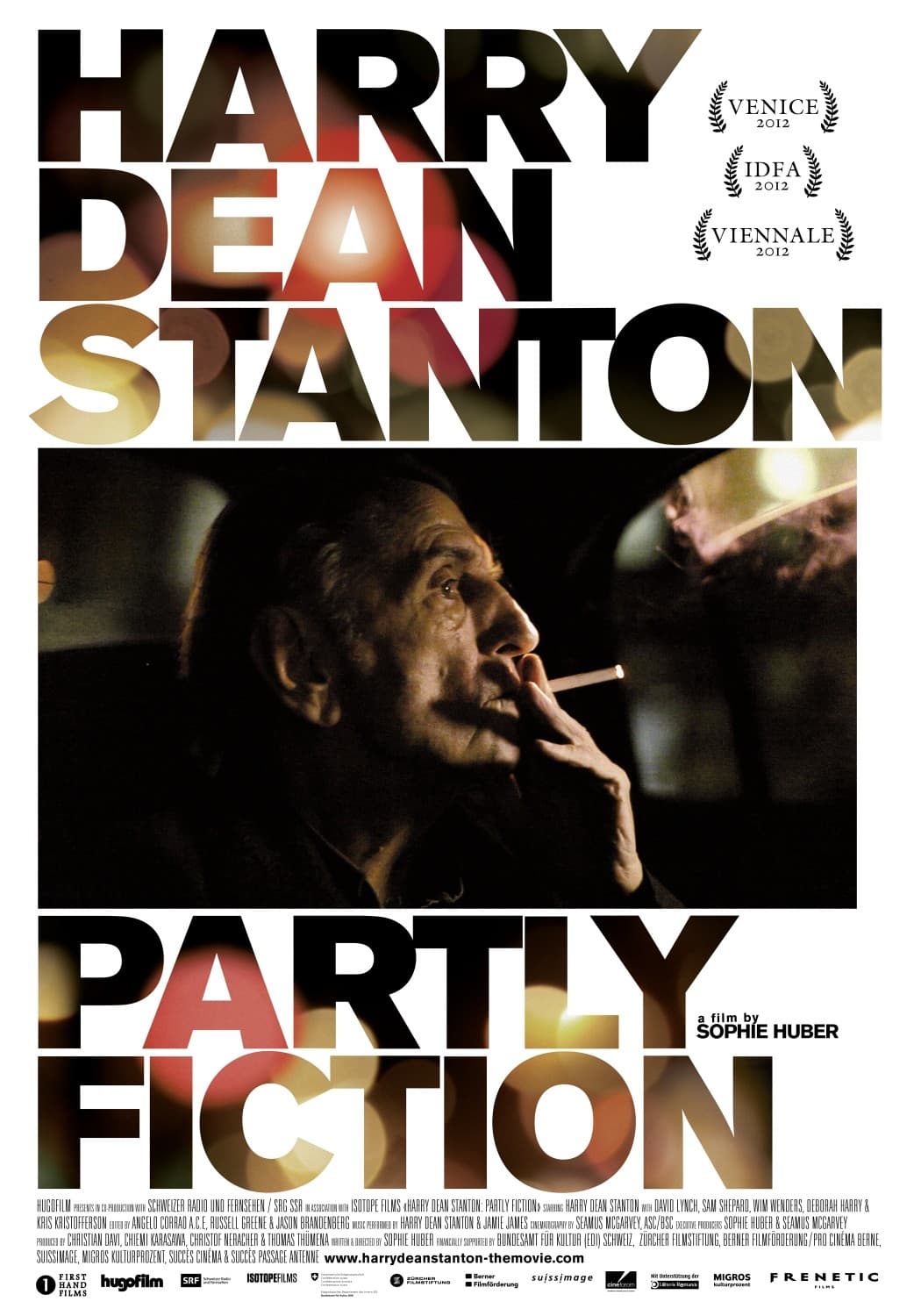
An impressionistic portrait of the iconic actor Harry Dean Stanton comprised of intimate moments, film clips from some of his 250 films and his renditions of American folk songs.
This revealing documentary honors the legendary Sidney Poitier—iconic actor, filmmaker, and civil rights activist. Featuring interviews with Denzel Washington, Spike Lee, Halle Berry, and more.
The life and career of one of comedy's most inimitable modern voices, Mr. Gilbert Gottfried.
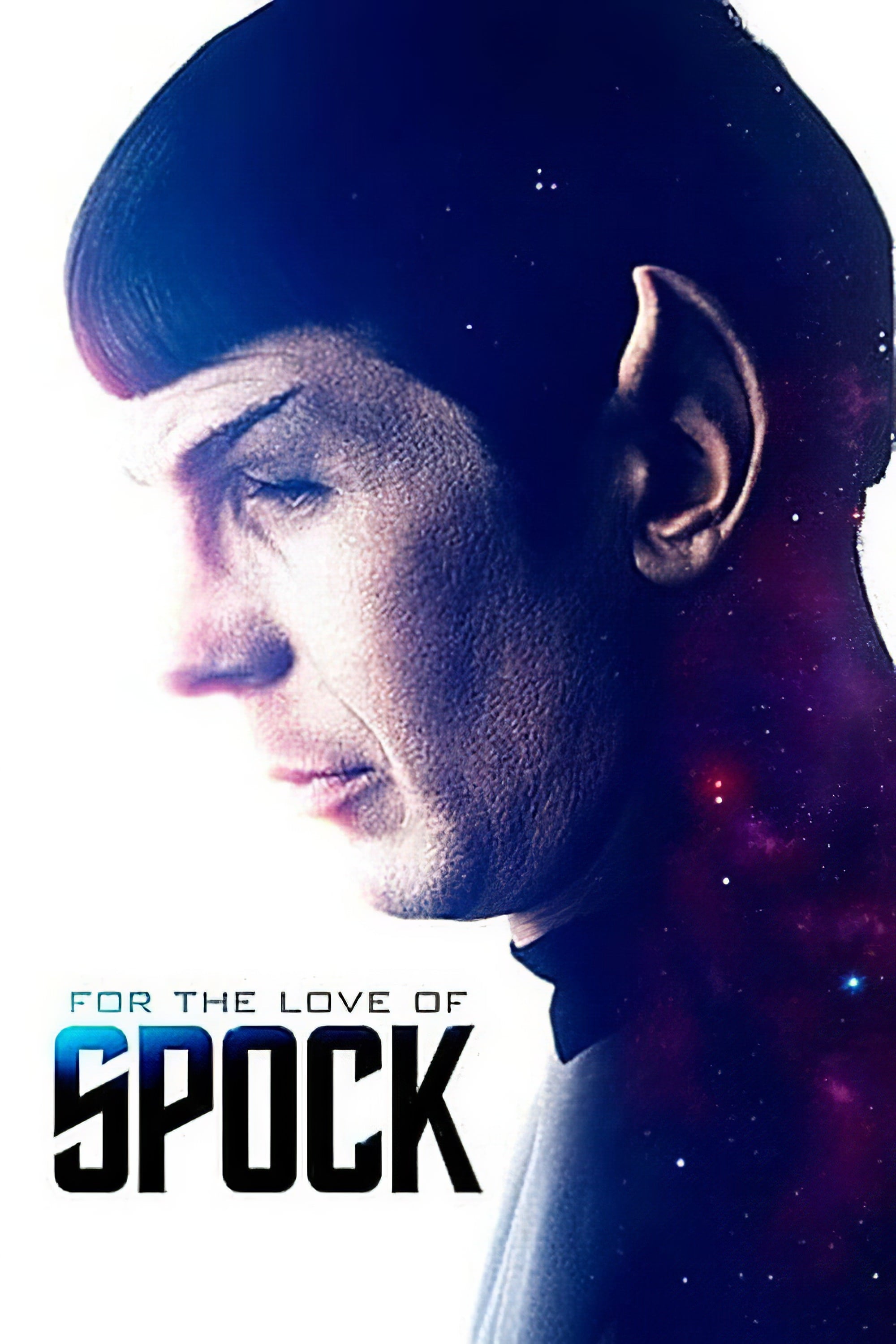
The life of Mr. Spock, as well as that of Leonard Nimoy, the actor who played him for almost fifty years, written and directed by his son: Adam.
The Making-of James Cameron's Avatar. It shows interesting parts of the work on the set.
Sheds light on an alternative approach to farming called “regenerative agriculture” that could balance our climate, replenish our vast water supplies, and feed the world.