Social & External
The people behind it
The Hubble Space Telescope has spent more than 30 years scrutinizing the cosmos in an attempt to unravel the secrets of the Universe and go as close as possible to its origin. But Hubble has also become the superstar of space, offering us magnificent paintings of the Universe.
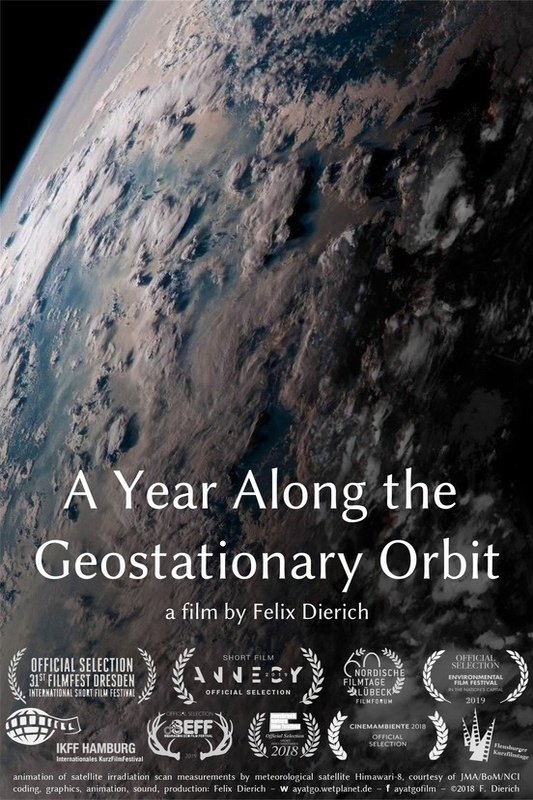
A year through the distant eyes of meteorological satellite Himawari-8 – a hypnotic stream of Earth's beauty, fragility and disasters. Animation of satellite irradiation scan measurements, scientific data by meteorological satellite Himawari-8 courtesy of JMA/BoM/NCI
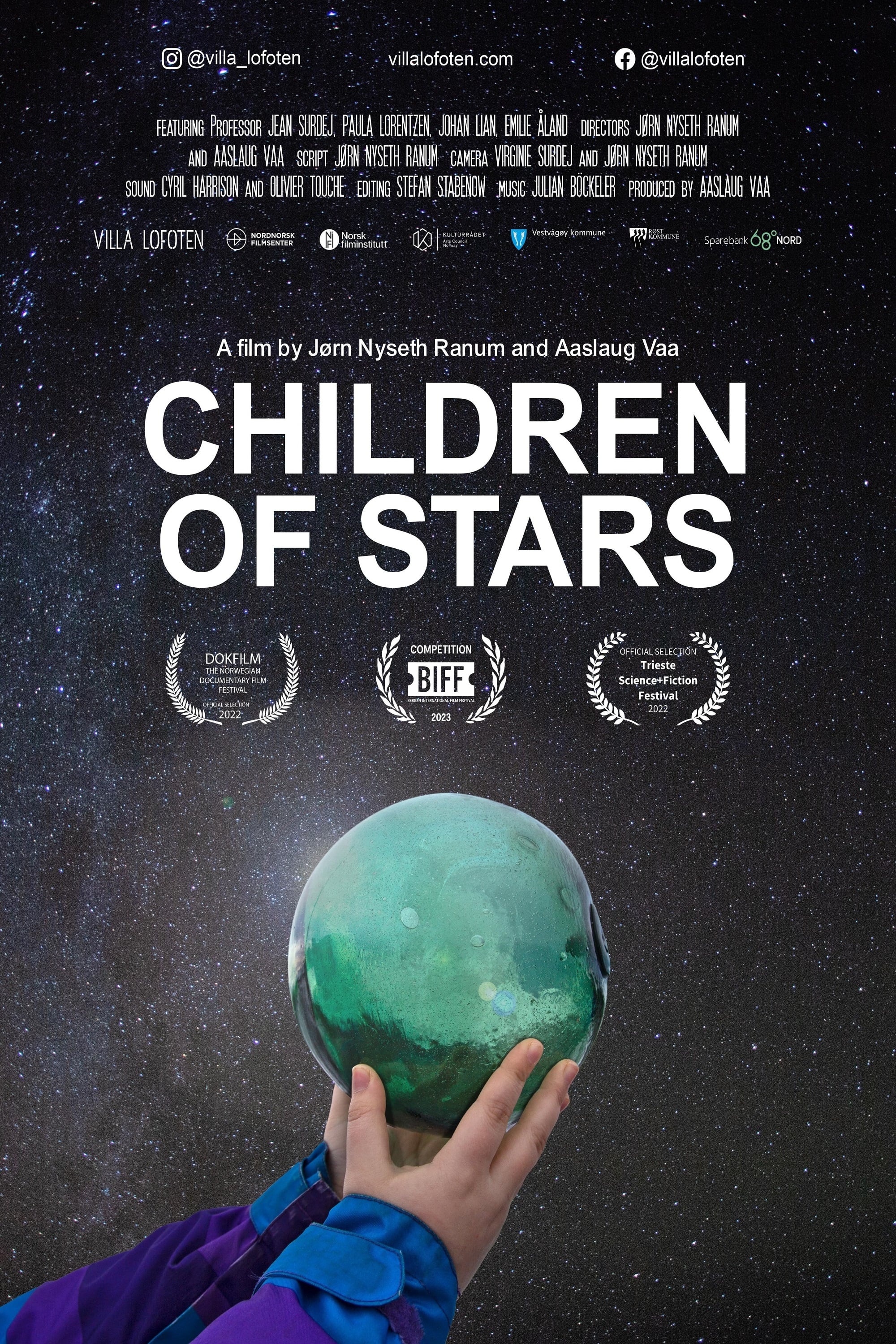
Astrophysicist Jean Surdej brings a small group of teenage pupils on a trip to the Lofoten islands in northern Norway, for a very special class on the solar system. Using the geography of the archipelago to illustrate the distances between the planets, they journey through space by car and ferry, with the picturesque landscapes standing in for the black emptiness that surround the heavenly bodies. A masterstroke of both pedagogy and filmmaking, Children of Stars is a captivating documentary about humanity's place in the grand scheme of things.
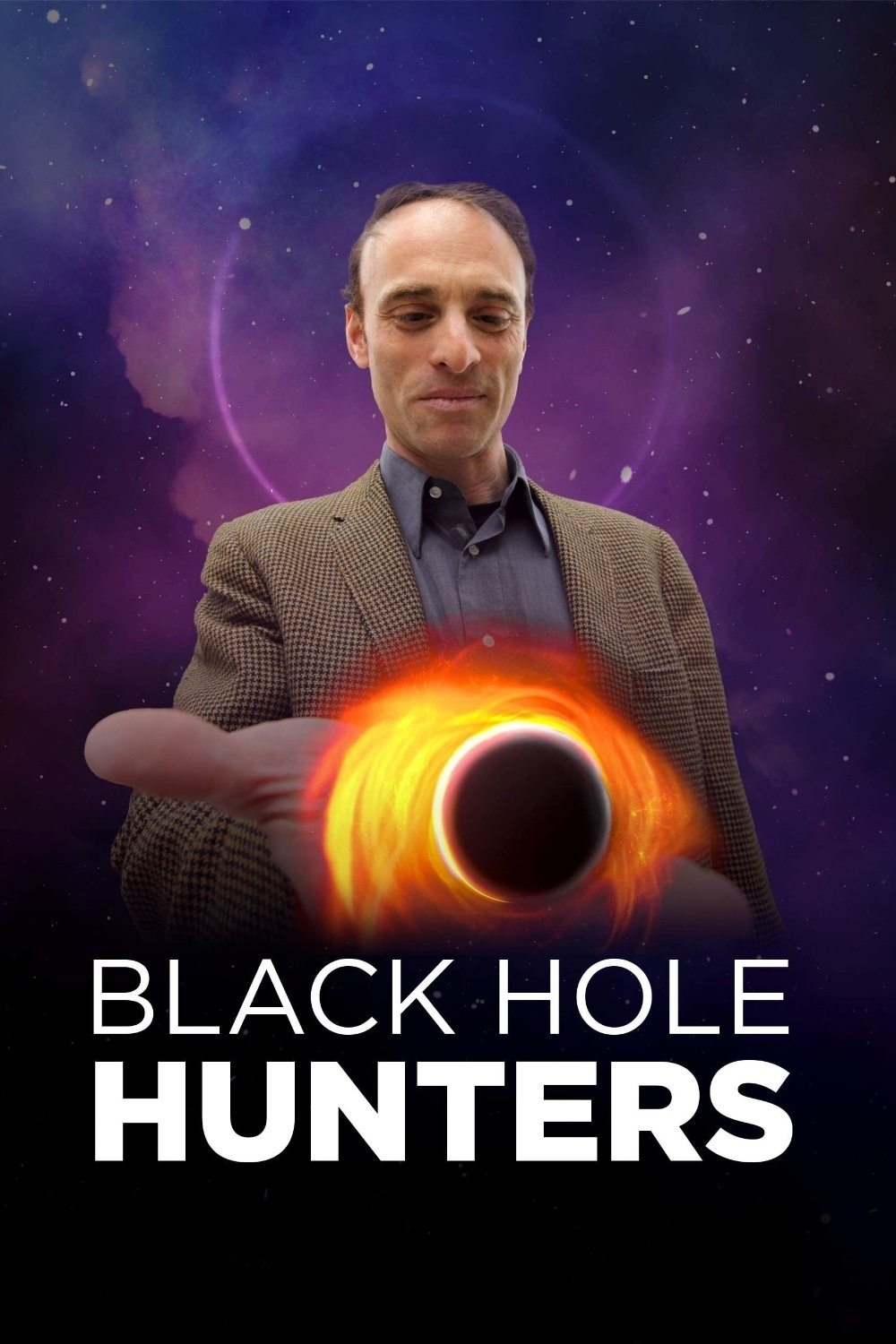
A team of international scientists attempt to document the first-ever image of a black hole.
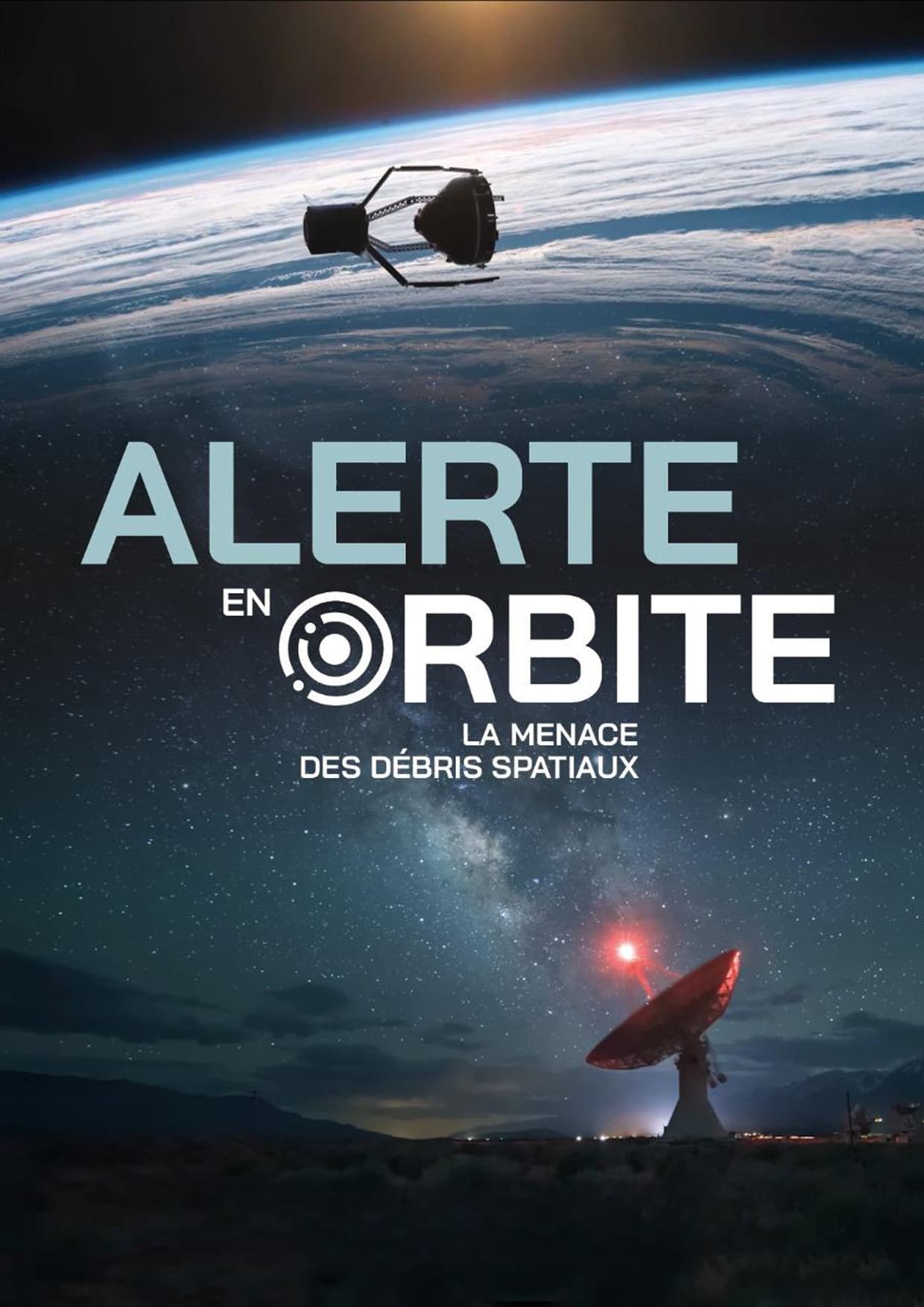
Today, hundreds of kilometers above our heads, millions of pieces of trash are orbiting randomly at breakneck speed. Scientists are now warning that, if nothing is done, the exploration outside our planet, and communications systems within, will be almost impossible within 30 years. How can we collect the space trash and avoid future disasters?
In the year 1957 the cold war expands to space. The Soviet-Union sends Sputnik as the first manmade object into earth-orbit. 3 years later Yuri Gagarin enters space as the first man in space. The so called "Space Race" seems to be decided. But in 1961 President Kennedy promised to send American Astronauts to the Moon. The Apollo Project was born. A space ship had to be built that is strong enough to escape earth's gravitation, land on the moon and bring the crew safely back to earth. Motion Designer Christian worked with his brother and Composer Wolfgang for 18 months on this shortfilm. The foundation were thousands original NASA photographies, taken from the Astronauts during the Apollo Missions, which were released in September 2015. It is an animated collage using different techniques to bring the stills to life.
The Wonder of it All focuses on the human side of the men behind the Apollo missions through candid interviews with seven of the Apollo astronauts: Buzz Aldrin, Alan Bean, Edgar Mitchell, John Young, Charles Duke, Eugene Cernan and Harrison Schmitt. They all reflect on the training, the tragedies, the camaraderie, and the effect that their space travel has had on their families.
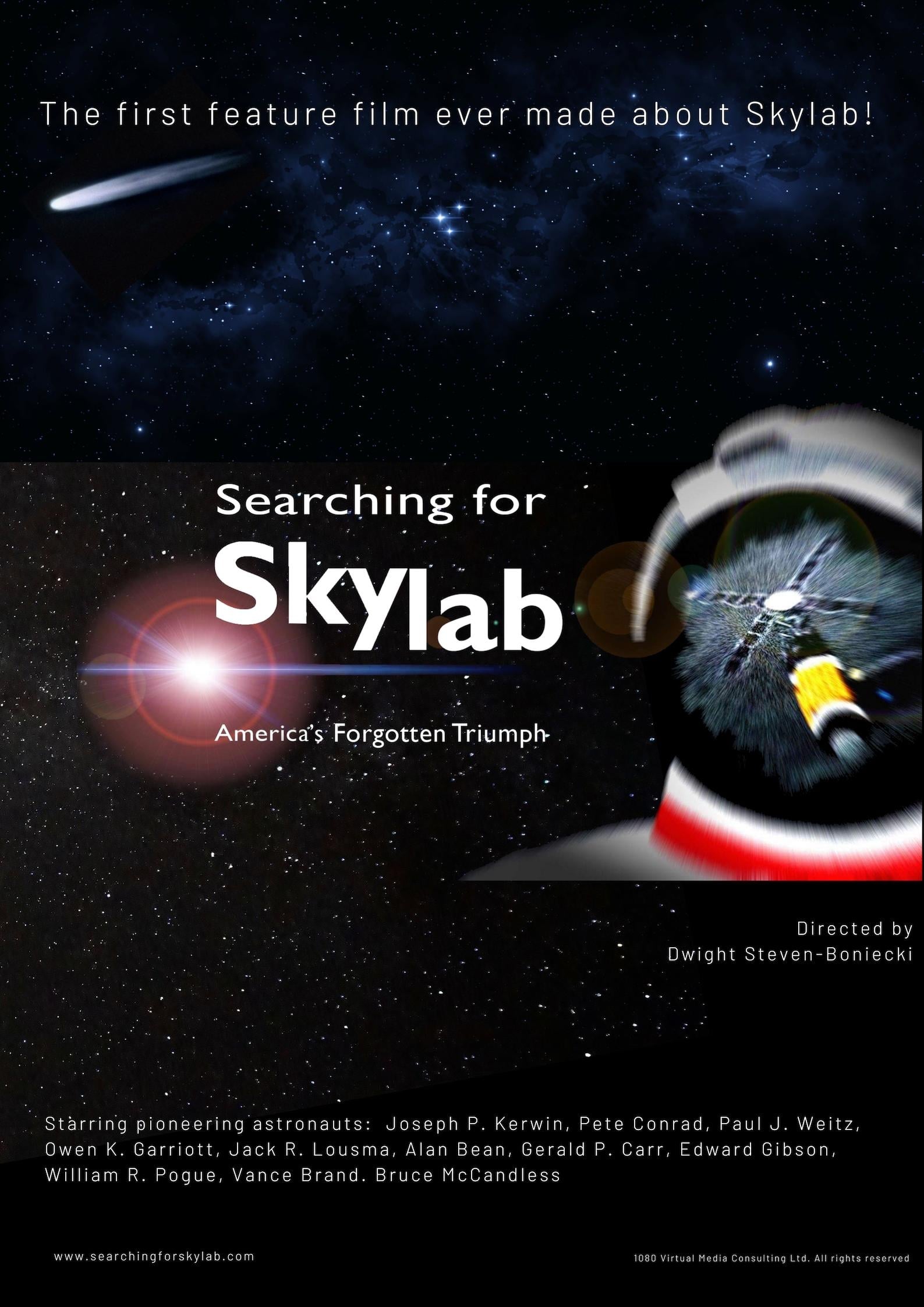
The first American space station Skylab is found in pieces scattered in Western Australia. Putting these pieces back together and re-tracing the Skylab program back to its very conception reveals the cornerstone of human space exploration.
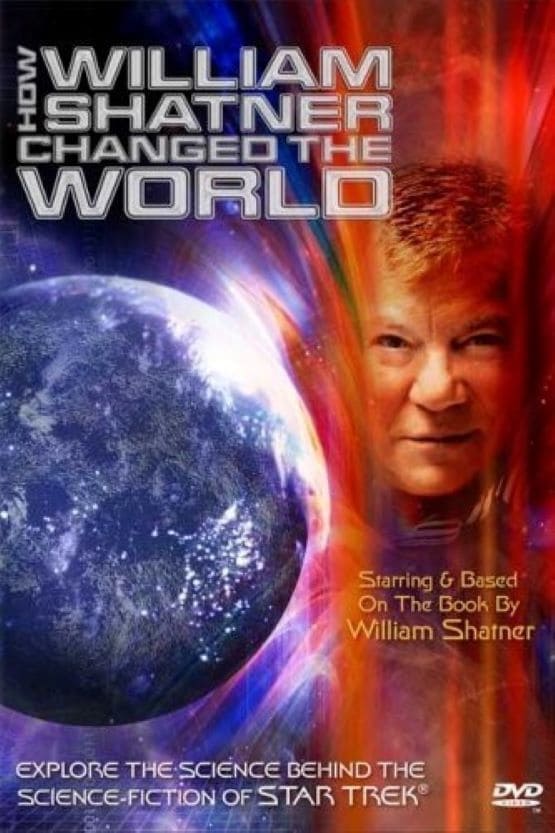
William Shatner presents a light-hearted look at how the "Star Trek" TV series have influenced and inspired today's technologies, including: cell phones, medical imaging, computers and software, SETI, MP3 players and iPods, virtual reality, and spaceship propulsion.
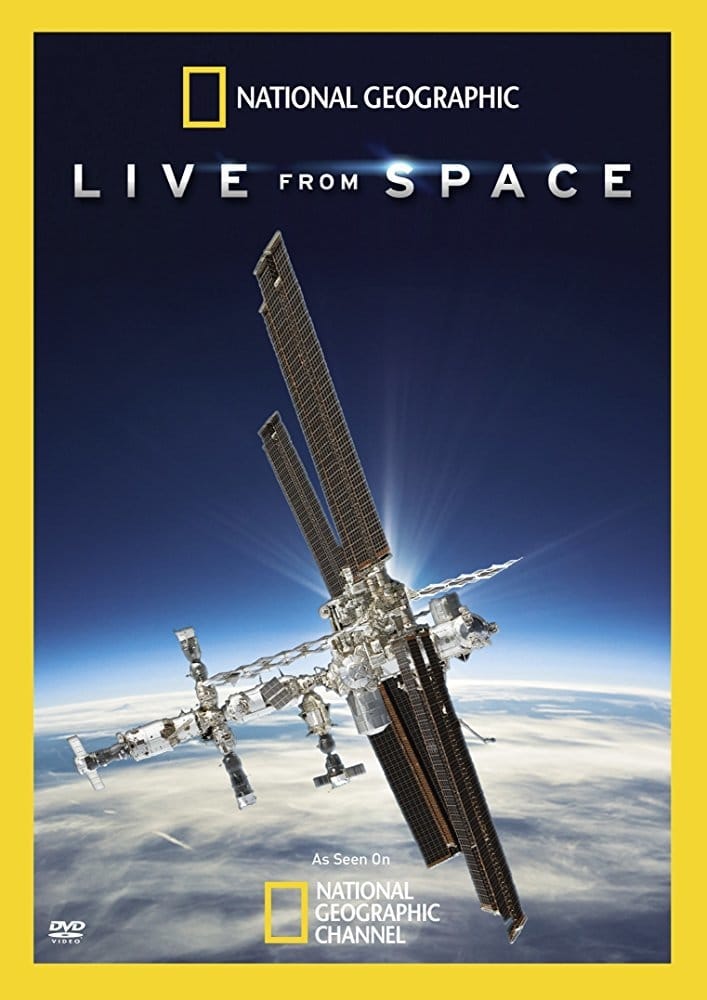
National Geographic and NASA are sending you into space - live! For the first time ever, board the International Space Station and take a complete orbit of Earth in real time.
The New Horizons team examines the latest findings and imagery from Pluto and the fringes of our solar system revealing a world unlike any other we've seen before.
A new age of space exploration, and exploitation, is dawning. But surprisingly, some of the boldest efforts at putting humans into space are now those of private companies started by a handful of maverick billionaire businessmen. Beyond mass space travel, and even space mining and manufacturing, the dream of Elon Musk and others is true space exploration. His company, SpaceX, already delivers supplies to the International Space Station, and their next step is delivering astronauts too. But their true ambition is to ensure the survival of the human race by crossing our solar system and colonizing Mars in the next decade. Could commercial spaceflight companies eventually make us a space-faring civilization?
The International Space Station is the most ambitious orbital project ever built. This film explores elements of life inside it.
Short educational film of our solar system
In VAST, we set off on a journey further into space than any other human being has ever been. Join us on the journey, starting in our own solar system all the way out to the Big Bang.
This feature-length documentary is a portrait of eclipse chasers, people for whom solar eclipses - among nature's more spectacular phenomena – are a veritable obsession. The film follows 4 of them as they travel incredible distances to witness the last total eclipse of the millennium as it sweeps eastward across Europe to India. At various points along the way enthusiasts Alain Cirou in France, Paul Houde in Austria, Olivier Staiger in Germany and Debasis Sarkar in India offer their impressions of the historic event.
The wonders of the universe have long propelled our insatiable desire to learn more about who we are and where we came from. With the advancing age of science and technology, we're able to explore our world and the cosmos like never before. We are exploring the unknown at the farthest reaches in space unlocking new wonders and mysteries that are both shocking and amazing. From colling planets, to disappearing comets, to unexplained activity on the surface of planets in our solar system, the next evolution of mankind is well underway.
One film projected two times with a difference of a couple of seconds.
In one single, epic camera move we journey from Earth's surface to the outermost reaches of the universe on a grand tour of the cosmos, to explore newborn stars, distant planets, black holes and beyond.
An inside look at one of the most anticipated movie sequels ever with James Cameron and cast.
The Making-of James Cameron's Avatar. It shows interesting parts of the work on the set.
A documentary about ten very different lives connected by having appeared onscreen wearing masks or helmets in Star Wars.
A comedic, brutally honest documentary following self-destructive TV writer Dan Harmon as he takes his live podcast on a national tour.
A string of threatening emails escalates into a revenge plot involving a newly married US marshal and his ex-girlfriend.
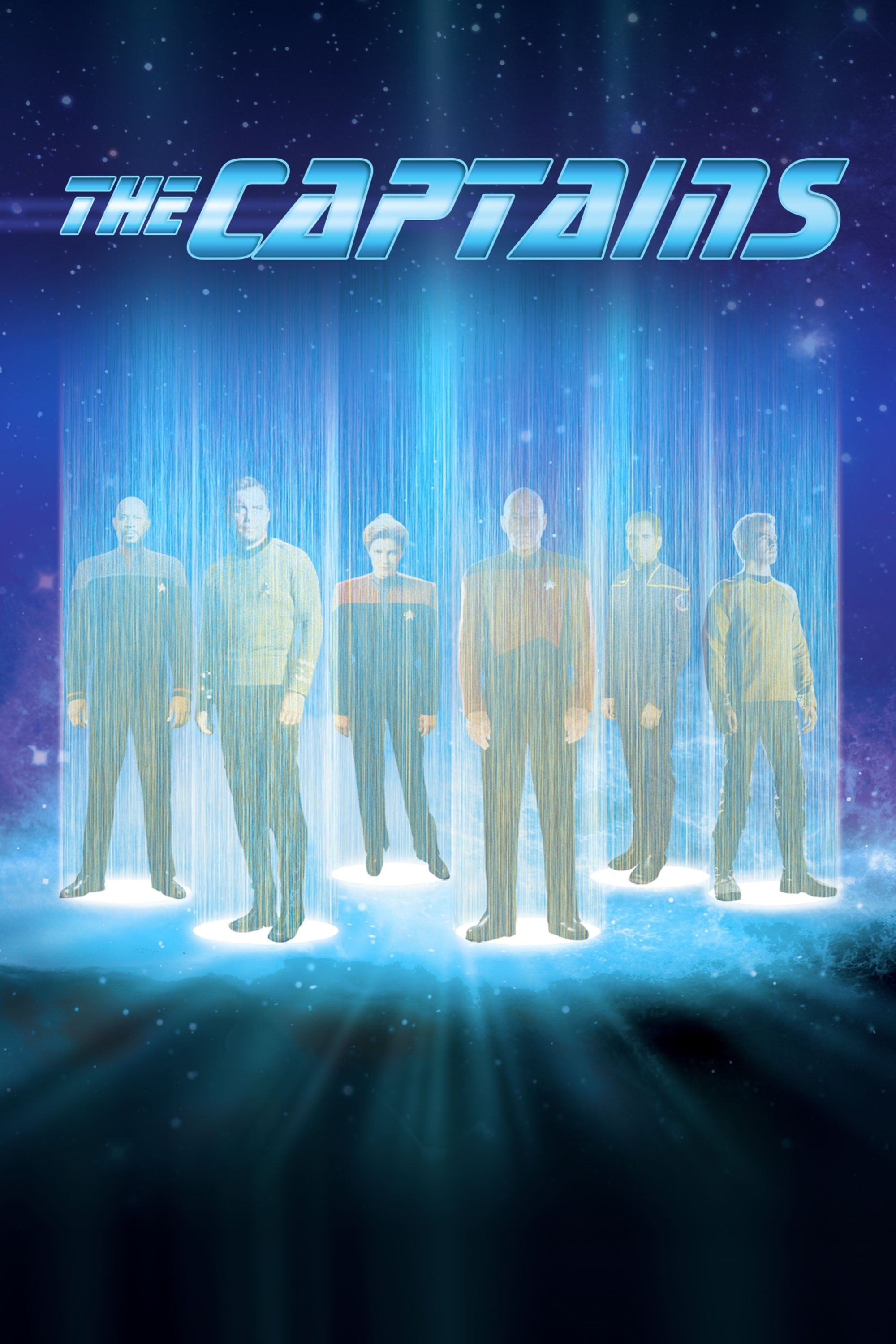
The Captains is a feature-length documentary film written and directed by William Shatner. The film follows Shatner as he interviews the other actors who have portrayed starship captains in the Star Trek franchise.
The life and career of an actor, artist, and icon. His own journey through his own camera.
Those who knew iconic funnyman John Candy best share his story, in their own words, through never-before-seen archival footage, imagery, and interviews.
Al Pacino's deeply-felt rumination on Shakespeare's significance and relevance to the modern world through interviews and an in-depth analysis of "Richard III."
A documentary about the life and films of director John Ford.
This revealing documentary honors the legendary Sidney Poitier—iconic actor, filmmaker, and civil rights activist. Featuring interviews with Denzel Washington, Spike Lee, Halle Berry, and more.
Aspiring teenage astronauts reveal that a journey to Mars is closer than you think.
A visual montage portrait of our contemporary world dominated by globalized technology and violence.
A documentary detailing the epic Rogues' Gallery of DC Comics from The Joker and Lex Luthor, Sinestro, Darkseid and more, this documentary will explore the Super Villains of DC Comics.
A night of drunken chaos rocks a quiet Dutch town in this shocking documentary about a teen's birthday invite that accidentally went viral on Facebook.
The inspirational true story of Opportunity, a rover that was sent to Mars for a 90-day mission but ended up surviving for 15 years. Follow Opportunity’s groundbreaking journey on Mars and the remarkable bond forged between a robot and her humans millions of miles away.
A documentary chronicling Queen and Lambert's incredible journey since they first shared the stage together on "American Idol" in 2009.
A sexual wellness company gains fame and followers, then members come forward with shocking allegations.
Over 35 years after Bob Lazar's revelations, this documentary exposes secrets of a facility the government still denies. Featuring Lazar's testimony, recreations, and new evidence, it reopens a case that continues to spark global curiosity