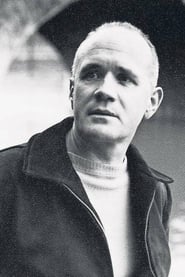
Poetic stroll in the work of Jean Genet.
Social & External
The people behind it
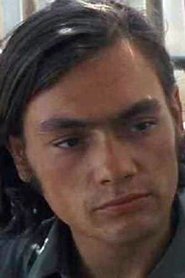
Patrick Jouané
Self
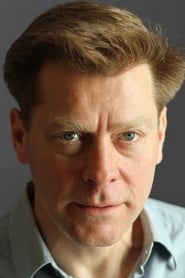
Philippe Chemin
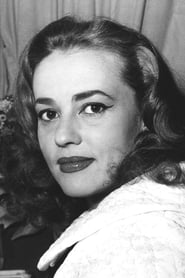
Jeanne Moreau
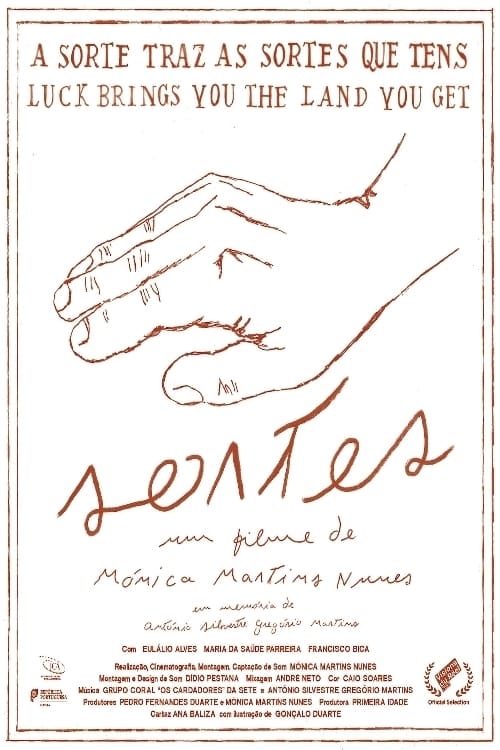
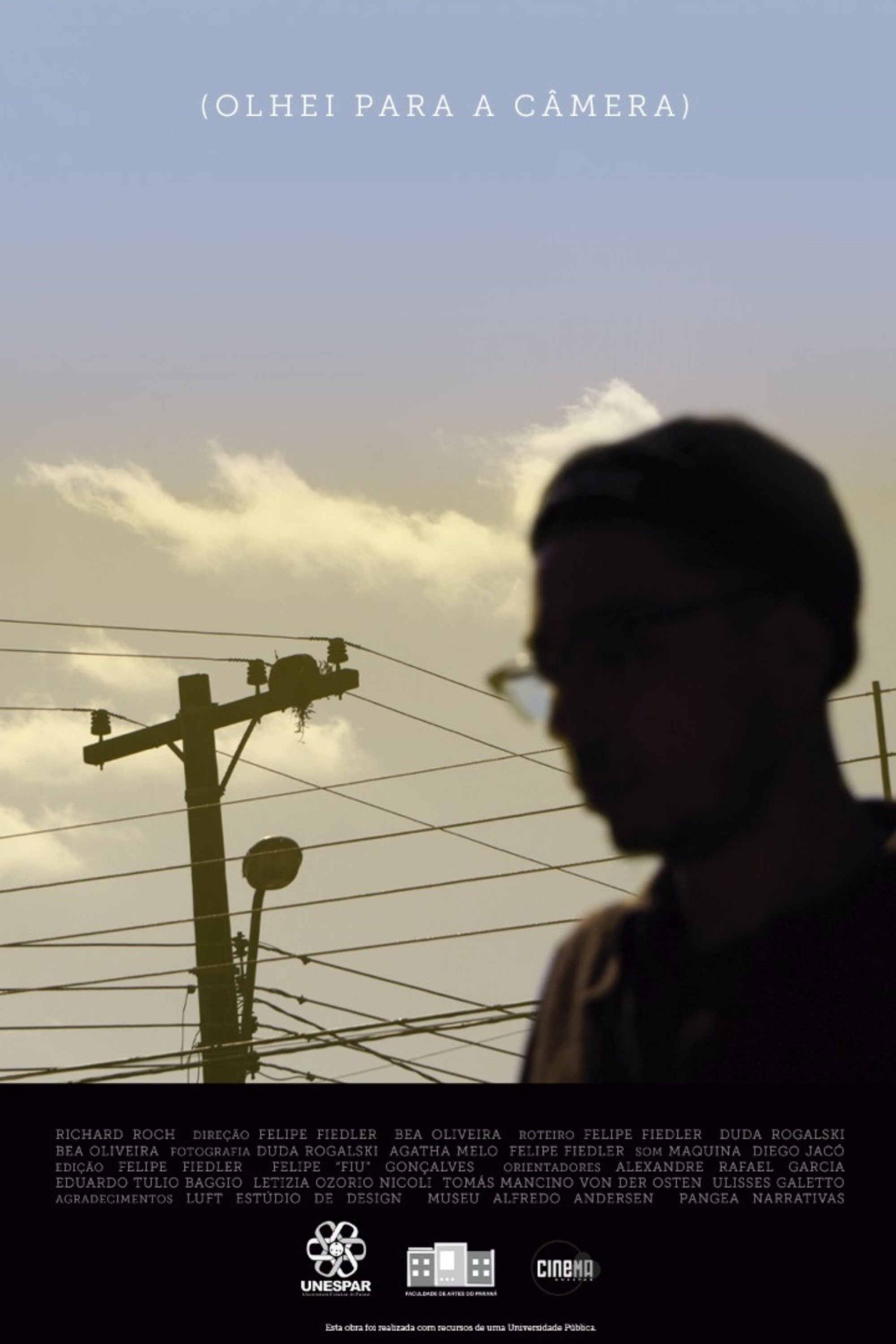
Beneath the harvest sun and the cicada song, Mónica Martins Nunes builds a touching portrait of Serra de Serpa, an arid region in the south of Portugal affected by rural exodus. The poems sung by the shepherds and market traders resonate like the last gesture of a human landscape which resists sinking into oblivion.
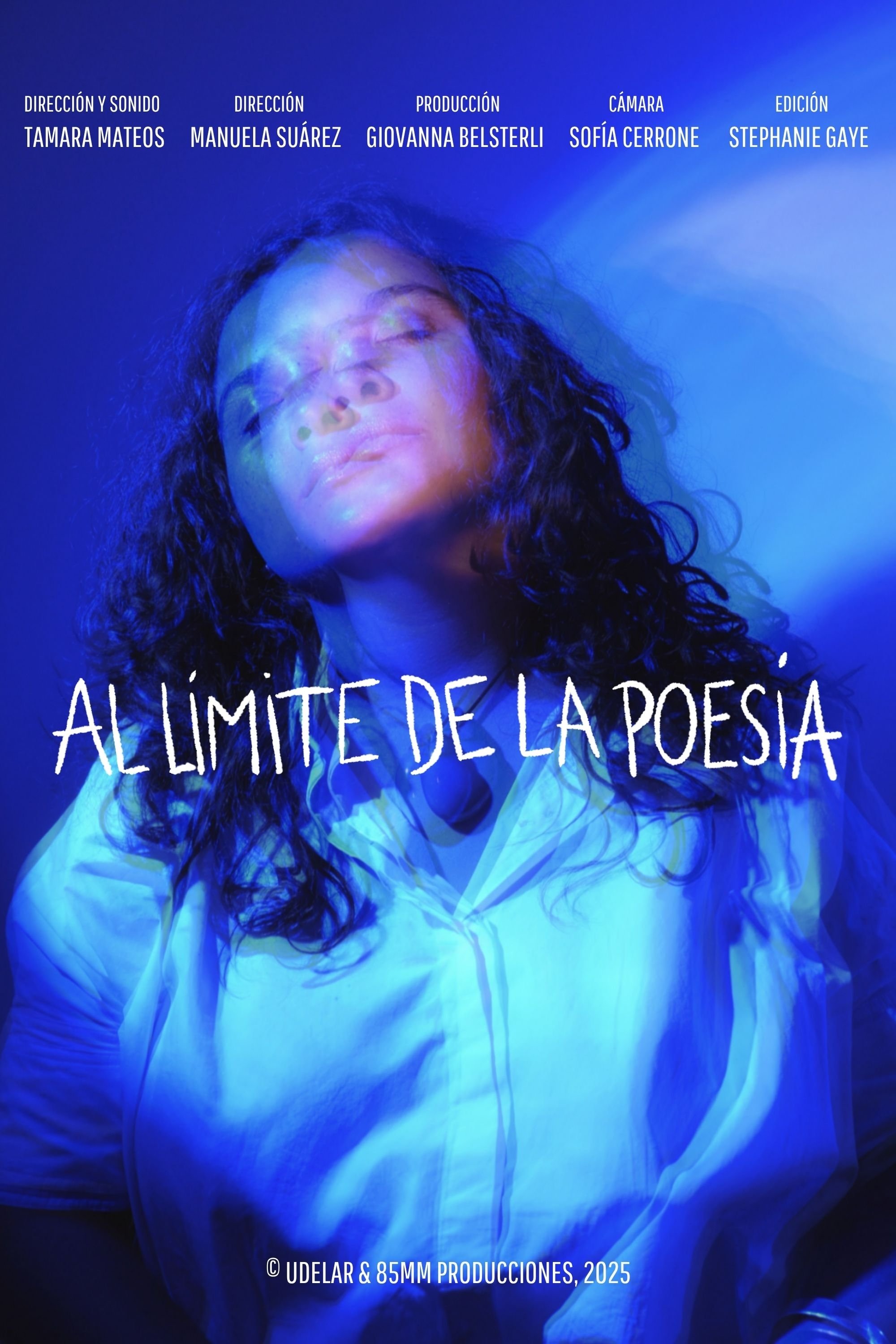
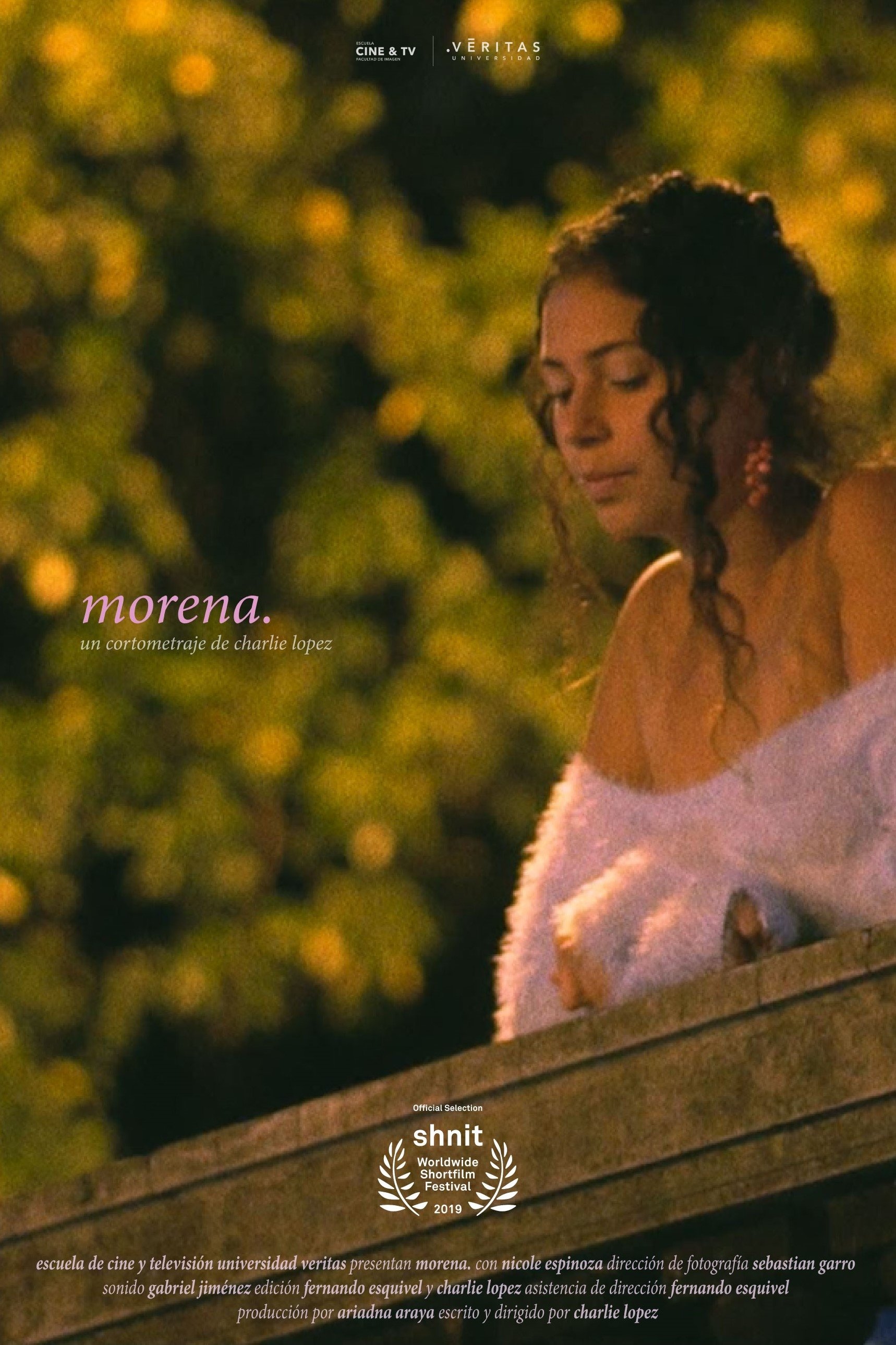
Valentina seeks refuge from the incessant waves of her mind in the pages of her upcoming poetry book Lapislazuli, trying to keep her life from slipping away like sand through her fingers. With words from her poem Citrino, we journey through a range of emotions and feel the ups and downs of her Borderline Personality Disorder.
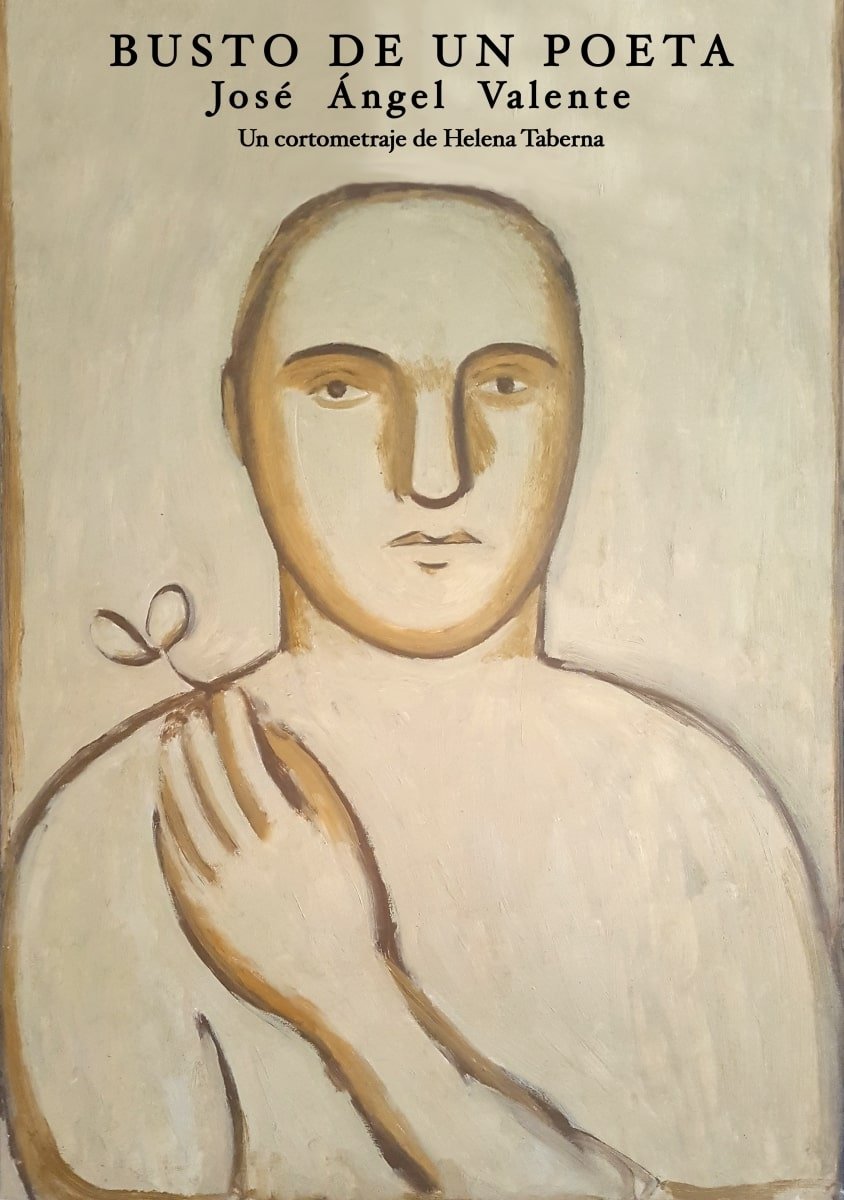
In Busto of a poet, the word is the real protagonist: the verses, reflections and texts of José Ángel Valente take shape through the poet's gaze around the lands, landscapes and monuments of Navarre, in a deep and magical journey. Image, word, music and silence converge and harmonize.
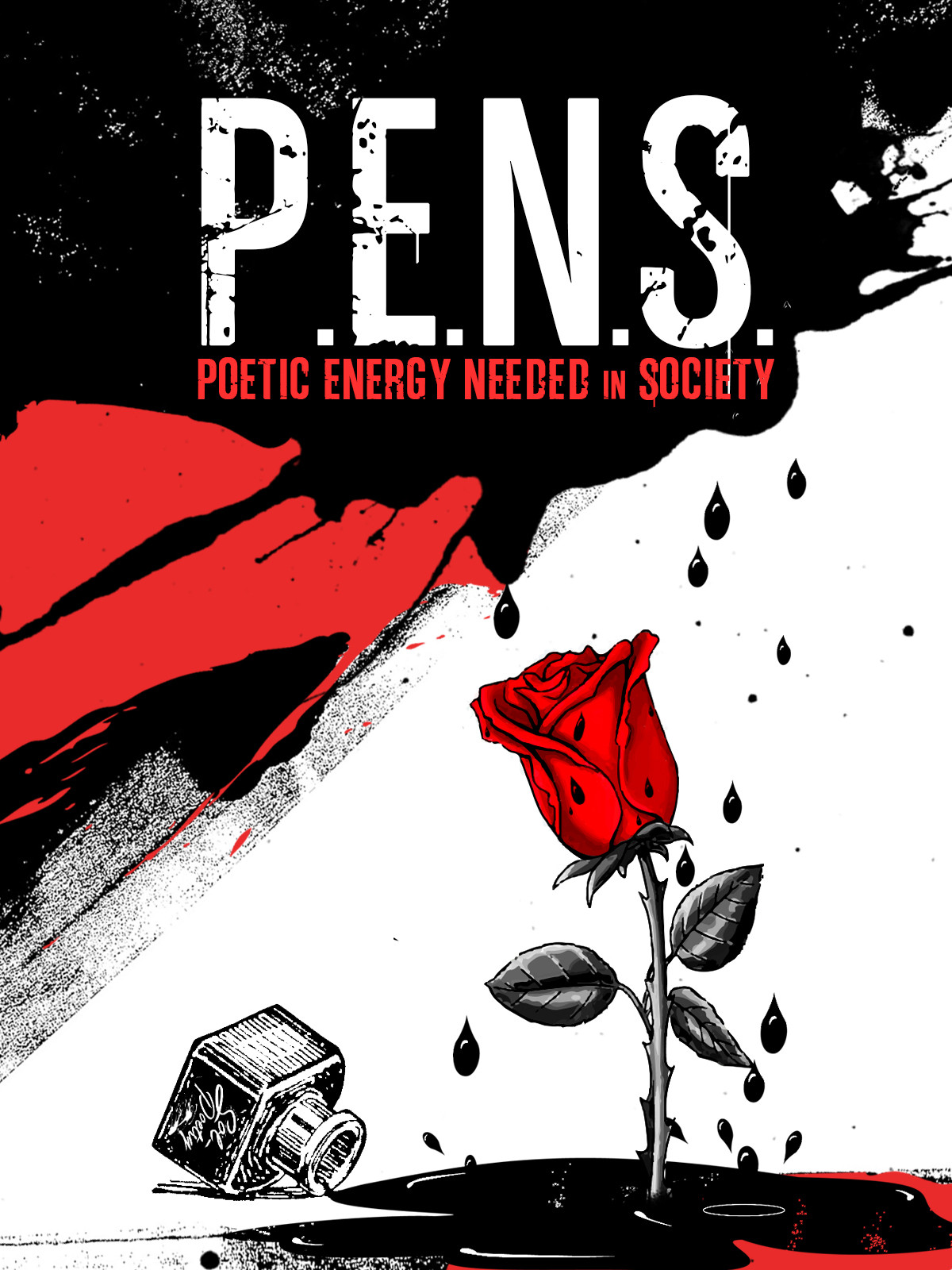
There is a cultural tide rising in Houston. Amid the city's museums, historic landmarks, and vibrant nightlife exists a cache of the nation's most prolific spoken word artists. The community of poets is as diverse as the city it represents. Their words are etched in the very fabric of H-town. Their story, once the city's best-kept secret, will finally be told. The "P.E.N.S. (Poetic Energy Needed in Society)" highlights the poetry scene of Houston, Texas. The film adaptation and powerful message is the brainchild of director Mikell "Fetti" Limbrick and executive producer, Carlos Wallace.
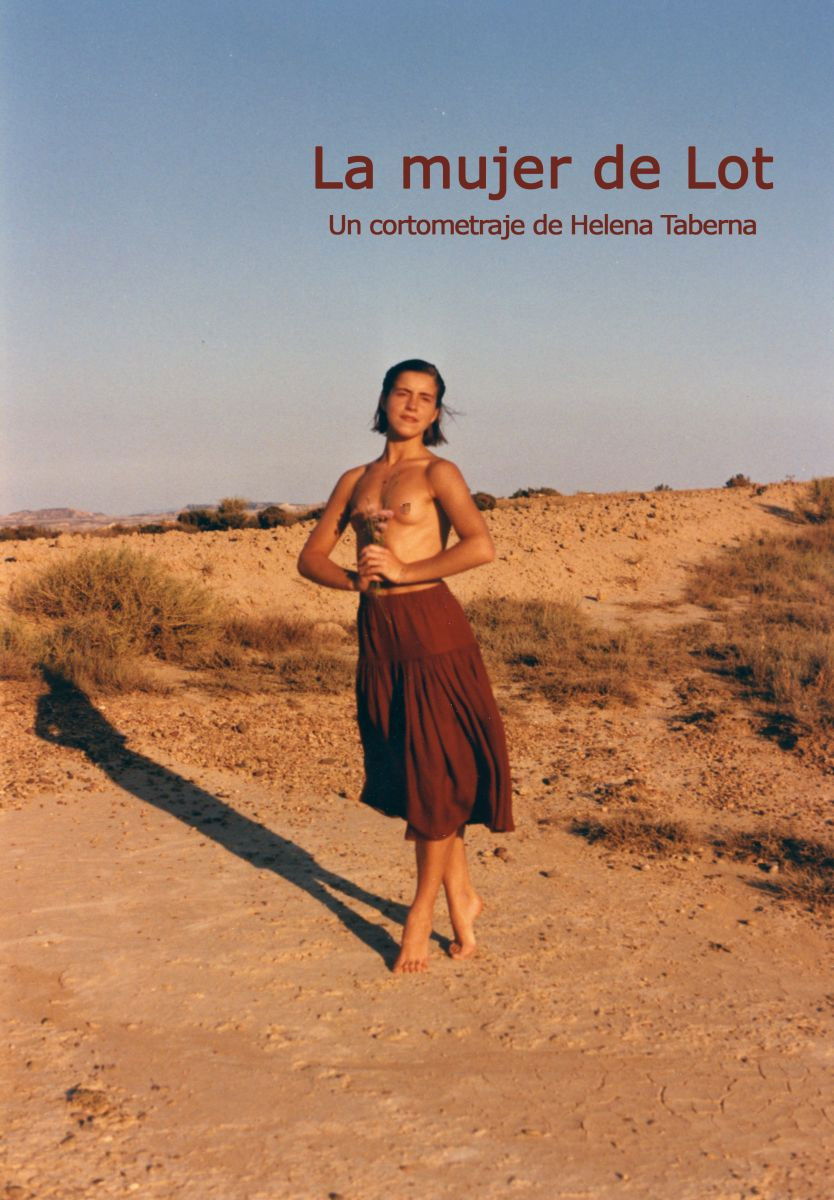
A woman's walk through time and search for true freedom. The inner look breaks with the punishment of immobility, and the woman's destiny becomes a symbol of poetry and freedom.
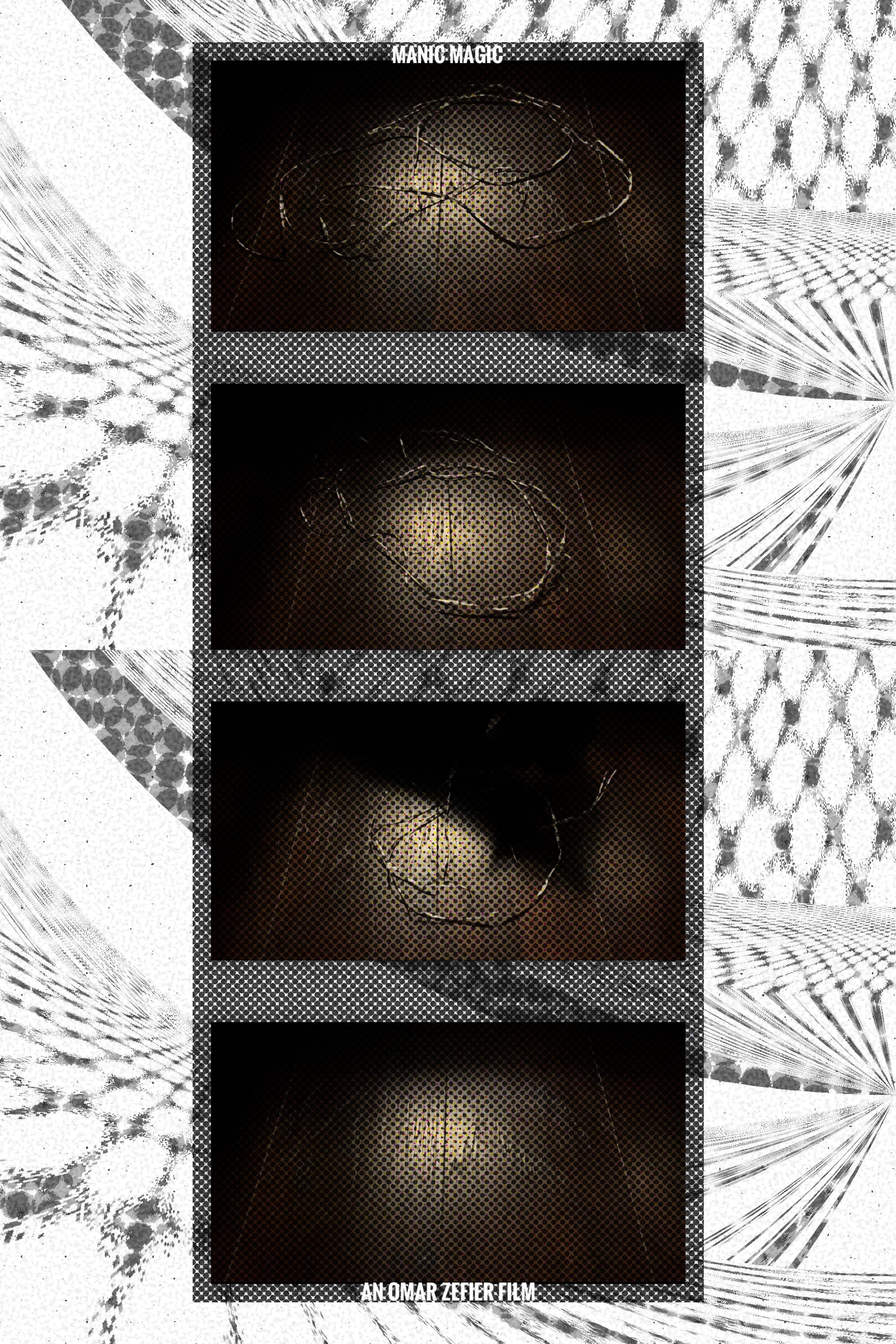
A poem about mania written by Omar Zefier. His second film.
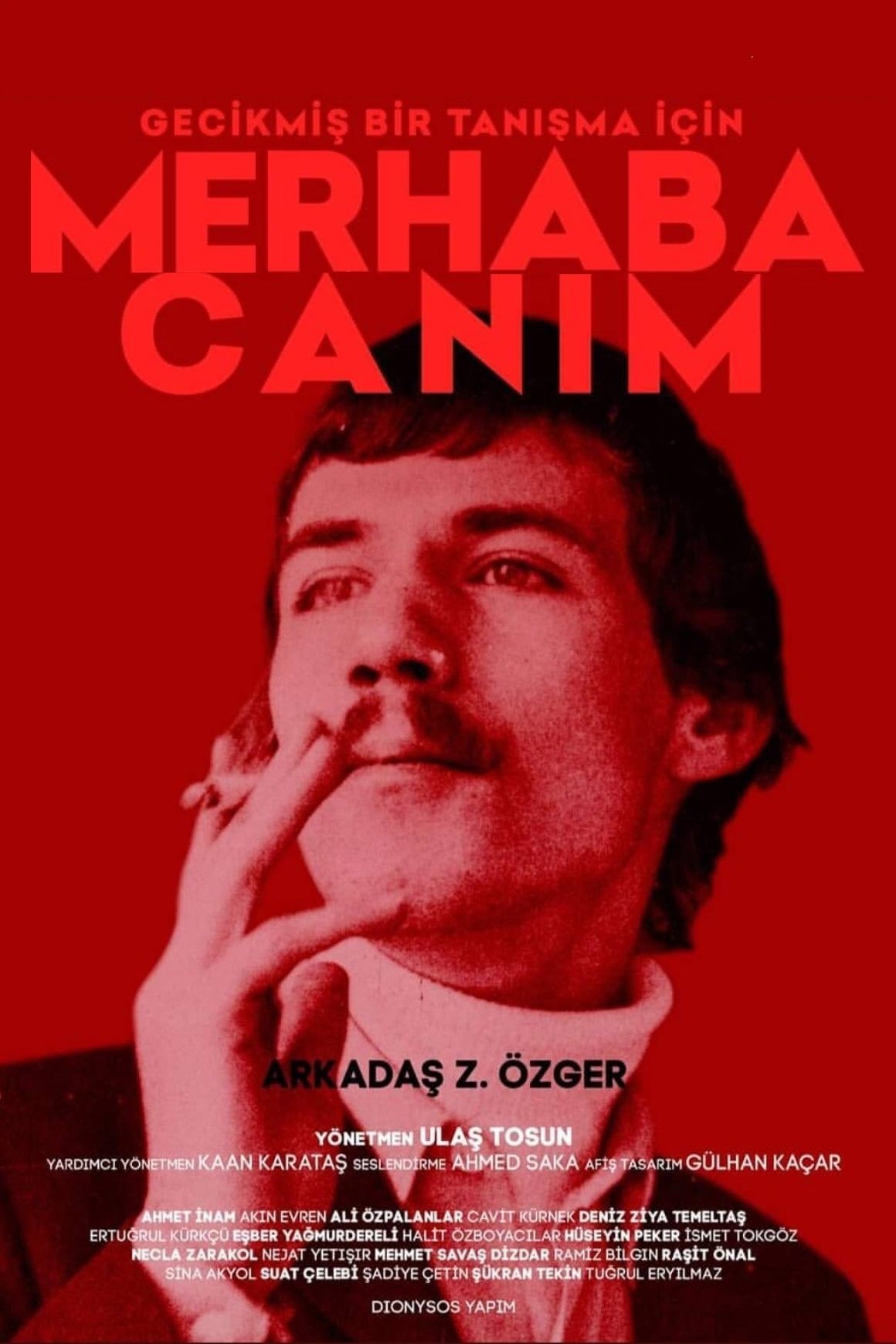
The documentary is titled after Arkadaş Z. Özger’s poem “Hello My Dear” which had caused much controversy in the period it was first published. Considered to be in defiance of heteronormativity, the said poem includes references to the poet’s personality, his family, his relationship to the society, and his “unexpected” death, which came three years after its publication. Today, 50 years after it was written, the documentary follows these same lines in the poem utilising cinematic elements. The documentary also rediscovers the poetics; reaches out to the family, the comrades, the friendships, departing from the official historical accounts, cognizant of his experience of otherness, in pursuit of the “lost” portrait of Arkadaş Z. Özger.
Once described by the press as "one of the most controversial figures on the Australian art scene", avant-garde poet and playwright Christopher Barnett achieved a level of notoriety in the Melbourne underground theatre scene during the ‘70s and ‘80s, before self-exiling to France. He remains there today, running an experimental theatre lab working with the marginalised and underprivileged, applauded by the establishment (including former French Prime Minister Jean-Marc Ayrault) and faithful to his belief that art can change the world. These Heathen Dreams is an intimate portrait of Barnett's life and revolutionary philosophy. Combining archival footage dating back to the ‘60s with contemporary observational documentation and text from Barnett's writings, it is a poignant and inspiring study of the power of both art and political activism.
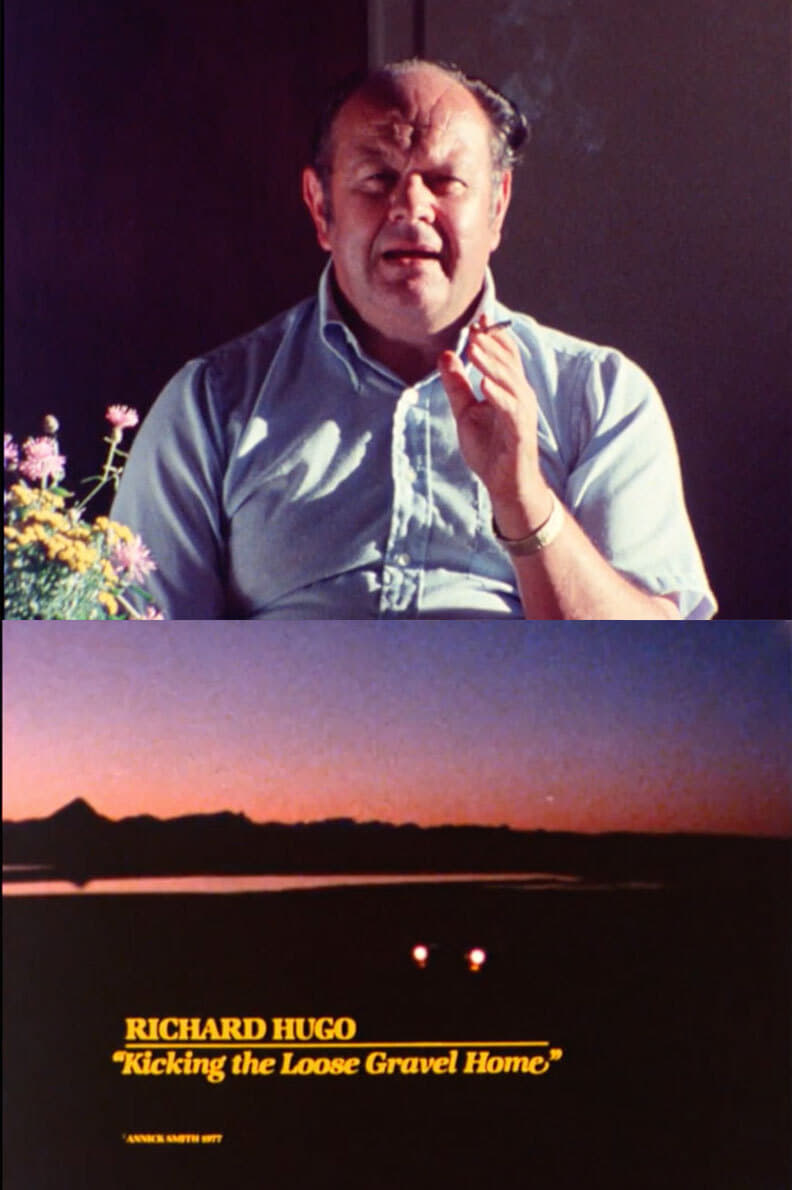
Filmed on location in Montana and Washington State, this 1976 biography of poet and teacher Richard Hugo features readings of some of his most famous poems as well as interviews with his family and friends.
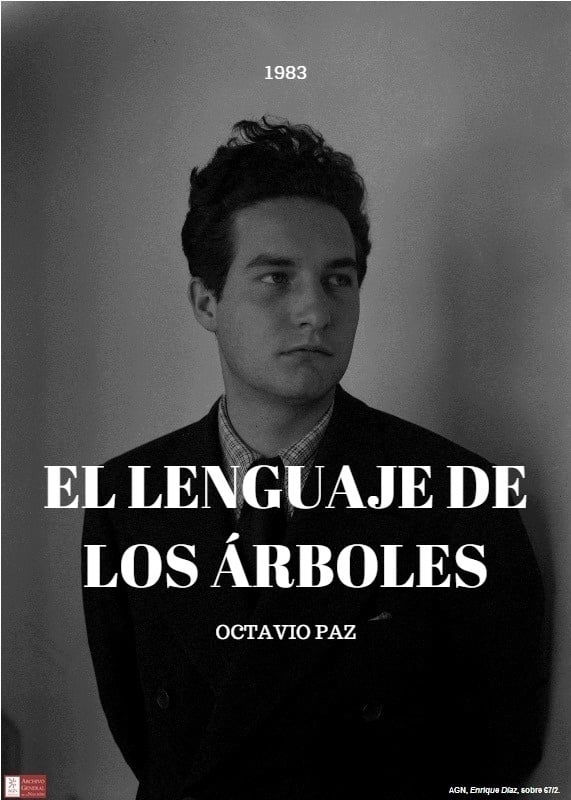
An exploration on Paz's poetry by Paz himself, his childhood, his ideas about love and the nature of art
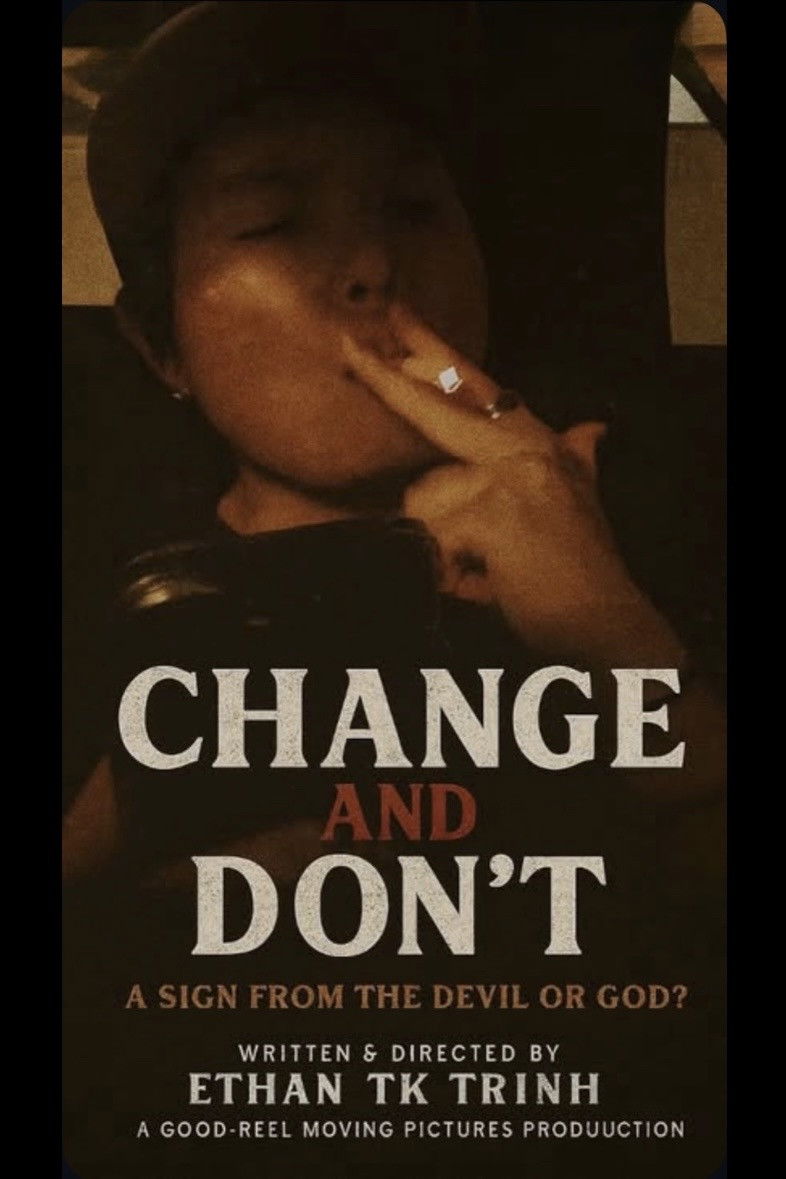
An intimate visual poem explores the delicate balance between change and stillness, inspired by Ethan TK Trinh’s 2025 poetry collection, “Change and Don’t.”
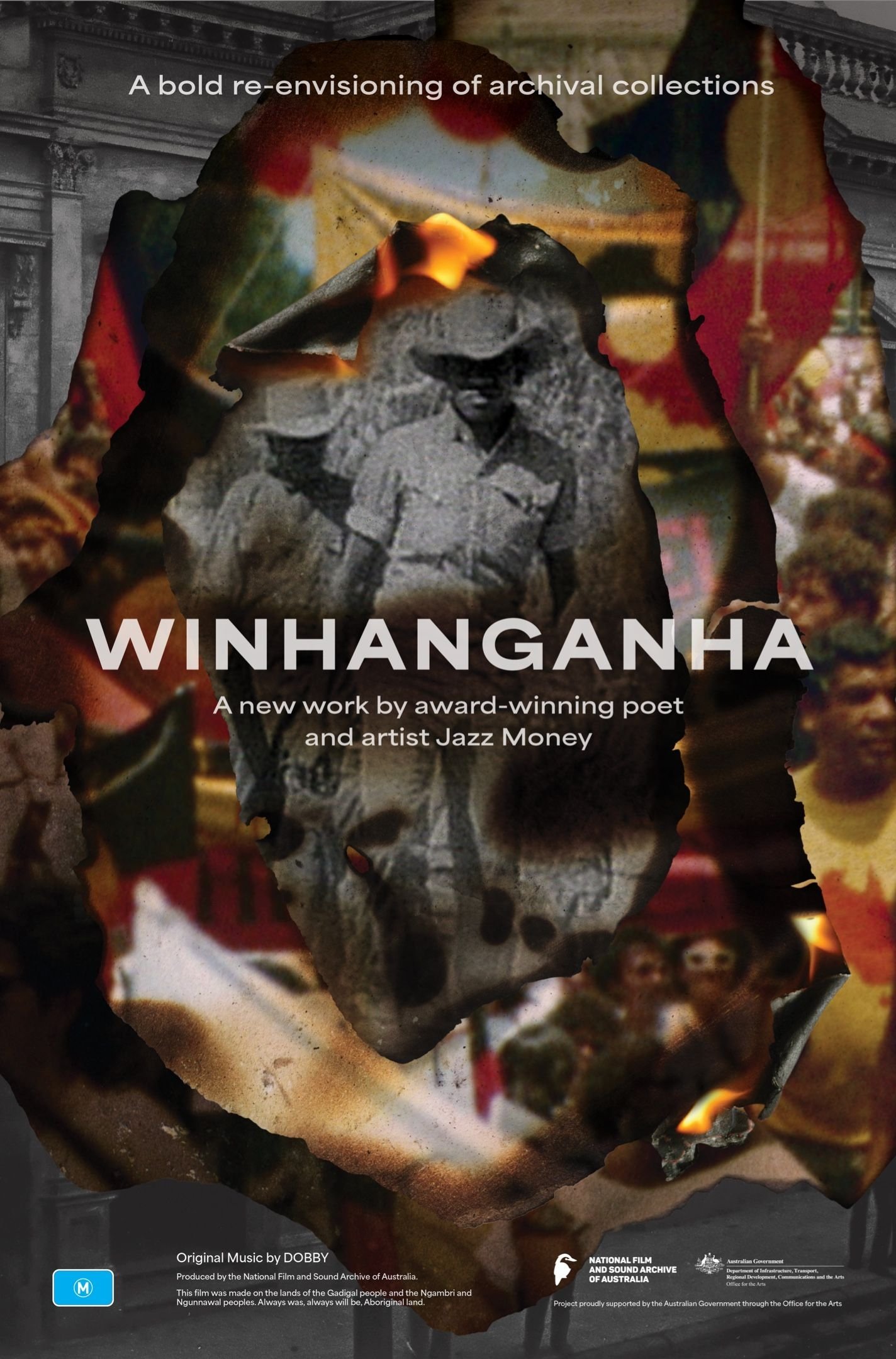
WINHANGANHA (Wiradjuri language: Remember, know, think) - is a lyrical journey of archival footage and sound, poetry and original composition. It is an examination of how archives and the legacies of collection affect First Nations people and wider Australia, told through the lens of acclaimed Wiradjuri artist, Jazz Money.
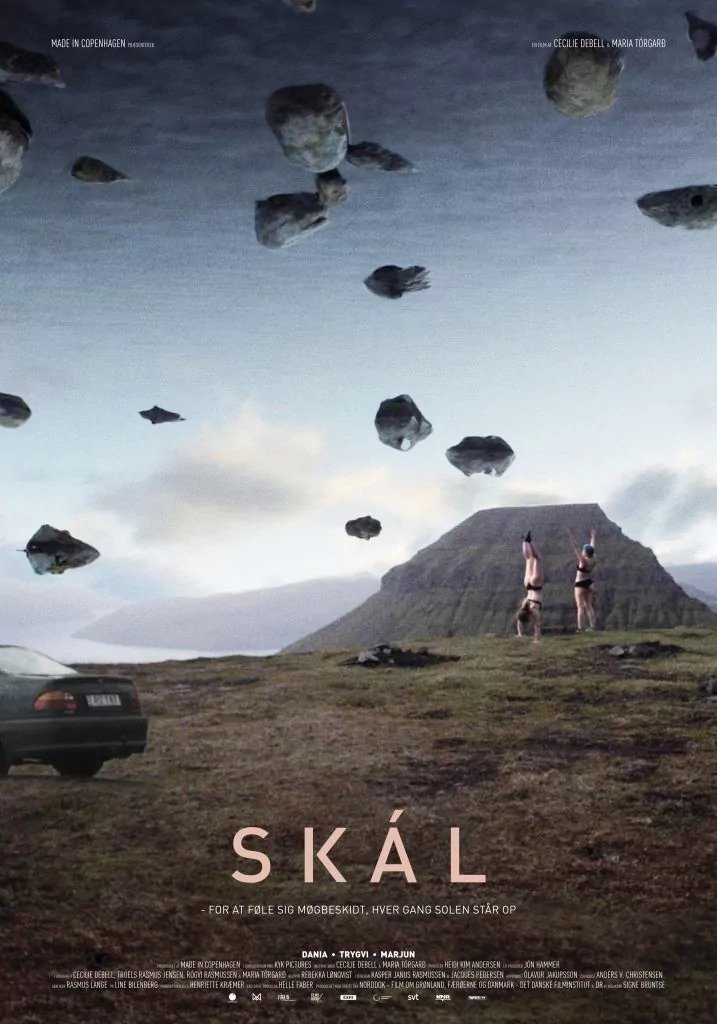
Dania is 21 years old and grew up in a Christian community in the Faroe Islands’ Bible belt. She has just moved to Tórshavn and is seeing Trygvi, a hip-hop artist and poet locally known as Silvurdrongur (Silver Kid). He comes from a secular family and writes poems and texts about the shadow sides of humanity. Dania herself sings in a Christian band but is fascinated by Trygvi’s courage to write brutally honest lyrics. As she tries to find her place in the world and understand herself, she starts to write more personal texts. Her writings develop into a collection of critical poems called ‘Skál’ (‘Cheers’), about the double life that she and other youths must live in the conservative Christian world.
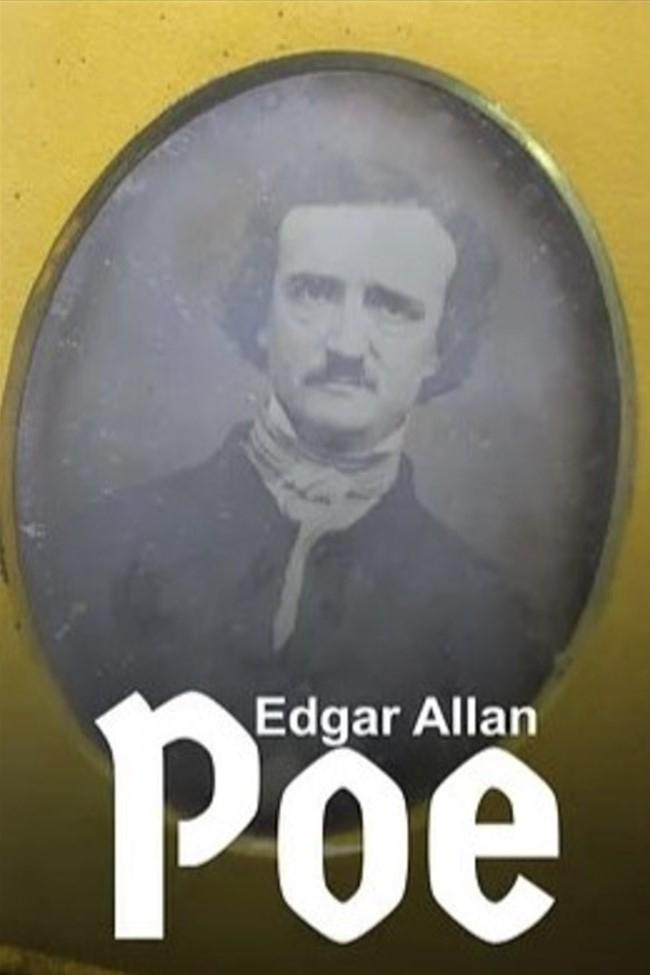
Edgar Allan Poe is one of the most famous American authors. And probably the most abysmal. In his texts, he deals with the dark side of humanity like no other. And was himself scarred by this throughout his life. The writer not only shaped the genres of horror literature and science fiction novels, but today seems more popular than ever.
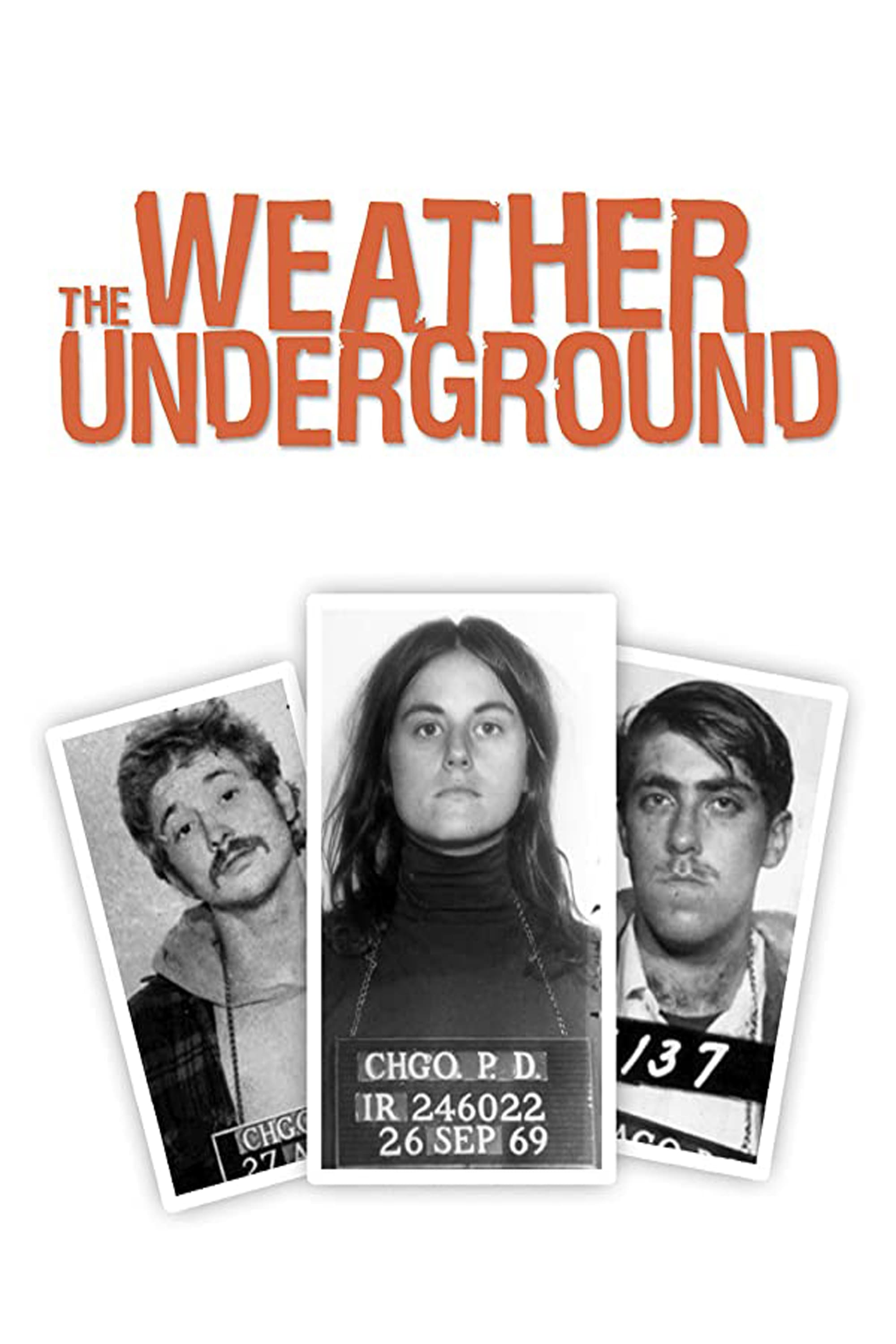
The remarkable story of The Weather Underground, radical activists of the 1970s, and of radical politics at its best and most disastrous.
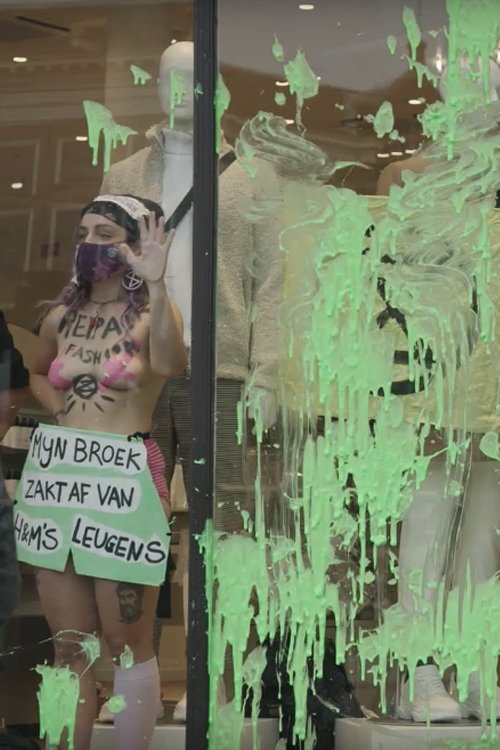
In the Netherlands, 200,000 young people are concerned about the end of the world and the major climate disasters they may experience. They learn from Greta Thunberg that the world will end if we continue like this. Climate depression and eco-anxiety have recently become official diagnoses. Robin (26 die/them), Melih (16 he/him) and Armando (21 he/him) turn their concerns into action. How far will they go and how lonely is their struggle? Documentary about the biggest problem of our time and the pressure this puts on a growing generation.
A visual montage portrait of our contemporary world dominated by globalized technology and violence.
Through deeply personal interviews with her siblings and an examination of the photographs, letters, and belongings left behind, Mariska assembles a new portrait of her mother Jayne Mansfield, an extraordinary and complex woman.
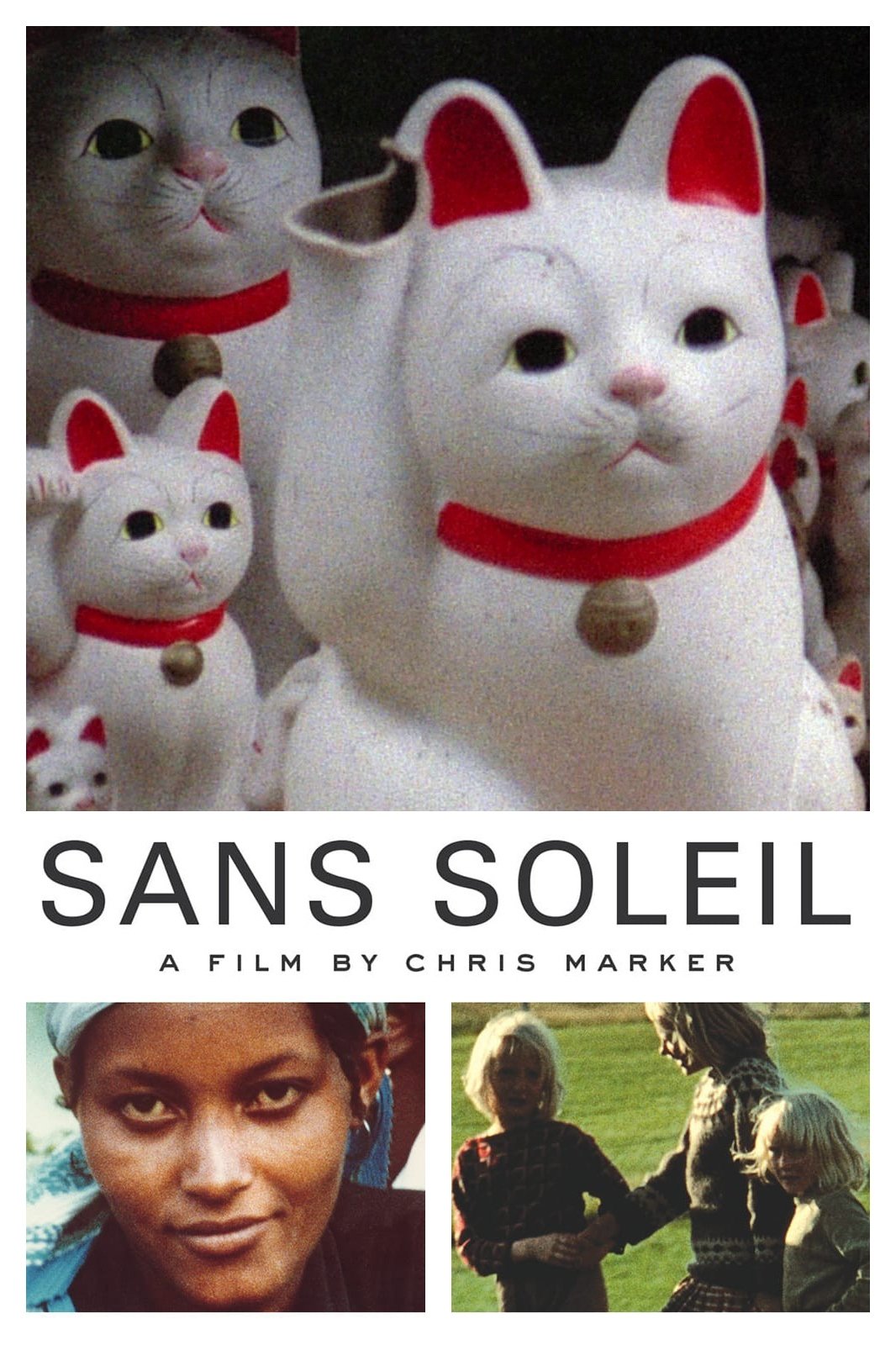
A woman narrates the thoughts of a world traveler, meditations on time and memory expressed in words and images from places as far-flung as Japan, Guinea-Bissau, Iceland, and San Francisco.
Ranjit, a farmer in India, takes on the fight of his life when he demands justice for his 13-year-old daughter, the victim of a brutal gang rape. His decision to support his daughter is virtually unheard of, and his journey unprecedented.
The life and career of one of comedy's most inimitable modern voices, Mr. Gilbert Gottfried.
Brilliant, long in-the-works story of the life and art of the world's greatest comedian and the cinema's first genius, Charlie Chaplin. Produced, written and directed by renowned film critic Richard Schickel.
Over 35 years after Bob Lazar's revelations, this documentary exposes secrets of a facility the government still denies. Featuring Lazar's testimony, recreations, and new evidence, it reopens a case that continues to spark global curiosity
An inside look at one of the most anticipated movie sequels ever with James Cameron and cast.
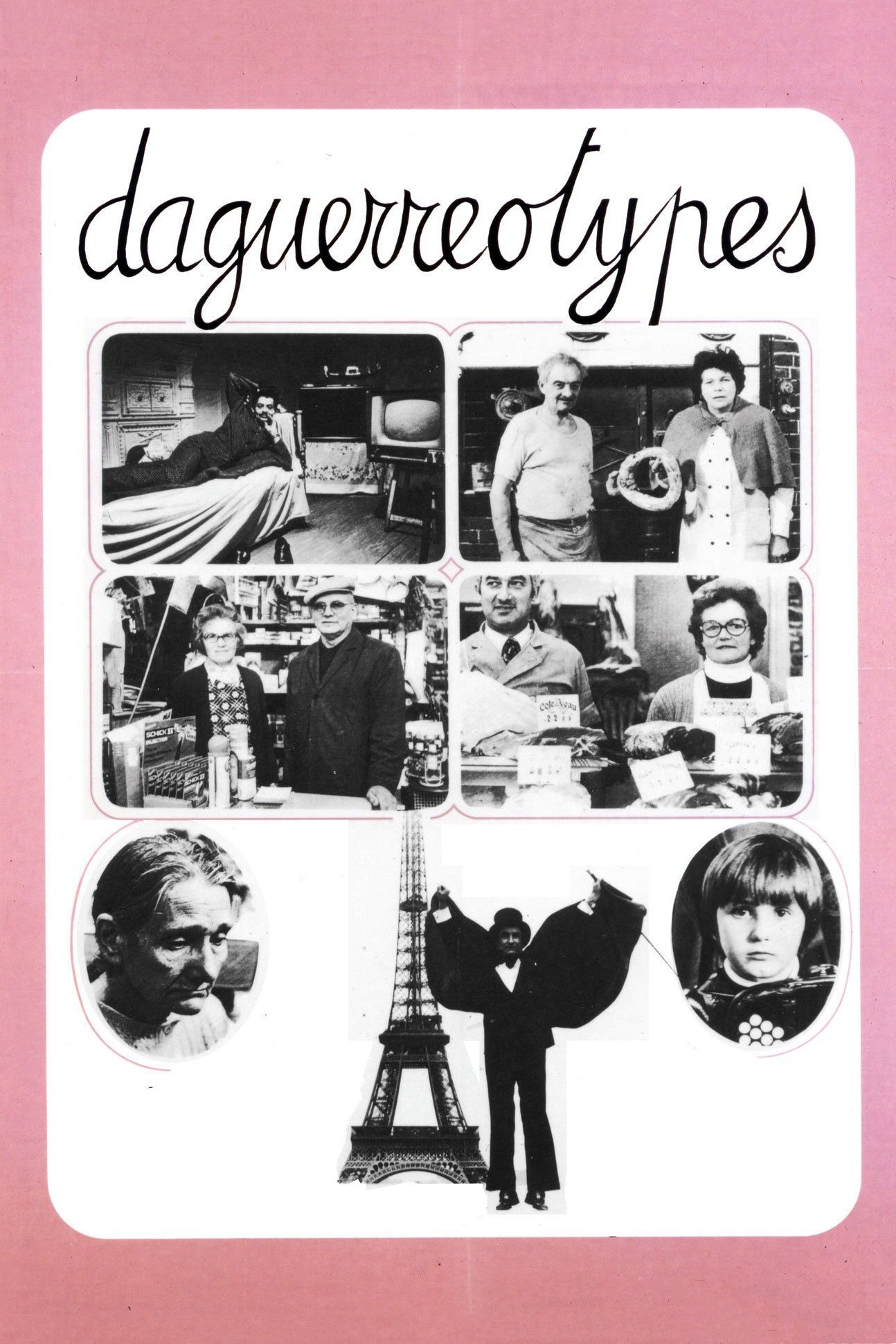
An intimate portrait of the small shops and shopkeepers of the Rue Daguerre in Paris, a picturesque street that has been the filmmaker’s home for more than 50 years.
The Making-of James Cameron's Avatar. It shows interesting parts of the work on the set.
The life and career of an actor, artist, and icon. His own journey through his own camera.
Those who knew iconic funnyman John Candy best share his story, in their own words, through never-before-seen archival footage, imagery, and interviews.
Lyrical and powerfully personal essay film that reflects on the deaths of her husband Lou Reed, her mother, her beloved dog, and such diverse subjects as family memories, surveillance, and Buddhist teachings.
A compilation of over 30 years of private home movie footage shot by Lithuanian-American avant-garde director Jonas Mekas, assembled by Mekas "purely by chance", without concern for chronological order.
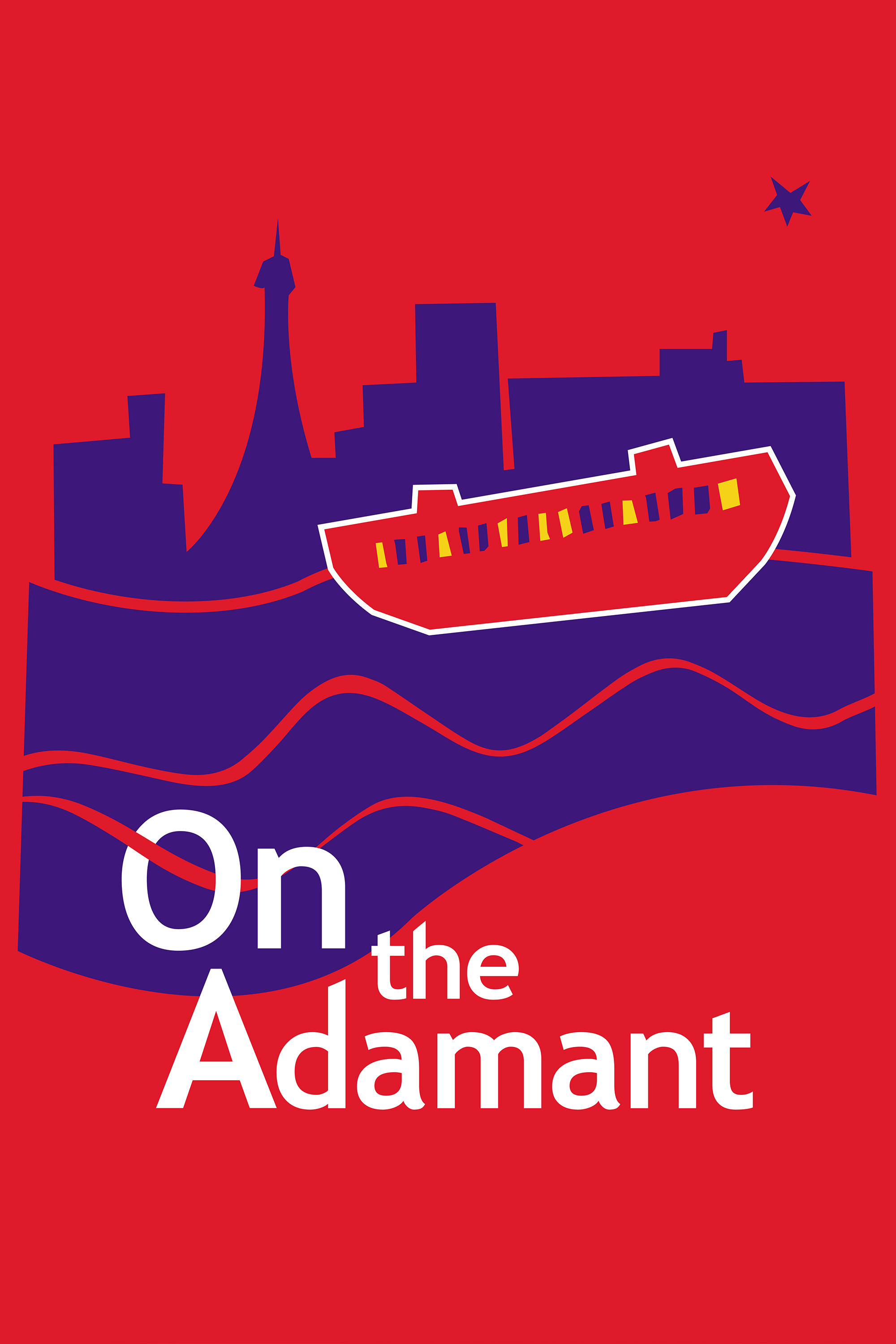
The Adamant is a unique day-care centre. A floating structure located on the Seine in the heart of Paris, it welcomes adults suffering from mental disorders, offering the kind of care that grounds them in time and space and helps them to recover or keep up their spirits. The team running it tries to resist the deterioration and dehumanisation of psychiatry as best as they can.
The life of Mr. Spock, as well as that of Leonard Nimoy, the actor who played him for almost fifty years, written and directed by his son: Adam.
Al Pacino's deeply-felt rumination on Shakespeare's significance and relevance to the modern world through interviews and an in-depth analysis of "Richard III."
Alexander McQueen's rags-to-riches story is a modern-day fairy tale, laced with the gothic. Mirroring the savage beauty, boldness and vivacity of his design, this documentary is an intimate revelation of McQueen's own world, both tortured and inspired, which celebrates a radical and mesmerizing genius of profound influence.
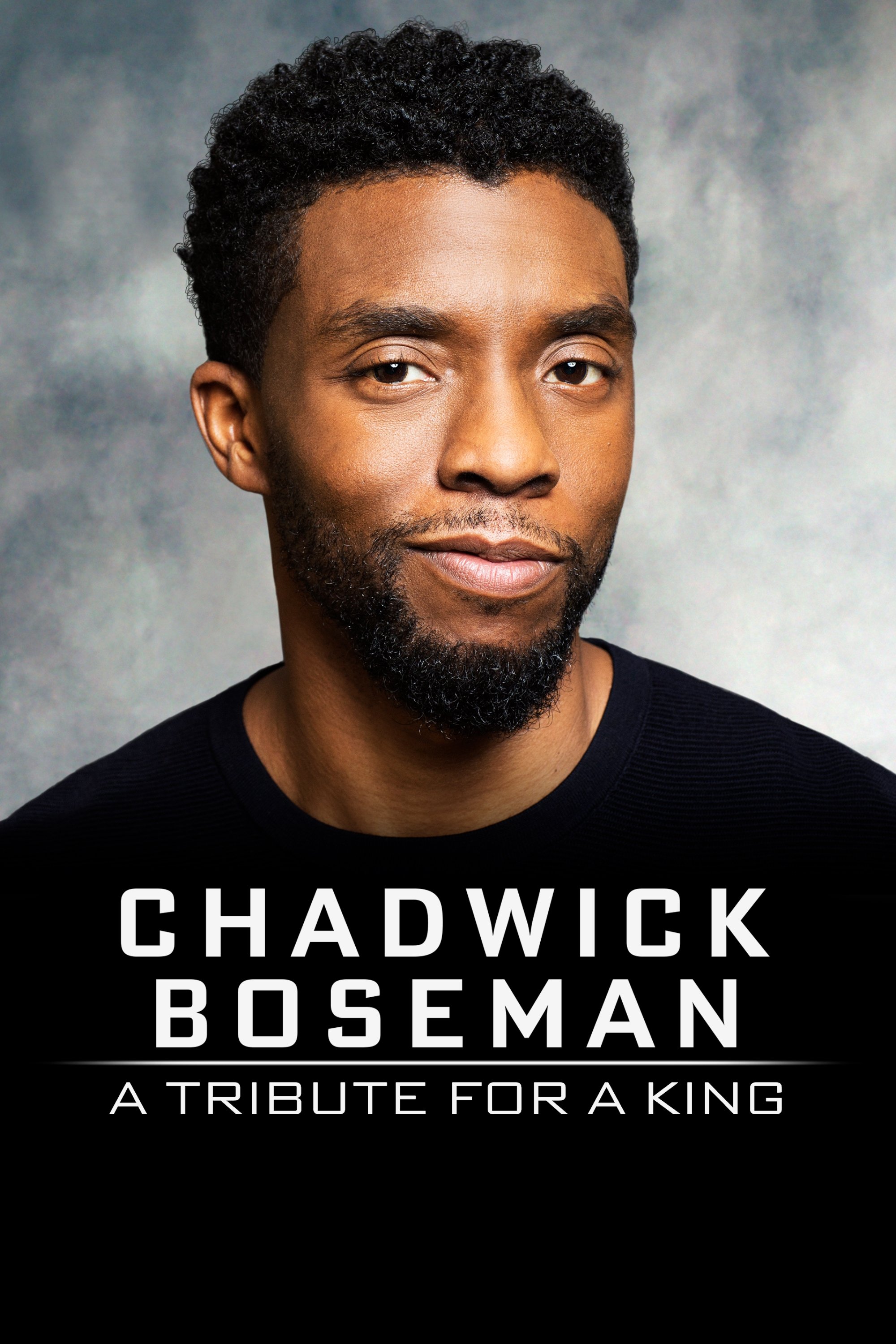
A tribute to Chadwick Boseman, celebrating his life and legacy.
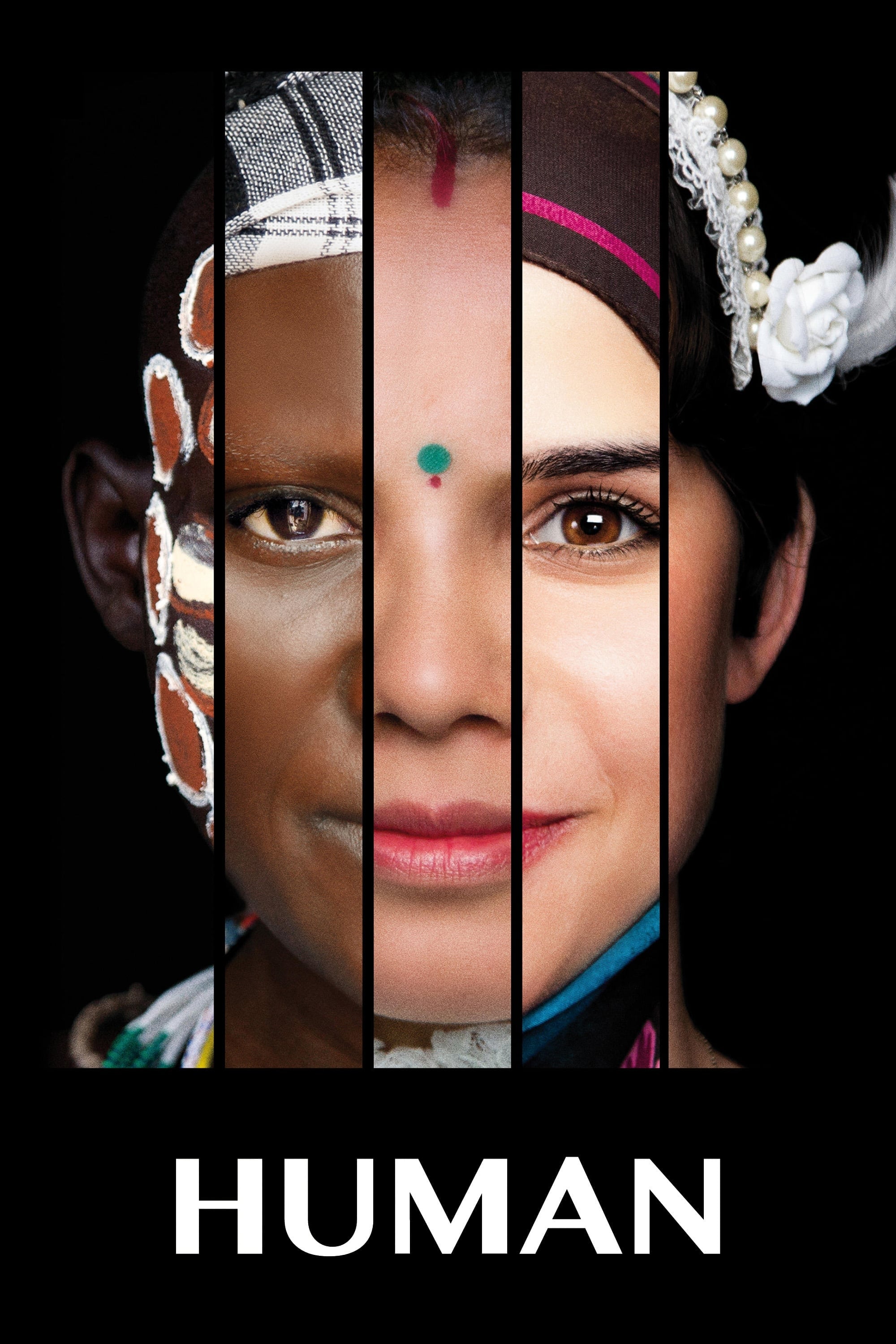
A collection of stories about and images of our world, offering an immersion to the core of what it means to be human. Through these stories full of love and happiness, as well as hatred and violence, it brings us face to face with the Other, making us reflect on our lives. From stories of everyday experiences to accounts of the most unbelievable lives, these poignant encounters share a rare sincerity and underline who we are – our darker side, but also what is most noble in us, and what is universal. Our Earth is shown at its most sublime through never-before-seen aerial images accompanied by soaring music, resulting in an ode to the beauty of the world, providing a moment to draw breath and for introspection. This film is a politically engaged work which allows us to embrace the human condition and to reflect on the meaning of our existence.