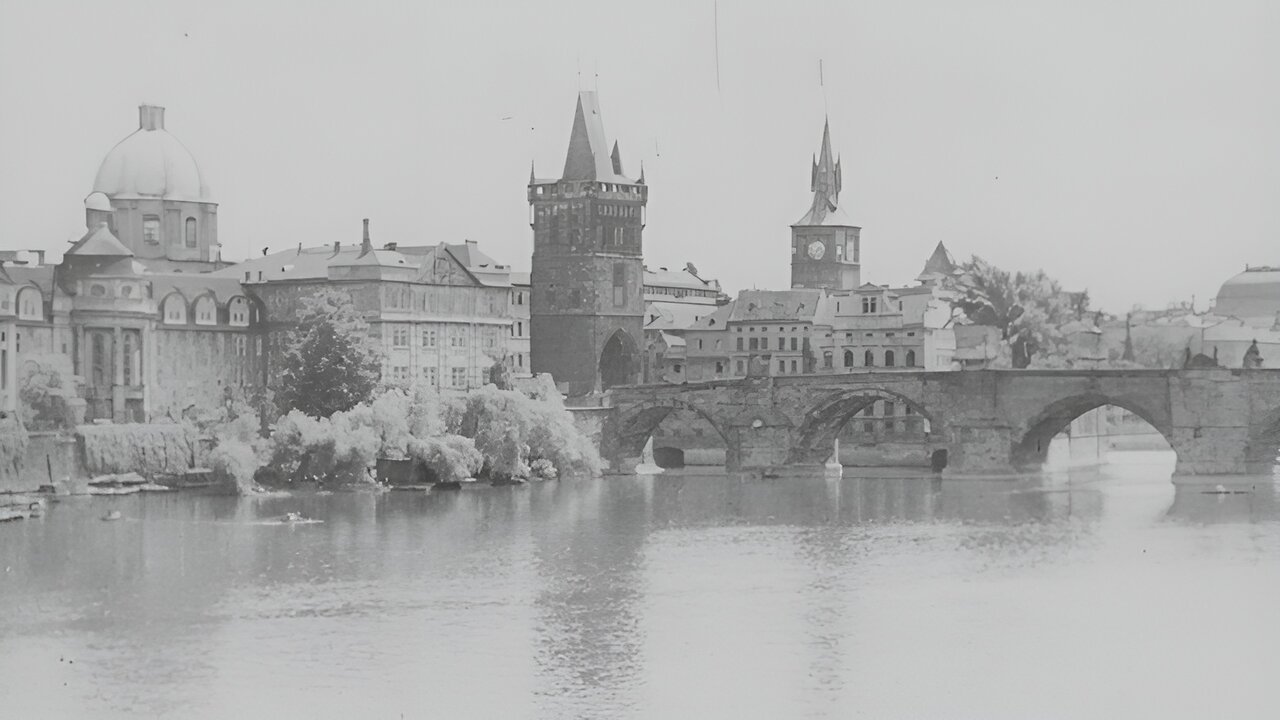
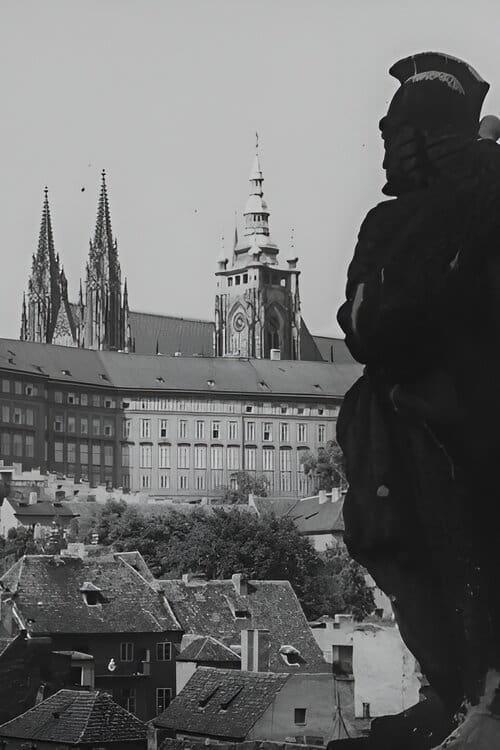
A documentary film comparing current / everyday and historical / noble aspects of Prague.
Social & External
In 1959, a government employee named Richard Oyler, living in the tiny desert town of Lone Pine, California, asked world-famous modern architect Richard Neutra to design his modest family home. To Oyler's surprise, Neutra agreed. Thus began an unlikely friendship that led to the design and construction of an iconic mid-century modern masterpiece.
Danish documentary about the disobedient schoolboy with a talent for painting, who became one of Denmark’s greatest architects. His ideas were ahead of their time and often received criticism, but today, 50 years after his death, Arne Jacobsen's schools, town halls and libraries are still with us, and they define modern Denmark.
The twelfth edition of the International Meeting of Collective Architectures was held in Palma de Mallorca, in the neighborhoods of La Soledat, Nou Llevant and Es Molinar, at the end of September 2019. The meeting focused on the imposition of false paradises and the description of the current mechanisms of urban transformation that expel people from their neighborhoods.
This film is a portrait of unique cultural space for Spirits, Gods and People. While permanent theatres are commonly built in most cosmopolitan modern cities, Hong Kong preserves a unique theatrical architecture, a Chinese tradition that has lasted more than a century - Bamboo Theatre.
From the behavior, discourse, and appearance of individual actors, Vachek composes, in the form of a mosaic, a broad and many-layered film-argument about Czechoslovak democracy in the period of its rebirth, all administered with the director’s inimitable point of view.
A humorous short documentary which features interviews with three zealous New York City roach-haters who demonstrate their own extermination techniques and recount - in hilarious detail - their own personal experiences with cockroaches. Includes an original musical composition lamenting the presence of this pesty insect in urban life
The architect André Ravéreau spent a large part of his life in Algeria, he is today an essential reference for Algerian builders of several generations. His daughter Maya, an architect herself, accompanies us to the places of his creations and his research, in the Mzab first where he lived, created, trained other architects in the "desert workshop" and had the oases of the Mzab classified as a UNESCO World Heritage Site. Inspired by tradition to better innovate as in the construction of the Ghardaïa post office, or in that of a very surprising villa... Then in Algiers where he worked to preserve the ancestral heritage of the Casbah, faithfully describing the principles of his construction in line with current concerns, such as the choice of environmentally friendly materials and avoiding energy waste, as testified by the architect Yasmine Terki, a great specialist in earth materials.
The city of Ordos, in the middle of China, was build for a million people yet remains completely empty. Ordos is not so much a place but a symbol of babylonic hype. But nothing will change - as long as people believe.
Secluded from view by nine-meter-high walls and composed of 980 buildings, the Forbidden City in Beijing is the largest imperial palace ever built in the world. Three majestic structures form its center and host the city's ceremonies, each of which is considered an architectural masterpiece. In 1406, construction of the Forbidden City was launched at the initiative of one of China's most powerful sovereigns and founder of the Ming dynasty: Yongle. Endowed with divine power, the construction has already resisted more than 200 earthquakes.
A core group of architects embraced the West Coast from Vancouver to LA with its particular geography and values and left behind a legacy of inspired dwellings. Today, architects celebrate the influence established by their predecessors.
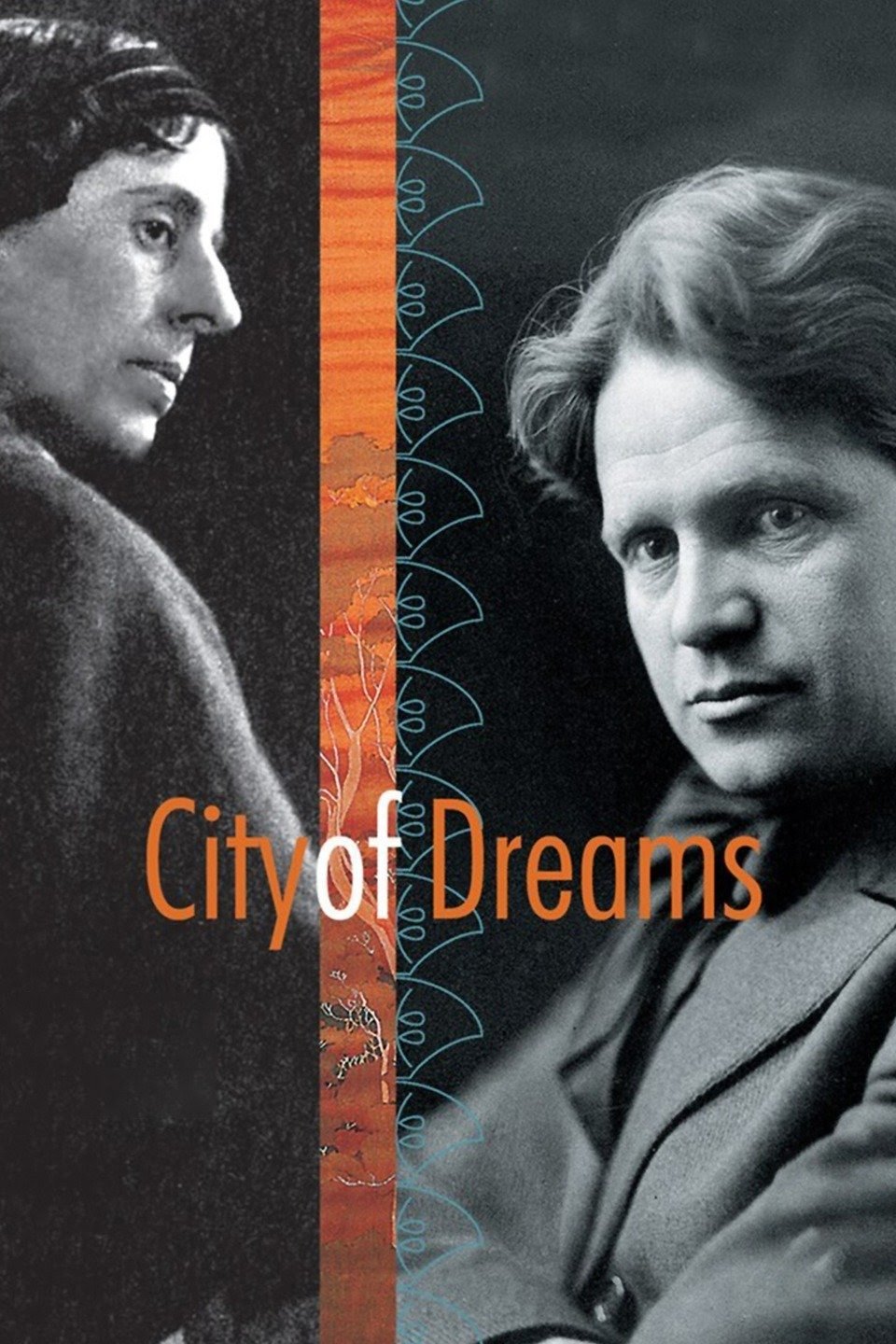
Czech painter and illustrator Alphonse Mucha (1860-1939) ranks among the pioneers of the Art Nouveau movement at the end of the 19th century. Virtually overnight, he becomes famous in Paris thanks to the posters that he designs to announce actress Sarah Bernhardt’s plays. But at the height of his fame, Mucha decides to leave Paris to realize his lifetime project.
Architecture critic Patrick Nuttgens narrates a documentary on the 20th century architect Edwin Lutyns, exploring the plans and buildings of the man who designed Liverpool Metropolitan Cathederal and the city of New Delhi.
A documentary about the concrete sections of the Berlin Wall that have been acquired by institutions or individuals since 1989 and are now scattered across the USA. Cherished or abandoned, they have become silent witnesses to recent history.
Documentary about the architecture of the Swedish housing boom in the 1960s and how it's viewed today.
Ferdinand de Lesseps, known as “The Great Frenchman”, will embark in the greatest adventure of his life: To unite the Pacific and Atlantic oceans through a Canal in the Isthmus of Panama – without knowing that this will cost him his reputation, thousands of innocent lives and the biggest financial scandal of all time, up to that point: the famous “Scandal of Panama”. Today, the French capital is known as “Paname”.
Explorations in 21st Century American Architecture Series: Ray Kappe has long been a cult figure in the architectural scene in and around Los Angeles. In 1972, he founded the influential, avant garde Southern California Institute of Architecture (SCI-ARC), where many of the younger-generation architects have studied or taught.
No understanding of the modern movement in architecture is possible without knowledge of its master builder, Mies van der Rohe. Together with documentation of his life, this film shows all his major buildings, as well as rare film footage of Mies explaining his philosophy. Phyllis Lambert relates her choice of Mies as the architect for the Seagram building. Mies's achievements and continuing influence are debated by architects Robert A.M. Stern, Robert Venturi, and Philip Johnson, by former students and by architectural historians. Mies is seen in rare documentary footage.
Every day, Paris’ six railway stations welcome over 3,000 trains and more than a million travelers coming from France and all over Europe. The stations’ sizes are impressive: Gare du Nord is bigger than the Louvre or Notre-Dame de Paris. These railway stations are architectural landmarks and a model of urban planning despite the radical changes they’ve undergone since their construction in the middle of the 19th century. How did the railway stations manage to absorb the boom of travelers in just a few decades? What colossal works were necessary to erect and then modify these now essential buildings? From the monumental glass walls of Gare du Nord to the iconic tower of Gare de Lyon, to the first-ever all-electric train station, each has its own story, technical characteristics, and well-defined urban image.