Social & External
The people behind it
Ladislav Chudík
Commentary (voice)
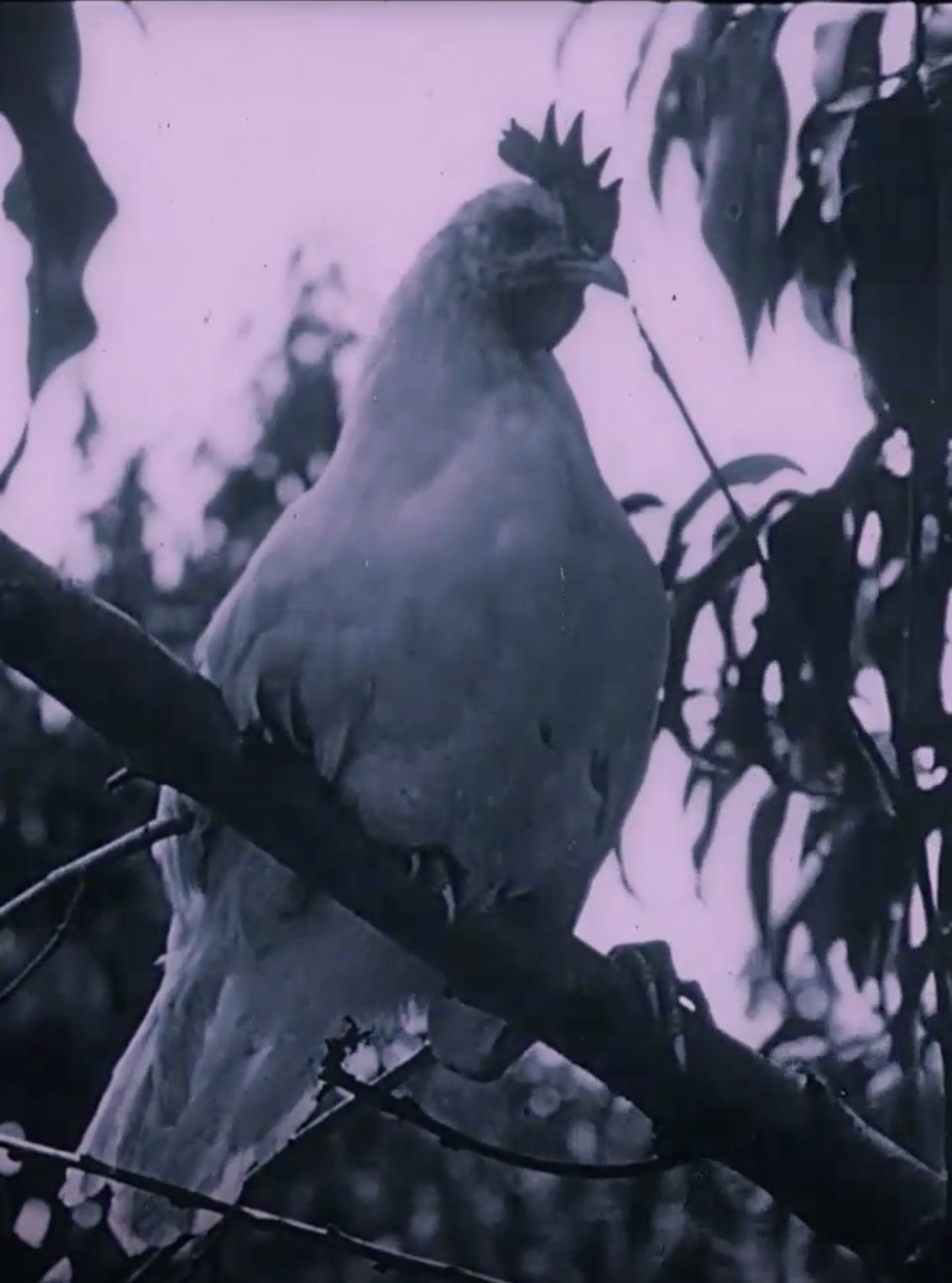
This 10-minute short documentary exploring the shifting state of the American poultry industry was preserved in 2015 from an original nitrate print. More information is available on the film's page in the National Film Preservation Foundation's website, where this version can be found featuring original music by Michael D. Mortilla.
It's the musical phenomenon of the moment: K-Pop, short for "Korean Pop," has taken the world by storm in just a few years. But behind the powerful lyrics, elaborate choreography, and polished looks lies a ruthless industry.
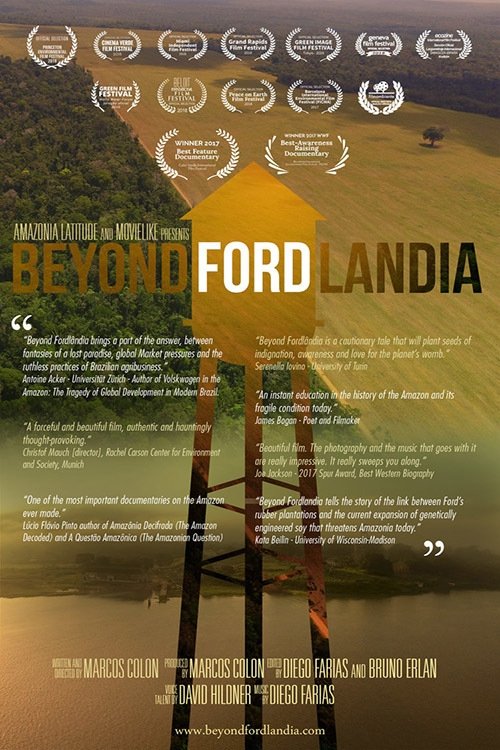
An environmental account of Henry Ford’s Amazon experience decades after its failure. The story addressed by the film begins in 1927, when the Ford Motor Company attempted to establish rubber plantations on the Tapajós River, a primary tributary of the Amazon. This film addresses the recent transition from failed rubber to successful soybean cultivation for export, and its implication for land usage.
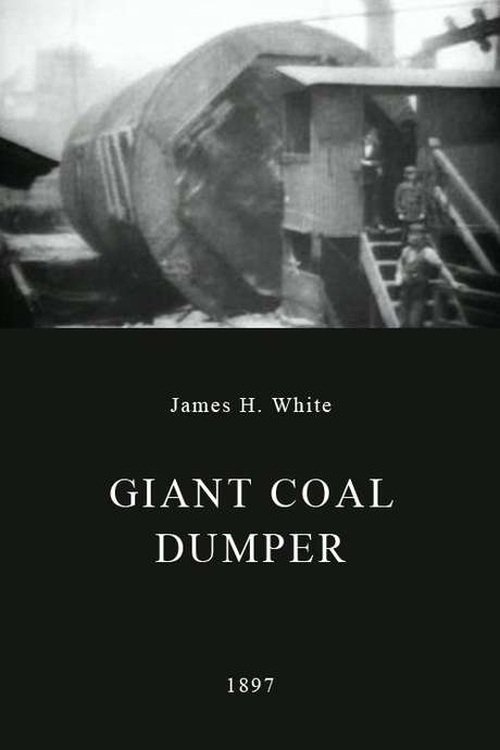
“Shows how a full carload of coal is loaded onto a vessel every thirty seconds at the great Erie Railroad Docks, Cleveland, Ohio. Great clouds of coal dust rise as each car is unloaded.”
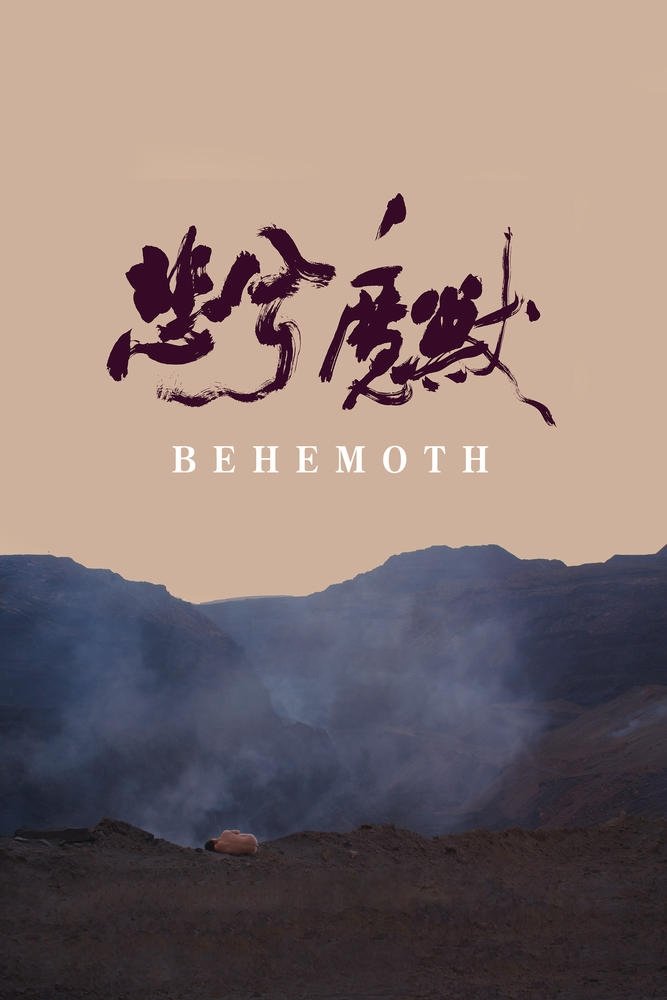
Under the sun, the heavenly beauty of grasslands will soon be covered by the raging dust of mines. Facing the ashes and noises caused by heavy mining , the herdsmen have no choice but to leave as the meadow areas dwindle. In the moonlight, iron mines are brightly lit throughout the night. Workers who operate the drilling machines must stay awake. The fight is tortuous, against the machine and against themselves. Meanwhile, coal miners are busy filling trucks with coals. Wearing a coal-dust mask, they become ghostlike creatures. An endless line of trucks will transport all the coals and iron ores to the iron works. There traps another crowd of souls, being baked in hell. In the hospital, time hangs heavy on miners' hands. After decades of breathing coal dust, death is just around the corner. They are living the reality of purgatory, but there will be no paradise.
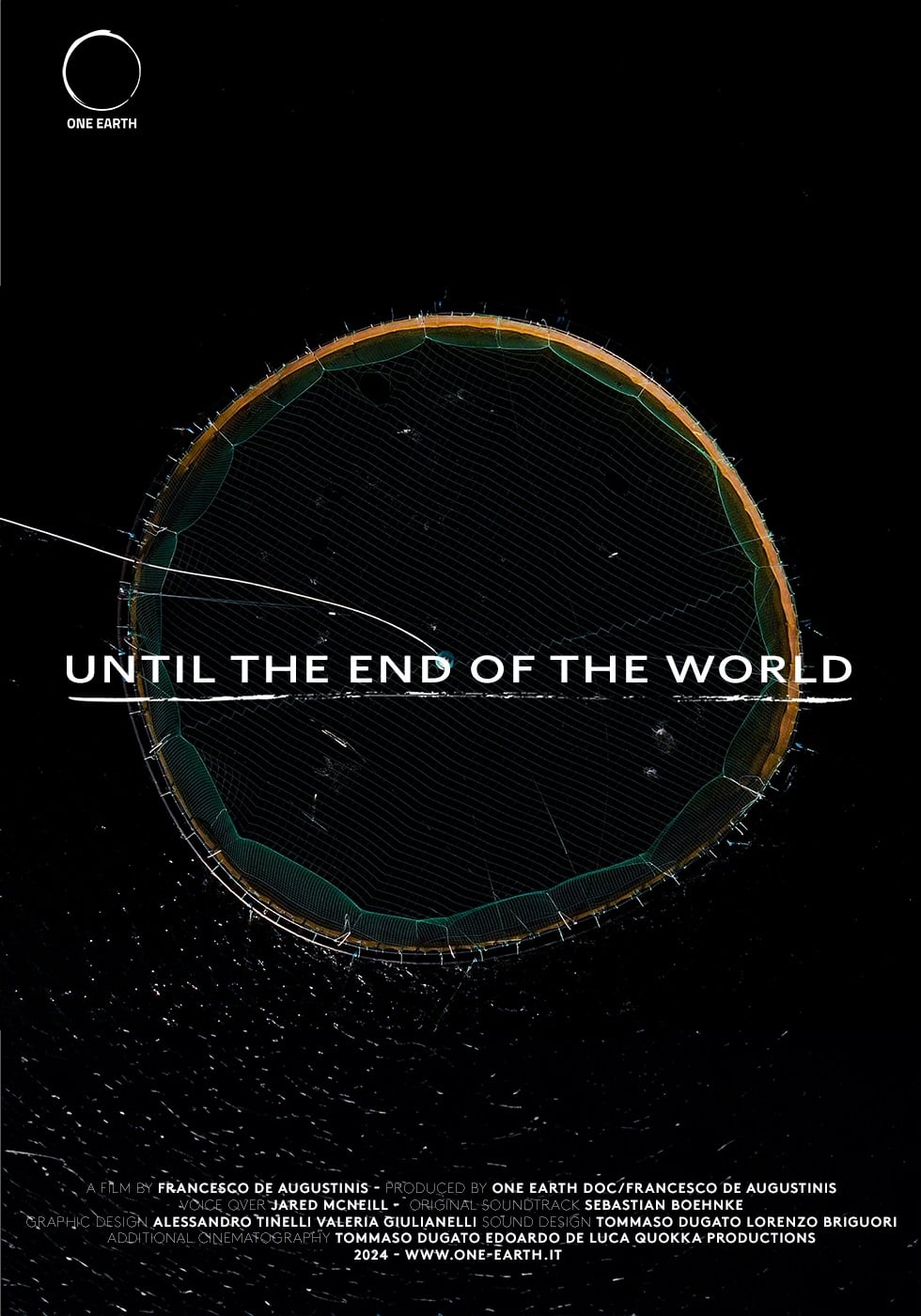
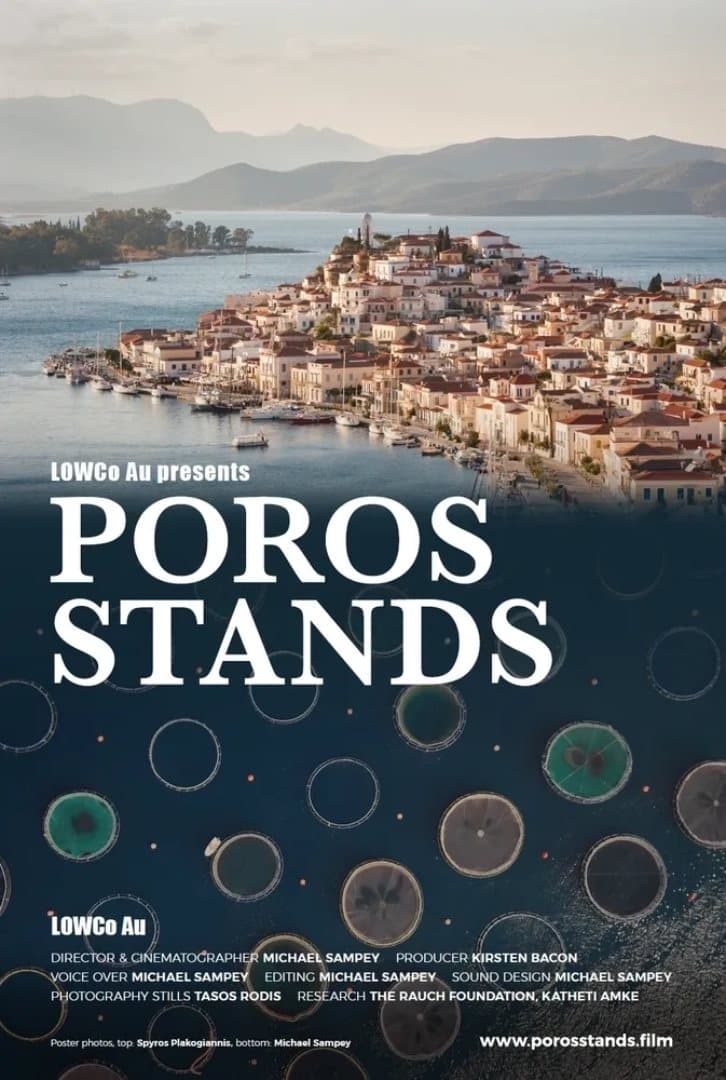
The United Nations Food and Agriculture Organization, along with other international organizations, is leading efforts to increase aquaculture by encouraging countries around the world to invest in its development. However, local communities strongly oppose the expansion of fish farms due to resource depletion and water pollution concerns. From Italy to Greece, Spain to Senegal, and all the way to Patagonia in Chile, their journey to uncover the truth extends to the ends of the earth.
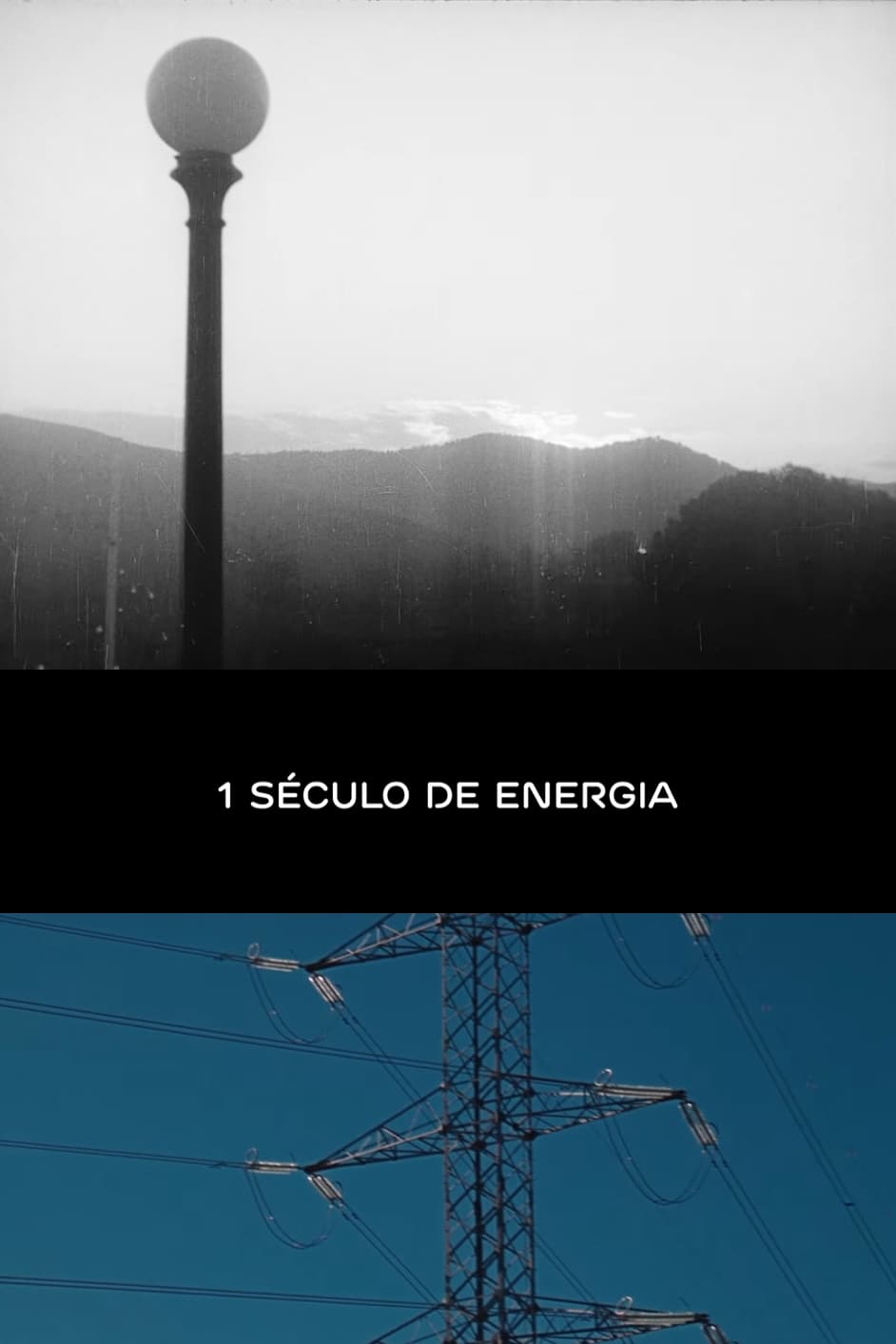
Manoel de Oliveira's final work revisits one of his earliest films and celebrates a century of industrialization in Portugal.
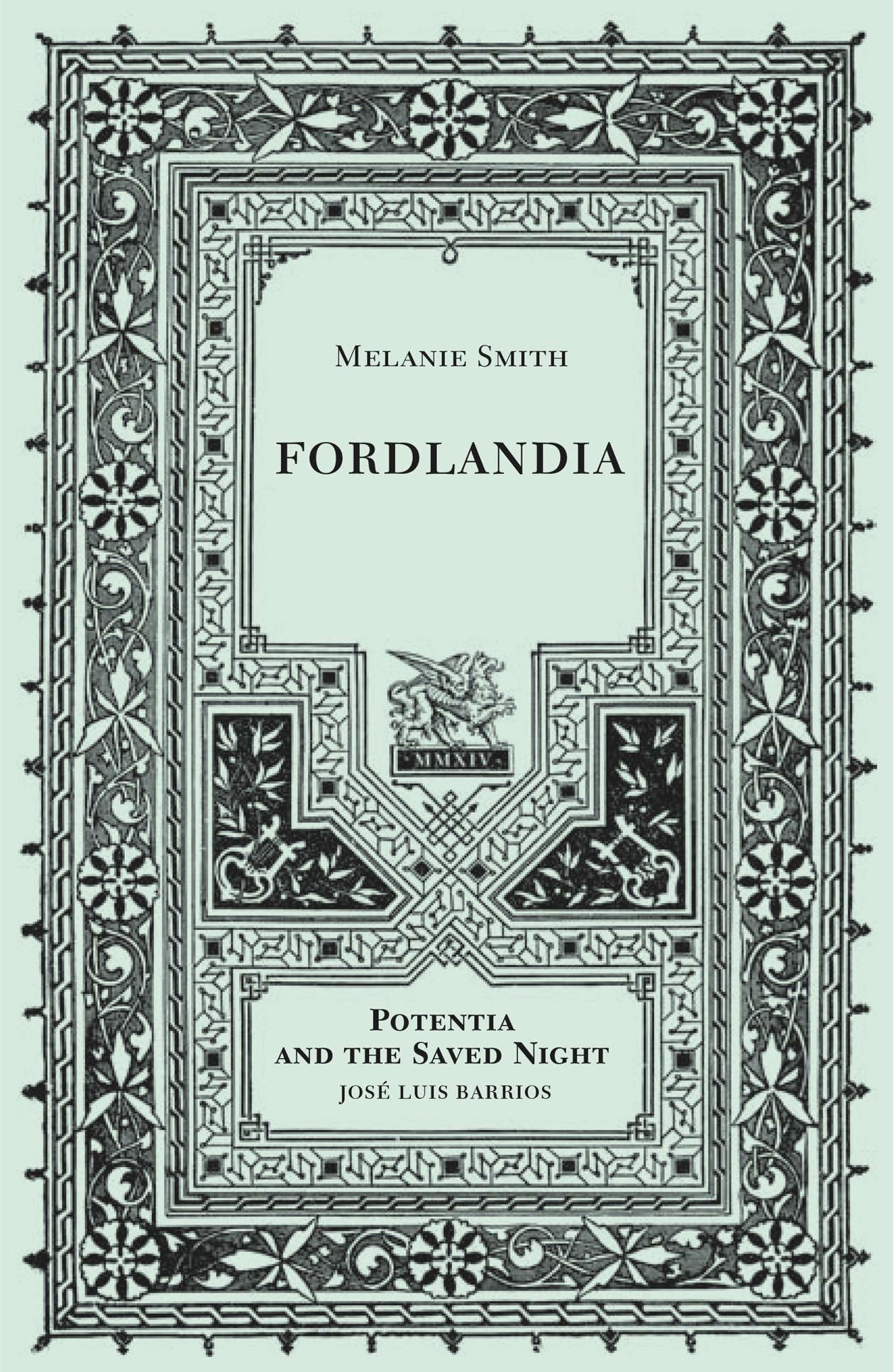
Fordlandia is a small settlement on the River Tapajos in the Brazilian part of the Amazon, where Henry Ford set up a rubber industry in the 1920s. Mainly due to the resistance of nature, the project failed and was abandoned some 20 years later. Fordlandia is a voyage of (de)colonisation whereby the drifts and detours of modernity in uncertain places are highlighted, turning away from whatever their historical imaginaries were. The tensions between industrial and natural landscape are levelled off in a certain horizontality of hierarchies between form and content, and at the same time the animal resignifies possibilities of the community of the living.
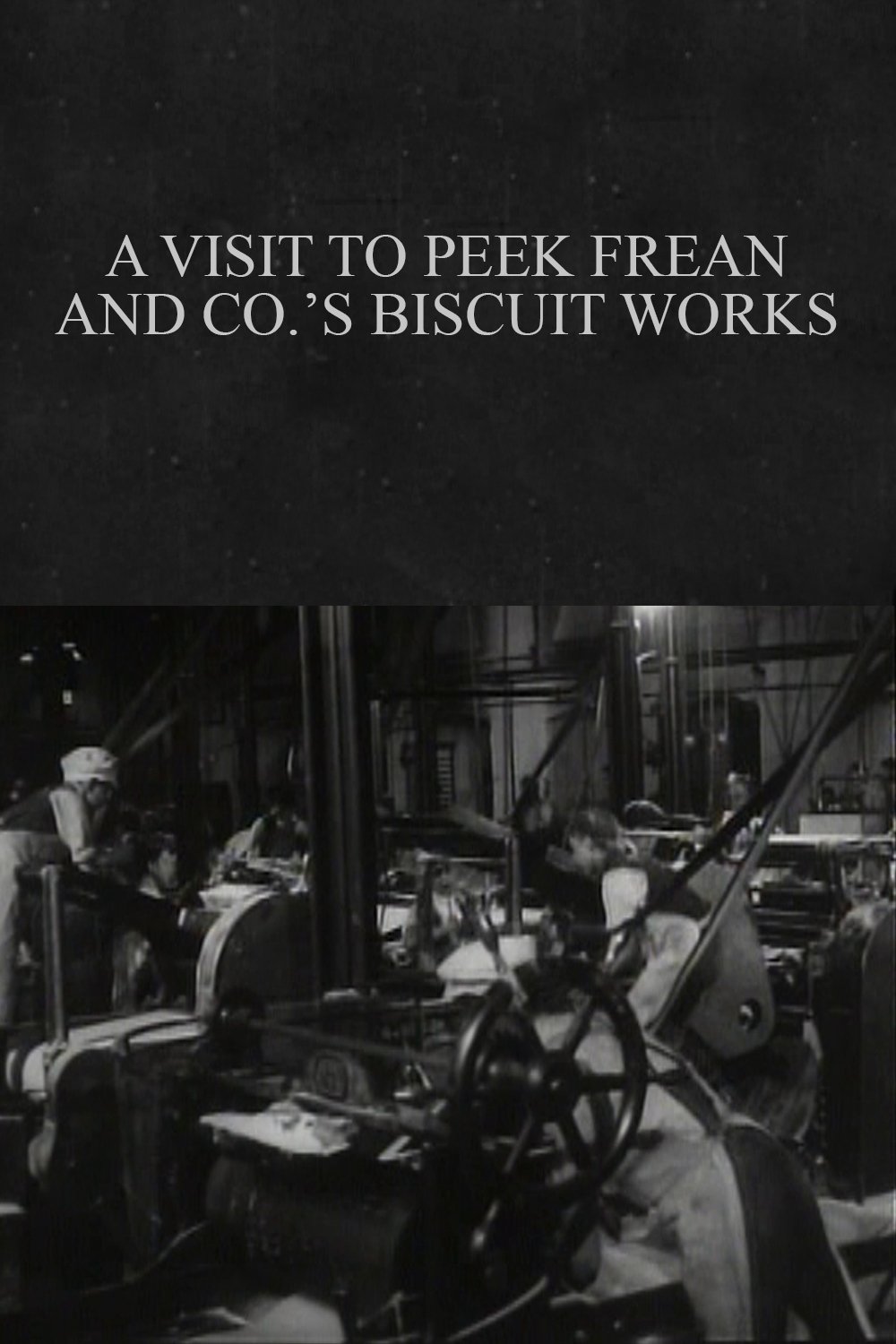
A look at typical activities taking place in the Peek Frean factory: First, the workers get up steam, as supplies of milk and flour arrive. Sheets of dough are rolled, then cut, shaped, and readied for baking. The camera then continues to show further events throughout the work day.
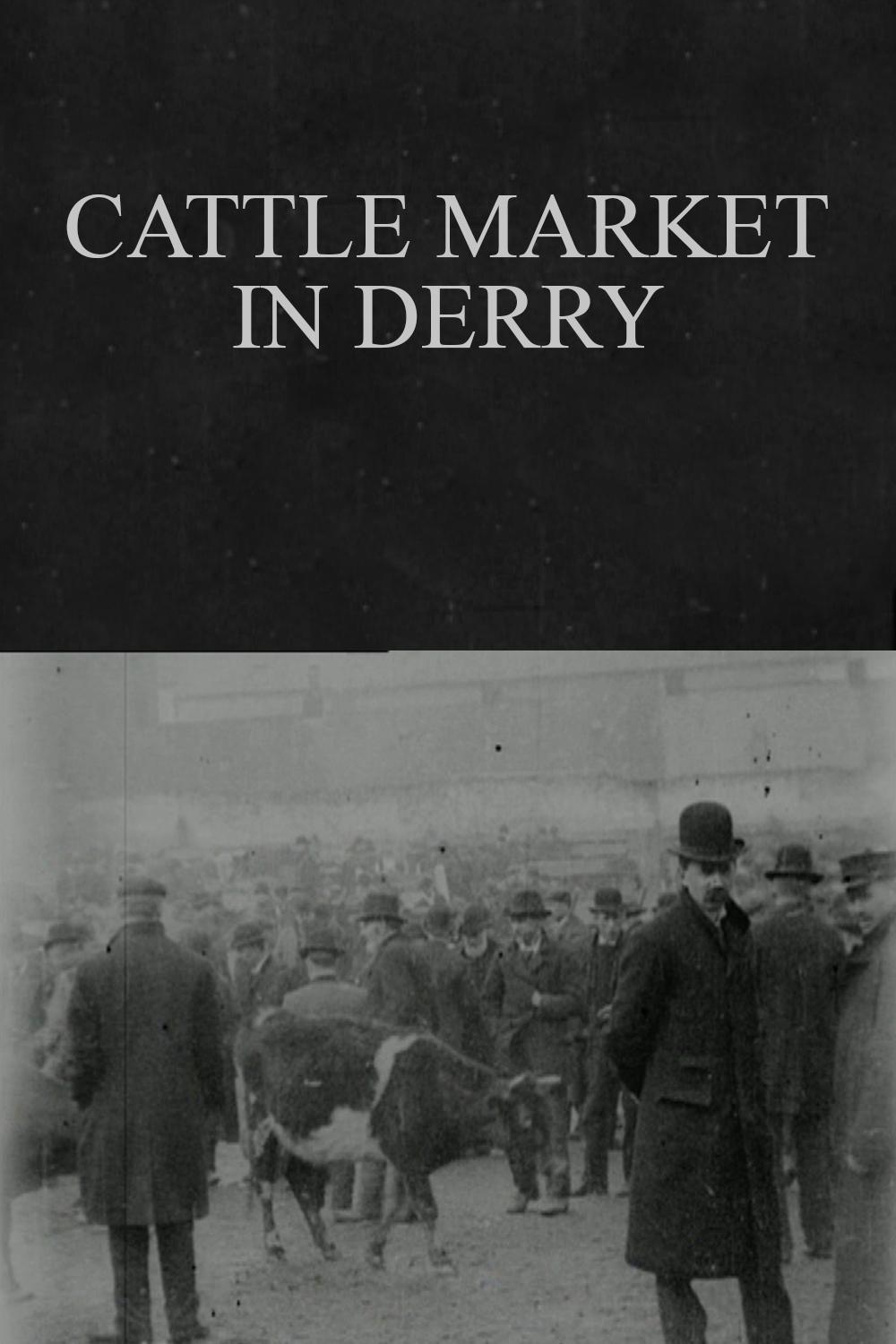
Bustling scenes show Edwardian Derry-Londonderry before industrialisation took hold.
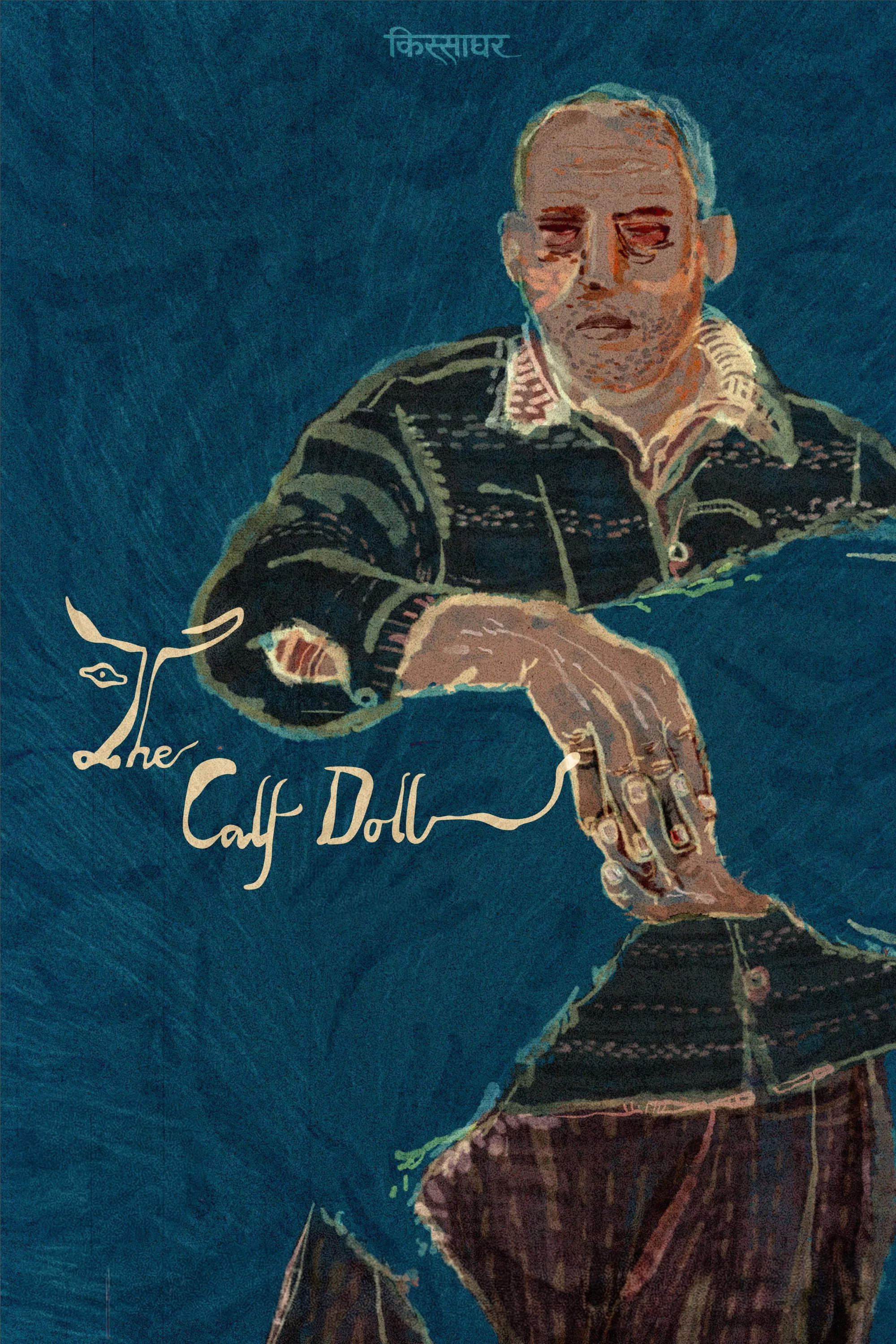
In a smog-choked village in Haryana, a retired professor turns to an outlawed ritual, crafting a calf doll from a stillborn's body, to save his cow from the urbanization slowly erasing his rural world.
Poetic documentary highlighting the contrast between forestry using machines and horses.
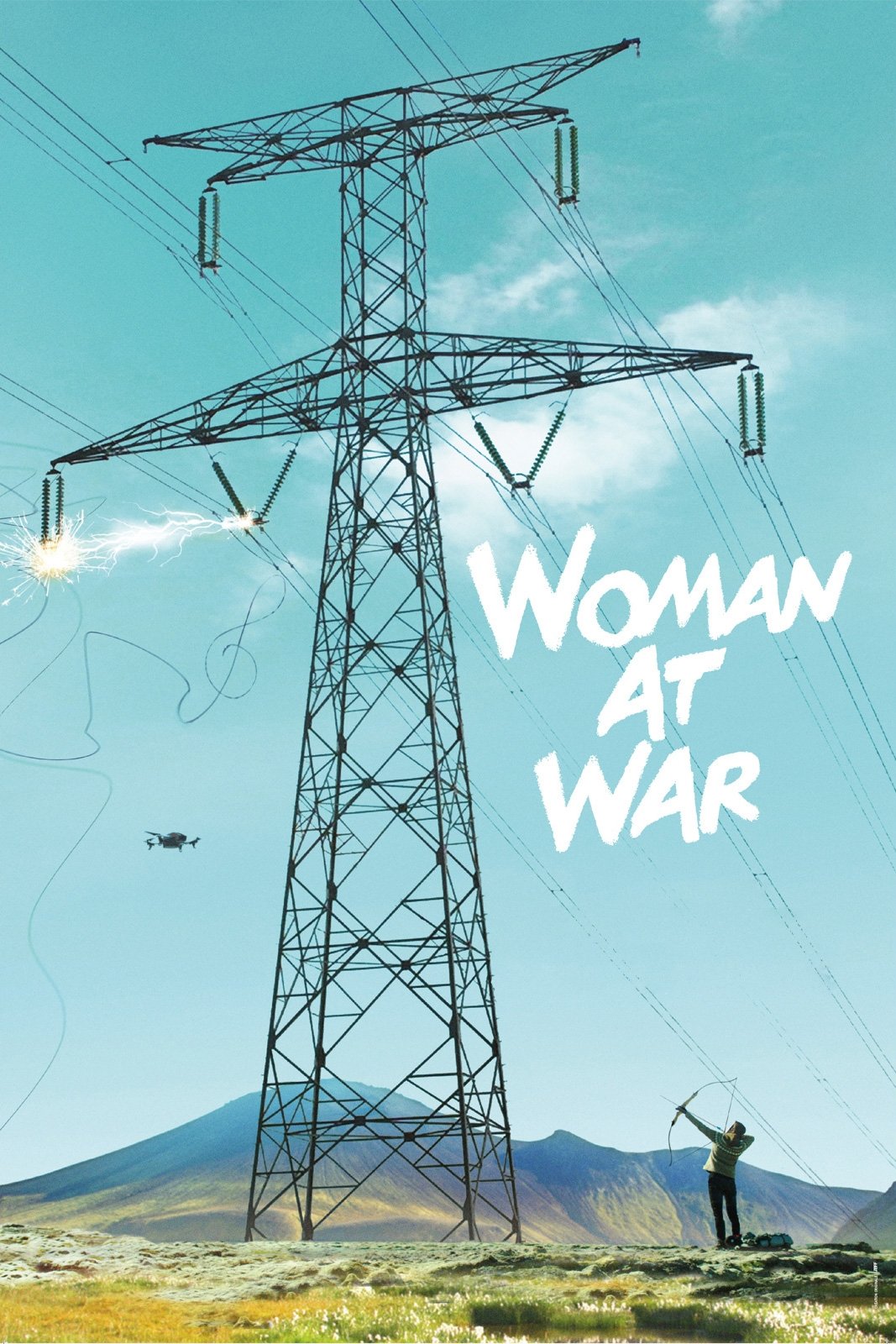
Halla declares a one-woman-war on the local aluminium industry. She is prepared to risk everything to protect the pristine Icelandic Highlands she loves… Until an orphan unexpectedly enters her life.
Harald Krassnitzer climbs, scales and fights his way to the spectacular filming locations of classic mountain films such as "Die weiße Hölle vom Piz Palü", "Geierwally" and "Der Berg". The "Tatort" detective meets actors, participants and contemporary witnesses of the adventurous filming of that time in rock and ice. How did they do it back then?
The third of Daniel Eisenberg’s thematically connected film essays about postwar Europe, PERSISTENCE, an award-winning feature-length experimental documentary in gorgeous color, once again explores the relationships between past, present and future in a complex portrait of the city of Berlin (divided from 1961 to 1989 by the grandiose Berlin Wall).
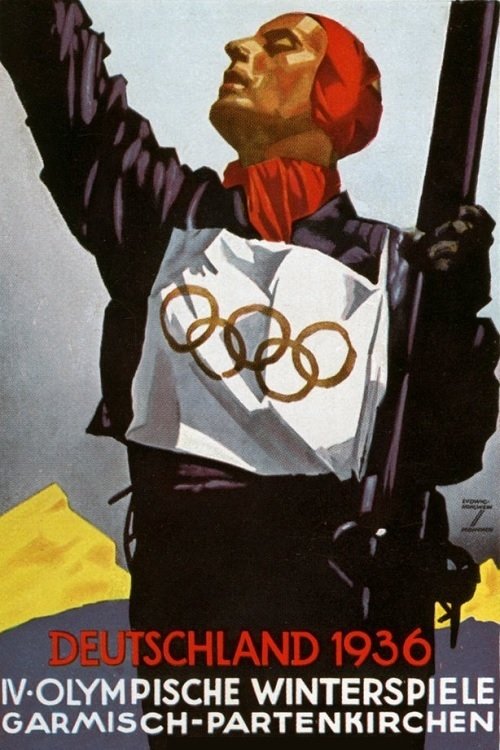
This Nazi propaganda film covers the 1936 Winter Olympics that were held in Germany.
An inside look at one of the most anticipated movie sequels ever with James Cameron and cast.
A string of threatening emails escalates into a revenge plot involving a newly married US marshal and his ex-girlfriend.
In an intimate and joyful story of love in the face of loss, celebrated poets Andrea Gibson and Megan Falley find strength—and unexpected hilarity—in what might be their final year together.
A look at the origins, history and conspiracies behind the "Majestic 12", a clandestine group of military and corporate figureheads charged with reverse-engineering extraterrestrial technology.
Brilliant, long in-the-works story of the life and art of the world's greatest comedian and the cinema's first genius, Charlie Chaplin. Produced, written and directed by renowned film critic Richard Schickel.
The life and career of an actor, artist, and icon. His own journey through his own camera.
A purely observational non-fiction film that takes viewers into the ethically murky world of end-of-life decision making in a public hospital.
A documentary about how a dominant cultural and demographic institution both sustains their traditional activities and adapts to the digital revolution.
This revealing documentary honors the legendary Sidney Poitier—iconic actor, filmmaker, and civil rights activist. Featuring interviews with Denzel Washington, Spike Lee, Halle Berry, and more.
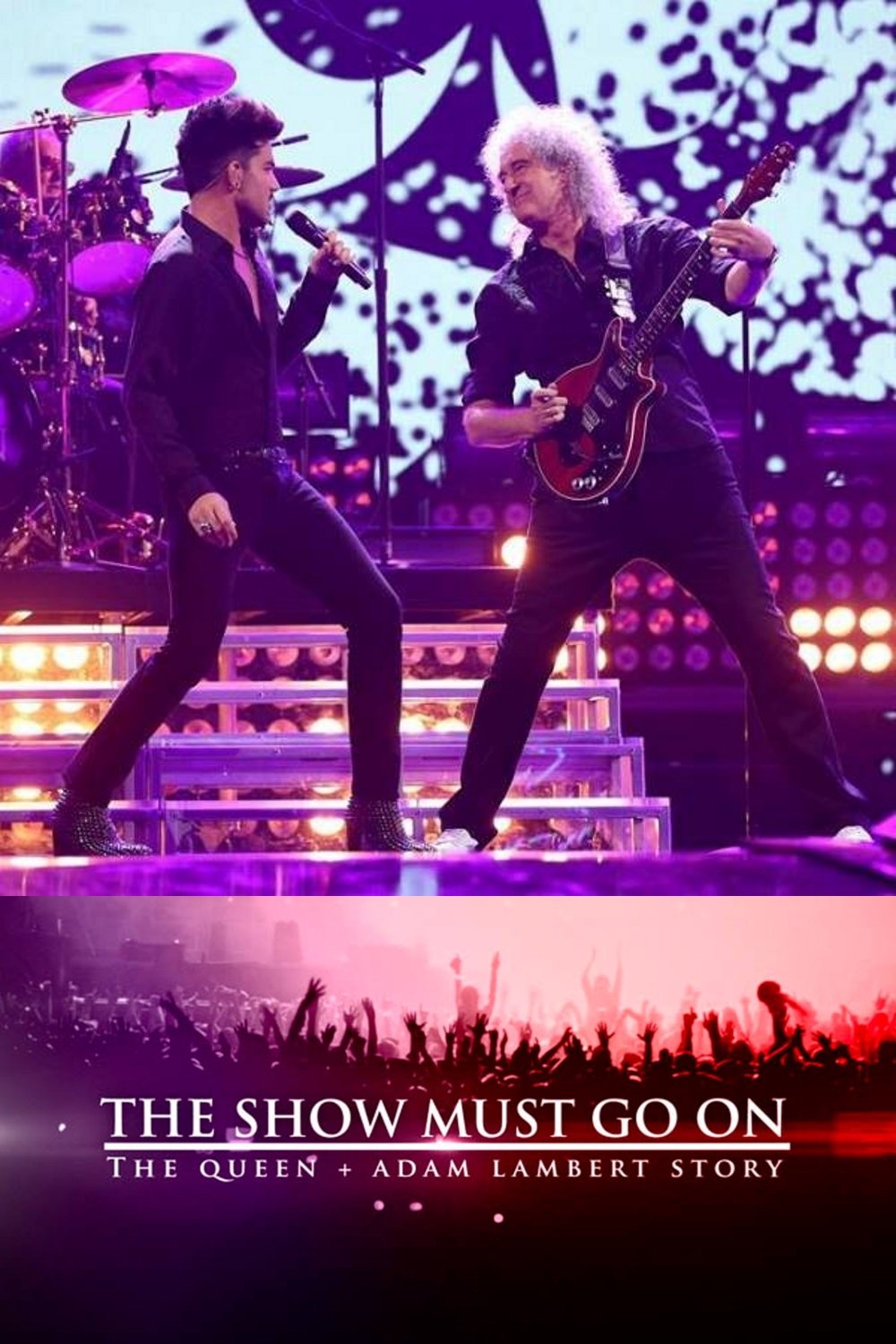
A documentary chronicling Queen and Lambert's incredible journey since they first shared the stage together on "American Idol" in 2009.
The Making-of James Cameron's Avatar. It shows interesting parts of the work on the set.
A documentary about the making of season five of the acclaimed AMC series Breaking Bad.
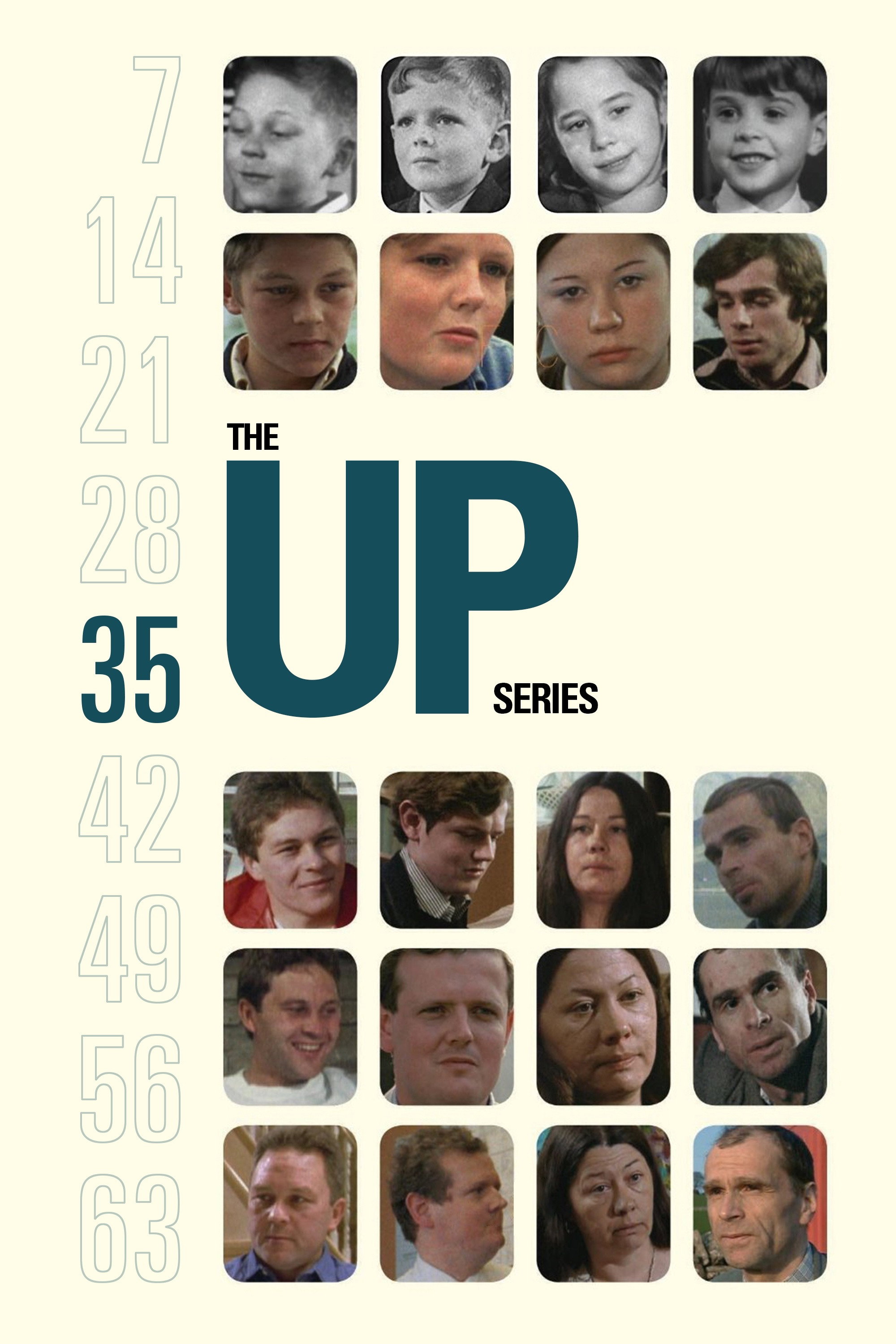
Director Michael Apted revisits the same group of British-born adults after a 7 year wait. The subjects are interviewed as to the changes that have occurred in their lives during the last seven years.
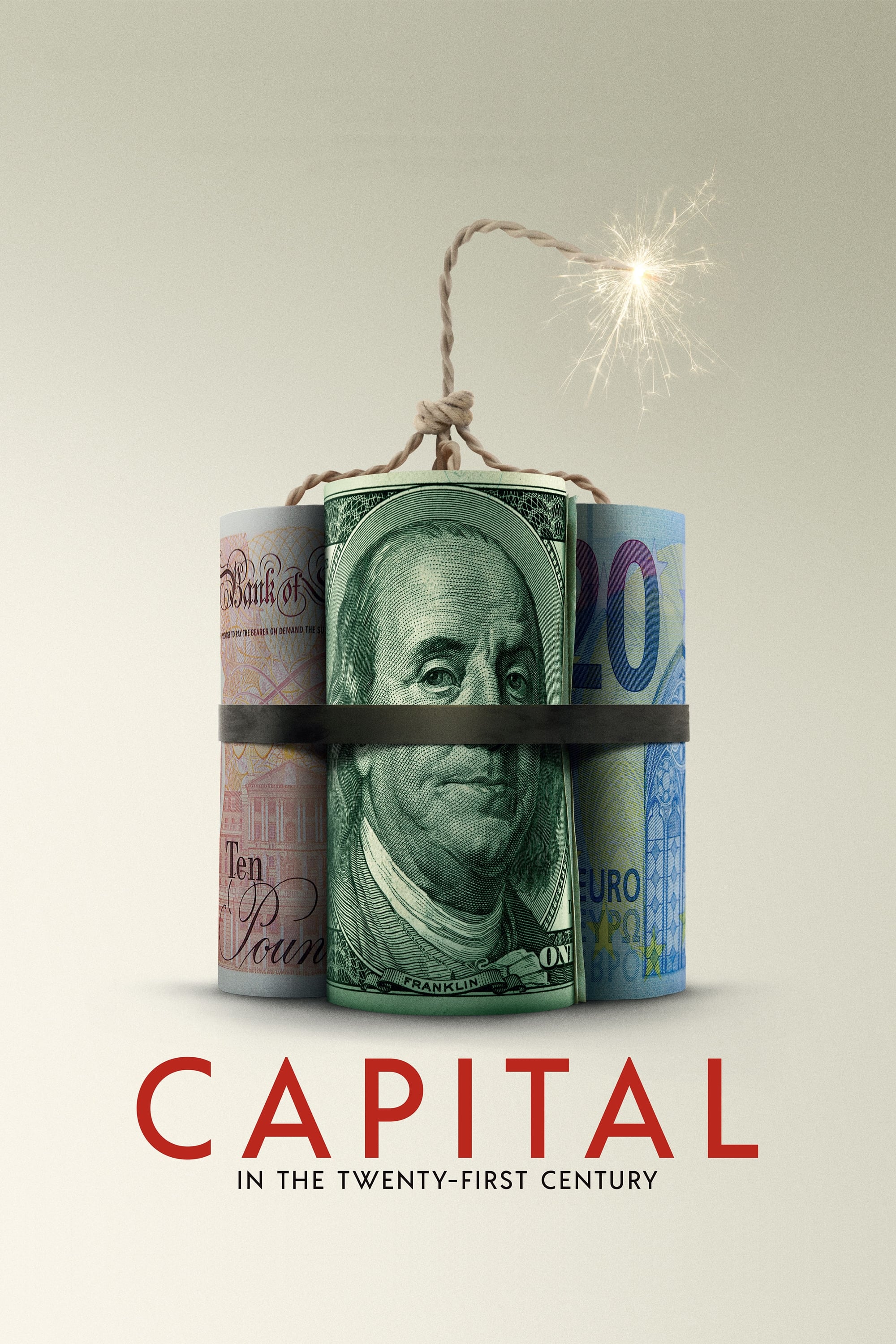
Film adaptation of French economist Thomas Piketty's ground-breaking global bestseller of the same name: an eye-opening journey through wealth and power.
Alexander McQueen's rags-to-riches story is a modern-day fairy tale, laced with the gothic. Mirroring the savage beauty, boldness and vivacity of his design, this documentary is an intimate revelation of McQueen's own world, both tortured and inspired, which celebrates a radical and mesmerizing genius of profound influence.
The life of Mr. Spock, as well as that of Leonard Nimoy, the actor who played him for almost fifty years, written and directed by his son: Adam.
Through deeply personal interviews with her siblings and an examination of the photographs, letters, and belongings left behind, Mariska assembles a new portrait of her mother Jayne Mansfield, an extraordinary and complex woman.
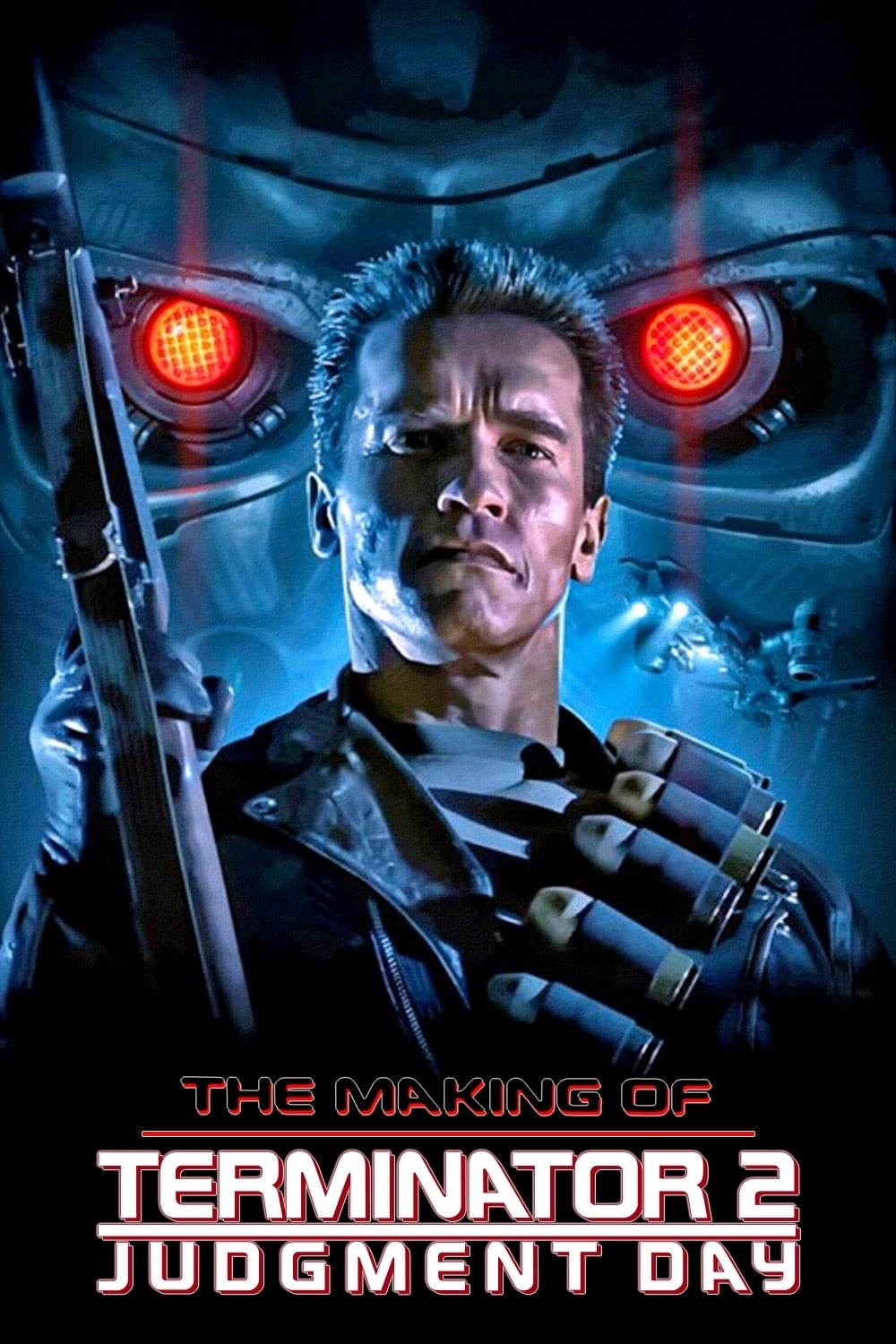
Documentary of the making of the sequel to the popular Schwarzenegger film, The Terminator.
The life and career of one of comedy's most inimitable modern voices, Mr. Gilbert Gottfried.
A documentary that explores the downloading revolution; the kids that created it, the bands and the businesses that were affected by it, and its impact on the world at large.