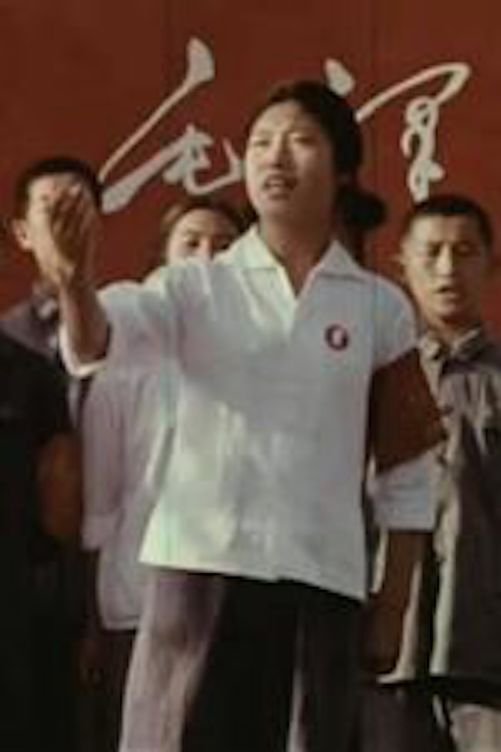
A documentary film about the history and present of the struggle of the communist troops led by Mao Zedong and Chu Tie in China.
Social & External
The people behind it
Karel Höger
Commentary (voice)
Vladimír Šmeral
Mao Zedong was not only a revolutionary leader and thinker, he was also a poet. In poems written in the classic calligraphic tradition he expresses his experiences and visions. In this film, 8 of Mao's poems are sung, recited and interpreted: 'Changsha' (1925), 'Jinggang Mountains' (1928), 'The Long March' (1935), 'Snow' (1936), 'The People's Liberation Army Captures Nanjing' (1949), 'Swimming' (1956), 'Reply to Comrade Guo Moruo' (1961) and 'Reascending Jinggang Mountains' (1965). Through these poems we get a picture of the Chinese revolution from its first beginning in 1921 until the Cultural Revolution. The poems of Mao Zedong have been published in more than 57 million copies
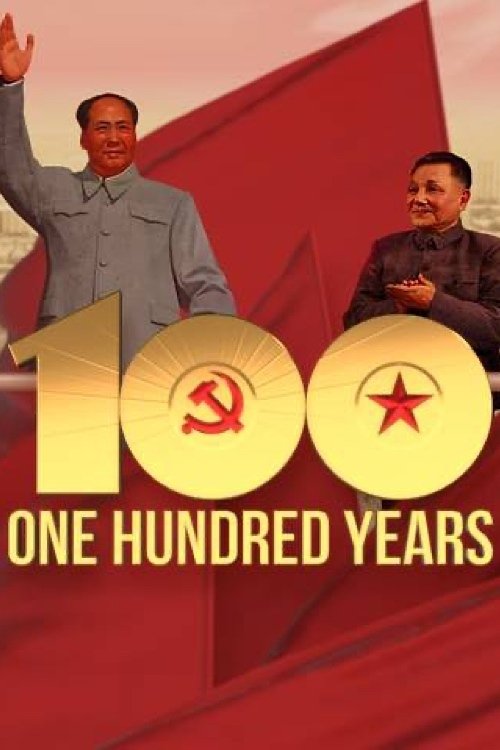
As the Communist Party of China celebrates its 100th anniversary, this documentary looks back at the party’s history, from the 1920’s, to the Civil War, the Great Leap Forward, the Great Famine, the Cultural Revolution and the reforms by Mao Zedong and Deng Xiaoping. Did the Great Famine cost more than 15 million lives? How does the Cultural Revolution continue to shape Chinese politics today? What was capitalism like after Mao’s death? Through rare and never-before-seen historical footage, expert interviews and eyewitness accounts of the Great Famine, Tiananmen incident, and the Cultural Revolution, get to know how one party has so profoundly shaped China.
An American missionary is gradually seduced by a courtly warlord holding her in Shanghai.
Married couple Fugui and Jiazhen endure tumultuous events in mid-20th century mainland China as their personal fortunes move from wealthy landownership to peasantry.
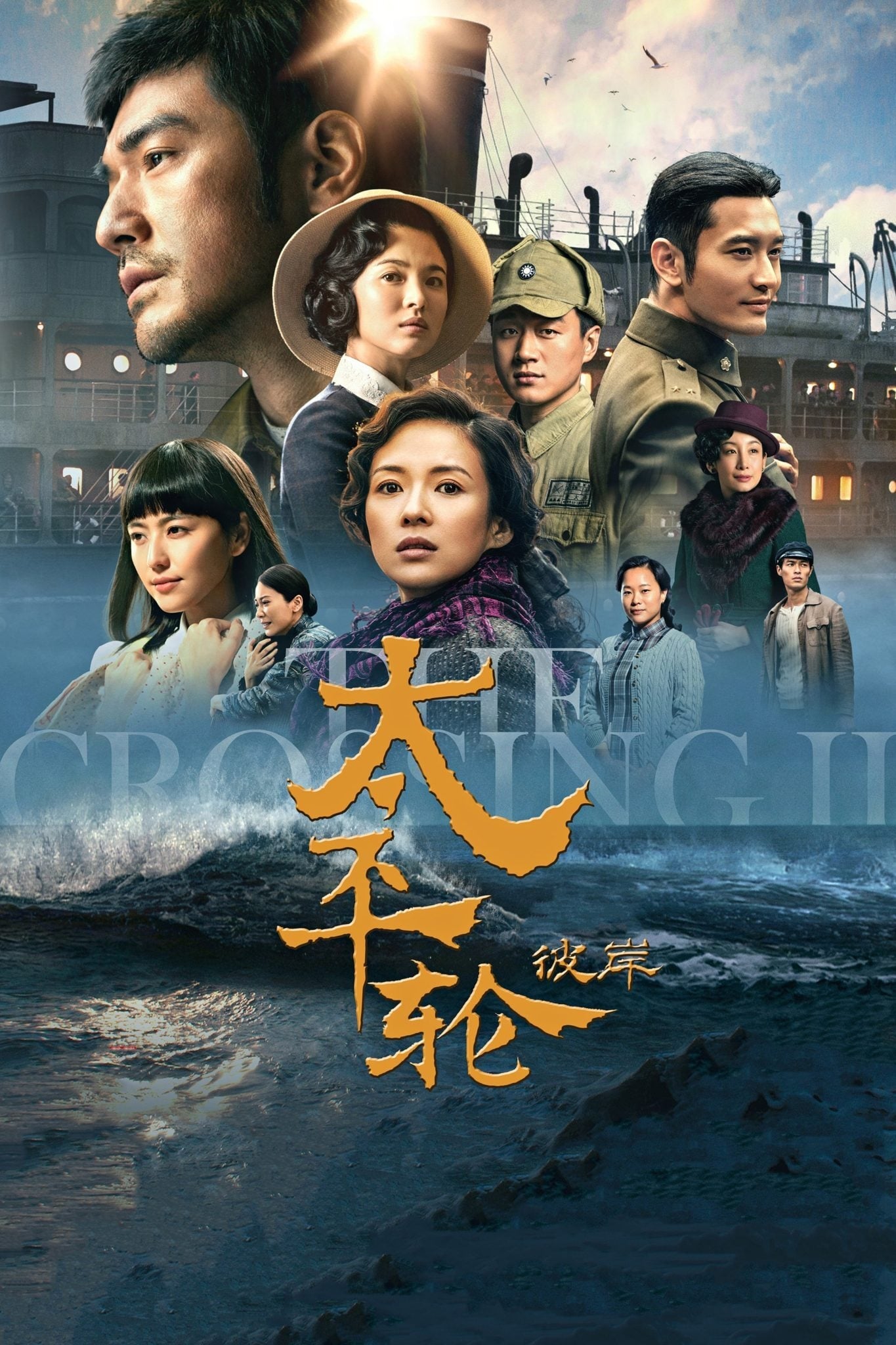
A story of three couples and their intertwining love stories set in 1940s Taiwan and Shanghai, centered around the 1949 sinking of Taiping.
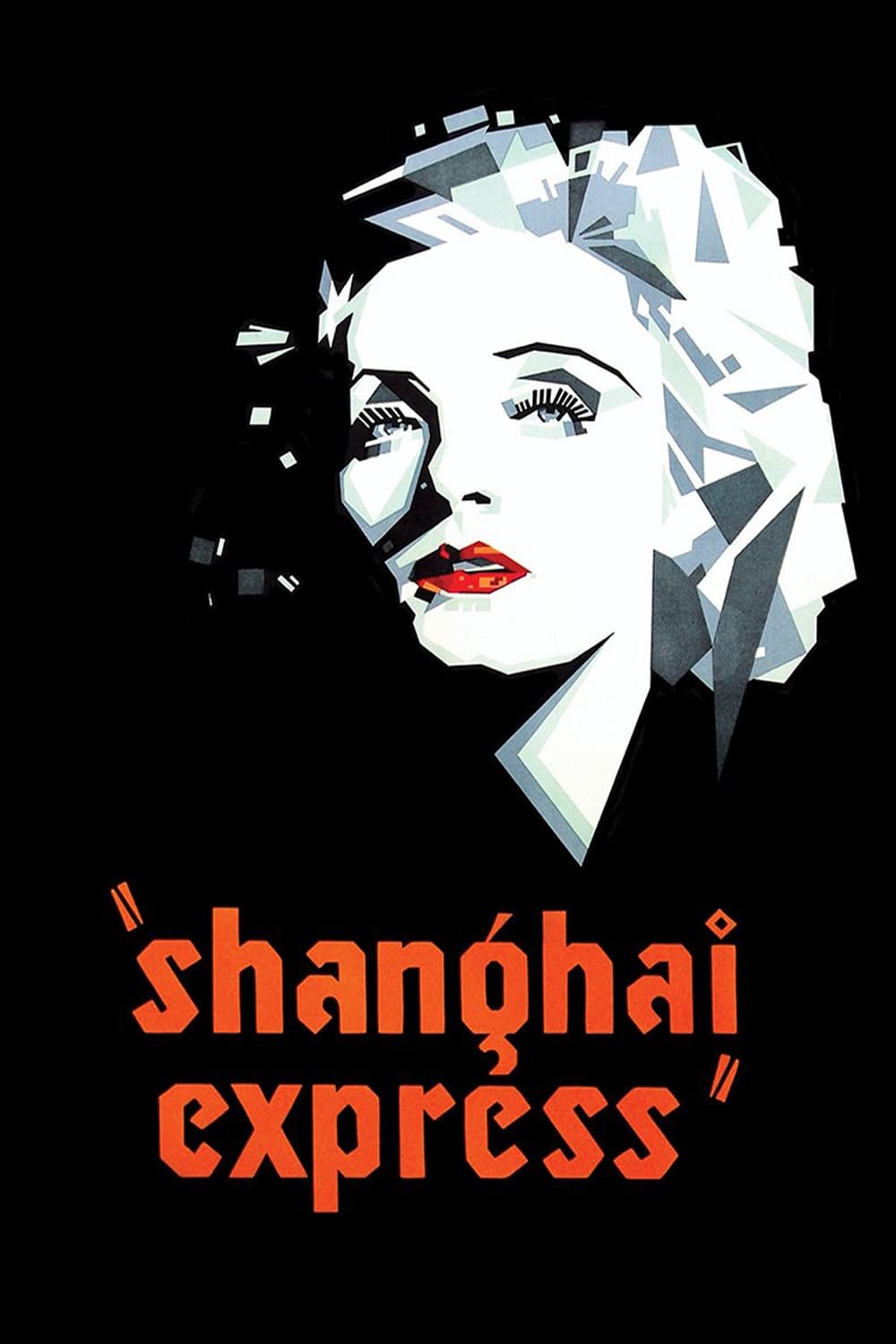
A beautiful temptress re-kindles an old romance while trying to escape her past during a tension-packed train journey.
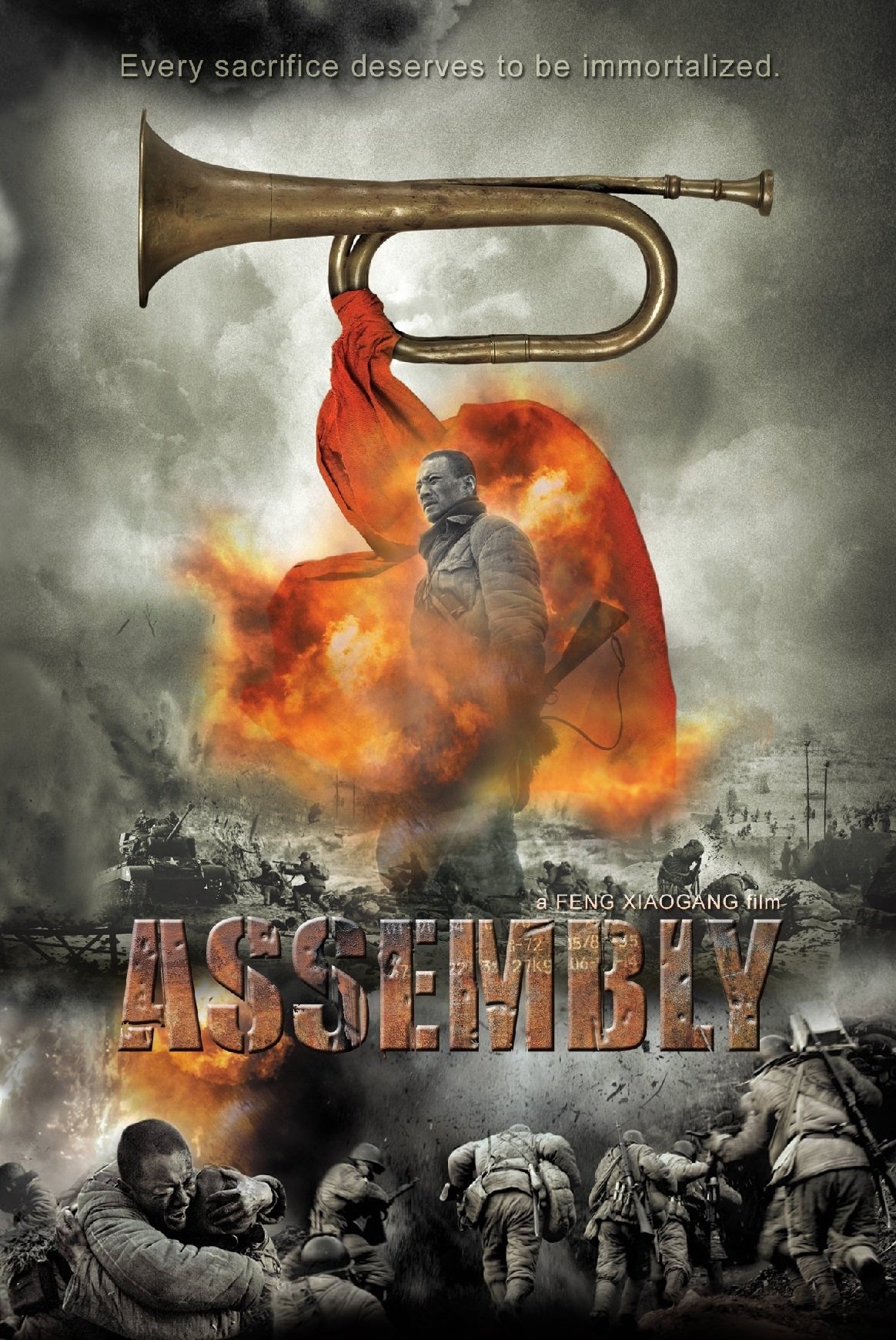
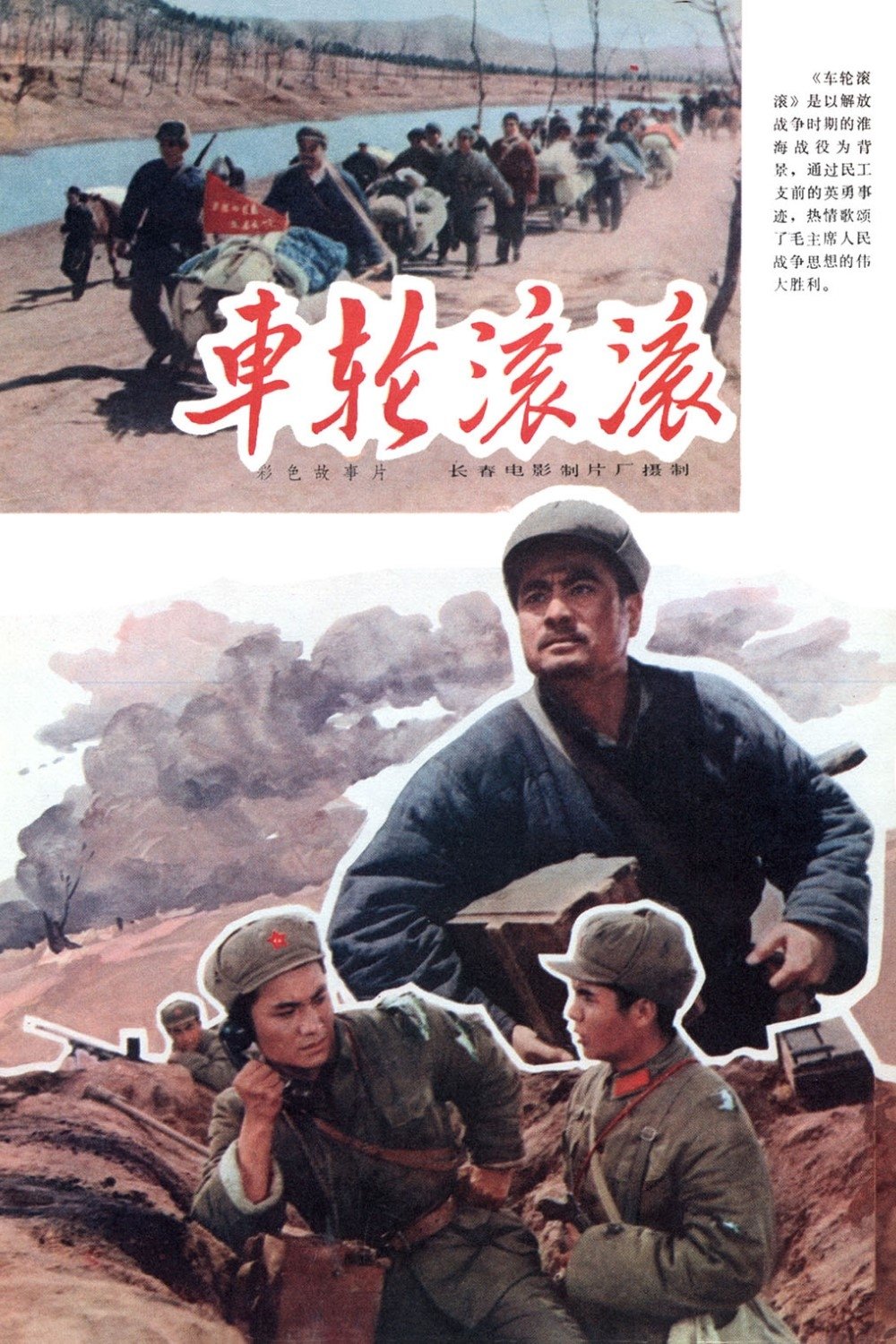
Follows a soldier trying to gain recognition for comrades who died in 1948, at a turning point in the civil war between the communists and the nationalist forces of the Kuomintang.
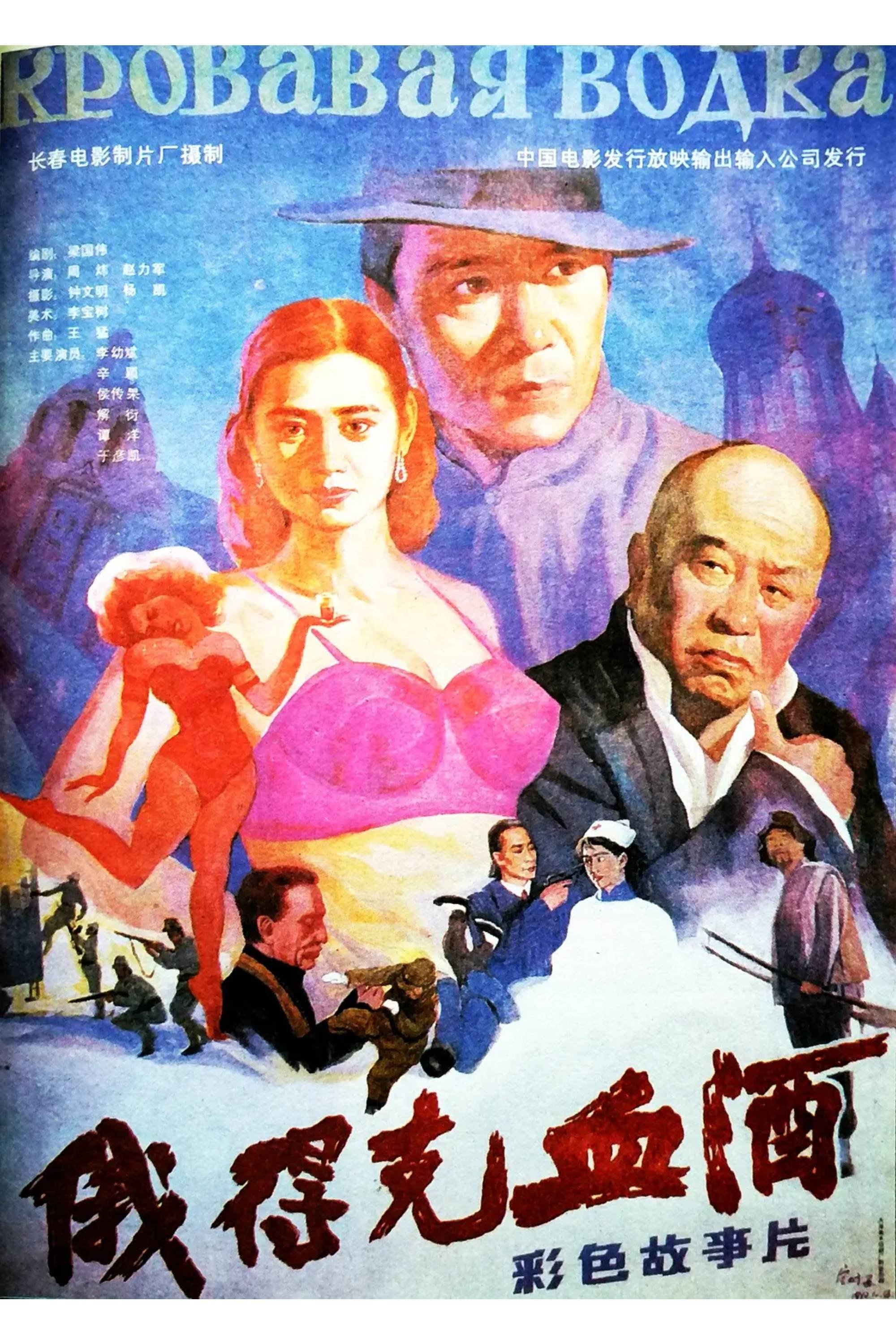
Liu Hanwu, a soldier of the Anti-Union Alliance, needs to obtain a batch of international aid drugs. He needs all his wits and courage while fighting with the Japanese special military commanders.
A story set in revolutionary China, whose proletariat suffers and starves, but refuses to be passive and rises to decisive resistance. Even the artists believe in the victory of the working class, and the symbol of this victory becomes the red poppy, a flower given by a sailor from a Russian ship that brought the much-prized flour to China as a gift to the Chinese comrades.
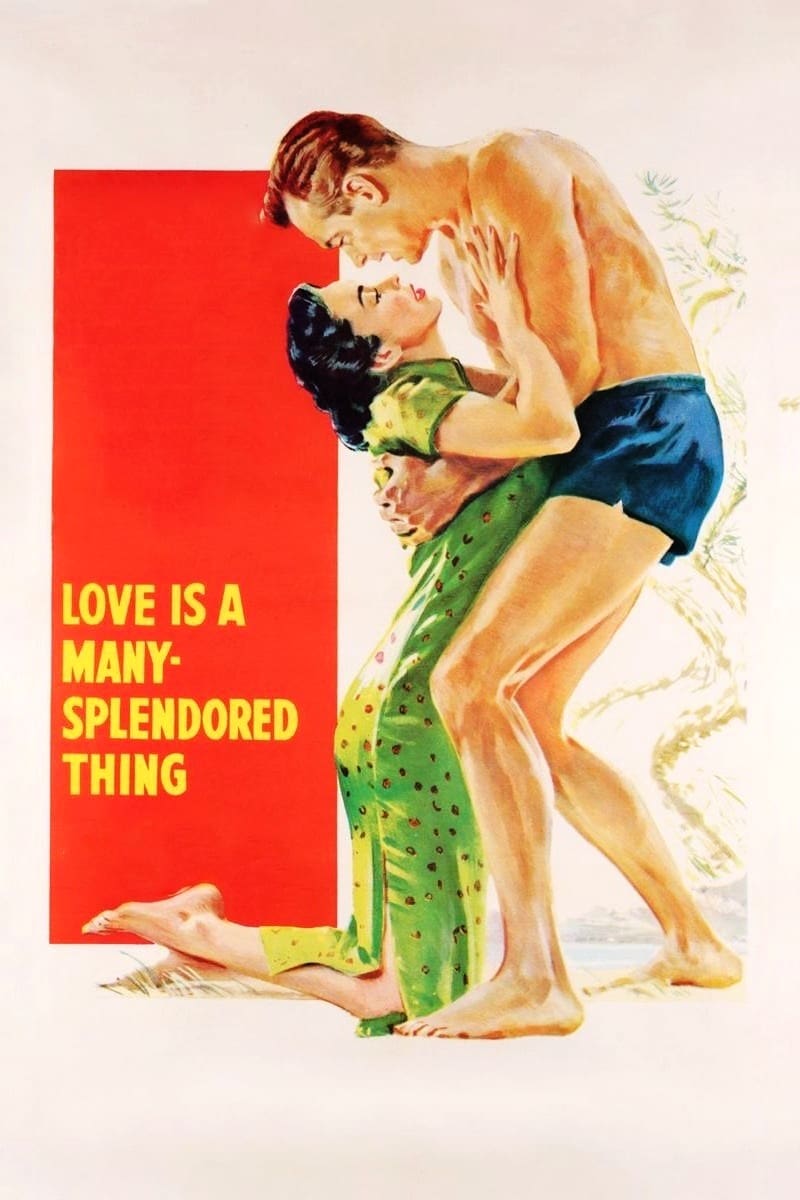
A widowed doctor of both Chinese and European descent falls in love with a married American correspondent in Hong Kong during China's Communist revolution.
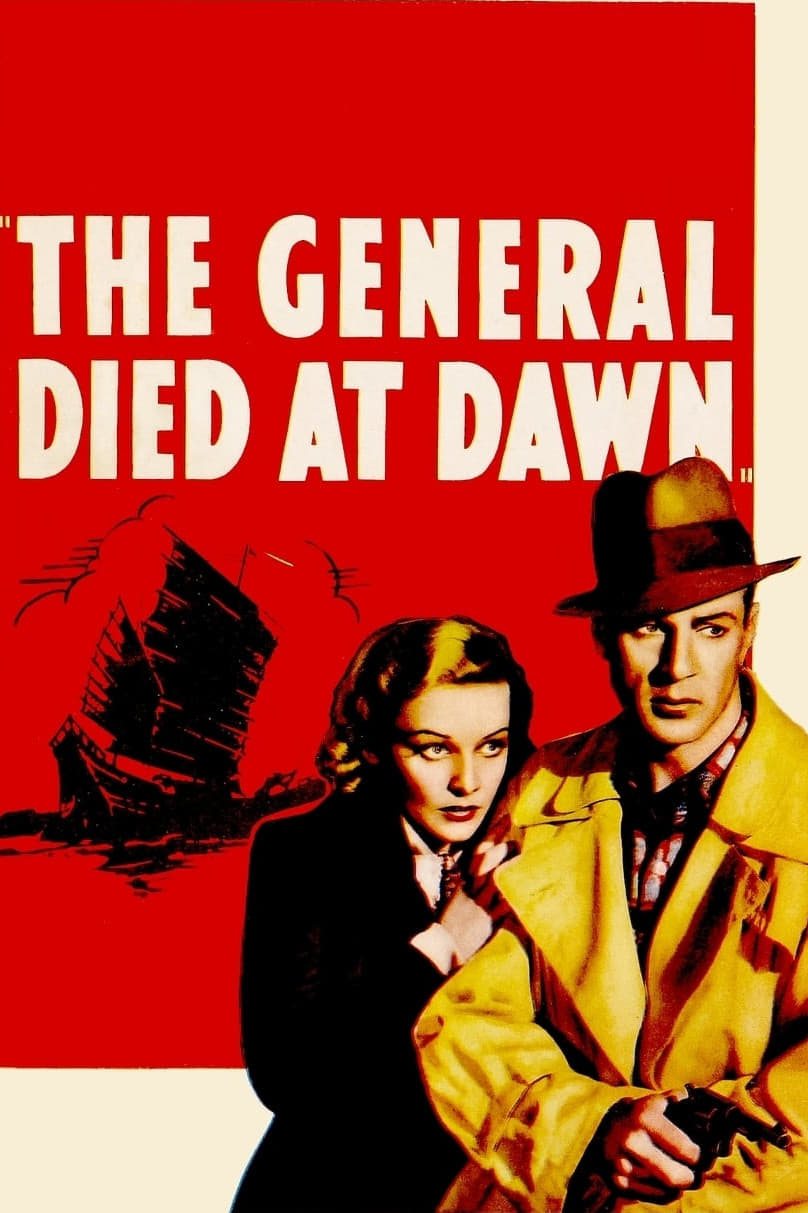
China, 1930s, during the ravaging civil war. General Pen entrusts O'Hara, an intrepid American adventurer, with the mission of providing a large sum of money to Mr. Wu with the task of buying weapons in Shanghai to help end General Yang's tyranny that keeps an entire province under his ruthless iron boot.
A former spy in the Chinese Nationalist Party falls for an opium-dealing widow, as China is ravaged by war and revolution.
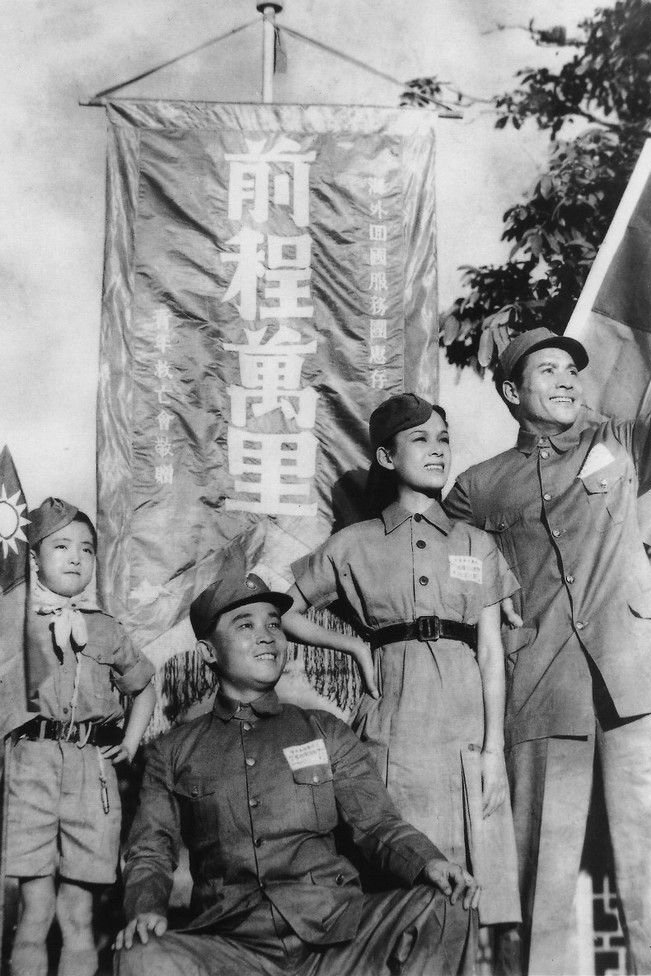
Driver Ko Wah (Lee Ching) refuses to transport ammunitions for the enemy, and is sent to jail after a scuffle with his traitorous boss. Although down and out, Ko takes in Siu-fung (Yung Siu-yi), an unwilling erotic dancer who has fled the war to Hong Kong. They may lead destitute lives, but their conscience remains intact. Director Cai Chusheng co-founded the National Salvation Association of Cinema. When Ko makes a uproar at the dance parlour and rips apart his friend's zombie costume, it represents Cai's criticism on the muddling-along attitude of Hong Kong society at the time. The characters' decision to return to the mainland to join the resistance effort also foretells Cai's decision to do the same in real-life.
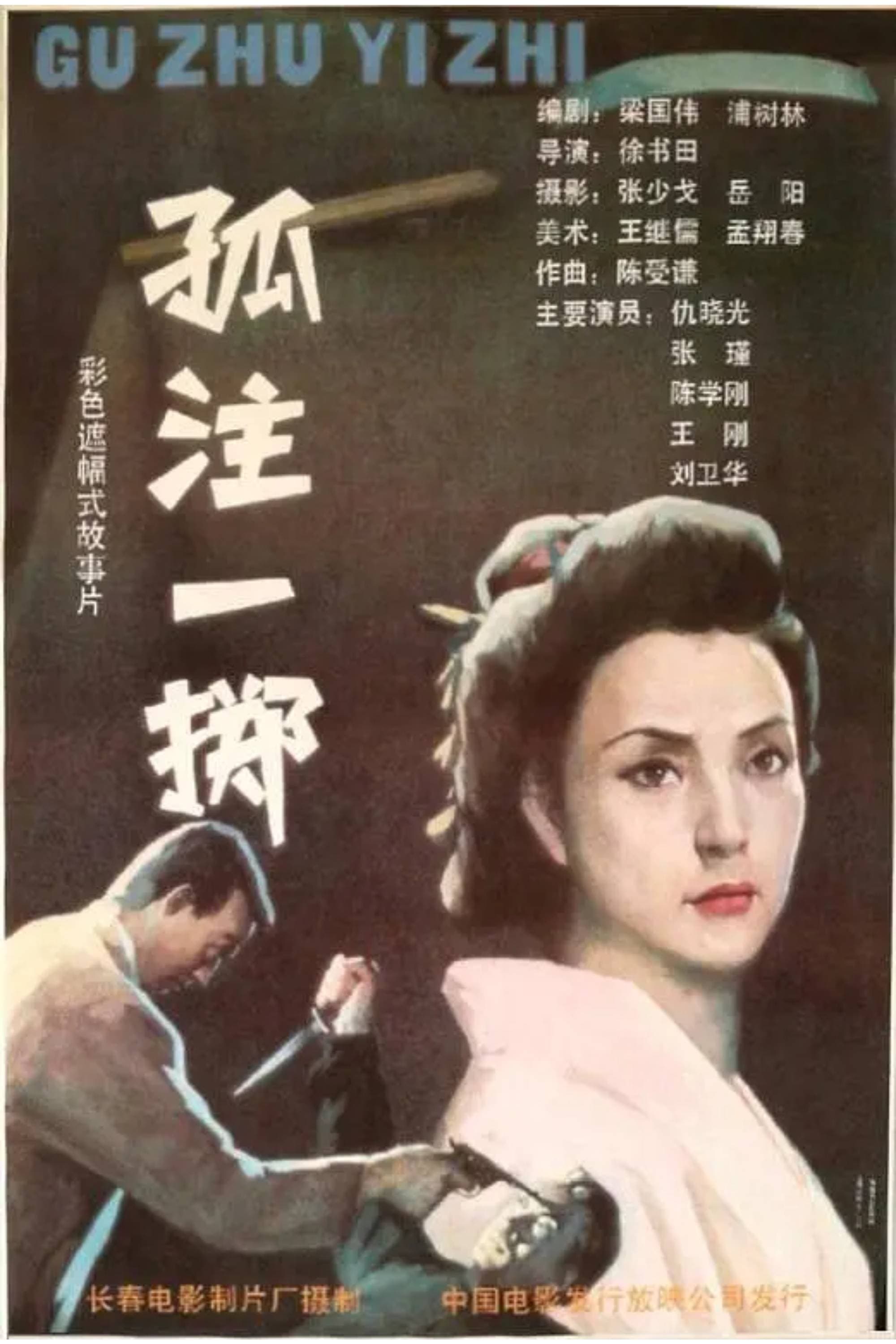
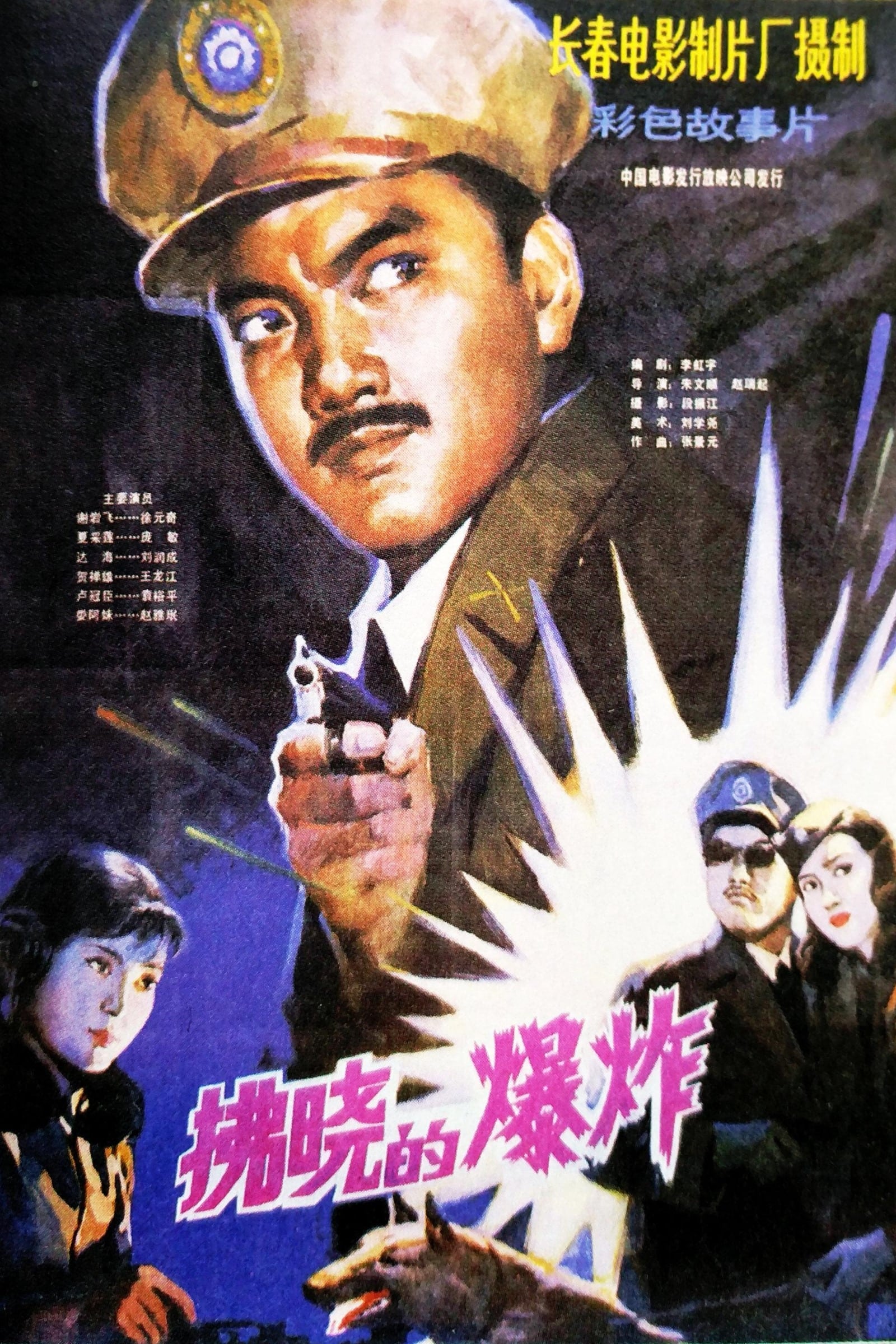
In autumn 1948, during the Huaihai Campaign, Xie Yanfei, a reconnaissance chief, infiltrated Hekou City with driver Xiao Wang, using Lou A’mei as cover. Discovering the local Party organization was compromised, he sought his childhood sweetheart, Xia Cailian, who had joined the enemy’s service corps. They met secretly at Lou A’mei’s, but the enemy grew suspicious. After a firefight, Xie was wounded, and Xiao sacrificed himself. Xie escaped into a lake and was rescued by Xia Cailian, who recognized him as her former lover. Despite their past, Xie maintained secrecy and left without revealing their identities.
An inside look at one of the most anticipated movie sequels ever with James Cameron and cast.
A string of threatening emails escalates into a revenge plot involving a newly married US marshal and his ex-girlfriend.
A documentary about the life and films of director John Ford.
Prelude to War was the first film of Frank Capra's Why We Fight propaganda film series, commissioned by the Pentagon and George C. Marshall. It was made to convince American troops of the necessity of combating the Axis Powers during World War II. This film examines the differences between democratic and fascist states.
Alexander McQueen's rags-to-riches story is a modern-day fairy tale, laced with the gothic. Mirroring the savage beauty, boldness and vivacity of his design, this documentary is an intimate revelation of McQueen's own world, both tortured and inspired, which celebrates a radical and mesmerizing genius of profound influence.
A purely observational non-fiction film that takes viewers into the ethically murky world of end-of-life decision making in a public hospital.
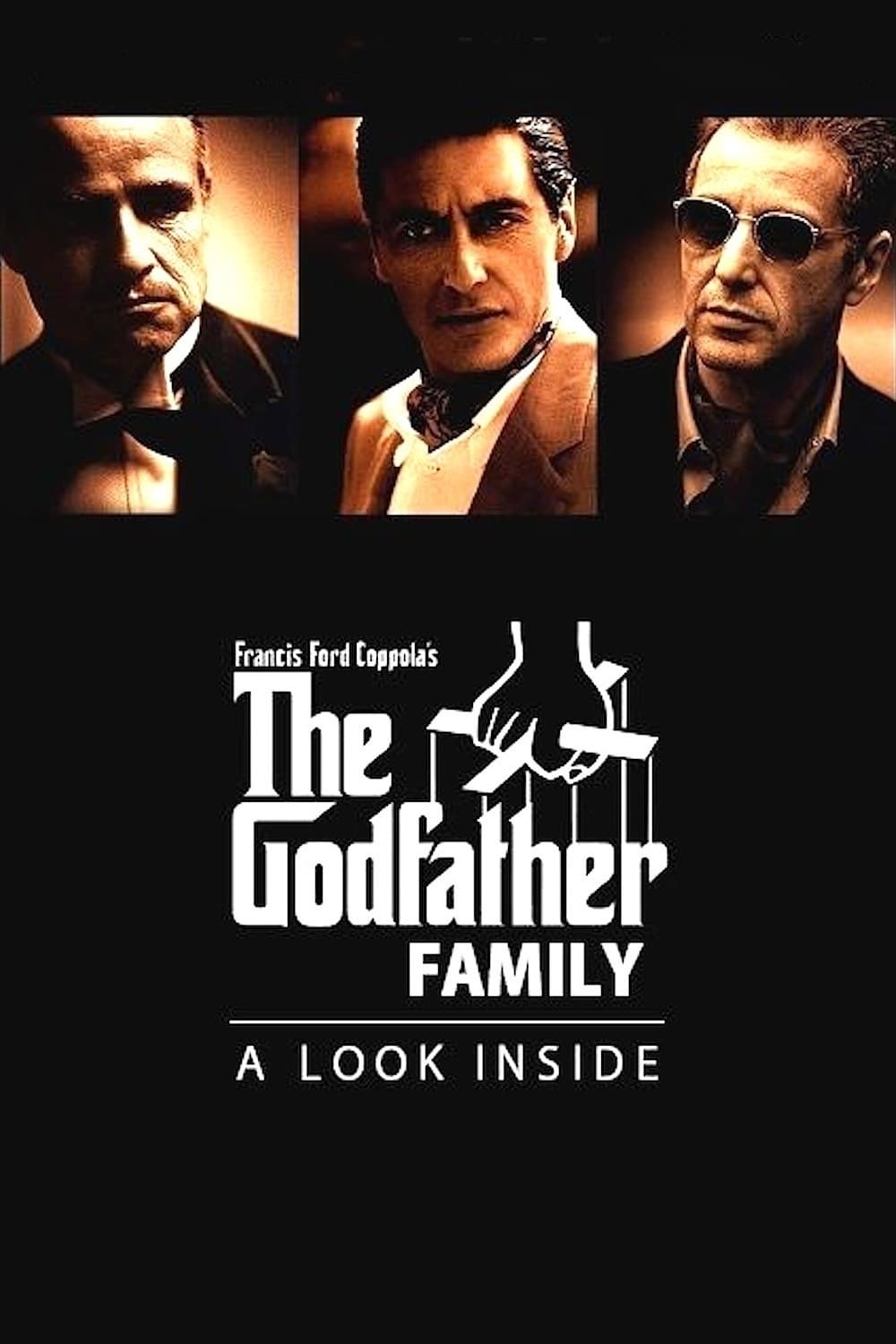
A documentary on the making of the three Godfather films, with interviews and recollections from the film makers and cast. This feature also includes the original screen tests of some of the actors for "The Godfather" film, and some candid moments on the set of "The Godfather: Part III."
A visual montage portrait of our contemporary world dominated by globalized technology and violence.
In the Realms of the Unreal is a documentary about the reclusive Chicago-based artist Henry Darger. Henry Darger was so reclusive that when he died his neighbors were surprised to find a 15,145-page manuscript along with hundreds of paintings depicting The Story of the Vivian Girls, in What is Known as the Realms of the Unreal, of the Glodeco-Angelinnian War Storm, Cased by the Child Slave Rebellion.
“The Soviet Story” is a story of an Allied power, which helped the Nazis to fight Jews and which slaughtered its own people on an industrial scale. Assisted by the West, this power triumphed on May 9th, 1945. Its crimes were made taboo, and the complete story of Europe’s most murderous regime has never been told. Until now...
A documentary about how a dominant cultural and demographic institution both sustains their traditional activities and adapts to the digital revolution.
Through deeply personal interviews with her siblings and an examination of the photographs, letters, and belongings left behind, Mariska assembles a new portrait of her mother Jayne Mansfield, an extraordinary and complex woman.
Those who knew iconic funnyman John Candy best share his story, in their own words, through never-before-seen archival footage, imagery, and interviews.
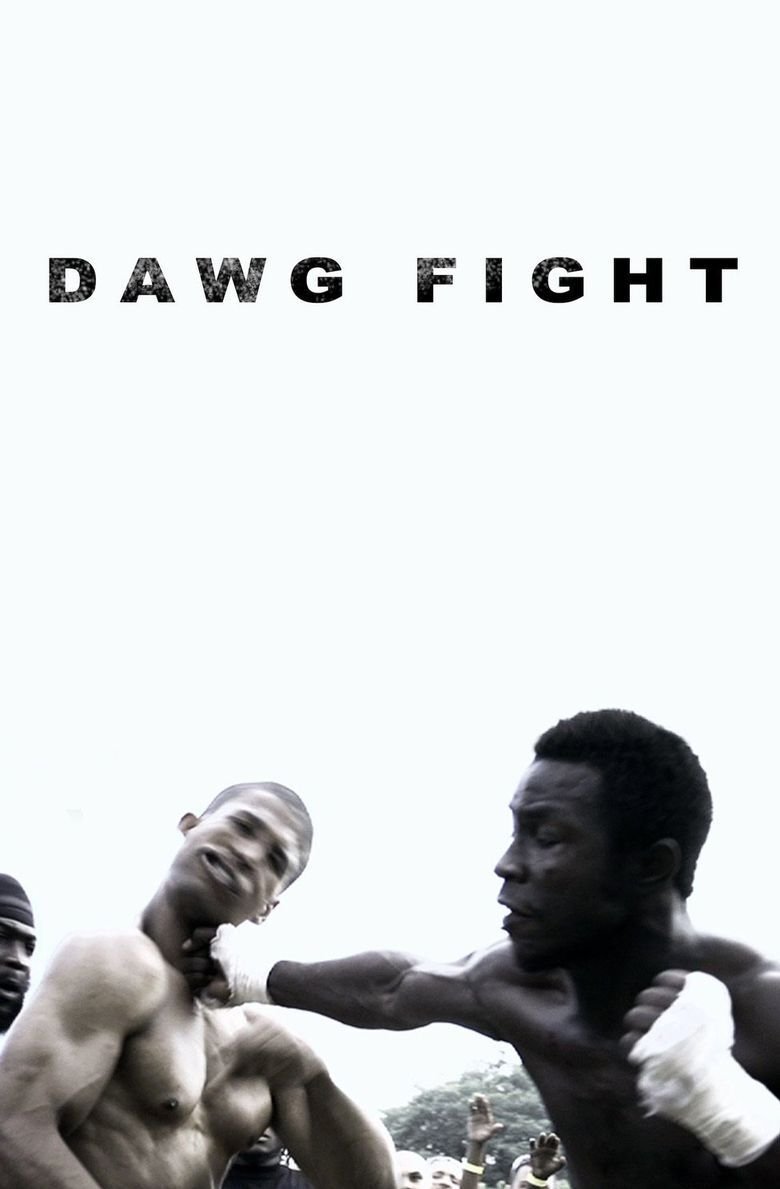
In a crime-plagued neighborhood near Miami, brutal, bare-knuckled backyard fights give young men a chance to earn money -- and self-respect.
The life and career of an actor, artist, and icon. His own journey through his own camera.
Lyrical and powerfully personal essay film that reflects on the deaths of her husband Lou Reed, her mother, her beloved dog, and such diverse subjects as family memories, surveillance, and Buddhist teachings.
A comedic, brutally honest documentary following self-destructive TV writer Dan Harmon as he takes his live podcast on a national tour.
A feature-length documentary about our complex relationship with manufactured objects and, by extension, the people who design them.
A documentary examining the decade of the 1970s as a turning point in American cinema. Some of today's best filmmakers interview the influential directors of that time.
The film follows adventurer Jeff Johnson as he retraces the epic 1968 journey of his heroes Yvon Chouinard and Doug Tompkins to Patagonia.