A 4-year-old girl cries, lost in the city. A Soviet soldier on a ferry takes her in and takes her to her home village.
Social & External
The people behind it
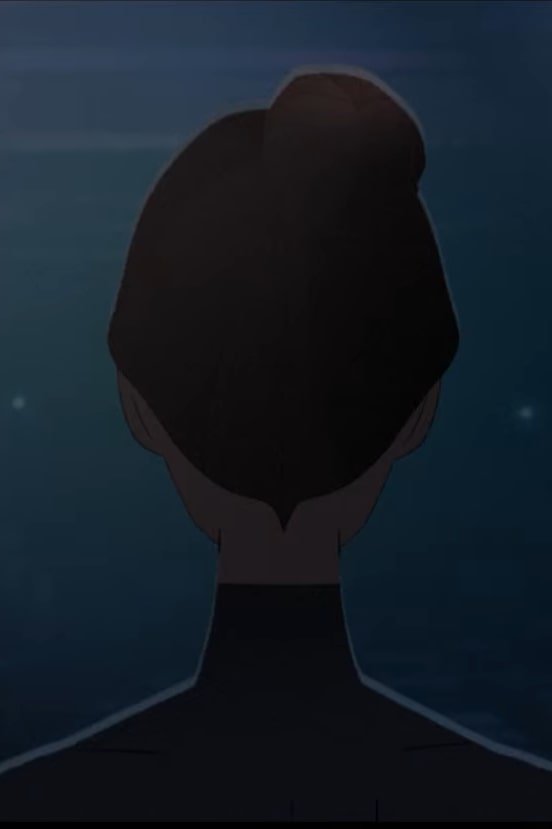
1950. Agathe is preparing to audition for the Moulin Rouge, with the stress she recalls her past to overcome his fears .
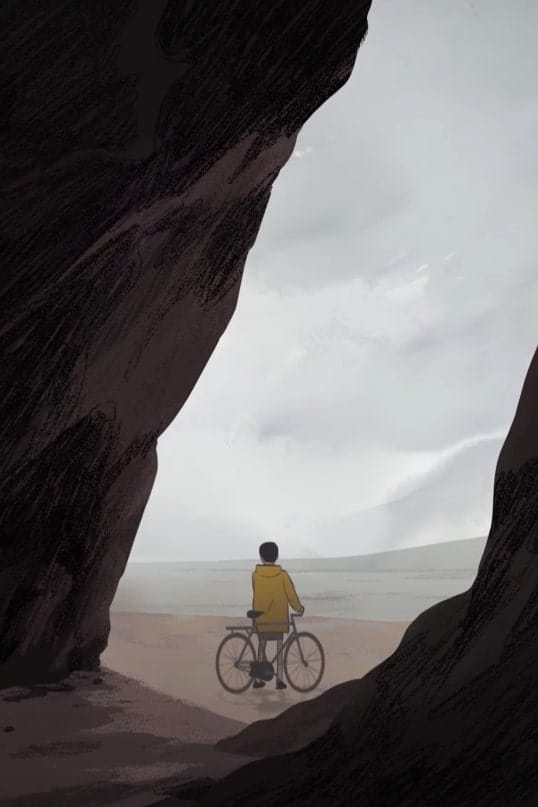
Two sisters are on their way home, but a mysterious boat sound will separe them into the fog...
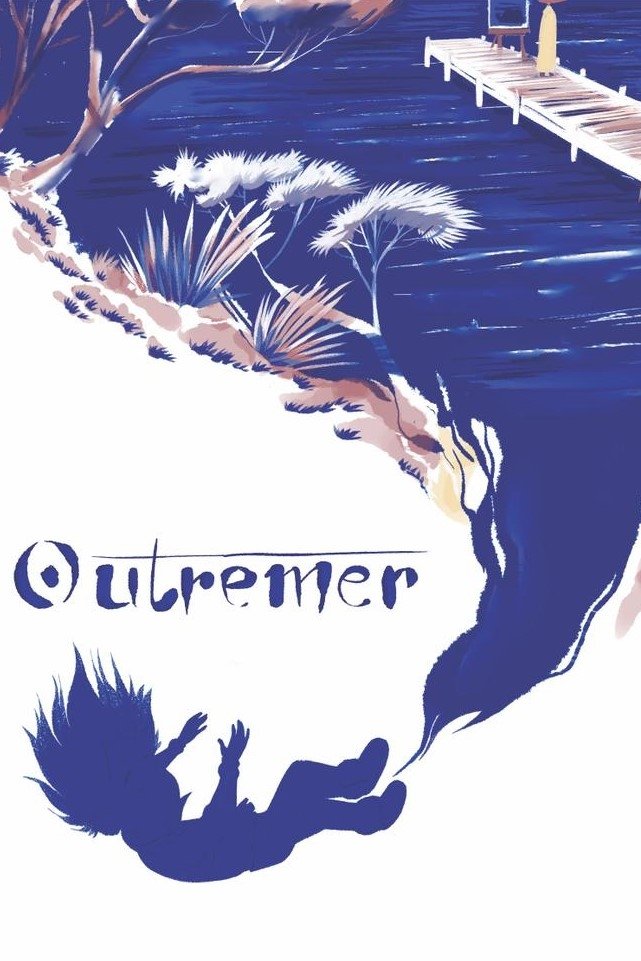
It's a story about a young boy who is afraid of the sea. He finds shelter, in the house of an old woman who paints the sea.
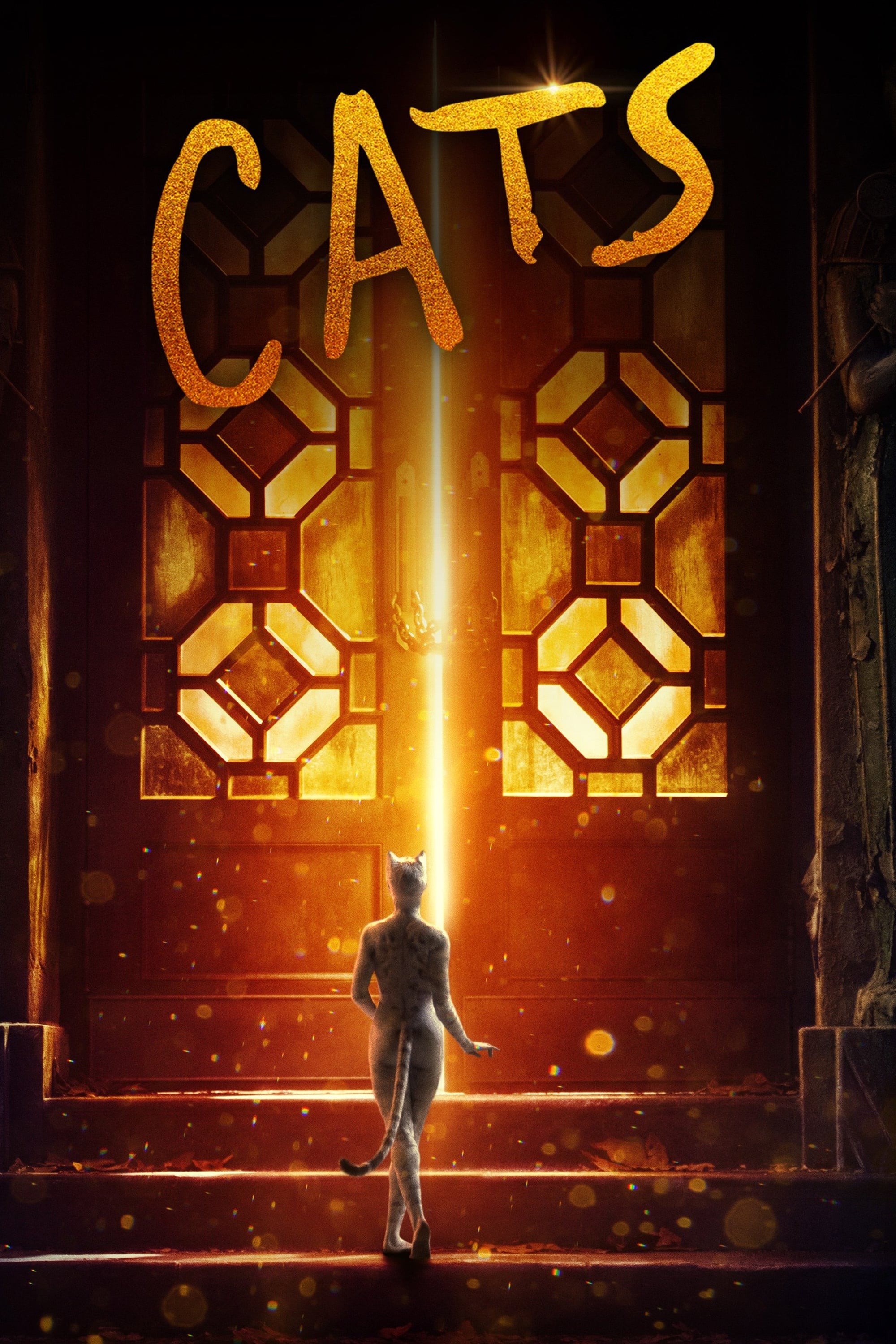
A tribe of cats called the Jellicles must decide yearly which one will ascend to the Heaviside Layer and come back to a new Jellicle life.
Documentary short about grief during COVID-19, how people are dealing with it and how we can move on collectively.
Esther lives with her dad and takes care of him every day. However, due to his madness, she has him locked in his room.
An escaped World War 2 Nazi doctor impersonates a murdered English doctor so he can work on a vaccination to protect the Germans in their planned germ warfare.
A Mexican boy accused of rape and murder becomes a pawn for Communists and red-baiters. A courtroom drama set in 1947 and underlying post-WW2 acute problems facing the USA such as stormy race relations and the growing threat of local communism.
A hard-hearted old woman in a bombed-out Tokyo neighborhood reluctantly takes in an abandoned boy, leading to a heartwarming bond between them.
Illustration of the ballad of the same name by Karel Jaromír Erben.
In the 90’s in a convent in Kerala, Sister Philomena is seriously ill while all the others are preparing for the anniversary of the convent school. Sister Nirmala who looks after sister Philomina is assigned to be with the actress Urvasi, the chief guest for the function. Sister Nirmala’s happiness has no bounds as it the same actress she has a deep fascination for, which the rest of the convent is not aware of. Things take a decisive turn when, on the day of the anniversary sister Nirmala is asked to stay back and look after Sister Philomina whose condition has unexpectedly deteriorated.
A student work by Jiří Menzel, filmed during his second year at the FAMU film school. Views of old Prague and its tenement buildings, symbolizing the obsolete past, alternate with shots of construction sites for new prefabricated apartment buildings. In spite of certain unavoidable propagandistic overtones added by the director, it is notable as the beginning of his search for a “dramaturgy of colors.”
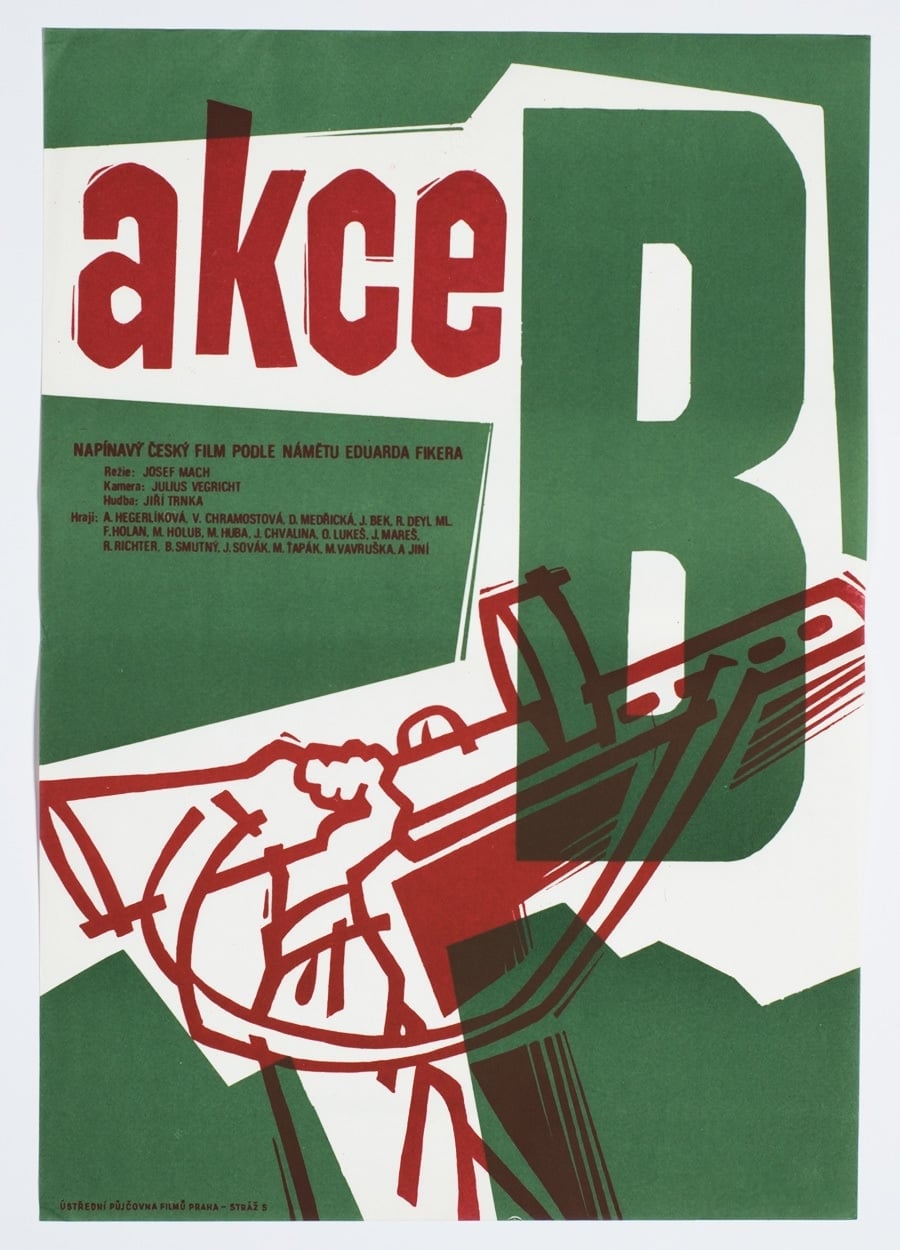
Film shows the struggle of the Czechoslovak armed forces against groups of Ukrainian Insurgent Army (UPA) under command Burlak, who tried to pass through the territory of Slovakia.
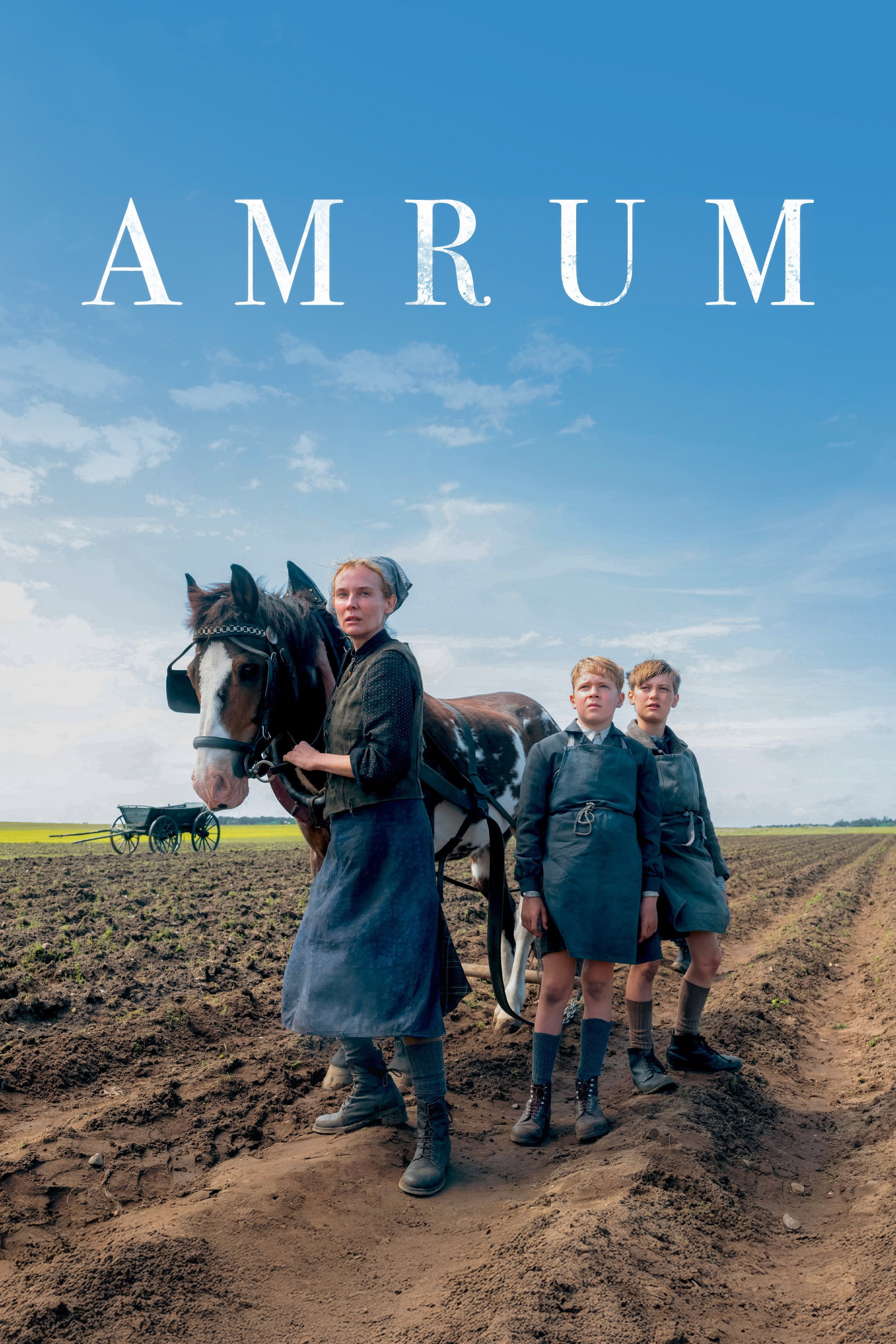
On Amrum Island in spring 1945, twelve-year-old Nanning hunts seals, fishes at night, and works the fields to help feed his family. When the war ends, his mother sinks into depression, and he must navigate new conflicts while struggling to find his own path.
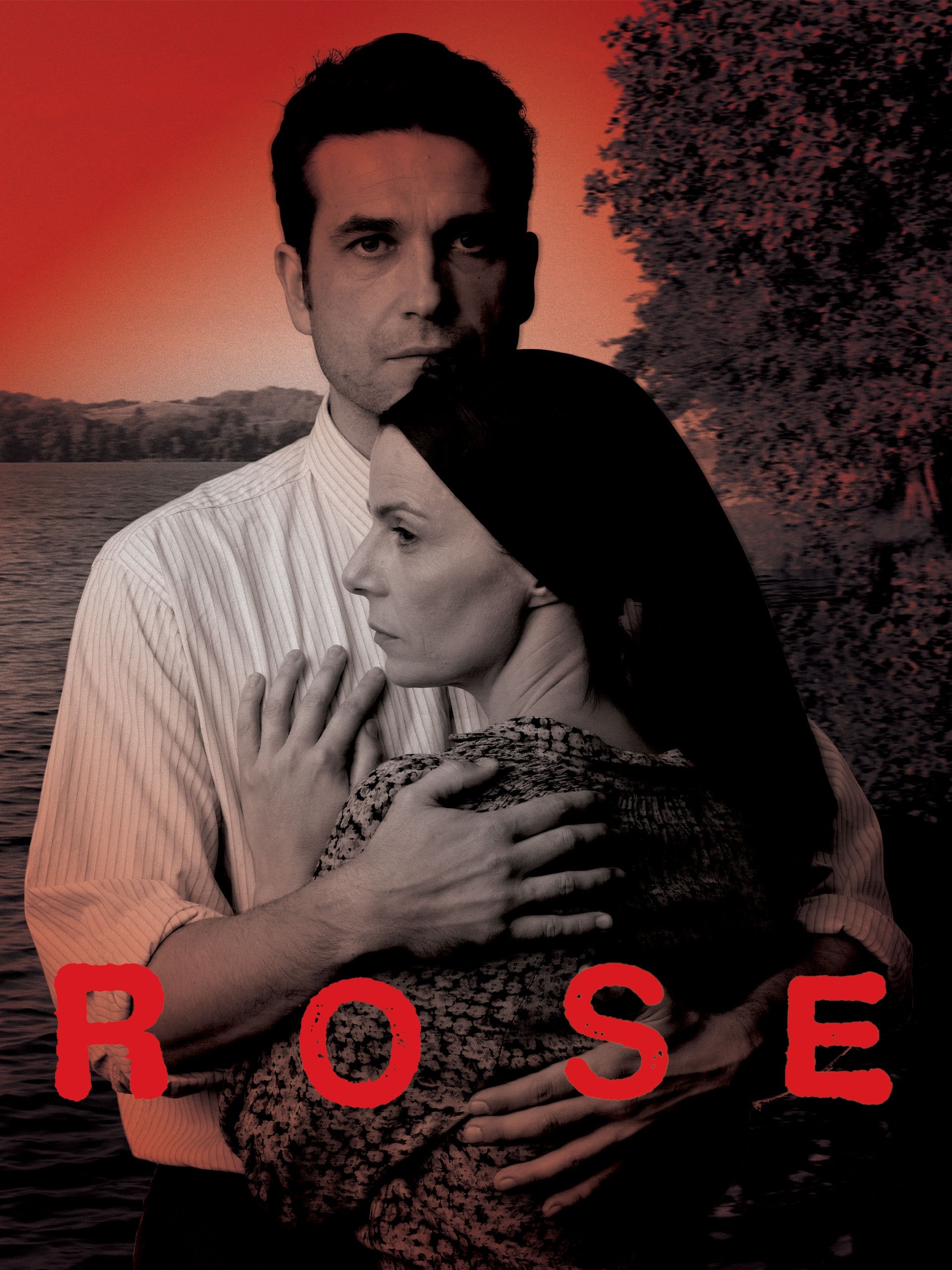
This harrowing tale of survival centers on Rose, a Masurian woman, whose German soldier husband was killed in the war, leaving her alone on their farm. A single woman had no defense against Russian soldiers who raped as a form of revenge, nor against plundering Poles who found themselves in desperate straits. Help arrives for Rose in the form of Tadeusz, a former officer in the Polish Home Army who deserted after he saw his wife raped and murdered by Russian troops and is attempting to hide his identity.
A woman goes to see a movie to which she appears to have a strange connection.
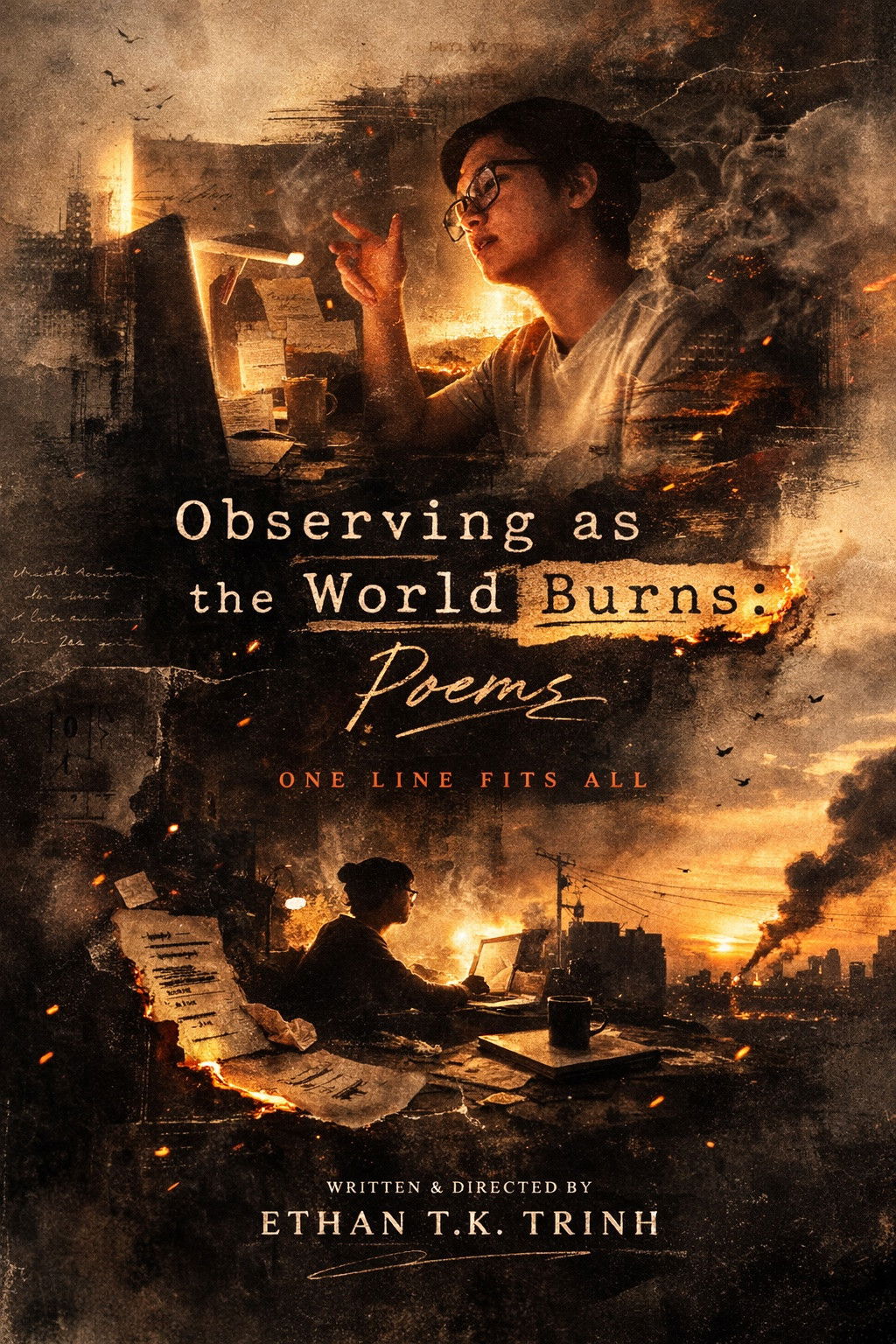
Observing as the World Burns: Poems is an evocative, introspective short film that transforms lines of verse into raw visual poetry—confronting the dual forces of personal introspection and outward chaos. Anchored by cinematic performances, layered voice-over, and an emotive soundscape, the film embodies the tension between witnessing life’s unraveling and finding meaning within it. Rather than dramatizing action, this film immerses the viewer in the experience of attention—the act of watching, contemplating, and articulating what it means to be alive. At the same time, everything feels like it’s burning. It is both a cinematic poem and a visual diary—an invitation to witness, feel, and reflect alongside the narrator.
The Captains is a feature-length documentary film written and directed by William Shatner. The film follows Shatner as he interviews the other actors who have portrayed starship captains in the Star Trek franchise.
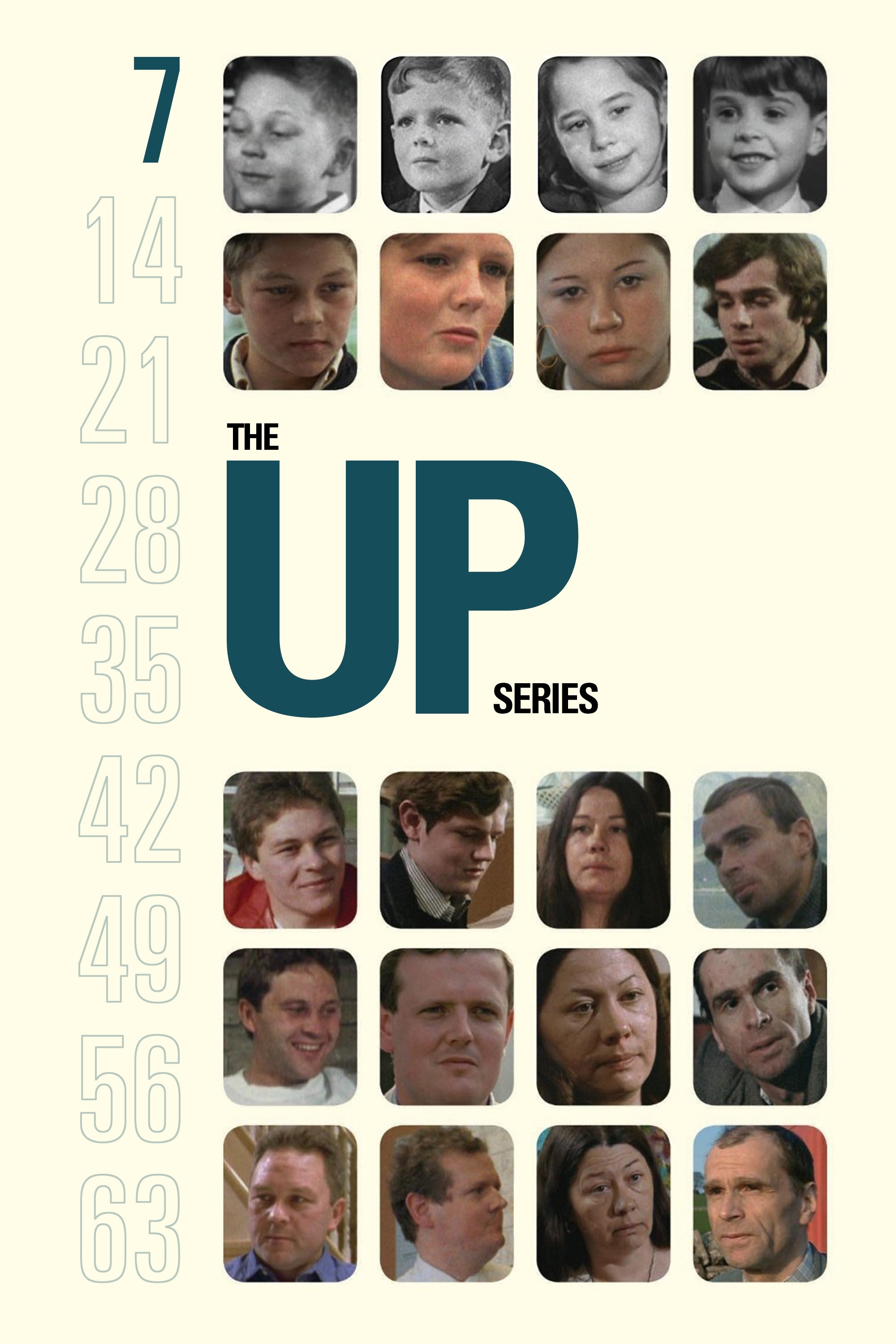
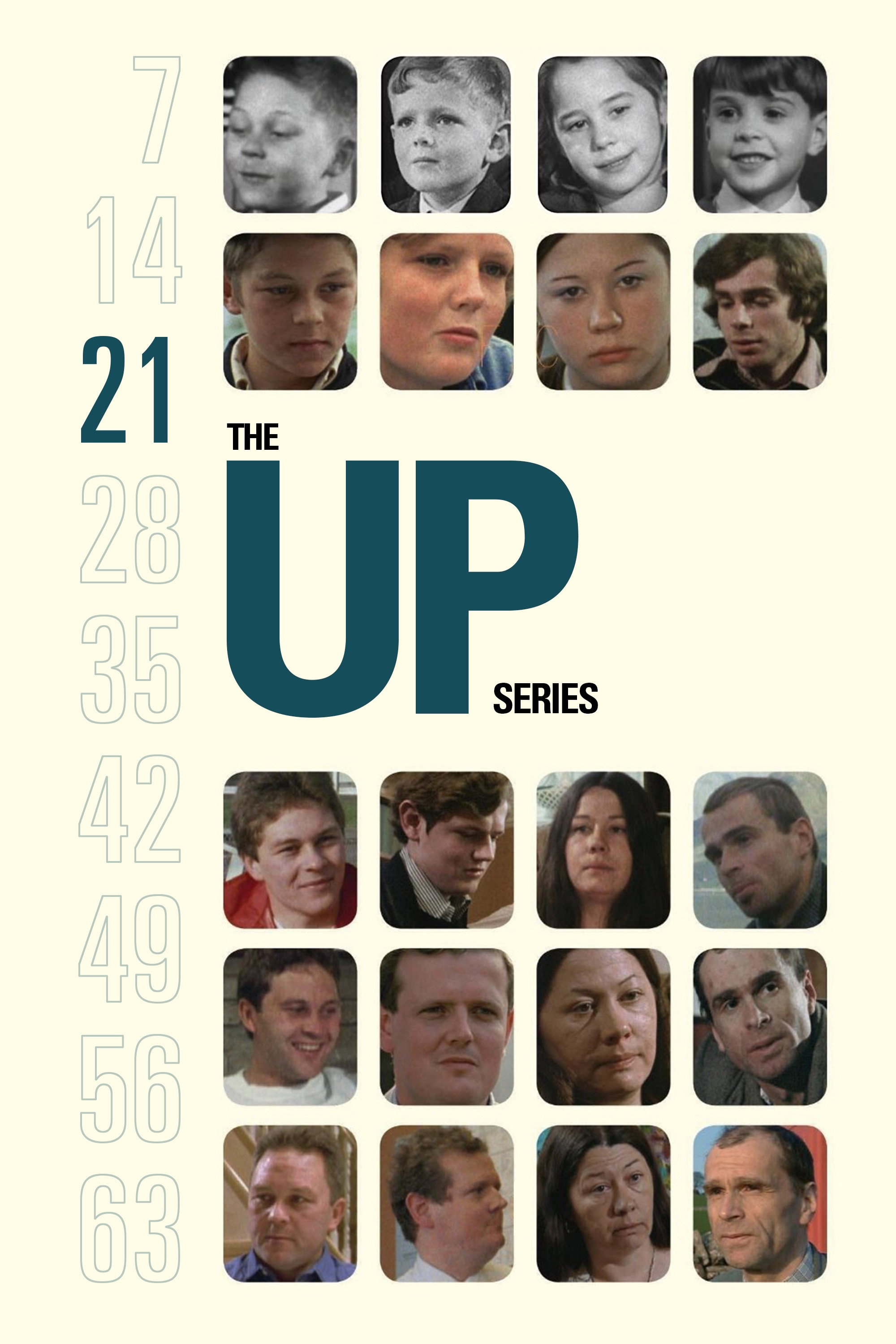
A group of British children aged 7 from widely ranging backgrounds are interviewed about a range of subjects. The filmmakers plan to re-interview them at 7 year intervals to track how their lives and attitudes change as they age.
In this genre-bending tale, Errol Morris explores the mysterious death of a U.S. scientist entangled in a secret Cold War program known as MK-Ultra.
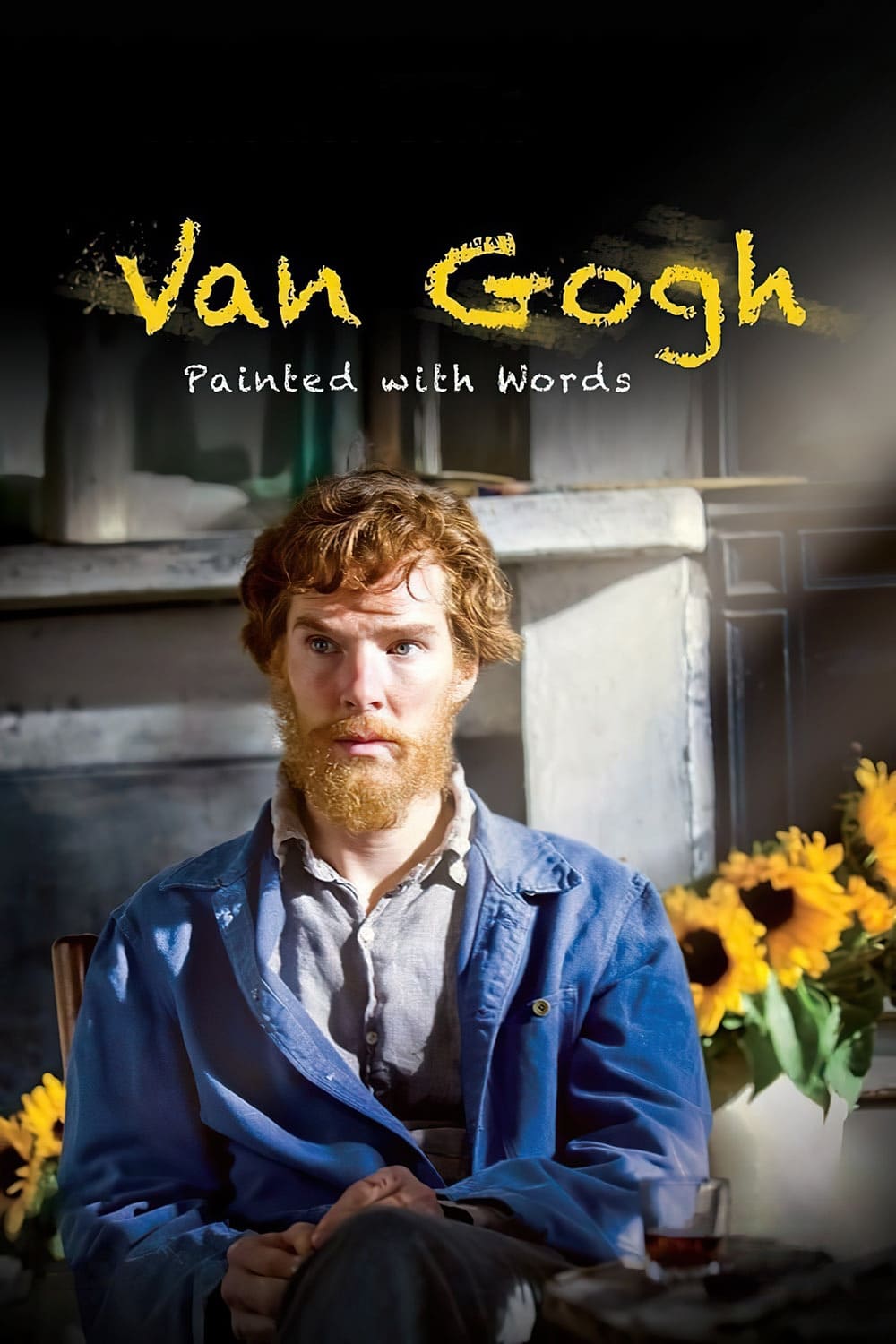
A drama-documentary presented by Alan Yentob, with Benedict Cumberbatch in the lead role. Every word spoken by the actors in this film is sourced from the letters that Van Gogh sent to his younger brother Theo, and of those around him. What emerges is a complex portrait of a sophisticated, civilised and yet tormented man.
Ranjit, a farmer in India, takes on the fight of his life when he demands justice for his 13-year-old daughter, the victim of a brutal gang rape. His decision to support his daughter is virtually unheard of, and his journey unprecedented.
14-year-old Laura Dekker sets out on a two-year voyage in pursuit of her dream to become the youngest person ever to sail around the world alone.
The cast of “High School Musical: The Musical: The Series” delivers an abundance of feel-good holiday cheer as they perform their favorite Christmas, Hanukkah and New Year’s songs and share their fondest holiday memories.
The film follows adventurer Jeff Johnson as he retraces the epic 1968 journey of his heroes Yvon Chouinard and Doug Tompkins to Patagonia.
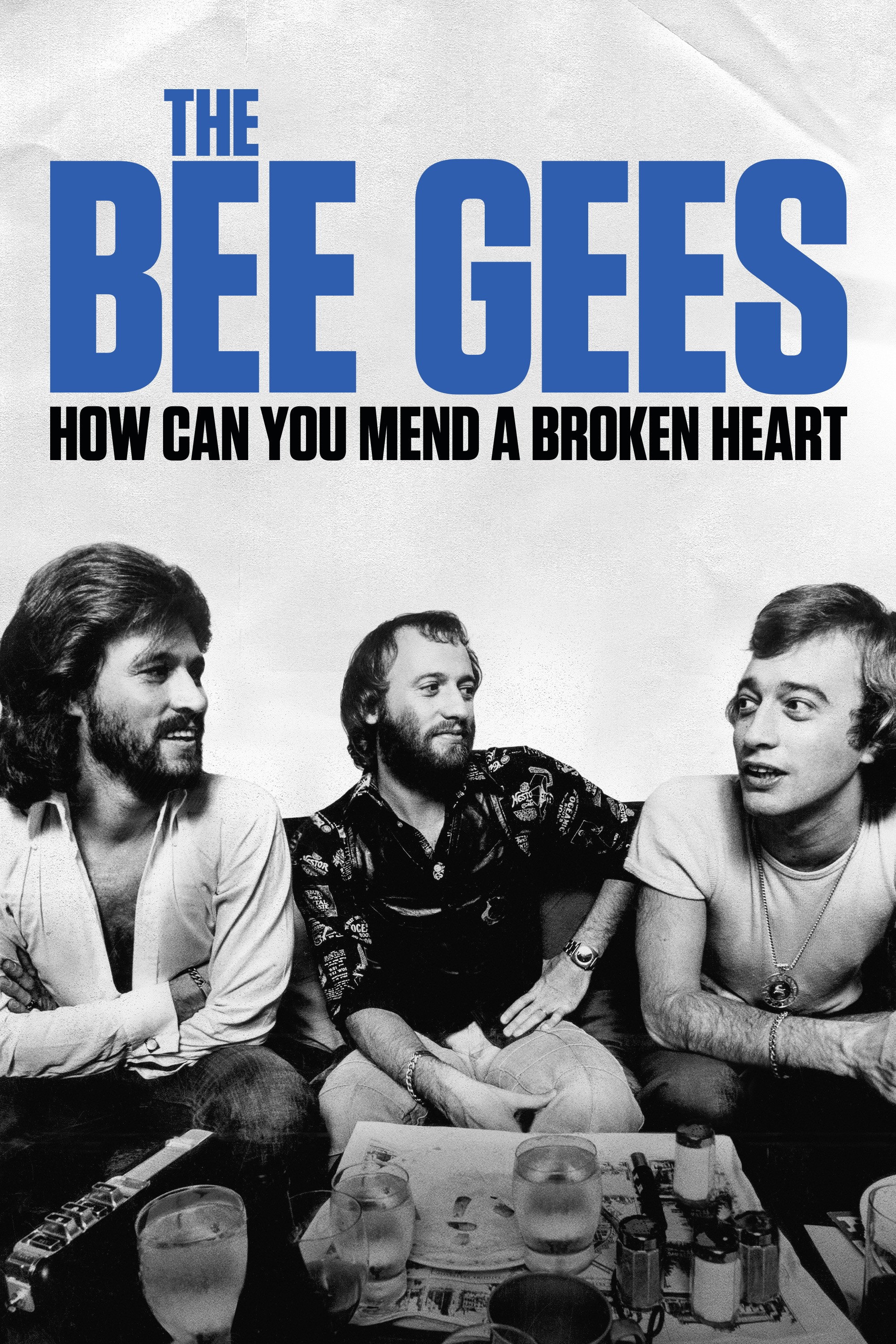
The story of the triumphs and hurdles of brothers Barry, Maurice, and Robin Gibb, otherwise known as the Bee Gees. The iconic trio, who found early fame in the 1960s, went on to write over 1,000 songs and have 20 No. 1 hits throughout their career, transcending more than five decades of changing tastes and styles.
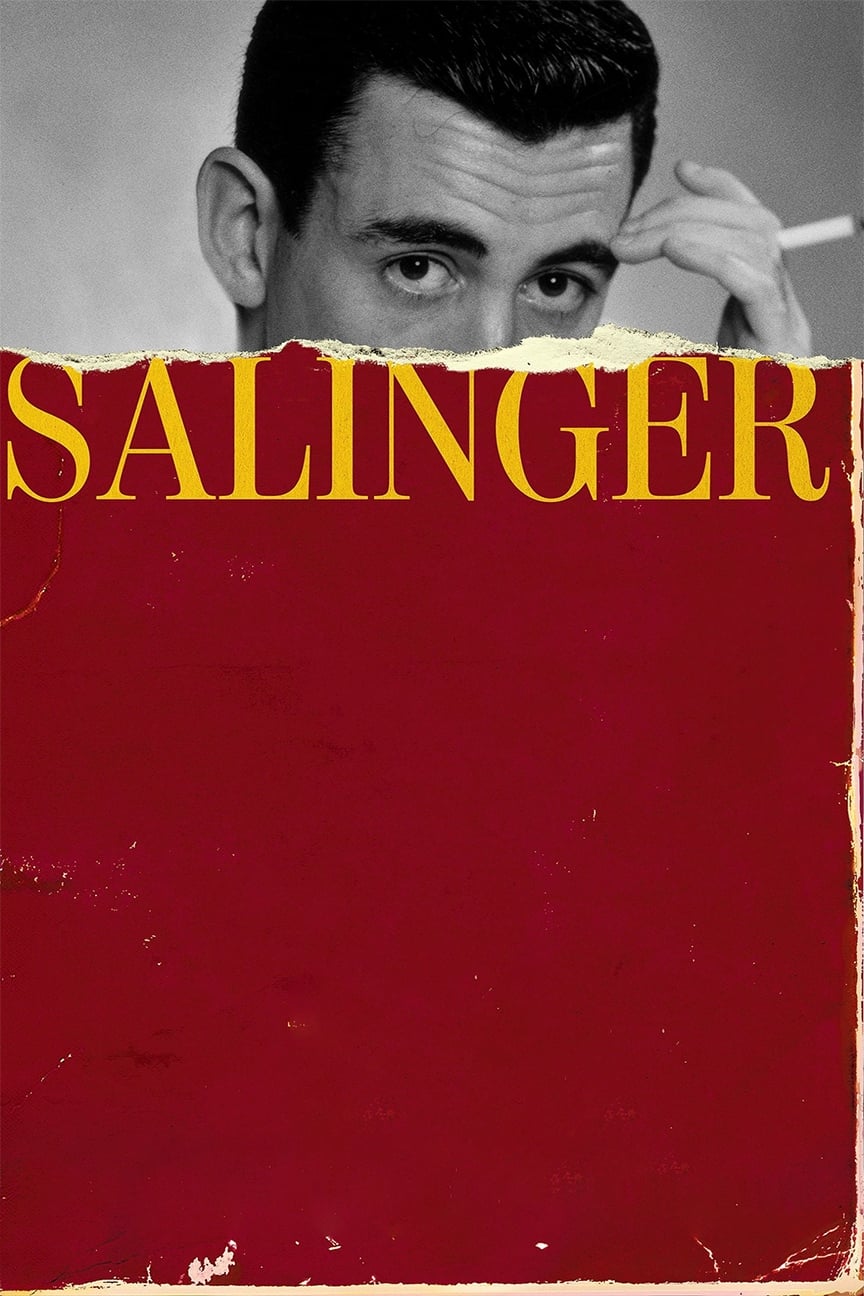
An in-depth investigation into the private world of the American writer J. D. Salinger (1919-2010), who lived most of his life behind the impenetrable wall of a self-imposed seclusion: how his dramatic experiences during World War II influenced his life and work, his relationships with very young women, his obsessive writing methods, his many literary secrets.
The incomparable Bruce Springsteen performs his critically acclaimed latest album and muses on life, rock, and the American dream, in this intimate and personal concert film co-directed by Thom Zimny and Springsteen himself.
Captured during Billie Eilish's sold-out world tour, a concert experience from one of the most celebrated and successful artists of her generation, presented in immersive 3D.
Martin Scorsese's documentary intertwines footage from The Band's incredible farewell tour with probing backstage interviews and featured performances by Eric Clapton, Bob Dylan, Joni Mitchell, Van Morrison, and other rock legends.
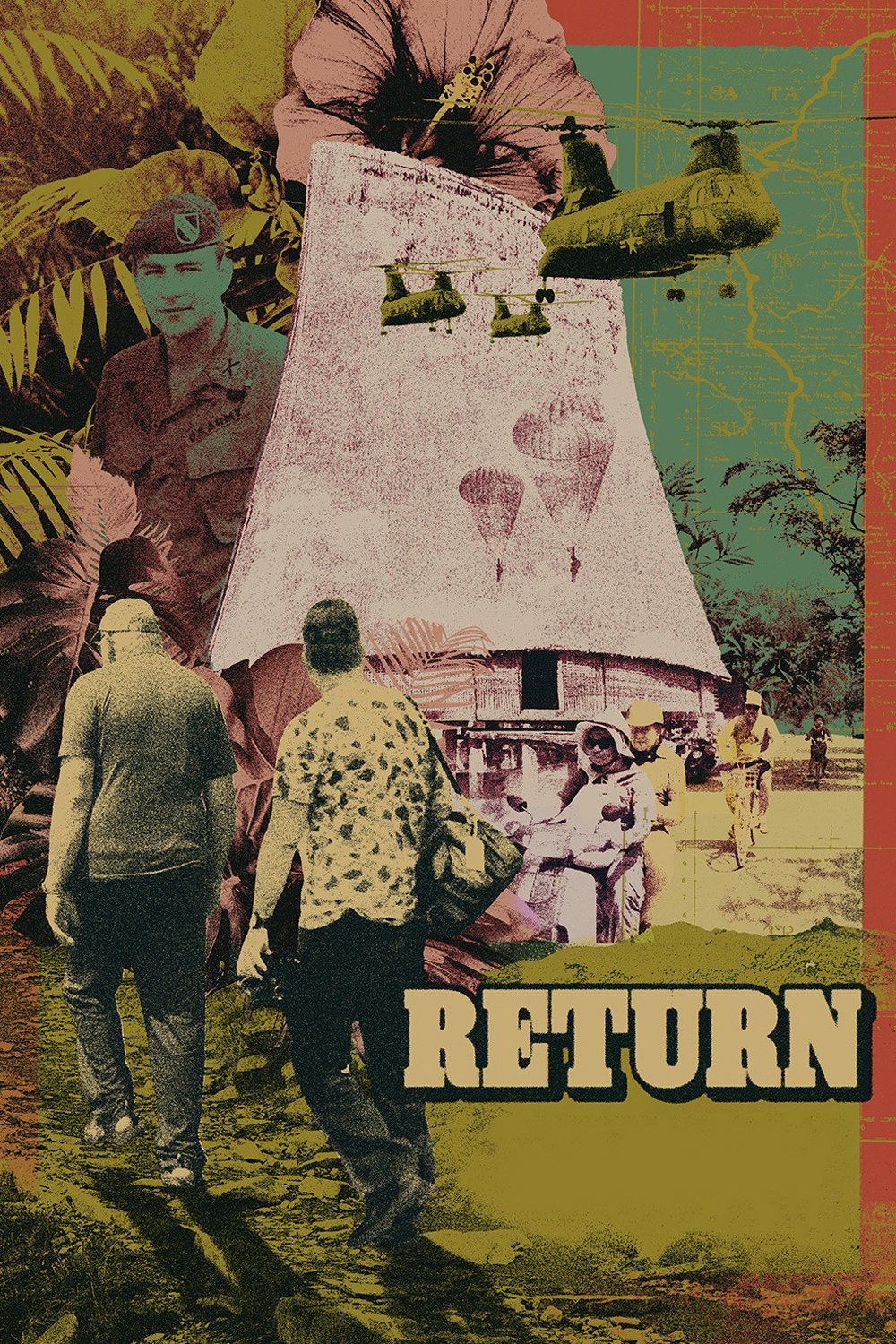
RETURN tells the story of a retired Green Beret who embarks on a healing journey from Montana to Vietnam. There he retraces his steps, shares his wartime experiences with his son, treats his Post-Traumatic Stress Disorder, and seeks out the mountain tribespeople he once lived with and fought alongside as a Special Forces officer.
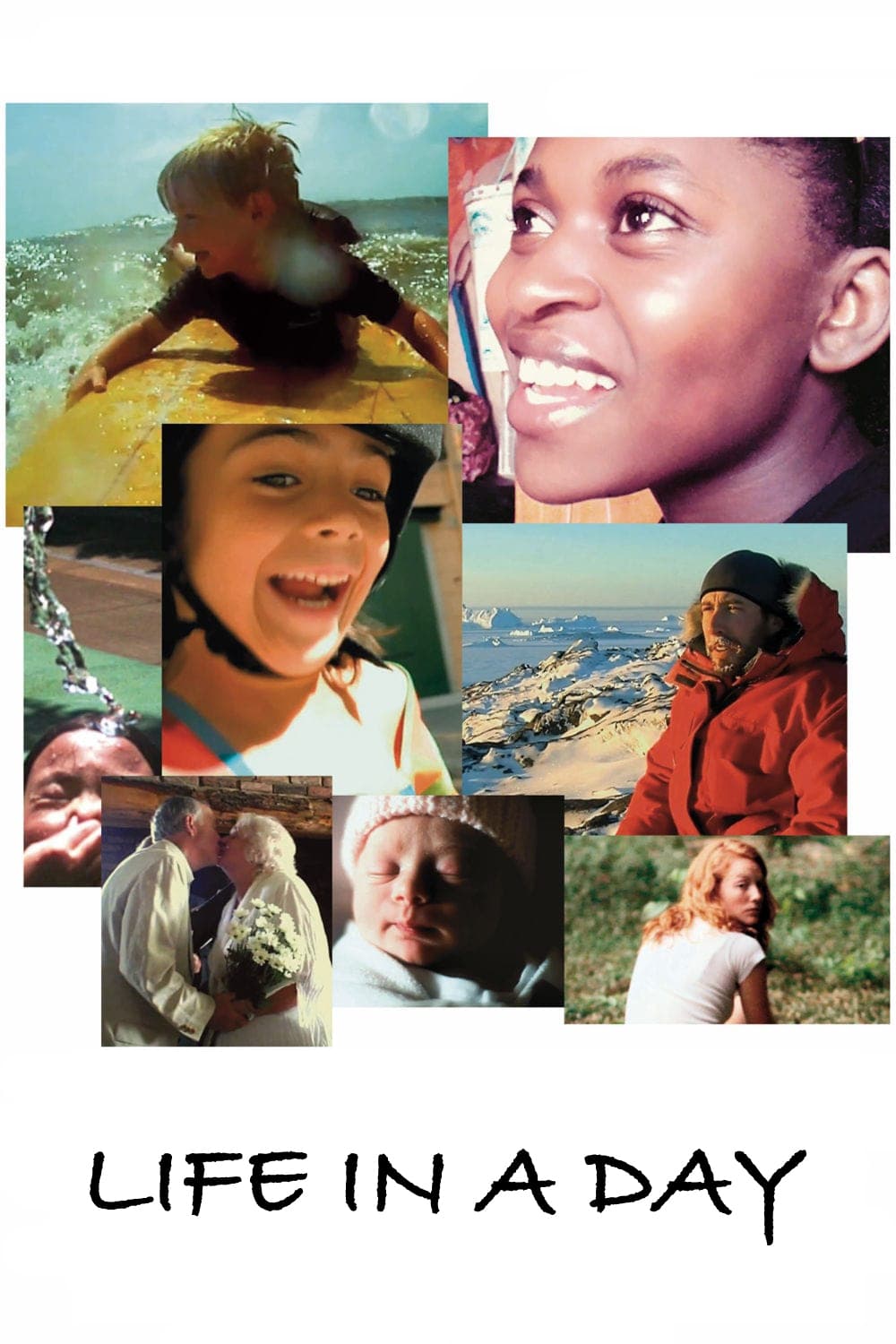
A documentary shot by filmmakers all over the world that serves as a time capsule to show future generations what it was like to be alive on the 24th of July, 2010.
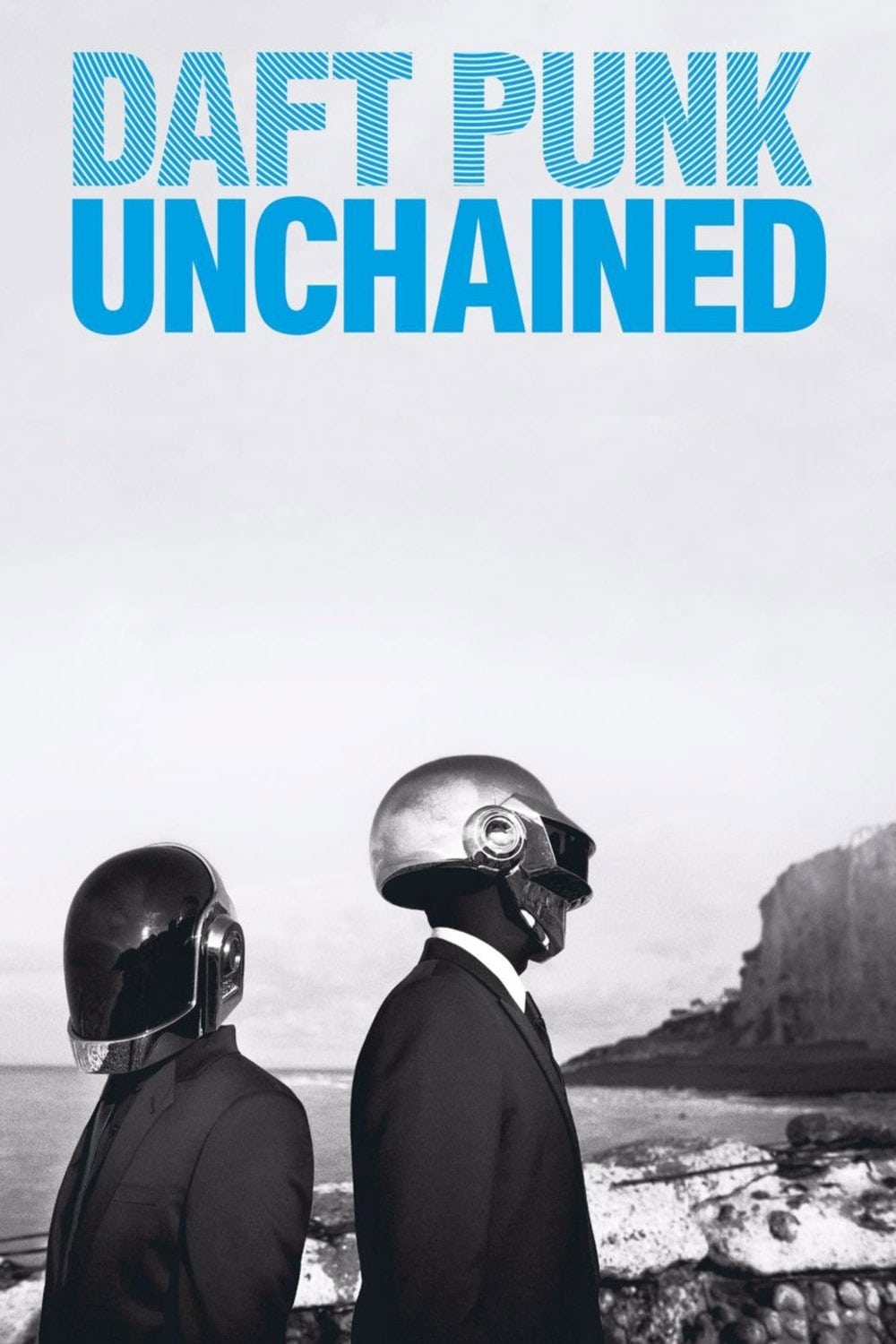
Daft Punk Unchained is the first film about the pop culture phenomenon that is Daft Punk, the duo with 12 million albums sold worldwide and seven Grammy Awards. Throughout their career Thomas Bangalter and Guy-Manuel de Homem-Christo have always resisted compromise and the established codes of show business. They have remained determined to maintain control of every link in the chain of their creative process. In the era of globalisation and social networks, they rarely speak in public and neither do they show their faces on TV. This documentary explores this unprecedented cultural revolution revealing a duo of artists on a permanent quest for creativity, independence and freedom.
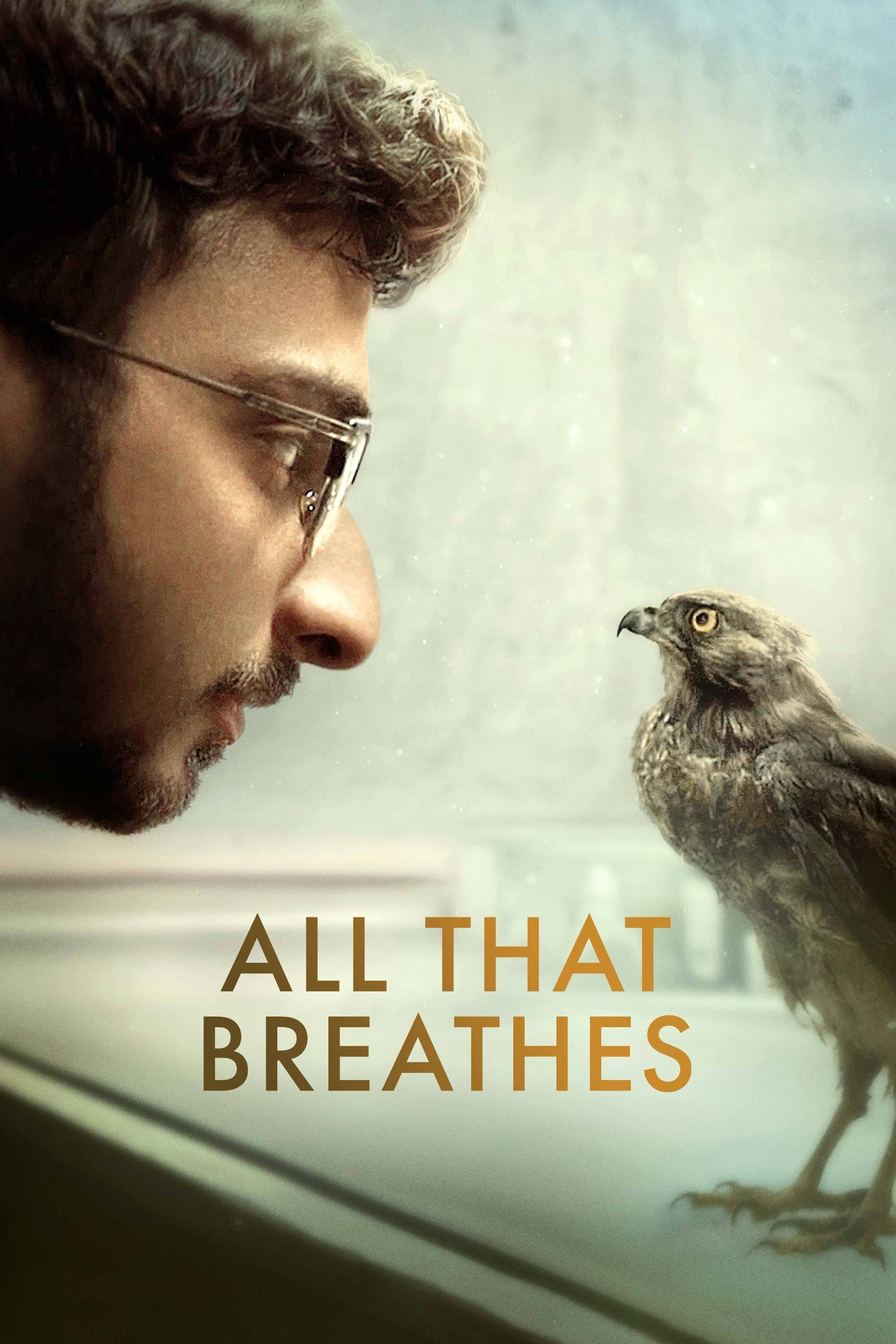
Against the darkening backdrop of New Delhi's apocalyptic air and escalating violence, two brothers devote their lives to protecting one casualty of the turbulent times: the bird known as the black kite.
After another 7 year wait, director Michael Apted revisits the same group of British-born children from Seven Up! and 7 Plus Seven. The subjects are interviewed as to the changes that have occurred in their lives during the last seven years.
Director Michael Apted revisits the same group of British-born adults after a 7 year wait. The subjects are interviewed as to the changes that have occurred in their lives during the last seven years.
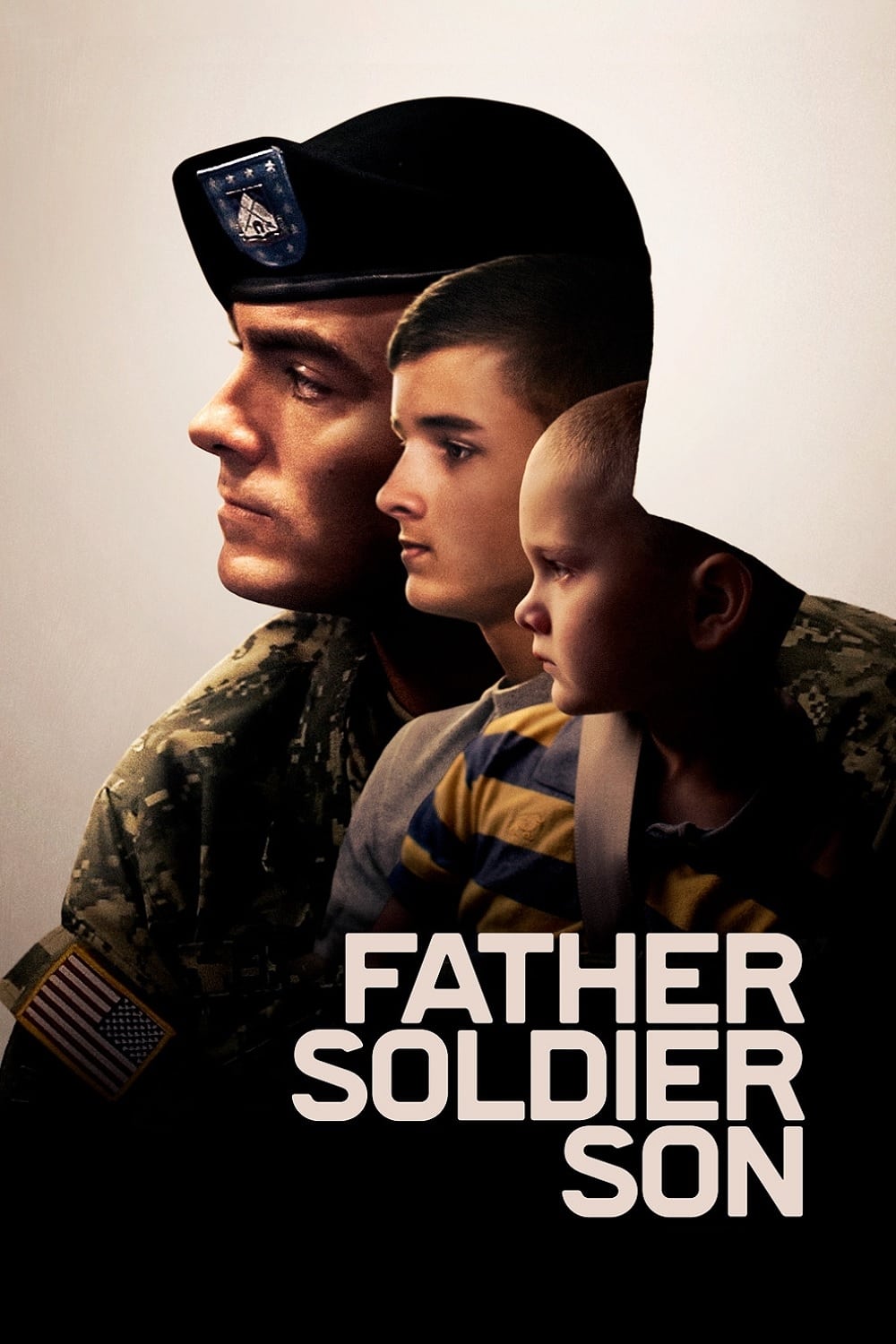
When Sgt. First Class Brian Eisch is critically wounded in Afghanistan, it sets him and his sons on a journey of love, loss, redemption and legacy.