Social & External
The people behind it
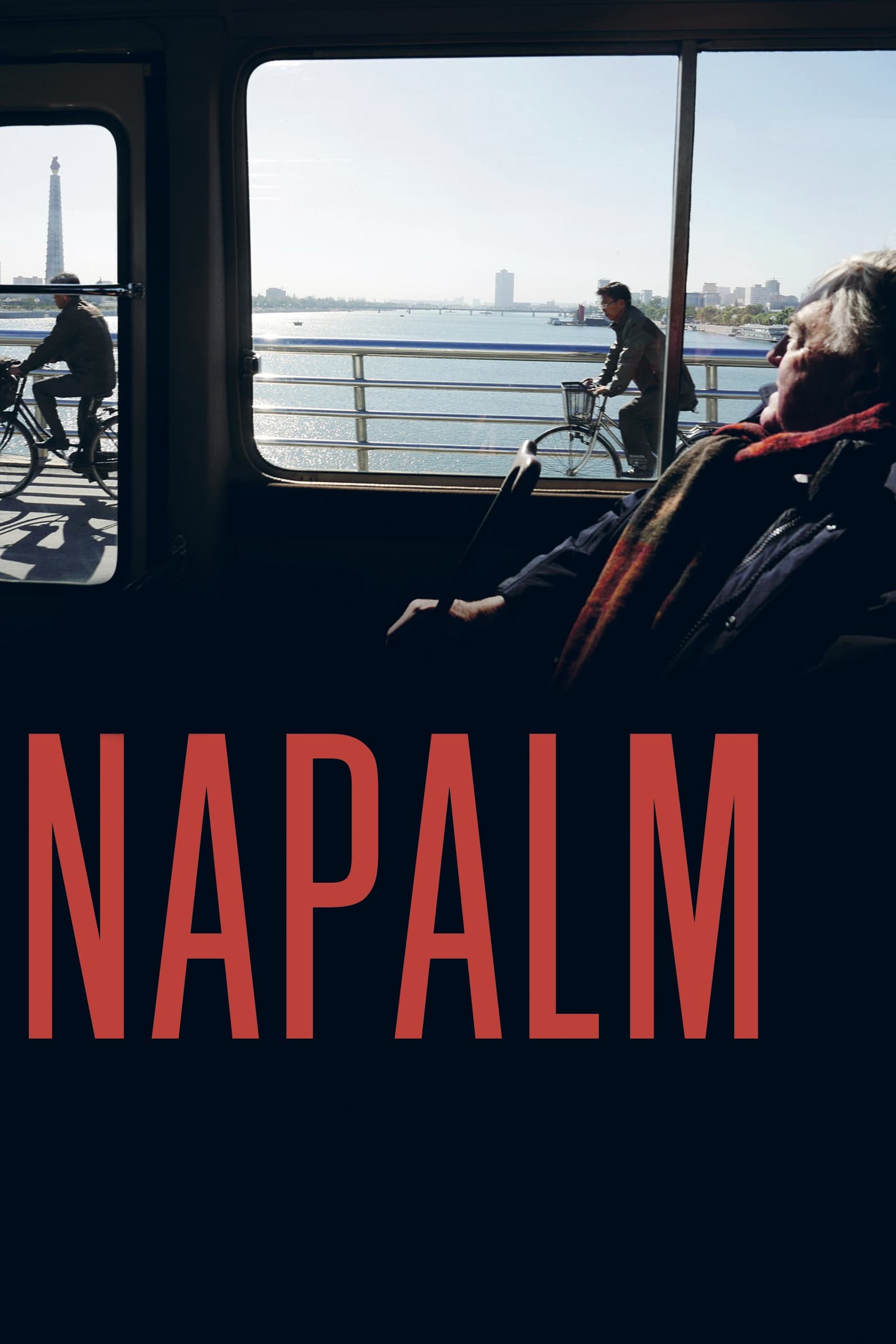
Napalm is the story of the breathtaking and brief encounter, in 1958, between a French member of the first Western European delegation officially invited to North Korea after the devastating Korean war and a nurse working for the Korean Red Cross hospital, in Pyongyang, capital of the Democratic People’s Republic of Korea.
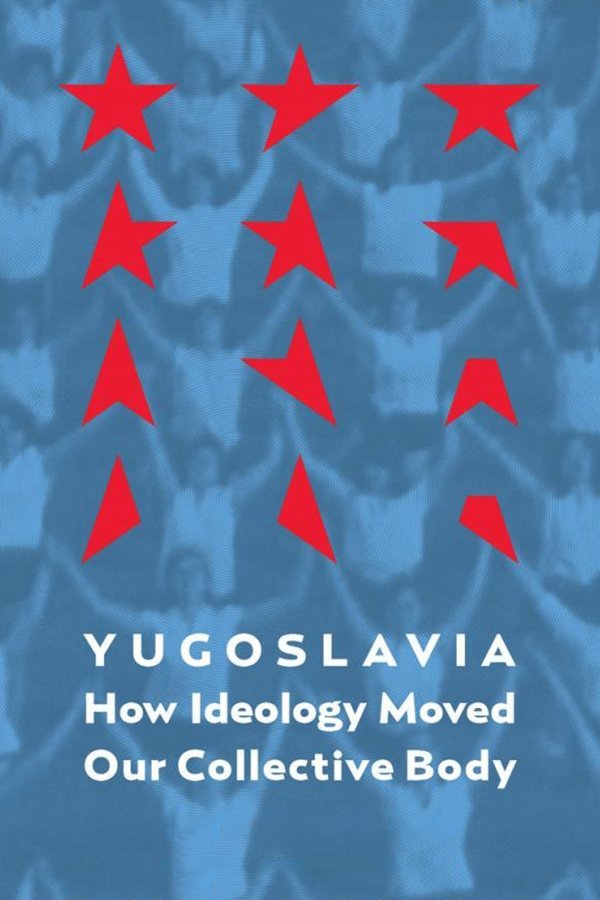
A research-based essay film, but also a very personal perspective on the history of socialist Yugoslavia, its dramatic end, and its recent transformation into a few democratic nation states.
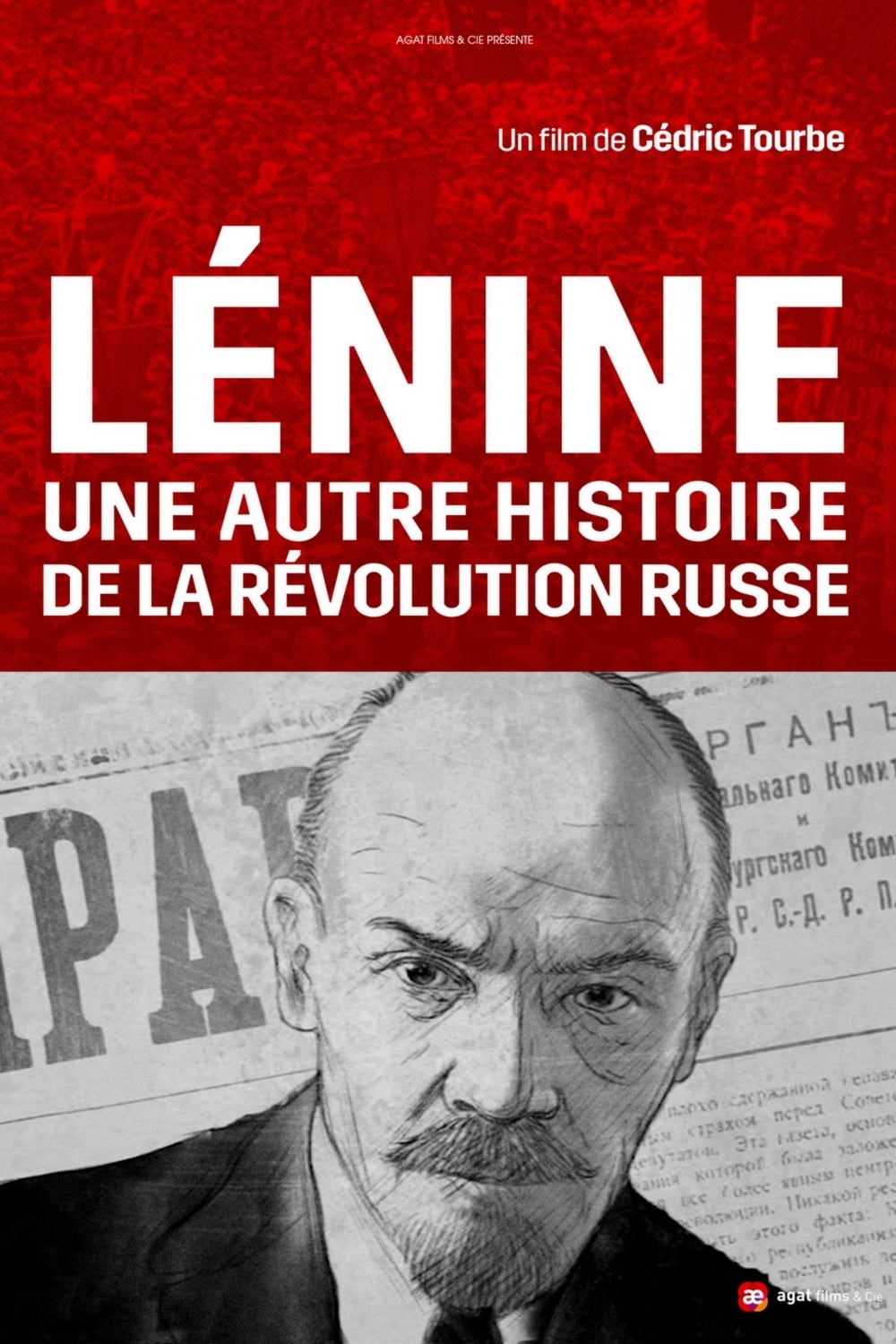
Vladimir Ilyich Ulyanov, better known as Lenin, is remembered as the instigator of the October Revolution of 1917 and, therefore, as one of the men who changed the shape of the world at that time and forever, but perhaps the actual events happened in a way different from that narrated in the history books…
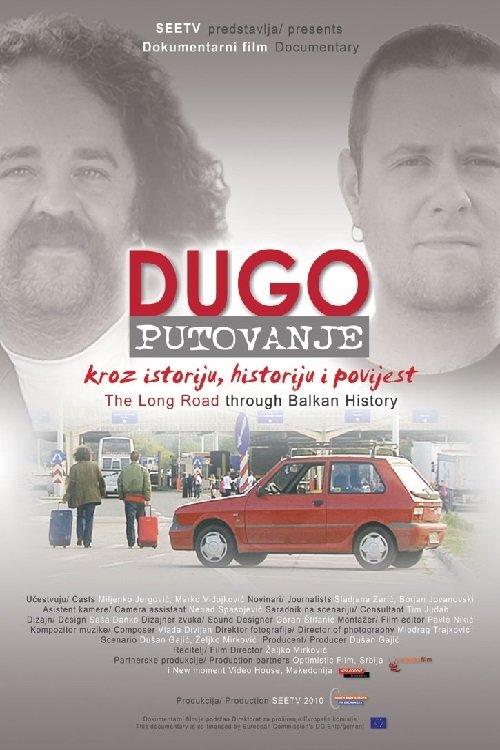
Bosnian Croat writer Miljenko Jergović and Serbian writer Marko Vidojković replace one another by the steering wheel of Yugo, a symbol of their common past while driving on the Brotherhood and Unity Highway that stretched across five of six republics of Yugoslavia.
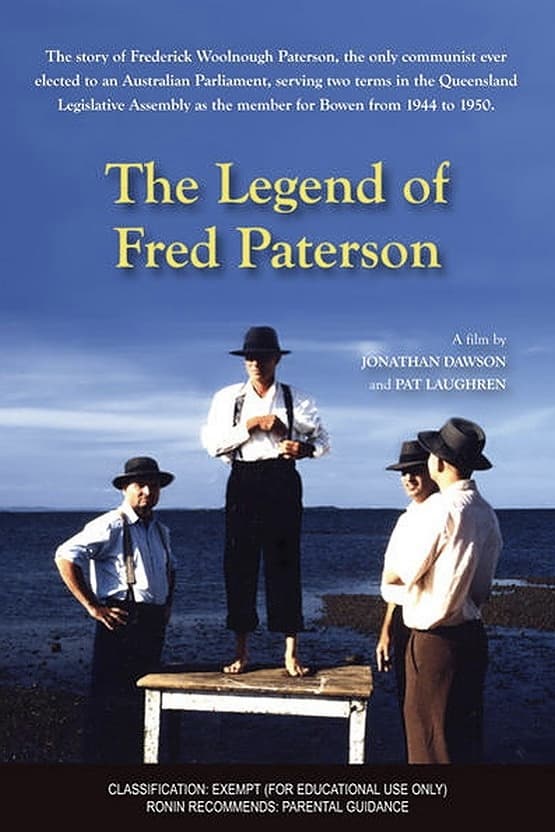
The story of Fred Paterson, member for Bowen in the Queensland parliament in the 1940s and the only Communist Party member ever elected to any Australian parliament.
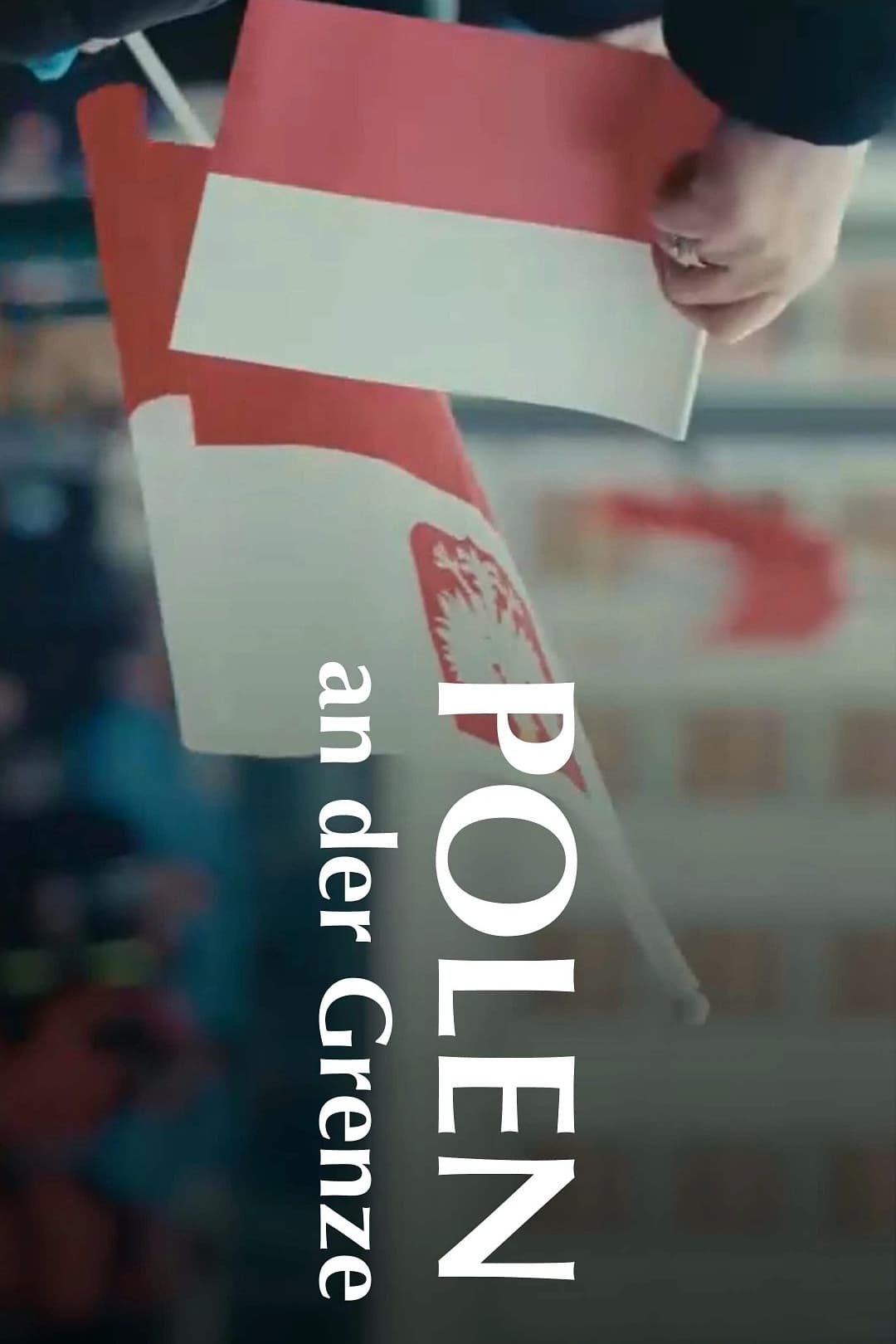
In the run-up to parliamentary elections in mid-October, Polish filmmaker Marcin Wierzchowski travelled across his country to gauge the atmosphere in a society that is more divided than ever.
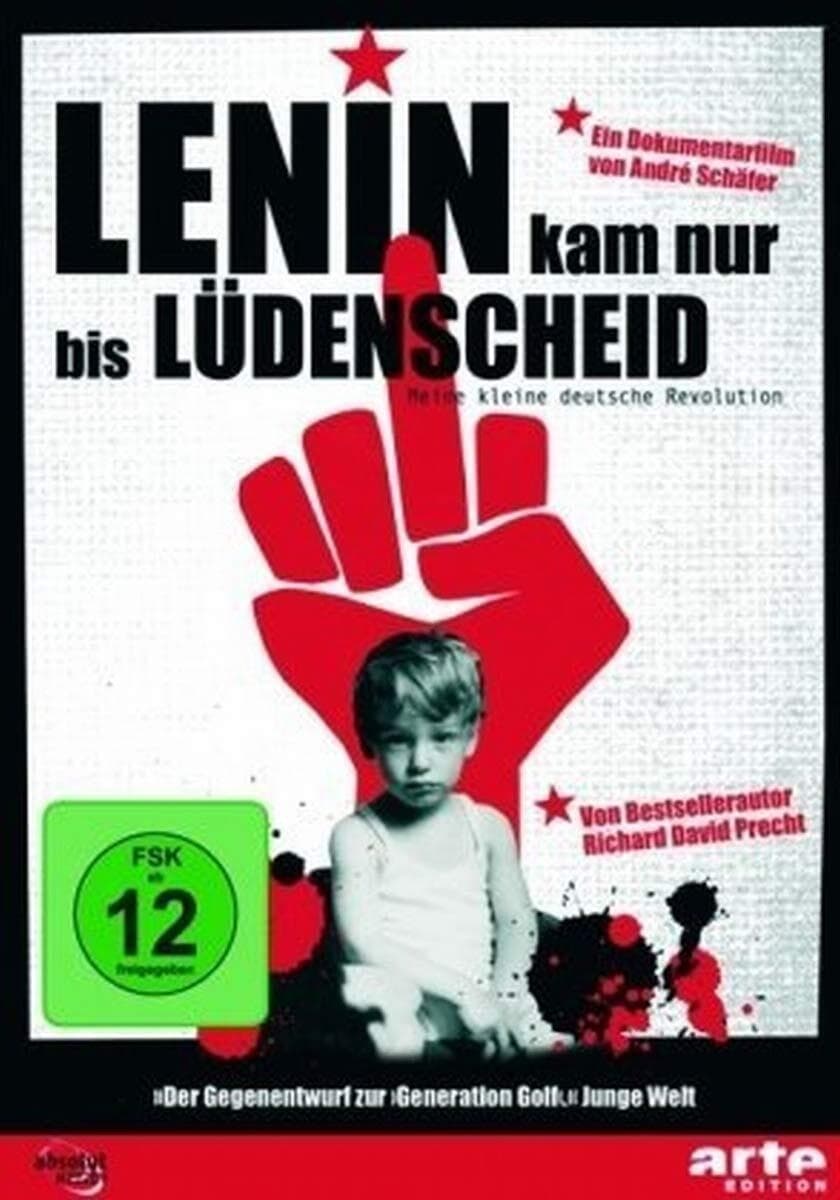
The free, almost naive view from the perspective of a child puts the "68ers" in a new, illuminating light in the anniversary year 2008. The film is a provocative reckoning with the ideological upbringing that seemed so progressive and yet was suffocated by the children's desire to finally grow up. With an ironic eye and a feuilletonistic style, author Richard David Precht and Cologne documentary film director André Schäfer trace a childhood in the West German provinces - and place the major events of those years in completely different, smaller and very private contexts.
A more experimental aproach to labor protection films. In the line of Săucan's style, the soundtrack is as important as the image, the threatening music, full of shrillness, composed by Ion Dumitrescu potentiating the visual construction that mixes - in a montage reminiscent of the Soviet avant-garde school of the 1920s - all kinds of shooting techniques and frame combinations.
A film about the dramatic and extraordinary fate of the lonely man who confronted the meat grinder of the communist regime. Georgy Konstantinov, 19 years old, blew up Stalin's monument in Sofia and death passed him by only because the dictator died two days later. He miraculously survived 10 years in prison and psychiatric wards and managed to escape to France. His State Security file numbers more than 40,000 pages. Even today, he does not cease to expose the crimes of the regime with the strength of truth and of his character.
An account of the life and work of the Polish writer Stanisław Lem (1921-2006), a key figure in science fiction literature involved in mysteries and paradoxes that need to be enlightened.
Short biographical documentary about the life of Alfred Florstedt and his life as a progressive communist from the Weimar Republic to his death in 1985.
At the beginning of the 70s, Sahia Studio produced a number of social investigations commissioned by the Central Committee of the Romanian Communist Party, intended to expose the so-called "social parasitism". The decision was taken after the theses of July 1971, which provide that "one of the main objectives of political work, especially among the youth, is the firm fight against the tendencies of parasitism, of an easy life, without work, the cultivation of responsibility and the duty to work , in the service of the country, the people, the socialist society". The most famous films, made with the competition of the Ministry of the Interior and the Ministry of Justice, are Să treacă vara and Iarna unor pierde vară
The film's protagonists are the orphaned children taken into custody by the state and institutionalized at Children's House no. 6 from Bucharest. For Mészáros, the concern for the situation of children left orphaned during the Second World War is autobiographical: the director directly experienced the absence of parents in her own childhood.
Russia is grappling with a critical issue: they have become the country with the most at large serial killers in the world particularly concentrated in Rostov, the same city that witnessed Andrei Chikatilo's infamous killing spree. In response, law enforcement has turned to Dr. Alexander Bukhanovsky, a prominent psychiatrist and criminal profiler, who is implementing radical measures to understand the root causes of this phenomenon and develop effective solutions. Within Dr. Bukhanovsky's clinic, we encounter three of his young patients: Edward and Igor, whose families express deep concerns about their disturbing fantasies, and 'Mischa', who has perpetrated acts of torture and sexual assault. Dr. Bukhanovsky's approach is groundbreaking, offering treatment to potential serial offenders. However, critics argue that by keeping individuals like 'Mischa' anonymous, he may inadvertently shield them from public awareness and accountability, prompting debate over the ethics of his methods.
How did the end of the Soviet Union change the way of thinking, the way of behaviour of militant French Communists ? For the first time and during several months meetings of a Communist Party cell in one of Paris' industrial suburbs were filmed by André Van In. Set against these meetings, the militants are filmed discussing their commitments, their dreams, their mistakes. Beyond questions about power or the political machinery, they share their faith in militancy and their hopes for a fairer society.
Culled mostly from archival footage, this thought-provoking first volume of the Hidden Agenda series relays the little-known history of an elite group of power brokers who wield considerable influence over world affairs. Tracking the growth of the world's largest banking dynasties through the eyes of a conspiracy theorist, the program maintains that the true motivation behind their activities is to control the world itself.
The epic story of the Russian Civil War (1918-21): the White Terror, the counterrevolutionary uprisings, the guerrilla war, the Kolchak front, the Wrangel front and the Kronstadt rebellion. Chaos and violence, devastation and death.
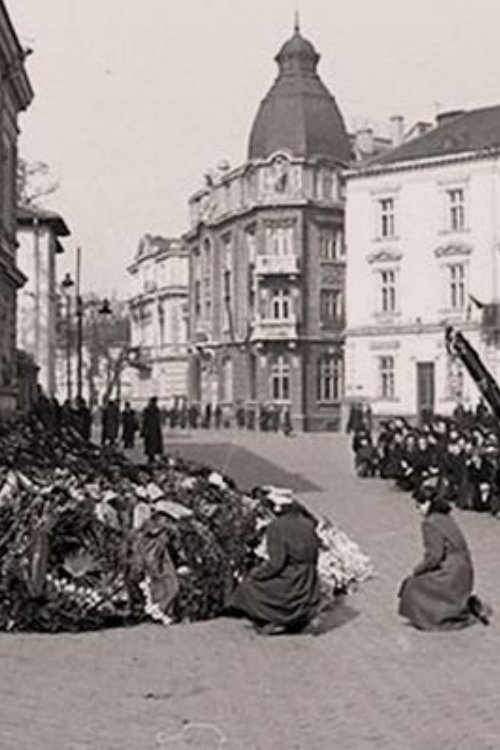
On June 20th, 1971, thousands of Spanish Republicans from all around Europe meet up in Montreuil, France to take part in an event initiated by the French and the Spanish Communist Parties, to protest against Franco's dictatorship.
To mark the centenary of the Russian Revolution, the International Marxist Tendency and In Defence of October campaign present this original documentary celebrating the life and accomplishments of one of the revolution’s main leaders: Leon Trotsky.
In an intimate and joyful story of love in the face of loss, celebrated poets Andrea Gibson and Megan Falley find strength—and unexpected hilarity—in what might be their final year together.
An inside look at one of the most anticipated movie sequels ever with James Cameron and cast.
A string of threatening emails escalates into a revenge plot involving a newly married US marshal and his ex-girlfriend.
Alex Gibney explores the charged issue of pedophilia in the Catholic Church, following a trail from the first known protest against clerical sexual abuse in the United States and all way to the Vatican.
This revealing documentary honors the legendary Sidney Poitier—iconic actor, filmmaker, and civil rights activist. Featuring interviews with Denzel Washington, Spike Lee, Halle Berry, and more.
Through deeply personal interviews with her siblings and an examination of the photographs, letters, and belongings left behind, Mariska assembles a new portrait of her mother Jayne Mansfield, an extraordinary and complex woman.
Those who knew iconic funnyman John Candy best share his story, in their own words, through never-before-seen archival footage, imagery, and interviews.
In a crime-plagued neighborhood near Miami, brutal, bare-knuckled backyard fights give young men a chance to earn money -- and self-respect.
Al Pacino's deeply-felt rumination on Shakespeare's significance and relevance to the modern world through interviews and an in-depth analysis of "Richard III."
A documentary that explores the downloading revolution; the kids that created it, the bands and the businesses that were affected by it, and its impact on the world at large.
Rising musician Jeff Buckley had only released one album when he died suddenly in 1997. Now, never-before-seen footage, exclusive voice messages, and accounts from those closest to him offer a portrait of the captivating singer.
Behind-the-scenes documentary about how Lionel Messi succeeded in lifting the World Cup – the only trophy to have eluded him in an incredible career.
Over 35 years after Bob Lazar's revelations, this documentary exposes secrets of a facility the government still denies. Featuring Lazar's testimony, recreations, and new evidence, it reopens a case that continues to spark global curiosity
Just two years away from turning 30, participants in Michael Apted's documentary series are facing serious questions of identity and purpose, wondering whether they've found their place in the world.
Brilliant, long in-the-works story of the life and art of the world's greatest comedian and the cinema's first genius, Charlie Chaplin. Produced, written and directed by renowned film critic Richard Schickel.
The film follows adventurer Jeff Johnson as he retraces the epic 1968 journey of his heroes Yvon Chouinard and Doug Tompkins to Patagonia.
Alexander McQueen's rags-to-riches story is a modern-day fairy tale, laced with the gothic. Mirroring the savage beauty, boldness and vivacity of his design, this documentary is an intimate revelation of McQueen's own world, both tortured and inspired, which celebrates a radical and mesmerizing genius of profound influence.
A documentary on the expletive's origin, why it offends some people so deeply, and what can be gained from its use.
A documentary about the making of season five of the acclaimed AMC series Breaking Bad.
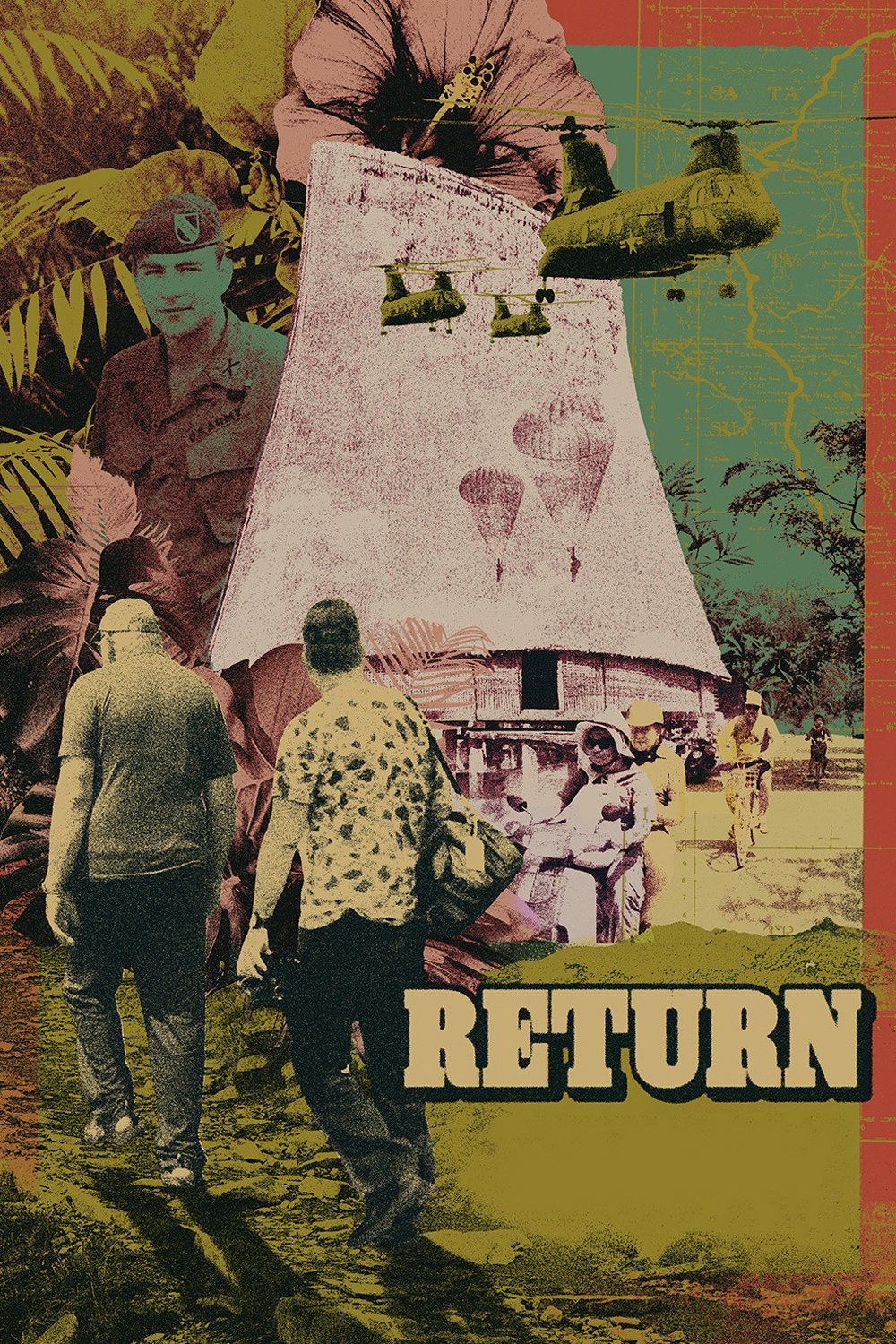
RETURN tells the story of a retired Green Beret who embarks on a healing journey from Montana to Vietnam. There he retraces his steps, shares his wartime experiences with his son, treats his Post-Traumatic Stress Disorder, and seeks out the mountain tribespeople he once lived with and fought alongside as a Special Forces officer.