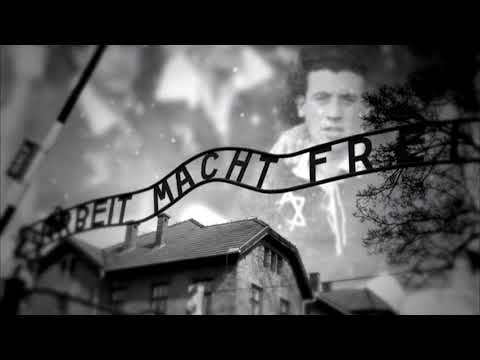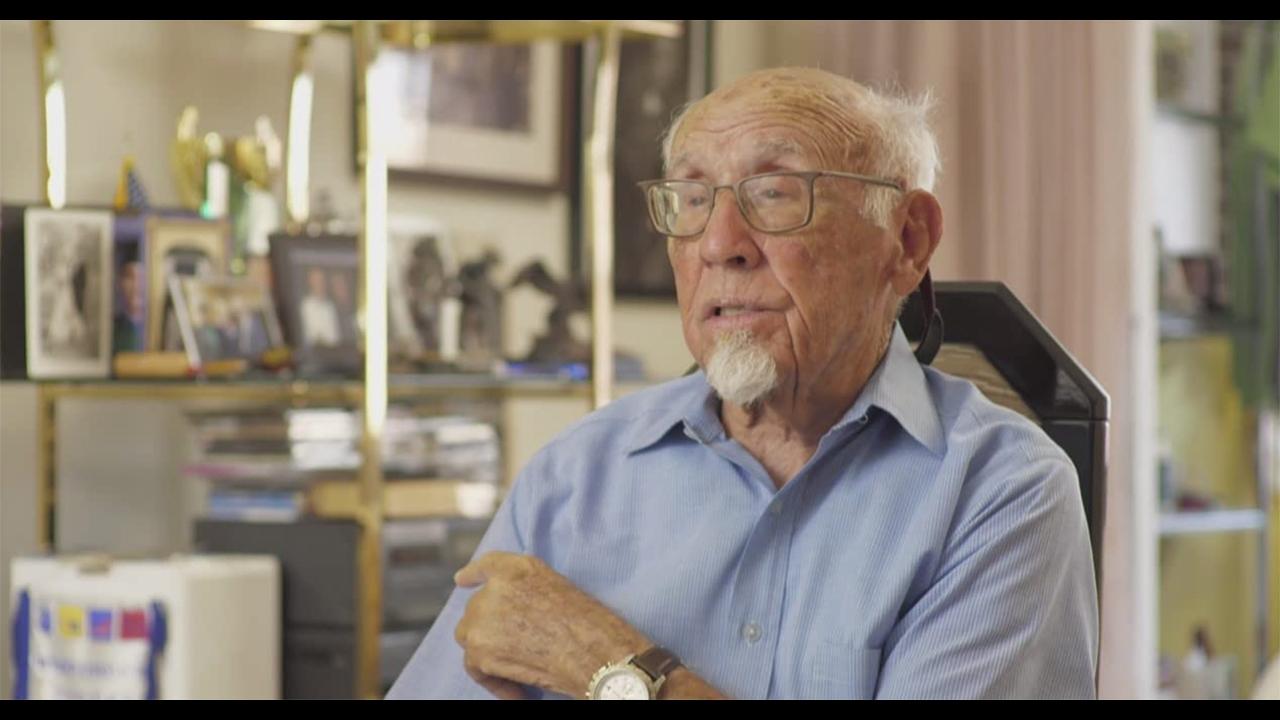
This is a story of faith, renewal and redemption. Joe Engel, with an unwavering will to live, overcame unimaginable horrors to become a treasured citizen, community leader, teacher and philanthropist.
Social & External
Himself
Filmmaker Alain Resnais documents the atrocities behind the walls of Hitler's concentration camps.
A captivating and personal detective story that uncovers the truth behind the childhood of Michaël Prazan's father, who escaped from Nazi-occupied France in 1942 thanks to the efforts of a female smuggler with mysterious motivations.
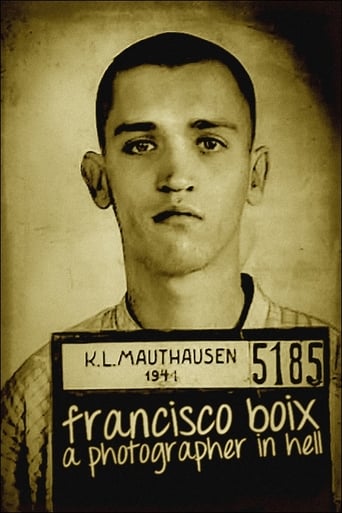
In 1939, just finished the Spanish Civil War, Spanish republican photographer Francesc Boix escapes from Spain; but is captured by the Nazis in 1940 and imprisoned in the Mauthausen concentration camp, in Austria, a year later. There, he works as a prisoner in the SS Photographic Service, hiding, between 1943 and 1945, around 20,000 negatives that later will be presented as evidence during several trials conducted against Nazi war criminals after World War II.
A documentary chronicling the adolescent years of Elie Wiesel and the history of his sufferings. Eliezer was fifteen when Fascism brutally altered his life forever. Fifty years later, he returns to Sighetu Marmatiei, the town where he was born, to walk the painful road of remembrance - but is it possible to speak of the unspeakable? Or does Auschwitz lie beyond the capacity of any human language - the place where words and stories run out?
A pig farm in Lety, South Bohemia would make an ideal monument to collaboration and indifference, says writer and journalist Markus Pape. Most of those appearing in this documentary filmed in Slovakia, the Czech Republic, Poland, France, Germany and Croatia have personal experience of the indifference to the genocide of the Roma. Many of them experienced the Holocaust as children, and their distorted memories have earned them distrust and ridicule. Continuing racism and anti-Roma sentiment is illustrated among other matters by how contemporary society looks after the locations where the murders occurred. However, this documentary film essay focuses mainly on the survivors, who share with viewers their indelible traumas, their "hole in the head".
The ocean contains the history of all humanity. The sea holds all the voices of the earth and those that come from outer space. Water receives impetus from the stars and transmits it to living creatures. Water, the longest border in Chile, also holds the secret of two mysterious buttons which were found on its ocean floor. Chile, with its 2,670 miles of coastline and the largest archipelago in the world, presents a supernatural landscape. In it are volcanoes, mountains and glaciers. In it are the voices of the Patagonian Indigenous people, the first English sailors and also those of its political prisoners. Some say that water has memory. This film shows that it also has a voice.
The child of Holocaust survivors, CNN Anchor Wolf Blitzer, takes viewers through the United States Holocaust Memorial Museum and beyond, connecting the hours of the Holocaust and their modern parallels and his family story.
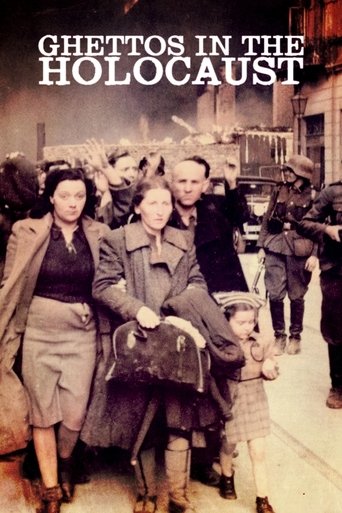
The gruesome story of the Jewish ghettos during the Nazi occupation of Eastern Europe in the dark days of World War II, based on the records written by their inhabitants, who bear witness to the human tragedy of the Shoah; but also to an indomitable will to live.
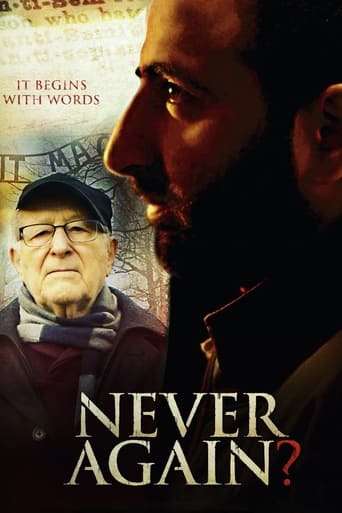
"Never Again?" seeks to educate others on the horrors and consequences of anti-Semitism. The film follows the journey of a Holocaust Survivor and former radical Islamist as they seek to leave behind a legacy of love over hate.
About the nurses who used their professional skills to murder the handicapped, mentally ill and infirm at the behest of the Third Reich and directly participated in genocide.
The secret Nazi death camp at Sobibor was created solely for the mass extermination of Jews. But on the 14th October 1943, in one of the biggest and most successful prison revolts of WWII, the inmates fought back.
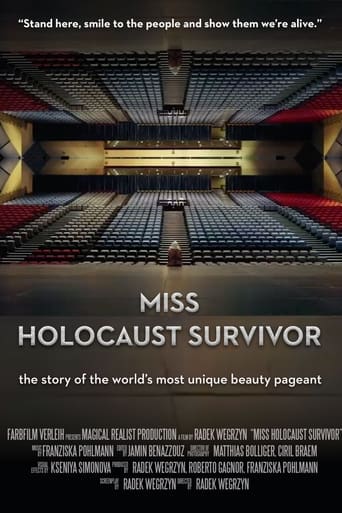
Every year since 2011, a unique beauty contest has been taking place in Haifa. The contestants are female survivors of the Holocaust. In the midst of this flashy spectacle, their personal traumas remain as deep as ever. There are many things about this contest that are controversial: it is organized by the right Zionist organization, the International Christian Embassy Jerusalem, and the dubious contest itself rises the public indignation of various speakers, including other survivors.
Through interviews we meet some of the people who risked their lives to hide Jewish children during World War II and how this experience has continued to affect the survivors.
The history of the Warsaw Ghetto (1940-43) as seen from both sides of the wall, its legacy and its memory: new light on a tragic era of division, destruction and mass murder thanks to the testimony of survivors and the discovery of a ten-minute film shot by Polish amateur filmmaker Alfons Ziółkowski in 1941.
A portrait of the life and career of the infamous American execution device designer Fred A. Leuchter, Jr. Mr. Leuchter was an engineer who became an expert on execution devices and was later hired by holocaust revisionist historian Ernst Zundel to "prove" that there were no gas chambers at Auschwitz. Leuchter published a controversial report confirming Zundel's position, which ultimately ruined his own career. Most of the footage is of Leuchter, working in and around execution facilities or chipping away at the walls of Auschwitz, but Morris also interviews various historians, associates, and neighbors.
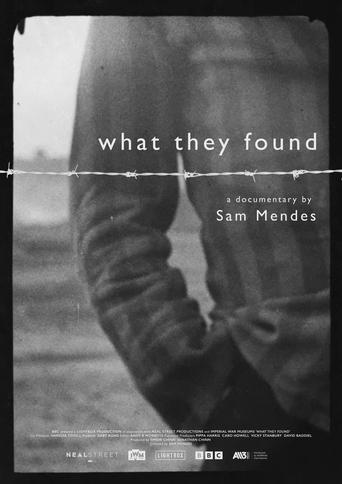
The story of two soldier-cameramen, Sgt Mike Lewis and Sgt Bill Lawrie, who witnessed the liberation of Belsen during the closing days of World War II.
An epic documentary of rise and fall of Ustasha regime in Croatia.
Recreation of facts and stories of both experts and people who met Maximilian Kolbe and were shocked by his words and actions.
For six female Holocaust survivors, liberation from the camps marked the beginning of a lifelong struggle.