Social & External
The people behind it
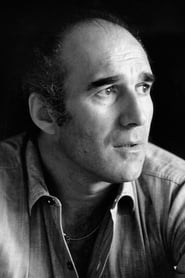
Michel Piccoli
Récitant (voice)
A boy struggling with a newly discovered fetish meets a hooker reminiscing her past as an aspiring judoka.
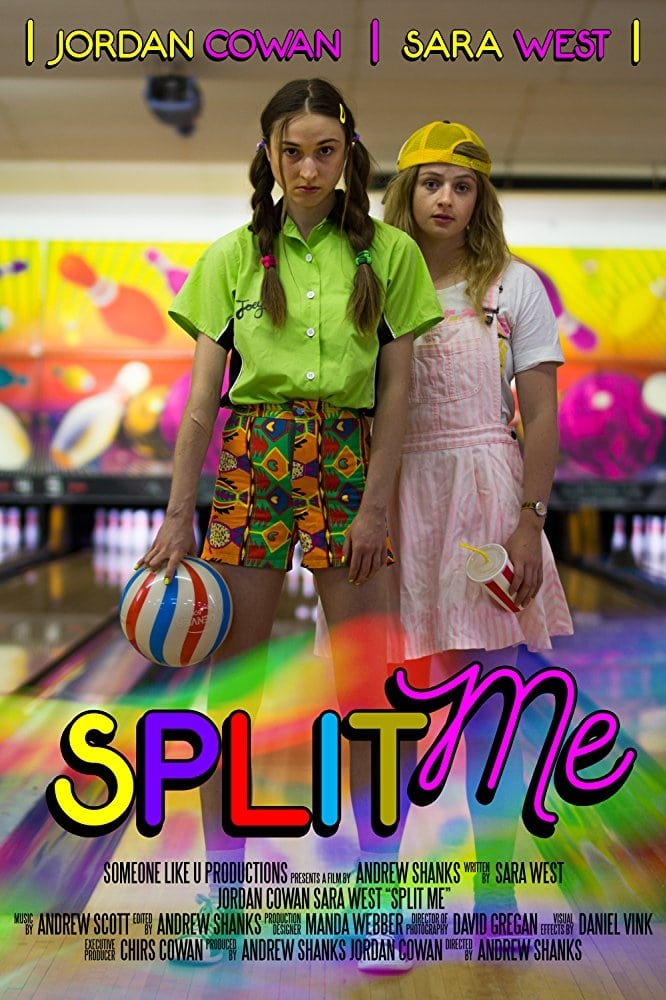
When seventeen-year-old aspiring bowler Joey discovers she can't join the over-40s women's team, will oddball and lactose-intolerant Scooter’s friendship be enough to brave this backwater town?
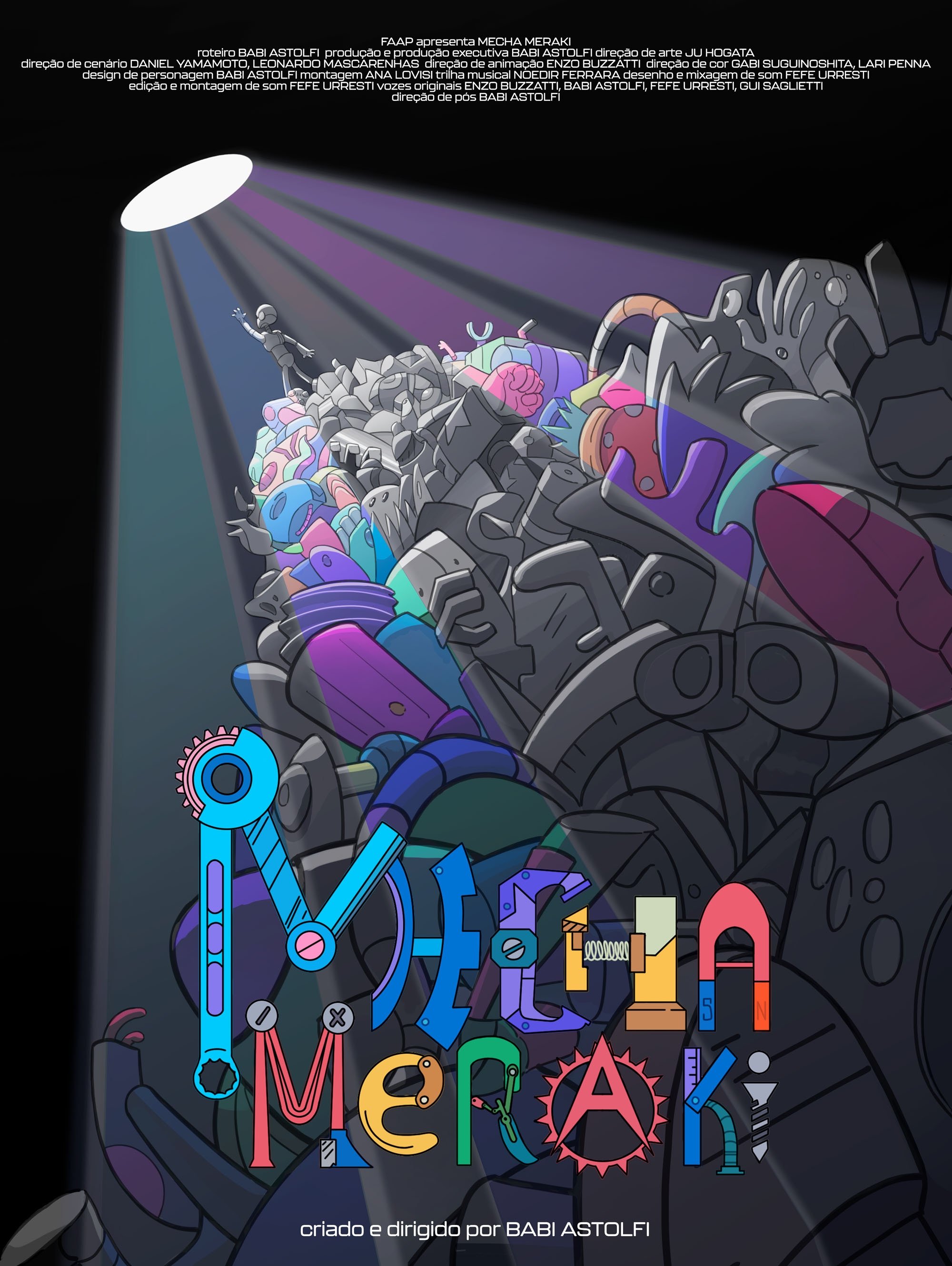
In a robotic society moved by the consumption of colorful mechanic members, an insecure gray robot faces the pressure to find the perfect piece for himself.
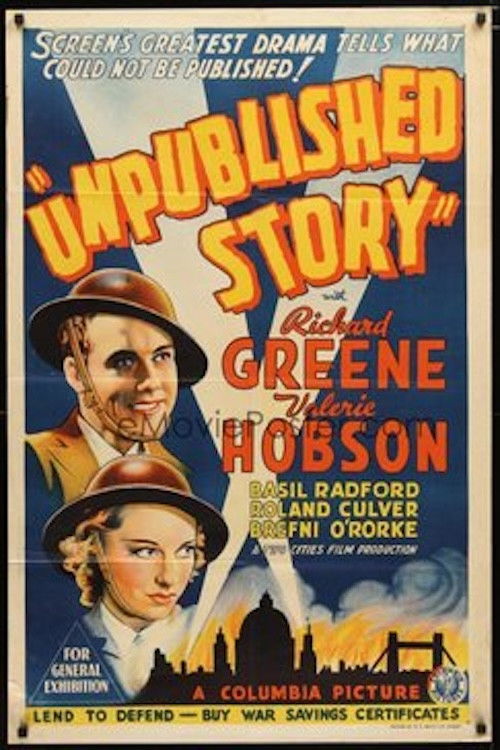
Morale-boosting story released in the middle of World War II. A journalist uncovers a peace organisation at the centre of disreputable dealings.
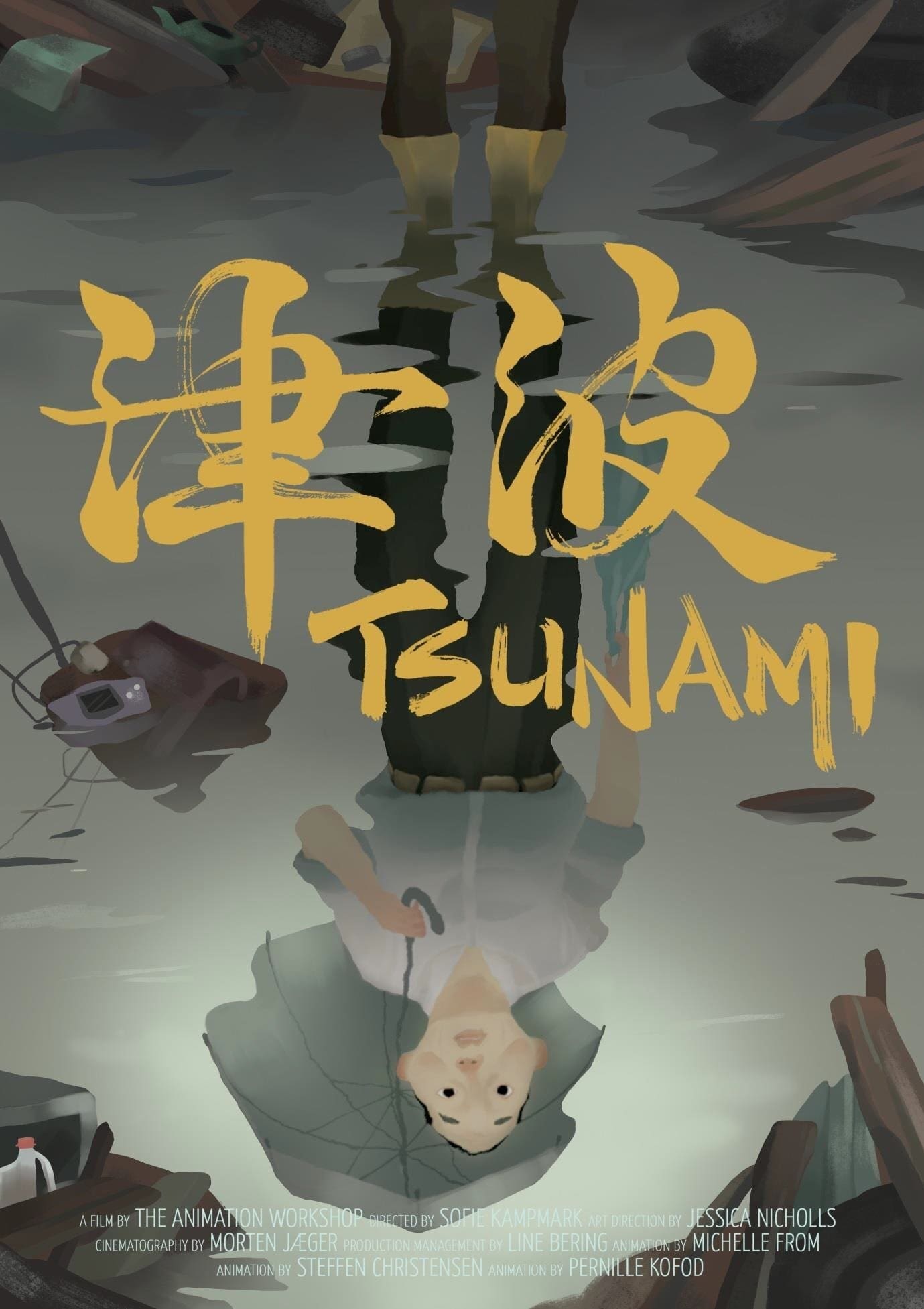
Haru returns home in denial after a tsunami, where he must learn to deal with his loss through an encounter with a magical see Spirit.
Basically this is a commercial for Hollywood's Lido Lounge and for MGM contract players. The Lido is a large watering hole; we visit one afternoon with an orchestra playing, all sorts of stars and would-be stars sitting at tables near the pool alongside paying customers, and bathing beauties parading and diving. The Lido's manager, Reggy Denny, introduces the stars in the audience. He's sometimes interrupted by someone who does a bit, sings a song, or otherwise entertains: most of these are novelty acts. By the end, everyone's having a swell time.
Tattooed hands gently glide over a rock face, probing it with the tips of the fingers. Three women, arms raised to a high boulder, appear to be in prayer. Hidden in a cave, two others stare at their bloody palms. Touching Rocks depicts bouldering as a pagan ritual.
Part of the Wade on 8 collection 'Dreamland' is an arthouse, shot on video short film. Jack returns for university wanting to rekindle his secret romance with repressed Billy.
A three-card-trick player wins at strip-poker.
Two friends have a falling out after a night of dancing.
Death in the Garden of Paradise is an intensely personal meditation on the murder of the filmmaker's father and sister in Lahore by an unknown intruder. The disassociation caused by traumatic loss and the impossibility of knowing the identity of the killer flow seamlessly into the film's aesthetics so that familiar sights become strange, shopkeepers and passing pedestrians become suspects, and sound is fragmented and distorted. Architecture and haunted spaces, deserted gardens, photographs and paintings are both metaphors and physical locations in this elegant elegy to mortality
Buildings are not supposed to move. But on Avenida Libertador 2050, a building moves and the ceiling shivers, causing a strange nausea that devours its residents. Those who live on the top are afraid they’ll fall, the ones who live beneath are afraid they’ll drown.
How do we fall in love? While rehearsing the love scene between Romeo and Juliette, Cécile, Thomas and Jérémie, barely twenty years old, each bring, in their own way, an answer to this question.
Filmed and edited in intimate vérité style, this movie follows visionary medical practitioners who are working on the cutting edge of life and death and are dedicated to changing our thinking about both.
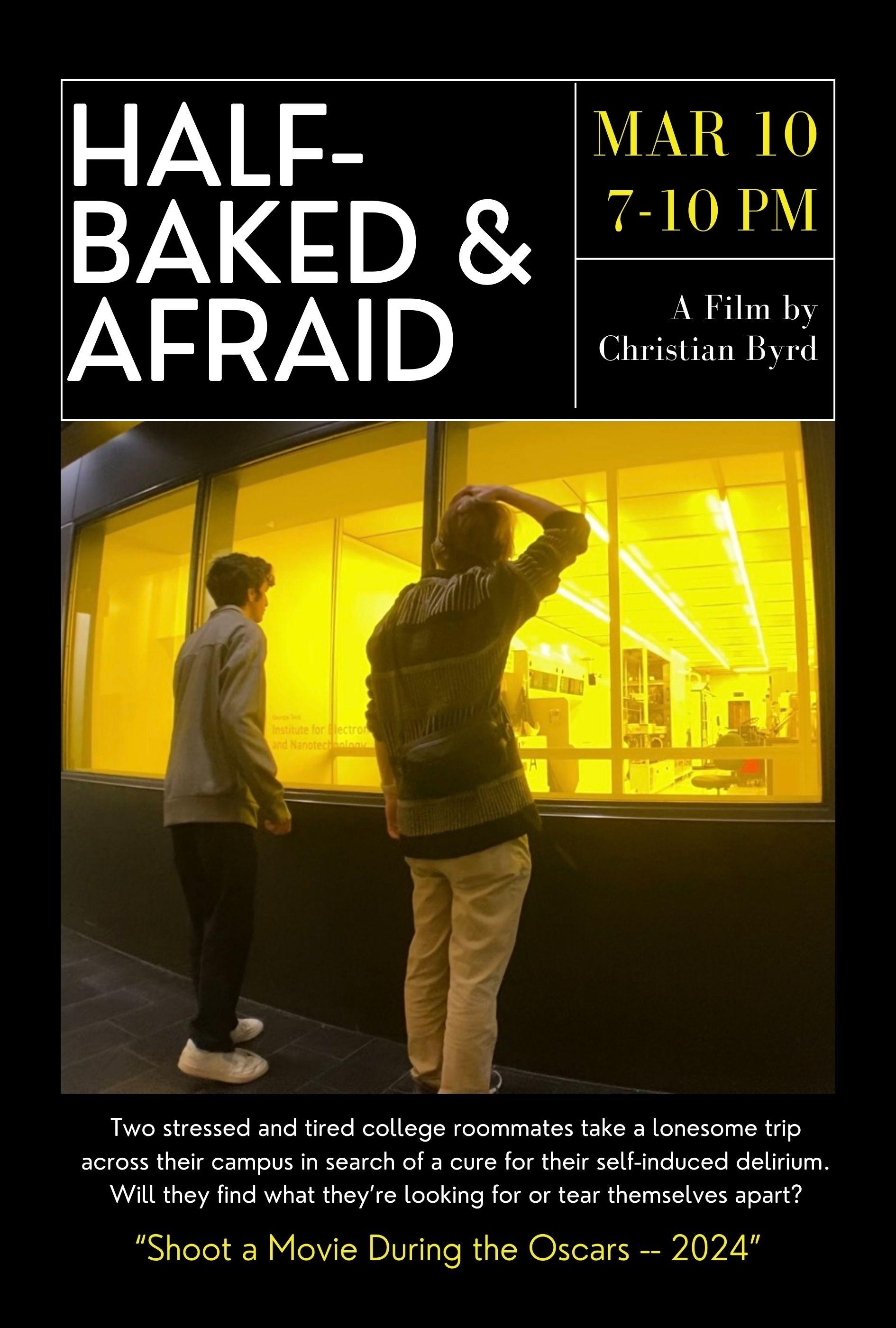
Two stressed and tired college roommates take a lonesome trip across their campus in search of a cure for their self-induced delirium. Will they find what they’re looking for or tear themselves apart?
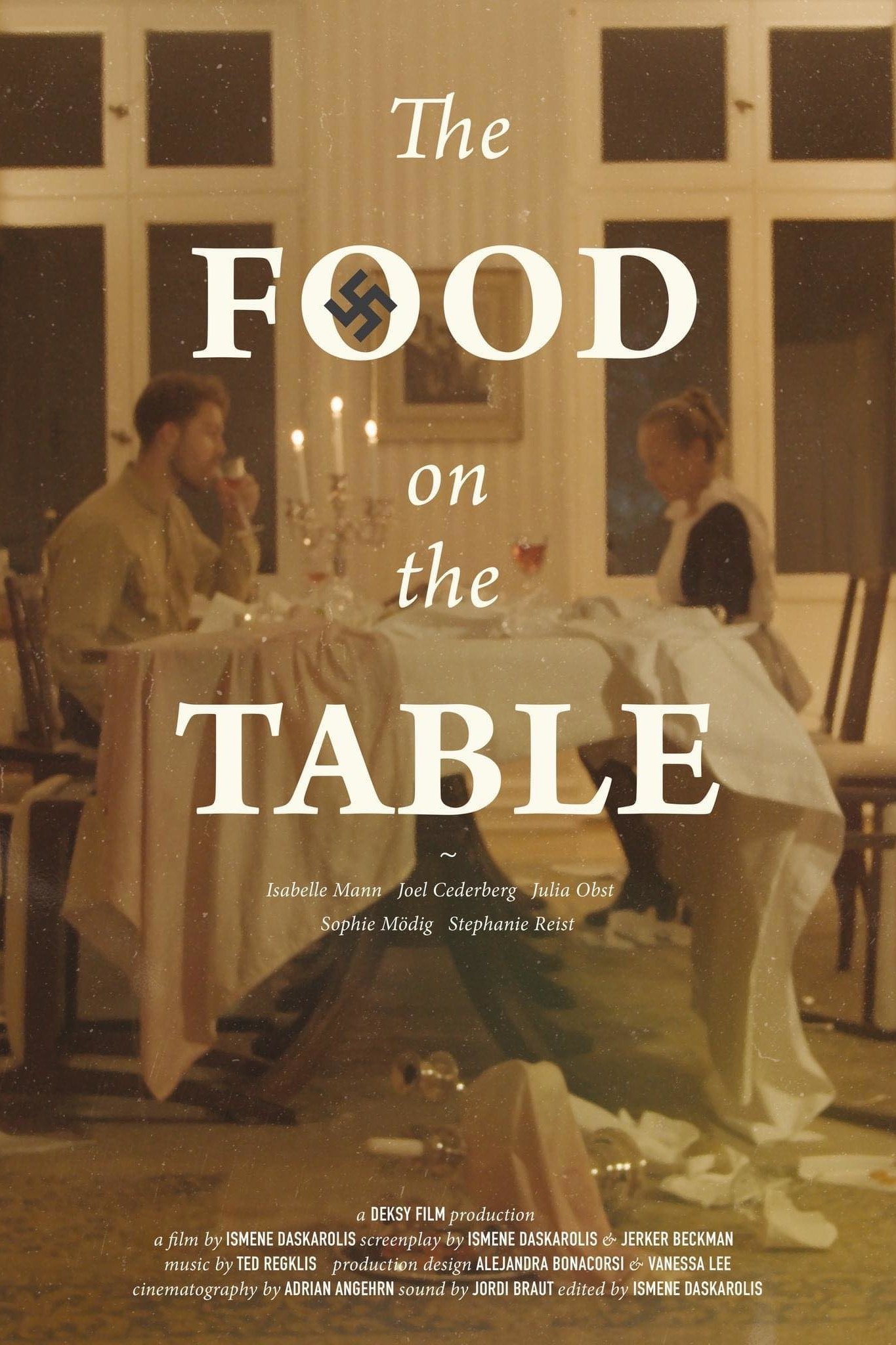
Now the subjects of a despotic chief, far from having any favor to expect from him, as both themselves and all they have are his property, or at least are considered by him as such, are obliged to receive as a favor what he relinquishes to them of their own property. He does them justice when he strips them. He treats them with mercy when he suffers them to live. In a beautiful house, during a beautiful day, next to a library with no books, a table is set for the last supper of its inhabitants.
The film reports on the return of Soviet units from Czechoslovakia (CSSR) to their stationing areas in the GDR. It depicts the reception by the population of the GDR.
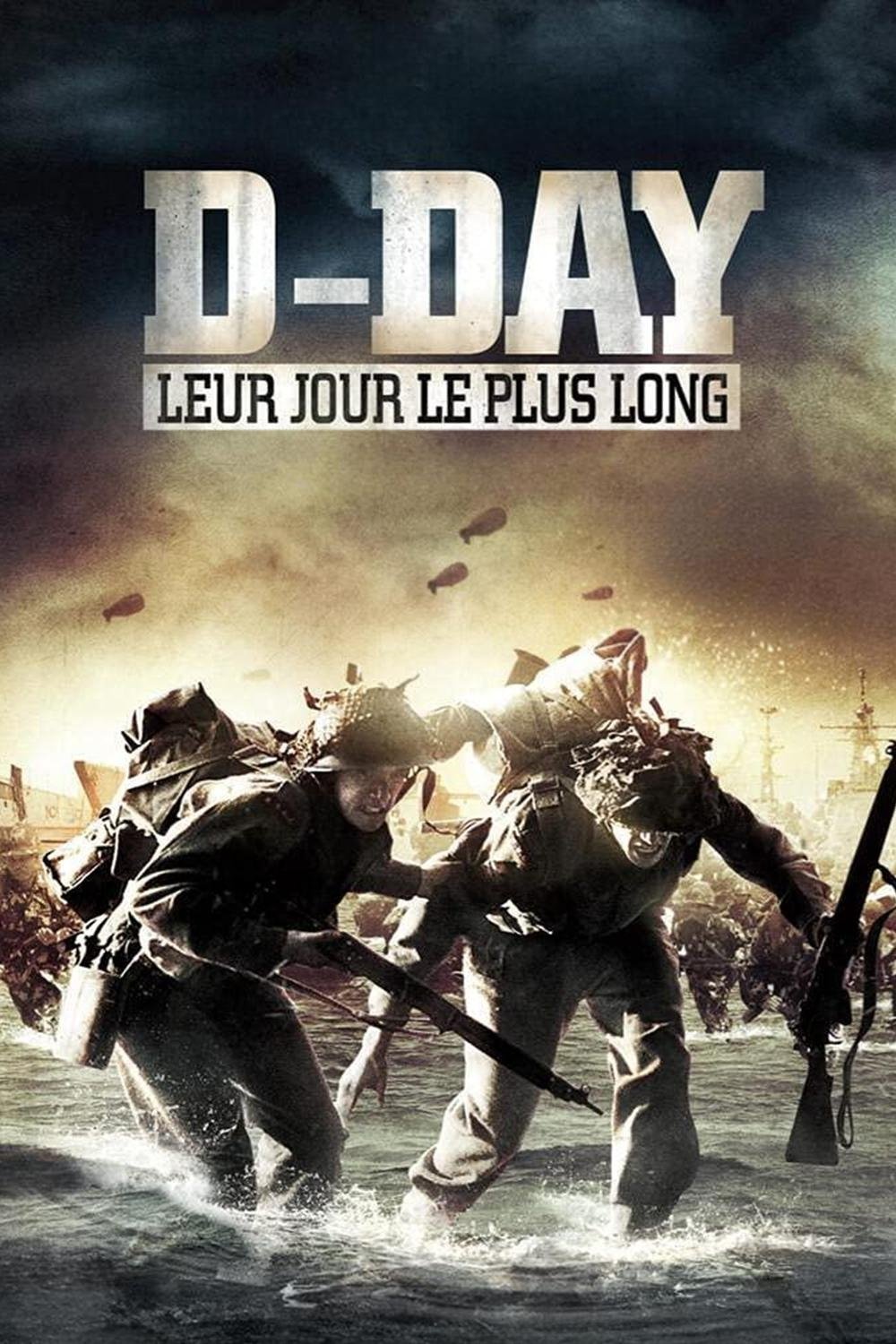
On June 6th, 1944 the largest military invasion and defence the world has ever seen occurred. D-Day tells the epic story of the preparation and execution of the Allied invasion of Normandy. It tells the story of the defence of the Western Front by the forces of the German Empire, and of the complex and deadly secret war fought by the men and women of France and mainland Europe. D-Day brings to life the dramatic and astounding tales of courage and sacrifice, joy and despair, love and betrayal. The planning for the Allied invasion on June 6th 1944 took two years and cost thousands of lives. It involved a deception of breathtaking audacity. Both the preparation leading up to and the actions and events on the day itself relied on the absolute discretion of many and the genius and nerve of a few. D-Day examines the intricate jigsaw from both sides - presenting events through the eyes of the men and women who were there, telling their extraordinary stories.
When her best friend makes the girls' varsity basketball team instead of her, high school sophomore Julia must overcome her jealousy to maintain their friendship.
Filmmaker Alain Resnais documents the atrocities behind the walls of Hitler's concentration camps.
“The Soviet Story” is a story of an Allied power, which helped the Nazis to fight Jews and which slaughtered its own people on an industrial scale. Assisted by the West, this power triumphed on May 9th, 1945. Its crimes were made taboo, and the complete story of Europe’s most murderous regime has never been told. Until now...
Prelude to War was the first film of Frank Capra's Why We Fight propaganda film series, commissioned by the Pentagon and George C. Marshall. It was made to convince American troops of the necessity of combating the Axis Powers during World War II. This film examines the differences between democratic and fascist states.
A love letter from a young mother to her daughter, the film tells the story of Waad al-Kateab’s life through five years of the uprising in Aleppo, Syria as she falls in love, gets married and gives birth to Sama, all while cataclysmic conflict rises around her. Her camera captures incredible stories of loss, laughter and survival as Waad wrestles with an impossible choice– whether or not to flee the city to protect her daughter’s life, when leaving means abandoning the struggle for freedom for which she has already sacrificed so much.
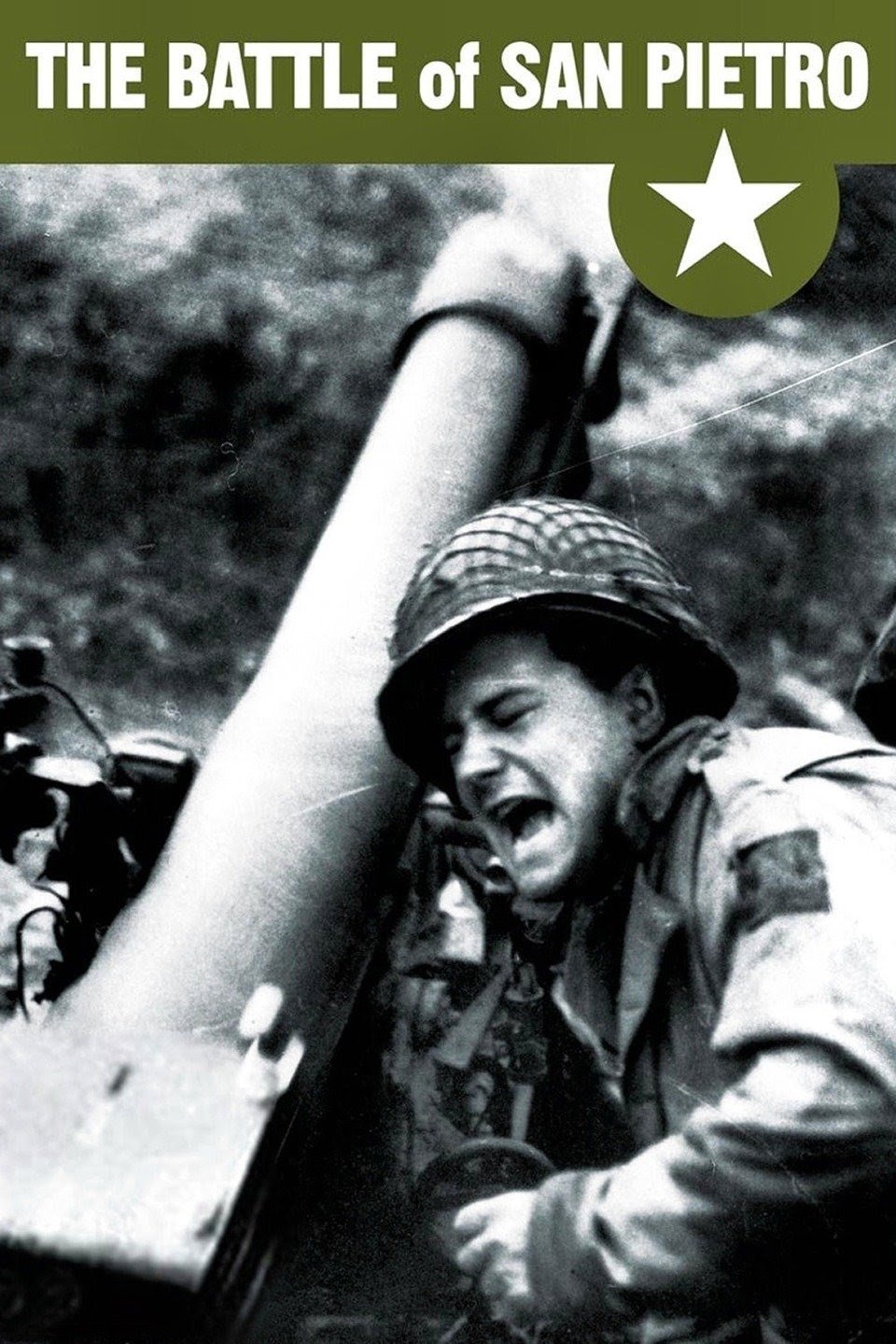
This documentary movie is about the battle of San Pietro, a small village in Italy. Over 1,100 US soldiers were killed while trying to take this location, that blocked the way for the Allied forces from the Germans. Preserved by the Academy Film Archive in 2005.
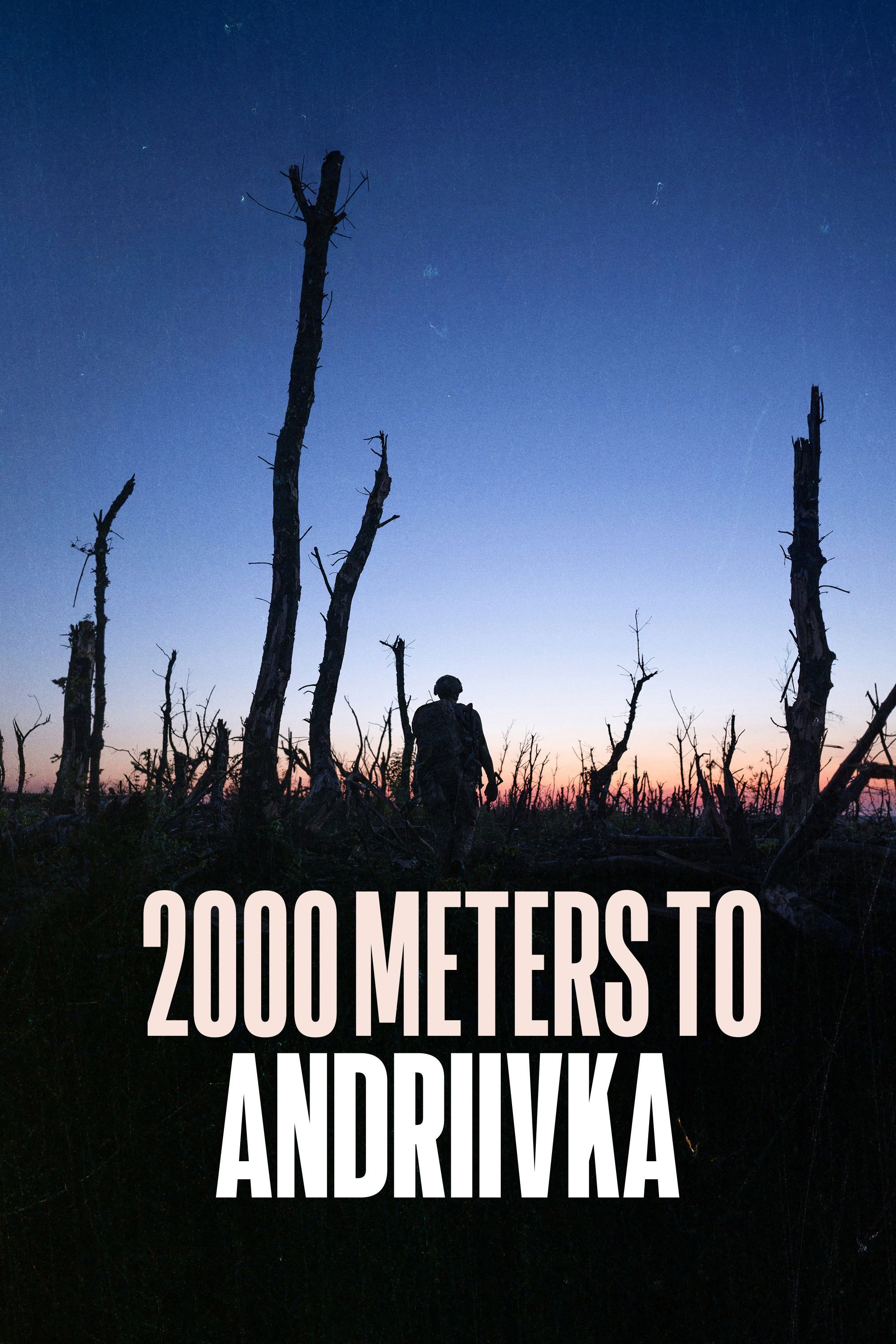
Amid the failing counteroffensive, a journalist follows a Ukrainian platoon on their mission to traverse one mile of heavily fortified forest and liberate a strategic village from Russian occupation. But the farther they advance through their destroyed homeland, the more they realize that this war may never end.
A documentary about World War I with never-before-seen footage to commemorate the centennial of Armistice Day, and the end of the war.
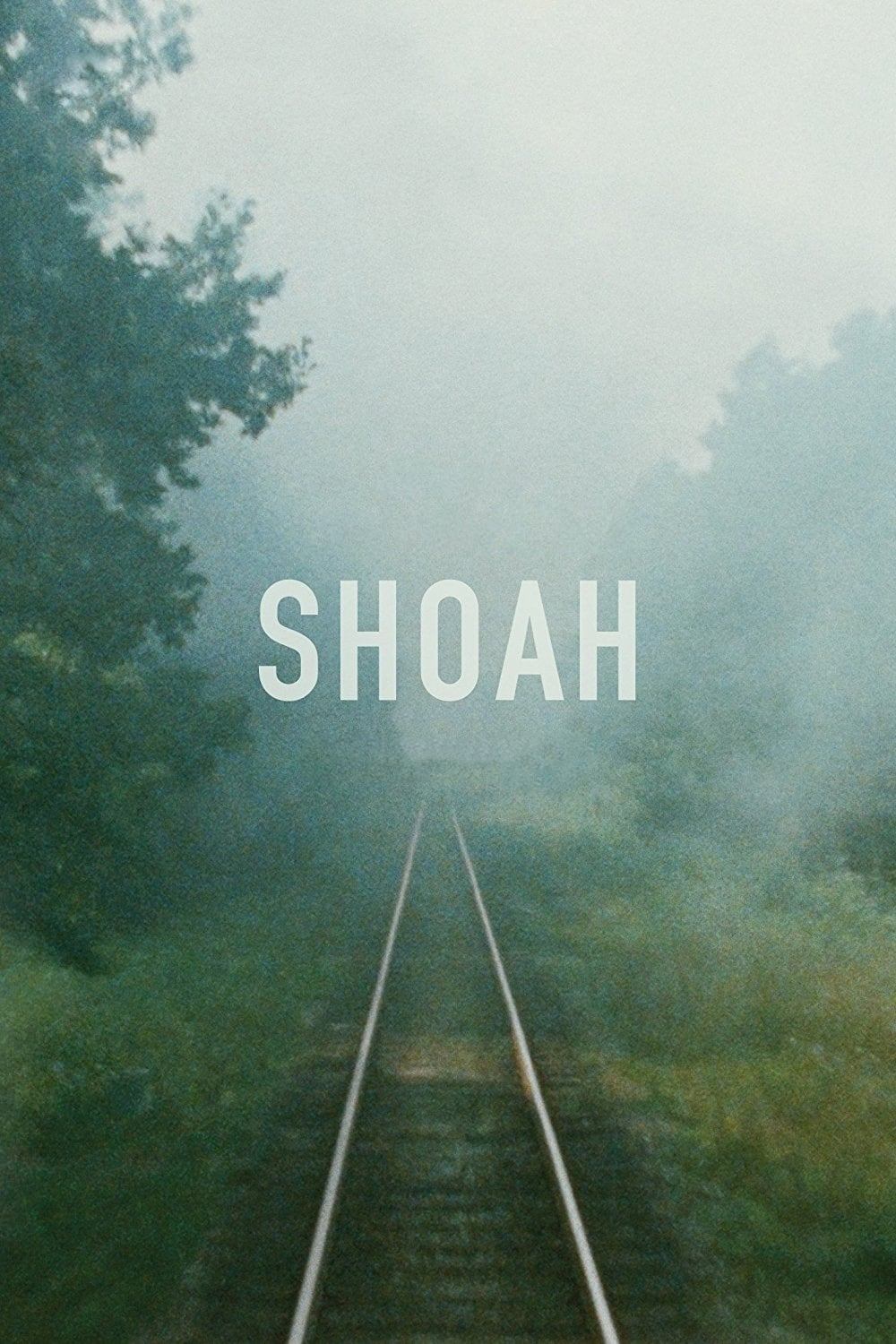
Director Claude Lanzmann spent 11 years on this sprawling documentary about the Holocaust, conducting his own interviews and refusing to use a single frame of archival footage. Dividing Holocaust witnesses into three categories – survivors, bystanders, and perpetrators – Lanzmann presents testimonies from survivors of the Chelmno concentration camp, an Auschwitz escapee, and witnesses of the Warsaw Ghetto Uprising, as well as a chilling report of gas chambers from an SS officer at Treblinka.
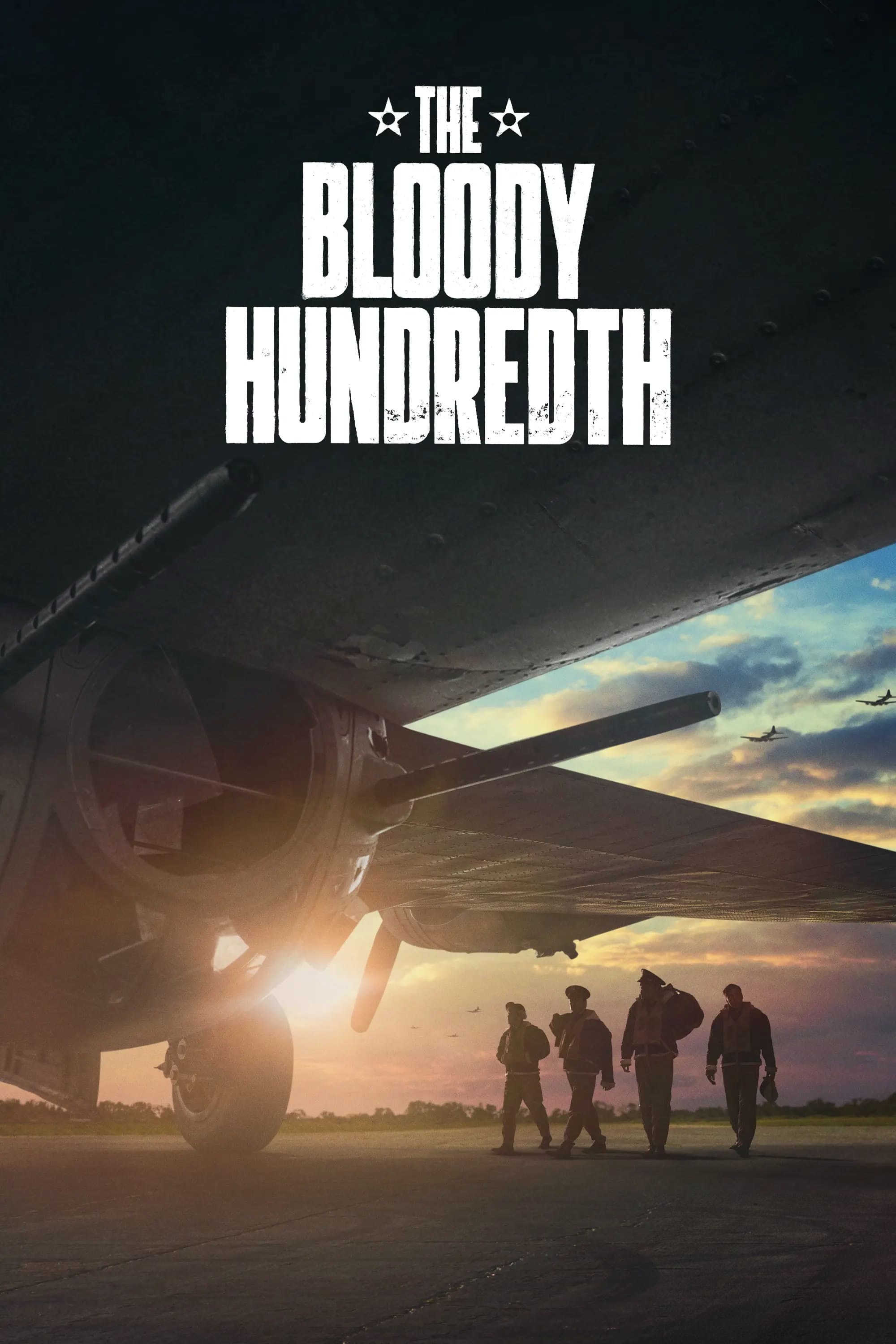
Meet the real-life airmen who inspired Masters of the Air as they share the harrowing and transformative events of the 100th Bomb Group.
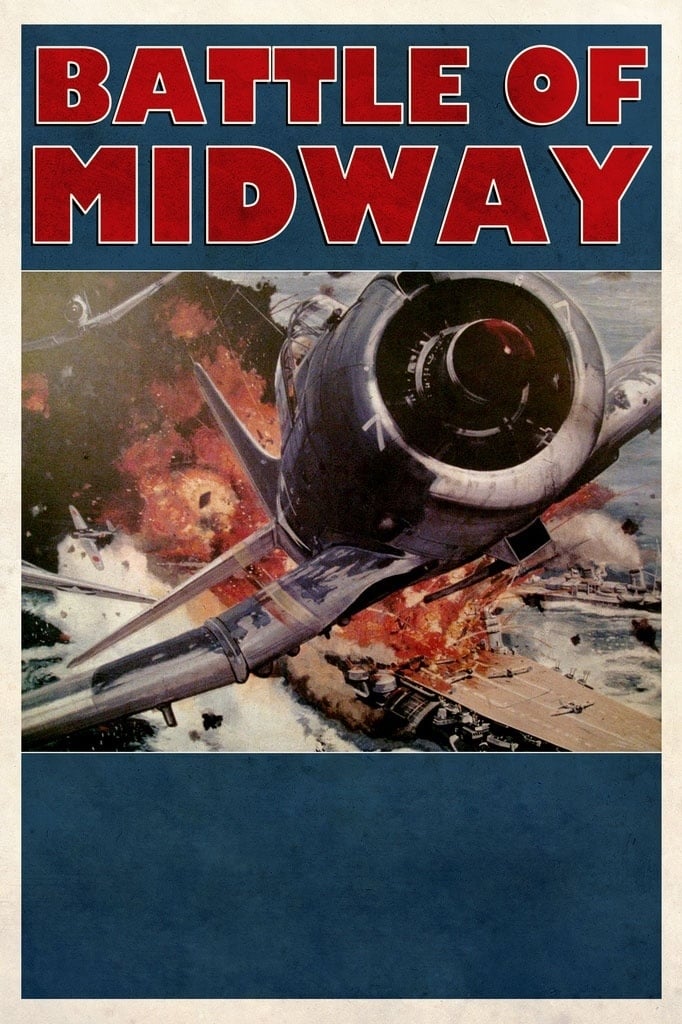
The Japanese attack on Midway in June 1942, filmed as it happened. Preserved by the Academy Film Archive, in partnership with Twentieth Century Fox Film Corporation, in 2006.
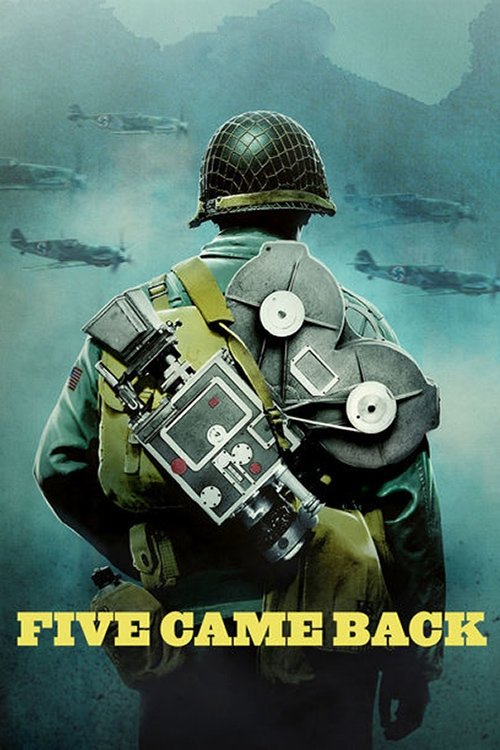
The extraordinary story of how Hollywood changed World War II – and how World War II changed Hollywood, through the interwoven experiences of five legendary filmmakers who went to war to serve their country and bring the truth to the American people: John Ford, William Wyler, John Huston, Frank Capra, and George Stevens. Based on Mark Harris’ best-selling book, “Five Came Back: A Story of Hollywood and the Second World War.”
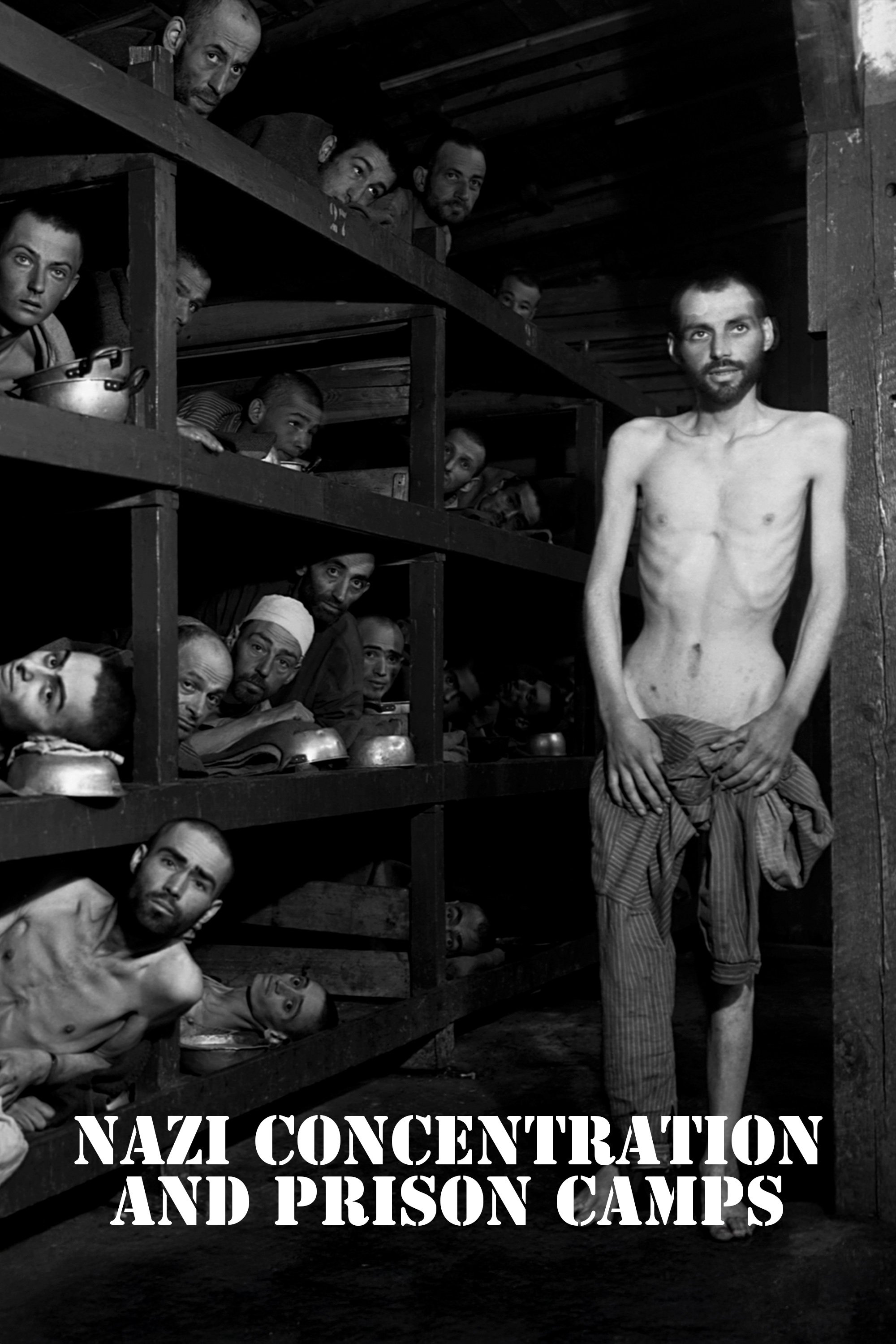
Produced and presented as evidence at the Nuremberg war crimes trial of Hermann Göring and twenty other Nazi leaders, this film consists primarily of dead and surviving prisoners and of facilities used to kill and torture during the World War II.
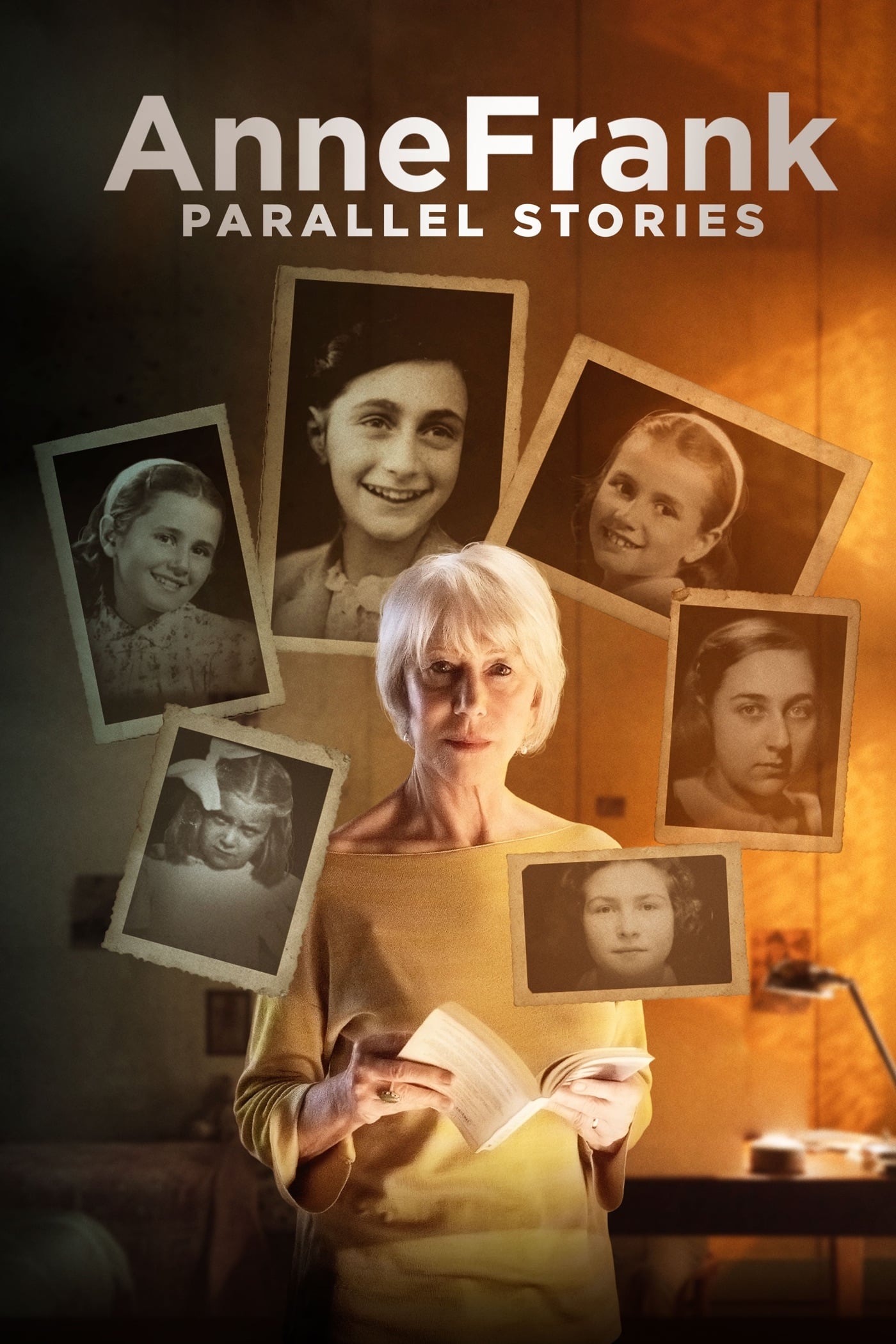
One single Anne Frank moves us more than the countless others who suffered just as she did but whose faces have remained in the shadows-Primo Levi. The Oscar®-winning Helen Mirren will introduce audiences to Anne Frank's story through the words in her diary. The set will be her room in the secret refuge in Amsterdam, reconstructed in every detail by set designers from the Piccolo Theatre in Milan. Anne Frank this year would have been 90 years old. Anne's story is intertwined with that of five Holocaust survivors, teenage girls just like her, with the same ideals, the same desire to live: Arianna Szörenyi, Sarah Lichtsztejn-Montard, Helga Weiss and sisters Andra and Tatiana Bucci. Their testimonies alternate with those of their children and grandchildren.
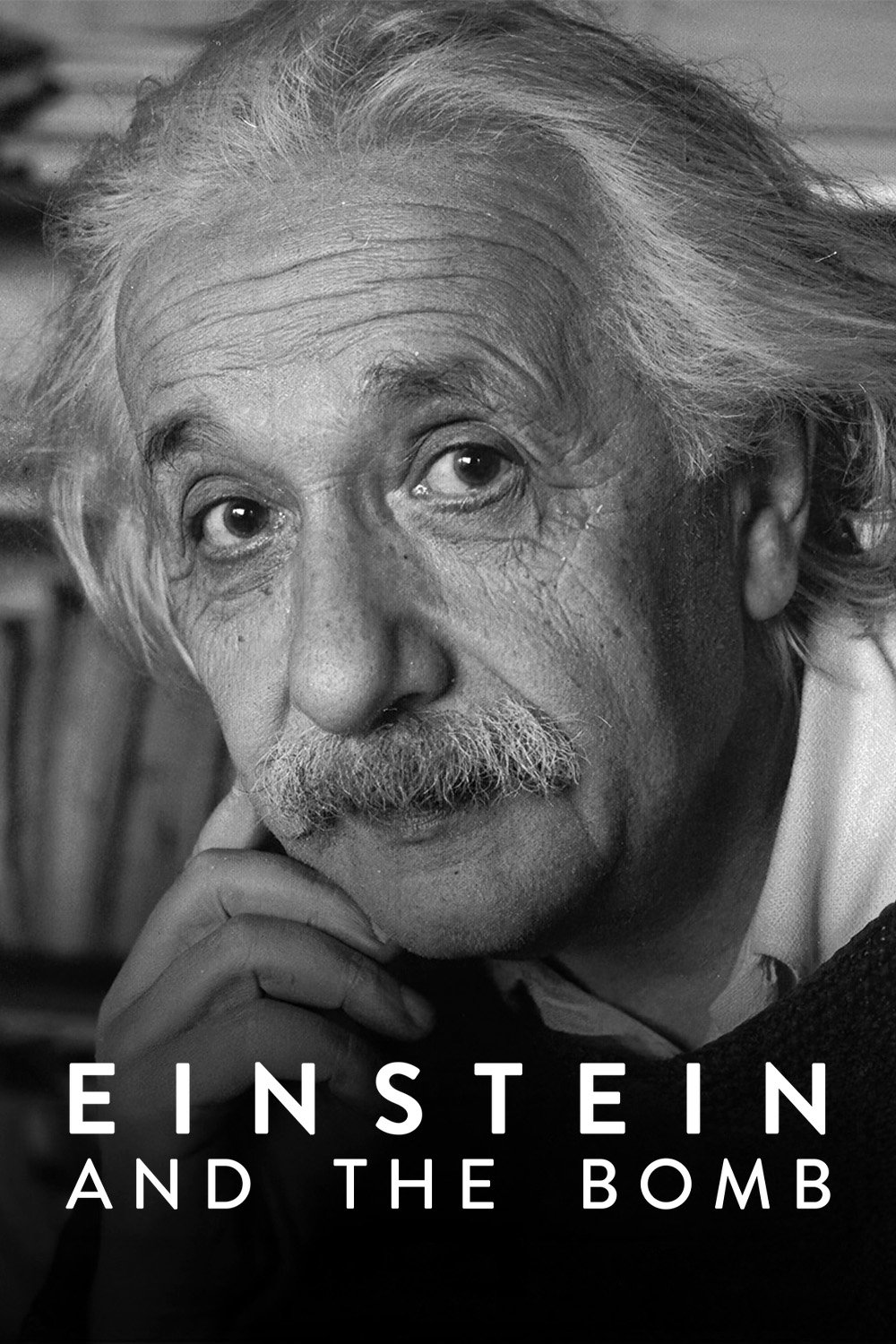
What happened after Einstein fled Nazi Germany? Using archival footage and his own words, this docudrama dives into the mind of a tortured genius.
Pete Postlethwaite stars as a man living alone in the devastated future world of 2055, looking at old footage from 2008 and asking: why didn’t we stop climate change when we had the chance?
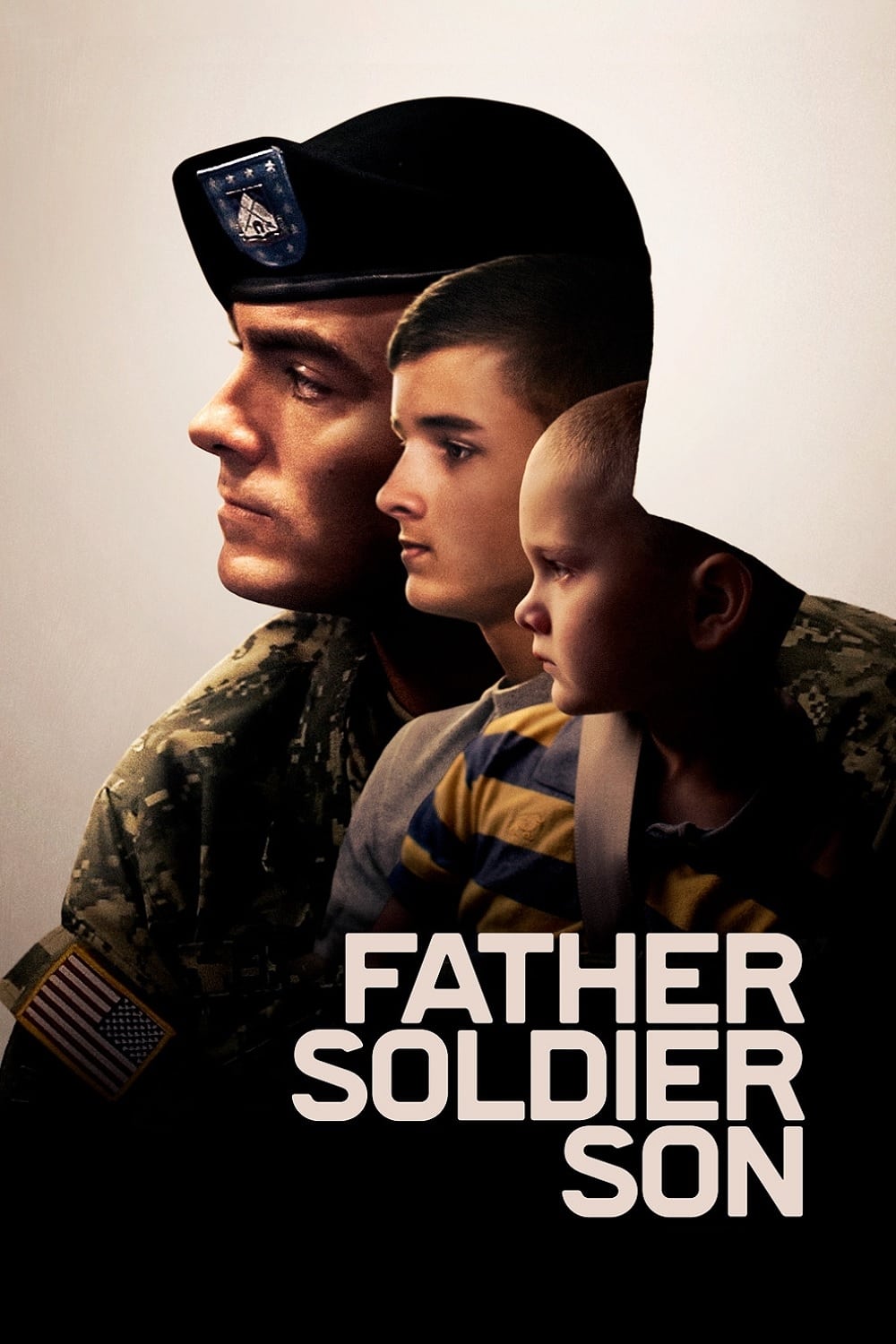
When Sgt. First Class Brian Eisch is critically wounded in Afghanistan, it sets him and his sons on a journey of love, loss, redemption and legacy.
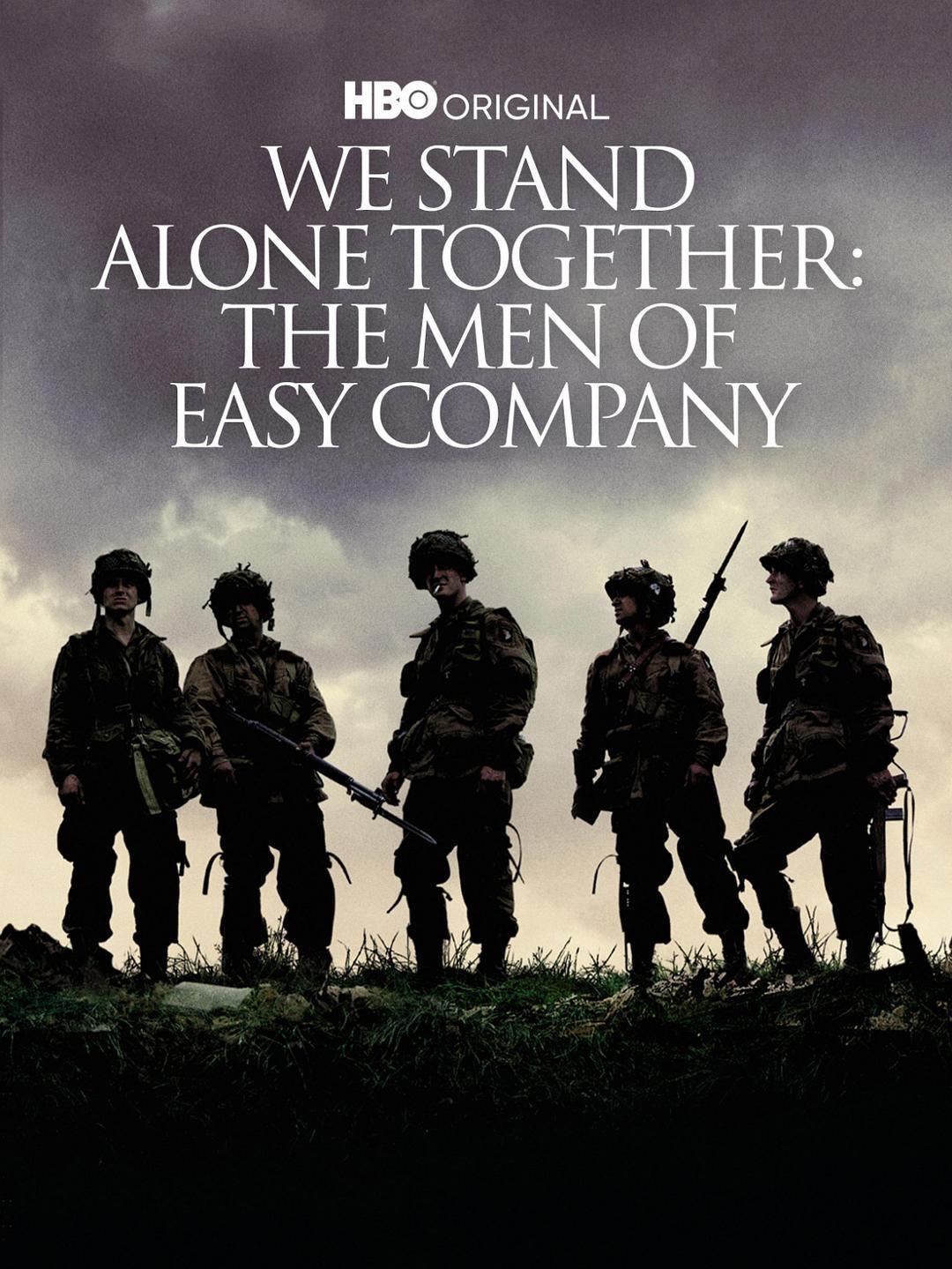
Over a period of two years, Mark Cowen and his crew travelled to thirty U.S. states and ten European cities, to interview the veterans of Easy Company. The stories told by the veterans themselves, create a history of the Second World War from the point of view of this heroic company of men, made famous in the mini-series Band of Brothers.
The documentary recounts the world's first nuclear attack and examines the alarming repercussions. Covering a three-week period from the Trinity test to the atomic bombing of Hiroshima, the program chronicles America's political gamble and the planning for the momentous event. Archival film, dramatizations, and special effects feature what occurred aboard the Enola Gay (the aircraft that dropped the bomb) and inside the exploding bomb.
A documentary examining possible historical and modern conspiracies surrounding Christianity, the 9/11 terrorist attacks, and the Federal Reserve bank.
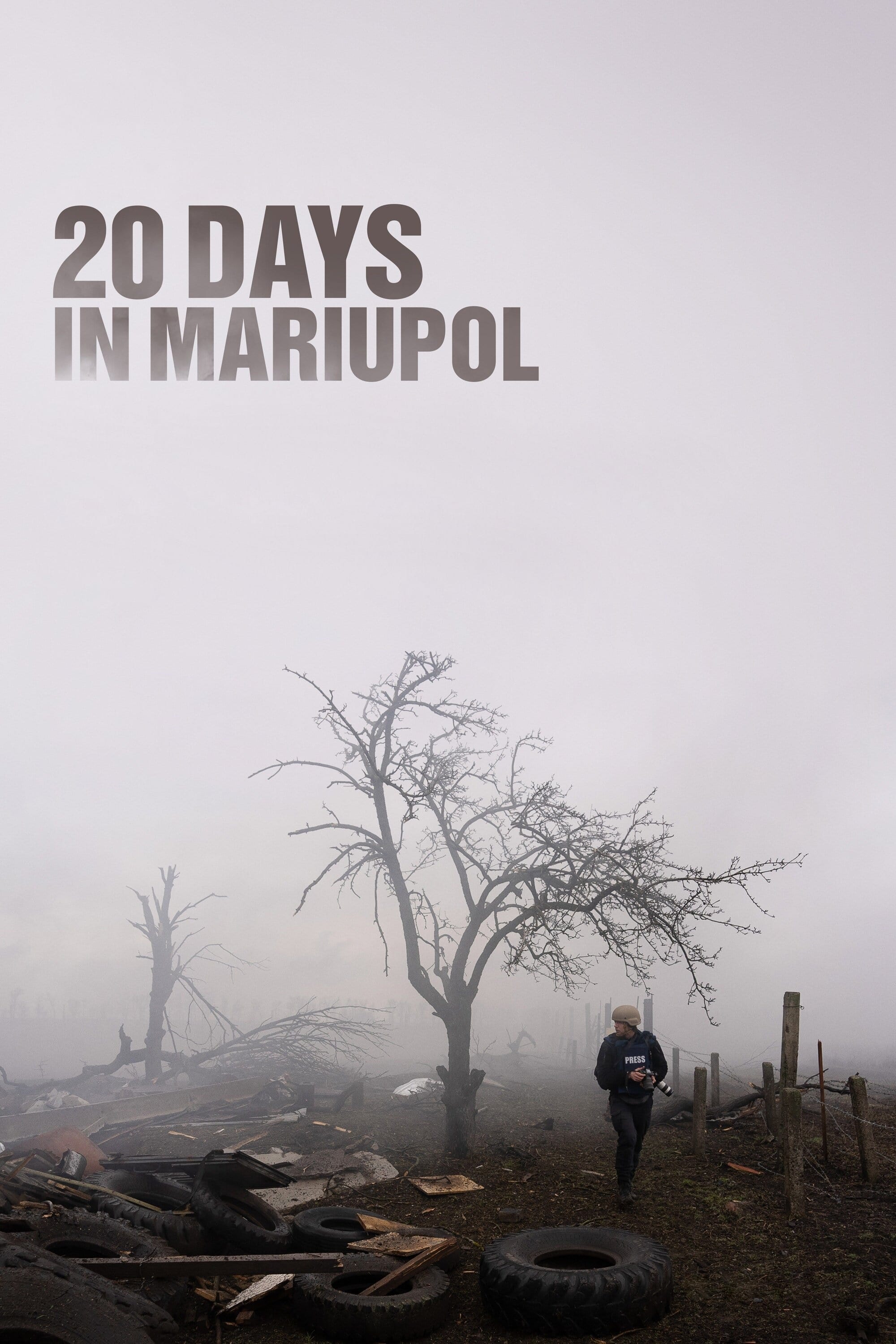
As the Russian invasion begins, a team of Ukrainian journalists trapped in the besieged city of Mariupol struggle to continue their work documenting the war's atrocities.