Social & External
Conductor
Florestan
Leonore
Don Pizarro
Rocco
Marzelline
Jaquino
Don Fernando
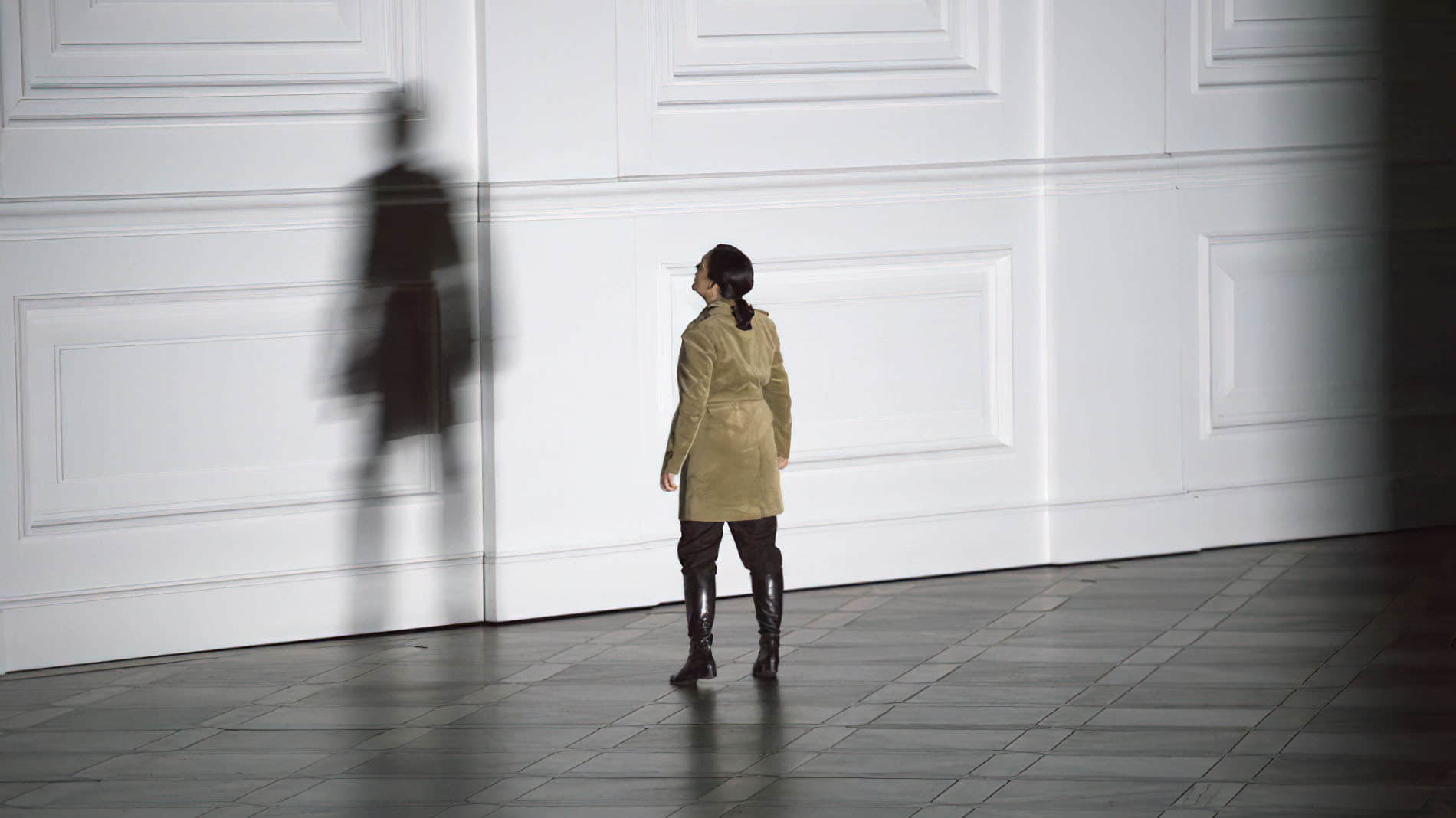
Leonore Schatten
Pizarro Schatten
Orchestra
Chorus
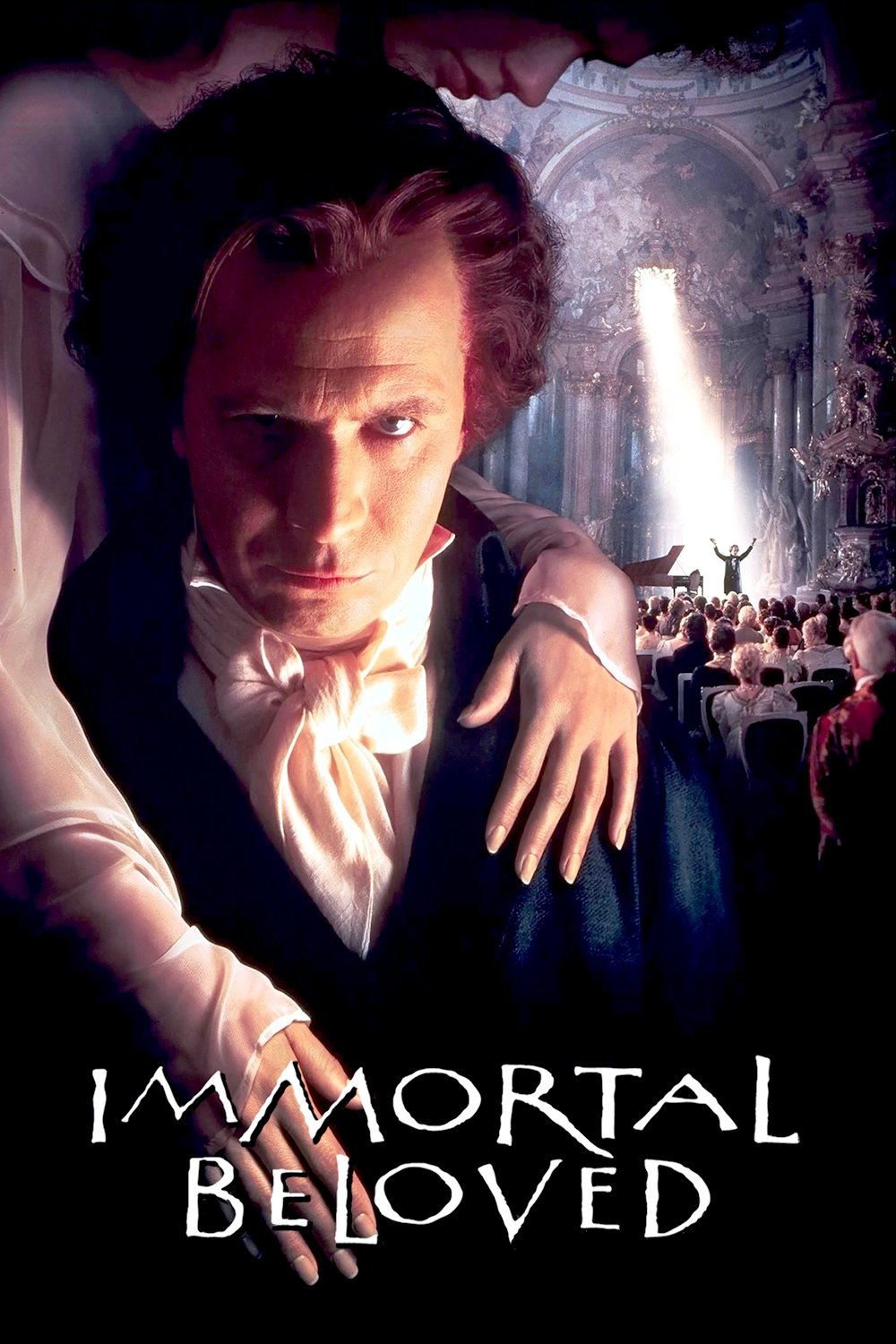
A chronicle of the life of infamous classical composer Ludwig van Beethoven and his painful struggle with hearing loss. Following Beethoven's death in 1827, his assistant, Schindler, searches for an elusive woman referred to in the composer's love letters as "immortal beloved." As Schindler solves the mystery, a series of flashbacks reveal Beethoven's transformation from passionate young man to troubled musical genius.
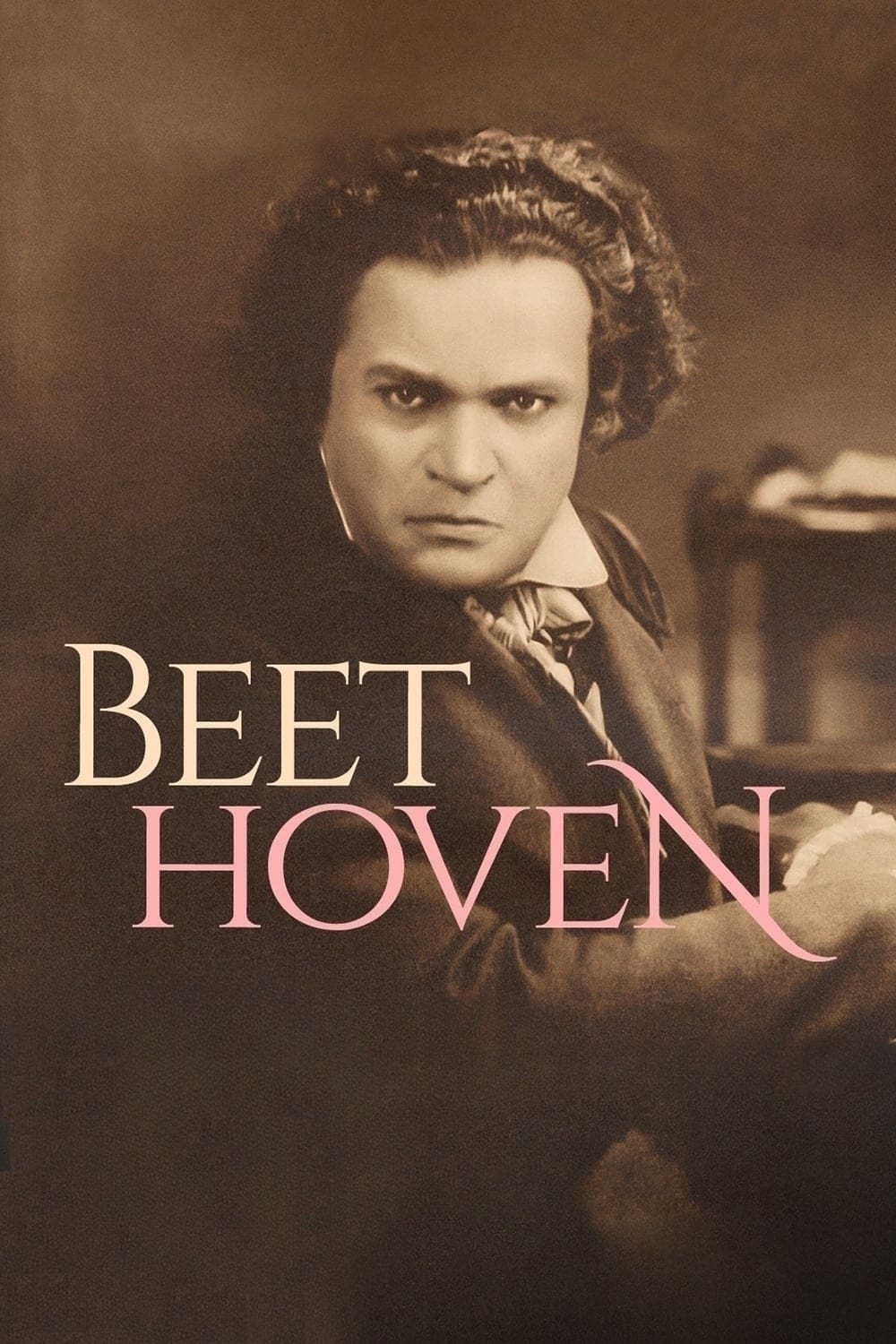
Filmed in Austria for the hundredth anniversary of Beethoven's death, this 1927 silent film tells the story of the German genius' eventful emotional life. Presented in a restored version and with rearranged music, a biopic to be savored with ears wide open.
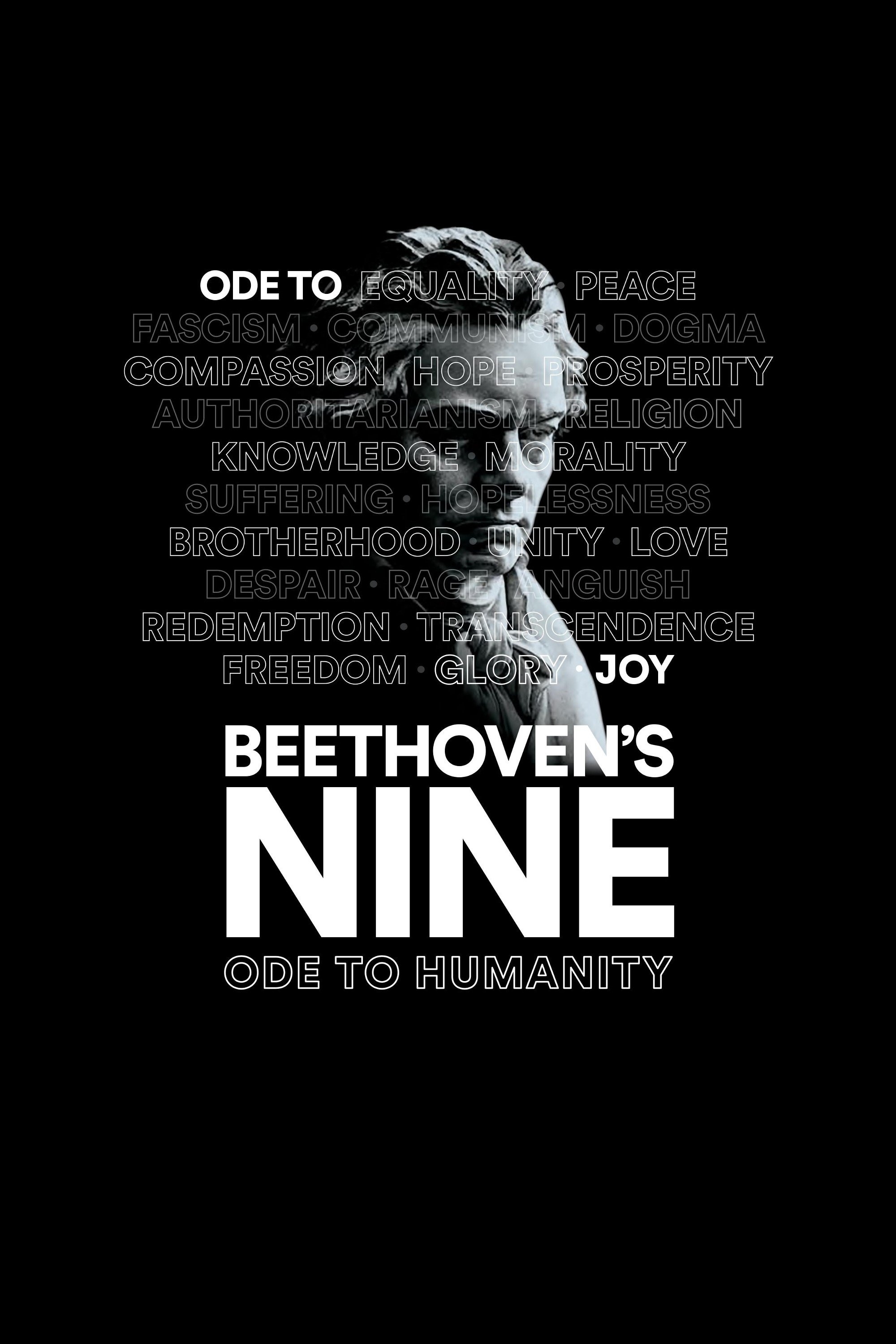
Can a work of art remain relevant 200 years after its creation? Ludwig van Beethoven’s last completed symphony proves it’s possible.
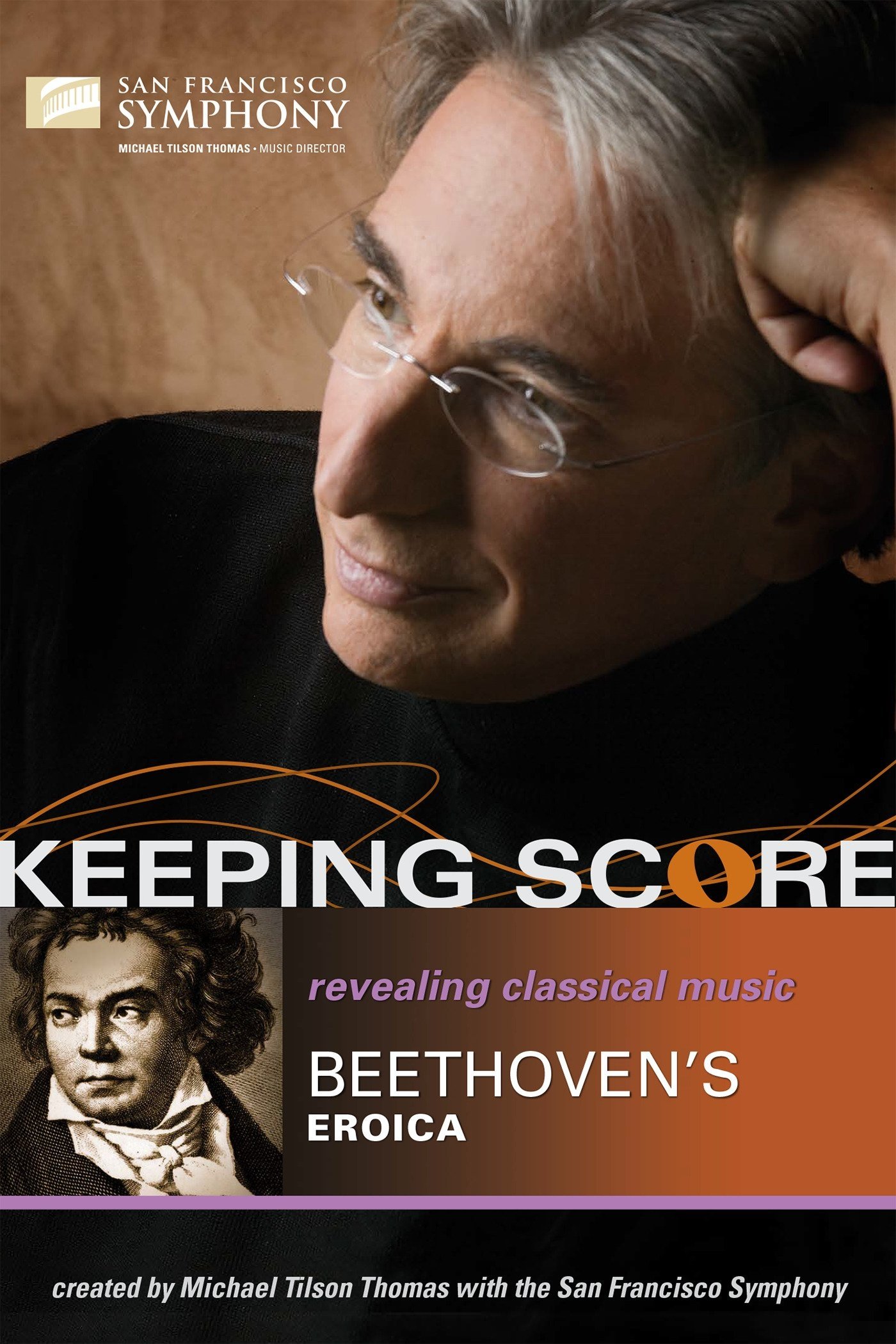
Beethoven spent three years composing the Eroica, an intimate journal of his emotional crises and his dramatic emergence as an original master. Michael Tilson Thomas and the musicians of the San Francisco Symphony help you make sense of this voyage into life as it really is.
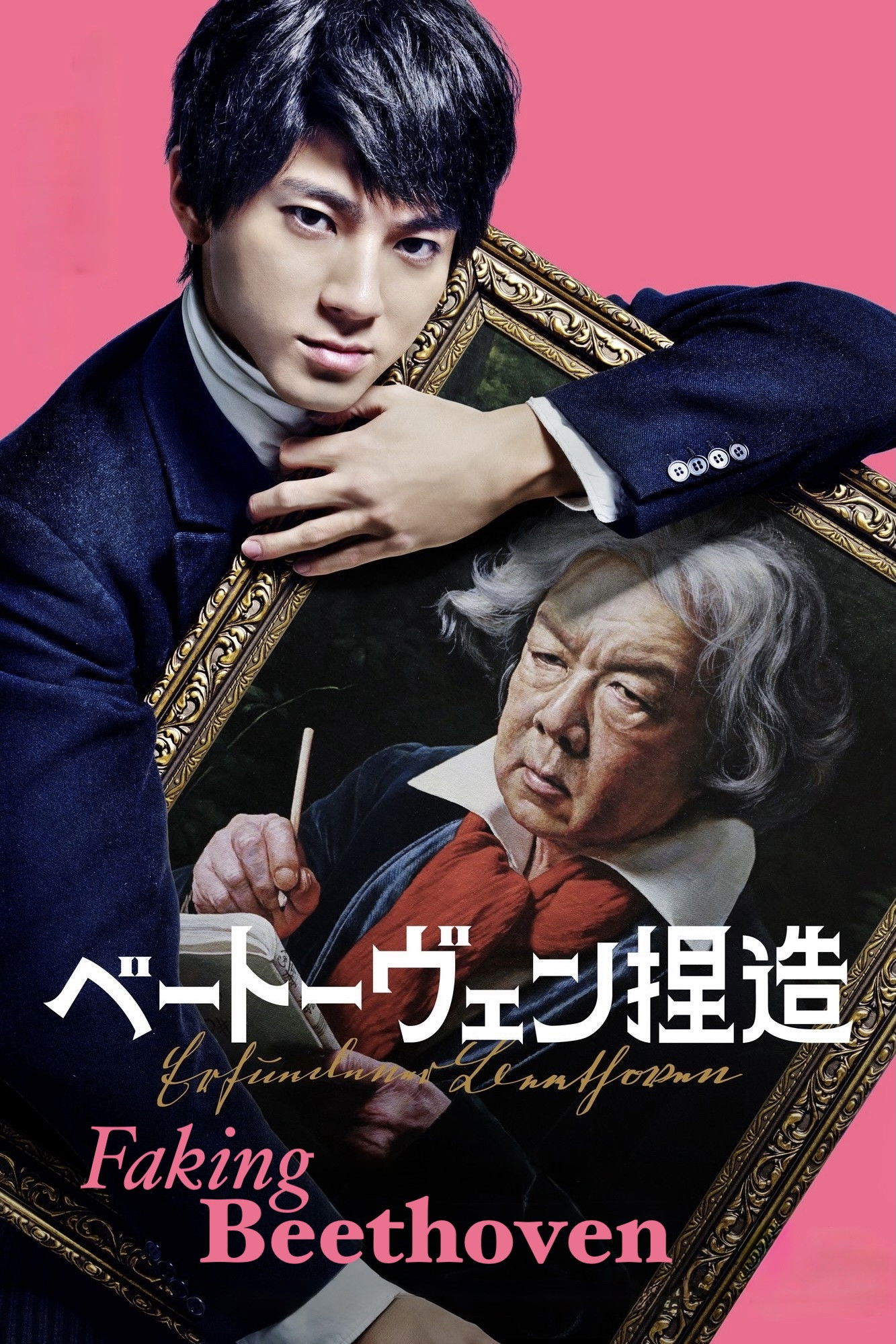
Beethoven, the world's most famous musician and iconic solitary genius. But what if that image was entirely fabricated… by his own secretary?
Vivaldi, Mozart, and Beethoven serve up an evening of glittering virtuosity and transcendent melody in this unusual, all-concerto program. Filmed at Tel Aviv’s Mann Auditorium in July 2015. Zubin Mehta leads the Israel Philharmonic Orchestra as they accompany three very different 18th-century concertos performed respectively by trumpeters Ram Oren and Yigal Meltzer, clarinettist Ron Selka, and pianist Khatia Buniatishvili. Set-List: Antonio Vivaldi, Concerto for 2 Trumpets in C Major, RV 537 / Wolfgang Amadeus Mozart, Clarinet Concerto in A Major, K. 622 / Ludwig van Beethoven, Piano Concerto No. 1 in C Major, Op. 15.
In Search of Beethoven offers a comprehensive documentary about the life and works of the great composer. Over 65 performances by the world's finest musicians were recorded and 100 interviews conducted in the making of this beautifully crafted film. Eleven interviews are included in the Extras and Six complete movements.
If Daniel Barenboim is not the world's greatest living classical musician he is certainly the most versatile. In a career spanning more than 50 years, his name is attached to many of the celebrated recordings of opera, symphony, small ensemble and piano solo. With the later half of his career marked by distinction at the podium, one may forget that he is still an accomplished concert pianist. Here we are treated to both talents as Barenboim conducts the Staatskapelle Berlin and plays all five of Beethoven's piano concerti. From the accompanying booklet we find that Barenboim first recorded these works in 1967 at the age of 24 under Otto Klemperer. Now he is revisiting them 40 years later on the occasion of his 65th birthday.
Recording of the Berlin Philharmonic Orchestra conducted by Herbert von Karajan playing Beethoven's 8th Symphony.
This film takes you through the inspiring journey of Venezuela's Coro de Manos Blancas (White Hands Choir) while exploring their daily struggles and lives. Established in 1995 as part of Venezuela's El Sistema program, the White Hands Choir provides artistic opportunities for children, youth, and adults with disabilities, utilizing music for social development and inclusion.
When his mother rents their vacant room to a peculiar composer, Christoph can't believe his bad luck. But as the abrasive boarder, Ludwig Van Beethoven, begins creating his masterful 9th Symphony, Christoph is won over by the majesty of his music. This lighthearted family drama was awarded the 1993 Emmy for Outstanding Children's Program.
Claudio Abbado conducted Beethoven’s symphonies on many occasions in the Philharmonie in Berlin. But only at the end of his tenure as chief conductor of the Berliner Philharmoniker did he decide to give a performance of the complete symphonies. It was left to audiences of his native Italy to witness these concerts in February 2001 in the Accademia Nazionale di Santa Cecilia in Rome.
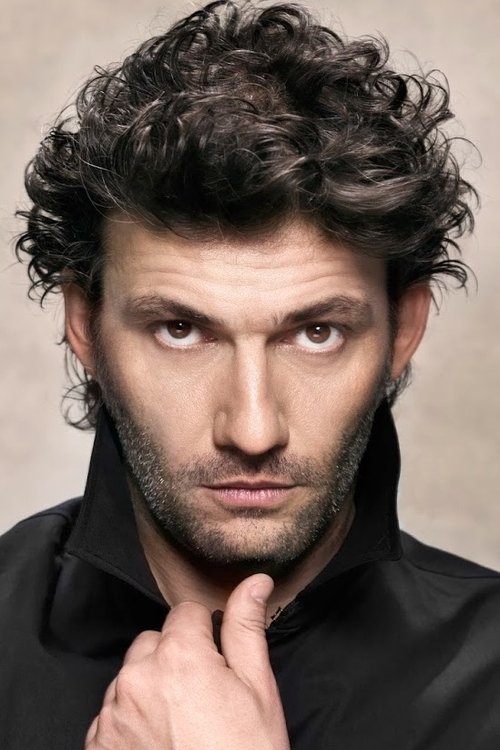
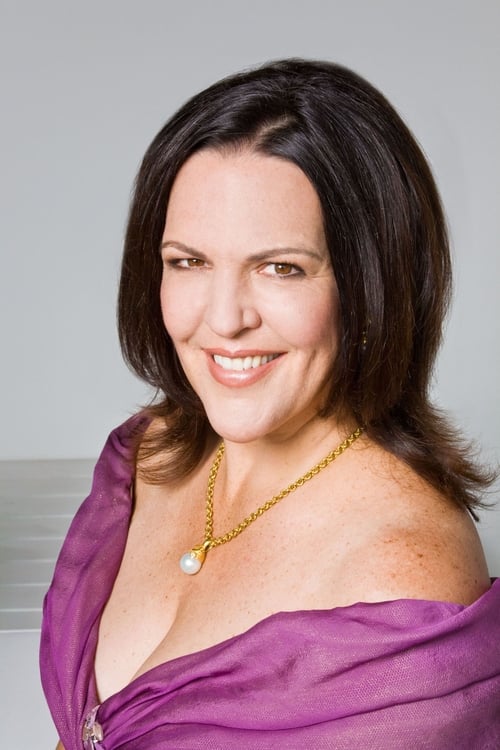
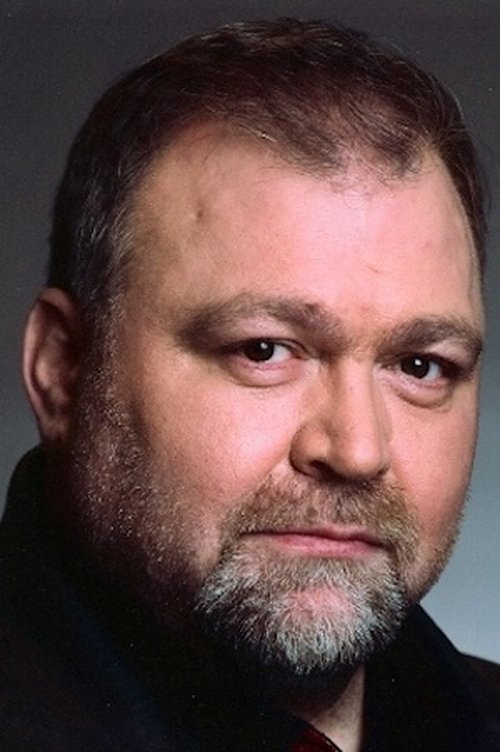
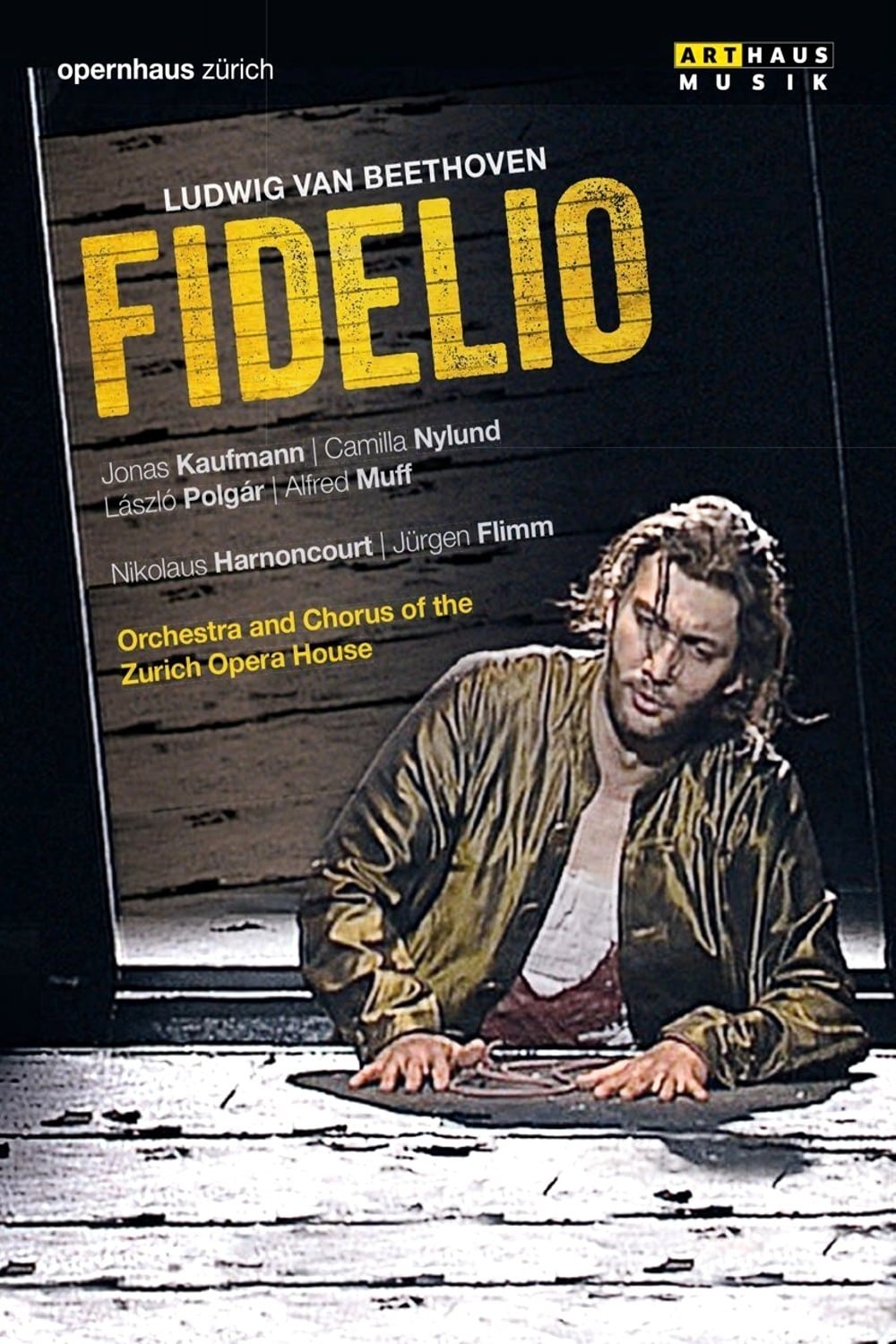
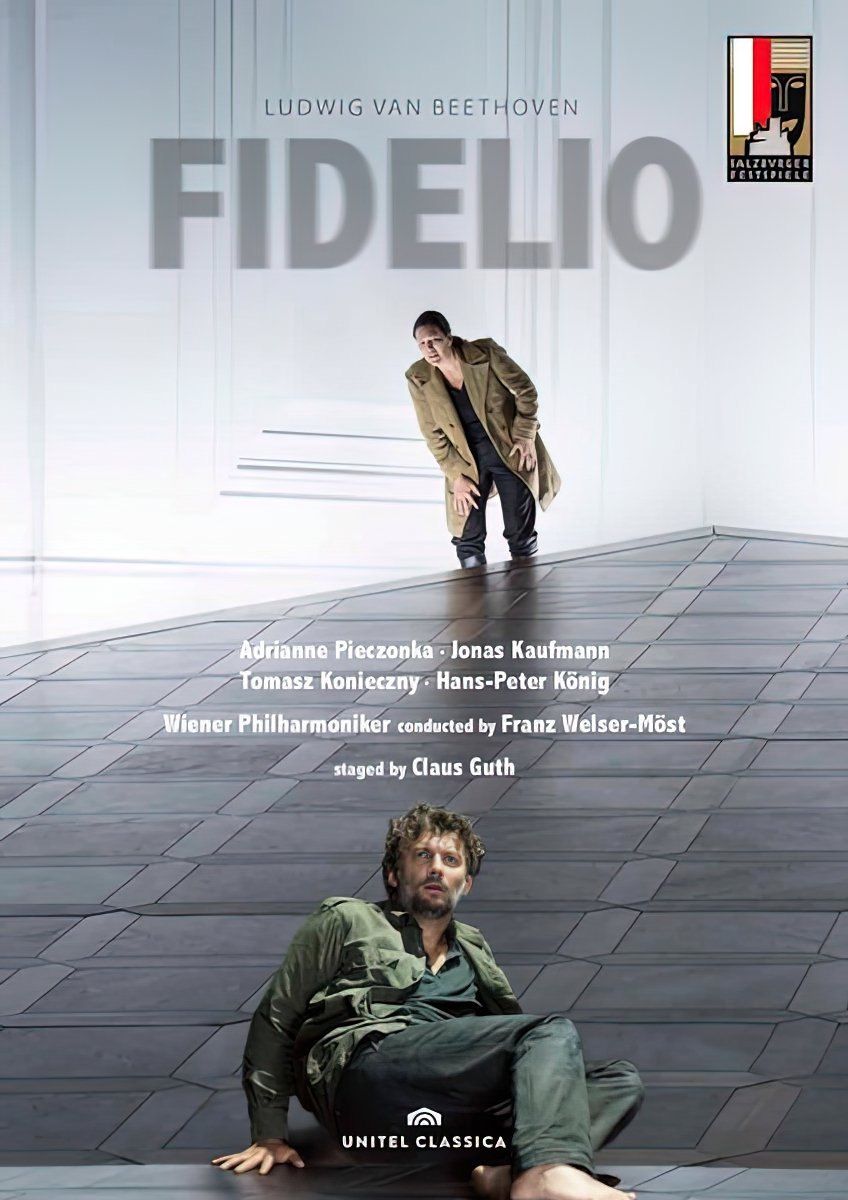
Nikolaus Harnoncourt is the conductor in this 2004 production of Beethoven's only opera staged at the Zurich Opera House. Finnish soprano Camilla Nyland takes the title role, with performances by Jonas Kaufmann, Laszlo Polgar and Alfred Muff.
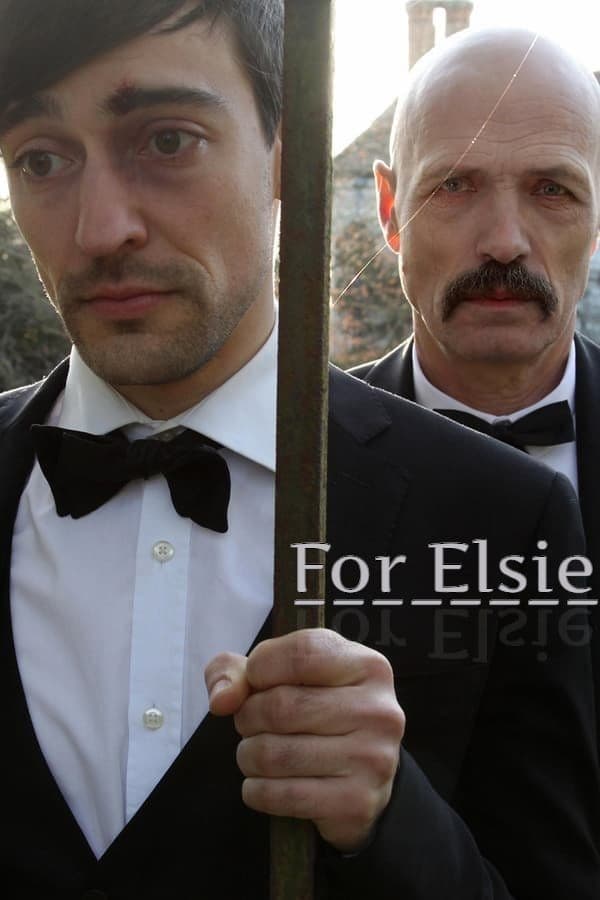
Glenn is a disillusioned piano teacher, who once aspired to be a concert pianist. He is moving back to his parents house and is on the brink of giving up the piano for good when Kilov, a Russian gangster, offers him a unique opportunity: £10,000 if Glenn teaches his daughter Beethoven's "Fur Elise"... in a day.
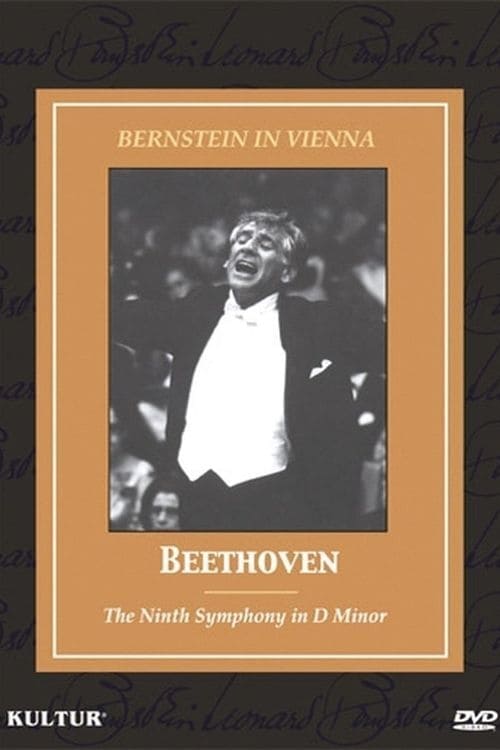
To play Beethoven's music is to give oneself over completely to the child-spirit which lived in that grim, awkward, violent man. Without that utter submission it is impossible to play the Adagio of the Ninth. Or, Heaven knows, the first movement. And the Finale? Most of all! It is simply unplayable unless we go all the way with him, as he cries out "Brüder!" - Leonard Bernstein
In this documentary portrait prepared for the anniversary of Ludwig Van Beethoven's 200th birthday, Leonard Bernstein illustrates his analysis with excerpts from his performances of Beethoven's Piano Concerto No. 1 in C Major and the Ode to Joy from the Ninth Symphony.
In Vienna's Musikverein, Leonard Bernstein and the Vienna Philharmonic celebrates Ludwig Van Beethoven's 200th birthday with a joyful performance of his Piano Concerto No. 1 in C Major. Maestro Bernstein conducts the orchestra from the keyboard in this historic concert.
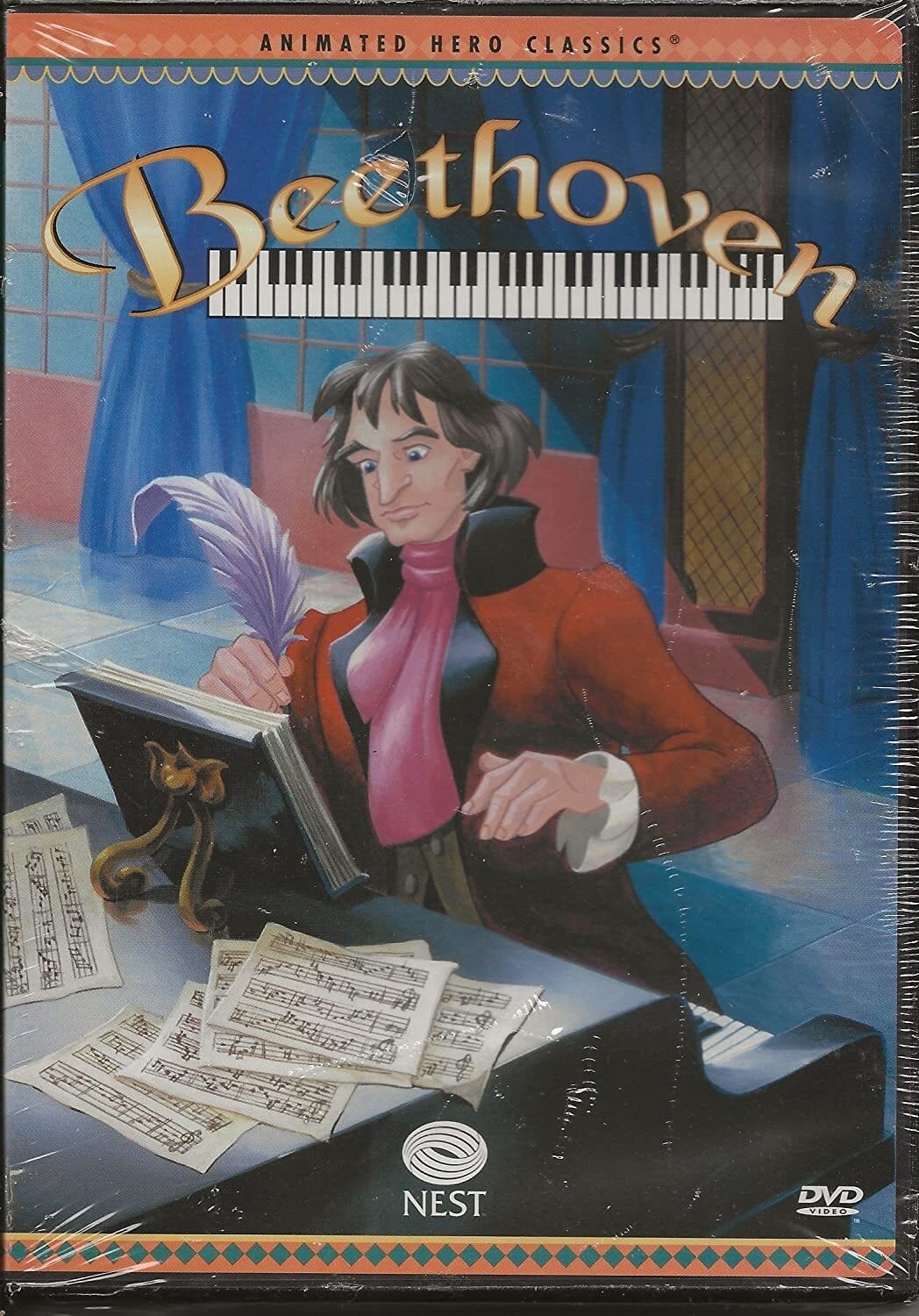
Even as a young boy, Beethoven marched to the beat of a different drummer. Trained in the traditional music methods by his father, Beethoven was an accomplished pianist by the age of 12. But he yearned to try new sounds and persevered until audiences heard his music. By his early twenties, this persistent young man performed for Joseph Haydn, who compared him to the great Mozart. Sadly, Beethoven began to lose his hearing, but he threw himself even more deeply into his music, composing "Fur Elise," "Sonata Pathetique" and the dramatic "Fifth Symphony" years later, audience members heard what he could not and leapt to their feet in ecstatic appreciation for such passionate music. His creativity gave the world then, as it does today, music that stirs the soul. The video begins in 1827 with 30,000 people paying tribute to the great Beethoven in Vienna, Austria. Then the video switches to his life as a child...