Social & External
The people behind it
Two young cameramen are asked to film a Mount Everest expedition by German mountaineer Thomas Weber; a man wishing to climb Everest, in spite of his visual handicap. For cameramen Milan Collin and Kevin Augello this is a dream come true. They accept the challenge with full excitement In the first weeks Milan and Kevin are confronted with their own physical limitations. Are they capable of climbing this mountain? Surrounded by people who are prepared to die for their dream, giving up is not an option. They are confronted with accidents and death. In the isolated environment Milan and Kevin turn the camera on each other. This film is a personal story of two men confronted with the harsh and extreme conditions high up on the mountain.
Five Kiwis take on a paragliding adventure in Tanzania, with the ultimate aim to fly from the summit of Mt Kilimanjaro.
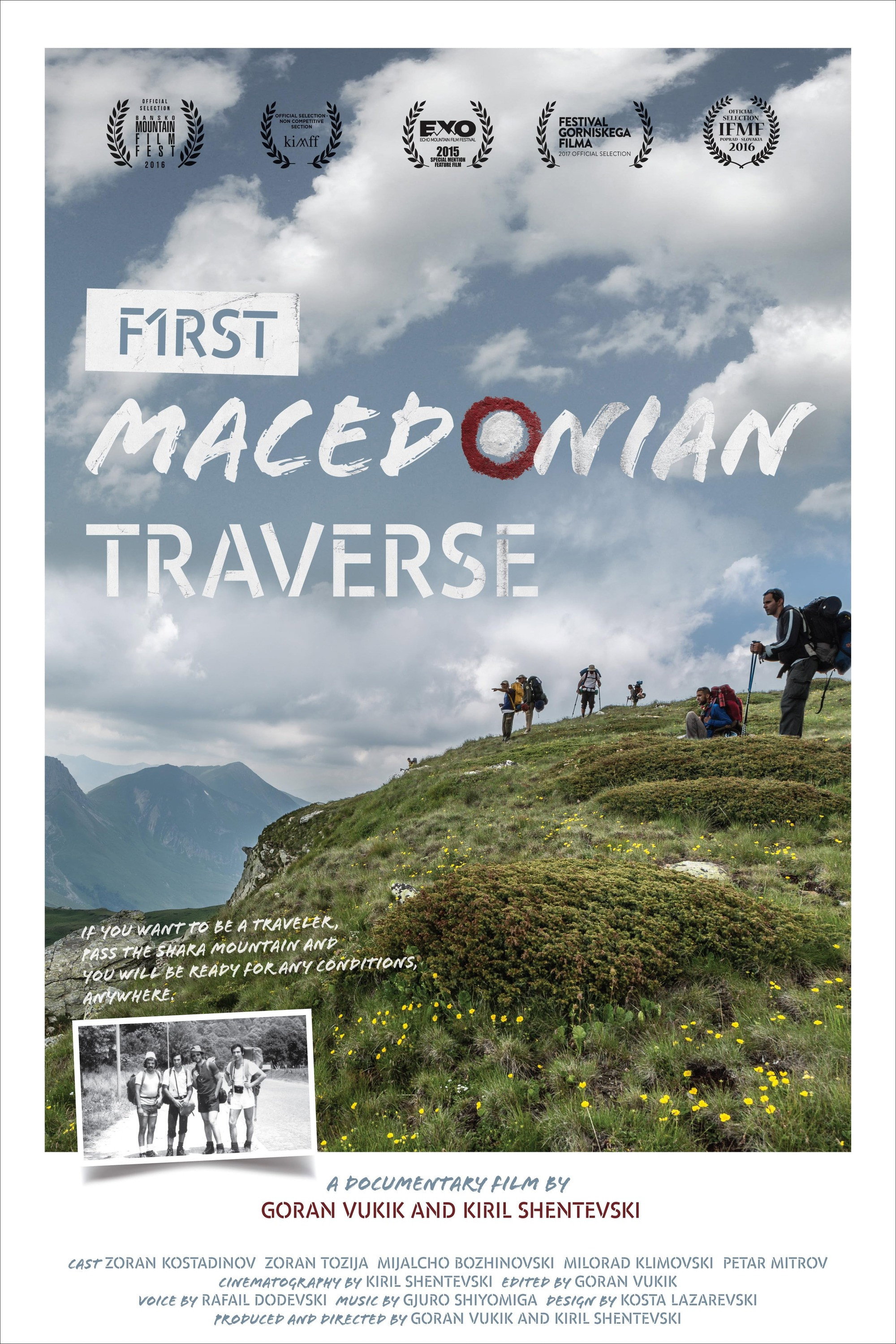
First Macedonian Traverse is a film about mountain traverse in western region of Republic of Macedonia. Starting at Ljuboten peak at Shar Mountain crosses till Ohrid Lake, makes one of the most beautiful mountain trails at the Balkans and in Europe, with length of 200 km that passes through picturesque and diverse terrain at altitude above 2000 meters. Film follows the journey of the mountaineers passed the restored traverse in 2014 year, complemented with interviews of the establishers that set the basis of the route 40 years ago.
Welcome to the wildest competition known to man -- the speed record on the Nose route of El Capitan. Yosemite legends Dean Potter and Hans Florine go head-to-head, racing up 3,000 feet of vertical rock in under three hours, risking life and limb.
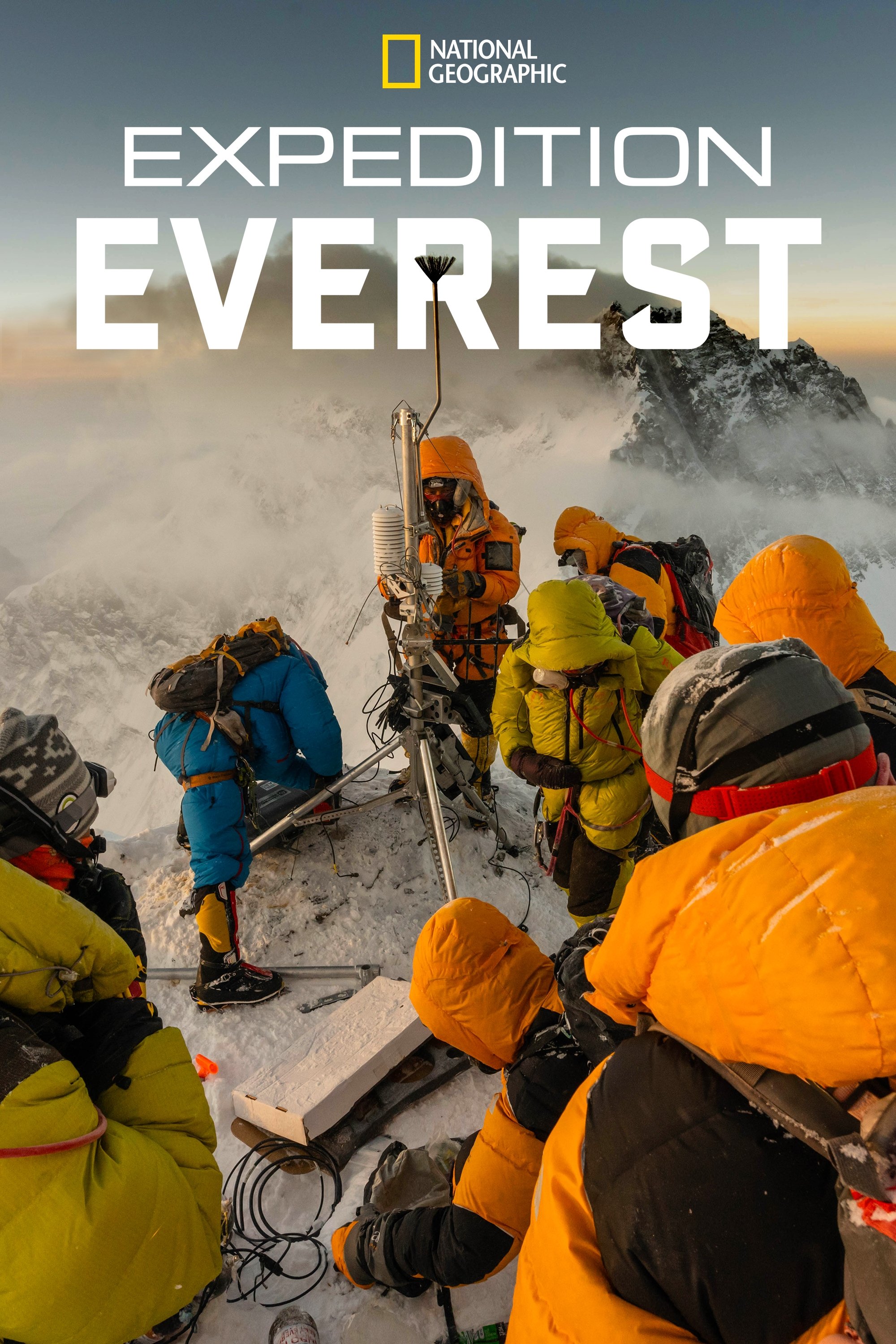
In a groundbreaking expedition on Mount Everest, dozens of scientists converge to investigate what secrets the world’s highest peak has to tell us about our changing climate. The notorious Khumbu Glacier is mapped in stunning detail, biologists study extreme lifeforms, and a team of Sherpas and climate scientists climb straight toward the “death zone” to install the highest weather station in the world.
Groups of young people participate in CAI (Italian Alpine Club) projects for rehabilitation-therapeutic purposes, tackling treks in the mountains to re-educate themselves about the environment.
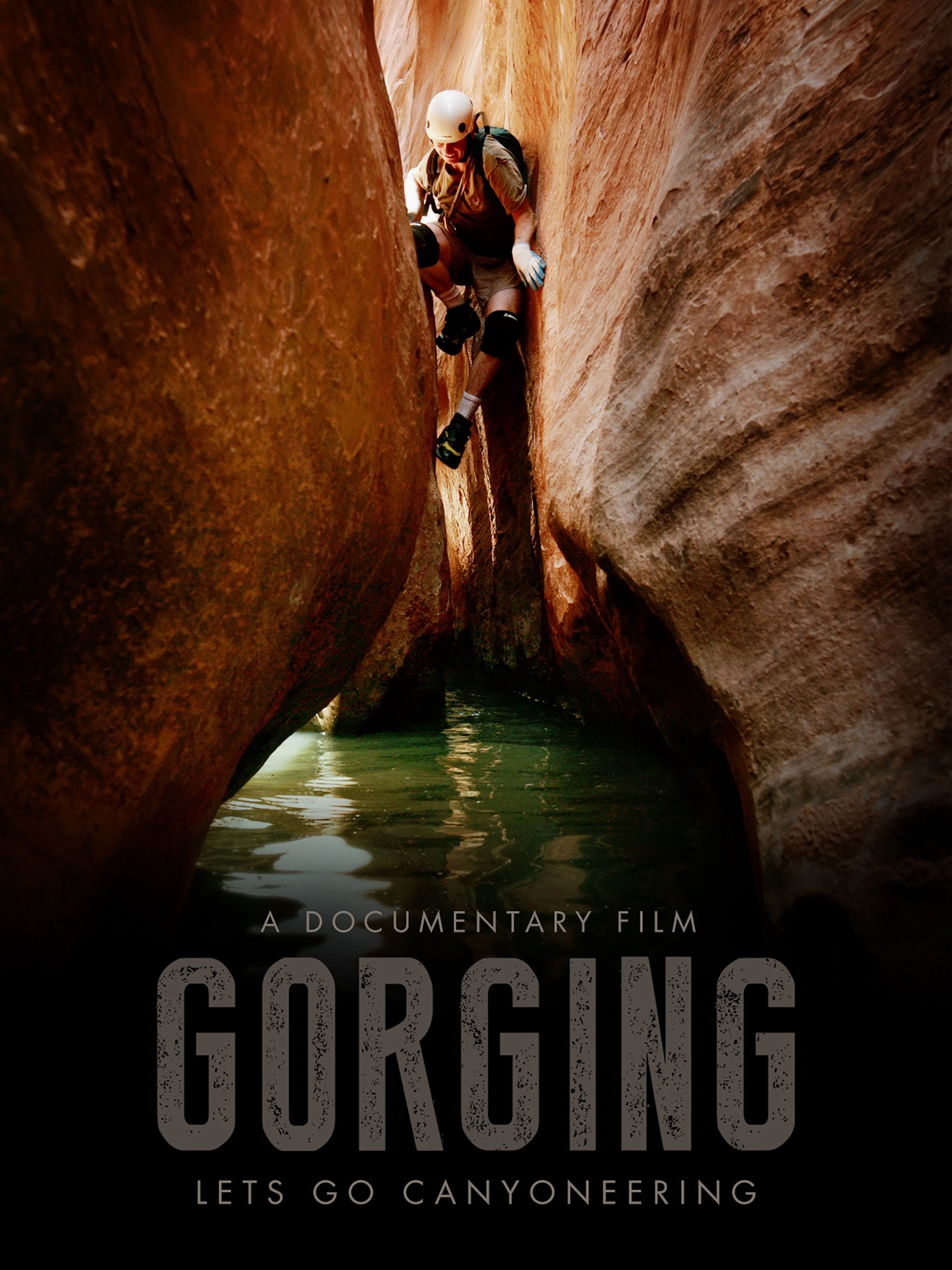
Canyoneering is the sport of descending canyons by means of hiking, climbing, rappelling and swimming. Relatively obscure, the sport was brought to the mainstream in 2003 with the news of Aron Ralston who had severed his own arm while trapped in a canyon. Experiencing an overnight spike in popularity by the late 90s - a result of information appearing on the internet - the sport became inundated with thrill-seekers of all backgrounds and skill levels. Facing a new era of off-the-couch recreationalists, three influential participants, a canyoneering instructor, pioneer, and guidebook author each respond to a growing interest in the incredibly dangerous activity. Gorging employs the story of canyoneering to examine larger questions about the pursuit of thrills and the consequences that follow.
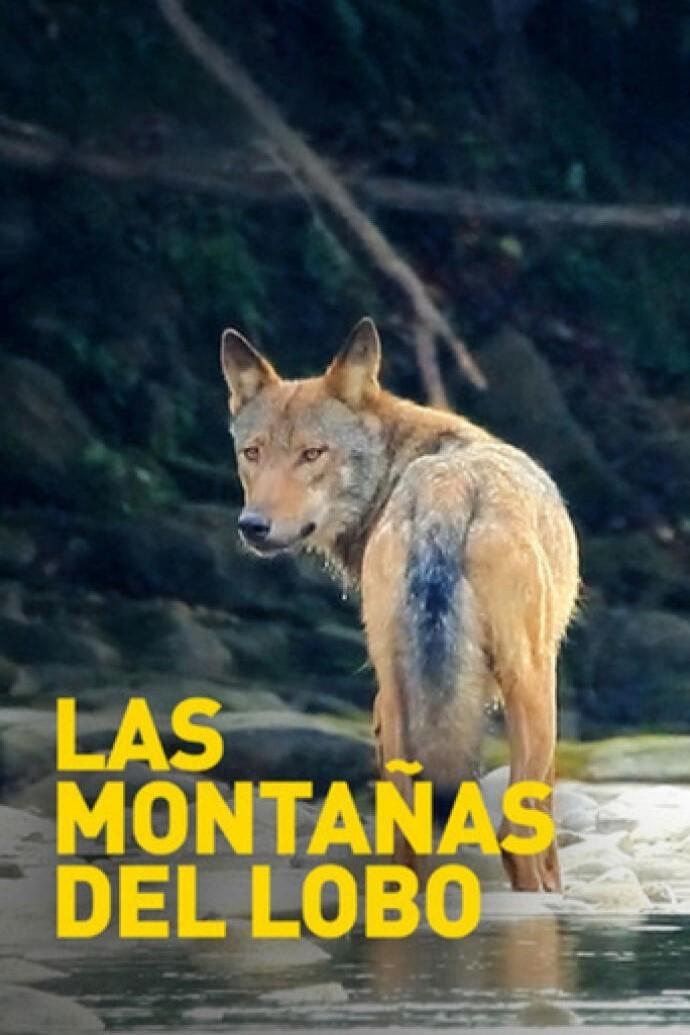
Documentary that shows the life of some individual wolves in the mountains of Spain.
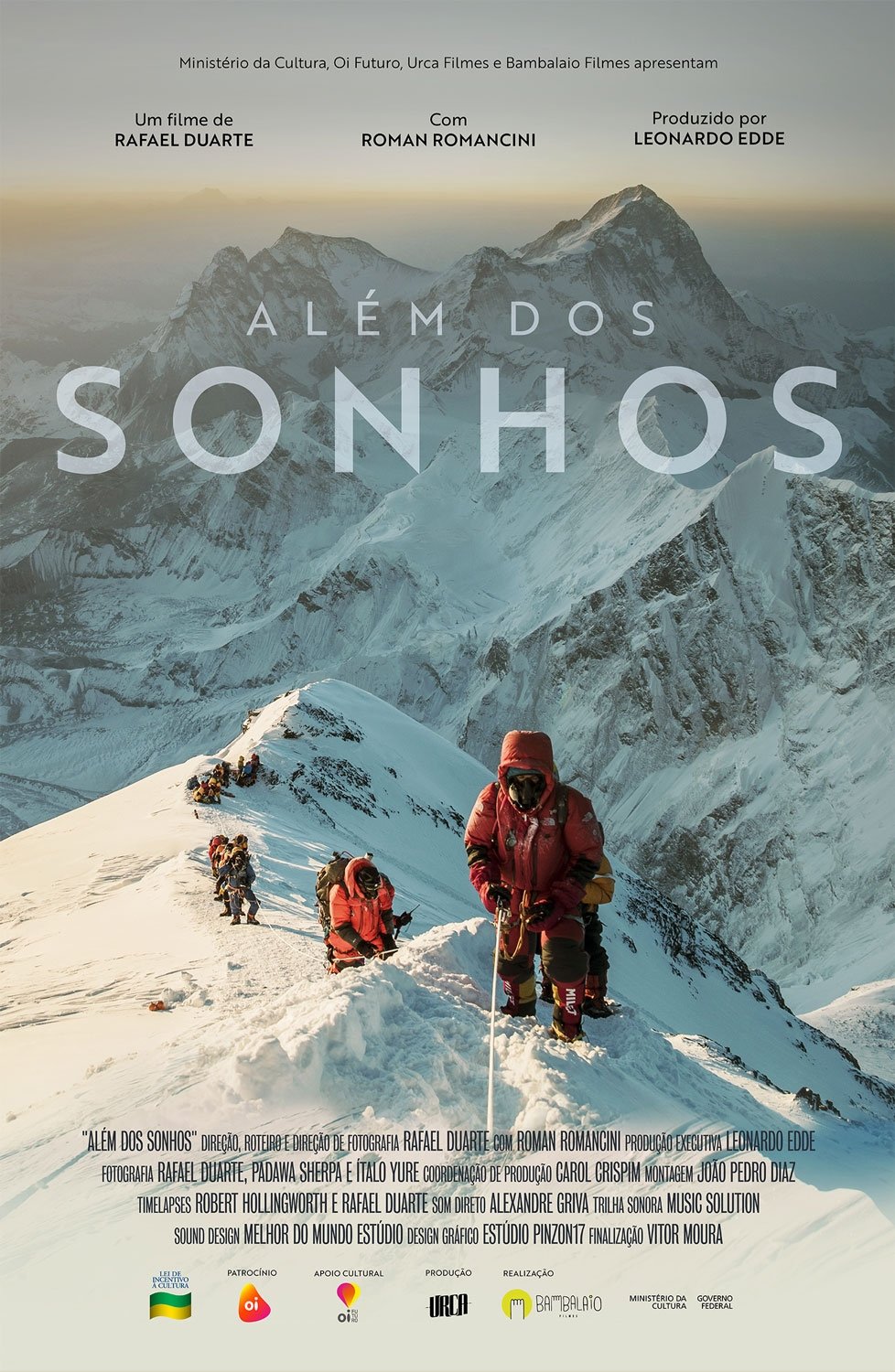
The film tells the life story of Roman Romancini, one of the most important Brazilian mountaineers, in his endeavor to reach his greatest dream: climbing Mount Everest, the highest mountain on the planet. Directed by Rafael Duarte (Bambalaio Filmes) and produced by Leonardo Edde (URCA Filmes), the documentary shows how Roman reached, during his preparation years, 4 of the “7 summits” during winter, considered by many an almost impossible mission. Survivor of the avalanche that hit the Khumbu Falls in 2014, a few feet from Everest Base Camp, Roman returned to the Himalayas four years later with Rafael Duarte and Padawa Shepa, who together documented the most challenging expedition of his life.
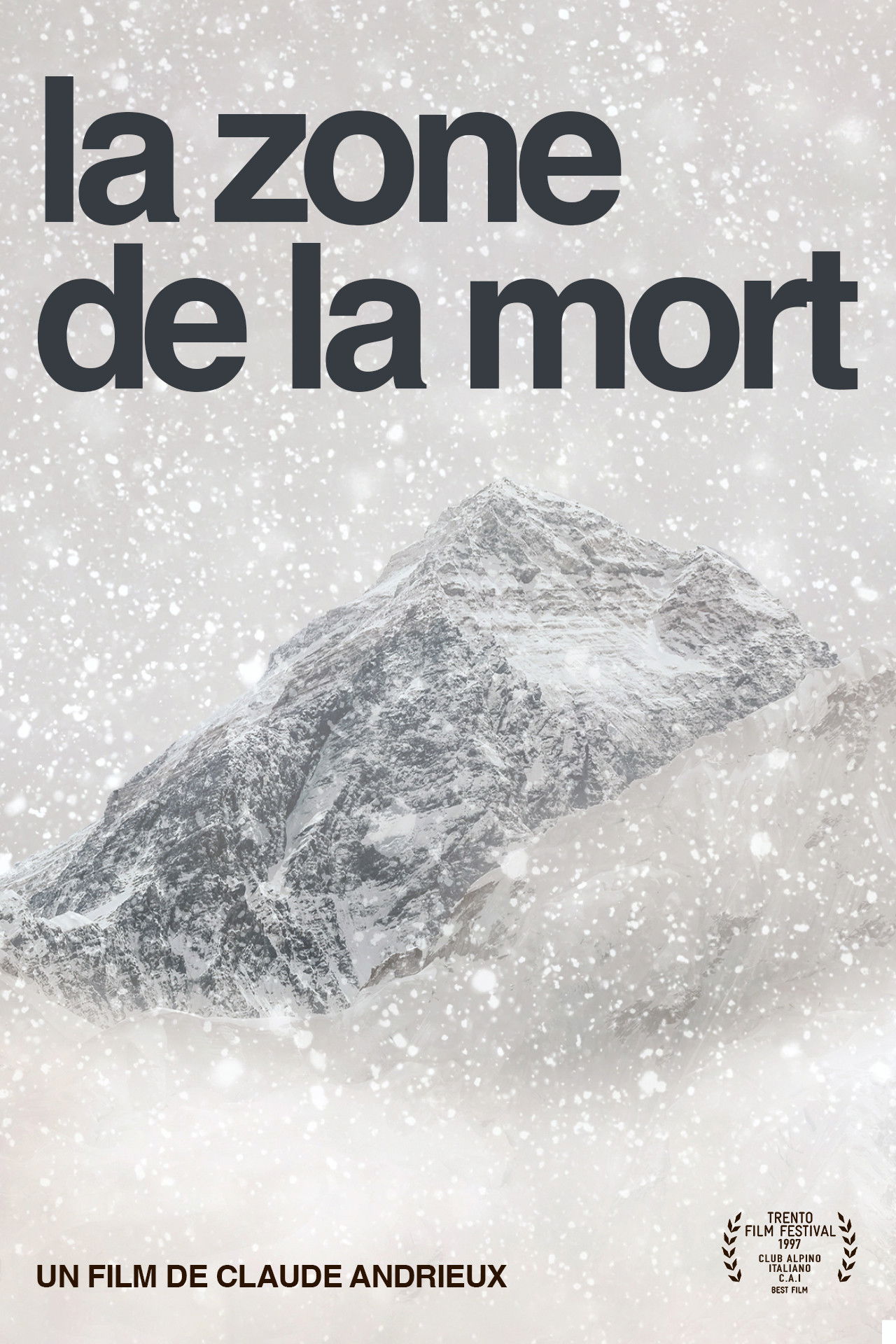
To understand the difficulties of an ascent to over eight thousand metres, it is enough to remember the almost 300 victims these peaks have claimed. The Swiss alpinist Ehrart Loretan, the third alpinist in the world to have climbed all 14 8,000, and the Austrian alpinist Kurt Diemgerger cover the whole history of the conquest of the world’s 8,000, from the fifties to the present day, together with other alpinists and film directors who have climbed them. They talk about their experienced when they ventured into the death zone.
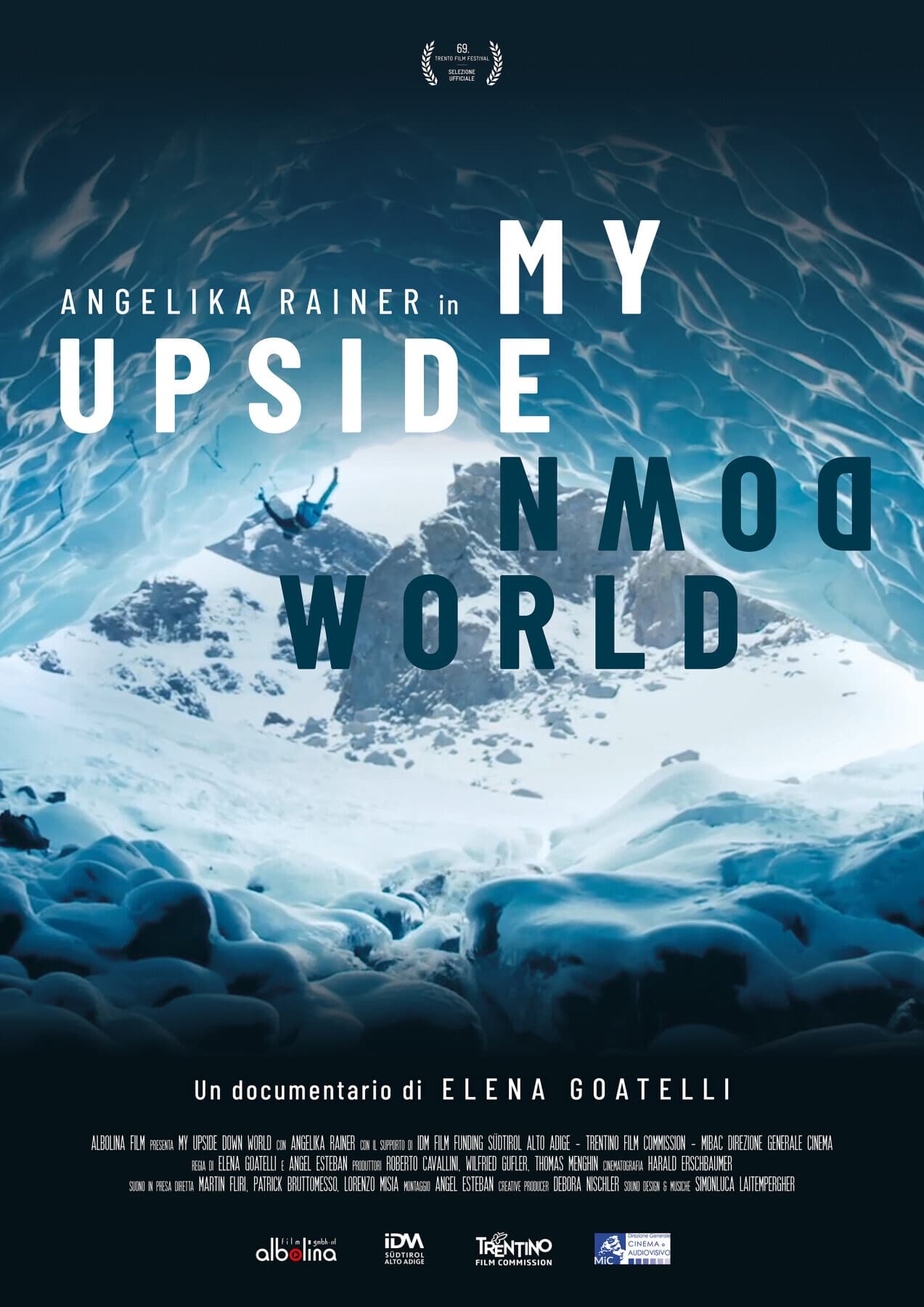
After twenty years of international competitions, the three times Ice Climbing World Champion Angelika Rainer is at a crossroad in her career. 'My upside down world', the first biopic documentary about the Italian climber's personal and professional life, will follow Angelika's path to self-discovery, as the first woman of her family to be fully in charge of her freedom and destiny.
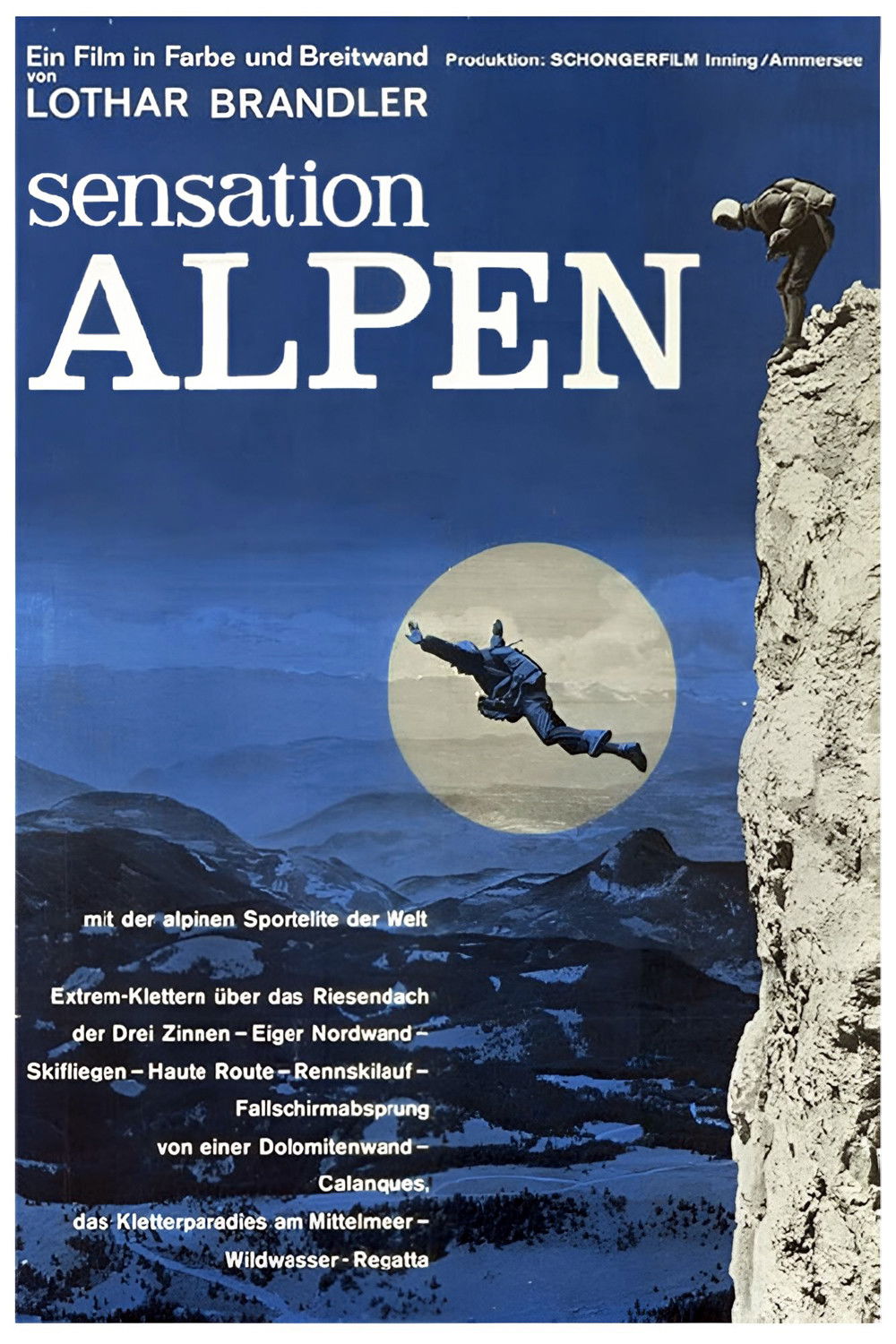
From Trento to Chamonix, via Zermatt; from the Morgiou cove to the Eiger's north face; from Planica to the Lavaredo peaks, the Alps are depicted, illustrated, and magnified in all their unique and sublime beauty, through the sports practiced there and the most typical customs and traditions of their inhabitants. A helicopter rescue and a parachute jump from the Red Wall by Wolfgang Weizenbocks are experiences not to be missed.
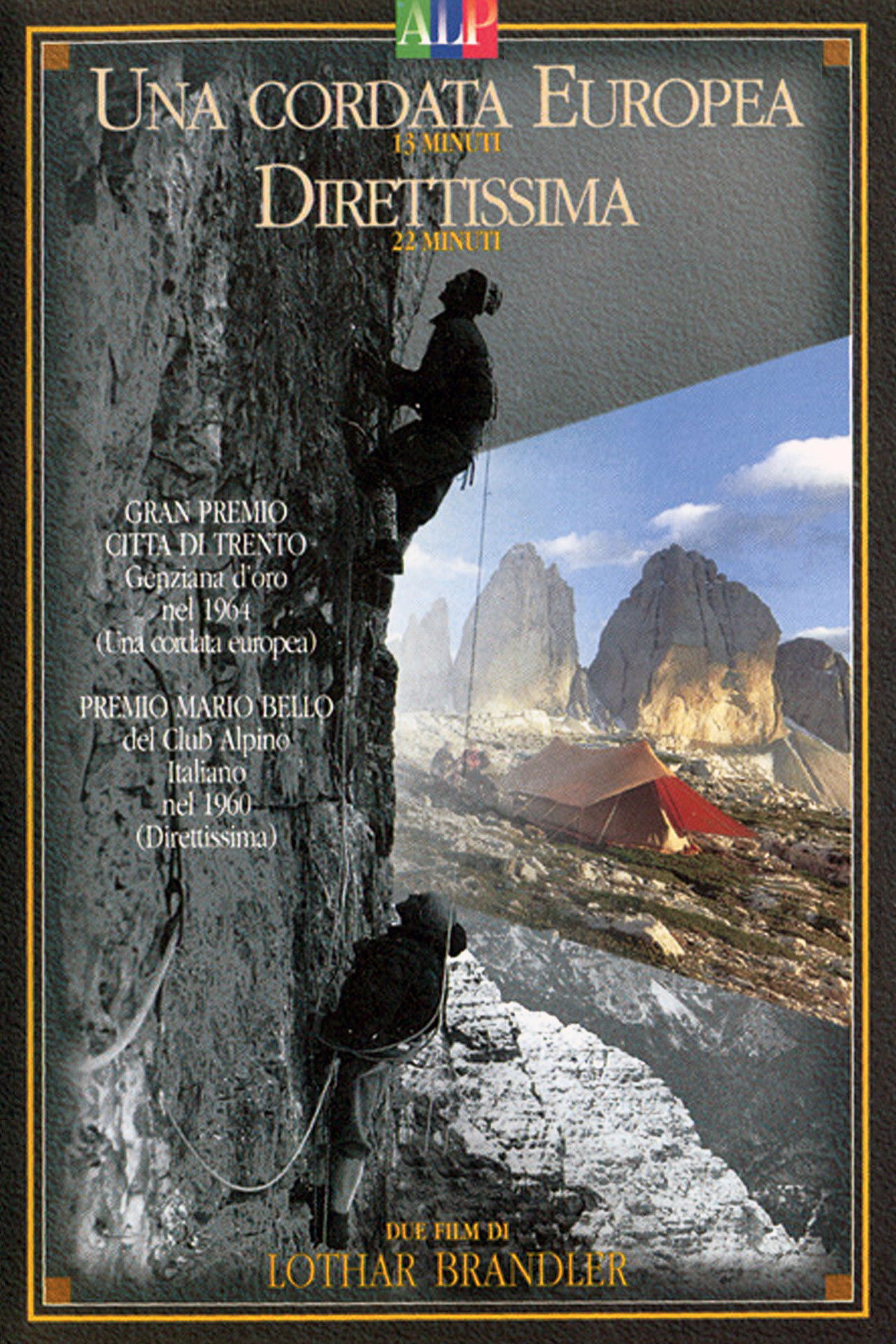
Three famous climbers, the Frenchman Pierre Mazeaud, the German Winfried Ender and the Italian Roberto Sorgato, meet up at the bottom of the Tre Cime di Lavaredo and decide to join together in a single roped party, climbing the 'Direttissima' on the north face of the Cima Grande di Lavaredo. The beautiful film illustrates with precise sequences the climb of the route, that was opened in 1958 by the filmmaker himself, Lother Brandler. The film wants to highlight the idea of frienship, cooperation, fraternity and peace showing three men from historically-confronted nationalities roped and working together as a single team. The film won the Grand Prix at the Trento Film Festival in 1964.
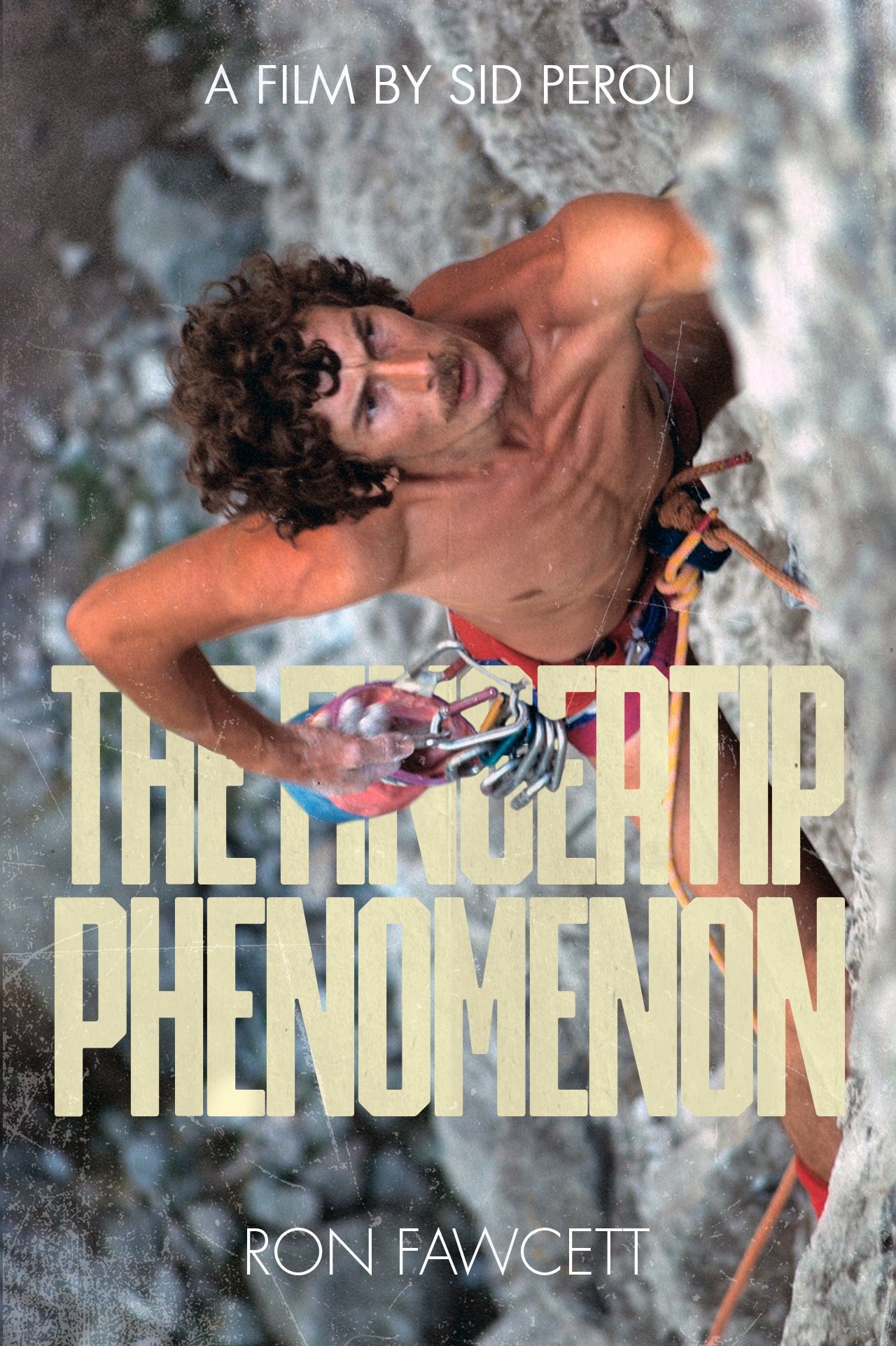
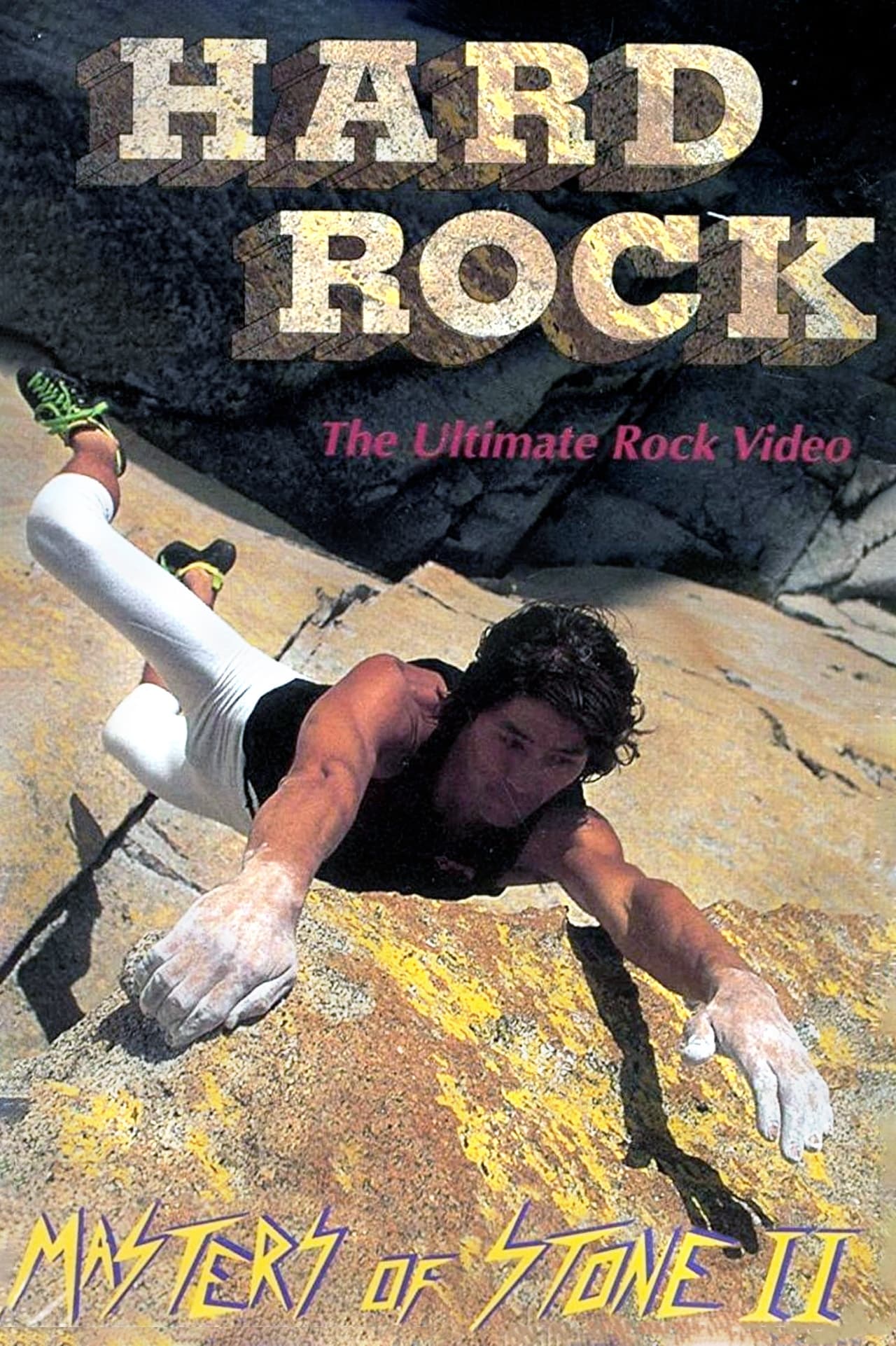
Masters of Stone I & II feature 2 hours of climbing action in renowned locations including Yosemite, The Needles, Smith Rock, American Fork, Owens River, City Of Rocks, Donner Summit, Wild Iris, Red Rocks, Mt. Charleston and more. This is classic "old school" climbing at its best.
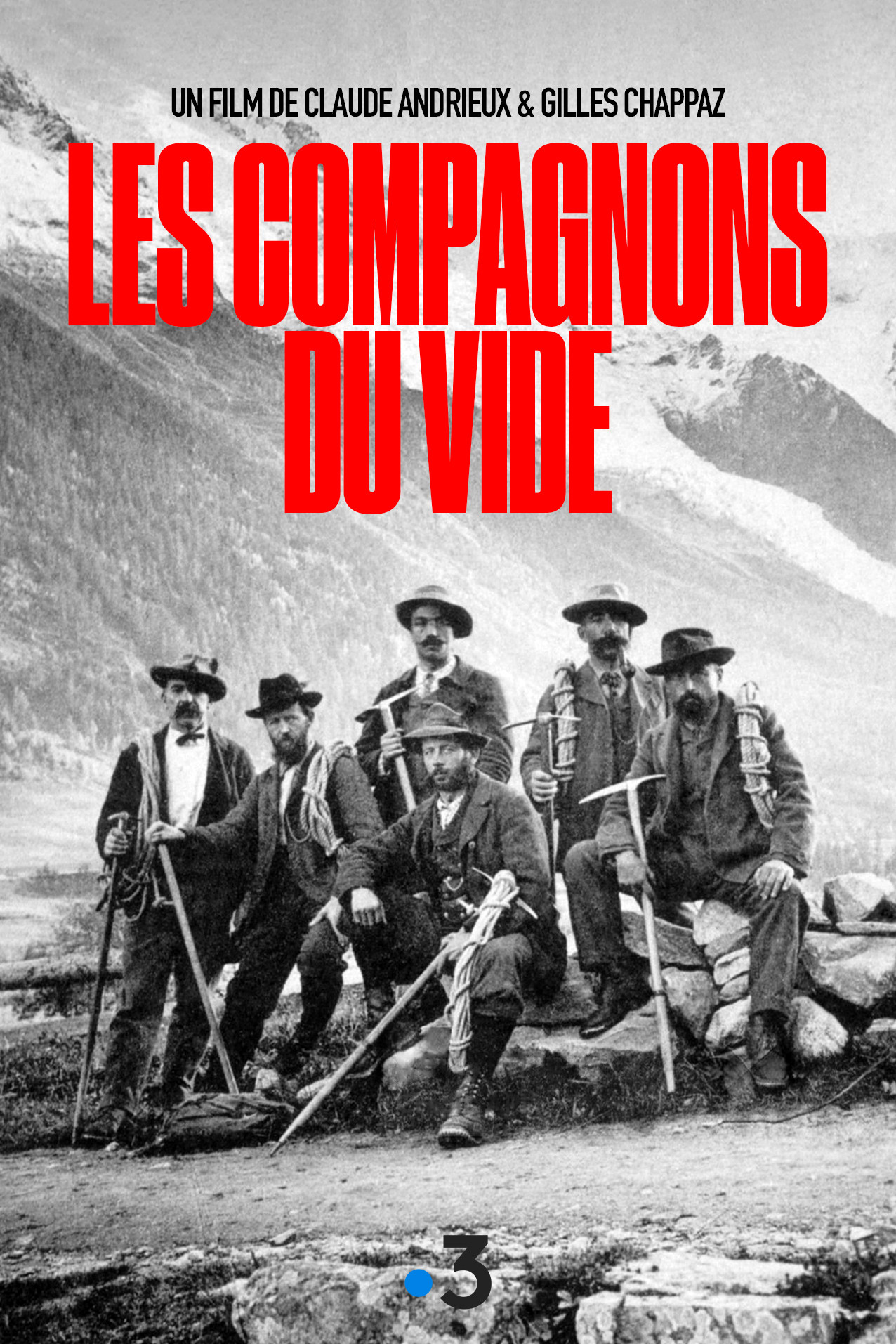
"Les Compagnons Du Vide" (The Companions of the Void) is a documentary made in 1989 by Claude Andrieux and Gilles Chappaz, broadcast in two parts on the FR3 program "Montagne." The film explores the history of the mountain guide profession through portraits of mountain guides, showcasing the diversity of this high-risk occupation. It also delves into the intimate relationship between the climbing team and the client, using the example of prestigious guides. The documentary follows these teams on major climbs around Chamonix, on Mont Blanc, and on La Meije in the Écrins massif.
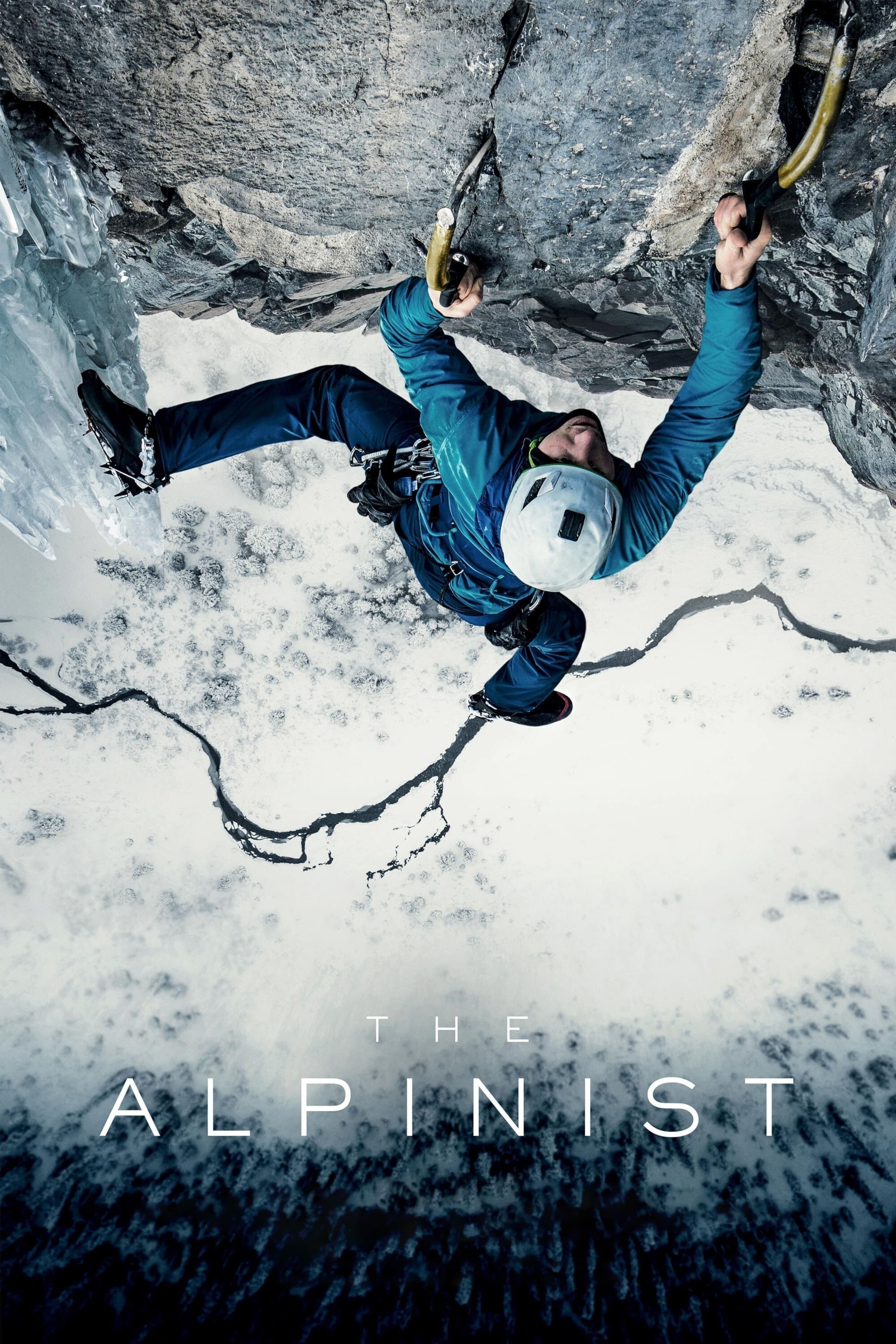
This documentary follows the life and climbs of legendary alpinist Jeff Lowe, through his visionary ascents around the world up to his final dance with a terminal disease. Centered around Jeff’s most daring climb, Metanoia – solo, in winter, up the North Face of the Eiger in Switzerland — which changed his life and prepared him for the greatest adventure of all: facing his own mortality. It is a mind-bending adventure through time and space that gives physical form to Jeff's unique philosophies and inspiring creative genius.
The life of Canadian mountain climber Marc-André Leclerc as he pushes the boundaries of climbing while on an expedition to Patagonia.
The film follows adventurer Jeff Johnson as he retraces the epic 1968 journey of his heroes Yvon Chouinard and Doug Tompkins to Patagonia.
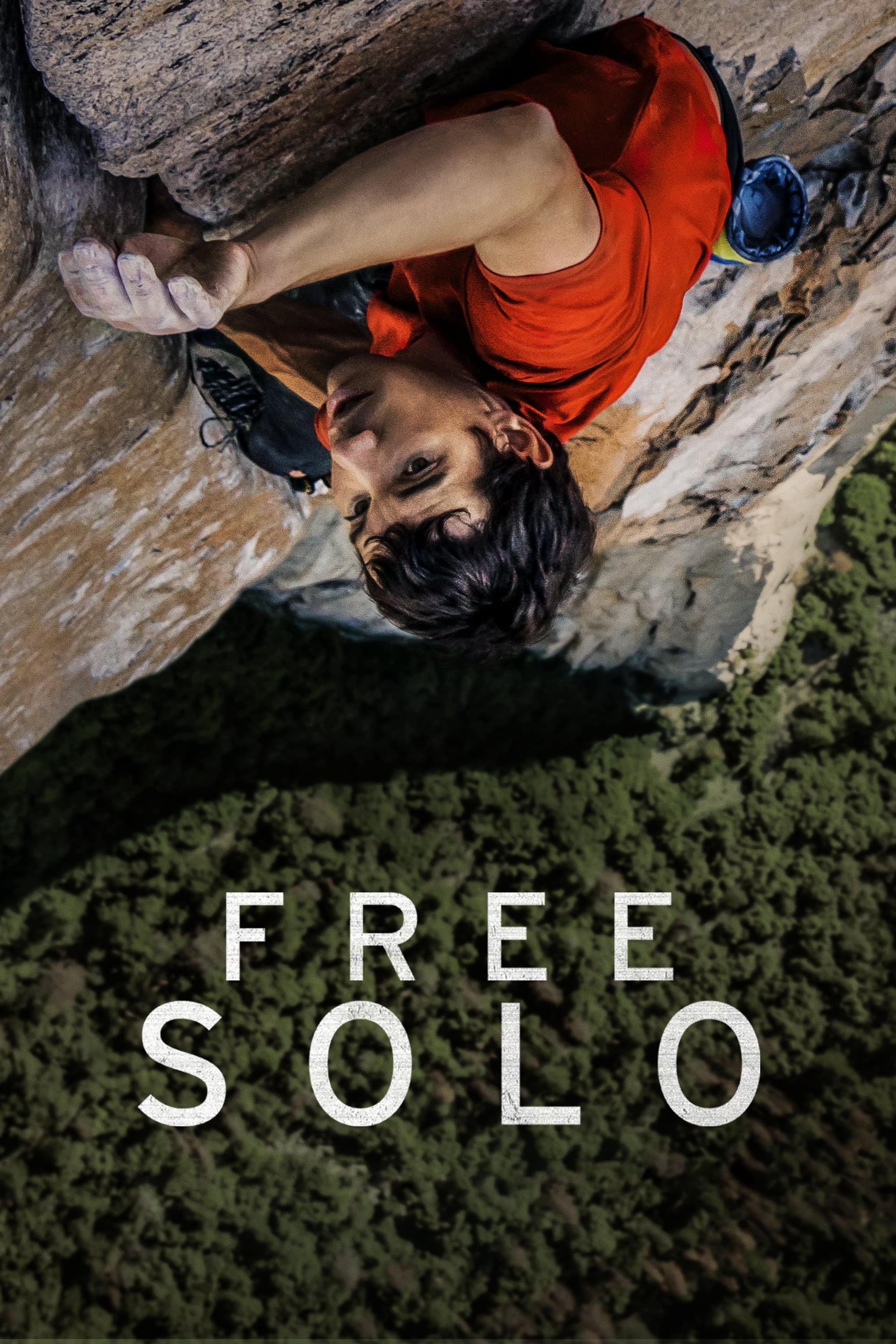
Follow Alex Honnold as he attempts to become the first person to ever free solo climb Yosemite's 3,000 foot high El Capitan wall. With no ropes or safety gear, this would arguably be the greatest feat in rock climbing history.
In 2019, Nepalese mountain climber Nirmal “Nims” Purja set out to do the unthinkable by climbing the world’s fourteen highest summits in less than seven months. (The previous record was eight years). He called the effort “Project Possible 14/7” and saw it as a way to inspire others to strive for greater heights in any pursuit. The film follows his team as they seek to defy naysayers and push the limits of human endurance.
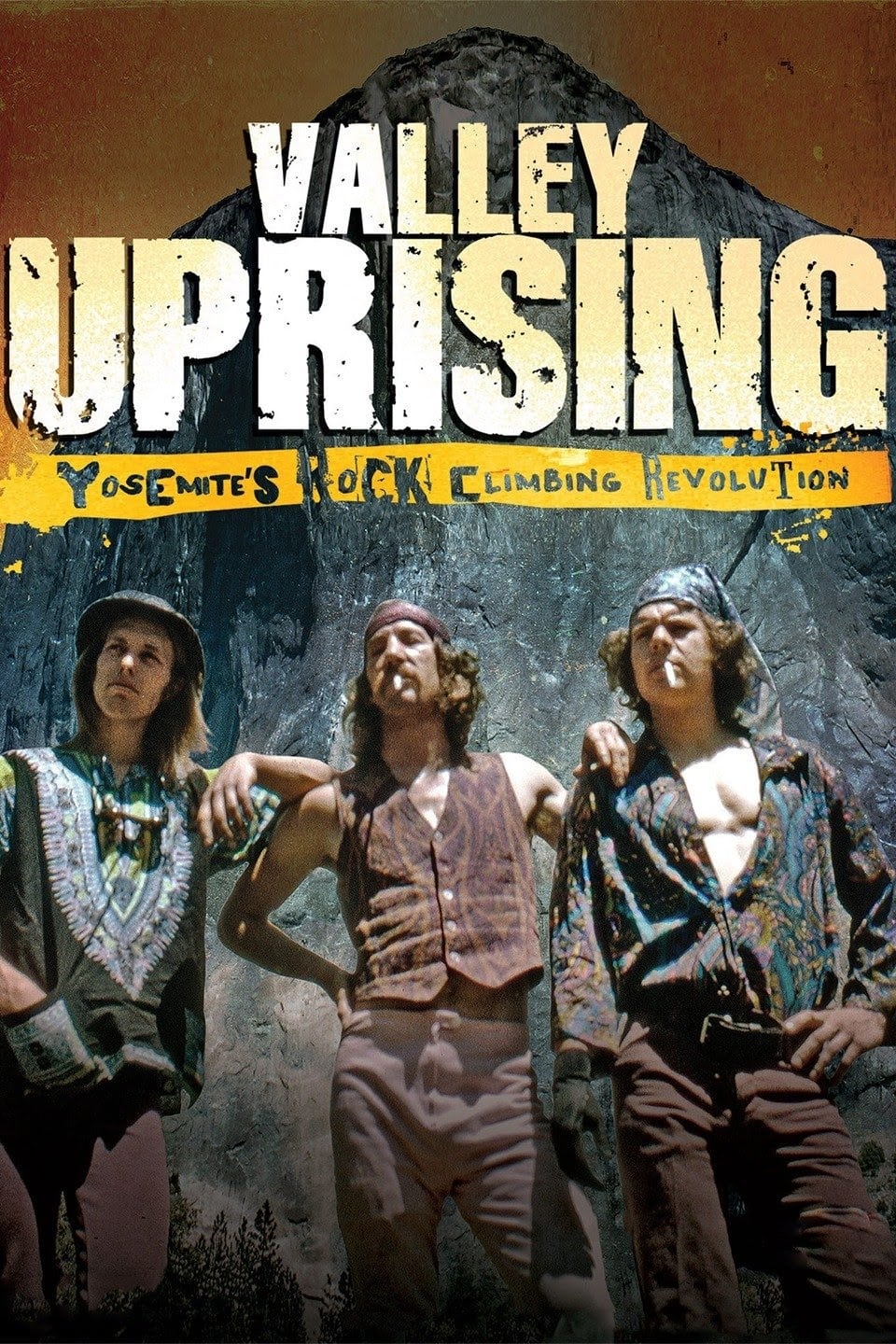
In the shady campgrounds of Yosemite valley, climbers carved out a counterculture lifestyle of dumpster-diving and wild parties that clashed with the conservative values of the National Park Service. And up on the walls, generation after generation has pushed the limits of climbing, vying amongst each other for supremacy on Yosemite's cliffs. "Valley Uprising" is the riveting, unforgettable tale of this bold rock climbing tradition in Yosemite National Park: half a century of struggle against the laws of gravity -- and the laws of the land.
14-year-old Laura Dekker sets out on a two-year voyage in pursuit of her dream to become the youngest person ever to sail around the world alone.
A string of threatening emails escalates into a revenge plot involving a newly married US marshal and his ex-girlfriend.
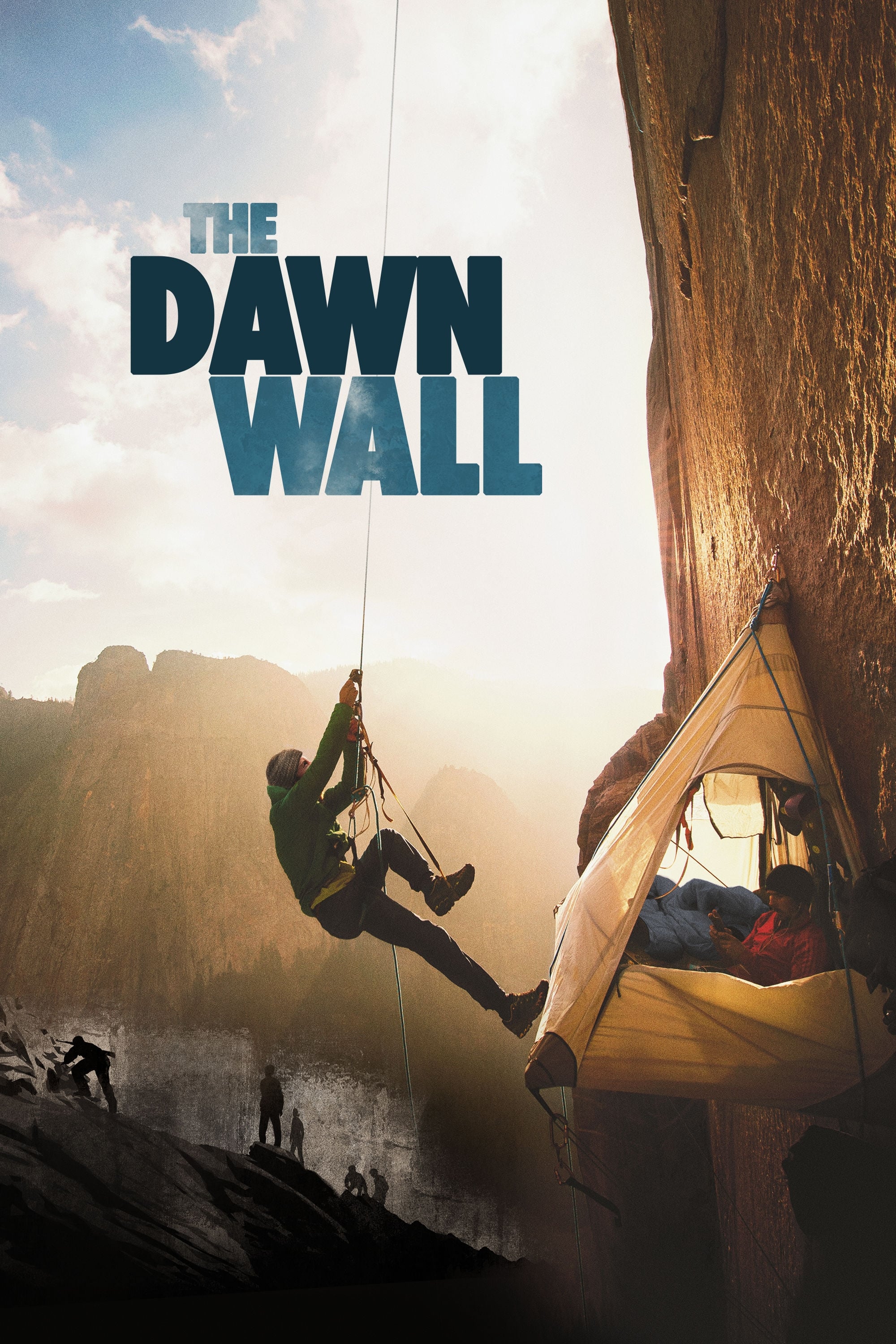
In an unbelievable story of perseverance, free climber Tommy Caldwell and climbing partner Kevin Jorgeson attempt to scale the impossible 3000ft Dawn Wall of El Capitan.
An inside look at one of the most anticipated movie sequels ever with James Cameron and cast.
Those who knew iconic funnyman John Candy best share his story, in their own words, through never-before-seen archival footage, imagery, and interviews.
A documentary about the making of season five of the acclaimed AMC series Breaking Bad.
This documentary starring climber Alex Honnold and famous biologist Bruce Means document their expedition to the South American sky islands in search of new species and discoveries. Follows elite climber Alex Honnold and a world-class climbing team led by National Geographic Explorer and climber Mark Synnott on a grueling mission deep in the Amazon jungle as they attempt a first-ascent climb up a 1000 foot sheer cliff.
Director Michael Apted revisits the same group of British-born adults after a 7 year wait. The subjects are interviewed as to the changes that have occurred in their lives during the last seven years.
After another 7 year wait, director Michael Apted revisits the same group of British-born children from Seven Up! and 7 Plus Seven. The subjects are interviewed as to the changes that have occurred in their lives during the last seven years.
This revealing documentary honors the legendary Sidney Poitier—iconic actor, filmmaker, and civil rights activist. Featuring interviews with Denzel Washington, Spike Lee, Halle Berry, and more.
Daniel Craig candidly reflects on his 15 year adventure as James Bond. Including never-before-seen archival footage from Casino Royale to the upcoming 25th film No Time To Die, Craig shares his personal memories in conversation with 007 producers, Michael G Wilson and Barbara Broccoli.
A new mother’s memories of her own youth prepare her to navigate motherhood in the increasingly challenging world that polar bears face today.
This special explores the return of Obi-Wan Kenobi and Anakin Skywalker to the screen, as well as Ewan McGregor and Hayden Christensen to their classic roles. Director Deborah Chow leads the cast and crew as they create new heroes and villains that live alongside new incarnations of beloved Star Wars characters, and an epic story that dramatically bridges the saga films.
While in San Francisco for the promotion of her last film in October 1967, Agnès Varda, tipped by her friend Tom Luddy, gets to know a relative she had never heard of before, Jean Varda, nicknamed "Yanco". This hitherto unknown uncle lives on a boat in Sausalito, is a painter, has adopted a hippie lifestyle and loves life. The meeting is a very happy one.
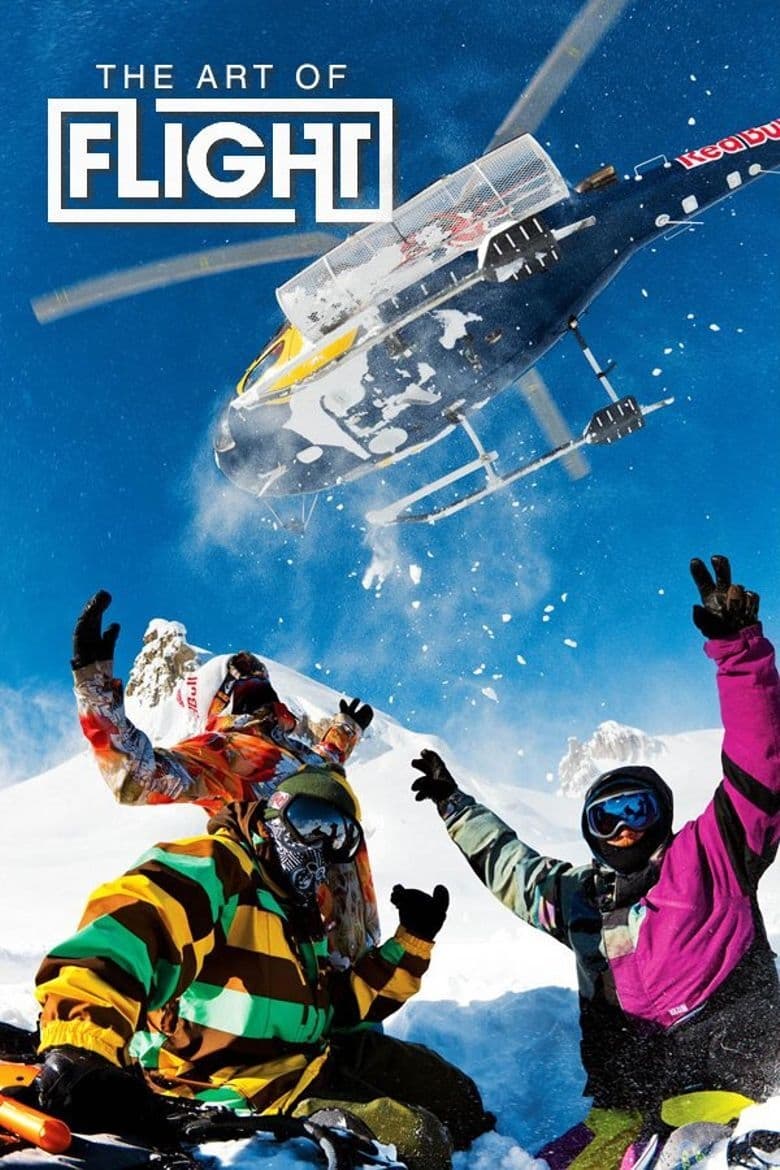
Iconic snowboarder Travis Rice and friends redefine what is possible in the mountains. Experience the highs, as new tricks are landed and new zones opened, alongside the lows, where avalanches, accidents, and wrong-turns strike.