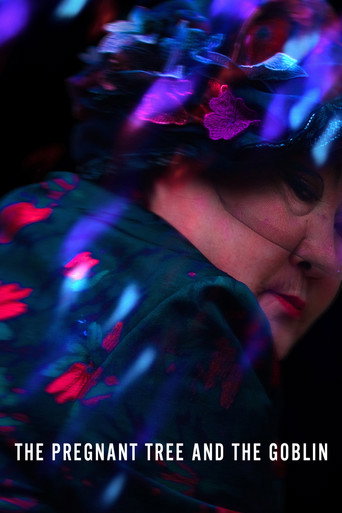
"A mother's love never dies."
PFC Benjamin Tollefson was killed in action during Operation: Iraqi Freedom. His mother tells the story he never got a chance to share.
Social & External
Benjamin Tollefson
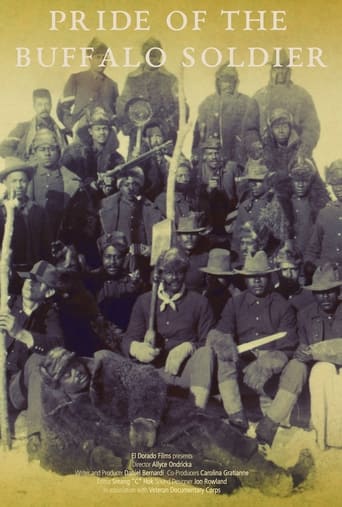
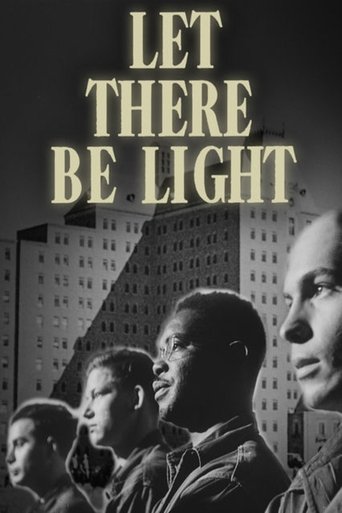
In WWII, a squad of U.S. African-American soldiers are sent on a rescue mission behind enemy lines to locate their lost commanding officer and a downed fighter pilot.
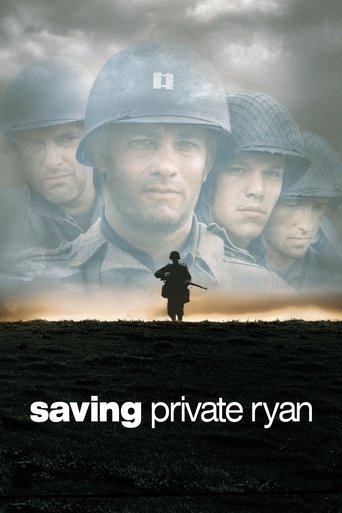
As U.S. troops storm the beaches of Normandy, three brothers lie dead on the battlefield, with a fourth trapped behind enemy lines. Ranger captain John Miller and seven men are tasked with penetrating German-held territory and bringing the boy home.
A re-working, re-editing, and restructuring of Sam Fuller's The Big Red One bringing it closer as originally envisioned by the late filmmaker. It includes forty-seven additional minutes which was not utilized in the film's original release. Supervised by Richard Schickel, Peter Bogdanovich, and editor Bryan McKenzie.
The award-winning filmmaker Peter Lilienthal is dedicated to this extremely poignant documentary of U.S. military policy and the living conditions of former resistance fighters in Latin America.
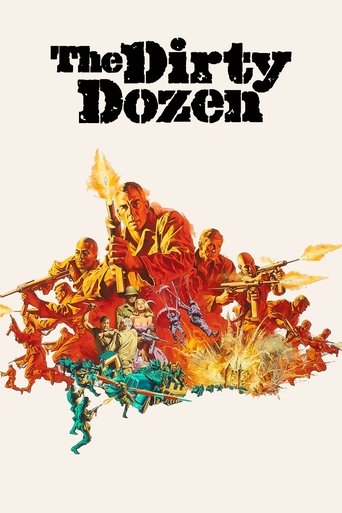
A misfit group of World War II American soldiers goes AWOL to rob a bank behind German lines.
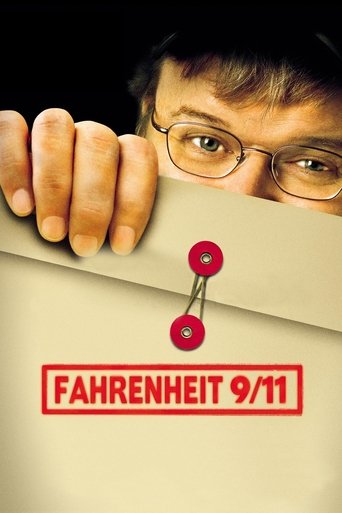
A fictional documentary discusses the effects the Iraq war has had on soldiers and local people through interviews with members of an American military unit, the media, and local Iraqis.
From the director of “Made In America” and “The Money Pit” comes a hilarious look at one of the most expensive blunders in military history. Over 17 years and almost as many billion dollars have gone into devising the BFV (Bradley Fighting Vehicle). There's only one problem. . . it doesn't work. (Spoiler alert: 25 years later ... it does work.)
Sergeant Michael Dunne fights in the 10th Battalion, AKA The "Fighting Tenth" with the 1st Canadian Division and participated in all major Canadian battles of the war, and set the record for highest number of individual bravery awards for a single battle
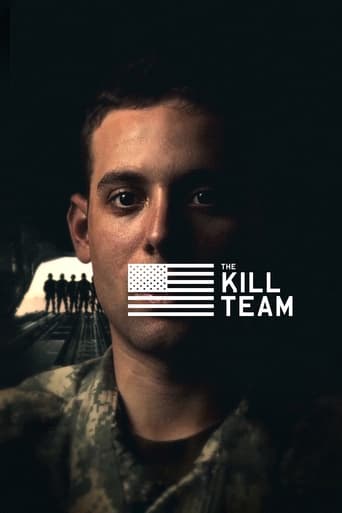
The film covers through fiction real-life events like the occupation of Iraq, the execution of Daniel Pearl, the Hood event and the Abu Ghraib torture scandal.
An investigation of the massacre of 24 men, women and children in Haditha, Iraq allegedly shot by 4 U.S. Marines in retaliation for the death of a U.S. Marine killed by a roadside bomb. The movie follows the story of the Marines of Kilo Company, an Iraqi family, and the insurgents who plant the roadside bomb.
Four high school football stars enlist in the Marines and head off to fight in the war in Iraq. When one of them is killed and another wounded, they return home only to find is extremely difficult to pick up the threads of their old lives. The memories of events in Iraq combined with the lack of public support pushes many of these men to the breaking point.
As World War II rages, the elite Sixth Ranger Battalion is given a mission of heroic proportions: push 30 miles behind enemy lines and liberate over 500 American prisoners of war.
In WWII Western Germany, Private David Manning reluctantly leaves behind a mortally wounded fellow soldier and searches for survivors from his platoon, only to learn from commanding officer Captain Pritchett that they have all been killed in action. Despite requesting a discharge on the grounds of mental disability, Manning is promoted to sergeant and assigned to lead a new platoon of young inductees.
During the Iraq War, a Sergeant recently assigned to an army bomb squad is put at odds with his squad mates due to his maverick way of handling his work.
Morgan Spurlock tours the Middle East to discuss the war on terror with Arabic people.
Joe Enders is a gung-ho Marine assigned to protect a "windtalker" - one of several Navajo Indians who were used to relay messages during World War II because their spoken language was indecipherable to Japanese code breakers.
Kabul, August 15, 2021. US troops are preparing to withdraw from Afghanistan, while the Taliban are marching on the capital to seize power. Amid the chaos, Commander Mohamed Bida and his men are in charge of security at the French embassy, the last Western mission to remain open. Trapped along with 500 people, left to their own devices, the team must reach the airport at all costs. A perilous mission with no guarantee of success to flee the hell of Kabul and rescue what remains of humanity.
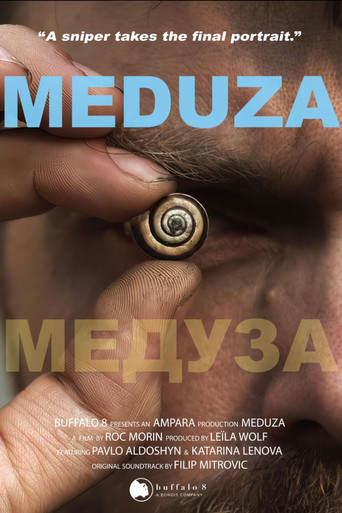
In search of the lucrative matsutake mushroom, two former soldiers discover the means to gradually heal their wounds of war. Roger, a self-described 'fall-down drunk' and sniper in Vietnam, and Kouy, a Cambodian refugee who fought the Khmer Rouge, bonded in the bustling tent-city known as Mushroom Camp, which pops up each autumn in the Oregon woods. Their friendship became an adoptive family; according to a Cambodian custom, if you lose your family like Kouy, you must rebuilt it anew. Now, however, this new family could be lost. Roger's health is declining and trauma flashbacks rack his mind; Kouy gently aids his family before the snow falls and the hunting season ends, signaling his time to leave.
A chronicle which provides a rare window into the international perception of the Iraq War, courtesy of Al Jazeera, the Arab world's most popular news outlet. Roundly criticized by Cabinet members and Pentagon officials for reporting with a pro-Iraqi bias, and strongly condemned for frequently airing civilian causalities as well as footage of American POWs, the station has revealed (and continues to show the world) everything about the Iraq War that the Bush administration did not want it to see.
The United States of America has been at war for almost all of its 250 years of existence. From the wars of independence to current armed conflicts, its armed forces have not only shaped American identity, but also influenced the political decisions of its leaders. The documentary delves deep into this complex history and analyzes the hot and cold wars that shaped the development of the USA, along with lessons for the future. How have generations of Americans experienced these wars and how have their lives been changed by them? How has military engagement been used to shape the image and role of the USA on the world stage? Do military decisions today shape the world of tomorrow and what are the effects on democracy and society? And as the US president begins his new term in office, the question also arises: what role does the army play in Donald Trump's understanding of the world?