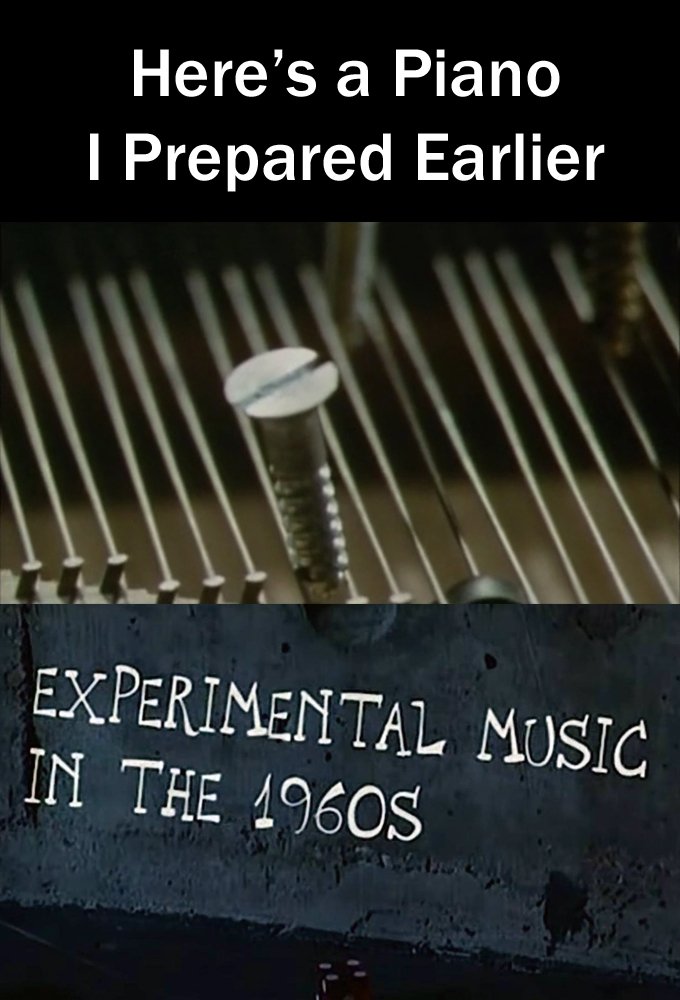
This documentary takes a look at how intrepid 1960s musicians like Cornelius Cardew, Gavin Bryars and John Cage changed the sound of music by stuffing pianos with hay or leaving the choice of notes up to the rolling of the dice.
Social & External
Impressionism and expression of a view, Mavy uses fragments of the ocean landscapes of Alice Guy's studies through fluctuations of bright nuances and an imitation of these tormented waves in the eyes of a modern camera
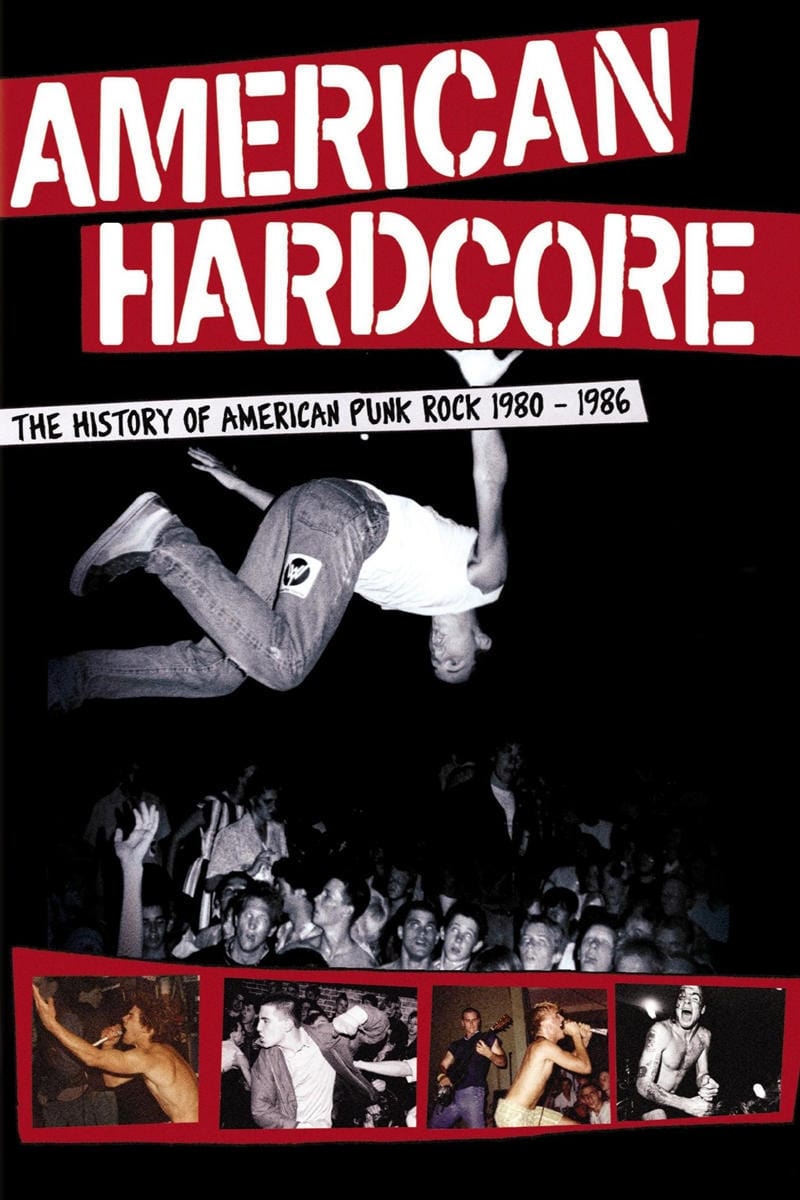
Inspired by Steven Blush's book "American Hardcore: A tribal history" Paul Rachman's feature documentary debut is a chronicle of the underground hardcore punk years from 1979 to 1986. Interviews and rare live footage from artists such as Black Flag, Bad Brains, Minor Threat, SS Decontrol and the Dead Kennedys.
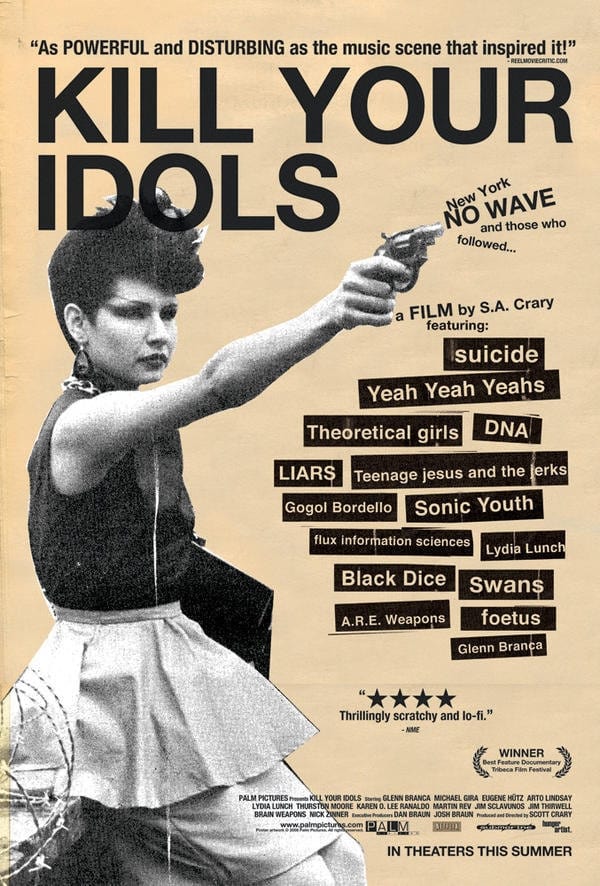
A 2004 documentary on thirty years of alternative rock 'n roll in NYC.Documenting the history from the genuine authenticity of No Wave to the current generation of would be icons and true innovators seeing to represent New York City in the 21st century
On the edge of the 30th anniversary of punk rock, Punk's Not Dead takes you into the sweaty underground clubs, backyard parties, recording studios, shopping malls and stadiums where punk rock music and culture continue to thrive.
The documentary Rádio Nacional performs a precious sewing, with more than 40 testimonies, and with it weaves the rich plot of the greatest mass communication vehicle of all times, until it abruptly suffered the 1964 coup.
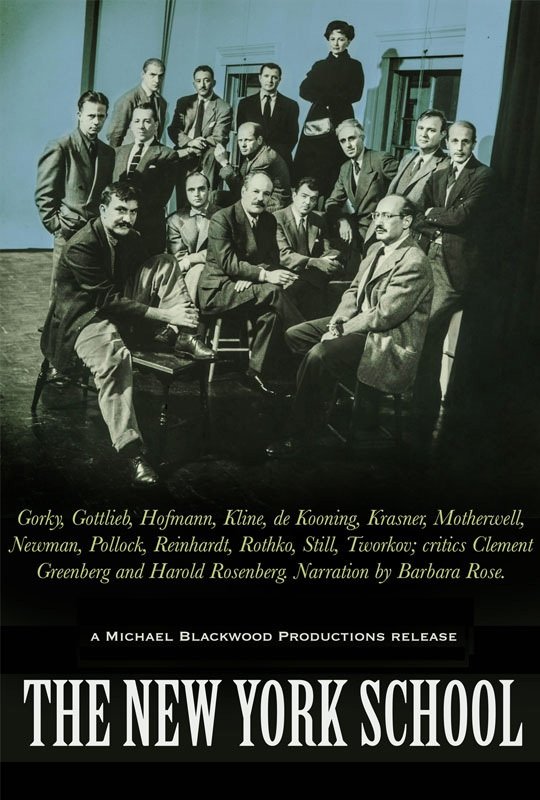
The band of American artists known as the New York School toyed with tradition and rebelled against the Renaissance.Feeling as though free association yielded their best results, the painters, poets and performers of the New York School took a surrealist approach that was concerned less with aesthetic and more with expression. Those associated with the School were unified by their desire to create from within. They created a monumental, dramatic art that remains a singular expression of the crucial modern quest for individuality and personal freedom." Never knowing exactly how their pieces would turn out, the artists of the New York School embraced their own complex humanity and worked from a place of bold, sporadic realness.
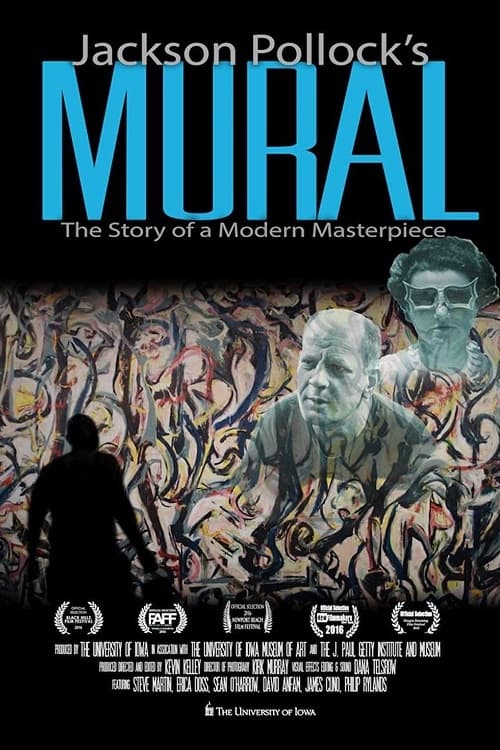
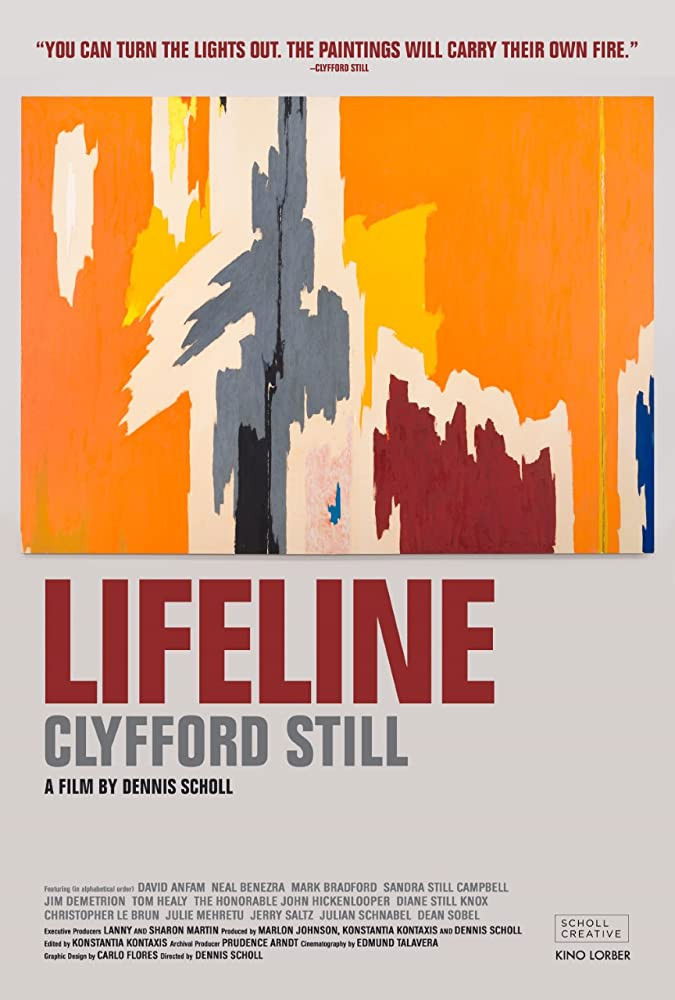
Jackson Pollock said, “he makes the rest of us look academic,” Mark Rothko acknowledged him as a “myth-maker” and Clement Greenberg called him “a highly influential maverick and an independent genius.” Clyfford Still, one of the strongest, most original contributors to abstract expressionism, walked away from the commercial art world at the height of his career. Extremely disciplined, principled, and prolific, Still left behind a treasure trove of works like no other major artist in history. With a wonderful mosaic of archival material, found footage and audio recorded by the artist himself, Lifeline paints a picture of a modern icon, his uncompromising creative journey and the price of independence.
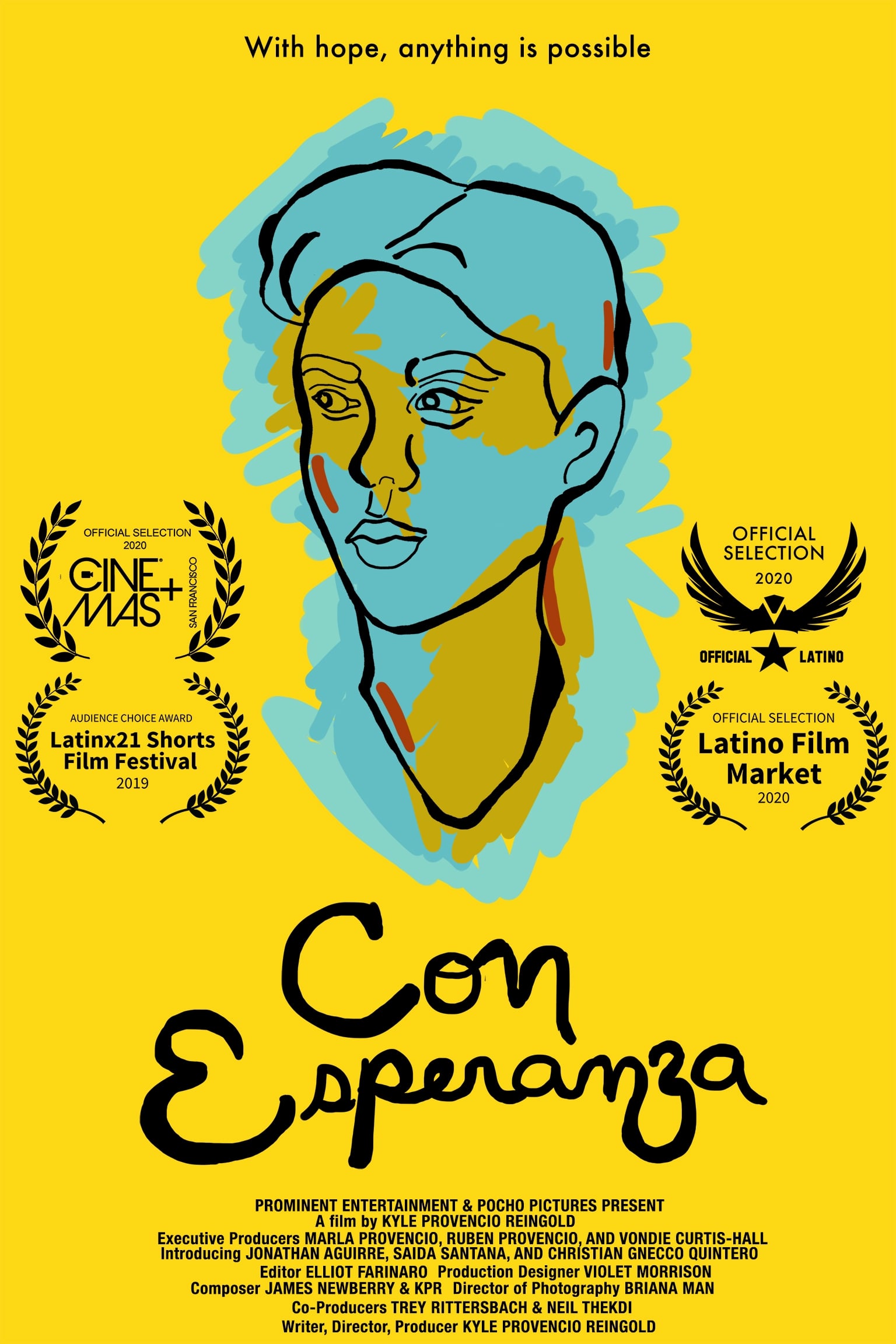
When Ruben, a young Chicano musician, is caught between his mother’s expectations and his own hopes, he is forced to make a decision that will change his life forever. Based on true events, “Con Esperanza” follows Ruben on his journey of pursuing his dreams, balancing both the traditional and financial expectations of his Mother.
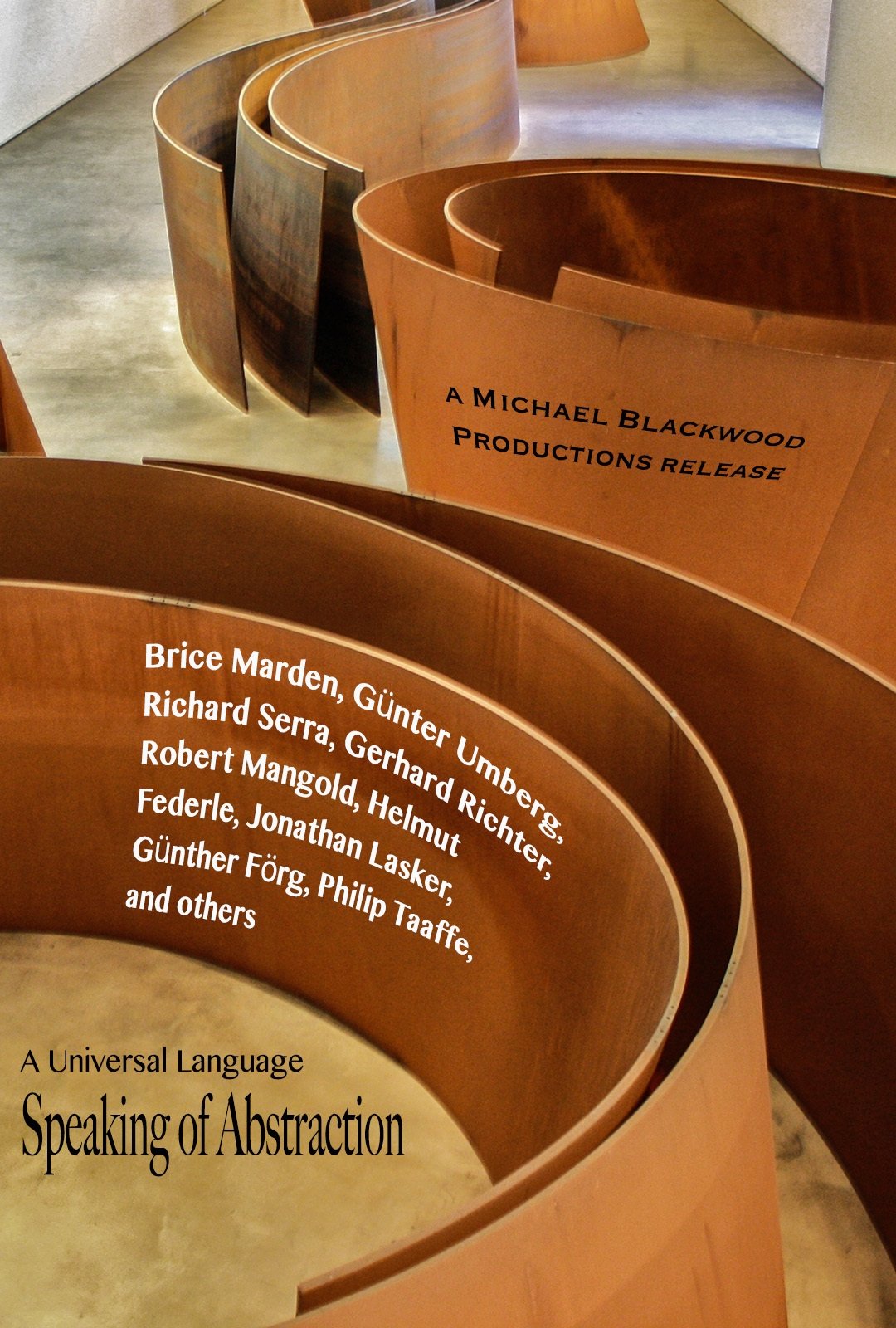
At the beginning of the twenty-first century, abstraction - that most quintessentially modernist innovation - maintains a peculiarly contradictory position. Used, on one hand, by post-modernist artists as just one more quotable style amongst many, it is on the other hand still considered an elitist or hermetic language by audiences intimidated by its lack of recognizable subject matter. Yet ultimately, abstraction continues to be a viable creative path for contemporary artists of all generations, many of whom embrace it as the most inclusive and fundamentally resonant of artistic languages. Filmed at the artists' studios, the Dia Center for the Arts, and the Guggenheim Museum during their exhibition, "Abstraction in the Twentieth Century."
A look back at the girl-group craze of the 60's through archival footage and interviews with those involved.
Explores the paths being forged by six modern artists, giving us rare insight into the minds behind this rousing new wave of painting.
A BBC documentary short on the development of jungle music from an underground, bedroom producer scene into a mainstream top 40 music.
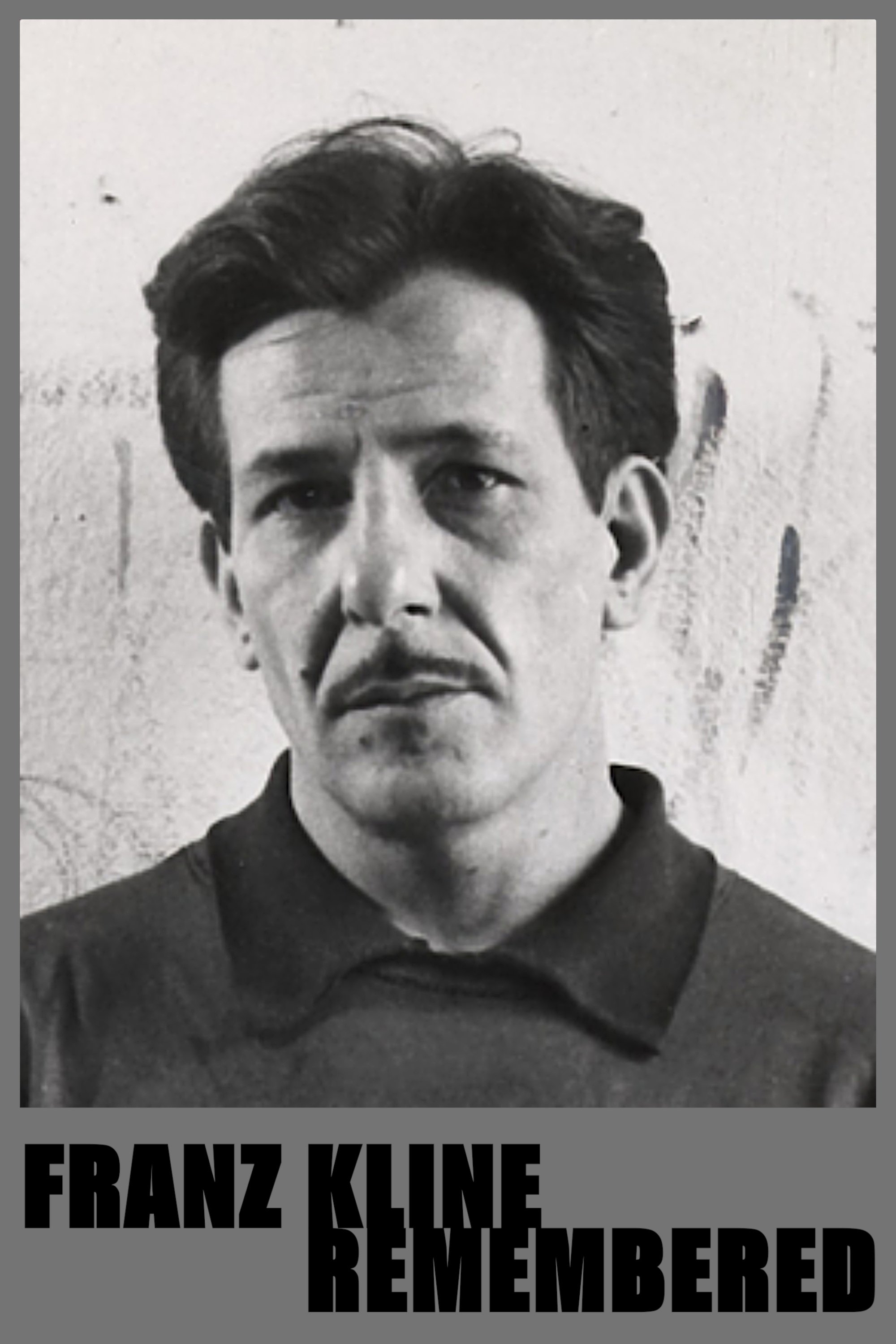
This documentary offers an intimate look at the life and legacy of American abstract expressionist Franz Kline. Through personal memories and reflections from those who knew him—such as fellow artist Willem de Kooning, de Kooning’s wife Elaine, and other contemporaries—the film paints a vivid portrait of Kline’s personality, artistic spirit, and lasting influence. Known for his powerful black and white compositions and bold brushwork, Kline is remembered not only for his art, but also for his wit, warmth, and passionate approach to painting. The episode explores both his creative process and the deep friendships that shaped his career.
Here’s an interesting and extremely rare documentary from 1989, which features legendary producer and multimedia artist Brian Eno discussing his process and his thoughts on music in general.
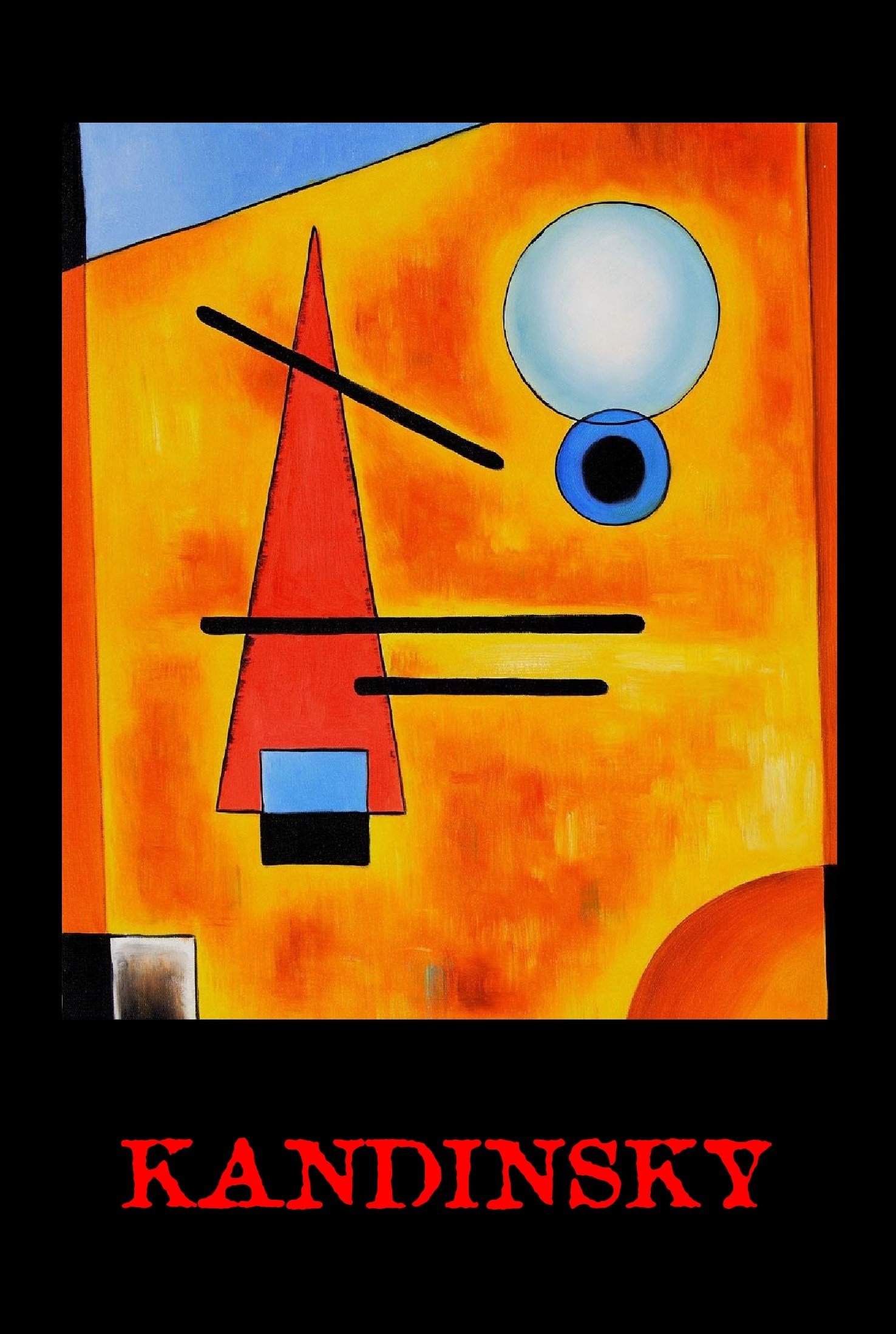
The Russian painter Wassily Kandinsky claimed, or has been credited with, the 'creation' of abstract art. At the core of this film is a dramatic recreation of Kandinsky's account of returning to his studio one dark evening, and being astonished by an unknown masterpiece of abstract art leaning against the easel - a picture which turned out to be one of his own landscapes fallen on its side. 'Now I knew for certain that the object spoiled my pictures.' While this film's narration does indeed emphasize the notion of an inspired breakthrough to Abstraction, the picture it conveys in more purely filmic ways is a rich and complex one.
Vou Rifar Meu Coração is a documentary about the performers and the followers of Brazilian romantic music – also known as brega (kitsch), often called "cheesy" by critics and the wealthy elite. Frequently associated with bad taste and poor quality, the style is admired by the lower working class, or unemployed population, originally from rural origins, banished to the cities in search of work and a better life. Using the music as a catalyst, this documentary shows the sentiments, love, suffering and sexuality of the fans and their idols, creating a scenario that reveals their practices and desires.
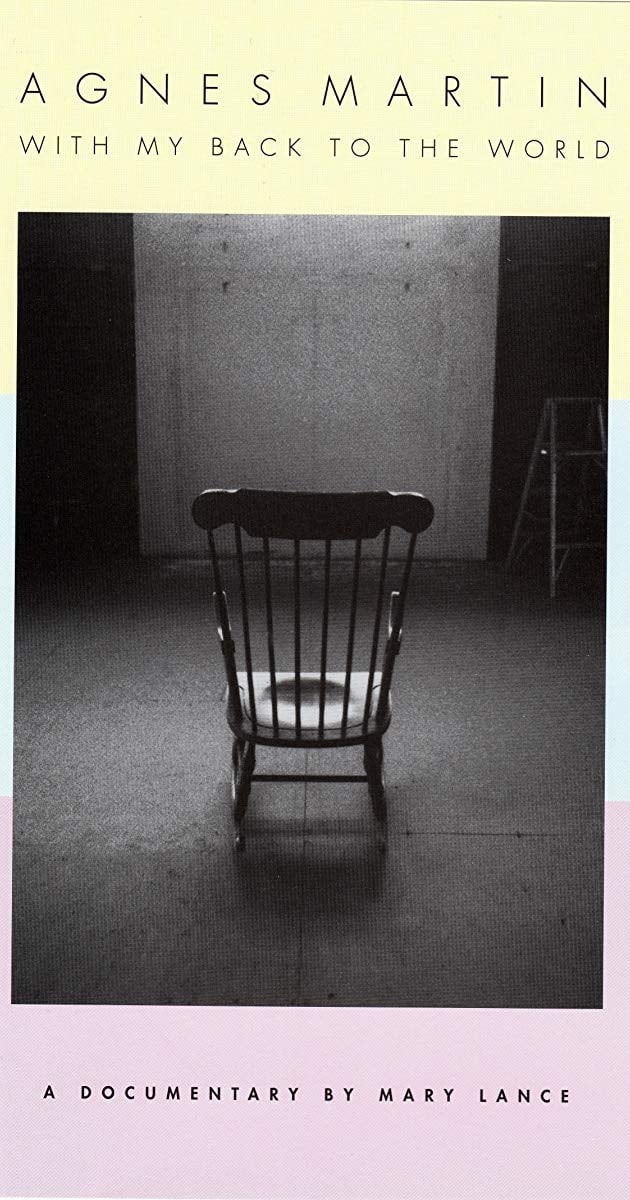
A groundbreaking documentary on the internationally renowned painter, designated by ARTnews Magazine one of the world's top-ten living artists. This documentary was shot over a period of four years, from 1998 through 2002, Agnes Martin's ninetieth year. Interviews with Martin are inter-cut with shots at work in her studio in Taos, New Mexico, with photographs and archival footage, and with images of her work from over five decades. It is a venue for Martin to speak about her work, her working methods, her life as an artist, and her views about the creative process. She also discusses her film, "Gabriel" and reads from her poetry and lectures. In keeping with Martin's chosen life of solitude, she alone appears in the documentary.
Do you ever wonder why you are the way you are? One day I decided to ask myself this question and I have been struggling to put the answer together ever since. “Enough of Myself” is my visualization of this process. When I finally had the headspace to consider my own emotions, it turned out to be a lot harder than I had thought. When you start to examine your own thoughts and patterns, the digging doesn’t stop. You keep digging deeper and finding new connections that you might have preferred stay hidden. But to ignore these things is to give in to them. Growth requires a certain level of vulnerability, not just towards others but towards yourself as well. To grow beyond those negative patterns, you need to look them in the eye first. In my film I tried to capture this emotional process in an array of animations. I hope that I haven’t just captured my own emotional process, but some deeper universal emotions as well.
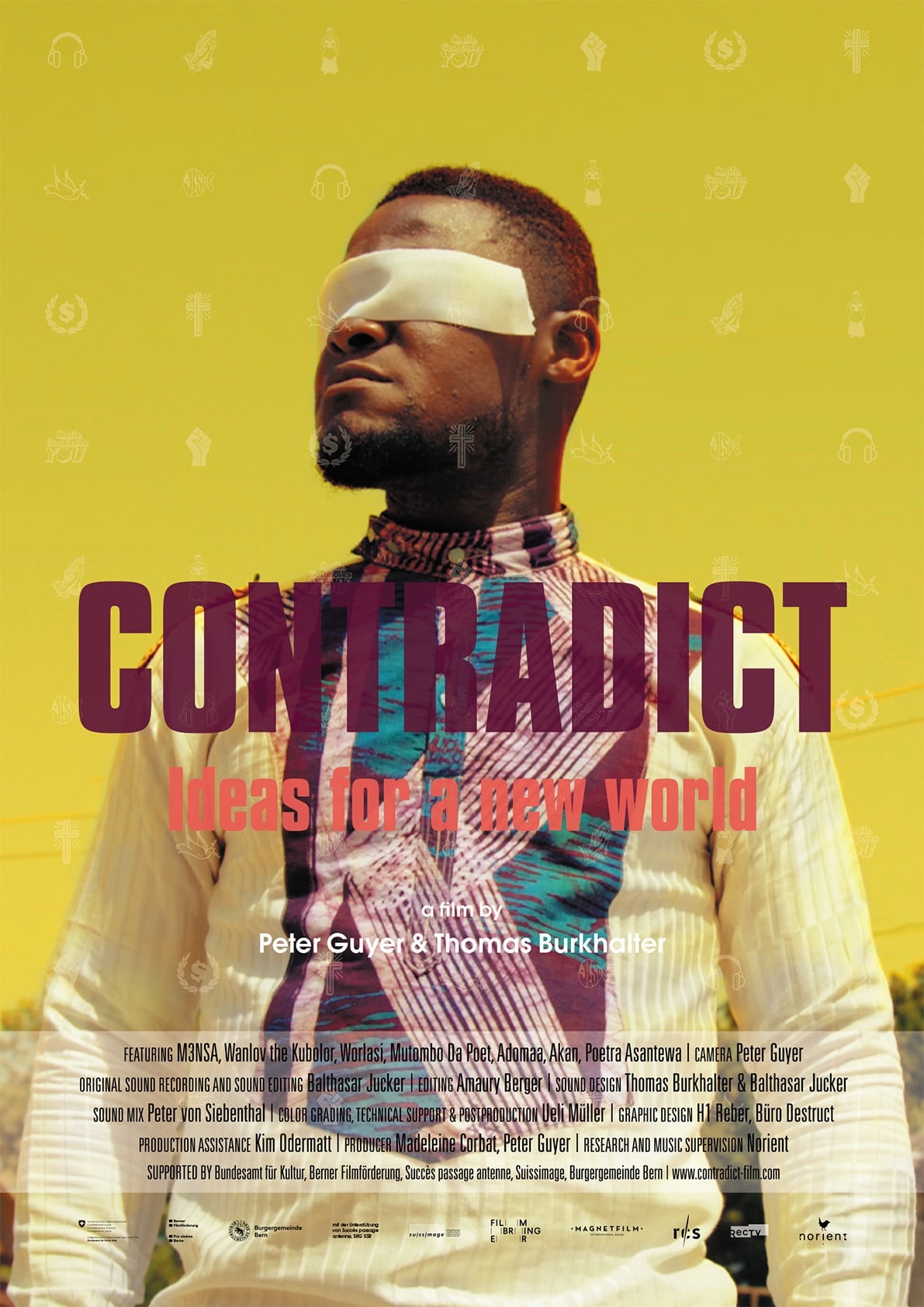
When two friends collect money for the so-called "suffering in America" in the streets of Accra, is it for fun, political provocation, or a prophecy? Two Swiss filmmakers will answer these questions with the help of seven musicians from Ghana-M3NSA, Wanlov The Kubolor, Adomaa, Worlasi, Akan, Mutombo Da Poet, and Poetra Asantewa-who have written new songs and produced video clips especially for the documentary film Contradict.
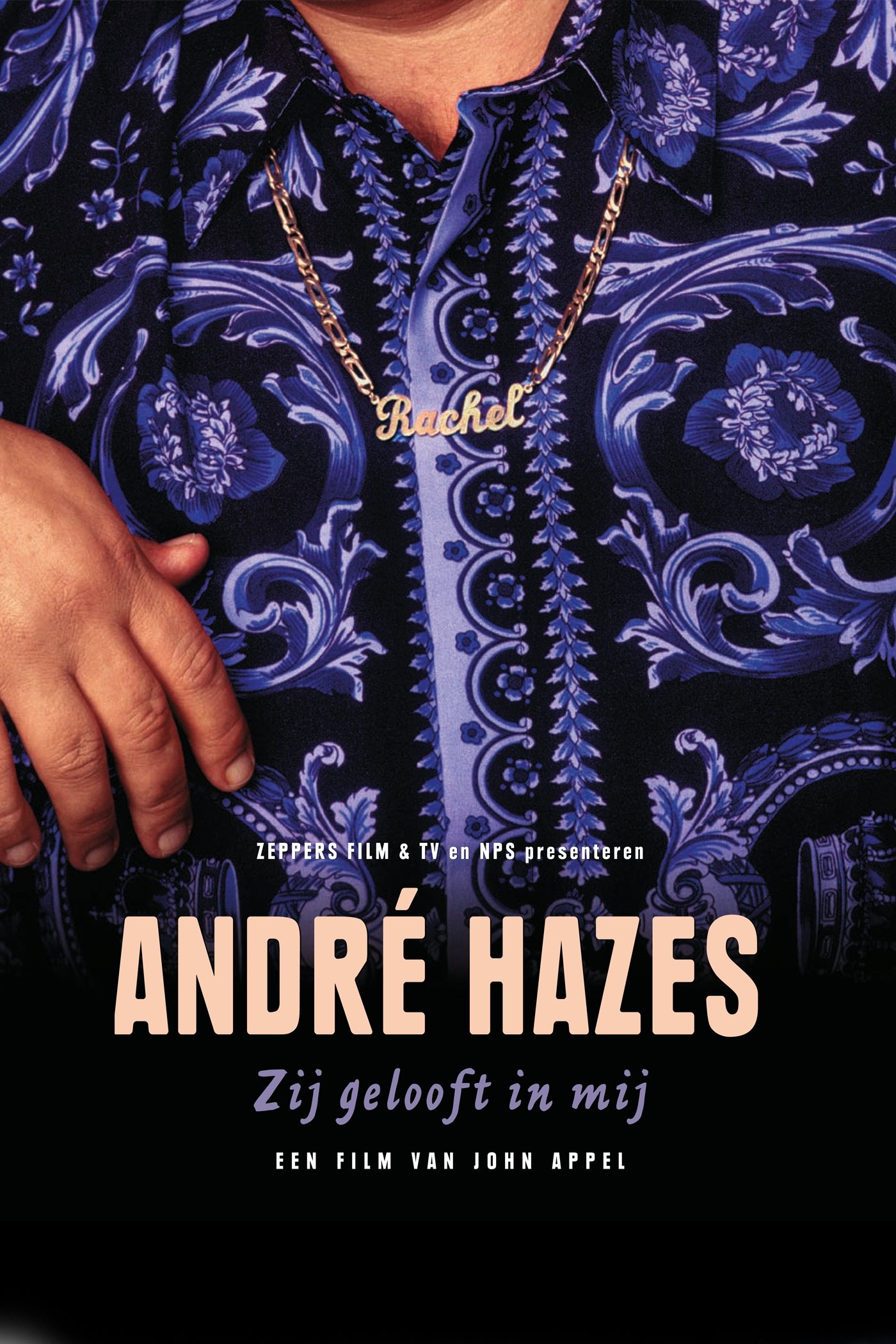
Portrait of the popular Dutch singer André Hazes.
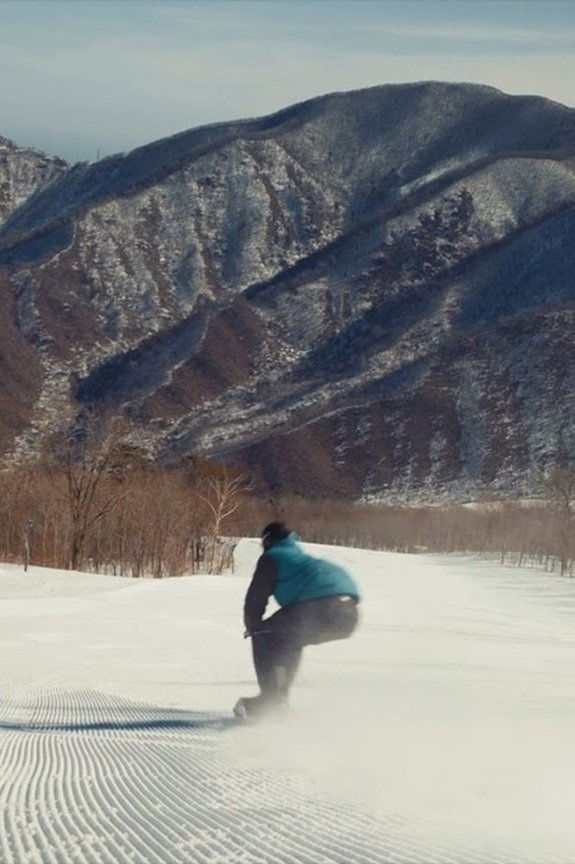
Having been granted special permission to film inside one of the most secretive countries in the world, Britain's fastest snowboarder sets off to experience first hand this country we know so little about.
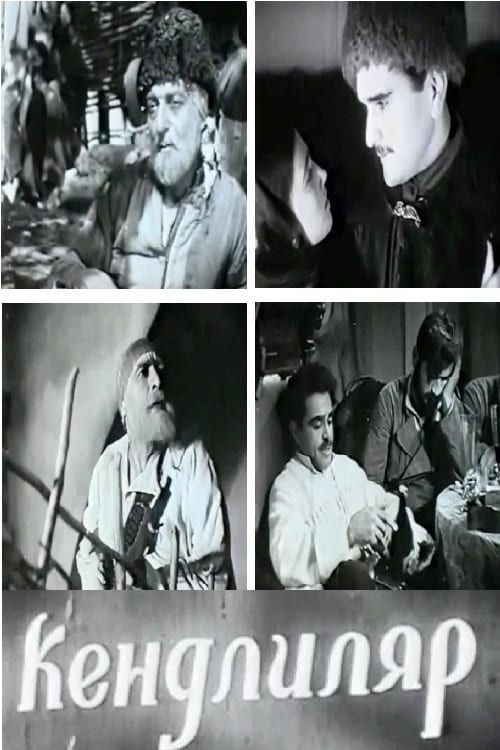
A historical revolutionary film depicting the struggle of peasants and the Baku proletariat against landowners and Musavatists in 1919.
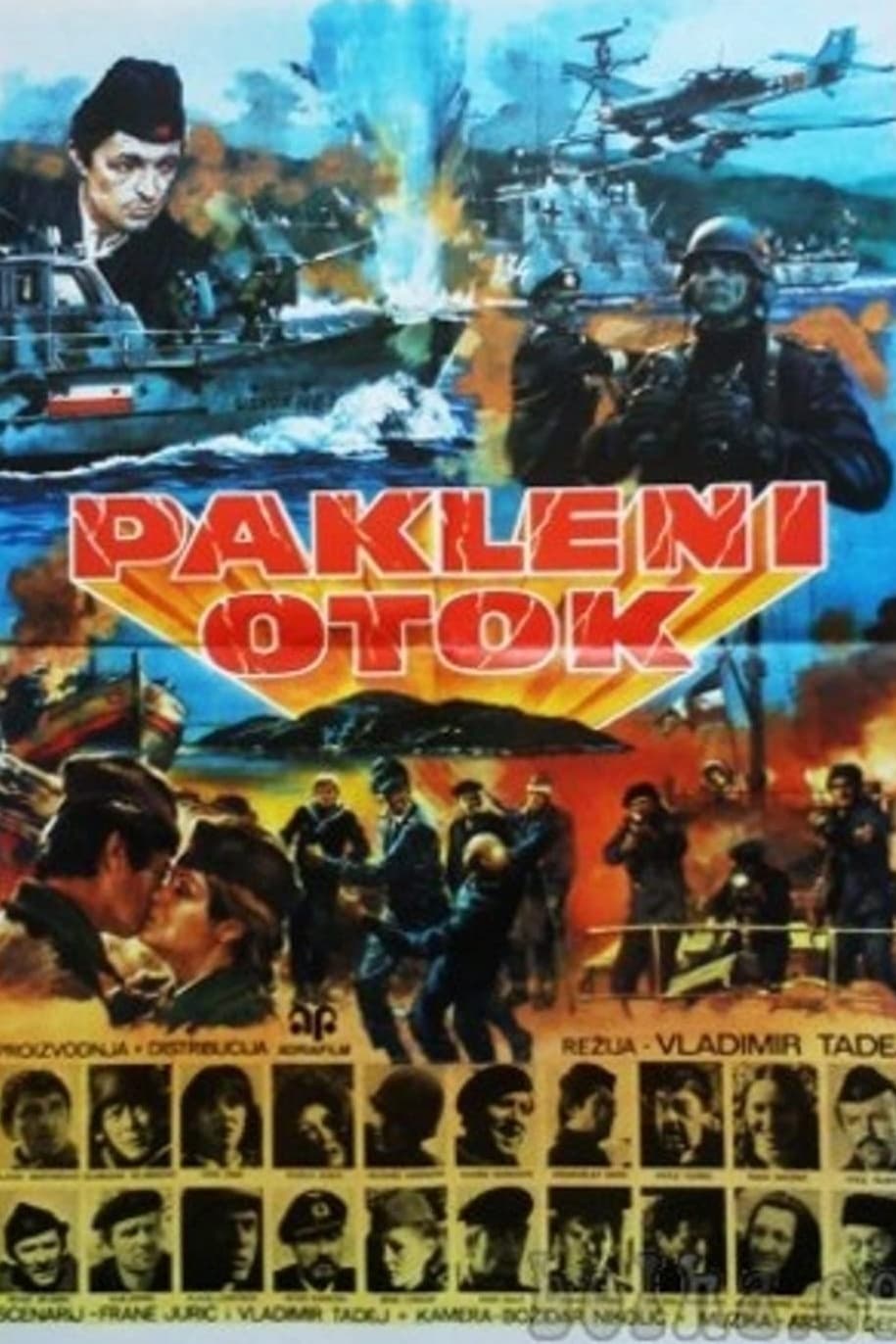
After Italian capitulation in WW2, German forces are rushing to take control of the Dalmatian coast, forcing thousands of people to take refuge. One partisan boat, filled with refugees, tries to reach a safe area, but because of a storm it must stop near a small island. While the crew tries to repair it, a German gunboat comes from nearby.
A warm-hearted and biting romance about the impossible love between a Danish woman and a Turkish man
Shintaro Ando has become Noble Dori after various confrontations. Now, the noble group, who are led by Shintaro Ando, has battles over the title of Legend ("Densetsu") against the prince group, who are led by Kanade Suzaku.
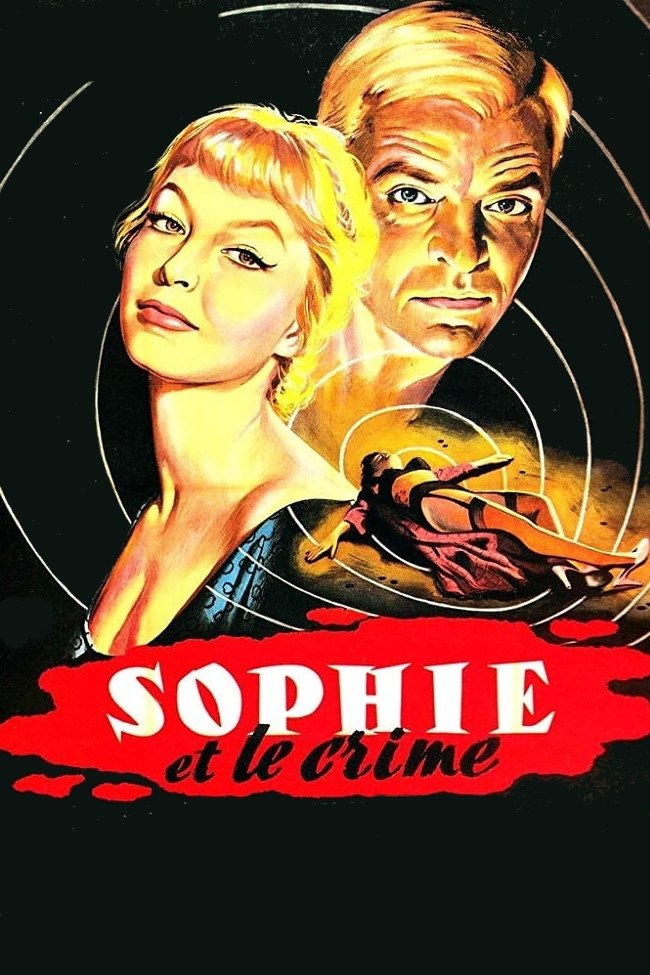
A Parisian reporter tries to exonerate a fugitive neighbor of charges he murdered his wife.
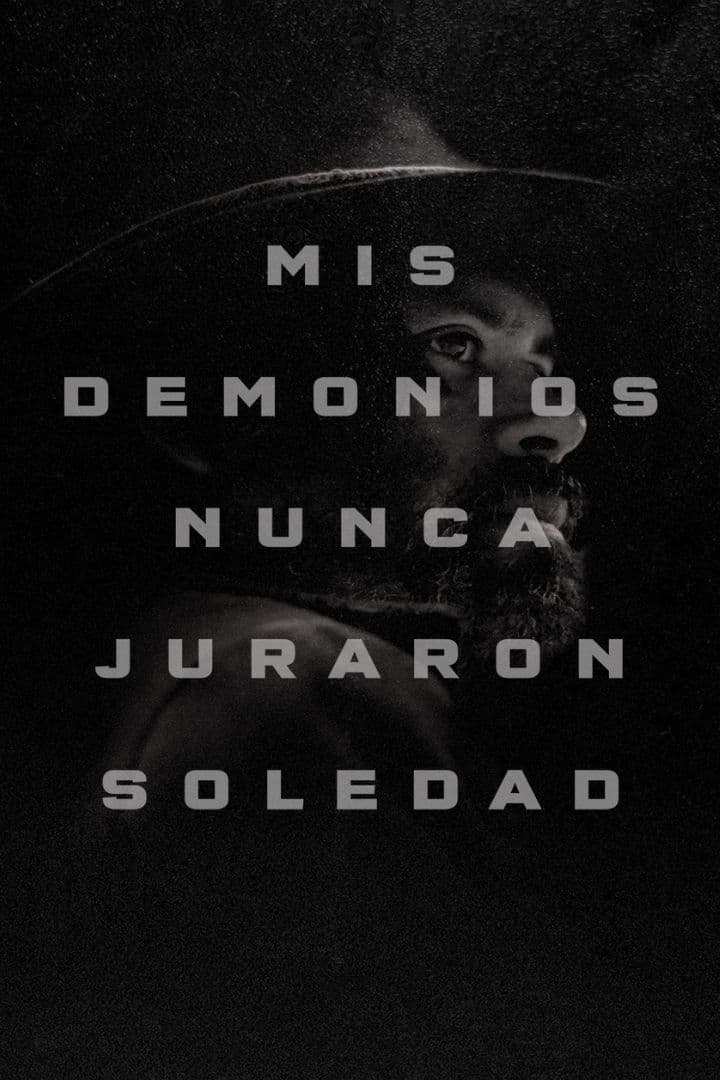
A violent and alcoholic gold prospector lives with his wife near the border. She is convinced that a demon is stalking them, and he thinks his wife is cheating on him. Blinded by jealousy, he decides to seek both his wife’s lover and the demon to strike them down.
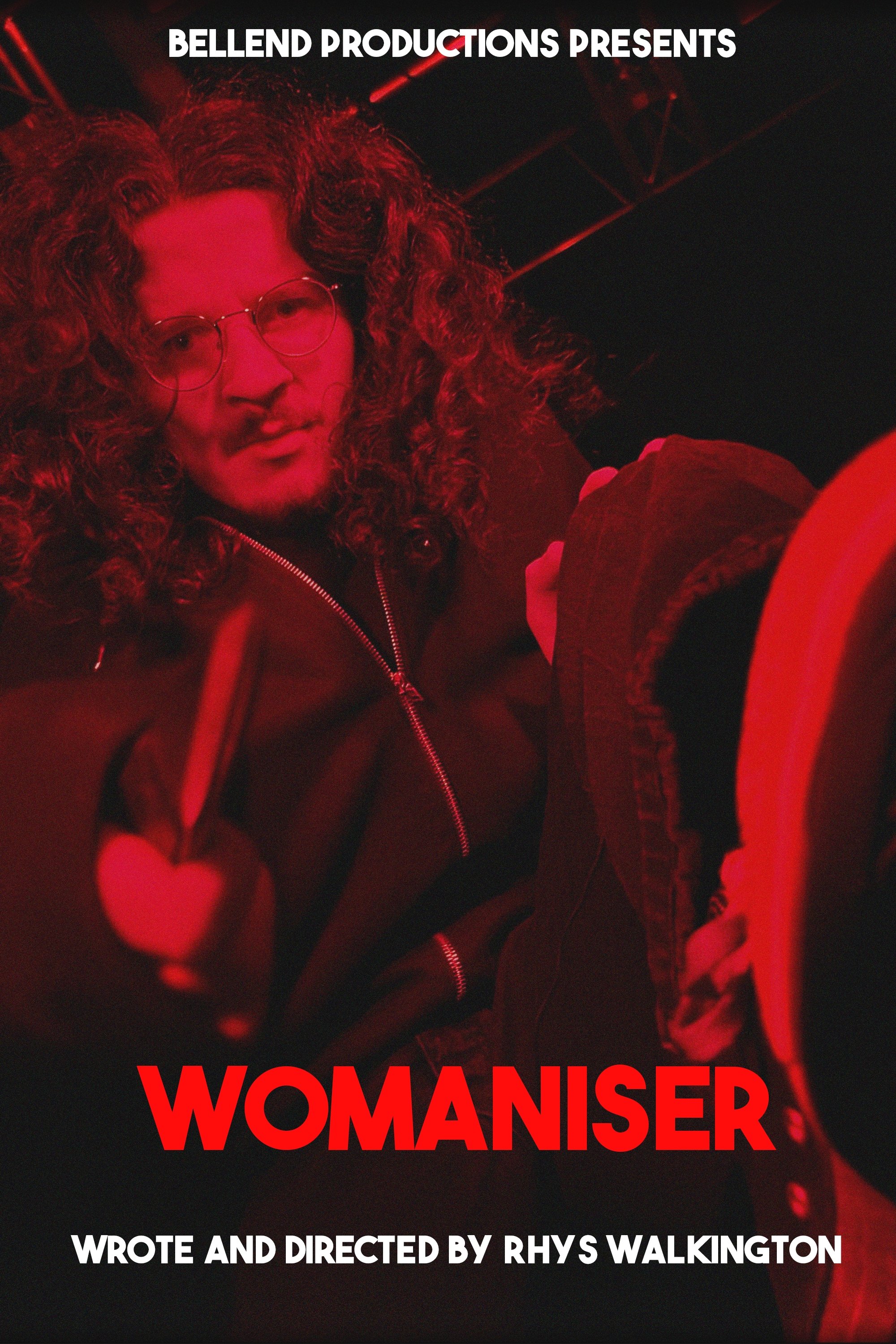
After a series of ill-fated romantic entanglements, The Womaniser finds himself cursed by a vengeful force. As he grapples with the consequences of his actions, eerie and inexplicable events unfold around him, blurring the lines between reality and the supernatural.
Using a childhood experience of racial bigotry at school, this film looks at the ways in which racism is ingrained in American society, even in the play of children. MONIQUE is a compelling exploration of identity and memory.
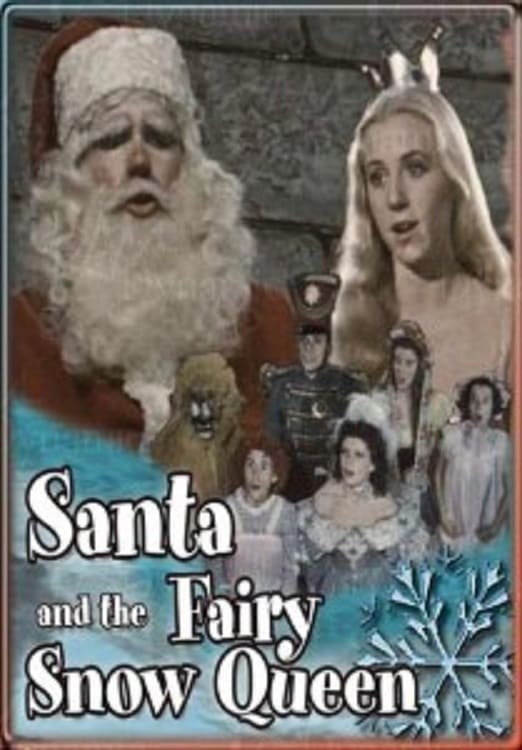
One of Santa Claus' "brownies" (elves) introduces the story of the Fairy Snow Queen, who plays a trick on Santa Claus by bringing all the toys to life just before Claus is due to deliver them to children around the world. She shows Claus what she's done and the toys demonstrate their abilities. The toys are distraught when Claus says they must be turned back into inanimate objects in time for Christmas, but the Fairy Snow Queen comes up with a plan to make everyone happy.
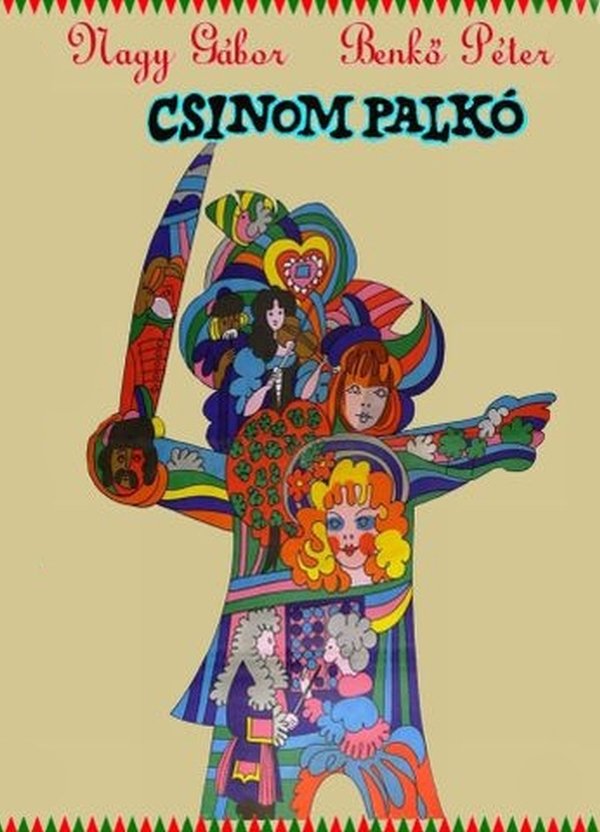
The musical adventure film goes back to the early eighteenth century, the times of the battles between the Hungarian insurrectionists and the pro-Austrians. Palkó and Jankó are about to join the insurrectionist army when they clash with a pro-Austrian troop. Jankó is captured and put in Count Koháry's prison.
A man named Jesus takes on the ruling military junta.
The childhood memories of the author, from his earliest days as a student until his first few years at work.
Maggie Cook has spent her teenage life alone in her room, but with the world set to end in 24 hours, her classmate Hazel Norcross finally brings her out of her shell.
A girl suffering from depression is forced to get her life together when she is taken involuntarily to a mental institution after trying to follow in her fathers footsteps, but failing in her suicide attempt. She finds unlikely friends, unwavering love, and a life she never imagined possible for a girl like her. All to find out some decisions can't be undone.