"Mother, they've Come for Me!"
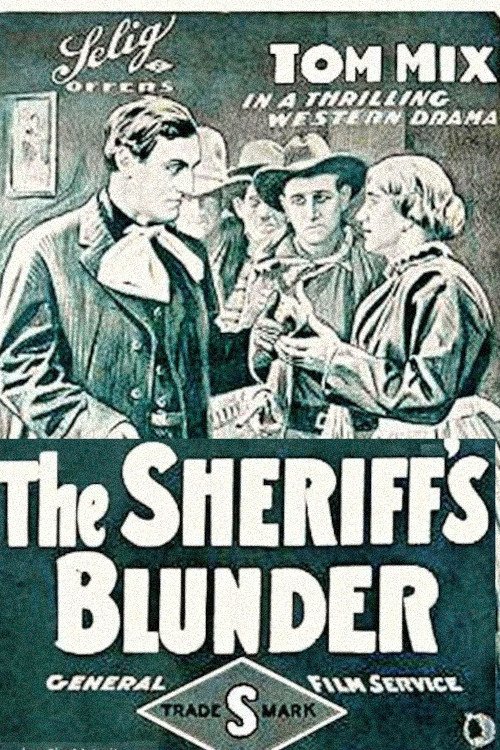
The Sheriff's Blunder is a silent Western.
Social & External
The people behind it
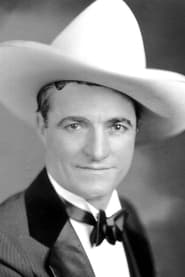
Tom Mix
Hal Whitcomb / Steve Whitcomb
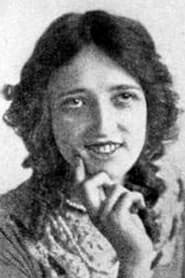
Victoria Forde
Mary Turner
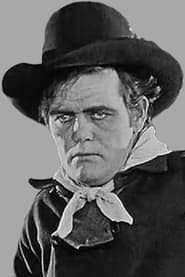
Sid Jordan
Sheriff Randall
A couple of rowdy gamblers, a cowboy, and a woman undercover.
Secret Serviceman Allen takes a job at Bart Stevens' mine in order to find evidence proving that Stevens is a mail robber named Smoke Gublen. He does - but by then, he is in love with the man's sister - and to make things harder, Stevens saves his life...
The Northwest Mounties are after Cheyenne Harry for the murder of an Indian boy, and the only witness to the crime is a priest - who can't tell what he saw because the real killer, Black Michael, has confessed to him.
Johnson, a pharmacist, makes an illicit traffic in cocaine and morphine, which he cleverly sells through his drug counter to a select clientele. In his richly furnished office, the head of the Kurson Chemical Company counts the receipts of Kurson Consumption Cure, a patented drug that contains a large amount of morphine.
After years of scientific research Thomas Kellner, an eccentric chemist, succeeds in manufacturing an imitation diamond, with the help of his son Jack.
Morton, encouraged by Watson, who wants to expel him from the bank, is the president who uses the bank's money for his private speculations. He gets very involved and when the matter is brought to the attention of the directors, he is asked to oblige to the default or go to prison. Morton would commit suicide except for his stenographer, Mary Lane, a beautiful and intelligent girl. She takes him in and discusses the matter with Morton's son, whom she loves.
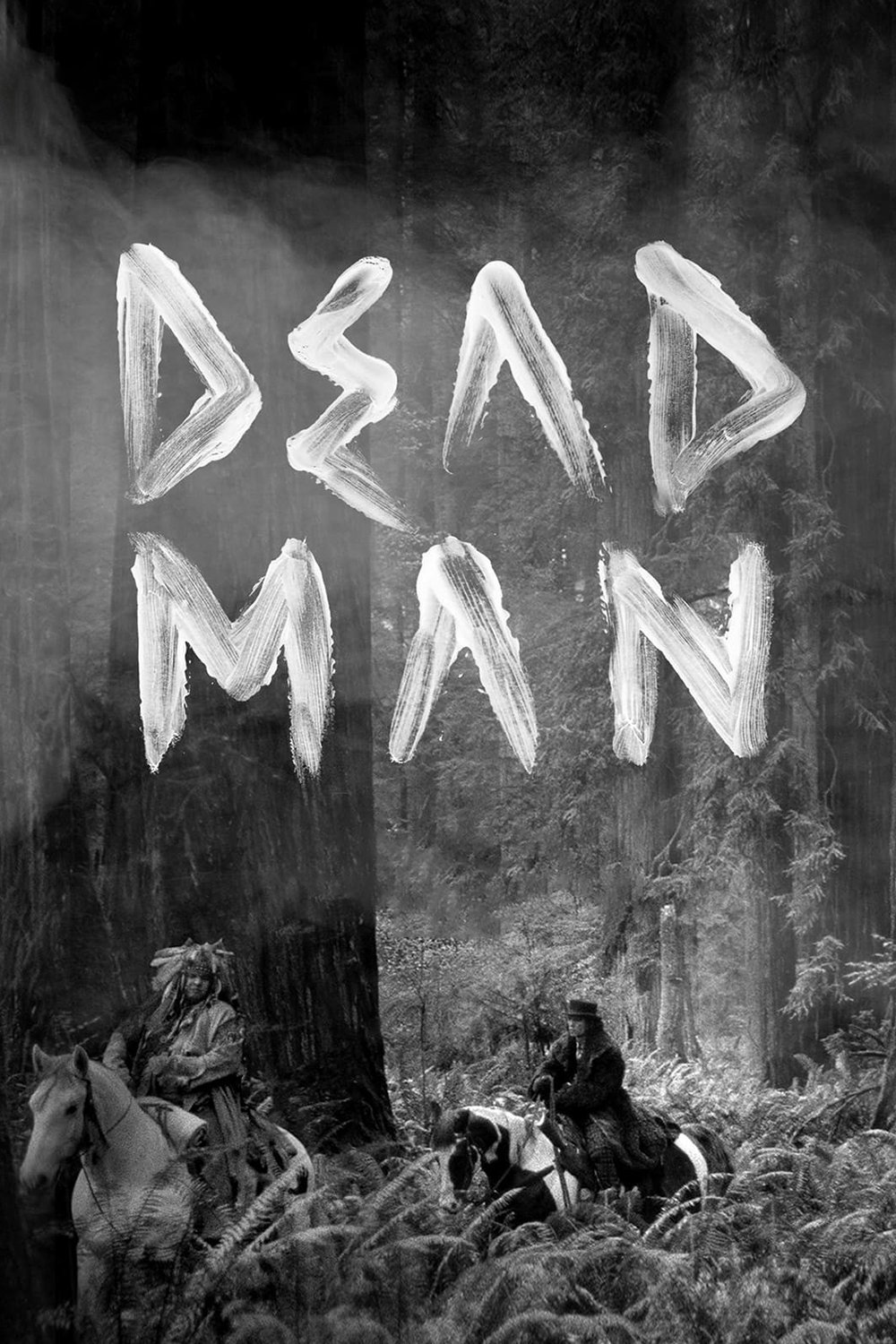
On the run after committing murder, an accountant encounters a strange Native American man who prepares him for his journey into the spiritual world.
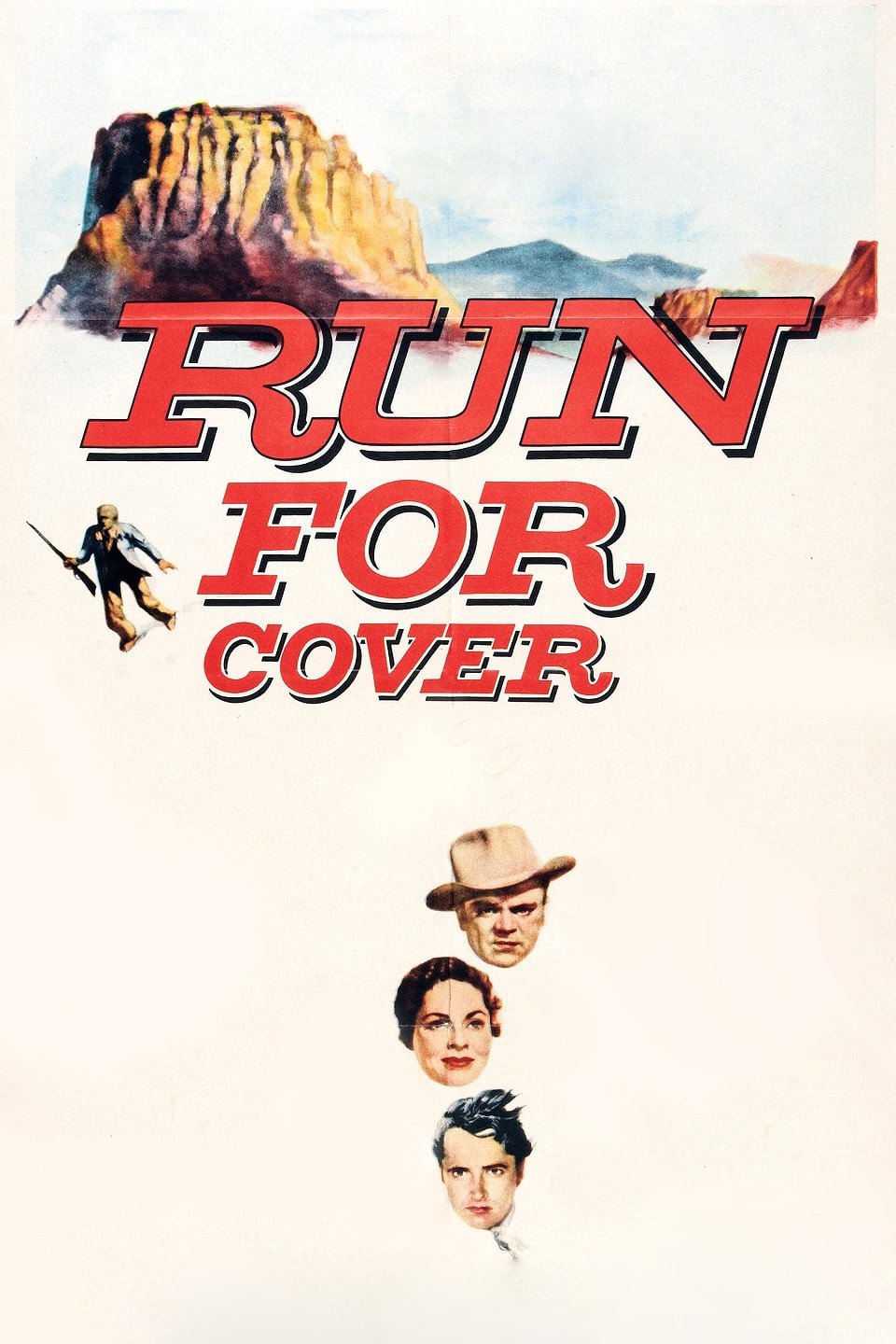
A sheriff tracking a gang of rustlers discovers that one of them is the brother of his fiance.
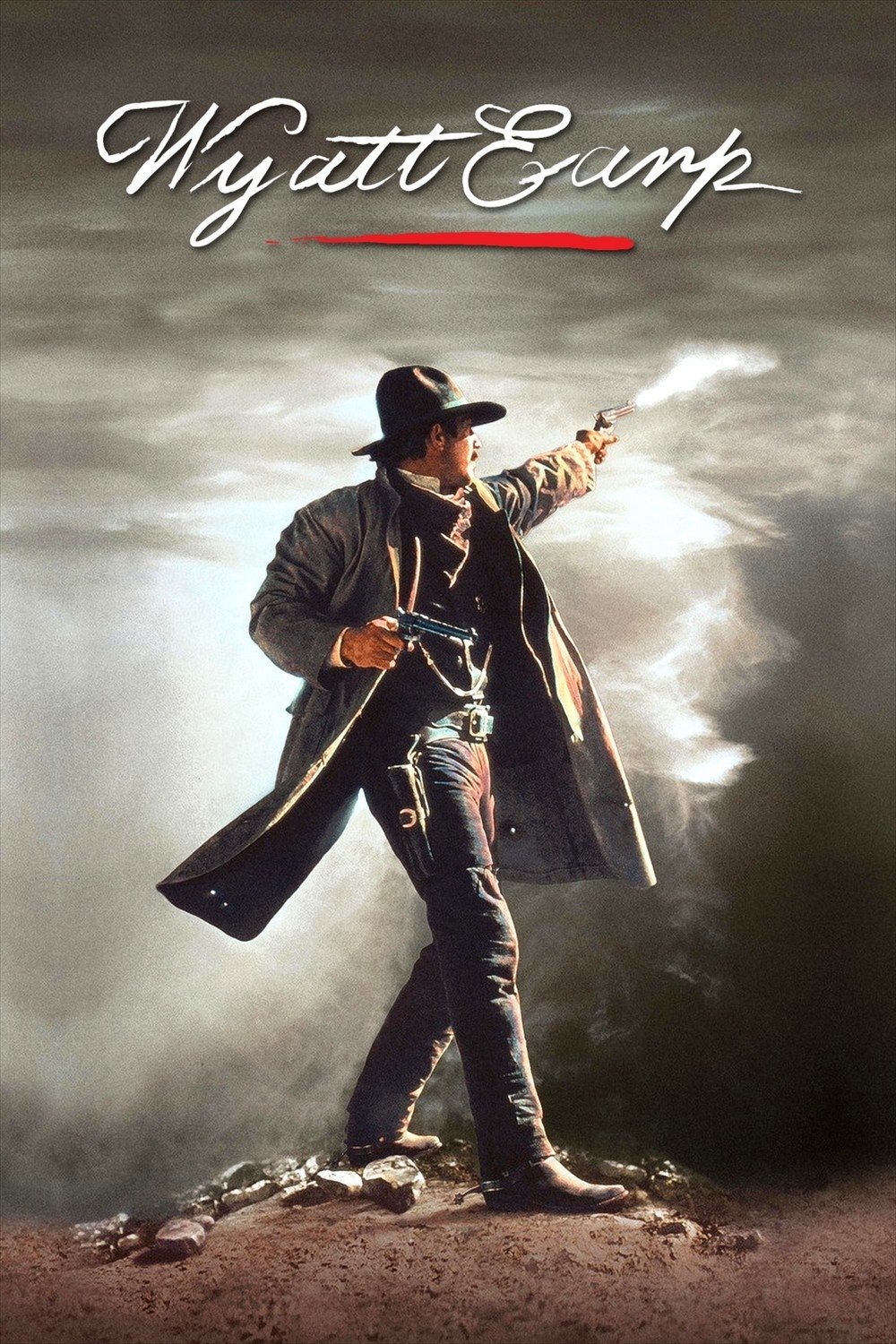
From Wichita to Dodge City, to the O.K. Corral in Tombstone, Wyatt Earp is taught that nothing matters more than family and the law. Joined by his brothers and Doc Holliday, Earp wages war on the dreaded Clanton and McLaury gangs.
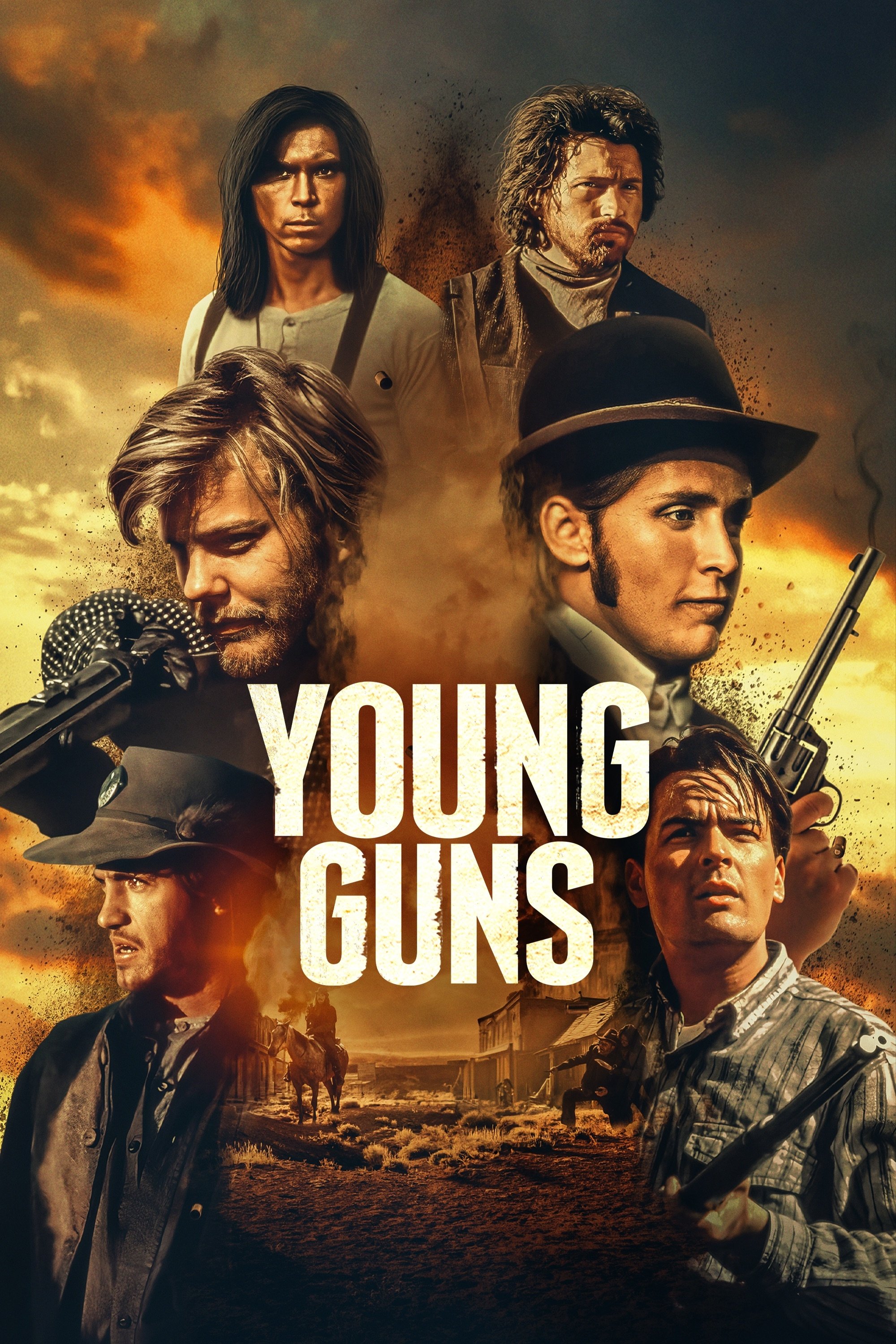
A group of young gunmen, led by Billy the Kid, become deputies to avenge the murder of the rancher who became their benefactor. But when Billy takes their authority too far, they become the hunted.
Curt Mason saves Doc Henderson's Medicine Show from being robbed by the Morrell gang but later earns the enmity of Carolyn when he blames the troupe for polluting a local watering hole. Arriving in town, the medicine show, which consists of Doc Henderson, Taffy, the singing group the Hoosier Hot Shots and Carolyn, begin their performance while Curt is unsuccessfully attempting to stop the Morrell gang from robbing the bank. The sheriff mistakes Curt for one of the gang, and to save their friend, Curt's buddies Biscuit and Big Boy stampede their cattle through town. In order to clear his good name, Curt and his friends go in search of the real bank robbers, who as it turns out are working under orders from Doc Henderson.
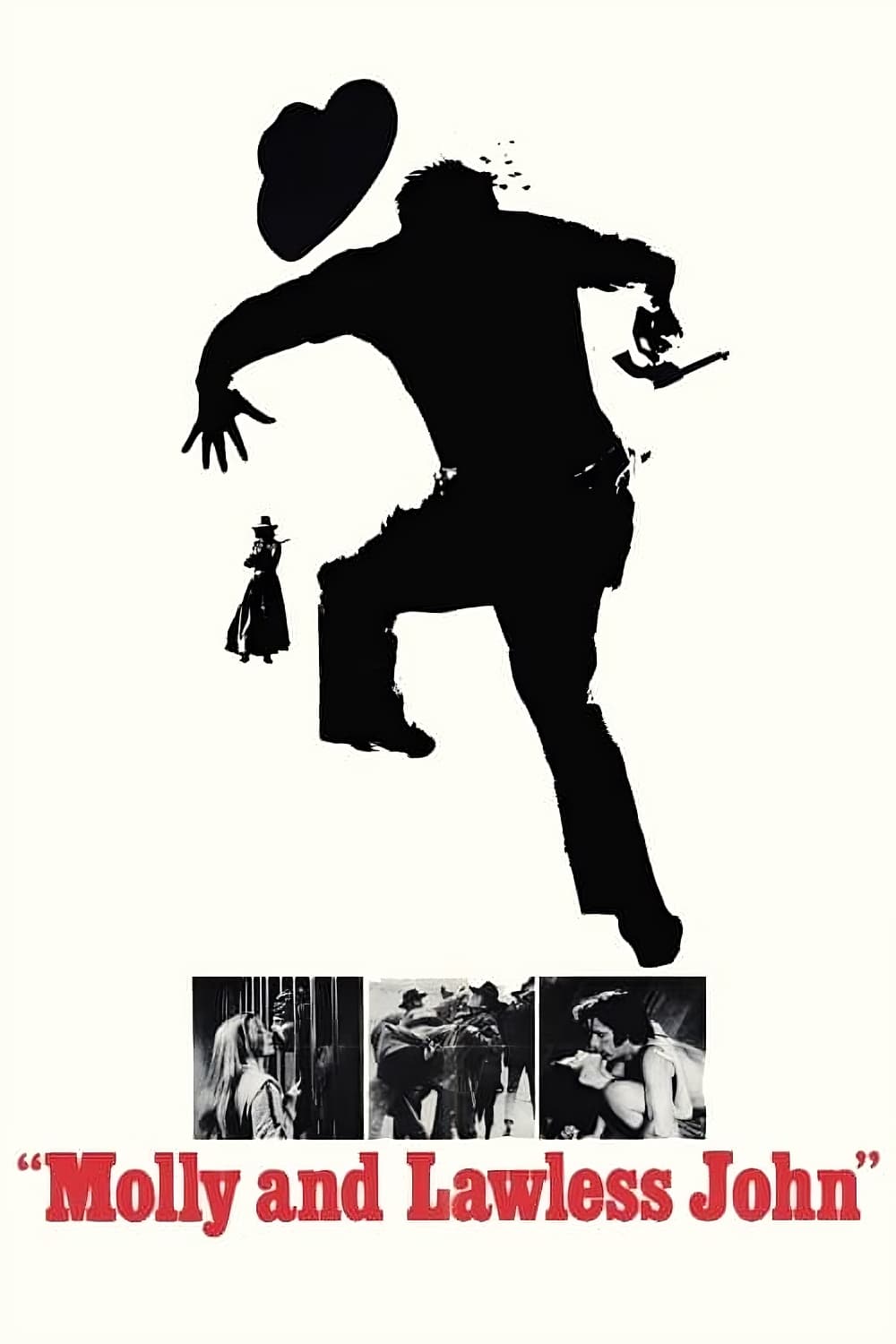
Molly, the shy, romance-starved wife of an arrogant frontier sheriff, finds herself drawn to a prisoner in her husband's jail. This prisoner, a handsome young man named Johnny, plays on Molly's sympathy and convinces her to help him escape. Molly then accompanies Johnny on his cross-country flight but soon learns he's simply been using her. Molly makes the best of the situation, however, and by the time the sheriff's posse catches up with them, Molly shows that she's learned how to assert herself.
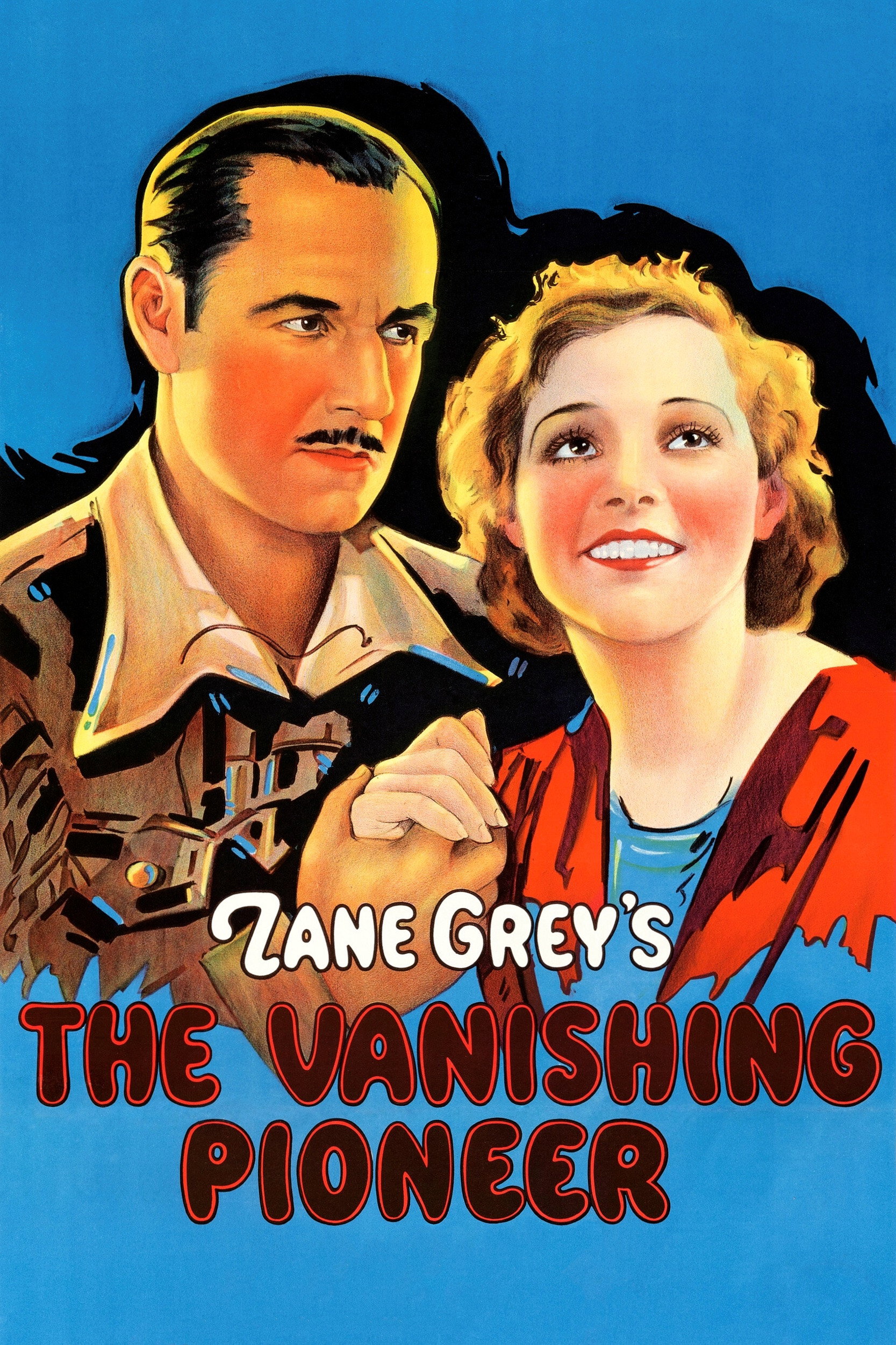
A western settlement of pioneer descendants is threatened with the loss of its water supply through the encroachments of nearby townspeople.
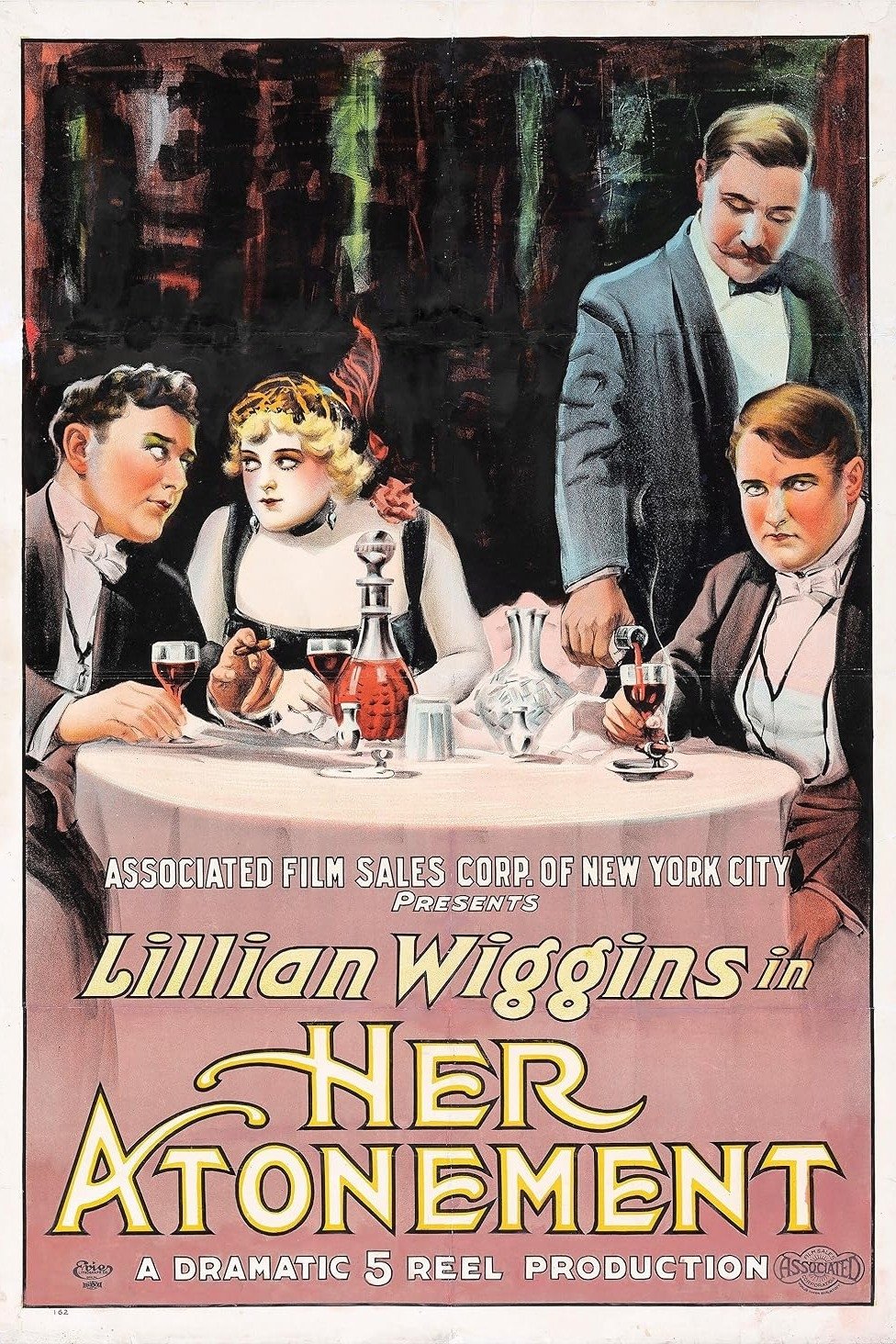
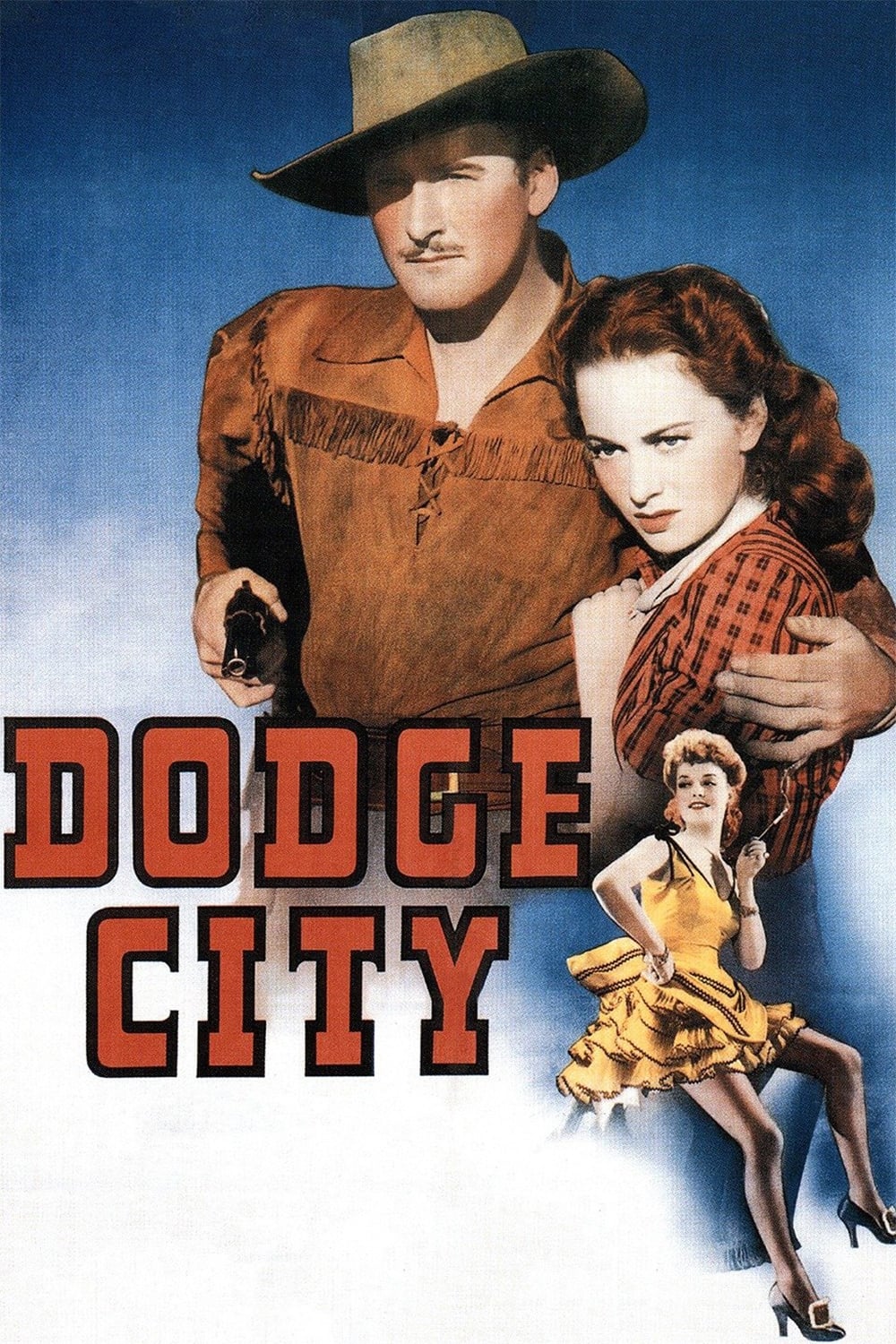
Owner of a fashionable gambling den John De Forrest seeks out wealthy people and lures them to his gambling den with the help of Lil, a beautiful but heartless blonde once there they trick the moneyed suckers into losing their fortunes. When the joint is raided and a policeman accidently killed the pair take it on the lam and head towards very different destinies.
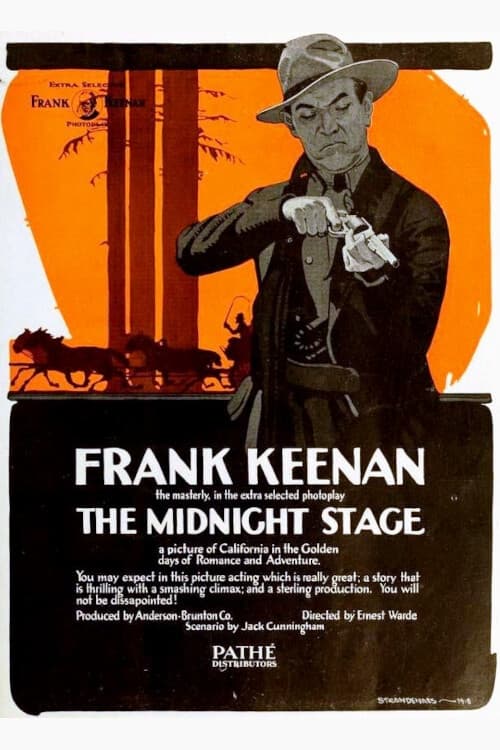
In this Western, Frank Keenan has a dual role -- kind-hearted gambler John Lynch and evil bandit Big Rivers. The only person who realizes there is a resemblance between the two is dance hall girl Nita (Maude George), who was abused by the outlaw and cared for by Lynch.
A young man takes the job as sheriff after the sheriff is killed trying to stop a lynch mob. Gunfighters and bounty hunters control the town. It looks like the end, until a man with a loss of memory drifts into town.
William Munny is a retired, once-ruthless killer turned gentle widower and hog farmer. To help support his two motherless children, he accepts one last bounty-hunter mission to find the men who brutalized a prostitute. Joined by his former partner and a cocky greenhorn, he takes on a corrupt sheriff.
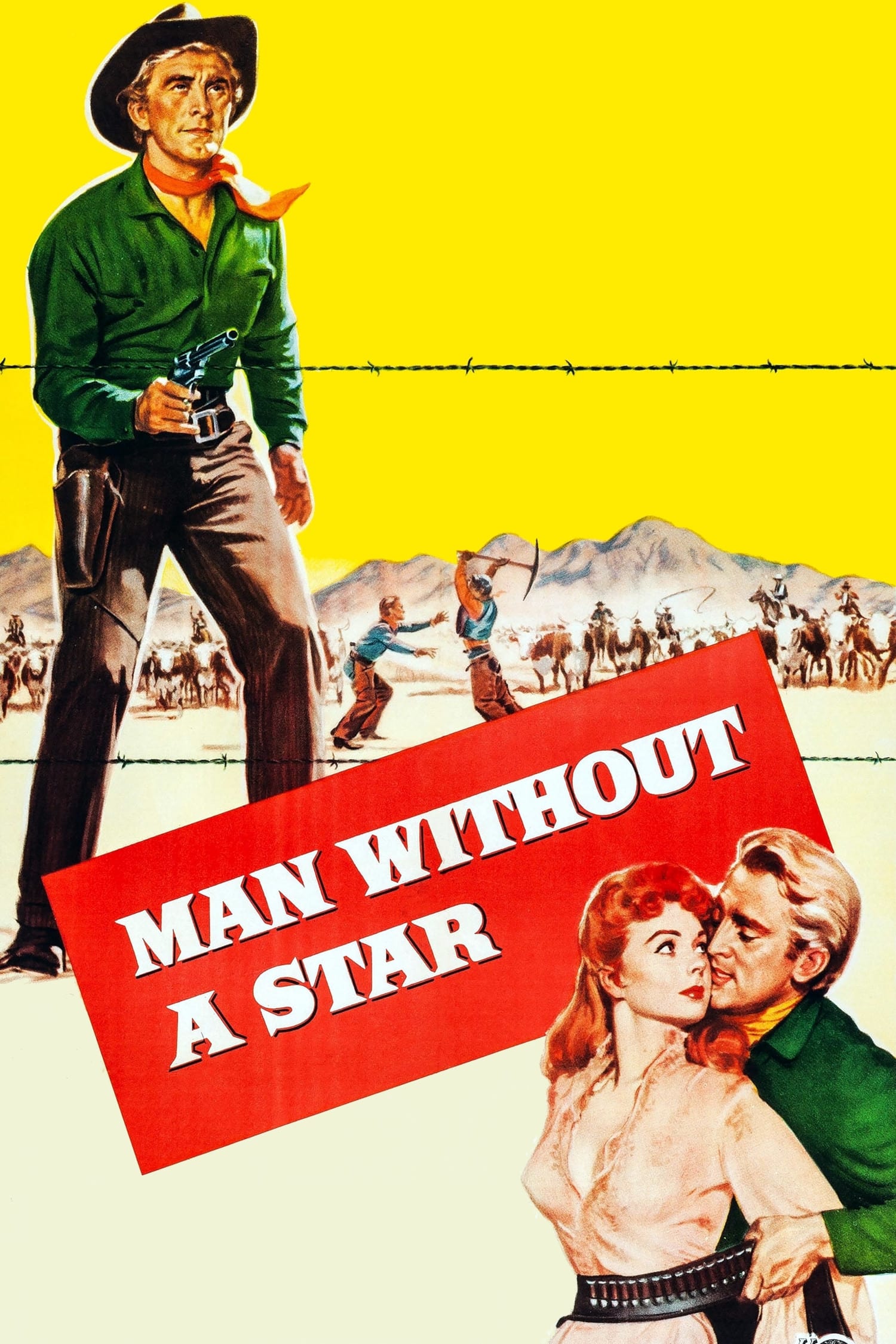
Homesteaders battle a cattle baron, who is trying to drive them off the lands they have settled on so his cattle will be able to graze on it.
In an early California settlement, Juanita, a dance hall queen of Castilian ancestry, knifes her lover, Jim Brandt, the dance hall owner, when she catches him embracing a new dancer.
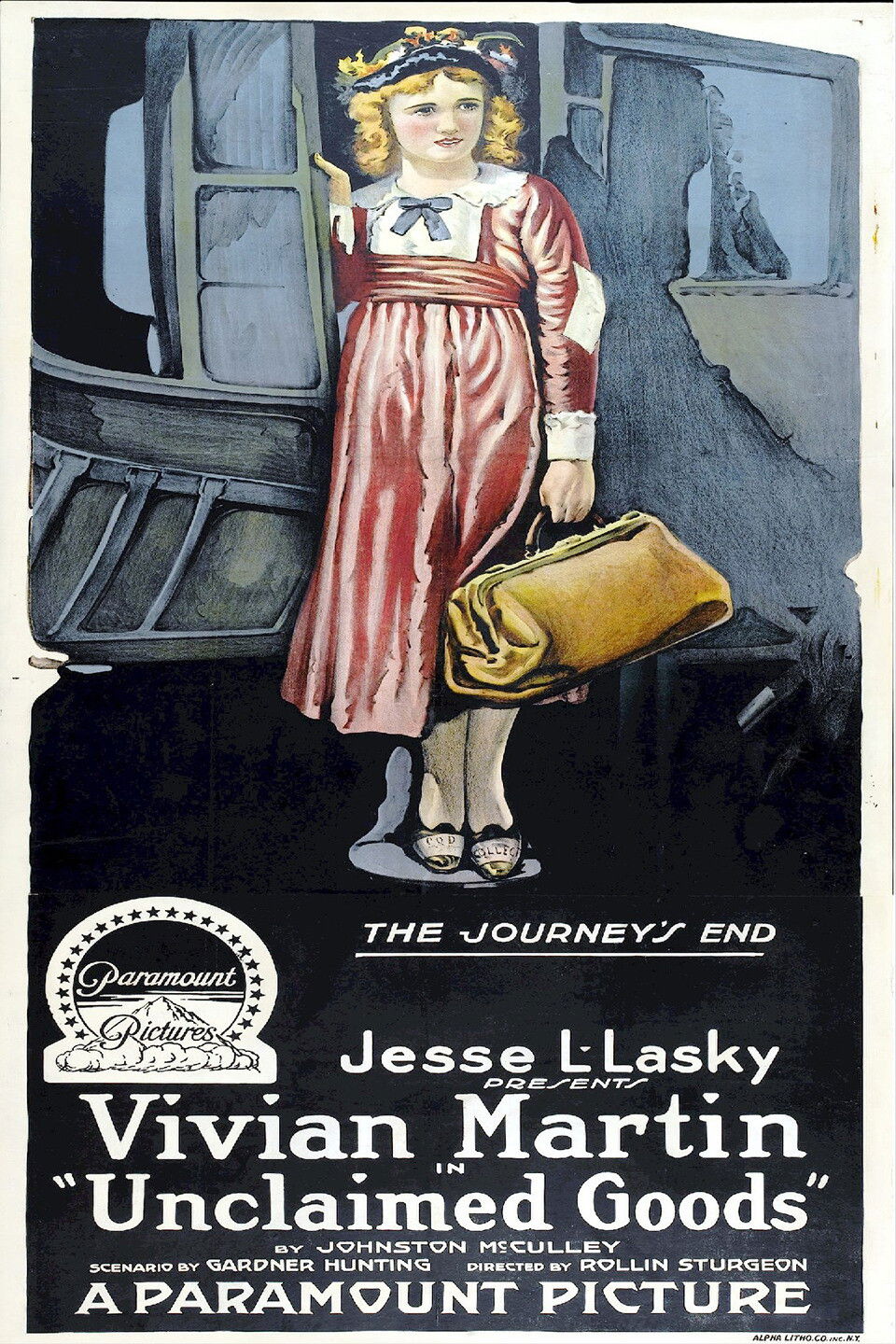
A girl's father cannot afford a train ticket, so he ships his daughter by Wells Fargo & Co. Express. He loses his money to a villain and cannot claim his "shipment." The villain attempts to claim her, but the Wells Fargo agent foils the plot and claims her himself.
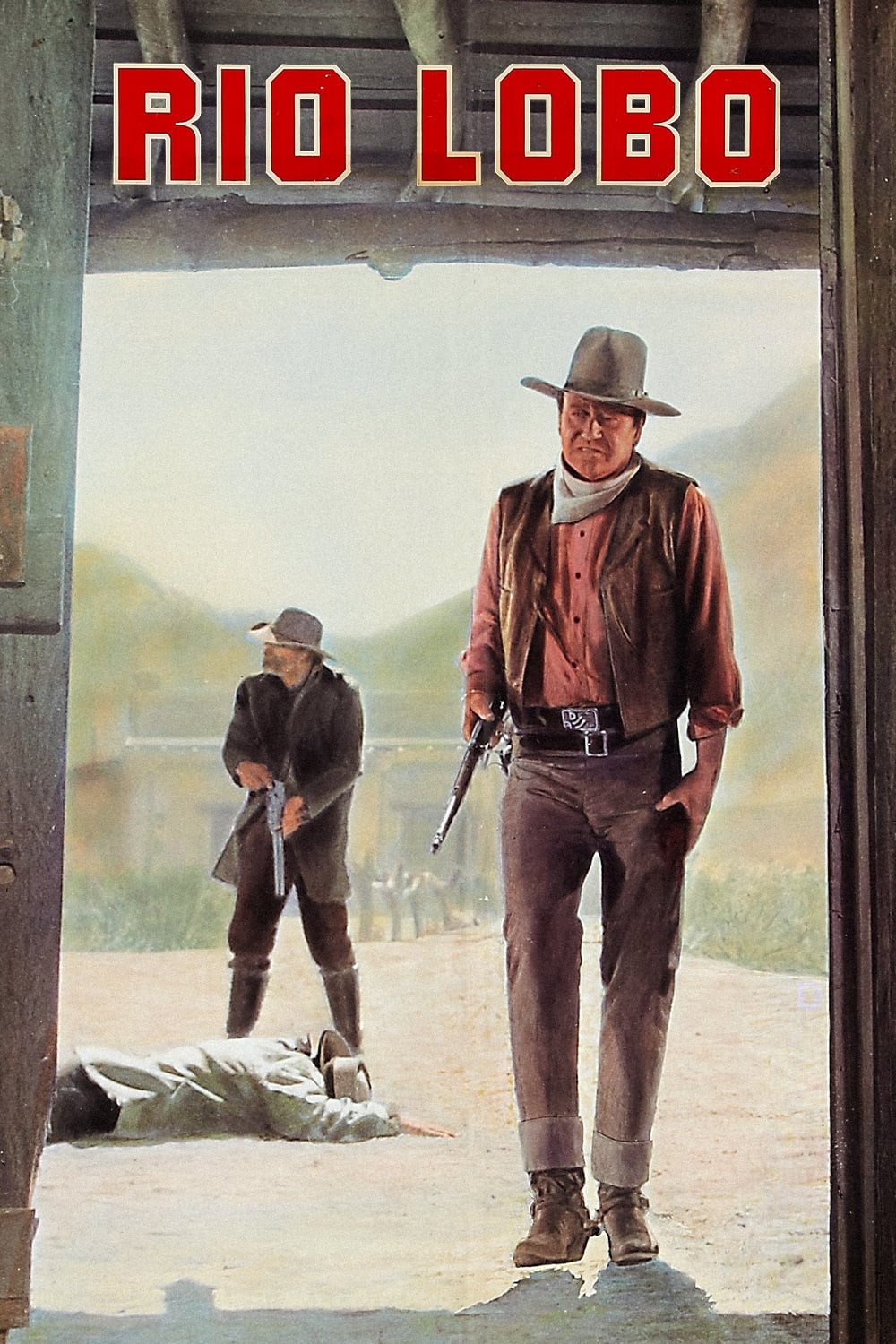
An ex-convict drifter and his flawed young partner are made sheriff and deputy of a Western town.
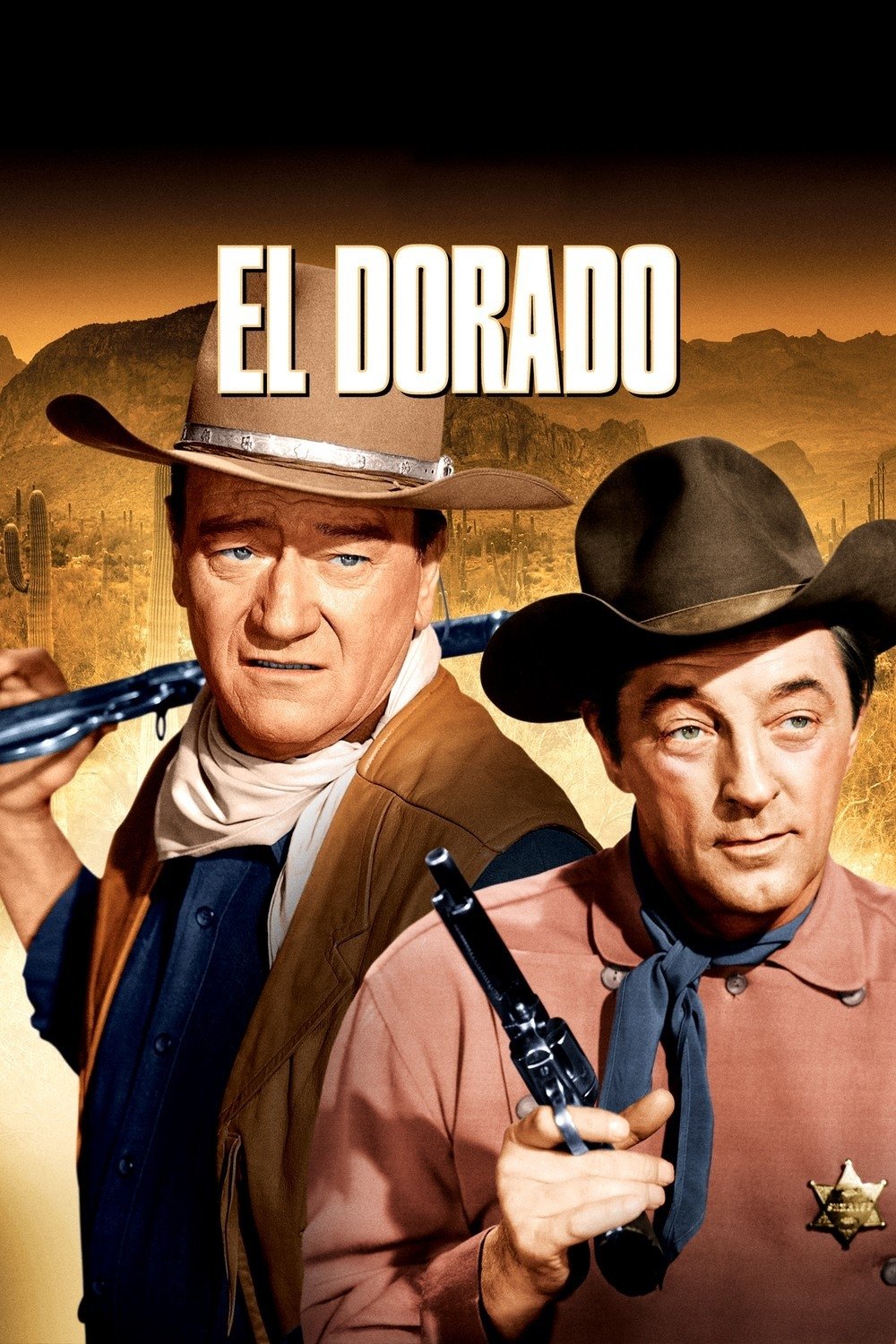
Cole Thornton, a gunfighter for hire, joins forces with an old friend, Sheriff J.P. Harrah. Together with a fighter and a gambler, they help a rancher and his family fight a rival rancher that is trying to steal their water.
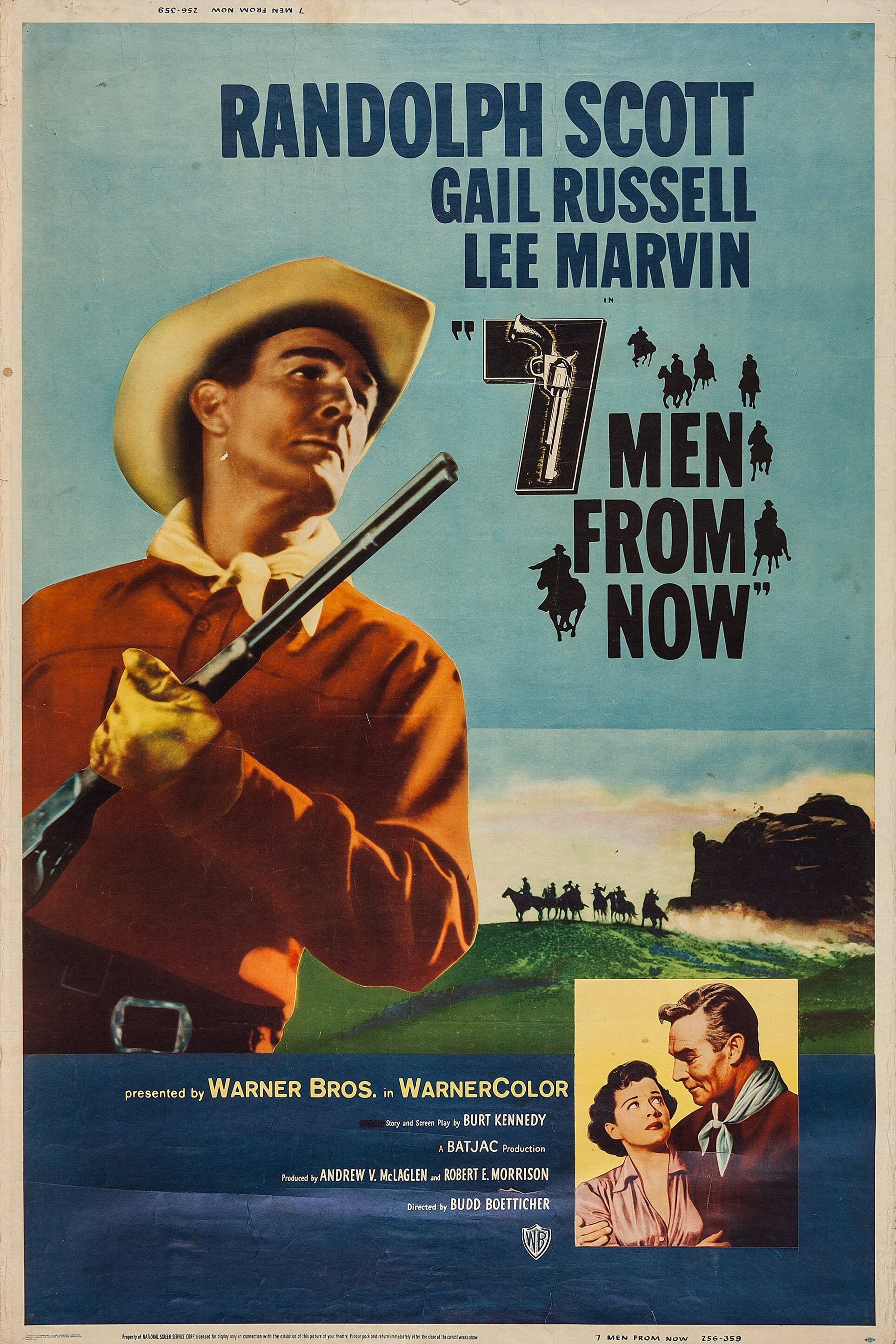
A former sheriff relentlessly pursuing the 7 men who murdered his wife in Arizona crosses paths with a couple heading to California.
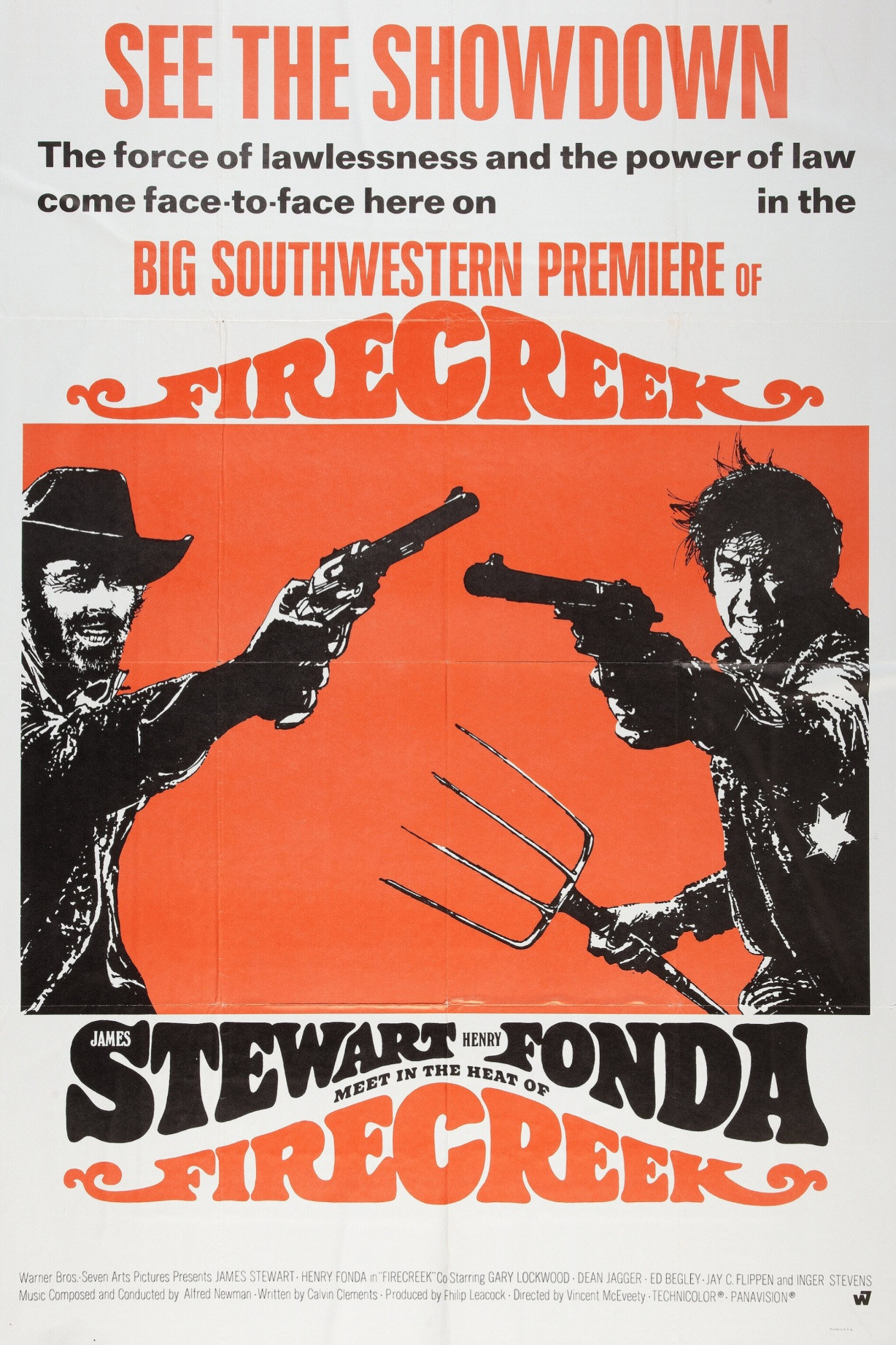
A peace-loving, part-time sheriff in the small town of Firecreek must take a stand when a gang of vicious outlaws takes over his town.
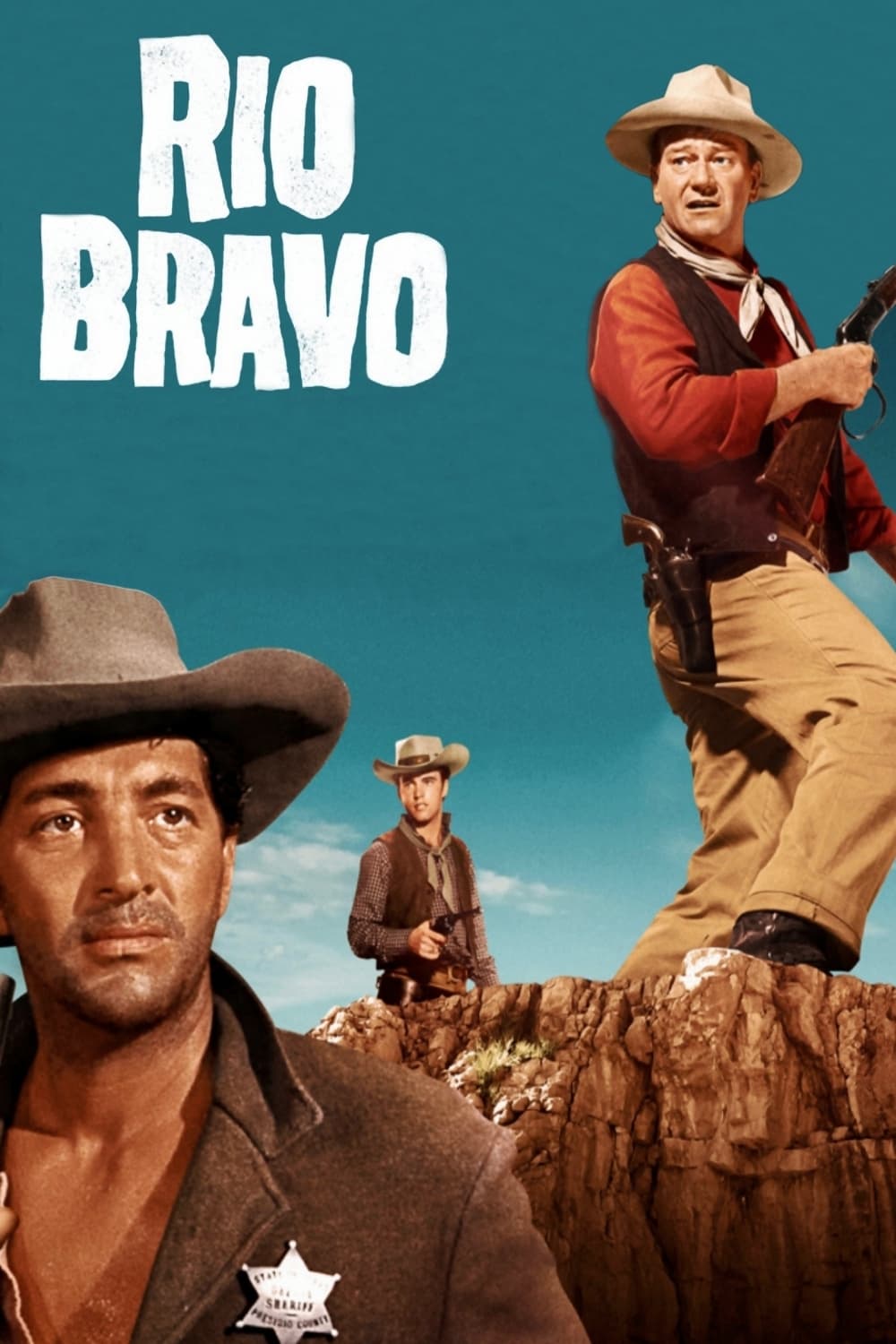
A small-town sheriff in the American West enlists the help of a disabled man, a drunk, and a young gunfighter in his efforts to hold in jail the brother of the local bad guy.
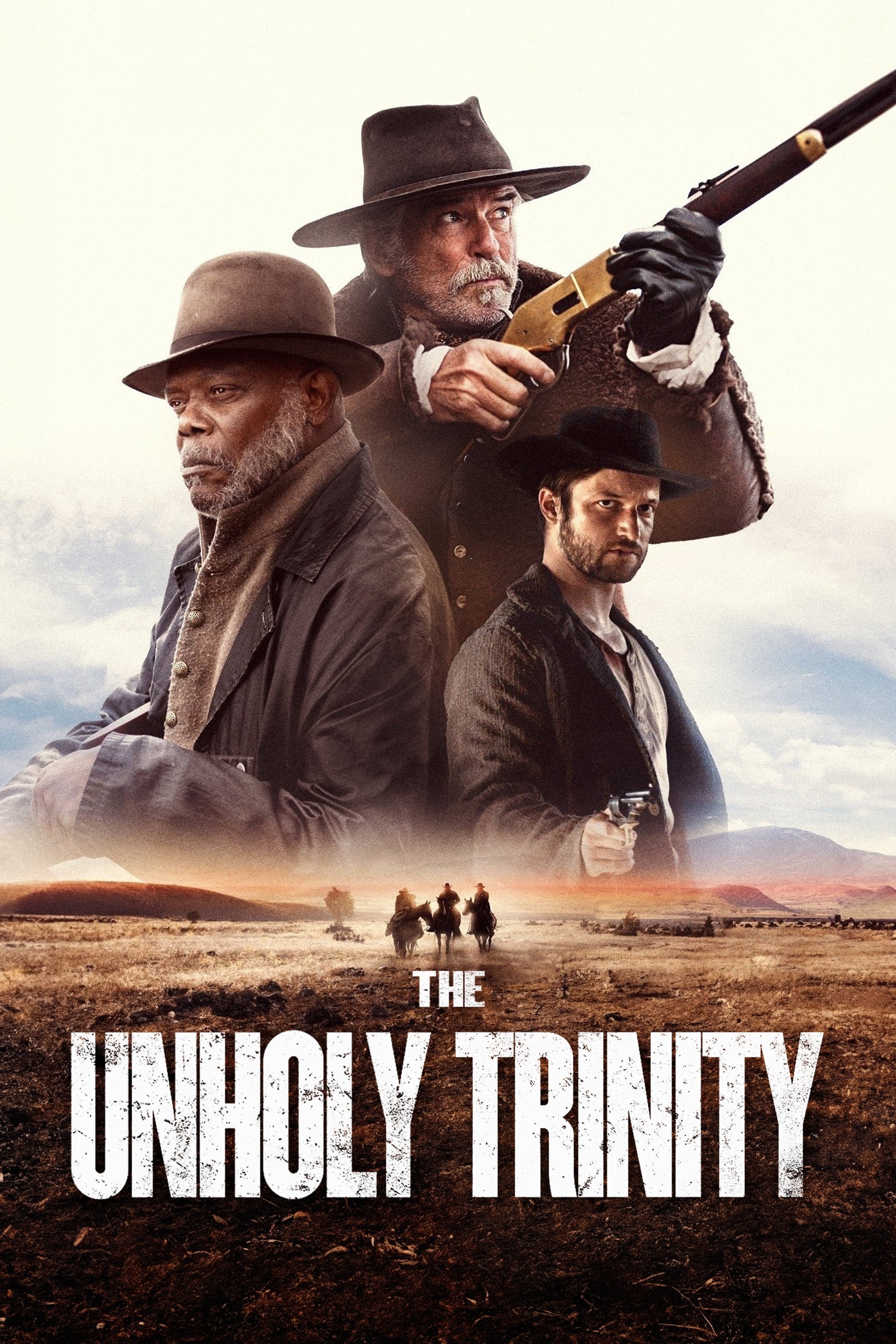
Set against the turbulent backdrop of 1870s Montana, in the moments before the execution of Isaac Broadway, he gives his estranged son, Henry, an impossible task: murder the man who framed him for a crime he didn’t commit. Intent on fulfilling his promise, Henry travels to the remote town of Trinity, where an unexpected turn of events traps him in town and leaves him caught between Gabriel Dove, the town’s upstanding new sheriff, and a mysterious figure named St. Christopher.
When a Midwest town learns that a corrupt railroad baron has captured the deeds to their homesteads without their knowledge, a group of young ranchers join forces to take back what is rightfully theirs. They will become the object of the biggest manhunt in the history of the Old West and, as their fame grows, so will the legend of their leader, a young outlaw by the name of Jesse James.
A wandering cowboy gets caught up in a range war.
After the Civil War, a former Union colonel searches for the two traitors whose perfidy led to the loss of a close friend.
New Mexico Territory, 1880. Rio Cutler and his older sister Sara must abandon their home after an unfortunate event happens. In their desperate flee to Santa Fe, they cross paths with the infamous outlaw Billy the Kid and his gang, who are ruthlessly pursued by a posse led by Sheriff Pat Garret.
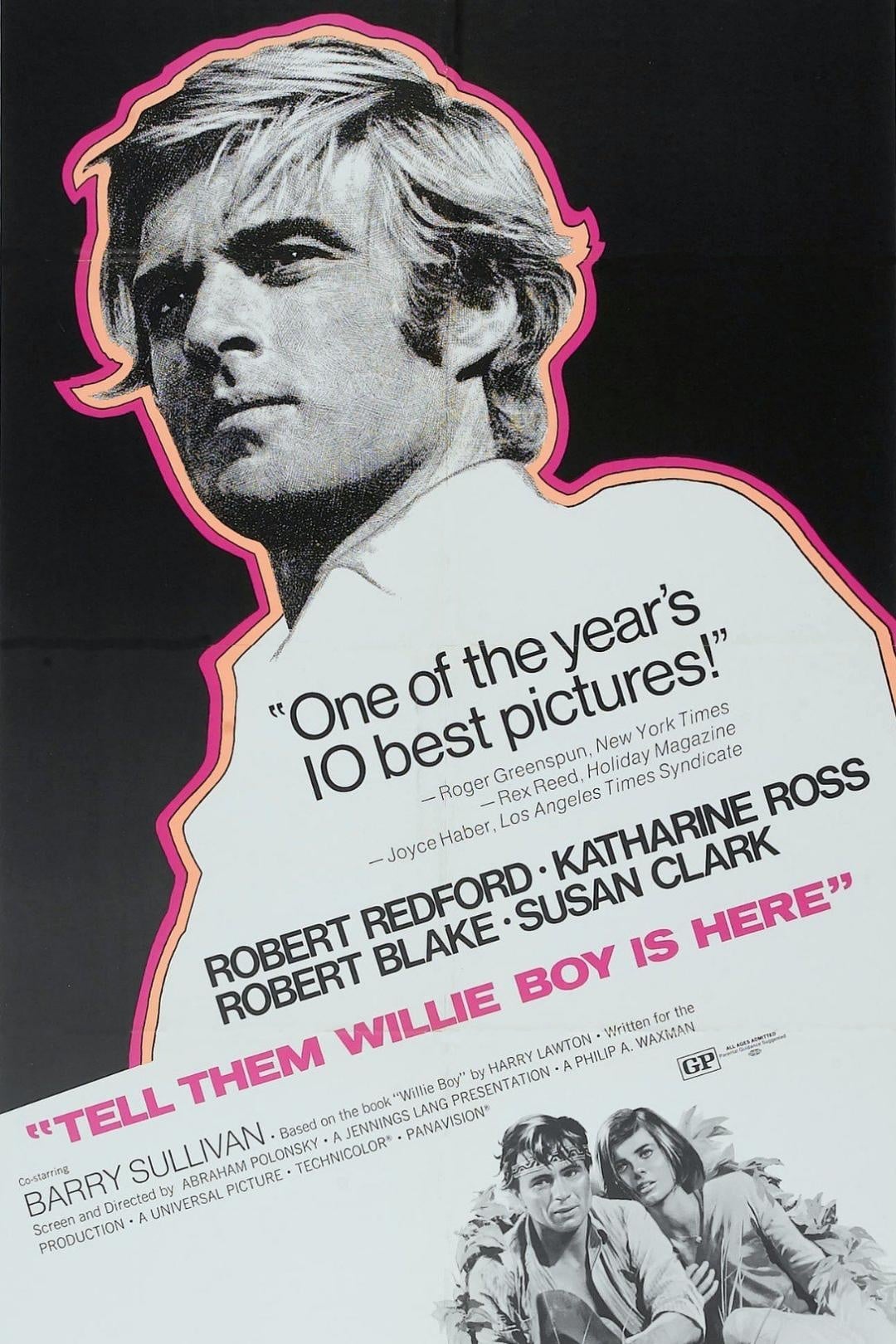
While confronting the disapproving father of his girlfriend Lola, Native American man Willie Boy kills the man in self-defense, triggering a massive manhunt, led by Deputy Sheriff Christopher Cooper.
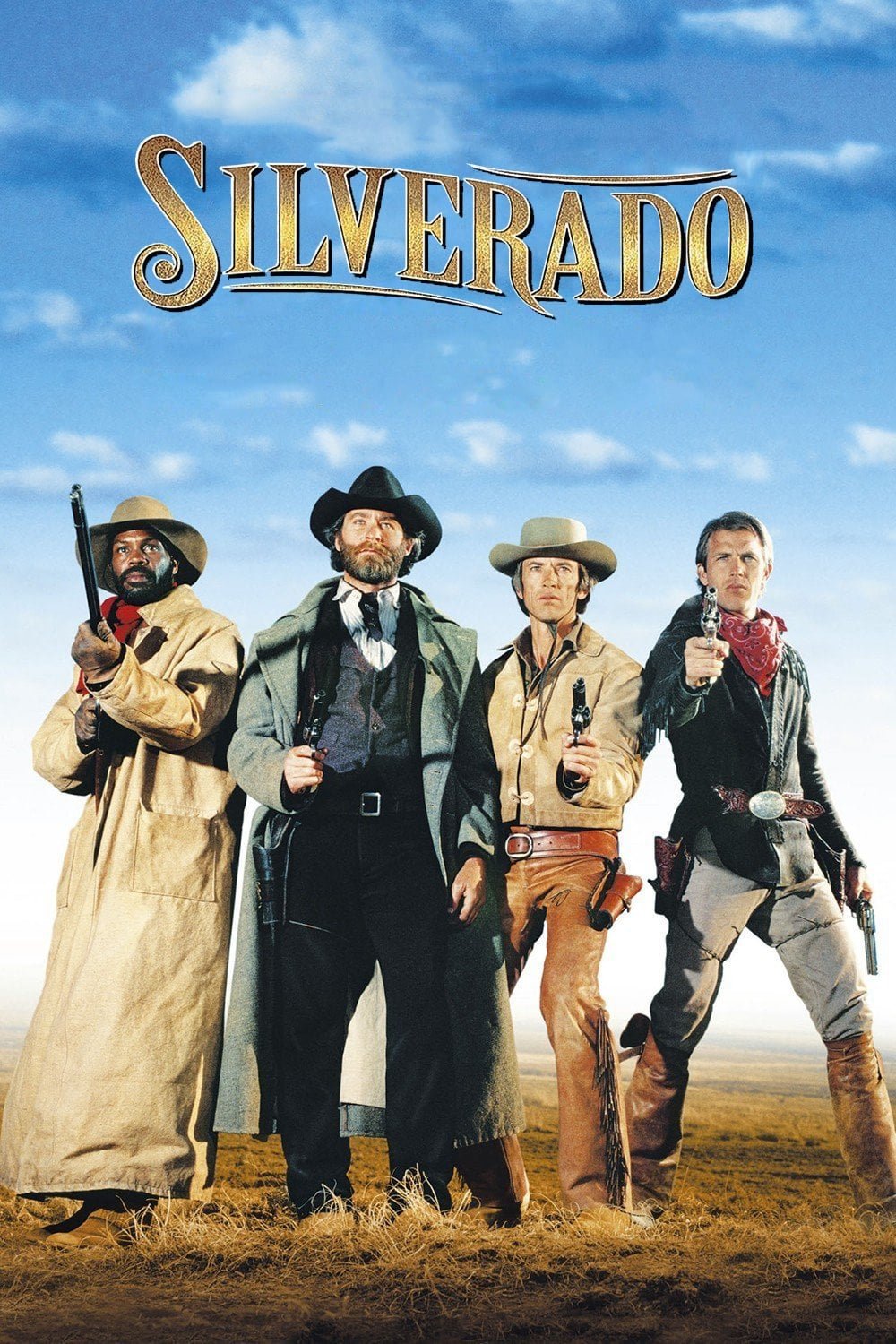
Four unwitting heroes cross paths on their journey to the sleepy town of Silverado. Little do they know the town where their family and friends reside has been taken over by a corrupt sheriff and a murderous posse. It's up to the sharp-shooting foursome to save the day, but first they have to break each other out of jail, and learn who their real friends are.
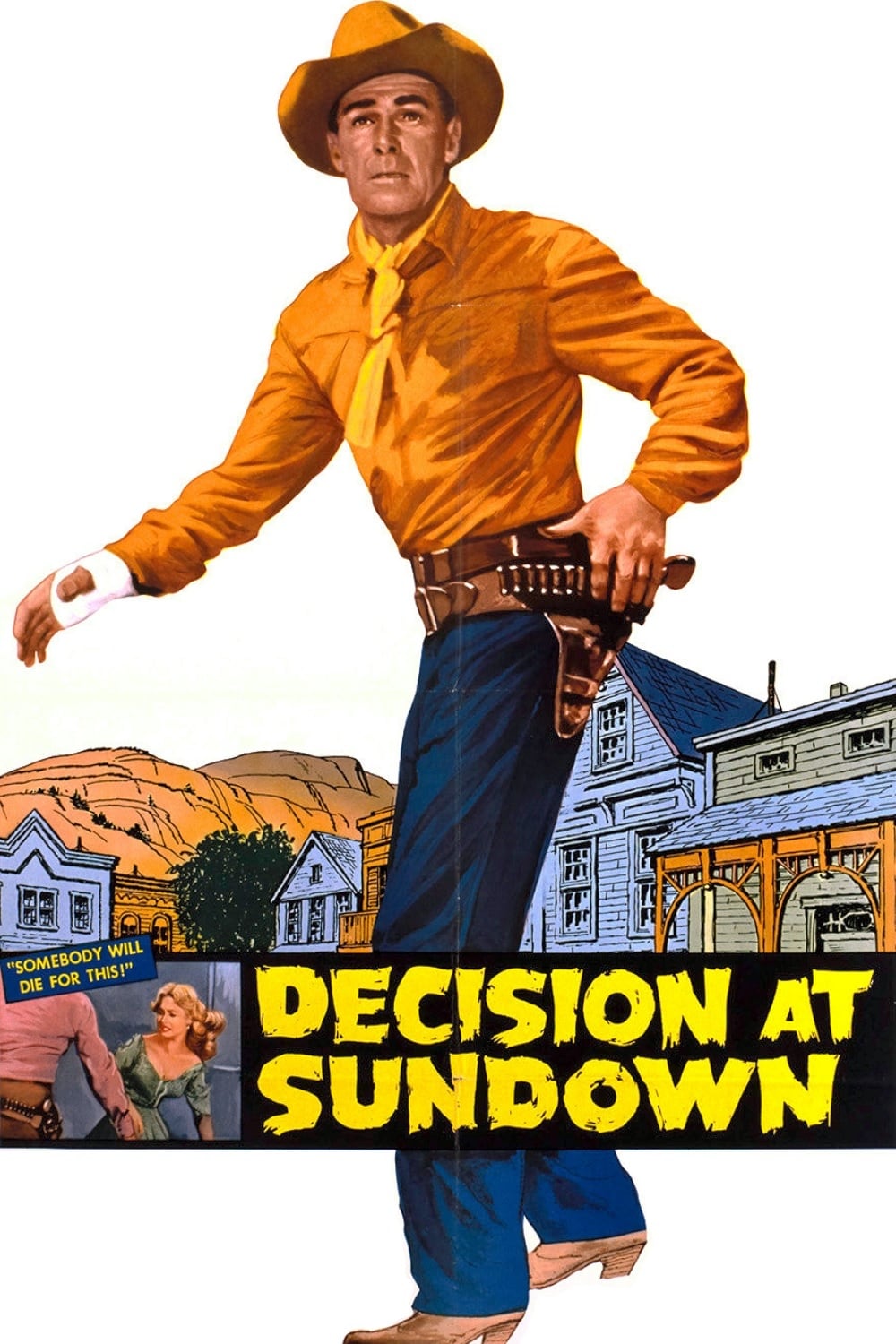
A man and his partner arrive at a small Western town to kill its most powerful man because the former blames him for his wife's death.
In this epic Western, Wade Hatton, a wagon master turned sheriff, tames a cow town at the end of a railroad line.
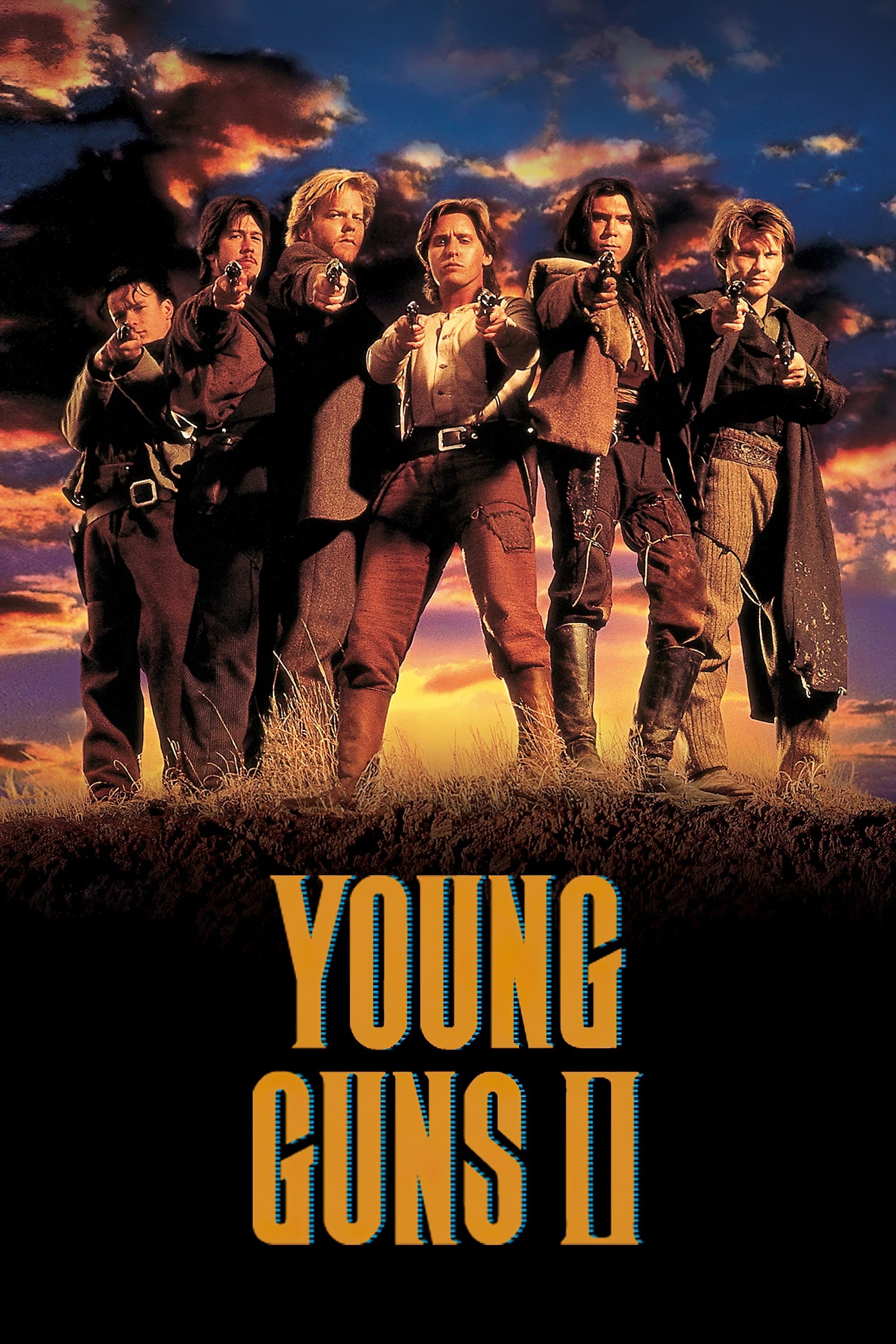
Three of the original five "young guns" — Billy the Kid, Jose Chavez y Chavez, and Doc Scurlock — return in Young Guns, Part 2, which is the story of Billy the Kid and his race to safety in Old Mexico while being trailed by a group of government agents led by Pat Garrett.
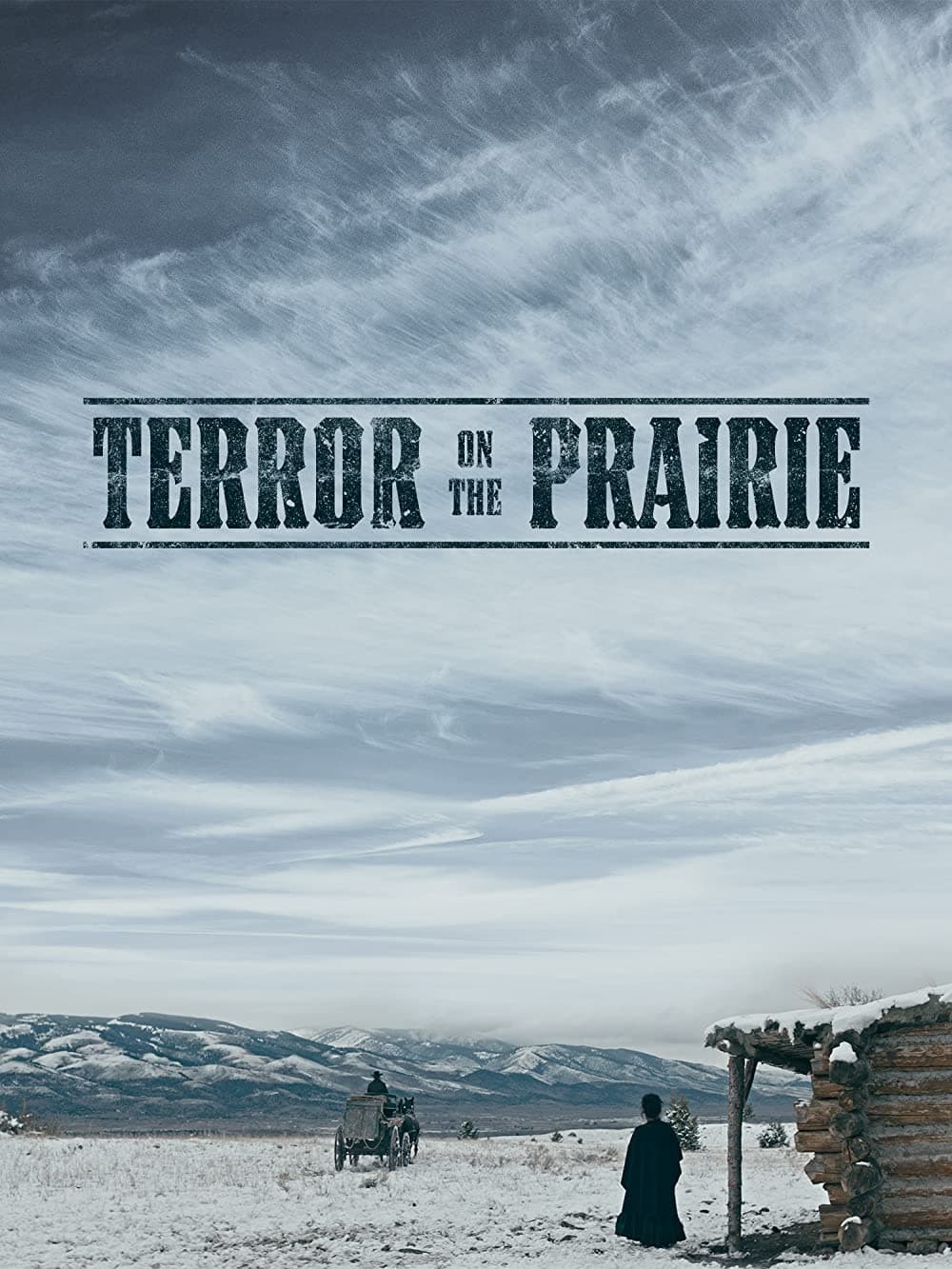
A pioneering family fights back against a gang of vicious outlaws that is terrorizing them on their newly-built farm on the plains of Montana.
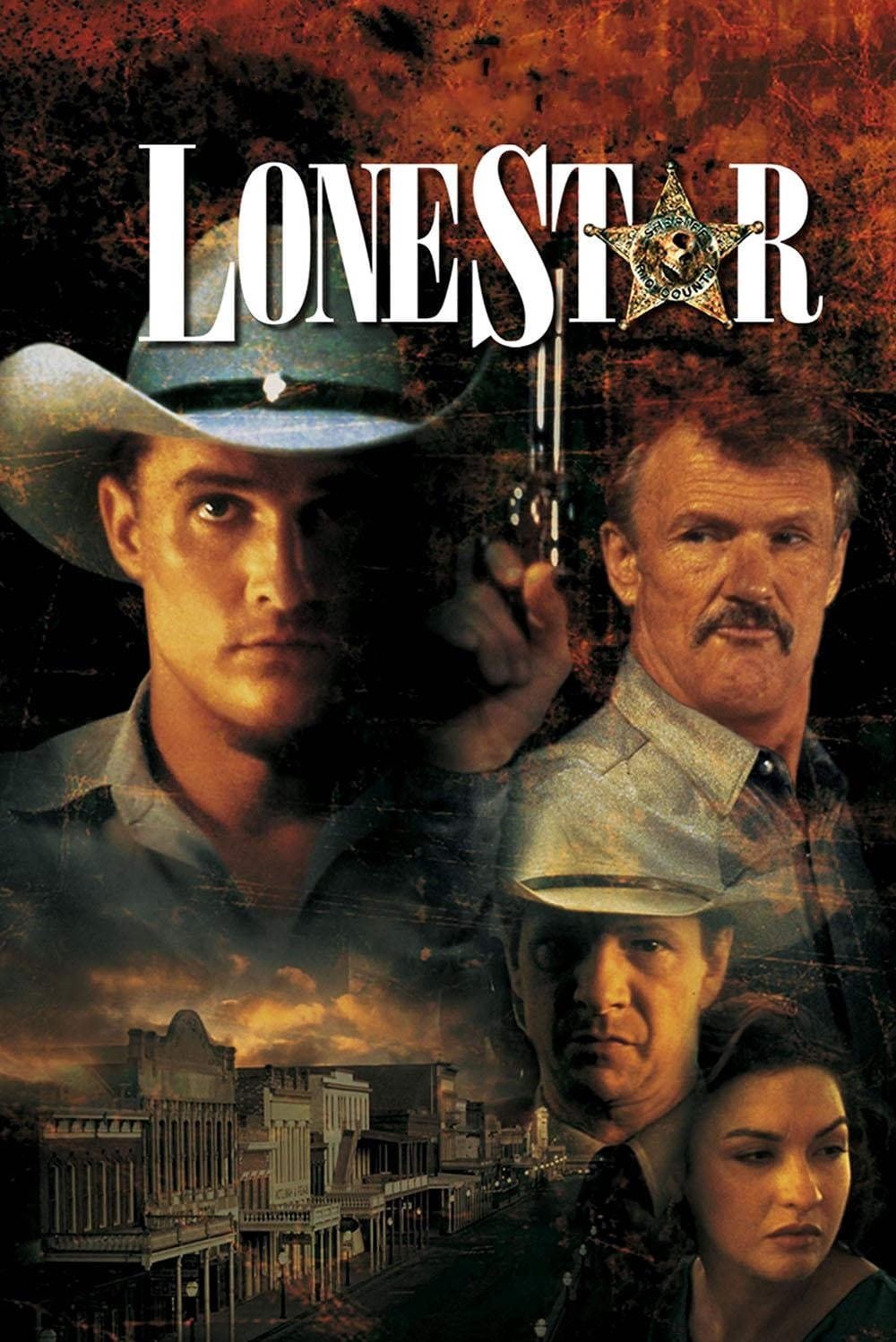
When the skeleton of his murdered predecessor is found, Sheriff Sam Deeds unearths many other long-buried secrets in his Texas border town.
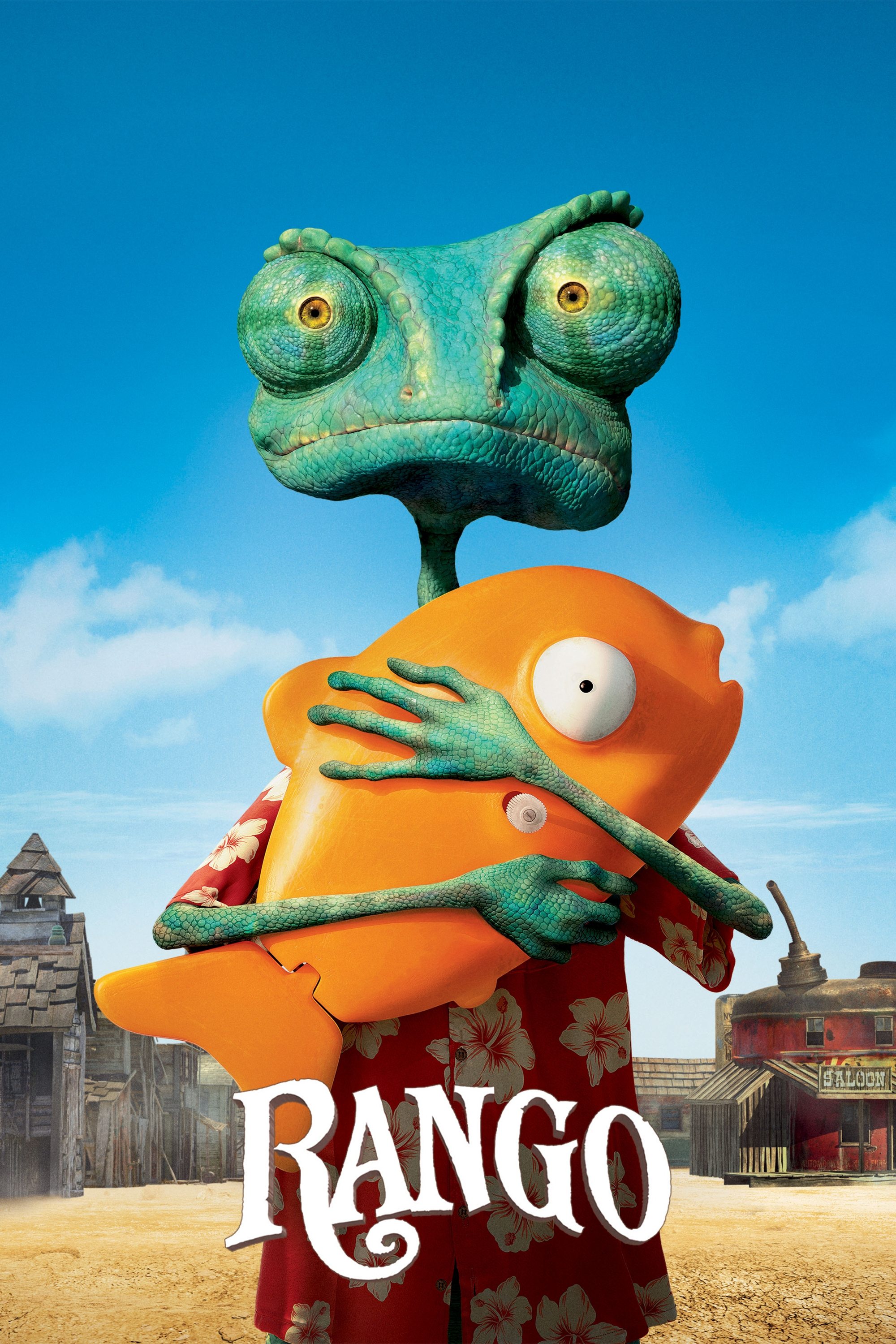
When Rango, a lost family pet, accidentally winds up in the gritty, gun-slinging Western town of Dirt, the theater-loving lizard suddenly finds himself the newly appointed sheriff. Welcomed as the last hope the town has been waiting for, Rango is forced to play his new role to the hilt and uncover the truth behind a looming water crisis—before his act catches up with him.
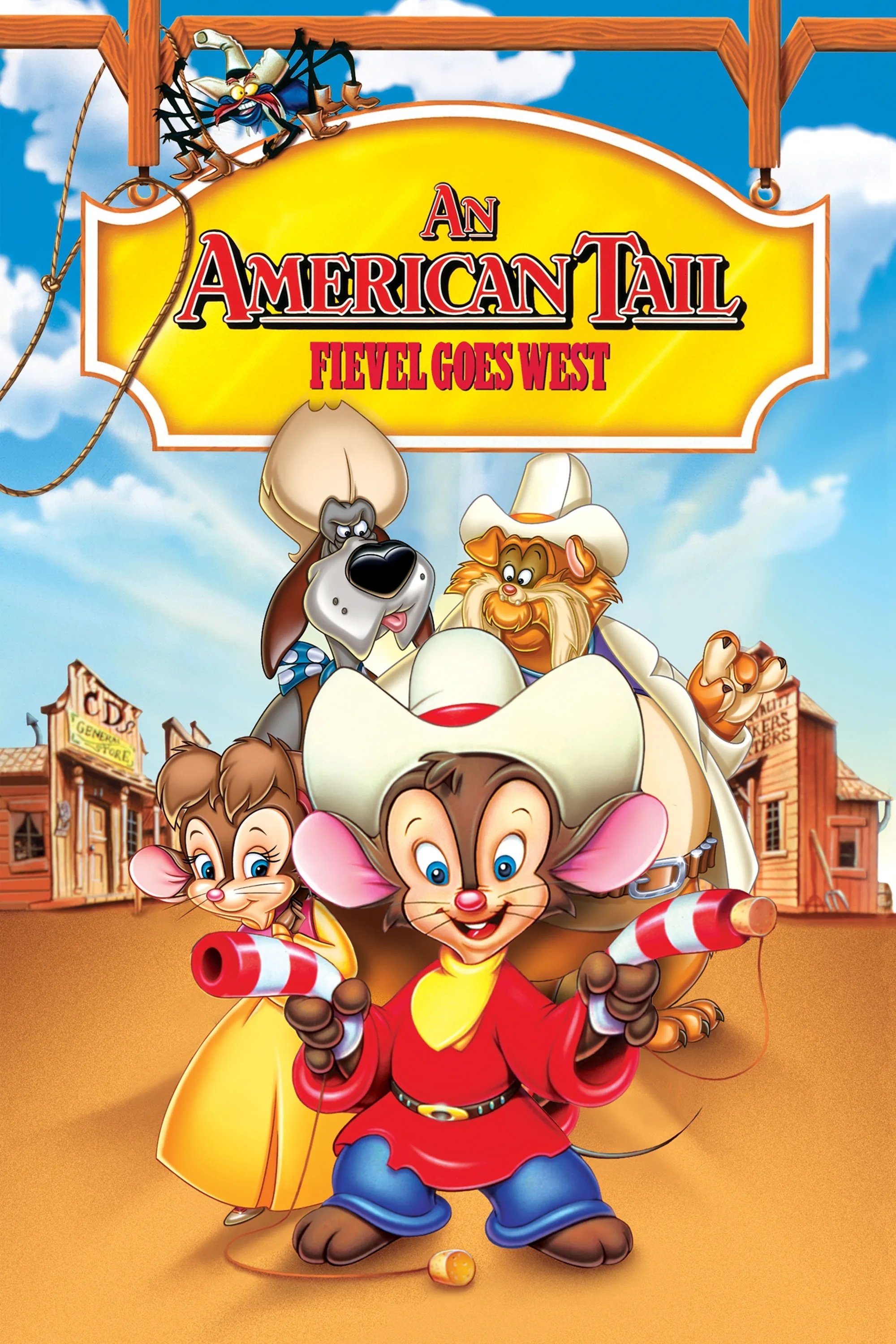
Some time after the Mousekewitz's have settled in America, they find that they are still having problems with the threat of cats. That makes them eager to try another home out in the west, where they are promised that mice and cats live in peace. Unfortunately, the one making this claim is an oily con artist named Cat R. Waul who is intent on his own sinister plan.