Social & External
The people behind it
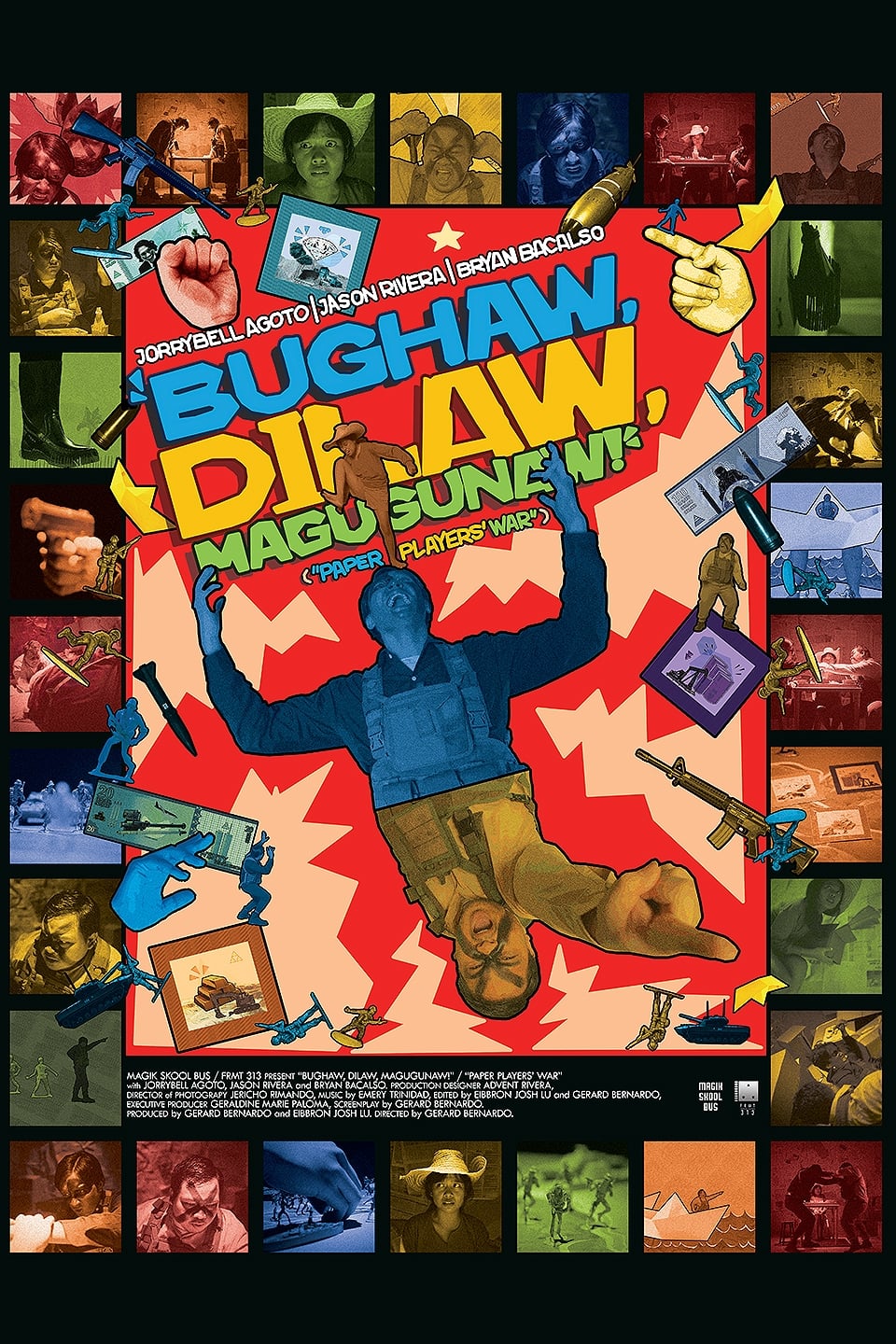
A Blue Soldier and a Yellow Soldier play a board game trying to outwit each other, struggling for control over a piece of land. The Farmer who belongs to the land is not allowed to play and must pick a side. As the fighting escalates, what side does she choose?
This documentary addresses the legacy of the military dictatorship in Chile by sharing the story of young fighters killed by the Pinochet regime as a backdrop to the history of the military dictatorship and the ongoing social conflict in that area. The larger story unfolds in three shorter parts, which explore the student movement, the history of the towns that became centers of armed resistance against the dictatorship, and the indigenous Mapuche conflict.
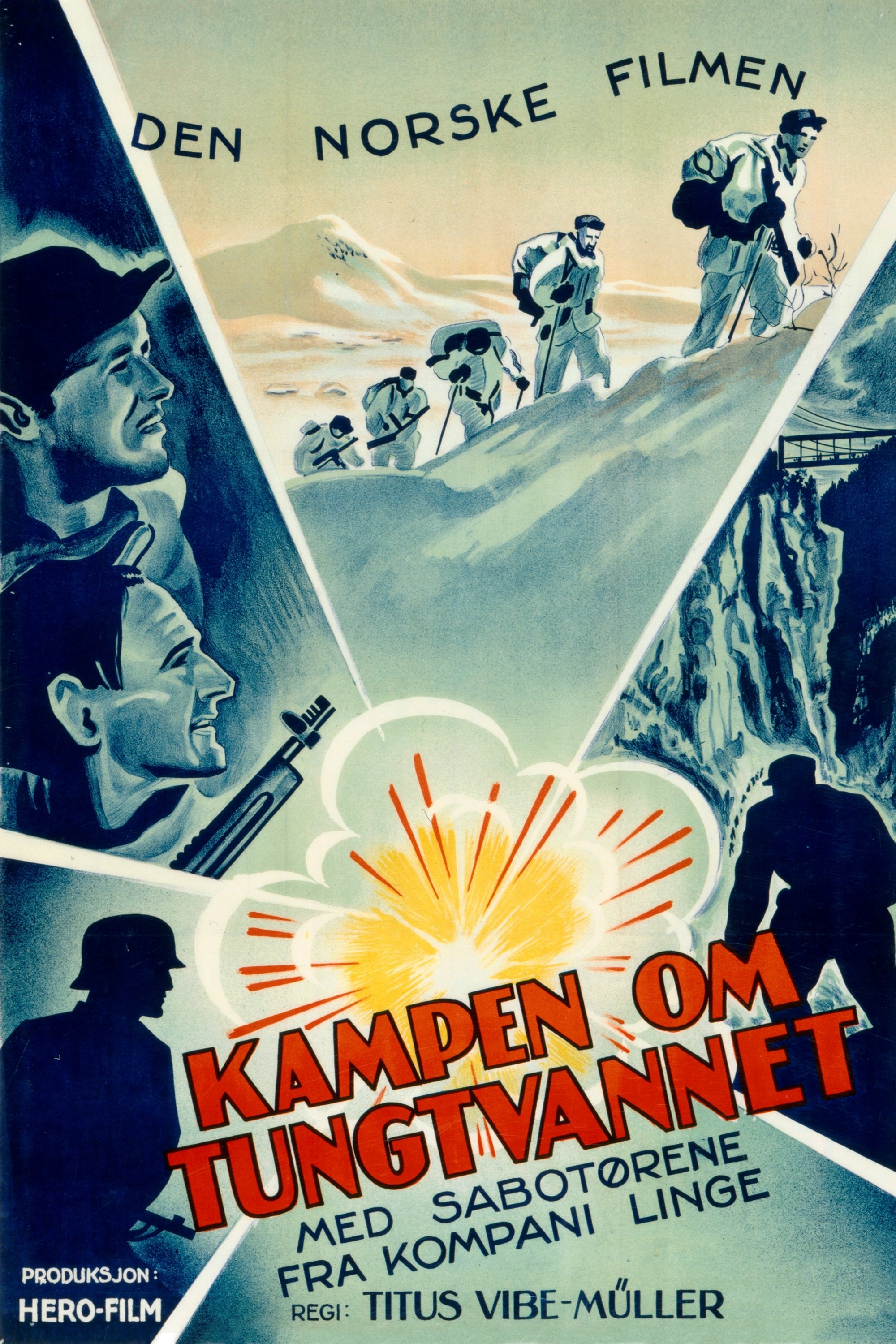
A factual reconstruction of the sabotage events which took place to prevent Hitler's Germany from getting the heavy water needed to make an atomic bomb during the Second World War.
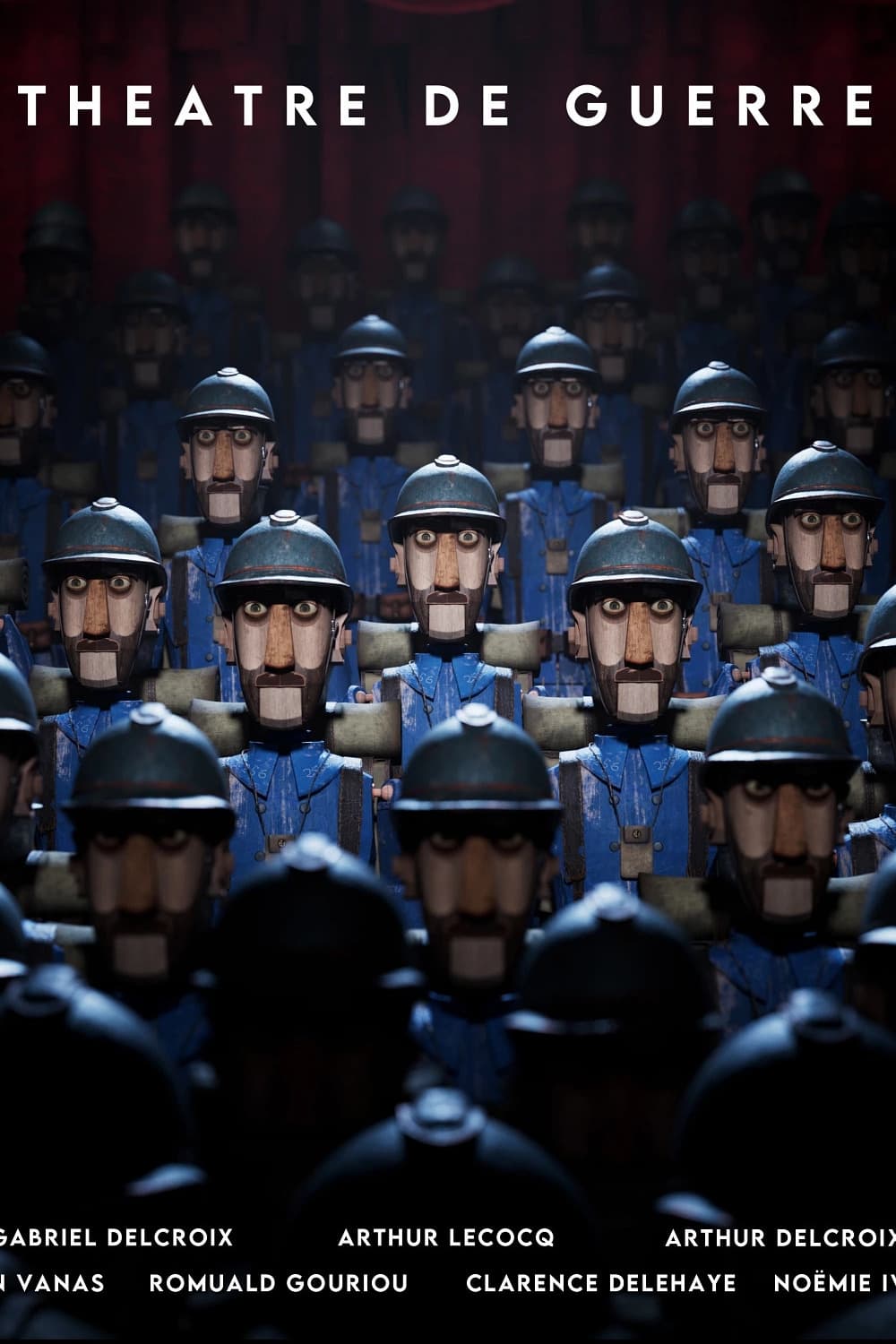
During a theatrical performance featuring puppets glorifying war, a wounded soldier is taken backstage where he unveils the truth about war.
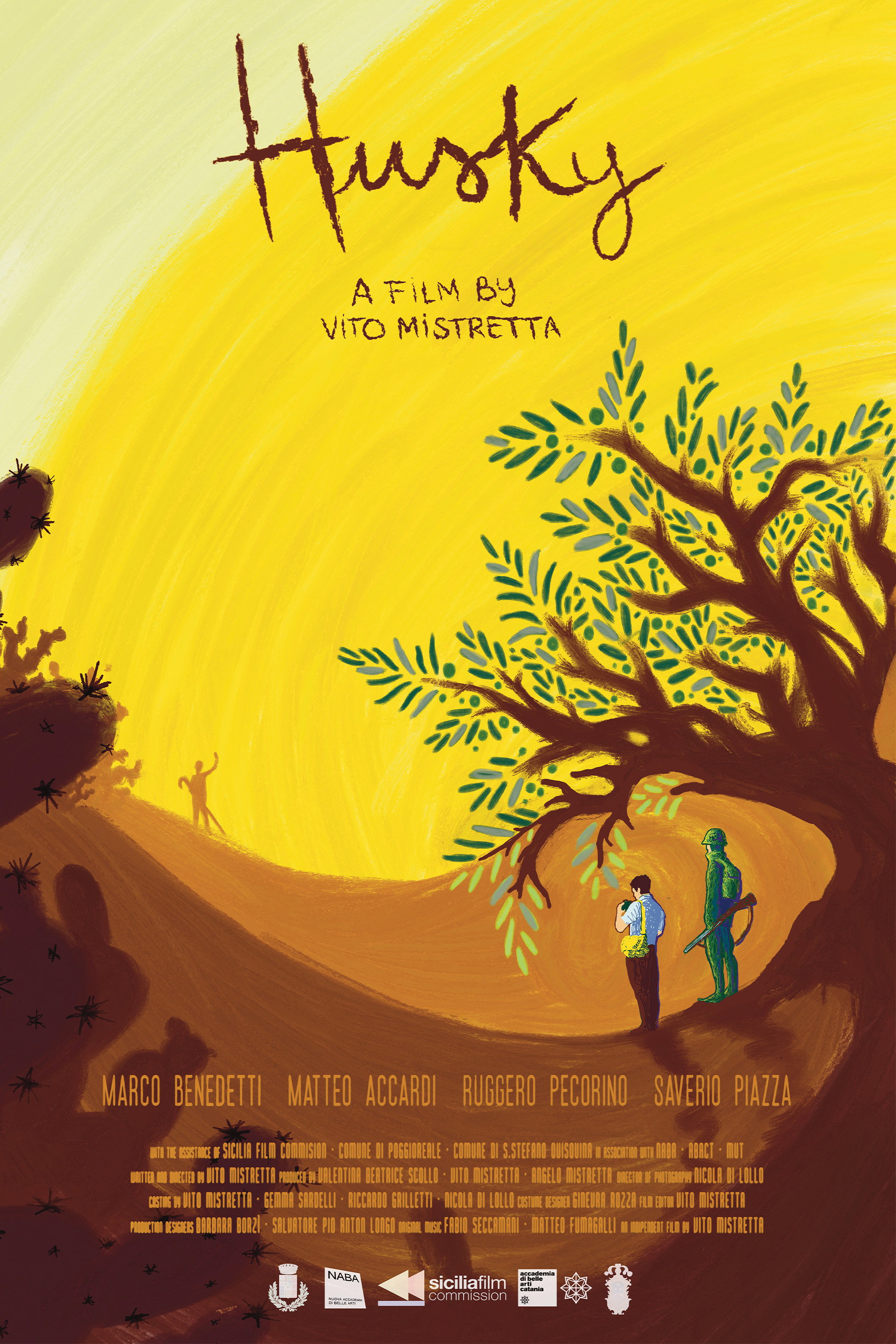
Sicily, July 1943. At dawn on Operation Husky, photojournalist Robert Capa and a young Italian American soldier find themselves isolated in the Sicilian countryside. An encounter with a humble farmer and his son transforms a forced stop into a moment of suspension from the conflict, culminating in a photograph that will become a symbol of the Italian Campaign.
BBC's Simon Dring's film focuses on the EPLF, Eritrean People's Liberation Front, which is battling Ethiopian forces. The film includes interviews with Ali Sayed, EPLF head of foreign missions, and Mohammed Ramadan Nour, General Secretary.
“I Beg You To Like Me”, serves as a testimony of individuals who felt oppressed about their body image for not meeting the standard beauty criteria, and demonstrates how a reckless language based on others’ physical appearance could turn violent. It aims to achieve much more than simply stating the obvious, which is that we are not obligated to submit to the ideal beauty standards dictated by the media, consumerism and the beauty industry. The intimate stories about one’s own body image as told by women, men, disabled people and LGBT individuals make it apparent that any one of us could end up being a victim and a perpetrator at the same time. What if, this iconic body image is nothing but an unobtainable fallacy? “Is it not yet the time to openly discuss the conventional perception of beauty, and step up onto the catwalk in our actual likeness?
In the German-occupied Paris, Helene is torn between the love for her boyfriend Jean, working for the resistance and the German administrator Bergmann, who will do anything to gain her affection.
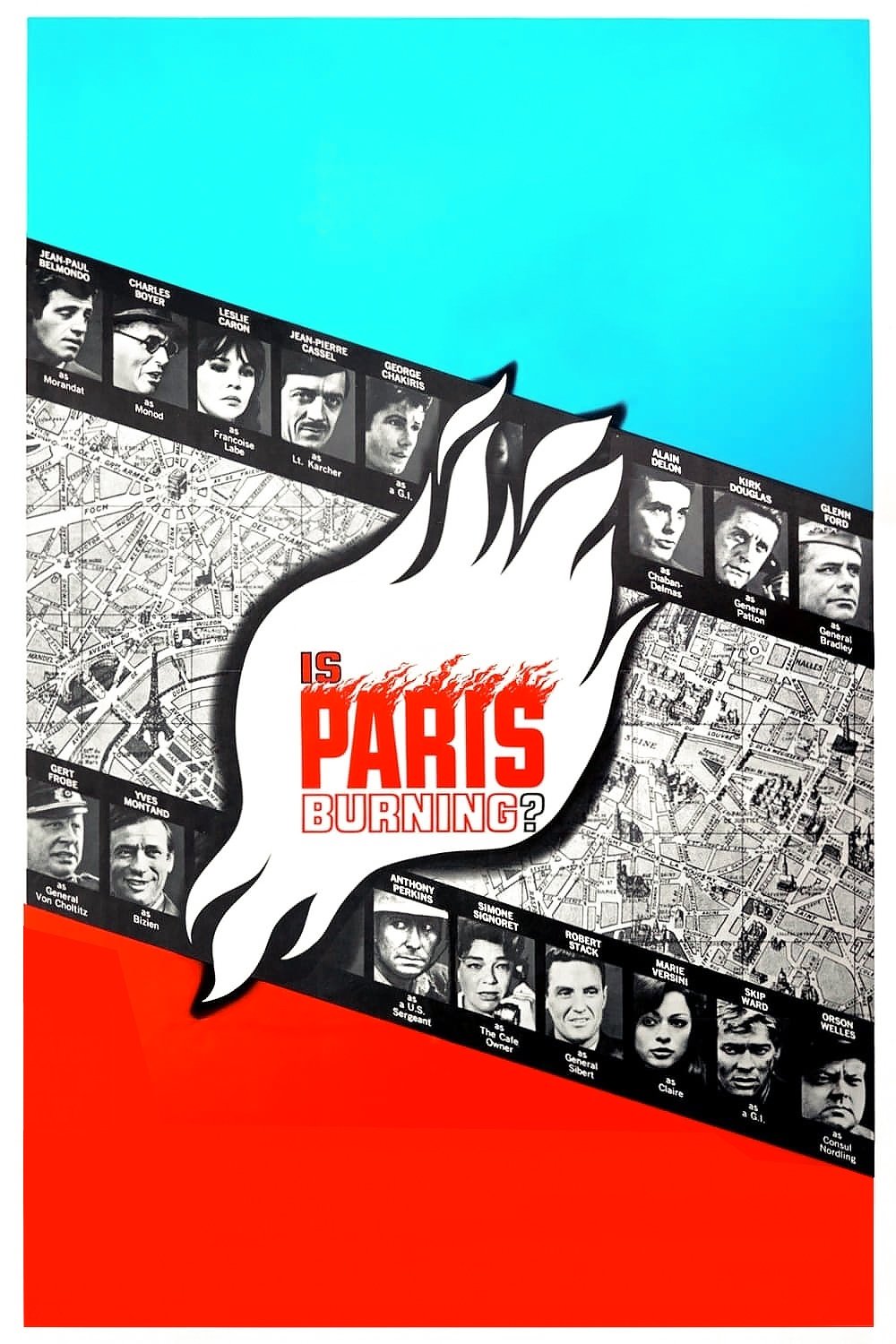
Near the end of World War II, General Dietrich von Choltitz receives orders to burn down Paris if it becomes clear the Allies are going to invade, or if he's unable to maintain control of the city. After much contemplation, Choltitz ignores orders, enraging the Germans and giving hope to various resistance factions that the city will be liberated. Choltitz, alongside Swedish diplomat Raoul Nordling, helps a leader organise his forces.
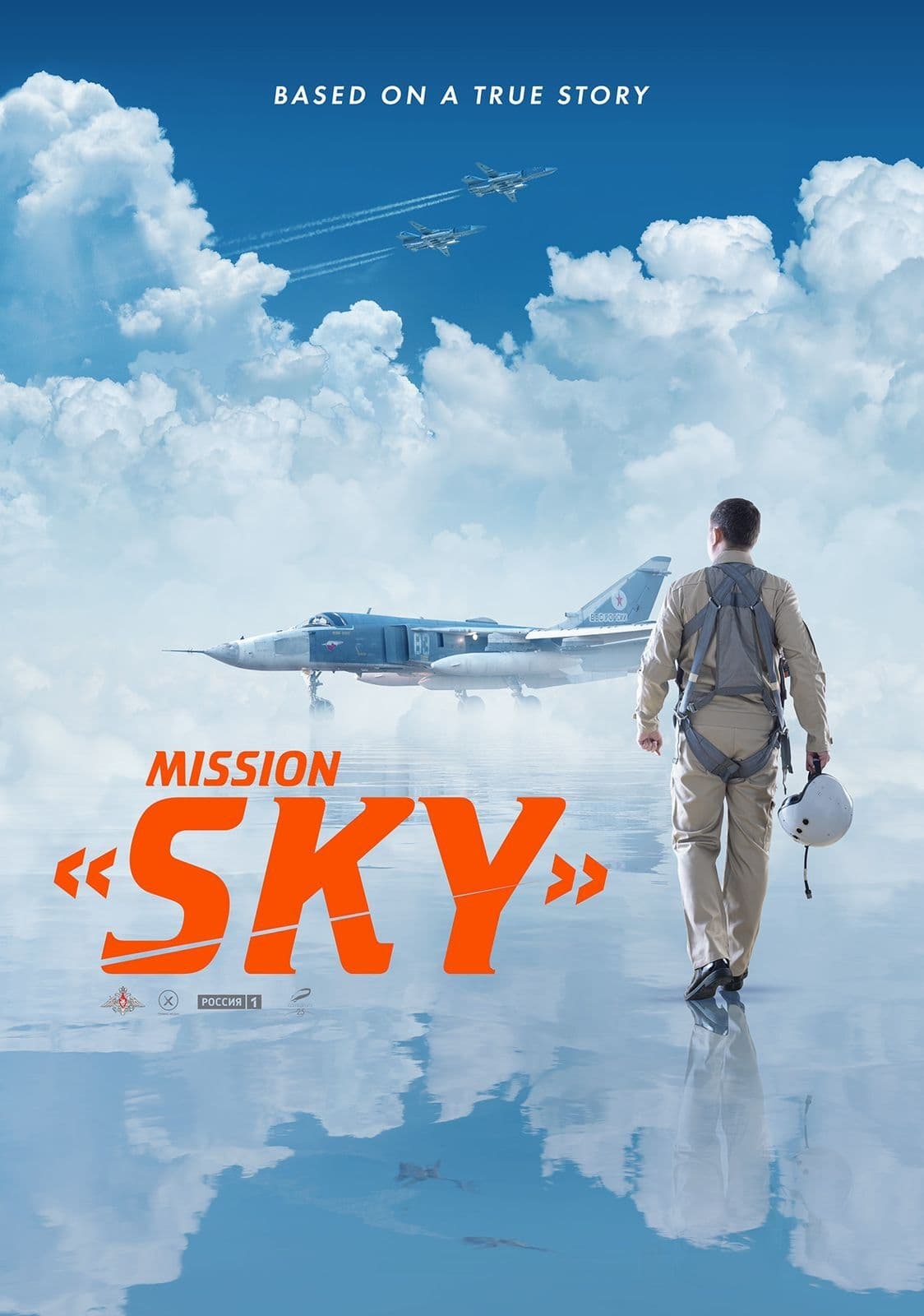
In the center of the story are three main characters - Lieutenant Colonel Soshnikov, Captain Muravyov and Major Zakharov. Three ages, three different characters, three different destinies, which are destined to meet at the Khmeimim military base.
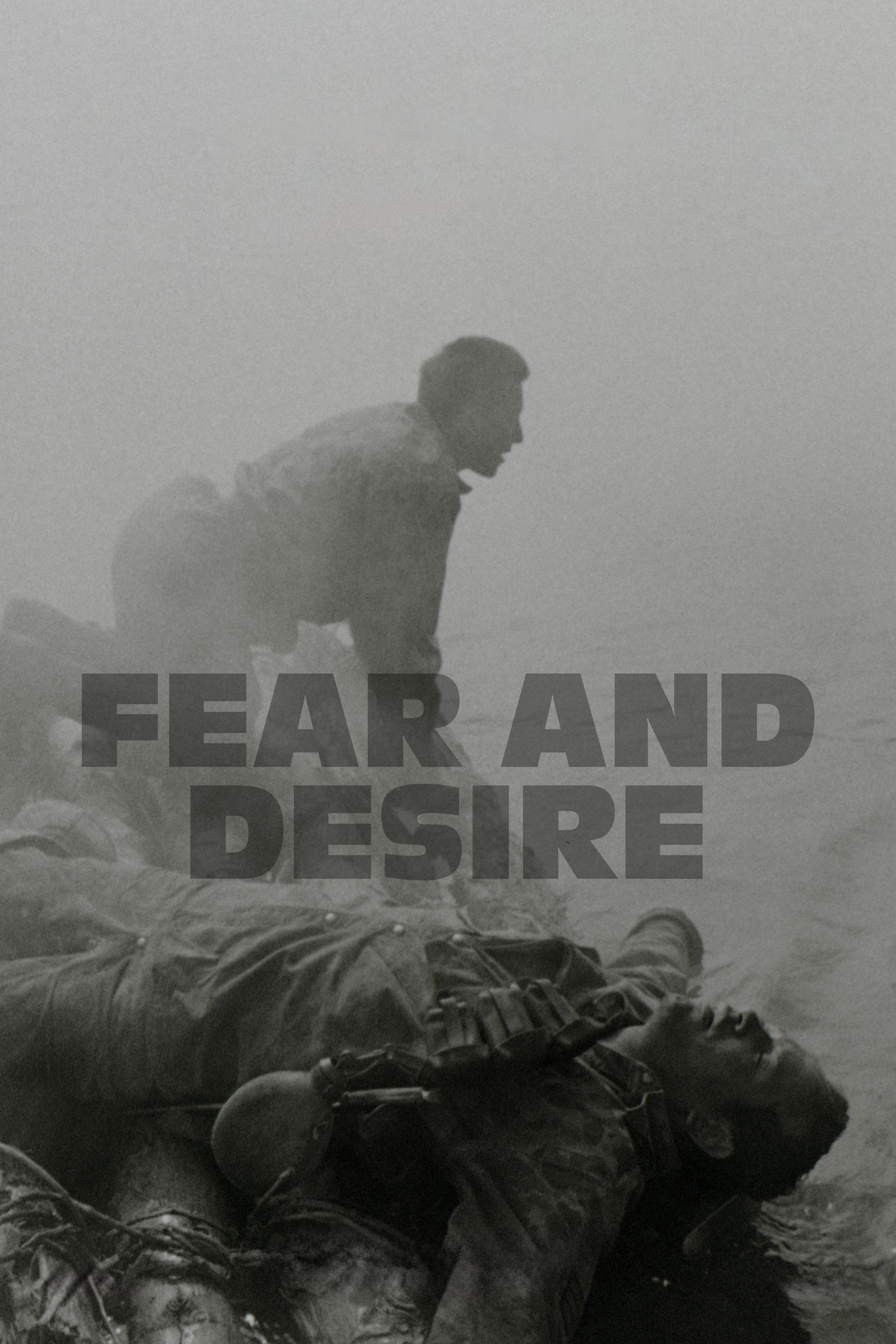
After their airplane crashes behind enemy lines, four soldiers must survive and try to find a way back to their battalion. However, when they come across a local peasant girl the horrors of war quickly become apparent.
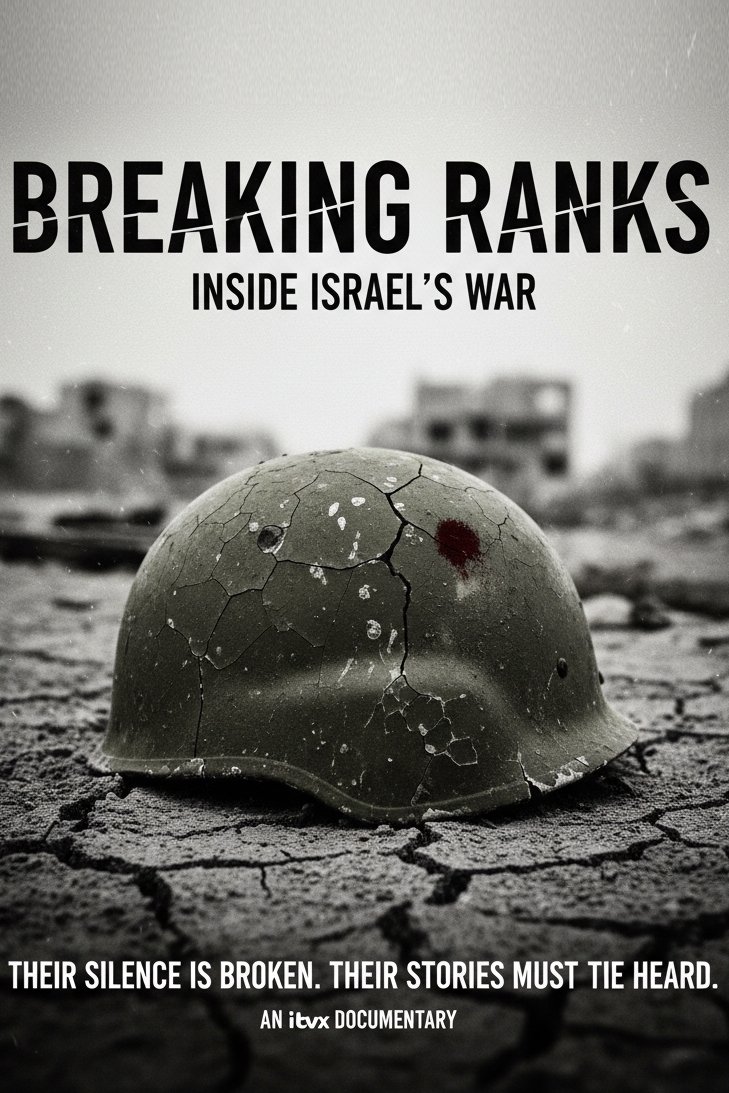
Breaking Ranks: Inside Israel’s War presents the first-hand recollections of IDF soldiers who have broken official silence to share their experiences of the war in Gaza - accounts that may raise serious questions about conduct on the ground and potential breaches of international law. Directed by award-winning filmmaker Ben Zand, the film features exclusive interviews with Israel Defense Forces (IDF), reservists and veterans - many speaking for the first time - who served during the war in Gaza. Their testimonies describe what they recall as indiscriminate bombardment, instances where Palestinian civilians were used as human shields, and an operational culture that some soldiers characterised as “no innocents in Gaza.”
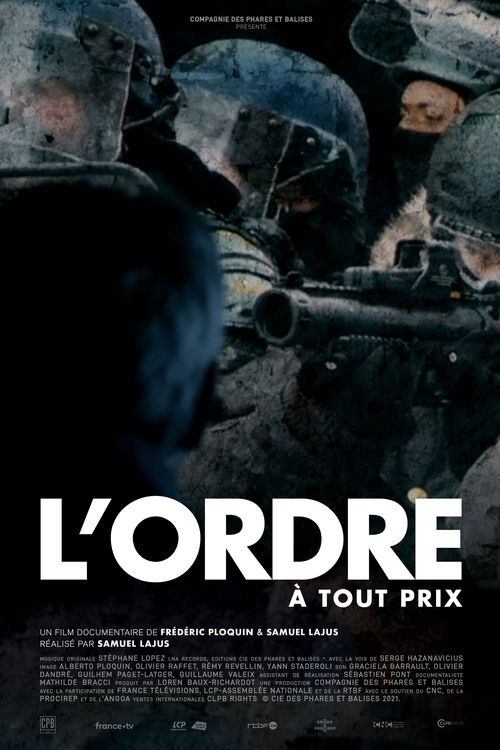
When France rumbles, the strategy and control of public order become a crucial political issue. Between protecting institutions and guaranteeing the right to demonstrate: the right balance is subtle. At the beginning of the Yellow Vests movement, at the end of 2018, the principles of "French-style" policing were shattered. The ransacking of the Arc Triomphe, the hundreds of injuries among the demonstrators and the forces of order mark the minds. How did it come to this? In order to understand, the film questions the so-called "legitimate" force and confronts them with the images of these confrontations.
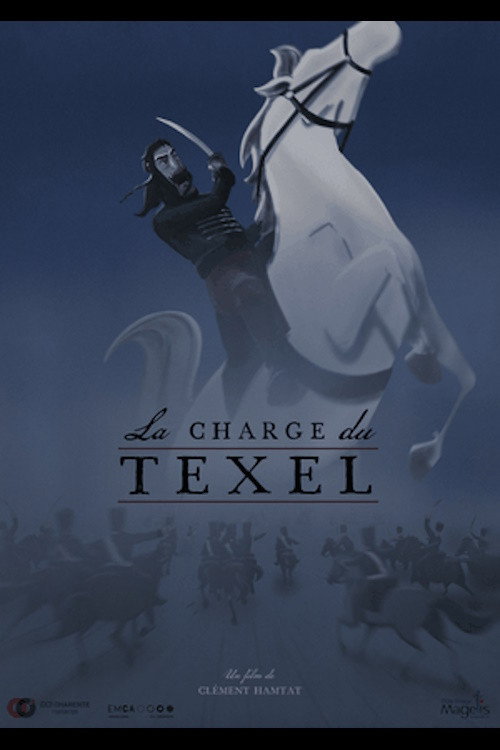
1795, Holland. The French vanguard is pushing towards the north, through a strong blizzard, beyond the enemy lines. At the head of the cavalry, Major Lahure learns that a British fleet, seeking to escape to England, is trapped by the ice off the coast, and prepares one of the boldest ventures of its time.
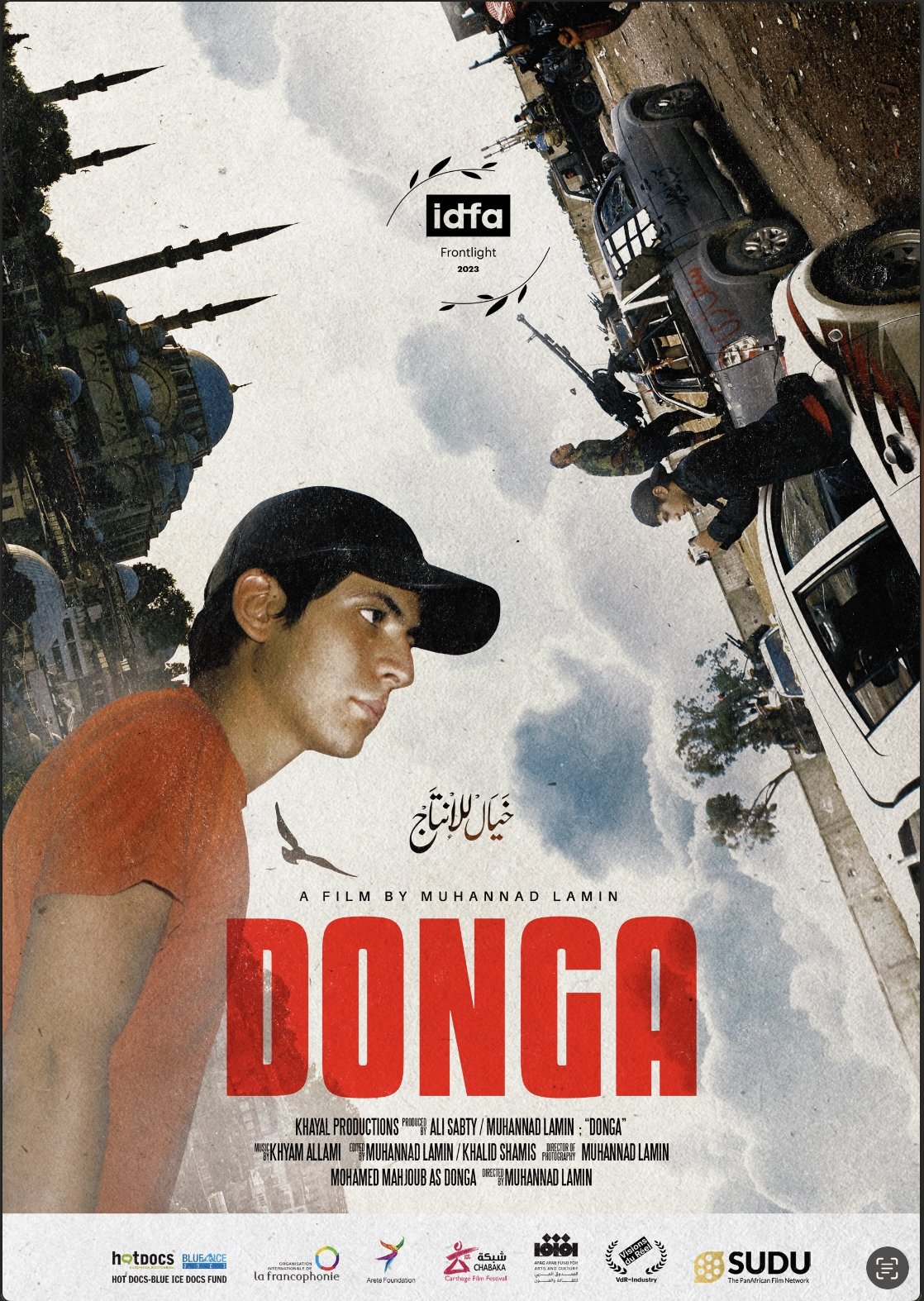
“There was excitement in the air,” says Donga, now in his late twenties, describing his feelings when the uprising against Muammar Gaddafi’s rule broke out in 2011. He was 19, living in Misrata, and boldly went to film the fighting with a friend. A decade later, in a hotel in Istanbul, where he has been living since he was wounded in battle, he looks back on the past ten years through excerpts from his videos. And he reflects on how that period has affected him.
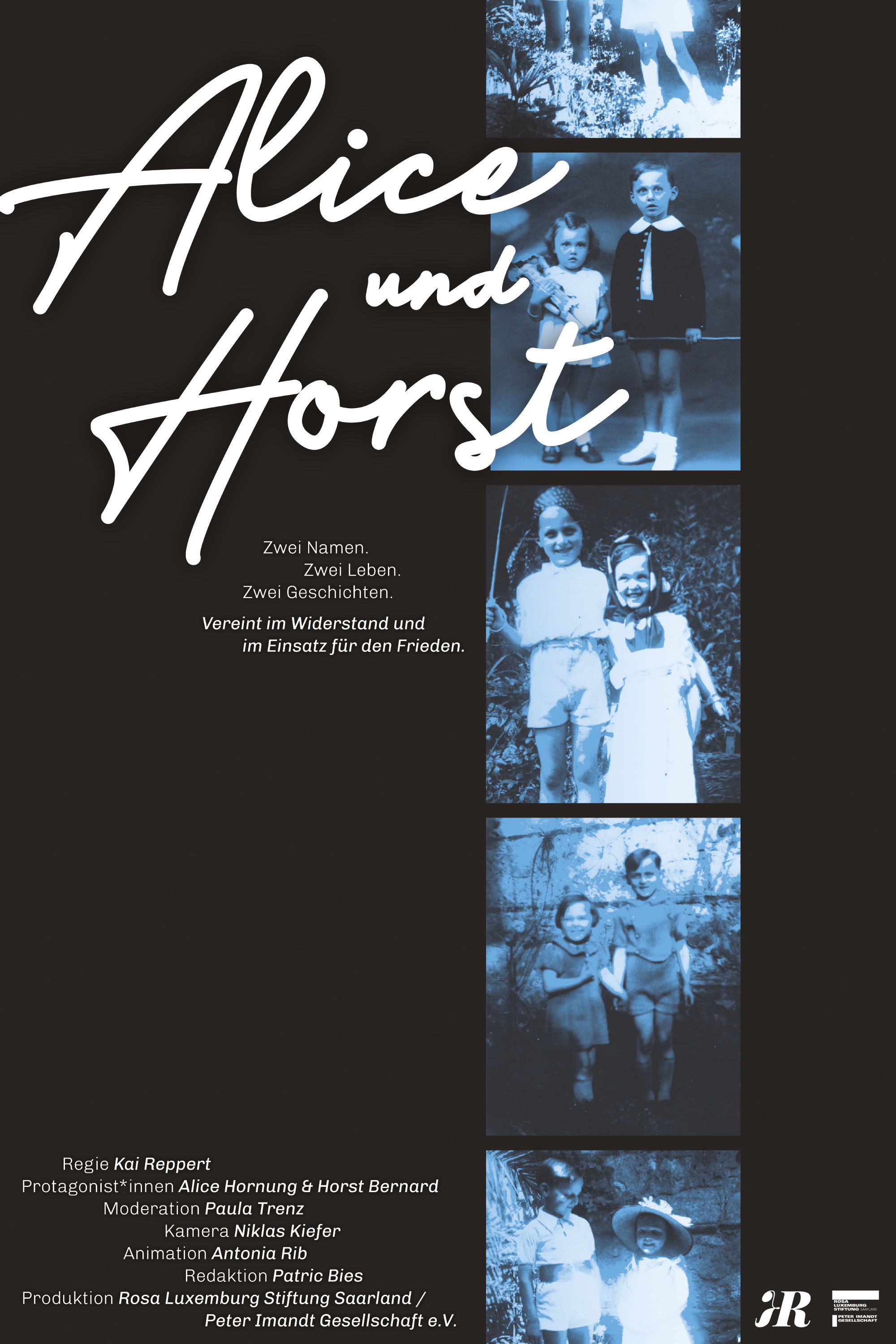
Alice and Horst paints a moving portrait of two siblings from Saarbrücken whose lives were shaped by their family’s antifascist resistance. As children, Alice Hornung and Horst Bernard were forced to flee from the Nazis into exile in France, where, despite constant danger, they also experienced great solidarity. After their return they continued their parents’ political commitment: against fascism, for peace and disarmament. The film combines personal memories with rare archival footage and portrays two individuals who, well into old age, remain unwavering in their commitment to justice and remembrance.
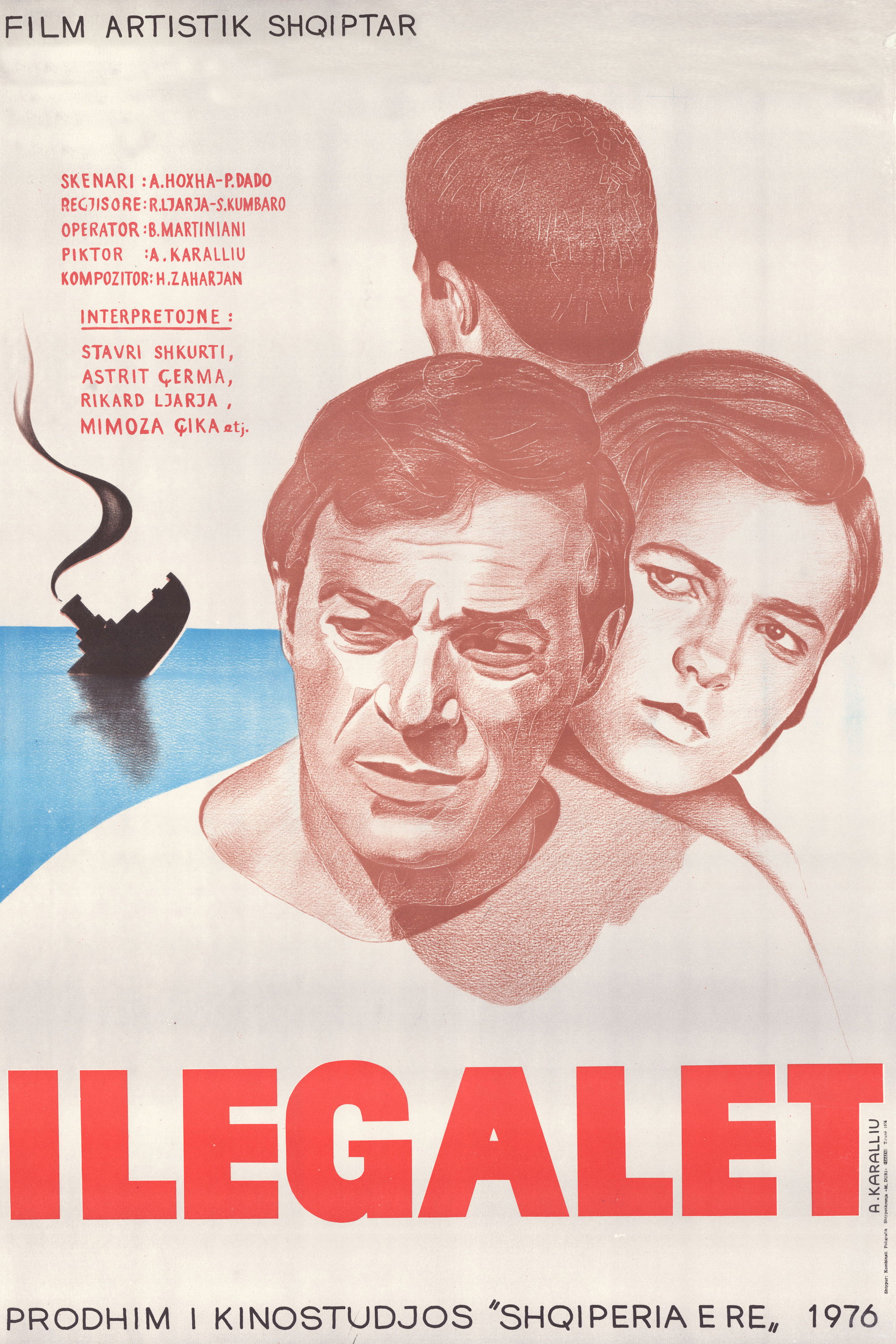
During World War II, an Italian agent tries to infiltrate the Albanian guerrilla units under the identity of 'engineer Tosti'.
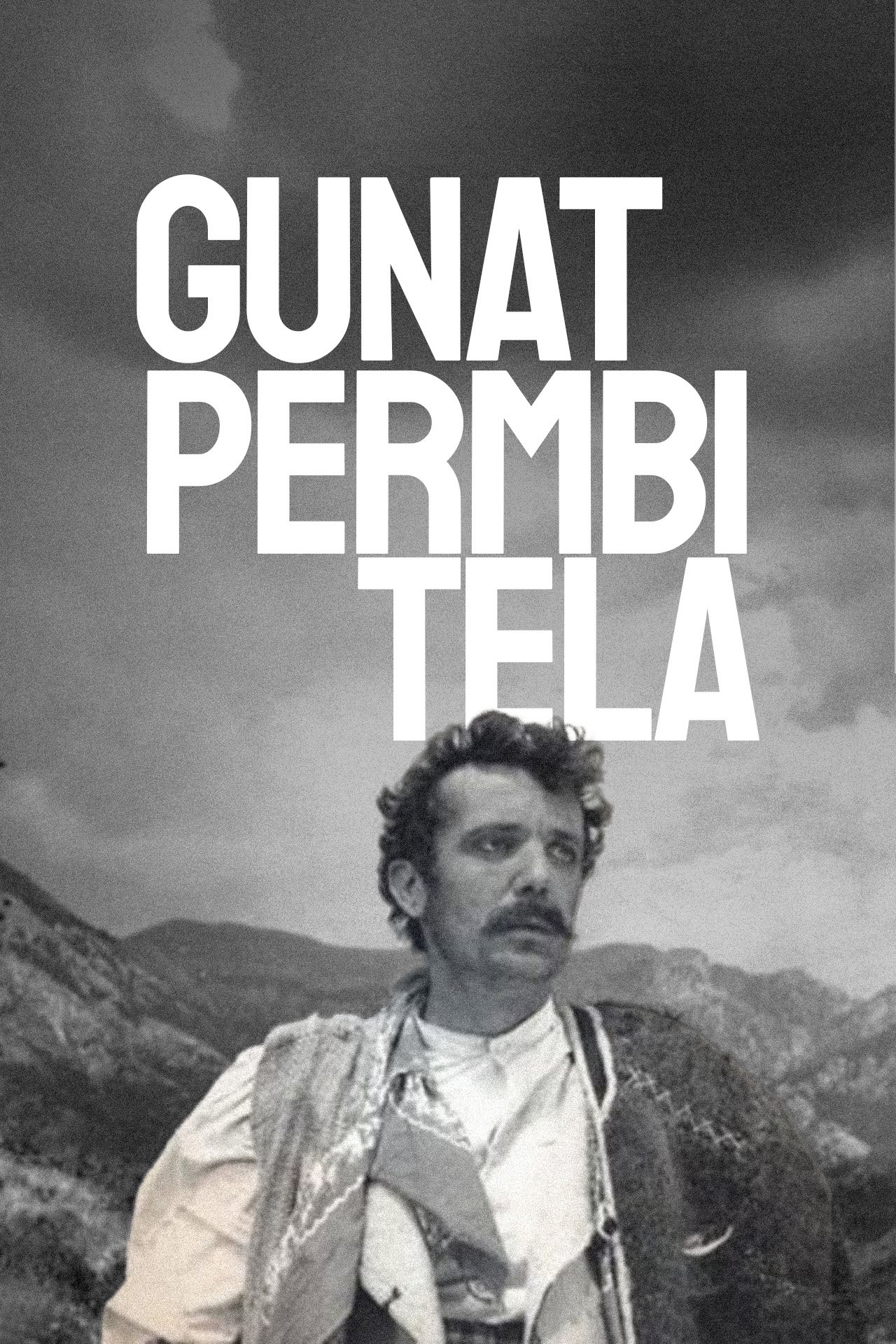
A film about the Italian troops leaving Vlora and Albanian partisans finally entering the enemy camp.
“The Soviet Story” is a story of an Allied power, which helped the Nazis to fight Jews and which slaughtered its own people on an industrial scale. Assisted by the West, this power triumphed on May 9th, 1945. Its crimes were made taboo, and the complete story of Europe’s most murderous regime has never been told. Until now...
Amid the failing counteroffensive, a journalist follows a Ukrainian platoon on their mission to traverse one mile of heavily fortified forest and liberate a strategic village from Russian occupation. But the farther they advance through their destroyed homeland, the more they realize that this war may never end.
Prelude to War was the first film of Frank Capra's Why We Fight propaganda film series, commissioned by the Pentagon and George C. Marshall. It was made to convince American troops of the necessity of combating the Axis Powers during World War II. This film examines the differences between democratic and fascist states.
A documentary about World War I with never-before-seen footage to commemorate the centennial of Armistice Day, and the end of the war.
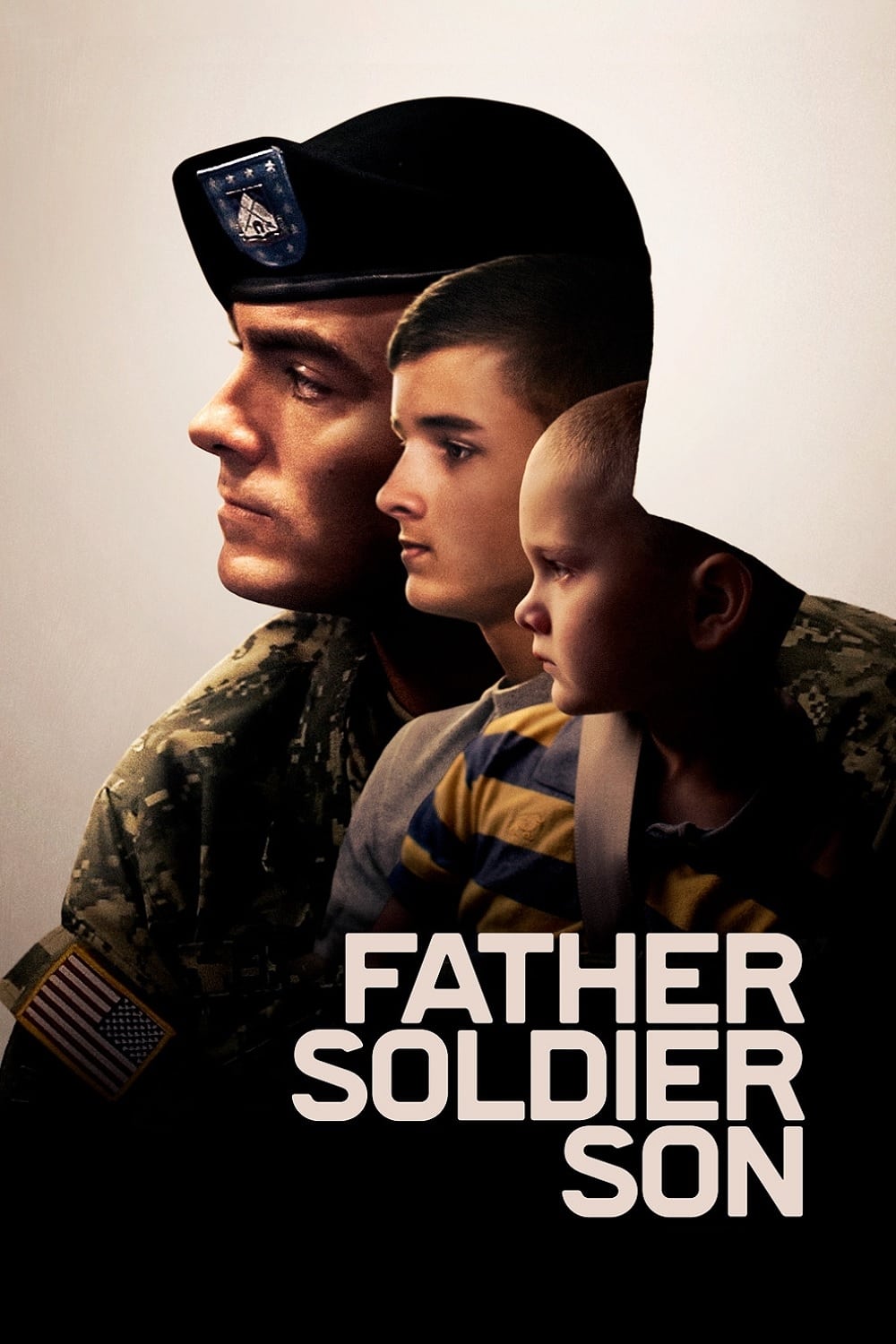
When Sgt. First Class Brian Eisch is critically wounded in Afghanistan, it sets him and his sons on a journey of love, loss, redemption and legacy.
A love letter from a young mother to her daughter, the film tells the story of Waad al-Kateab’s life through five years of the uprising in Aleppo, Syria as she falls in love, gets married and gives birth to Sama, all while cataclysmic conflict rises around her. Her camera captures incredible stories of loss, laughter and survival as Waad wrestles with an impossible choice– whether or not to flee the city to protect her daughter’s life, when leaving means abandoning the struggle for freedom for which she has already sacrificed so much.
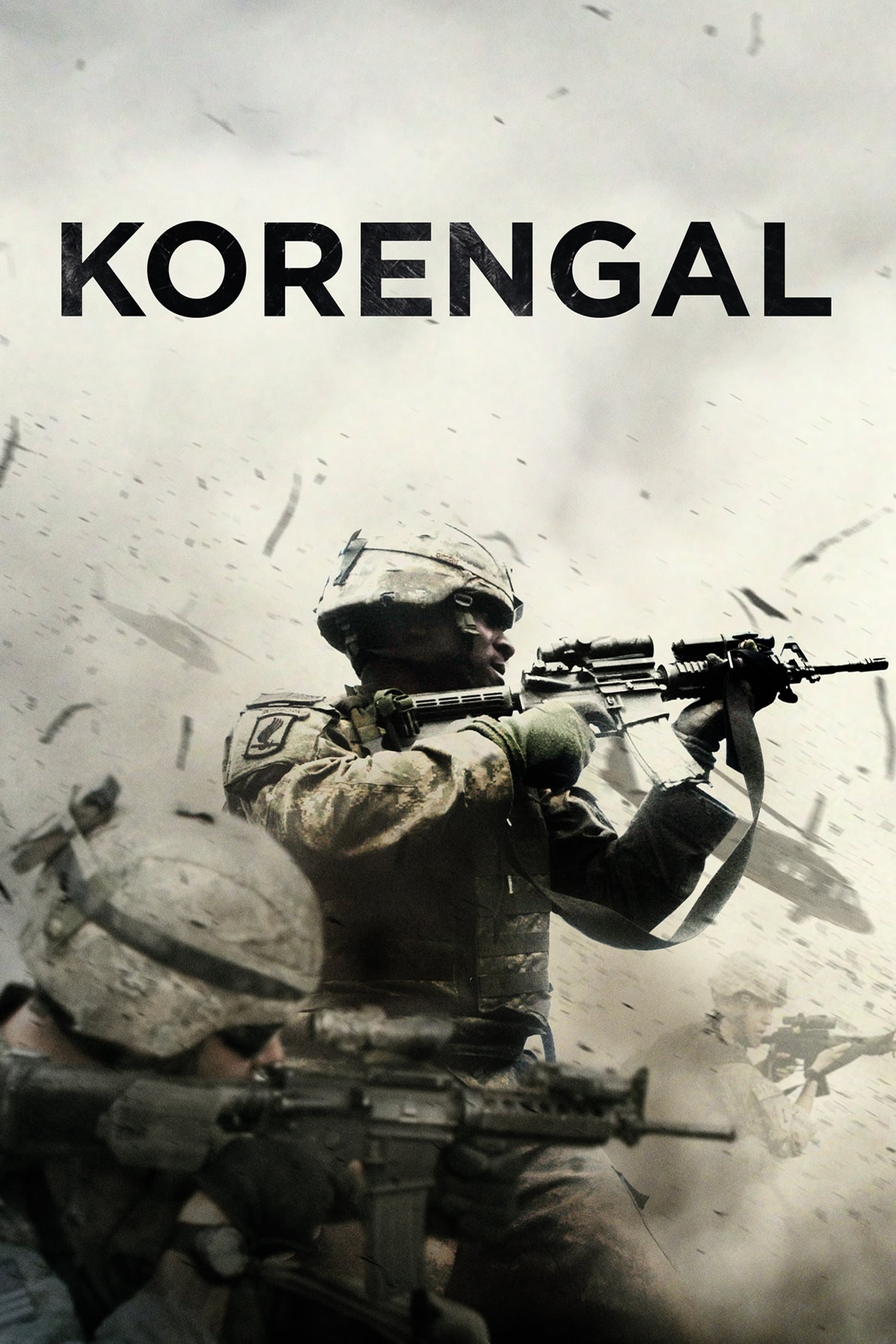
Korengal picks up where Restrepo left off; the same men, the same valley, the same commanders, but a very different look at the experience of war.
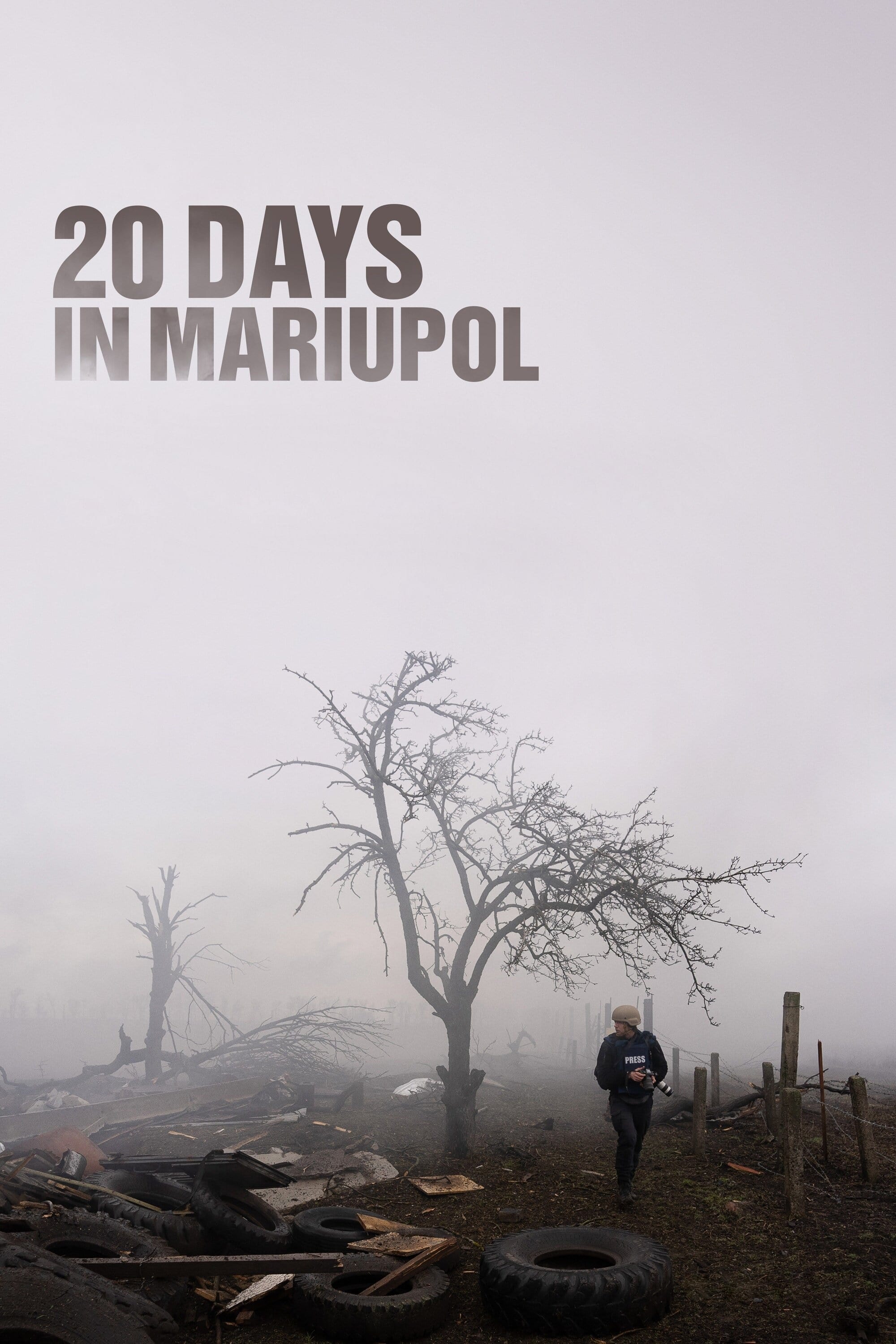
As the Russian invasion begins, a team of Ukrainian journalists trapped in the besieged city of Mariupol struggle to continue their work documenting the war's atrocities.
Filmmaker Alain Resnais documents the atrocities behind the walls of Hitler's concentration camps.
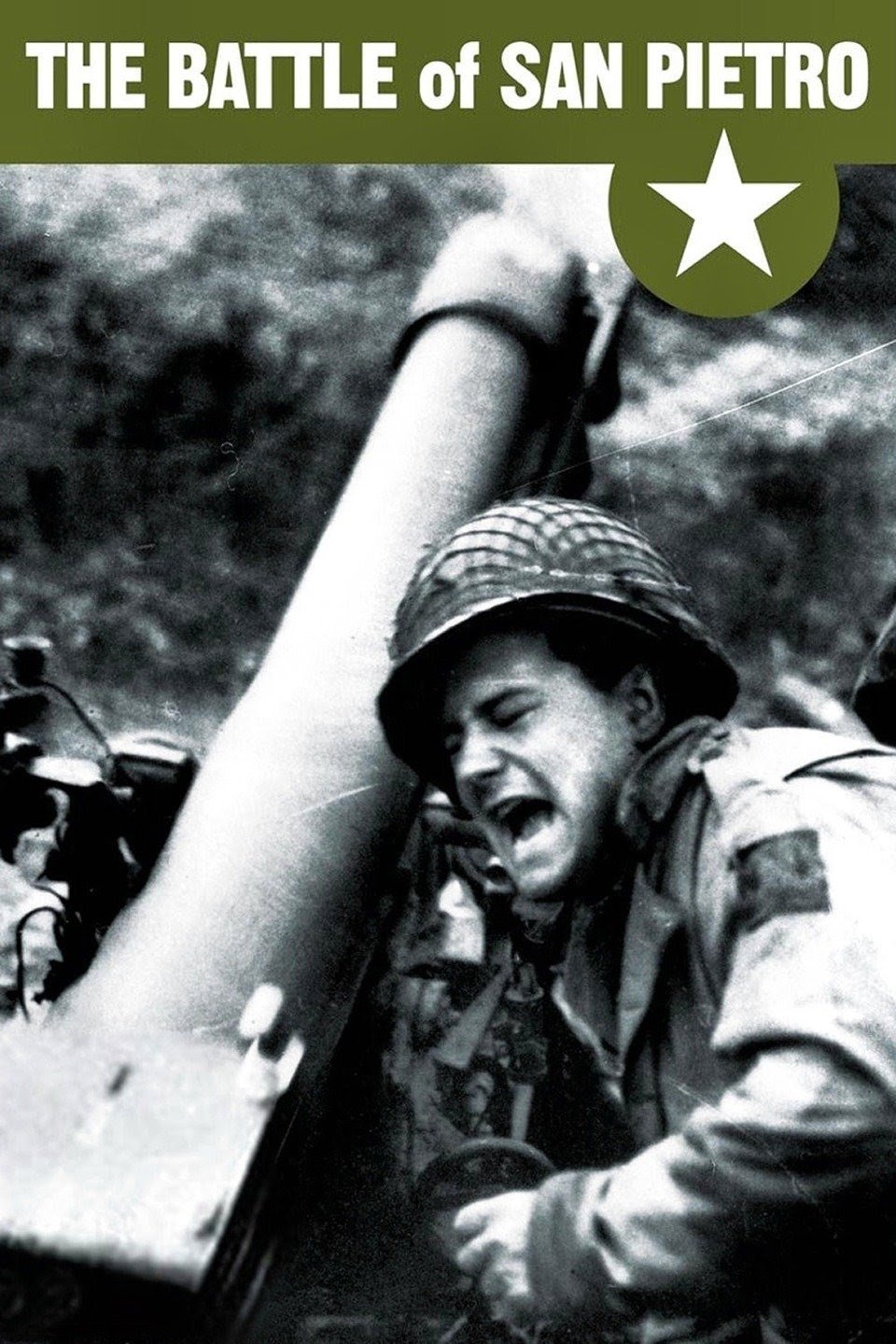
This documentary movie is about the battle of San Pietro, a small village in Italy. Over 1,100 US soldiers were killed while trying to take this location, that blocked the way for the Allied forces from the Germans. Preserved by the Academy Film Archive in 2005.
With unprecedented access, this documentary follows the extraordinary journey of “Raqqa is Being Slaughtered Silently”—a group of anonymous citizen journalists who banded together after their homeland was overtaken by ISIS—as they risk their lives to stand up against one of the greatest evils in the world today.
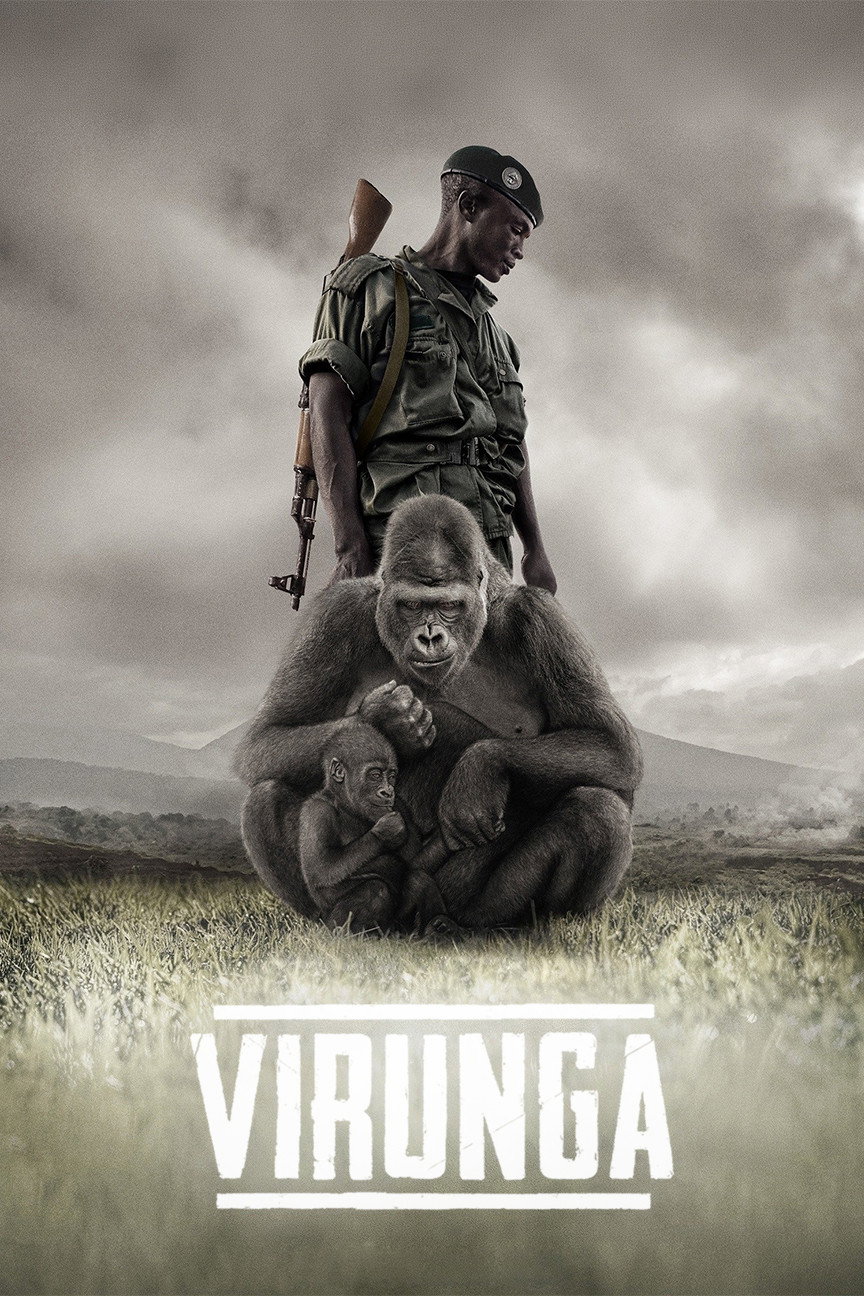
Virunga in the Democratic Republic of the Congo is Africa’s oldest national park, a UNESCO world heritage site, and a contested ground among insurgencies seeking to topple the government that see untold profits in the land. Among this ongoing power struggle, Virunga also happens to be the last natural habitat for the critically endangered mountain gorilla. The only thing standing in the way of the forces closing in around the gorillas: a handful of passionate park rangers and journalists fighting to secure the park’s borders and expose the corruption of its enemies. Filled with shocking footage, and anchored by the surprisingly deep and gentle characters of the gorillas themselves, Virunga is a galvanizing call to action around an ongoing political and environmental crisis in the Congo.
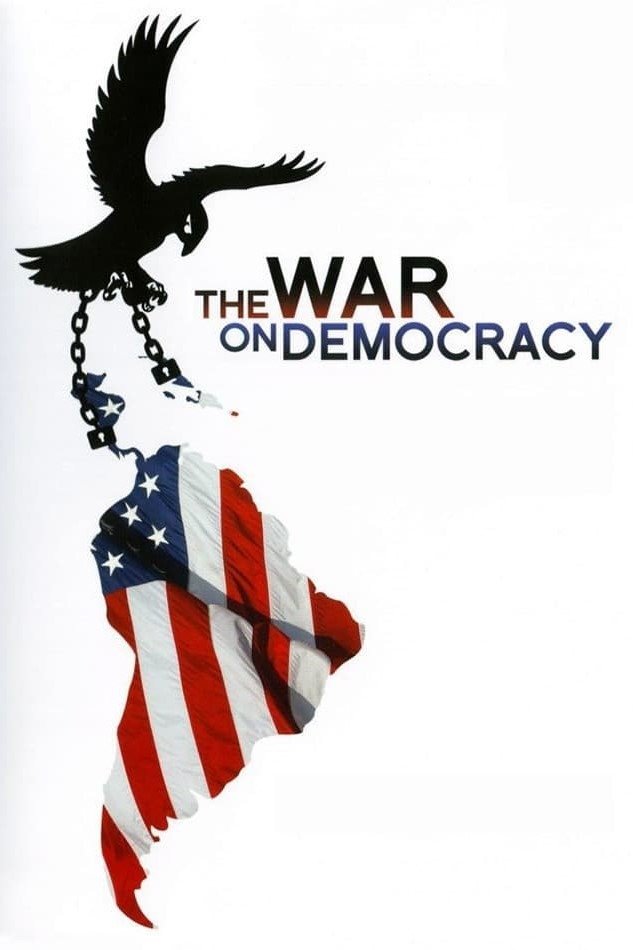
Set both in Latin America and the United States, the film explores the historic and current relationship of Washington with countries such as Venezuela, Bolivia and Chile. Pilger says that the film "...tells a universal story... analysing and revealing, through vivid testimony, the story of great power behind its venerable myths. It allows us to understand the true nature of the so-called "war on terror". According to Pilger, the film’s message is that the greed and power of empire is not invincible and that people power is always the "seed beneath the snow".
"Trinity and Beyond" is an unsettling yet visually fascinating documentary presenting the history of nuclear weapons development and testing between 1945-1963. Narrated by William Shatner and featuring an original score performed by the Moscow Symphony Orchestra, this award-winning documentary reveals previously unreleased and classified government footage from several countries.
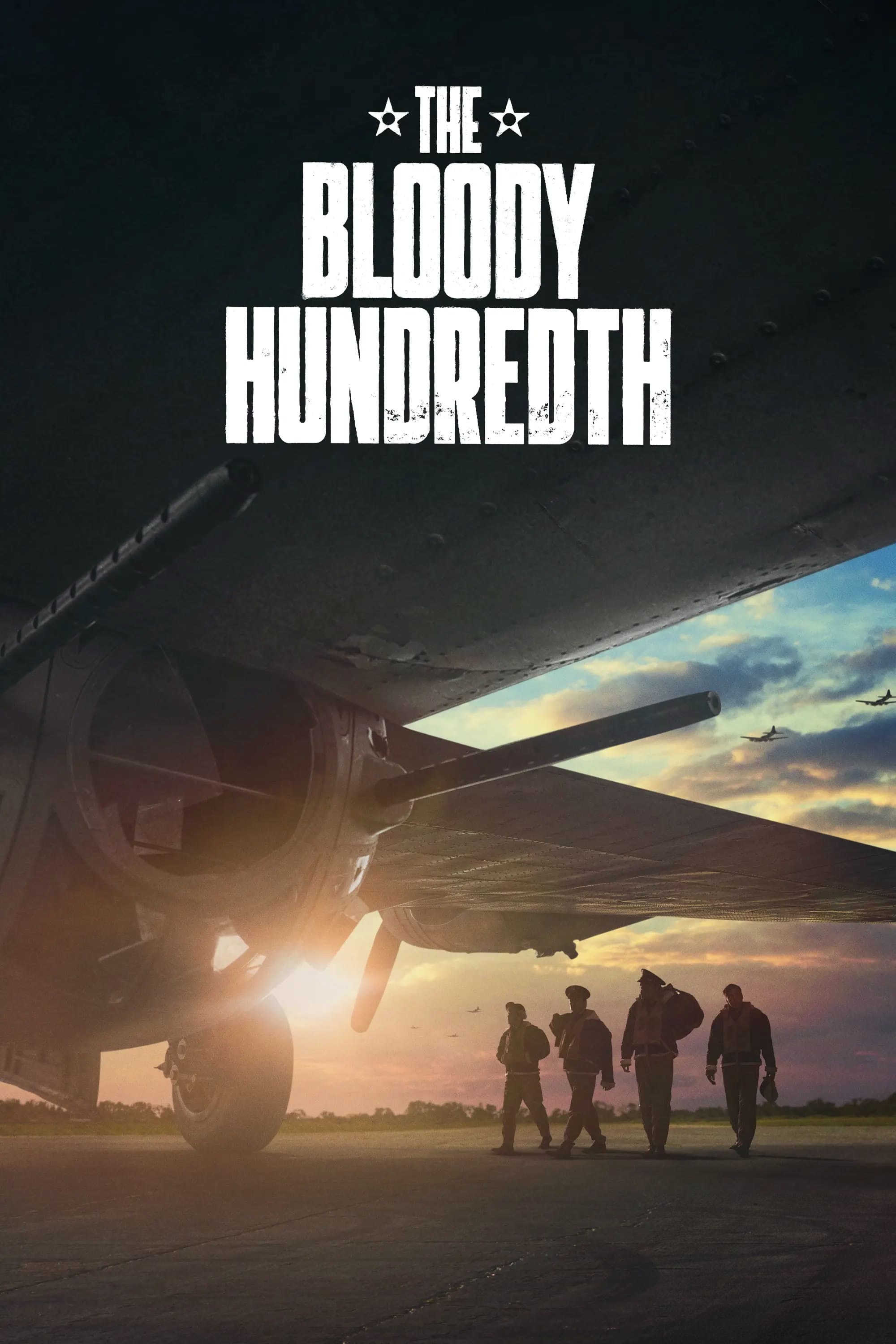
Meet the real-life airmen who inspired Masters of the Air as they share the harrowing and transformative events of the 100th Bomb Group.
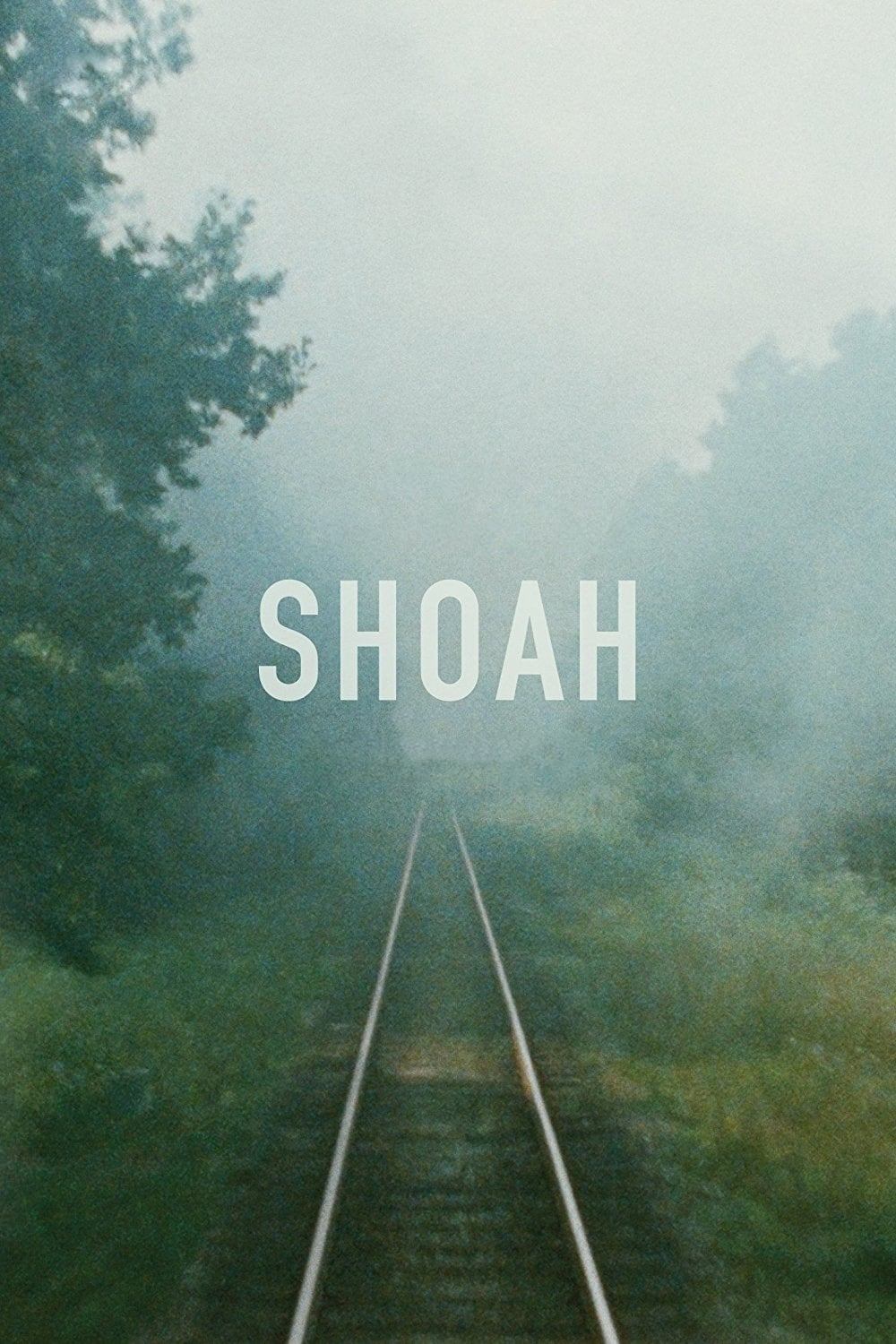
Director Claude Lanzmann spent 11 years on this sprawling documentary about the Holocaust, conducting his own interviews and refusing to use a single frame of archival footage. Dividing Holocaust witnesses into three categories – survivors, bystanders, and perpetrators – Lanzmann presents testimonies from survivors of the Chelmno concentration camp, an Auschwitz escapee, and witnesses of the Warsaw Ghetto Uprising, as well as a chilling report of gas chambers from an SS officer at Treblinka.
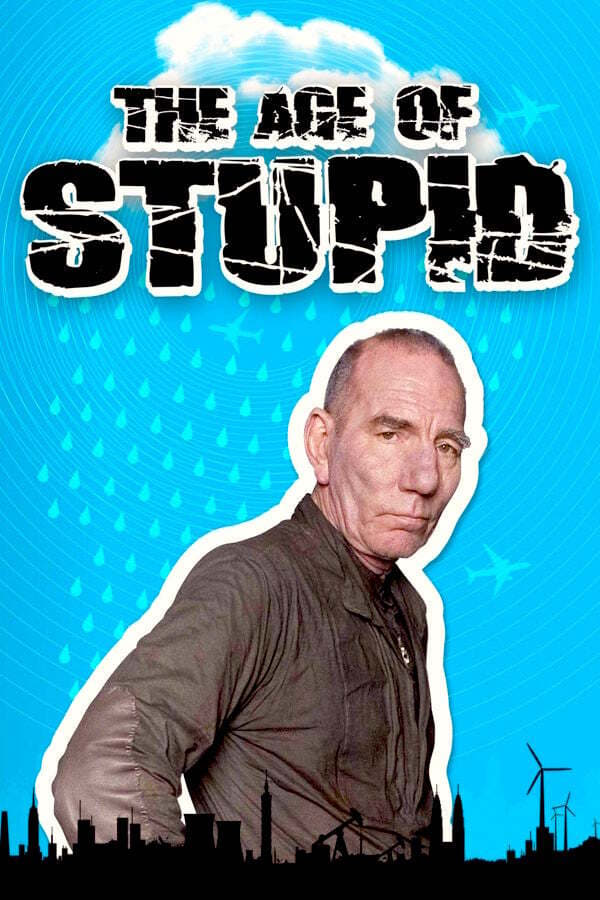
Pete Postlethwaite stars as a man living alone in the devastated future world of 2055, looking at old footage from 2008 and asking: why didn’t we stop climate change when we had the chance?
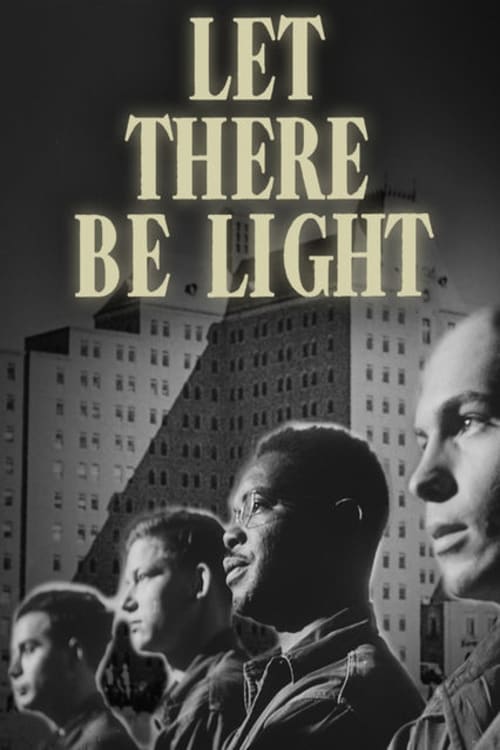
The final entry in a trilogy of films produced for the U.S. government by John Huston. Some returning combat veterans suffer scars that are more psychological than physical. This film follows patients and staff during their treatment. It deals with what would now be called PTSD, but at the time was categorised as psychoneurosis or shell-shock. Government officials deemed this 1946 film counterproductive to postwar efforts; it was not shown publicly until 1981.
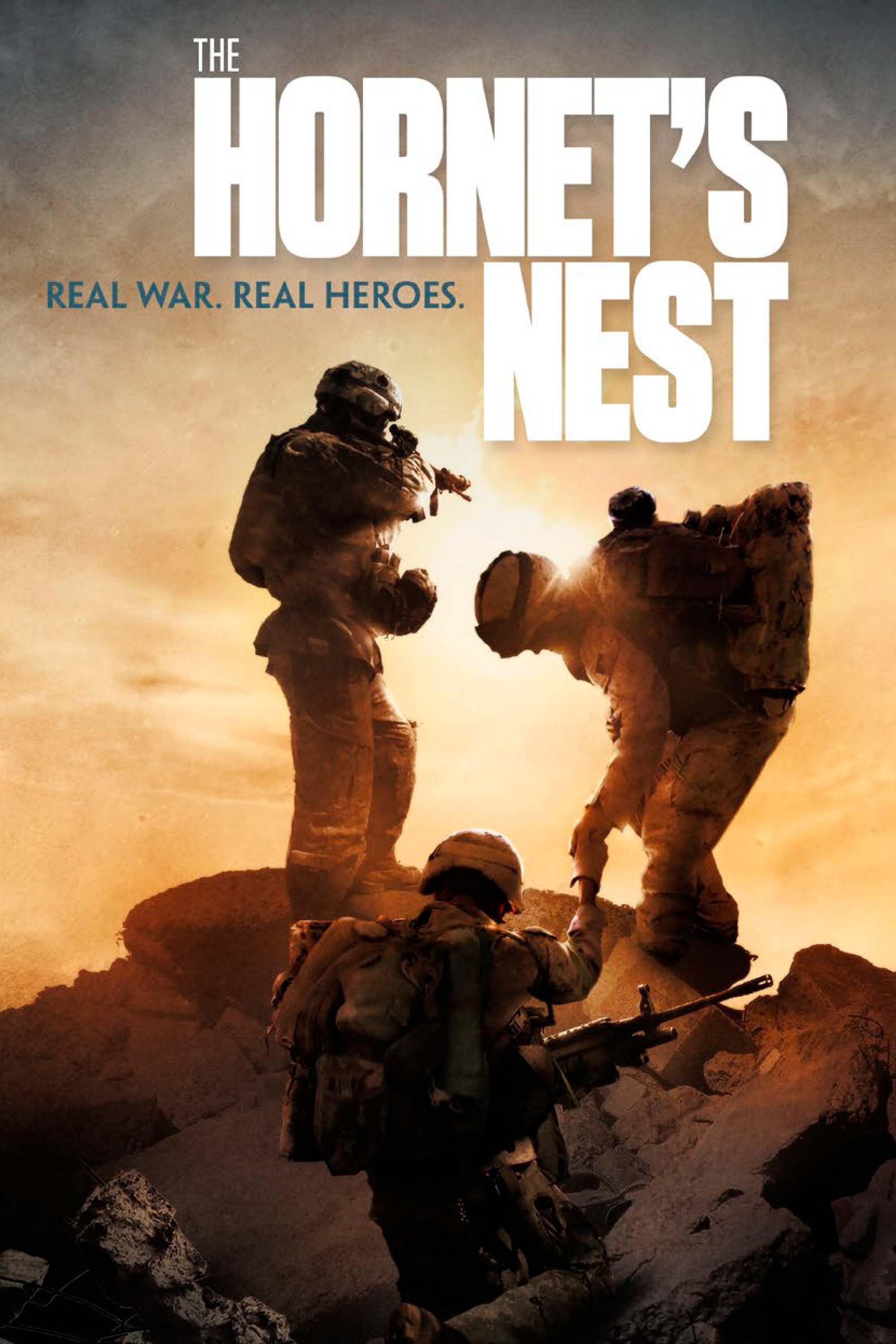
Armed only with their cameras, Peabody and Emmy Award-winning conflict Journalist Mike Boettcher, and his son, Carlos, provide unprecedented access into the longest war in U.S. history: they are embed with U.S. troops during nine days of intense combat in Afghanistan.
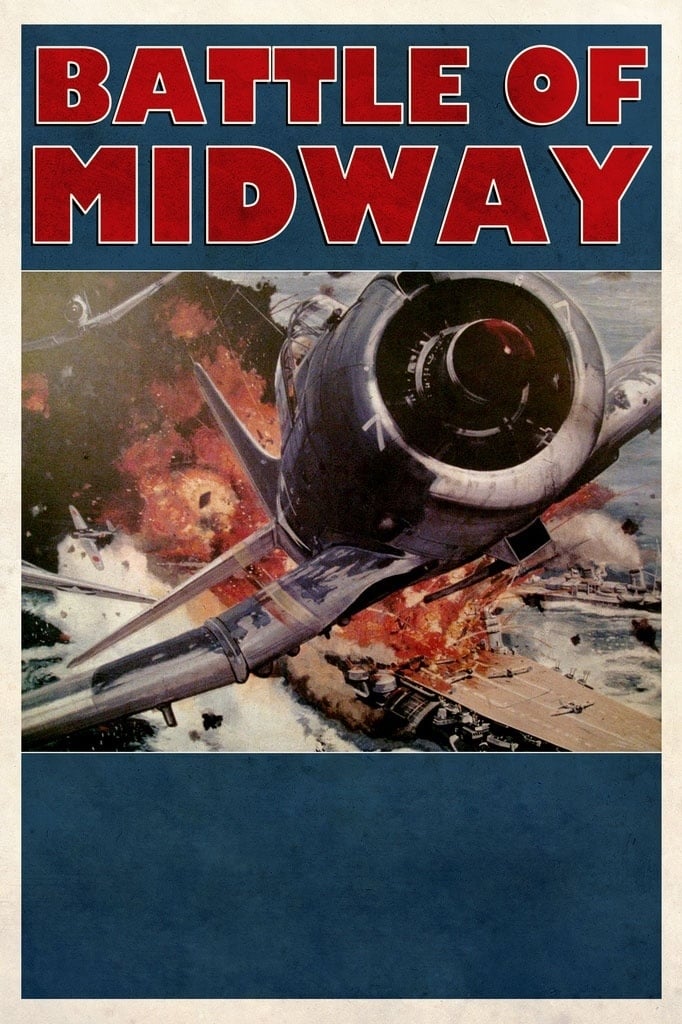
The Japanese attack on Midway in June 1942, filmed as it happened. Preserved by the Academy Film Archive, in partnership with Twentieth Century Fox Film Corporation, in 2006.