Social & External
The people behind it
Melissa Moreira
Sabrina Souza
Sara Trindade
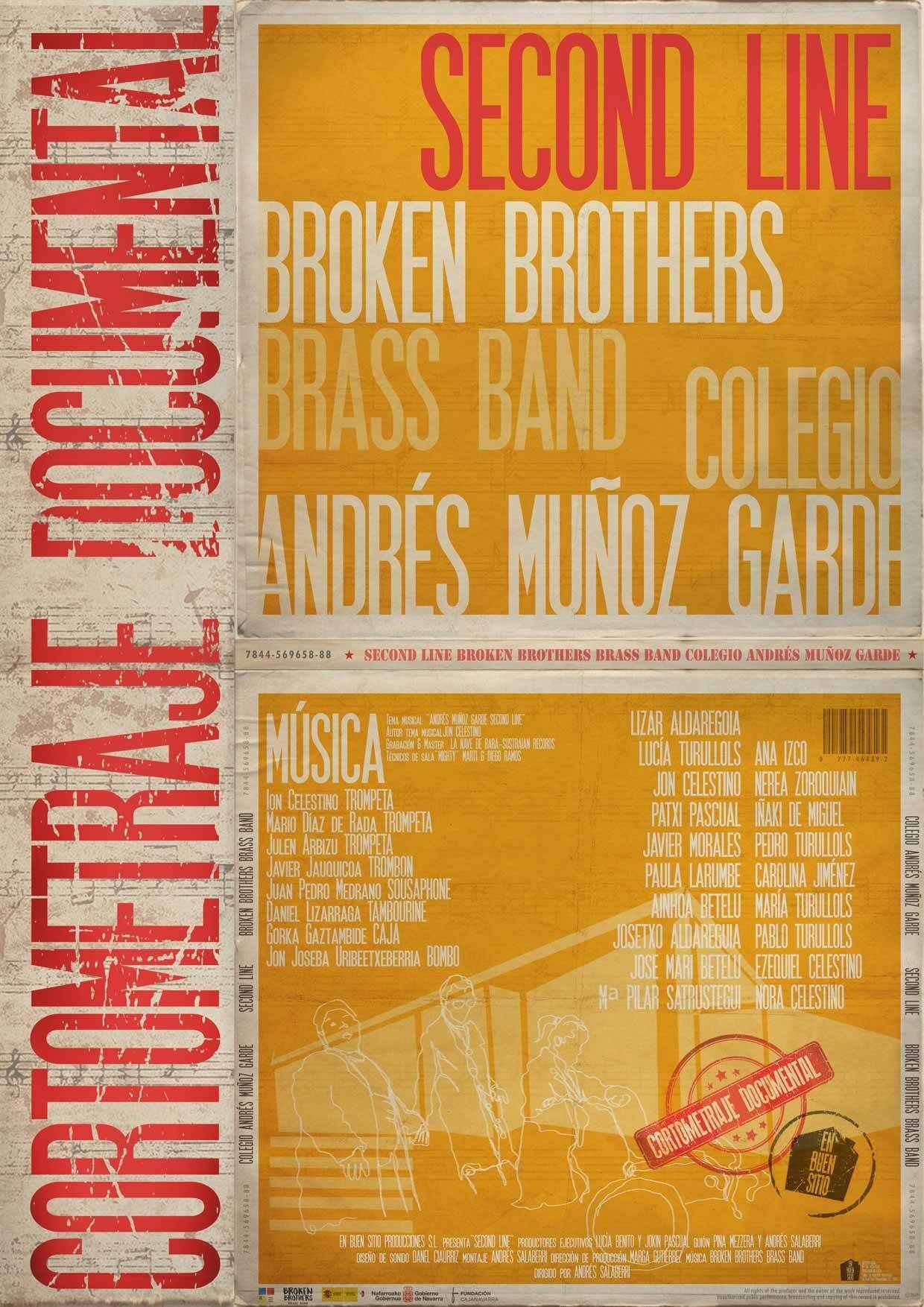
The Broken Brothers Brass Band visits the Andrés Muñoz Garde public special education school in Pamplona. And through their interaction with the workers, the volunteers and even the beneficiaries, the work that is done there is revealed, the universe that is hidden there.
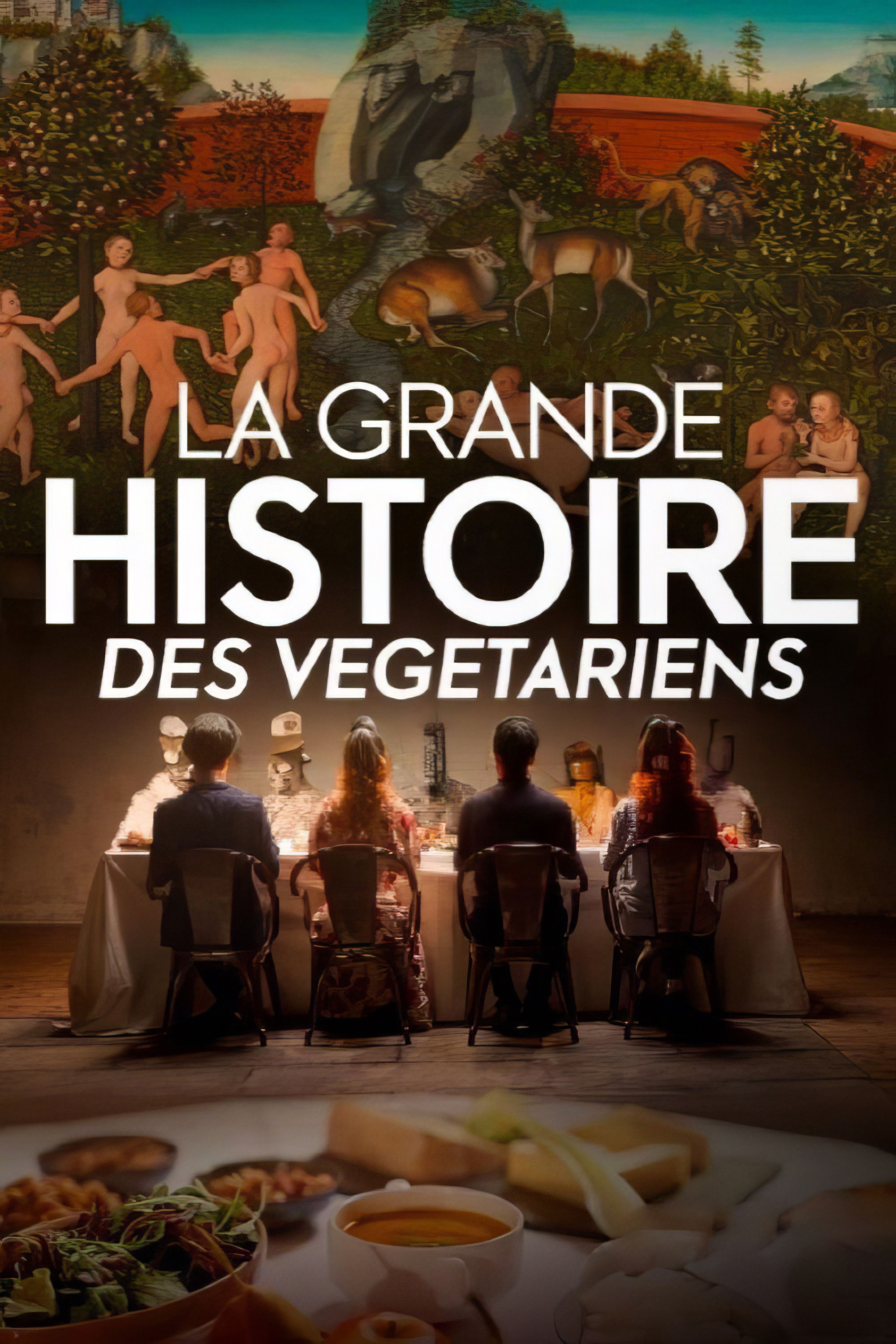
A documentary that uncovers the rich, global history of vegetarianism—from ancient Indian Jains and Roman philosophers to Victorian activists and modern hippies—revealing how dietary choices have long challenged humanity’s relationship with the world, shaped by ideals, conflict, and visionary thinkers.
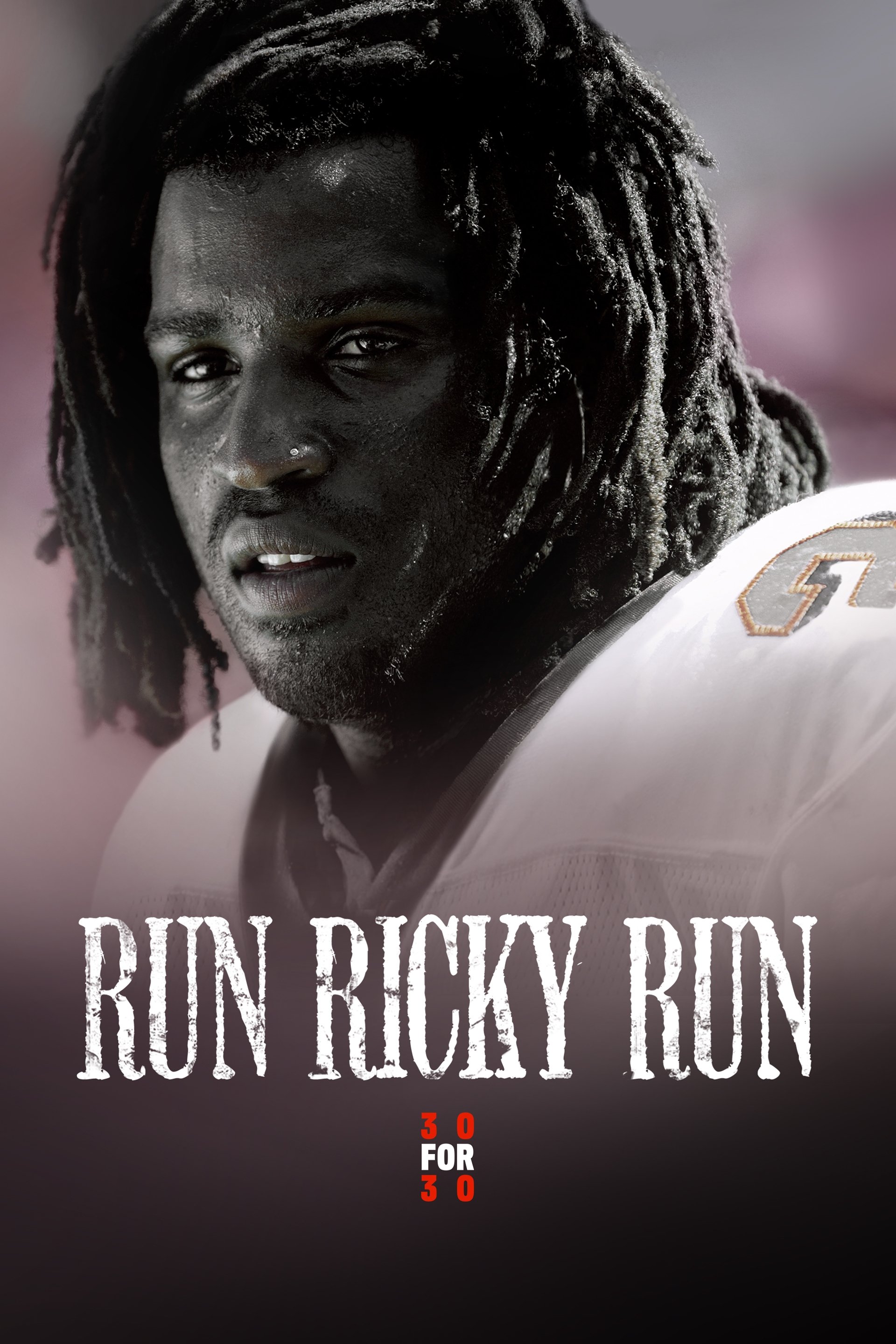
Ricky Williams does not conform to America’s definition of the modern athlete. In 2004, with rumors of another positive marijuana test looming, the Miami Dolphins running back traded adulation and a mansion in South Florida for anonymity and a $7 a night tent in Australia. His decision created a media frenzy that dismantled his reputation and branded him as America's Pothead. But while most in the media thought Williams was ruining his life by leaving football, Ricky thought he was saving it. Through personal footage recorded with Williams during his time away from football and beyond, filmmaker Sean Pamphilon takes a fresh look at a player who had become a media punching bag and has since redeemed himself as a father and a teammate.
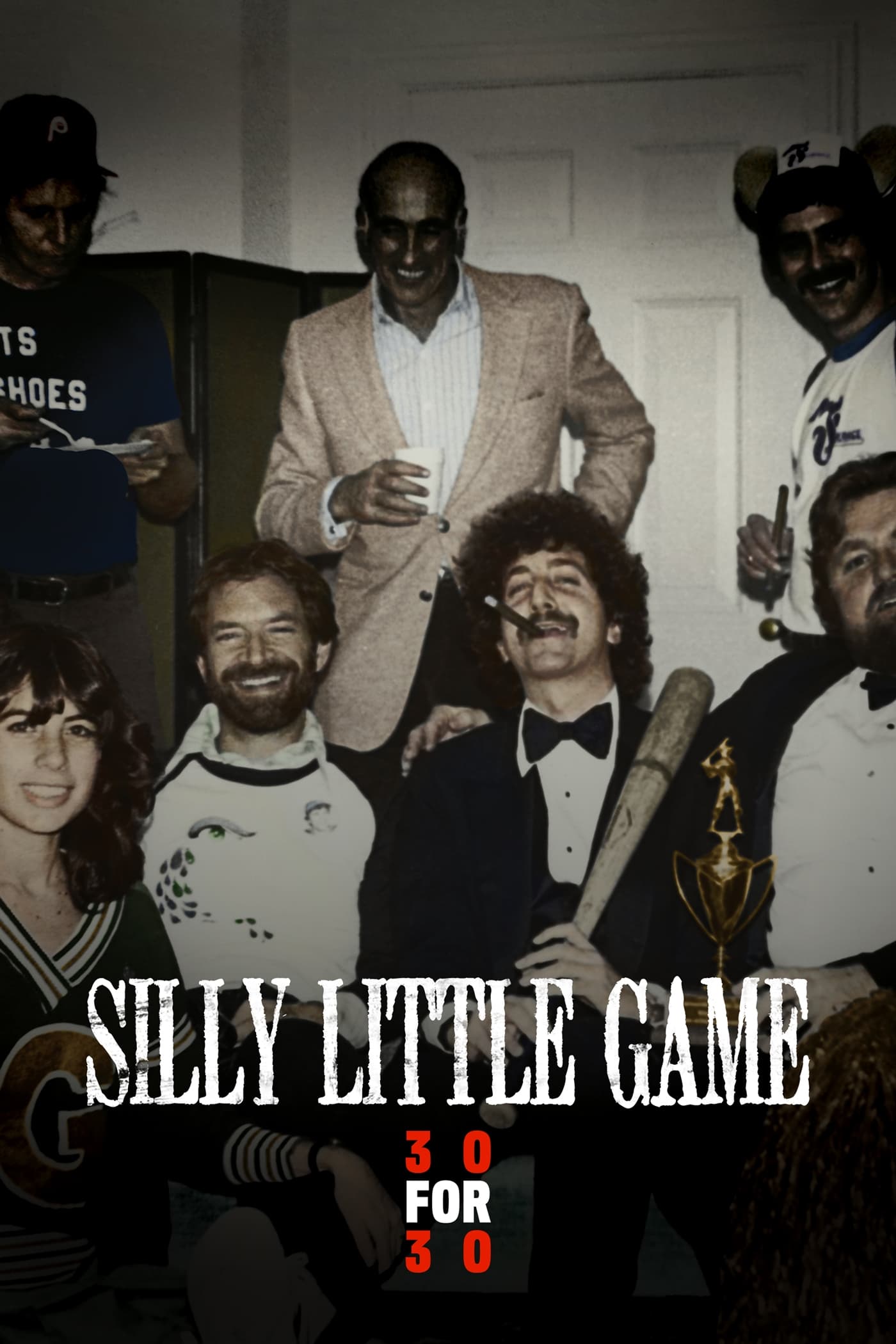
Fantasy Sports is estimated to be a $4 billion industry that boasts over 30 million participants and a league for almost every sport imaginable. But for all this success, the story of the game’s inception is little known. The modern fantasy leagues can be traced back to a group of writers and academics who met at La Rotisserie Francaise in New York City to form a baseball league of their own: The Rotisserie League. The game quickly grew in popularity, and with the growing use and attractiveness of the Internet, the “founding fathers” never foresaw how their creation would take off and ultimately leave them behind. Innovative filmmakers Adam Kurland and Lucas Jansen will chronicle the early development and ultimate explosion of Rotisserie Baseball, and shine a light on its mostly unnoticed innovators.
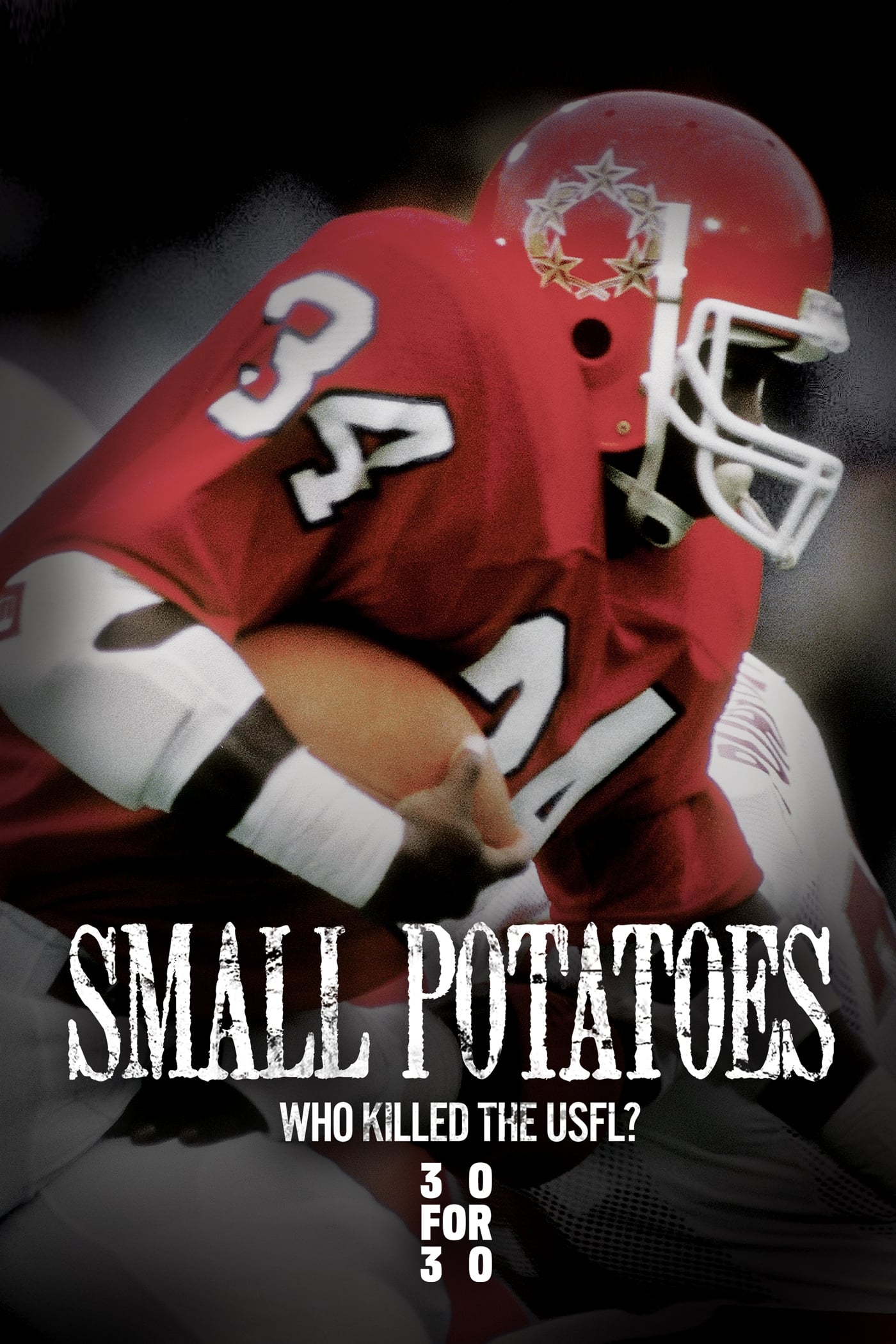
In 1983 the upstart United States Football League (USFL) had the audacity to challenge the almighty NFL. The new league did the unthinkable by playing in the spring and plucked three straight Heisman Trophy winners away from the NFL. The 12-team USFL played before crowds that averaged 25,000, and started off with respectable TV ratings. But with success came expansion and new owners, including a certain high profile and impatient real estate baron whose vision was at odds with the league’s founders. Soon, the USFL was reduced to waging a desperate anti-trust lawsuit against the NFL, which yielded an ironic verdict that effectively forced the league out of business. Now, almost a quarter of a century later, Academy Award-nominated and Peabody Award-winning director Mike Tollin, himself once a chronicler of the league, will showcase the remarkable influence of those three years on football history and attempt to answer the question, “Who Killed the USFL?”
In 1982, the Raiders and owner Al Davis captivated black and Latino fans with swagger and charisma that matched the rapidly changing city.
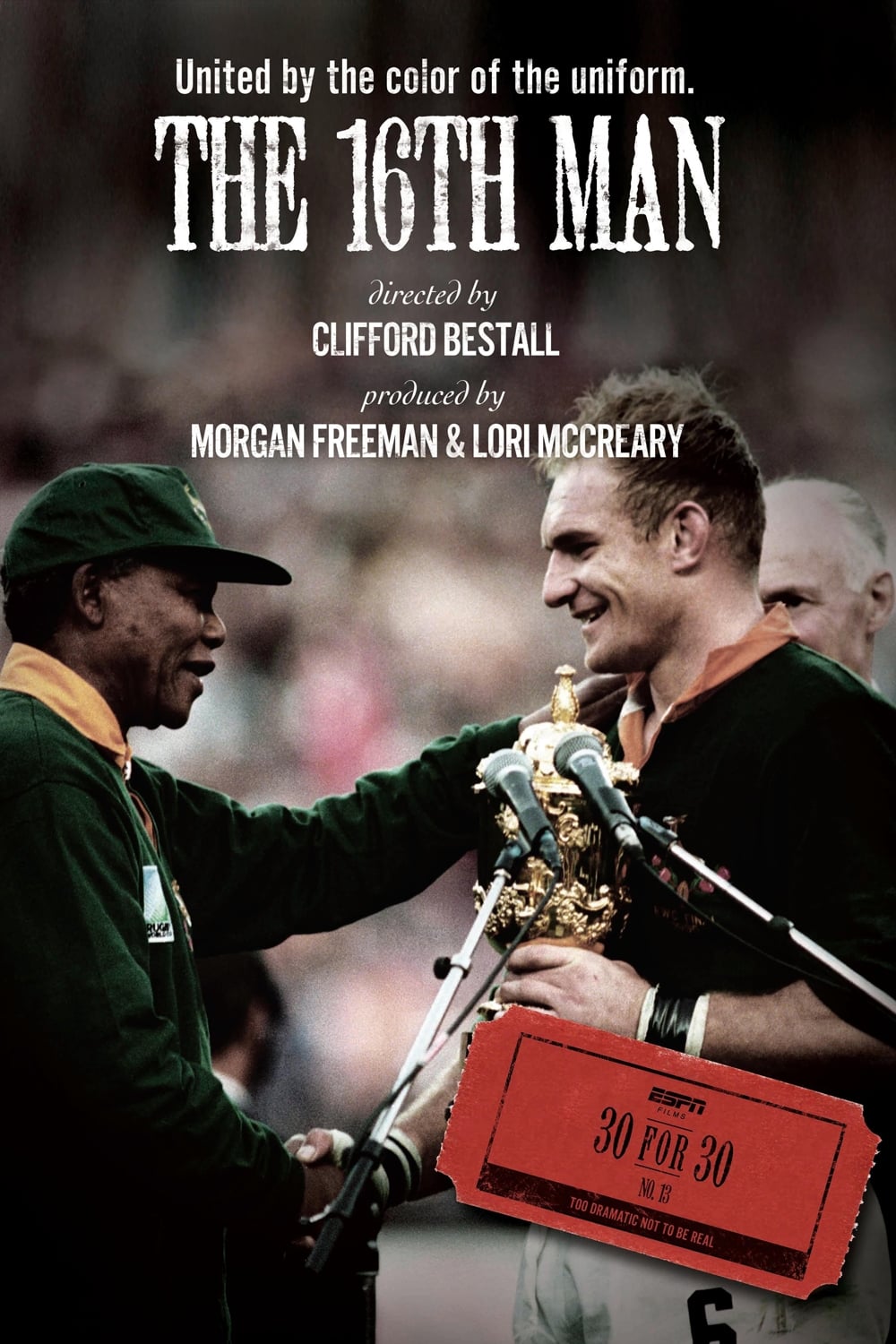
Rugby Union has long been viewed in South Africa as a game for the white population, and the country’s success in the sport has been a true source of Afrikaner pride. When the 50-year-old policies and entrenched injustices of apartheid were finally overthrown in 1994, Nelson Mandela’s new government began rebuilding a nation badly in need of racial unity. So the world was watching when South Africa played host to the 1995 Rugby World Cup. Though they had only one non-white player, the South African Springboks gained supporters of all colors as they made an improbable run into the final match where they beat the heavily favored New Zealand team. When Mandela himself marched to the center of the pitch cloaked in a Springbok jersey and shook hands with the captain of the South African team, two nations became one. Oscar winner Morgan Freeman and director Cliff Bestall will tell the emotional story of that cornerstone moment and what it meant to South Africa’s healing process.
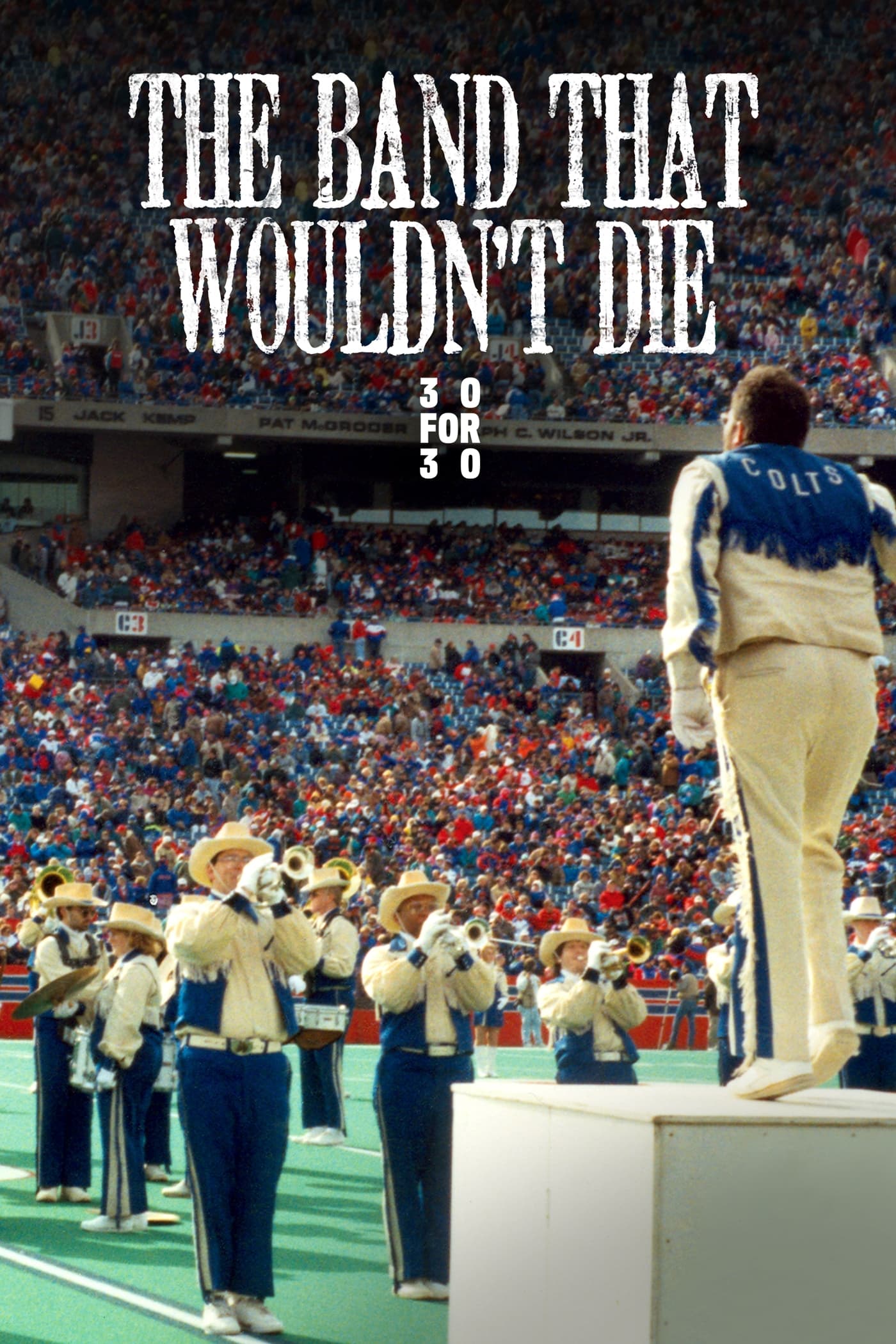
In late March of 1984, a moving company secretly packed up the Baltimore Colts’ belongings and its fleet of vans sneaked off in the darkness of the early morning. Leaving a city of deeply devoted fans in shock and disbelief. What caused owner Robert Irsay to turn his back on a town that was as closely linked to its team as any in the NFL? Academy Award-winning filmmaker Barry Levinson, himself a long-standing Baltimore Colts fanatic, will probe that question in light of the changing relationship of sports to community. Through the eyes of members of the Colts Marching Band, Levinson will illustrate how a fan base copes with losing the team that it loves.
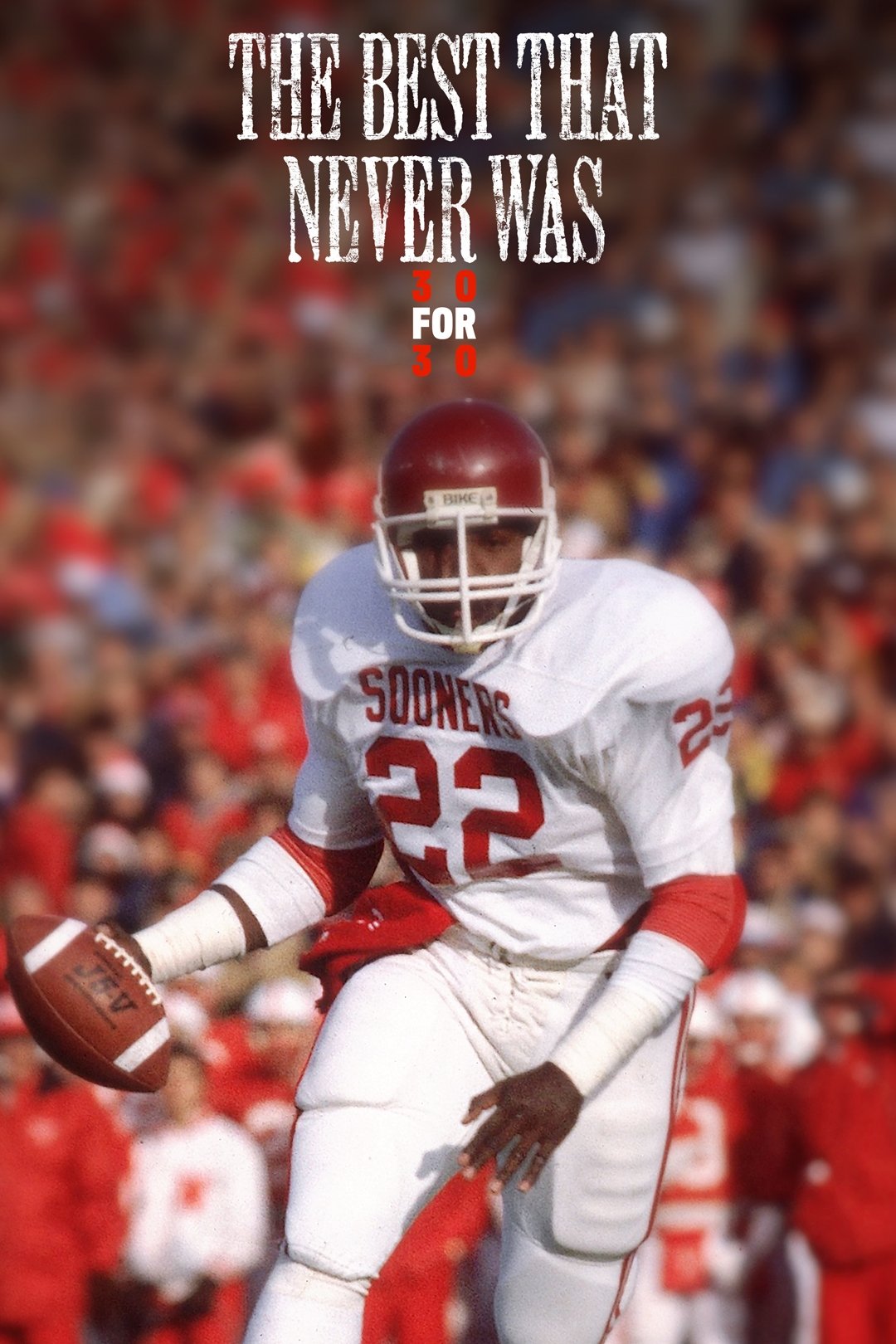
In 1981, college athletic recruiting changed forever as a dozen big-time football programs sat waiting for the decision by a physically powerful and lightning-quick high school running back named Marcus Dupree. On his way to eclipsing Herschel Walker’s record for the most touchdowns in high school history, Dupree attracted recruiters from schools in every major conference to his hometown of Philadelphia, Miss. More than a decade removed from being a flashpoint in the civil-rights struggle, Philadelphia was once again thrust back into the national spotlight. Dupree took the attention in stride, and committed to Oklahoma. What followed, though, was a forgettable college career littered with conflict, injury and oversized expectations. Eight-time Emmy Award winner Jonathan Hock will examine why this star burned out so young and how he ultimately used football to redeem himself.
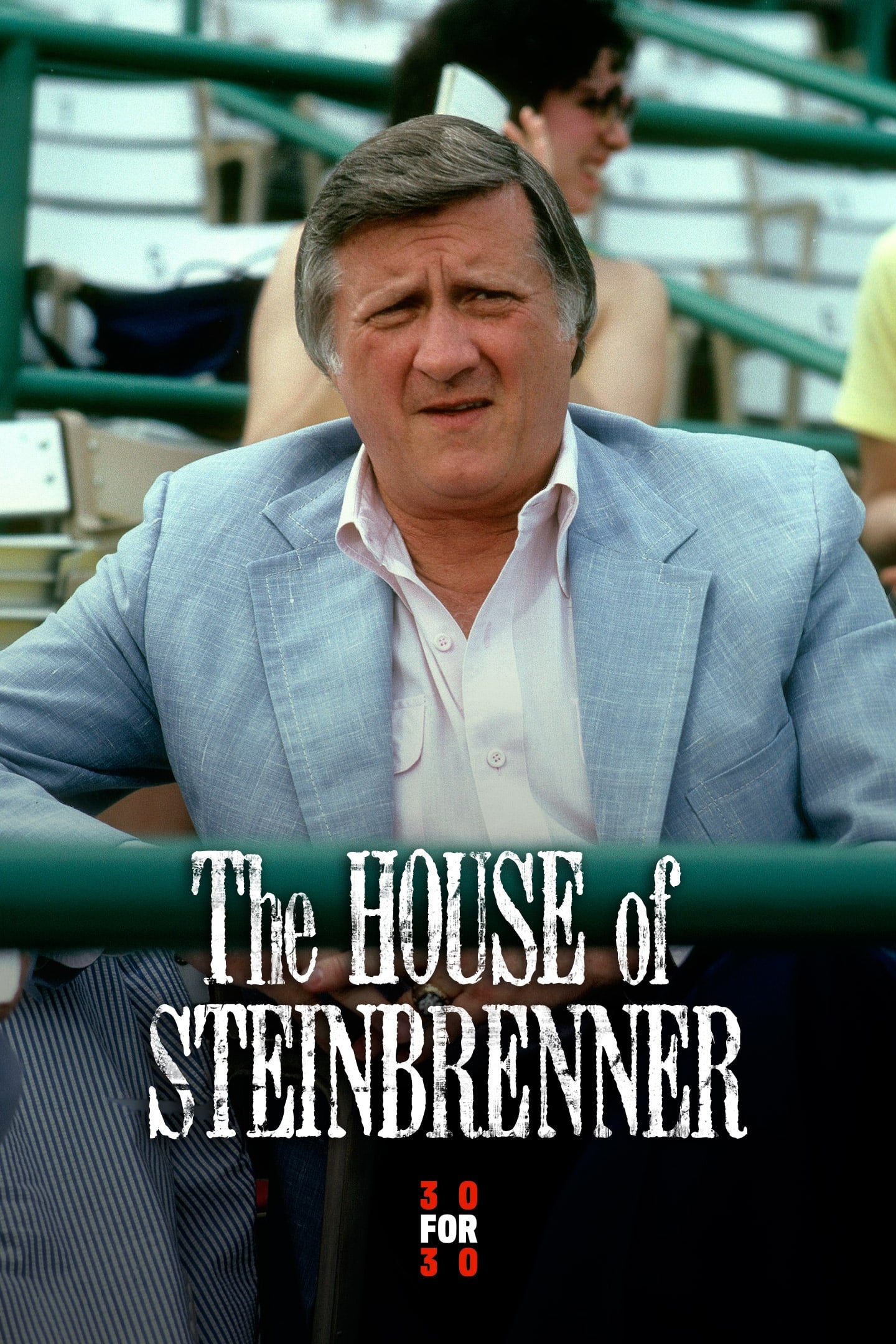
Love them or hate them, the Yankees dominated baseball for more than four decades, then sagged under ownership by CBS until a 42-year-old shipbuilder named George Steinbrenner led a purchase of the team in 1973. He turned that $10m investment into a billion-dollar business, and the 'House that Ruth Built' inspired generations of fans. Deteriorating facilities and changing revenue streams inspired Steinbrenner to build an impressive new stadium marking the end of one grand era and the beginning - perhaps - of another.
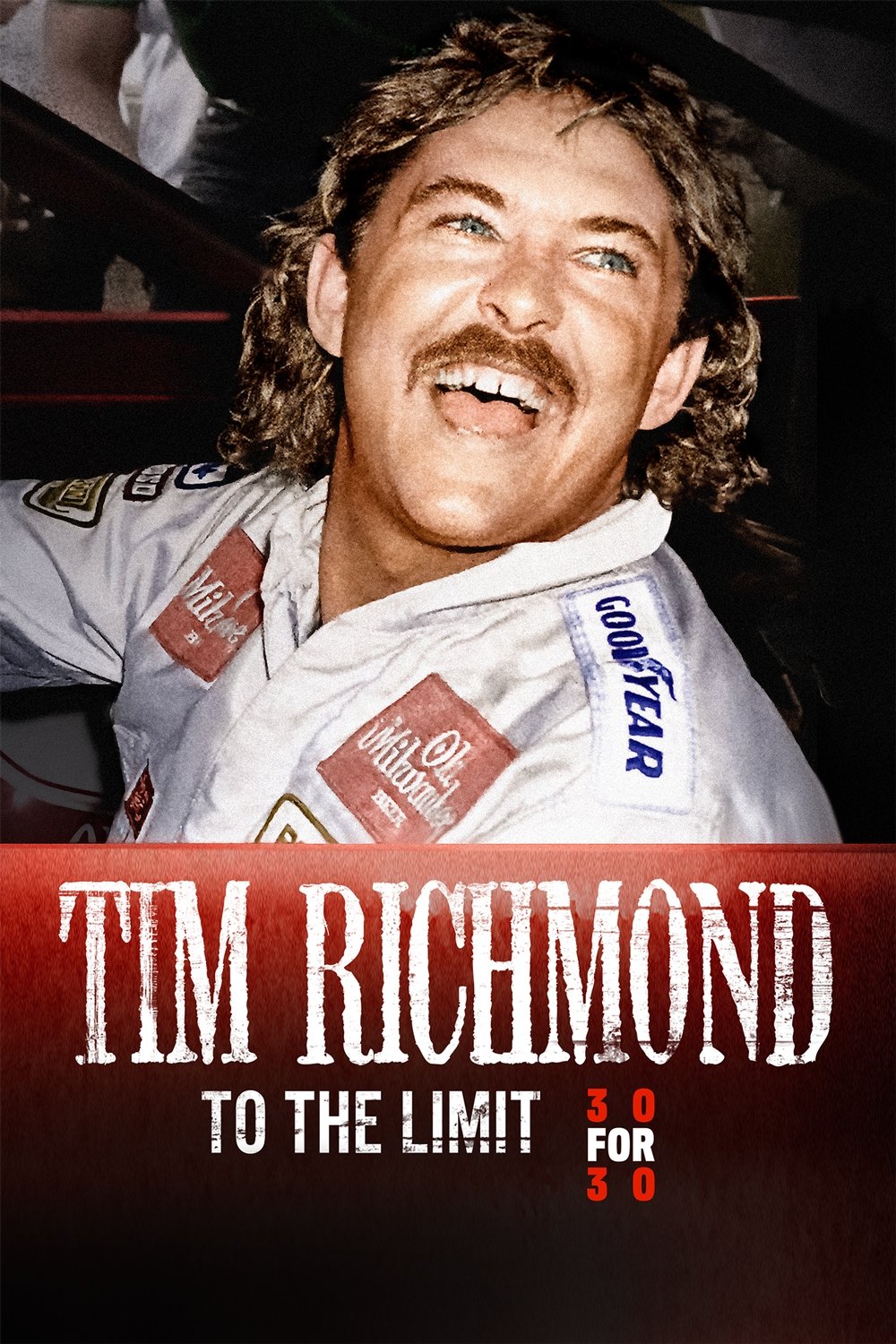
Natural. Rock star. Outsider. In the 80s, race car driver Tim Richmond lived his life the way he raced cars – wide open. Born into a wealthy family, Richmond was the antithesis of the Southern, blue-collar, dirt-track racers who dominated NASCAR. He also was a flamboyant showman who basked in the attention of the media and fans – especially female admirers. Nevertheless, it was Richmond’s on-track performances that ended up drawing comparisons to racing legends. And in 1986, when he won seven NASCAR races and finished third in the Winston Cup series points race, some believed he was on the verge of stardom. But soon his freewheeling lifestyle caught up to him. He unexpectedly withdrew from the NASCAR racing circuit, reportedly suffering from double pneumonia. In reality he had AIDS. Richmond returned to the track in 1987, but he was gone from the sport by the next year as his health deteriorated. He spent his final days as a recluse, dying on August 13, 1989, at the age of 34.
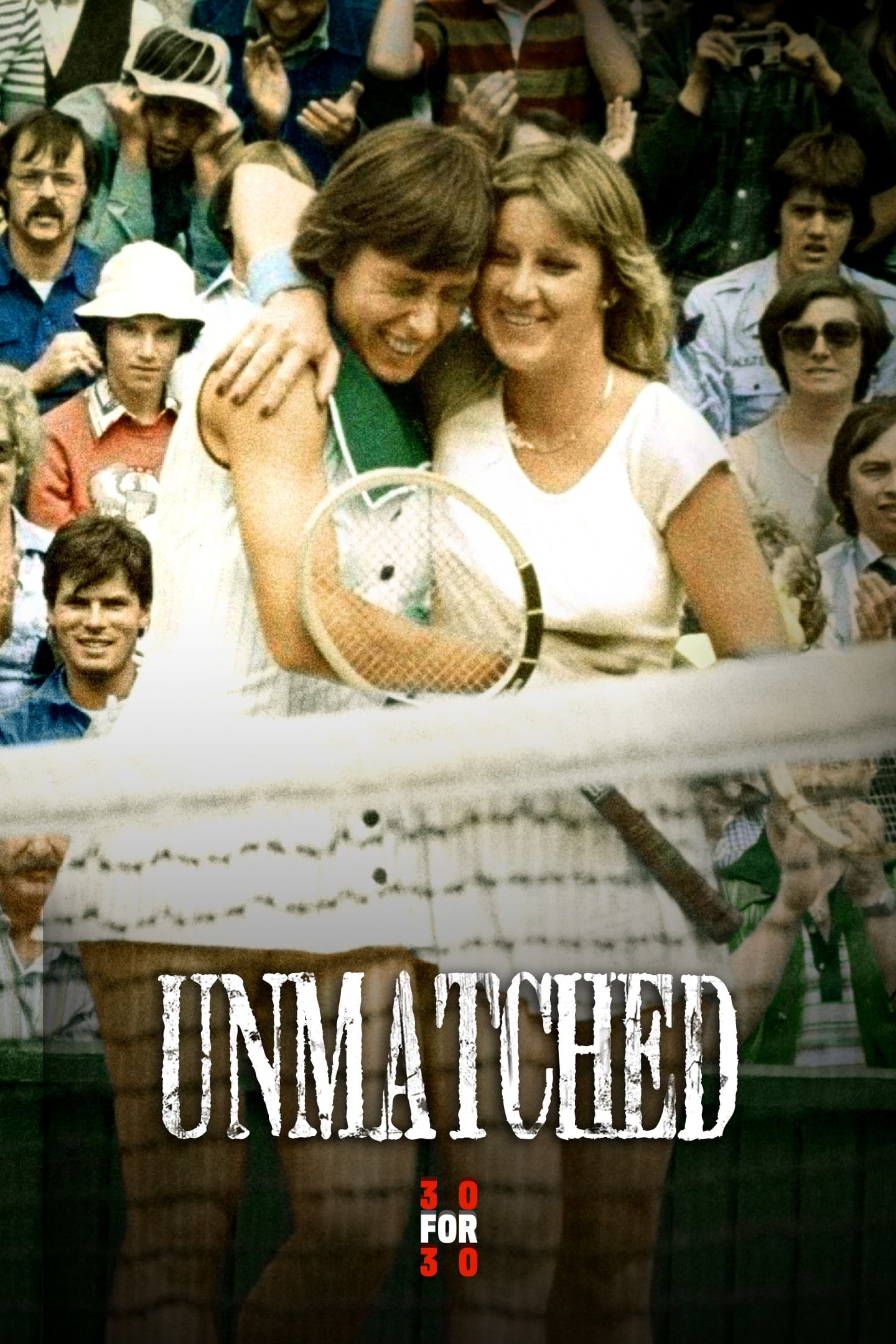
The first time Chris Evert and Martina Navratilova stepped onto a tennis court together, the world scarcely noticed. Only a few hundred spectators saw the pert 18-year-old beat the scrappy 16-year-old Czech in 1973. “I remember that she was fat,” Evert recalled. “She was very emotional on the court, whining if she didn't feel she was playing well. But I remember thinking, if she loses weight, we’re all in trouble.” Said Navratilova, “My goal was for her to remember my name.” Eighty matches later – amid the extraordinary growth of women’s tennis – Evert not only remembered, but became a tried and true friend and confidante, remarkable considering the two appeared to be polar opposites in upbringing, life styles and personal relationships. Through a series of personal conversations, this documentary will tell the story of one of the greatest one-on-one sports rivalries and capture these two extraordinary athletes’ views on tennis and an ever-changing world.
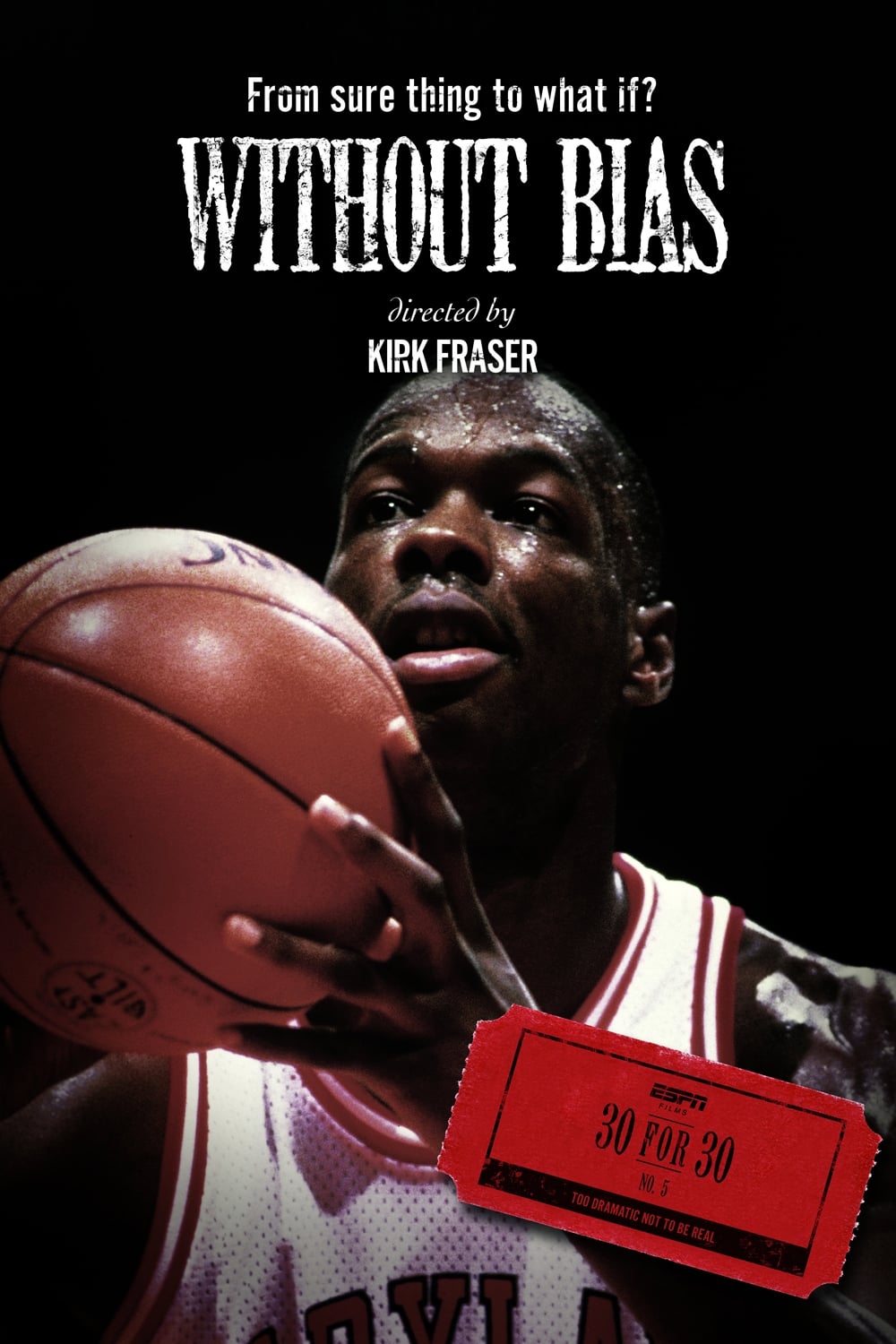
The late Len Bias still leaves more questions than answers. When Bias dropped dead two days after the 1986 NBA Draft, he forever altered our perception of casual drug use and became the tipping point of America's drug crisis in the mid-80's. Future generations continue to face the harsh punishment of drug policies that were influenced by the public outcry after his heartbreaking death. Instead of becoming an NBA star, he became a one-man deterrent, the athlete who reminded everyone just how dangerous drug use can be. Amazingly, questions still linger about his death nearly a quarter-century later. How good could he have been in the pro ranks? Has he become underrated or overrated as the years pass? How could a University of Maryland superstar and Boston Celtics lottery pick be derailed by a cocaine binge? Was Bias a one-time user as we were led to believe, or was there a pattern of recreational use that led to his fatal last night? Did he fall in with the wrong crowd.
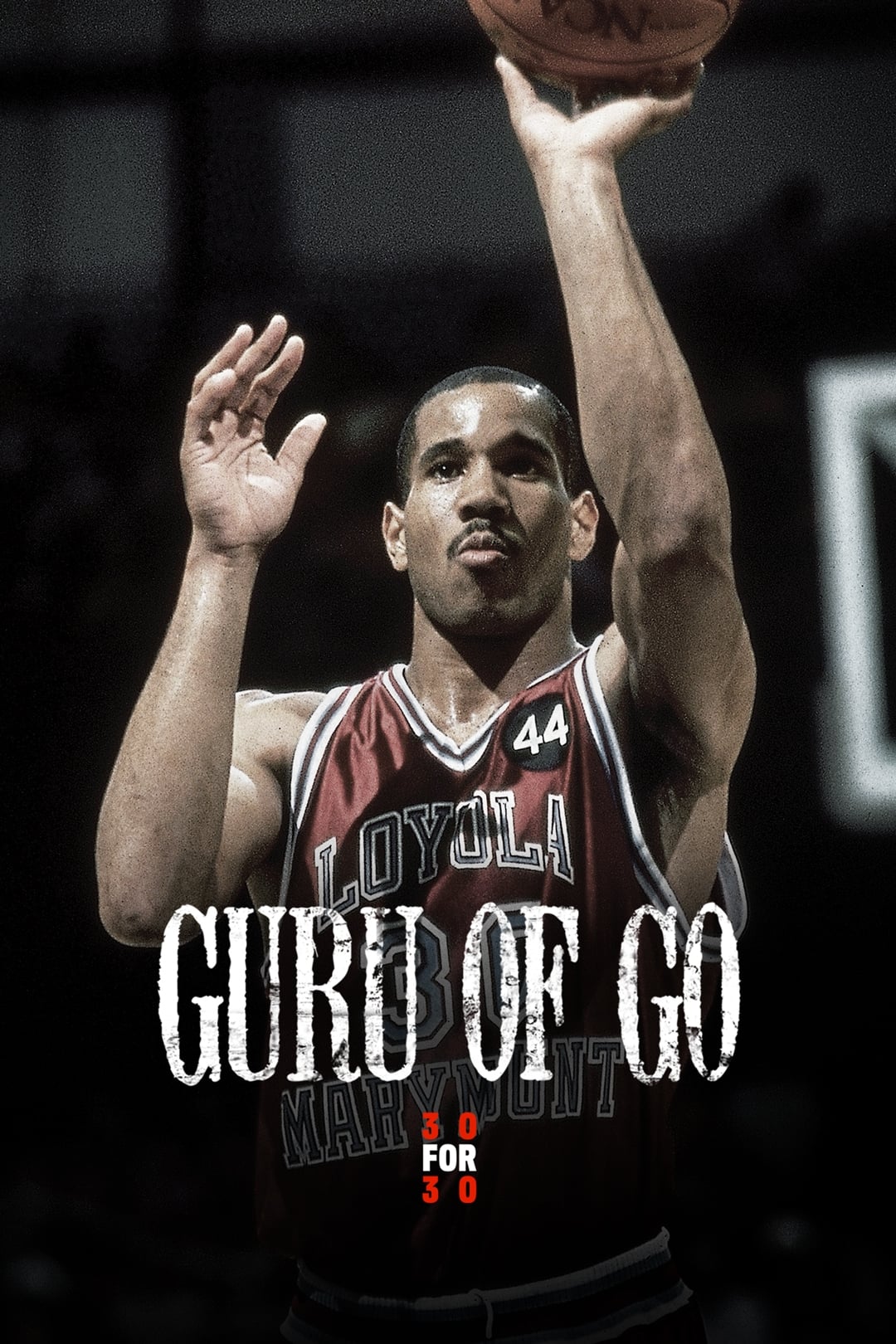
By the mid-1980s Paul Westhead had worn out his welcome in the NBA. The best offer he could find came from an obscure small college with little history of basketball. In the same city where he had won an NBA championship with Magic and Kareem, Westhead was determined to perfect his non-stop run-and-gun offensive system at Loyola Marymount. His shoot-first offense appeared doomed to fail until Hank Gathers and Bo Kimble, two talented players from Westhead’s hometown of Philadelphia, arrived gift-wrapped at his doorstep. With Gathers and Kimble leading a record scoring charge, Westhead’s system suddenly dazzled the world of college basketball and turned conventional thinking on its head. But then, early in the 1989-90 season, Gathers collapsed during a game and was diagnosed with an abnormal heartbeat. Determined to play, Gathers returned three games later, but less than three months later, he tragically died on the court.
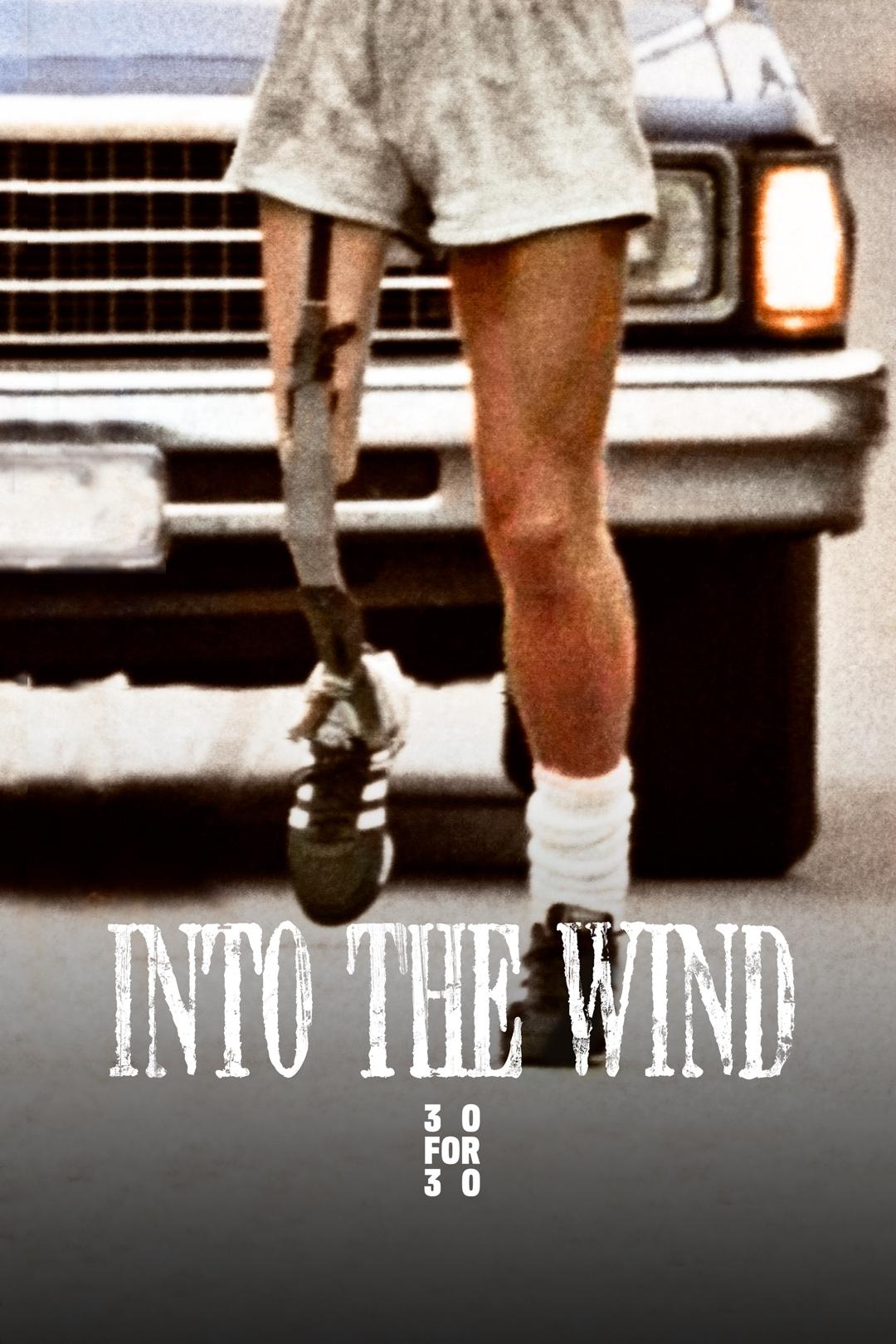
In 1980, Terry Fox continued his fight against bone cancer with the pursuit of a singular, motivating vision: to run across Canada. Three years after having his right leg amputated six inches above the knee after being diagnosed with osteosarcoma, Fox set out to cover more than a marathon’s distance each day until he reached the shores of Victoria, British Columbia. Anonymous at the start of his journey, Fox steadily captured the heart of a nation with his Marathon of Hope. However the 21-year old BC native's goal was not fame, but to spread awareness and raise funds for cancer research. After 143 days and two-thirds of the way across Canada, with the eyes of a country watching, Fox’s journey came to an abrupt end when newly discovered tumors took over his body
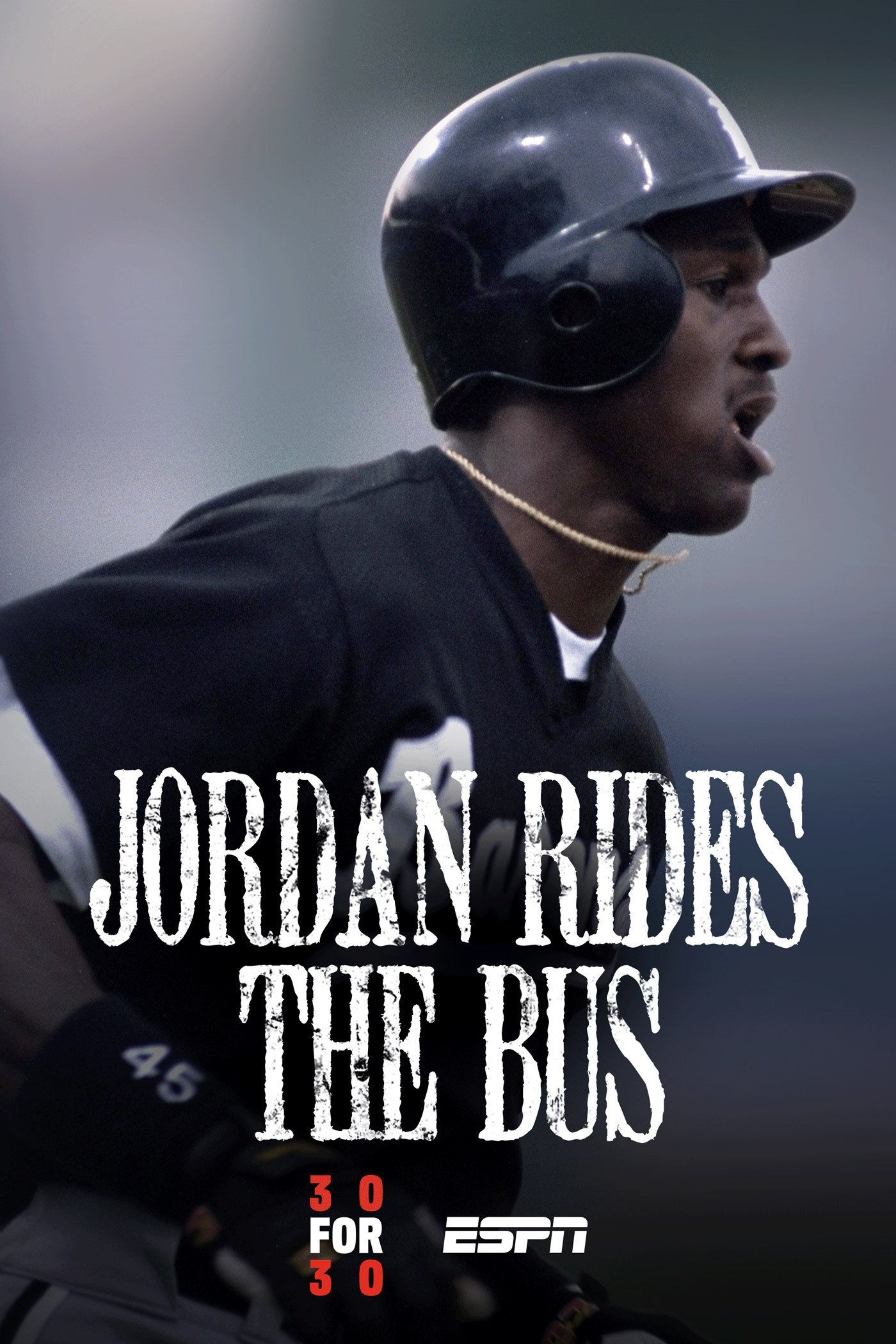
In the fall of 1993, in his prime and at the summit of the sports world, Michael Jordan walked away from pro basketball. After leading the Dream Team to an Olympic gold medal in 1992 and taking the Bulls to their third consecutive NBA championship the following year, Jordan was jolted by the murder of his father. Was it the brutal loss of such an anchor in his life that caused the world’s most famous athlete to rekindle a childhood ambition by playing baseball? Or some feeling that he had nothing left to prove or conquer in basketball? Or something deeper and perhaps not yet understood?
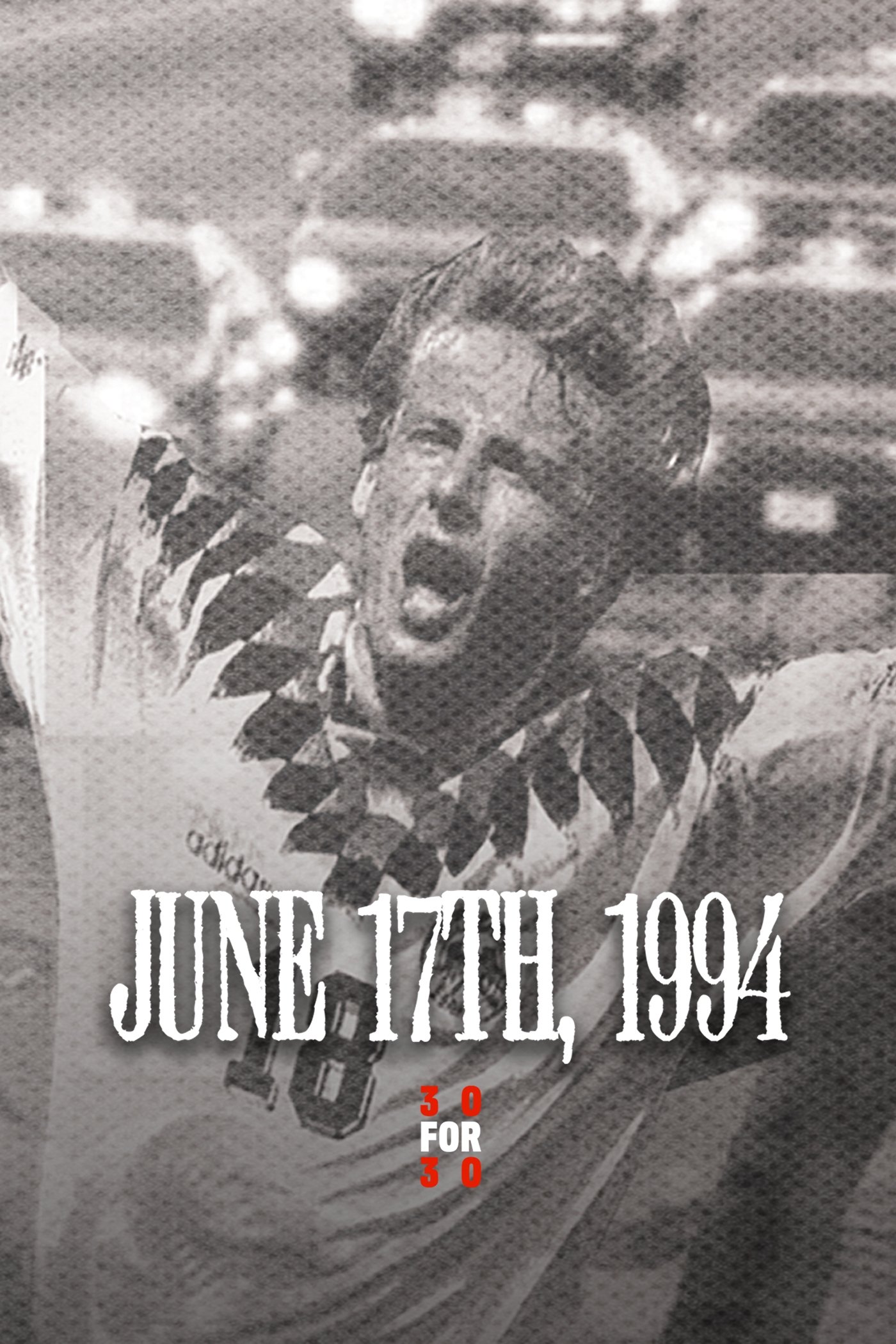
Do you remember where you were on June 17, 1994? Thanks to a wide array of unrelated, coast-to-coast occurrences, this Friday has come to be known for its firsts, lasts, triumphs and tragedy. Arnold Palmer played his last round at a U.S. Open, in Oakmont, PA, the FIFA World Cup kicked off in Chicago, the New York Rangers celebrated on Broadway, Patrick Ewing desperately pursued a long evasive championship in Madison Garden and Donald Fehr stared down the baseball owners. And yet, all of that was a prelude to O.J. Simpson leading America on a slow speed chase in a white Ford Bronco around Los Angeles.
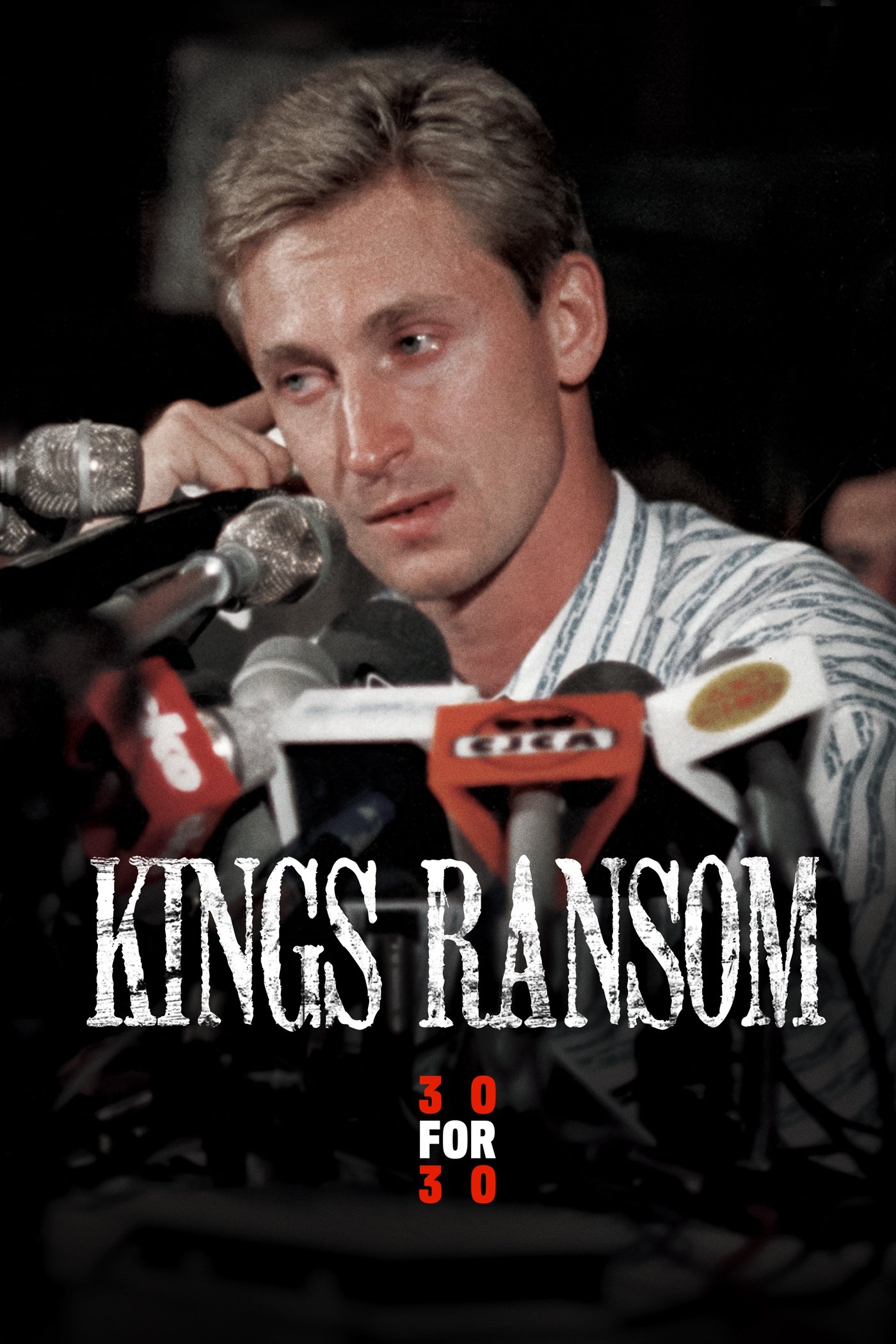
On August 9, 1988, the NHL was forever changed with the single stroke of a pen. The Edmonton Oilers, fresh off their fourth Stanley Cup victory in five years, signed a deal that sent Wayne Gretzky, a Canadian national treasure and the greatest hockey player ever to play the game, to the Los Angeles Kings in a multi-player, multi-million dollar deal. As bewildered Oiler fans struggled to make sense of the unthinkable, fans in Los Angeles were rushing to purchase season tickets at a rate so fast it overwhelmed the Kings box office. Overnight, a franchise largely overlooked in its 21-year existence was suddenly playing to sellout crowds and standing ovations, and a league often relegated to “little brother” status exploded from 21 teams to 30 in less than a decade.
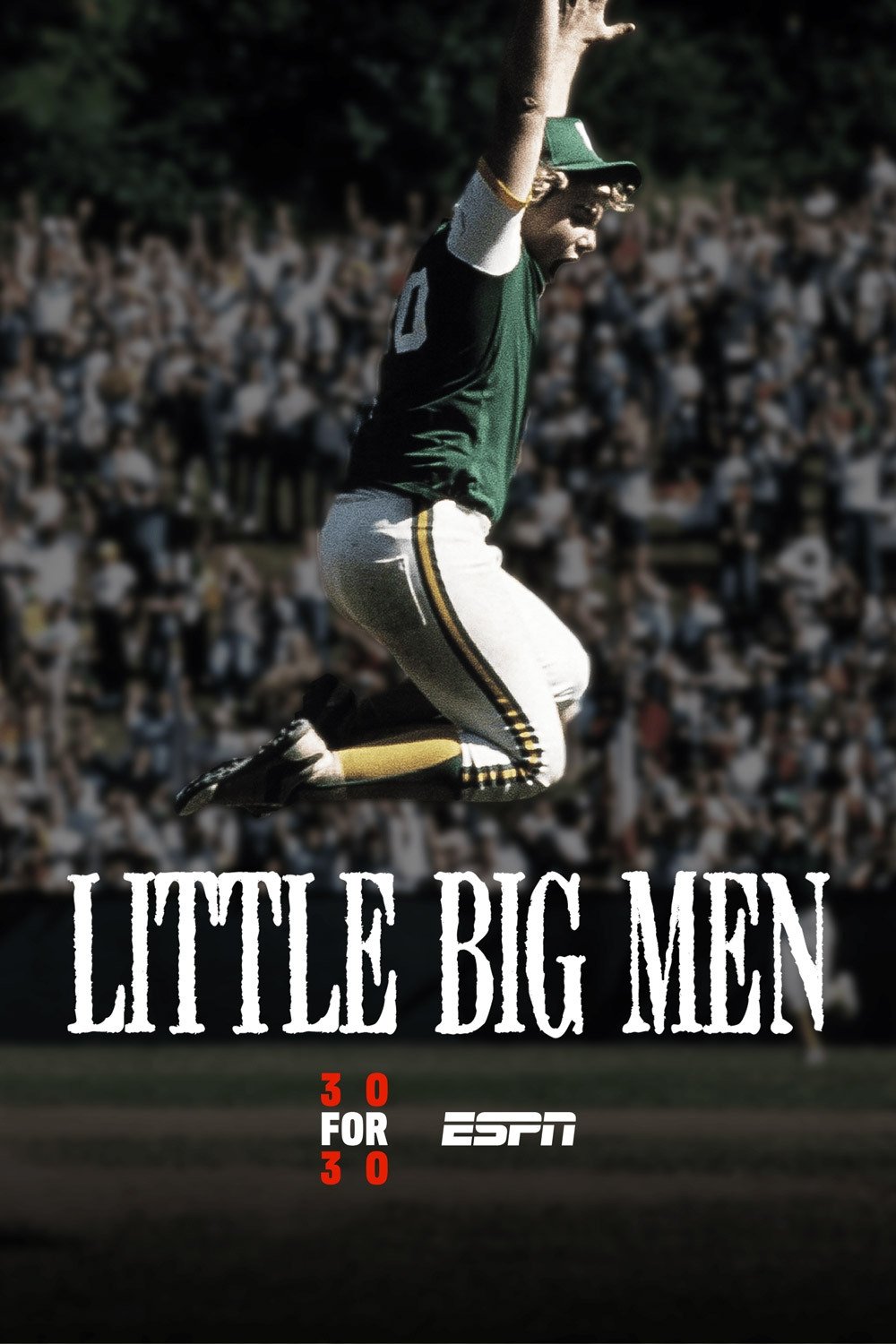
In 1982, Cody Webster and a small group of friends from Kirkland, Washington, sat anxiously in a dugout waiting to take the field for the championship game of the Little League World Series. Their focus was just about what you’d expect from any 12-year-old: hit the ball, throw strikes, cross your fingers and then maybe – maybe – you’ll win. Adults in the stands and watching from home saw a much broader field of play. The memories of American hostages and a crippling oil crisis were still fresh; the economic malaise of the late 1970s still lingered; and the new President was recovering from an assassination attempt even while confronting new threats from the Soviet Union. Meanwhile, back on that tiny baseball field in Williamsport, Pennsylvania, no American team had won a true international Little League World Series Championship in more than a decade. When the Kirkland players rushed from their dugout that day, they stepped onto a much bigger field than the one they saw.
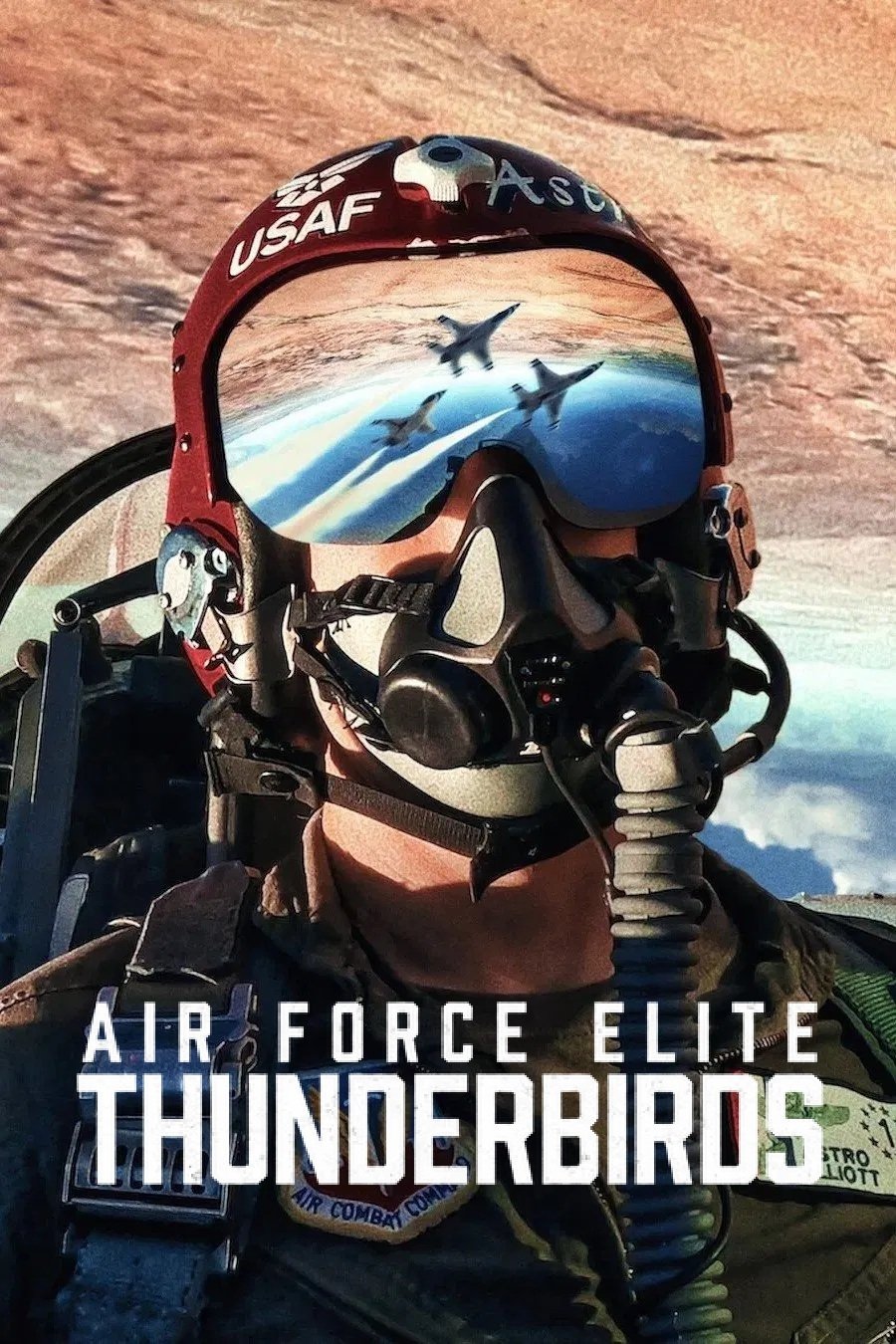
The elite pilots of the Air Force Thunderbirds display exceptional skill, trust and courage during a high-stakes training season.
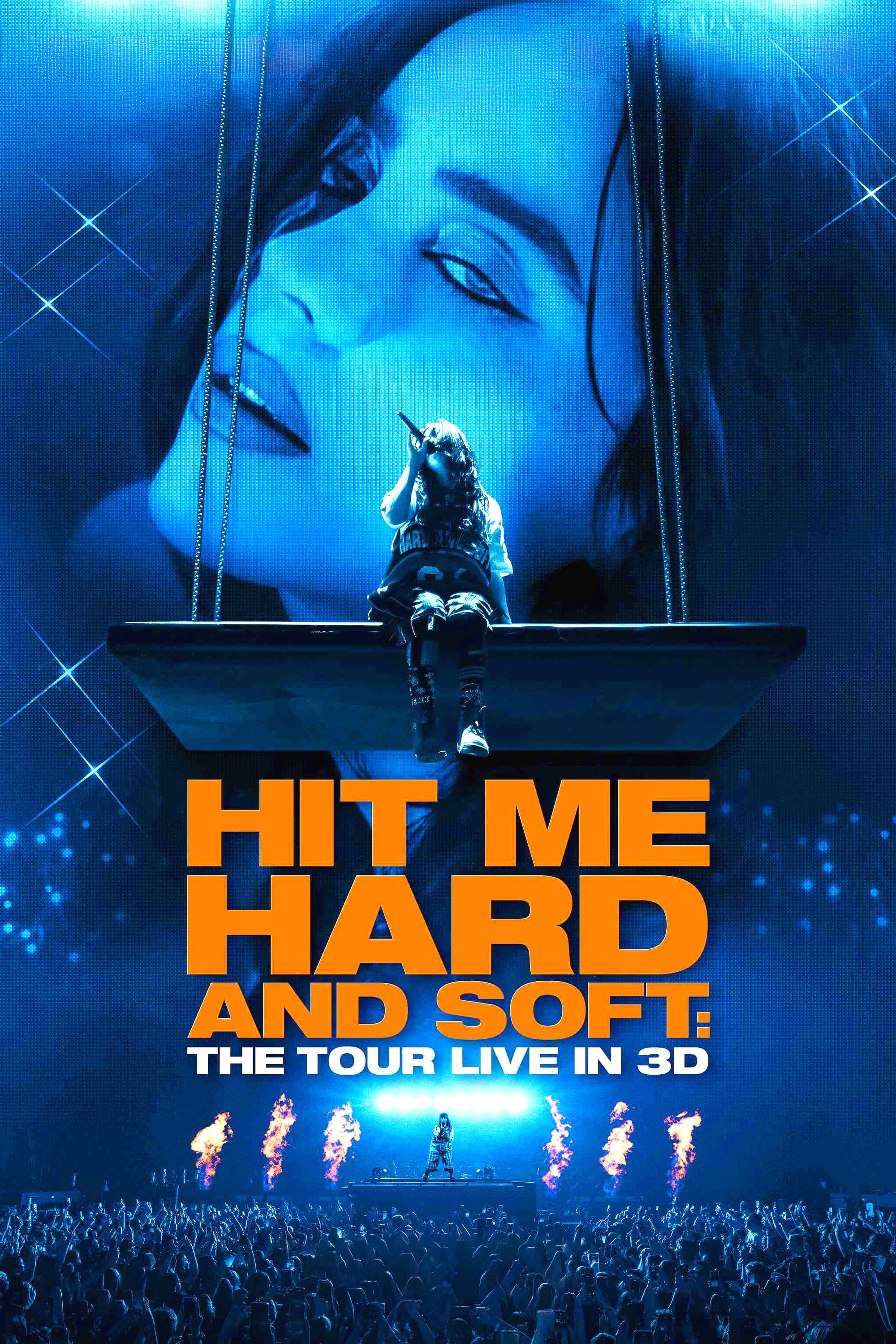
Captured during Billie Eilish's sold-out world tour, a concert experience from one of the most celebrated and successful artists of her generation, presented in immersive 3D.
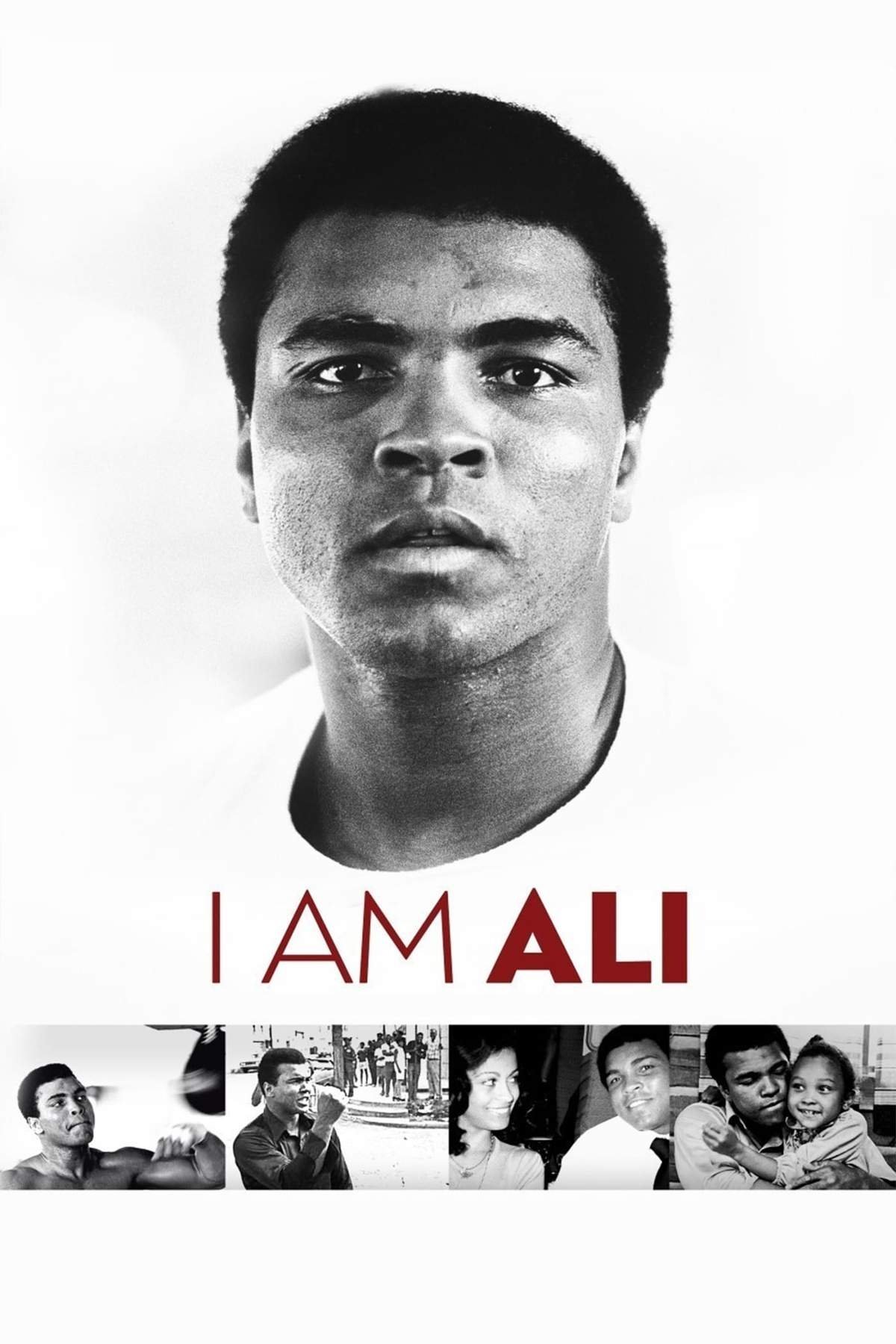
Unprecedented access to Muhammad Ali's personal archive of "audio journals" as well as interviews and testimonials from his inner circle of family and friends are used to tell the legend's life story.
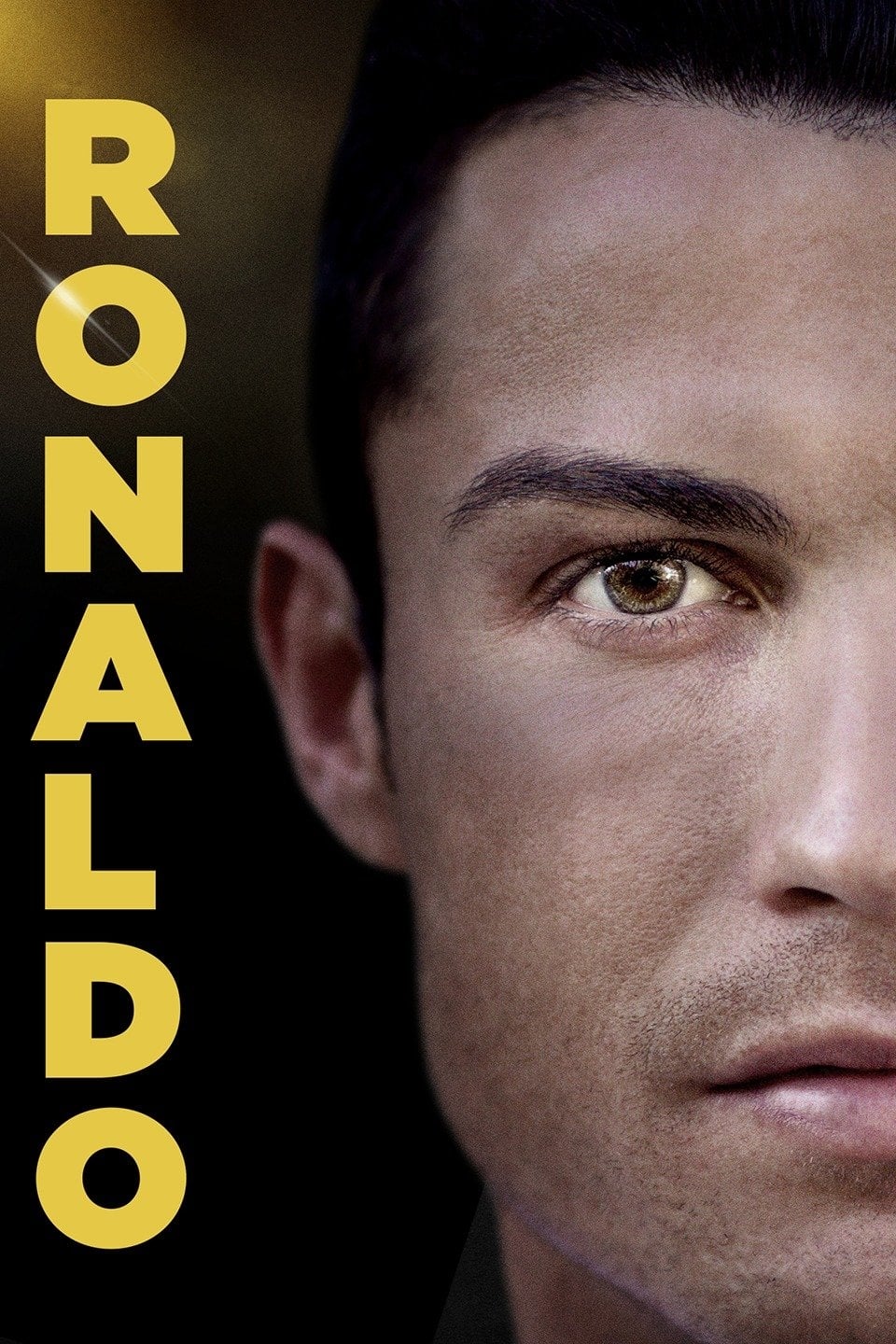
Filmed over 14 months with unprecedented access into the inner circle of the man and the sport, this is the first official and fully authorised film of one of the most celebrated figures in football. For the first time ever, the world gets vividly candid and un-paralleled, behind-closed-doors access to the footballer, father, family-man and friend in this moving & fascinating documentary. Through in-depth conversations, state of the art football footage and never before seen archival footage, the film gives an astonishing insight into the sporting and personal life of triple Ballon D'Or winner Cristiano Ronaldo at the peak of his career. From the makers of ‘Senna’ and ‘Amy’, Ronaldo takes audiences on an intimate and revealing journey of what it’s like to live as an iconic athlete in the eye of the storm.
THE SPIRIT MOLECULE weaves an account of Dr. Rick Strassman's groundbreaking DMT research through a multifaceted approach to this intriguing hallucinogen found in the human brain and hundreds of plants, including the sacred Amazonian brew, ayahuasca. Utilizing interviews with a variety of experts to explain their thoughts and experiences with DMT, and ayahuasca, within their respective fields, and discussions with Strassman’s research volunteers, brings to life the awesome effects of this compound, and introduces us to far-reaching theories regarding its role in human consciousness.
The inside story of six fighters – six of the fastest motorcycle racers of all time – and of the fates that awaited them at the peak of the sport. It's the story of what is at stake for all of them: all that can be won, and all that can be lost, when you go chasing glory at over two hundred miles an hour – on a motorcycle. But this documentary is also an opportunity to understand the passionate relationship that links the pilots, the technical teams and the legions of fans to the spirit of GP Moto.
Fresh off the heels of her brand-new album, "Happier Than Ever," this cinematic concert experience features an intimate performance of every song in the album's sequential order – for the first and only time – from the stage of the legendary Hollywood Bowl.
Daniel Craig candidly reflects on his 15 year adventure as James Bond. Including never-before-seen archival footage from Casino Royale to the upcoming 25th film No Time To Die, Craig shares his personal memories in conversation with 007 producers, Michael G Wilson and Barbara Broccoli.
A concert film documenting Talking Heads at the height of their popularity, on tour for their 1983 album "Speaking in Tongues." The band takes the stage one by one and is joined by a cadre of guest musicians for a career-spanning and cinematic performance that features creative choreography and visuals.
Told through performances, TV interviews, home movies, family photographs, private letters and unpublished memoirs, the film reveals the essence of an extraordinary woman who rose from humble beginnings in New York City to become a glamorous international superstar and one of the greatest artists of all time.
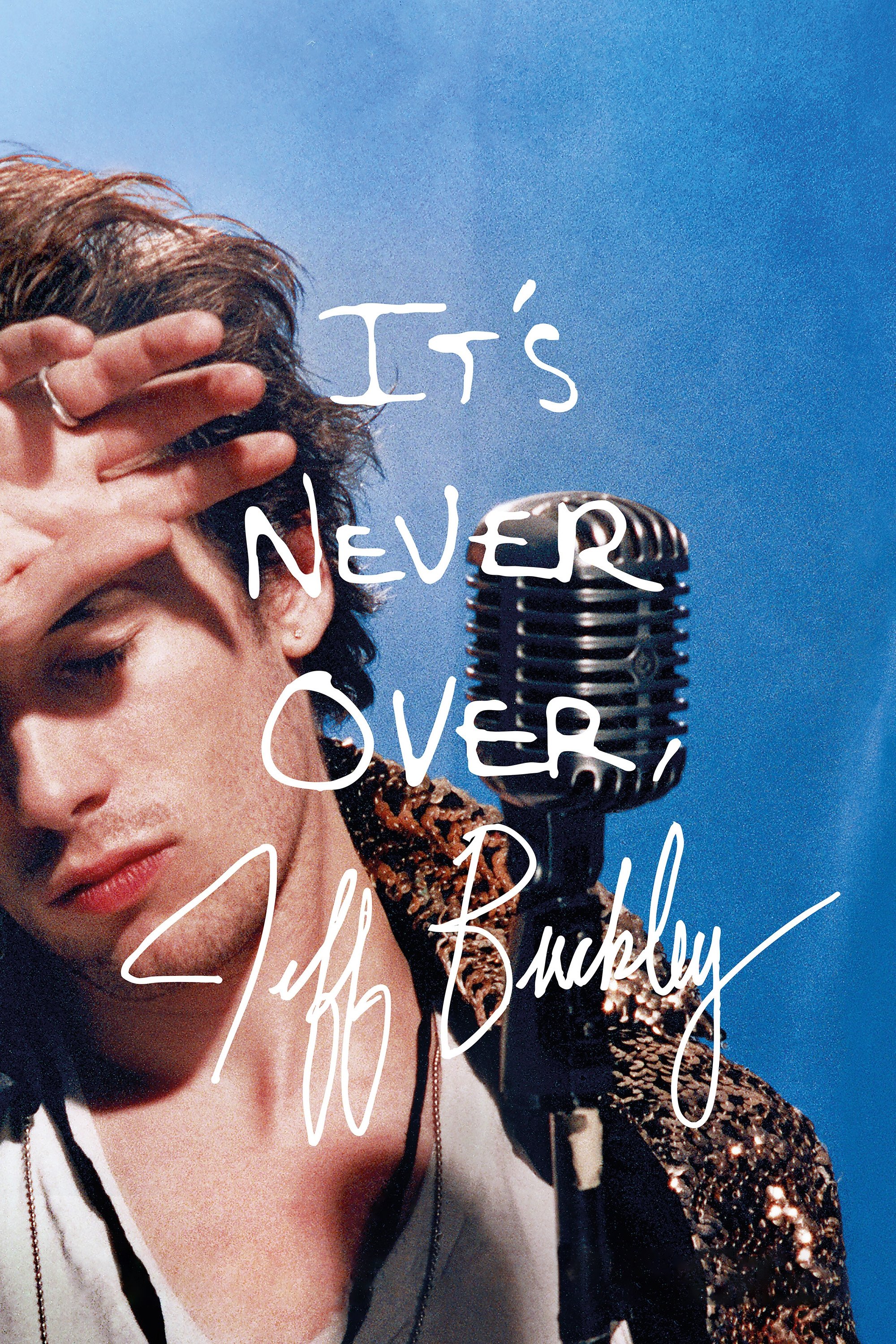
Rising musician Jeff Buckley had only released one album when he died suddenly in 1997. Now, never-before-seen footage, exclusive voice messages, and accounts from those closest to him offer a portrait of the captivating singer.
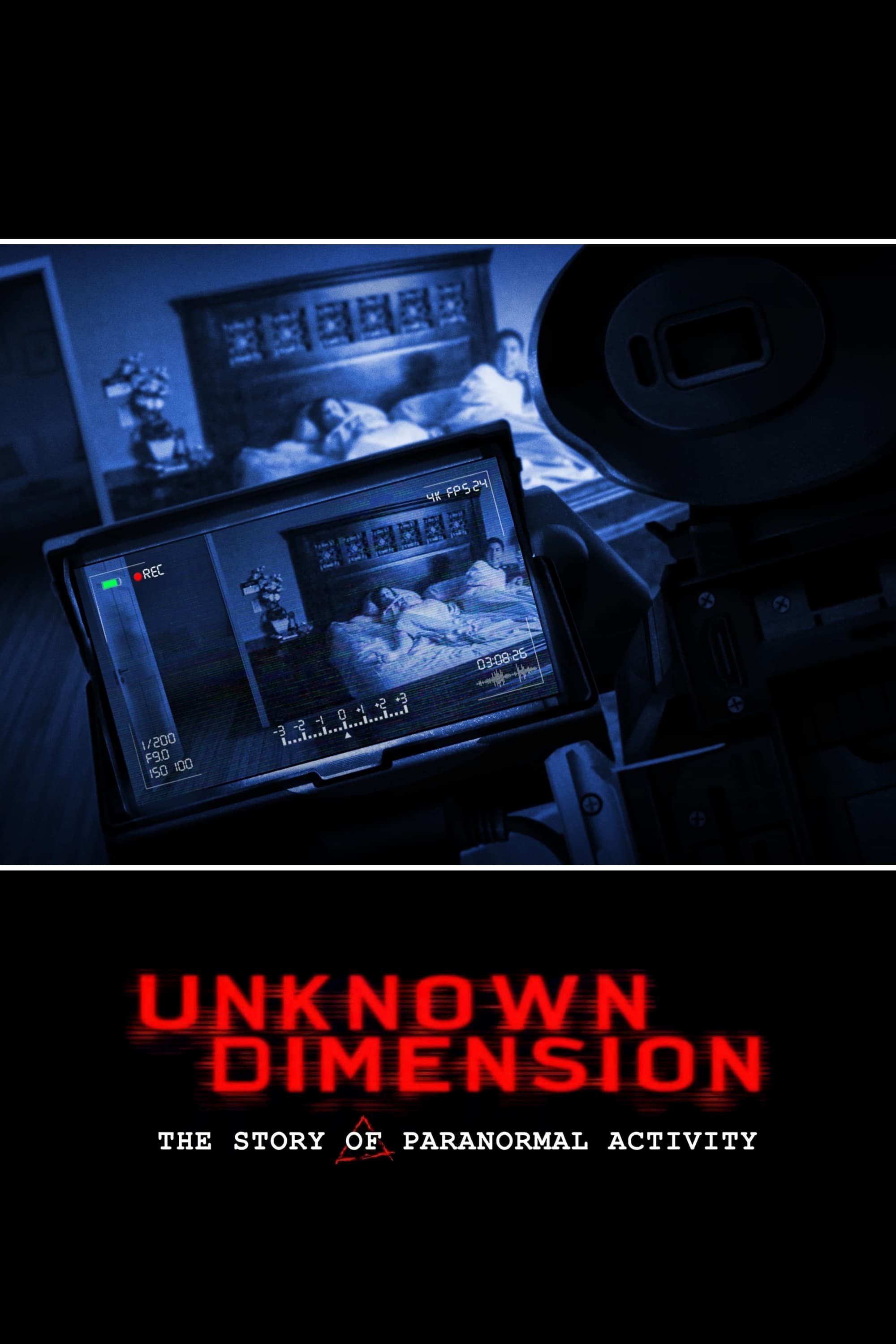
A deep dive into the making of the Paranormal Activity films with first time ever interviews with cast and crew, never-before-seen footage from the movies, and a preview of the seventh installment in the franchise.
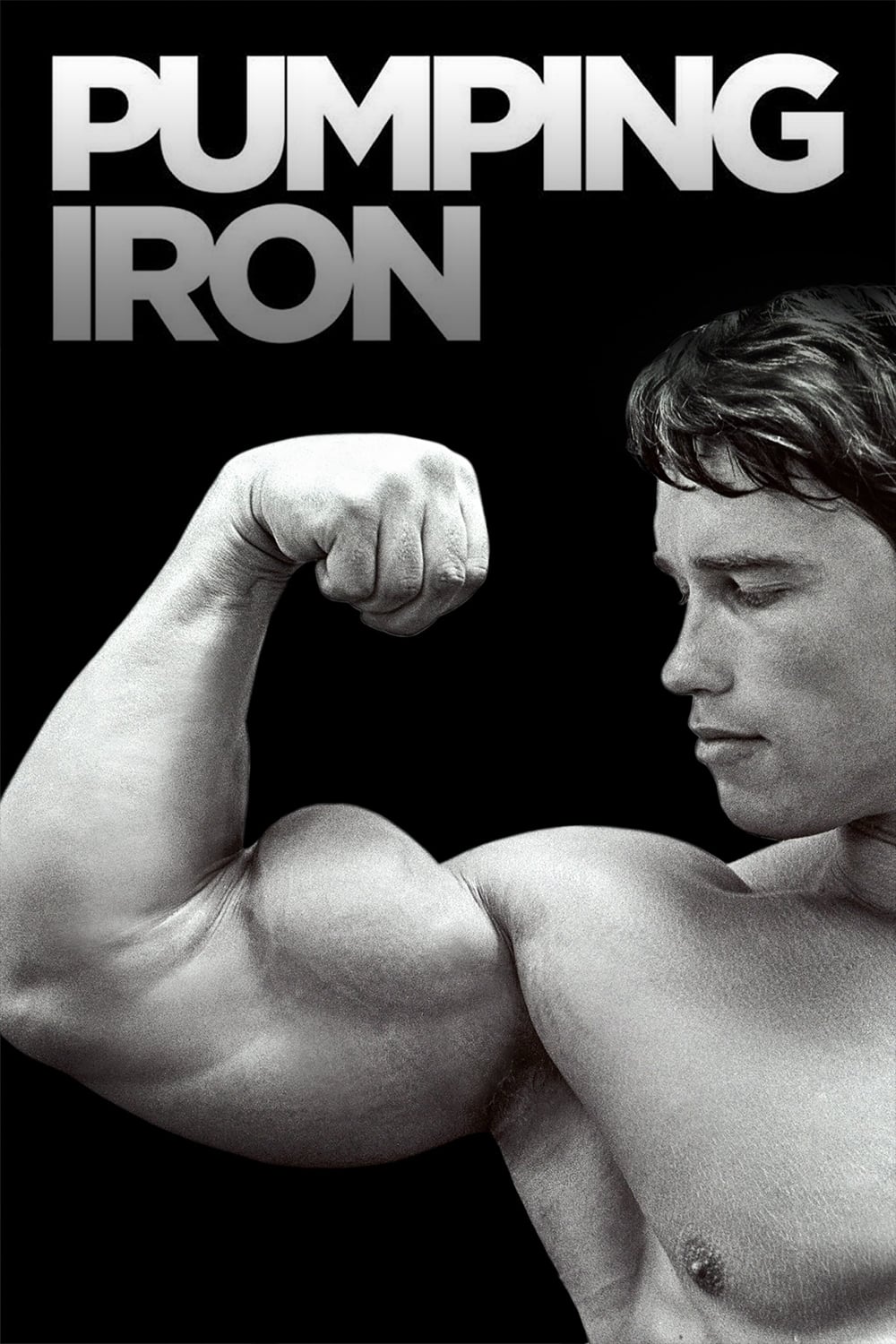
Amateur and professional bodybuilders prepare for the 1975 Mr. Olympia and Mr. Universe contests as five-time champion Arnold Schwarzenegger defends his Mr. Olympia title against Serge Nubret and the shy young Lou Ferrigno.
Iverson is the ultimate legacy of NBA legend Allen Iverson, who rose from a childhood of crushing poverty in Hampton, Virginia, to become an 11-time NBA All-Star and universally recognized icon of his sport. Off the court, his audacious rejection of conservative NBA convention and unapologetic embrace of hip hop culture sent shockwaves throughout the league and influenced an entire generation. Told largely in Iverson's own words, the film charts the career highs and lows of one of the most distinctive and accomplished figures the sport of basketball has ever seen.
A look at the origins, history and conspiracies behind the "Majestic 12", a clandestine group of military and corporate figureheads charged with reverse-engineering extraterrestrial technology.
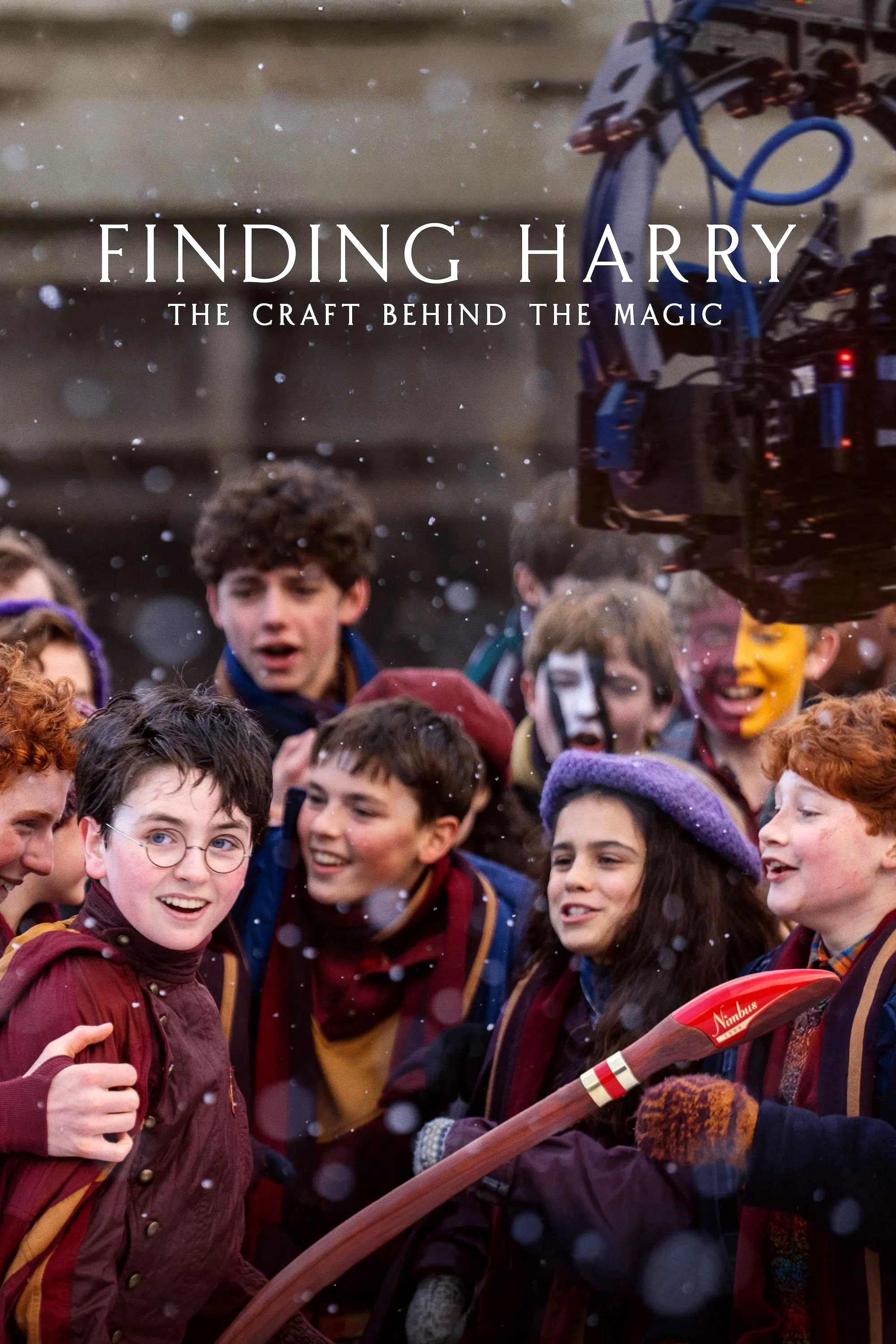
Featuring interviews from members of the casting, production design, costume design, and creature effects teams, follow the behind-the-scenes journey of bringing the Harry Potter books to the small screen. Find out how the new Golden Trio were found, and celebrate the commitment to detail of the artists, craftspeople, and technicians who have come together to bring the wizarding world to life.
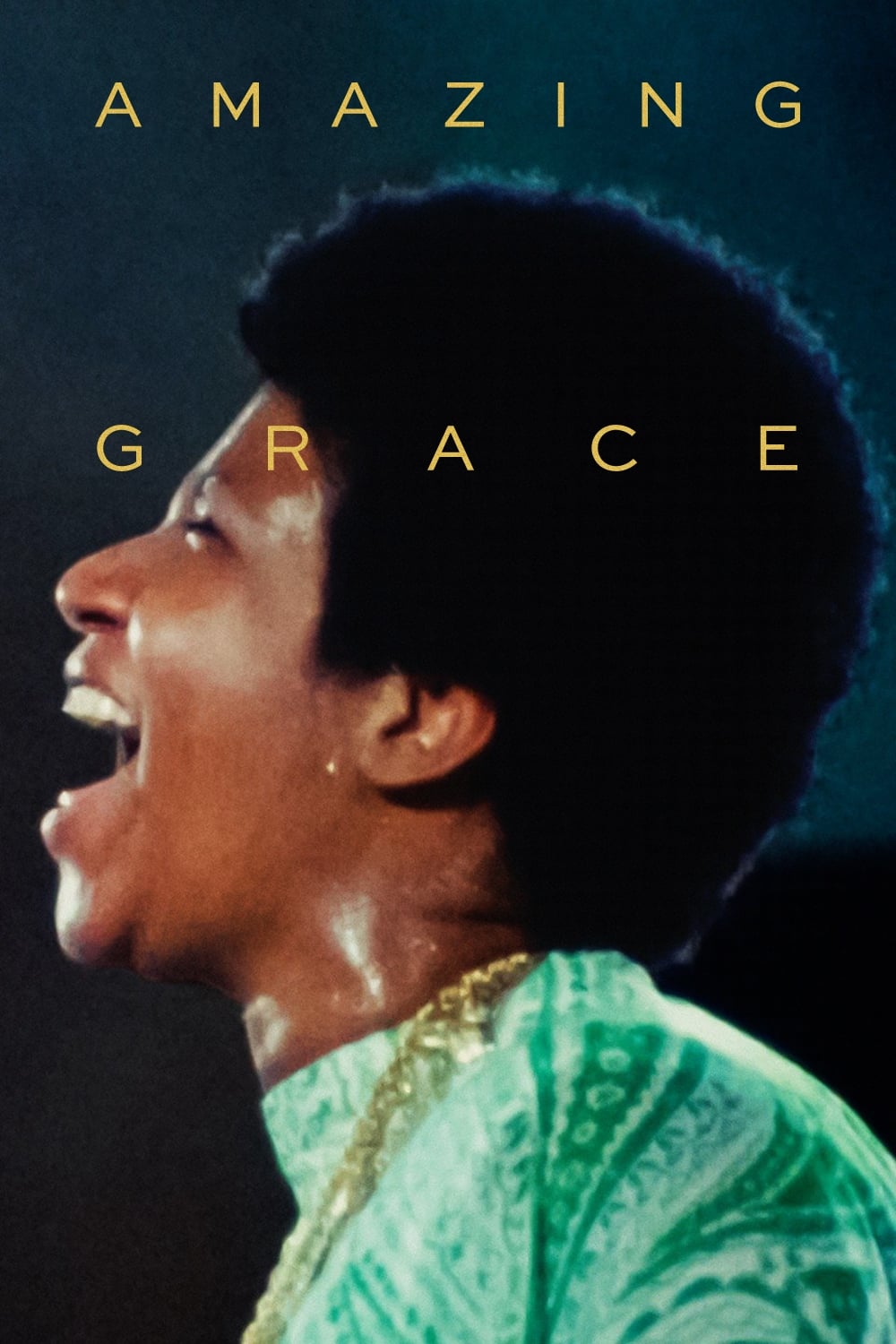
A behind-the-scenes documentary about the recording of Aretha Franklin's best-selling album finally sees the light of day more than four decades after the original footage was shot.
Live Aid was held on 13 July 1985, simultaneously in Wembley Stadium in London, England, and the John F. Kennedy Stadium in Philadelphia, United States. It was one of the largest scale satellite link-ups and television broadcasts of all time: watched live by an estimated global audience of 1.9 billion, across 150 nations. "It's twelve noon in London, seven AM in Philadelphia, and around the world it's time for Live Aid...!"
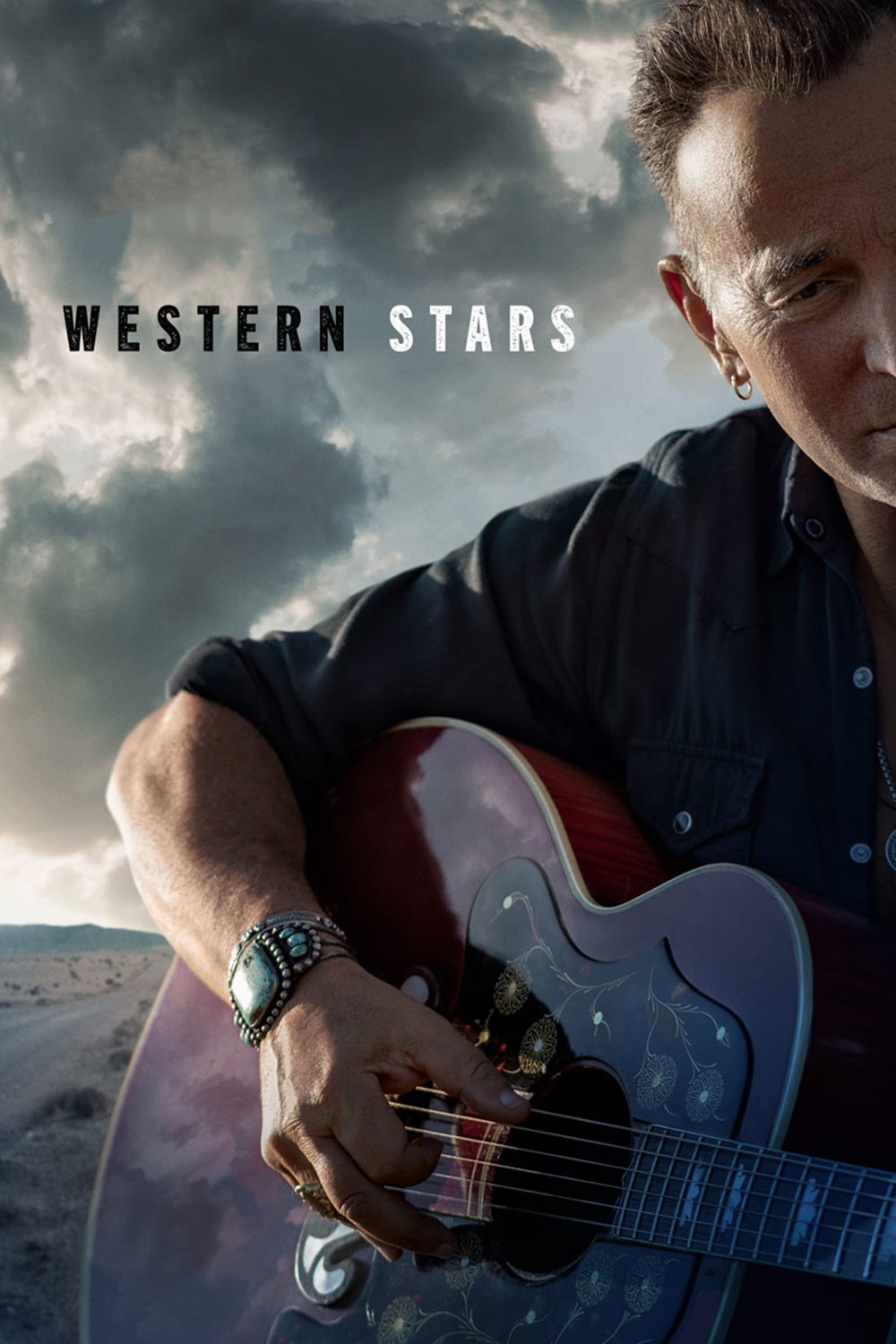
The incomparable Bruce Springsteen performs his critically acclaimed latest album and muses on life, rock, and the American dream, in this intimate and personal concert film co-directed by Thom Zimny and Springsteen himself.
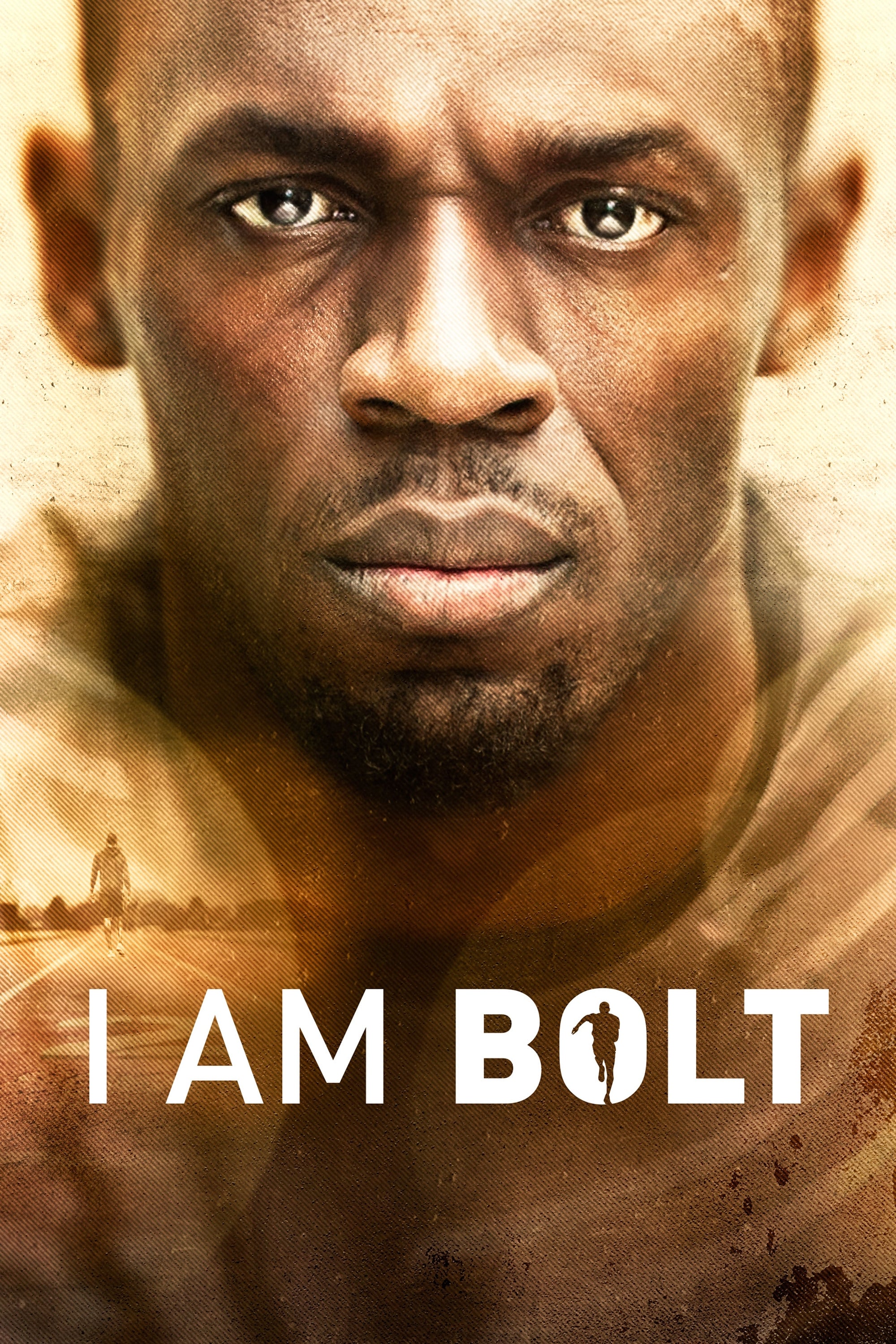
Fully authorized, access-all-areas feature doc on the hugely charismatic and globally adored Usain Bolt – officially the fastest man alive. With never-before-seen archive footage of his youth in Jamaica, through to original footage that will be captured at his fourth and final Olympic Games in Rio, where he will compete for the gold in both the 100 and 200 metres races, for a third straight Games before his retirement in 2017. I AM BOLT will reveal the man and define the legacy of this incredible athlete.