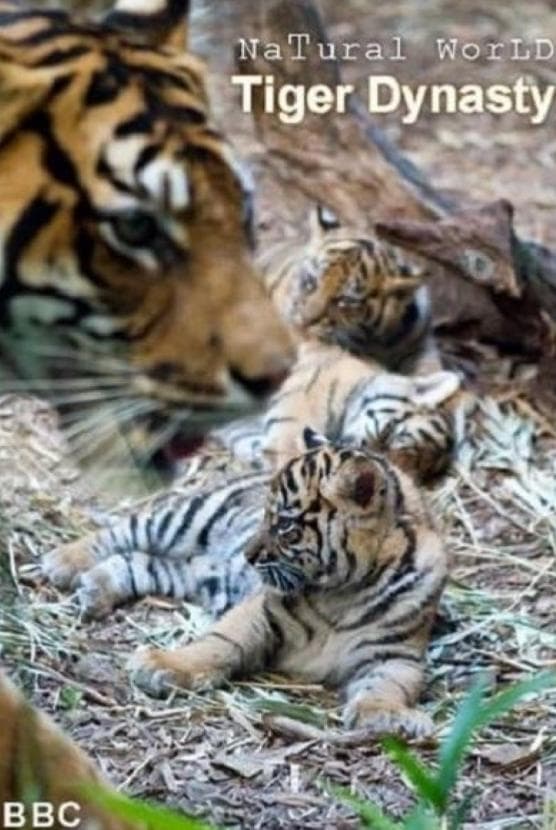
Wild tigress, Machli, is one of three sisters raised in India's Ranthambore National Park. Their mother, "The Lady of the Lakes," ruled the lakeside territory, until Machli rose up and took possession of her mother's throne.
Social & External
Narrator
Unknown Role
Get ready to take a breath of fresh air! This documentary will plunge the viewer into the realms of foxes. Allow your viewer to follow the wanderings of a fox and its encounters throughout the 4 seasons in french forests.
Near the cold Pyrenees of Iberia, surrounded by ancient and dark green forests, lies a strange land where the rain is scarce and the wind is always blowing. The soil is poor, there are no trees and the landscape resembles the moon. Is this what the future of desertification will look like? Incredible creatures with surprising behavior live in this strange landscape. The documentary explores a place with very dry skin but a wet hidden heart where even waterfowl or amphibians can live. Living in such conditions is not easy and only the toughest animals will survive.
After a life spent travelling the globe, the world’s most famous naturalist turns his attention closer to home to explore the wildlife of England’s iconic capital. Having lived in London for 75 years, Sir David has an intimate knowledge of the city’s natural history, and there's no better guide to introduce us to its most spectacular wildlife secrets. Captured over his centennial year, this personal and poignant film is a timely insight into how cities can become homes for wildlife as well as ourselves.
In GHOSTS OF THE FOREST daredevil bird and wildlife cinematographer, John Young is embarking on a journey into the rainforest of the tropical north to find those creatures often heard but rarely, if ever, seen.
One of only two living mammals to lay eggs, the platypus has baffled and inspired the scientific community for hundreds of years. Three years in the making, this stunning natural history film takes us down the East Coast of Australia to the many serenely beautiful habitats of the platypus. Technology specially created for this film captures images from inside the nesting chamber of a wild platypus, and records the extraordinary sounds of the mother suckling her offspring. We watch as they grow from newborns to adulthood. Join renowned documentary makers David Parer and Elizabeth Parer-Cook (Dragons of Galapagos, Wolves of the Sea) on this fascinating journey from the rainforests of Queensland to the frozen mountains of Tasmania, as they reveal new insights into this mysterious creature.
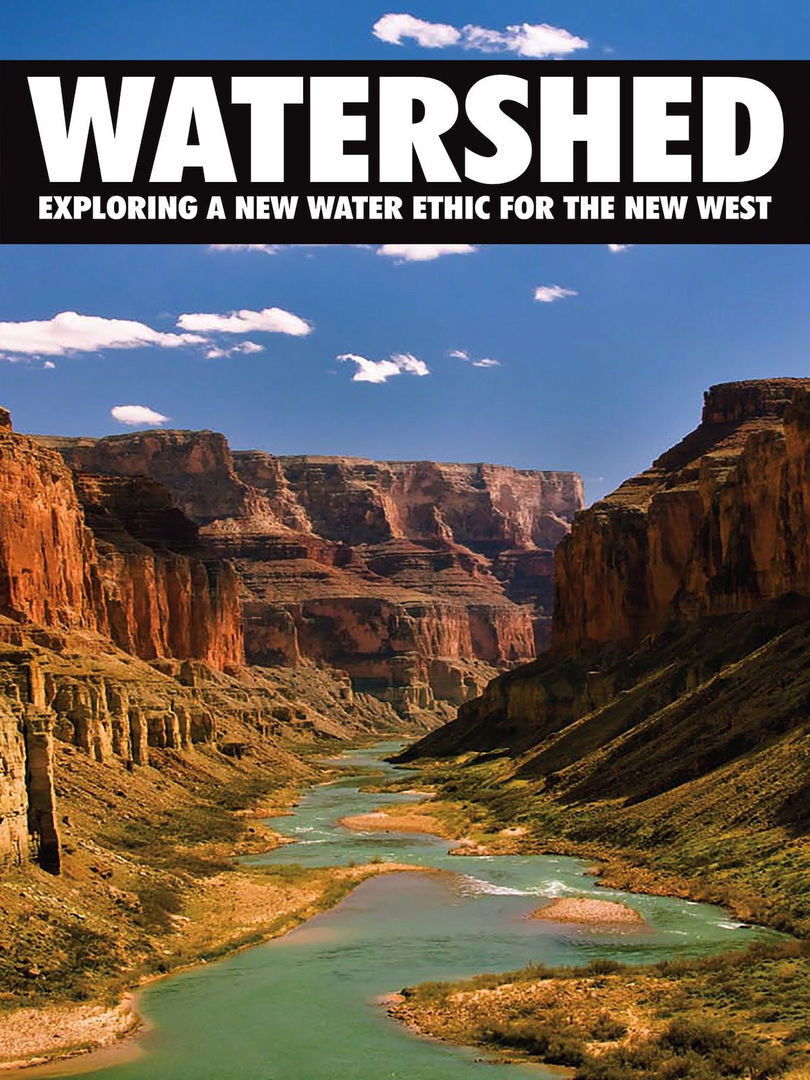
The American Southwest is a feature length blue chip natural history film narrated by indigenous environmentalist Quannah Chasinghorse. The movie journeys down the mighty Colorado River, examining the astonishing beauty and biodiversity of the region, while confronting the environmental destruction from dams and the perilous fate of the river. The story is told through never-before-seen wildlife sequences such as beavers building wetlands, condors recovering from the brink, and the potential return of Jaguars to American soil. The film beautifully advocates for better management of the river and increased wildlife conservation efforts in the iconic landscapes of The American Southwest.
Little Monsters presents some of the animal kingdom’s strangest survival strategies: poison dart frogs, chameleons, praying mantises and scorpions, to name but a few. Thanks to 3D visualization, large audiences can experience a chameleon thrusting out its tongue at close range, rattlesnakes striking at their targets to within fractions of an inch, praying mantises hunting and hummingbirds feeding, filmed from inside the flower! And with its ingenious combination of slow-motion 3D and timelapse 3D, “Little Monsters” even improves upon state of the art 3D for greater impact, yielding unbelievable scenes the world has never seen and “felt” before.
The trials and tribulations of a sea otter pup growing up on the coast of California. The Californian sea otter is one of the rarest, and possibly cutest animals in the world. So when a sea otter mum decides to have her pup amongst the yachts of a millionaires' marina, it is a unique event. The mum must teach her baby how to dodge the boats and find the food in this busy harbour. However, the arrival of a tough male sea otter signals disaster for the family. When mum is attacked, the poor pup is left on her own and must fight for survival.
Looks at the baobab trees that grow in the dry bush country of Africa and shows the ecosystem created by them. (summary provided via Worldcat)
Notorious killer whale Tilikum is responsible for the deaths of three individuals, including a top killer whale trainer. Blackfish shows the sometimes devastating consequences of keeping such intelligent and sentient creatures in captivity.
Tracing the Future follows In the Wake exhibition artist Naoya Hatakeyama as he photographs the devastated landscape of his hometown of Rikuzentakada after 3/11. Hatakeyama, who represented Japan in the 2001 Venice Biennale and is renowned for meticulous photographs that explore the relationship between humankind and nature, suffered enormous losses on 3/11: his family home was washed away in the tsunami and his mother lost her life. Tracing the Future delves into the artist’s deeply personal response to the disaster and explores his four-year-long mission of documenting the place of his upbringing.
In the Aysén region dwell a population of 90000 isolated souls sharing the harsh landscapes of an area about the size of England. Here where beauty seems to be on first-name terms with fear and danger,in a place where the immensity of nature can never be dominated, the setting hesitates, along the expanses, between sparkling colours and the black and white of the snow and the water. The day-to-day images intermingle with a story of mythological aspect; that of the timeless quest for the Lost City of the Caesars, a city of gold built 500 years ago by the conquerors.
Explore Kui Buri National Park, a Southeast Asian haven where elephants, gaurs, and vibrant wildlife thrive thanks to ingenious conservation efforts.
Twenty-four images of a camera running in the woods, a moonlight and a cemetery through improvised gestures, mechanical abstraction and saturated colors
In a secluded village surrounded by forests and a river, an elderly beekeeper and a livestock farmer live alone, their lives shaped by tireless work and quiet harmony. Through one day in their hidden world, this documentary reveals the beauty and mystery of their bond with nature, far from the reach of modern life.

In the middle of the Indian Ocean, more than 1.500 km from the nearest continent, lies an untouched, mysterious archipelago – the Chagos Islands. This group of 60 islands is one of the last pristine wildernesses on Earth. The Chagos Archipelago is one of the world’s largest marine national parks, and is strictly protected. A scientific expedition has been granted access to this politically disputed territory for the first time. In times of climate change, as global reef communities face a growing crisis, the researchers seek to show how coral reefs fare in places with minimal human interference. During a journey into the unknown, we follow in the footsteps of internationally renowned scientists, who aim to unlock the secrets of a lost world and gain astonishing insights into one of the last true wildernesses on Earth.
Between documentary and animation, this film delves into collective memory, rescuing ancestral symbols and reopening old questions: what future remains when we forget the past? Profundo is born to inspire—to remind us that each whale carries the history of the planet, that each sea holds what we have not yet been able to protect. It is an urgent, sensitive, and visually intimate appeal that invites us to see the ocean as a living, sacred, and vulnerable territory.