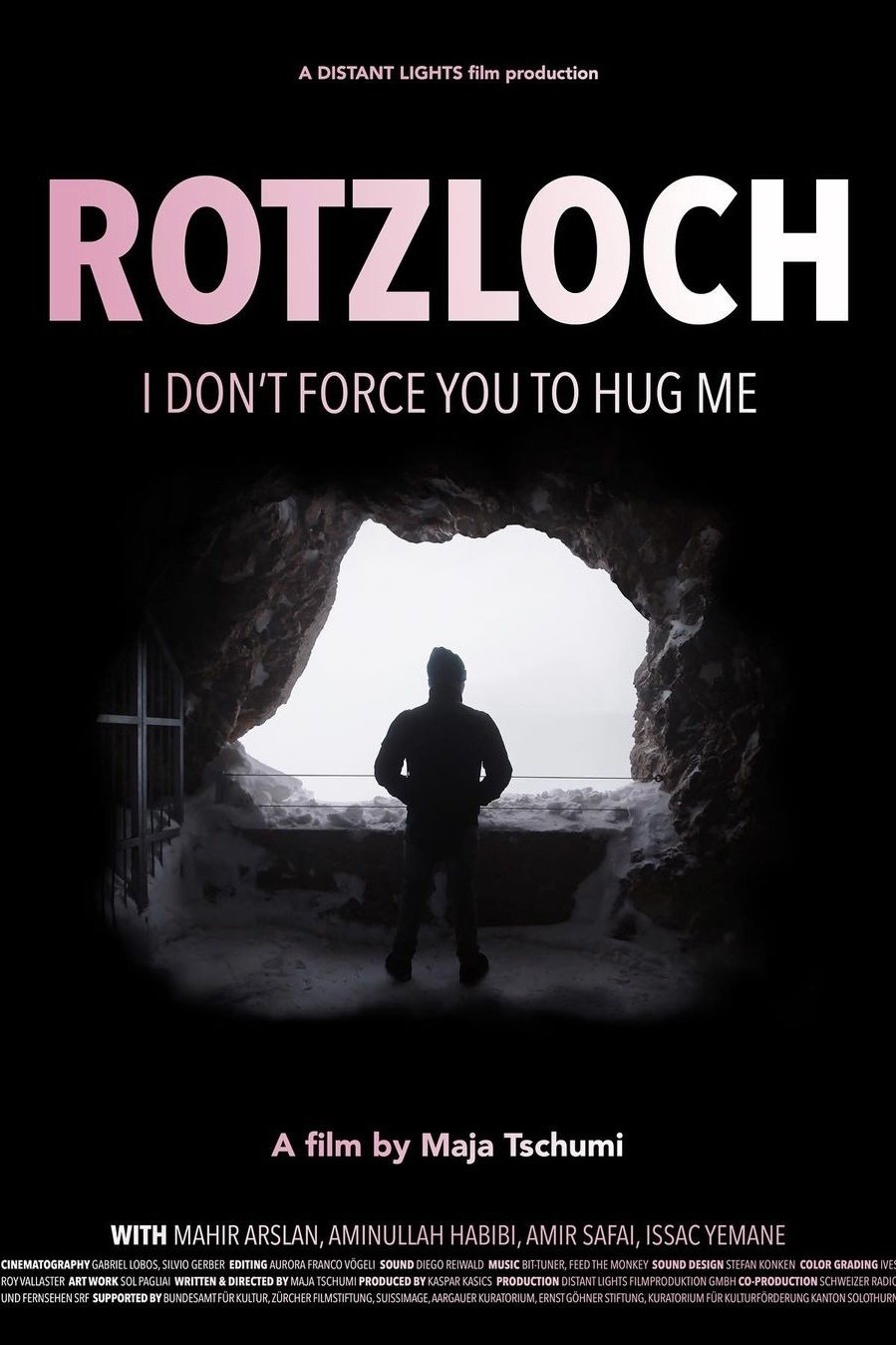
"I Don't Force You to Hug Me"
At the end of a quarry, in a godforsaken place called Rotzloch, a new life begins for four young men.
Social & External
Himself
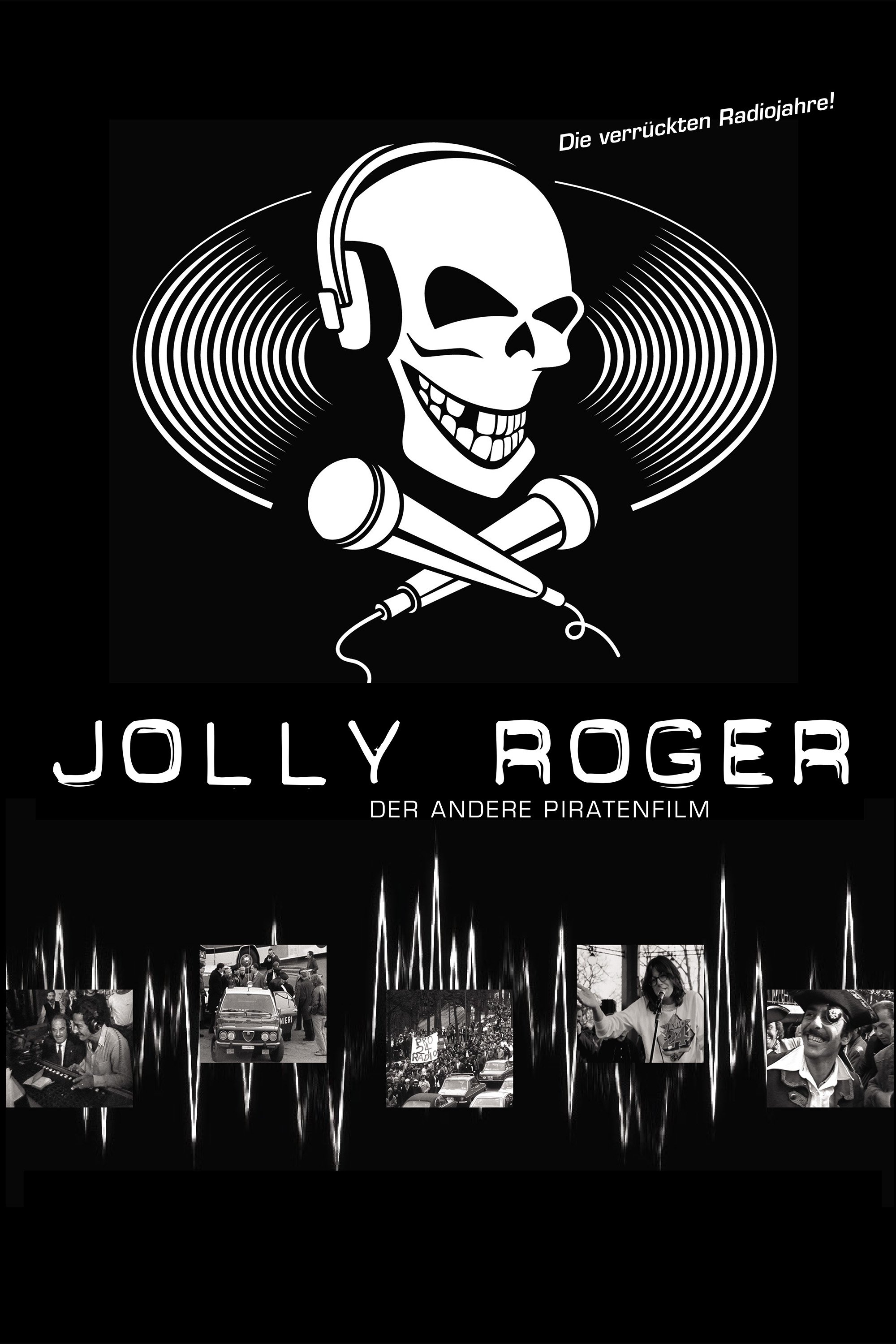
"Jolly Roger" could mean Roger Schawinski. But by definition, a "Jolly Roger" is the classic black pirate flag with skull and crossbones. This documentary tells the unvarnished story of the Swiss radio pirates who emerged in the 1970s. The focus is on Radio 24 in its wild years, when Schawinski's team broadcast from Italy, with the strongest FM station in the world at the time, straight down from Pizzo Groppera, 130 kilometers all the way to the Zurich area. Supported by numerous original documents from private filmmakers and from the SRG archives, the viewer relives the absurd radio war between David and Goliath that lasted almost four years, 24 years after this war between the radio pirates and the state power began on November 13, 1979. The many known and unknown fighters, who rallied behind their Radio Winkelried Schawinski in 1979 to help usher Switzerland into a new media age, remember the good and bad times, the demonstrations and the numerous threatened and actual closures.
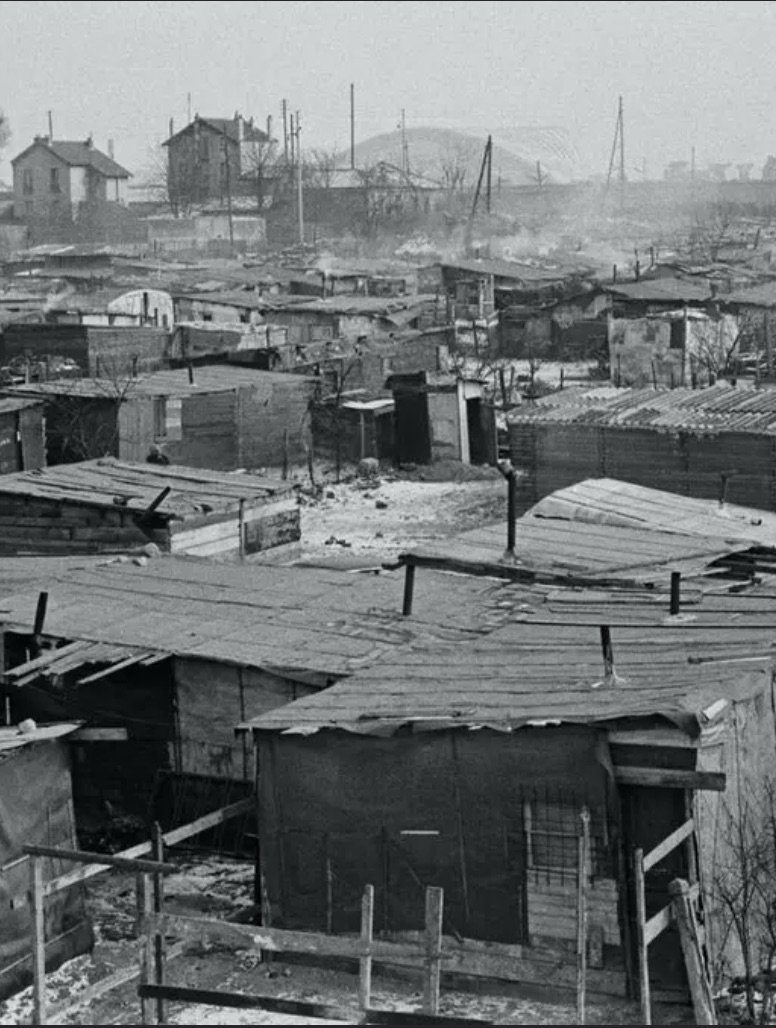
In Surinamers in Nederland: De terugkeer van het zwarte goud, we see Surinamese people arriving in the Netherlands, unsure of what to expect, and being packed into overcrowded boarding houses. The government's idea is that they should then be integrated into society as quickly as possible. This was to be done by the Centraal Bureau Uitvoering Vestigingsbesluit Rijksgenoten, set up in 1974.
Two groups of Venezuelan dancers, while preparing for a dance battle, survive at traffic lights in the streets of Medellín. A group reflection on love, family and identity, far from home.
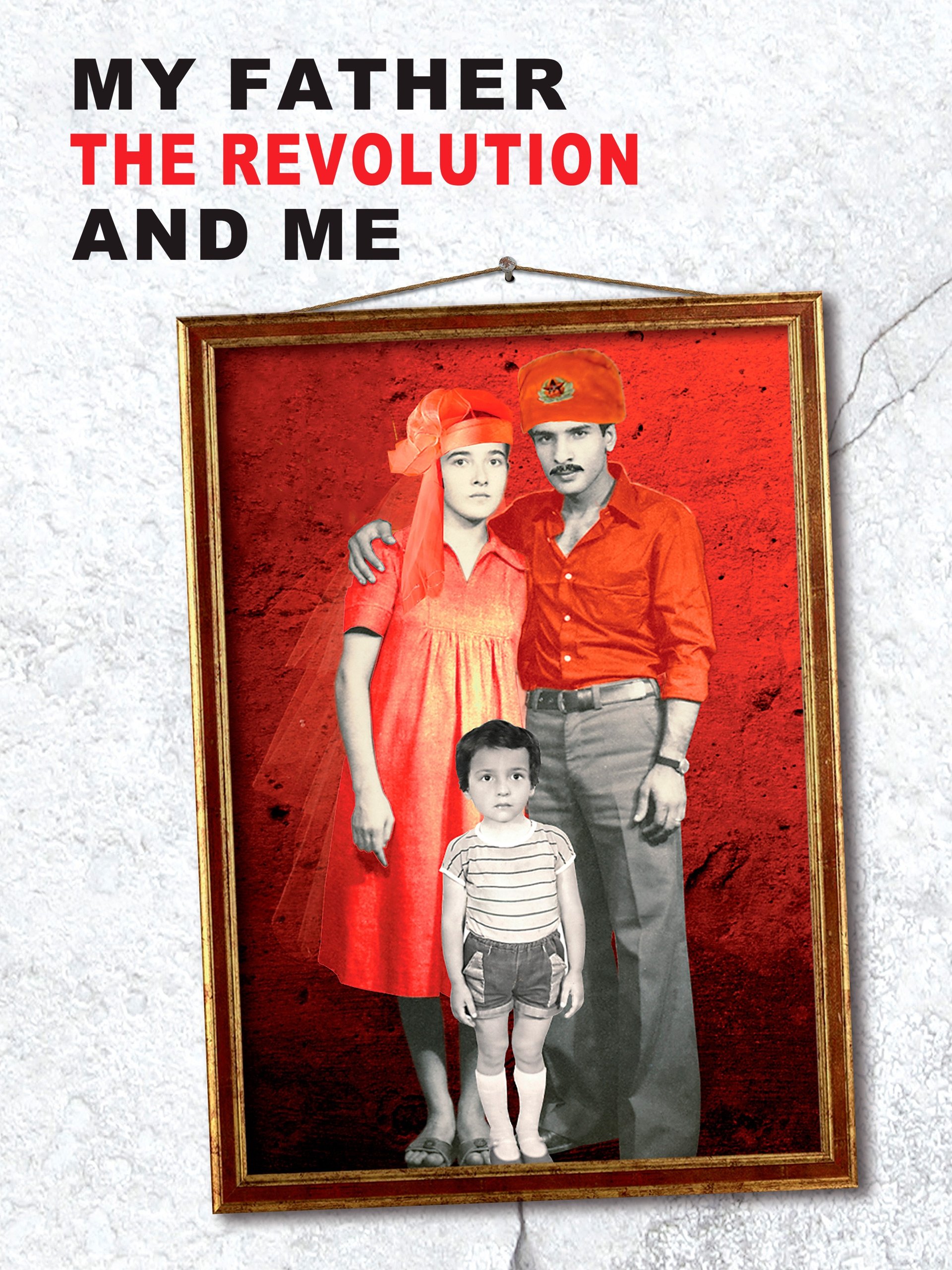
A documentary tragicomedy of a father-daughter relationship, told by the subjective perspective of the young director. She tries to understand how a revolutionary could have become a criminal and an alcoholic, and why he abandoned his family. Freely juggling between documentary, fiction and animation, the director takes us on a journey around the world. The daughter of a former communists visits the ports of the revolt, where communities are trying to realize the concrete utopia.
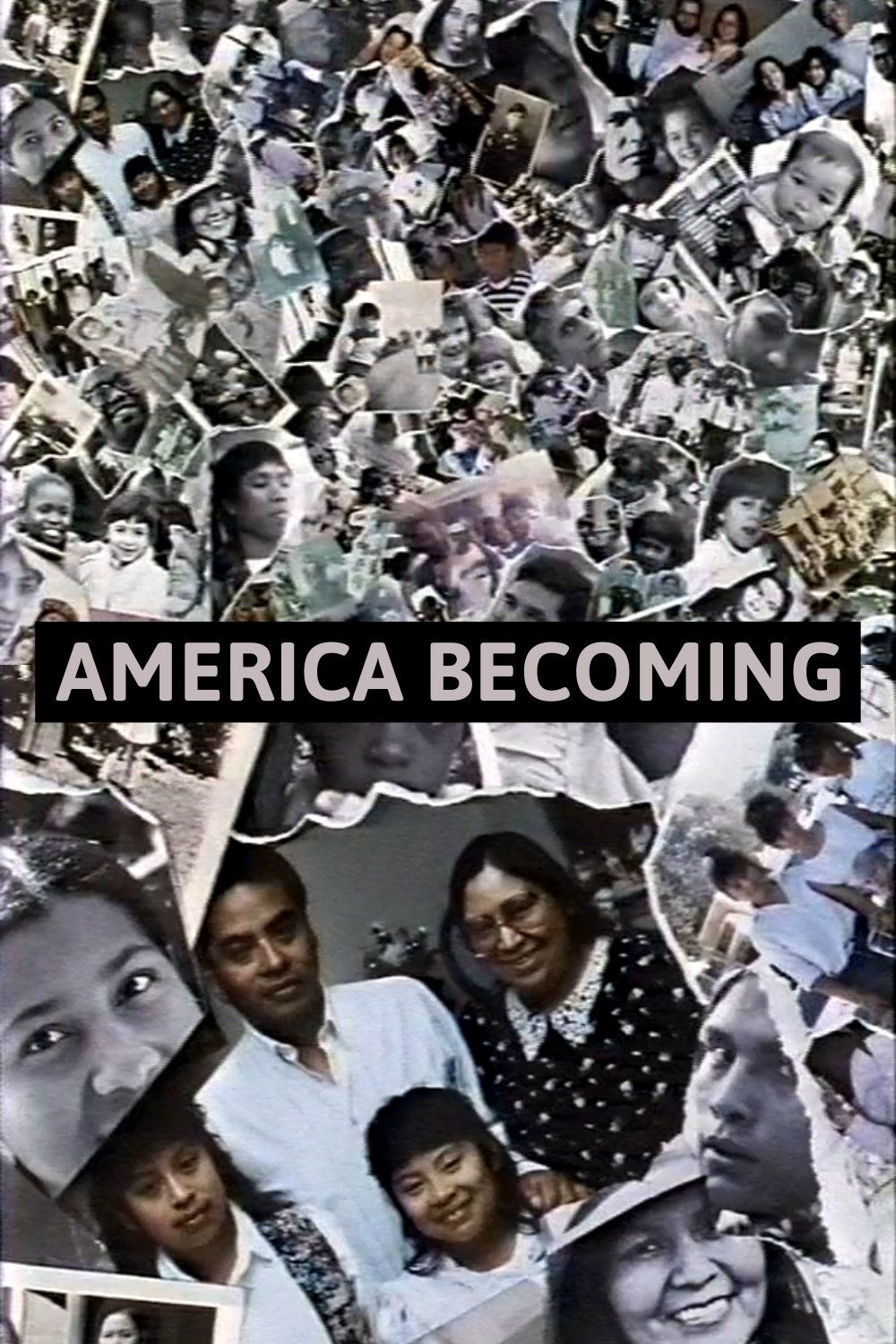
Looks at the United States as it becomes an increasingly diverse nation. Tracing the history of significant changes in the Immigration and Nationality Act beginning in 1965, this program introduces a dramatic vision of a multi-cultural America where people of color are the new majority. The feelings and stories of ordinary people are featured in everyday context in six cities across the county. Interviews with residents of Chicago, Houston, Philadelphia, Miami and several other places probe the changing relationships between newcomers and established residents.
Hang Sou and his family, preliterate tribal farmers, await resettlement in a refugee camp in Thailand after fleeing their war-consumed native Laos. "Becoming American" records their odyssey as they travel to and resettle in the United States. As they face nine months of intense culture shock, prejudice, and gradual adaptation to their new home in Seattle, the family provides a rare insight into refugee resettlement and cultural diversity issues.
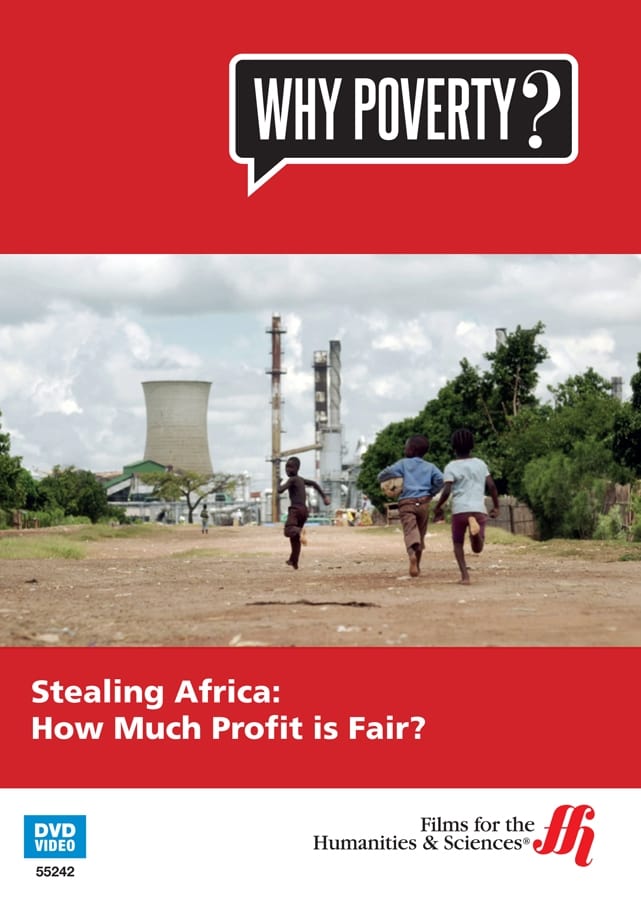
Zambia's copper resources have not made the country rich. Virtually all Zambia's copper mines are owned by corporations. In the last ten years, they've extracted copper worth $29 billion but Zambia is still ranked one of the twenty poorest countries in the world. So why hasn't copper wealth reduced poverty in Zambia? Once again it comes down to the issue of tax, or in Zambia's case, tax avoidance and the use of tax havens. Tax avoidance by corporations costs poor countries and estimated $160 billion a year, almost double what they receive in international aid. That's enough to save the lives of 350,000 children aged five or under every year. For every $1 given in aid to a poor country, $10 drains out. Vital money that could help a poor country pay for healthcare, schools, pensions and infrastructure. Money that would make them less reliant on aid.
In 1947, the Assisted Passage Scheme began, devised by the Australian government to bring in white British settlers. For just 10 pounds, they could start a new life in a sun-drenched land of opportunity, and over the next 25 years, more than a million people took up the offer. The scheme's pioneers tell their story.
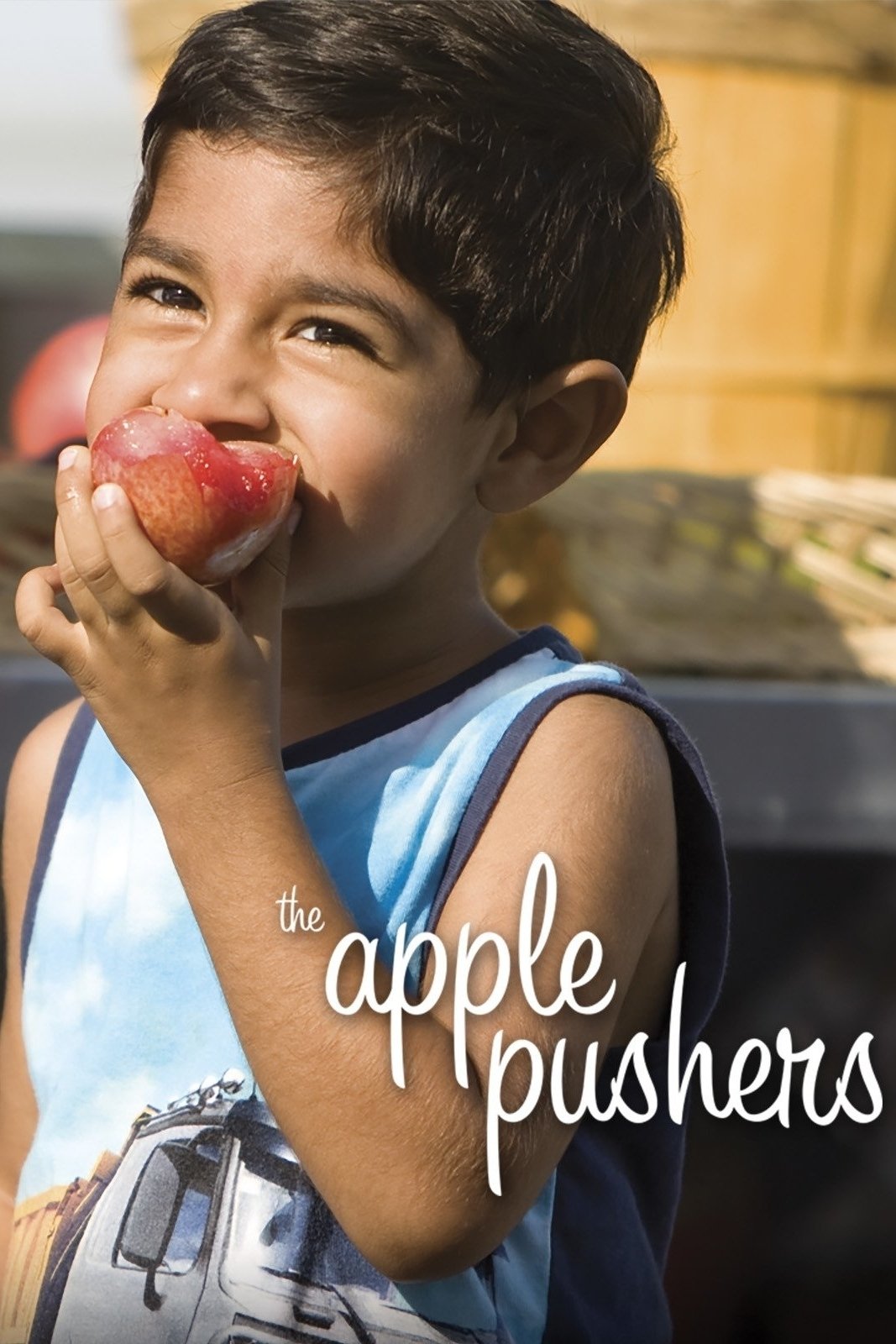
The Apple Pushers, narrated by Edward Norton, follows the inspiring stories of five immigrant pushcart vendors who are rolling fresh fruits and vegetables into New York City's food deserts.
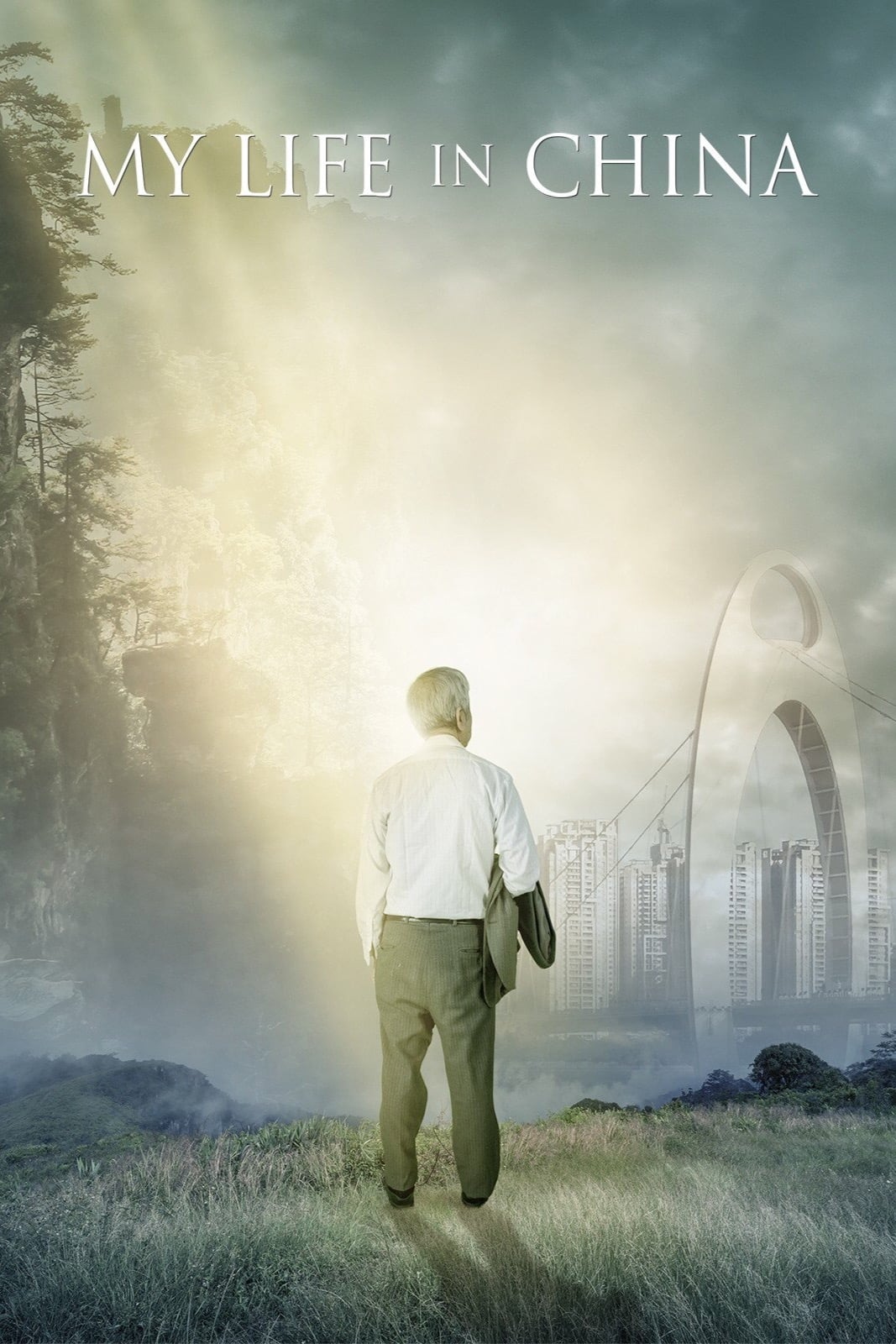
In America, everyone has a family story of immigration. Every family, at some point, has had somebody leave their native country behind to search for a better life. How did they hold onto their identity? How did they adapt to their new life? Every family has a special story. In my case, it's my Chinese-American story. My father would always tell us his story about walking for 7 days and 6 nights, before swimming for 4 hours to Macau to escape communism in 1966. His story would fall on my deaf ears until I returned to China with him.
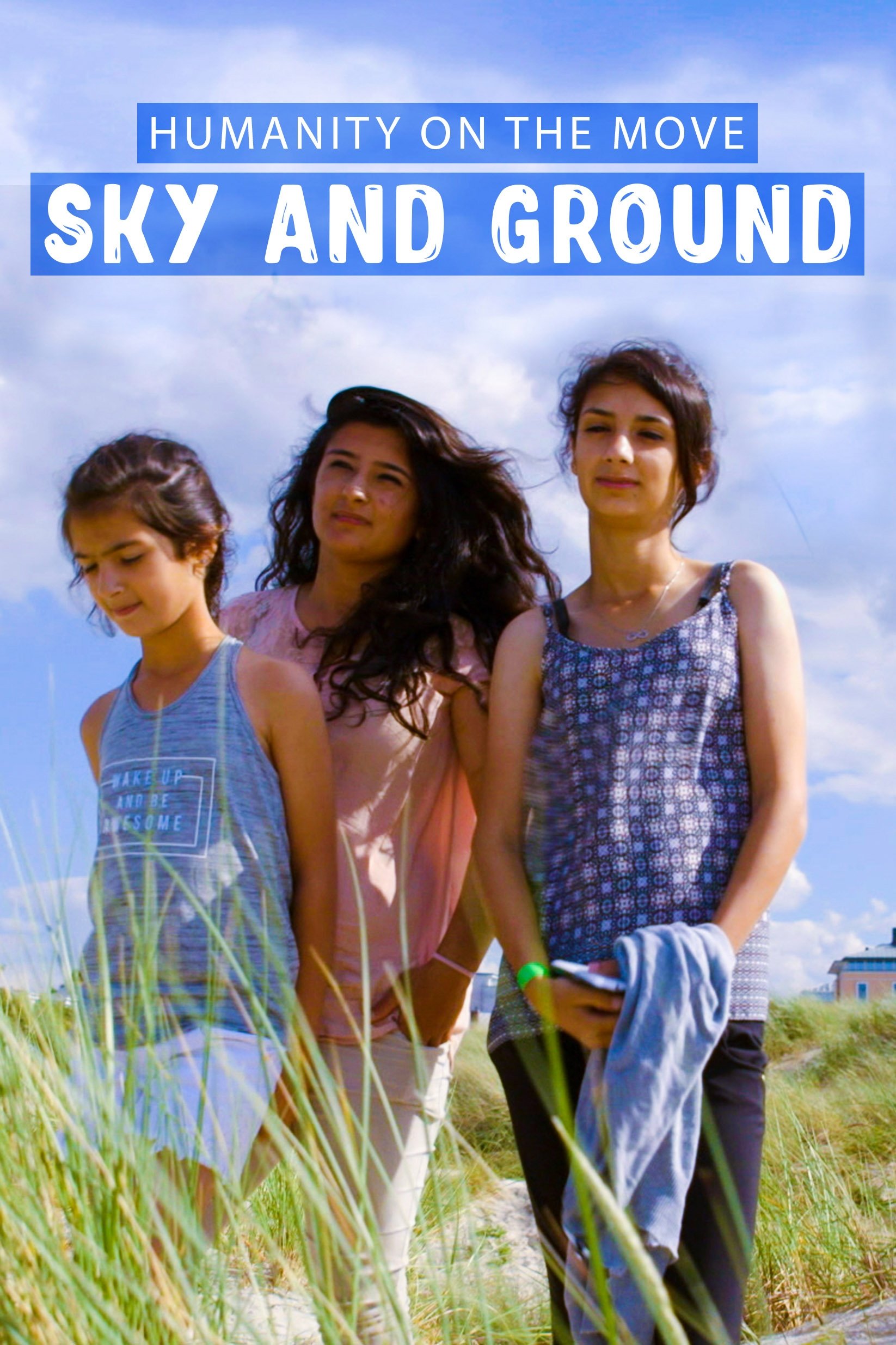
Three generations of the Nabi family flee their home in Aleppo and try to make it to safety in Germany where some members of the family have already settled. Along the way they suffer countless setbacks and heartache.
Three arrested and detained undocumented immigrants must navigate the system to fight impending deportation.
The film is about the band Stockholms Negrer, but also about what formed their music, about being Swedish but still being viewed as an outsider.
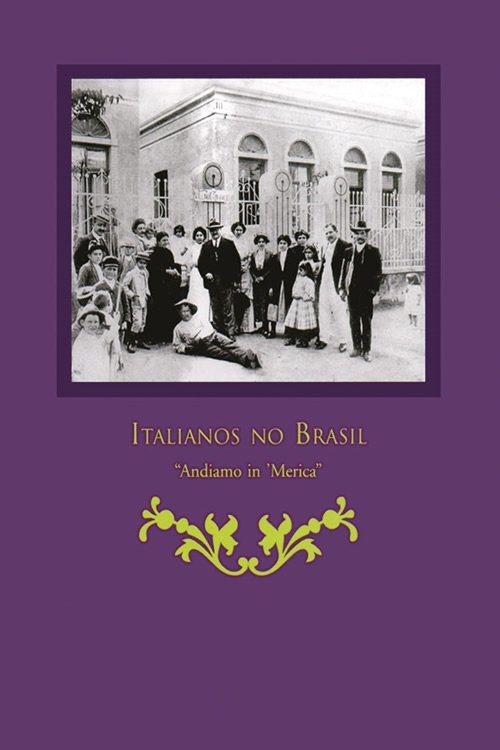
A documentary about Italian immigration in Brazil.
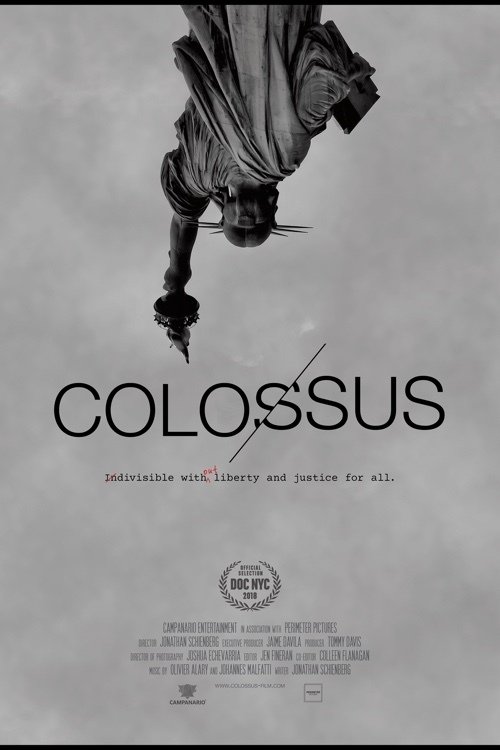
Told through the eyes of 15-year-old Jamil Sunsin, Colossus is a modern-day immigrant tale of one family's desperate struggle after deportation leads to family separation, and the elusive search for the American dream.
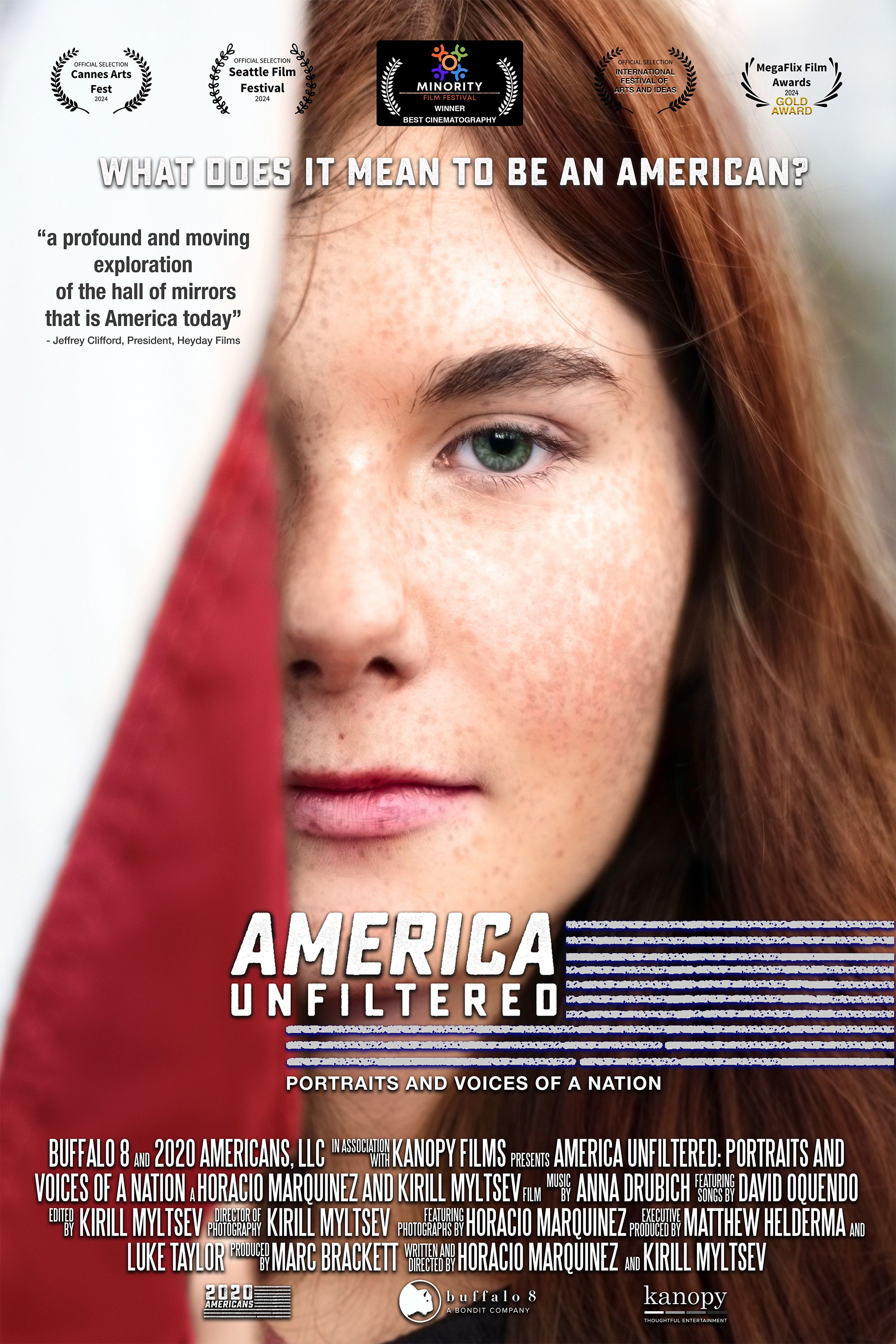
Two immigrant filmmakers journey across the US, exploring American identity through raw encounters on politics, race, immigration, and gun control. The film offers an unflinching portrait of America, unveiling hope for our common humanity.
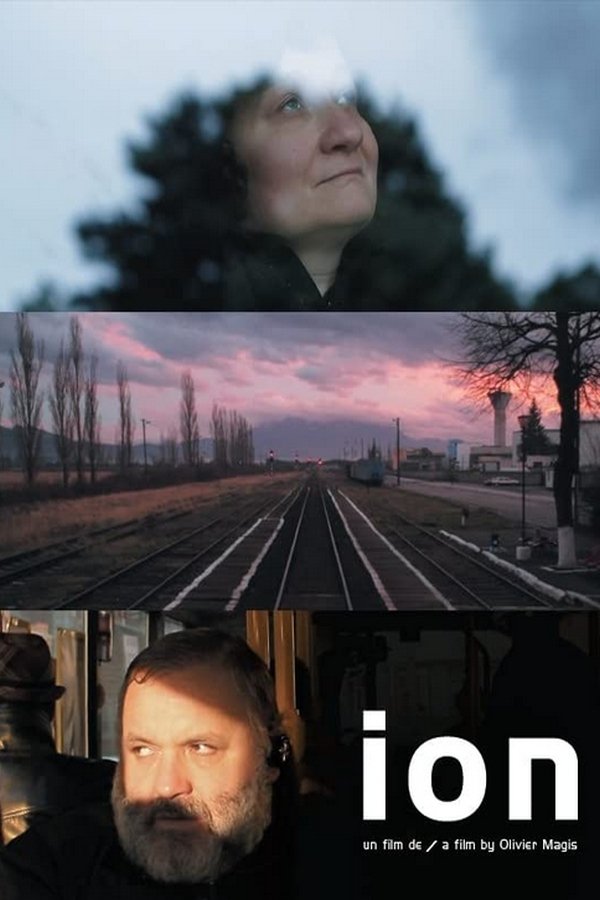
My name is Ion. Who could have imagined the fate that awaited me: my birth under the Romanian dictatorship, the loss of my eyesight through an accident, my sudden escape from my homeland to seek a future that was a little too idyllic? One thing is certain: fate is like all the criminals that I listen to today for the Belgian federal police. With a little willpower, there is always a way to dodge its tricks. The person who taught me that is a close and loyal childhood friend. That friend is literature. Without her, I probably would not be what I am now, here, among you.
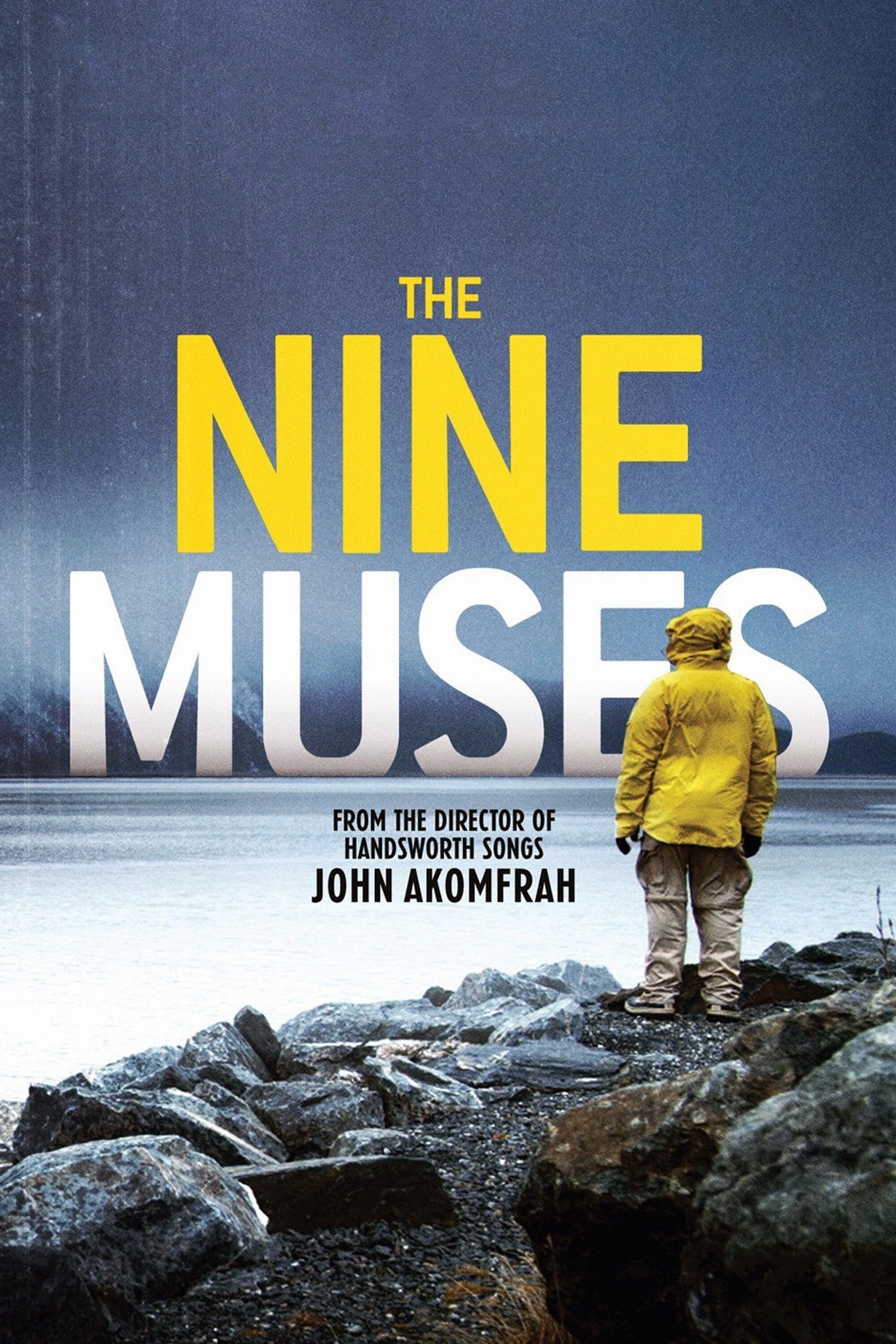
Part documentary, part personal essay, this experimental film combines archive imagery with the striking wintry landscapes of Alaska to tell the story of immigrant experience coming into the UK from 1960 onwards.
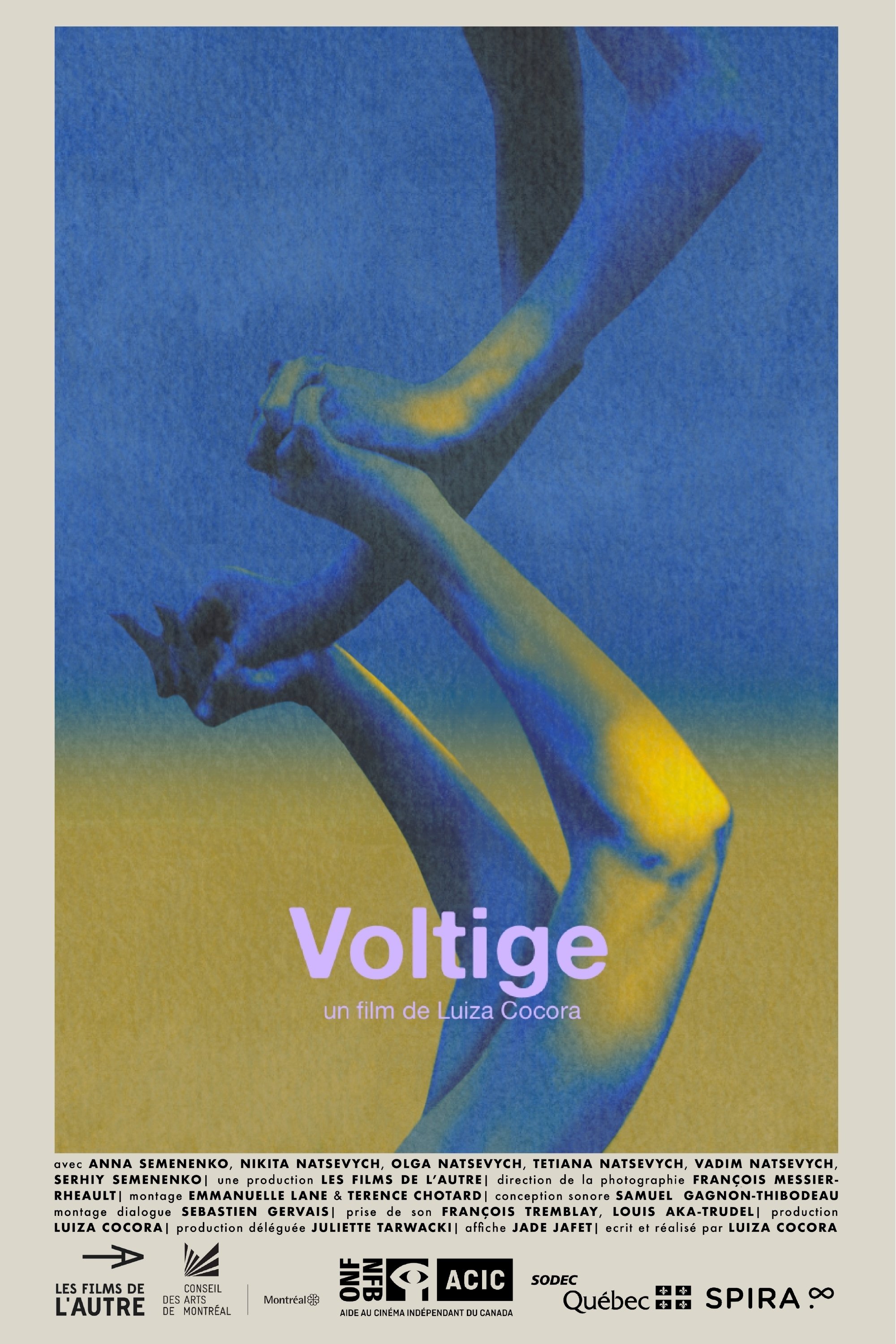
Anna, a twelve-year-old Ukrainian gymnast, has fled her war-torn country and recently settled in Montreal with her mother, younger brother, and grandmother. Confronted by the past, the challenges of exile, and a deep need for belonging, she seeks to rebuild her identity and regain her balance. Through her child’s perspective, the documentary explores the reality of life after war, questioning what endures and what is missing, even when one has found refuge.