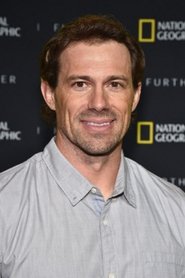
This documentary follows the lives and hardships of several cougars (mountain lions) which have been under study by the Teton Cougar Project since 2000.
Social & External
The people behind it
David Attenborough
Self
Mark Elbroch
Boone Smith
Self (archive footage)
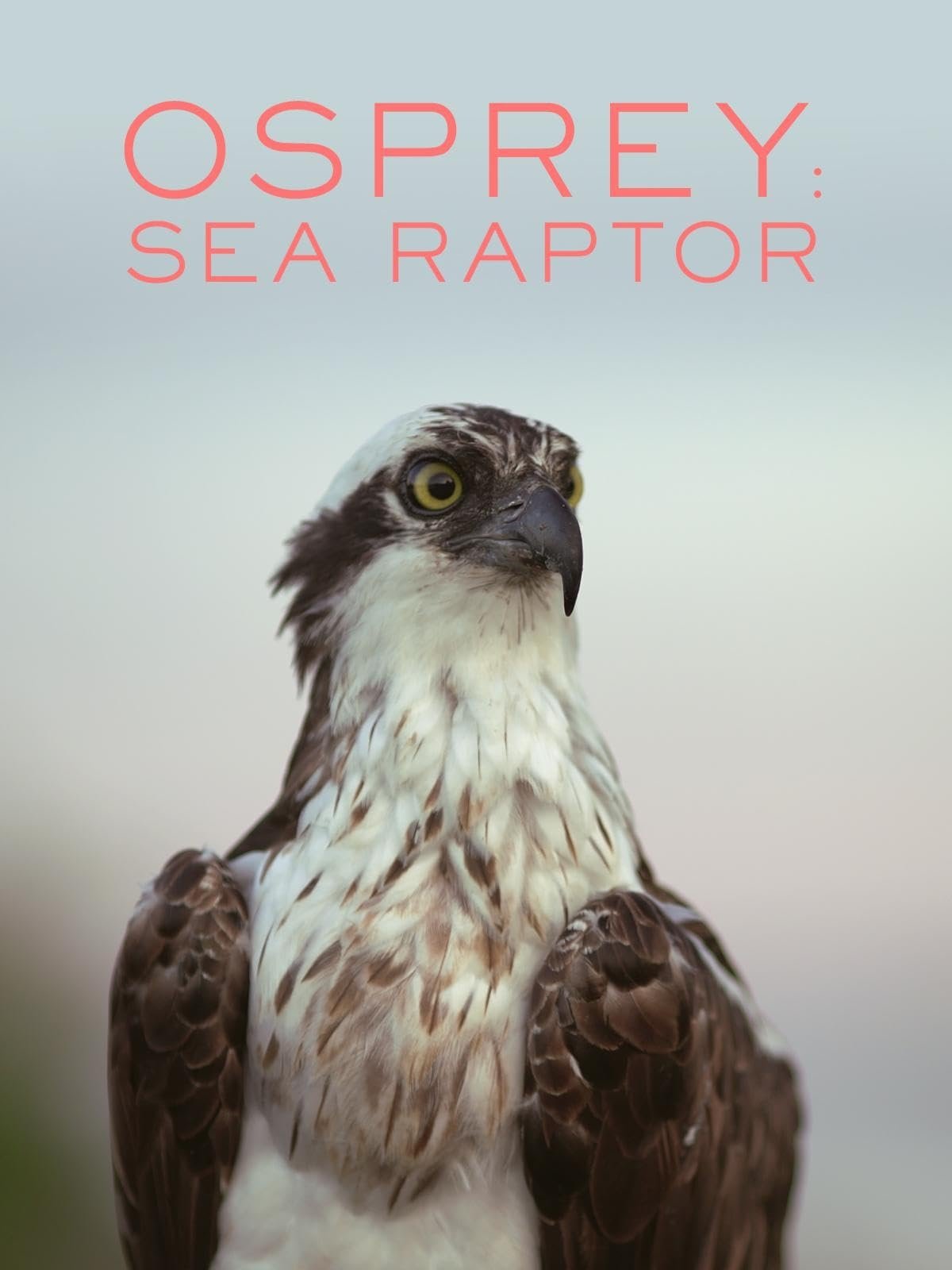
A veteran pair of osprey return home to a Connecticut saltmarsh. Over one summer they must battle their enemies, withstand the elements, and hunt hundreds and hundreds of fish, all to raise the next generation of sea raptors.
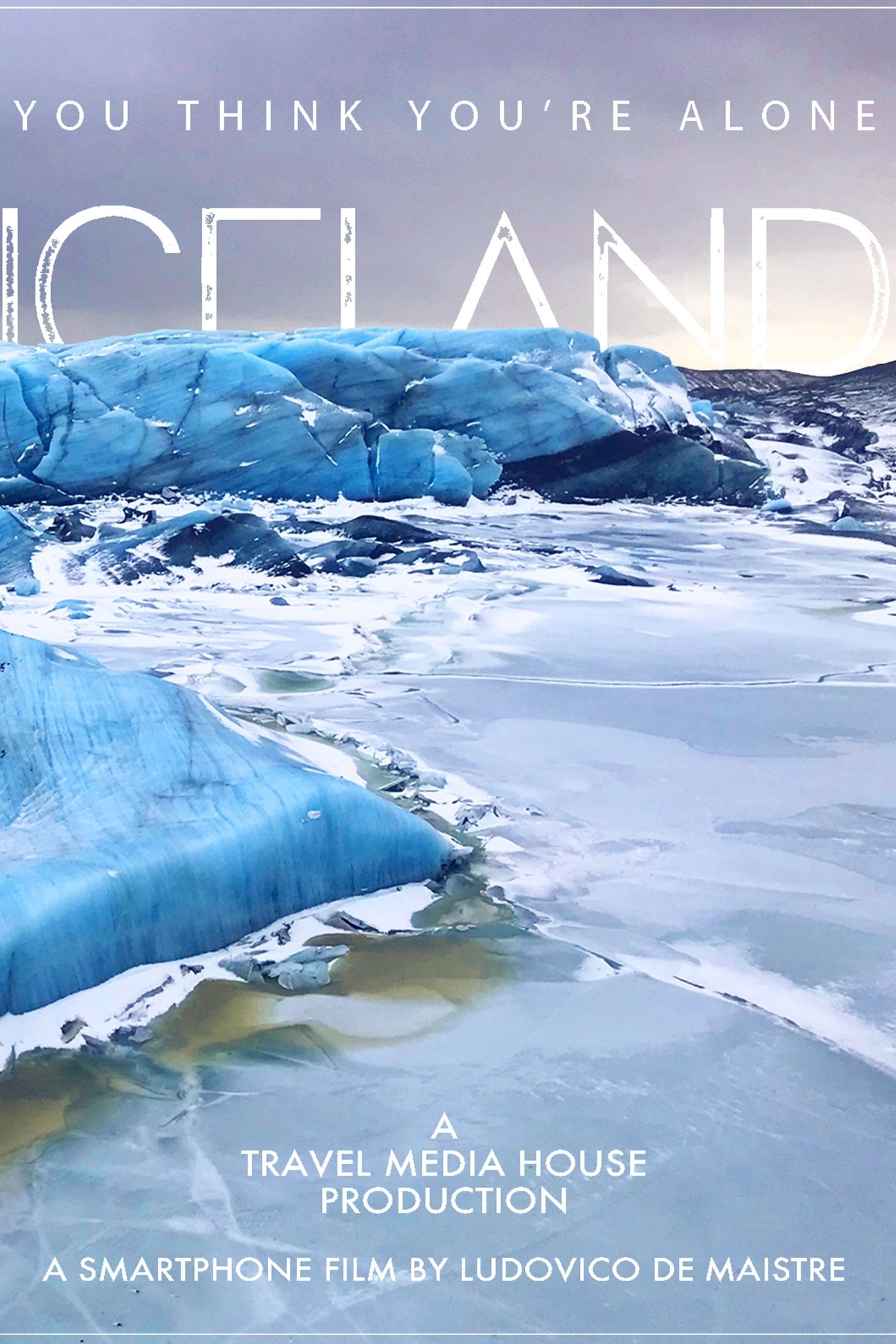
Iceland is one of the wildest places on earth. You could be caught up in the midst of snowstorms and blizzards, but you are never alone... Although tourists from all over the world have started a silent invasion, nature keeps on winning.
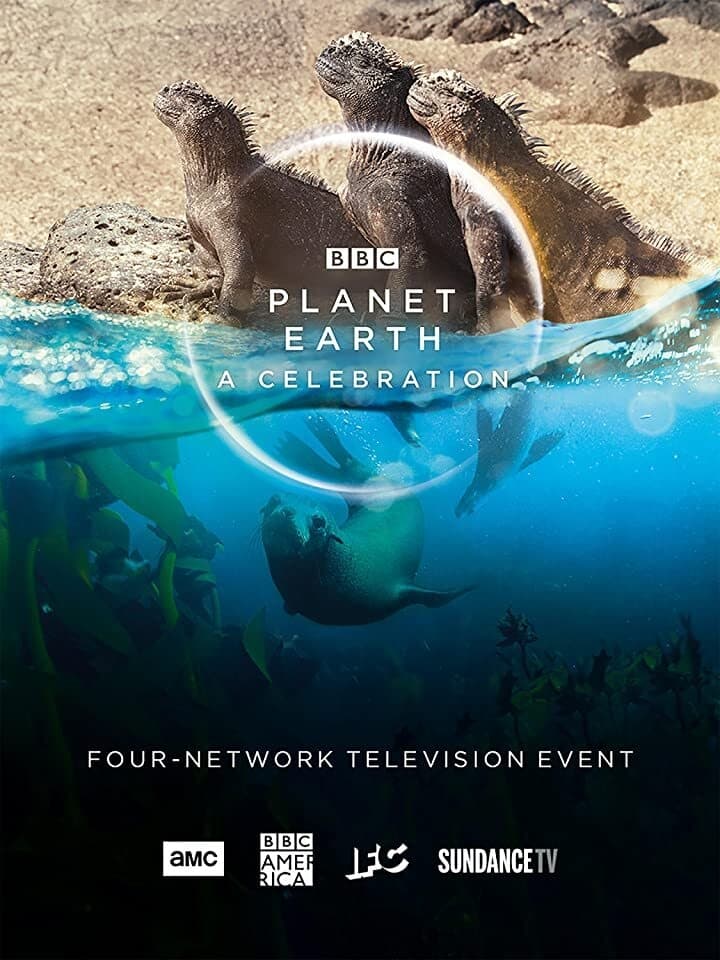
David Attenborough, Hans Zimmer and Dave unite for a special Natural History event – Planet Earth: A Celebration. The special one-hour programme brings together eight of the most extraordinary sequences from Planet Earth II and Blue Planet II including racer snakes vs iguana, surfing bottlenose dolphins and rare footage of the Himalayan snow leopard. Featuring new narration from David Attenborough, new compositions and arrangements from Hans Zimmer, Jacob Shea and the team at Bleeding Fingers and performed by the BBC Concert Orchestra, accompanied by Brit and Mercury Award-winning UK rapper Dave. In these extraordinary times, there is one thing that can offer solace to everyone – the wonder of the natural world.
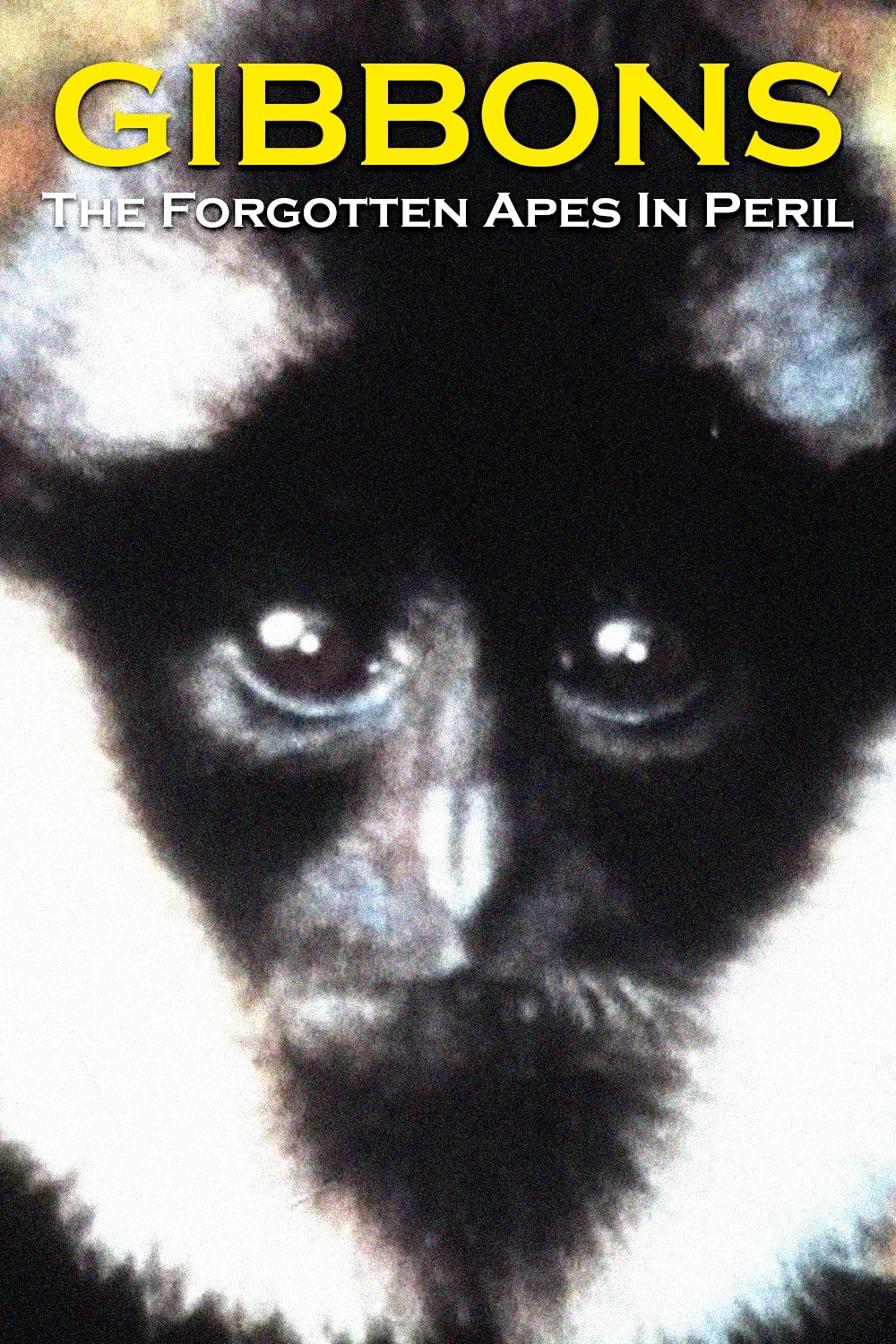
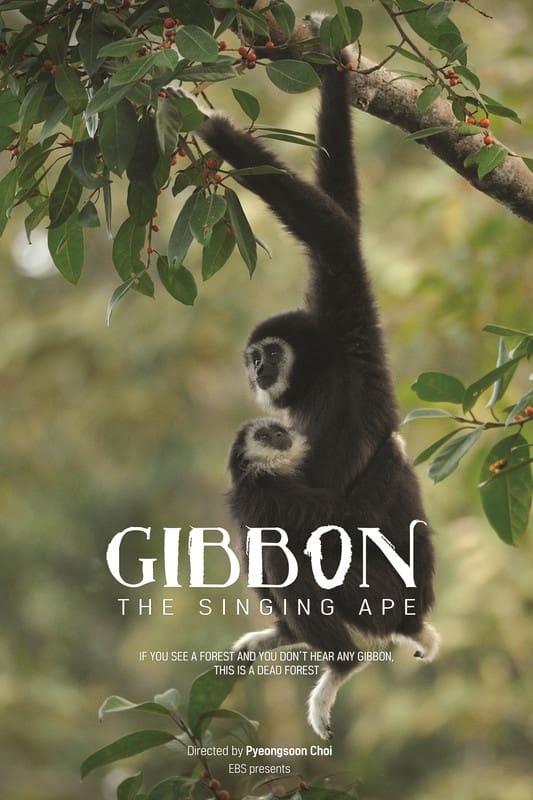
Gibbons are highly intelligent, agile and acrobatic tree-dwelling apes, found in the tropical forests of Asia. Most of the gibbon species are highly endangered and are on the verge of extinction as a result of the destruction of their tropical rain forest habitat as well as being hunted for food.
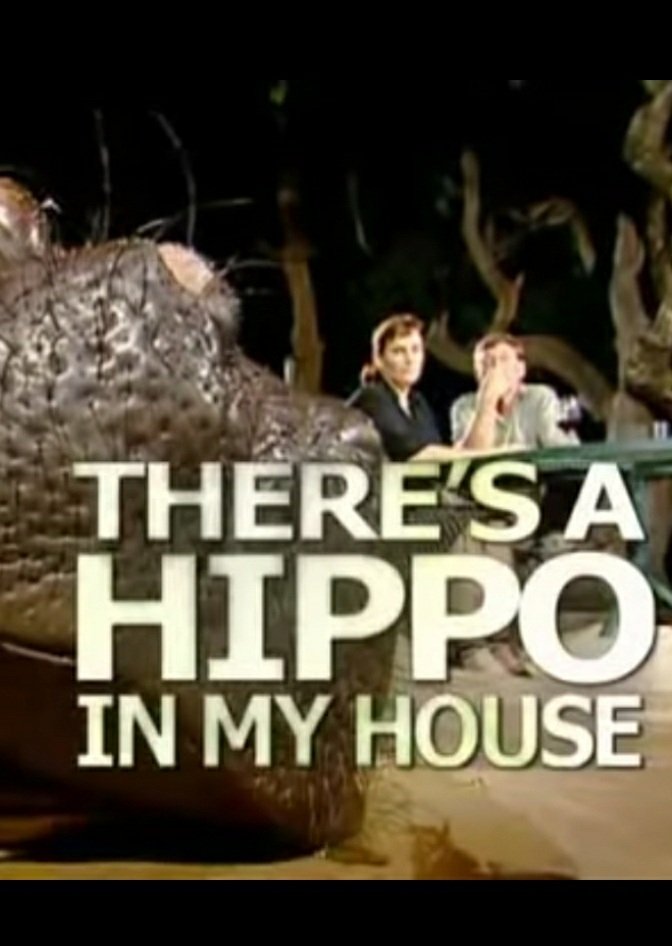
A tv documentary about a domestic hippo named Jessica and her love for sweet potatoes. Narrated by filmmaker John Waters.
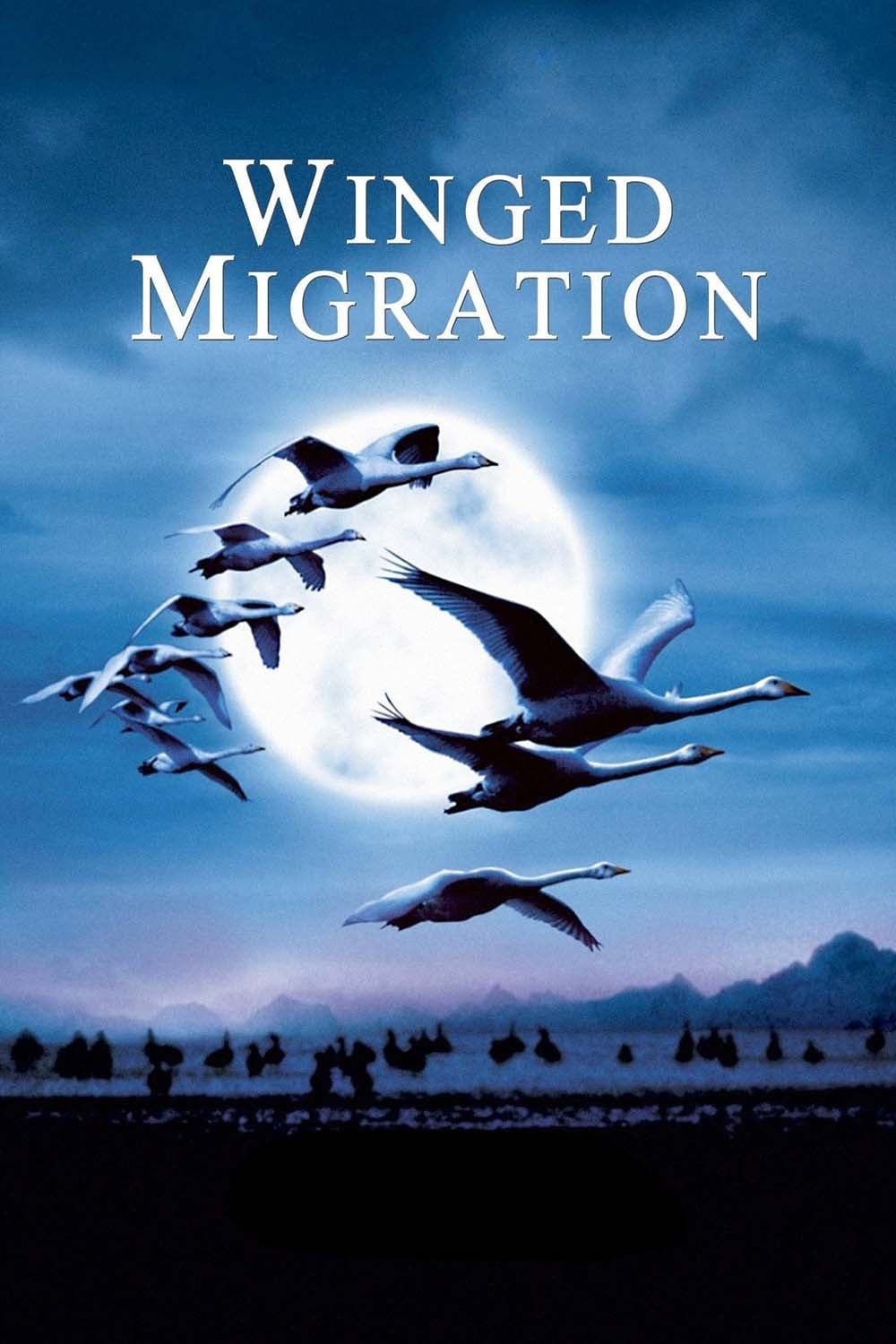
This documentary follows various migratory bird species on their long journeys from their summer homes to the equator and back, covering thousands of miles and navigating by the stars. These arduous treks are crucial for survival, seeking hospitable climates and food sources. Birds face numerous challenges, including crossing oceans and evading predators, illness, and injury. Although migrations are undertaken as a community, birds disperse into family units once they reach their destinations, and every continent is affected by these migrations, hosting migratory bird species at least part of the year.
A close examination of the Whakaari / White Island volcanic eruption of 2019 in which 22 lives were lost, the film viscerally recounts a day when ordinary people were called upon to do extraordinary things, placing this tragic event within the larger context of nature, resilience, and the power of our shared humanity.
The secret world of plants gets us closer to these motionless and quiet creatures, so attractive and surprising as the rest of the living creatures. The documentary reveals the most unknown aspects of the vegetable kingdom. We learn about the secret of the eternal youth of a 3500 years old sequoia and be charmed by the 'rafflesia arnoldi' flowers, able to reach up to one meter of diameter.
A look at the state of the global environment including visionary and practical solutions for restoring the planet's ecosystems. Featuring ongoing dialogues of experts from all over the world, including former Soviet Prime Minister Mikhail Gorbachev, renowned scientist Stephen Hawking, former head of the CIA R. James Woolse
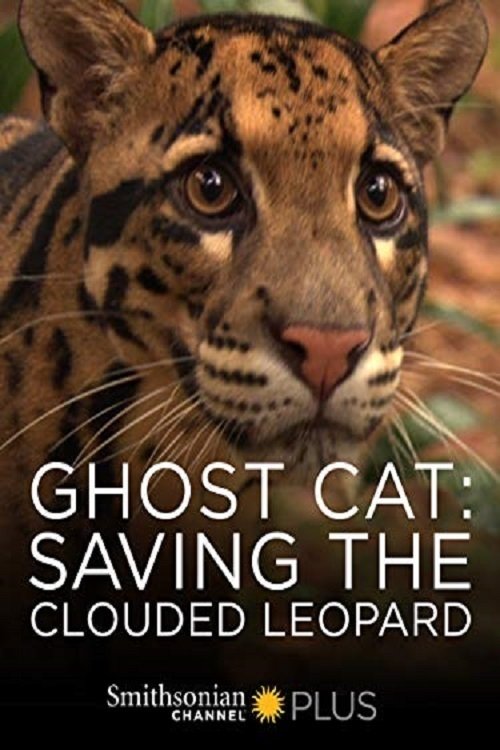
Deep in the jungles of Southeast Asia is an elusive and endangered member of the panther family that is threatened by poachers, development, and natural habitat changes. The fate of this exotic, python-patterned, clouded leopard may rest in the hands of a small cadre of scientists, activists, and veterinarians determined to help it stave off extinction. Three daring women comb the forests of Thailand for evidence of the elusive "ghost cat." They infiltrate a notorious smuggler's paradise and black market of exotic animals, determined to save the stunning creature.
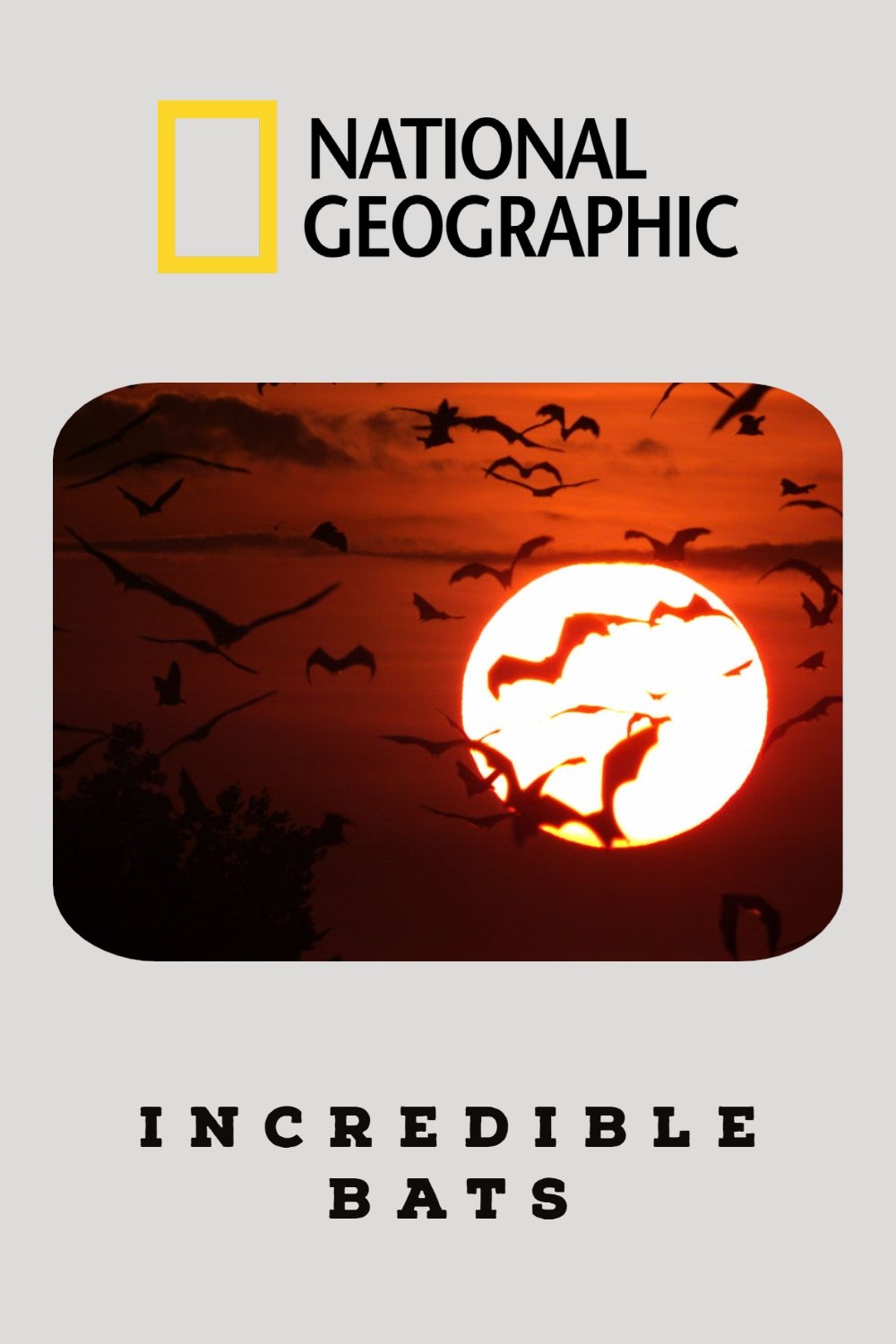
When the night falls, the sky comes alive. A flutter of wings that, for some, is the stuff of nightmares. One in every four mammals on the planet is a bat. But fear for these creatures is often misplaced, not all bats are blood-sucking beasts. The world of bats is incredibly diverse with some beautifully bizarre adaptations.
Humans belong to a group called anthropoids. Gibbons have the most human-like traits among the anthropoids. Gibbons are the only apes capable to sing like humans and communicate through their songs. This film documents an unprecedented attempt to investigate the musicality of multiple species of wild gibbons - siamang, the white-handed gibbon and the javan gibbon - surviving in the South-East Asians habitats. The story of endangered Asian Ape unfolds in this documentary with their songs in various situations.
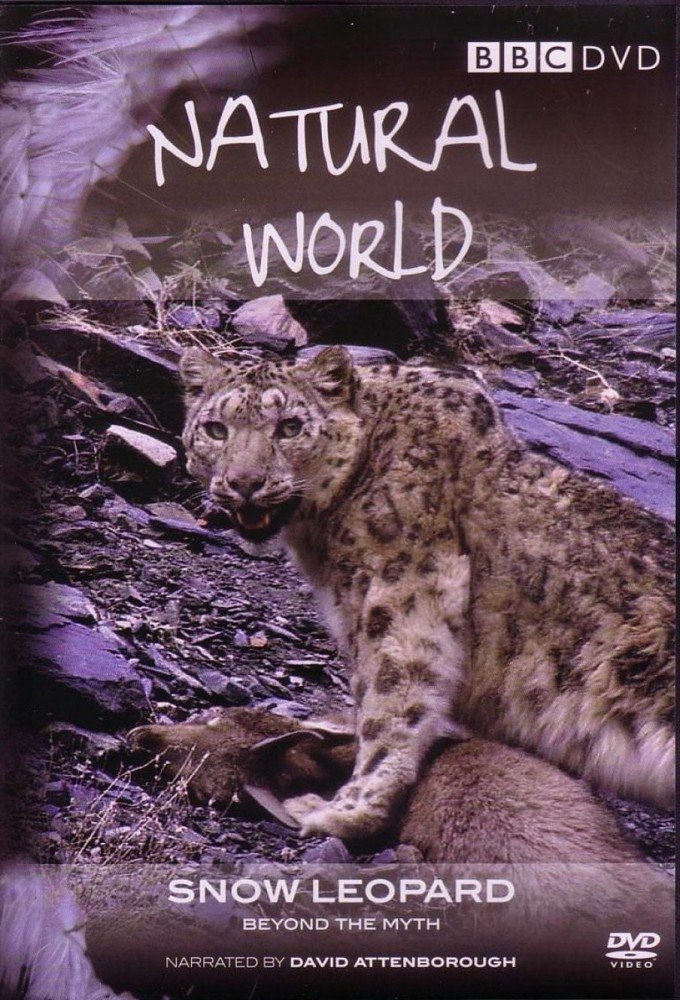
BBC The Natural World. In 2004, a team from the Planet Earth series captured the first ever film of a wild snow leopard in the mountains of Pakistan. For Nisar Malik, who led the expedition, these images sparked a passion that compelled him to return. With cameraman Mark Smith, he spent two years documenting the snow leopard's daily life, finally lifting the veil on the most elusive of all cats.
Fifteen images of a camera running in a park and in obscurity searching the space of light through distorsion and the sensory of rapid motion.
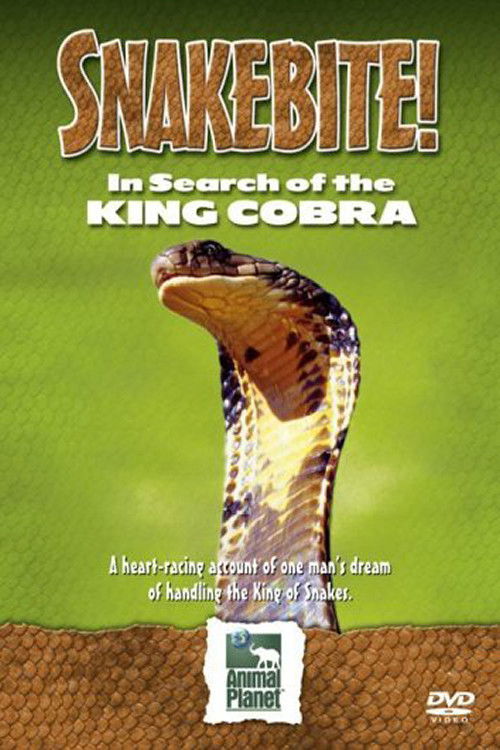
Snake expert Austin Stevens presents this nature documentary about the most feared snake of all - the King Cobra. Travelling to the jungles of south west India, Stevens reveals that despite its reputation, the King Cobra is in fact a reclusive creature, shy of human contact.
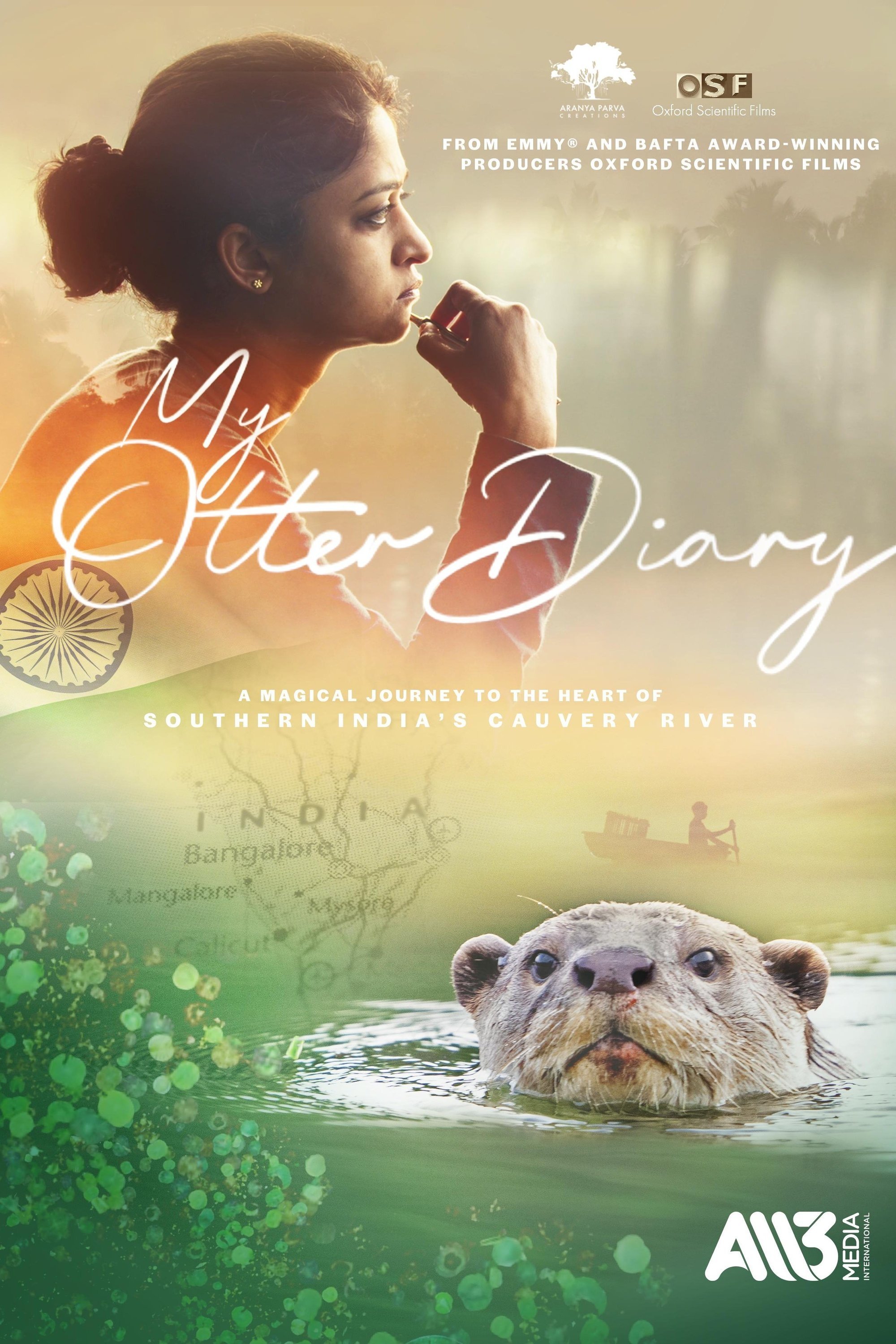
On the banks of the Cauvery River in southern India, wildlife filmmaker Sugandhi Gadadhar studies the behavior of Asian otters. On one of the subcontinent's most dynamic waterways, a conflict has arisen between these small carnivorous mammals and fishermen, whose livelihoods also depend on the river's resources.
Industrialization brings progress, but also harmful influences on the environment. Warning of the dangers of waste materials dumped into the air and the waters.
Journey into the extraordinary world of "The Witcher" — from casting the roles to Jaskier's catchy song — in this behind-the-scenes look at the series.
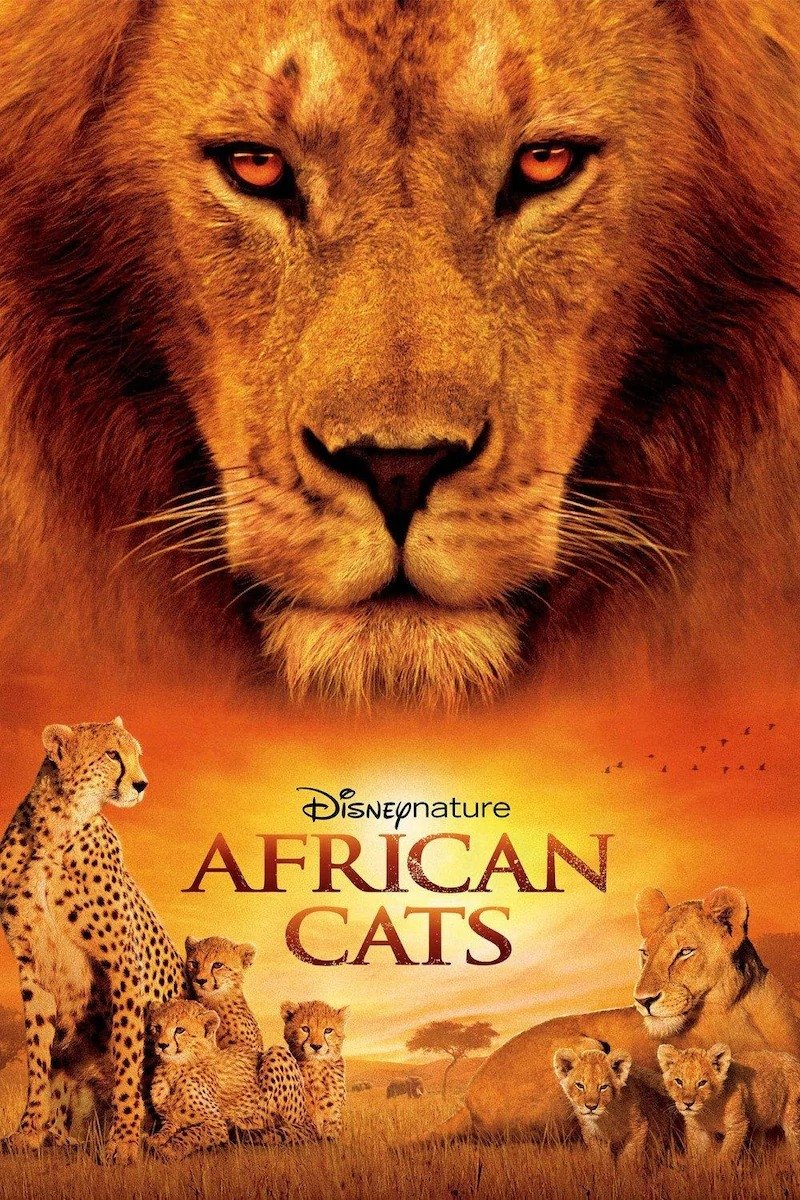
African Cats captures the real-life love, humor and determination of the majestic kings of the savanna. The story features Mara, an endearing lion cub who strives to grow up with her mother’s strength, spirit and wisdom; Sita, a fearless cheetah and single mother of five mischievous newborns; and Fang, a proud leader of the pride who must defend his family from a once banished lion.
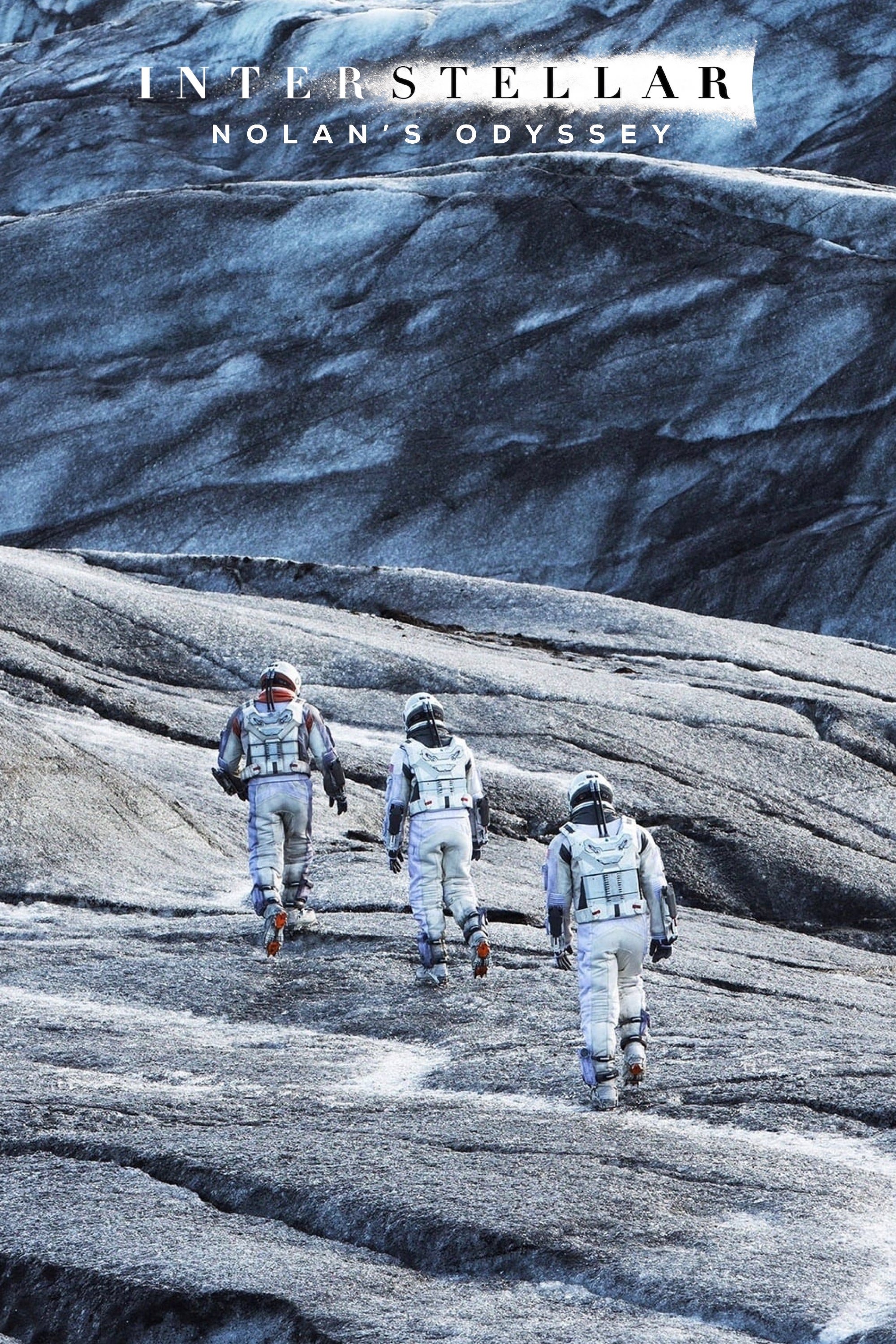
A look behind the lens of Christopher Nolan's space epic.
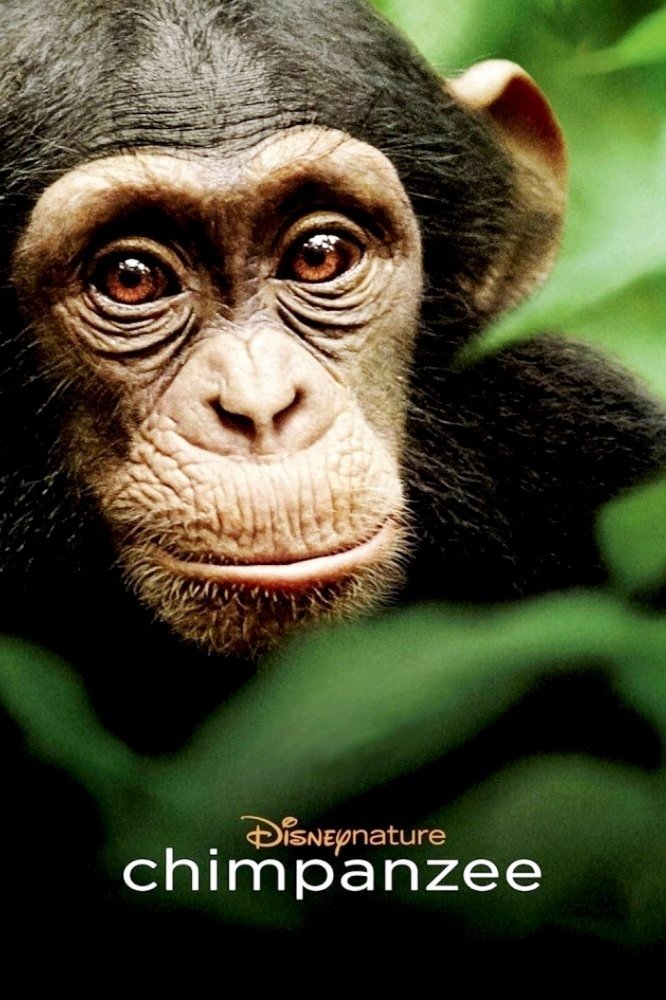
A nature documentary centered on a family of chimps living in the Ivory Coast and Ugandan rain forests. Through Oscar, a little chimpanzee, we discover learning about life in the heart of the African tropical forest and follow his first steps in this world with humor, emotion and anguish. Following a tragedy, he finds himself separated from his mother and left alone to face the hostility of the jungle. Until he is picked up by an older chimpanzee, who will take him under her protection.
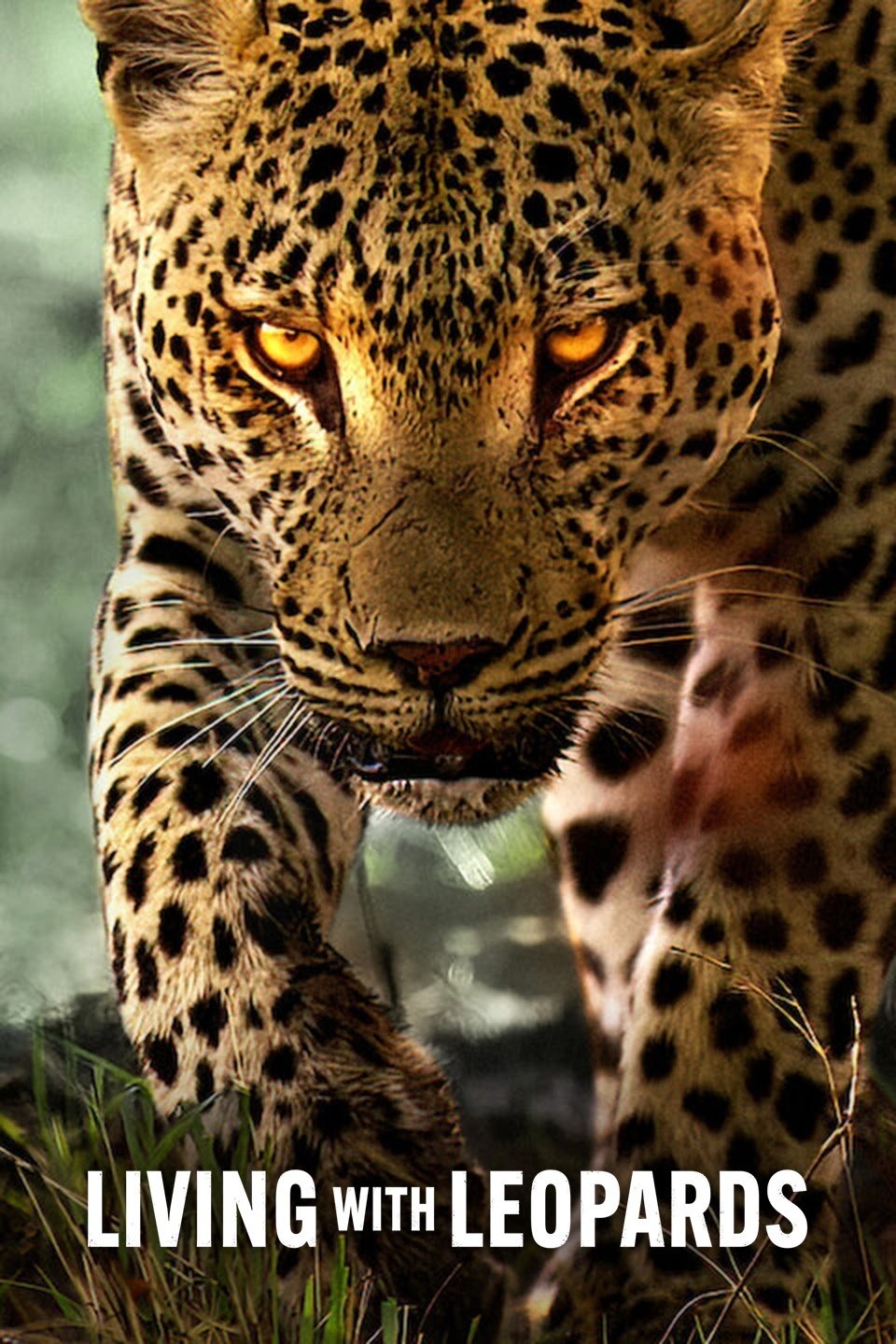
A film crew follows two leopard cubs as they make the fascinating journey from infancy into adulthood in this up-close-and-personal nature documentary.
A string of threatening emails escalates into a revenge plot involving a newly married US marshal and his ex-girlfriend.
A visual montage portrait of our contemporary world dominated by globalized technology and violence.
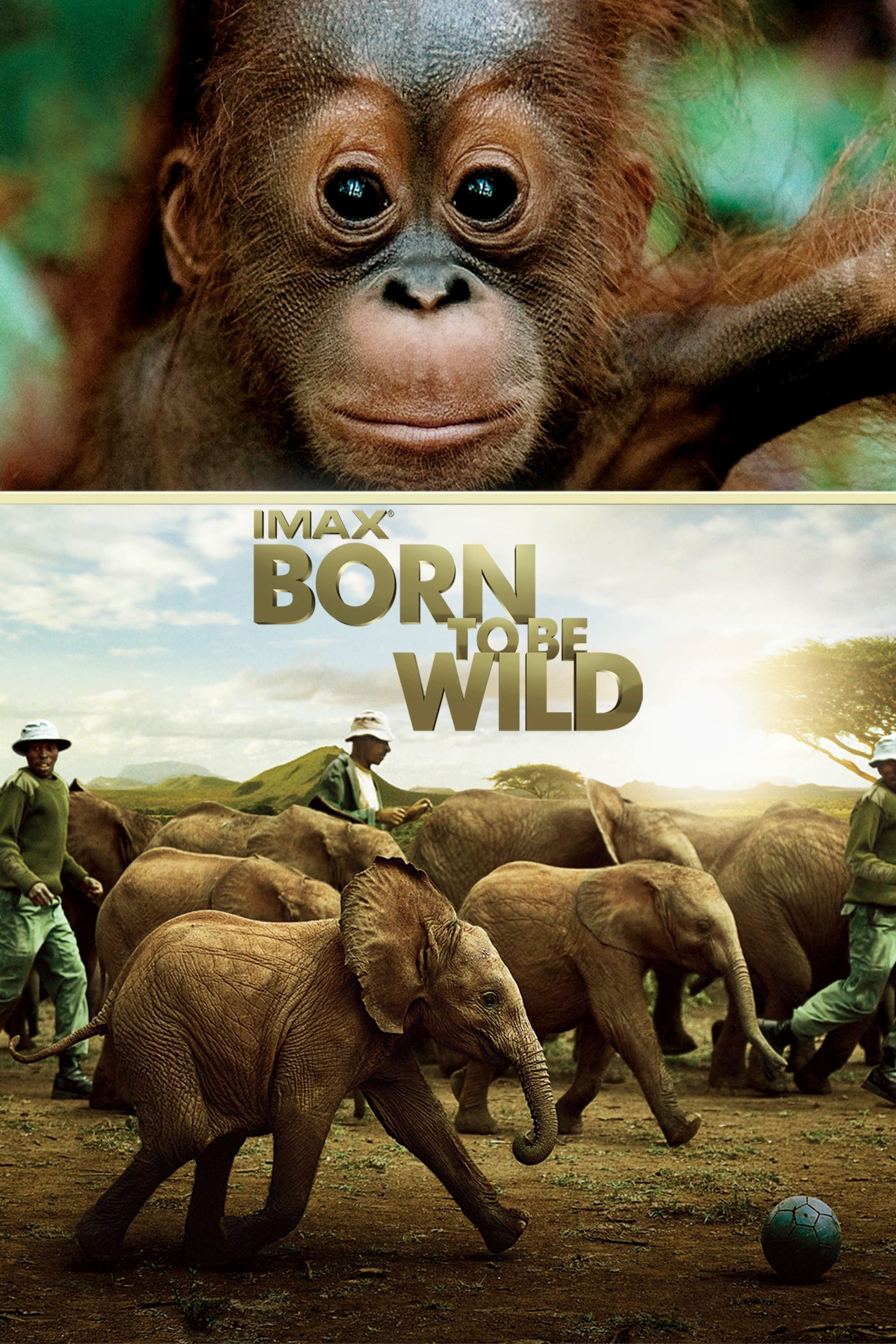
Born to Be Wild observes various orphaned jungle animals and their day-to-day behavioural interactions with the individuals who rescue them and raise them to adulthood. The film unfurls in two separate geographic spheres. Half of it takes place in the rain forests of Borneo, where celebrated primatologist Dr. Birute Galdikas assists baby orangutans; the other half takes place on the arid savannahs of Kenya, where zoologist Dame Daphne Sheldrick works with baby elephant calves.
Join the likes of Jeremy Renner, Hailee Steinfeld, Florence Pugh, and Vincent D’Onofrio as they reveal how Marvel Studios’ “Hawkeye” was conceived and created. Witness firsthand what it took to pull off the show’s pulse-pounding action set pieces, and discover how iconic characters from the pages of Marvel Comics such as Kate Bishop were adapted and brought to life for the six-episode series.
In 2019, Nepalese mountain climber Nirmal “Nims” Purja set out to do the unthinkable by climbing the world’s fourteen highest summits in less than seven months. (The previous record was eight years). He called the effort “Project Possible 14/7” and saw it as a way to inspire others to strive for greater heights in any pursuit. The film follows his team as they seek to defy naysayers and push the limits of human endurance.
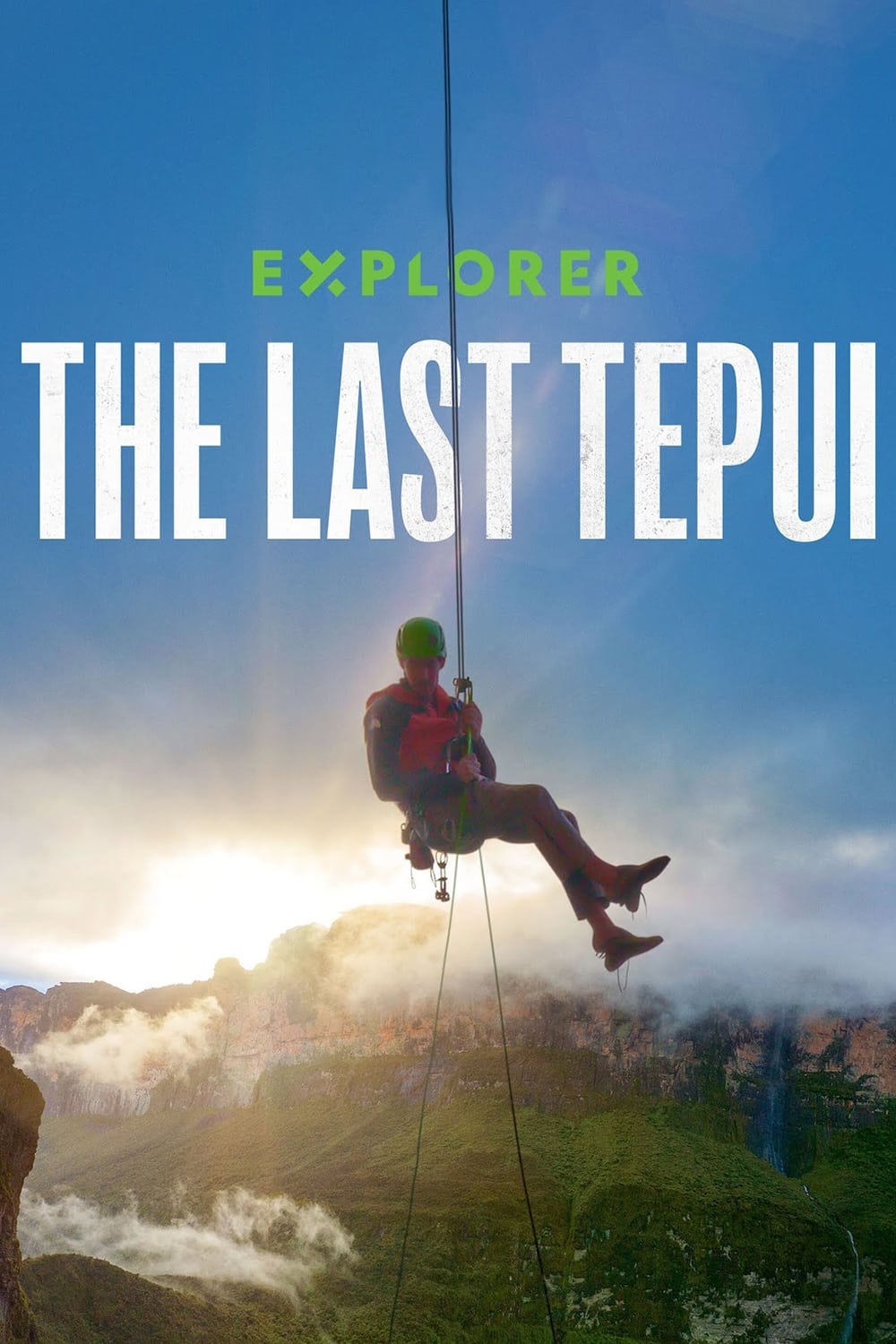
This documentary starring climber Alex Honnold and famous biologist Bruce Means document their expedition to the South American sky islands in search of new species and discoveries. Follows elite climber Alex Honnold and a world-class climbing team led by National Geographic Explorer and climber Mark Synnott on a grueling mission deep in the Amazon jungle as they attempt a first-ascent climb up a 1000 foot sheer cliff.
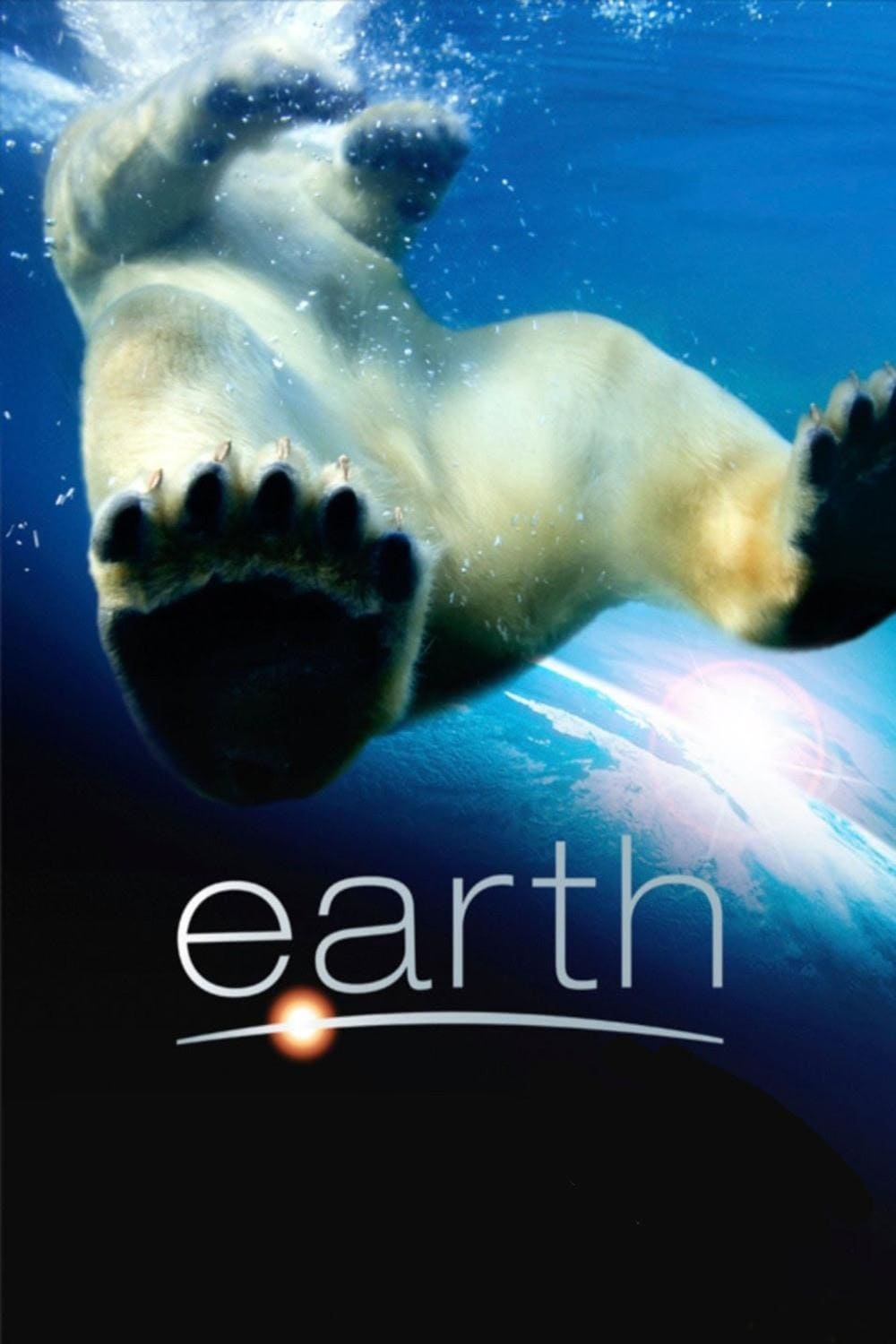
An epic story of adventure, starring some of the most magnificent and courageous creatures alive, awaits you in EARTH. Disneynature brings you a remarkable story of three animal families on a journey across our planet – polar bears, elephants and humpback whales.
Takes us to locations all around the US and shows us the heavy toll that modern technology is having on humans and the earth. The visual tone poem contains neither dialogue nor a vocalized narration: its tone is set by the juxtaposition of images and the exceptional music by Philip Glass.
Unravel the case of Utah therapist Jodi Hildebrandt, whose child abuse arrest with parenting YouTuber Ruby Franke exposed a twisted tale of manipulation.
With mesmerizing footage and time lapses of animators at work, this behind-the-scenes special captures the artistry of a unique tale years in the making.
A documentary on the expletive's origin, why it offends some people so deeply, and what can be gained from its use.
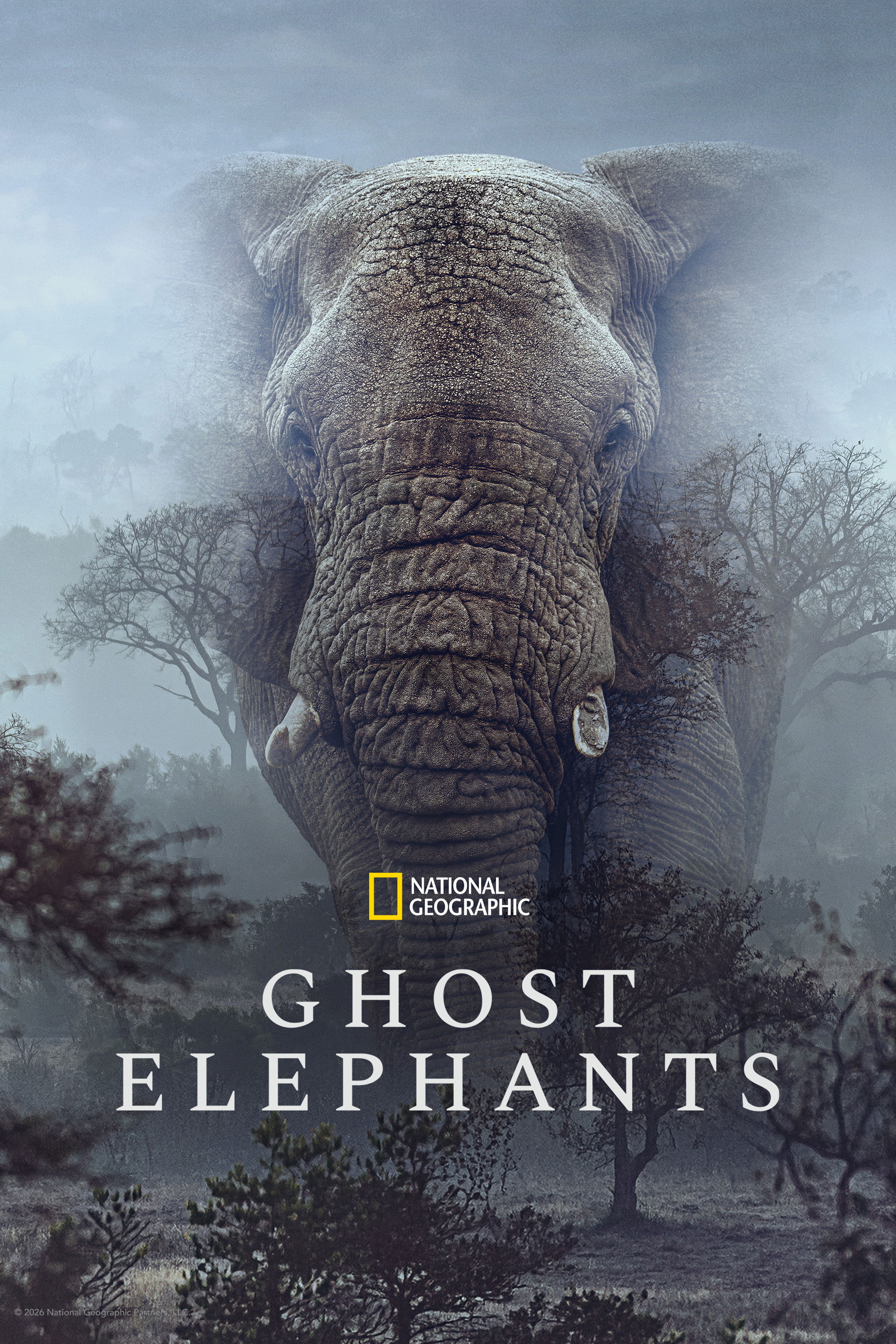
In Angola's mist-shrouded highlands, three KhoiSan master trackers embark on a spiritual quest to rediscover the legendary "ghost elephants" of Lisima, creatures presumed lost but remembered in ancestral trance, ritual, and memory.
A group of British children aged 7 from widely ranging backgrounds are interviewed about a range of subjects. The filmmakers plan to re-interview them at 7 year intervals to track how their lives and attitudes change as they age.
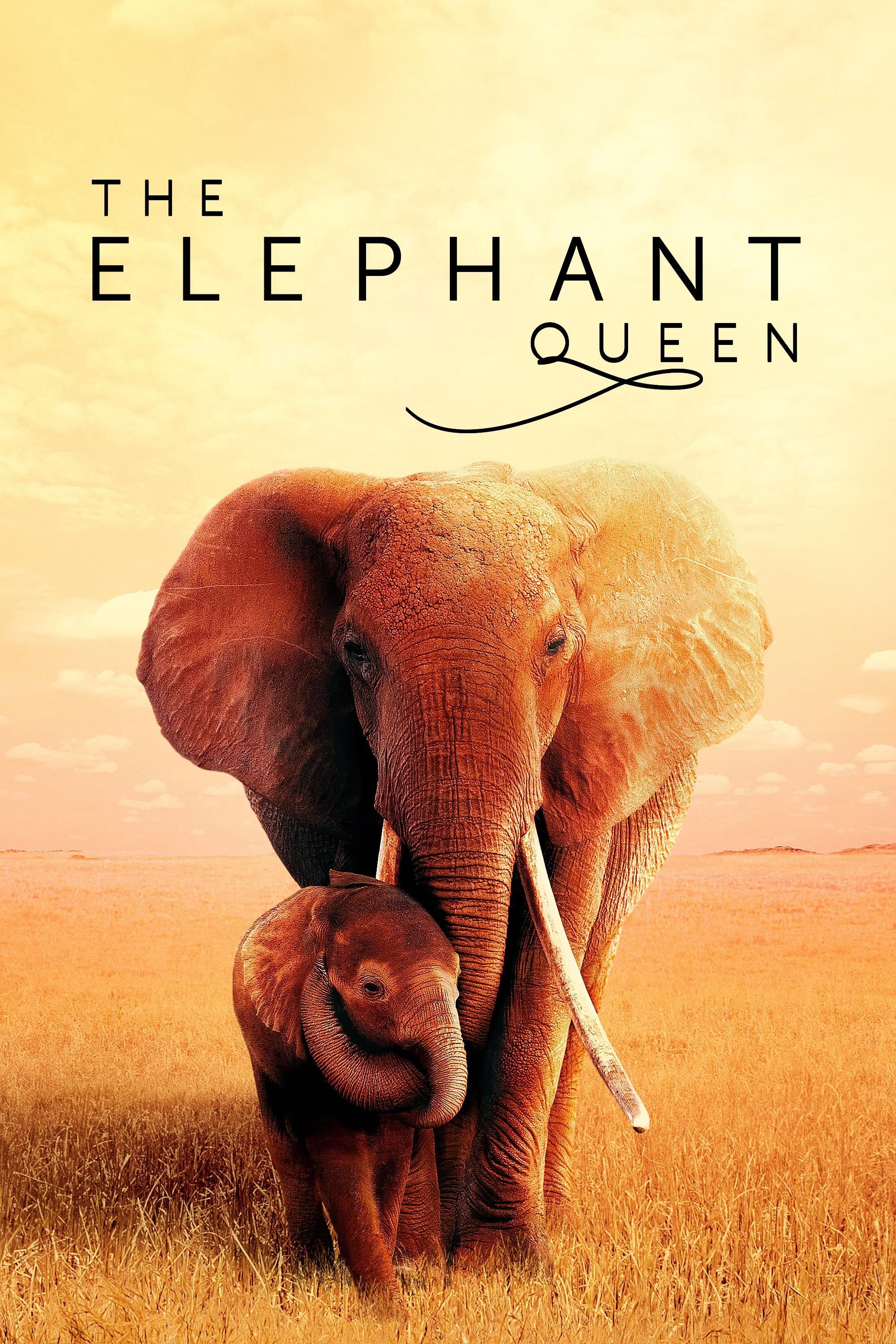
Embark on an epic journey of family, courage, and coming home in this feature-length documentary. Join Athena, the majestic matriarch, as she leads her elephant herd across an unforgiving African landscape filled with vibrant wildlife.
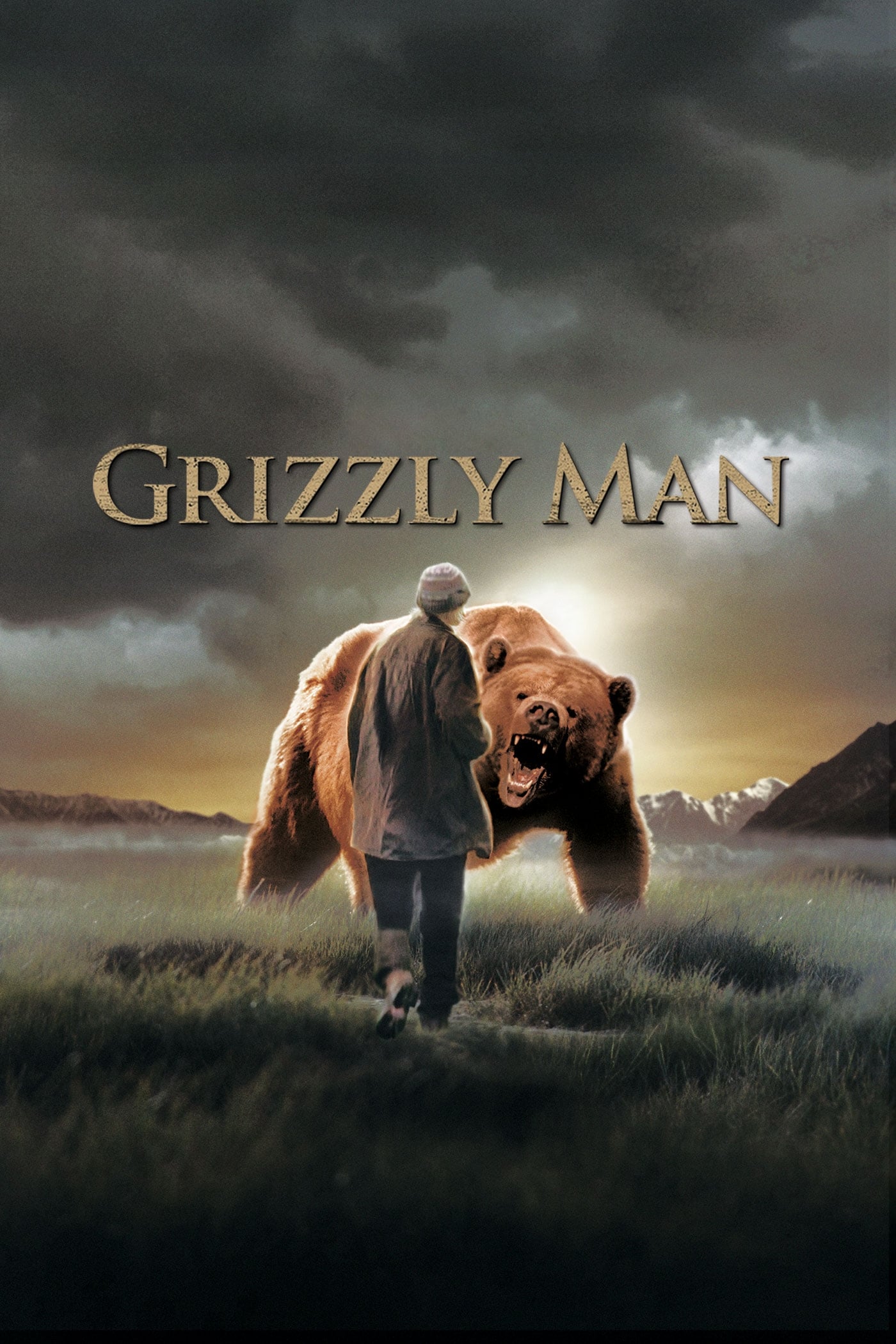
Follows the story of "Grizzly Man" Timothy Treadwell and what the thirteen summers in a National Park in Alaska were like in his attempt to protect the grizzly bears. The film is full of unique images and a look into the spirit of a man who sacrificed himself for nature.