A short film in the Canada Vignette series. A cinematic portrait of a blind auto mechanic.
Social & External
The people behind it
Erik Davidson
self
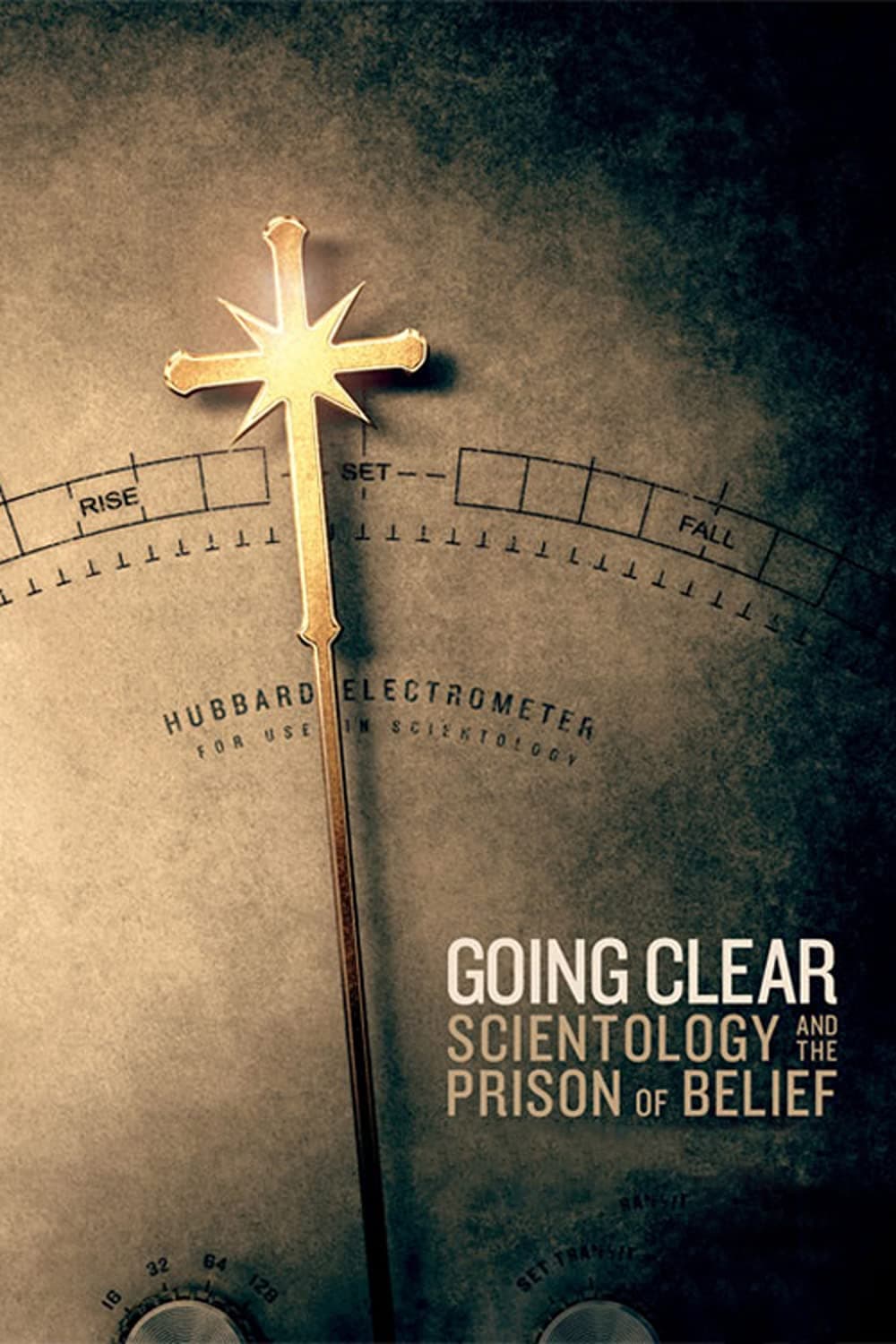
The film profiles eight former members of the Church of Scientology, shining a light on how they attract true believers and the things they do in the name of religion.
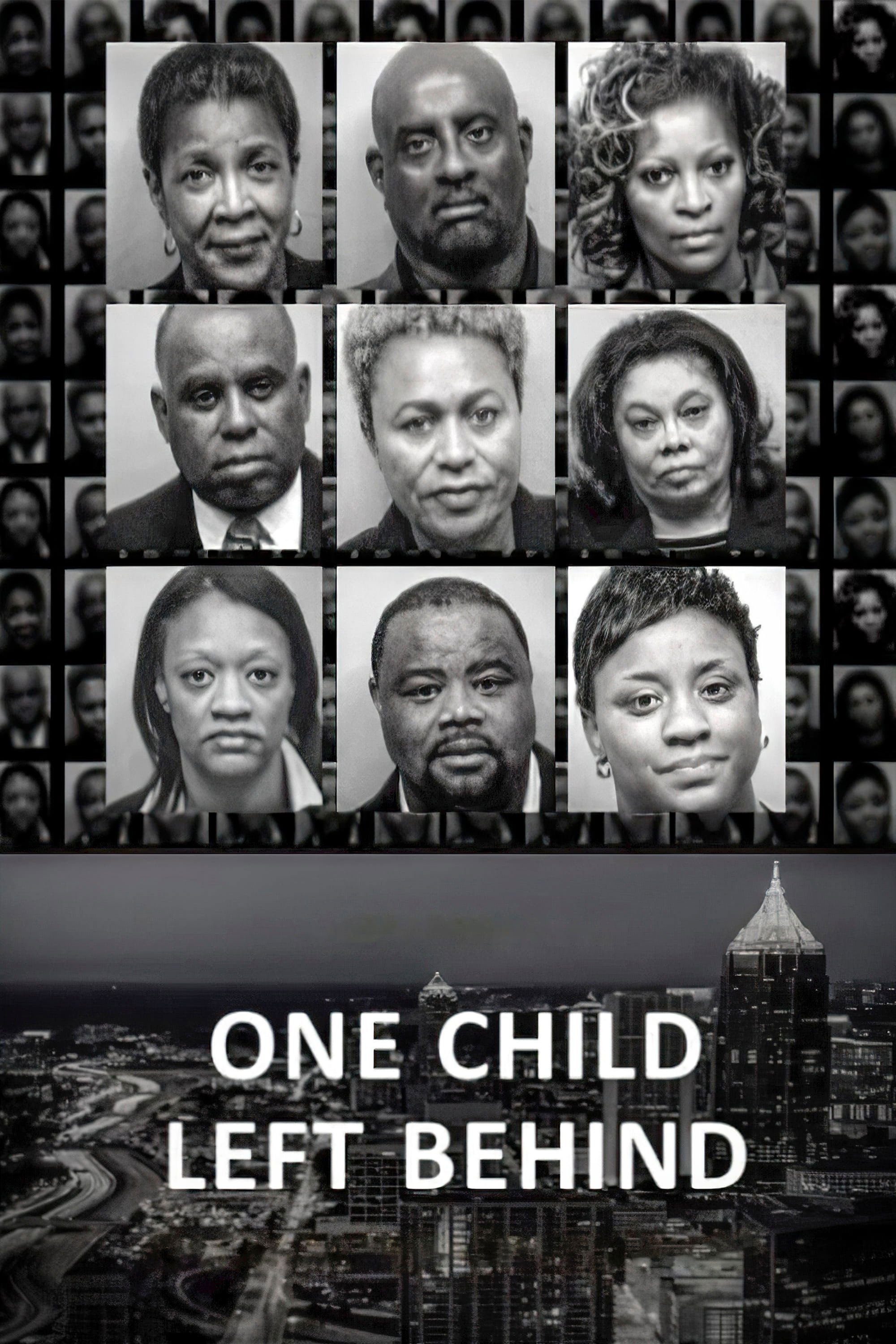
In 2009, 1,176 Atlanta teachers were investigated for test cheating; 35 were indicted, 12 went to trial and 11 were found guilty on RICO charges, which are typically reserved for the mafia and drug lords. The guilty, serving 30-year sentences, finally break their silence in this tell-all, controversial film that takes a closer look at the legislations called No Child Left Behind, the politics behind it, and a race and power struggle that spawned one of the most complex scandals in American history.
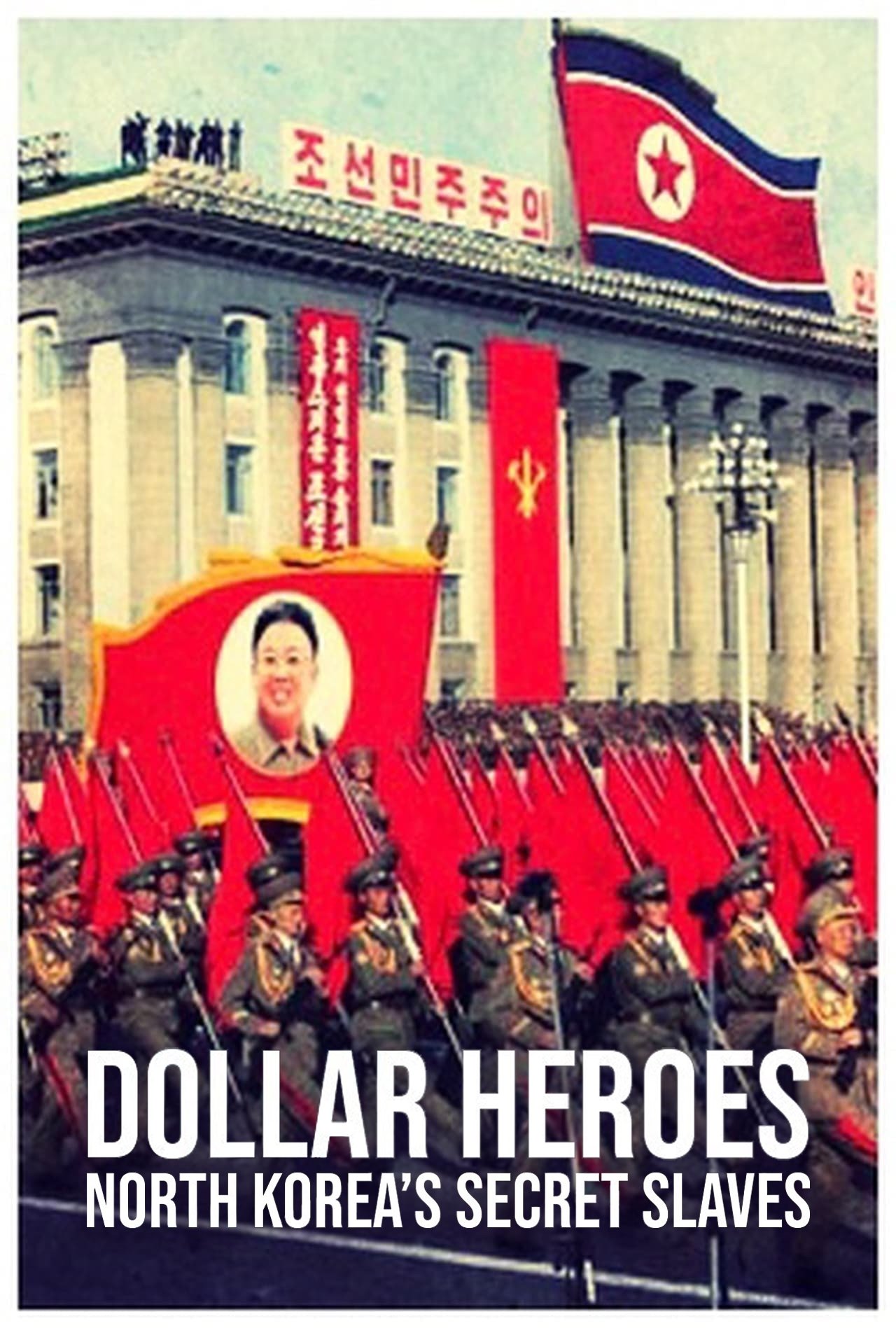
Shrouded in secrecy and notoriously cash-strapped the North Korean regime has resorted to running one of the world's largest slaving operations - exploiting the profits to fulfil their own agenda. These bonded labourers can be found in Russia, China and dozens of other countries around the world including EU member states. Featuring undercover footage and powerful testimonials, we reveal the scale and brutality of the operation and ask what, if anything, is being done to stop it.
Two British families discuss the challenges they face raising children who identify as a gender different from the one they were assigned at birth.
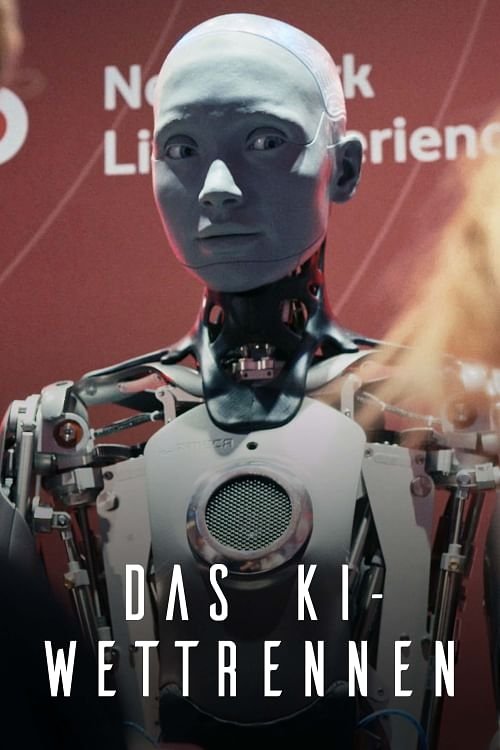
The race for supremacy in the age of artificial intelligence is on: between the USA, China and Europe. Between big tech companies and start-ups. Who will win the competition? Will Europe be left behind? And who will determine a technology that will shape the future of humanity?
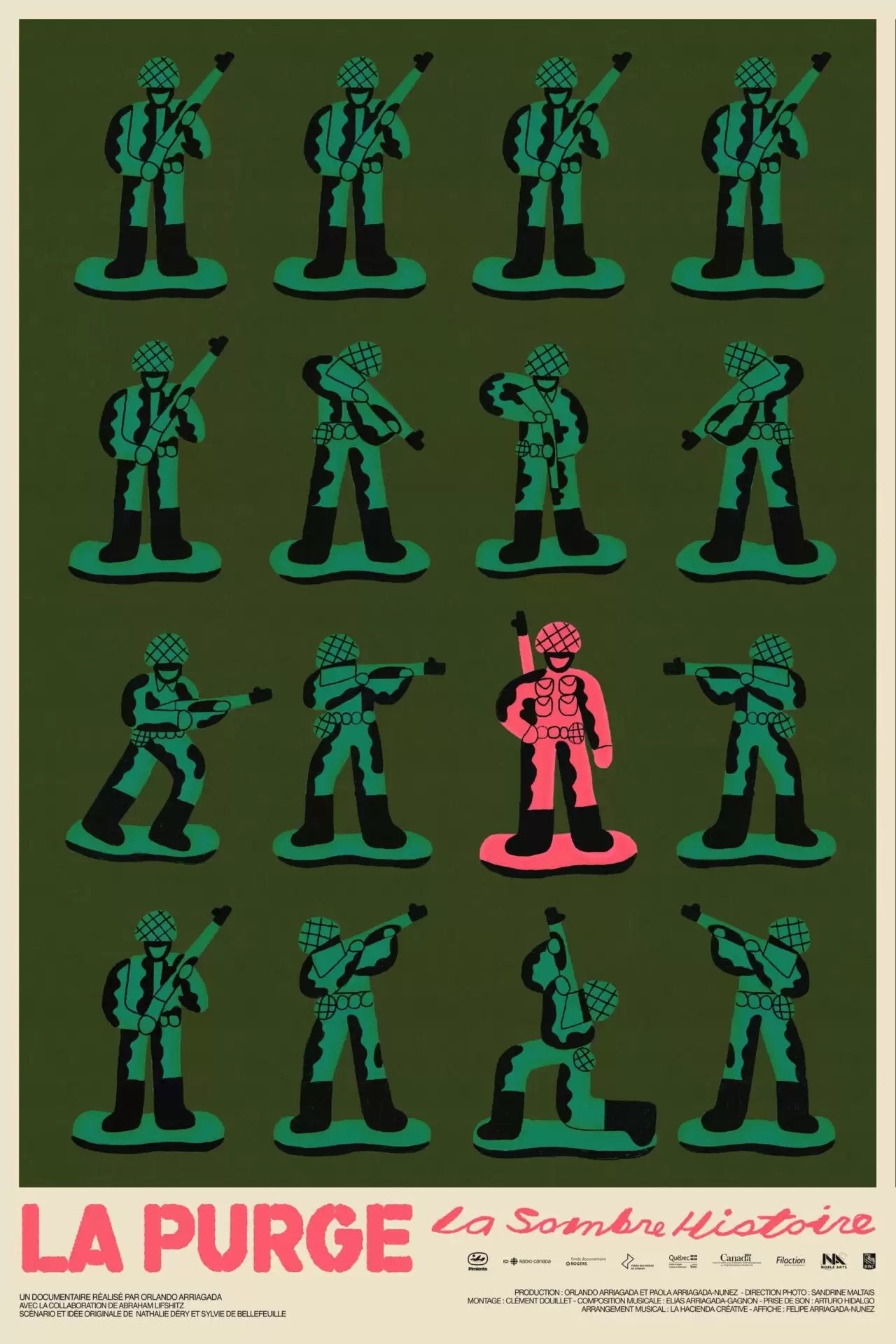
The Purge traces a dark and little-known moment in Canadian history: the systemic discrimination faced by members of the LGBT community within the Armed Forces and the federal public service. From 1950 to 1996, it was yesterday, no effort was spared to flush out these men and women deemed "immoral" and representing a "danger to national security": intensive and coercive interrogations, humiliating tests, polygraphs, forced confessions and denunciations.
As the crucial question arises of the future succession of the Dalai Lama, we take a look back at the tormented history of the "Land of Snows" which lives under Chinese domination and which remains a geopolitical issue of the first order. A valuable documentary that gives voice to a people that China is trying to permanently silence.
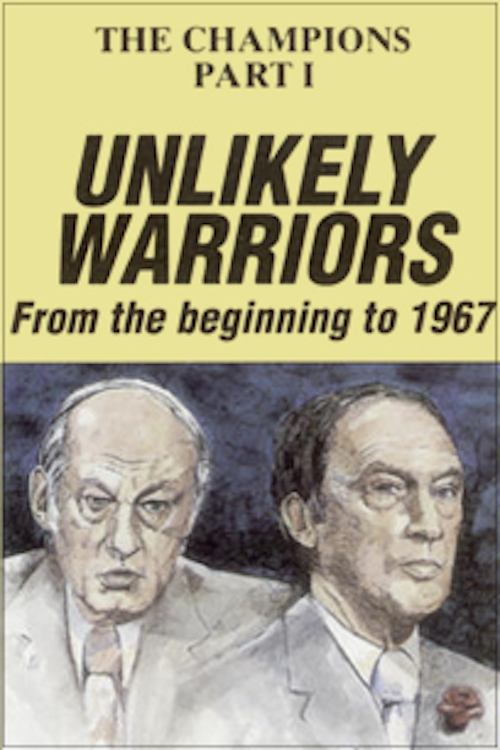
In Part 1 of this 3-part documentary series, director Donald Brittain chronicles the early years of Pierre Elliott Trudeau and René Lévesque. From their university days in the 1950s to 1967 when Lévesque left the Liberal Party and Trudeau became the federal Minister of Justice, Brittain attempts to get at the heart of what makes these men so fascinating.
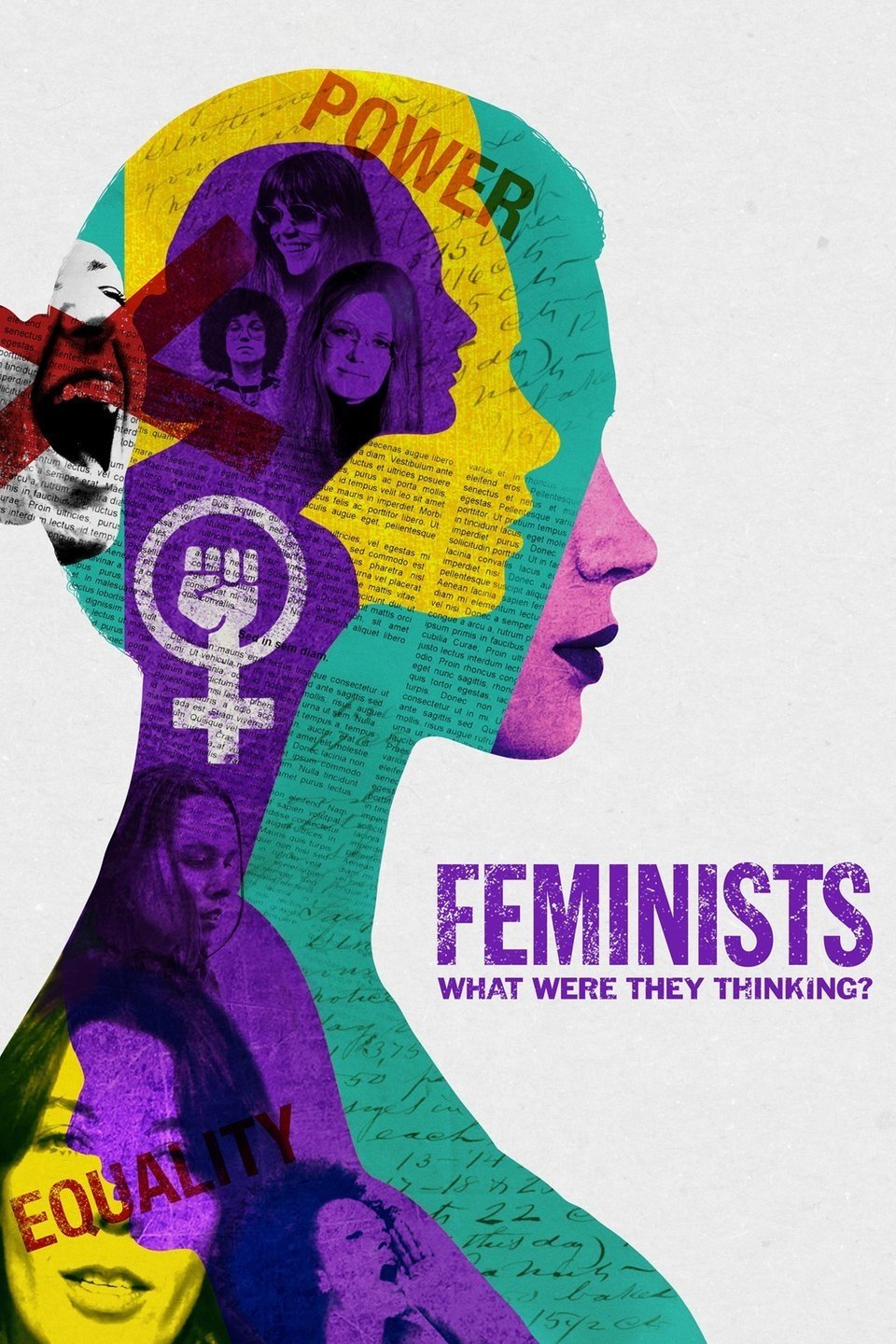
In 1977, a book of photographs captured an awakening - women shedding the cultural restrictions of their childhoods and embracing their full humanity. This documentary revisits those photos, those women and those times and takes aim at our culture today that alarmingly shows the need for continued change.
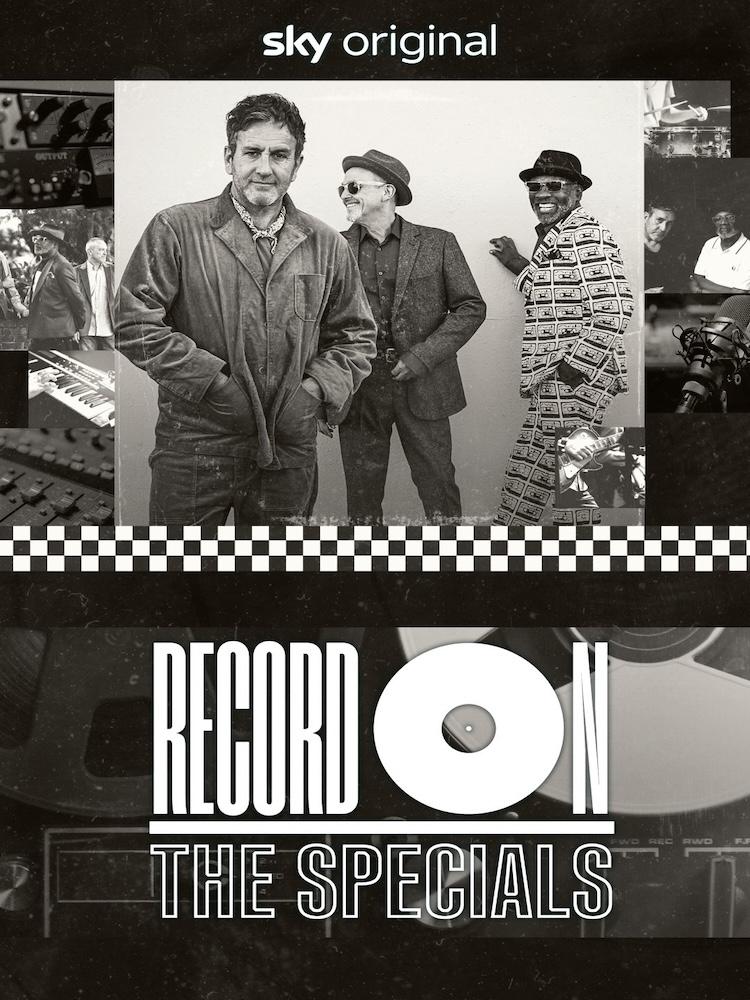
The Specials don’t just write memorable songs - they soundtrack moments in history. This film explores how the band’s music was influenced by social, economic, and political events and how they have continued to shape contemporary music and popular culture internationally, with their message of unity and harmony in the face of ongoing political and social challenges.
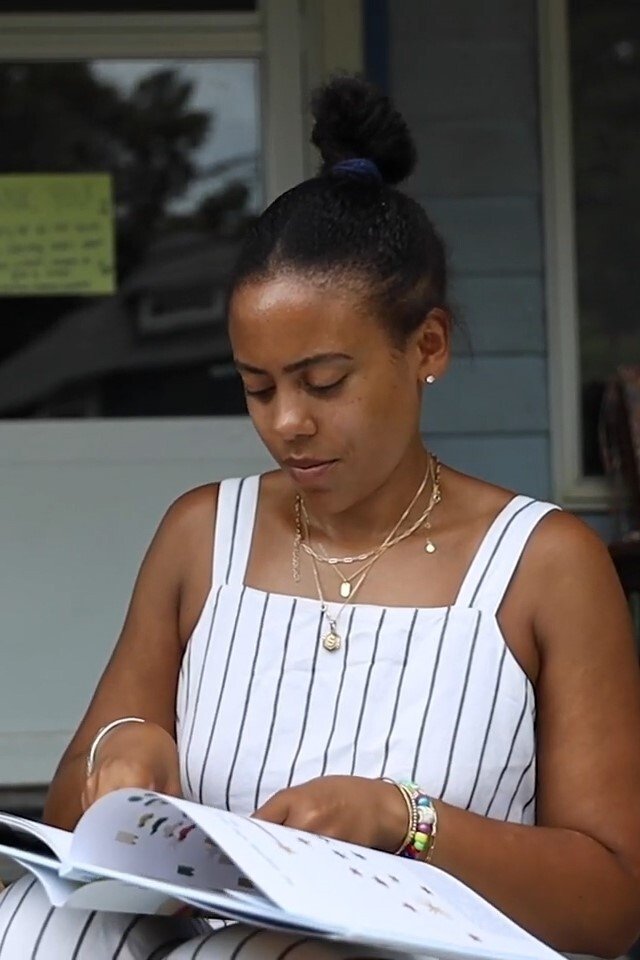
Sarah Kamya is a school counselor in New York City. She began the project Little Diverse Libraries on June 3rd and has already raised over $13,000, supported black owned bookstores, and has distributed 775 books to Little Free Libraries across all 50 states. Sarah is helping educate communities while most importantly amplifying and empowering black voices.
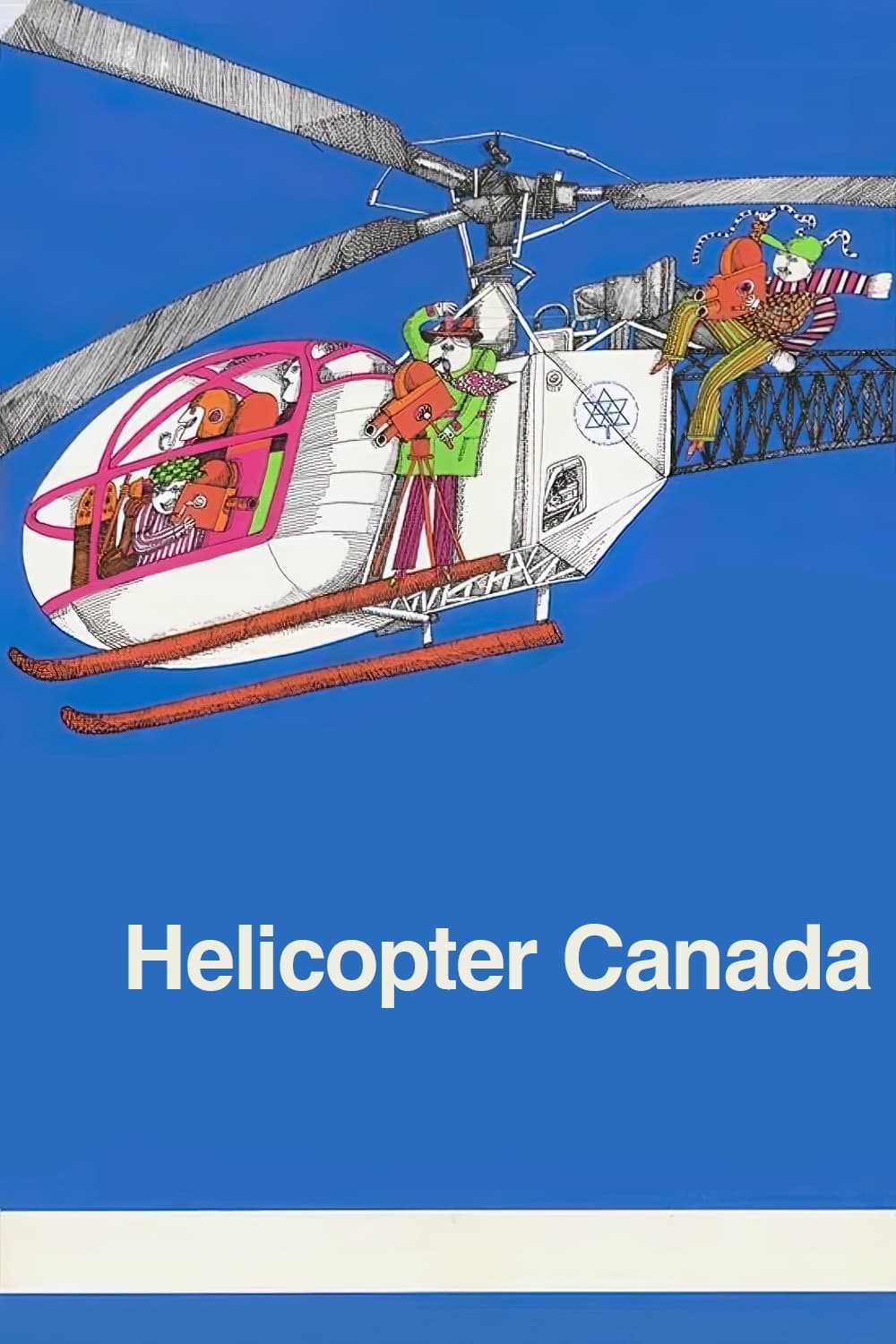
A view from a helicopter of the ten Canadian provinces in 1966. The result is a big, beautiful and engrossing bird's-eye portrait of the country. Nothing here is quite the same as seen before, even Niagara Falls. Canadians will be thrilled by this panoramic view of familiar territory. Made for international distribution for the Canadian centennial.
A documentary about the life and films of director John Ford.
In an intimate and joyful story of love in the face of loss, celebrated poets Andrea Gibson and Megan Falley find strength—and unexpected hilarity—in what might be their final year together.
The story of New Zealander Bruce McLaren, who founded the McLaren Motor Racing team, showing the world that a man of humble beginnings could take on the elite of motor racing and win.
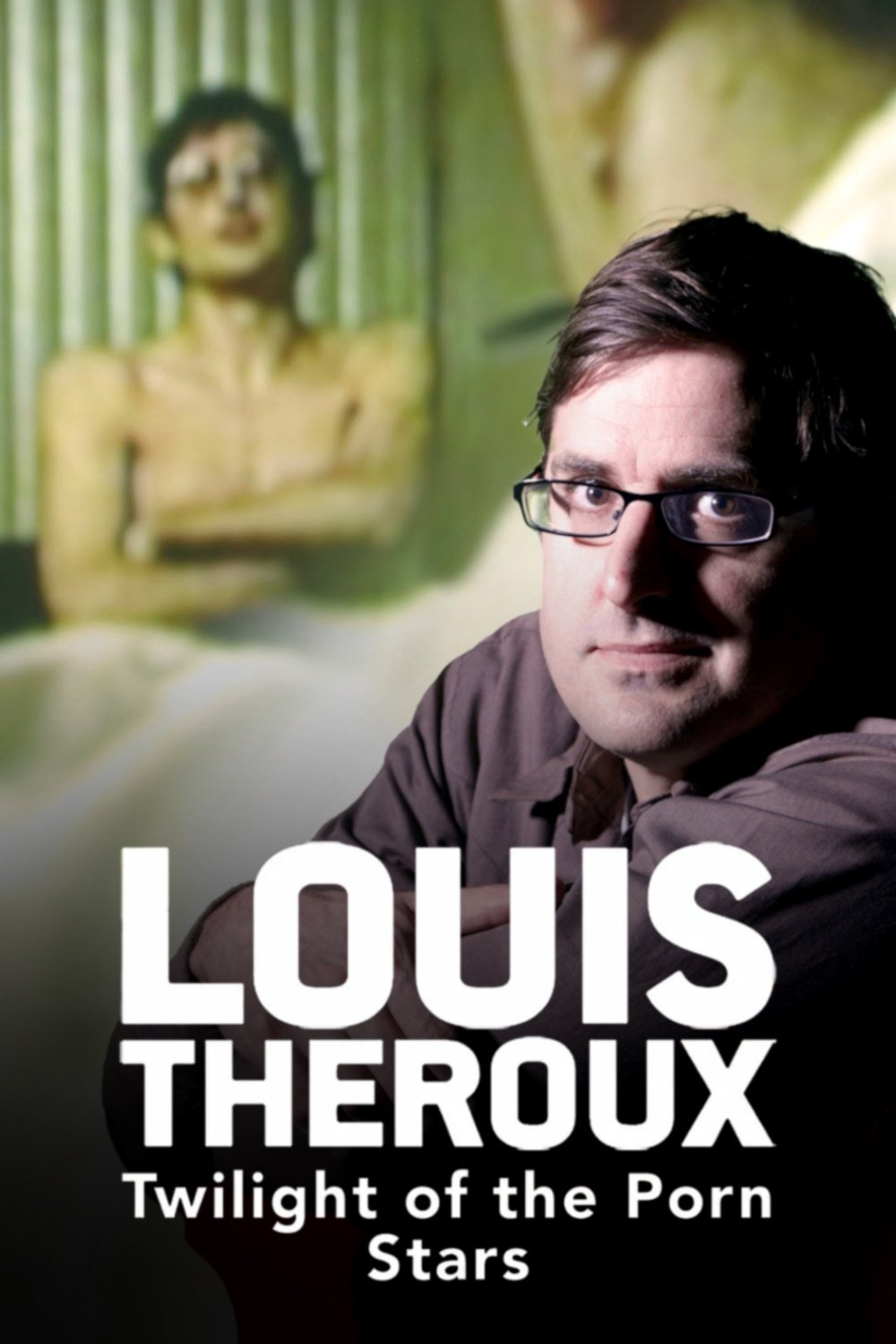
In 1997, Louis Theroux made a documentary about the world of male porn performers in Los Angeles. 15 years later, he returns to find a business struggling with the deluge of free porn on the internet. Louis revisits some of the original programme's contributors as well as meeting the latest crop of porn performers dreaming of porn stardom.
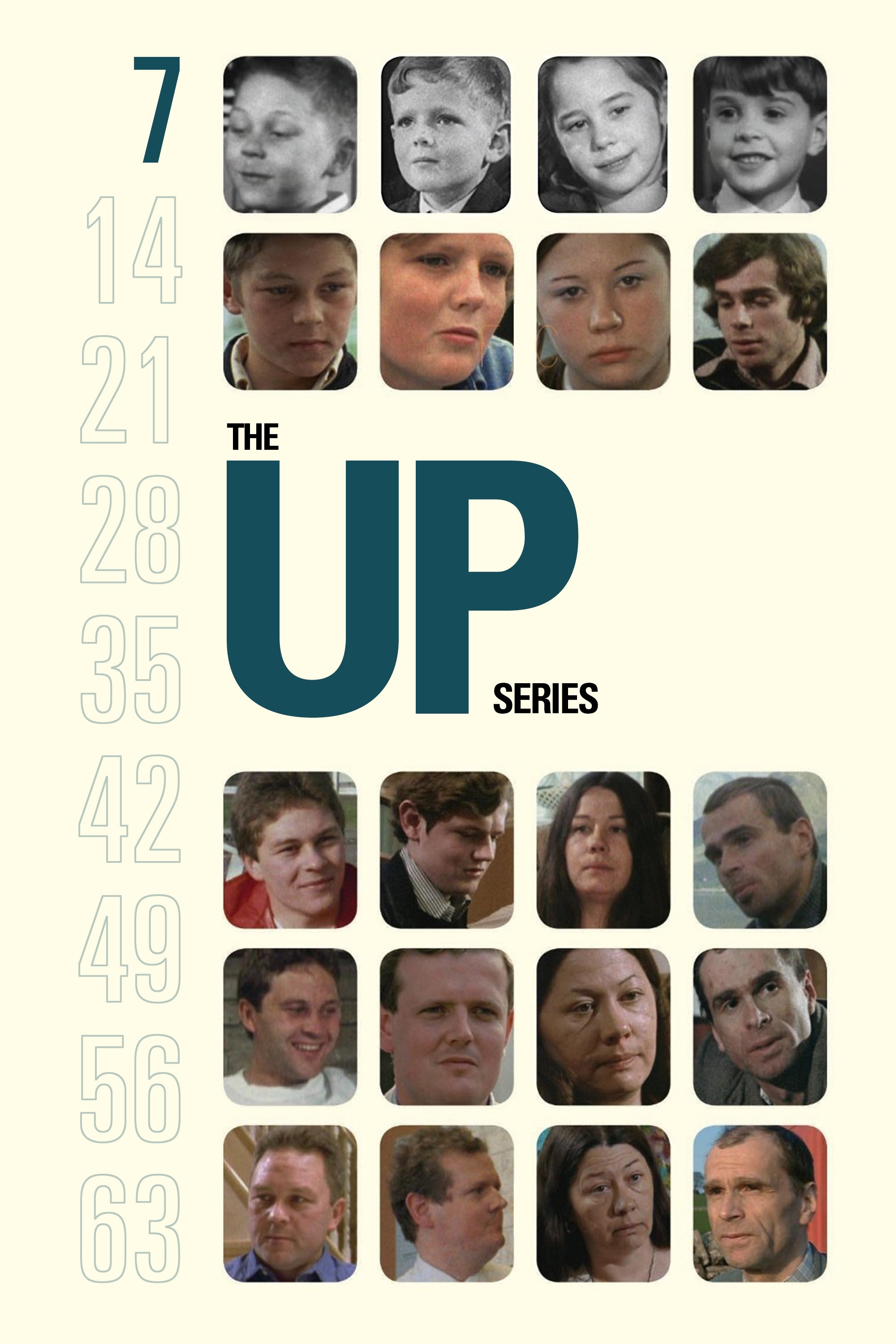
A group of British children aged 7 from widely ranging backgrounds are interviewed about a range of subjects. The filmmakers plan to re-interview them at 7 year intervals to track how their lives and attitudes change as they age.
Those who knew iconic funnyman John Candy best share his story, in their own words, through never-before-seen archival footage, imagery, and interviews.
A documentary on the expletive's origin, why it offends some people so deeply, and what can be gained from its use.
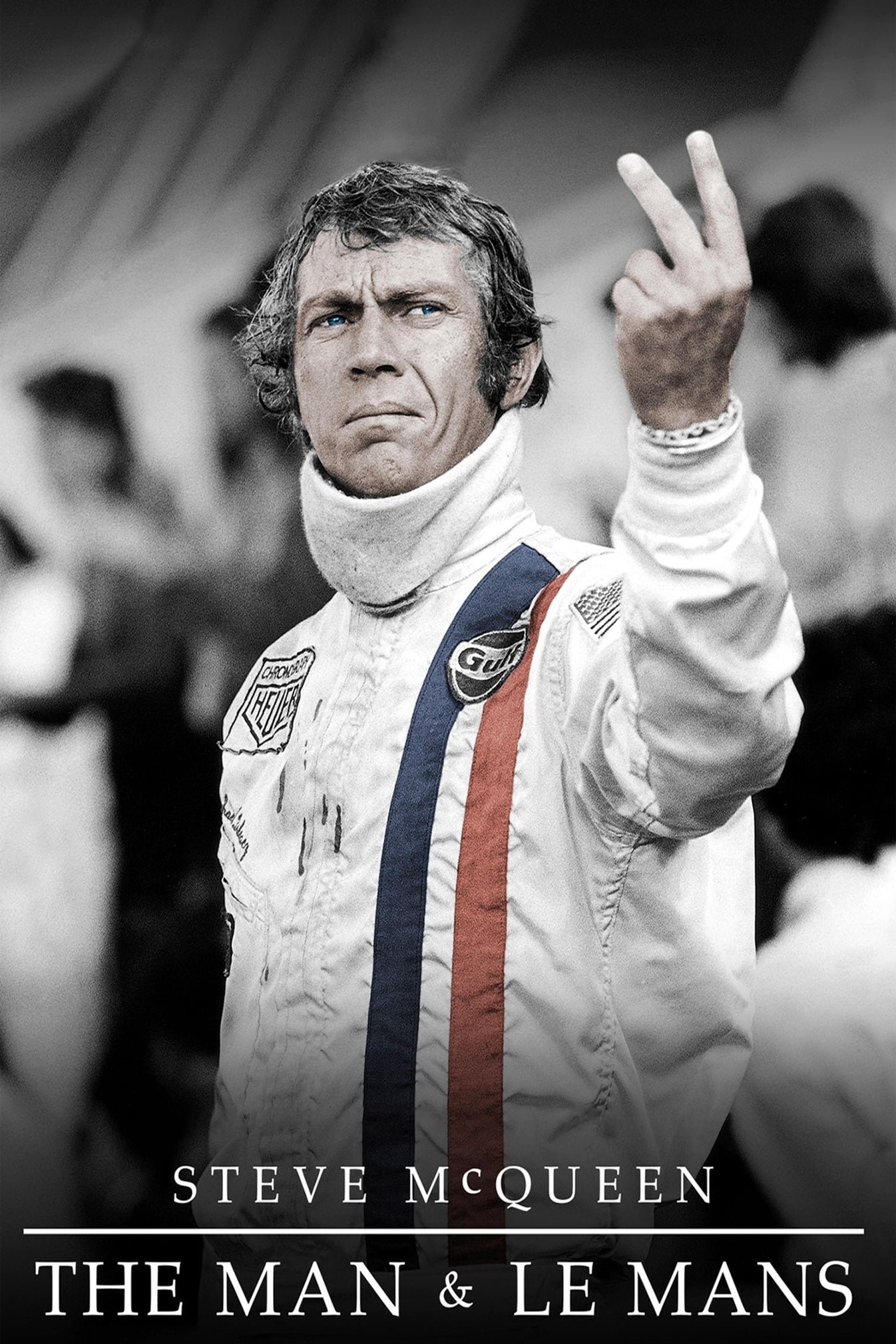
Steve McQueen: The Man & Le Mans interweaves stunning newly discovered footage and voice recordings with original interviews. It is the true story of how a cinema legend would risk almost everything in pursuit of his dream.
This documentary focuses on the actors and their journey over two summers to create the remake to the original IT, by Stephen King. The documentary originally released as bonus material, bundled with IT: Chapter Two.
This revealing documentary honors the legendary Sidney Poitier—iconic actor, filmmaker, and civil rights activist. Featuring interviews with Denzel Washington, Spike Lee, Halle Berry, and more.
Canadian actress and filmmaker Sarah Polley investigates certain secrets related to her mother, interviewing a group of family members and friends whose reliability varies depending on their implication in the events, which are remembered in different ways; so a trail of questions remains to be answered, because memory is always changing and the discovery of truth often depends on who is telling the tale.
Join the likes of Jeremy Renner, Hailee Steinfeld, Florence Pugh, and Vincent D’Onofrio as they reveal how Marvel Studios’ “Hawkeye” was conceived and created. Witness firsthand what it took to pull off the show’s pulse-pounding action set pieces, and discover how iconic characters from the pages of Marvel Comics such as Kate Bishop were adapted and brought to life for the six-episode series.
Brothers addicted to speed at any price. Documentary following the motorcycle road racing careers, and fate, of the Dunlop family.
In a warehouse in the heart of Los Angeles, a dwindling handful of devoted craftspeople maintain more than 80,000 student musical instruments, the largest remaining workshop in America of its kind. Meet four unforgettable characters whose broken-and-repaired lives have been dedicated to bringing so much more than music to the schoolchildren of this city.
A feature-length documentary about our complex relationship with manufactured objects and, by extension, the people who design them.
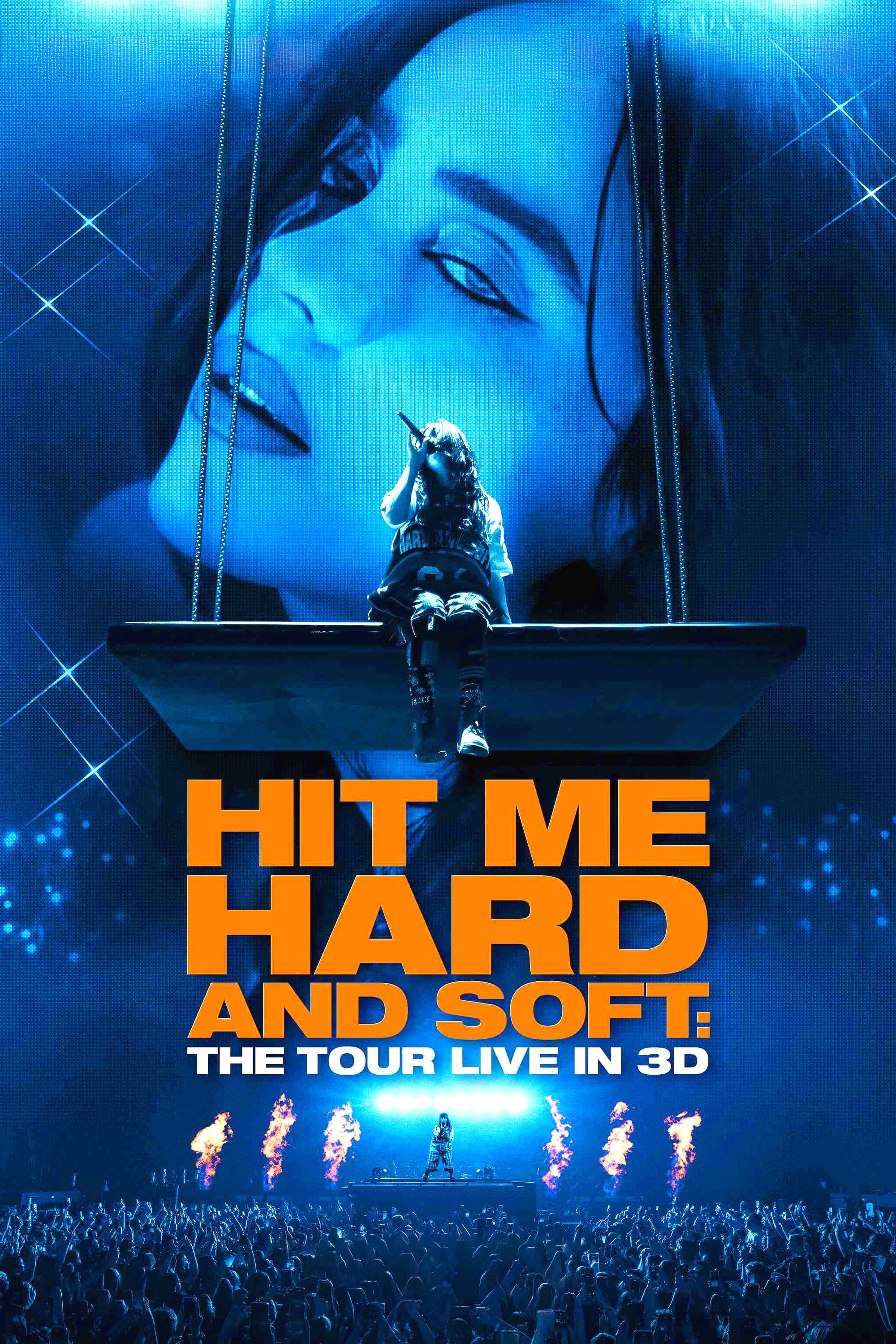
Captured during Billie Eilish's sold-out world tour, a concert experience from one of the most celebrated and successful artists of her generation, presented in immersive 3D.
Echo is a youngster who can't quite decide if it's time to grow up and take on new responsibilities-or give in to her silly side and just have fun. Dolphin society is tricky, and the coral reef that Echo and his family call home depends on all of its inhabitants to keep it healthy. But Echo has a tough time resisting the many adventures the ocean has to offer.
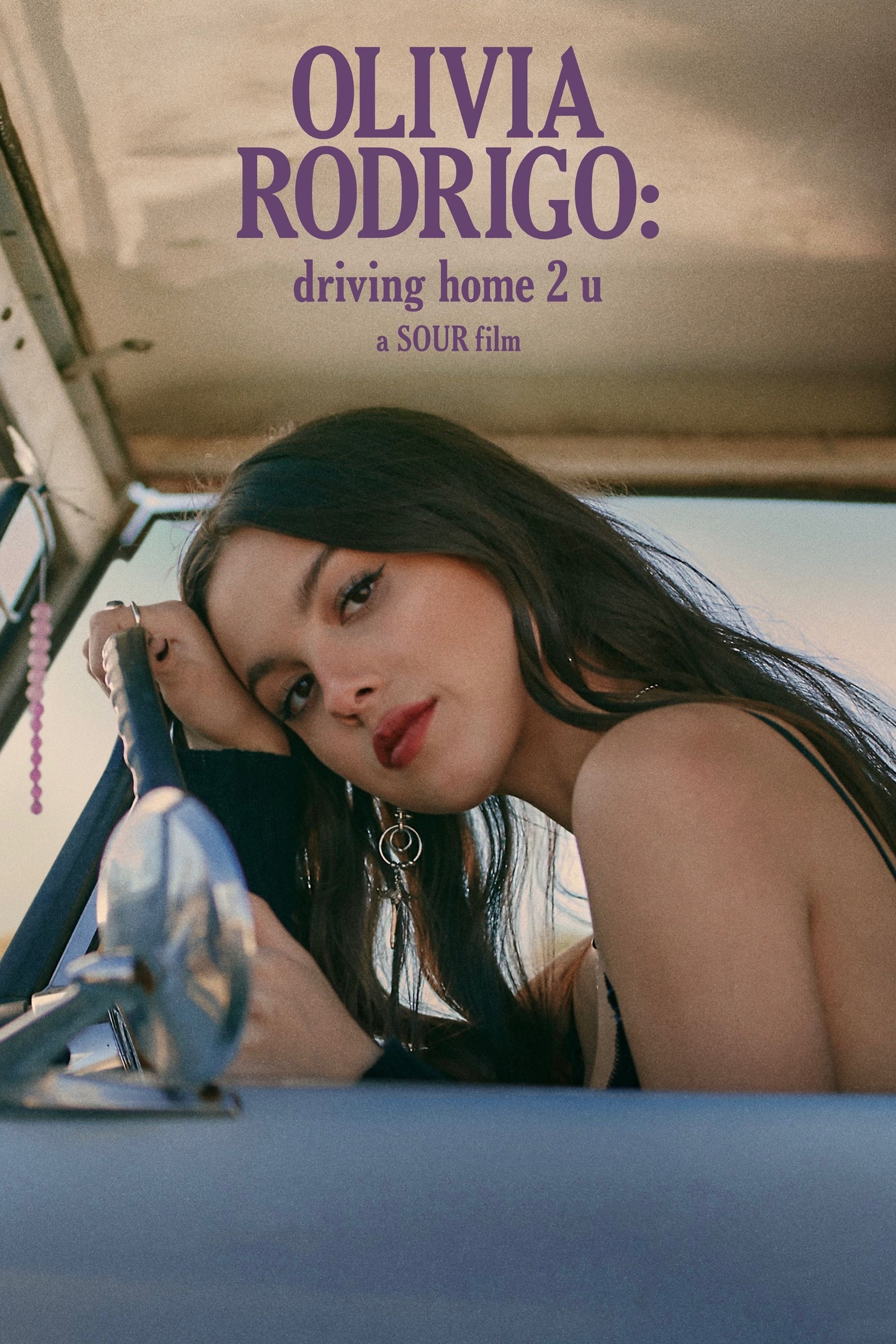
Grammy® winner singer-songwriter Olivia Rodrigo takes a familiar road trip from Salt Lake City, where she began writing her debut album “SOUR,” to Los Angeles. Along the way, Rodrigo recounts the memories of writing and creating her record-breaking debut album and shares her feelings as a young woman navigating a specific time in her life. Through new live arrangements of her songs, intimate interviews and never-before-seen footage from the making of the album, audiences will follow Olivia along on a cinematic journey exploring the story of “SOUR.”
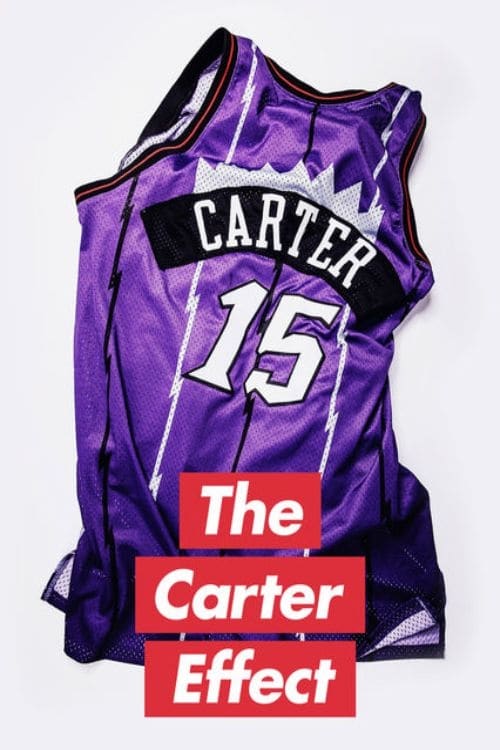
In his latest documentary, Sean Menard gives viewers an unprecedented look at Vince Carter: the six-foot-six, eight-time NBA All-Star from Daytona Beach who made waves in the Canadian basketball scene when he joined the Toronto Raptors in 1998.
A visual montage portrait of our contemporary world dominated by globalized technology and violence.