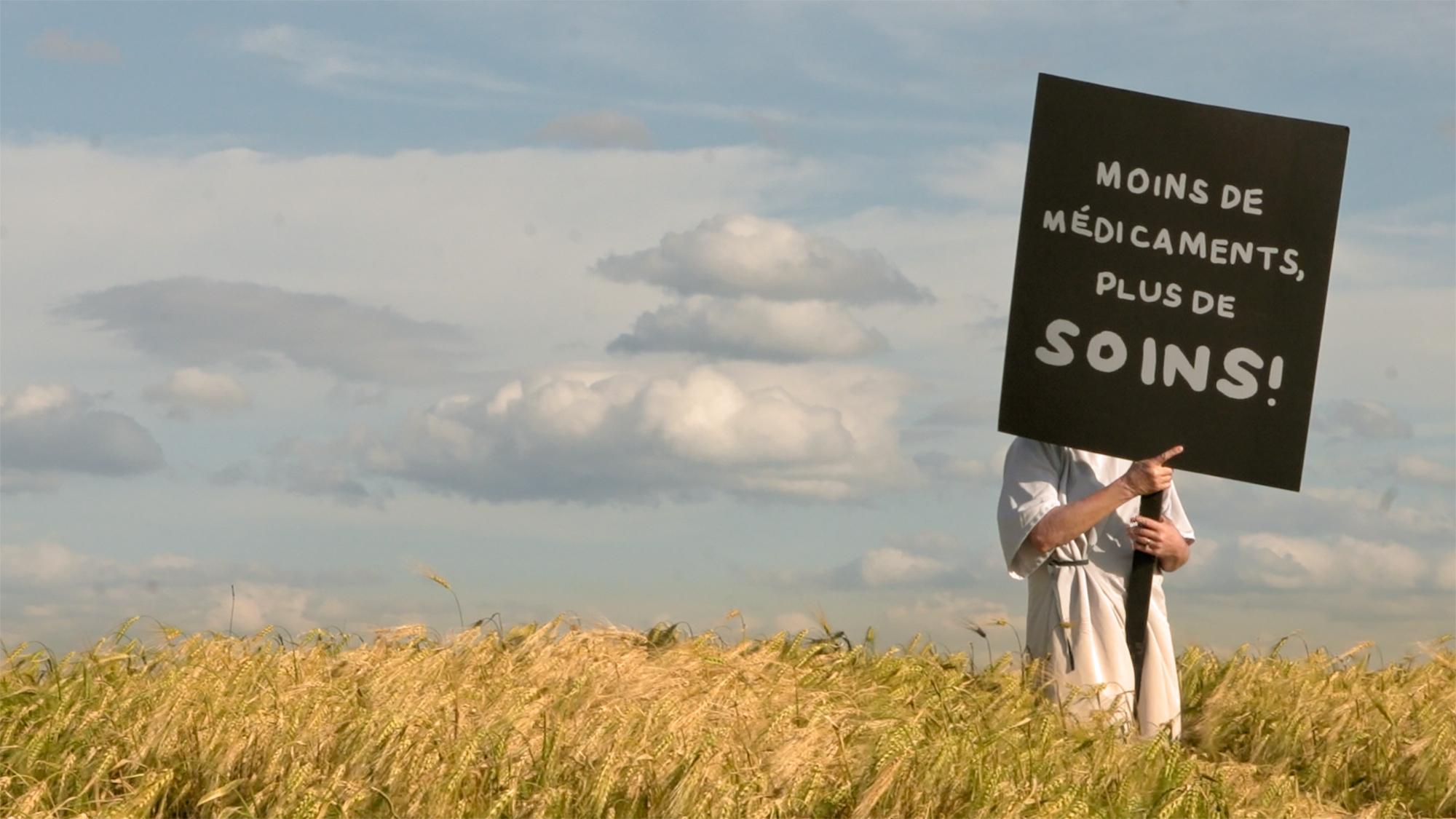
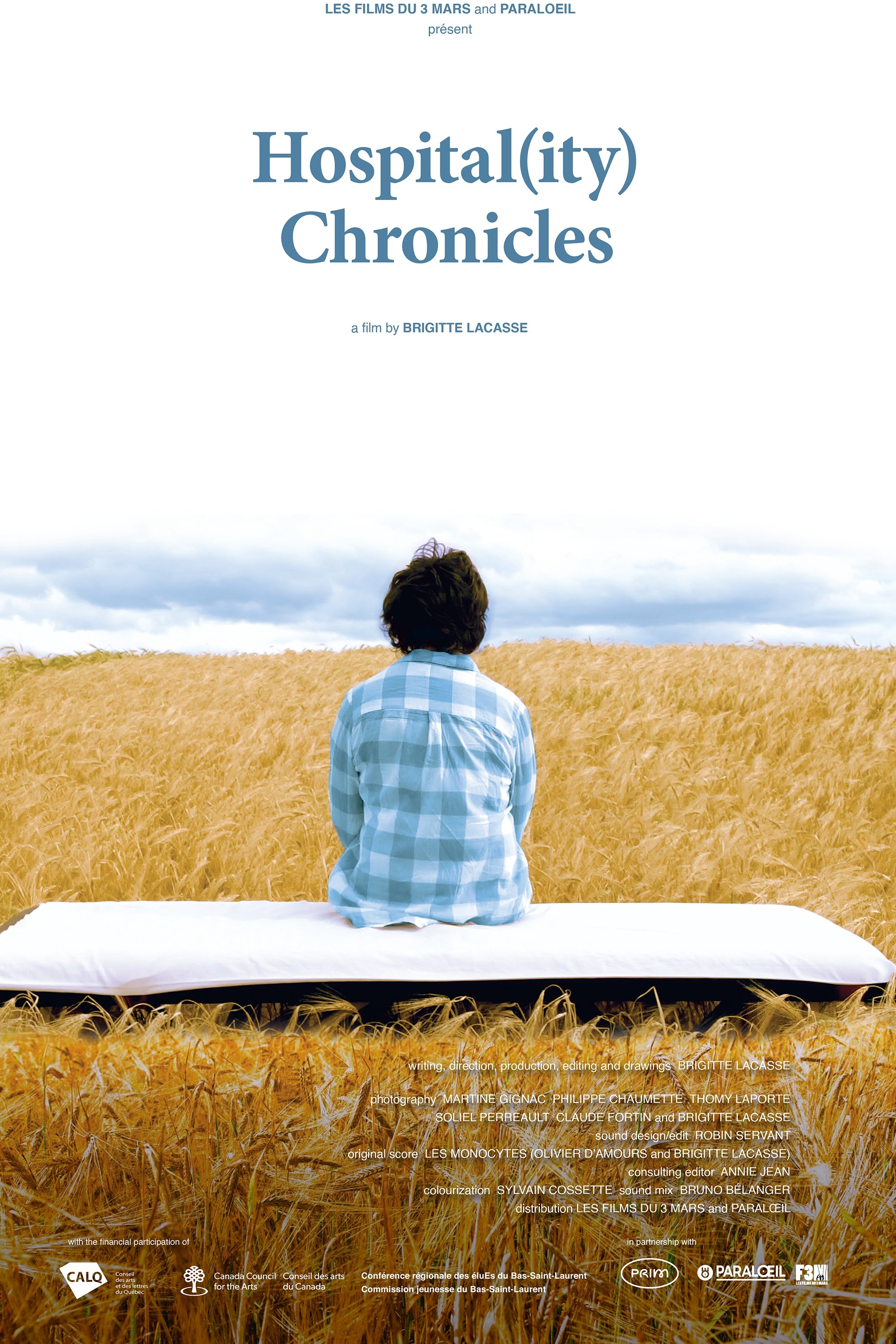
Through family archives, drawings, animations and performances that draw on her long experience with illness, Brigitte Lacasse takes an incisive, critical look at the Quebec health care system.
Social & External
Self
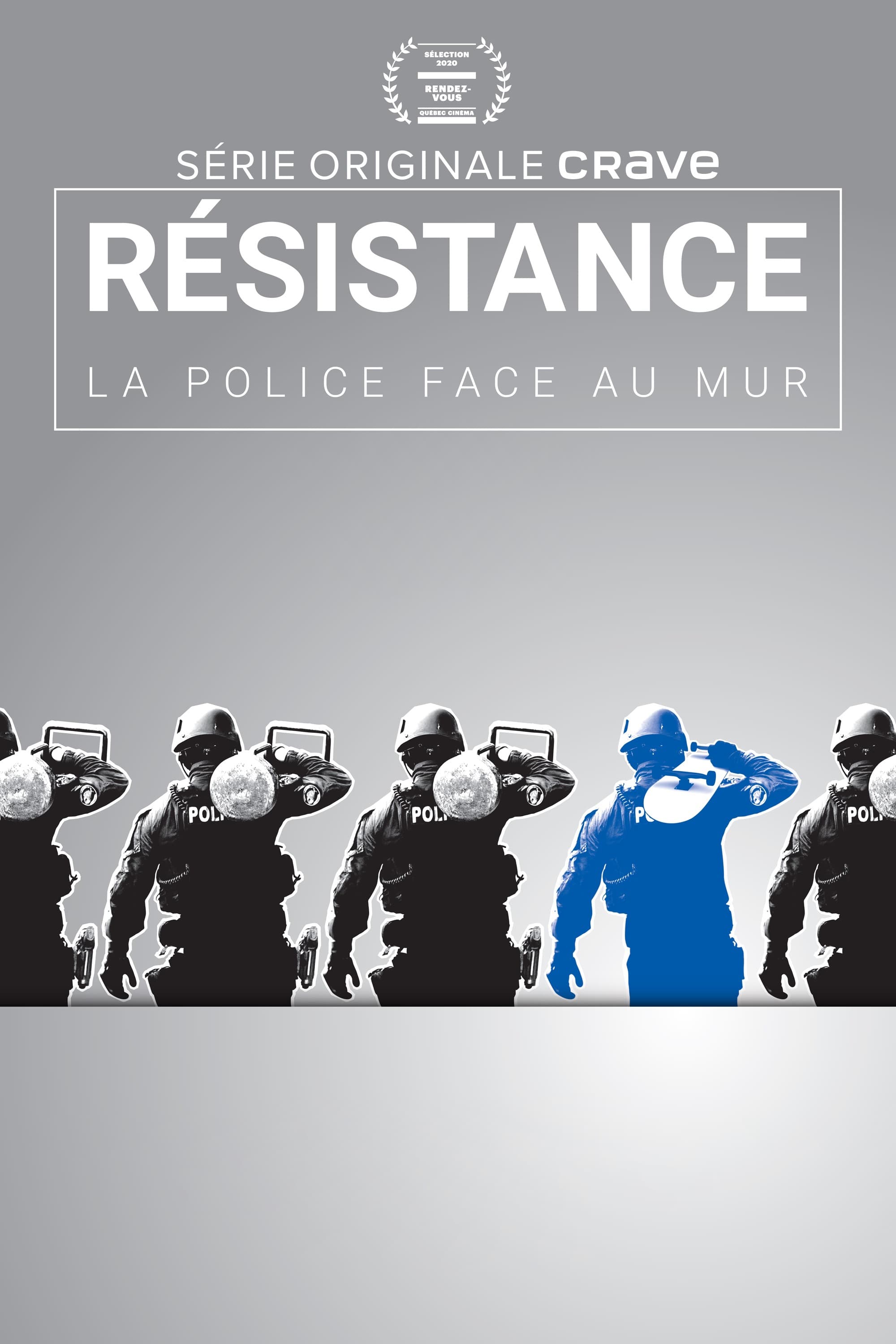
The new Longueuil police chief, Fady Dagher, is aware of the challenges he faces. Well positioned for the next five years, he intends to make great changes within this institution. This documentary is an intimate portrait of a man, a vision and an environment into which cameras do not often have access.
Produced in 1988, this feature documentary presents a living history of Quebec's last 40 years as seen through the eyes of one couple. Pauline Julien and Gérald Godin, two Quebec artists, share their perspectives on the events that have marked Quebec's evolution. Julien, a singer, and Godin, a poet, express their love and passion for the province (and each other) while providing a unique take on the Quebec nationalist movement.
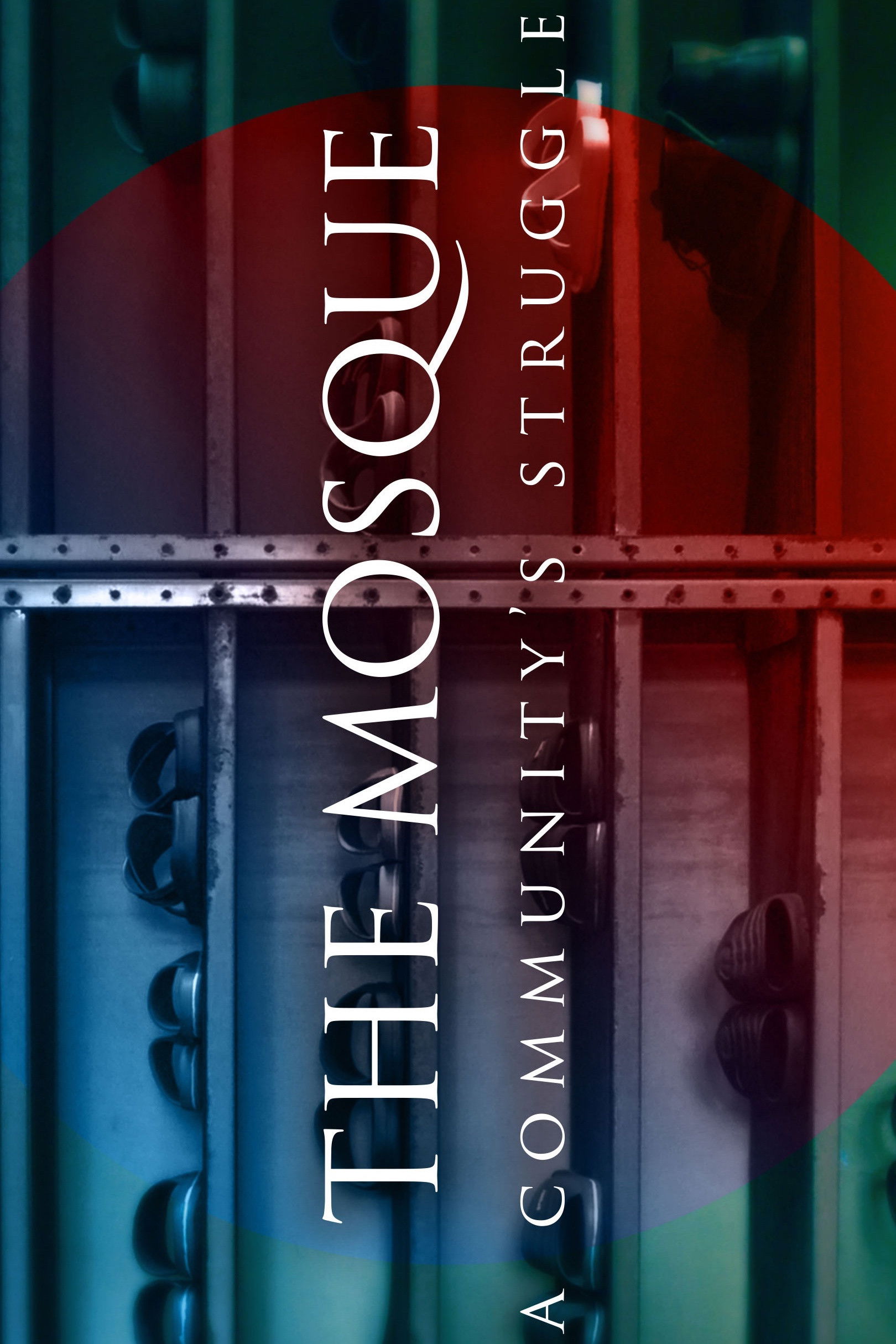
The story of the Quebec Mosque Shooting—the first ever mass shooting in a mosque in the West—is known around the world, but the story of the community that survived the attack is all but unknown. The Mosque: A Community's Struggle is an intimate portrait of the resilient Muslim community of Ste-Foy, Québec, as they struggle to survive and shift the narrative of what it means to be a Muslim, one year after the devastating attack that took the lives of six of their members. As the world moves on, this small mosque and its community fights Islamophobia, harassment and hate speech. How will the community heal and how will they stop the rhetoric that threatens to precipitate further violence?
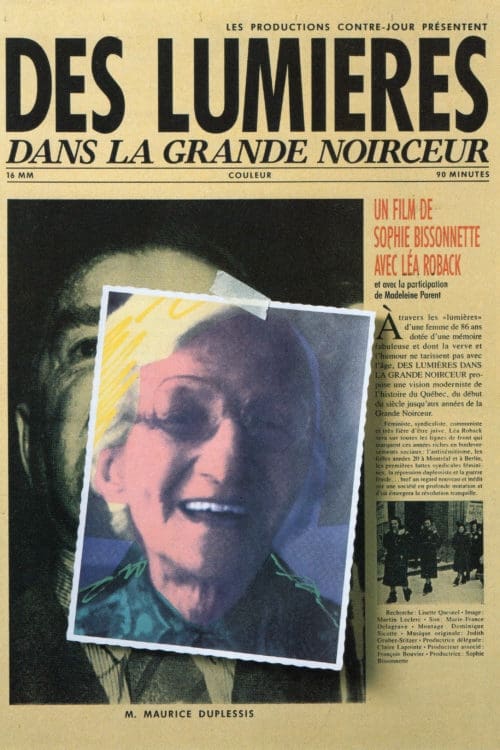
Through the eyes of a Quebec Jewish activist, Lea Roback, feminist, unionist, pacifist and communist, A VISION IN THE DARKNESS proposes a modernist vision of Quebec history, from the beginning of the twentieth century to the period knows as « La Grande Noirceur », the Great Darkness.
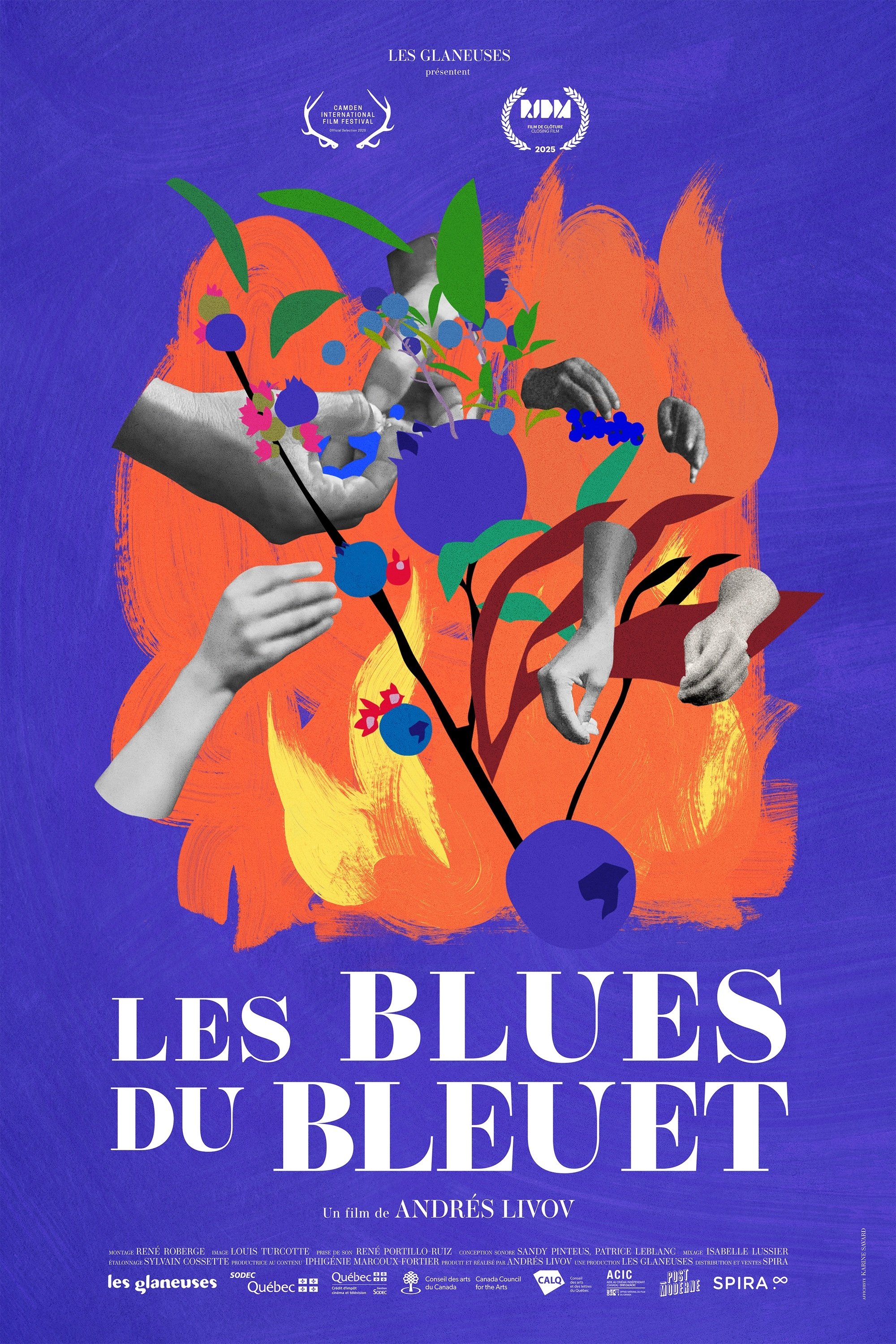
Summer unveils a new blueberry season in northern Canada. The fields are covered in blue and workers from all over scramble before the frost puts an end to the harvest. And yet this time of year is much more than just picking: it's a time of music and connection.
The link between heart disease and blood cholesterol is a medical dogma that has existed for the past fifty years and has led to the development of a billion-dollar, low-fat, food industry, as well as to statins, a drug that lower “bad cholesterol” levels, so it has became one of the most prescribed medicines in the world. But more and more researchers are openly questioning the mainstream opinions on cholesterol…
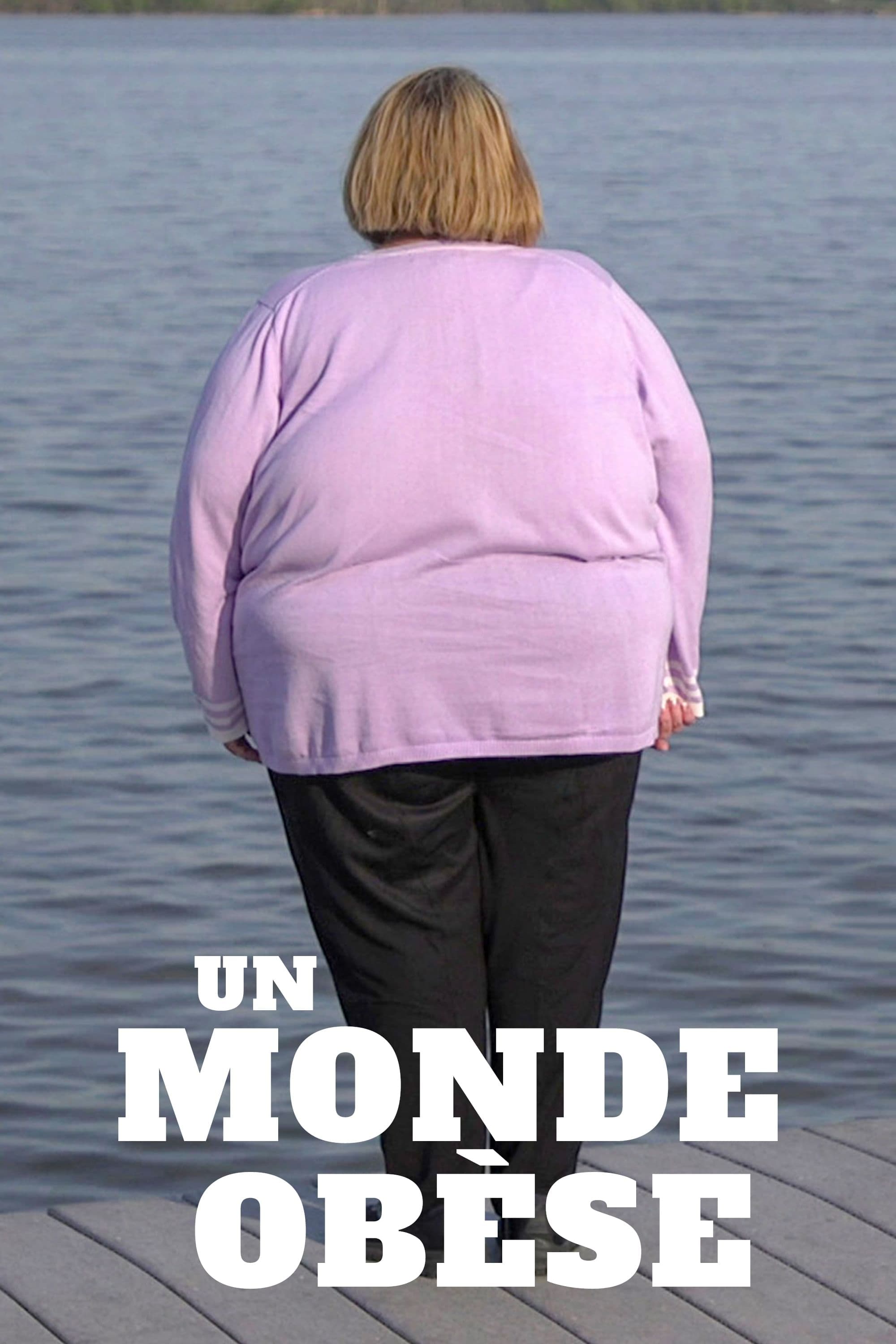
As obesity progresses inexorably, Sylvie Gilman and Thierry de Lestrade investigate the causes of this planetary plague and reveal the fight waged in certain countries to stem it.
Directed by Ariane Louis-Seize, this tribute film was created as a gift for Lorraine Pintal, director of Montreal’s Théâtre du Nouveau Monde. Featuring some of the most memorable characters and performers of Pintal’s career, the film’s succession of surreal scenes from different dramatic worlds introduces viewers to the exceptional woman of theatre, stage director, and friend whom they consider to be the “ghost light” of Quebec theatre.
A news special about a year after the shootings at the Quebec City mosque
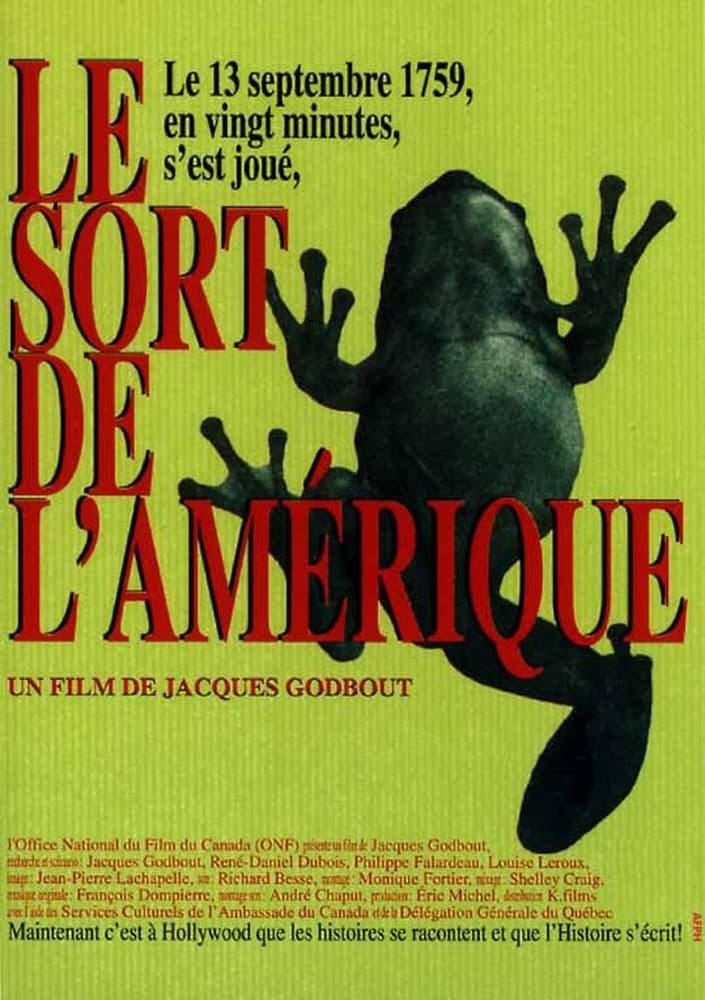
Two well-known Quebec artists (filmmaker Jacques Godbout and playwright René-Daniel Dubois) look at the Battle of the Plains of Abraham. Whose version of this historic event should prevail? Is history best served by documentary or fiction? We also meet Baron Georges Savarin de Marestan and Andrew Wolfe-Burroughs, direct descendants of Montcalm and Wolfe, both of whom died in the battle that would give birth to Canada and to the province of Quebec.
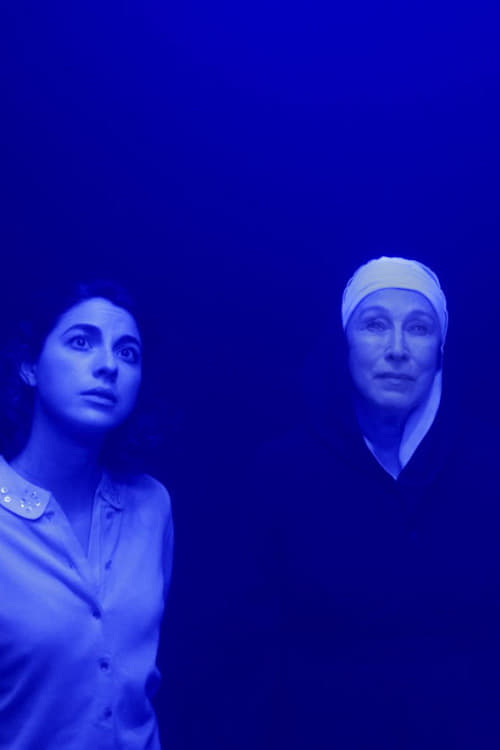
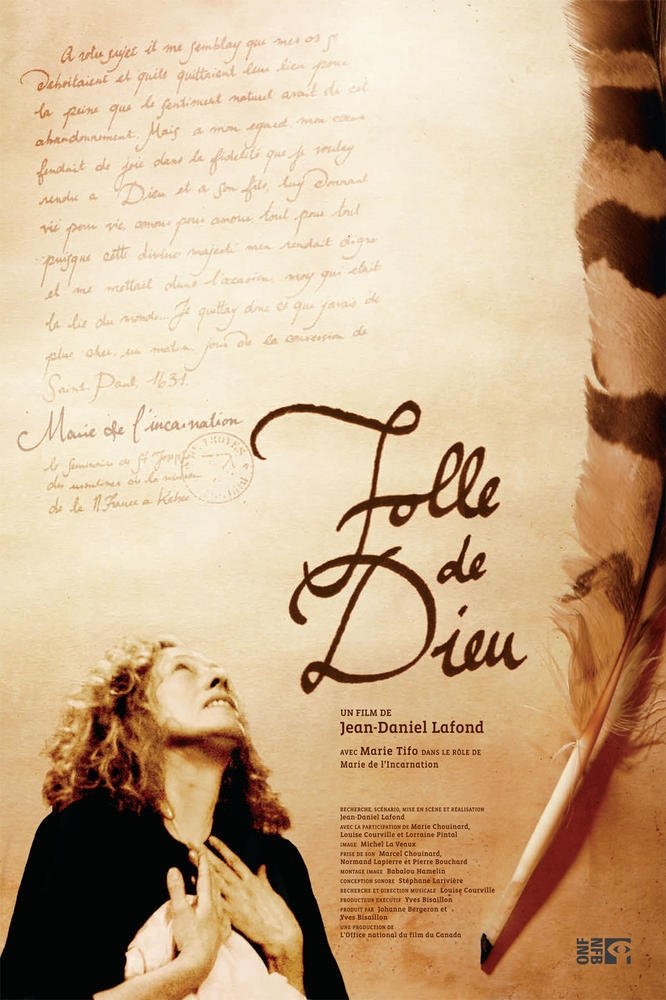
This feature-length film tells the story of the passion between Marie de l’Incarnation, a mid-seventeenth-century nun and God, her "divine spouse." Fusing documentary and acting by Marie Tifo, whom we follow as she rehearses for this demanding role, the film paints an astonishing portrait of this mystic who abandoned her son and left France to build a convent in Canada, where she became the first female writer in New France.
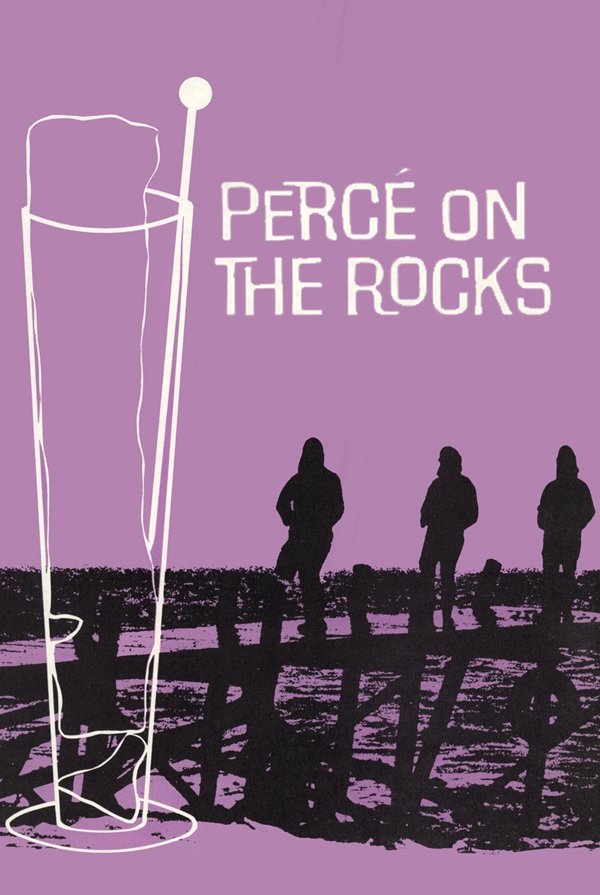
This quirky little short by Gilles Carle was filmed on the pierced rock that stands near Quebec’s Gaspé peninsula. It is perhaps the most photographed natural phenomenon on Canada’s East Coast. Shot in the 1960s, the film has a very psychedelic feel to it, with animation, special effects, and a trio of women to guide us through.
Quebec, on the cusp of the 1960s. The province is on the brink of momentous change. Deftly selecting clips from nearly 200 films from the National Film Board of Canada archives, director Luc Bourdon reinterprets the historical record, offering us a new and distinctive perspective on the Quiet Revolution.
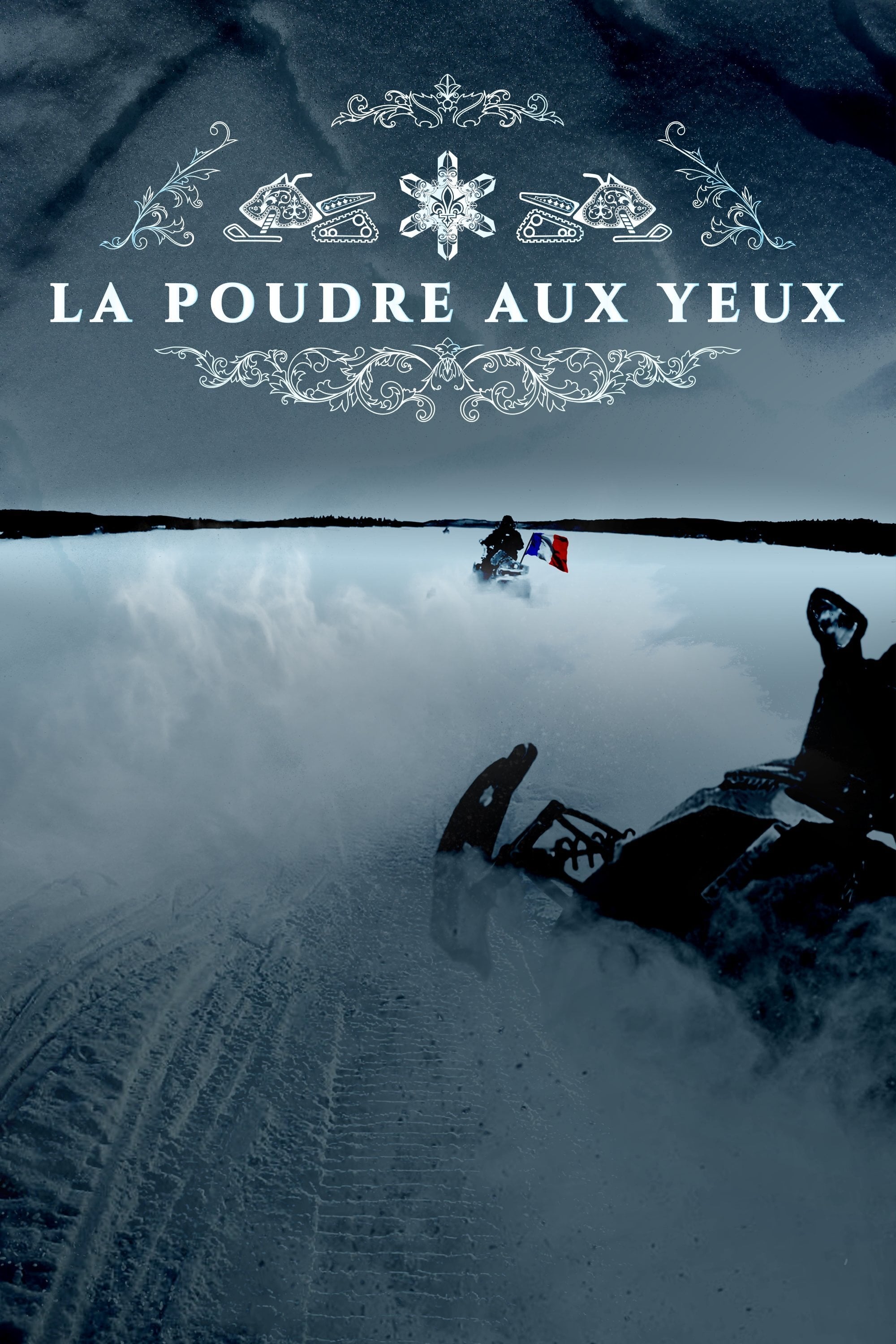
With its 33,000 kilometers of marked trails and its tens of thousands of kilometers of off-trail circuits, Québec is a snowmobile paradise. In this documentary, a dozen French tourists, accompanied by their flamboyant guide, live an incredible adventure in Quebec's wilderness.
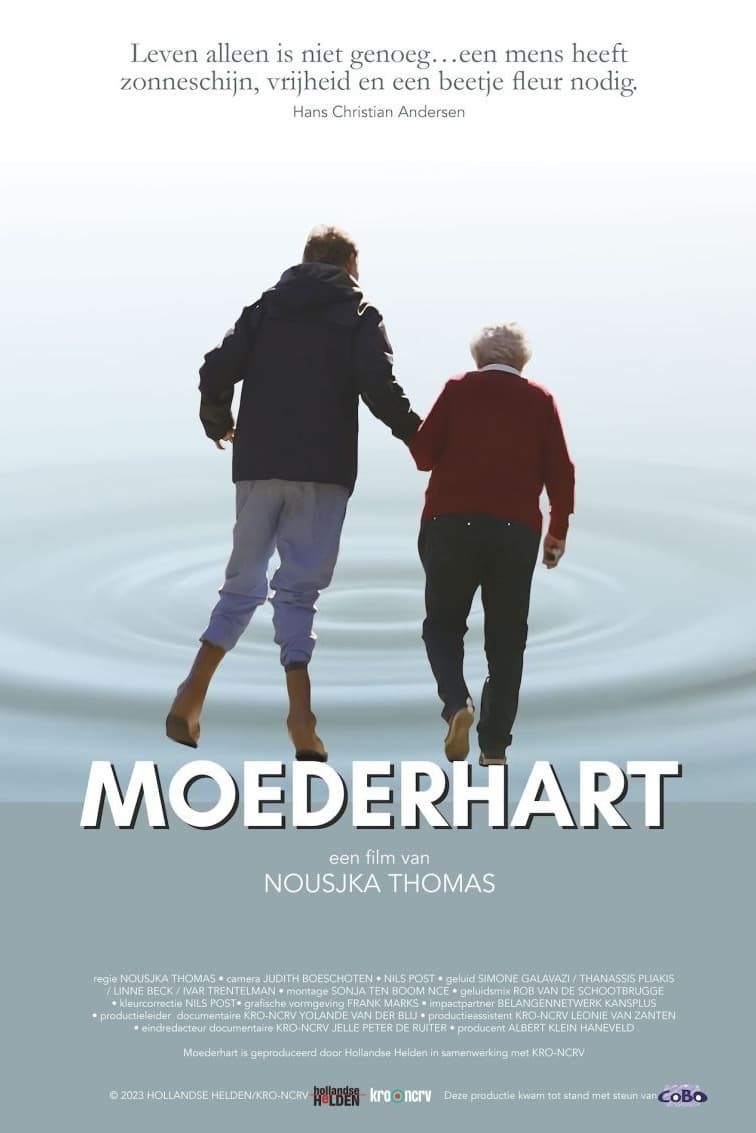
“Job is 2 meters tall and has been my baby for 58 years. I will continue to care for him as long as I can,” says 91-year-old Tineke about her severely disabled adult son. But how long can she keep that up and who needs who: Job Tineke or Tineke Job? A documentary about the limits of motherhood.
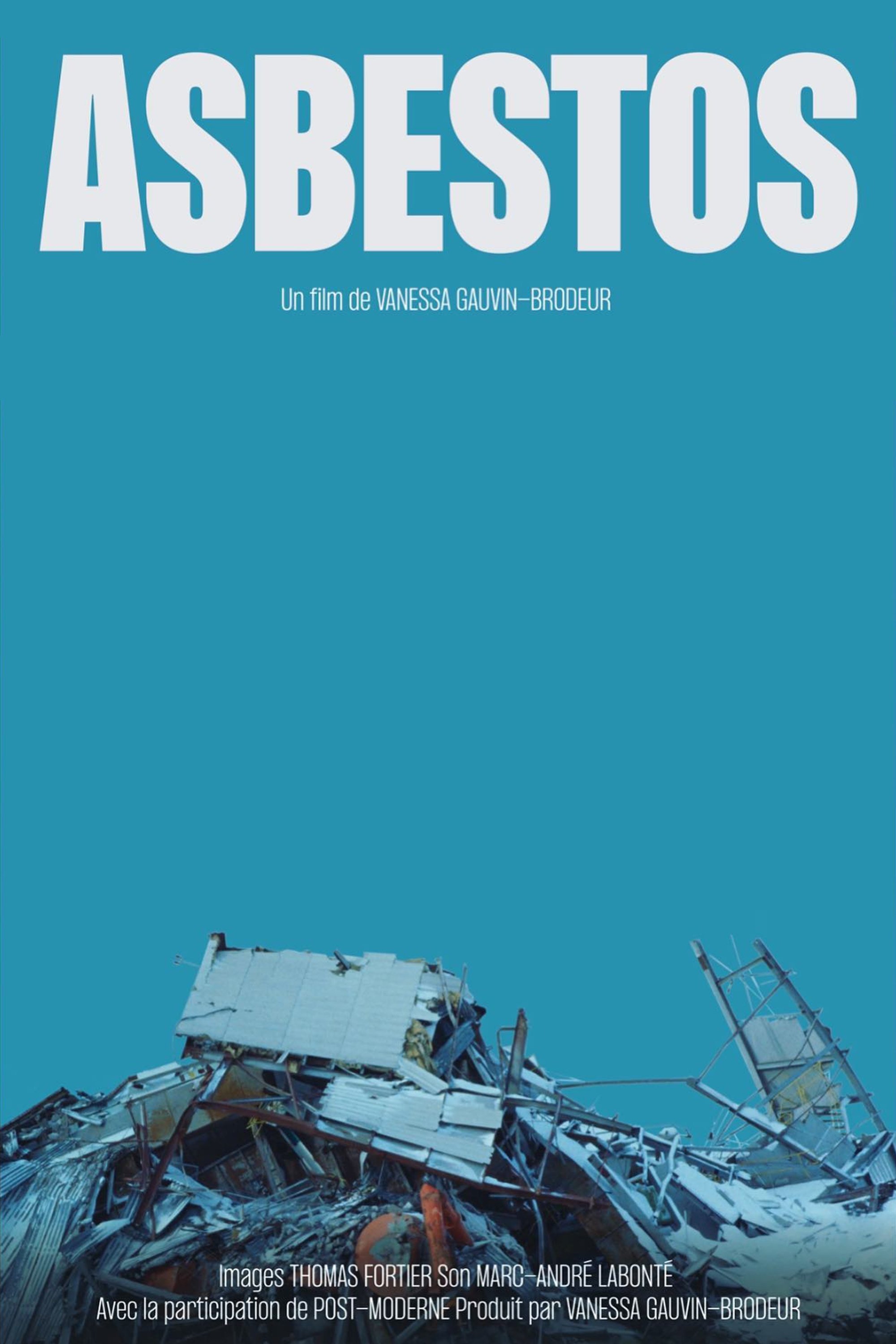
A cinematic and introspective look at the residents of a Quebec town—once the site of the world's largest asbestos mine—as they grapple with their community's industrial past. Striving to honour their heritage while reconciling with their history and forging a new path forward, the miners delve into the intricacies of progress and healing.
Yagorihwanirats, a Mohawk child from Kahnawake Mohawk Territory in Quebec, attends a unique and special school: Karihwanoron. It is a Mohawk immersion program that teaches Mohawk language, culture and philosophy. Yagorihwanirats is so excited to go to school that she never wants to miss a day – even if she is sick.
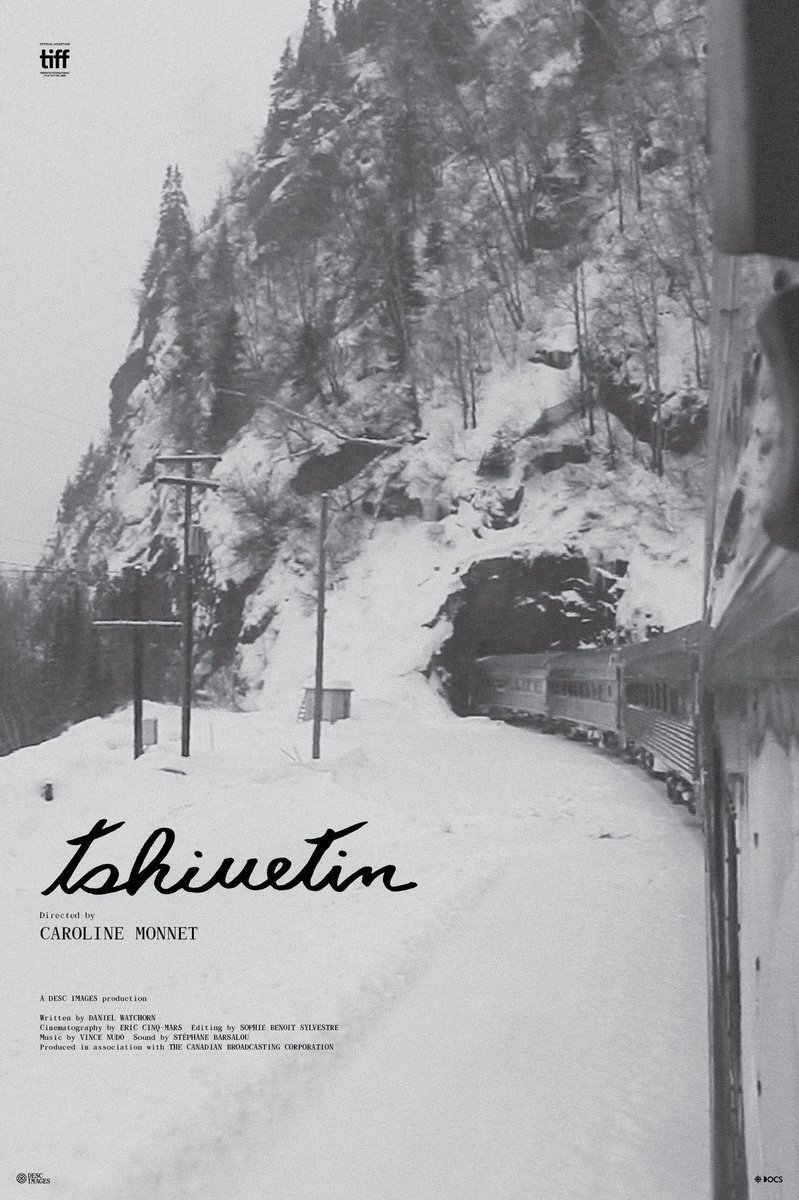
Take a breathtaking train a ride through Nothern Quebec and Labrador on Canada’s first First Nations-owned railway. Come for the celebration of the power of independence, the crucial importance of aboriginal owned businesses and stay for the beauty of the northern landscape.
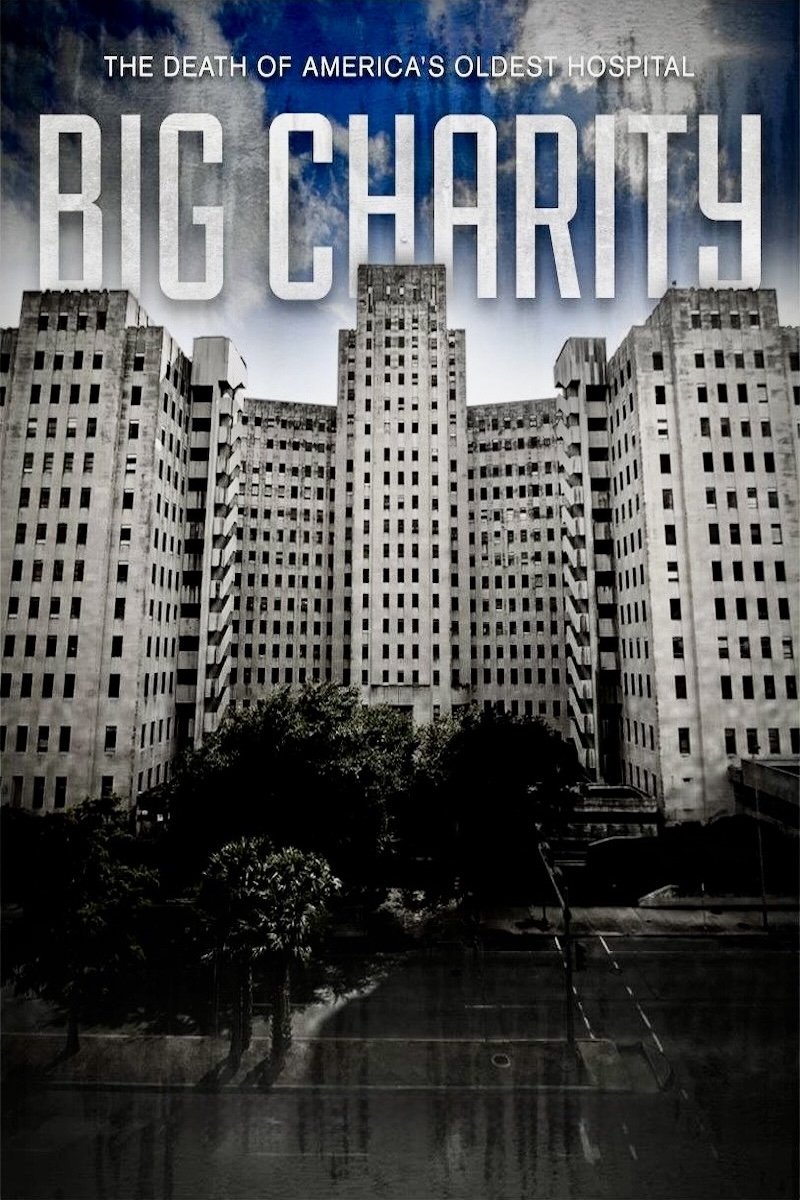
This documentary film includes never-before-seen footage and exclusive interviews to tell the story of Charity Hospital, from its roots to its controversial closing in the wake of Hurricane Katrina. From the firsthand accounts of healthcare providers and hospital employees who withstood the storm inside the hospital, to interviews with key players involved in the closing of Charity and the opening of New Orleans’ newest hospital, “Big Charity” shares the untold, true story around its closure and sheds new light on the sacrifices made for the sake of progress.