Made up of piano, this shows Basinski's patented tape-loop technique perfectly and still stands as one of his most affecting pieces of music; still film-work scoring the James Elaine's painting of the same name.
Social & External
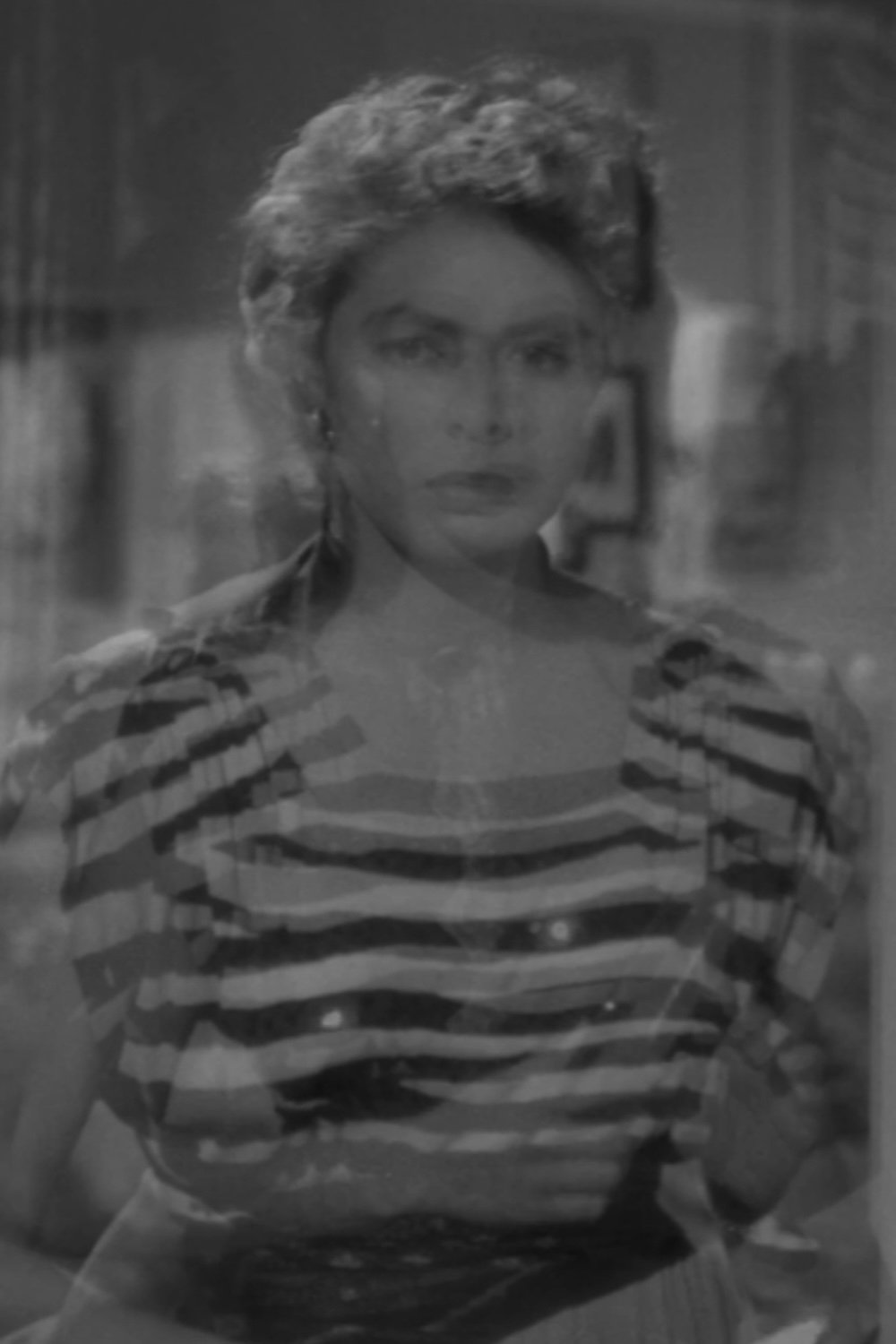
To forget about the end of a relationship, a woman fantasizes about an ideal one. Fantasy and reality begin to melt into one another, but the past finds a way to rear its head again. Films used: Notorious (1946) Gaslight (1944)
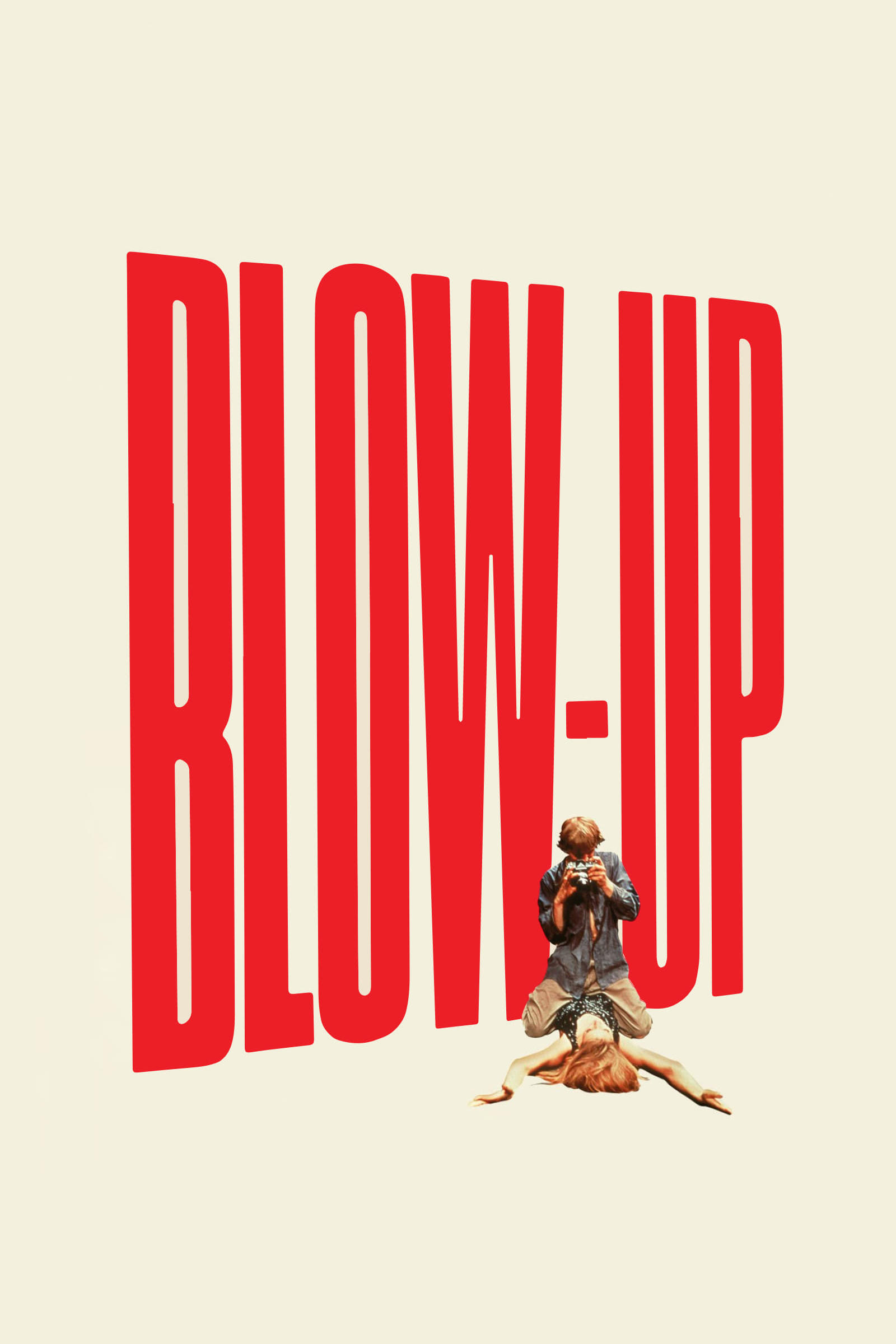
A successful mod photographer in London whose world is bounded by fashion, pop music, marijuana, and easy sex, feels his life is boring and despairing. But in the course of a single day he unknowingly captures a death on film.
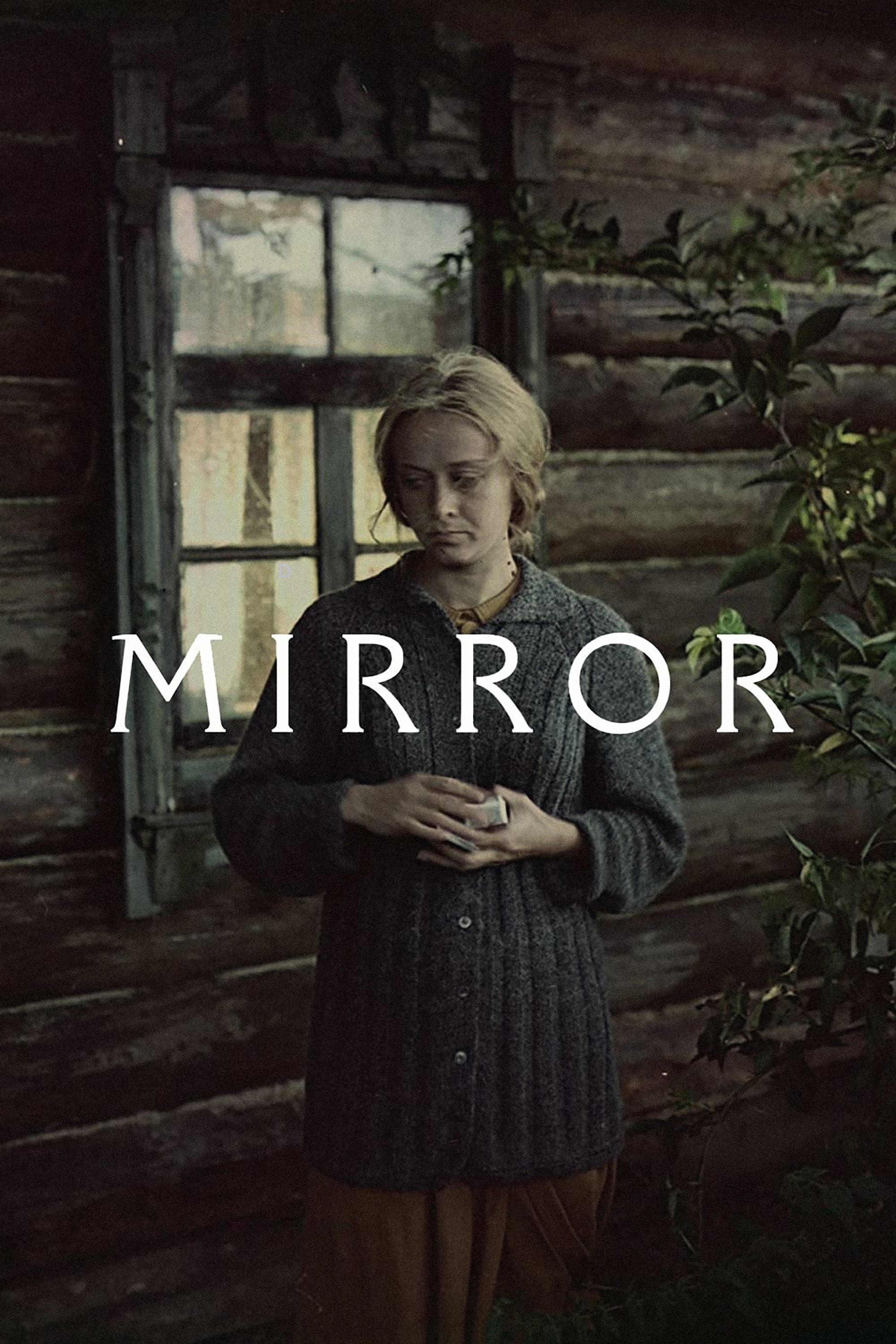
A dying man in his forties recalls his childhood, his mother, the war and personal moments that tell of and juxtapose pivotal moments in Soviet history with daily life.

A tragic story of a musician taking a bold voyage in the pursuit of creation, ambition, and need. Letting life choose for him, as part of the art itself and coming to terms with his decisions.
Hotel guests look restrained, sedated in the diffuse light of the service provider’s shimmering cage. A network of joists, pilasters and fluting exposes the proverbial off-season chill in the seating arrangements. Smart-phones and tablets mask a total lack of communication.

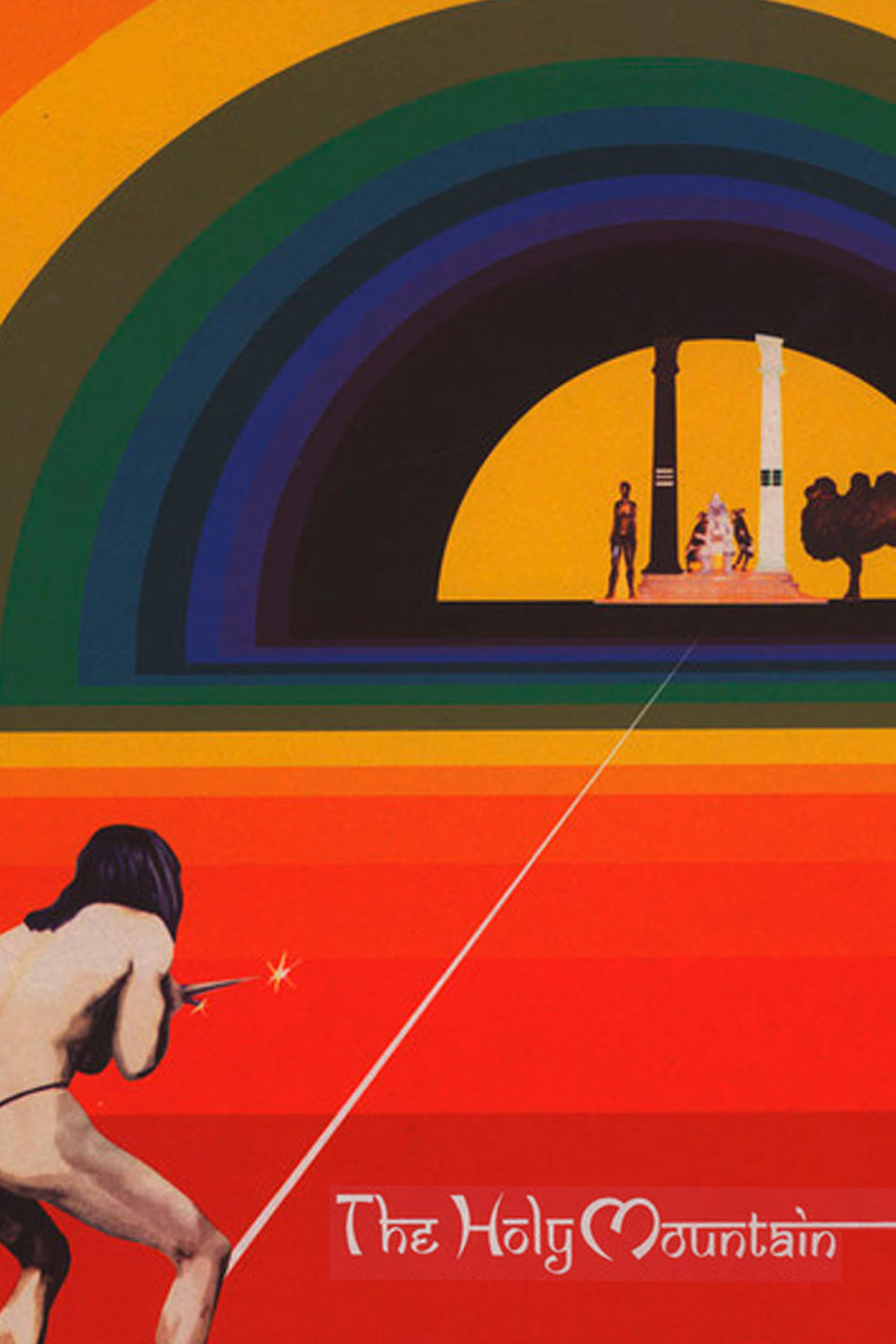
The Alchemist assembles together a group of people from all walks of life to represent the planets in the solar system. The occult adept's intention is to put his recruits through strange mystical rites and divest them of their worldly baggage before embarking on a trip to Lotus Island. There they ascend the Holy Mountain to displace the immortal gods who secretly rule the universe.
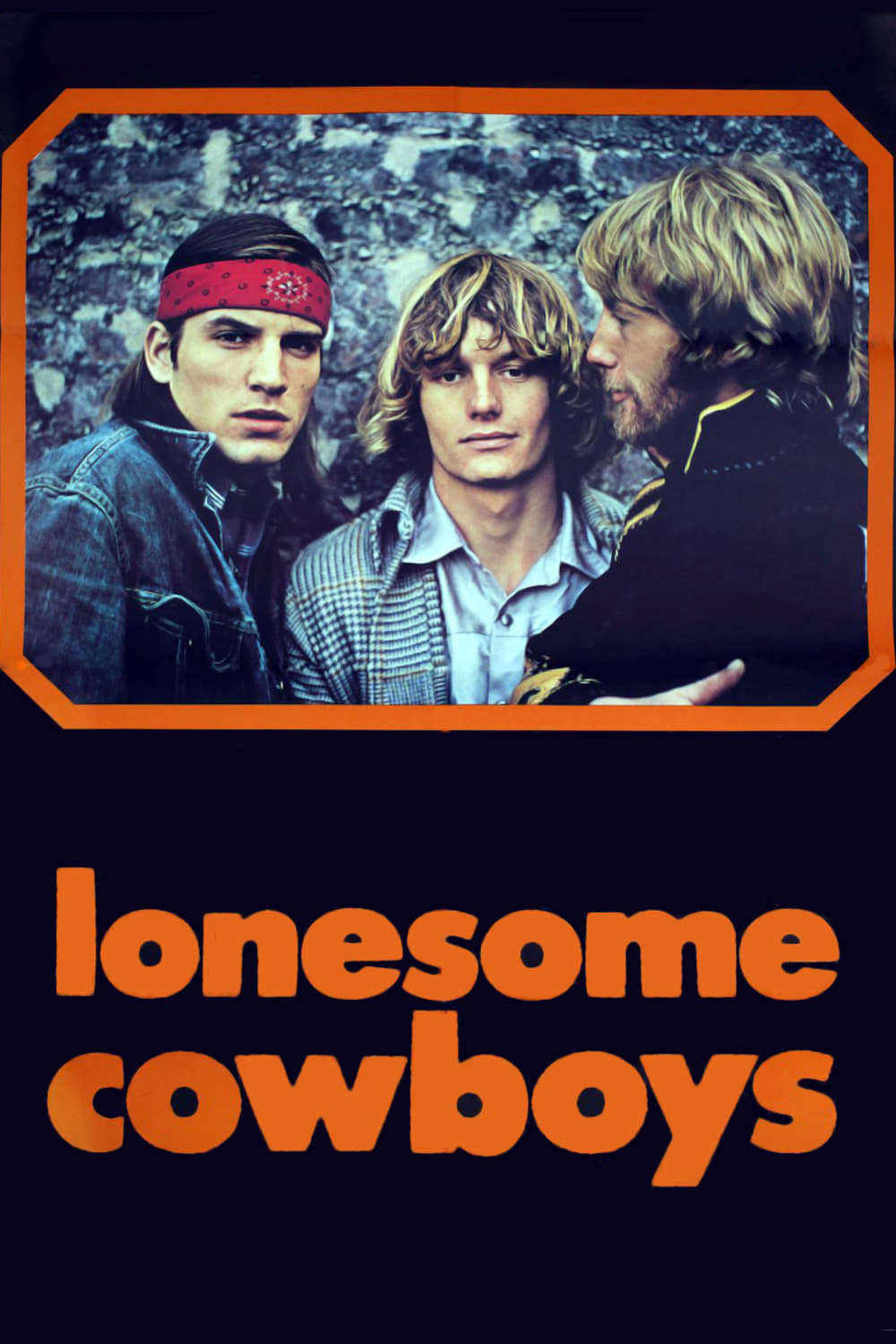
Five lonesome cowboys get all hot and bothered at home on the range after confronting Ramona Alvarez and her nurse.
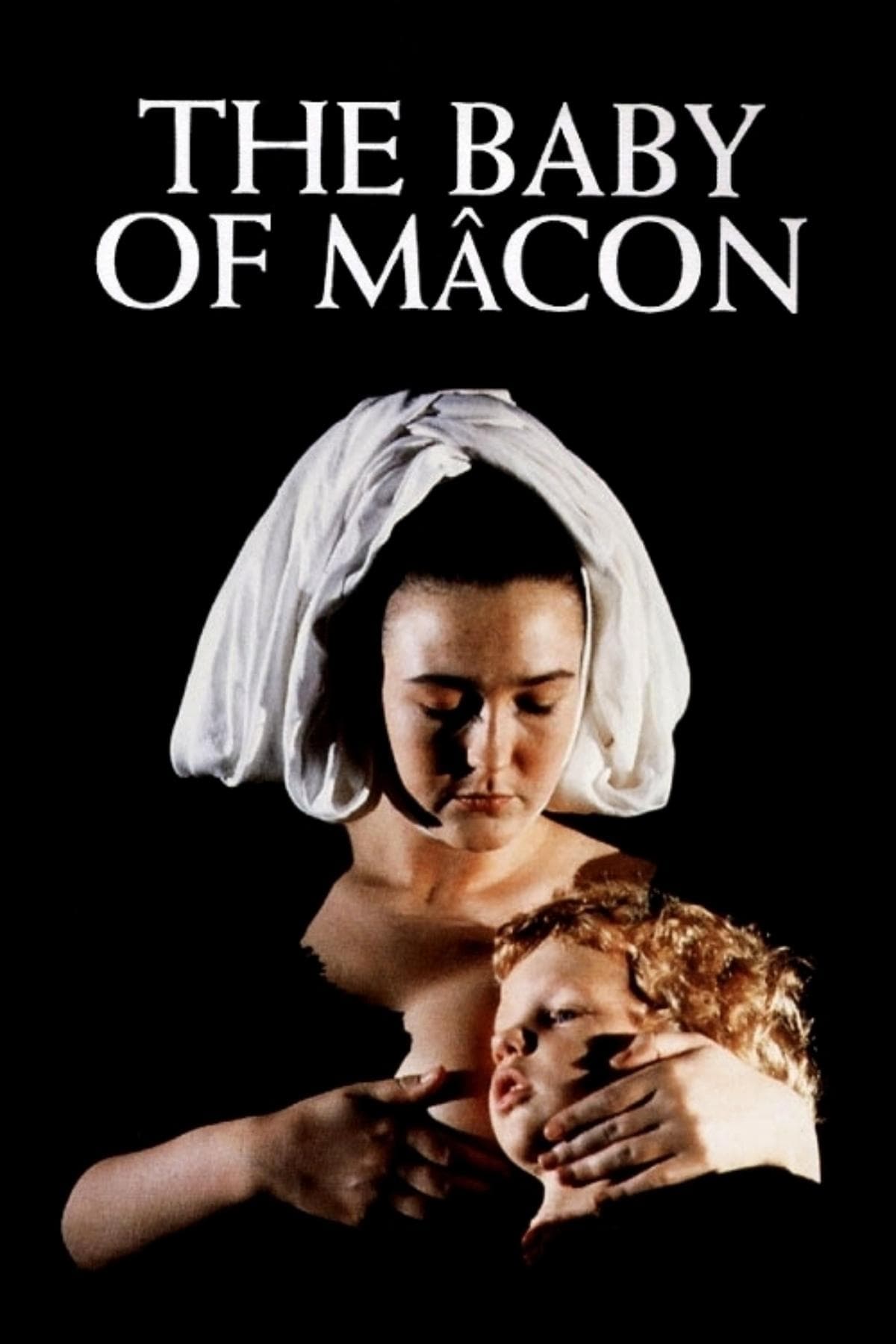
Set halfway through the 17th century, a church play is performed for the benefit of the young aristocrat Cosimo. In the play, a grotesque old woman gives birth to a beautiful baby boy. The child's older sister is quick to exploit the situation, selling blessings from the baby, and even claiming she's the true mother by virgin birth. However, when she attempts to seduce the bishop's son, the Church exacts a terrible revenge.
The personification of Death's love for a lonely man is challenged when he falls for a lively woman.
An anthology of one-minute films created by 51 international filmmakers on the theme of the death of cinema. Intended as an ode to 35mm, the film was screened one time only on a purpose-built 20x12 meter public cinema screen in the Port of Tallinn, Estonia, on 22 December 2011. A special projector was constructed for the event which allowed the actual filmstrip to be burnt at the same time as the film was shown.
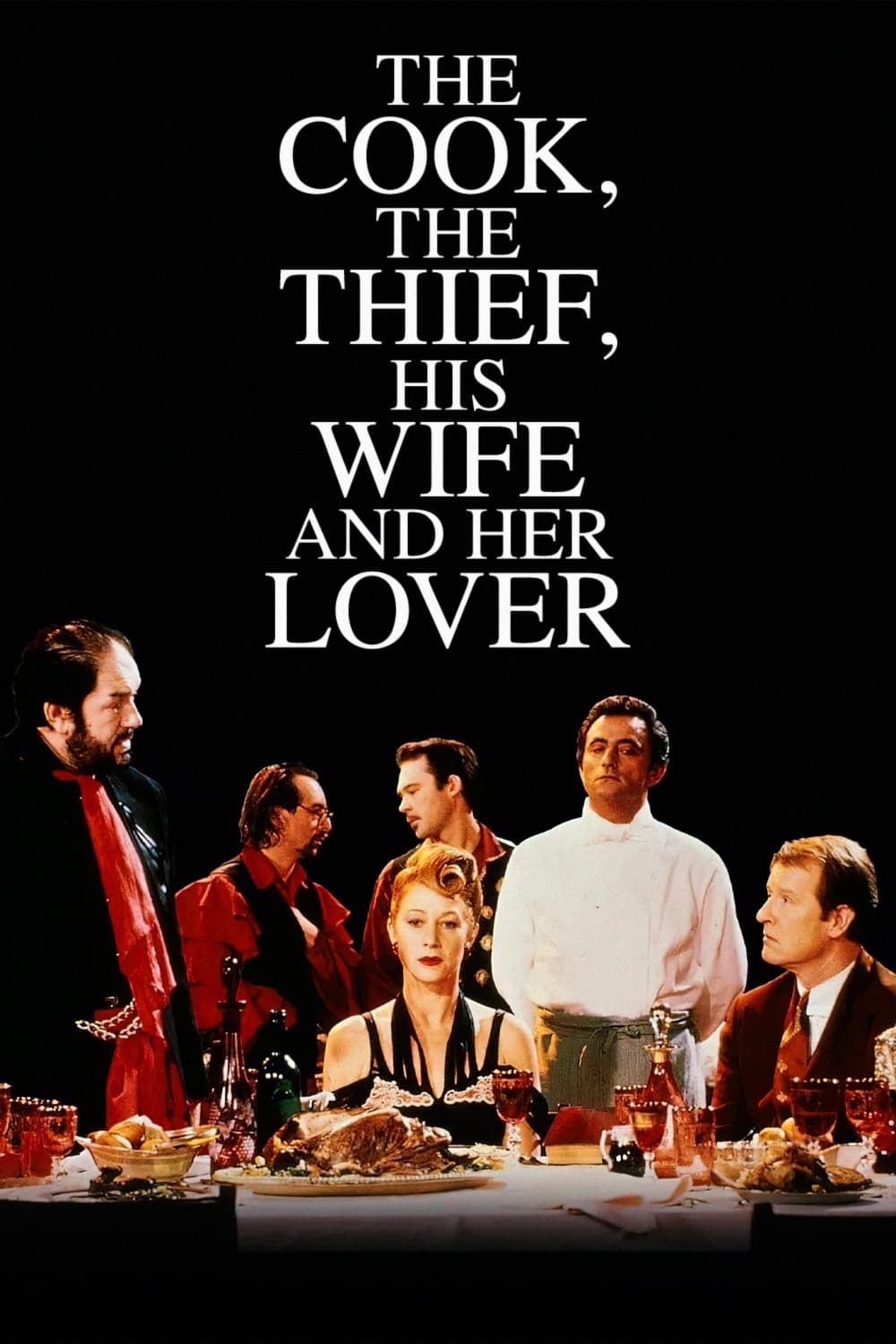
The wife of an abusive criminal finds solace in the arms of a kind regular guest in her husband's restaurant.
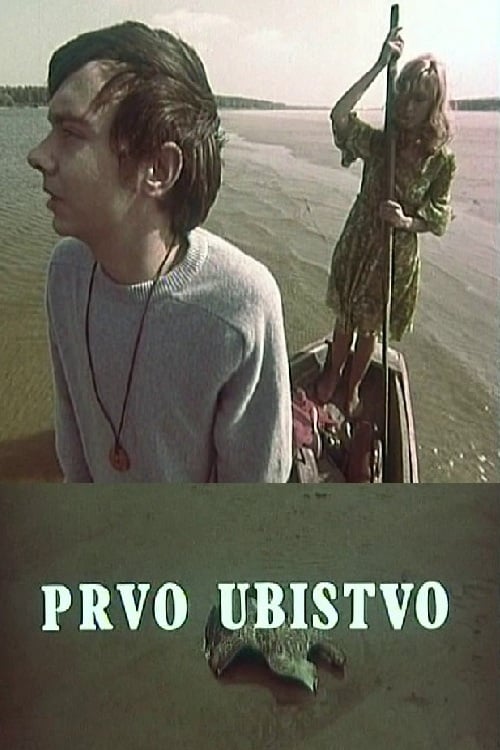
Based on the novel "Šta bi učinio Zobec?" (What Would Zobec Do?) by Svetozar Vlajković. It's a short movie about a young man who is afraid of being turned down by a girl.
Eleven young film-makers got together to collaborate in this atypical project. Atypical not only because of its technical specs, but because of its narrative structure. There are several scenes with only the city in common, and more as a conceptual presence at that than as a precise geography. None of those scenes contains a single "story": Each one of them is part of a larger situation that we cannot see, as though the beginning and end of each "story" had to be filled in by the audience.
Director Lam Can-Zhao leads a small film crew as they shoot a film about a stray dog in the streets of Guangzhou, leading viewers into an unpredictable, peculiar and incredible journey.
Sex as dance and comedy: in Progressive Touch Portnoy studies and expands the relationship between sex, choreography and composing music. He introduces complex compositions from progressive rock and math metal during sex, thereby combating the ostensible simplification of rhythm in human movements and gestures. A group of actors perform the new moves in three slapstick-like scenes. Worth trying at home.
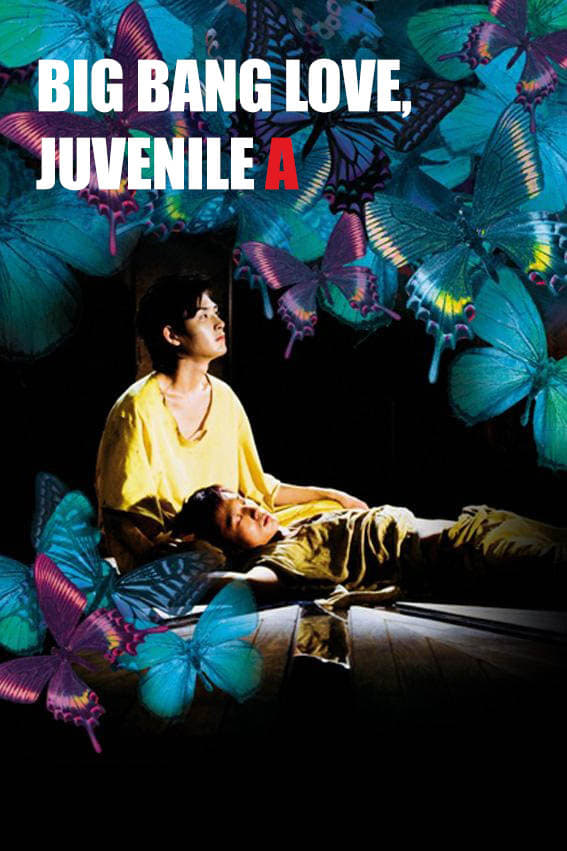
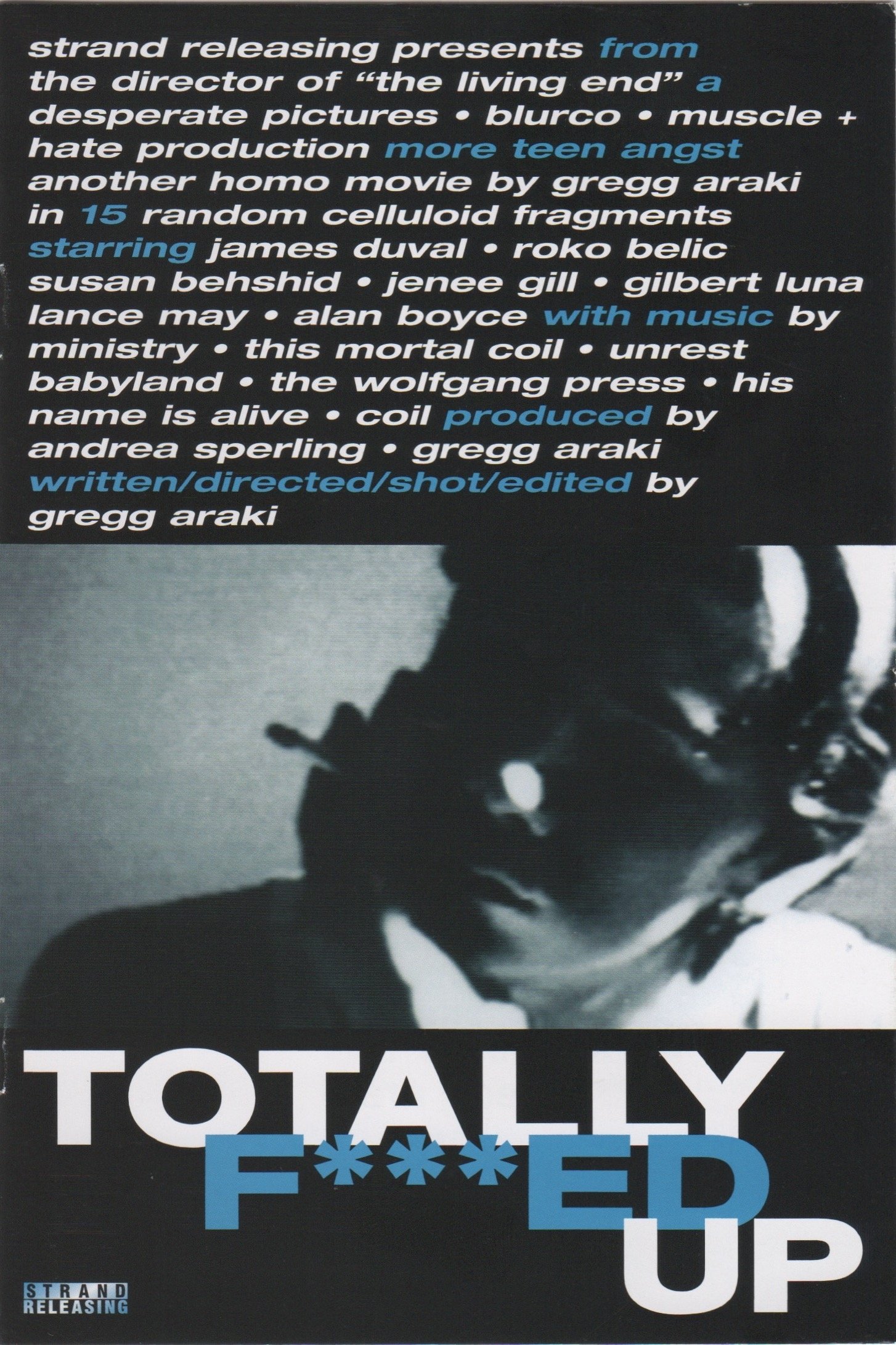
An unknown future. A boy confesses to the murder of another in an all-boy juvenile detention facility. More an exercise in style than storytelling, the story follows two detectives trying to uncover the case. Homosexual tension and explosive violence drives the story which delivers some weird and fascinating visuals.
Avant-garde homage to pre-revolution Russian silent movies, and to the poet Aleksandr Blok.
History as immersion and dispersion in the fragments of the past, a visionary journey accompanied by the voice of Patty Pravo. Presented at the Taormina Festival '97.
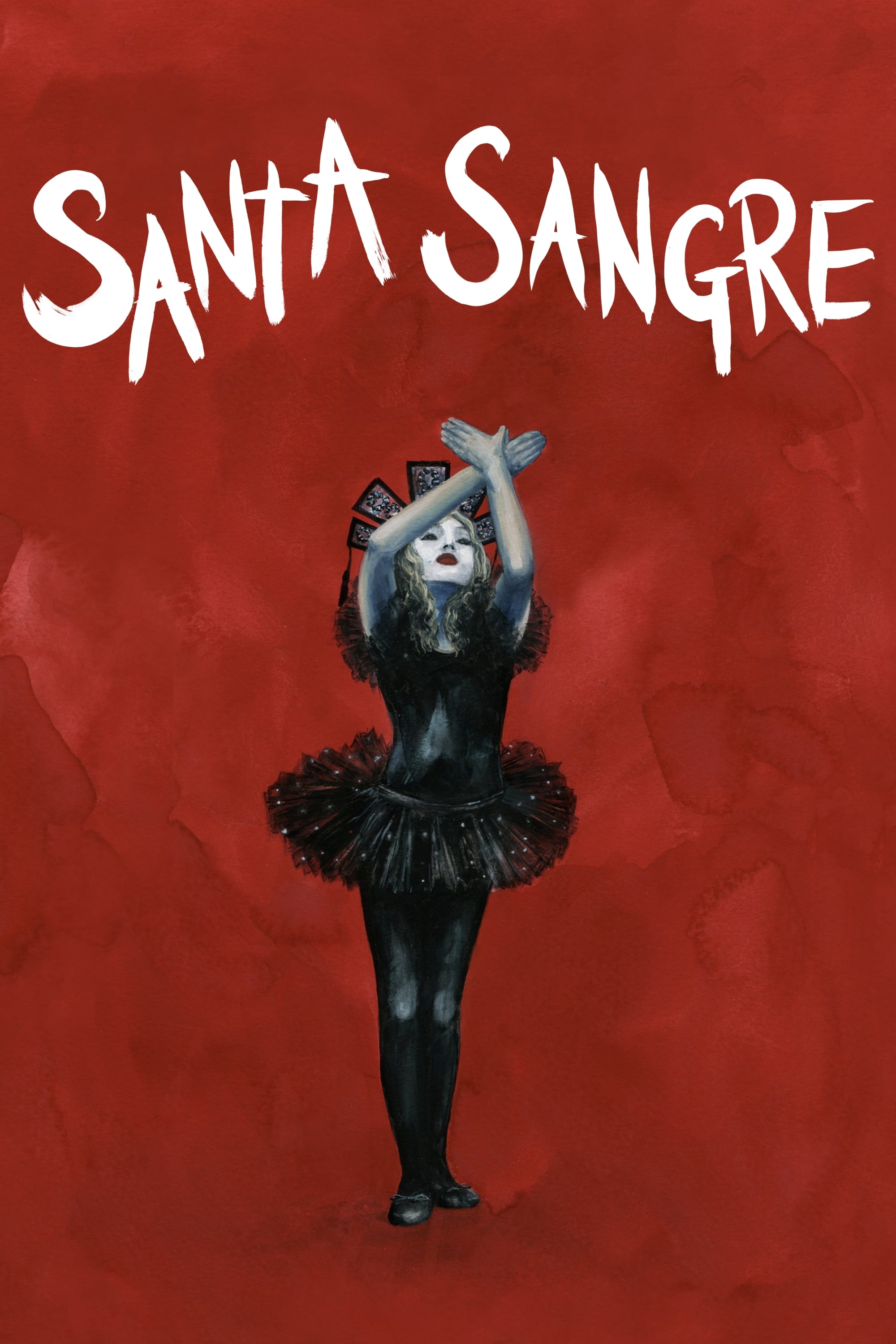
Speaking upon the release of ‘Bodyguard’, Black Dahlia said: “Bodyguard is a theatrical exploration of gaining a new body but your soul remains. It is a sonnet to your past physical body in this realm and the new union that will inevitably be formed. A harsh and gentle celebration of your capabilities, your limits, and your destiny.” As well as being the Director for the music video, Black Dahlia was also Producer, Art Director, Choreographer, and Concept creator for the project. Donning various characters, Black Dahlia embodies performance art and its mediums such as contortion, mime, surrealism, Dada, the avant-garde, and body horror. ‘Bodyguard’ follows Black Dahlia in various theatrical forms and her journey to transformation through reanimation that looks reminiscent of a John Waters film. It also features cameos from Melbourne-based artists, Bura Bura as Dr Barget Hower, Manda Wolf as Dr Avanti and Cong Josie as Dr Cong.
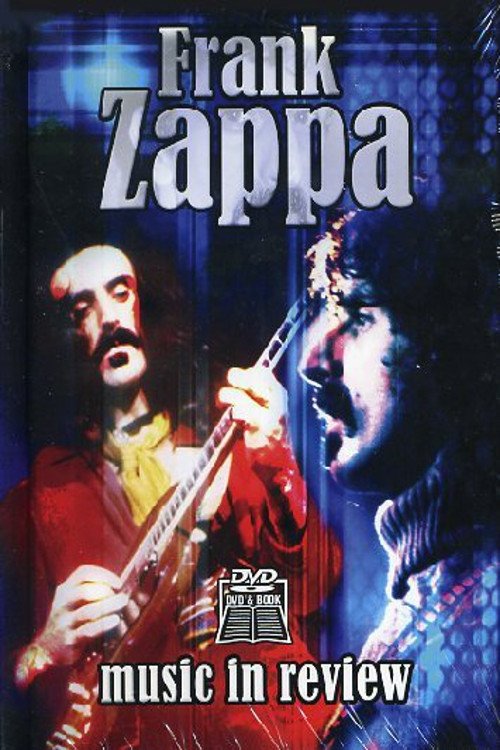
On the liner notes to Freak Out!, the 1967 debut album by Zappa's original band the Mothers of Invention, Zappa listed some seventy-two names on the liner notes and cited them as influences. The Freak Out List intends to explore who these artists are and what influence they had on Zappa's music. This listing encompasses all sorts of music, from classical composer Edgar Varese to R&B star Johnny "Guitar" Watson to jazzman Eric Dolphy to flamenco guitarist Sabicas. You can hear for instance, how the esoteric classical influence of Varese shaped Zappa's long-form epics like "Lumpy Gravy" or how Dolphy's instrumental prowess led Zappa to incorporate jazz-fusion on albums like Weasels Ripped My Flesh! (1970), which even included a song titled "The Eric Dolphy Memorial Barbecue." Interviews with various Zappa biographers and music historians as well as musicians George Duke, Ian Underwood, and Don Preston, all of whom played in the Mothers at one time or another, help add additional context.