Social & External
The film follows a thirty-year-old man’s efforts to introduce radical changes in his own life: to start visiting a therapist and preparing for the demolition of his bragging childhood home. Story chronicles the troubled relationship between Mārtiņš and his mother, just as he is about to tear down his childhood home.
Crownsville Hospital: From Lunacy to Legacy is a feature-length documentary film highlighting the history of the Crownsville State Mental Hospital in Crownsville, MD.
In his first HBO comedy special, Gary Gulman offers candid reflections on his struggles with depression through stand-up and short documentary interludes. While speaking to issues of mental health, Gulman also offers his observations on a number of topics, including his admiration for Millennial attitudes toward bullying, the intersection of masculinity and sports, and how his mother's voice is always in his head.
This film recreates the true story of Tom Sukanen, an eccentric Finnish immigrant who homesteaded in Saskatchewan in the 1920s and 1930s. Sukanen spent ten years building and moving overland a huge iron ship that was to carry him back to his native Finland. The ship never reached water.
Short subject documentary by Julien Nitzberg about the legendary "psychobilly" musician and infamous wild man Hasil Adkins. Filming takes place in Adkins' own yard, his shack, and at various concerts. Adkins is notable for helping create an entirely new form of rock/rockabilly/country fusion, which he plays entirely by himself (with a guitar and drums simultaneously).
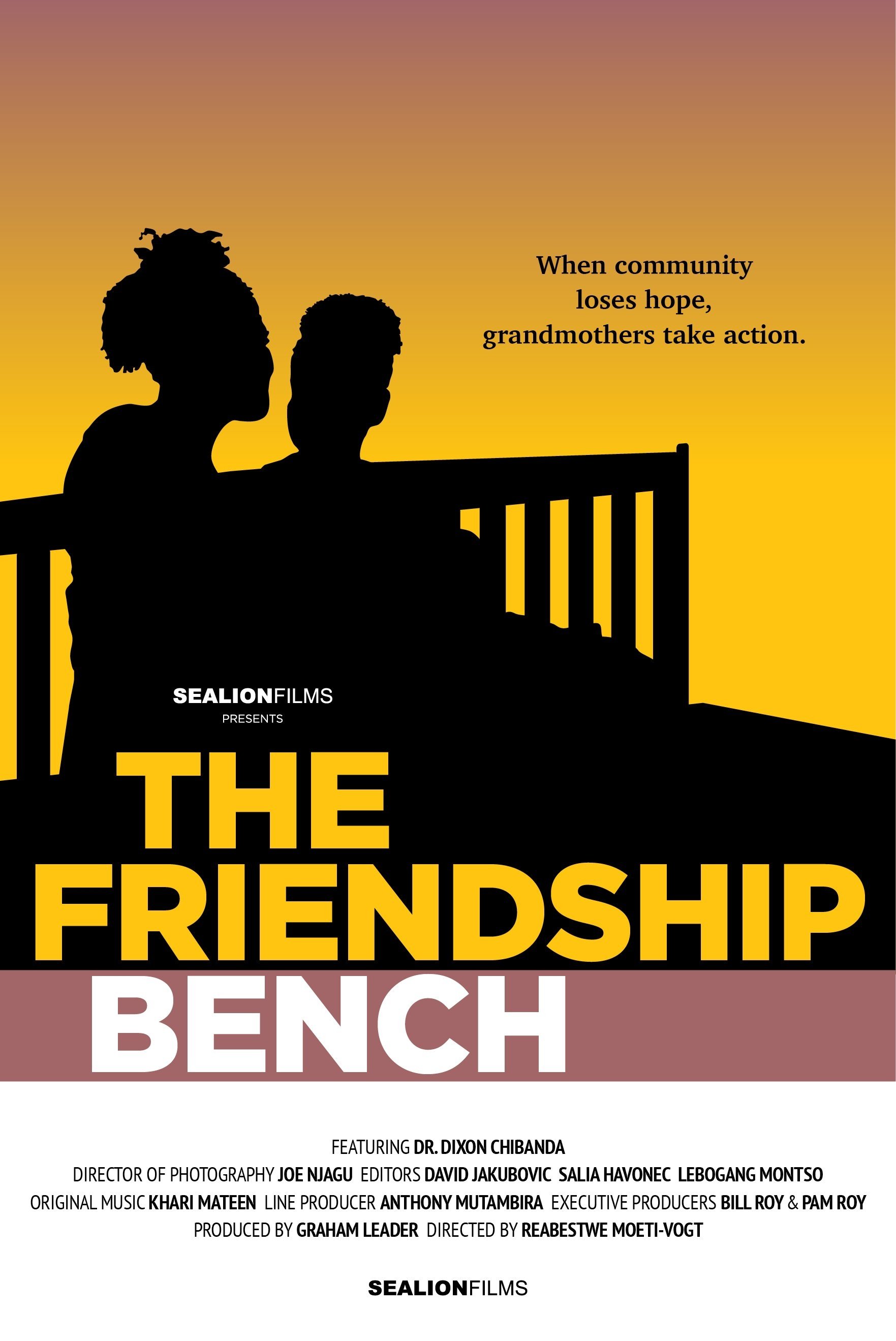
In a country ravaged by generational trauma, a psychiatrist trains grandmothers to treat depression within their communities.
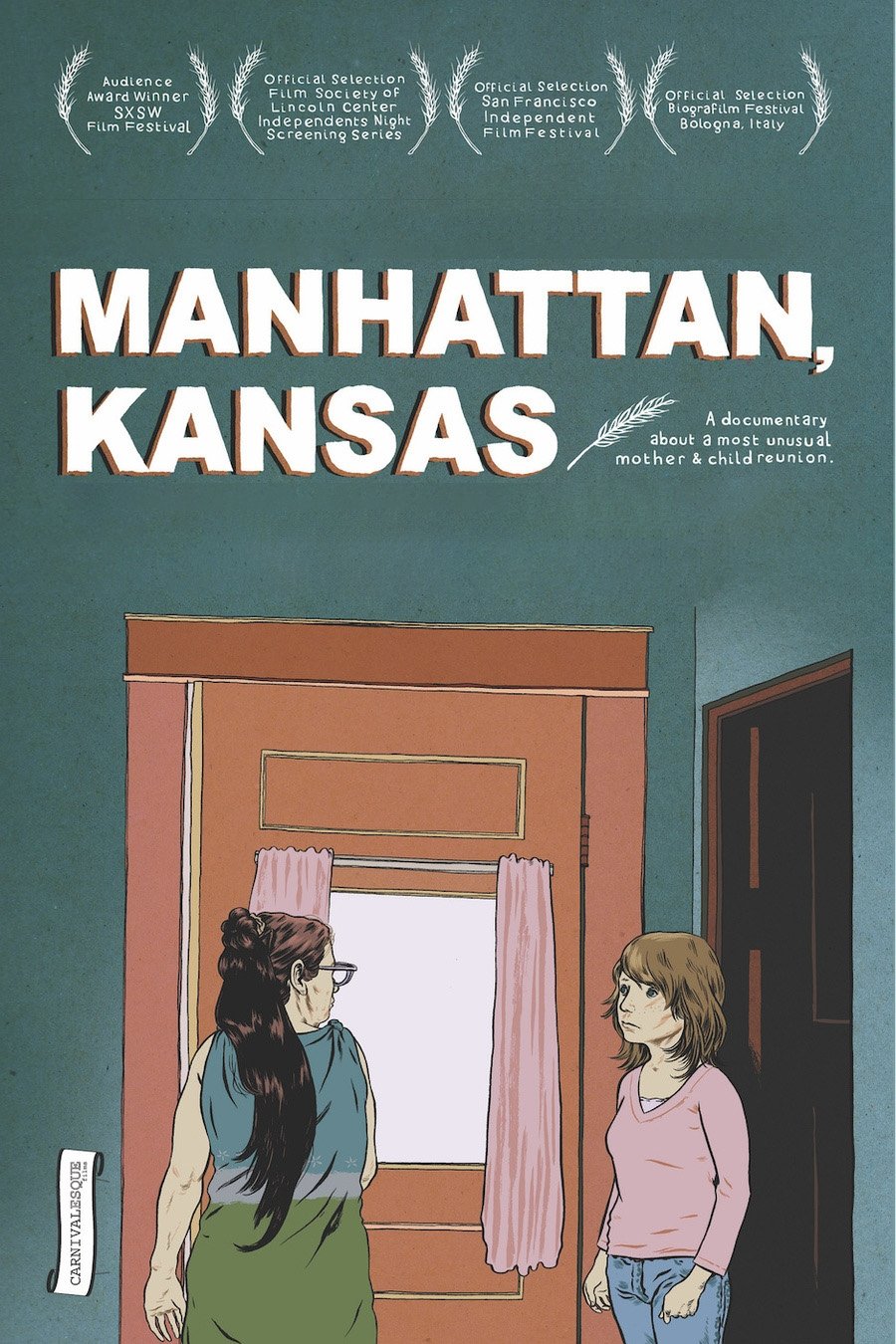
Filmmaker Evie Wray travels to rural Kansas in an attempt to reconnect with her mentally unstable mother, Evie, for the first time since Evie’s psychotic breakdown five years earlier. She finds a parent still chasing her demons, both real and imagined, struggling to make a career for herself as an abstract artist and searching for the Geodetic Center of the United States, the finding of which, Evie says, will bring about world peace.
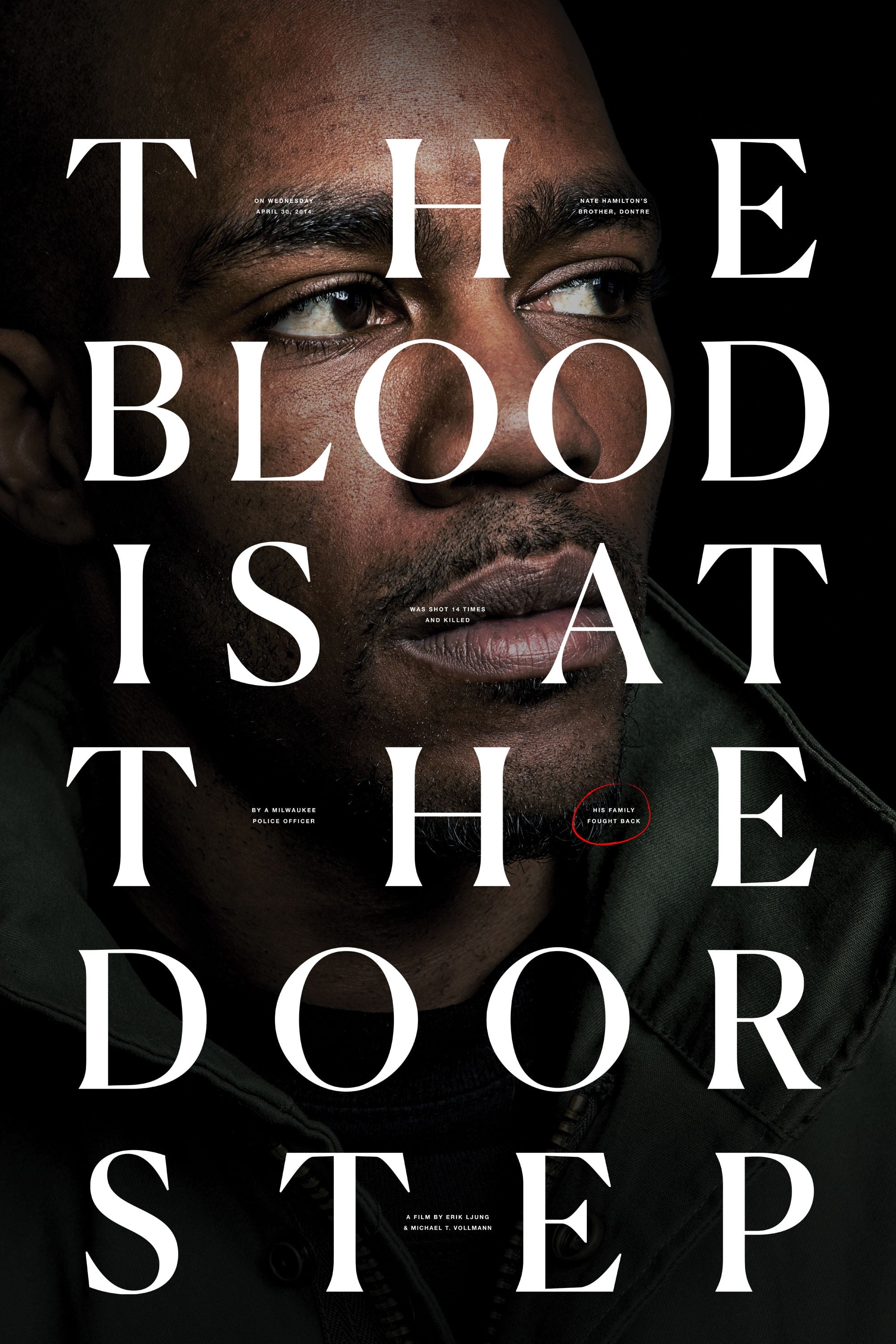
After Dontre Hamilton, a black, unarmed man diagnosed with schizophrenia, was shot 14 times and killed by police in Milwaukee, his family embarks on a quest for answers, justice and reform as the investigation unfolds.
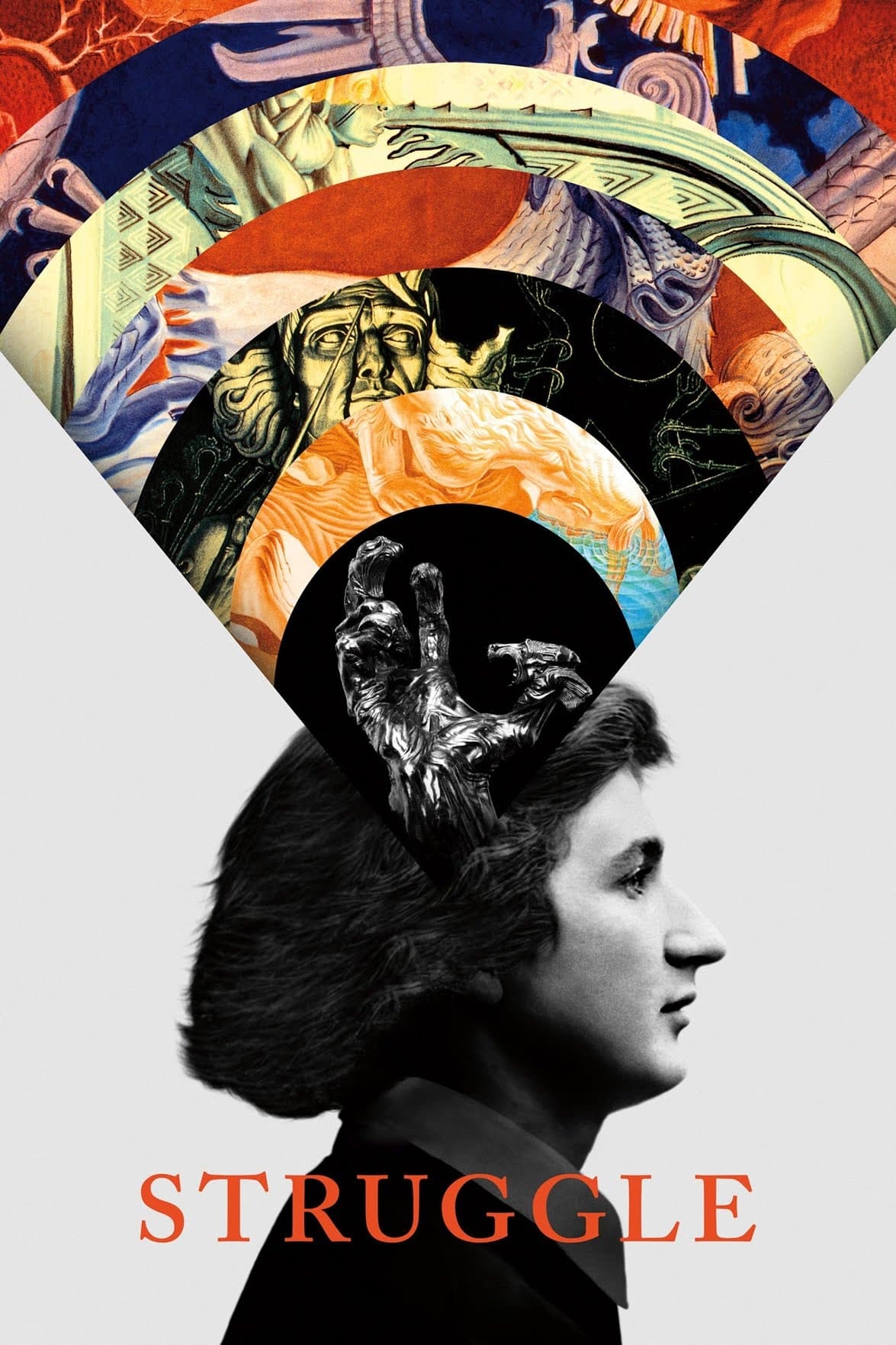
In 1983, the director’s 24-year-old sister developed symptoms of schizophrenia. Her parents couldn’t accept it—refusing to seek treatment for their sick child, they confined her to their house, to the point of even fixing a padlock on the front door to lock her in. Her younger brother, suspicious of his parents’ actions, began filming the family in an effort to openly question them. A family conflict that lasted over twenty years.
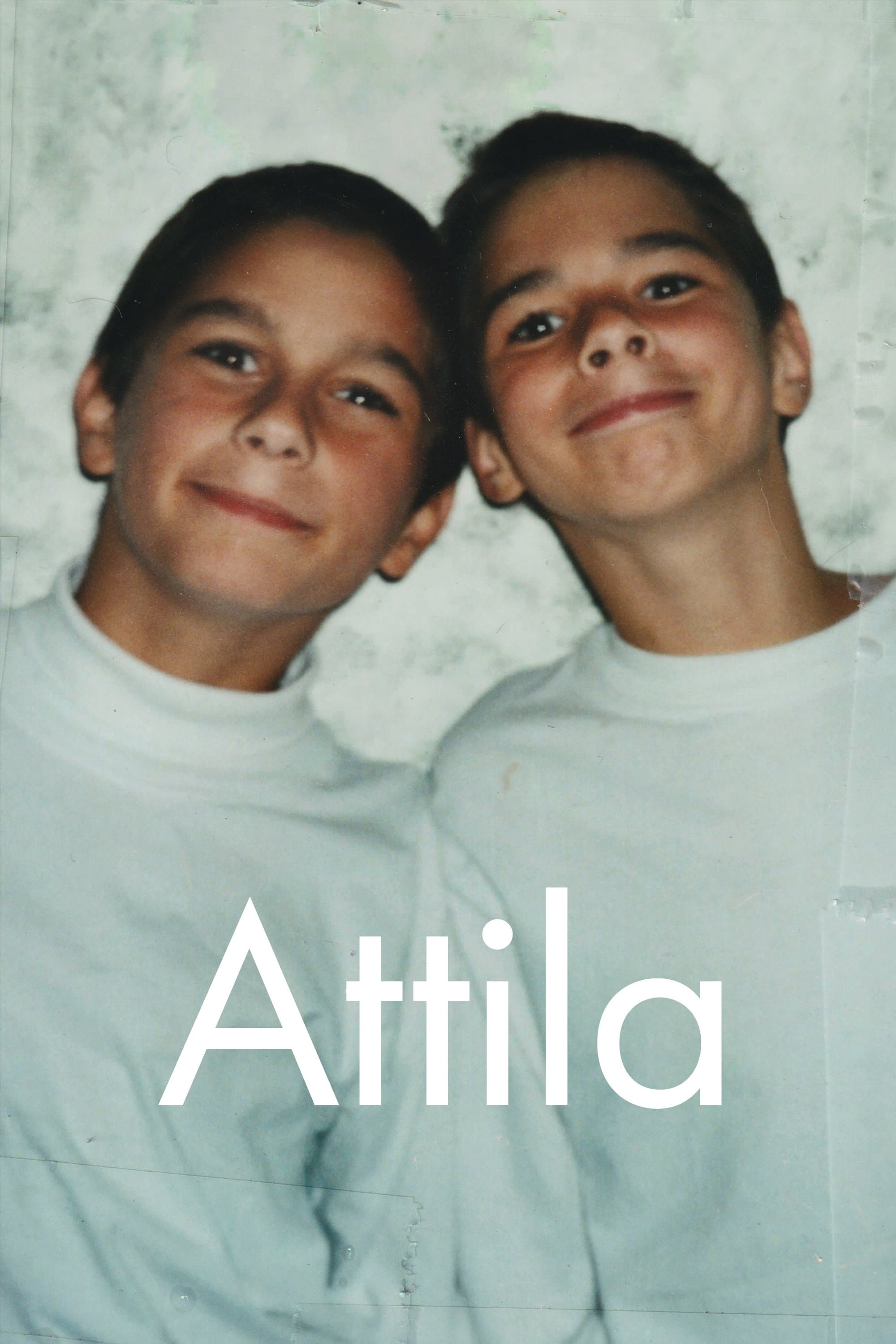
Filmmaker Stephen Hosier takes a journey with Richard Csanyi, his childhood friend, as he investigates the life and death of his twin brother Attila, who was found dead on a rooftop in 2020.
The lives of Jeff, Lauren and Lloyd—three very different people who share one common experience—have been transformed by speaking up for mental health. These inspiring stories depict what mental health in America really looks like and highlights just how important it is to speak up and seek help.
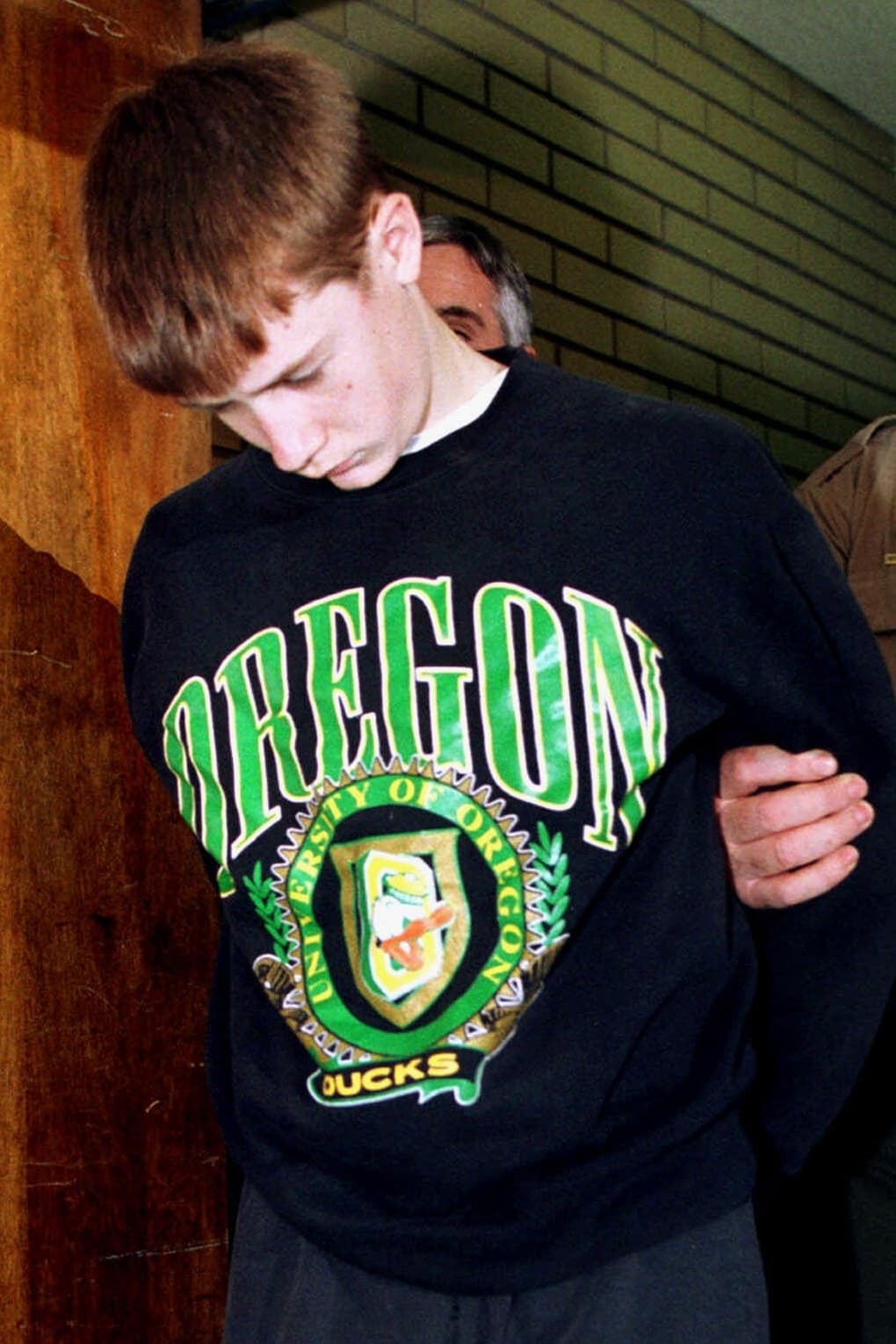
In May 1998, a year before the massacre at Columbine High, 15-year-old Kip Kinkel murdered his mother and father, and then opened fire at Thurston High School in Springfield, Oregon, killing two fellow students and wounding 25 others. In this first in-depth television examination of a school shooter, FRONTLINE reveals the intimate inside story of how the “shy and likeable” Kip Kinkel from a solid middle-class family became the boy police call “a cold-hearted killer.”
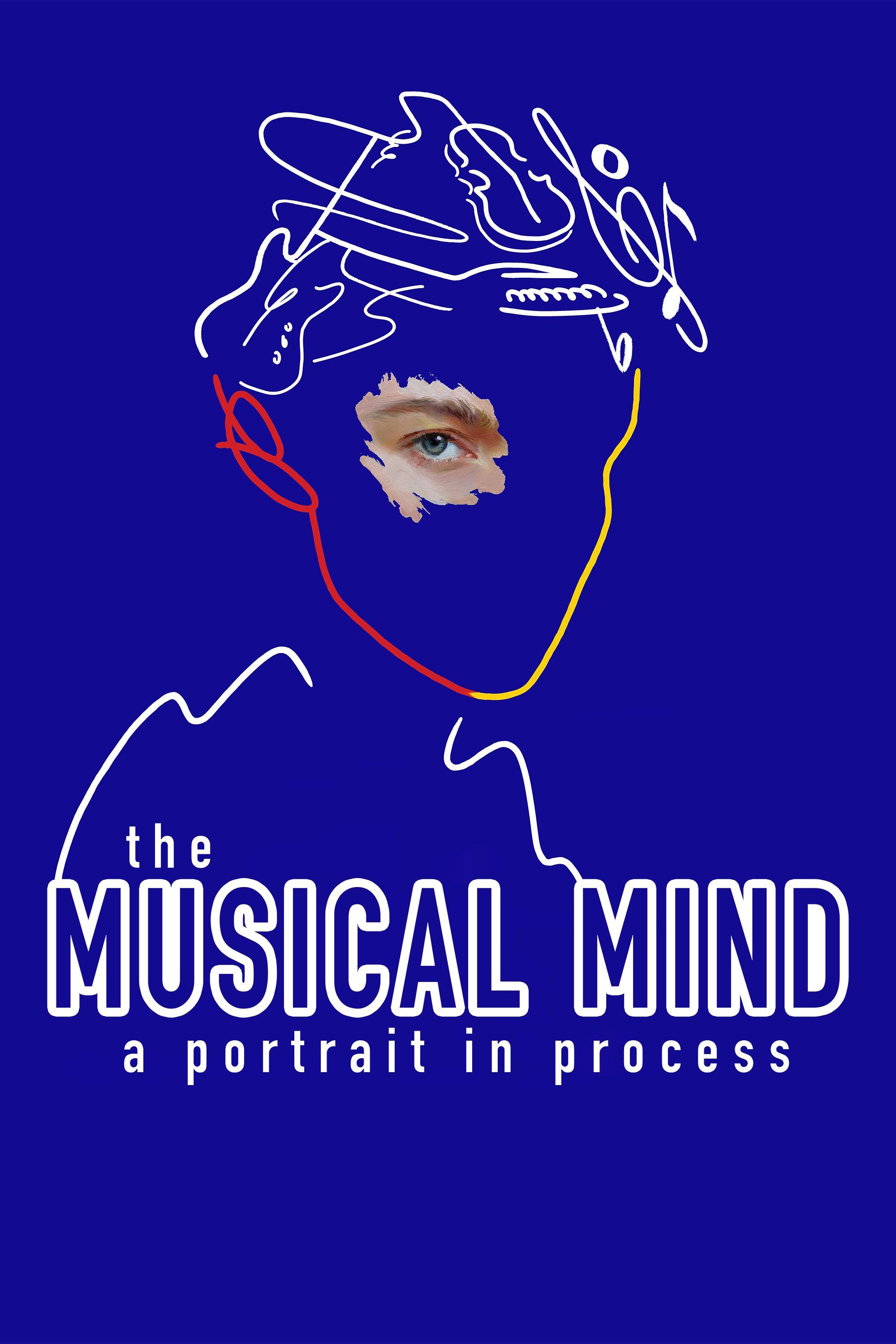
Sparked by the impending 25th anniversary of the Academy award-winning film Shine, this documentary explores the power of the musical brain. Featuring exclusive, intimate footage of superstar international musicians in their private worlds, it opens an intriguing portal into the musical mind.
Marked by childhood trauma, three women from different generations living with an eating disorder try to get back to life.
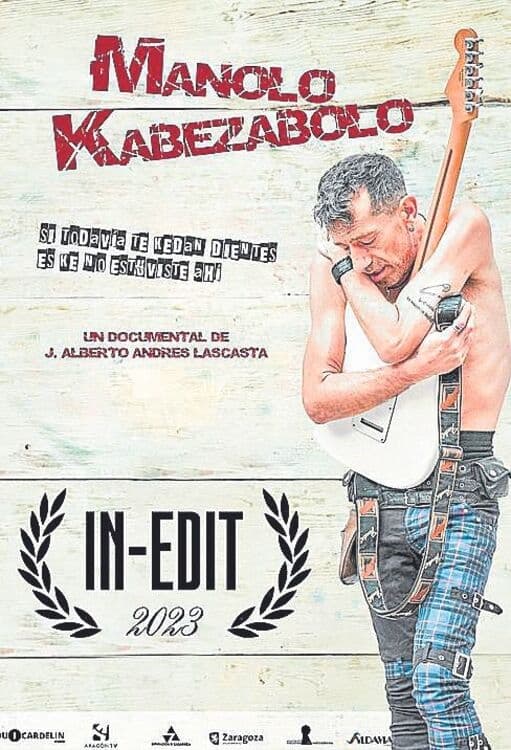
Documentary about Manuel Méndez, better known as Manolo Kabezabolo, a punk artist who in a somewhat implausible way has crossed time, space and fashions, without giving up his essences and principles.
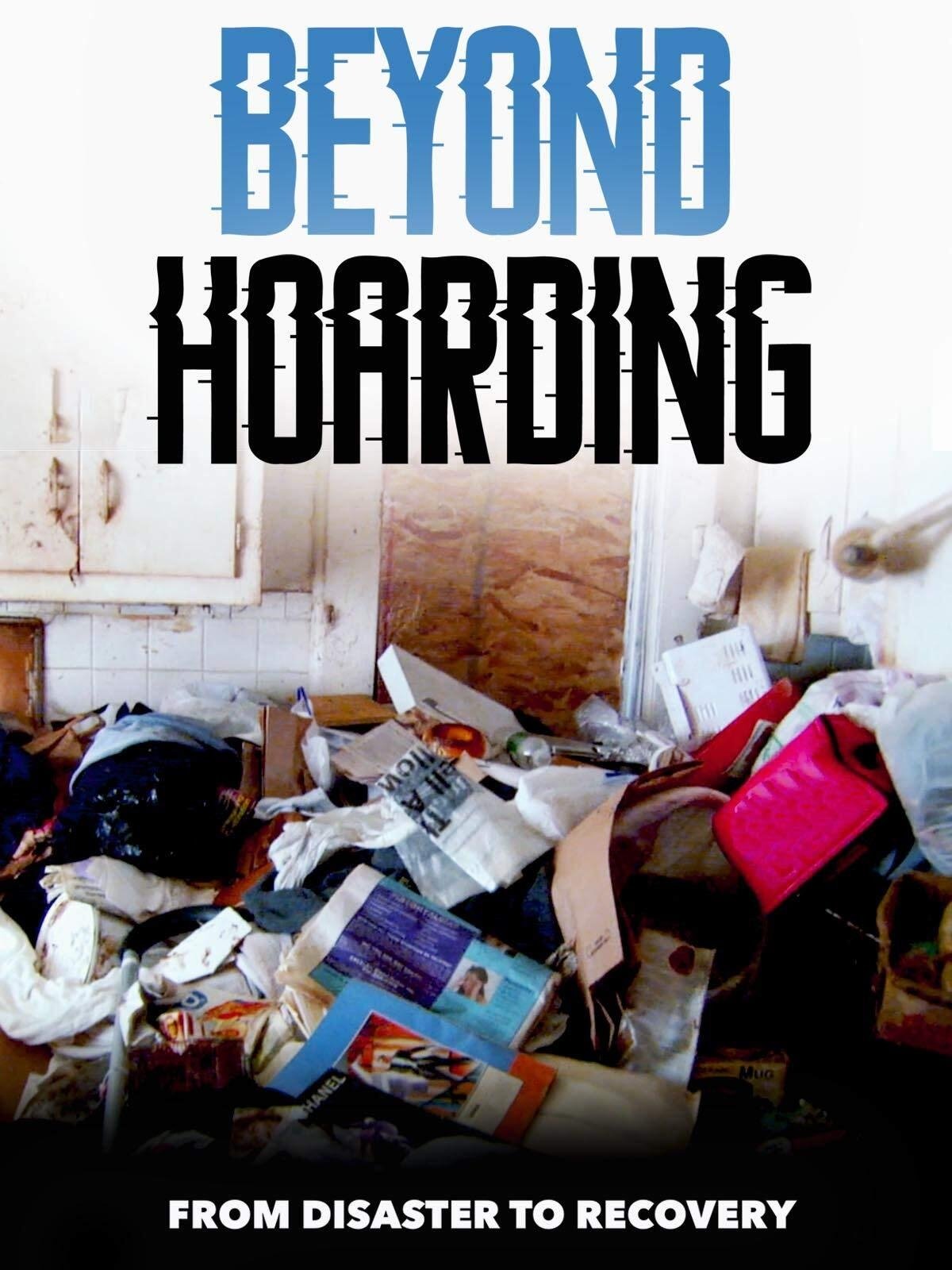
"Beyond Hoarding" takes a fresh look at hoarding through the experiences of people afflicted with this compulsion. Mental health experts shed light on this psychiatric disorder which is treatable.
Initially airing on HBO's "America Undercover" series, this riveting documentary focuses on three families shattered by the psychiatric disorder of schizophrenia. Subjects "Bob," "Missy" and "Steven" have lived for over a decade with schizophrenia. The film documents the difficult day-to-day existence of both those afflicted with this order and the families searching for answers to their loved ones' suffering. This film also shows the varied and variably successful treatment methods for each of the subjects—one is placed in a group home, one is placed in an institution, and one is cared for at home. The documentary was critically acclaimed for its compassionate treatment of mental illness.
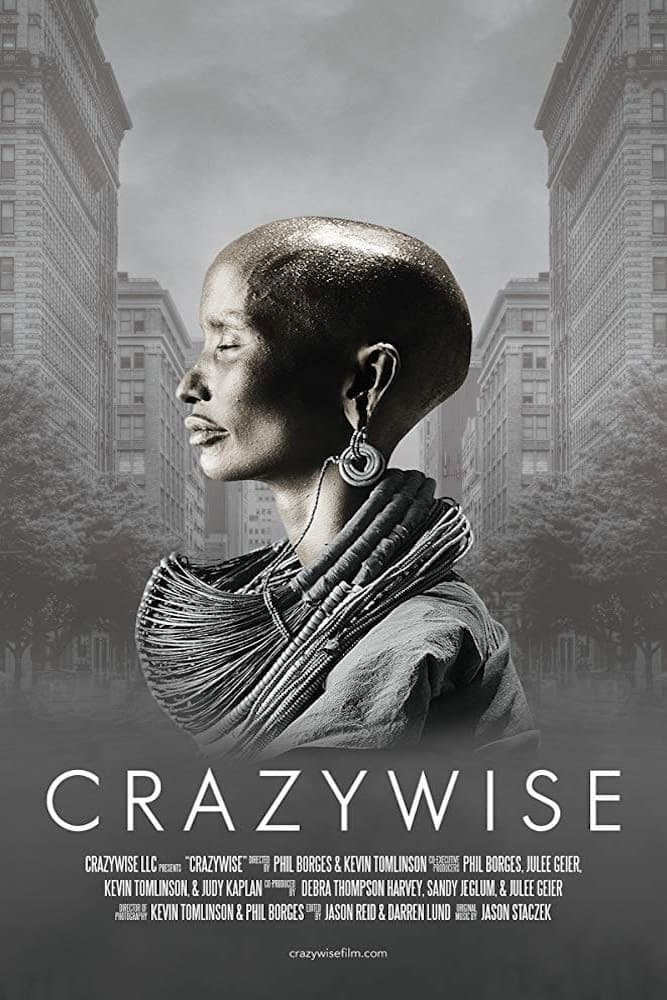
Western culture treats mental disorders primarily through biomedical psychiatry, but filmmakers Phil Borges and Kevin Tomlinson reveal a growing movement of professionals and survivors who are forging alternative treatments that focus on recovery and turning mental “illness” into a positive transformative experience.
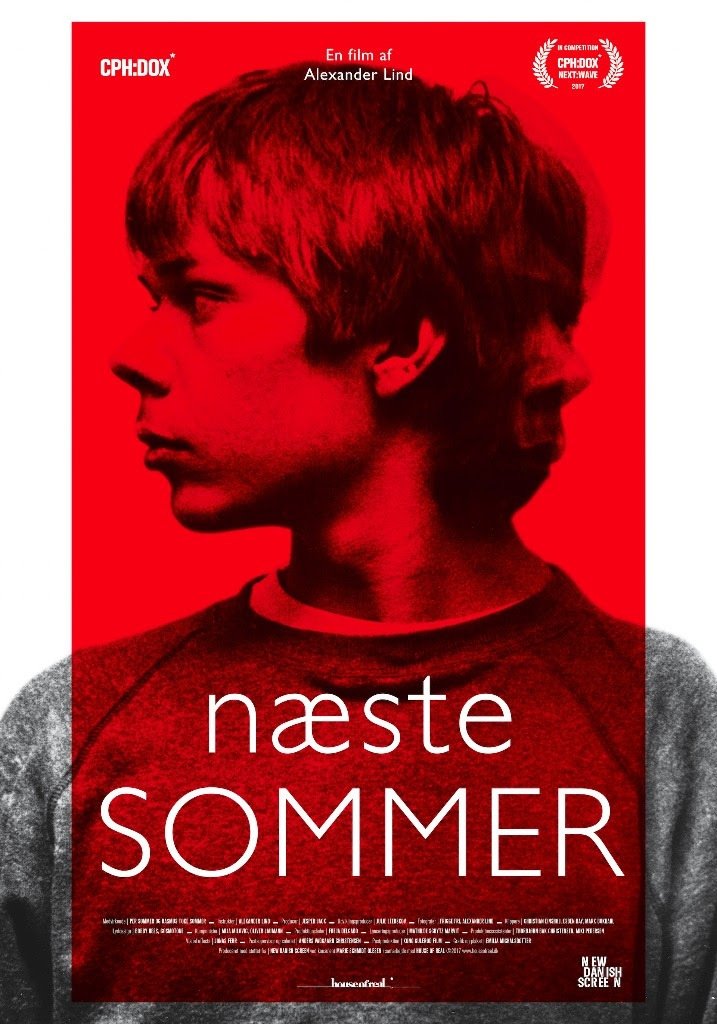
When Rasmus was 15, his mother and siblings moved from the island Bornholm and left Rasmus with his mentally ill father. Influenced by his father's insecurity, anger and failure, Rasmus chooses to move from Bornholm at the age of 18. Two years later, Rasmus is trying to see if a reunion is possible, but in order to forgive and create a new relationship, father and son must go on a common journey that requires extreme courage and determination to succeed.
Artists in LA discover the work of forgotten Polish sculptor Stanislav Szukalski, a mad genius whose true story unfolds chapter by astounding chapter.
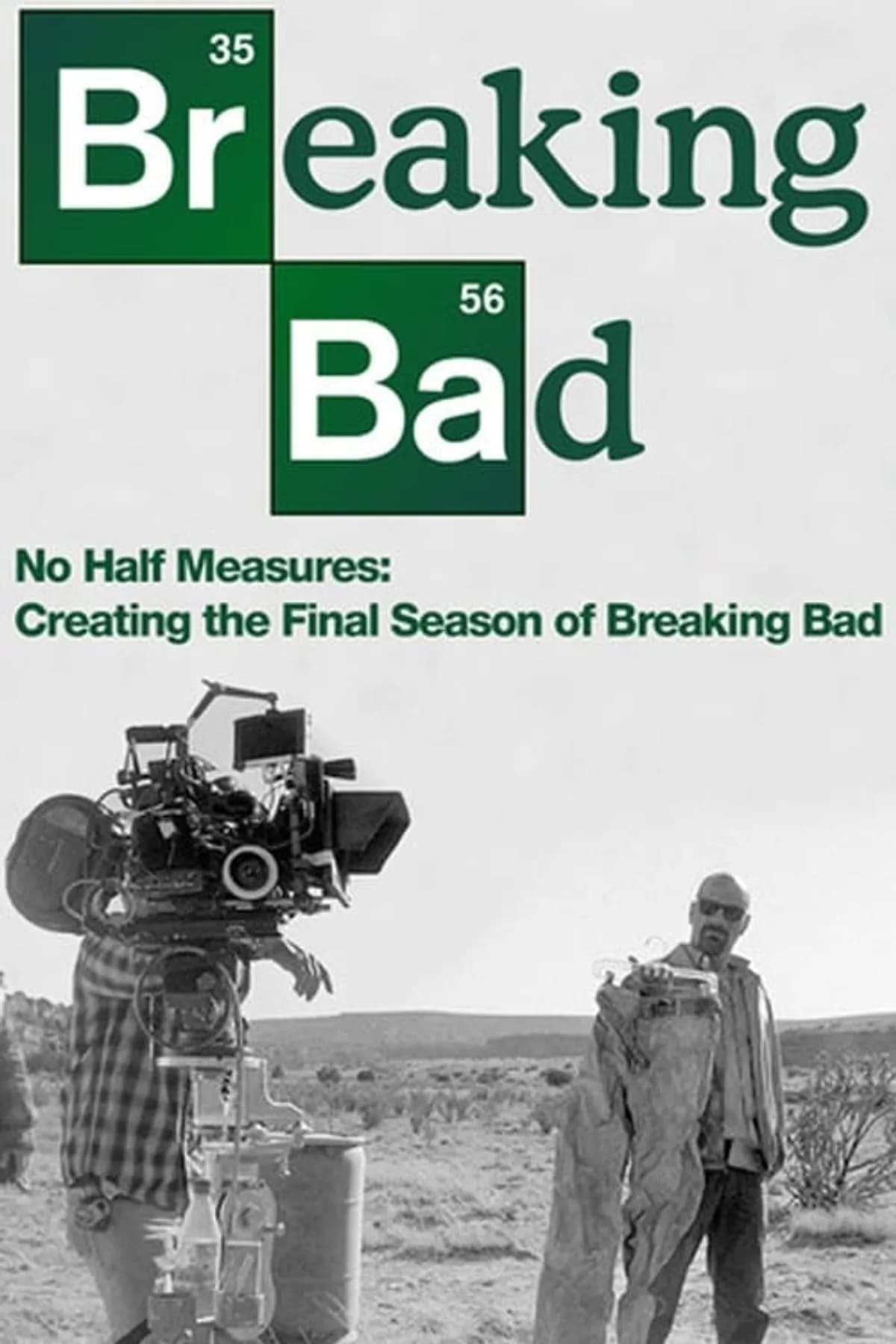
A documentary about the making of season five of the acclaimed AMC series Breaking Bad.
A purely observational non-fiction film that takes viewers into the ethically murky world of end-of-life decision making in a public hospital.
From a prolific career in film and television, Anton Yelchin left an indelible legacy as an actor. Through his journals and other writings, his photography, the original music he wrote, and interviews with his family, friends, and colleagues, this film looks not just at Anton's impressive career, but at a broader portrait of the man.
JB Smoove and Martin Starr host a celebration of 20 years of "Spider-Man" movies, from the Sam Raimi trilogy to Marc Webb's movies and the trio from Jon Watts.
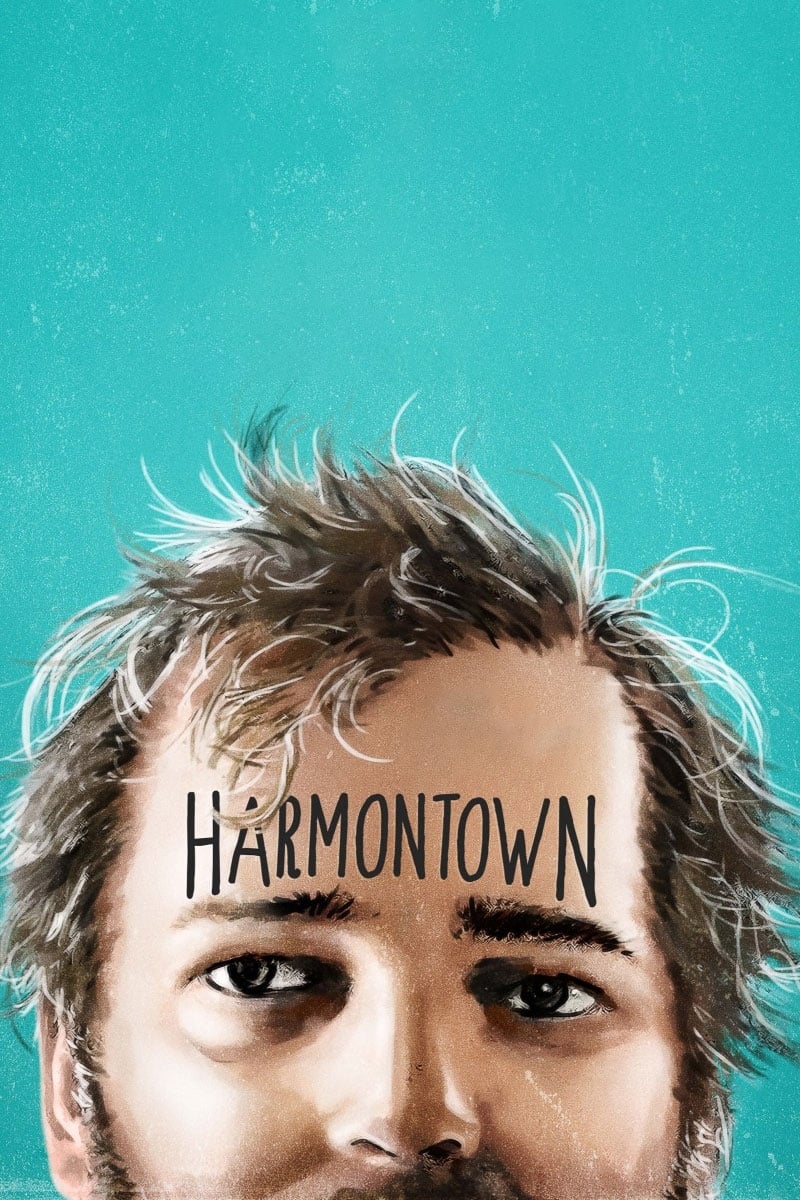
A comedic, brutally honest documentary following self-destructive TV writer Dan Harmon as he takes his live podcast on a national tour.
A documentary on the expletive's origin, why it offends some people so deeply, and what can be gained from its use.
The life and career of an actor, artist, and icon. His own journey through his own camera.
Alex Gibney explores the charged issue of pedophilia in the Catholic Church, following a trail from the first known protest against clerical sexual abuse in the United States and all way to the Vatican.
In this genre-bending tale, Errol Morris explores the mysterious death of a U.S. scientist entangled in a secret Cold War program known as MK-Ultra.
Those who knew iconic funnyman John Candy best share his story, in their own words, through never-before-seen archival footage, imagery, and interviews.
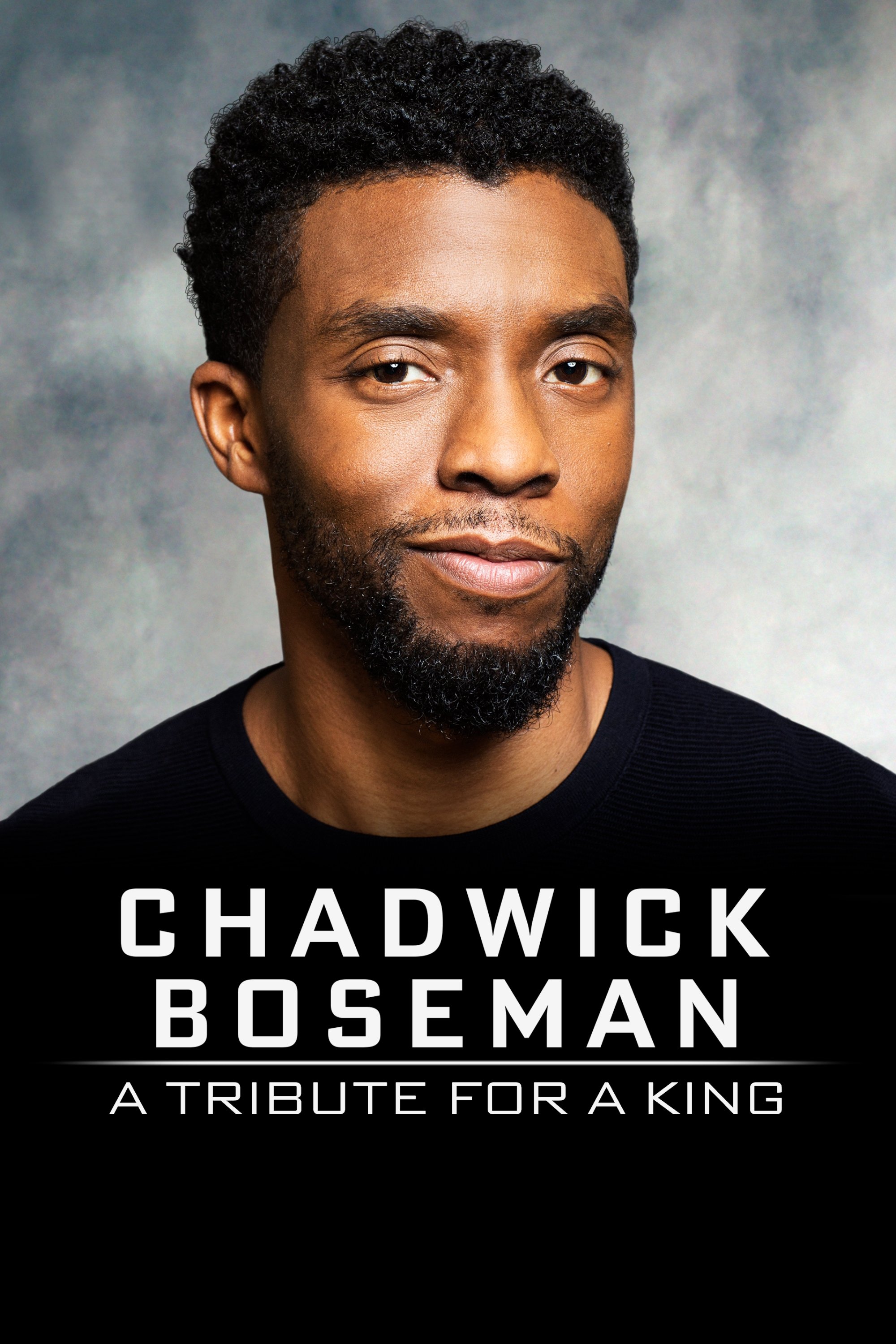
A tribute to Chadwick Boseman, celebrating his life and legacy.
From the heights of her modeling fame to her tragic death, this documentary reveals Anna Nicole Smith through the eyes of the people closest to her.
Join the likes of Jeremy Renner, Hailee Steinfeld, Florence Pugh, and Vincent D’Onofrio as they reveal how Marvel Studios’ “Hawkeye” was conceived and created. Witness firsthand what it took to pull off the show’s pulse-pounding action set pieces, and discover how iconic characters from the pages of Marvel Comics such as Kate Bishop were adapted and brought to life for the six-episode series.
The life and career of one of comedy's most inimitable modern voices, Mr. Gilbert Gottfried.
Join director Clint Eastwood and his creative team, along with Bradley Cooper and Sienna Miller, as they overcome enormous creative and logistic obstacles to make a film that brings the truth of Navy SEAL Chris Kyle's story to the screen.
An inside look at one of the most anticipated movie sequels ever with James Cameron and cast.
A candid look at rehearsal footage in support of a focus on pre-viz.
This revealing documentary honors the legendary Sidney Poitier—iconic actor, filmmaker, and civil rights activist. Featuring interviews with Denzel Washington, Spike Lee, Halle Berry, and more.
Through deeply personal interviews with her siblings and an examination of the photographs, letters, and belongings left behind, Mariska assembles a new portrait of her mother Jayne Mansfield, an extraordinary and complex woman.