Social & External
The people behind it
Over 3,500 years ago, the powerful Shang Dynasty emerged from the Central Chinese plains. Their armies were led by a fierce and brilliant young general - her name was Fu Hao.
We've all heard of the atomic bomb, but in the late 1950s, an idea was conceived of a bomb which would maximize damage to people, but minimize damage to buildings and vital infrastructure: perfect for an occupying army. This is the story of a man and his bomb: a melding of world events and scientific discovery inspire the neutron bomb, one of the most hated nuclear weapons ever invented.
Explains through animation the process of photosynthesis, and discusses its importance to our daily lives.
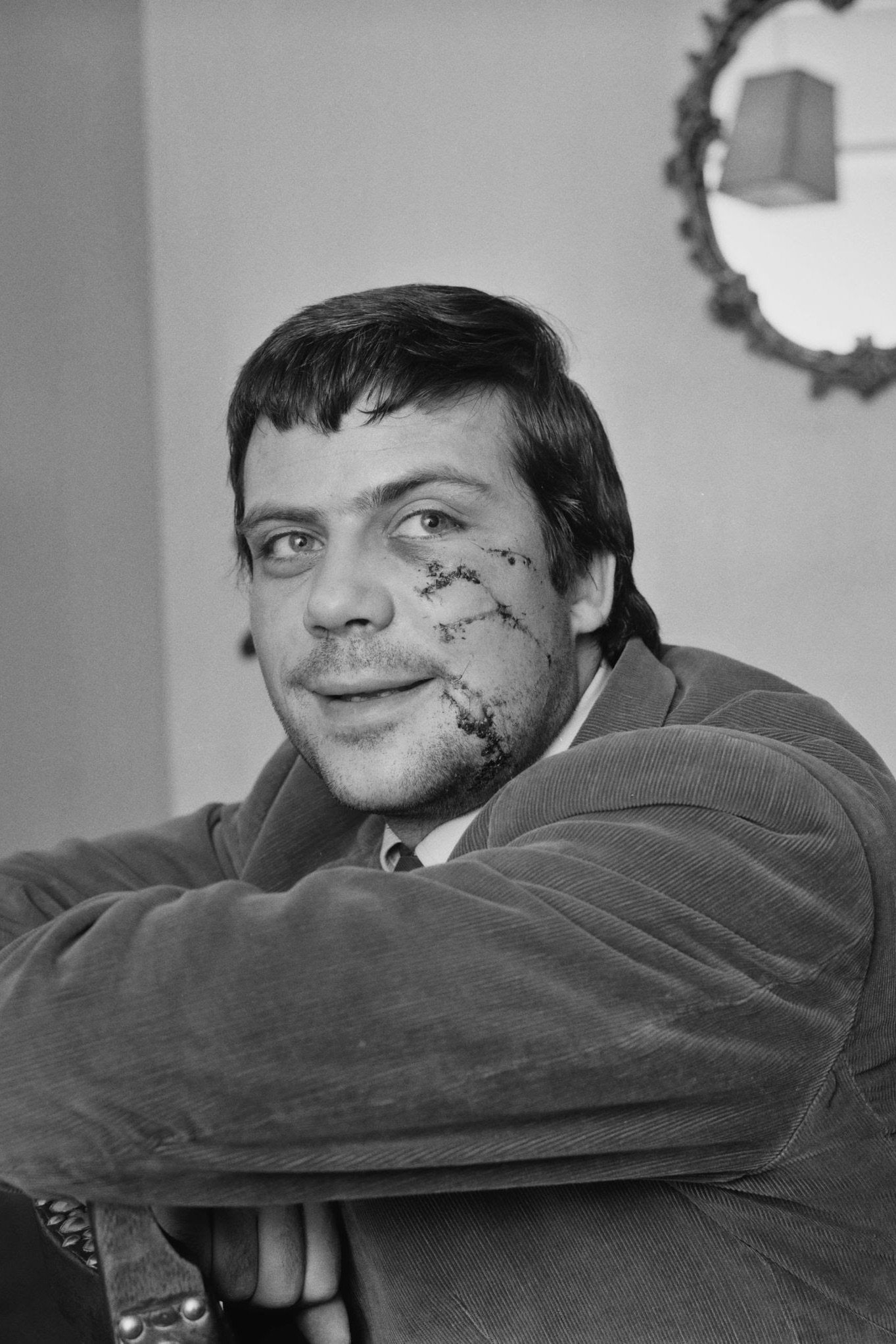
A documentary portrait about the life and times of the infamous hellraiser, who died in May 1999, having starred in more than 100 films.
Avelino Chillarón was 12 or 13 years old when he realized that his surnames and those of his cousins didn't match, so he decided to ask his uncle. This is how he learned that, although his father and aunt were siblings, they didn't have the same father, so he and his cousins didn't share the same grandfather. In this way, Avelino realized that there was a part of his family he didn't know. The protagonist of this story feels partially mutilated from a part of his family history, a part that was taken away from him by a regime that established, over the years, a long period of widespread social amnesia about a series of corpses and missing persons throughout the spanish geography.
A secret museum in an art hotel sparks intrigue when it's revealed to be a creation of controversial artist, Banksy. Using art as a form of political resistance, the hotel highlights the reality of life under Israeli military occupation. The film journeys through the hotel, Palestine, and a relevant past to dismantle the mainstream media's bias towards the Palestinian struggle for freedom and equality.
A program that explores the strange but true medical mysteries housed in this one-of-a-kind museum in Philadelphia, Pennsylvania.
This documentary serves as a beginner’s guide to world of Soviet animation, which covers the entire history of the USSR.
Thanks to DNA, this documentary establishes the identity of Marilyn's biological father, thus revealing her new paternal family, 60 years after the icon's death.
In memory of Brent Hinds 1974-2025
Eva Paterson, winner of the San Francisco Foundation 2007 Community Leadership Awards (The San Francisco Foundation Award). Eva has empowered thousands of people to make their voices heard in the critical civil rights struggles of our times. Eva's passionate and longtime commitment to advancing social and racial justice through law and public policy, communications and the arts, and alliance building has had a profound local and national impact. Her vision, coalition building, and tenacity have not only won landmark cases, but have raised the visibility and impact of the justice movement to change the very fabric of our society.
Asian Women's Shelter, winner of the San Francisco Foundation 2008 Community Leadership Awards (the John R. May Award) - a cornerstone in the Asian Pacific Islander and anti-domestic violence communities, for its dedication to assisting Asian women and children escape family violence and rebuild their lives.
Short subject on how fashion is created-- not by the great couturiers, but on the street.
National Center for Lesbian Rights, winner of the San Francisco Foundation 2009 Community Leadership Awards (the John R. May Award), for its pioneering spirit and unwavering commitment to advancing the civil and human rights of LGBT people. Its precedent-setting case victories have rewritten laws to change the legal landscape for all LGBT people and families across the nation. Through litigation, public policy advocacy, and public education, NCLR advocates on behalf of LGBT people and their families nationwide. For 30 years, NCLR has been at the forefront of pursuing justice, fairness, and legal protections for all LGBT people.
Dr. Washington Burns is the executive director of the Prescott-Joseph Center for Community Enhancement, for working tirelessly to meet the needs and better the lives of West Oakland residents. A retired pathologist, Dr. Burns is at the heart of PJCCE's health and human services, education, literacy, arts, and cultural programs for residents of all ages. A trusted community organizer and partner, he inspires others to narrow disparities in health and social services access and to strengthen their own community. In the spirit of The San Francisco Foundation Award, made to an individual demonstrating exemplary commitment to improving human relations in the Bay Area.
The East Bay Asian Local Development Corporation has earned the John R. May Award for transforming neighborhoods and creating new economic opportunities for low-income communities. EBALDC's innovative projects weave together housing, economic development, and historic preservation, reaching deep into diverse communities. The John R. May Award honors organizational initiatives in response to a significant contemporary problem.
Documentary about the female fighter pilots in the 588th Night Bomber Regiment of the Soviet Union. In small planes made out of plywood and canvas they risked their lives every night during the last part of the second world war.
London, England, World War II. During a bombing, several people are trapped in the basement of a building where the air will run out in only ninety minutes.
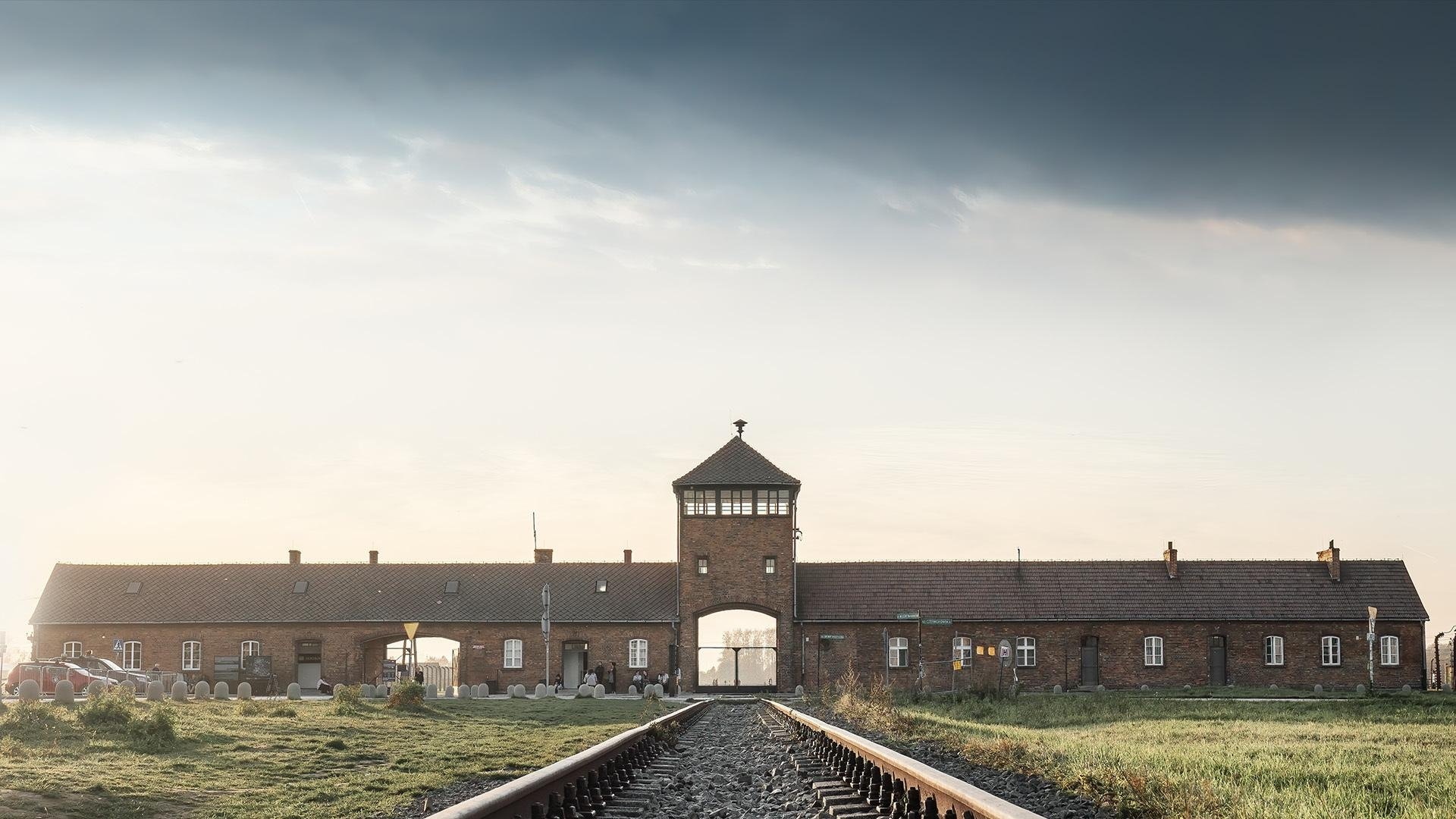
Filmmaker Alain Resnais documents the atrocities behind the walls of Hitler's concentration camps.
Director Claude Lanzmann spent 11 years on this sprawling documentary about the Holocaust, conducting his own interviews and refusing to use a single frame of archival footage. Dividing Holocaust witnesses into three categories – survivors, bystanders, and perpetrators – Lanzmann presents testimonies from survivors of the Chelmno concentration camp, an Auschwitz escapee, and witnesses of the Warsaw Ghetto Uprising, as well as a chilling report of gas chambers from an SS officer at Treblinka.
“The Soviet Story” is a story of an Allied power, which helped the Nazis to fight Jews and which slaughtered its own people on an industrial scale. Assisted by the West, this power triumphed on May 9th, 1945. Its crimes were made taboo, and the complete story of Europe’s most murderous regime has never been told. Until now...
Prelude to War was the first film of Frank Capra's Why We Fight propaganda film series, commissioned by the Pentagon and George C. Marshall. It was made to convince American troops of the necessity of combating the Axis Powers during World War II. This film examines the differences between democratic and fascist states.
A love letter from a young mother to her daughter, the film tells the story of Waad al-Kateab’s life through five years of the uprising in Aleppo, Syria as she falls in love, gets married and gives birth to Sama, all while cataclysmic conflict rises around her. Her camera captures incredible stories of loss, laughter and survival as Waad wrestles with an impossible choice– whether or not to flee the city to protect her daughter’s life, when leaving means abandoning the struggle for freedom for which she has already sacrificed so much.
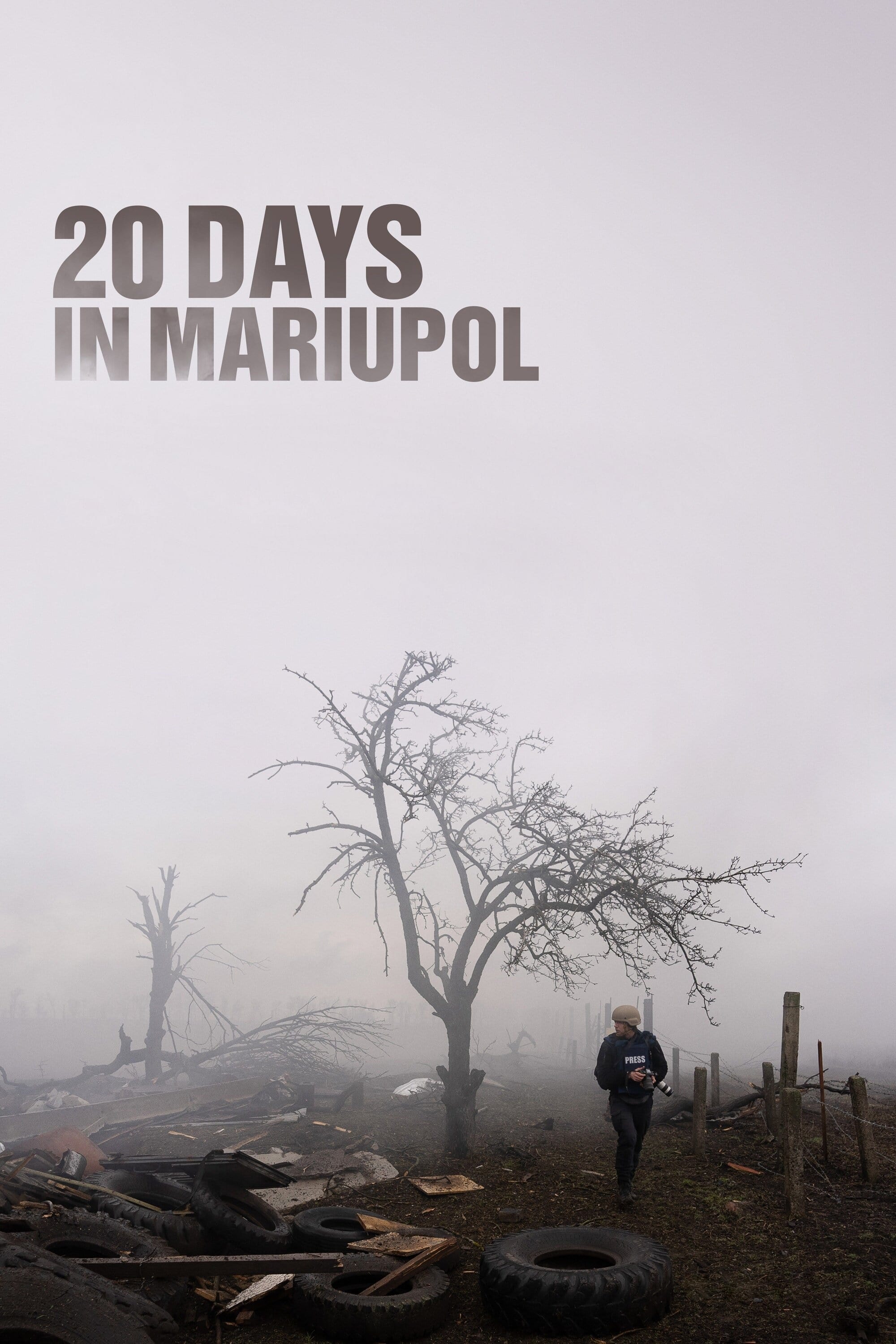
As the Russian invasion begins, a team of Ukrainian journalists trapped in the besieged city of Mariupol struggle to continue their work documenting the war's atrocities.
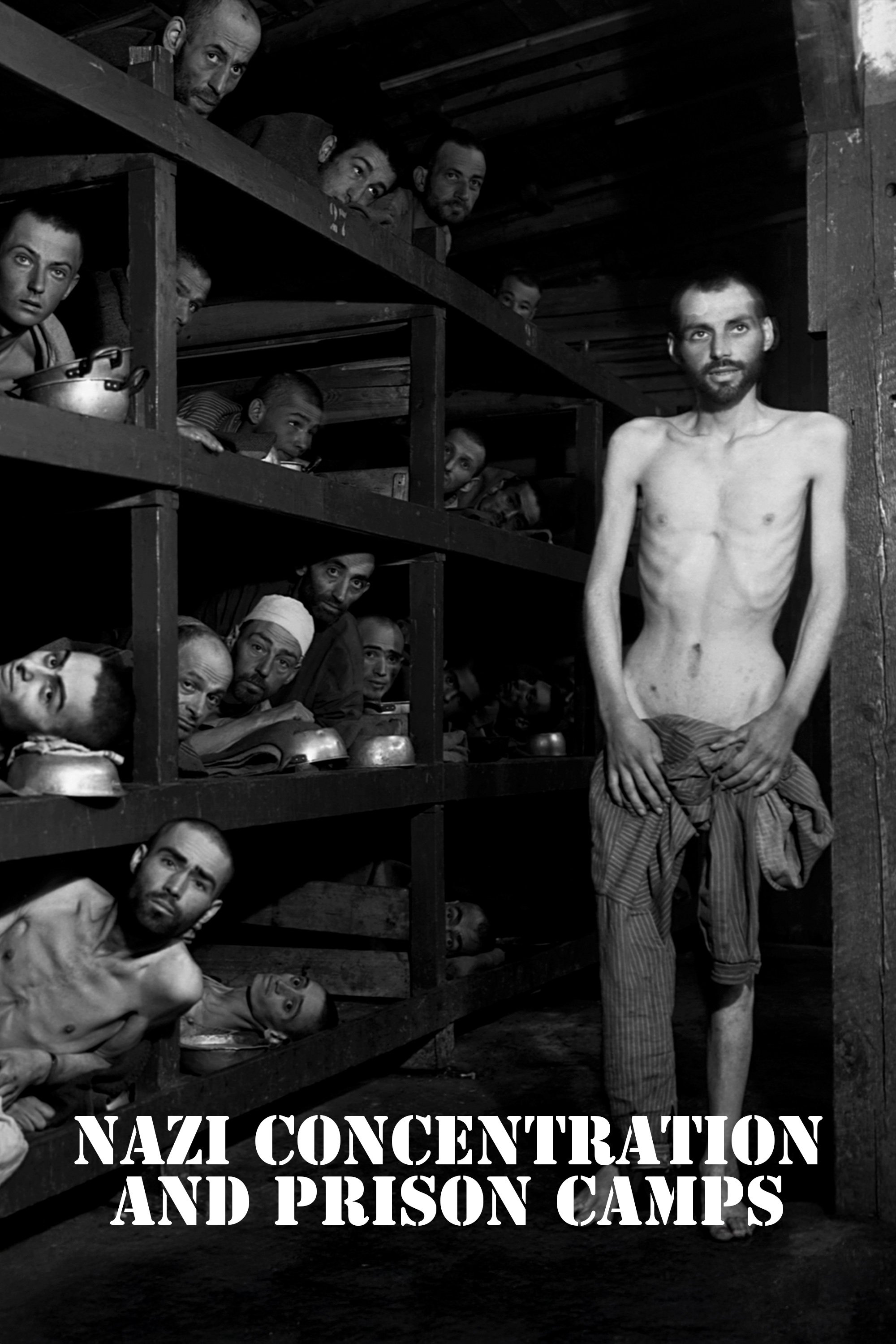
Produced and presented as evidence at the Nuremberg war crimes trial of Hermann Göring and twenty other Nazi leaders, this film consists primarily of dead and surviving prisoners and of facilities used to kill and torture during the World War II.
A documentary about World War I with never-before-seen footage to commemorate the centennial of Armistice Day, and the end of the war.
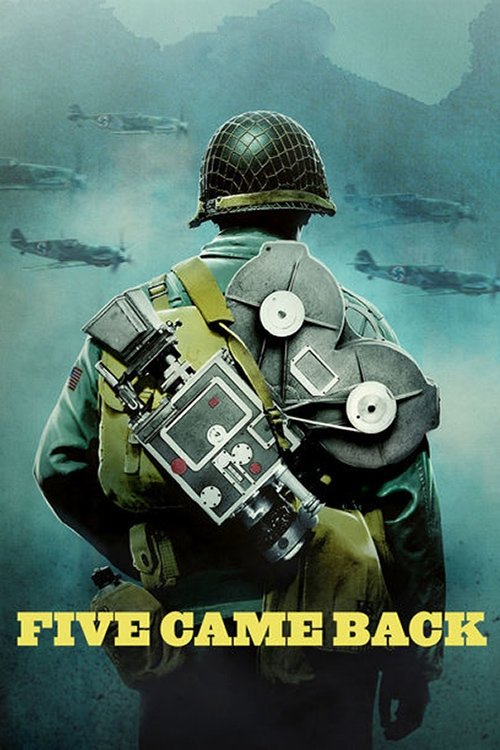
The extraordinary story of how Hollywood changed World War II – and how World War II changed Hollywood, through the interwoven experiences of five legendary filmmakers who went to war to serve their country and bring the truth to the American people: John Ford, William Wyler, John Huston, Frank Capra, and George Stevens. Based on Mark Harris’ best-selling book, “Five Came Back: A Story of Hollywood and the Second World War.”
Meet the real-life airmen who inspired Masters of the Air as they share the harrowing and transformative events of the 100th Bomb Group.
This documentary movie is about the battle of San Pietro, a small village in Italy. Over 1,100 US soldiers were killed while trying to take this location, that blocked the way for the Allied forces from the Germans. Preserved by the Academy Film Archive in 2005.
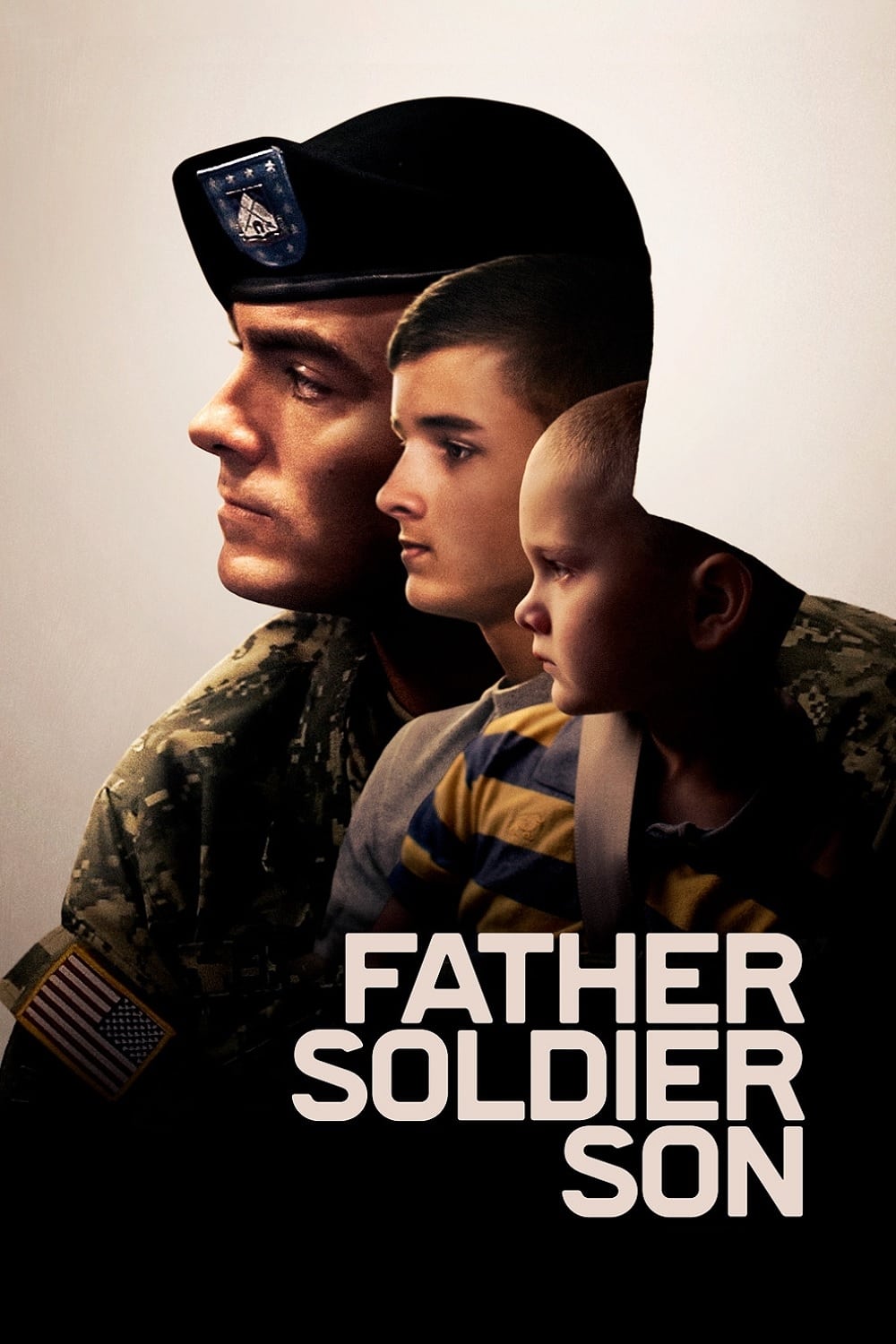
When Sgt. First Class Brian Eisch is critically wounded in Afghanistan, it sets him and his sons on a journey of love, loss, redemption and legacy.
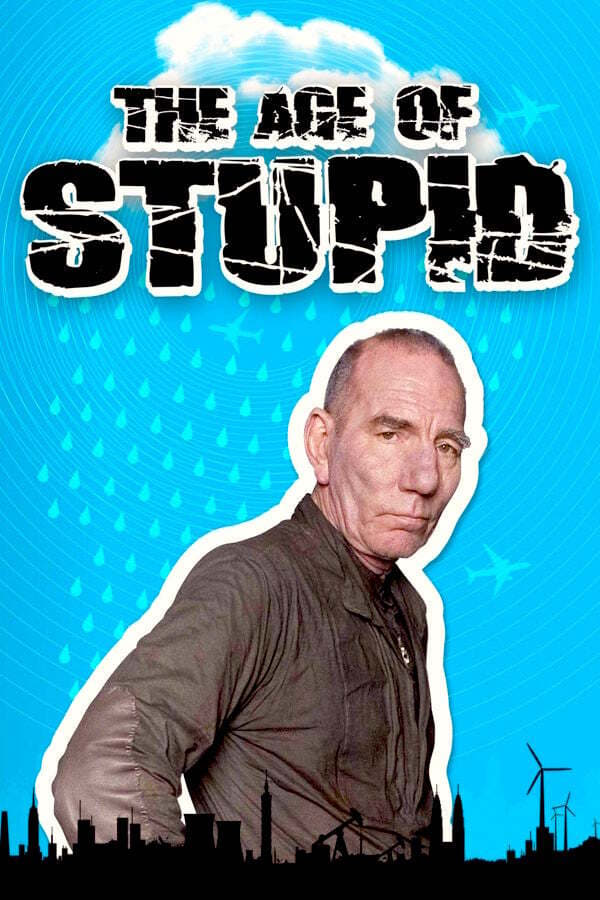
Pete Postlethwaite stars as a man living alone in the devastated future world of 2055, looking at old footage from 2008 and asking: why didn’t we stop climate change when we had the chance?
"Trinity and Beyond" is an unsettling yet visually fascinating documentary presenting the history of nuclear weapons development and testing between 1945-1963. Narrated by William Shatner and featuring an original score performed by the Moscow Symphony Orchestra, this award-winning documentary reveals previously unreleased and classified government footage from several countries.
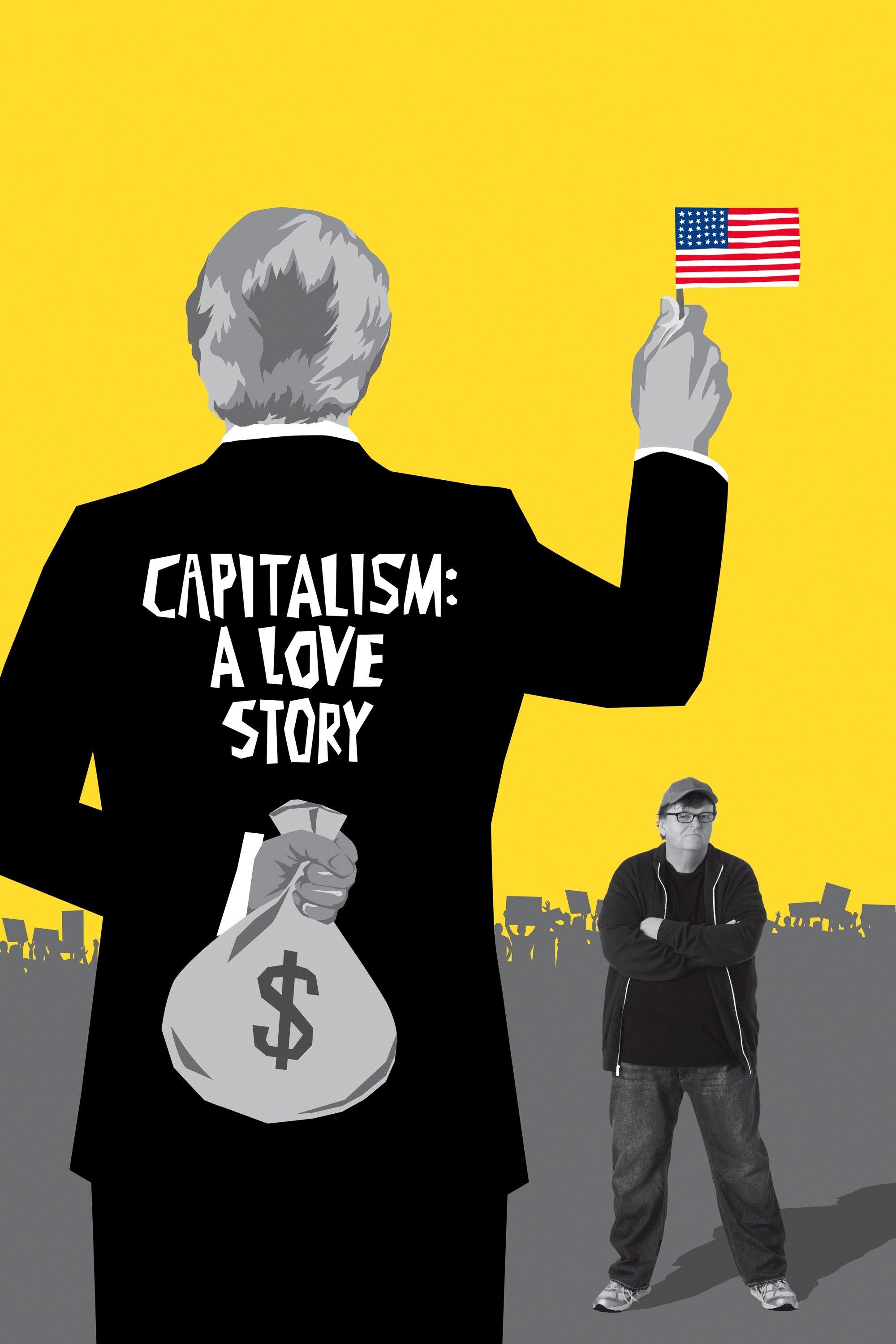
Michael Moore comes home to the issue he's been examining throughout his career: the disastrous impact of corporate dominance on the everyday lives of Americans (and by default, the rest of the world).
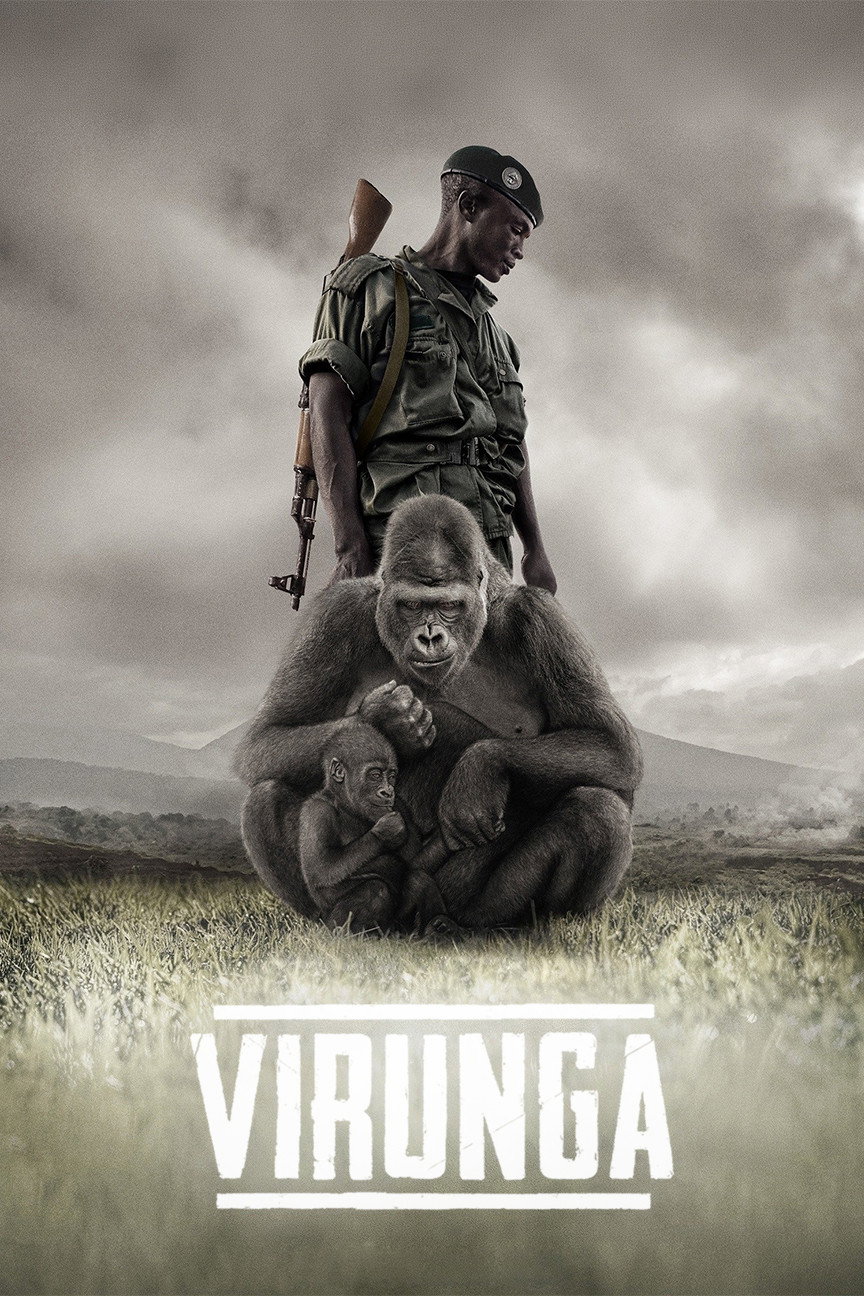
Virunga in the Democratic Republic of the Congo is Africa’s oldest national park, a UNESCO world heritage site, and a contested ground among insurgencies seeking to topple the government that see untold profits in the land. Among this ongoing power struggle, Virunga also happens to be the last natural habitat for the critically endangered mountain gorilla. The only thing standing in the way of the forces closing in around the gorillas: a handful of passionate park rangers and journalists fighting to secure the park’s borders and expose the corruption of its enemies. Filled with shocking footage, and anchored by the surprisingly deep and gentle characters of the gorillas themselves, Virunga is a galvanizing call to action around an ongoing political and environmental crisis in the Congo.
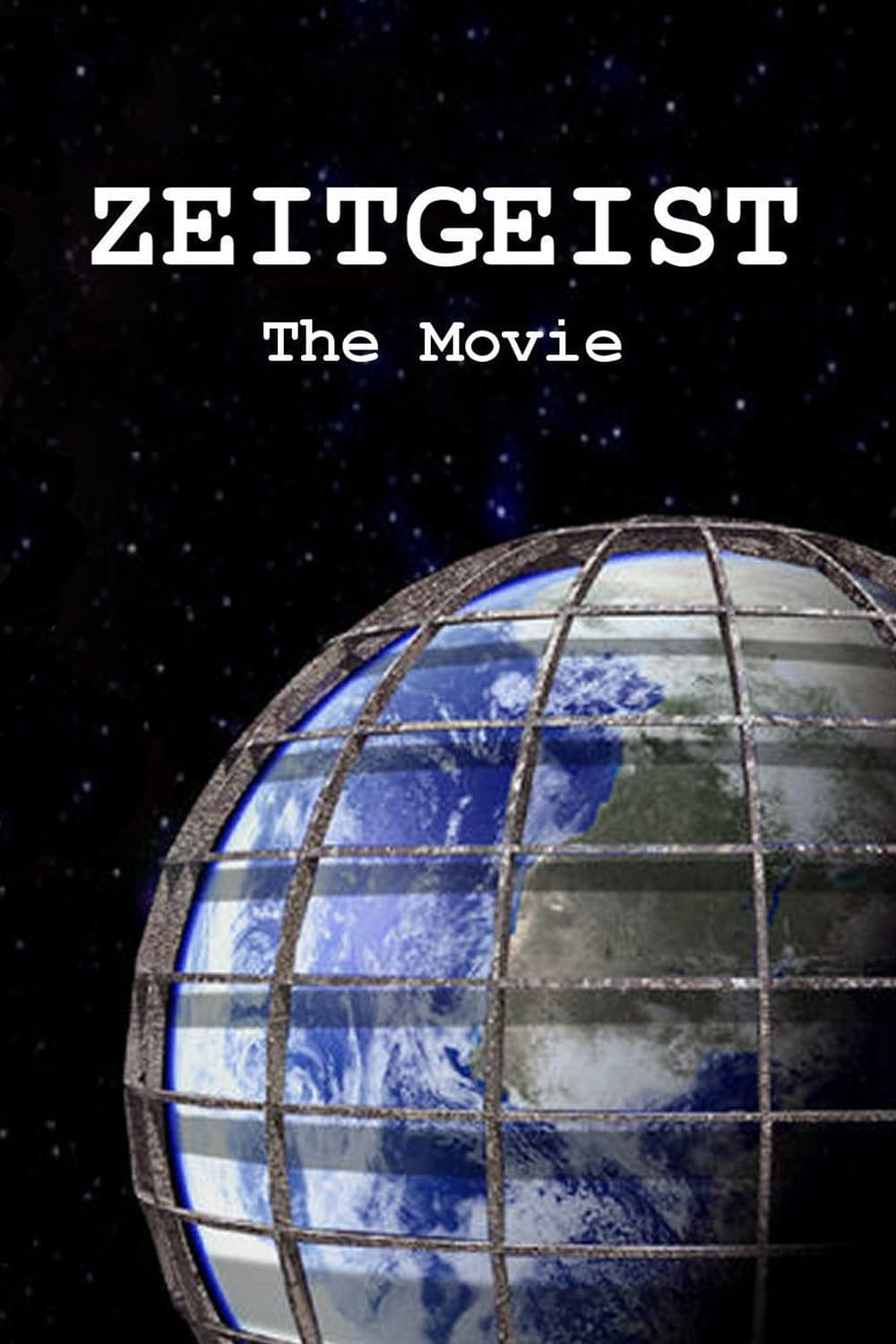
A documentary examining possible historical and modern conspiracies surrounding Christianity, the 9/11 terrorist attacks, and the Federal Reserve bank.
Korengal picks up where Restrepo left off; the same men, the same valley, the same commanders, but a very different look at the experience of war.
Five broken cameras – and each one has a powerful tale to tell. Embedded in the bullet-ridden remains of digital technology is the story of Emad Burnat, a farmer from the Palestinian village of Bil’in, which famously chose nonviolent resistance when the Israeli army encroached upon its land to make room for Jewish colonists. Emad buys his first camera in 2005 to document the birth of his fourth son, Gibreel. Over the course of the film, he becomes the peaceful archivist of an escalating struggle as olive trees are bulldozed, lives are lost, and a wall is built to segregate burgeoning Israeli settlements.
This documentary delves into the mysteries surrounding the Neanderthals and what their fossil record tells us about their lives and disappearance.