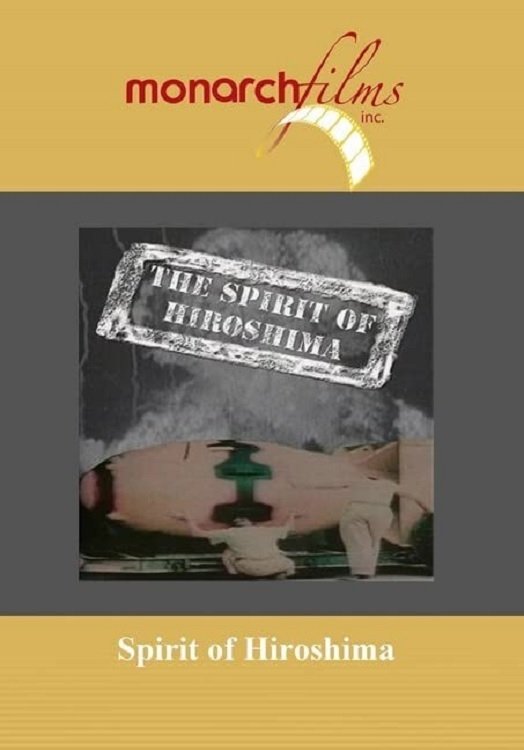
Through the daily life of a Japanese family living in the Hiroshima of the nineties, this documentary uses valuable testimonies to reflect on how these people continue to overcome the atomic bombing of 1945.

Stream
Social & External
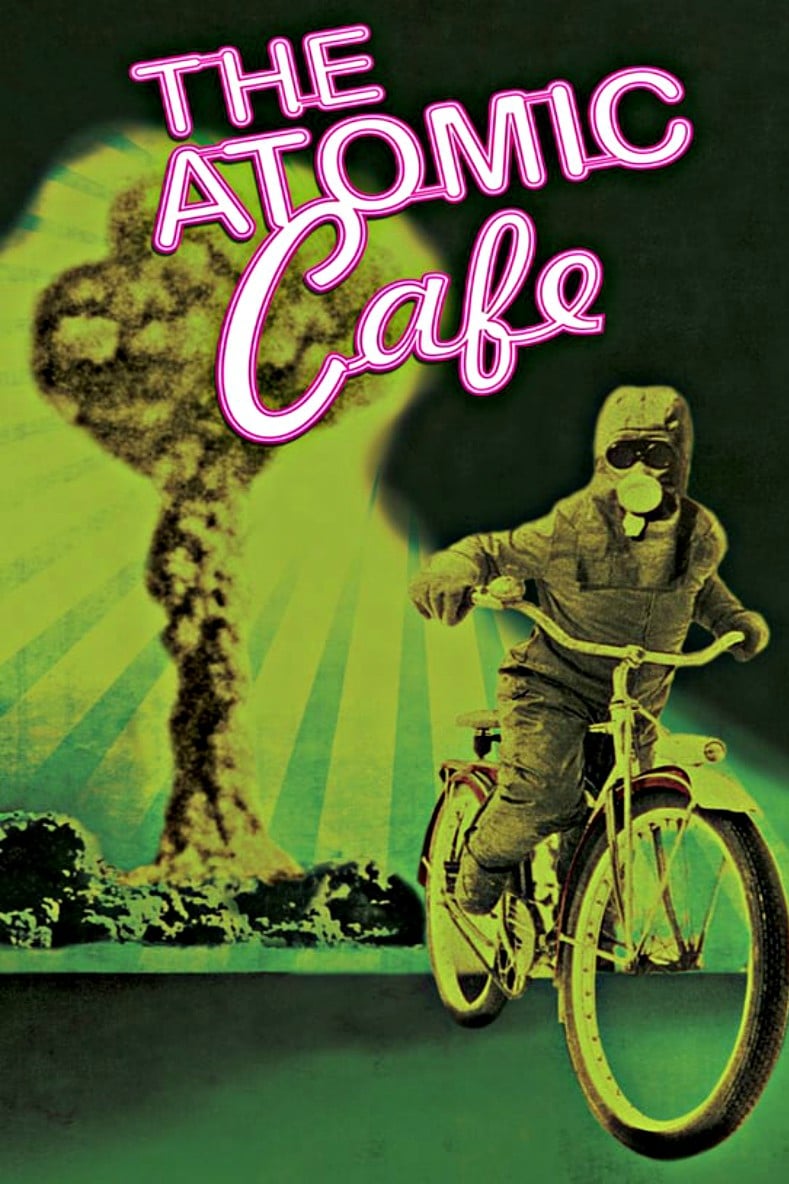
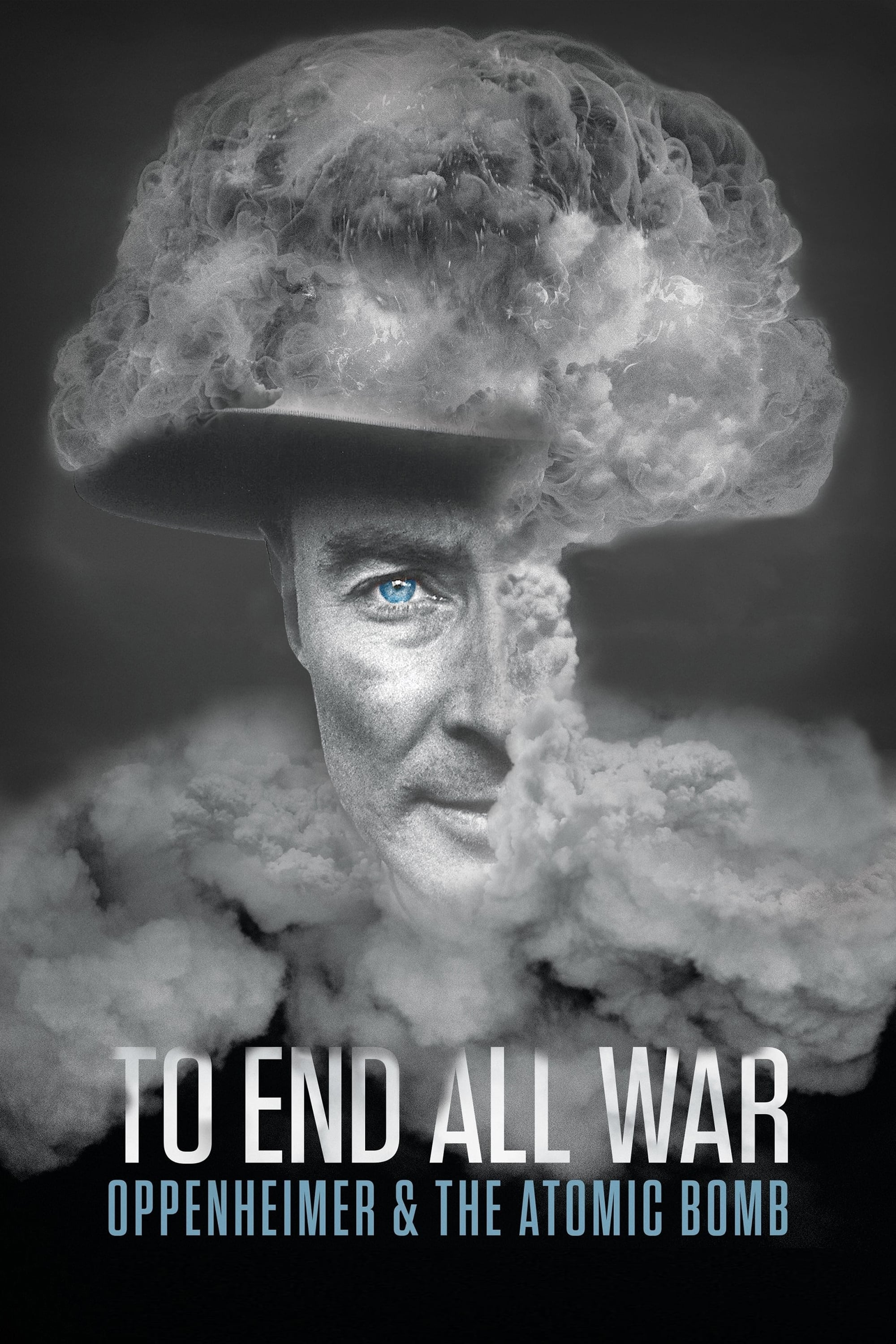
This film covers the basics of atomic theory while addressing the moral issues inherent in yielding such godlike power.
Jamie Graham, a privileged English boy, is living in Shanghai when the Japanese invade and force all foreigners into prison camps. Jamie is captured with an American sailor, who looks out for him while they are in the camp together. Even though he is separated from his parents and in a hostile environment, Jamie maintains his dignity and youthful spirit, providing a beacon of hope for the others held captive with him.
In 150 years, twice marked by total destruction —a terrible earthquake in 1923 and incendiary bombings in 1945— followed by a spectacular rebirth, Tokyo, the old city of Edo, has become the largest and most futuristic capital in the world in a transformation process fueled by the exceptional resilience of its inhabitants, and nourished by a unique phenomenon of cultural hybridization.
The United States of America has been at war for almost all of its 250 years of existence. From the wars of independence to current armed conflicts, its armed forces have not only shaped American identity, but also influenced the political decisions of its leaders. The documentary delves deep into this complex history and analyzes the hot and cold wars that shaped the development of the USA, along with lessons for the future. How have generations of Americans experienced these wars and how have their lives been changed by them? How has military engagement been used to shape the image and role of the USA on the world stage? Do military decisions today shape the world of tomorrow and what are the effects on democracy and society? And as the US president begins his new term in office, the question also arises: what role does the army play in Donald Trump's understanding of the world?
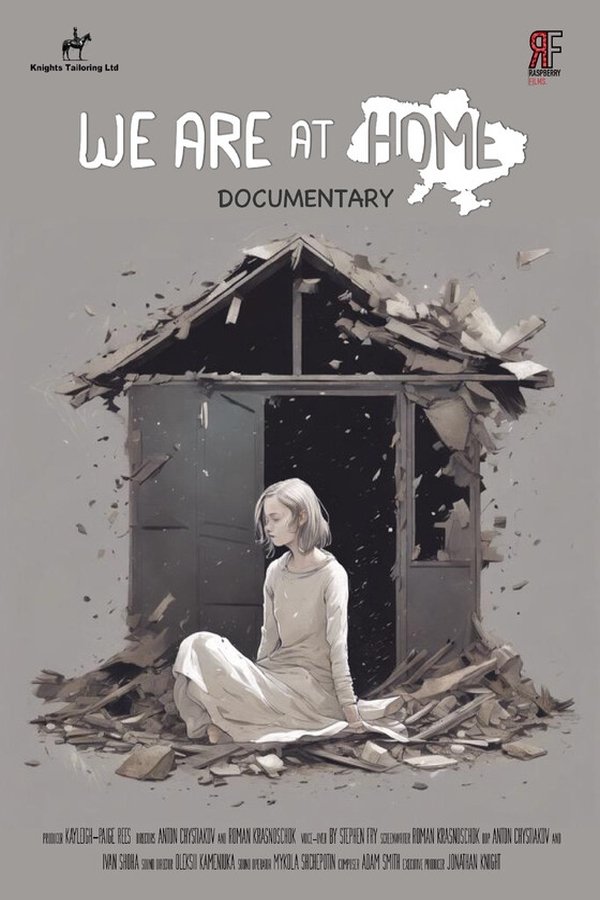
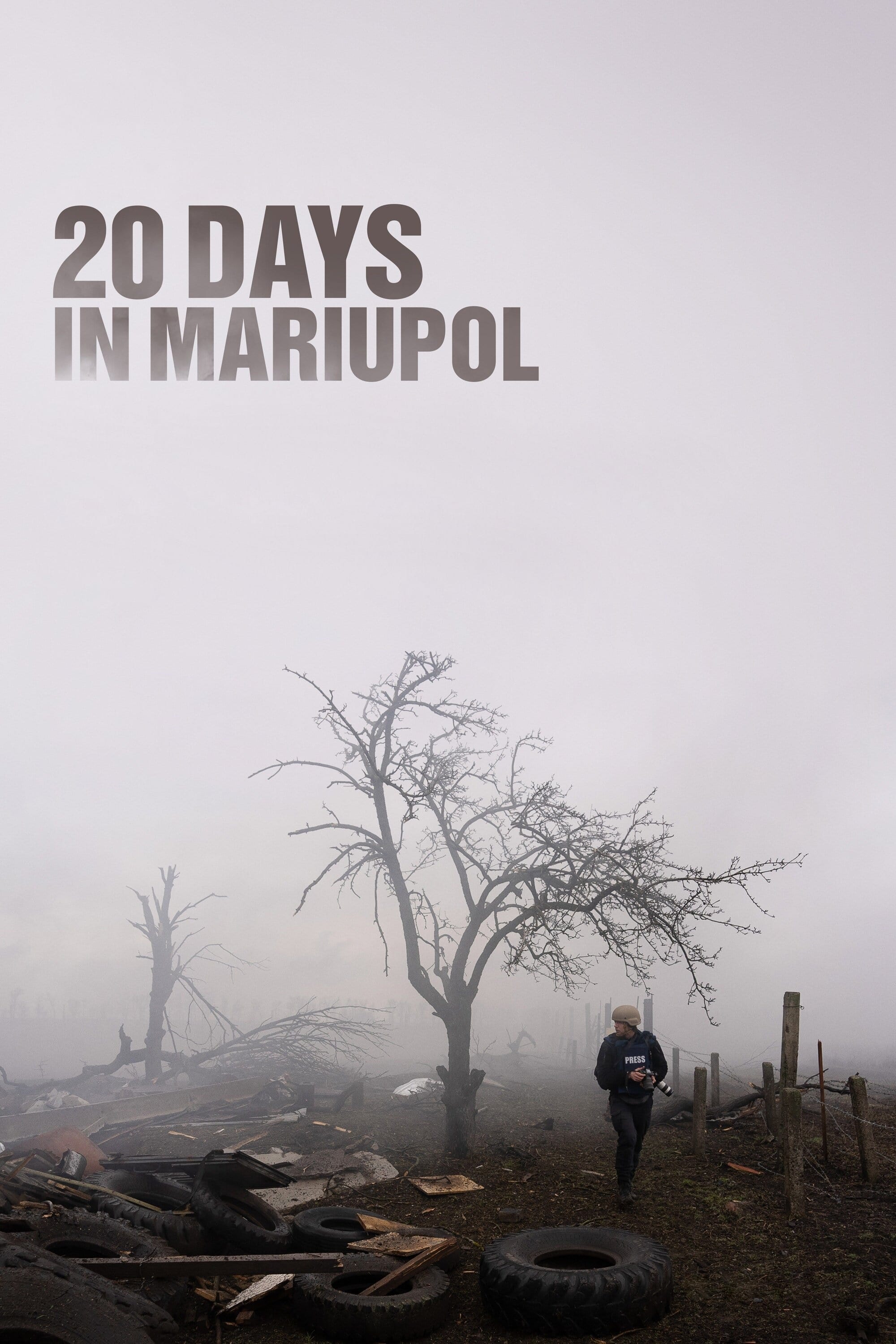
The unique testimony of the tragic events and crimes of russia through the eyes of Ukrainians, which the entire world must see and feel. Film was created from 200 hours of chronicles: survival, resistance, and life during the war. Every minute was filmed by Ukrainians with their mobile phones. Each story in the documentary is a film captured and filmed by Ukrainians on their devices.
Historical fiction about the aftermath of the atomic bombing of Hiroshima, Japan, on 6 August 1945, and its effects on various civilians, especially children, of that city.
The only hope for humanity to survive a natural disaster is to detonate a nuclear bomb in Los Angeles.
Our two-hour film highlights the life and career of Dr. Schreiber with respect and clarity. Raemer, his wife Marge, and young daughter Paula would move to the high-desert of New Mexico where he and other brilliant minds would change the world forever.
The true story of Dr. Takashi Nagai, scientific pioneer, war hero, Christian convert and survivor of the atomic bombing of Nagasaki, who worked tirelessly in his efforts to heal the wounds of a country utterly devastated by war.
Kua and Teriki will soon get married. They live on the distant Tureia island in the French Polynesia, Pacific Ocean and have just been told that something is wrong with their son Maokis heart. It is a consequence of living only 100 km away from the island of Moruroa, where France has tested 193 atom bombs for 30 years. Several of their family members are sick and Moruroa can soon collapse, which can lead to a tsunami likely to drown all of them. Vive La France is a personal and intimate story about harvesting the consequences of the French atomic program.
Between June 1940 and August 1944, Otto Abetz, German ambassador in Paris, and Fernand de Brinon, ambassador of the Vichy regime in Paris, met almost daily and developed official collaboration between the governments of Vichy and Nazi Germany.
A story about the effect of the atomic bombing of Hiroshima on a boy's life and the lives of the Japanese people.
Three years after the Hiroshima bombing, a teenager helps a group of orphans to survive and find their new life.
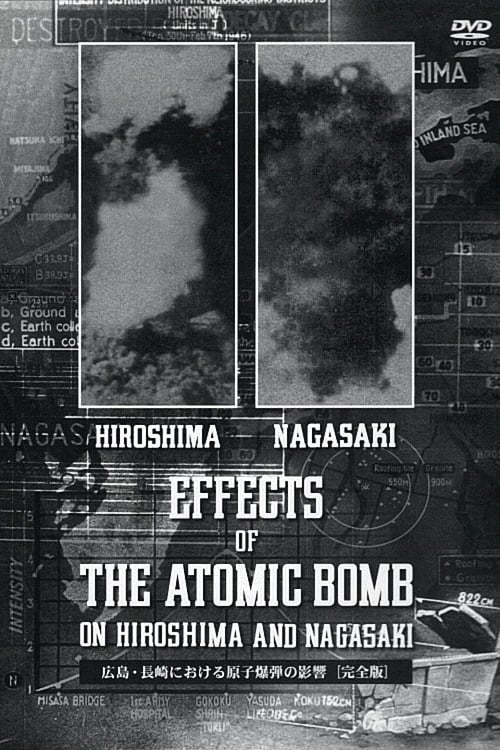
This was the only documentary made in the aftermath of the atomic bombings of 1945. Japanese filmmakers entered the two cities intent on making an appeal to the International Red Cross, but were promptly arrested by newly arriving American troops. The Americans and Japanese eventually worked together to produce this film, a science film unemotionally displaying the effects of atomic particles, blast and fire on everything from concrete to human flesh. No other filmmakers were allowed into the cities, and when the film was done the Americans crated everything up and shipped it to an unknown location. That footage is now lost. However, an American and a Japanese filmmaker each stole and hid a copy of the film, fearful that the reality of Hiroshima and Nagasaki would be hidden from history. Eventually, these prints surfaced and became our only precious archive of the aftermath of nuclear warfare -- a film that everyone knows in part, yet has rarely seen in its entirety.
Filmed in a village of the indigenous Mandaya people, located in a mountainous area of southeastern Mindanao, the country's second largest island, the documentary portrays the struggle of the Communist Party of the Philippines and its armed wing, the New People's Army, for the rights of indigenous Filipino peoples and the environment, which are constantly under threat from landowners, large logging companies and agribusiness.
Witnesses discuss the Ascq massacre by the Waffen-SS during the Second World War 80 years later.