Women of the Kingdom of Dahomey (now Benin) are shown creating pottery.
Social & External
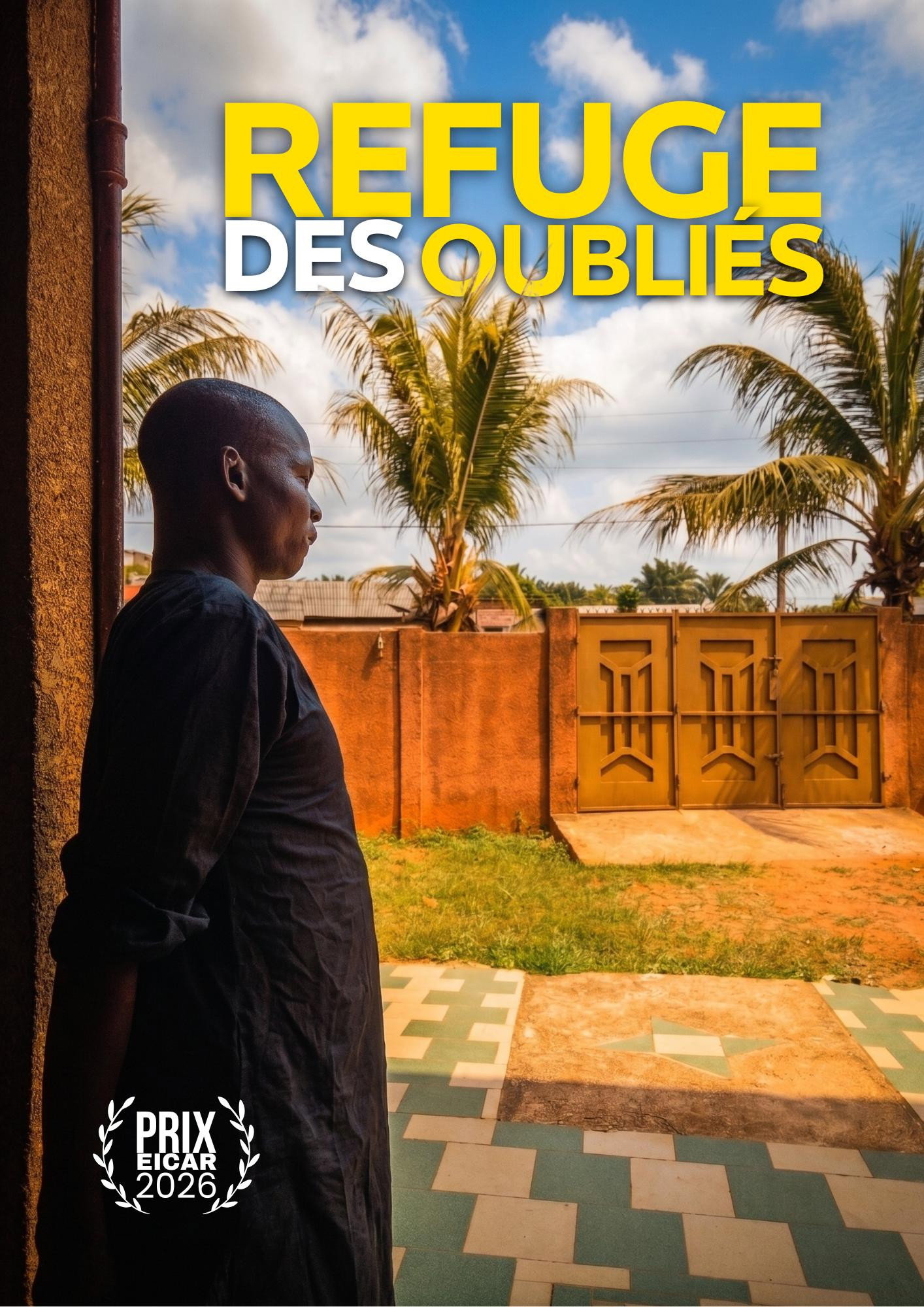
The film portrays the trajectory and life of the “Agudá” people today. This is a group of descendants of Africans enslaved in Brazil, who returned to their homeland with the end of slavery, and also descendants, Brazilian and Portuguese, of slave traffickers, who settled in that region of Africa in the 18th and XIX. Present in Benin and Togo, the “agudás” assimilated the surname and part of the culture of their masters.
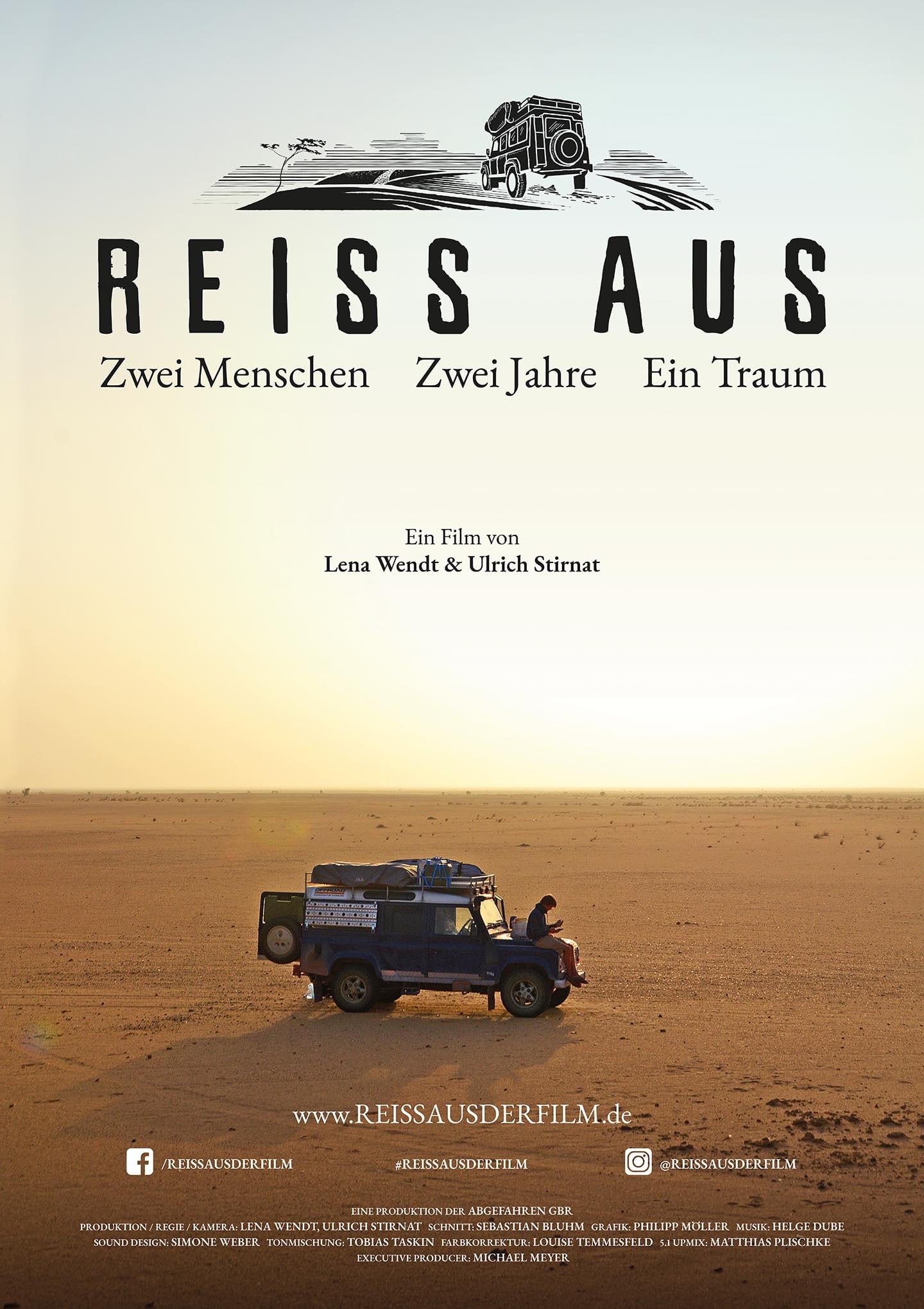
When Lena and Ulli start the engine of their old Land Rover, Lady Terés, they have a plan: to drive from Hamburg to South Africa in six months. What they don't know yet is that they won't ever get there. Two totally different characters, jammed together in two square meters of space for almost two years, they experience what it really means to travel: leaving your comfort zone for good.
Hazoumè's "NGO (Beninese Solidarity with Endangered Westerners)" reflects on issues of immigration, economic disparity, and perceptions of wealth. Taking a critical eye toward the vast numbers of local and international nongovernmental organizations (NGOs) operating in his country of Benin, the artist created his own NGO to aid poor Westerners, thereby reversing conventional assumptions concerning poverty and the distribution of capital from so-called developed nations. In an attempt to expose the often hidden realities of the income inequality that exists in global Northern countries, he asked Beninese celebrities to solicit donations from Africans, who commonly associate Westerners with affluence. For Hazoumè, the driving concept of the project is to uncover such illusions: "To all appearances, it’s a matter of reversing the help, from south to north. But in reality—it is about making the Africans cogitate differently."


Thousands of royal artifacts of Dahomey, a West African kingdom, were taken by French colonists in the 19th century for collection and display in Paris. Centuries later, a fraction returned to their home in modern-day Benin. This dramatized documentary follows the journey of 26 of the treasures as told by cultural art historians, embattled university students, and one of the repatriated statues himself.
What happens when a group of Finns travel to a tiny village in Benin to participate in a vaccination study? By participating, they can aid in the development of a diarrhea vaccine for children in developing countries – and, at the same time, have a different kind of vacation in West Africa. The complicated side of helping people and the clashes between two cultures rise to the forefront of Mia Halme’s delicious documentary film.
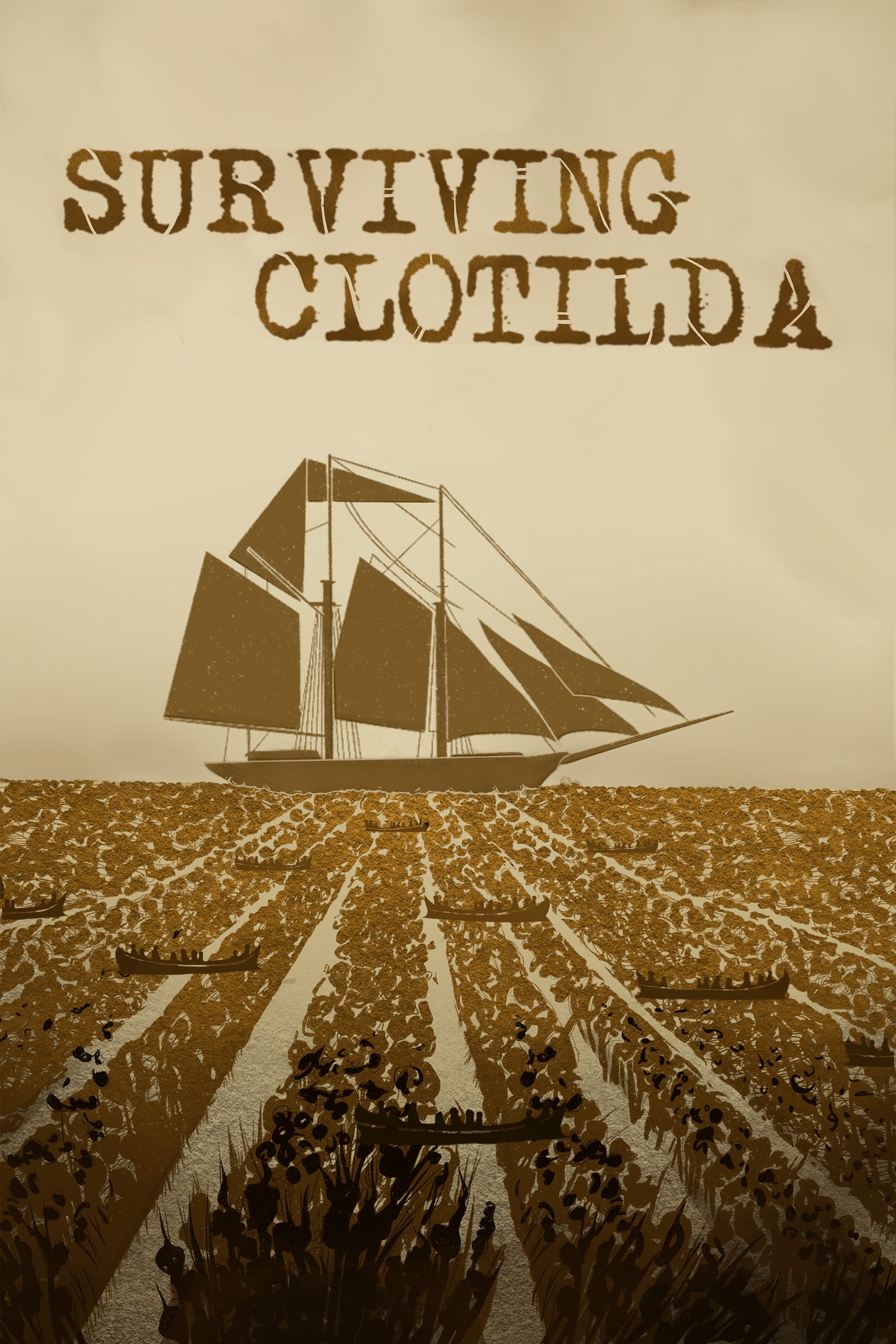
In July 1860, the schooner Clotilda slipped quietly into the dark waters of Mobile, Ala., holding 110 Africans stolen from their homes and families, smuggled across the sea, and illegally imported to be sold into slavery. Surviving Clotilda is the extraordinary story of the last slave ship ever to reach America's shores: the brash captain who built and sailed her, the wealthy white businessman whose bet set the cruel plan in motion, and the 110 men, women, and children whose resilience turned horror into hope.
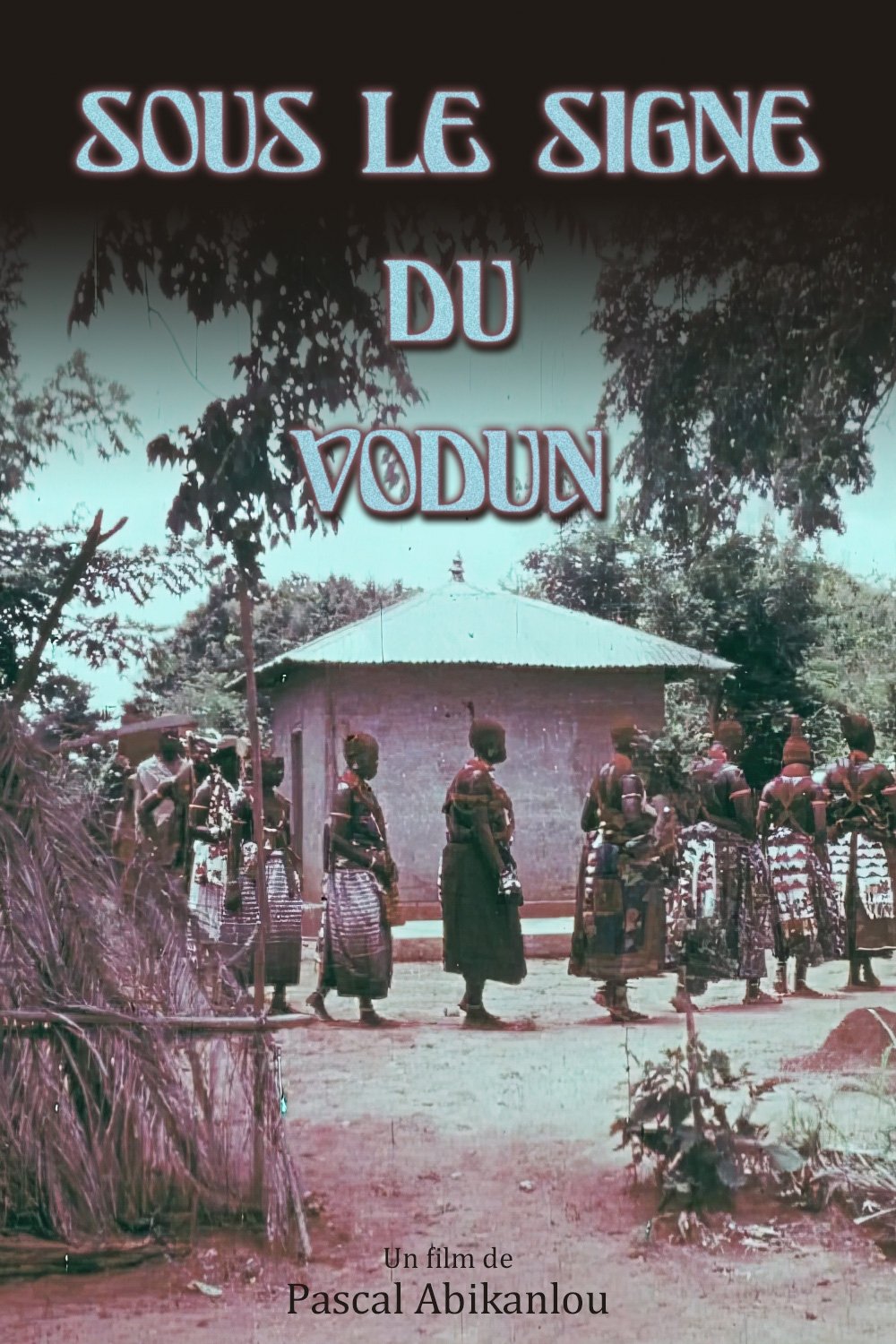
A young man having omitted to make the ritual offerings of voodoo, suffers the wrath of the spirits.
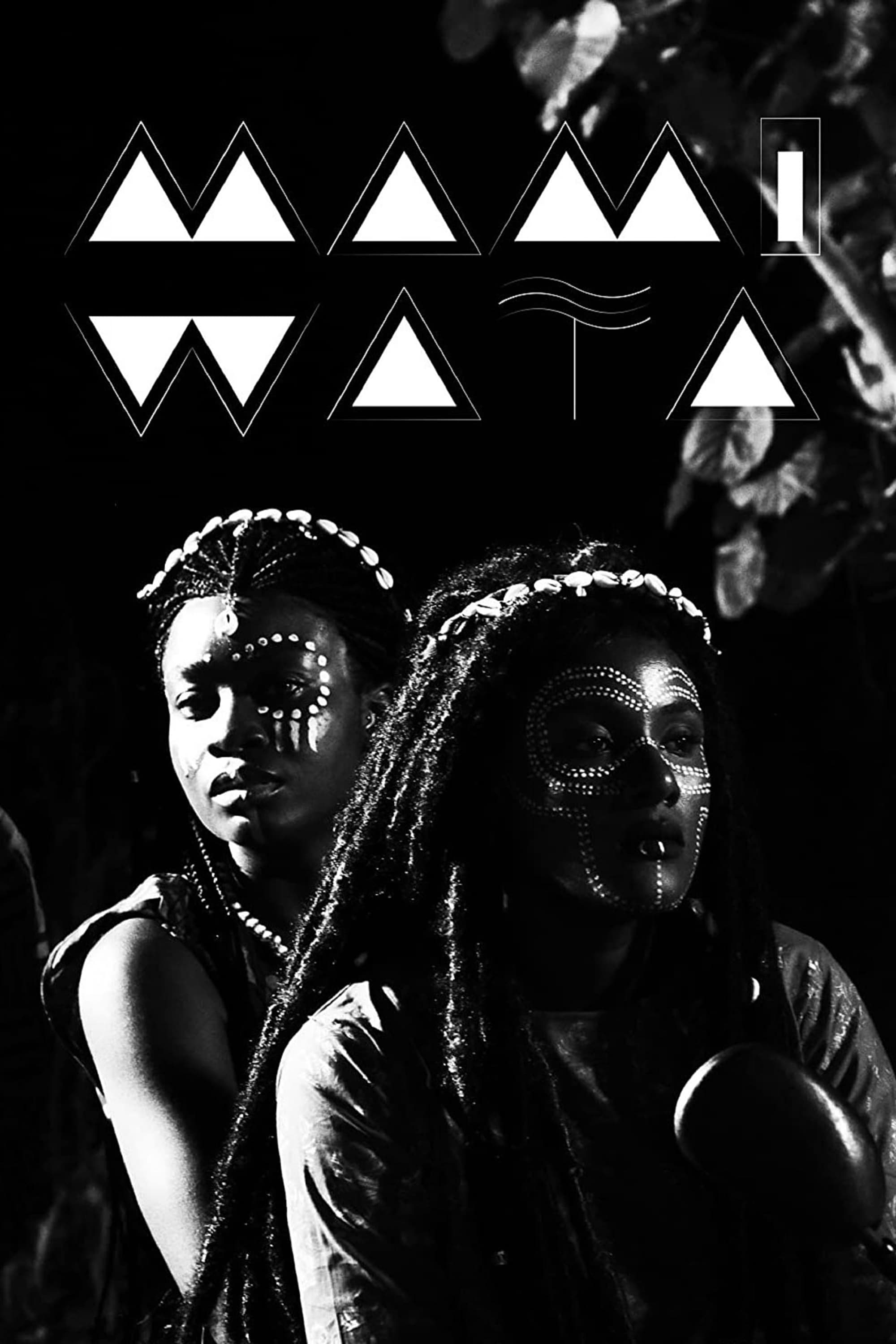
In the oceanside village of Iyi, the revered Mama Efe acts as an intermediary between the people and the all-powerful water deity Mami Wata. But when a young boy is lost to a virus, Efe’s devoted but rebellious daughter Zinwe and skeptical protégé Prisca warn Efe about unrest among the villagers. With the sudden arrival of a mysterious rebel deserter named Jasper, a conflict erupts, leading to a violent clash of ideologies and a crisis of faith for the people of Iyi.
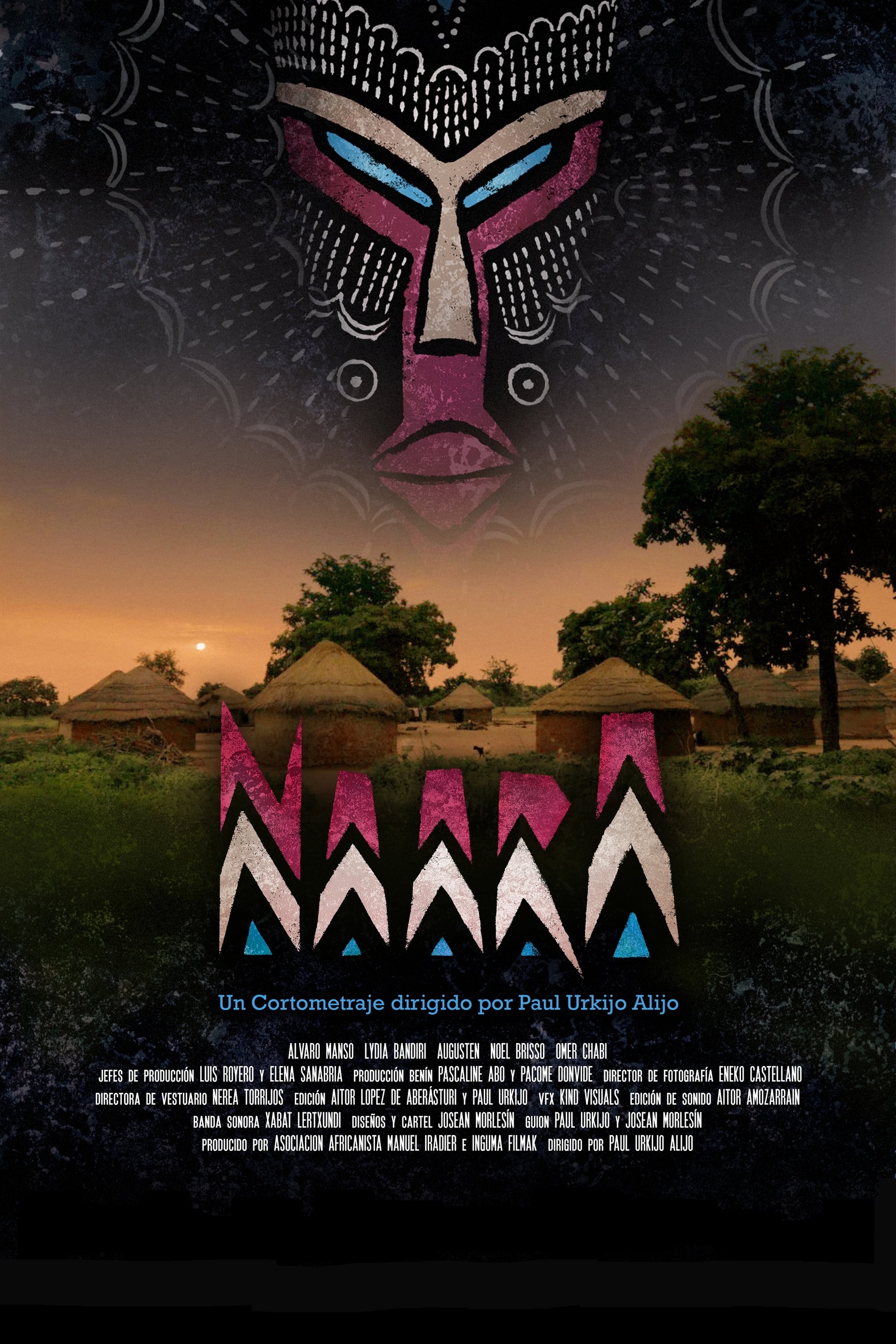
David, a clueless and cocky Spanish video blogger traveling in Africa, arrives in Benin, where he accidentally finds the truth behind an ancient legend.
Esosa, Fatouma, and Giselle, three women trafficked as teenagers who reunite seventeen years later to dismantle the powerful men behind their pain. From the streets of Lagos to the shadows of Abidjan and Cotonou, they execute a cold, calculated mission, each move sharpened by trauma, sisterhood, and strategy.
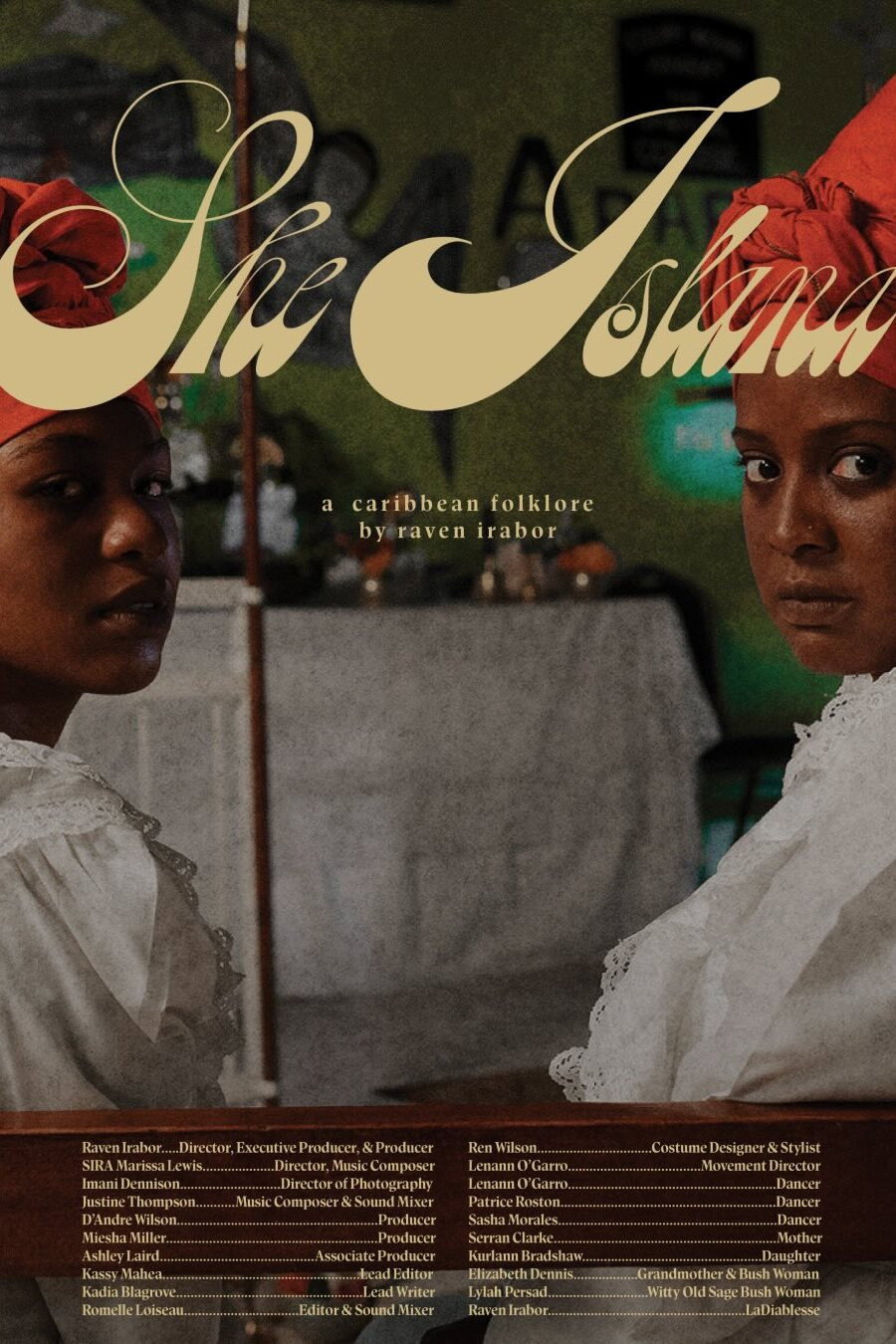
In the heart of the Caribbean, a mother and daughter confront a malevolent curse erasing identities of all the island's women, propelling them on a daring quest to reclaim their rich cultural heritage and triumph over the encroaching darkness.
For the past forty years, Igor Pasternak has pursued a lighter-than-air vision: to build gigantic airships that haul cargo to otherwise inaccessible parts of the planet. In high school, in Ukraine, Pasternak formed an airship club; at Lviv National University, where he studied civil engineering, he established an airship-design bureau. Eventually, he settled in southern California and started Aeros, which builds blimps for surveillance and other purposes. His prototype cargo airship, the two-hundred-and-sixty-foot-long Dragon Dream, was destroyed in 2013 when its hangar collapsed on it. Unfazed, Pasternak now aims to produce a fleet of “Aeroscraft” cargo airships, the largest of which will be more than nine hundred feet long and able to carry five hundred tons. Pasternak spoke recently with the director and producer Gabe Polsky. Polsky’s documentary, “Red Army,” played at the 2014 Cannes, Telluride, Toronto, and New York Film Festivals, and was released in theatres in 2015.
Starting with a long and lyrical overture, evoking the origins of the Olympic Games in ancient Greece, Riefenstahl covers twenty-one athletic events in the first half of this two-part love letter to the human body and spirit, culminating with the marathon, where Jesse Owens became the first track and field athlete to win four gold medals in a single Olympics.
The Tisza has meandered through the Great Plain for thousands of years. Ever since man first appeared on its banks, he has been trying to put the blonde river at his service. He has drunk its water, irrigated it, cut it up and levelled it. And 50 years ago he stopped it to turn it into a big reservoir. Little did he know then that his work would conjure up the world of the ancient Tisza. Thanks to the river’s waters, a unique ecosystem has been created. Man built it, nature built it. Thus was created a man-made paradise: the Tisza Lake. The narrator of the film, Dimitry Ljasuk, takes the viewer by the hand and shows, through all 4 seasons, what this special place has become over the decades. Millions of special birds and fish have settled here, and the dense vegetation has painted the banks of the blonde river green. Today, wild meanders, black-water inland lakes, labyrinths of reeds and thousands of islands are reminiscent of the ancient Tisza.
Part two of Leni Riefenstahl's monumental examination of the 1938 Olympic Games, the cameras leave the main stadium and venture into the many halls and fields deployed for such sports as fencing, polo, cycling, and the modern pentathlon, which was won by American Glenn Morris.
In the Realms of the Unreal is a documentary about the reclusive Chicago-based artist Henry Darger. Henry Darger was so reclusive that when he died his neighbors were surprised to find a 15,145-page manuscript along with hundreds of paintings depicting The Story of the Vivian Girls, in What is Known as the Realms of the Unreal, of the Glodeco-Angelinnian War Storm, Cased by the Child Slave Rebellion.
In the early-morning hours of July 23, 2007, in Cheshire, Conn., ex-convicts Steven Hayes and Joshua Komisarjevsky broke into the family home of William Petit, his wife, Jennifer, and their daughters, Michaela, 11, and Hayley, 17. Dr. Petit was beaten and tied to a pole in the basement. The three women were bound in their bedrooms while the men ransacked the house. The brutal ordeal continued throughout the morning, ending with rape, arson and a horrific triple homicide.
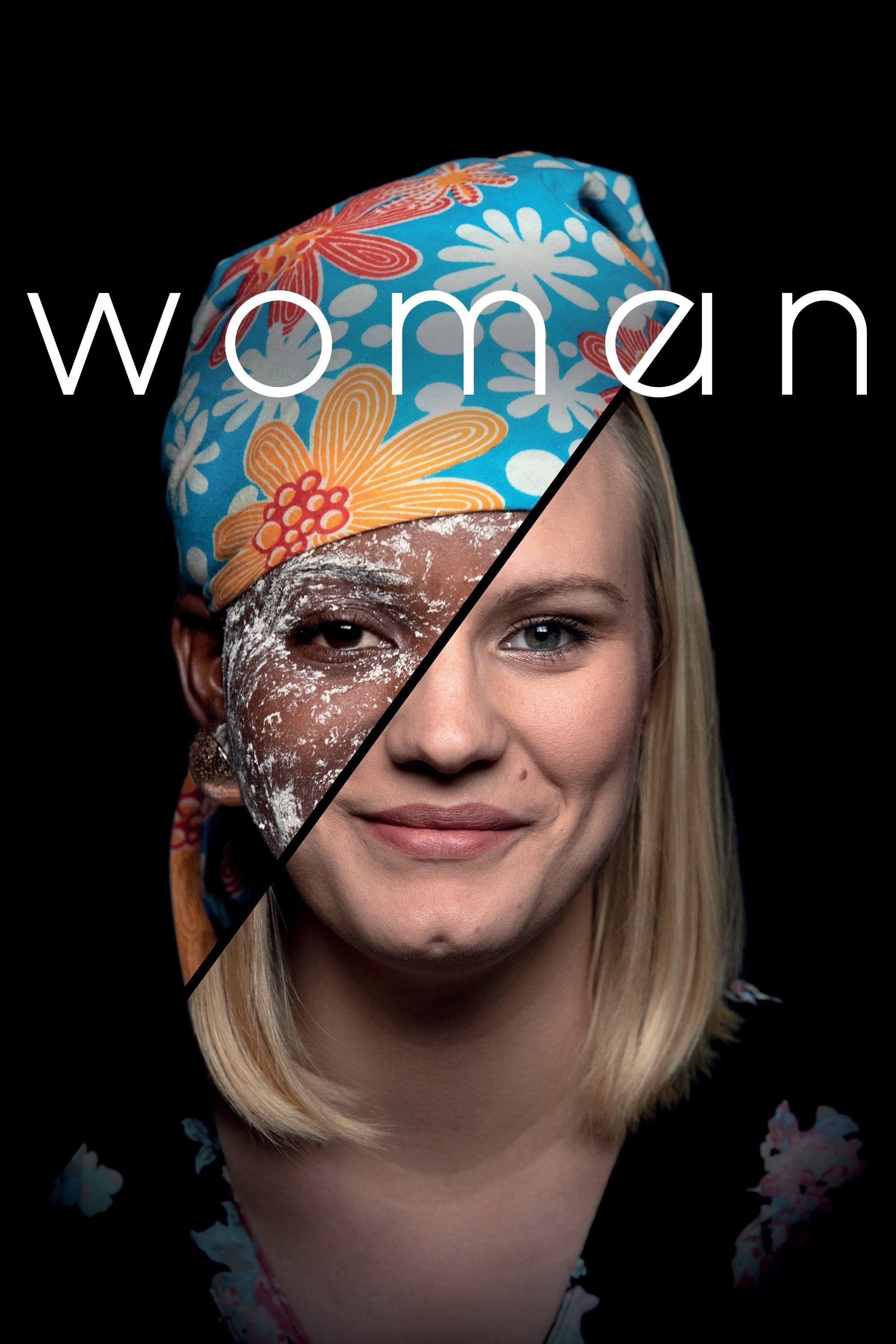
The film is based on interviews with 2,000 women from 50 countries, and covers the status of women all over the world. The topics covered include forced marriages, sexual assault, female genital mutilation, acid attacks, motherhood, sexuality, menstruation, education and the professional success of women.
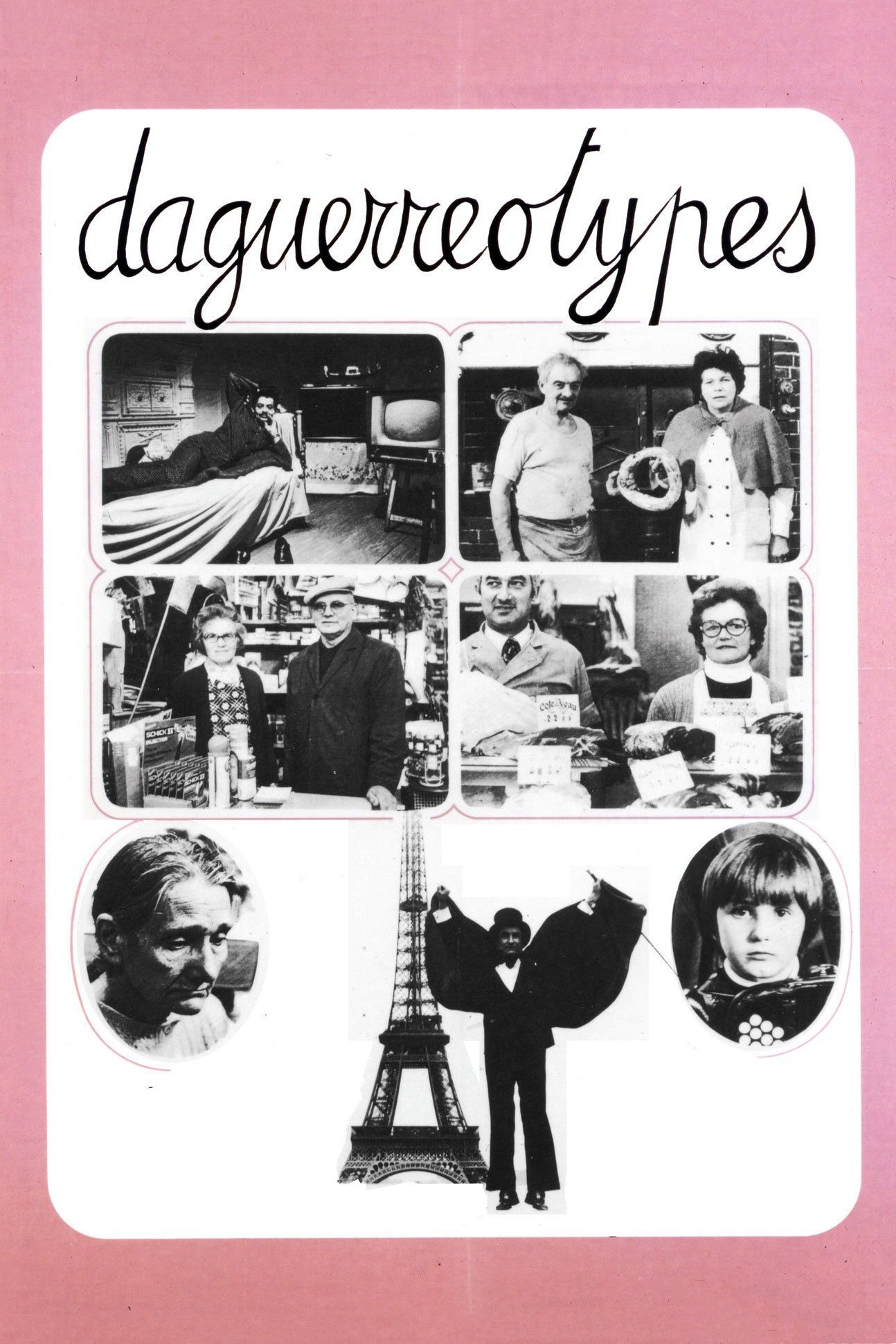
An intimate portrait of the small shops and shopkeepers of the Rue Daguerre in Paris, a picturesque street that has been the filmmaker’s home for more than 50 years.
A detailing of the rise to prominence and global sporting superstardom of six supremely talented young Manchester United football players (David Beckham, Nicky Butt, Ryan Giggs, Paul Scholes, Phil and Gary Neville). The film covers the period 1992-1999, culminating in Manchester United's European Cup triumph.
This character-driven film considers the evolving sex trafficking landscape as seen by the main players: the exploited, the pimps, the johns that fuel the business, and the cops who fight to stop it.
What does being a woman really mean? How do women live the status society reserves for them? A group of women, beautiful or not, young or not, gifted with motherly instinct or not, answer before Agnès Varda's camera.
Through deeply personal interviews with her siblings and an examination of the photographs, letters, and belongings left behind, Mariska assembles a new portrait of her mother Jayne Mansfield, an extraordinary and complex woman.
This special explores the return of Obi-Wan Kenobi and Anakin Skywalker to the screen, as well as Ewan McGregor and Hayden Christensen to their classic roles. Director Deborah Chow leads the cast and crew as they create new heroes and villains that live alongside new incarnations of beloved Star Wars characters, and an epic story that dramatically bridges the saga films.
A collection of stories about and images of our world, offering an immersion to the core of what it means to be human. Through these stories full of love and happiness, as well as hatred and violence, it brings us face to face with the Other, making us reflect on our lives. From stories of everyday experiences to accounts of the most unbelievable lives, these poignant encounters share a rare sincerity and underline who we are – our darker side, but also what is most noble in us, and what is universal. Our Earth is shown at its most sublime through never-before-seen aerial images accompanied by soaring music, resulting in an ode to the beauty of the world, providing a moment to draw breath and for introspection. This film is a politically engaged work which allows us to embrace the human condition and to reflect on the meaning of our existence.
14-year-old Laura Dekker sets out on a two-year voyage in pursuit of her dream to become the youngest person ever to sail around the world alone.
Al Pacino's deeply-felt rumination on Shakespeare's significance and relevance to the modern world through interviews and an in-depth analysis of "Richard III."
A documentary on the expletive's origin, why it offends some people so deeply, and what can be gained from its use.
An unpredictable documentary from a fascinating storyteller, Agnès Varda’s last film sheds light on her experience as a director, bringing a personal insight to what she calls "cine-writing," traveling from Rue Daguerre in Paris to Los Angeles and Beijing.
Nine filmmakers each profile a young girl from a different part of the world to weave a global tapestry of youth in the 21st century.
An inside look at one of the most anticipated movie sequels ever with James Cameron and cast.
This documentary revisits the French football team's controversial 2010 World Cup and the bus strike that sparked global headlines and national outrage.
The film is a panorama shot-scene lasting just under a minute. The panorama film, as coined by Lumière, is a moving-camera shot--usually accomplished by placing the camera on a moving transport, such as a boat or train.
While in San Francisco for the promotion of her last film in October 1967, Agnès Varda, tipped by her friend Tom Luddy, gets to know a relative she had never heard of before, Jean Varda, nicknamed "Yanco". This hitherto unknown uncle lives on a boat in Sausalito, is a painter, has adopted a hippie lifestyle and loves life. The meeting is a very happy one.