Social & External
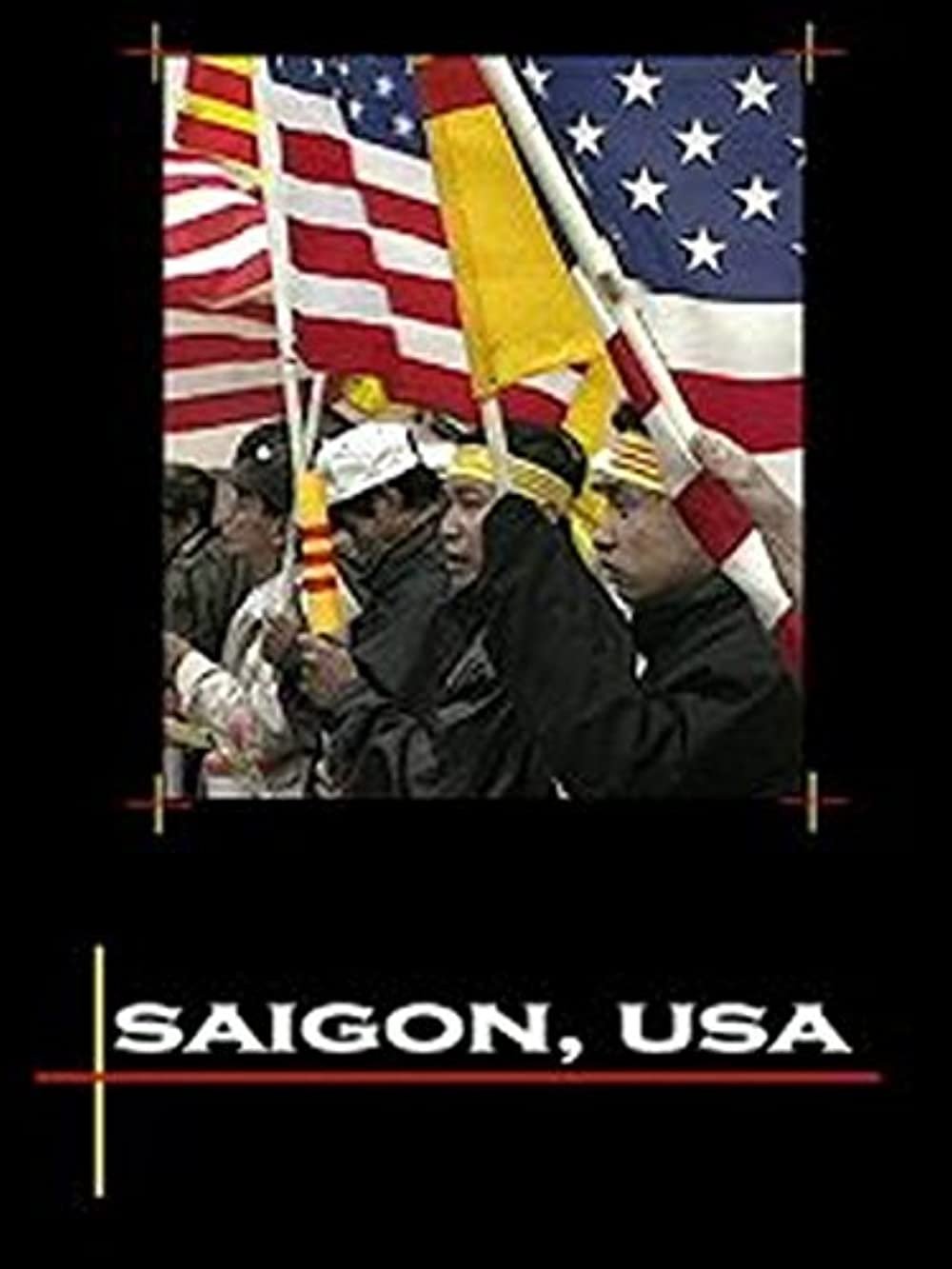
Since the fall of Saigon in 1975, Vietnamese refugees have built the largest Vietnamese community outside of Vietnam, in Orange County, California. In 1999, "Little Saigon" burst onto the national stage when a store owner displayed a poster of Ho Chi Minh, triggering protests by Vietnamese Americans struggling to reconcile their past demons with their present lives. Saigon, U.S.A. uses this moment to examine this community's changing identity and growing empowerment.
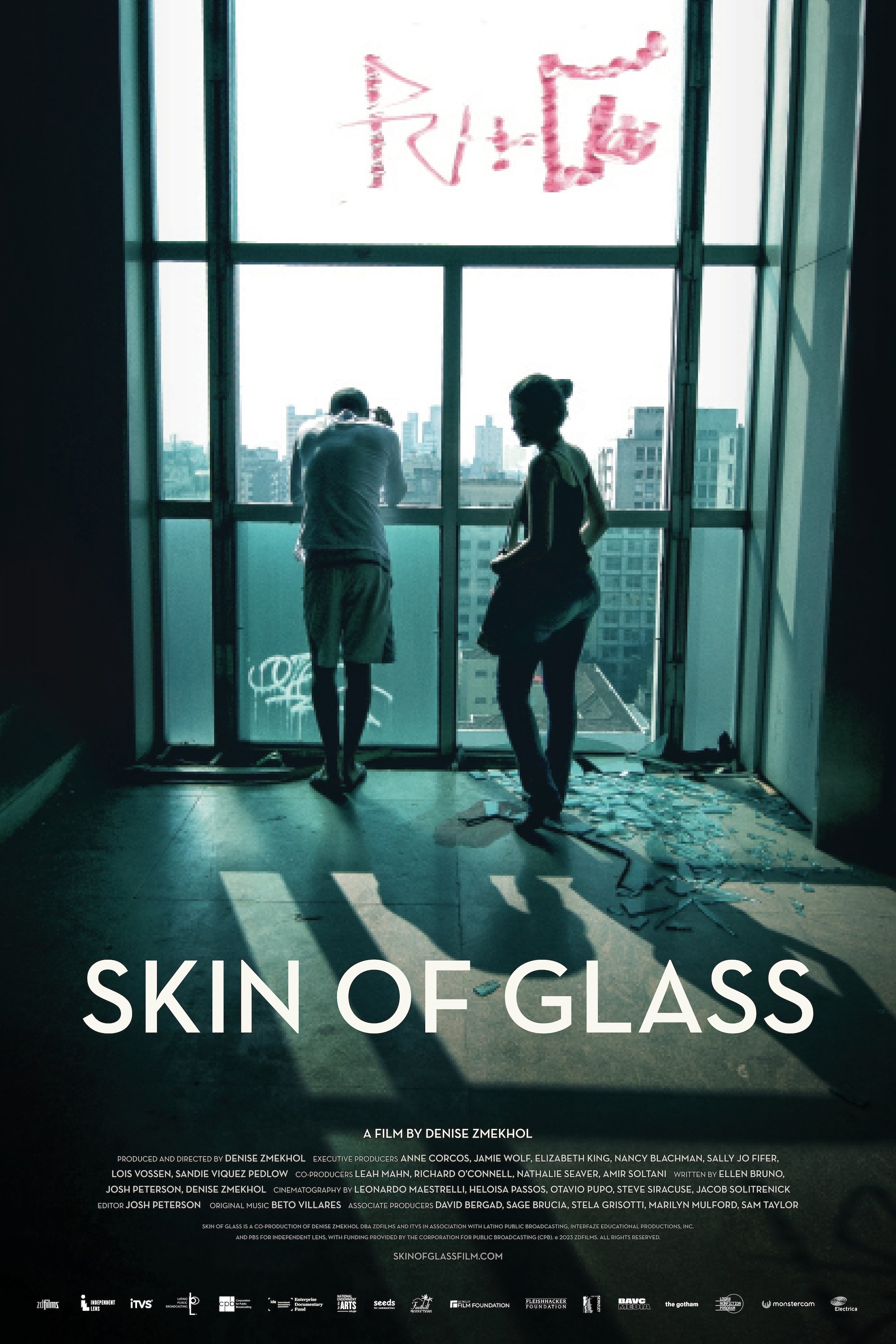
A poetic and personal cinematic meditation on displacement and loss, SKIN OF GLASS follows filmmaker Denise Zmekhol’s journey after discovering that her late father's most celebrated work as an architect, a modernist glass skyscraper in the heart of São Paulo, Brazil, has become occupied by hundreds of homeless families.
In the wilderness of the Bucharest Delta, nine children and their parents lived in perfect harmony with nature for 20 years – until they are chased out and forced to adapt to life in the big city.
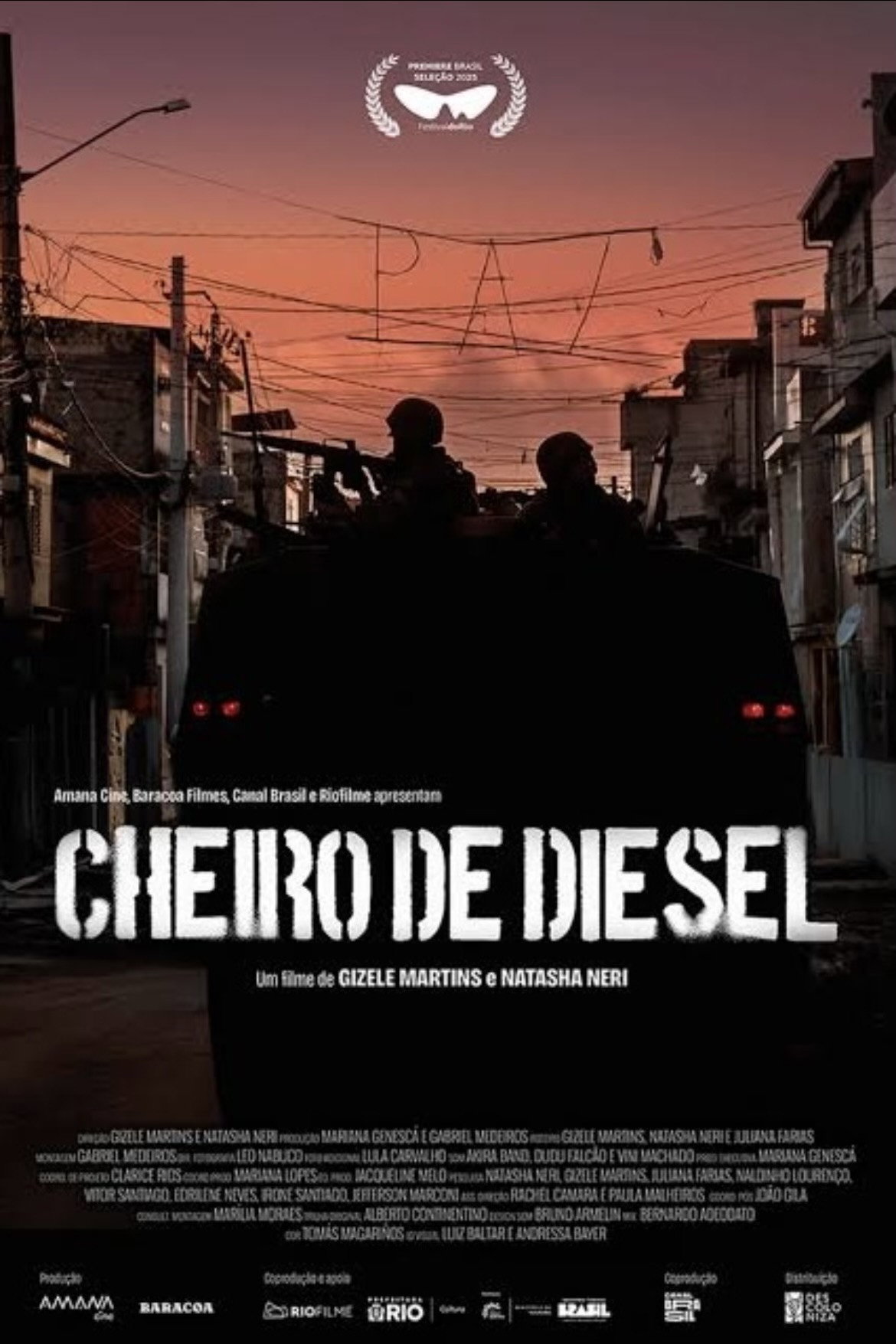
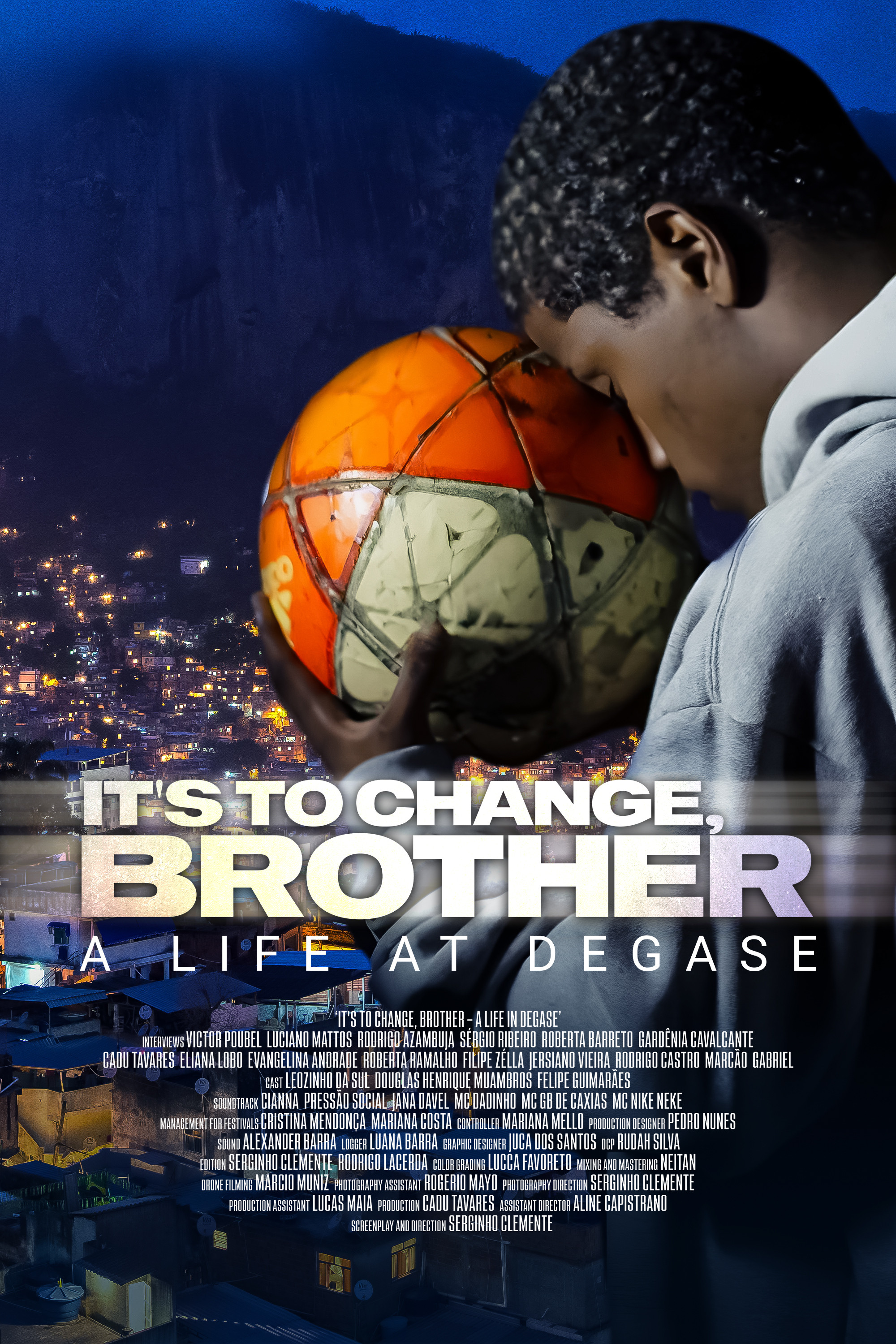
The documentary portrays the collective traumas of the militarization of Rio de Janeiro’s favelas occupied by the Armed Forces during the mega sporting events. Through voices from within the favelas, the film documents the struggle for justice and reparation for victims of human rights violations.
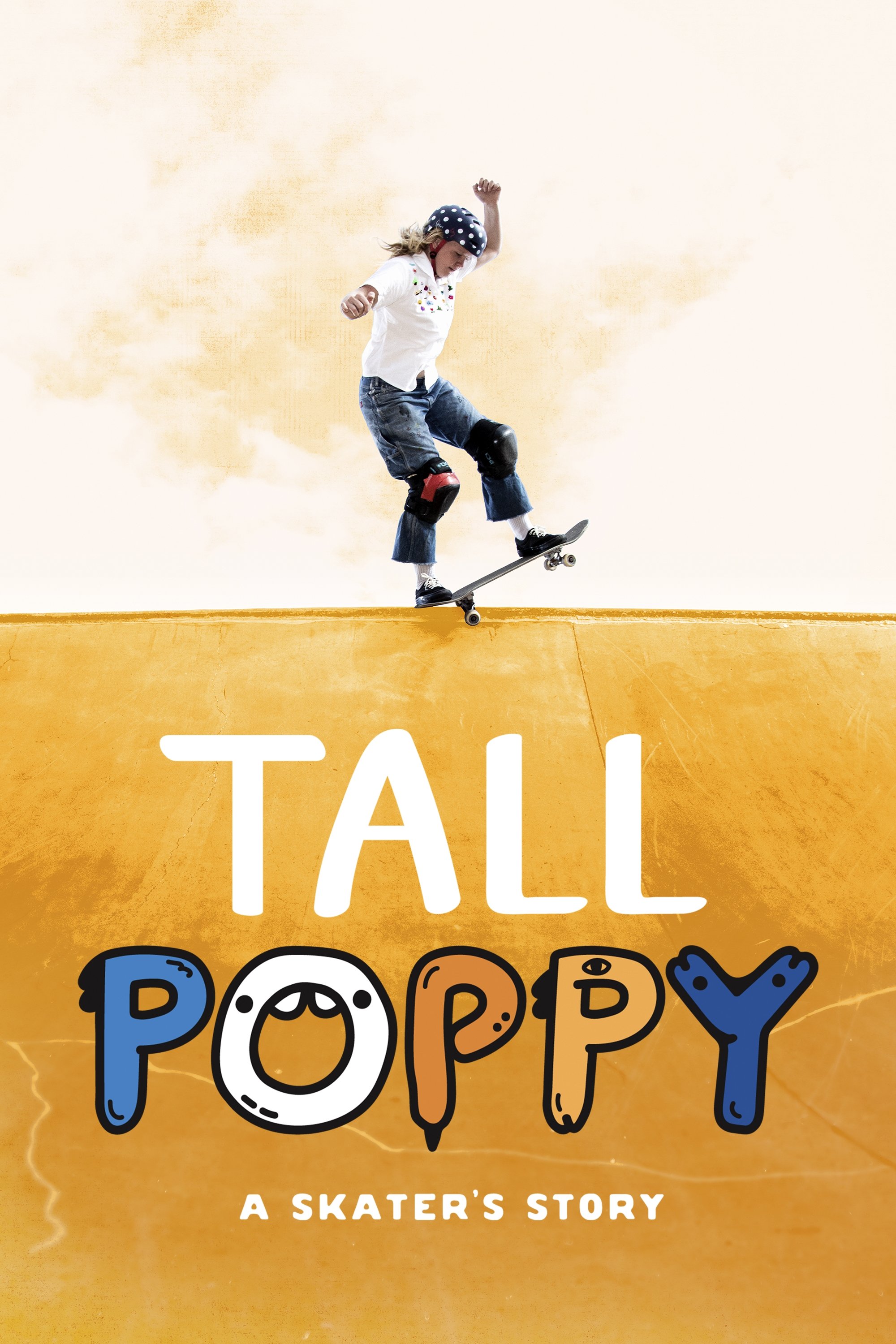
A child who just loved to skate from the age of eight, Poppy Starr Olsen became the number one female bowl skater in Australia at 14 and went on to take out bronze at the XGames at 17 - the ultimate competition in the world of skateboarding. The same year, skateboarding was announced as an official additional sport category at the Tokyo 2020 Olympics. Now faced with the opportunity to represent Australia on the world stage Poppy grapples with the transition from skater to athlete and the pressure of competition mounts in a way it has never done before.
This documentary is a portrait of Point St. Charles, one of Montreal’s notoriously bleak neighbourhoods. Many of the residents are English-speaking and of Irish origin; many of them are also on welfare. Considered to be one of the toughest districts in all of Canada, Point St. Charles is poor in terms of community facilities, but still full of rich contrasts and high spirits – that is, most of the time.
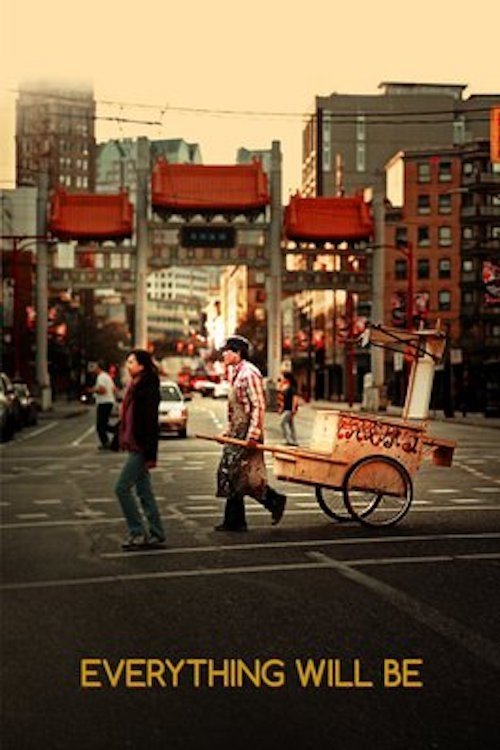
Sundance award-winning director Julia Kwan’s documentary Everything Will Be captures the subtle nuances of a culturally diverse neighbourhood—Vancouver’s once thriving Chinatown—in the midst of transformation. The community’s oldest and newest members offer their intimate perspectives on the shifting landscape as they reflect on change, memory and legacy. Night and day, a neon sign that reads "EVERYTHING IS GOING TO BE ALRIGHT" looms over Chinatown. Everything is going to be alright, indeed, but the big question is for whom?
This documentary explores the complexities of Los Angeles. Blending a highly structured montage of shots exploring the city with interviews of students, the writer Henry Miller, and residents from all communities, this evocation of Angelenos' city paints a portrait of a living, constantly evolving entity.
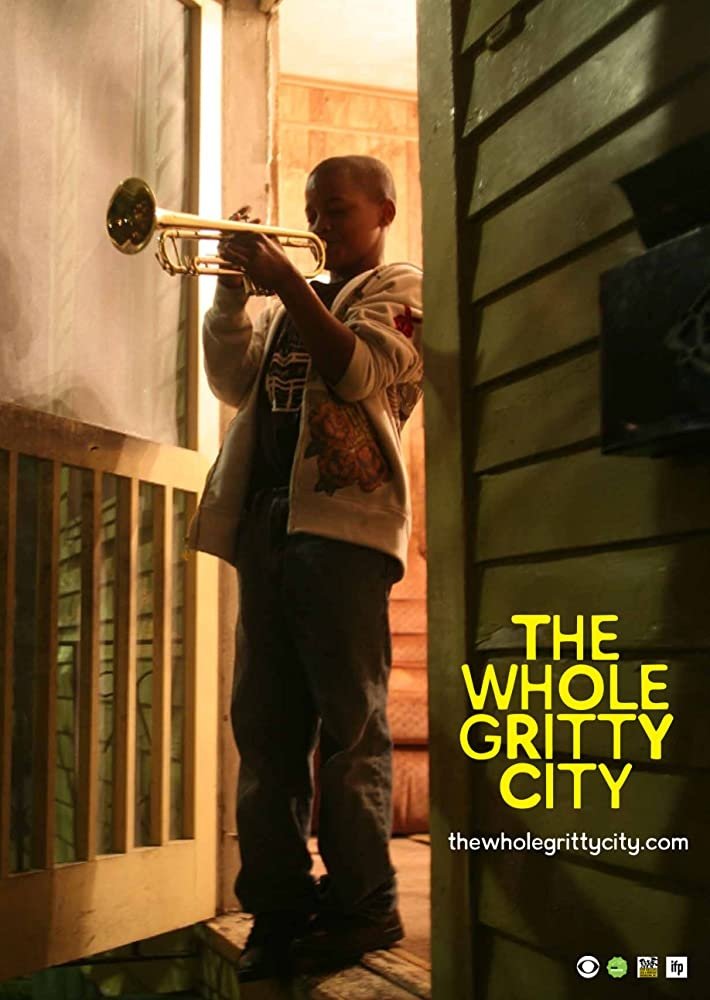
Young members of 3 New Orleans school marching bands grow up in America's most musical city, and one of its most dangerous. Their band directors get them ready to perform in the Mardi Gras parades, and teach them to succeed and to survive.
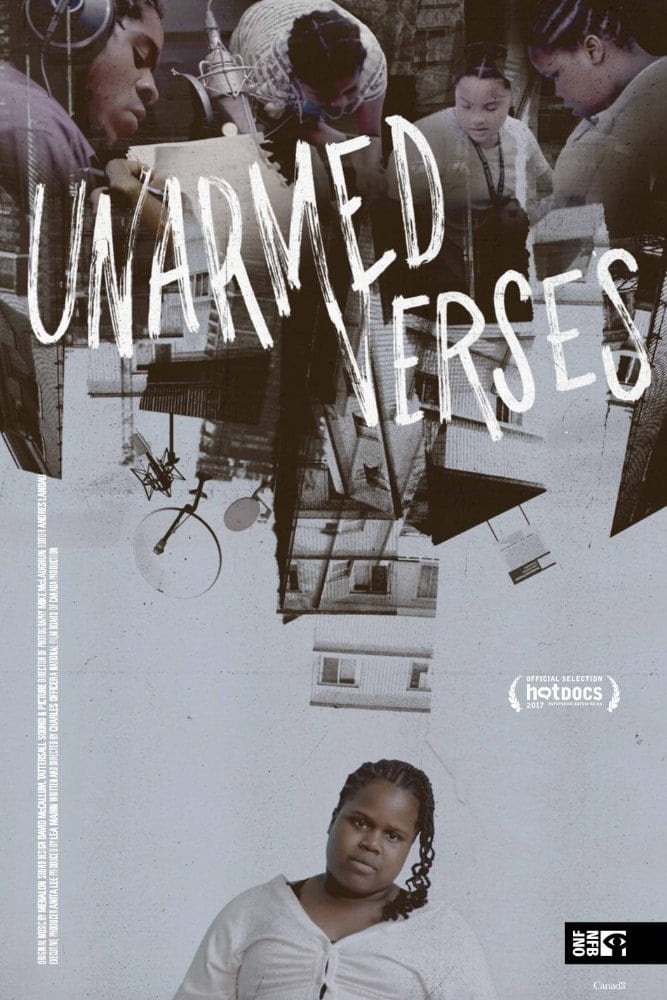
Toronto filmmaker Charles Officer profiles the young people of Villaways Park, a housing project on brink of historic change.
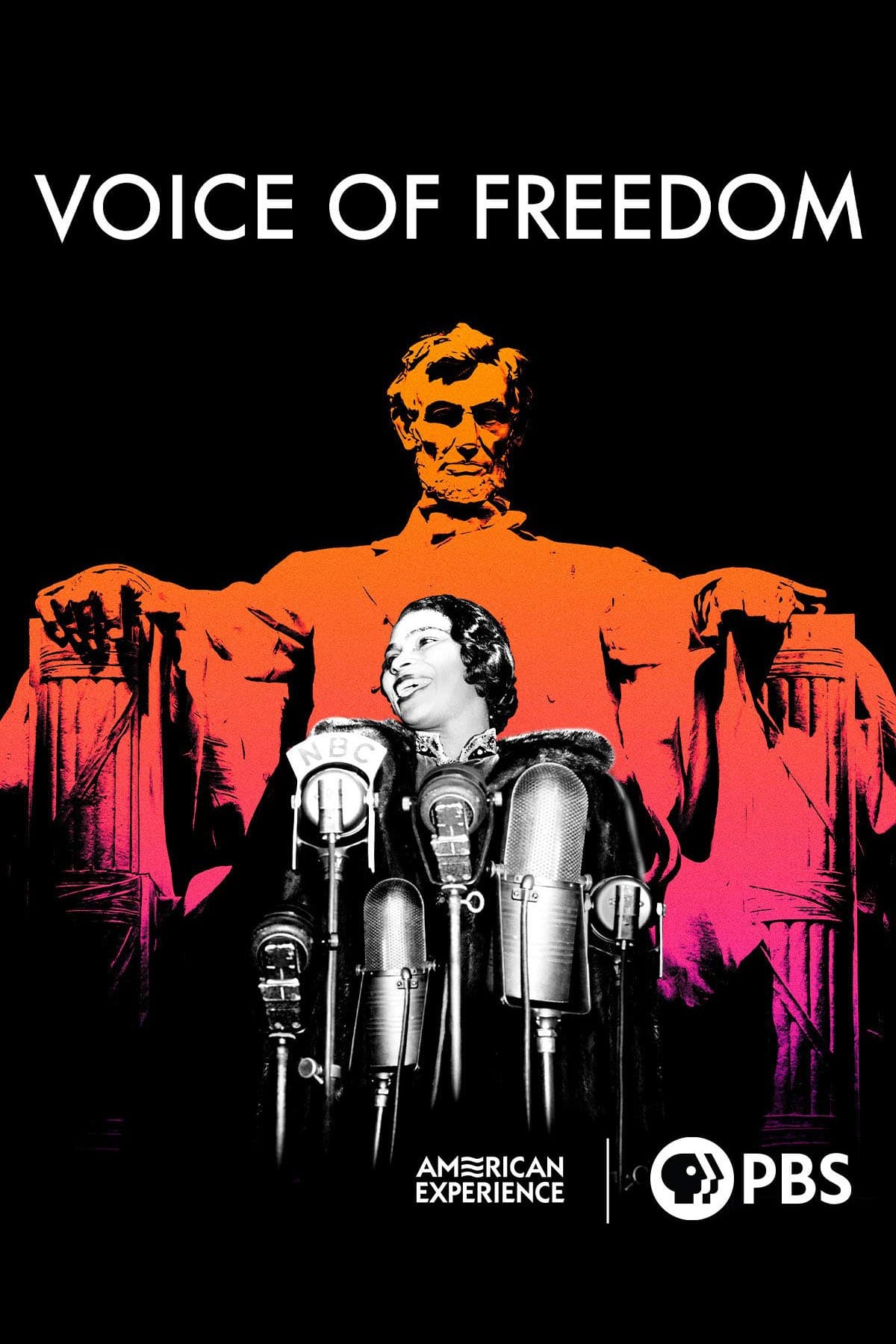
On Easter Sunday, 1939, contralto Marian Anderson stepped up to a microphone in front of the Lincoln Memorial. Inscribed on the walls of the monument behind her were the words “all men are created equal.” Barred from performing in Constitution Hall because of her race, Anderson would sing for the American people in the open air. Hailed as a voice that “comes around once in a hundred years” by maestros in Europe and widely celebrated by both white and black audiences at home, her fame hadn’t been enough to spare her from the indignities and outright violence of racism and segregation.
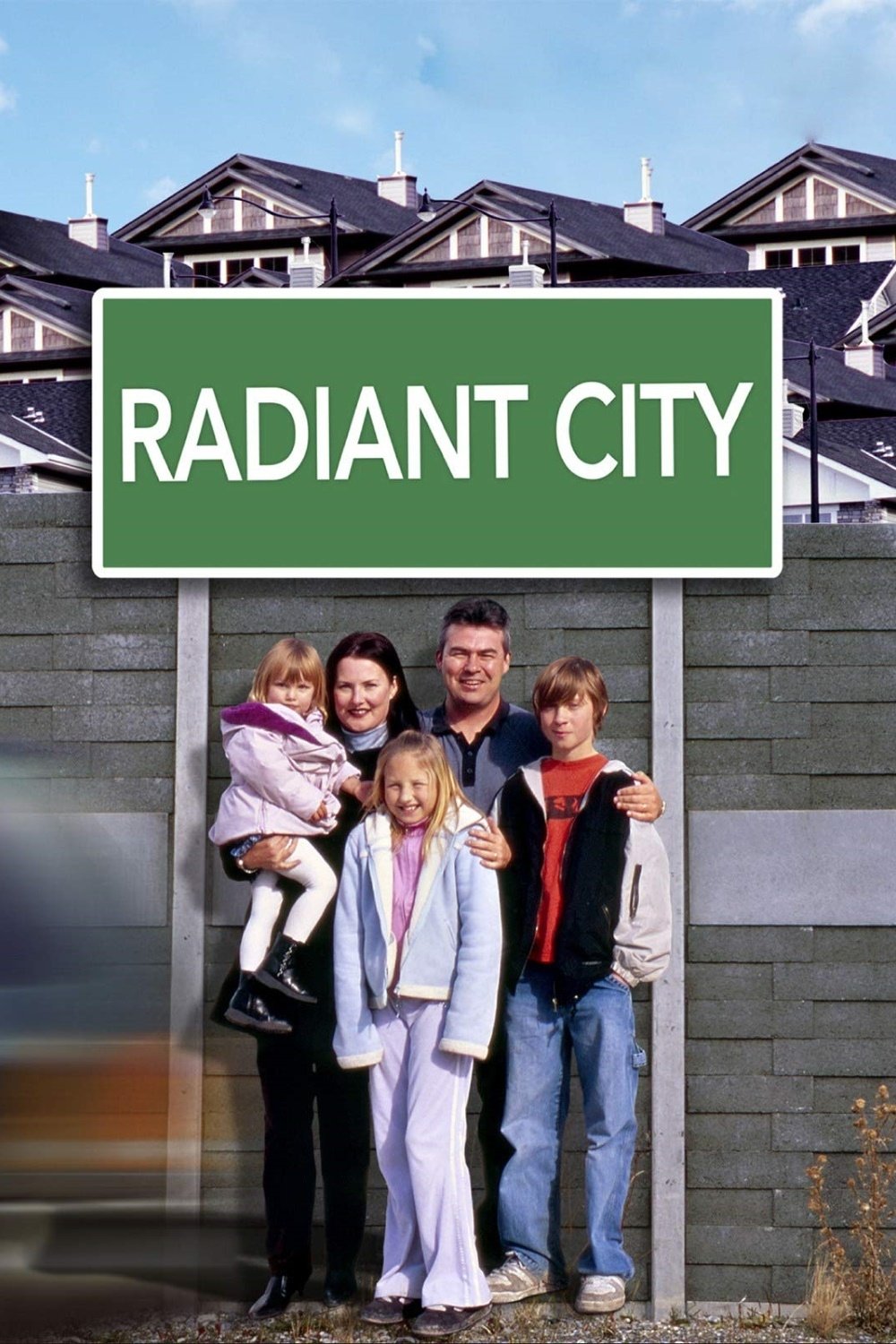
Since the end of World War II, one of kind of urban residential development has dominate how cities in North America have grown, the suburbs. In these artificial neighborhoods, there is a sense of careless sprawl in an car dominated culture that ineffectually tries to create the more organically grown older communities. Interspersed with the comments of various experts about the nature of suburbia
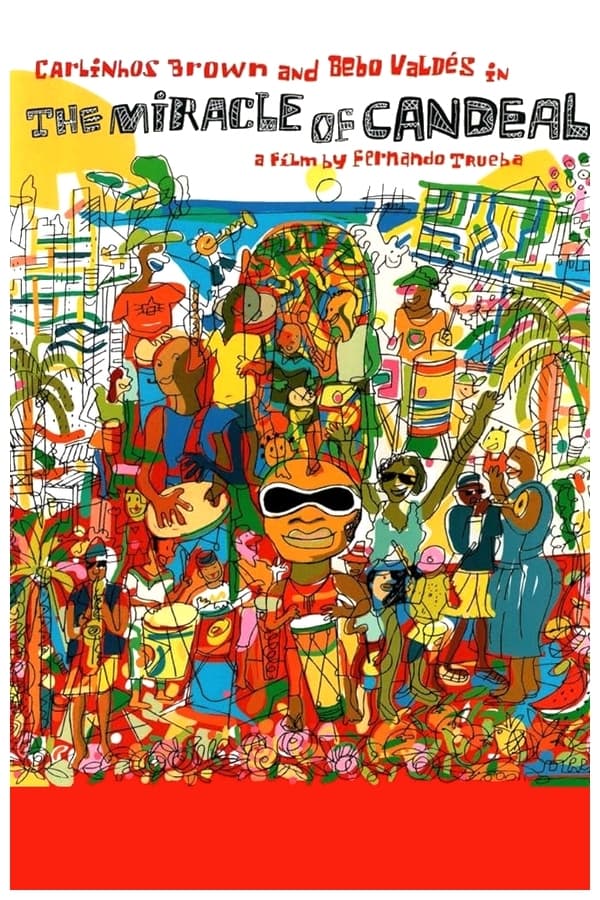
The story of the Candeal favela in Salvador de Bahia, Brazil, where musician Carlinhos Brown carries out social and cultural initiatives that protect and enrich the lives of its inhabitants every day.
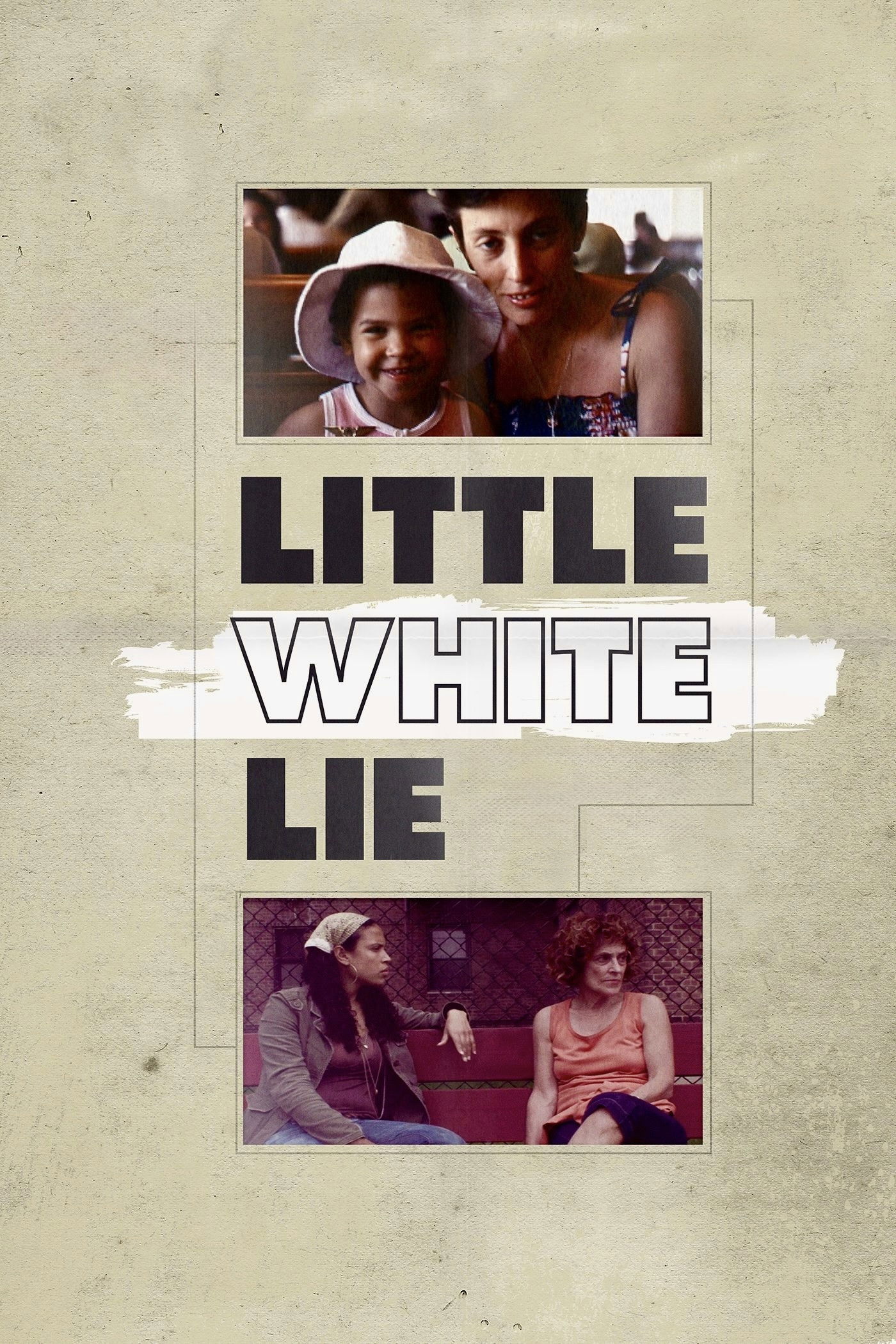
Lacey Schwartz grew up in a typical upper-middle-class Jewish household in Woodstock, NY, with loving parents and a strong sense of her Jewish identity - despite the open questions from those around her about how a white girl could have such dark skin. She believes her family's explanation that her looks were inherited from her dark-skinned Sicilian grandfather. But when her parents abruptly split, her gut starts to tell her something different. At age of 18, she finally confronts her mother and learns the truth: her biological father was not the man who raised her, but a black man named Rodney with whom her mother had had an affair.
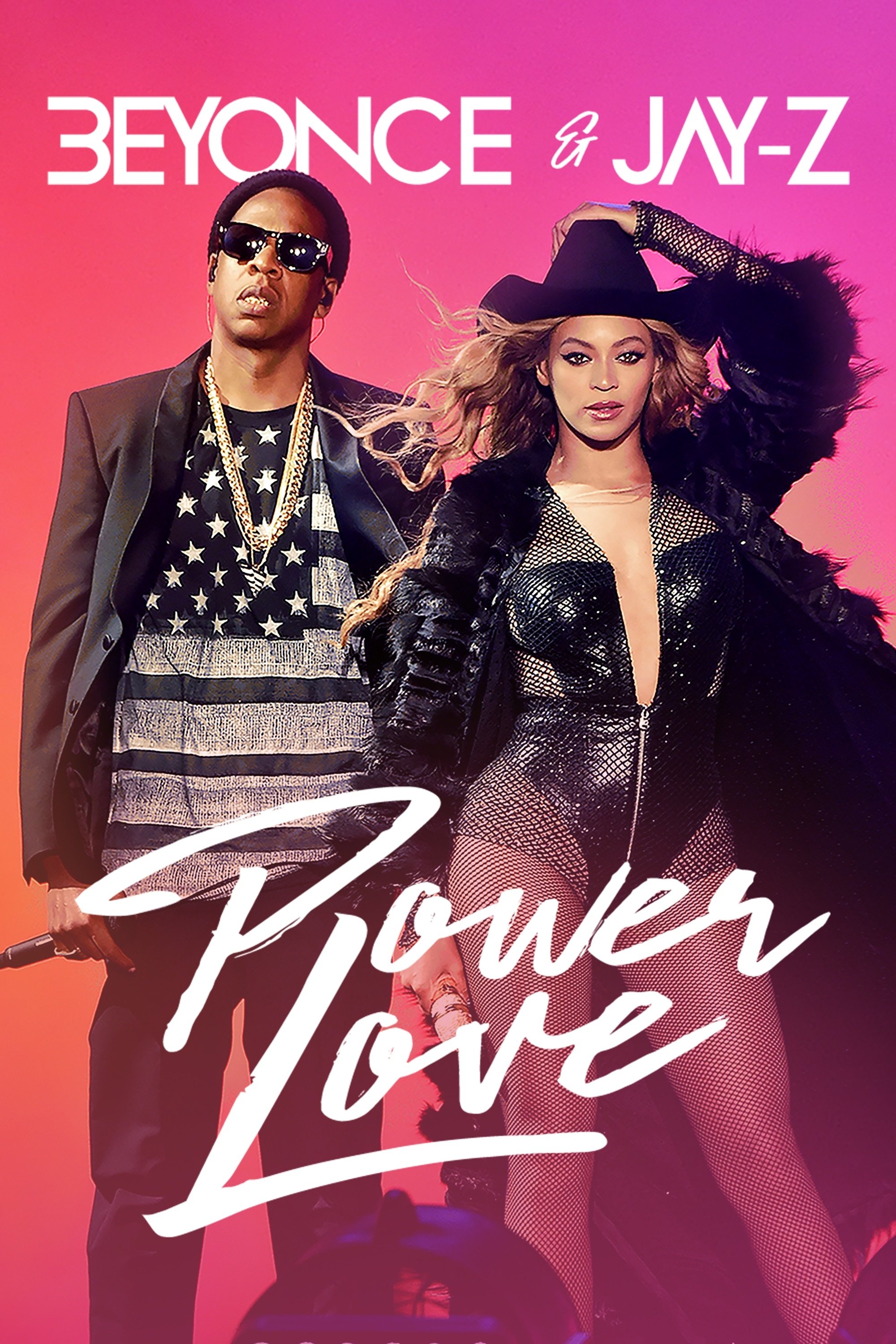
A merger of megastar music. Discover the story of multi-genre performer and fashion promoter, Beyonce Knowles sand the world's first hip hop billionaire, Jay-Z.
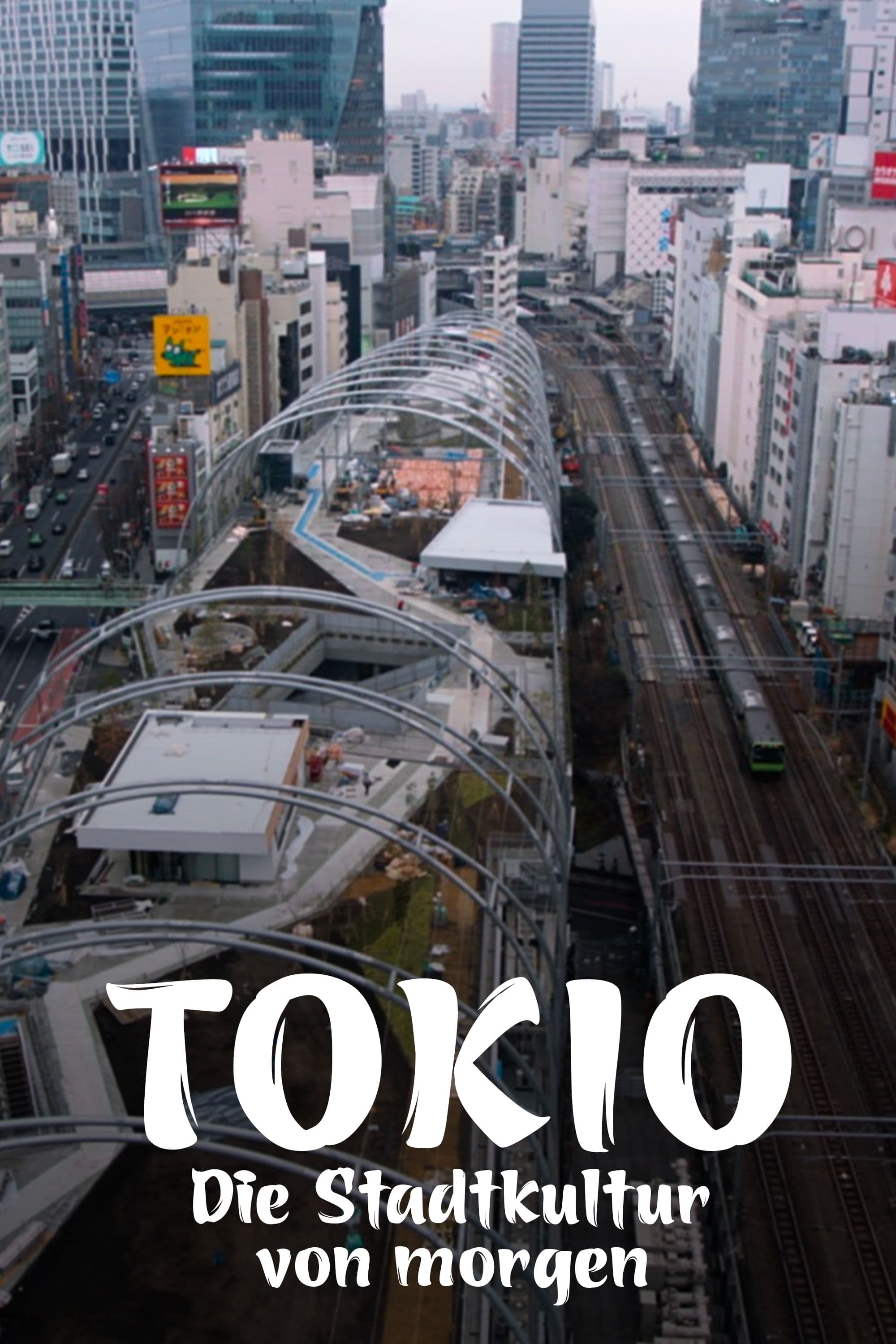
Tokyo, the largest city in the world, wants to create a new urban culture. It is returning to the urban traditions and building techniques of the small town. The aim is to create a new balance between megacity and small-scale garden city. Tokyo's architects are the driving force. They want to create a new urban culture with revolutionary ideas.
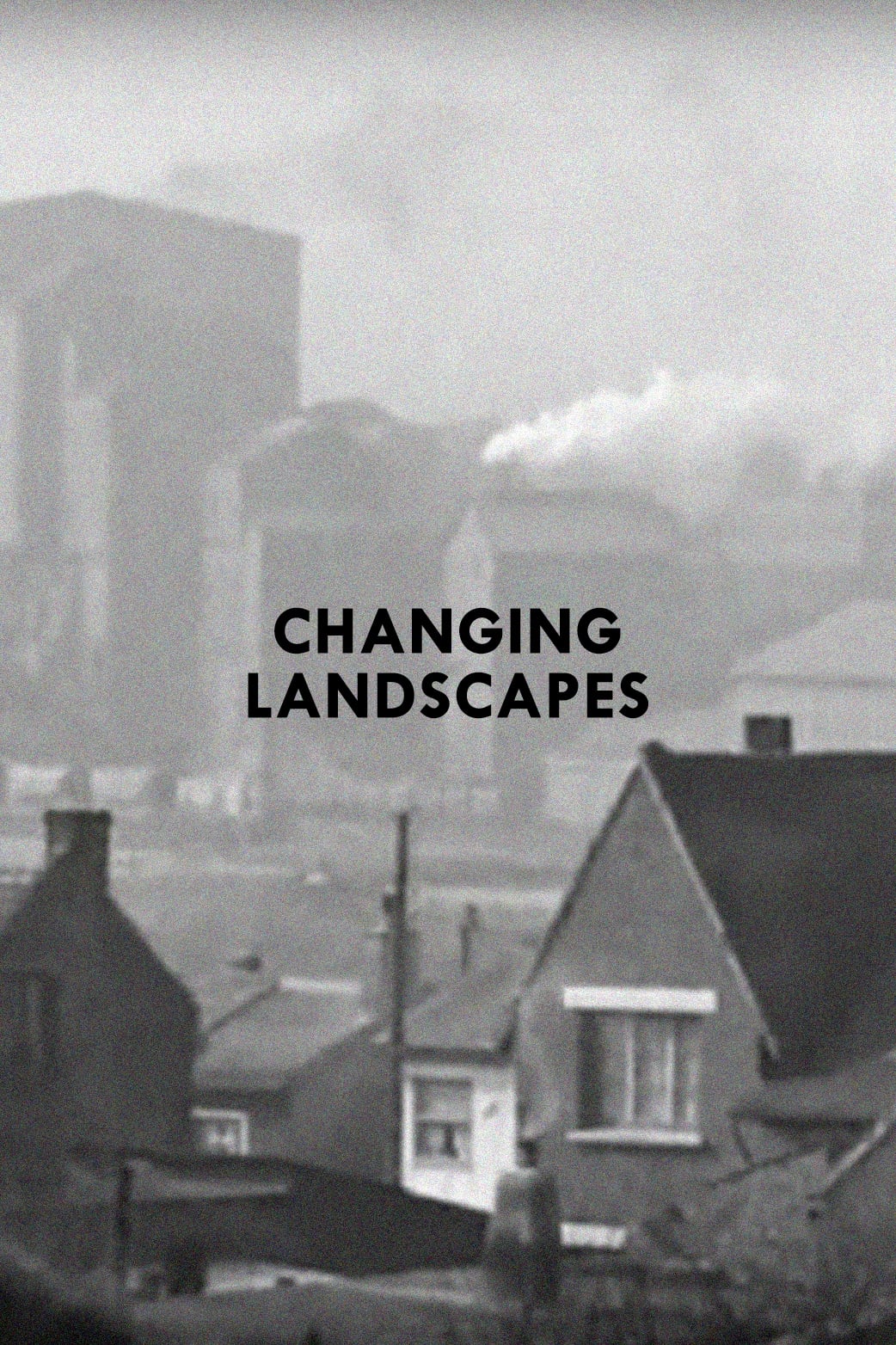
A sophisticated and beautifully constructed account of landscape change in and around Paris in the early 1960s. The film raises complex issues about the meaning and experience of modern landscapes and the enigmatic characteristics of features such as canals, pylons and deserted factories. Rohmer also explores the role of landscape within different traditions of modern art and design and refers to specific architects, artists and engineers.
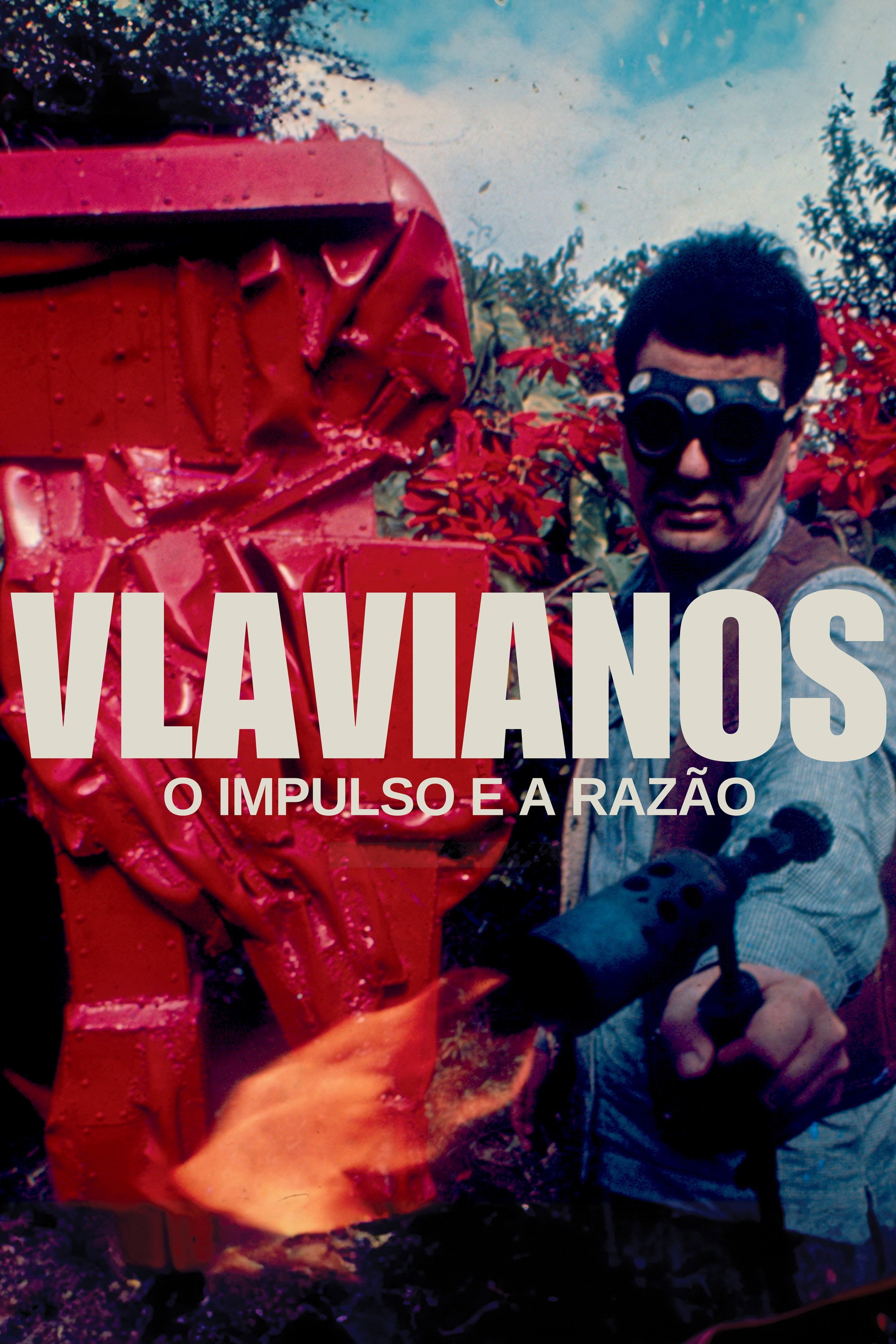
The documentary follows Nicolas Vlavianos (1929-2022), a renowned sculptor, in the final years of his life. It captures the moment — when he is around 90 years old — that he returns to an old drawer, tries to pick up his tools, and realizes he no longer has the strength to hold them. That simple gesture becomes the symbolic trigger: the end of his long creative cycle and the beginning of a farewell to his art. From there, the film documents the dismantling of Vlavianos’s studio and workspace, and the gradual process of his withdrawal from physical creation. It’s not just a retrospective of works: it’s a portrait of decline, memory, mortality, and legacy.
The life and career of an actor, artist, and icon. His own journey through his own camera.
A chronicle of the life, work and mind that created the Cthulhu mythos.
JB Smoove and Martin Starr host a celebration of 20 years of "Spider-Man" movies, from the Sam Raimi trilogy to Marc Webb's movies and the trio from Jon Watts.
The life of Mr. Spock, as well as that of Leonard Nimoy, the actor who played him for almost fifty years, written and directed by his son: Adam.
Al Pacino's deeply-felt rumination on Shakespeare's significance and relevance to the modern world through interviews and an in-depth analysis of "Richard III."
A visual montage portrait of our contemporary world dominated by globalized technology and violence.
In one single, epic camera move we journey from Earth's surface to the outermost reaches of the universe on a grand tour of the cosmos, to explore newborn stars, distant planets, black holes and beyond.
A documentary detailing the epic Rogues' Gallery of DC Comics from The Joker and Lex Luthor, Sinestro, Darkseid and more, this documentary will explore the Super Villains of DC Comics.
20 years after Calvin and Hobbes stopped appearing in daily newspapers, filmmaker Joel Allen Schroeder has set out to explore the reasons behind the comic strip's loyal and devoted following.
A look at the origins, history and conspiracies behind the "Majestic 12", a clandestine group of military and corporate figureheads charged with reverse-engineering extraterrestrial technology.
Cast, crew and fans explore the 'Back to the Future' time-travel trilogy's resonance throughout our culture—30 years after Marty McFly went back in time.
This documentary focuses on the actors and their journey over two summers to create the remake to the original IT, by Stephen King. The documentary originally released as bonus material, bundled with IT: Chapter Two.
Daniel Craig candidly reflects on his 15 year adventure as James Bond. Including never-before-seen archival footage from Casino Royale to the upcoming 25th film No Time To Die, Craig shares his personal memories in conversation with 007 producers, Michael G Wilson and Barbara Broccoli.
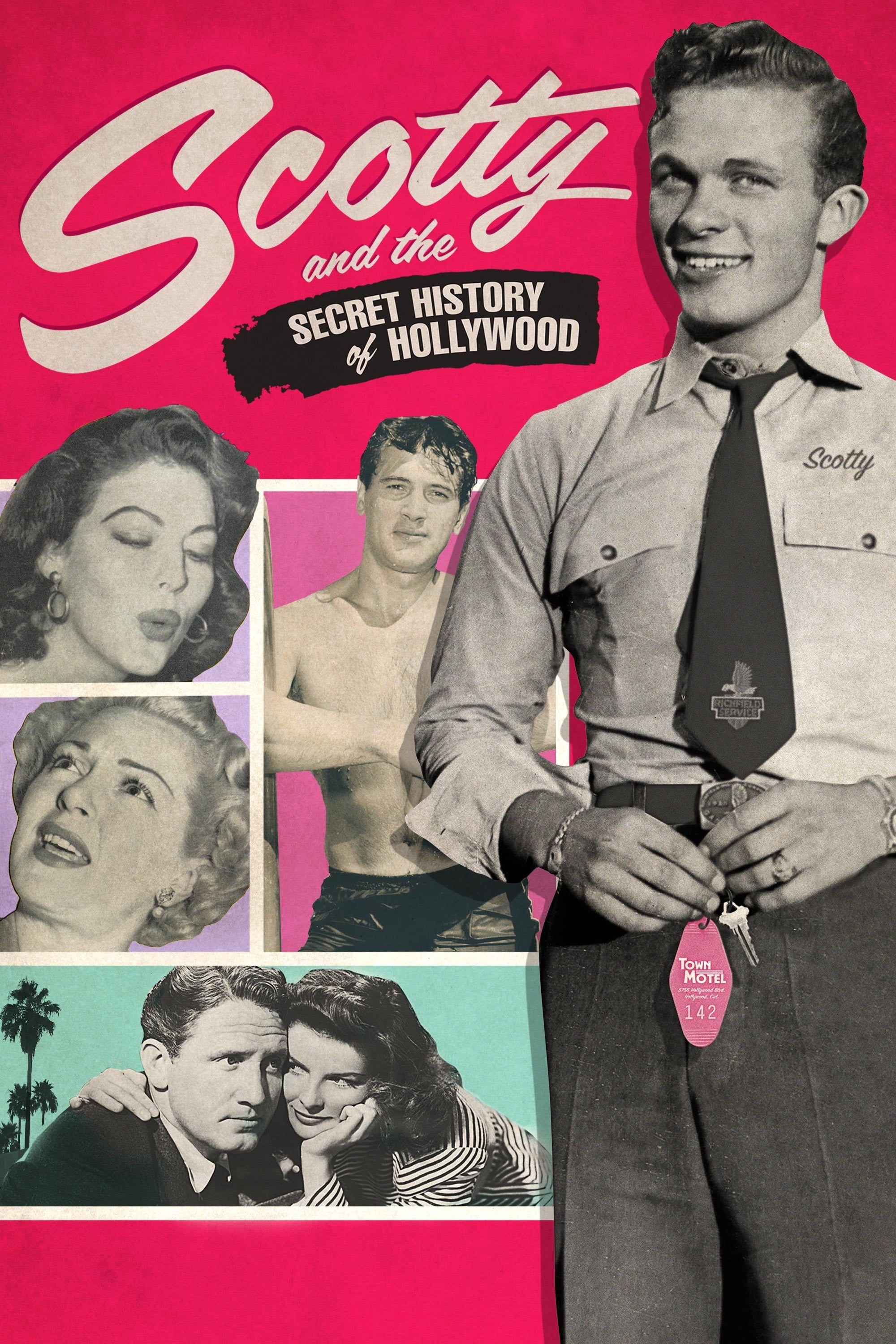
A deliciously scandalous portrait of unsung Hollywood legend Scotty Bowers, whose bestselling memoir chronicled his decades spent as sexual procurer to the stars.
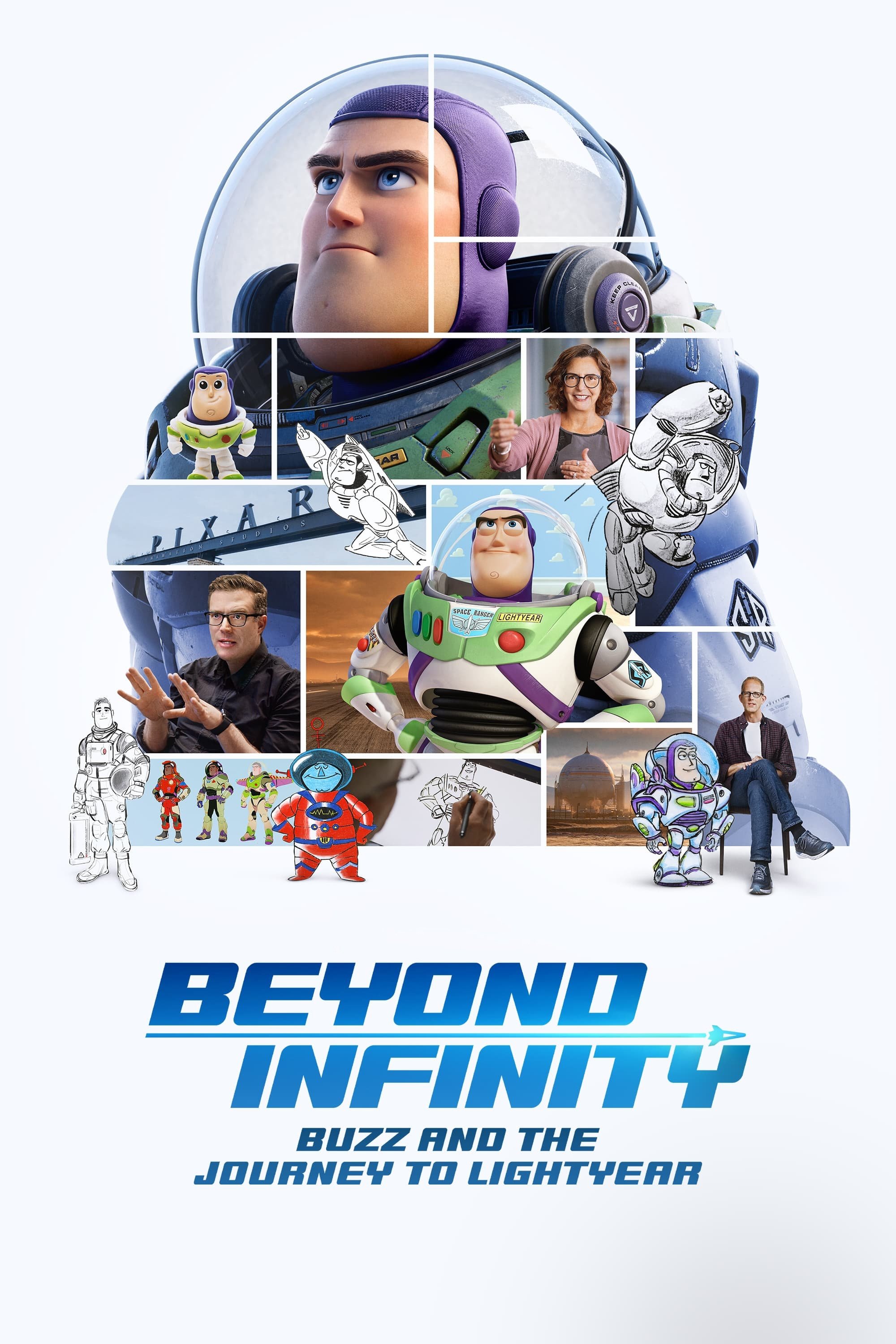
Explore the evolution of Buzz Lightyear from toy to human in the making of Pixar’s Lightyear. Dive into the origin and cultural impact of everyone’s favorite Space Ranger, the art of designing a new “human Buzz,” and the challenges faced by the Lightyear crew along the way.
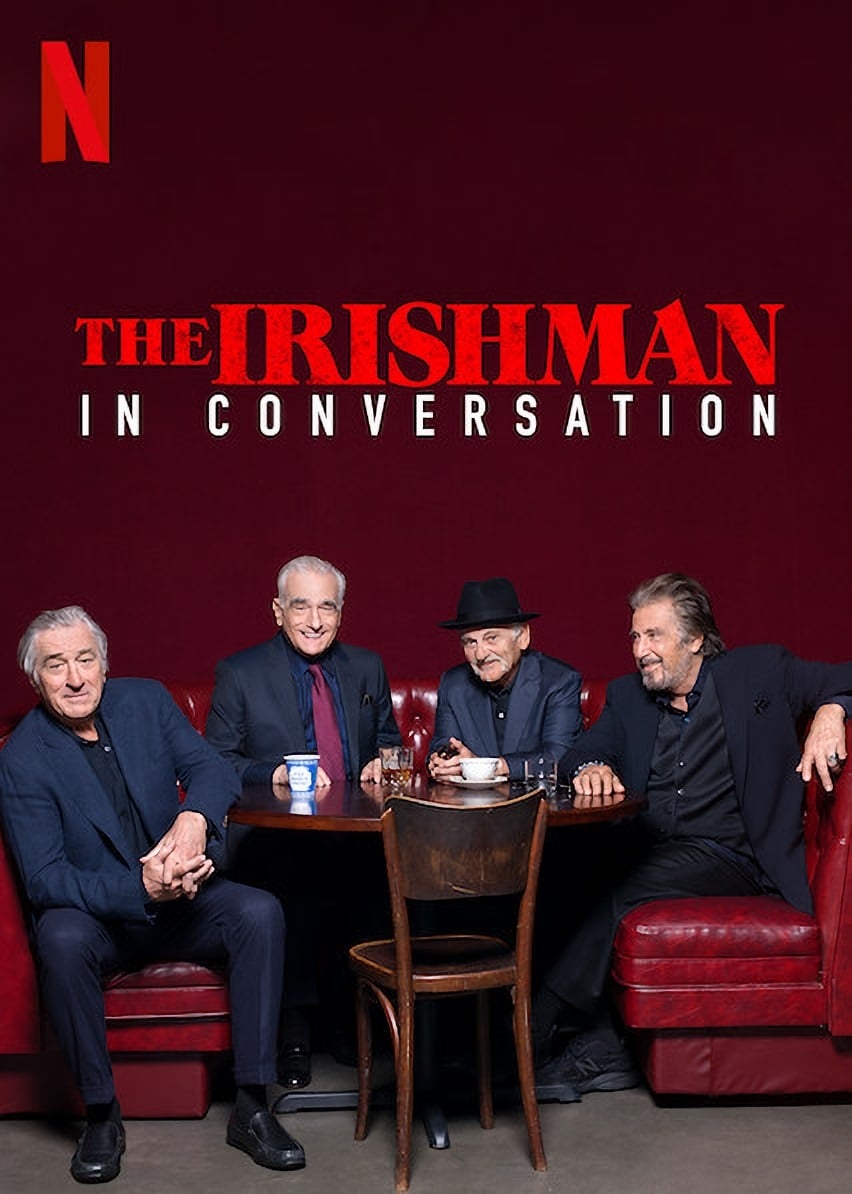
Martin Scorsese, Robert De Niro, Joe Pesci, and Al Pacino in conversation about The Irishman.
Told through performances, TV interviews, home movies, family photographs, private letters and unpublished memoirs, the film reveals the essence of an extraordinary woman who rose from humble beginnings in New York City to become a glamorous international superstar and one of the greatest artists of all time.
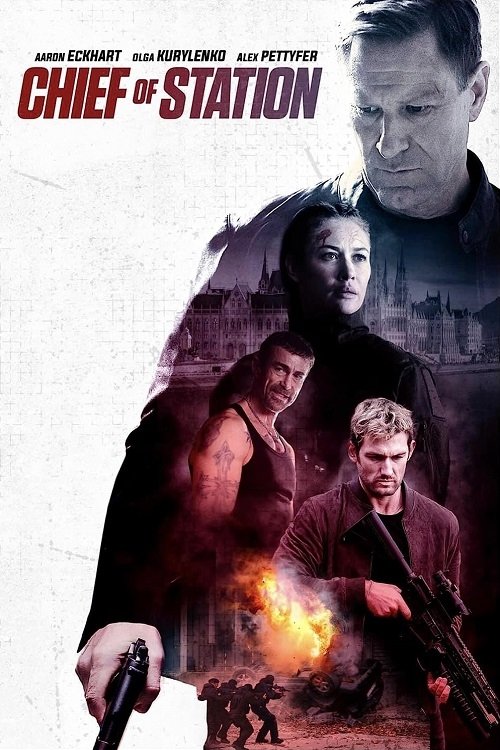
After learning that the death of his wife was not an accident, a former CIA Station Chief is forced back into the espionage underworld, teaming up with an adversary to unravel a conspiracy that challenges everything he thought he knew.
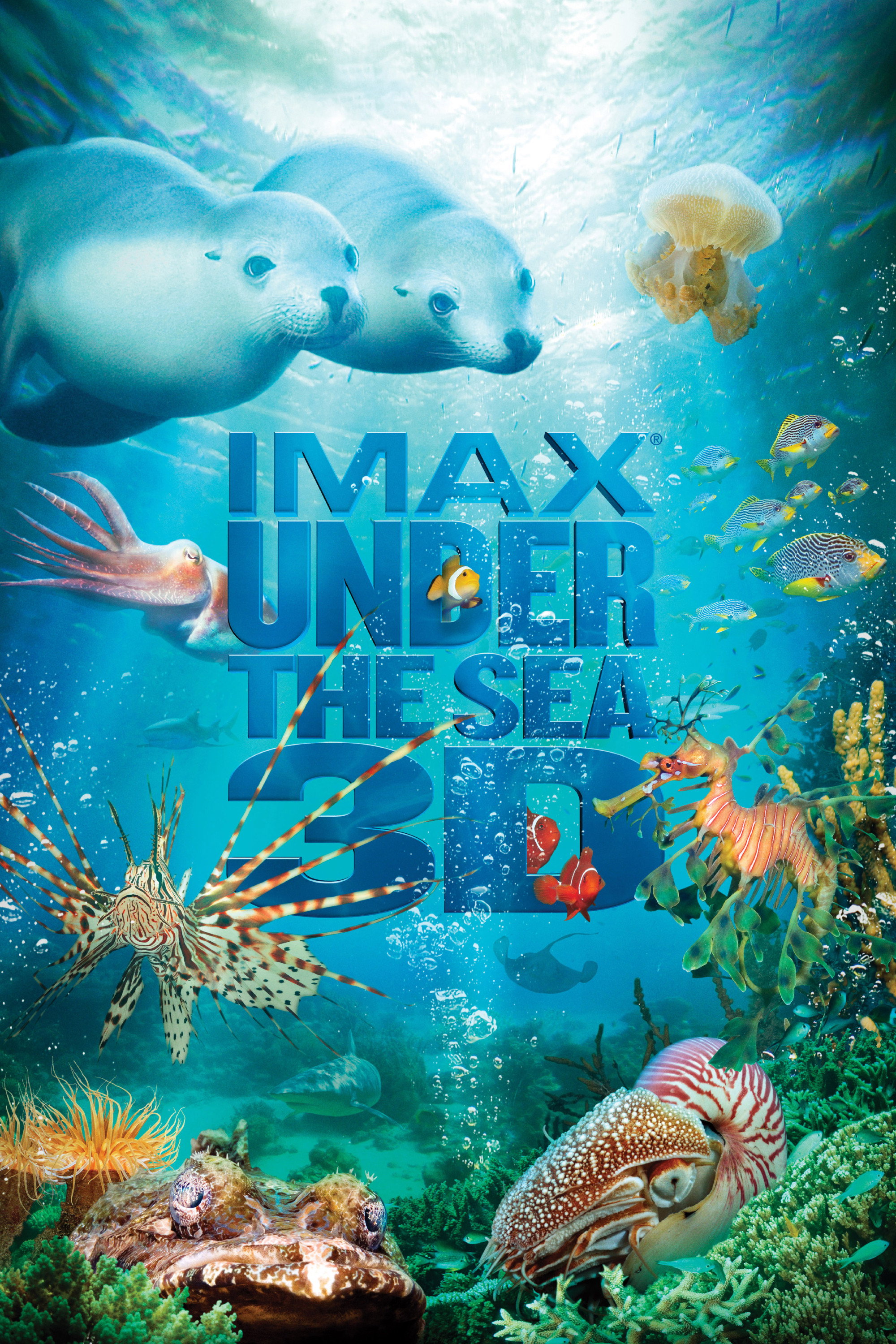
Imagine a world of incredible color and beauty. Of crabs wearing jellyfish for hats. Of fish disguised as frogs, stones and shag carpets. Of a kaleidoscope of life dancing and weaving, floating and darting in an underwater wonderland. Now, go explore it! Howard Hall and his filmmaking team, who brought you Deep Sea and Into the Deep, take you into tropical waters alive with adventure: the Great Barrier Reef and other South Pacific realms. Narrated by Jim Carrey and featuring astonishing camerawork, this amazing film brings you face to fin with Nature's marvels, from the terrible grandeur (and terrible teeth) of a Great White to the comic antics of a lovestruck cuttlefish. Excitement and fun run deep Under the Sea!
A documentary that explores the downloading revolution; the kids that created it, the bands and the businesses that were affected by it, and its impact on the world at large.