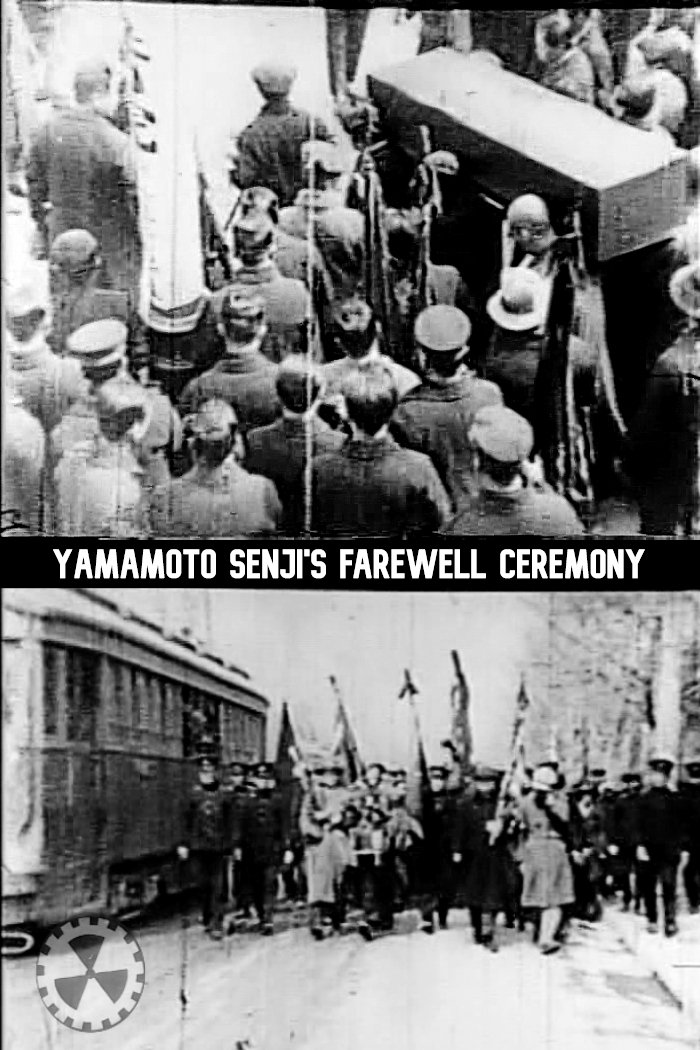
Yamamoto Senji fought against the Peace Preservation Law in the Diet. On March 5, 1929 he was assassinated by the right wing. A farewell ceremony was held near the University of Tokyo. Prokino's Tokyo Branch shot the procession.
Social & External
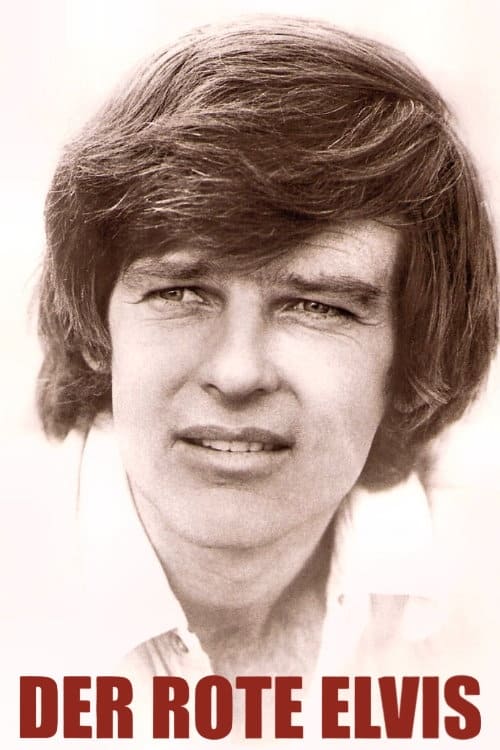
A documentary on the late American entertainer Dean Reed, who became a huge star in East Germany after settling there in 1973.
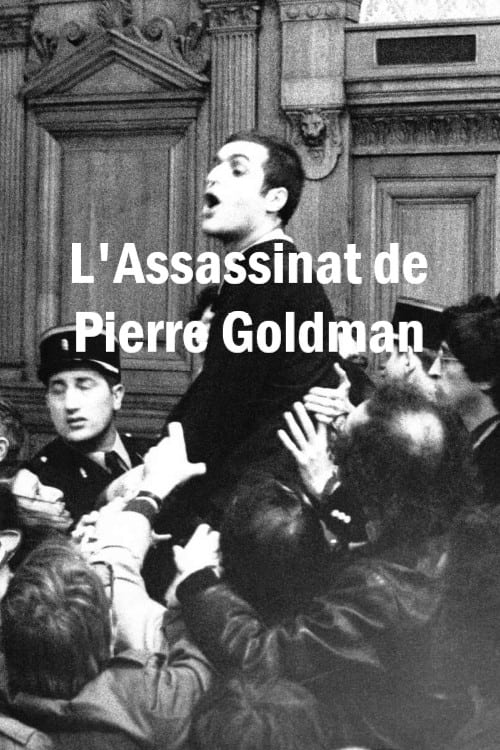
Character assassination. Political assassination. Legal assassination. An actual assassination attempt. They will try anything to stop Trump. We can’t let them!
Every year, five to ten percent of all deceased Berliners are buried by the authorities because no relatives are found. Most of them are put into the ground by mortician Bernd Simon going alone. But sometimes companions do turn up and say goodbye in their very own way. An observational documentary about an undertaker who actually wanted to become an entertainer, a bizarre city portrait and a mirror of how we deal with death, mourning and commemoration.
The Other Side of Burka is a 2004 Iranian documentary directed by Mehrdad Oskouei. In the southern island of Qeshm, Iran, which is a very strict region in point of tradition and African-Arabic rules, all women are under the pressure of patriarch society. Their sufferance is manifested by different mental (Zar, Possession) and physical diseases which must be only treated by Zar Ceremony. For the first time, despite the danger these women face, this film tells us the sad story of their life and shows their confection in front of the camera. It tries to be an honest mirror which reflects their sufferance and unveils their Burka to reveal their real characters.
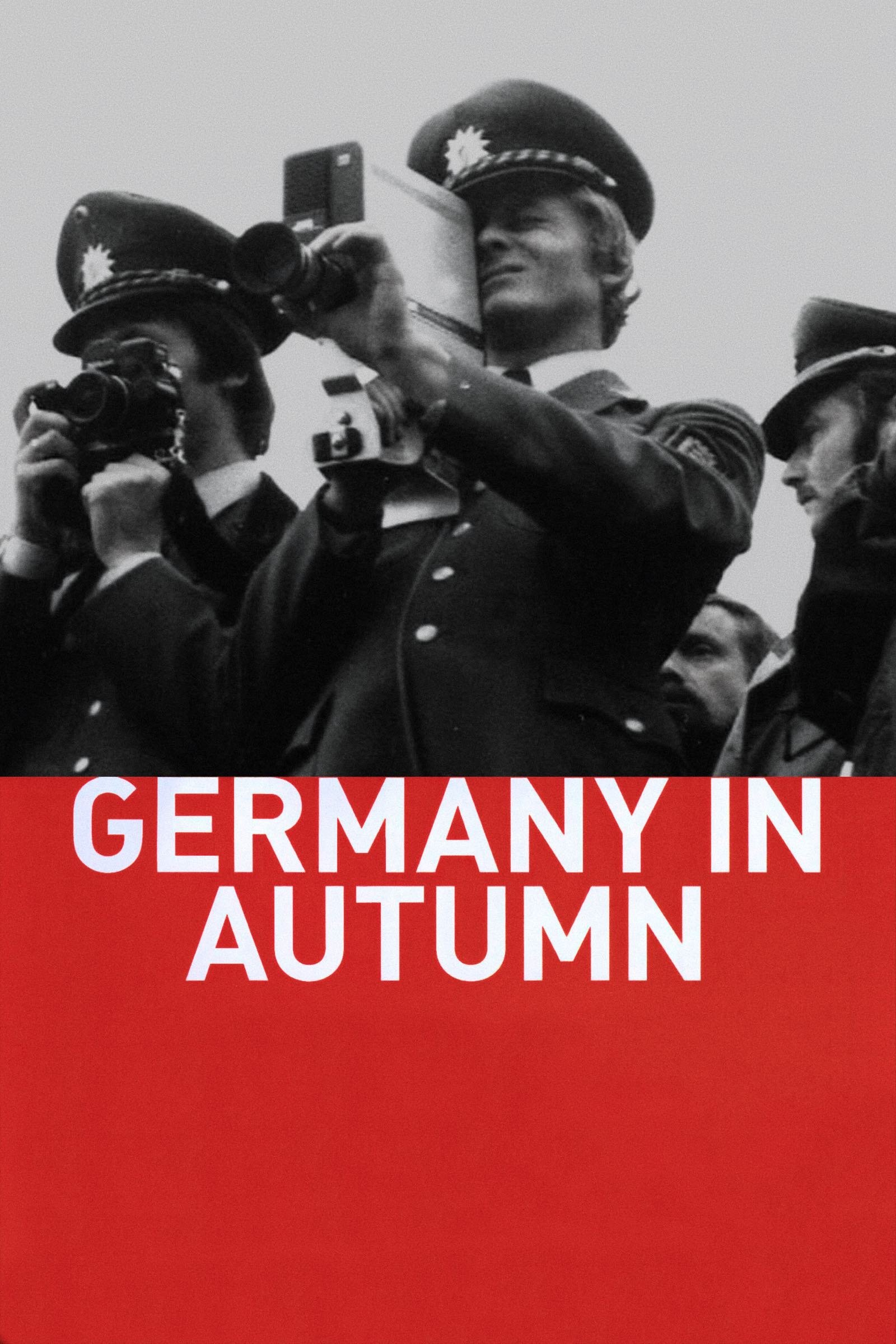
Nine fictitious documentaries and films reflect the mood of late 1970s Germany, particularly the two-month period in 1977 when a businessman was kidnapped by the RAF (Red Army Faction). The kidnap had been made to orchestrate the release of the original leaders of the RAF, aka the Baader-Meinhof.
A fascinating account of the presidency of Andrew Jackson, who was both one of America's great presidents and a borderline tyrant. The seventh president shook up the glossy world of Washington, DC with his "common-man" methods and ideals, but also oversaw one of the most controversial events in American history: the forced removal of Indian tribes, including the Cherokees, from their homes.
On 28 January 1901 the great musician Giuseppe Verdi died from the consequences of a stroke that had struck him six days earlier. These very rare images, captured in Milan on 27 February 1901 by the operator and pioneer of Milanese cinema Italo Pacchioni, document the transfer of the Maestro's body from the Monumental Cemetery of Milan to the famous retirement home for musicians which he himself founded.
Stanley Kubrick’s short documentary about Father Fred Stadtmueller, a Catholic priest serving a vast 4,000-square-mile parish in rural New Mexico. To reach his scattered congregation, he pilots his own Piper Cub aircraft, the Spirit of St. Joseph. Over two days, Kubrick follows the “flying padre” as he conducts Mass, mediates between quarreling children, attends a funeral, and airlifts a sick child to medical care—capturing both the challenges and quiet heroism of his daily mission.
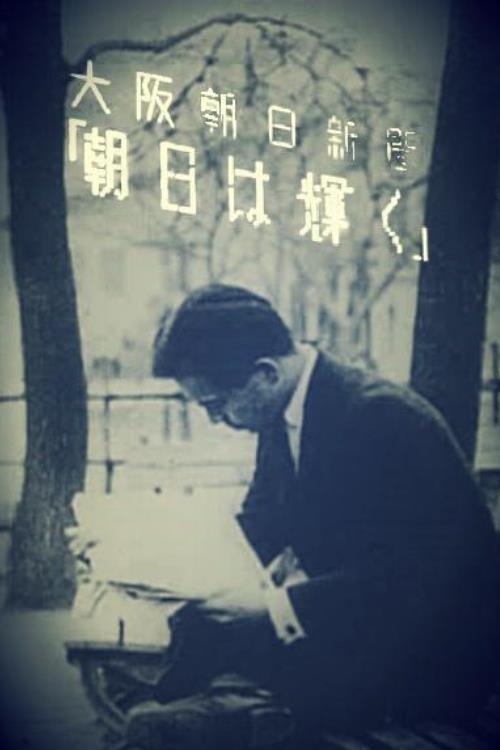
The Morning Sun Shines is a fiction-documentary film by Kenji Mizoguchi and Seiichi Ina. The film is a combination of a drama about a reporter, and documentary footage about newspaper production. Only 25 minutes of footage has survived.
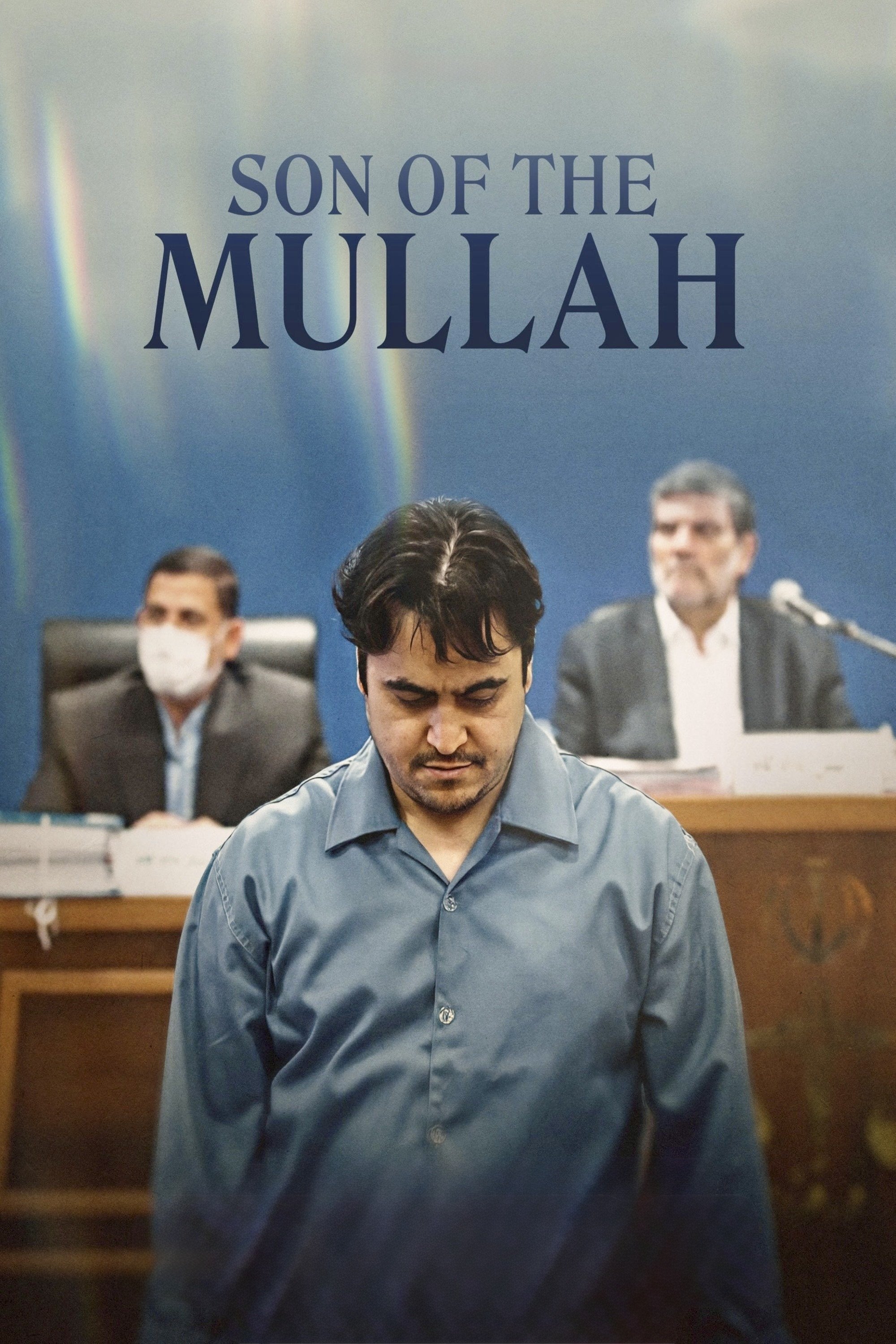
In 2019, the multi-awarded filmmaker Nahid Persson Sarvestani (My Stolen Revolution, Prostitution Behind the Veil) filmed the Iranian journalist based in France Roholla Zam, who exposed the Iranian regime money laundering. Months later, Rohollah was lured by moles to Iraq and kidnapped to Iran. After 14 months in prison, he was executed.
On May 1st, unions all over Japan celebrate May Day, the international day for workers. Workers gather together at parks and hold demonstrations and parades. May Day has its origins in a strike that occurred in the United States on May 1, 1886, a strike that called for an eight-hour workday. Prokino recorded the May Day every year from 1927 to 1932. Among these films, this work is the only one that has survived. However, only its first part has survived. The original film depicts the march to the Ueno Park where the rally was dismissed. Iwasaki Akira coordinated the entire Tokyo Prokino organization as it photographed the 1931 May Day celebrations. They shot in both 16mm and 35mm (other 35mm productions were planned, but this is the only one that achieved completion). A 16mm print was circulated around the countryside by mobile projection units, and a 35mm print was shown at Soviet film nights in Tokyo and Osaka.
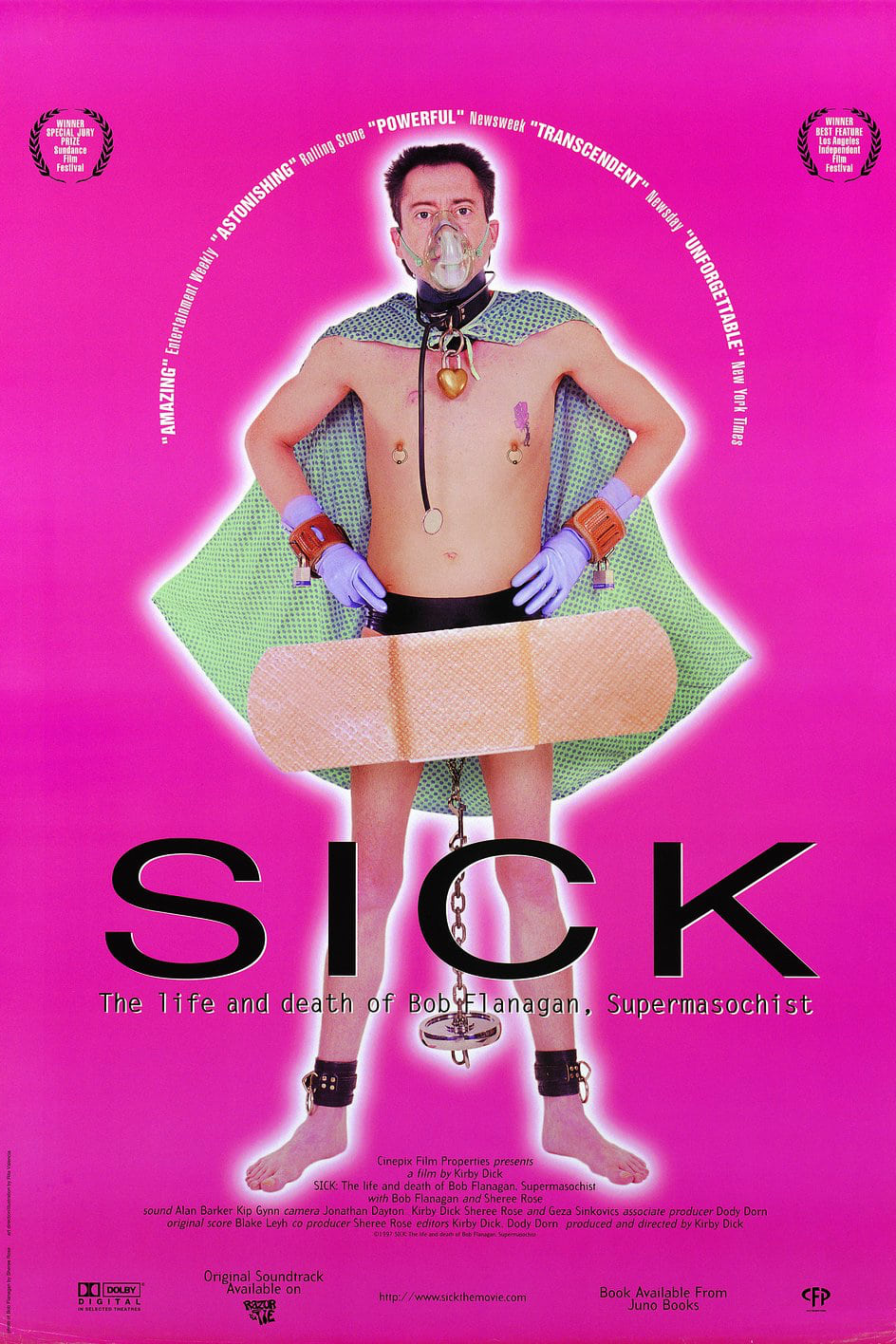
The story of Robert Flanagan, a man who was born with cystic fibrosis and told he wouldn't live past 20, who through a unique odyssey of masochism, art and love found a way to live decades past his expiration date.
Thomas Haemmerli is about to celebrate his fortieth birthday when he learns of his mother's death. A further shock follows when he and his brother Erik discover her apartment, which is filthy and full to bursting with junk. It takes the brothers an entire month to clean out the place. Among the chaos, they find films going back to the 1930s, photos and other memorabilia.
In 2004 Sheldon Oberman, a Jewish storyteller from Winnipeg, passed away. At his funeral the presiding Rabbi said that Sheldon’s spirit was with the congregants in the sanctuary. For filmmaker Saul Henteleff this was a revelation that began a personal and spiritual journey into the meaning of Jewish death. My Jewish Death is the result of this journey.
Harvey Milk was an outspoken human rights activist and one of the first openly gay U.S. politicians elected to public office; even after his assassination in 1978, he continues to inspire disenfranchised people around the world.
After his Tokyo farewell ceremony, Yamamoto's ashes were sent to Kyoto on March 9. Many friends and citizens gathered at his home in Uji. On the 15th a worker-farmer funeral was held at the Sanjo YMCA. Prokino's Kyoto Branch shot these five days of activities. The long line of cars is filled with taxis, whose drivers deeply admired Yamamoto. The Watanabe in the title refers to the head of the Communist Party of Japan. Watanabe was returning to Japan from Taiwan when he was stopped by authorities. He committed suicide in their custody. Yamamoto and Watanabe were mourned together.
Charlie Marx and the Chocolate Factory started as an investigation of the link between politics and chocolate, at the Karl Marx Confectionary Factory in Kiev, Ukraine. Since access to the factory was denied, the project had to be re-considered, re-invented or re-enacted. Mostly made of archival footage and re-enacted performances based on the company's website, the film merges what was left of the initial idea with what has been collected and realized instead. It borrows from the genres of video art, 'Man on the street' interview, direct address, corporate film, essay, and music video, without legitimately belonging to any of them. The film unravels as a reflection on its own failure, and yet keeps on investigating what has always been at stake: the shift from public to private property (and from analog to digital technology), dialectics of permanence and change, language as a mirror of ideology, and post-Soviet oligarchy culture.
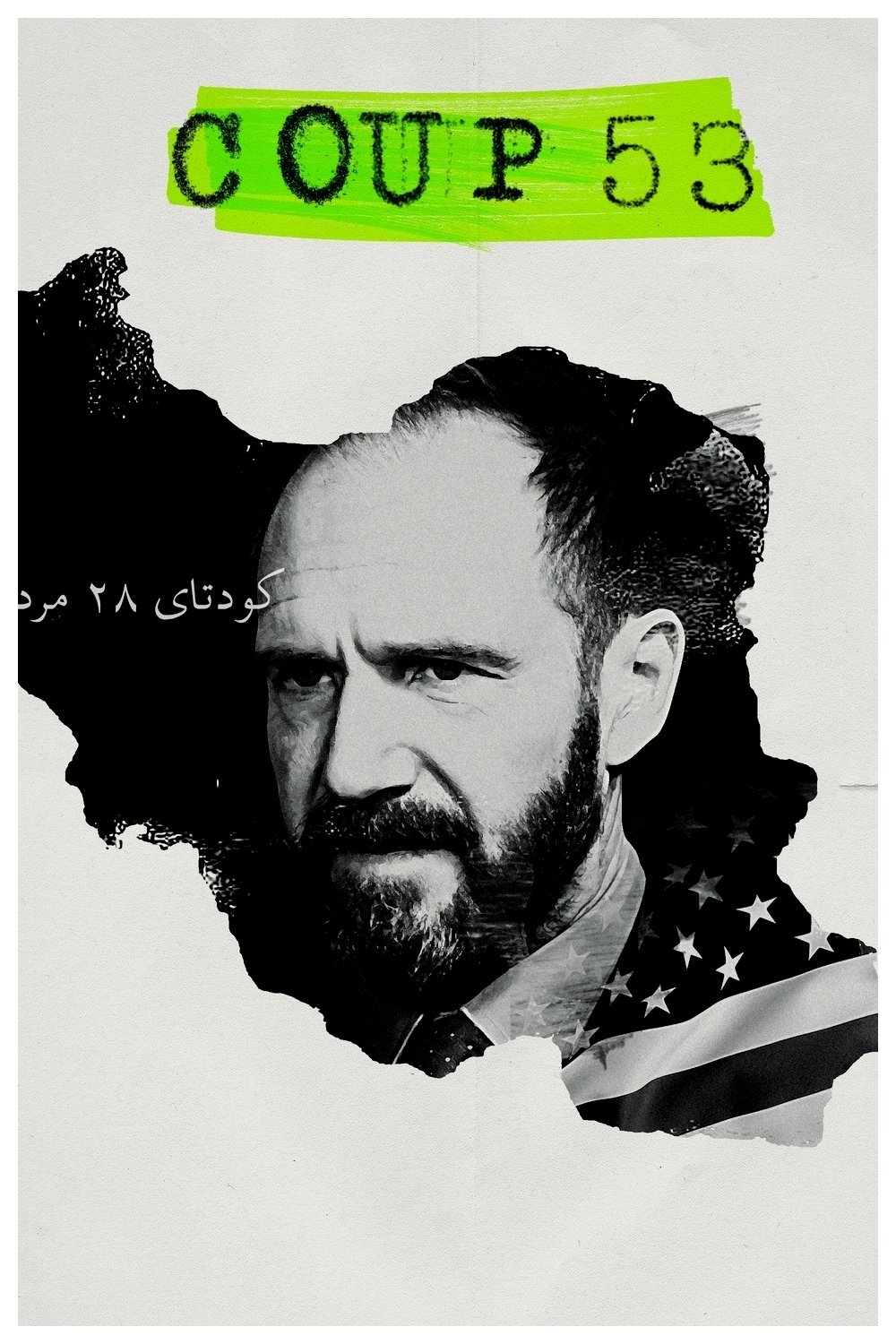
Tehran, Iran, August 19, 1953. A group of Iranian conspirators who, with the approval of the deposed tyrant Mohammad Reza Pahlavi, have conspired with agents of the British MI6 and the US CIA, manage to put an end to the democratic government led by Mohammad Mosaddegh, a dramatic event that will begin the tragic era of coups d'état that, orchestrated by the CIA, will take place, over the following decades, in dozens of countries around the world.
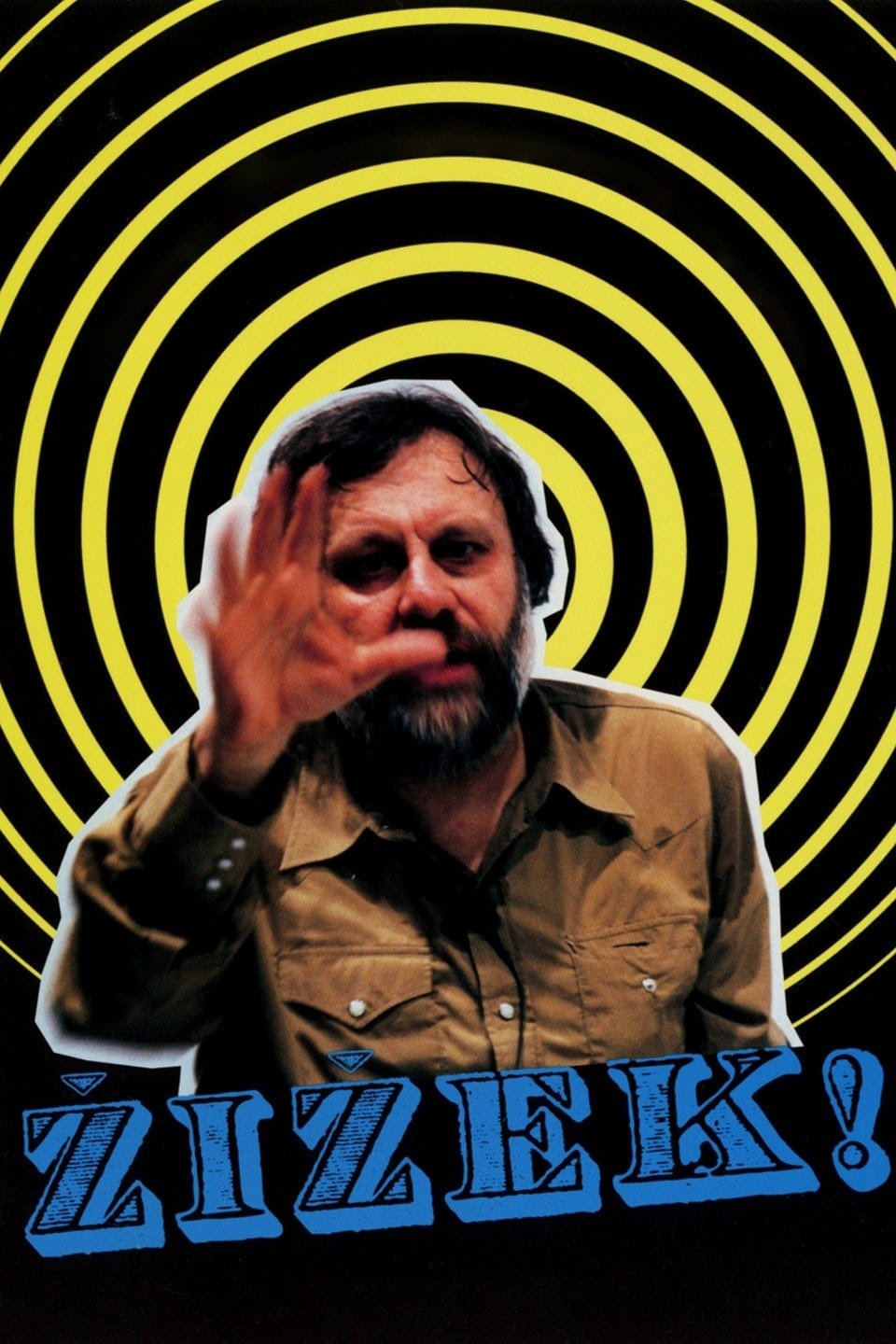
ŽIŽEK! trails the thinker as he crisscrosses the globe, racing from New York City lecture halls, through the streets of Buenos Aires, and even stopping at home in Ljubljana, Slovenia. All the while Žižek obsessively reveals the invisible workings of ideology through his unique blend of Lacanian psychoanalysis, Marxism, and critique of pop culture.
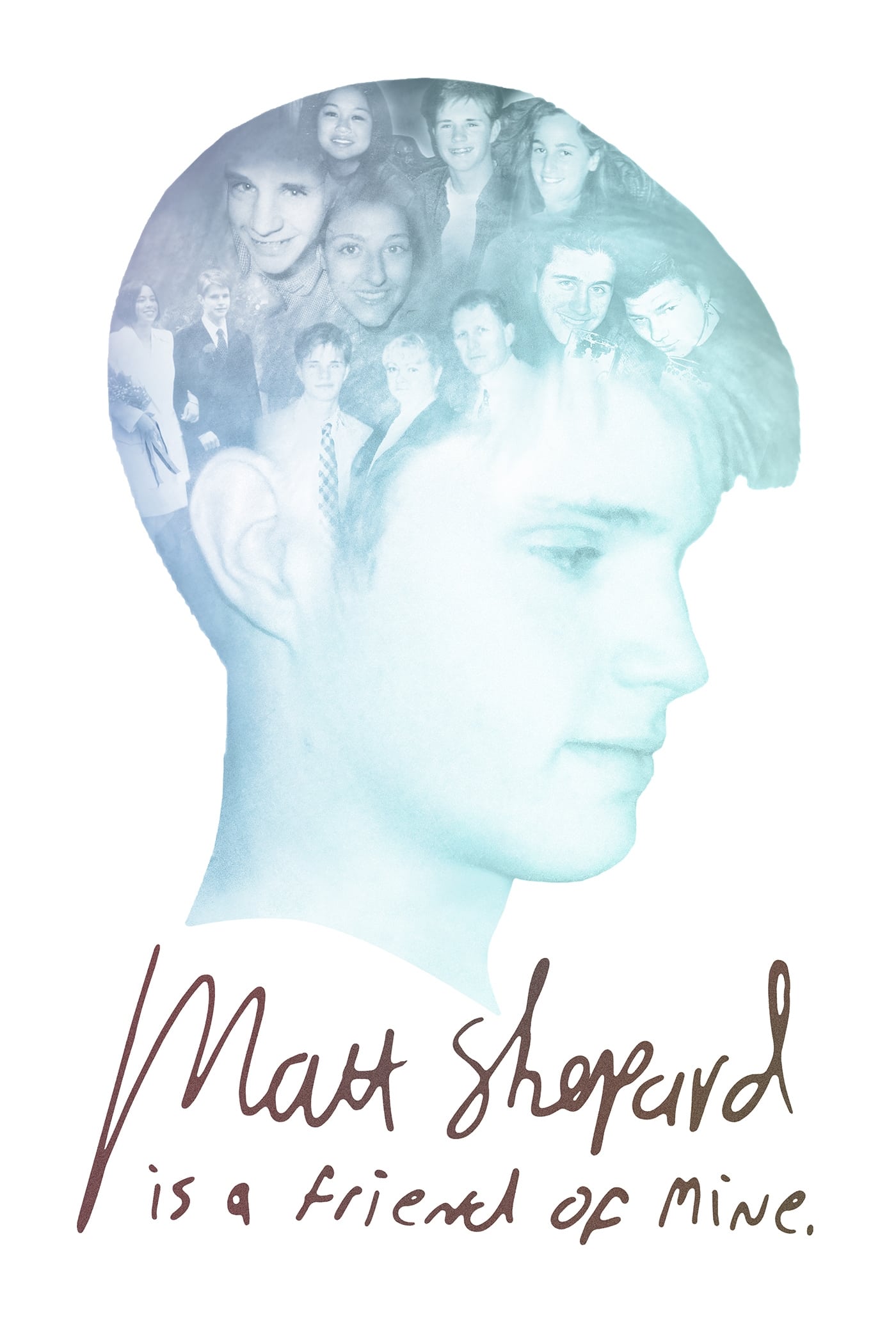
An intimate portrait of Matthew Shepard, the gay young man murdered in one of the most notorious hate crimes in U.S. history. Framed through a personal lens, it's the story of loss, love, and courage in the face of unspeakable tragedy.
The strange story of John McAfee, who went from millionaire software mogul to yogi, Kurtz-like jungle recluse to potential murderer, and most recently a prospective presidential candidate for the American Libertarian Party.
Kenzo Okuzaki, a 62-year-old veteran of the New Guinea campaign in World War II, sets out to conduct interviews with survivors and relatives to find the truth behind atrocities committed by Japanese military, in particular the unexplained killing of two Japanese privates in his unit.
A subjective documentary that explores various theories about hidden meanings in Stanley Kubrick's classic film The Shining. Five very different points of view are illuminated through voice over, film clips, animation and dramatic reenactments.
Filmed in Amsterdam on the European leg of his 2017 – 2018 Us + Them tour which saw Waters perform to over two million people worldwide, the film features songs from his legendary Pink Floyd albums (The Dark Side of the Moon, The Wall, Animals, Wish You Were Here) and from his last album, Is This The Life We Really Want?
Live Aid was held on 13 July 1985, simultaneously in Wembley Stadium in London, England, and the John F. Kennedy Stadium in Philadelphia, United States. It was one of the largest scale satellite link-ups and television broadcasts of all time: watched live by an estimated global audience of 1.9 billion, across 150 nations. "It's twelve noon in London, seven AM in Philadelphia, and around the world it's time for Live Aid...!"
In the Realms of the Unreal is a documentary about the reclusive Chicago-based artist Henry Darger. Henry Darger was so reclusive that when he died his neighbors were surprised to find a 15,145-page manuscript along with hundreds of paintings depicting The Story of the Vivian Girls, in What is Known as the Realms of the Unreal, of the Glodeco-Angelinnian War Storm, Cased by the Child Slave Rebellion.
Where We Are: Live from San Siro Stadium features the entire 23 track concert filmed at San Siro Stadium in Milan in June 2014, as well as 24 minutes of bonus content including backstage footage of One Direction and their crew.
A behind the scenes look into George Romero's groundbreaking horror classic Night of the Living Dead.
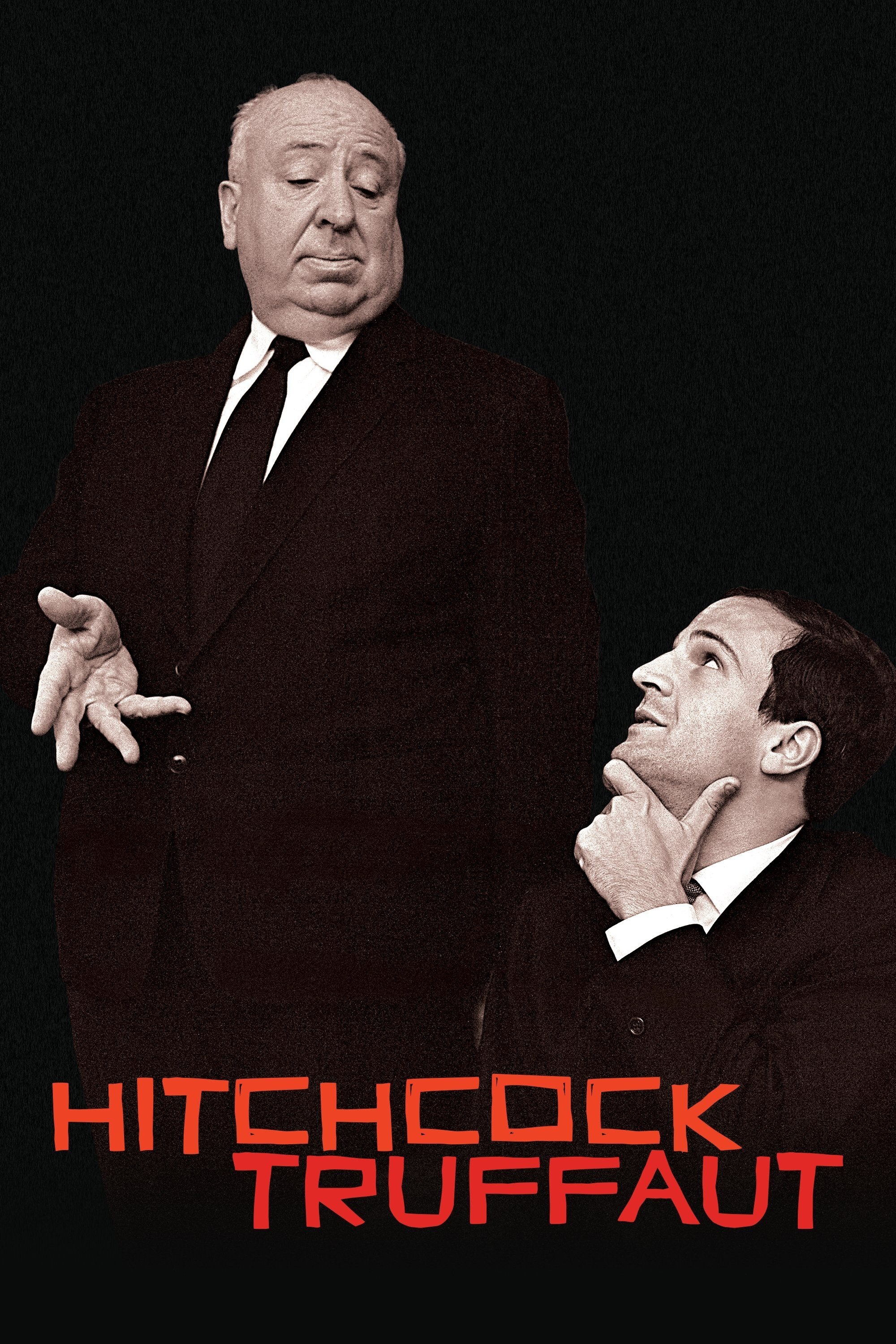
Filmmakers discuss the legacy of Alfred Hitchcock and the book “Hitchcock/Truffaut” (“Le cinéma selon Hitchcock”), written by François Truffaut and published in 1966.
The most comprehensive retrospective of the '80s action film genre ever made.
Twenty years ago, Kurt Cobain was found dead of an apparent gunshot wound to the head. The world was told it was a suicide, but evidence would lead many people to believe it might be otherwise. The film investigates the possibilities that exist that Kurt Cobain's death might not have been a suicide, that the Seattle Police Department rushed their verdict, and the global media perpetuated lies and misinformation fed to them by Courtney Love that created the belief in many that Cobain killed himself—but when revealed to be lies—lead many to now question what happened.
When Allied forces liberated the Nazi concentration camps in 1944-45, their terrible discoveries were recorded by army and newsreel cameramen, revealing for the first time the full horror of what had happened. Making use of British, Soviet and American footage, the Ministry of Information’s Sidney Bernstein (later founder of Granada Television) aimed to create a documentary that would provide lasting, undeniable evidence of the Nazis’ unspeakable crimes. He commissioned a wealth of British talent, including editor Stewart McAllister, writer and future cabinet minister Richard Crossman – and, as treatment advisor, his friend Alfred Hitchcock. Yet, despite initial support from the British and US Governments, the film was shelved, and only now, 70 years on, has it been restored and completed by Imperial War Museums under its original title "German Concentration Camps Factual Survey".
Kevin Smith interacts in Q&A sessions throughout various college stops in the USA.
A concert film that the former Pink Floyd singer-songwriter made on various tour dates between 2010 and 2013, when he was playing his former group's 1980 double-album in its entirety.
Documentary filmmaker Amy Berg investigates the life of 30-year pedophile Father Oliver O'Grady and exposes the corruption inside the Catholic Church that allowed him to abuse countless children. Victims' stories and a disturbing interview with O'Grady offer a view into the troubled mind of the spiritual leader who moved from parish to parish gaining trust ... all the while betraying so many.
What begins as a documentary following the final tour of a dying magician - "The Amazing Johnathan" - becomes an unexpected and increasingly bizarre journey as the filmmaker struggles to separate truth from illusion.
SEDUCED AND ABANDONED combines acting legend Alec Baldwin with director James Toback as they lead us on a troublesome and often hilarious journey of raising financing for their next feature film. Moving from director to financier to star actor, the two players provide us with a unique look behind the curtain at the world's biggest and most glamourous film festival, shining a light on the bitter-sweet relationship filmmakers have with Cannes and the film business. Featuring insights from directors Martin Scorsese, 'Bernando Bertolucci' and Roman Polanski; actors Ryan Gosling and Jessica Chastain and a host of film distribution luminaries.
As a memorial to George Harrison on the first anniversary of his passing, The Concert for George was held at the Royal Albert Hall in London on 29 November 2002 . Organized by Harrison's widow, Olivia, and son, Dhani, and arranged under the musical direction of Eric Clapton and Jeff Lynne. A benefit for Harrison's Material World Charitable Foundation, the all-star concert took place on the day of the first anniversary of his death. Proceeds from the film also went to the Material World Charitable Foundation. The film was shot using discreet cameras from over twelve locations.
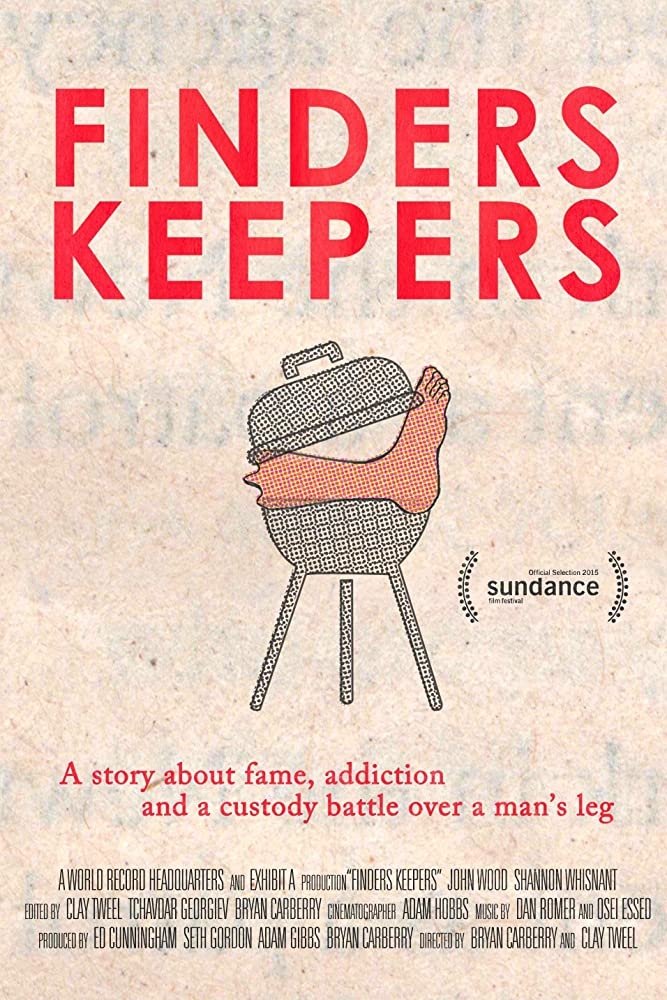
In this documentary, recovering addict and amputee John Wood finds himself in a stranger-than-fiction battle to reclaim his mummified leg from Southern entrepreneur Shannon Whisnant, who found it in a grill he bought at an auction and believes it therefore to be his rightful property.
Retrospective documentary about the making of the horror cult classic "The Return of the Living Dead."