Social & External
The people behind it
Josef Klán
Jan Pleticha
Jana Majtnerová
Amálie Kadlčíková
People of Walmart follows Annie Bell Ball, a Smith College graduate forced back to her hometown of Elkhart after the 2008 financial crash. Trapped in a low-wage job at Walmart, her dignity crumbles when a photo of her working becomes an internet meme. Humiliated and unable to escape, Annie spirals into despair, clinging to YouTube for comfort. What begins as a story of survival descends into tragedy, ending in violence that echoes the fractured state of modern America.
Audiences went wild for Bartlett Sher’s dynamic production, which found fresh and surprising ways to bring Rossini’s effervescent comedy closer to them than ever before. The stellar cast leapt to the challenge with irresistible energy and bravura vocalism. Juan Diego Flórez is Count Almaviva, who fires off showstopping coloratura as he woos Joyce DiDonato’s spirited Rosina—with assistance from Peter Mattei as the one and only Figaro, Seville’s beloved barber and man-about-town.
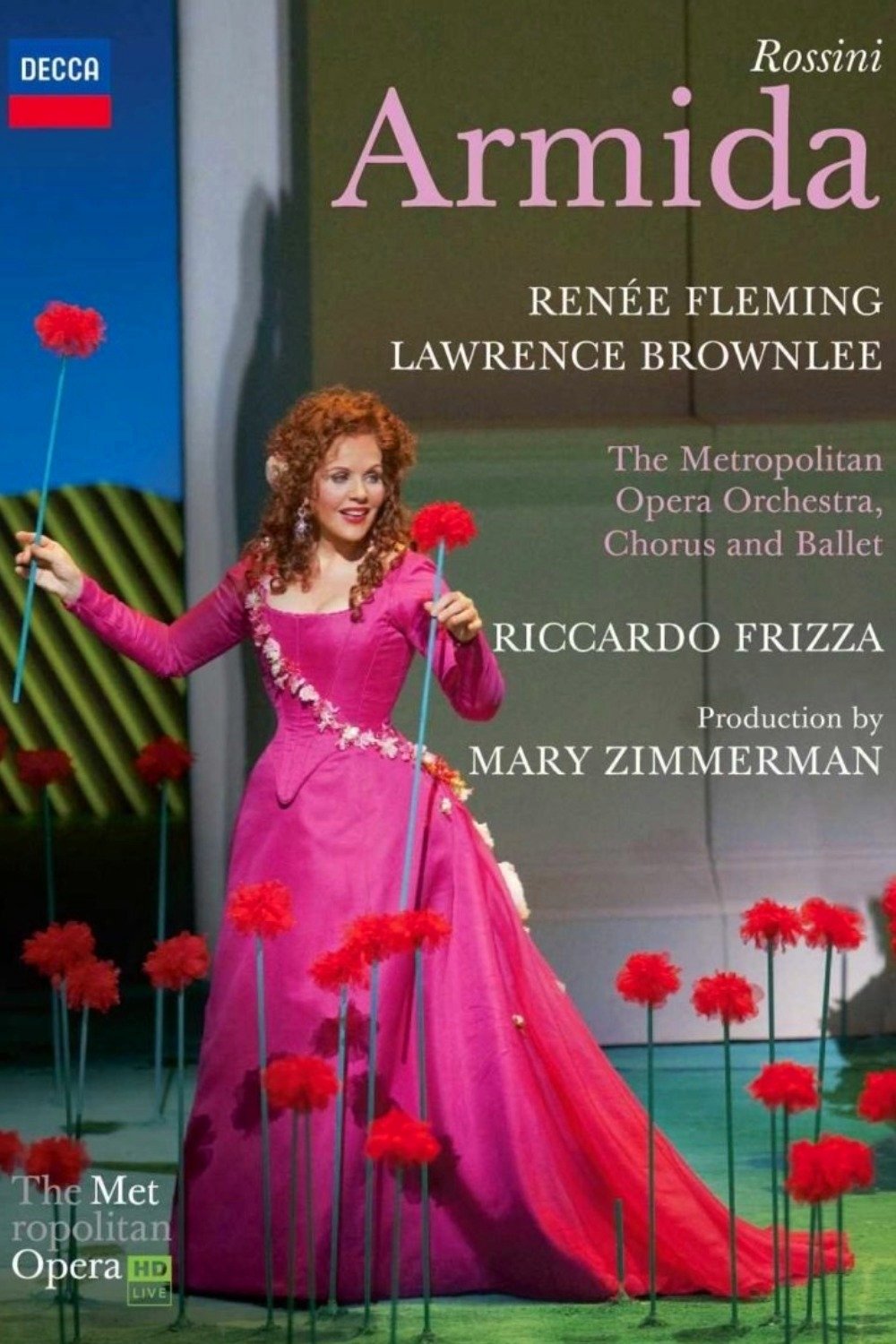
It is a rare opera indeed that calls for one soprano diva and no fewer than six tenors. Mary Zimmerman’s fanciful production of Rossini’s drama, designed by Richard Hudson and with choreography by Graciela Daniele, provides the perfect setting for superstar Renée Fleming’s captivating performance of the title role. A beautiful but evil sorceress in the times of the Crusades, Armida sets out to regain the love of the Frankish knight Rinaldo (Lawrence Brownlee) by putting her magical spells on him. She at first succeeds to draw him into her web of sorcery, but ultimately divine intervention—and his fellow soldiers—free Rinaldo from his enchantment—much to the vengeful fury of Armida and her demons.
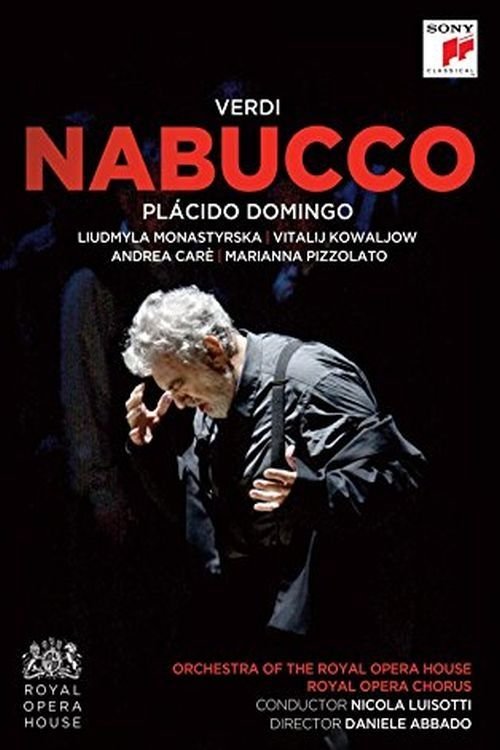
Nabucco, King of Babylon, takes Jerusalem in his war with the Israelites – but his daughter Fenena loves the Israelite Ismaele. She releases their prisoners, leading her vengeful half-sister Abigaille to plot to take power. Nabucco declares himself a god and is struck by a bolt of lightning. Abigaille tricks the now feeble king into signing a death warrant for the Israelites, including Fenena and Ismaele. Nabucco prays to the God of Israel for forgiveness; his sanity is restored and he saves the prisoners from death. He converts himself and his people, while Abigaille commits suicide.
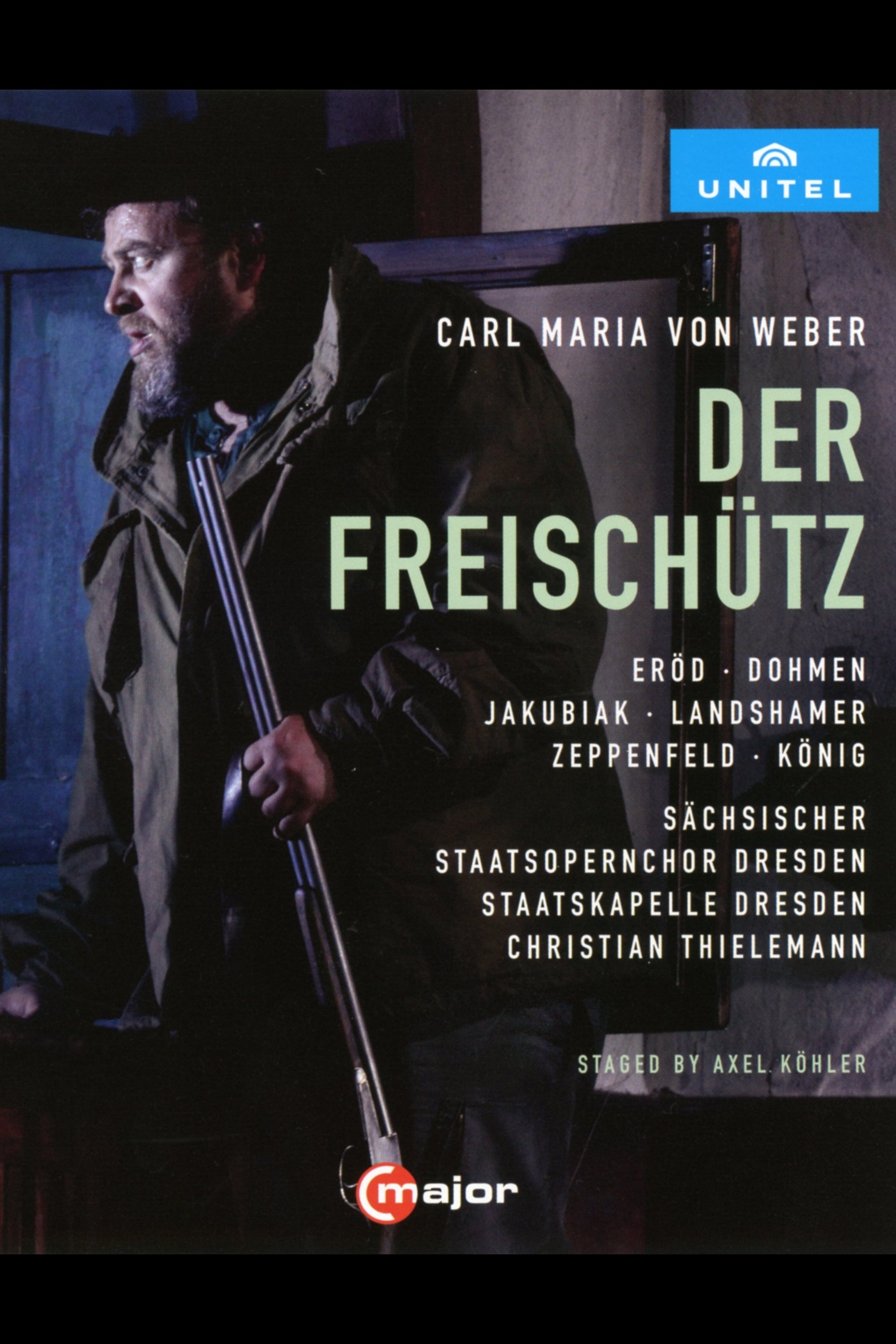
Axel Köhler’s production of Der Freischütz at the Dresden State Opera was described by Die Presse as “a minor miracle in Dresden”. In the words of the Salzburger Nachrichten, Köhler “scored a bulleye” with his sombre and satanic interpretation of Weber’s Romantic opera about love, temptation, souls sold to the Devil, obsession andfaith. According to the Financial Times, Christian Thielemann and the Dresden Staatskapelle conjured up a sense of “mortal terror from the orchestra pit. […] Thielemann is in command of every detail. That makes for utterly gripping listening.”
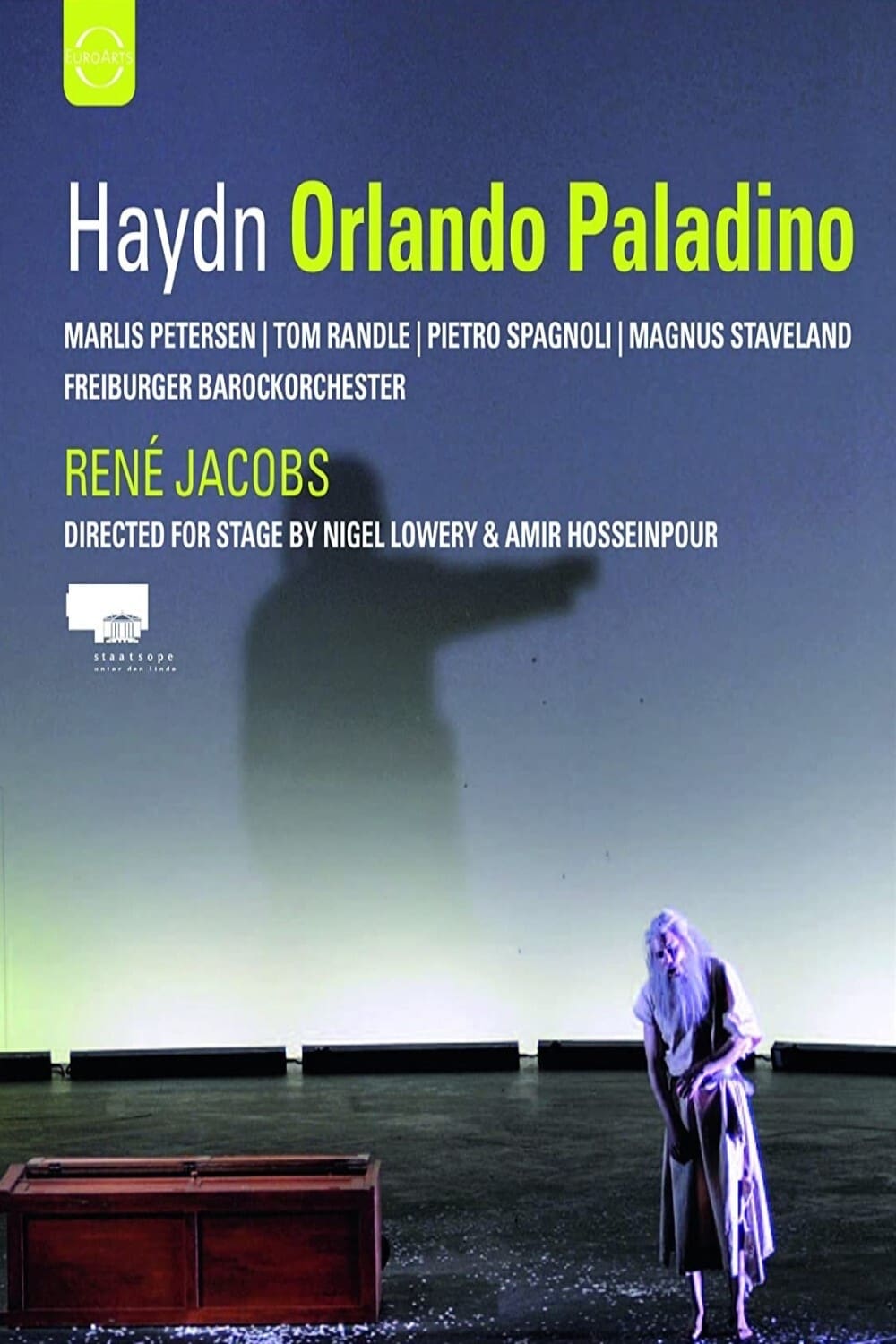
In the Summer of 2009, the British director Nigel Lowery and the Iranian choreographer Amir Hosseinpour brought to the stage of the Berlin State Opera Unter den Linden, with colour and full of humour, the fantastic and imaginative adventures of "Racing Roland". On the occasion of the 200th anniversary of the death of Joseph Haydn, the composer's most renowned opera during his lifetime,Orlando Paladino, was performed, a heroic-comical stage piece based on Ariost's famous Versepos. Singers such as Marlis Petersen (Angelica), Tom Randle (Orlando), Alexandrina Pendatchanska (Alcina), Pietro Spagnoli (Rodomonte), Sunhae Im (Eurilla) and Victor Torres (Pasquale) performed under the musical direction of period-music specialist René Jacobs. The Freiburg Baroque Orchestra completed this high-class production giving the music a beautiful sound and lively swing.
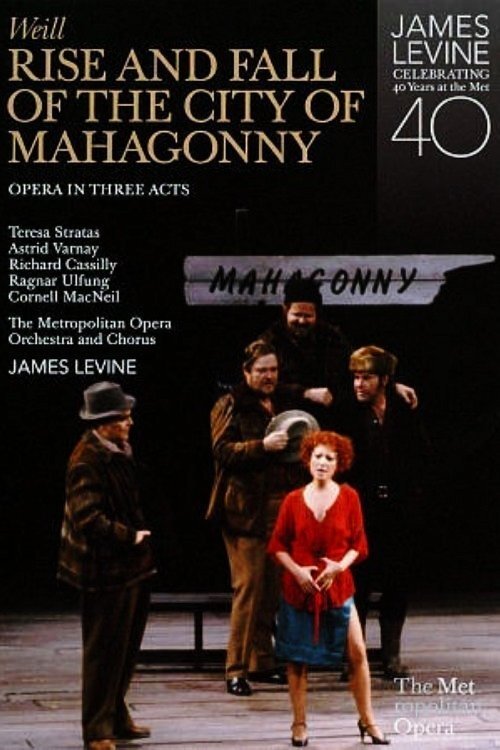
John Dexter’s brilliant production, James Levine’s masterful conducting of the eclectic score, and a sensational cast come together to make this Kurt Weill–Bertolt Brecht masterpiece a riveting evening of music theater. At the center of the action is Jimmy Mahoney (Richard Cassilly), a logger who stumbles onto the city of Mahagonny, where (almost) anything is allowed. Teresa Stratas gives a mesmerizing performance as Jenny, the prostitute who takes up with Jimmy, until he is executed for the greatest of all crimes in Mahagonny—to not have any money. The legendary Astrid Varnay, in her final Met appearances, is Leocadia Begbick, and Cornell MacNeil sings Trinity Moses.
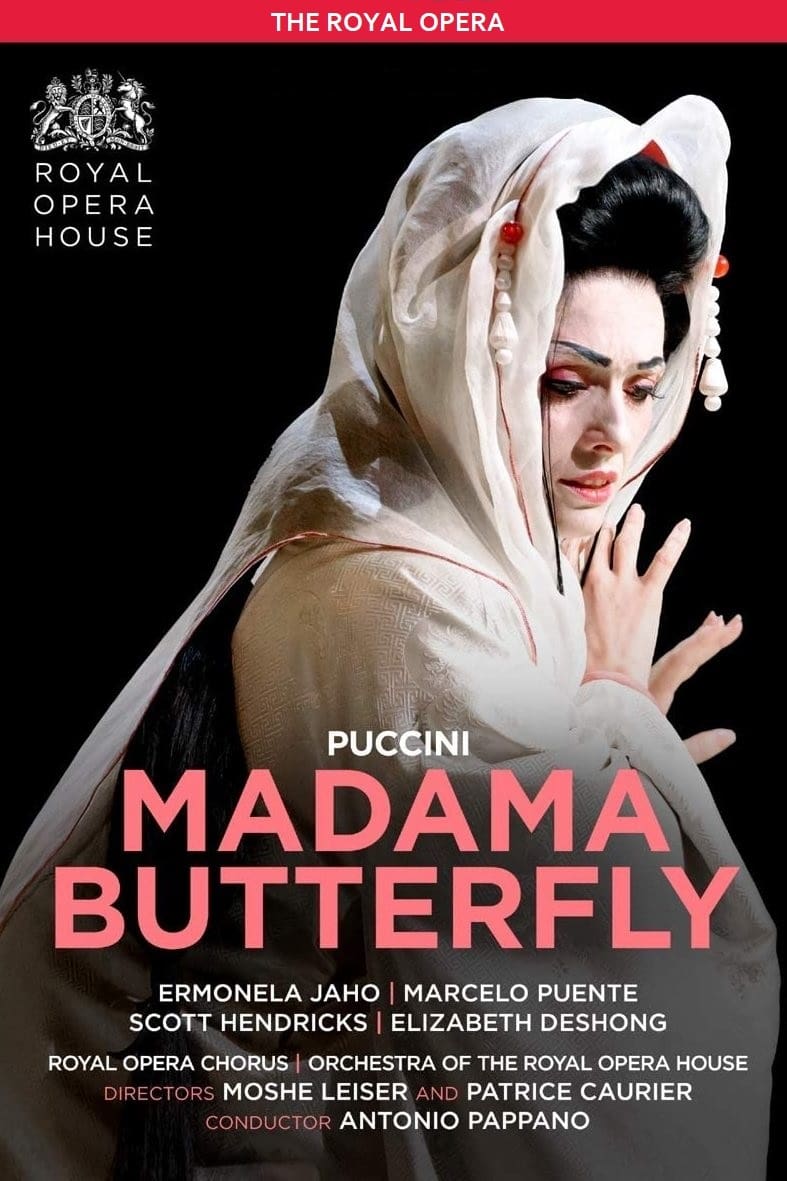
Cio-Cio-San, the young Japanese bride of dashing American officer Lieutenant Pinkerton, finds her romantic idyll shattered when he deserts her shortly after their marriage. She lives in hope that one day he will return. Three years later, Cio-Cio-San and her little son see Pinkerton’s ship in the harbour. She excitedly expects his visit – but Pinkerton and his American wife Kate have come only to take the boy away, to raise him in America. Cio-Cio-San bids her son farewell and then takes her own life.
Loosely based on the story of the singer Nellie Melba...
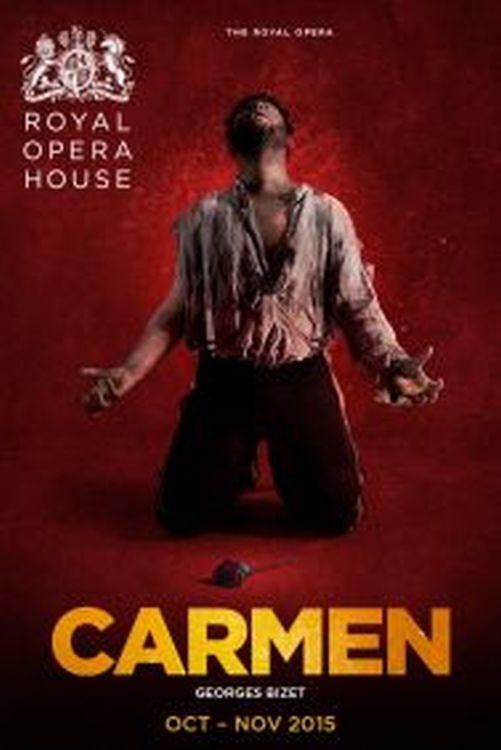
The young soldier Don José intends to marry Micaëla, a girl from his home village. But when he meets the sensual and high-spirited Carmen, he sacrifices everything to be with her. Carmen grows tired of Don José and falls in love with the toreador Escamillo. Unable to bear her leaving him, Don José tracks Carmen down to a bullring where Escamillo is fighting and murders her.
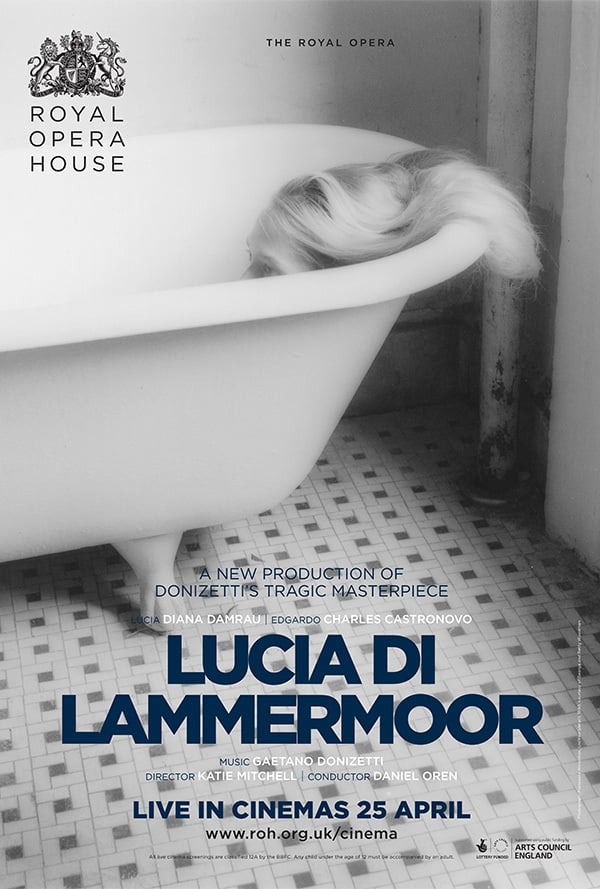
Lucia’s brother Enrico is horrified to learn she has fallen in love with his sworn enemy Edgardo. He hastily arranges her marriage to his associate Arturo. Edgardo and Lucia privately exchange rings before he leaves to fight in France. Enrico tricks Lucia into believing that Edgardo has been unfaithful. Longing for death, she signs the contract with Arturo – moments before Edgardo returns. Lucia murders Arturo in their wedding bed. His death is followed first by Lucia’s, and then by Edgardo’s.
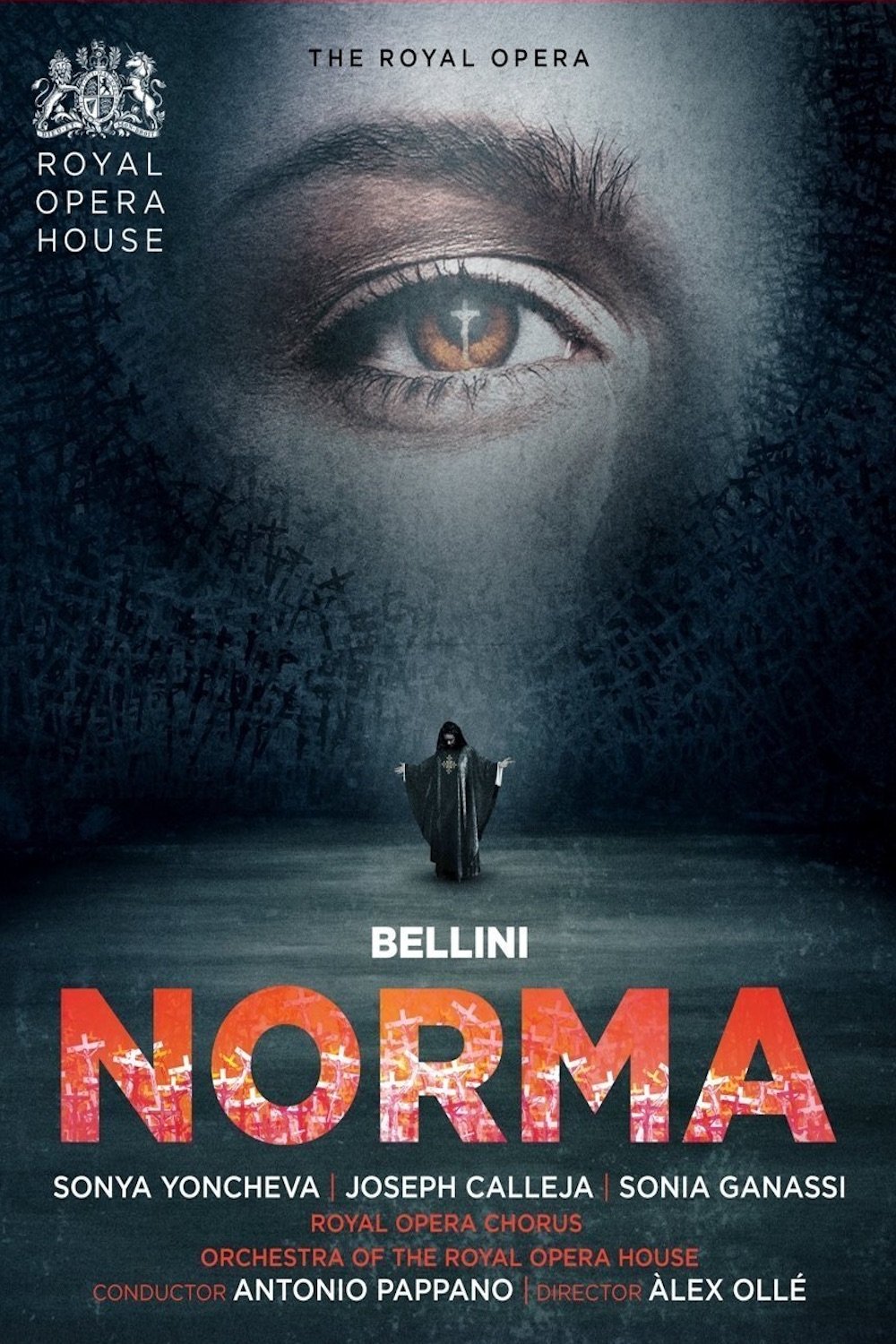
The priestess Norma loves Pollione, leader of the occupying force suppressing her people, and has borne two children by him. But Pollione’s love has withered, and he now loves Norma’s fellow priestess Adalgisa. Meanwhile, the people urgently look to Norma to lead their rebellion. Norma discovers the love between Pollione and Adalgisa. Furiously she gives the signal for war. Pollione is captured, attempting to steal away with Adalgisa. Norma, called upon to announce a sacrificial victim to consecrate the uprising, declares it shall be a guilty priestess: herself.
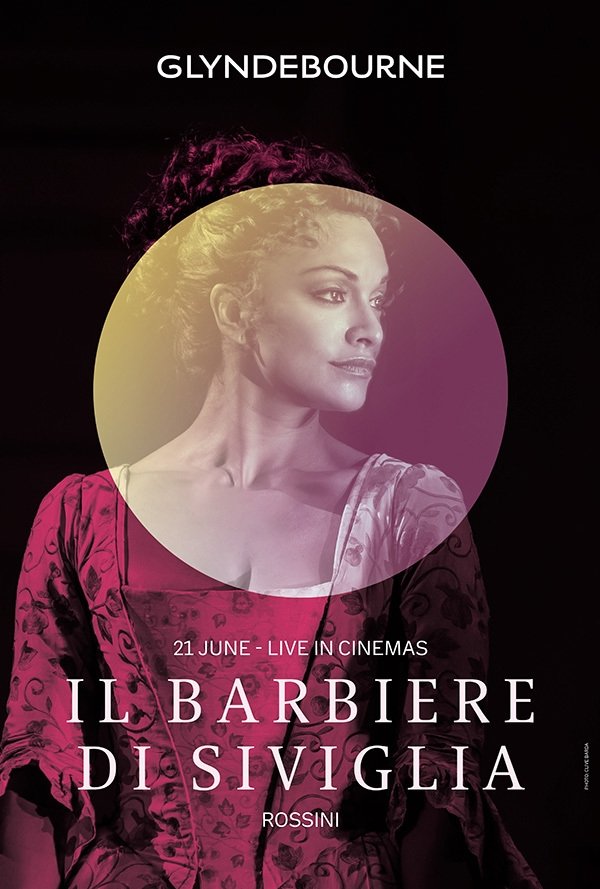
Figaro uses every trick he can muster to outwit Dr Bartolo and ensure his master wins his chosen bride. He meets his match in the would-be-bride Rosina, who has schemes of her own. Glyndebourne favourite Danielle de Niese adds the crafty Rosina to her growing list of bel canto heroines. Directed by Annabel Arden with playful energy springing from Rossini’s joyous music, this new production heralds the welcome return of a masterpiece not seen at Glyndebourne Festival since 1982.
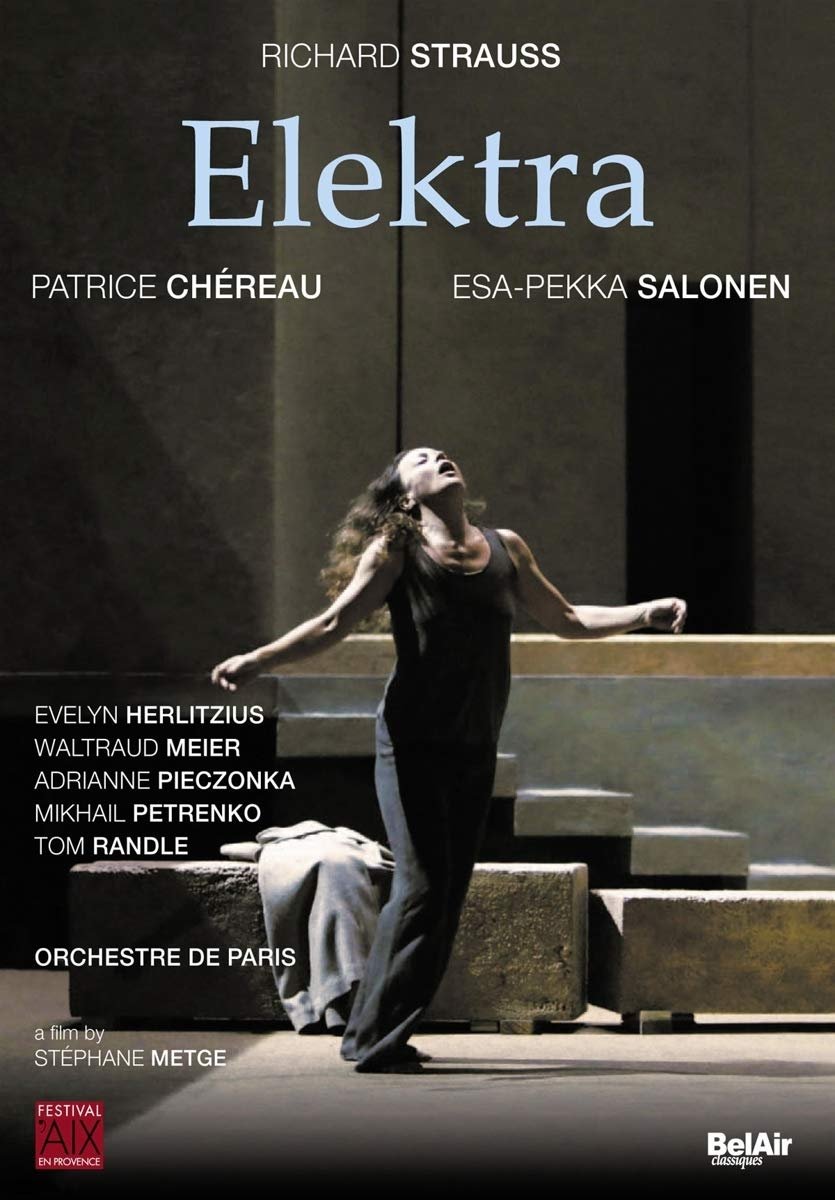
Last production staged by Patrice Chéreau, this Elektra will remain as the main and most striking lyrical event of these last years in Aix-en-Provence. This production is leaded by three amazing singers: the German soprano Evelyn Herlitzius gave a tremendous, never-to-be-forgotten account of the title role, Waltraud Meier portrays a human and chilling Clytemnestra and Adrianne Pieczonka is a fantastic Chrysothemis. Everyone's loneliness and intimate struggles are Patrice Chéreau's favorites theatrical themes. With Esa-Pekka Salonen conducting the Orchestre de Paris, this production of Elektra becomes an unforgettable experience.
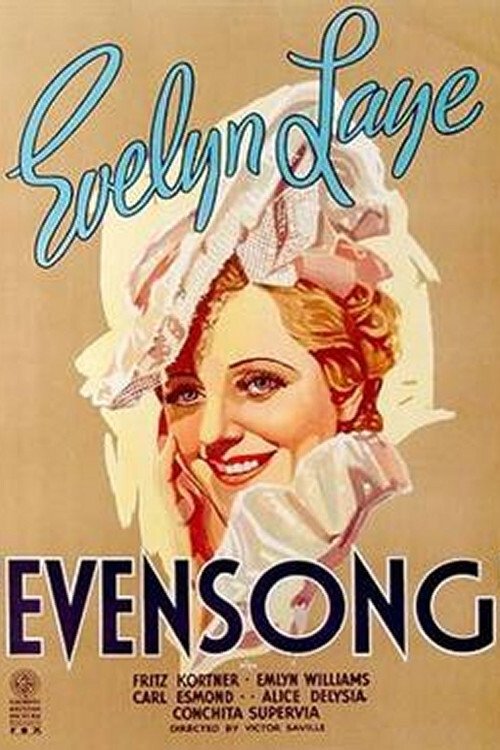
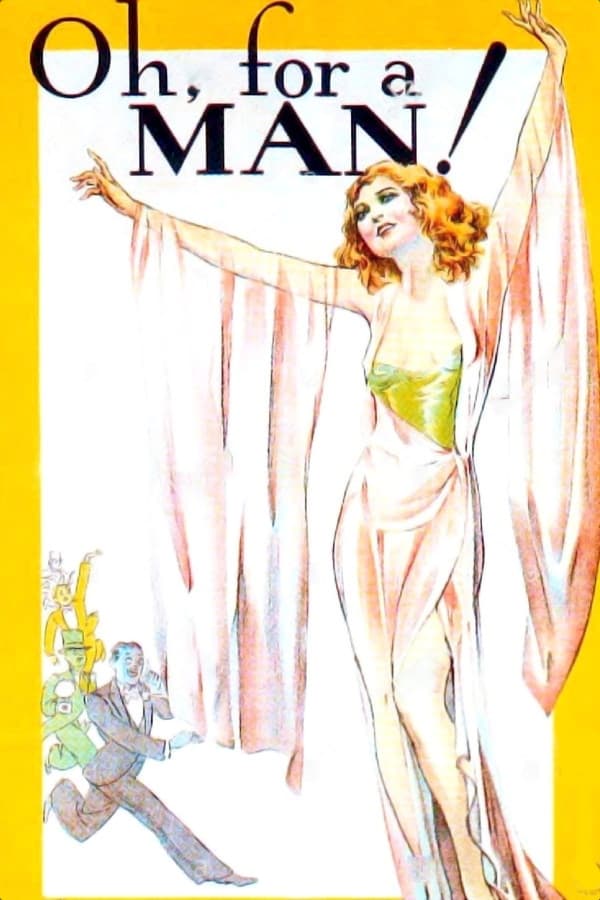
Disenchanted opera star Carlotta Manson falls for ruffian cat burglar Barney McGann and gives up her career to marry him. But Barney grows disenchanted himself at being known as the husband of a diva and itches to get back to his life of crime and manliness.
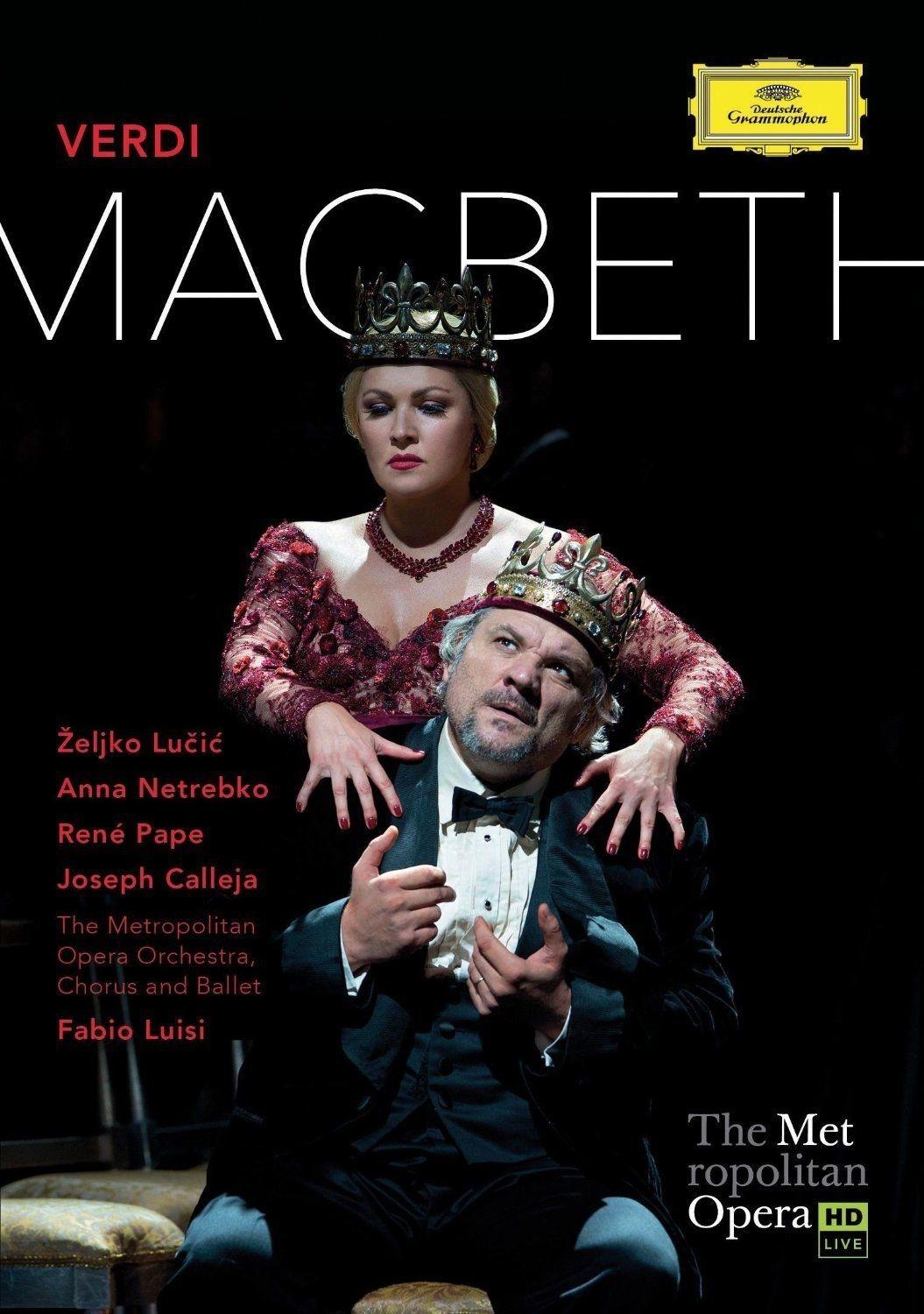
Star soprano Anna Netrebko created a sensation with her riveting performance as the malevolent Lady Macbeth, the central character in Verdi's retelling of Shakespeare's tragedy. She is joined by Željko Lučić, who brings dramatic intensity and vocal authority to the title role of the honest general driven to murder and deceit by his ambitious wife. The great René Pape is Banquo and Joseph Calleja gives a moving performance as Macduff. Adrian Noble's powerful production provides an ideal setting for this dark drama, which is masterfully presided over by Met Principal Conductor Fabio Luisi.
Award winning singer Katherine Jenkins performs an intimate concert in London's Cadogan Hall, accompanied by special guests, Collabro. Performing for a small audience of invited guests, and accompanied by a 25-piece orchestra, the celebrated artists will sing the songs that have made them famous - a selection that includes classical, popular, and musical theatre numbers.
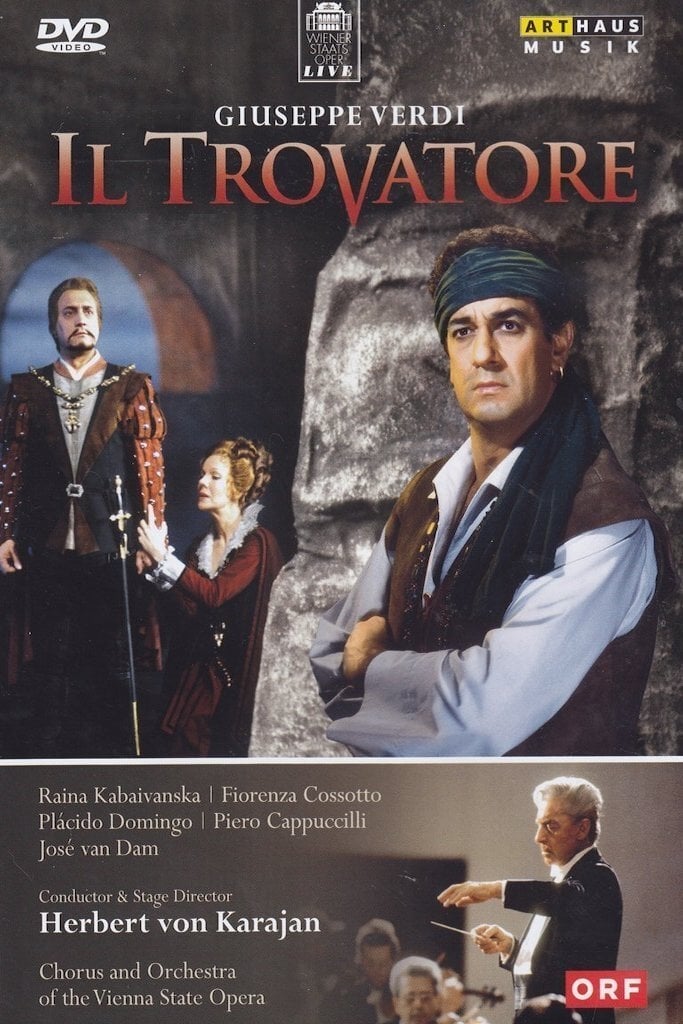
The gypsy Azucena (Fiorenza Cossotto) takes revenge for her mother who was accused of putting a curse on one of the old Count di Luna's two sons: she decides to abduct the younger child and throw it in the flames. But when she is about to carry out this fatal act, the gypsy sacrifices her own child and keeps the old Count’s son, whom she names Manrico (IL TROVATORE, Plácido Domingo). Later, as adults, the troubadour Manrico and the Count di Luna’s elder son (Piero Cappucilli) do not know each other, but become rivals for the beautiful Leonora (Raina Kabaivanska). Manrico succeeds in winning the young woman’s heart, and she sacrifices herself for him, deceiving the Count’s son. Mad with jealousy, the latter orders the execution of the troubadour in front of his mother. Azucena reveals to him that Manrico was his brother. This legendary performance of Giuseppe Verdi's most successful opera was recorded at the Vienna State Opera under the baton of Herbert von Karajan.
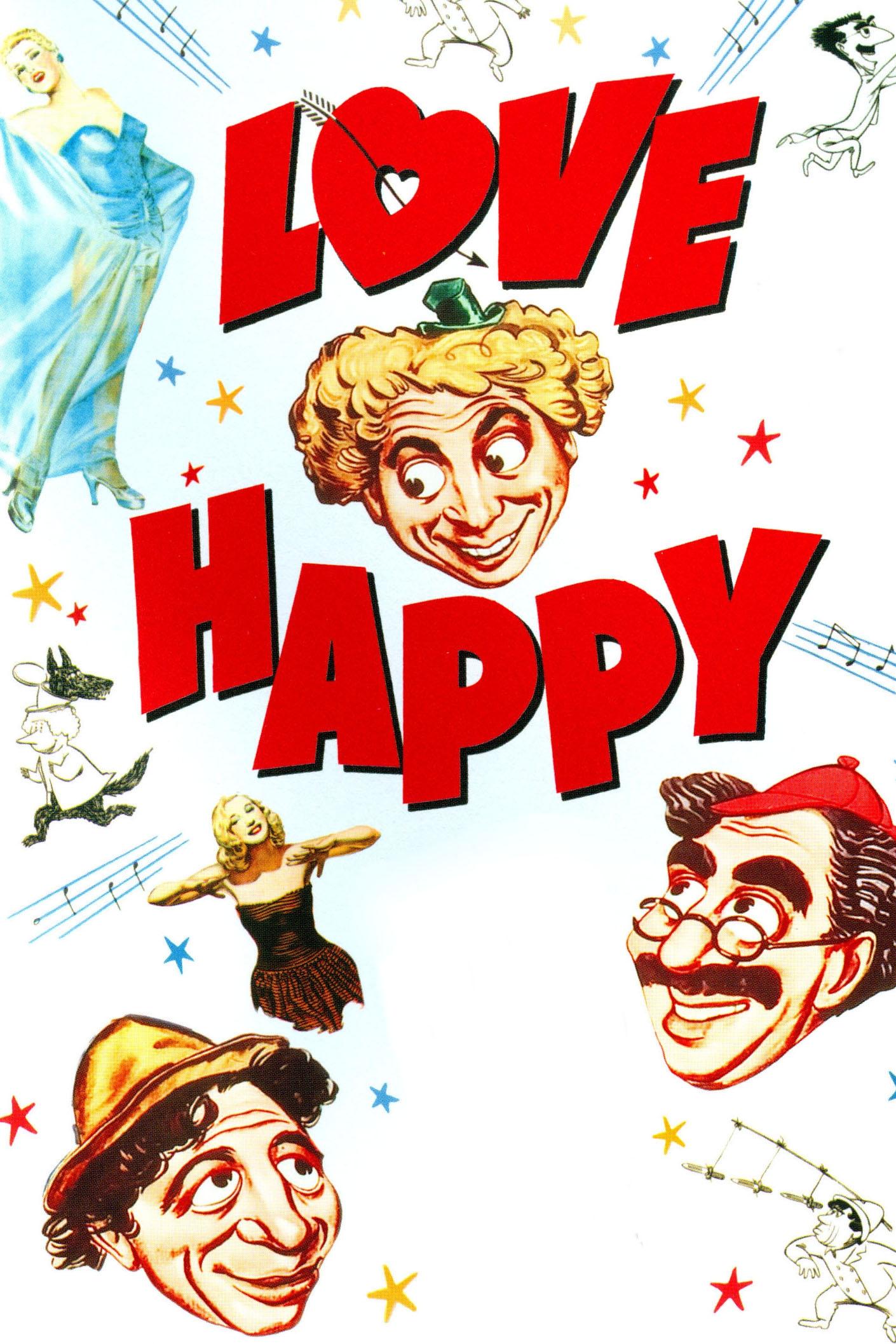
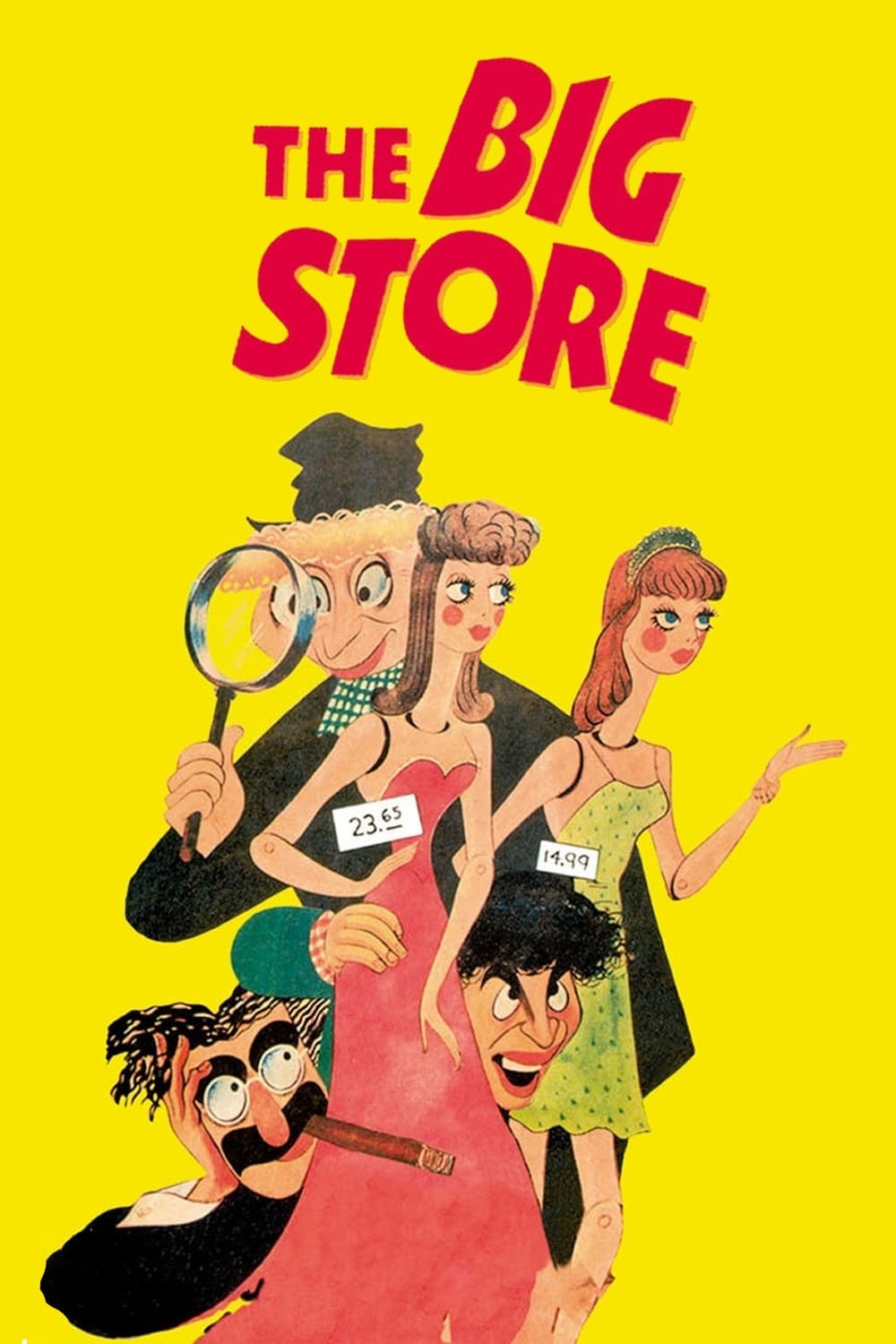
The Marx Brothers help young Broadway hopefuls when they get mixed up with gangsters due to a tin of sardines containing Romanoff diamonds.
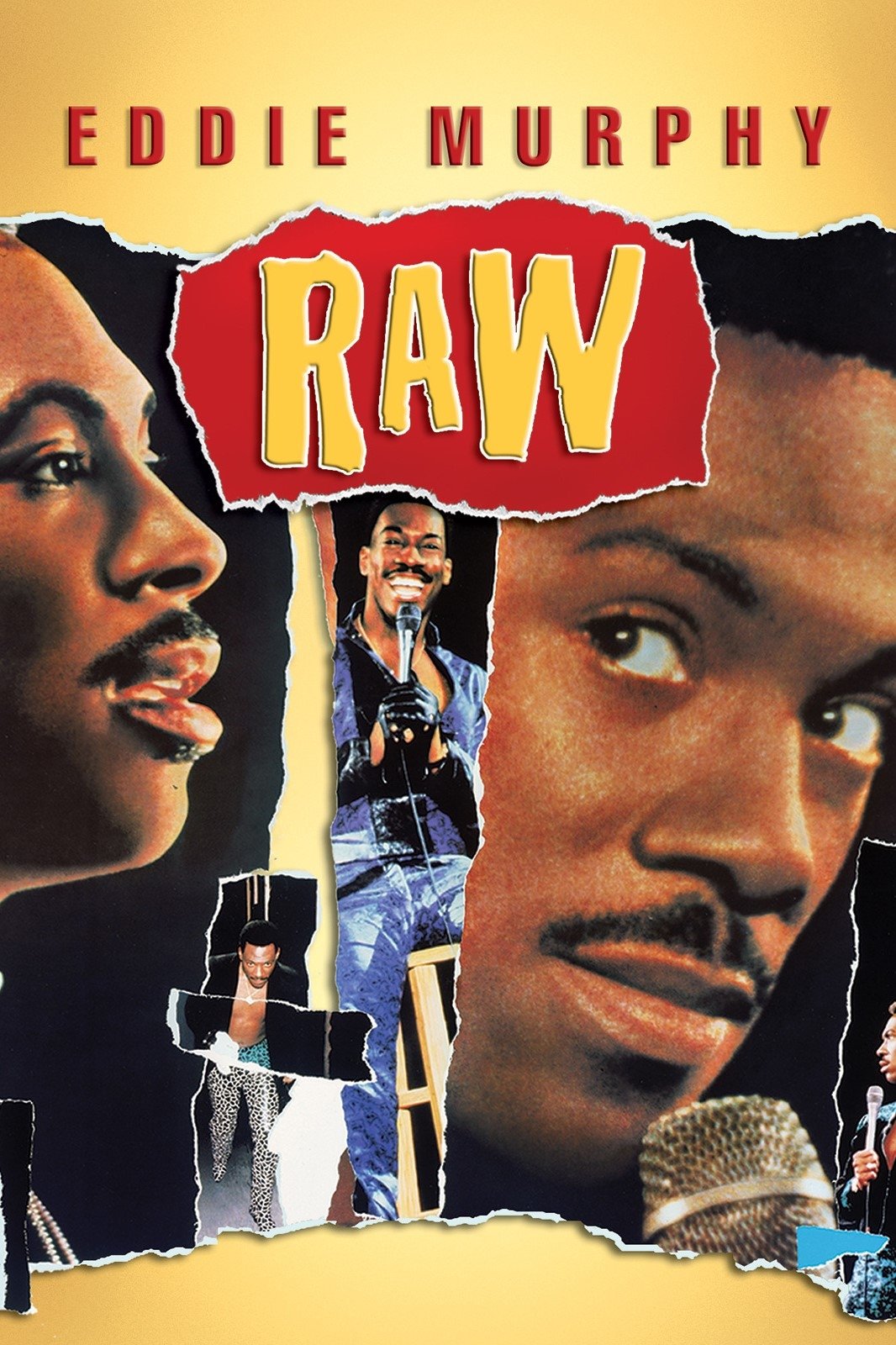
Eddie Murphy delights, shocks and entertains with dead-on celebrity impersonations, observations on '80s love, sex and marriage, a remembrance of Mom's hamburgers and much more.
The Marx Brothers take on high society and the opera world to bring two lovers together. A sly business manager and two wacky friends of two opera singers help them achieve success while humiliating their stuffy and snobbish enemies.
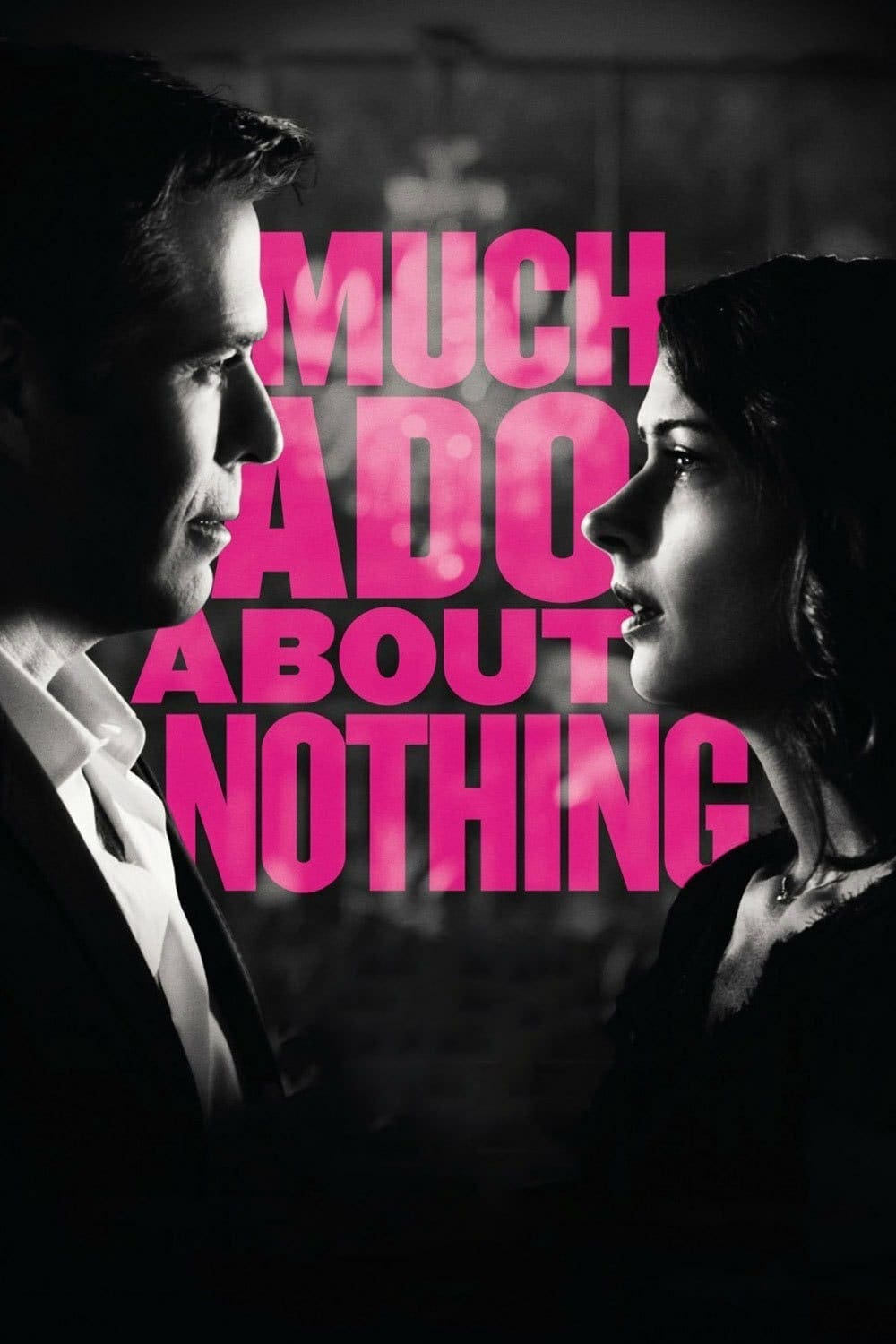
A modern retelling of Shakespeare's classic comedy about two pairs of lovers with different takes on romance and a way with words.
When El, an aspiring sneaker designer from Queens, meets Kira King, the fiercely independent daughter of legendary basketball star and sneaker tycoon Darius King, sparks fly as the two bond over their mutual affinity for sneakers. With a little nudge from his best friend and a sprinkle of Fairy Godfather magic, El finds the courage to use his talent to pursue his dream of becoming a ‘legit’ sneaker designer in the industry.
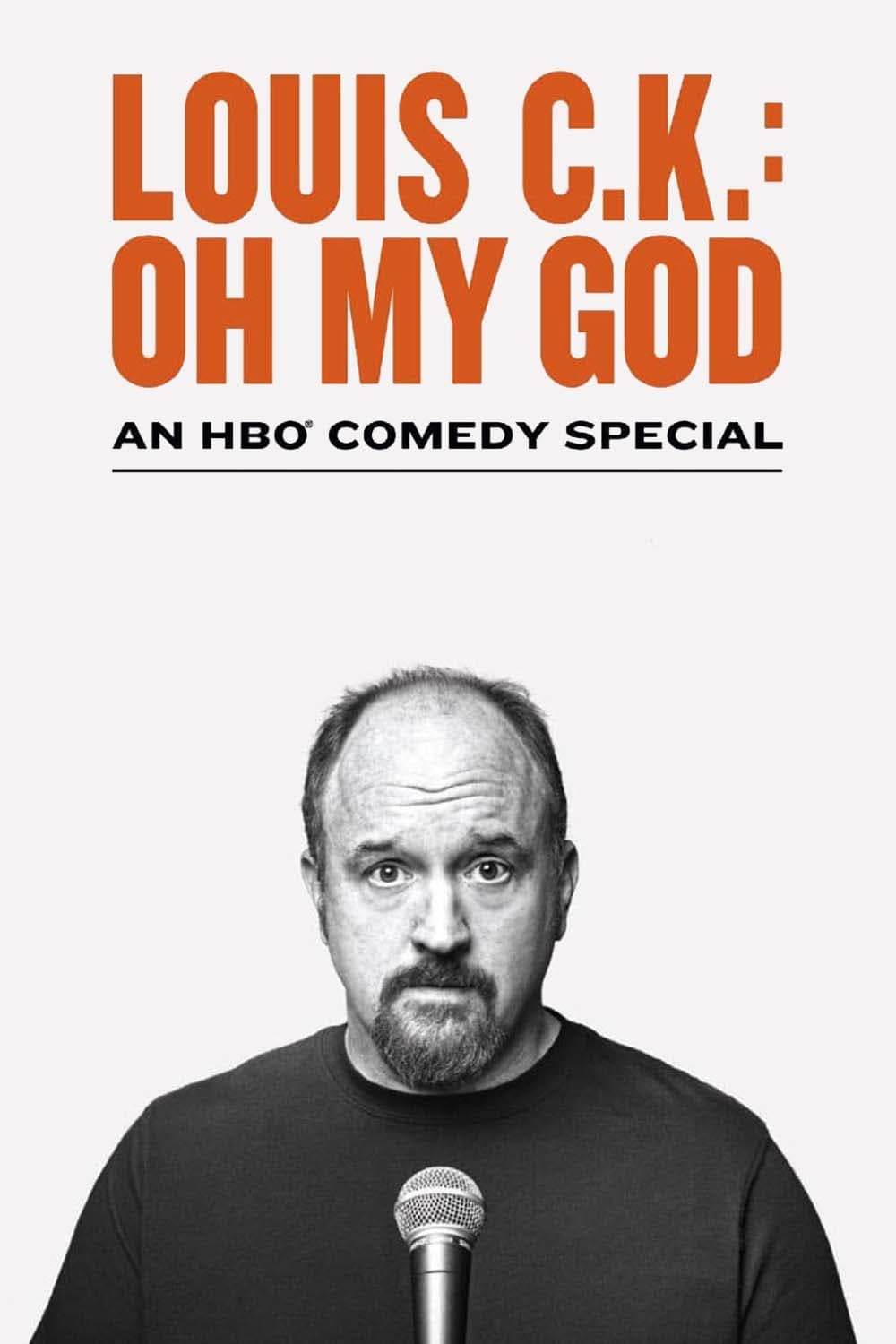
Filmed at the Celebrity Theatre in Phoenix, AZ on February 15th and 16th, 2013, Oh My God is Louis C.K.'s fifth stand-up special, his first for HBO since 2007's Shameless, and his first since winning a Emmy Award for writing on his acclaimed show on FX, Louie. Performed in the round in front of a live audience, he discusses such topics as the food chain, animals, divorce, strange anecdotes, broken morality, murder and mortality.
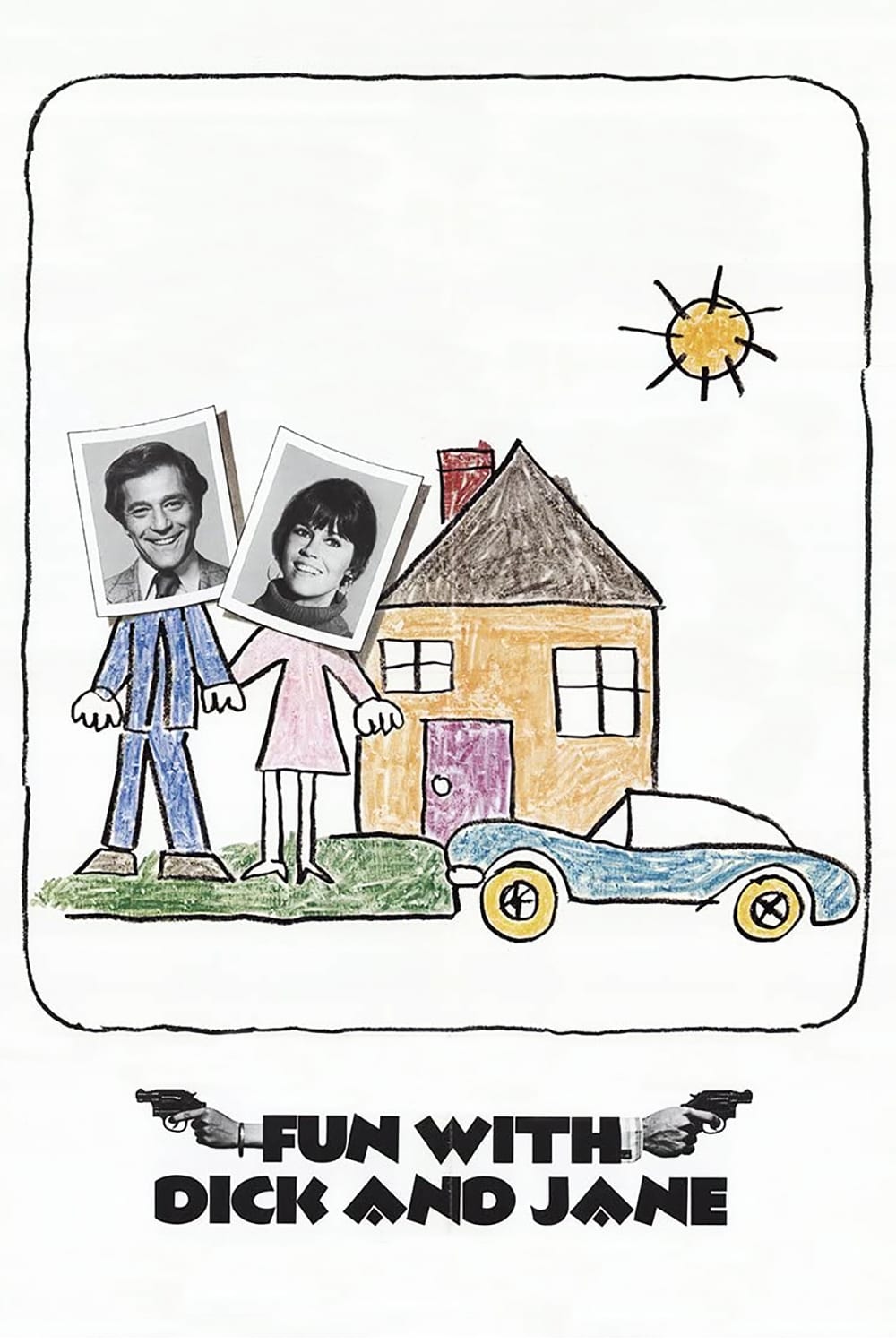
When an upwardly mobile couple find themselves unemployed and in debt, they turn to armed robbery in desperation.
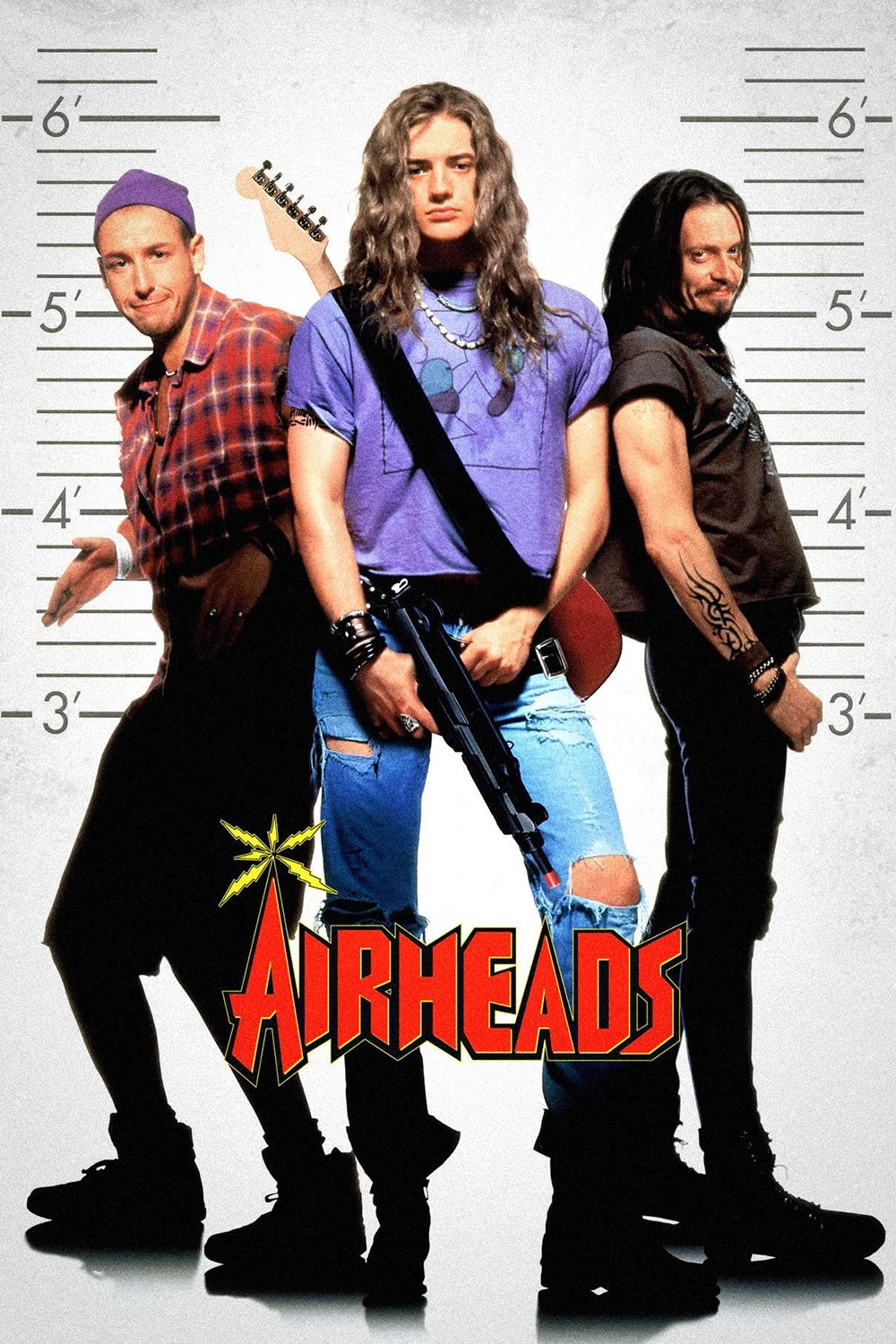
The Lone Rangers have heavy-metal dreams and a single demo tape they can't get anyone to play. The solution: Hijack an FM rock radio station and hold the deejays hostage until they agree to broadcast the band's tape.
After the highs of winning the world championships, the Bellas find themselves split apart and discovering there aren't job prospects for making music with your mouth. But when they get the chance to reunite for an overseas USO tour, this group of awesome nerds will come together to make some music, and some questionable decisions, one last time.
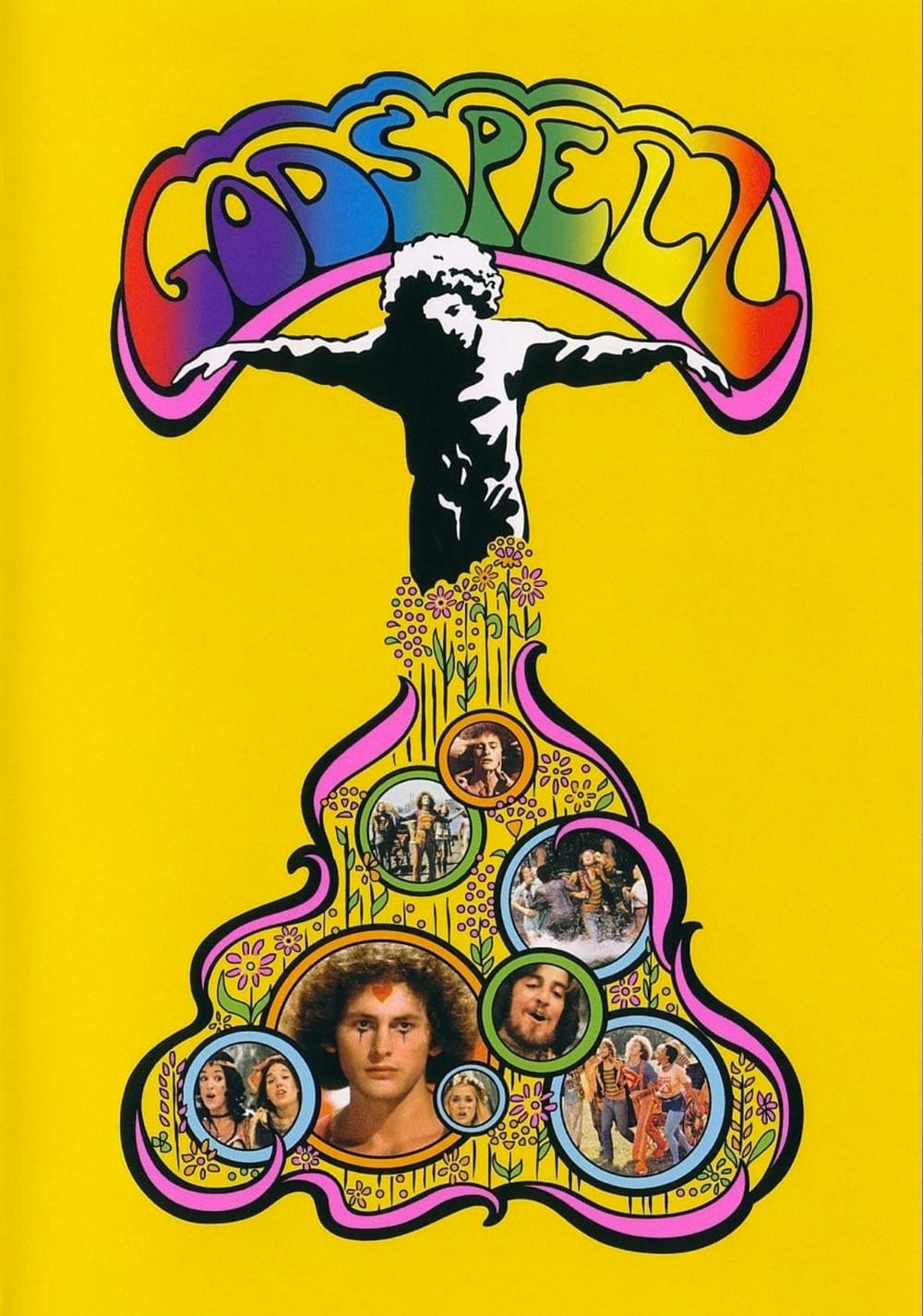
In modern-day New York City, John the Baptist calls out to a group of young men and women to learn from the teachings of Jesus. Through song and dance, they relive Christ's crucifixion.
A detective is hired to protect the life of a singer, who has recently inherited a department store, from the store's crooked manager.
After NBA star Kevin Durant switches talent with 16 year old Brian, the teenager becomes the star of his high school team, but Durant starts struggling and eventually learns an important lesson.
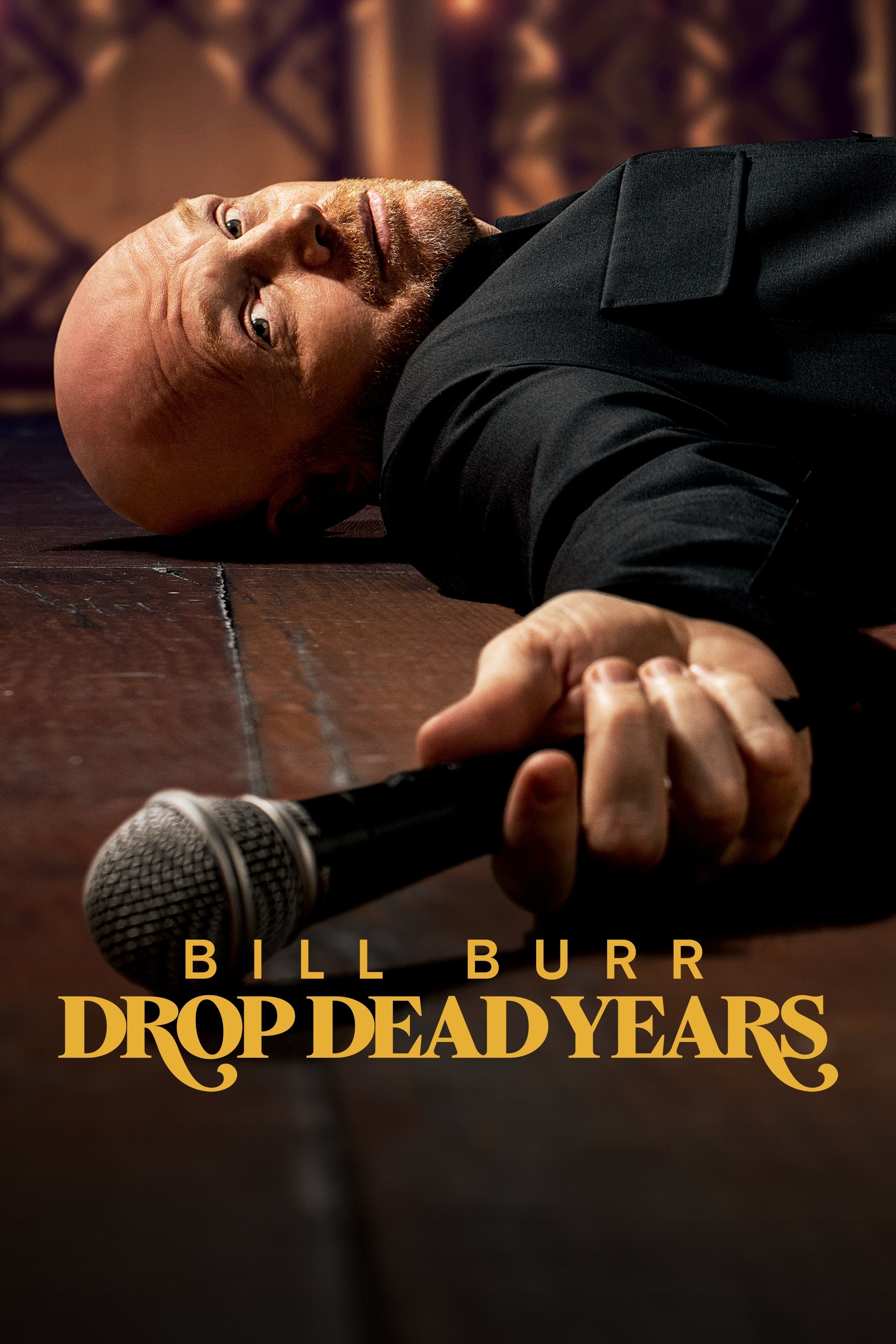
In what might be his most personal and introspective hour yet, Bill offers hilarious takes on everything from male sadness to dating advice.
Kevin, Nick, and Joe Jonas face a series of escalating obstacles as they struggle to make it from London to New York in time to spend Christmas with their families.
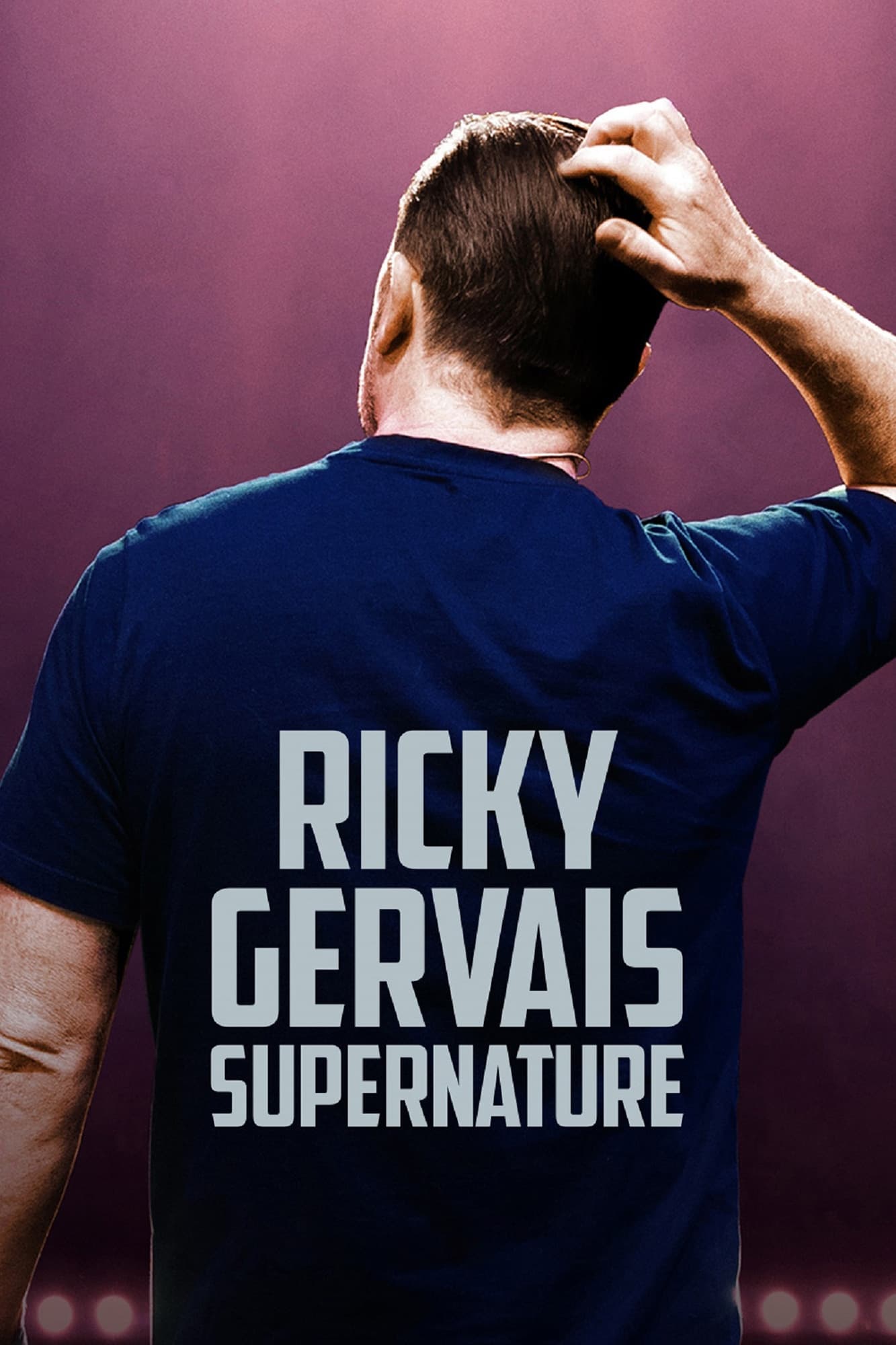
With his signature pitch-black sense of humor, Ricky Gervais takes the stage at the London Palladium in this provocative stand-up comedy special.
While doing the inventory for a lingerie outlet in a high rise office building, five attractive women are terrorized by a series of bizarre killings. They suspect that the strange janitor, who witnessed another series of killings six months previously, is at the bottom of the whole thing. Little do they know the real horror that they face in the end.
Adam Sandler hits the stage for a thrillingly unpredictable comedy special featuring songs, jokes, party-crashing dogs and plenty of love.
Ali G, Aiii, is a 100 minute compilation of the highlights of Da Ali G Show, plus 30 minutes of unseen and uncensored material that was too hardcore for TV.
Combining his trademark wit and self-deprecating humor with original music, Bo Burnham offers up his unique twist on life in this stand-up special about life, death, sexuality, hypocrisy, mental illness and Pringles cans.
Ricky Gervais dishes out controversial takes on political correctness and oversensitivity in a taboo-busting comedy special about the end of humanity.