Social & External
Présentateur
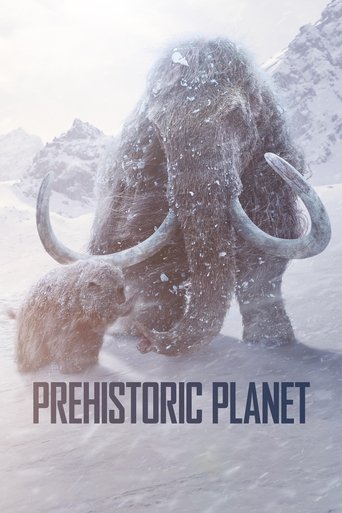
Meet the bizarre, amazing and breathtaking creatures and landscapes of a vibrant lost world; and discover how life not only survived during the cataclysmic events of this prehistoric era, but thrived.
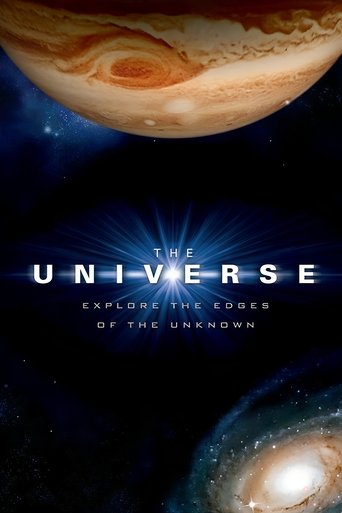
From the planets to the stars and out to the edge of the unknown, history and science collide in a wondrous yet deadly adventure through space and time.
Camouflage, deception and deadly precision: insects arrive with surprising survival strategies and thus take their place in the animal world. From bomb-igniting beetles, web-throwing spiders to tricky antlions – worldwide, the insect world has developed amazing abilities to protect itself from attackers and obtain food.
In each episode, geologist Dr. Iain Stewart explains the effects and importance of a specific force of nature, such as wind or volcanism. He also examines the various ways in which it shapes planet earth itself and influences life on it, often in conjunction with other natural forces, and sometimes with lifeforms, as in the 'apocalyptically' grave case of global warming.
Documentary series tracing mankind's exploration of our solar system.
In this spellbinding series, Professor Brian Cox visits the most extreme locations on Earth to explain how the laws of physics carved natural wonders across the solar system.
An astronomy series that brings the galaxy's most famous family to life, with the sun as the matriarch, surrounded by her unruly planetary children.
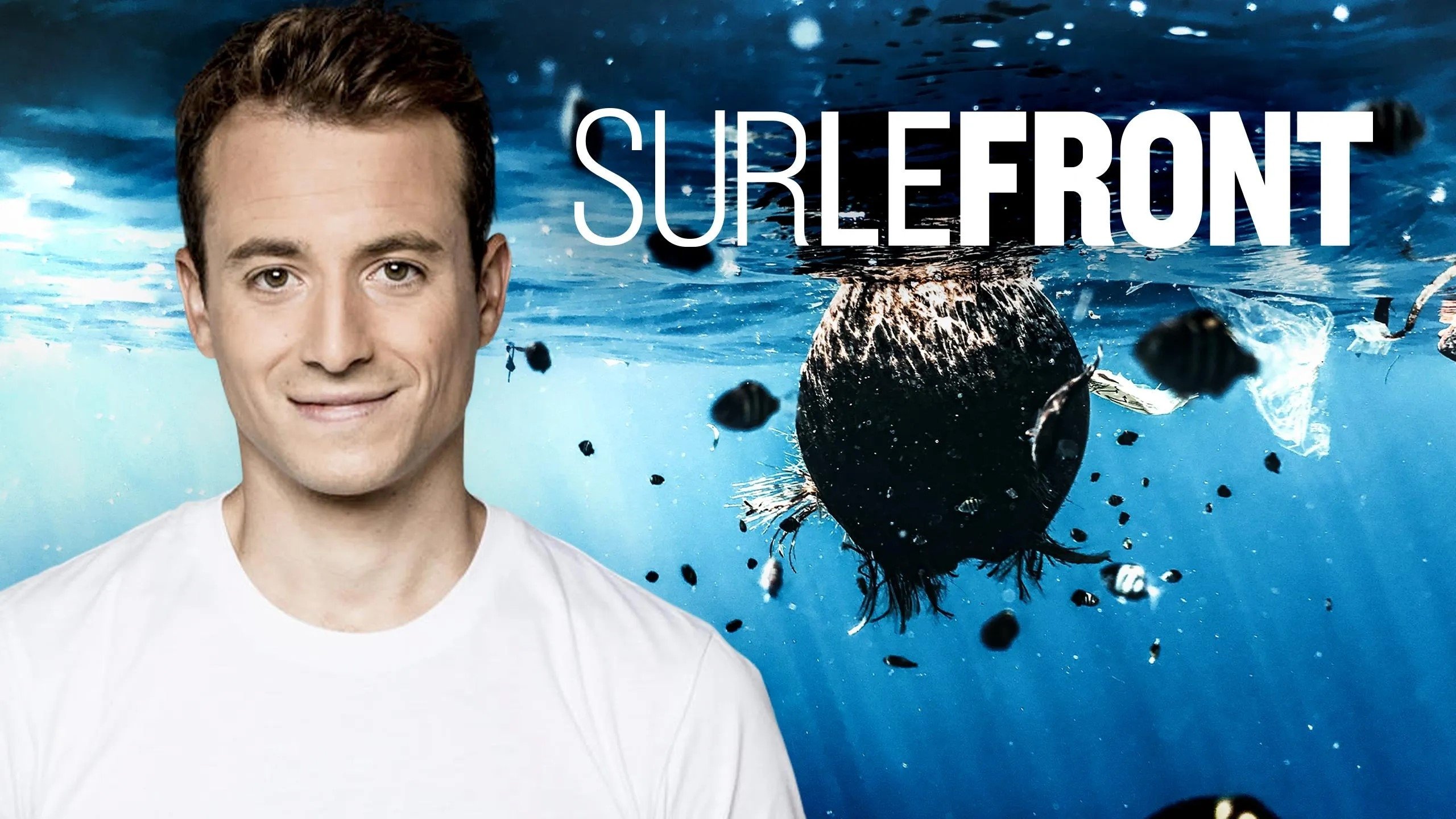
In ten of the world’s largest cities on five continents, host Frédéric Choinière showcases the greenest, most cutting-edge, and most effective intitiatives for controling waste.
The series uses stunning interactive CGI to reveal step-by-step how a world is put together. With a little help from the world's top scientists and engineers, Hammond will build the Earth and Solar System piece by piece.
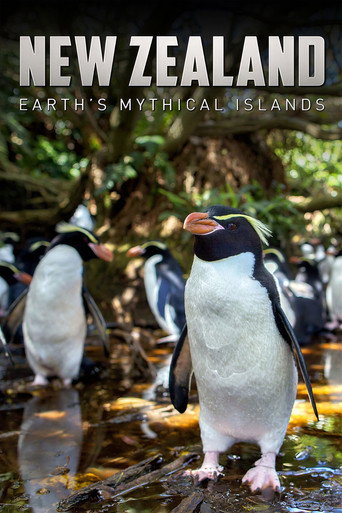
Isolated since the time of the dinosaurs, New Zealand’s wildlife has been left to its own devices, with surprising consequences. Its ancient forests are still stalked by predators from the Jurassic era. It’s also one of the most geologically active countries on earth. From Kiwis with their giant eggs, to forest-dwelling penguins and helicopter-riding sheep dogs, meet the astonishing creatures and resilient people who must rise to the challenges of their beautiful, dramatic and demanding home.
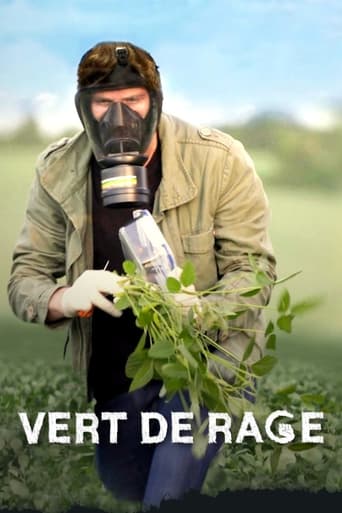
Martin Boudot, investigative journalist, investigates major environmental scandals around the world: river contamination, air pollution, radioactivity, illegal exploitation of resources, toxic waste...
Who Killed Lake Erie is a two and a half hour television documentary that aired on NBC in September 1969.
Although high mountain ranges occupy only a small part of the Earth, they are crucial to life on the planet. As the “water towers of the world,” they supply over two-thirds of global freshwater resources and provide sanctuary for endangered species. This series journeys across Europe’s spectacular mountain landscapes, revealing how these remote regions have shaped humanity’s past and continue to influence its future. Through powerful personal stories and breathtaking scenery, it shows how mountain communities are adapting to change—using innovation to preserve ancient traditions, from drone-guided reindeer herding in Norway to sled dogs assisting hikers in the Italian Alps—while the return of the bearded vulture to Spain offers hope for the future of these fragile environments.
Embark on an incredible journey with award-winning actor Mark Coles Smith as he explores one of Australia's most remote and majestic landscapes.
The story of the discovery and exploration of the planets, revealing the deepest secrets of our neighbors in space.
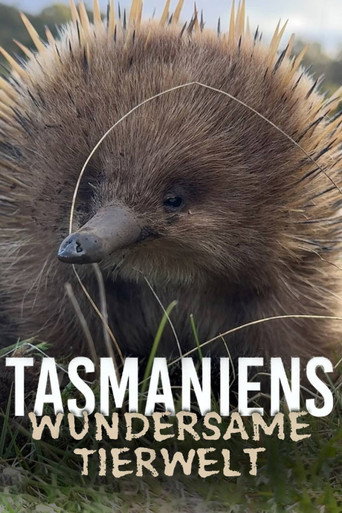
Tasmania's unusual location between hot Australia and cold Antarctica makes for a uniquely harsh mix of weather phenomena, as well as the many, extremely diverse, landscapes in one spot: white sandy beaches, snow-capped mountains, glistening highland lakes, ancient rainforest jungles, peatlands, steep sea cliffs - home to rare and strange endemic animals and plants, including the last survivors of the ancient southern supercontinent Gondwana.
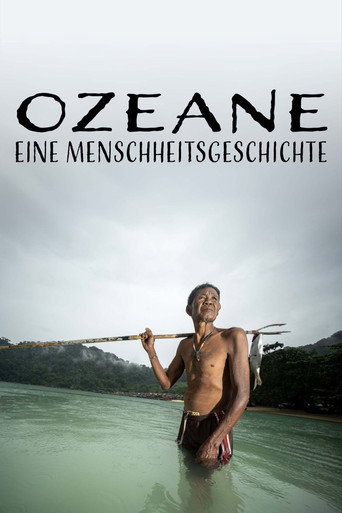
The story of humanity is told through the lens of the world's oceans. Focusing on the Atlantic, Pacific and Indian Oceans, the series explores how these vast bodies of water have shaped migration, trade, cultural exchange and the rise of civilizations for thousands of years. Ocean currents, tides and monsoon systems have influenced not only life along the coasts but also societies, economies and the global climate. Stunning natural imagery and the latest scientific insights offer a sweeping perspective on the enduring relationship between people and the sea.
Explore the innovative and highly flexible ways that snakes survive in the extreme environments of Australia and Africa. Examine the longest, strongest, heaviest, deadliest and most venomous snakes, across the two continents that shaped them.
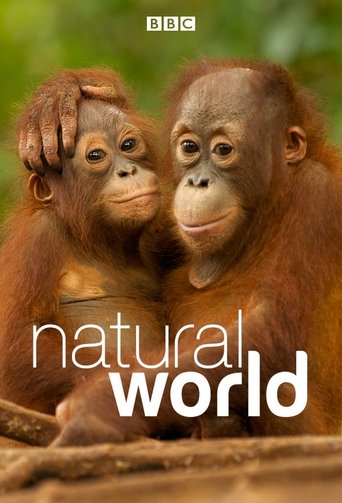
Natural World is a nature documentary television series broadcast annually on BBC Two and regarded by the BBC as its flagship natural history brand. It is currently the longest-running series in its genre on British television, with more than 400 episodes broadcast since its inception in 1983. Natural World is produced by the BBC Natural History Unit in Bristol, but individual programmes can be in-house productions, collaborative productions with other broadcasters or films made and distributed by independent production companies and purchased by the BBC. Natural World programmes are often broadcast as PBS Nature episodes in the USA. Since 2008, most Natural World programmes have been shot and broadcast in high definition.
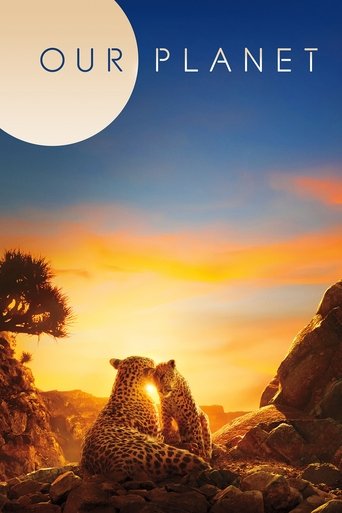
Experience our planet's natural beauty and examine how climate change impacts all living creatures in this ambitious documentary of spectacular scope.
TV's most-watched history series brings to life the compelling stories from our past that inform our understanding of the world today.
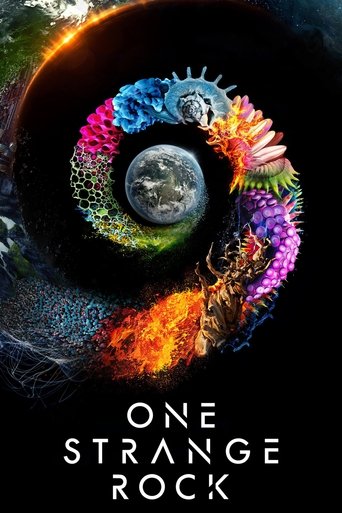
A mind-bending, thrilling journey exploring the fragility and wonder of planet Earth, one of the most peculiar, unique places in the entire universe, brought to life by the only people to have left it behind – the world’s most well known and leading astronauts.
David Attenborough presents a documentary series exploring how animals meet the challenges of surviving in the most iconic habitats on earth.
Consistently stunning documentaries transport viewers to far-flung locations ranging from the torrid African plains to the chilly splendours of icy Antarctica. The show's primary focus is on animals and ecosystems around the world. A comic book based on the show, meant to be used an as educational tool for kids, was briefly distributed to museums and schools at no cost in the mid-2000s.
Motoring programme featuring reviews of and reports about cars of all types.
American Masters is a PBS television series which produces biographies on enduring writers, musicians, visual and performing artists, dramatists, filmmakers, and others who have left an indelible impression on the cultural landscape of the United States.
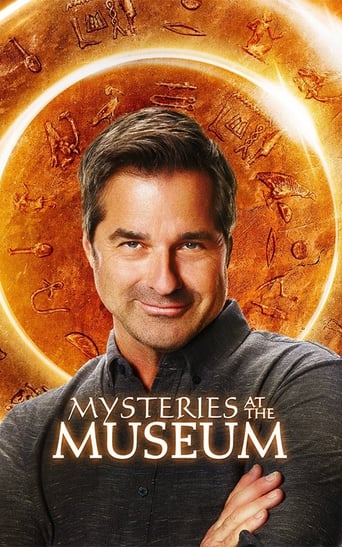
Don Wildman unearths relics from the world's greatest institutions to reveal secrets from the past. He examines each artifact to illuminate history's most incredible triumphs, sensational crimes and bizarre encounters.
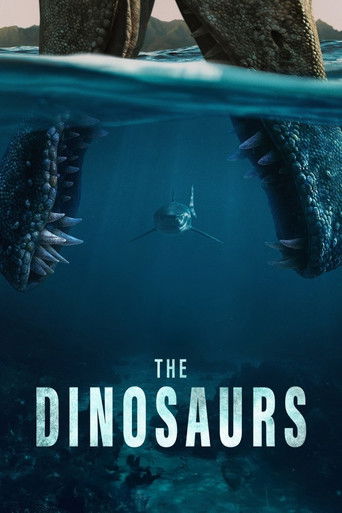
From the first dinosaurs to the last, this epic documentary series examines their 165 million years on Earth and the forces that shaped their evolution.
A British genealogy documentary series in which celebrities trace their ancestry, discovering secrets and surprises from their past.
Millions of years ago, incredible forces ripped apart the Earth’s crust creating seven extraordinary continents. This documentary series reveals how each distinct continent has shaped the unique animal life found there.
The story of life, from the first primitive cells to the plants and animals that now live around us.
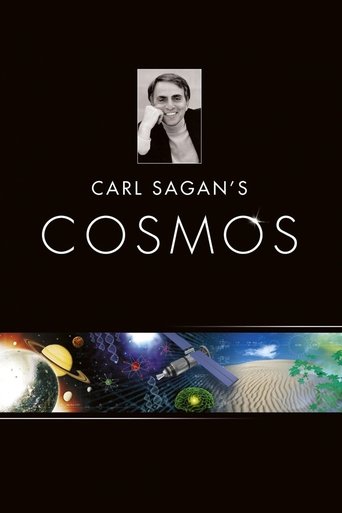
Carl Sagan covers a wide range of scientific subjects, including the origin of life and a perspective of our place in the universe.
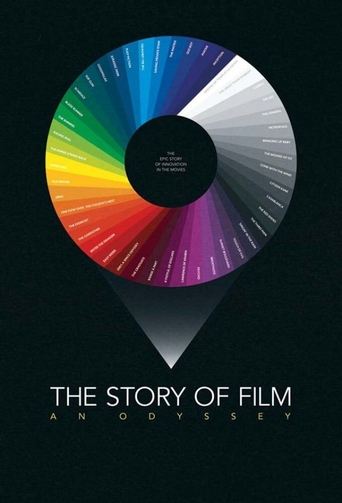
A worldwide guided tour of the greatest movies ever made and the story of international cinema through the history of cinematic innovation.
Biography is a documentary television series. It was originally a half-hour filmed series produced for CBS by David Wolper from 1961 to 1964 and hosted by Mike Wallace. The A&E Network later re-ran it and has produced new episodes since 1987. The older version featured historical figures such as Helen Keller and Mark Twain, or long-dead entertainment figures such as Will Rogers or John Barrymore. The A&E series has placed the emphasis on such people as Marilyn Monroe, Elvis Presley, Plácido Domingo, Freddie Mercury, Jacqueline Kennedy Onassis, Eric Clapton, Pope John Paul II, Gene Tierney, Selena, Diego Rivera, Mao Zedong and Queen Elizabeth II, and fictional characters like The Phantom, Superman, Hamlet, Betty Boop, and Santa Claus. The program ended up profiling enough figures that in 1999, A&E spun it off into an entire network, The Biography Channel.
Noted Harvard scholar Henry Louis Gates, Jr. has been helping people discover long-lost relatives hidden for generations within the branches of their family trees. Professor Gates utilizes a team of genealogists to reconstruct the paper trail left behind by our ancestors and the world’s leading geneticists to decode our DNA and help us travel thousands of years into the past to discover the origins of our earliest forebears.
This immersive series follows the world's most magnificent creatures, capturing never-before-seen moments from the heartwarming to the outrageous.
Have you ever wondered how the products you use every day are made? How It's Made leads you through the process of how everyday products, such as apple juice, skateboards, engines, contact lenses, and many more objects are manufactured.
Life's extraordinary journey to conquer, adapt and survive on Earth across billions of years comes alive in this groundbreaking nature docuseries.