Social & External
The people behind it
Annie Cordy
Narratrice
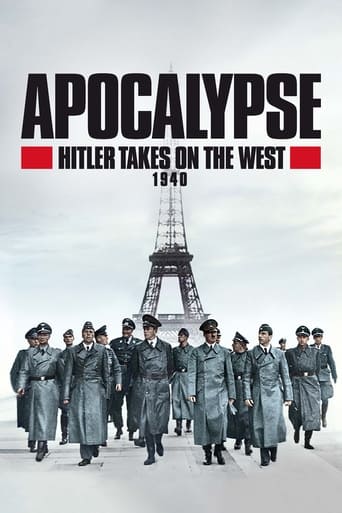
May 10th, 1940, Hitler takes on the West. Will he precipitate Europe into the Apocalypse?
A look into the Belgian colonisation of Congo through interviews of both colonials as Congolese people that lived it.
World War II drama about covert organisation Lifeline helping allied airmen escape after being shot down in occupied Europe, working with the Resistance and hiding from the Gestapo.
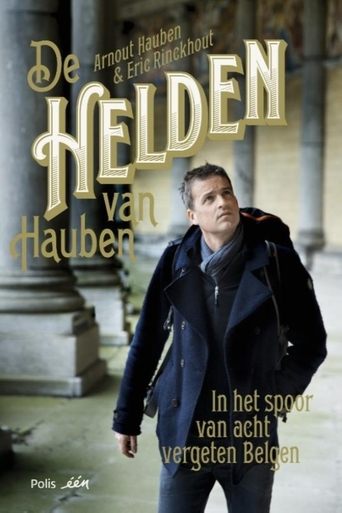
Arnout Hauben travels in the wake of forgotten Belgians who once made a miraculous journey.
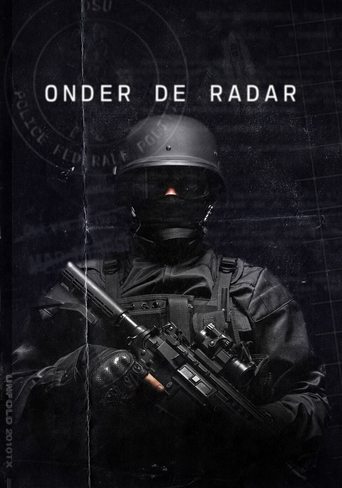
An exclusive insight into the work and recruitment of the special units of the Belgian Federal Police. Through testimonies and reconstructions, 'Under the Radar' also takes a closer look at a number of striking operations from the past.
In the online documentary series Labels, VRT NWS reporter Yassine Atari (23) visit young people who get a "label". Yassine talks with them about the prejudices, clichés, and labels. Yassine finds out what drives them, what makes them happy, what makes them sad.
A top Israeli agent comes out of retirement to hunt for a Palestinian militant he thought he'd killed, setting a chaotic chain of events into motion.
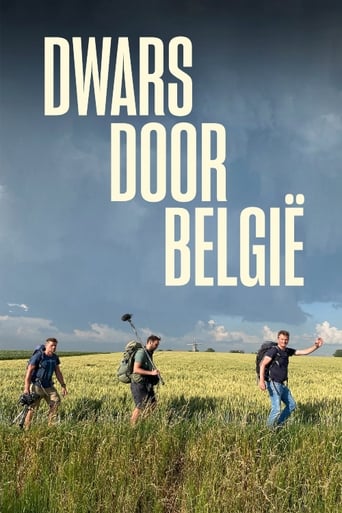
Straight through Belgium is a 4-part adventurous television show, created by television-creator Arnout Hauben. Together with Philippe Niclaes (camera) and Ruben Callens (drone and sound) Hauben follows the GR129, the longest signposted hiking-trail in Belgium. The trail is 500 kilometers long and goes all the way through Belgium from Bruges to Aarlen. Arnout, Philippe and Ruben go "back to basics" for this show and travel with backpack and tents. They complete the trail in 23 days, travelling about 20 km per day. Along the way, Arnout Hauben stops at several special locations with each its own story. He tells stories about Belgian history, but also about lesser-known "petites histoires".
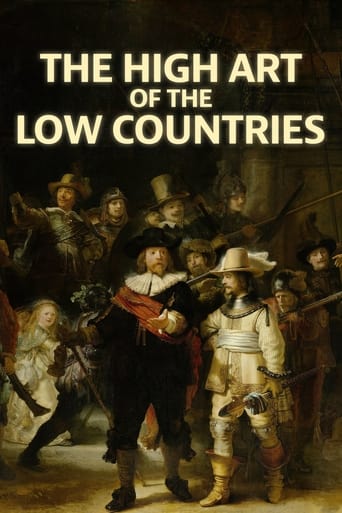
This 3 part series is presented by the British Art Critic, Andrew Graham-Dixon. He explores the Low Countries of the Netherlands and Belgium and how history has influenced the area's art, architecture and culture. Cloth was used in the area's first expression of art in the making of tapestries going back to the 14 th century. They were the No. 1 luxury item of the day. The Low Countries were well placed geographically for markets for their art.
A look at the life of King Boudewijn of Belgium.
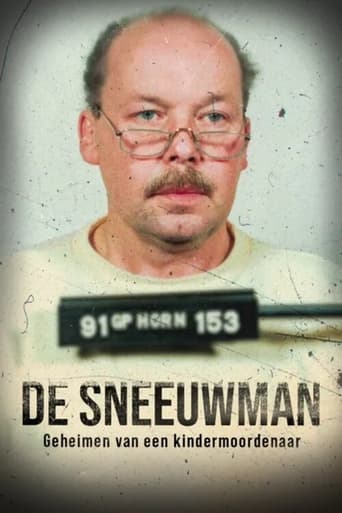
In this three-part documentary on the infamous Belgian child murderer Michel Stockx, we deep dive into the process leading up to his conviction and the years of mystery that follow. Not only was he found guilty of rape and murder of three children, he also remained a suspect in several other cold cases. What made him capable of such gruesome murders? And what allowed him to strike time after time? Although his involvement seemed clear, the cases are still haunted by questions for truth. On the basis of interrogation reports, interviews with people involved, and reconstructions of his actions, we are presented an image of how a cold blooded murderer could go about.
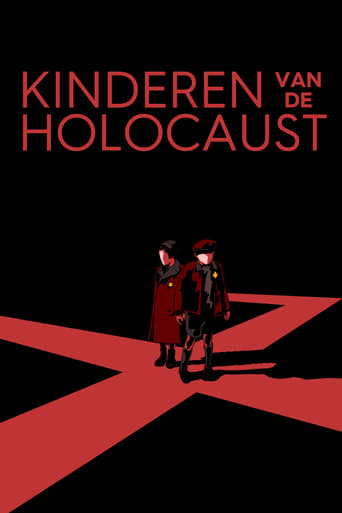
Exactly 75 years after the end of the Second World War and the liberation of the concentration camps, twelve witnesses tell about the suffering caused to themselves and their families during the Holocaust and about the impact of the persecution of the Jews during the Second World War on the rest of their lives.
The life of German thinker Karl Marx, focusing on his political and economic theories, his romance with Jenny von Westphalen, and his friendship with Friedrich Engels.
Exclusive look behind the scenes at the crisis centre of the Belgian federal government service of interior affairs. Follow how the policy makers, governments, and operational services work together to ensure everyone in the country – from citizen to visitor, from festivalgoer to king – can feel safe.
World War II In Colour is a 13-episode television documentary miniseries recounting the events of World War II narrated by Robert Powell. The show covers the Western Front, Eastern Front, and the Pacific War. It is on syndication in America on the Military Channel. This series is in full color, combining both original and colorized footage.
Explores WWII from Germany's invasion of Poland through the atomic age, examining pivotal battles, wartime leaders like Churchill and Roosevelt, and the human cost of total war.
Using highly advanced colourisation techniques, critical moments from World War II, from Stalingrad to The Battle of Britain, are shown in a whole new light.
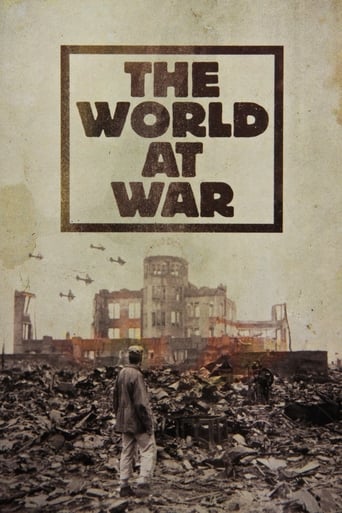
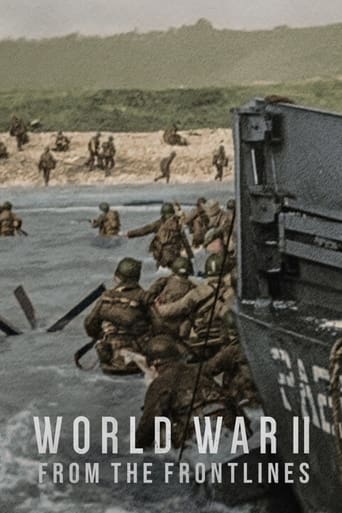
A documentary series that gives a historical account of the events of World War II, from its roots in the 1920s to the aftermath and the lives it profoundly influenced.
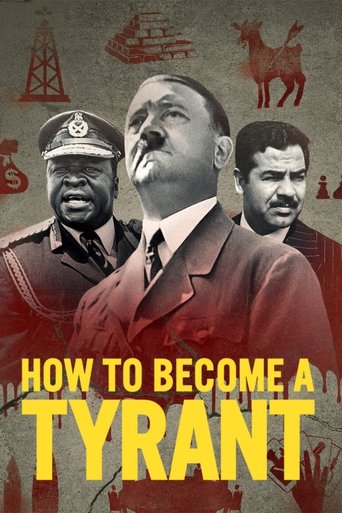
The documentary series explores different political figures throughout history.
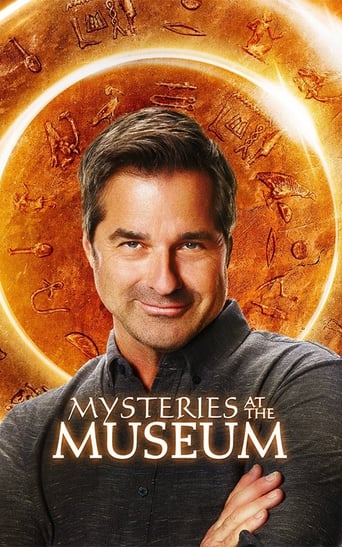
Don Wildman unearths relics from the world's greatest institutions to reveal secrets from the past. He examines each artifact to illuminate history's most incredible triumphs, sensational crimes and bizarre encounters.
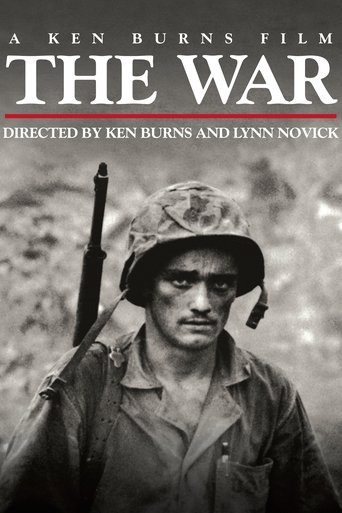
The story of the Second World War through the personal accounts of a handful of men and women from four American towns. The war touched the lives of every family on every street in every town in America and demonstrated that in extraordinary times, there are no ordinary lives.
WWII in HD is a 10-part American documentary television miniseries that originally aired from November 15 to November 19, 2009 on the History Channel. The program focuses on the firsthand experiences of twelve American service members during World War II, including an Army nurse, a member of the Tuskegee Airmen, a second generation Japanese American and prisoner of war, and an Austrian Jewish immigrant. The twelve members recorded their time in both theaters and some had later interviews; found footage from the battlefield was paired with the stories of the twelve service members. The episodes premiered on five consecutive days, with two episodes per day. The series is narrated by Gary Sinise and was produced by Lou Reda Productions in Easton, Pennsylvania, United States.
A PBS documentary concerning Jared Diamond's theory on why there is such disparity between those who have advanced technology and those who still live primitively. He argues it is due to the acquisition of guns and steel and the changes brought about by germs.
Colorized historical footage in ascending order of World War 1. Not only the relatively known Flanders and France battles, but also the generally unknown Italian-Austrian, German-Polish-Russian, Japanese-German, Ottoman Empire- Allied and African German Colonies, and other unknown or forgotten fronts and battles.
A documentary on the American Civil War narrated by Ken Burns, covering the secession of the Confederacy to the assassination of Abraham Lincoln.
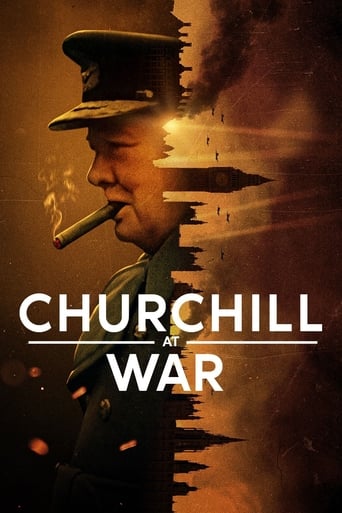
This captivating docuseries examines Winston Churchill's pivotal role in World War II and the formative events that made him an ideal leader for the era.
Surviving power struggles, betrayals and plots, Hitler's inner circle of Nazi leaders seizes control of Germany and designs its disastrous future.
Come one, come all to The Circus. This real-time documentary series pulls back the curtain on the current political stories, revealing the intense, inspiring and infuriating stories behind the headlines. Key characters and events are presented in real time, as they are happening.
Infographics and archival footage deliver bite-size history lessons on scientific breakthroughs, social movements and world-changing discoveries.
Will Smith hosts this look at the evolving, often lethal, fight for equal rights in America through the lens of the US Constitution's 14th Amendment.
TV's most-watched history series brings to life the compelling stories from our past that inform our understanding of the world today.
In this true-crime documentary, a cult expert and filmmaker infiltrate a polygamist sect to expose a self-proclaimed prophet and bring him to justice.
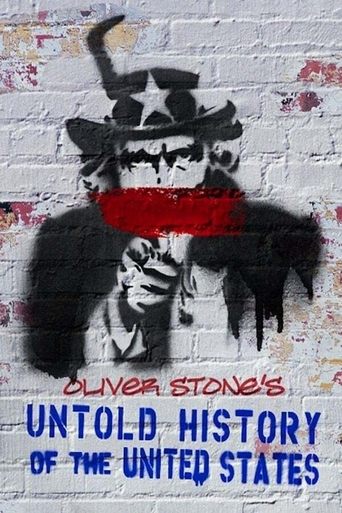
Oliver Stone's re-examination of under-reported events in American history.
November 11, 1918. The world emerges from the most horrific conflict ever known. While leaders of the victorious countries design a new world order, traumatized societies struggle to find their footing. In the aftermath of war the Russian, German, Austro-Hungarian and Ottoman Empires fall apart, currencies fluctuate wildly, and vast numbers of refugees flee misery. Before long, age-old hatreds, fears, and resentments resurface and drive the world to the brink of a new apocalypse.