Social & External
Moderator
'Kingdom of Dreams' is a stunning four-part series chronicling three critical decades of the fashion world, from the early 1990s through to the 2010s. Described as a Golden Age, this period of time was an era of disruption and innovation as the traditional fashion business bumped heads against the young and exciting international visionaries who were shaking up the industry. Using rare library material, never-before-seen personal archives and story-driven interviews, explore a pivotal time in fashion history up close.
The three-part documentary series, compiled from over 60 hours of unseen footage, captures the warmth, camaraderie, and creative genius that defined the legacy of music's most iconic foursome. The series also includes – for the first time in its entirety – The Beatles' final performance at London's Savile Row.
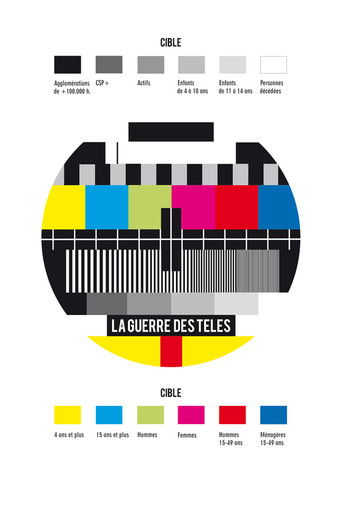
The behind-the-scenes story of French television… This documentary unveils the lesser-known history of two audiovisual decades that have shaped today's television. To explain from the break up of the French broadcasting service ORTF, in 1974, to the creation of Arte, via the birth of Canal+, the life and death of La Cinq and the privatization of TF1 — the succession of political, economic and cultural decisions that have shaped what is known as the “PAF” (French Audiovisual Landscape).
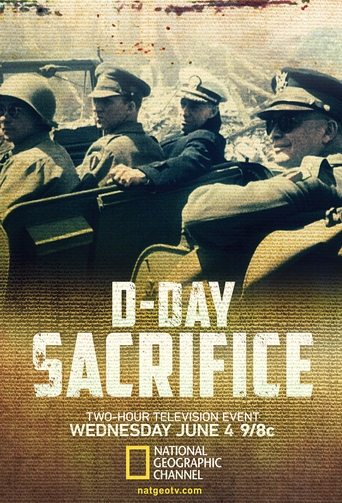
Comprised entirely of re-mastered and colorised archive footage from World War II, much of it never before seen, Sacrifice recounts the story of D-Day through the testimonies of those who lived it. These important historical days are seen through the eyes of French civilians and members of the military fighting on both sides. The testimonies of famous individuals like Dwight D. Eisenhower and Erwin Rommel are intertwined with those of anonymous soldiers and citizens, such as film director Samuel Fuller and Eisenhower's chauffeur, Kay Summersby. From the preparations for D-Day all the way through to the liberation of Paris, the accounts of these men and women provide a moving and invaluable retelling of this pivotal time in history.
The Blues (2003) is a seven-part documentary series produced by Martin Scorsese that explores the history and influence of blues music. Each episode, directed by a different filmmaker, traces a unique aspect of the genre’s evolution—from its African roots to its global impact. Originally airing on PBS, the series includes Scorsese’s Feel Like Going Home, Wim Wenders’ The Soul of a Man, Richard Pearce’s The Road to Memphis, Charles Burnett’s Warming by the Devil’s Fire, Marc Levin’s Godfathers and Sons, Mike Figgis’ Red, White and Blues, and Clint Eastwood’s Piano Blues.
Afghanistan is at a crossroads between traditions and a contemporary lifestyle.
Sex and murder are often tied together in criminal investigations; and detectives uncover dirty secrets, scandalous sex affairs, online sex addictions, jealousy and stunning twisted fantasies when looking for motives for murder.
The documentary series were made to look back on Korea’s modern history. It tells stories of specific moments in time weaving together relevant video clips from news broadcasts, dramas, shows and other documentaries
Formerly known as iconic, family-friendly interstate stops, many American motels have become places where transience and anonymity often go hand-in-hand. Murder at the Motel explores tragic murder cases set in motels and the pursuit to bring justice to the victims. The personal stories of the victims and of how the investigations unfolded are told from the perspective of family members and law enforcement officers who work tirelessly in their quest to solve these horrific crimes.
Chilling true stories from the headlines where people met their murderer online. Experts provide analysis and dramatizations take us through these devastating dates with death. The world of online connections becomes the latest landscape for murder and mayhem.
Explore the many lives of Martin Scorsese through intimate interviews with the man himself, access to his private archives, plus conversations with Robert De Niro, Leonardo DiCaprio, Margot Robbie, Daniel Day-Lewis, Steven Spielberg, and more.
Posting up at a local watering hole in Roswell, New Mexico, a town infamous for its UFO past, Horowitz and Newton meet with individuals who have experienced strange and unexplainable encounters.
"A man went looking for America.... And couldn't find it anywhere!" proclaimed the original Easy Rider poster. Four decades later filmmakers Simon Witter and Hannes Rossacher set out to see if they could find America, retracing the film's original route across the country with Easy Rider super fans Jim Leonard and Mike Kittrell, on a quest to find out how the many issues that resonated through the film had developed, for better or worse, in the interim. Along the way they met musicians, journalists, academics, seasteading idealists, drug policy experts and healers, and heard from the film's makers and extras about the dramatic genesis of the cult film that blew like a wind of change through the stilted kitsch of mainstream cinema in 1969, re-writing the rulebook on genre, drugs, music, cinematography and even the use of non-actors, holding a mirror up to the values of a changing America.