On March 23, 1585, Japanese Christian envoys visited Pope Gregory XIII at the Papal Court in Rome, Italy. The drama begins 45 years earlier - in 1540 outside Lisbon, Portugal.
Social & External
Nabe
Nobunaga
Rui
Lorenzo
Ichi
Shino
The 41st NHK Taiga Drama is Toshiie to Matsu. During the turbulent Warring States Era, one man's life and career intertwined with the three great generals of Japanese history-Nobunaga, Hideyoshi, and Ieyasu. With political savvy and the support of his fiercely loyal wife, Maeda Toshiie rose to second in power in the shogunate and built up a fiefdom that encompassed Echizen, Noto and Kaga.
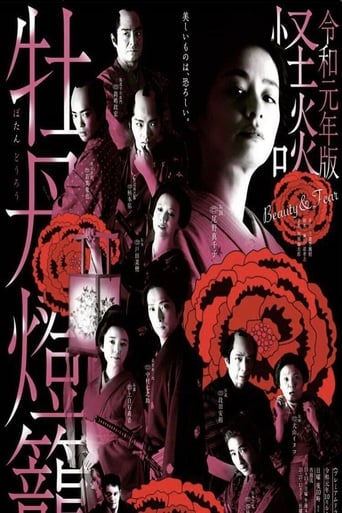
One hundred years ago, the two died untimely deaths, although they had a strong bond. In the Edo period, the reincarnated man met a geisha named Osome, a wandering spirit who could not attain Buddhahood.
Takahara is a legendary figure in the Warring States Period of Japan. He was born in Kagoshima, the sacred place of sword. He learned the art of Taidao in Kagoshima from childhood. He had faced many life-and-death battles in his life, but he had never been injured at one time. In this new play, the story will be unfolded centering on the youth period of Sakahara, which has never been shown on the big screen before.
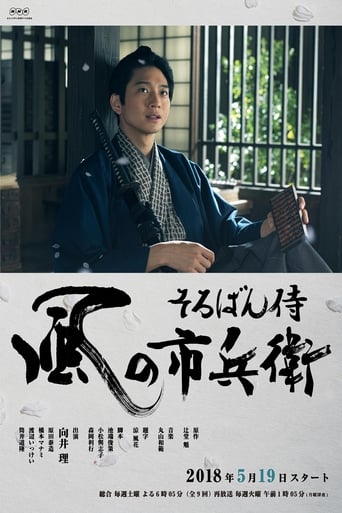
Kohei Akiyama, a popular master swordsman, and his son Daijiro live in the town of Edo in good faith. While running a dojo, Daijiro and his father find themselves wrapped up in a series of events with the town's people.
A story about a high school full of delinquents, and its elite class that has clones of famous warlords from Japan's Warring States period fighting it out.
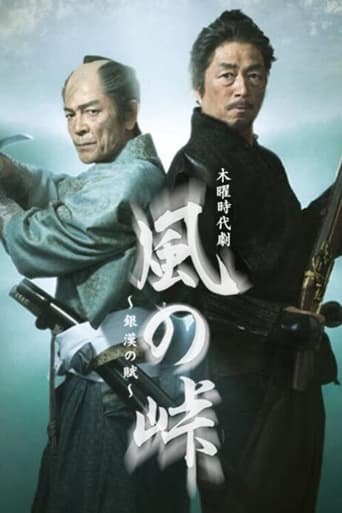
Amidst Oda Nobunaga's impending unification of Japan, the mysterious Kinketsu Cult spreads fear through curses on nonbelievers, forcing the shogun to deploy a secret masked ninja to infiltrate and dismantle its sinister conspiracy from the shadows.
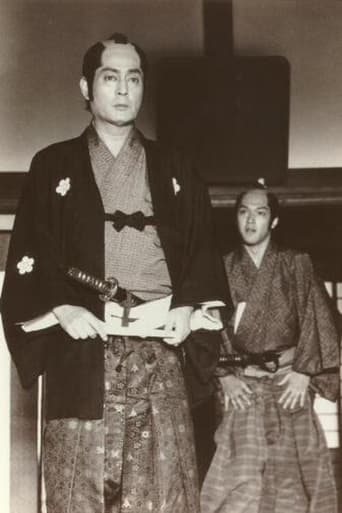
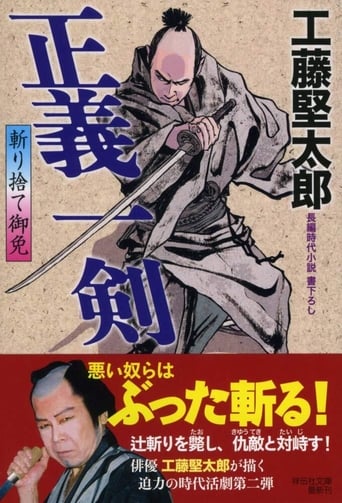
Thirteen years after his mother took her own life as a ritual sacrifice for the Black Mass, samurai Kyoshiro (Masakazu Tamura), who lives his life with his eyes turned away from happiness, uses his beloved sword to slay his enemies who come at him.....
Humans and katawara are at war, but there are those on each side who join forces. Tama is a fox spirit who loves humans, while her sendou brother, Jinka, despises them. Together, they use the power of spirit transformation to defeat the monstrous katawara and put an end to the evils of this chaotic age. What destiny awaits the duo at the end of their journey?
The story chronicles the life of Tokugawa Ieyasu.
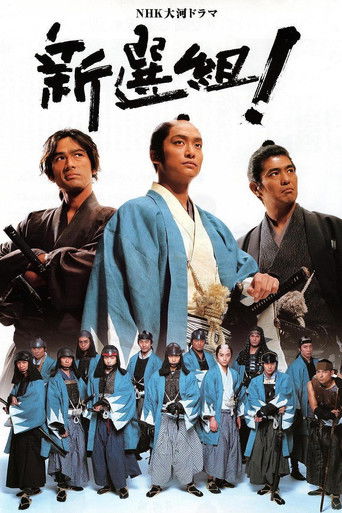
Shinsengumi! is a Taiga drama television series produced by Japanese broadcaster NHK. It was a popular drama about the Shinsengumi, a Japanese special police force from the Bakumatsu period.
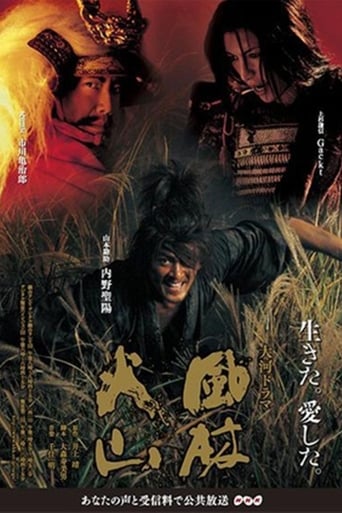
Fūrin Kazan was the 46th NHK Taiga drama beginning on January 7, 2007. It was aired throughout 2007. The four characters from left to right are wind, woods, fire, and mountain. The title is a reference to the war banner used by Takeda Shingen, which in turn was taken from Sun Tzu's The Art of War. It means "Swift as the Wind, Silent as a Forest, Fierce as Fire and Immovable as a Mountain."
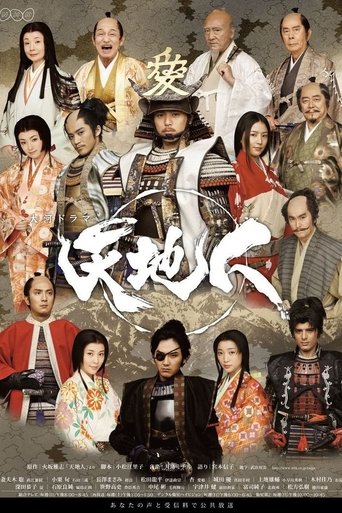
Tenchijin is the 48th NHK Taiga drama. It airs on NHK from January 4, 2009 every Sunday from 20:00 to 20:44 JST to November 22, 2009 spanning 47 episodes. The story centers on the life of the 16th century samurai Naoe Kanetsugu. Production began on April 27, 2007. The story is based on the novel Tenchijin by Masashi Hisaka and was adapted for screen by scriptwriter Eriko Komatsu. The series' music composer was Michiru Oshima. The protagonist of the drama, Naoe Kanetsugu, was taught by Uesugi Kenshin in his youth that to conquer the world is a trifling matter, but what matters is to live one's life with righteousness. After Uesugi's death, Naoe supports Uesugi Kagekatsu, who holds the destiny of Echigo province.
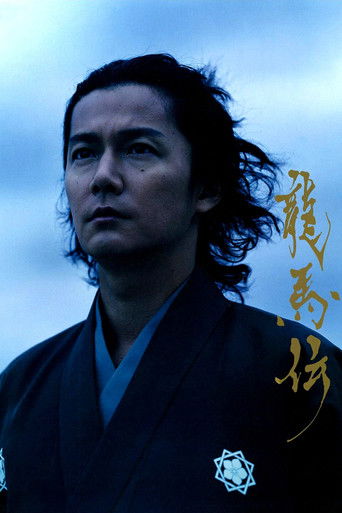
Ryōmaden is the 49th NHK Taiga drama. It was shown on NHK from January 3 to November 28, 2010 spanning 48 episodes. The story centers on the life of 19th-century Japanese historical figures Iwasaki Yatarō and Sakamoto Ryōma. It has been announced that the series will be aired in several other countries, for example Hong Kong, South Korea, Taiwan and Thailand.
Following the ascension to power of Taira no Kiyomori, the Minamoto clan is exiled. Minamoto no Yoritomo meets Masako, the sister of Hōjō Yoshitoki and later marries her. Following this marriage, the gears of Yoshitoki's destiny begin to turn.
After 2 years of completely isolation in mountains, Musashi comes back in order to live a normal life. However, after his duel against Kojiro Sasaki he has many enemies who want to kill him...
Dynamic reenactments and expert commentaries bring to life the tumultuous history and power struggles of a warring 16th-century feudal Japan.
Blockbuster drama based on the novel Sekigahara by Ryotaro Shiba, a program dedicated to the 30th anniversary of TBS. A total of 120 actors, 3,500 extras and about 500 horses recreated the largest battle in history, the Battle of Sekigahara, in which 200,000 warriors clashed from east and west. The battle, which can be called a turning point in the history of Japan, depicts the conflict, love and hate between people on a grand scale and with a great cast.
The Ooku of Edo Castle was a mysterious existence that could not be seen from the outside for 300 years in Tokugawa. Love and hate, and fierce power struggles were fought among the women day and night.
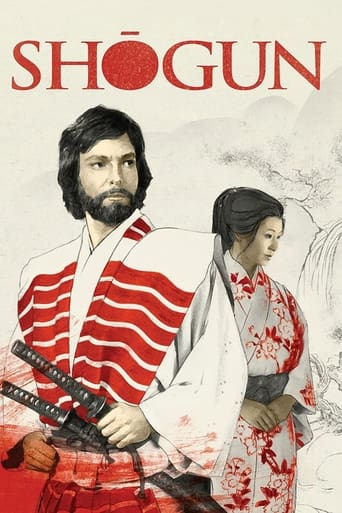
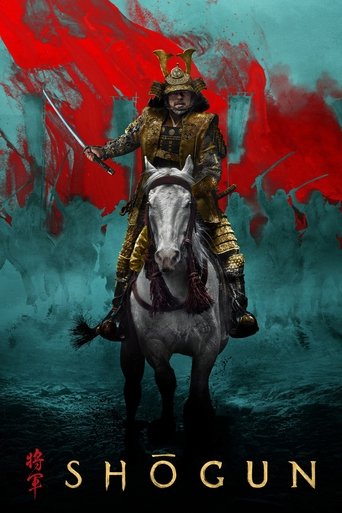
In Japan in the year 1600, at the dawn of a century-defining civil war, Lord Yoshii Toranaga is fighting for his life as his enemies on the Council of Regents unite against him, when a mysterious European ship is found marooned in a nearby fishing village.
An English navigator becomes both a player and pawn in complex political games in feudal Japan.
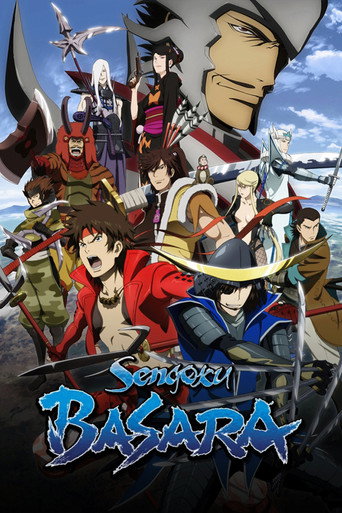
During the Sengoku period, there are many factions constantly at war. One of these is led by a one-eyed man named Date Masamune and another by the imposing Takeda Shingen. The latter has a fiercely loyal subordinate named Sanada Yukimura who goes head to head against Date Masamune multiple times, but the battles between them tend to get interrupted. One such battle occurs when both men try to go after another leader named Imagawa, and they’re forced to break off their heated duel when Imagawa attempts to flee the scene with his body doubles. Yukimura and Masamune go after separate Imagawas, but all of the doubles are killed by a third party, and when their paths cross again, they are in front of the menacing Oda Nobunaga and his army. It was Nobunaga’s subordinates that killed those body doubles, and Nobunaga himself proceeds to kill the real Imagawa with a shotgun blast to the head.
Raised from birth as a man, the Lady Oscar commands the palace guards at Versailles in the years before the French Revolution. Her beauty and noble spirit make her a shining figure in the eyes of both men and women but she is torn between her chosen life of service and duty to class and country and her own heart and desires. She lives as a noble amidst the opulence of Versailles but her keen senses and compassion are not blinded to the poverty of the French people.
The year is 1931. Prince Tokugawa Yoshinobu holds absolute control over Japan. Remnants of the Meiji era’s culture can be seen around the city, but scientific technology and Japanese esoteric cosmology Onmyodo are also developing. Yet lurking behind the glitz is Kuchinawa, a dissident group planning the assassination of the prince. Tasked to extinguish these dissidents is Nue, the government’s secret executioner group. Sawa Yukimura, who works for this organization, suffered at the hands of the Kuchinawa boss. Her entire family was murdered and she dedicated her life to avenging their death.
The story of New York farmer, Abe Woodhull, who bands together with a group of childhood friends to form The Culper Ring, an unlikely group of spies who turn the tide in America’s fight for independence.
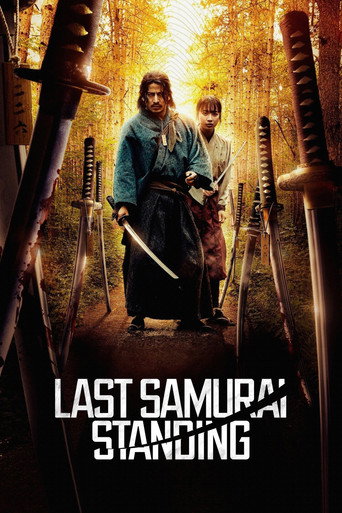
In the early Meiji era, Shujiro, once known as an undefeated samurai, decides to participate in a deadly survival game to save his family and villagers.
The story of World War II told through the intertwining fates of ordinary people from all sides of this global conflict as they grapple with the effect of the war on their everyday lives.
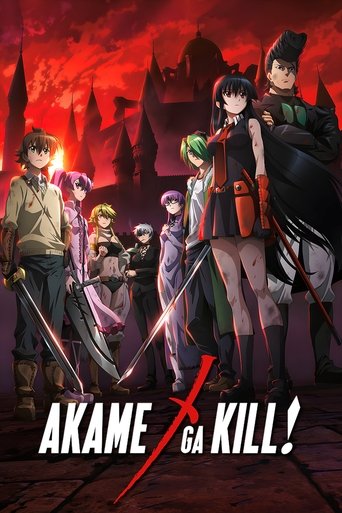
Young Tatsumi travels to the capital of the Empire in order to earn money for his starving people and encounters a world of unimaginable depravity, dominated by the ruthless Prime Minister who controls the child Emperor. Tatsumi is recruited by Night Raid, a group of assassins dedicated to eliminating corruption by mercilessly killing officials and privileged nobles.
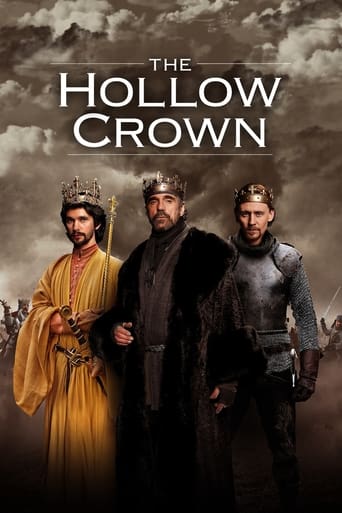
A series of British television films featuring William Shakespeare's History Plays.
Powerhouse lawyer Jessica Pearson adjusts to the dirty world of Chicago politics.
When Lucy Albright and Stephen DeMarco meet at college, they are at that formative age when seemingly mundane choices lead the way to irrevocable consequences. They quickly fall into an addictive entanglement that will permanently alter not only their lives, but the lives of everyone around them.
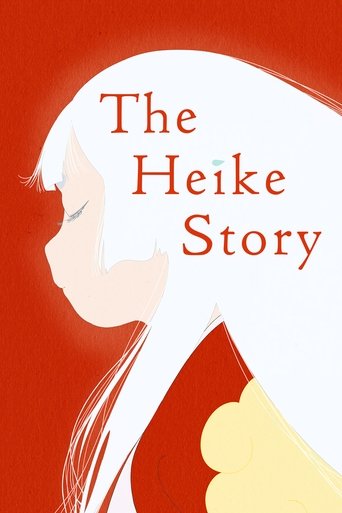
A young orphan named Biwa is taken in by the powerful Taira Clan—also known as the Heike—after their leader witnesses her extraordinary psychic abilities. Unfortunately, what she predicts is a future of bloodshed, violence, and civil war. Inspired by the 12th-century epic tale Heike Monogatari.
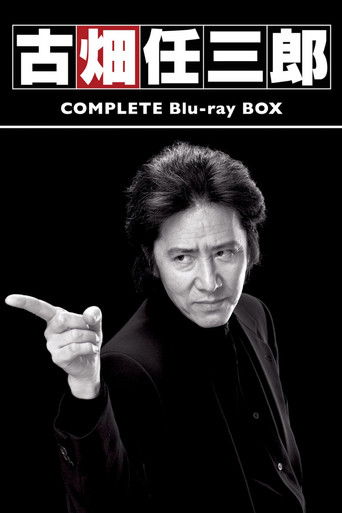
Furuhata Ninzaburō is a Japanese television series that ran periodically on Fuji Television from 1994 until its final episodes in 2006. It was written by Japanese playwright Kōki Mitani and is often referred to as the Japanese version of Columbo. The series is a police detective drama starring actor Masakazu Tamura as Furuhata Ninzaburo and Masahiko Nishimura as his stereotypically bumbling sidekick, Shintaro Imaizumi. The program aired weekly and featured a guest villain each time, usually a famous talent in Japan. Pop-stars like SMAP, television hosts like Sanma Akashiya and even sports figures like Ichiro Suzuki have been featured on this program. It was one of the most popular television dramas in the history of Japanese television, having spawned several seasons and TV specials.
After her mother took the blame for a tragic fire 13 years ago, Anzu plots revenge by working as a housekeeper under a pseudonym for her icy stepmother.
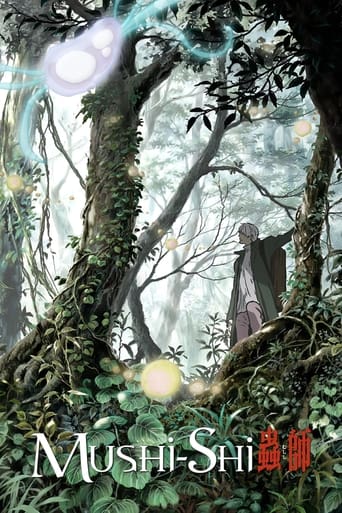
Ginko, a Mushi master, travels from place to place researching the Mushi and helping people who are suffering because of it.
After awakening in the Edo era, a neurosurgeon uses his medical knowledge to help those around him while searching for a way back to the present day.
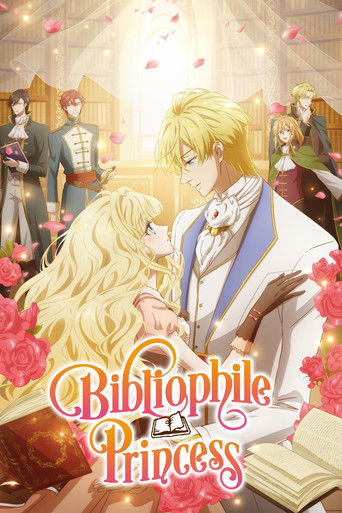
When book-loving Lady Elianna spots Prince Christopher—her betrothed in name only—consorting with another noble lady, she realizes the recent rumors must be true. The prince has someone he truly loves, which means the annulment of their engagement is both inevitable and fast-approaching. What she doesn't realize is that this is merely a surface ripple—one of many where the truth runs deep, in a conspiracy surpassing her imagination!
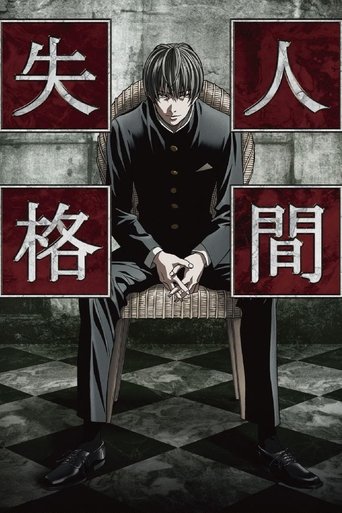
An animated adaptation of six classical Japanese literature pieces, including No Longer Human (Ningen Shikkaku) and Run, Melos (Hashire, Melos) by Osamu Dazai, Kokoro by Natsume Souseki, Hell Screen (Jigoku Hen) and The Spider's Thread (Kumo no Ito) by Ryunosuke Akutagawa and In the Forest, Under Cherries in Full Bloom (Sakura no Mori no Mankai no Shita) by Ango Sakaguchi.
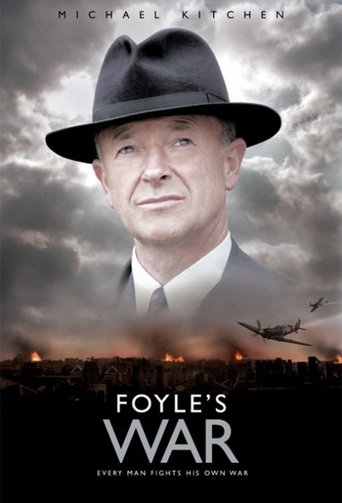
As WW2 rages around the world, DCS Foyle fights his own war on the home-front as he investigates crimes on the south coast of England. Foyle's War opens in southern England in the year 1940. Later series sees the retired detective working as an MI5 agent operating in the aftermath of the war.