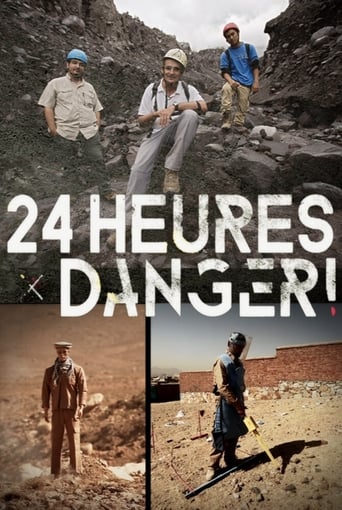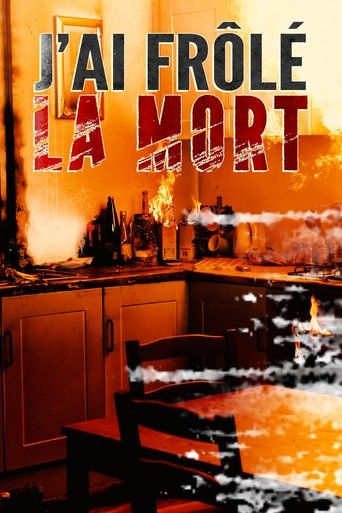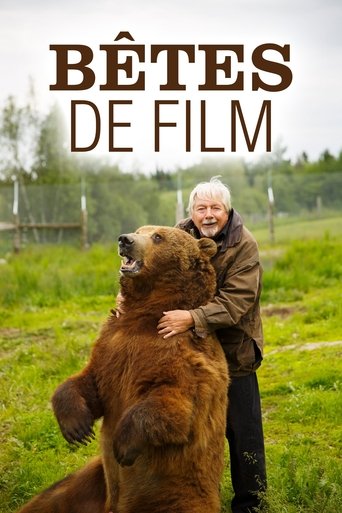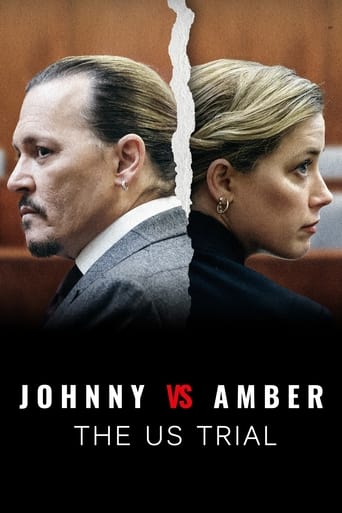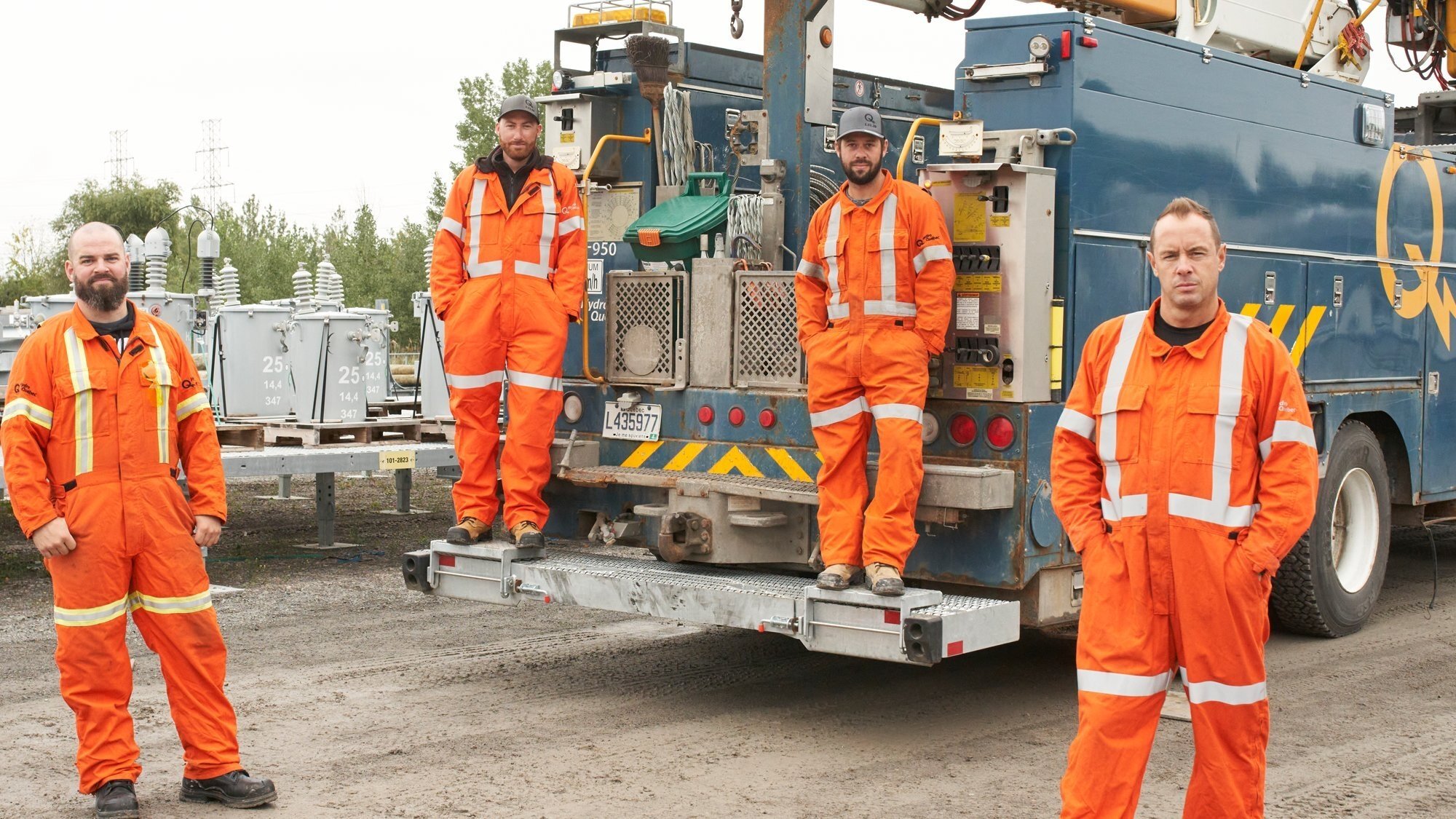
The daily lives of Hydro-Québec linemen as they perform the sixth most dangerous job in all of North America. These workers provide an essential service to the population and cannot refuse any emergency calls.
Social & External
You wanted more, you got more! Passfire is back with Passfire the Series: Season 1. Six brand new episodes give you more footage, more depth, more fireworks, more Passfire! In 2016 Veverka Bros. Productions brought you Passfire, a documentary about fireworks culture across the globe that told the story of the world's most amazing fireworks, the people who make them and the cultures behind them in 23 countries on six continents. Passfire the Series continues the ride with more of what you want: more destinations, more information, more detail, and more fun! Season 1 has six exciting episodes: Maltese Wheels, Galician Rockets, Boom Boom Girls, Japanese Artistry, Fireworks Organizations and The Maltese Fireworker.
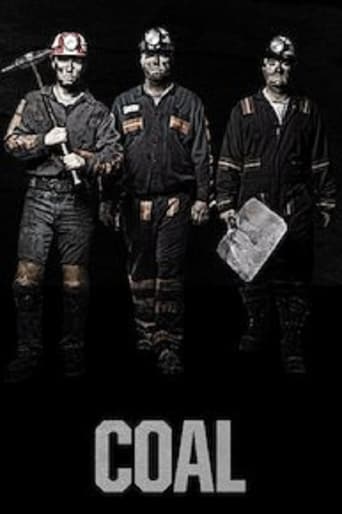
Coal was an American reality television series on Spike. The series debuted on March 30, 2011. The series portrayed the real life events on a coal mine in Westchester, West Virginia, and the inherent dangers involved. The series was later premiered in the UK on November 8, 2011, via the Discovery Channel UK. It featured owner Mike Crowder along with several employees involved in the mining operation.
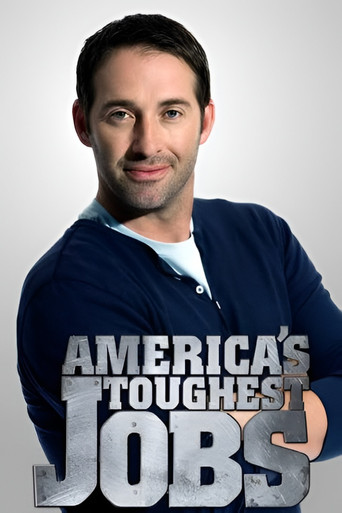
America's Toughest Jobs is a reality television show that lasted one season and aired on the American television network NBC. It pitted contestants against each other as they attempted a series of difficult and dangerous jobs. The prize was the sum of the salaries that would be earned by people doing these jobs in their first year. The show's creator and executive producer was Thom Beers, notable for creating shows such as Deadliest Catch and Monster Garage. Some of the jobs he chose to be featured on America's Toughest Jobs were featured on shows he previously created. The host was Josh Temple, a character actor who had minor roles in shows such as Will & Grace and Curb Your Enthusiasm. In each episode, contestants took part in tasks associated with a job, and were supervised and evaluated by workers or employers in that business. After spending time on the job, the supervisors selected one or more top employees for praise, and selected the employees who had the worst performances. Those employees were required to compete head-to-head in an additional challenge to determine who would be eliminated. For example, in the gold digging episode, the bottom four contestants were required to spend additional time digging for gold with the contestant who found the least amount eliminated. Once there were four contestants remaining, timed challenges were held for three of the season's toughest jobs with the contestant who had the slowest time at each eliminated until a winner was determined. At the end of each episode, an information screen was shown that detailed what the eliminated contestant decided to do after the show.
In Harm's Way is a one-hour American reality television series on The CW that looked at the lives of people who do dangerous jobs. Each unscripted episode followed the individuals who risk their lives in life-threatening jobs, including war photographers, oil well cappers, the Alaskan Coast Guard, bicycle messengers in Boston and minesweepers. The show was hosted by a former US Navy fighter pilot, Hunter Ellis. The first episode was broadcast on October 5, 2008, at 7 pm Eastern time. The season averaged 0.69 million viewers and 0.2 of adults 18-49. It was cancelled after just five episodes, along with the other MRC-produced series, and was replaced by re-runs of Jericho, with three produced episodes unshown.
Most Evil is an American forensics television program on Investigation Discovery presented by forensic psychiatrist Michael Stone of Columbia University. On the show, Stone rates murderers on a scale of evil that Stone himself has developed. The show features profiles on various murderers, serial killers, mass murderers and psychopaths.
Meerkat Manor is a British television programme produced by Oxford Scientific Films for Animal Planet International that premiered in September 2005 and ran for four series until its cancellation in August 2008. Blending more traditional animal documentary style footage with dramatic narration, the series told the story of the Whiskers, one of more than a dozen families of meerkats in the Kalahari Desert being studied as part of the Kalahari Meerkat Project, a long-term field study into the ecological causes and evolutionary consequences of the cooperative nature of meerkats. The original programme was narrated by Bill Nighy, with the narration redubbed by Mike Goldman for the Australian airings and Sean Astin for the American broadcasts. The fourth series, subtitled The Next Generation, saw Stockard Channing replacing Astin as the narrator in the American dubbing.
Horizon tells amazing science stories, unravels mysteries and reveals worlds you've never seen before.
Beyond Tomorrow is an Australian television series produced by Beyond Television Productions. It began airing in 1981 as Towards 2000, then in 1985 was renamed Beyond 2000, a name the show kept until its cancellation in 1999. It then started airing again in 2005 with the name Beyond Tomorrow.
The people, places and stories making news in the British countryside.
Scariest Places on Earth is an American paranormal documentary reality television series that originally aired from October 23, 2000 to October 29, 2006. The program was produced by Triage Entertainment for the Fox Family Channel, which is now ABC Family and owns the rights to the show. The show featured reported cases of the paranormal by sending an ordinary family to visit the location in a reality TV-style vigil.
20/20 is an American television newsmagazine that has been broadcast on ABC since June 6, 1978. Created by ABC News executive Roone Arledge, the show was designed similarly to CBS's 60 Minutes but focuses more on human interest stories than international and political subjects. The program's name derives from the "20/20" measurement of visual acuity. The hour-long program has been a staple on Friday evenings for much of the time since it moved to that timeslot from Thursdays in September 1987, though special editions of the program occasionally air on other nights.
Antiques Roadshow is a British television show in which antiques appraisers travel to various regions of the United Kingdom to appraise antiques brought in by local people. It has been running since 1979. There are also international versions of the programme.
Arena is a British television documentary series, made and broadcast by the BBC. Voted by leading TV executives in Broadcast as one of the top 50 most influential programmes of all time, it has run since 1 October 1975 with over five hundred episodes made, directed by the likes of Martin Scorsese, Alan Yentob, Roly Keating, Frederick Baker, Volker Schlondorff and Vikram Jayanti. Arena's subjects are a roll-call of the world's best known cultural figures from the 20th and 21st centuries, from singers Bob Dylan and Amy Winehouse to academics Edward Said and Eric Hobsbawm, from writers Jean Genet and V S Naipaul to artists Francis Bacon and Louise Bourgeois. The current series editor is Anthony Wall.
A follow-up to the 1990 Radio 4 series in which the late Douglas Adams and Mark Carwardine travelled around the world in search of endangered species. 20 years later Stephen Fry and Mark Carwardine go back to see what has become of the animals in two decades, and to discover what has affected their fortunes.
Charley Boorman embarks on an adventure in Sydney and travels up the Pacific Rim through Australia, Papua New Guinea, Indonesia, the Philippines and Taiwan, eventually finishing in Tokyo, Japan.
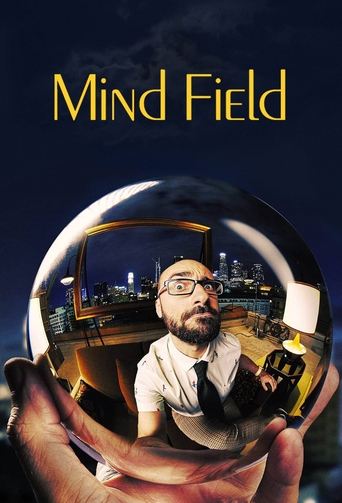
In the series James Rolfe, known for his role as Angry Video Game Nerd, reviews a horror movie in every single day of October.
Built for the Kill is a nature series made by Granada Wild for the National Geographic Channel. It was made from 2001–2004, with a total of 31 episodes. Each episode runs for approximately 48 minutes including the credits and opening titles. Episodes of Built For The Kill cover a topic or habitat for predatory animals, such as "Coral Reef" or "Packs". If the episode is the name of a Habitat, the episode will feature predators from that environment. If the episode's name is something like "Jaws" or "Packs", it will feature predators who utilize the name of the episode. Built For The Kill uses a graphical approach to catch the audiences attention, often showing inner workings of the predatory animals by using diagrams. Some effects seen are used to show the audience what they can't really see, but is there. This graphical approach to a nature documentary makes Built for the Kill very interesting to watch. Built for the Kill's classic opening was a montage of creatures featured in the first 7 episodes with a catchy theme song. This opening was changed further into the series to one that shows the National Geographic logo in various parts. The theme song stayed the same however.