Social & External
“EyeWitness War” follows the men and women of the Army, Navy, Drug Enforcement Administration, Coast Guard and other forces as they deal with battles, drug trafficking and explosives.
Drama following the extraordinary adventures of female medics in the British Army.
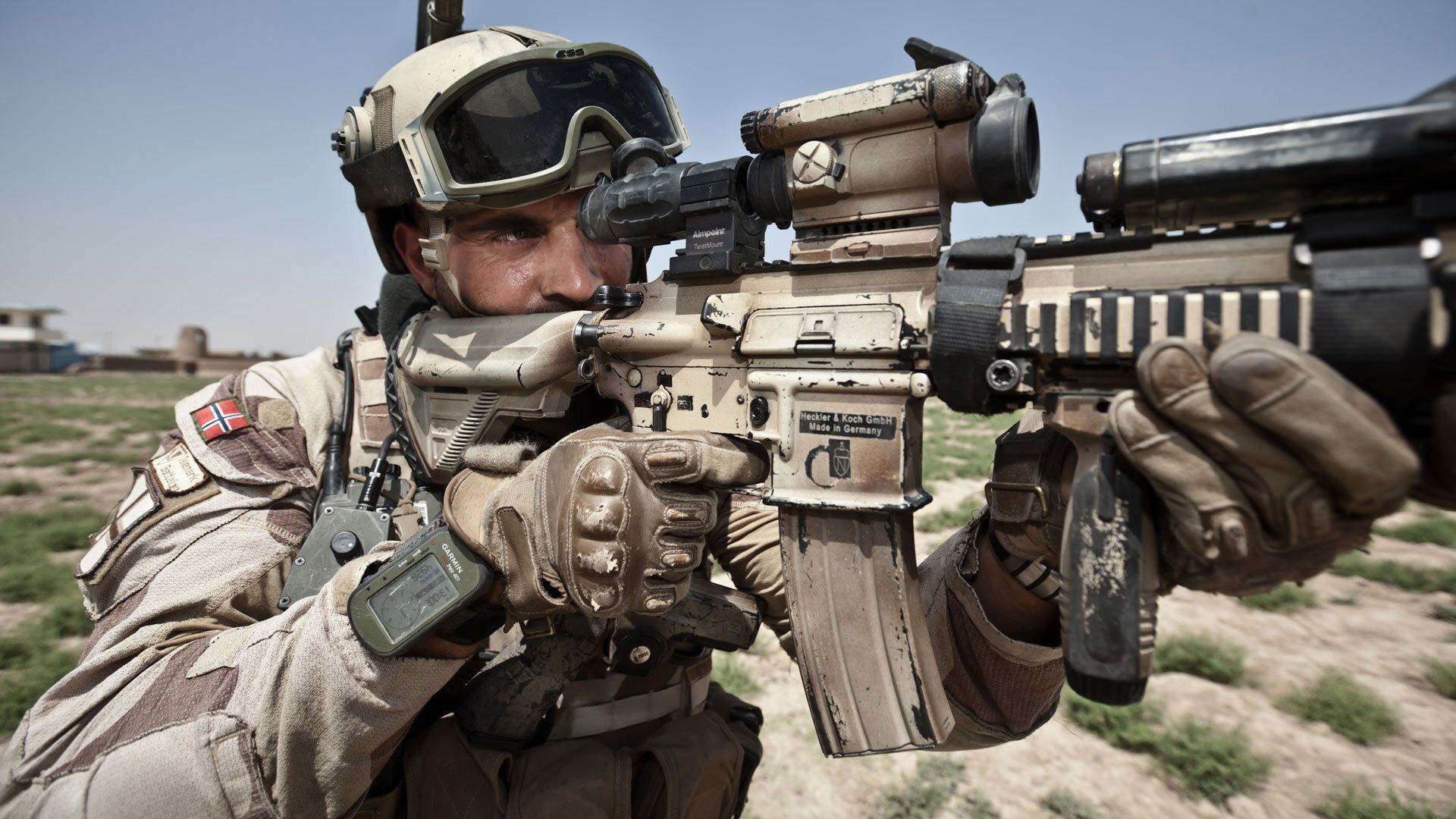
Embedded with Lima Company of the Royal Marines during a six-month deployment in Helmand Province in Afghanistan, award-winning documentary filmmaker Chris Terrill reports on what it is really like to work in one of the most dangerous locations in the world.
Finding a way to end a war. Insiders tell the long and troubled story of a chaotic conflict, revealing the political pressures that helped seal the fate of Afghanistan.
The elite Combat Rescue members of the U.S. Air Force, Pararescuemen, or PJs, have one mission: rescue American or Allied forces in extreme danger. Whether their targets are shot down or isolated behind enemy lines, surrounded, engaged, wounded, or captured by the enemy, PJs will do whatever necessary to bring those in peril home. For the first time in their history, the PJs allow camera crews to cover their missions in Afghanistan. Inside Combat Rescue is the story of the lives of these elite airmen.
The project attempts to understand the causes of the Afghan War (1979-1989) and to provide the most truthful coverage of all its stages. On a cold day on December 12, 1979, a small circle of members of the Politburo of the CPSU Central Committee discussed the situation in Afghanistan. After much hesitation, four people (Leonid Brezhnev, Yuri Andropov, Andrei Gromyko, Dmitry Ustinov) made the fateful decision to send troops into Afghanistan. Thus began the Afghan campaign – the first and only military operation waged by the Soviet Union outside the Warsaw Pact countries, which became the longest and most “forgotten” war in Soviet history.
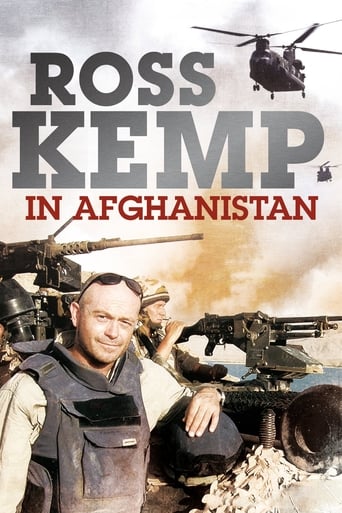
Ross Kemp in Afghanistan, also known as Ross Kemp: Return to Afghanistan for series 2, is a Sky One British documentary series fronted by actor Ross Kemp about the British soldiers fighting in the War in Afghanistan as part of the International Security Assistance Force mission against the Taliban. The two series involved Kemp and a small embedded film crew following troops fighting in Helmand Province, documenting their part in the ongoing Operation Herrick. Ross Kemp in Afghanistan, first broadcast in January 2008, followed the 2007 deployment of the 1st Battalion of the Royal Anglian Regiment. As a follow-up to the first series, Ross Kemp: Return to Afghanistan, first broadcast from 1 February 2009, followed the 2008 deployment of the Argyll and Sutherland Highlanders, the 5th battalion of the Royal Regiment of Scotland. In the first series Kemp and his crew participate in the Vikings' initial training in Britain for the deployment. They then visit the unit during their six-month tour, filming both life at rest and on fighting patrols in Helmand. The series finally covers their return to the UK. In the follow-up series Kemp returns to Afghanistan to assess how the conflict has changed since his first visit in 2007.
The story of an empire: From its founding in 1922 to its dissolution in 1991, the Soviet Union was shaped by revolutionary idealism, but also by oppression and decay. The USSR evolved from Stalinist terror through the Thaw under Khrushchev to political processes such as glasnost and perestroika under Gorbachev. Finally, in 1991, it collapsed.
A documentary series following American Soldiers in Afghanistan. Real footage captured from on the ground cameras.
In their own words and their own extraordinary, never-before-seen helmet-cam battle footage, Australia's fighting men and women lay bare their hearts in an epic series - not just how they waged a war, but why and to what end.
From inside history's biggest empire, host Abby Martin records a world shaped by war & inequality, and explores the U.S. Empire, its rise to world hegemony and its impact on people and the planet.
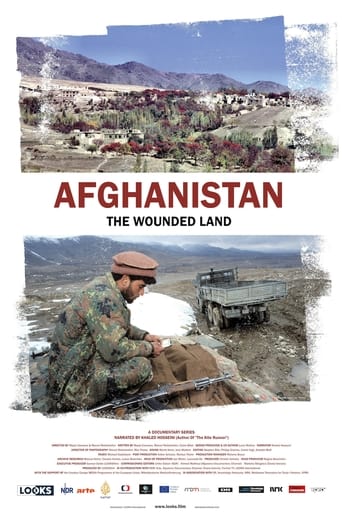
Afghanistan is at a crossroads between traditions and a contemporary lifestyle.
Mike Brewer sets off on a journey of discovery to find out the story of one of the most remarkable aircraft in the British Armed Forces: a Chinook helicopter code named Bravo November. By doing so he examines the invaluable contribution that these helicopters have made to campaigns from the Falklands War onwards. And how Chinooks are now being upgraded to keep them at the cutting edge of British tactical weaponry.
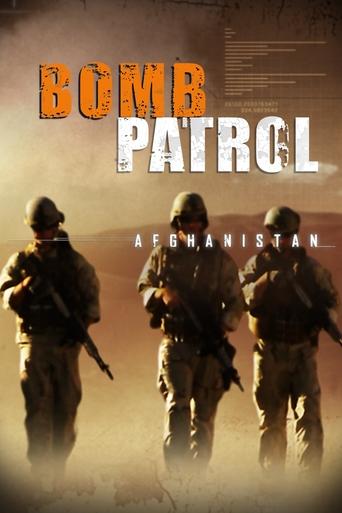
From the streets of Afghanistan comes an all-new series profiling the U.S. military's most dangerous job. The first of its kind, Bomb Patrol Afghanistan is a groundbreaking docu-series giving viewers an unprecedented first person view of one of the most dangerous jobs in the world in one of the most dangerous places on earth. G4 embeds viewers within the U.S. Navy E.O.D. (Explosive Ordnance Disposal) Unit as it trains state-side prior to deployment. Outside the wire in war-torn Afghanistan, helmet and body mounted cameras and state-of-the-art robotics bring you a never before seen look at the intensity of war. Viewers will witness as the elite team searches out, disarms and destroys an array of deadly explosives with one goal: to save civilian and military lives and return home safely. This is war like you've never seen before.
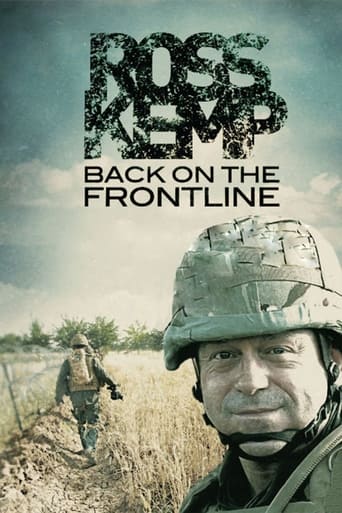
Ross Kemp: Back on the Frontline is a documentary series shown on Sky1. The show is hosted by actor Ross Kemp, best known for his role of Grant Mitchell in the show EastEnders.
Three iconic adventurers - newsman John Simpson, polar explorer Ranulph Fiennes and solo yachtsman Robin Knox-Johnston - go on a newsgathering trip to war-torn Afghanistan, attempt to sail around the most notorious of all maritime landmarks, Cape Horn, situated at the southernmost tip of South America, and man-haul sledges across the frozen sea ice of the Canadian Arctic.
Rory Stewart tells the story of foreign intervention in Afghanistan from the 19th century to the present day.
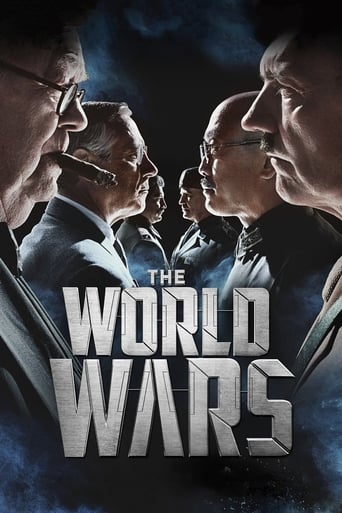
World War II In Colour is a 13-episode television documentary miniseries recounting the events of World War II narrated by Robert Powell. The show covers the Western Front, Eastern Front, and the Pacific War. It is on syndication in America on the Military Channel. This series is in full color, combining both original and colorized footage.
A documentary series that gives a historical account of the events of World War II, from its roots in the 1920s to the aftermath and the lives it profoundly influenced.
WWII in HD is a 10-part American documentary television miniseries that originally aired from November 15 to November 19, 2009 on the History Channel. The program focuses on the firsthand experiences of twelve American service members during World War II, including an Army nurse, a member of the Tuskegee Airmen, a second generation Japanese American and prisoner of war, and an Austrian Jewish immigrant. The twelve members recorded their time in both theaters and some had later interviews; found footage from the battlefield was paired with the stories of the twelve service members. The episodes premiered on five consecutive days, with two episodes per day. The series is narrated by Gary Sinise and was produced by Lou Reda Productions in Easton, Pennsylvania, United States.
Surviving power struggles, betrayals and plots, Hitler's inner circle of Nazi leaders seizes control of Germany and designs its disastrous future.
A documentary on the American Civil War narrated by Ken Burns, covering the secession of the Confederacy to the assassination of Abraham Lincoln.
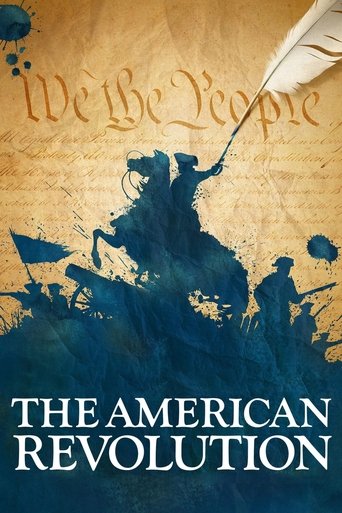
The American Revolution was at once a war for independence, a war of conquest, a civil war, and a world war, fought by neighbors on American farms and between global powers an ocean or more away. It impacted millions from Vermont’s Green Mountains to the swamps of South Carolina, from Indian Country to the Iberian Peninsula. In defeating the British Empire and giving birth to a new nation, the American Revolution turned the world upside-down. Thirteen colonies on the Atlantic Coast united in rebellion, won their independence, and established a republic that still endures. The American Revolution will present the story of the men and women of the Revolutionary generation, their humanity in victory and defeat, and the crisis that they lived through.
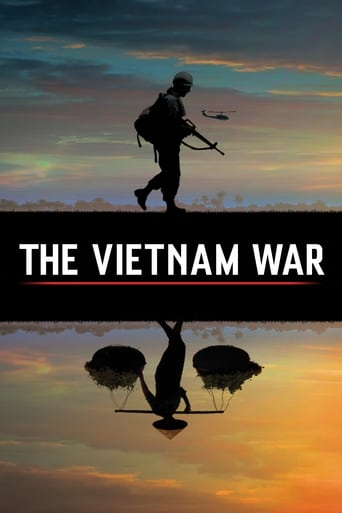
An immersive 360-degree narrative telling the epic story of the Vietnam War as it has never before been told on film. Featuring testimony from nearly 80 witnesses, including many Americans who fought in the war and others who opposed it, as well as Vietnamese combatants and civilians from both the winning and losing sides.
Through vividly enhanced archival footage and voices from all sides of the conflict, this docuseries brings WWII to life like never before.
The story of the Second World War through the personal accounts of a handful of men and women from four American towns. The war touched the lives of every family on every street in every town in America and demonstrated that in extraordinary times, there are no ordinary lives.
Using highly advanced colourisation techniques, critical moments from World War II, from Stalingrad to The Battle of Britain, are shown in a whole new light.
In six films, Adam Curtis traces the different forces across the world that have led to now. It covers a wide range—including the strange roots of modern conspiracy theories, the history of China, opium and opioids, the history of Artificial Intelligence, melancholy over the loss of empire and, love and power. And explores whether modern culture, despite its radicalism, is really just part of the new system of power.
The documentary series explores different political figures throughout history.
Oliver Stone's re-examination of under-reported events in American history.
Motoring programme featuring reviews of and reports about cars of all types.
This captivating docuseries examines Winston Churchill's pivotal role in World War II and the formative events that made him an ideal leader for the era.
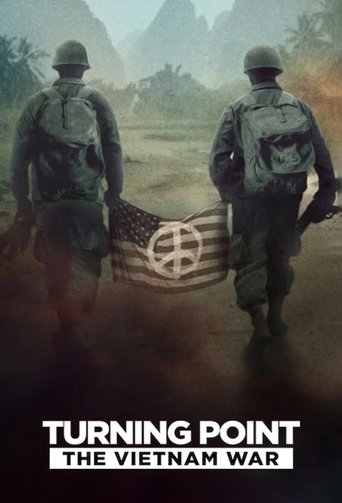
This thought-provoking documentary series examines the harrowing consequences of the Vietnam War, from the Gulf of Tonkin incident to the fall of Saigon.
In a quest for world domination, the Nazis built some of the biggest and deadliest pieces of military hardware and malevolent technology in history. This is the stories of the engineers who designed them and how these structures sparked a technological revolution that changed warfare forever.
This ten-part docuseries tells the comprehensive story of the First World War, featuring excerpts written by Winston Churchill, Karen Blixen, Georges Clémenceau, David Lloyd George, Siegfried Sassoon and Rudolf Hess.
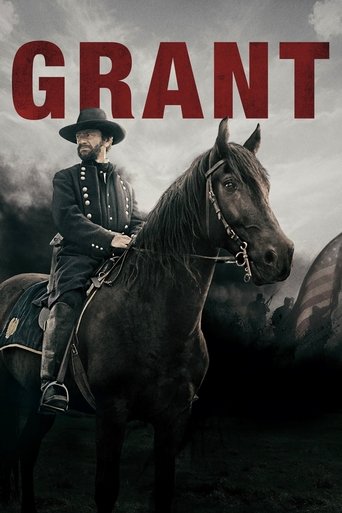
This documentary-series examines Grant's life story using his perspective and experiences to explore a turbulent time in history: the Civil War and Reconstruction.
An in-depth look at the history and pop cultural significance of horror films.