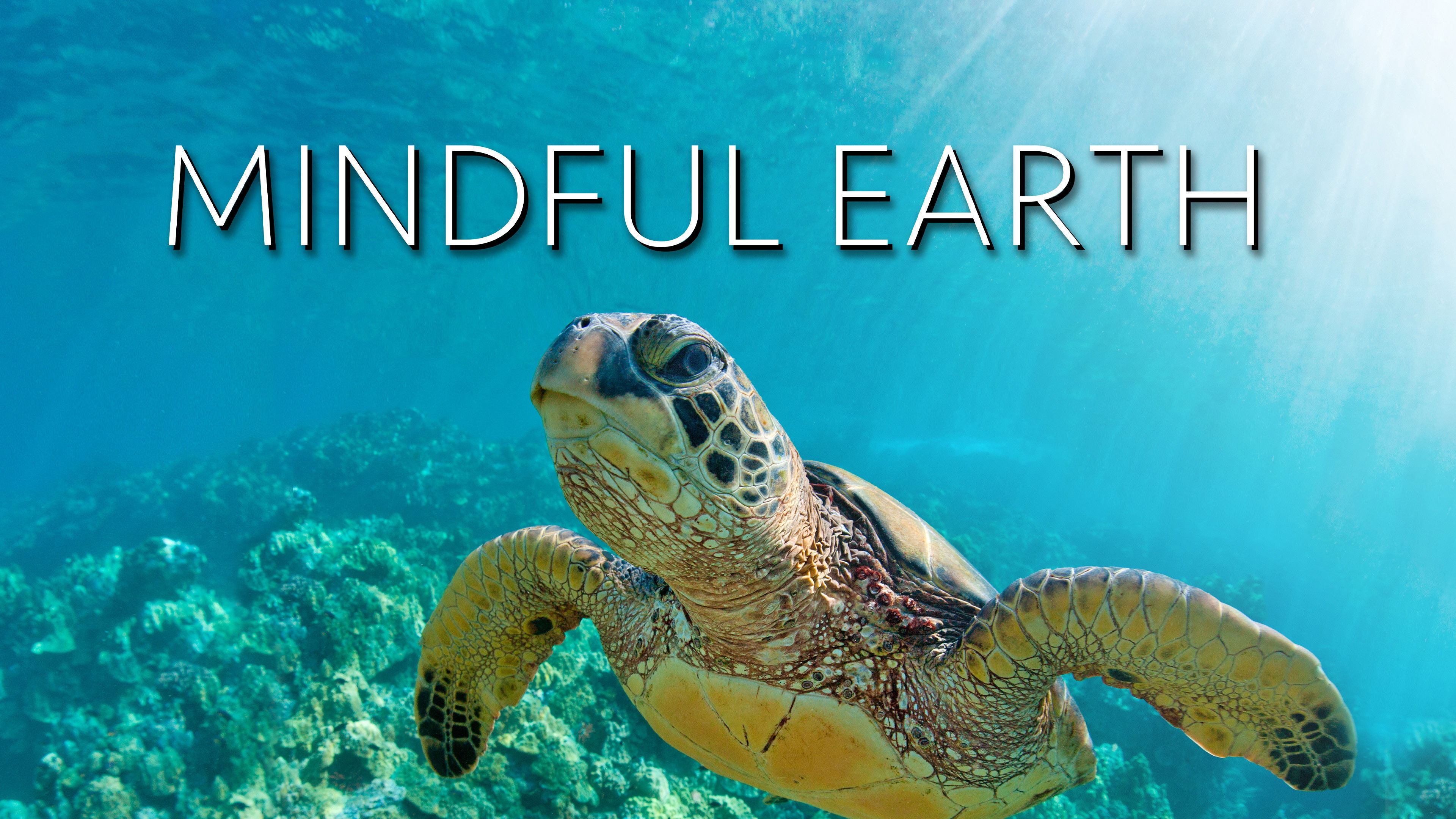
Mindfulness expert Andy Puddicombe gives viewers his unique take on the natural world.
Social & External
Narrator
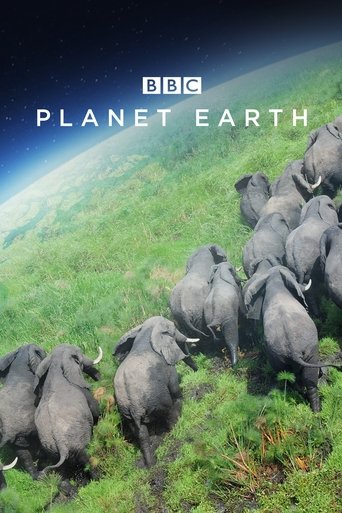
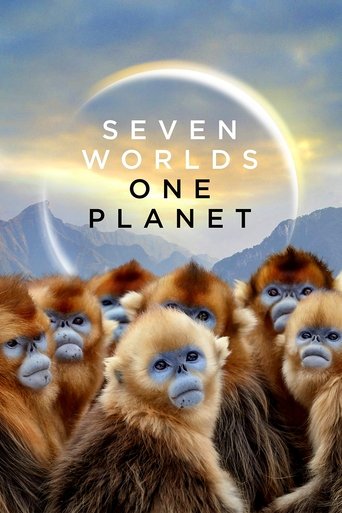
David Attenborough celebrates the amazing variety of the natural world in this epic documentary series, filmed over four years across 64 different countries.
The ocean floor is home to centuries' worth of sunken vessels integrated into marine habitats. Explore extraordinary wrecks around the world and learn how these artificial structures have become a part of the ecosystem--and in some cases, a vital tool in reversing the effects of human impact.
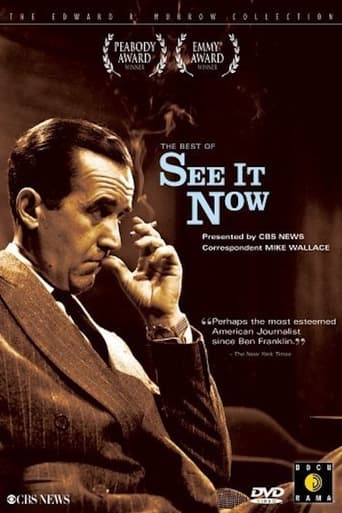
See It Now is an American newsmagazine and documentary series broadcast by CBS from 1951 to 1958. It was created by Edward R. Murrow and Fred W. Friendly, Murrow being the host of the show. From 1952 to 1957, See It Now won four Emmy Awards and was nominated three other times. It also won a 1952 Peabody Award, which cited its
From Pete, David and Leila - the creators of History Time, Voices of the Past and Something Incredible. From dust to dinosaurs; come with us as we explore the entire history of our planet. History of the Earth tells the entire story of the Earth, from its formation 4.5 billion years ago to today – covering eye-watering geology and bizarre biology along the way.
Exploring the vital role colour plays in the daily lives of many species.
Filmed over 5 years and featuring rare and intriguing species this two-part series presents the most complete HD showcase of wildlife in Thailand.
From the vast Gobi Desert to the jungles of Borneo, and from the polar wilderness of Siberia to the coral seas of the Indian Ocean, showcasing the breath-taking variety of Asia's wildest places.
As Johnny prepares to create a piece of public art for his home town of St Helens, an unexpected diagnosis sets him off on a complex emotional journey of self-discovery where art and life sometimes merge.
Chilling tales of survival unfurl in this documentary series that captures the drama, danger and dark beauty of nature from the perspective of its prey.
What do we need to live a happy life? Follow Ronja von Rönne, author and self-proclaimed sceptic, as she explores this age-old question by meeting people with fascinating or surprising answers. A unique insight into the different mindsets and strategies that people employ to find happiness.
India's biodiverse landscapes range from vast deserts and dense forests to towering mountains, each contributing to the country's rich tapestry of life. The Himalayas, standing tall in the north, shelter rare and iconic species such as the elusive snow leopards and Himalayan brown bears. Among the dense canopies of the Western Ghats in the south, endangered lion-tailed macaques scour the trees for jackfruit. And lying in the heart of southern India, one of its largest protected woodlands harbours Indian elephants and Bengal tigers. Then finally transitioning to the west, the Thar Desert unfolds, challenging life to adapt to extreme arid conditions. Here, blackbuck antelope and Asiatic lions navigate the vast, sandy expanses in search of food. A tapestry of ecosystems, all within one country.
Traveling to the far corners of the world, we discover the extraordinary ways animals are adapting to our rapidly changing planet. We witness nature’s remarkable resilience, as our perception of evolution and its potential is forever transformed.
First-person accounts from young people ranging in age from 11-27 about living with mental health conditions.
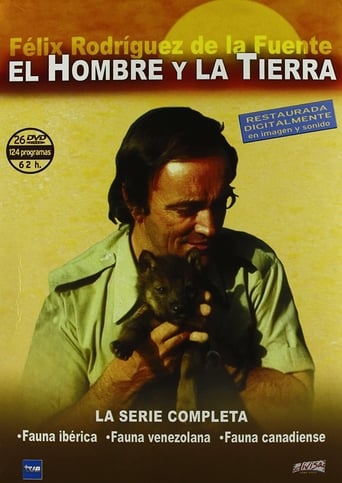
El hombre y la Tierra is a 1974 television series produced by Radio Televisión Española.
Joost Engelberts investigates how a conspiracy about satanic ritual abuse can escalate into a socially explosive story. Who are the people involved? What exactly is being alleged? And how can a local event grow into a national phenomenon?
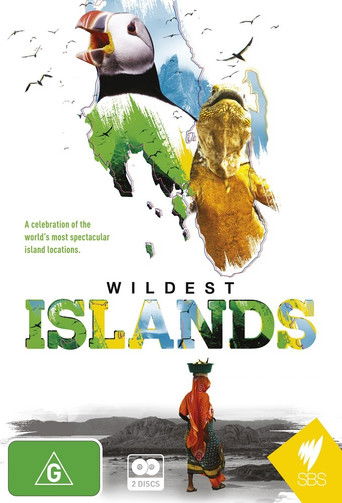
Islands can be home to the most extreme examples of life and the some of the most dramatic landscapes. Natural selection fuels evolution in the most extraordinary way. Isolated for hundreds of thousands of years, pockets of individuals survive, thrive and adapt to fill all available niches fuelling a rapid development of new species. Wildest Islands, a stunning five-part series featuring the world’s most spectacular island locations. Dive into the crystal clear waters of the Caribbean; journey through the lush forests of Zanzibar; discover the unspoilt environs of the Hebrides; and uncover the enduring wonders of the Galapagos Islands as Wildest Islands investigates the rich history of these pristine paradises.
David Attenborough travels to the end of the earth, taking viewers on an extraordinary journey across the polar regions of our planet.
Oprah Winfrey and Prince Harry join forces to guide honest discussions about mental health.
Consistently stunning documentaries transport viewers to far-flung locations ranging from the torrid African plains to the chilly splendours of icy Antarctica. The show's primary focus is on animals and ecosystems around the world. A comic book based on the show, meant to be used an as educational tool for kids, was briefly distributed to museums and schools at no cost in the mid-2000s.
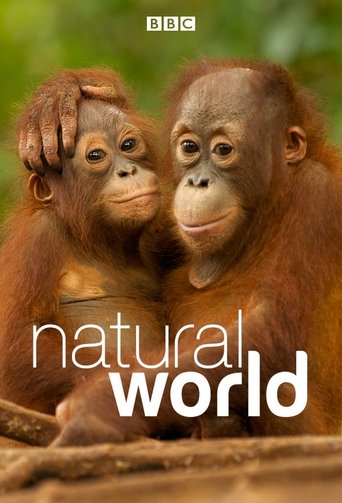
Natural World is a nature documentary television series broadcast annually on BBC Two and regarded by the BBC as its flagship natural history brand. It is currently the longest-running series in its genre on British television, with more than 400 episodes broadcast since its inception in 1983. Natural World is produced by the BBC Natural History Unit in Bristol, but individual programmes can be in-house productions, collaborative productions with other broadcasters or films made and distributed by independent production companies and purchased by the BBC. Natural World programmes are often broadcast as PBS Nature episodes in the USA. Since 2008, most Natural World programmes have been shot and broadcast in high definition.
Journeying to the far reaches of our planet, this eight part series follows some of the world's most amazing species, telling extraordinary stories that are dramatic, thrilling, funny and sometimes heart-breaking, but always full of hope.
David Attenborough presents a documentary series exploring how animals meet the challenges of surviving in the most iconic habitats on earth.
Experience our planet's natural beauty and examine how climate change impacts all living creatures in this ambitious documentary of spectacular scope.
Documentary series looking at the most dramatic wildlife spectacles on our planet, showing how life responds to natural events which can dramatically transform entire landscapes.
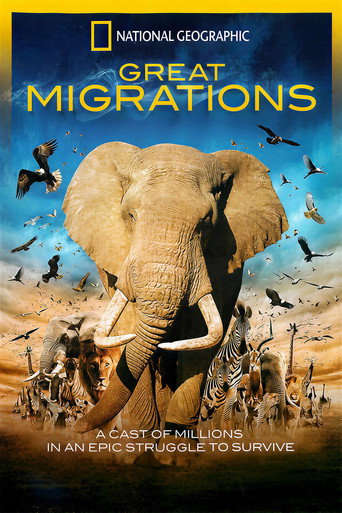
Shot from land and air, in trees and cliff-blinds, on ice floes and underwater, this documentary tells the powerful stories of many of the planet's species and their movements, while revealing new scientific insights with breathtaking high-definition clarity and emotional impact. The beauty of these stories is underscored by a new focus into these species; fragile existence and their life-and-death quest for survival in an ever-changing world.
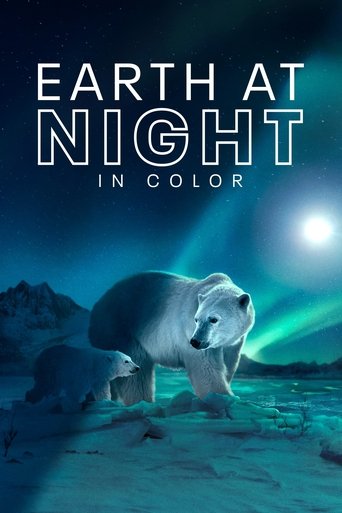
Filmed across six continents, this docuseries uses cutting-edge camera technology to capture animals' nocturnal lives, revealing new behaviours filmed in full color like never before.
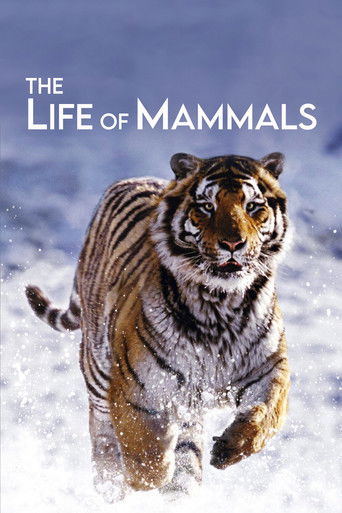
David Attenborough presents a nature documentary series looking at why mammals are the most successful creatures on the planet.
Ever wonder what's happening inside your head? From dreaming to anxiety disorders, discover how your brain works with this illuminating series.
Millions of years ago, incredible forces ripped apart the Earth’s crust creating seven extraordinary continents. This documentary series reveals how each distinct continent has shaped the unique animal life found there.
Budding environmentalist Jane is a 9-year-old on a quest to save endangered animals. Using her powerful imagination, Jane takes her best friends David and Greybeard the chimpanzee on epic adventures to help protect wild animals all around the world.
David Attenborough looks at the extraordinary ends to which animals and plants go in order to survive. Featuring epic spectacles, amazing TV firsts and examples of new wildlife behaviour.
A unique fusion of blue chip natural history and earth science that explains how our living planet operates. This five-part series shows how the forces of nature drive, shape and support Earth’s great diversity of wildlife.
Australian host Steve Irwin and his wife Terri run a wildlife refuge. Their shared passion is educating the world about wildlife, including the much feared crocodile and numerous venomous snakes. Steve's specialty is the capture and relocation of crocodiles. No animal appears too threatening to Steve, his true respect for animals is the foundation for everything he does.
This docuseries showcases nature's lesser-known tiny heroes. Spotlighting small creatures and the extraordinary things they do to survive, each episode is filled with surprising stories and spectacular cinematography.
Each of the twelve 50-minute episodes features a different aspect of the journey through life, from birth to adulthood and continuation of the species through reproduction.
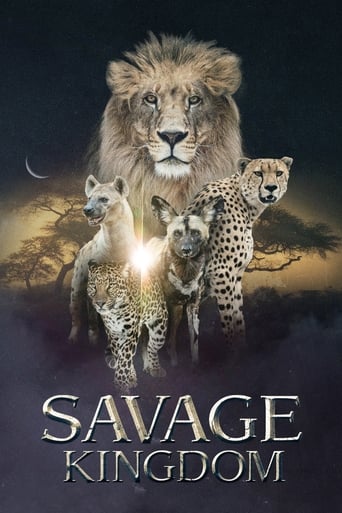
A rare look at warring animal clans battling for survival in a remote region of Africa, which is drying up after years of flood-soaked abundance.
In the documentary series produced by the BBC, The Life of Birds, Sir David Attenborough unveils a new investigation into the behaviour of birds, perfectly adapted animals that conquer the air. This ten-part series reveals the secret of the birds' great success, their remarkable strategies for finding food, their complex social systems, and their ingenious and often bizarre ways of mating and breeding. From the high speed of large airborne hunters to long distance migrations or the bright colors of nectar feeding hummingbirds, this is the ultimate bird series that every ornithologist should not miss.